Introduction:
Have you ever looked in the mirror, stared at a handful of dry, snapping strands, and wondered if there is an actual botanical solution that goes beyond temporary silicone serums? If commercial hair care products leave your scalp weighed down and your ends still begging for moisture, you are definitely not alone. Millions of beauty enthusiasts are shifting away from heavy chemical formulas and returning to time-tested botanical elixirs. Among them, linseed oil for hair has rapidly emerged as a powerhouse remedy for achieving that coveted, glossy, and resilient mane.
Whether you are battling stubborn frizz, recovering from heat damage, or trying to stimulate active linseed oil for hair growth, this golden botanical nectar offers a nutrient-dense profile rich in omega-3 fatty acids and vitamin E. But before you slather any oil onto your scalp, it pays to understand how to use it correctly, which DIY masks actually work, and how to avoid potential linseed oil for hair side effects. Dive into this ultimate, step-by-step guide to unlock the secrets of transforming your hair from dull and brittle to breathtakingly healthy!
What is Linseed Oil for Hair Care?
The Origins of the Linseed (Flaxseed) Plant
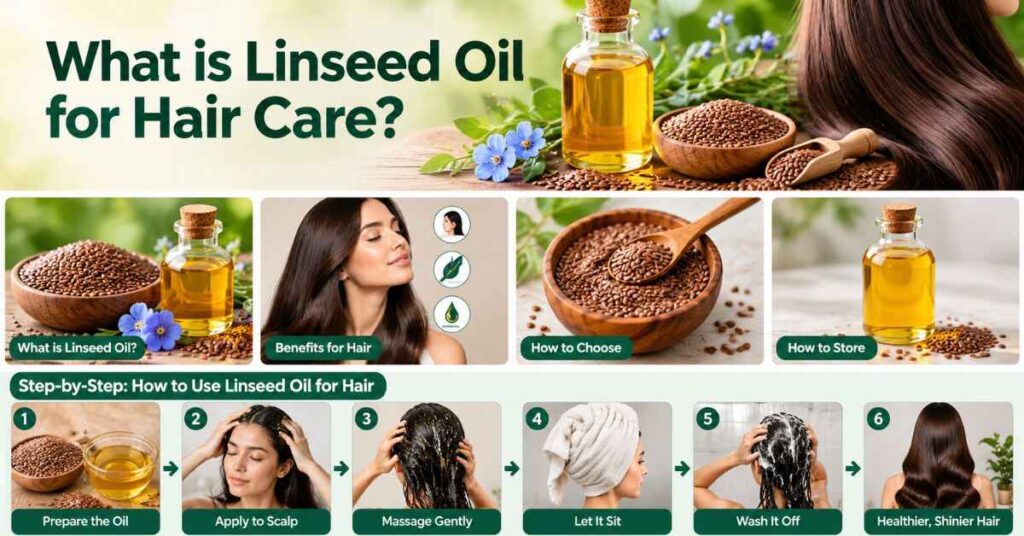
Long before it became a staple in modern organic beauty cabinets, the humble flax plant (Linum usitatissimum) was cultivated across ancient civilizations for both its durable textile fibers and its nutrient-dense seeds. Historians trace the roots of linseed back to ancient Egypt and Mesopotamia, where women recognized its remarkable restorative properties. Today, when we extract the golden nectar from these tiny seeds, we unlock a botanical powerhouse. Incorporating linseed oil for hair into your routine taps into centuries of natural wellness traditions, offering a plant-based alternative to synthetic silicone serums and harsh chemical treatments that often weigh your strands down.
Why Linseed Oil for Hair is the New Omega-3 Beauty Secret
If your current hair care routine feels stagnant and your strands lack life, you are not alone. Many commercial products coat the hair shaft with temporary plastics, masking damage rather than healing it. Enter linseed oil for hair growth a nutrient-rich elixir that penetrates deeply to nourish the root cause of dull, brittle locks. Because our bodies cannot synthesize essential fatty acids on their own, applying them topically helps bridge the nutritional gap. It acts as an absolute game-changer for anyone striving to achieve resilient, glossy hair without relying on heavy petroleum-based products.
Linseed Oil vs. Milled Linseed: Which is Better for Your Hair?
- Linseed Oil (Topical Gold): Extracted via cold-pressing, this concentrated liquid is lightweight, easy to apply directly to the scalp, and absorbs quickly to smooth the cuticles and target dry ends.
- Milled Linseed (Internal Fuel): Ground flaxseeds offer fantastic dietary fiber and lignans when consumed, but they are messy and impractical to apply directly to your scalp as a hair mask.
- The Verdict: For external luster, strength, and targeted scalp therapy, liquid linseed oil wins hands down due to its high concentration of bioavailable fatty acids.
The Nutritional Profile: Why Linseed Oil for Hair Works
Omega-3 Fatty Acids (Alpha-Linolenic Acid) for Hair Strength
When evaluating what makes linseed oil for hair an absolute miracle worker, you have to look closely at its rich fatty acid profile. Alpha-linolenic acid (ALA) , a potent plant-based omega-3 fatty acid dominates its chemical makeup. Because hair follicles require adequate nourishment to produce thick, unbroken strands, applying linseed oil for hair growth delivers these vital lipids straight to the source. Regular application ensures that your hair shafts remain structurally sound, minimizing breakage and snapping from everyday styling stress.
Vitamin E: The Antioxidant Powerhouse for Your Scalp
Oxidative stress caused by UV rays, pollution, and heat styling can wreak havoc on your scalp, prematurely aging hair follicles and stunting growth. Fortunately, linseed oil is brimming with natural vitamin E, a powerful antioxidant that neutralizes free radicals. By defending your scalp cellular matrix, it maintains a healthy microenvironment, ensuring your hair roots thrive in a clean, protected space.
B-Vitamins for Nourishing Hair Follicles
A healthy mane starts deep within the dermal layers. Linseed oil features a supportive complex of B-group vitamins that assist in cellular metabolism and tissue repair. These micronutrients energize sluggish follicles, encouraging them to enter and maintain a healthy growth phase. Incorporating this oil into your regimen helps bridge the gap between lackluster strands and vibrant vitality.
Lignans and Hormonal Balance to Improve Hair Health
Beyond standard vitamins and fats, flax contains high concentrations of lignans powerful polyphenols that act as antioxidants and help modulate hormonal activity. Hormonal fluctuations can often trigger shedding or thinning. The phytoestrogens found in linseed oil for hair help balance these internal shifts locally, supporting a balanced scalp environment and mitigating stress-related hair fall.
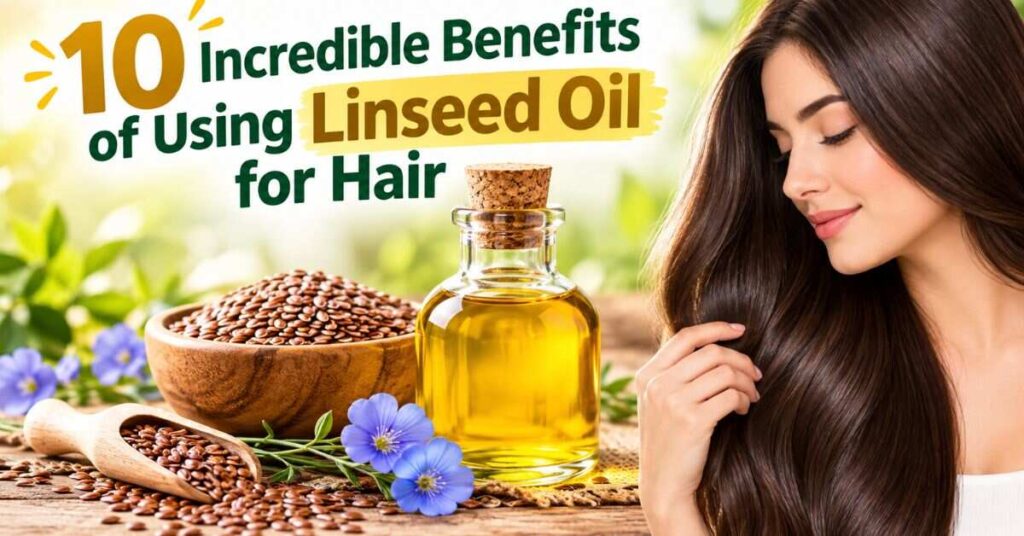
10 Incredible Benefits of Using Linseed Oil for Hair
1. Stimulates Rapid Hair Growth Naturally
If you are trying to bridge the gap between slow growth and long, flowing locks, linseed oil for hair growth serves as a remarkable natural catalyst. By flooding your scalp with nourishing alpha-linolenic acid, it stimulates blood circulation around the hair roots. Enhanced microcirculation means your follicles receive a steady stream of oxygen and vital nutrients, paving the way for faster, thicker strands over time.
2. Controls Hair Dryness and Prevents Split Ends
Brittle, straw-like ends can instantly make even the best haircut look unpolished. The rich emollient texture of linseed oil for hair seals the cuticle layer, locking vital moisture deep inside the hair shaft. This protective barrier shields your ends from friction, weather changes, and mechanical damage, dramatically reducing the occurrence of stubborn split ends.
3. Reduces Scalp Irritation and Fights Dandruff
An itchy, flaky scalp can completely derail your confidence. Thanks to its high concentration of anti-inflammatory omega-3 fatty acids, linseed oil soothes localized irritation, calms redness, and balances natural sebum production. Regular scalp massages help lift stubborn flakes while restoring a healthy microbiome to your skin barrier.
4. Prevents Premature Greying of Hair
Finding silver strands before your time can be quite startling. Oxidative stress is a primary culprit behind the loss of natural hair pigment in young adults. Because linseed oil is packed with protective antioxidants and vitamin E, it helps combat cellular aging, protecting your melanocytes, the cells responsible for your rich, natural hair color.
5. Acts as /a Natural Conditioner to Reduce Frizz
Humidity and dryness often turn smooth locks into an untamable, frizzy mess. Instead of relying on heavy silicone sprays that build up on your scalp, using linseed oil for hair provides weightless smoothing action. It coats each individual strand with a fine, glossy shield that tames flyaways and keeps your hairstyle sleek all day long.
6. Increases Natural Hair Shine and Luster
Dull hair usually points to a raised, damaged cuticle layer that scatters light rather than reflecting it. When you smooth a small amount of linseed oil over your mane, it flattens the cuticles into a mirror-like finish. Your hair instantly transforms from lifeless and dull to brilliantly vibrant and glossy.
7. Improves Overall Hair Texture and Elasticity
Hair elasticity determines whether your strands will stretch and bounce back or snap under pressure. The profound moisturizing properties of linseed oil for hair restore internal suppleness. With improved elasticity, your hair handles brushing, styling, and manipulation with ease, resulting in significantly less daily breakage.
8. Blocks DHT and Prevents Hair Loss (Alopecia)
Dihydrotestosterone (DHT) is a hormone byproduct heavily linked to hair thinning and pattern hair loss. Certain plant compounds and fatty acids found in linseed oil exhibit natural anti-androgenic properties, helping to inhibit enzymes that convert testosterone into DHT. This protective mechanism makes linseed oil for hair growth a fantastic addition to thinning hair regimens.
9. Reduces Inflammation Around Hair Follicles
Chronic micro-inflammation on the scalp can suffocate hair roots and force them into a premature resting phase. The powerful anti-inflammatory agents present in linseed oil calm irritated skin tissue and clear out cellular debris around the follicle openings, creating an ideal foundation for healthy hair cycles.
10. Protects Hair from Environmental and Heat Damage
From scorching summer UV rays to daily blow-drying sessions, environmental stressors constantly assault your locks. Applying a touch of linseed oil for hair acts as a protective buffer against thermal and pollutant exposure. It seals in hydration so heat styling tools cause minimal structural degradation to your delicate protein bonds.
Read More: is baby oil good for your hair || moringa oil for hair || coconut oil for baby skin || coconut oil on leather
Target Hair Types and Special Conditions
Is Linseed Oil for Color-Treated or Chemically Treated Hair?
When you invest time and money into professional coloring or chemical smoothing treatments, the last thing you want is a harsh oil stripping your hue or degrading the bond structure. Fortunately, linseed oil for hair is exceptionally gentle and free from harsh synthetic sulfates or stripping alcohols. Because it is a nourishing, cold-pressed botanical oil, it actually helps seal the hair cuticle after a chemical service, locking in artificial color pigments and preventing your salon shade from fading prematurely. It works as an incredible restorative shield for stressed, porous strands.
Best Linseed Oil Practices for Curly vs. Straight Hair Textures
Every hair texture reacts differently to oils, meaning your application technique should match your unique curl pattern:
- For Curly and Coily Textures: Curls naturally struggle to distribute sebum down the spiral shaft, resulting in chronic dryness. You can use linseed oil for hair growth as a rich sealing oil during your LOC (Liquid-Oil-Cream) method or blend it into a styling gel to define your coils without crunchiness.
- For Straight and Fine Textures: Straight hair tends to look greasy or weighed down quickly if heavy oils are applied near the roots. Focus your application strictly from the mid-lengths to the ends as a pre-shampoo treatment, or use just a single drop warmed between your palms to smooth flyaways.
How to Use Linseed Oil for Hair Growth Effectively
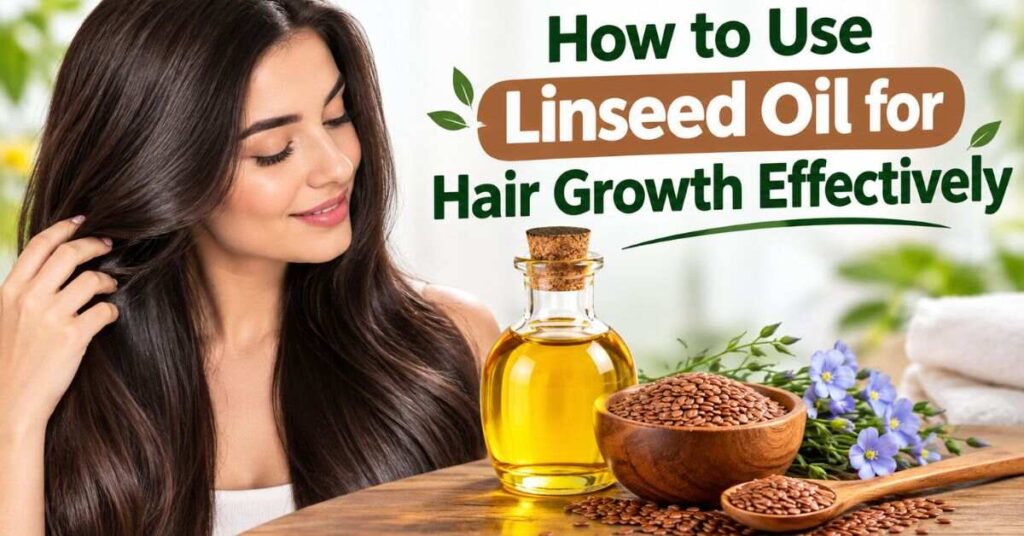
Method 1: Direct Scalp Massage Therapy
If your main goal is to awaken dormant follicles and boost linseed oil for hair growth, a direct scalp massage is your absolute best starting point. Warming a small amount of the oil between your fingertips allows it to liquefy slightly, making it easier to glide across your scalp without tugging on your roots. Use gentle, circular motions with the pads of your fingers avoid your fingernails to stimulate microcirculation for 5 to 10 minutes. This targeted technique ensures that the potent omega-3 fatty acids penetrate deep into the dermal layers where new hair production begins.
Method 2: Hot Oil Treatment for Deep Conditioning
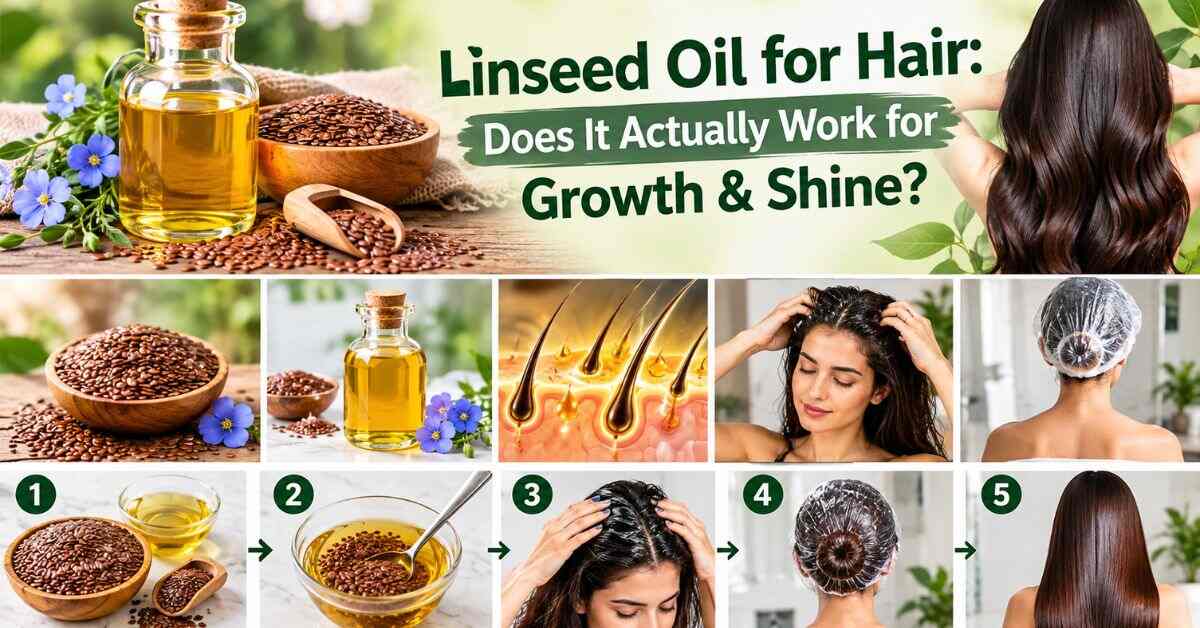
When your locks feel exceptionally brittle, parched, or damaged from styling tools, a warm oil treatment works wonders to restore softness. Pour a couple of tablespoons of linseed oil into a small, heat-safe glass container, and place that container in a bowl of hot water until it reaches a comfortable, lukewarm temperature never boiling hot. Apply the warm oil generously from your roots all the way down to your ends, then wrap your head in a warm, damp towel or shower cap for 30 minutes. The heat helps lift your cuticles so the nourishing vitamins can deeply repair your internal protein structure.
Method 3: Using as a Pre-Poo (Pre-Shampoo) Treatment
Traditional washing can sometimes strip your strands of their natural protective oils, leaving your hair feeling even drier than before. Utilizing linseed oil for hair as a pre-poo barrier prevents this moisture loss. Simply massage the oil onto dry hair about 20 minutes before stepping into the shower. The oil acts as a protective shield, buffering your hair shafts against harsh cleansing surfactants while still allowing your shampoo to effectively clean your scalp.
Can You Leave Linseed Oil for Hair Overnight?
Leaving an oil treatment overnight can yield incredible, ultra-soft results, but you must exercise caution. Because linseed oil for hair growth works intensively, keeping it on for 8 to 10 hours allows maximum nutrient absorption for extremely coarse or damaged hair types. However, if you have a sensitive or acne-prone scalp, overnight oiling might clog your hair follicles and trigger irritation. If you choose to leave it overnight, always sleep on an old pillowcase or wear a soft satin bonnet to protect your bedding from stains.
Best DIY Linseed Oil for Hair Recipes
DIY Simple Linseed Oil for Hair Mask for Dry Ends
If your ends are constantly splitting and screaming for hydration, this targeted DIY mask provides an instant rescue remedy.
- Ingredients Needed: 2 tablespoons of liquid linseed oil, 1 tablespoon of raw organic honey (a powerful humectant), and 1 mashed ripe avocado.
- Preparation & Application: Whisk the ingredients together in a clean bowl until you achieve a smooth, creamy paste. Apply the mixture specifically from your mid-lengths down to your tips, avoiding heavy application directly on your scalp if you have fine hair. Leave it on for 30 minutes under a shower cap, then rinse thoroughly with lukewarm water before following up with your regular shampoo routine.
Miracle Linseed Hair Gel Recipe for Ultimate Curl Definition
Flaxseed gel is a cult-favorite natural styling aid because it gives incredible hold and shine without the drying alcohols found in commercial gels.
- Ingredients Needed: 1/4 cup of whole flaxseeds, 2 cups of distilled water, and a few drops of your favorite essential oil (like lavender or rosemary) for a refreshing fragrance.
- Preparation & Application: Boil the flaxseeds and water together in a pot on medium heat, stirring constantly. You will notice a frothy, gelatinous consistency form within 8 to 10 minutes (similar to egg whites). Strain the liquid immediately through a clean cheesecloth or fine-mesh strainer while it is still warm. Once cooled, stir in your essential oil and scrunch the gel into damp curls to define your pattern naturally while experiencing the benefits of linseed oil for hair growth right at your roots.
Linseed and Coconut Oil Blend for Maximum Hair Growth
Combining two powerhouse oils creates a synergistic treatment that tackles protein loss and dryness simultaneously.
- Ingredients Needed: 1 tablespoon of linseed oil and 1 tablespoon of extra-virgin coconut oil.
- Preparation & Application: Mix both oils together in a small bowl and warm them slightly. Massage the blend directly into your scalp using circular motions to boost blood flow, then pull the remainder through your strands. This dynamic duo supercharges your routine for optimal linseed oil for hair health, locking in moisture and fortifying your hair shafts against everyday breakage.
Linseed Oil and Aloe Vera Soothing Scalp Serum
If you struggle with an irritated, inflamed, or flaky scalp, this lightweight serum brings immediate, cooling relief.
- Ingredients Needed: 1 tablespoon of linseed oil and 2 tablespoons of pure, food-grade aloe vera gel.
- Preparation & Application: Blend the linseed oil and aloe vera gel together until a uniform, serum-like consistency is reached. Part your hair in sections and apply the serum directly to your scalp using a cotton ball. Leave it on for 20 minutes to let the botanical anti-inflammatory properties calm irritation before washing it out gently.
Linseed Oil for Hair vs. Other Popular Carrier Oils
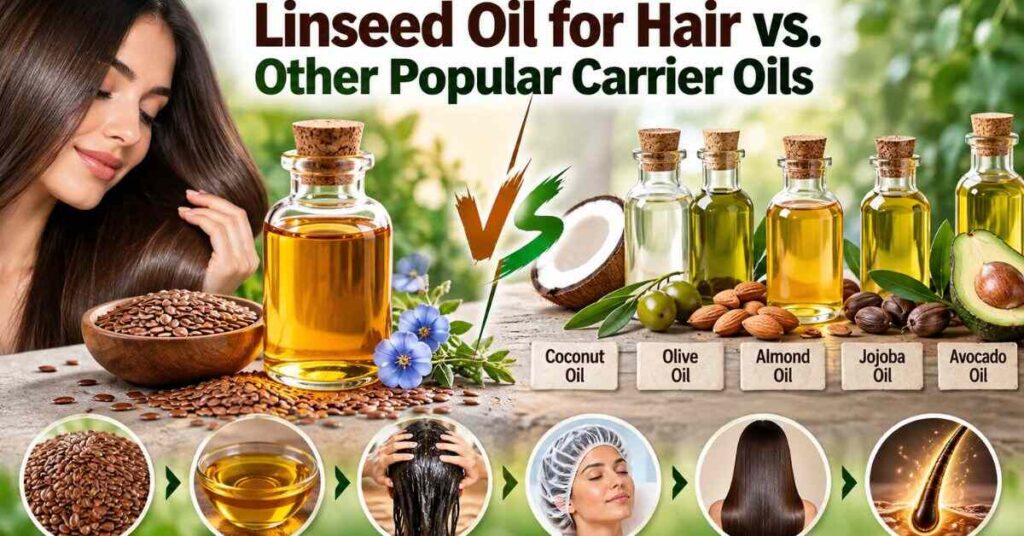
When choosing a botanical treatment for your locks, it helps to see how linseed oil stacks up against other famous hair oils. Here is a quick-reference breakdown comparing their key properties, textures, and ideal uses:
| Feature / Benefit | Linseed Oil | Argan Oil | Coconut Oil | Castor Oil |
| Primary Strength | Deep omega-3 follicle nourishment & strength | Lightweight shine & surface frizz control | Deep protein-loss prevention | Intense thickness for edges & rapid growth |
| Texture & Weight | Medium-light fluid | Lightweight serum | Heavy / Solid at room temperature | Very thick and viscous |
| Best For | Brittle, dry hair & scalp stimulation | Daily flyaways & sleek finishes | High-porosity or damaged hair | Thinning edges & slow-growing hair |
| Ease of Washing Out | Easy to wash out with standard shampoo | Very easy (absorbs quickly) | Moderate (can feel stiff if overused) | Difficult (requires thorough cleansing) |
Linseed Oil vs. Argan Oil for Hair Shine
When it comes to achieving a high-gloss, runway-ready finish, both argan oil and linseed oil hold their own, but they serve slightly different purposes. Argan oil often called “liquid gold” is famous for its high concentration of vitamin E and fatty acids that instantly smooth frizz without feeling overly heavy. However, when you compare them for structural restoration, using linseed oil for hair offers a higher concentration of alpha-linolenic acid (ALA). While argan oil excels as a lightweight finishing serum to tame flyaways throughout the day, linseed oil works deeper within the hair shaft to fortify and nourish brittle strands from the root up.
Linseed Oil vs. Coconut Oil for Deep Moisture
Coconut oil has long been a household favorite due to its unique ability to penetrate the hair cuticle and reduce protein loss during washing. Despite its popularity, coconut oil’s heavy molecular structure can occasionally cause protein buildup or make fine hair feel stiff and brittle. In contrast, linseed oil for hair growth provides a lighter, exceptionally balanced profile of essential fatty acids that softens the hair without overloading your strands. If your hair is sensitive to coconut oil or prone to feeling rigid after use, switching to linseed oil provides deep, supple moisture without the stiffness.
Linseed Oil vs. Castor Oil for Rapid Hair Growth
Castor oil boasts a thick, viscous texture. Furthermore, high ricinoleic acid content stimulates stubborn edges. Thinning spots respond well to this treatment. However, heavy consistency creates washing challenges. Aggressive shampooing becomes necessary sometimes. On the other hand, linseed oil for hair delivers stellar benefits. Omega-3 fatty acids stimulate growth effectively. Meanwhile, a much lighter fluid texture remains manageable.It washes out cleanly, making it a far more user-friendly option for weekly scalp massages.
Sourcing, Quality, and Proper Storage
Refined vs. Unrefined Linseed Oil: Which One to Choose?
When purchasing botanical oils for your beauty routine, navigating labels can feel confusing. You will generally find two main variants on the market: refined and unrefined.
- Unrefined Linseed Oil: Extracted through traditional cold-pressing methods without high heat or chemical solvents, unrefined oil retains the full spectrum of its native vitamins, antioxidants, and delicate omega-3 fatty acids. This is the absolute gold standard when utilizing linseed oil for hair care, as it delivers maximum nutritional efficacy directly to your scalp.
- Refined Linseed Oil: This version undergoes chemical processing, bleaching, and deodorizing to extend shelf life and increase smoke points. Unfortunately, this harsh processing strips away many of the vital micronutrients that promote linseed oil for hair growth. Always check your bottle to ensure you are buying cold-pressed, unrefined, and 100% pure oil.
How to Store Linseed Oil to Prevent Oxidation and Rancidity
Because unrefined linseed oil is exceptionally rich in polyunsaturated fatty acids like alpha-linolenic acid, it is highly sensitive to light, heat, and oxygen exposure. If left unprotected on a sunny bathroom counter, the oil can quickly oxidize, turning rancid and losing its healing properties. To maximize its shelf life and potency:
- Always purchase oil packaged in dark amber or cobalt glass bottles that block out UV rays.
- Store your bottle in a cool, dark cupboard, or keep it in the refrigerator after opening to slow down oxidation.
- Always tightly cap the bottle immediately after use to minimize air contact, and discard the oil if it develops a sharp, paint-like, or sour odor.
Expanding the Routine: Internal Health, Skin, and Nails
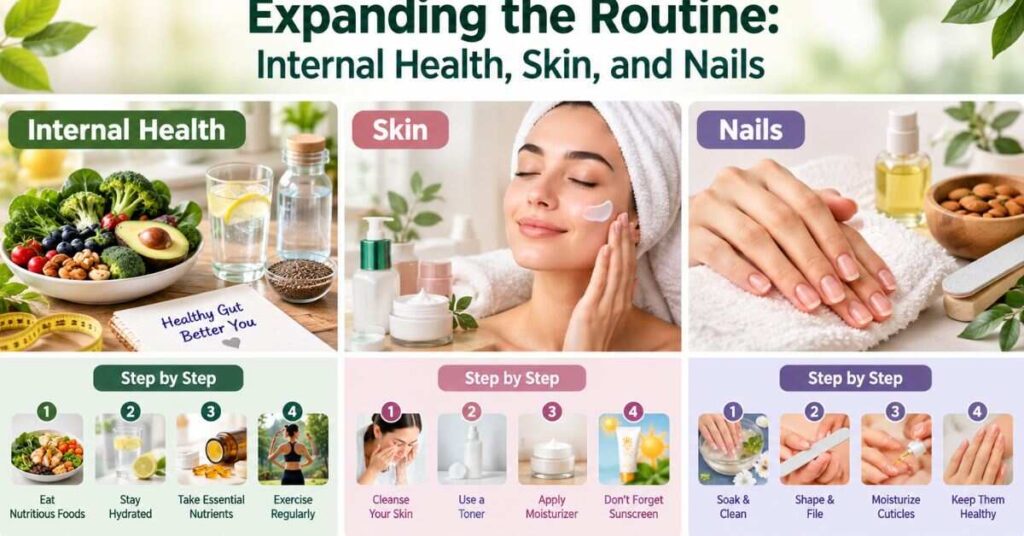
Dietary Tips: Consuming Linseed Oil for Hair Health from Within
While topical application works wonders for surface protection and targeted follicle stimulation, true beauty truly radiates from the inside out. Incorporating edible, food-grade flaxseed oil into your daily diet provides your body with a massive internal surge of alpha-linolenic acid.Users can drizzle edible oil over morning salads. Furthermore, blending it into green smoothies works wonderfully. Alternatively, stirring it directly into yogurt remains popular. Nourishing internal systems provides essential fatty acids daily. Therefore, your body acquires vital building blocks easily. Linseed oil for hair growth thrives through internal support. Consequently, robust roots develop from within naturally.
Supporting Skin Health with Essential Fatty Acids
The benefits of omega-3 fatty acids do not stop at your hairline; your skin barrier reaps massive rewards as well. Chronic dryness, flakiness, and irritation often stem from an imbalance in essential lipid ratios within the skin’s cellular membrane. By supplying your body with the wholesome lipids found in linseed oil, you help reinforce your skin’s natural moisture barrier, locking in hydration and soothing inflammatory conditions like eczema or general redness. The result is a dewy, glowing complexion that complements your glossy, healthy locks.
How Linseed Contributes to Stronger Nails
If you struggle with weak, peeling, or brittle fingernails that break at the slightest impact, your nail beds are likely crying out for hydration and essential lipids. The rich nutritional profile of linseed oil helps strengthen the keratin matrix of your nails. Massaging a few drops of pure oil into your cuticles and nail beds each night before bed deeply conditions the tissue, encouraging stronger, faster nail growth with a noticeable reduction in splitting and chipping.
Side Effects and Precautions of Linseed Oil for Hair
Common Scalp Allergic Reactions to Watch For
While natural plant remedies are generally safe, any botanical oil can occasionally trigger adverse reactions in sensitive individuals. When introducing linseed oil for hair care into your routine, you should remain vigilant for signs of contact dermatitis. Symptoms of an adverse reaction can include localized redness, a sudden stinging sensation, hives, or an increase in itching rather than relief. If you notice any of these discomforts, immediately wash the oil out with a gentle clarifying shampoo and discontinue use.
How to Properly Perform a Patch Test
Skipping a patch test is one of the most common mistakes people make when trying a new hair oil. Before slathering linseed oil for hair growth all over your scalp, always perform a simple skin test:
- Apply a dime-sized amount of the unrefined oil to the inside of your elbow or behind your ear.
- Cover the area loosely and leave it undisturbed for 24 to 48 hours.
- Monitor the spot closely for any redness, swelling, or irritation. If your skin remains calm and clear, the oil is safe to use on your scalp.
Interactions with Medications: Using Linseed Responsibly
If you decide to consume linseed oil internally to support your beauty routine from within, keep in mind that flaxseed contains compounds that can influence blood clotting and interact with certain medications. Edible linseed oil may amplify the effects of blood-thinning drugs, diabetes medications, or hormone therapies. Always consult your primary healthcare provider before adding concentrated seed oils to your daily diet, especially if you manage underlying health conditions.
Conclusion: Is Linseed Oil for Hair Worth It?
Navigating the endless shelves of modern beauty products can feel overwhelming, but returning to time-tested botanical treasures often yields the most rewarding results. Integrating linseed oil for hair into your self-care regimen bridges the gap between ancient wellness traditions and modern scientific understanding. Nutritious alpha-linolenic acid floods vulnerable strands. Furthermore, protective vitamin E and vital B-vitamins strengthen roots. Consequently, deep nourishment replaces temporary silicone masking agents. Linseed oil for hair tackles root-level health issues directly. Therefore, boosting linseed oil for hair growth becomes effortless. Meanwhile, users tame stubborn frizz and soothe dry scalps. This golden elixir prevents split ends without harsh chemicals. Naturally, monitoring linseed oil for hair side effects ensures safety. Avoiding overuse prevents unwanted buildup completely. Furthermore, preliminary patch testing guarantees optimal results. Consistent application brings stunning, strong, and healthy locks.
About the Author
Noor Fatima | SEO Expert & Natural Oils Specialist
Credentials:
As an SEO expert and the driving force behind Pure Oils Hub (pureoilshub.com), I combine over 8 years of digital strategy and search optimization with a deep, lifelong passion for organic aromatherapy and plant-based living.
First-Hand Experience:
“Navigating the digital landscape for more than 8 years while researching pure botanical and carrier oils has shown me that creating a truly helpful website takes more than just technical SEO. It requires a genuine commitment to cutting through the noise of commercial, synthetic products to deliver honest, thoroughly researched, and practical guides. My goal is to make natural wellness accessible to everyone, helping you discover the simple, powerful ways pure oils can transform your daily self-care routine.”
FAQs:
Is linseed oil good for hair daily use?
Daily application of linseed oil for hair proves entirely unnecessary. Furthermore, frequent use causes heavy product buildup quickly. Fine or straight strands suffer most from over-application. Therefore, applying treatments one to two times weekly works best. Linseed oil for hair growth thrives through targeted scalp masks instead. Consequently, optimal hydration and shine remain securely balanced without overwhelming delicate follicles.
Can I apply raw flaxseed oil directly to my scalp?
Yes, absolutely. Pure, cold-pressed, unrefined linseed oil can be safely applied directly to your scalp.Applying raw flaxseed oil directly delivers powerful results. Consequently, linseed oil for hair growth accelerates naturally. Nourishing omega-3 fatty acids reach targeted dermal layers. Furthermore, vital nutrients feed the exact zones where roots form. Therefore, direct scalp application remains highly effective. Just make sure to perform a patch test first to rule out any personal sensitivities.
Does linseed oil for hair change your natural hair color?
Pure linseed oil for hair lacks harsh chemical bleaching agents. Therefore, professional dye jobs remain completely safe. Furthermore, artificial pigments stay locked securely inside each strand. Meanwhile, rich vitamin E delivers powerful antioxidant protection. Consequently, pigment-producing cells resist daily oxidative stress. This natural defense preserves your original hue effectively. Moreover, regular care actively prevents premature greying.
What are the cons or side effects of using linseed oil?
Excessive application causes greasy buildup. Therefore, users must monitor quantities carefully. Linseed oil for hair may occasionally trigger mild contact dermatitis. Sensitive skin types experience allergic reactions sometimes. Furthermore, improper storage accelerates oxidation. Sunlight and heat ruin product potency quickly. Additionally, ingesting large amounts creates digestive upset. Linseed oil for hair side effects also involve medication interactions. Specifically, raw flaxseed oil affects blood thinners. Consequently, professional medical guidance remains crucial.
How long does it take to see results from linseed oil?
Hair health demands patience. Strands grow roughly half an inch each month. Furthermore, initial treatments deliver instant surface softness and shine. However, visible thickness and reduced shedding require linseed oil for hair consistency. Therefore, patience remains vital throughout the journey. Consequently, significant changes emerge after eight to twelve weeks. Linseed oil for hair growth relies entirely on this steady routine. Meanwhile, linseed oil for hair side effects stay minimal during proper usage. Ultimately, dedicated weekly applications yield lasting structural repair.