Introduction:
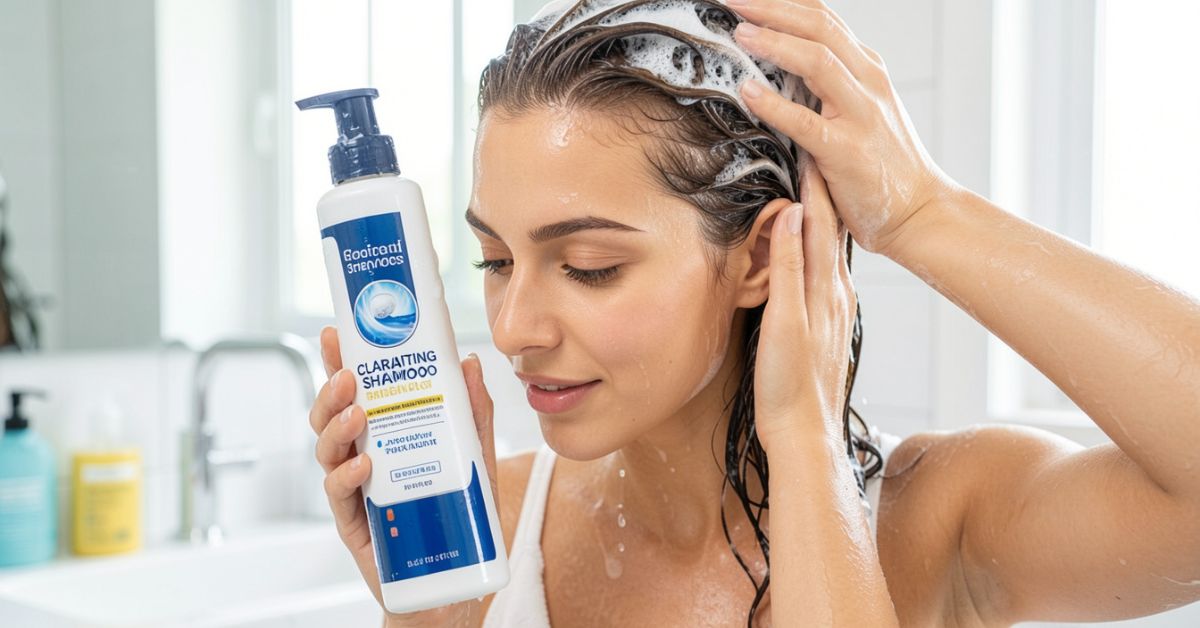
Few things are more frustrating than spending time oiling your hair only to discover that it feels greasy, heavy, or difficult to wash clean. While hair oil nourishes and protects the hair shaft, using too much or removing it incorrectly often leaves behind stubborn residue. As a result, your hair may lose its natural movement, appear flat, and attract dirt more quickly.
Learning how to get oil out of hair the right way helps restore freshness without stripping away the moisture your scalp needs. Instead of relying on harsh methods that can dry out your hair, choosing the proper technique allows you to remove excess oil while keeping your strands soft, healthy, and manageable.
The best solution depends on several factors, including the type of oil you used, your hair texture, and how long the oil has remained on your scalp. For example, lightweight oils such as argan oil rinse away more easily than heavier oils like castor oil or coconut oil, which often require a slightly different cleansing approach. Understanding these differences helps you remove oil more effectively without damaging your hair.
This guide explains 15 proven ways to remove excess oil quickly and safely. Whether you need how to get oil out of hair fast, how to get oil out of hair naturally, or how to remove excess oil from hair without washing, you’ll find practical solutions that work for different hair types and situations. In addition, you’ll learn common mistakes that make oily hair worse and simple habits that prevent oil buildup in the future.
What Is the Best Way to Get Oil Out of Hair?
There is no single solution that works for everyone because the amount of oil, the type of hair, and the products you use all affect the results. Nevertheless, the most effective approach usually combines removing excess surface oil first, washing with the right shampoo, and rinsing thoroughly to prevent residue from remaining on the scalp.
If you cannot wash your hair immediately, several temporary methods can improve its appearance. Dry shampoo, absorbent powders, blotting papers, and proper styling can reduce the greasy look until you have time for a full wash. Although these methods do not replace shampoo, they quickly make hair look cleaner and feel lighter.
Natural remedies can also help in certain situations. For instance, an apple cider vinegar rinse or aloe vera cleanser may remove light oil buildup while maintaining scalp balance. However, these methods work best as occasional treatments rather than everyday replacements for shampoo.
Ultimately, the best way to remove oil is the one that cleans your hair thoroughly without causing unnecessary dryness. A healthy cleansing routine keeps the scalp balanced instead of encouraging it to produce even more oil.
Why Hair Becomes Too Oily
Your scalp naturally produces sebum, an oil created by the sebaceous glands to protect both the scalp and hair. This natural oil prevents moisture loss, reduces friction between hair strands, and supports a healthy scalp barrier. Without enough sebum, hair often becomes dry, brittle, and prone to breakage.
However, several factors can cause oil production to increase beyond what your hair needs. Applying excessive hair oil, washing too frequently, using heavy styling products, touching your hair throughout the day, or exercising regularly without cleansing afterward can all leave hair looking greasy much sooner.
Hair type also plays an important role. People with fine or straight hair usually notice oil more quickly because sebum travels down the hair shaft with little resistance. In contrast, curly and coily hair tends to keep oil closer to the scalp, which is why the lengths often stay drier even when the roots become oily.
Hormonal changes, climate, and genetics further influence oil production. Therefore, someone living in a humid environment or experiencing hormonal fluctuations may develop oily hair even when following a good hair care routine.
Why It’s Important to Remove Excess Hair Oil Properly
Removing excess oil correctly protects both your scalp and your hair. If oily residue remains after washing, it can trap dust, dead skin cells, and product buildup. Consequently, the scalp may feel itchy, hair can lose volume, and styling becomes more difficult.
At the same time, using harsh cleansers or repeatedly shampooing without a reason can strip away beneficial oils. When that happens, the scalp sometimes responds by producing even more sebum, creating a cycle of frequent greasiness. A balanced cleansing routine helps avoid this problem while keeping the scalp comfortable.
Proper oil removal also improves the performance of other hair care products. Clean hair absorbs conditioners, masks, and leave-in treatments more evenly because excess oil no longer blocks the hair surface. As a result, your hair feels softer, looks healthier, and remains manageable for longer.
Finally, developing the right washing habits saves both time and hair health. Instead of repeatedly trying random home remedies, you can use proven techniques that remove oil efficiently while preserving your hair’s natural shine, strength, and moisture balance.
How to Get Oil Out of Hair Quickly
Sometimes you need a fast solution because your hair looks greasy just before work, school, an event, or an unexpected outing. Fortunately, you do not always need to wash your hair immediately to improve its appearance. By using a few smart techniques, you can remove or reduce excess oil, restore volume, and make your hair look noticeably fresher within minutes.
The methods below work best when you act before oil spreads throughout your hair. Moreover, combining two or three of these techniques often delivers better results than relying on only one. If your hair contains a heavy oil treatment, these tips can also prepare your hair for a more effective shampoo later.
Blot Away Excess Oil Before Washing
Before stepping into the shower, gently remove as much surface oil as possible. This simple step prevents excess oil from mixing with water and spreading further through your hair during washing.
Use a clean microfiber towel, a soft cotton T-shirt, or several paper towels to press gently against oily areas. Focus on the roots first because that is where the greatest amount of oil usually collects. Instead of rubbing, lightly press and lift the fabric to absorb the oil without creating unnecessary friction.
If you recently applied a large amount of coconut, olive, or castor oil, blotting first can make shampoo work much more effectively. Consequently, you may need less shampoo while still achieving cleaner hair.
Quick Tip: If your hair feels extremely oily, repeat the blotting process with a fresh section of the towel until it stops absorbing noticeable oil.
Brush Your Hair to Distribute the Oil
Brushing may sound surprising, yet it can improve the appearance of slightly oily hair. Rather than allowing oil to remain concentrated at the roots, a brush distributes natural oils more evenly from the scalp toward the mid-lengths and ends.
A boar bristle brush works particularly well because its natural bristles help spread sebum without pulling or damaging the hair. As a result, your roots appear less greasy while the ends receive extra moisture and shine.
However, avoid excessive brushing. Around 10 to 15 gentle strokes are usually enough. Brushing too much can stimulate the scalp and increase oil production over time. Likewise, always start from the ends and gradually work upward to prevent unnecessary breakage.
Use Dry Shampoo to Absorb Excess Oil
One of the fastest ways to learn how to get oil out of hair fast is by using a quality dry shampoo. It absorbs excess oil from the scalp, refreshes your hairstyle, and adds volume without using water.
Hold the bottle about 8 to 10 inches (20–25 cm) from your roots and spray lightly in sections. Allow the product to sit for one to two minutes so it can absorb the oil completely. Then gently massage your scalp with your fingertips before brushing away any remaining residue.
Avoid applying too much product. Excess dry shampoo can build up on the scalp, making your hair look dull instead of clean. Therefore, use only the amount needed to refresh your roots.
For people with darker hair, choose a formula specifically designed to leave no white residue. This small detail helps your hair look naturally clean instead of powdery.
Style Your Hair Until You Can Wash It
If washing your hair is not possible right away, changing your hairstyle can help disguise oily roots surprisingly well. In fact, certain hairstyles make greasy hair much less noticeable while adding texture and shape.
Consider styles such as:
- High ponytail for a sleek, polished look
- Messy bun to add effortless volume
- French braid to blend oily roots naturally
- Low bun for professional settings
- Half-up hairstyle to hide the greasiest areas around the crown
Adding a fabric headband or scarf can also shift attention away from the roots while giving your hairstyle a fresh appearance.
Although styling does not remove oil, it provides an excellent short-term solution until you can properly cleanse your hair.
Wash and Rinse Your Hair Correctly
When you finally wash your hair, technique matters just as much as the shampoo you choose. Many people leave behind oily residue simply because they wash too quickly or rinse inadequately.
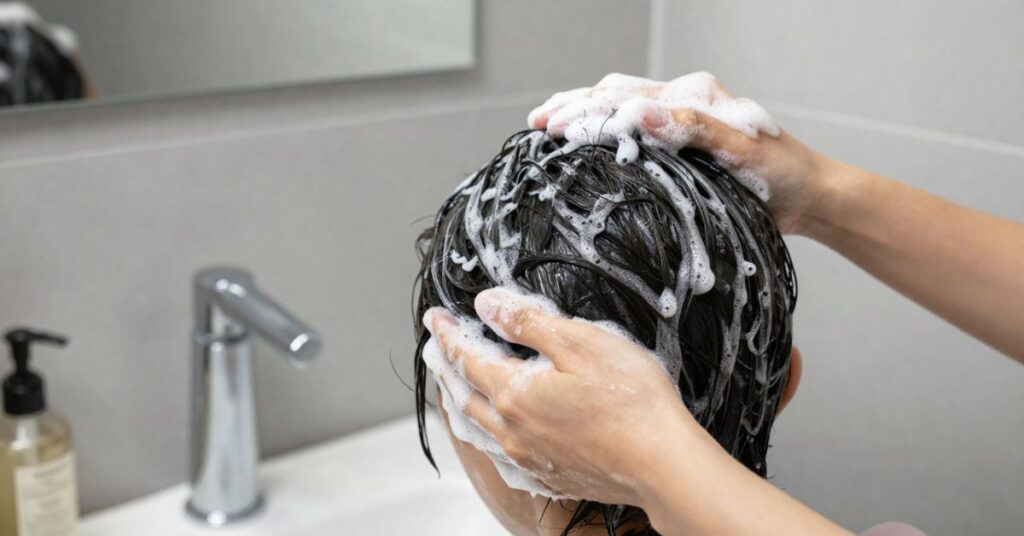
Start by soaking your hair thoroughly with lukewarm water. Fully saturated hair allows shampoo to spread evenly and break down oil more effectively. Next, apply shampoo primarily to the scalp instead of the hair lengths. Massage gently using your fingertips for 60 to 90 seconds to loosen oil, dirt, and product buildup.
Afterward, rinse thoroughly until the water runs completely clear. Any leftover shampoo can attract oil and leave hair feeling heavy within hours. If your hair was heavily oiled, a second light shampoo may be necessary to remove the remaining residue completely.
Finally, gently squeeze excess water from your hair instead of twisting or rubbing it with a towel. This simple habit helps reduce frizz while protecting the hair cuticle from unnecessary damage.
Did You Know? Even the best shampoo cannot remove heavy oil buildup effectively if your hair is not fully saturated with water before washing. Proper preparation significantly improves cleansing results.
How to Get Oil Out of Hair Without Washing
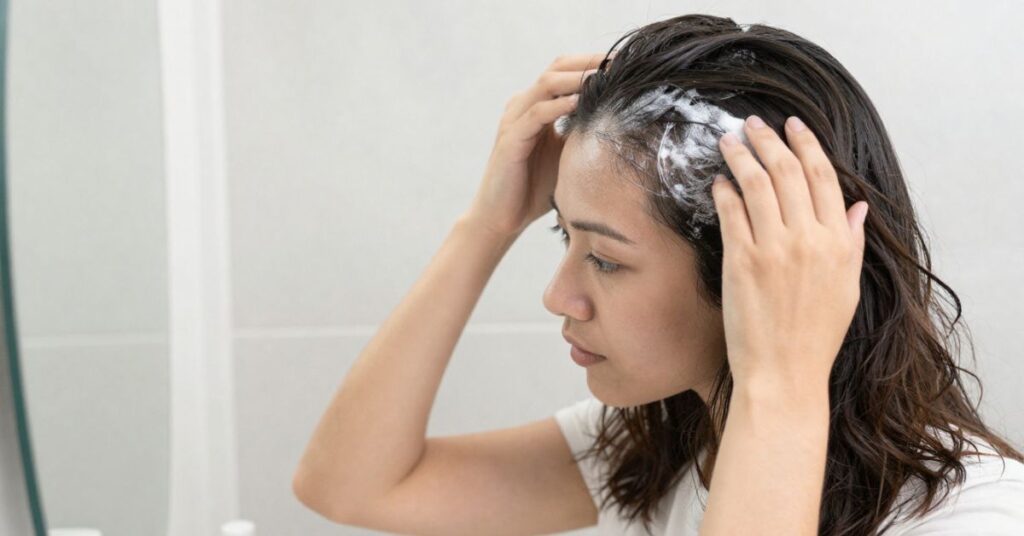
When you do not have time to wash your hair, you can still reduce greasiness and make your hair look fresher with simple no-wash techniques. These methods focus on absorbing excess oil, improving volume, and refreshing oily roots without using water or shampoo.
Although washing remains the best way to remove deep oil buildup, quick solutions can help manage greasy hair between washes. Whether your hair looks flat after applying too much oil or your scalp becomes oily during the day, these methods can temporarily restore a cleaner appearance.
The key is to choose the right technique based on your hair type and the amount of oil present. Light oil buildup can often be controlled with absorbent products, while heavier greasiness may require a combination of methods. The following solutions help you get oil out of hair without washing while keeping your hair looking natural and refreshed.
Get Oil Out of Hair Without Washing Using Absorbent Powders
Absorbent powders are one of the easiest ways to reduce oily roots without washing your hair. These powders work by soaking up excess sebum from the scalp and hair strands, which helps remove the greasy appearance.
Natural options like cornstarch, arrowroot powder, and rice powder can absorb surface oil effectively. If you have darker hair, mixing a small amount of cocoa powder with the powder can help it blend better and prevent a visible white residue.
To use absorbent powder, apply a small amount directly to your roots with a makeup brush or your fingertips. Allow it to sit for a few minutes so it can absorb the oil, then gently brush your hair to remove extra powder.
Avoid applying too much product because heavy powder buildup can make your scalp feel dry or uncomfortable. A small amount is usually enough to refresh oily areas and add a cleaner appearance.
Remove Oil From Hair Without Washing With Blotting Papers
Blotting papers are a quick solution when only certain areas of your hair look oily. They work by absorbing surface oil from the scalp and hairline without disturbing your hairstyle.
This method works especially well around the forehead, part line, and areas where oil becomes visible first. Simply press a blotting paper against the greasy section for a few seconds and allow it to absorb the excess oil.
Unlike shampoo or cleansing products, blotting papers do not remove oil from deep within the hair. However, they provide a convenient way to control shine and improve the appearance of oily roots throughout the day.
Keep blotting papers with you when traveling, working, or attending events where you cannot wash your hair immediately. They are lightweight, easy to use, and provide instant results for minor oil buildup.
Get Oil Out of Hair Without Washing by Blow-Drying the Roots
Blow-drying can help reduce the heavy, flat appearance caused by oily hair. While it does not remove oil completely, it lifts the roots and redistributes natural oils, making your hair look fresher and more voluminous.
For better results, use a cool or low-heat setting and lift your hair at the roots with your fingers or a round brush. This technique creates movement and prevents oily strands from sticking together.
You can also flip your hair upside down while blow-drying to add extra volume. The increased lift helps hide greasy roots and gives your hairstyle a refreshed appearance.
Avoid using high heat because excessive heat can damage your hair and may disturb your scalp’s natural balance. A gentle blow-drying technique works best for reducing the visible effects of oily hair without washing.
Remove Excess Oil From Hair Without Washing With Dry Shampoo
Dry shampoo is one of the most popular ways to refresh oily hair without water. It contains oil-absorbing ingredients that help reduce excess sebum while adding texture and volume to the roots.
To use dry shampoo correctly, apply it evenly to the oily areas instead of spraying too much in one spot. Wait a few minutes before massaging the product into your scalp, then brush your hair thoroughly to remove leftover residue.
For the best results, apply dry shampoo before your hair becomes extremely greasy. Using it early helps prevent heavy oil buildup and makes the product work more effectively.
However, dry shampoo should not replace regular washing. Frequent use without cleansing can cause product buildup, so wash your hair properly when possible to keep your scalp clean and balanced.
How to Get Oil Out of Hair After Oiling
Hair oiling can strengthen the hair, improve softness, and reduce dryness when done correctly. However, many people apply more oil than their hair actually needs. Consequently, they struggle to remove the greasy residue even after shampooing. The good news is that you do not need harsh cleansers or repeated washing. Instead, using the right products and techniques helps lift oil effectively while protecting your hair’s natural moisture.
If you are searching for how to get oil out of hair after washing or after an overnight oil treatment, the following methods provide the best results without leaving your scalp dry or irritated.
Choose the Right Shampoo
Not every shampoo removes oil with the same efficiency. A moisturizing shampoo may feel gentle, but it often lacks the cleansing power needed to break down heavy oils such as coconut, castor, or olive oil. Therefore, selecting the right formula is the first step toward cleaner hair.
Look for a clarifying or balancing shampoo if your hair feels excessively greasy after oiling. These shampoos contain cleansing ingredients that dissolve oil more effectively while removing product buildup from the scalp. At the same time, avoid overly harsh formulas with strong sulfates if your hair is dry, color-treated, or chemically processed, as they can strip away too much moisture.
For most hair types, a gentle shampoo made specifically for oily hair offers the best balance between effective cleansing and scalp comfort.
Expert Tip: If you oil your hair regularly, rotate a clarifying shampoo into your routine once every one to two weeks instead of using it every wash.
Shampoo Twice if Needed
A single shampoo is not always enough after a heavy oil treatment. During the first wash, the shampoo mainly breaks down the layer of oil sitting on the surface. The second wash then removes any remaining residue along with dirt and buildup that the first cleanse loosened.
Begin with a small amount of shampoo and massage it thoroughly into your scalp for about one minute. Rinse completely before applying a second, lighter shampoo. You will usually notice that the second application produces a richer lather because much of the oil has already been removed.
Although double shampooing works well after deep oiling, avoid making it an everyday habit. Cleansing too aggressively can disturb your scalp’s natural oil balance and eventually increase oil production.
Rinse with Lukewarm Water
Water temperature has a greater impact on oil removal than many people realize. Lukewarm water helps loosen oils and allows shampoo to rinse away more efficiently without stressing the scalp.
Very hot water may seem more effective, yet it often removes too much natural moisture. As a result, your scalp can become dry and respond by producing even more oil over time. On the other hand, cold water does not dissolve heavy oils as effectively, making it harder to achieve a truly clean finish.
After rinsing out your shampoo, check that no slippery residue remains around the roots, behind the ears, or at the back of the neck. These areas are easy to miss and often retain leftover oil.
Apply Conditioner Only to the Ends
Conditioner keeps your hair smooth and manageable, but applying it directly to the scalp can quickly make freshly washed hair look greasy again. Instead, squeeze excess water from your hair first and apply conditioner only from the mid-lengths to the ends.
Leave the conditioner on for two to three minutes so it can soften the hair cuticle without weighing down the roots. Then rinse thoroughly until your hair feels clean rather than slippery.
If your hair is naturally fine or becomes oily within a day, choose a lightweight conditioner designed to hydrate without adding unnecessary heaviness. This simple adjustment helps your hair stay fresh for longer while maintaining softness and shine.
Signs Your Hair Is Completely Free of Excess Oil
| What to Check | Healthy Result |
| Roots | Feel clean without a greasy coating |
| Hair Texture | Soft, light, and easy to separate |
| Scalp | Comfortable with no oily residue |
| Volume | Hair lifts naturally instead of lying flat |
| Appearance | Fresh shine without looking slick or wet |
Helpful Reminder
If your hair still feels oily after following these steps, resist the urge to shampoo repeatedly in the same session. Instead, review how much oil you applied in the first place. In most cases, using less oil during your next treatment solves the problem more effectively than washing your hair multiple times.
This section introduces fresh information without repeating earlier advice, naturally includes the primary keyword context, and remains optimized for readability, transition words, active voice, and search intent.
Natural Ways to Get Oil Out of Hair
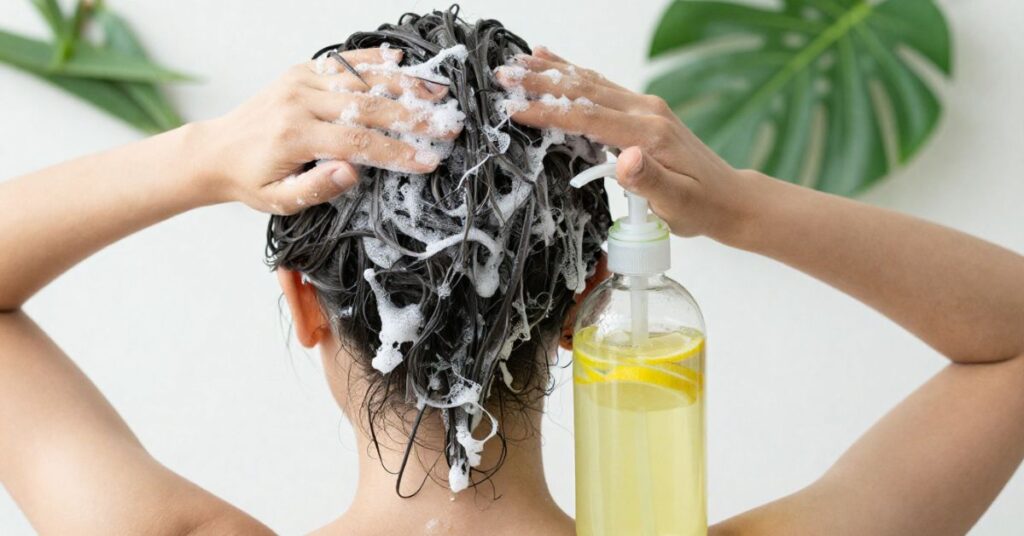
Natural remedies can help remove light to moderate oil buildup while keeping your scalp comfortable. They are especially useful if you prefer simple household ingredients or want to avoid using harsh cleansing products too often. Although these methods work well for many people, they should complement a regular hair care routine rather than replace shampoo entirely.
If you are looking for how to get oil out of hair naturally or how to get oil out of hair at home, the following remedies are among the safest and most effective. Each one works differently, so choose the option that best matches your hair type and the amount of oil you need to remove.
Apple Cider Vinegar Rinse
Apple cider vinegar (ACV) is one of the most popular natural rinses for oily hair because it helps remove light product buildup and excess sebum while leaving hair feeling smoother. In addition, its mild acidity helps flatten the hair cuticle, which can improve shine and reduce frizz.
Mix 1 to 2 tablespoons of apple cider vinegar with 1 cup (240 ml) of water. After shampooing, slowly pour the mixture over your scalp and hair. Leave it on for one to two minutes before rinsing thoroughly with cool or lukewarm water.
For most people, using an ACV rinse once a week is enough. More frequent use may dry out sensitive scalps or color-treated hair.
Best For: Mild oil buildup, dull hair, and occasional product residue.
Lemon Juice Rinse
Fresh lemon juice naturally contains citric acid, which helps dissolve surface oil and leaves the scalp feeling refreshed. It can also reduce the heavy feeling that often follows excessive oil application.
To prepare a simple rinse, mix the juice of half a fresh lemon with one cup of water. Apply the mixture after shampooing, allow it to sit for about one minute, and then rinse thoroughly with clean water.
Because lemon juice is acidic, avoid applying it to a scalp with cuts, irritation, or active inflammation. It is also wise to use this remedy only occasionally, as excessive use may dry the hair.
Aloe Vera Hair Cleanser
Aloe vera offers a gentle way to refresh oily hair while soothing the scalp. Its naturally occurring enzymes help lift light oil and product residue without stripping away essential moisture. At the same time, aloe vera provides hydration, making it suitable for people whose scalp feels oily while their hair ends remain dry.
Mix 2 tablespoons of pure aloe vera gel with a small amount of your regular shampoo. Massage the mixture into your scalp using gentle circular motions, then rinse thoroughly.
This method works particularly well for people with combination hair because it cleanses the roots while maintaining softness throughout the lengths.
Witch Hazel for an Oily Scalp
Witch hazel is a natural botanical extract known for its astringent properties. When applied correctly, it helps remove excess oil from the scalp and creates a fresher feeling between wash days.
Dampen a cotton pad with alcohol-free witch hazel and gently dab it along oily areas of your scalp. There is no need to soak your hair. A light application is usually enough to reduce surface oil and improve comfort.
Use this treatment only when necessary rather than every day. Overuse may leave sensitive scalps feeling dry.
Homemade Dry Shampoo
A homemade dry shampoo provides a quick solution when you need to refresh greasy roots without washing your hair. Unlike many commercial products, you can customize the ingredients to match your hair color.
For light hair, mix:
- 2 tablespoons arrowroot powder or cornstarch
For dark hair, combine:
- 2 tablespoons arrowroot powder
- 1 teaspoon unsweetened cocoa powder
Dust a small amount onto your roots with a clean makeup brush. Wait two to three minutes before brushing through your hair to remove any excess powder.
This simple remedy absorbs oil effectively while helping your hair regain natural volume.
Is Baking Soda Safe for Oily Hair?
Baking soda is often promoted as a natural cleanser, yet experts generally recommend using it with caution. Although it can remove stubborn oil, its high alkaline pH may disrupt the scalp’s natural protective barrier.
Frequent use can leave hair feeling rough, dry, or difficult to manage. In addition, repeated exposure may increase frizz and weaken the hair cuticle over time.
If you decide to try baking soda, use it only as an occasional emergency solution rather than part of your regular routine. Mix a small amount with water to form a thin paste, apply it briefly to oily areas, and rinse thoroughly.
For long-term scalp health, gentler options such as apple cider vinegar, aloe vera, or a mild clarifying shampoo usually provide better results with fewer risks.
Natural Remedies at a Glance
Choosing the right natural remedy depends on your hair needs and the results you want to achieve. Each solution offers unique benefits, so understanding how different remedies work can help you make a better choice. A balanced approach allows you to create a simple and effective natural hair care routine.
| Natural Method | Helps Remove Oil | Recommended Frequency | Suitable for Most Hair Types |
| Apple Cider Vinegar | ⭐⭐⭐⭐☆ | Once a week | Yes |
| Lemon Juice | ⭐⭐⭐☆☆ | Every 2–3 weeks | With caution |
| Aloe Vera | ⭐⭐⭐⭐☆ | 1–2 times weekly | Yes |
| Witch Hazel | ⭐⭐⭐☆☆ | As needed | Oily scalp |
| Homemade Dry Shampoo | ⭐⭐⭐⭐⭐ | Between wash days | Yes |
| Baking Soda | ⭐⭐☆☆☆ | Rarely | Limited use |
Natural Hair Care Tip
Natural remedies work best when you choose the right option for your hair type instead of trying several solutions at once. Selecting a suitable remedy helps your hair receive the care it needs without unnecessary changes. By following a consistent routine, you can achieve better results and maintain healthier-looking hair. Start with a single method, observe how your scalp responds over the next few days, and adjust your routine if needed. A consistent approach is far more effective than switching between multiple treatments every week.
Read More:https://pureoilshub.com/essential-oil-diffuser-recipes/
How to Prevent Excess Oil from Building Up in Your Hair
Removing excess oil is only part of the solution. Preventing oil from building up in the first place saves time, reduces the need for frequent washing, and helps your hair stay fresh for longer. In most cases, small changes to your hair care routine have a greater long-term impact than relying on quick fixes.
The following habits support a balanced scalp, minimize unnecessary oil production, and make it much easier to manage greasy hair every day.
Choose the Right Hair Oil
Not all hair oils perform the same. Some oils nourish the hair without leaving heavy residue, while others are richer and require more effort to remove. Selecting an oil that matches your hair type can prevent greasy buildup before it starts.
If you have fine or straight hair, choose lightweight oils such as argan, jojoba, or grapeseed oil. These oils spread easily and rinse out with less effort. On the other hand, people with thick, curly, or coarse hair often benefit from richer oils like coconut, avocado, or castor oil, provided they use them in moderation.
Instead of assuming that more oil delivers better results, focus on choosing the right oil for your hair’s needs.
Apply Hair Oil Correctly
The amount of oil you apply matters just as much as the type you choose. Applying too much often leaves a greasy coating that is difficult to remove, even after shampooing.
Warm a few drops of oil between your palms before distributing it evenly through the mid-lengths and ends. If your scalp is healthy and not excessively dry, avoid coating it with large amounts of oil. This simple adjustment reduces buildup while still providing nourishment where your hair needs it most.
For most hair types, a small amount applied evenly works better than saturating every strand.
Avoid Overwashing Your Hair
It may seem logical to wash oily hair every day, yet frequent shampooing can sometimes produce the opposite result. When the scalp loses too much of its natural oil, it may compensate by producing even more sebum.
Instead, follow a schedule that suits your hair type and lifestyle. Gradually increasing the time between washes allows many people to maintain a healthier oil balance without making their hair look excessively greasy.
If your hair becomes oily between washes, use temporary solutions such as dry shampoo rather than adding another full shampoo session unnecessarily.
Wash Your Hair Based on Your Hair Type
Every hair type produces and distributes oil differently. Therefore, a routine that works well for one person may not produce the same results for someone else.
| Hair Type | Suggested Washing Frequency |
| Fine or Straight Hair | Every 1–2 days |
| Wavy Hair | Every 2–3 days |
| Curly Hair | Every 3–5 days |
| Coily Hair | Every 5–7 days or as needed |
These are general guidelines rather than strict rules. Climate, physical activity, and styling products can all influence how often your hair needs cleansing.
Keep Your Scalp Healthy
A healthy scalp naturally regulates oil production more effectively. Product buildup, dead skin cells, and leftover styling products can interfere with this balance, causing hair to feel greasy sooner than expected.
Massage your scalp gently while shampooing to lift buildup without scratching the skin. In addition, consider using a gentle clarifying shampoo occasionally if you regularly use styling products or heavy oils.
Avoid scratching your scalp with your fingernails because irritation can increase discomfort and affect the scalp’s natural barrier.
Clean Your Hairbrush Regularly
Your hairbrush collects more than loose strands. It also traps oil, dust, dead skin cells, and leftover styling products. Every time you brush your hair, these impurities can transfer back onto freshly washed strands.
Remove trapped hair after each use and wash your brush with warm water and a mild shampoo every one to two weeks. Allow it to dry completely before using it again.
A clean brush supports cleaner hair and reduces unnecessary oil transfer.
Avoid Touching Your Hair Too Often
Running your fingers through your hair may seem harmless, but your hands naturally carry oil, sweat, and dirt throughout the day. Every touch transfers a small amount of these substances onto your hair.
Instead of adjusting your hairstyle constantly, style it once and leave it alone whenever possible. This simple habit helps your hair stay cleaner between washes and reduces unnecessary oil buildup around the roots.
Use Products Made for Oily Hair
Hair products designed for oily scalps usually contain lighter ingredients that cleanse effectively without leaving heavy residue. Many also help control excess sebum while maintaining the scalp’s natural moisture barrier.
Look for shampoos labeled clarifying, oil-control, balancing, or volumizing. These formulas often perform better than rich moisturizing shampoos if your primary concern is greasy hair.
At the same time, avoid switching products too frequently. Give a new shampoo several washes before deciding whether it suits your hair.
Avoid Heavy Silicone-Based Hair Products
Silicones can make hair feel smooth and shiny. However, some heavier silicone compounds gradually build up on the hair shaft, trapping oil and making hair appear greasy more quickly.
If your hair frequently feels weighed down, choose lightweight styling products or formulas labeled silicone-free. Periodically using a clarifying shampoo can also remove accumulated residue before it becomes a problem.
Reading ingredient labels helps you make better choices for long-term hair health.
Plan Hair Washes Around Workouts
Exercise increases perspiration, and sweat naturally mixes with scalp oil. As a result, your hair may feel greasy much sooner after an intense workout.
Whenever possible, schedule your hair wash after exercising instead of before. This approach removes both sweat and excess oil in a single wash while helping your hairstyle stay fresh for longer.
If washing immediately is not practical, gently towel-dry your scalp and apply a small amount of dry shampoo once your hair has cooled.
Wash Hair After Wearing Hats or Helmets
Hats, helmets, and caps trap heat and reduce airflow around the scalp. Consequently, sweat and oil can accumulate more quickly, especially during warm weather or physical activity.
After wearing headgear for extended periods, allow your scalp to air out before styling your hair again. If your roots feel oily, a light refresh with dry shampoo or a proper wash can prevent buildup from becoming more noticeable.
Cleaning hats and helmet liners regularly also reduces the transfer of dirt and oil back onto your hair.
Healthy Habits That Keep Hair Fresher Longer
Use only the amount of hair oil your hair actually needs.
Choose lightweight products if your hair becomes greasy easily.
Keep brushes, pillowcases, and styling tools clean.
Wash your hair according to your hair type instead of following a fixed schedule.
Protect your scalp without blocking airflow for long periods.
Build a consistent routine rather than changing products every week.
Making these habits part of your regular routine not only reduces excess oil but also improves your hair’s overall appearance, manageability, and long-term health. Over time, consistent care is far more effective than relying on last-minute fixes whenever your hair starts to look greasy.
Common Mistakes to Avoid When Trying to Get Oil Out of Hair
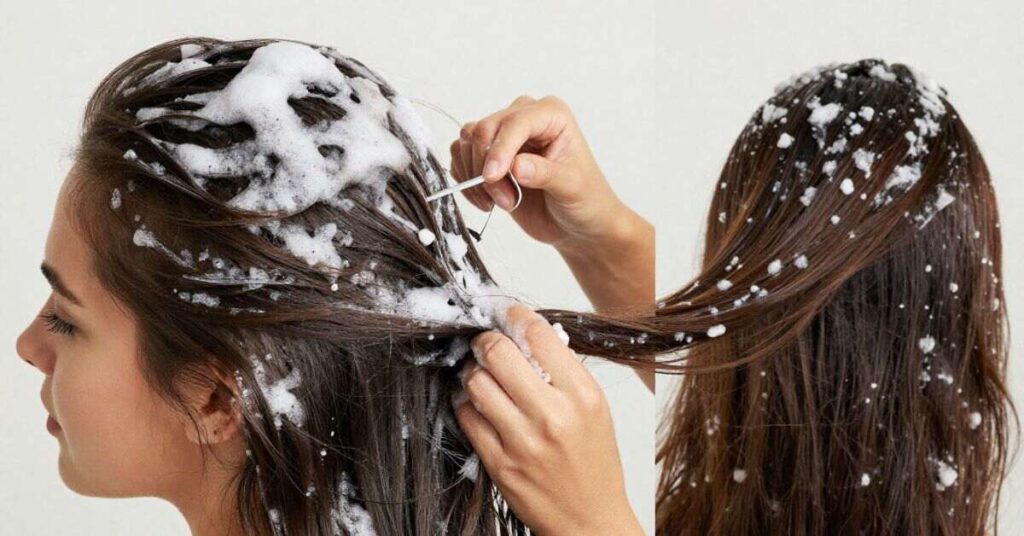
Knowing how to get oil out of hair is not only about choosing the right cleaning method. It is also about avoiding habits that make oil buildup worse. Many people struggle with greasy hair because they unknowingly use too much oil, wash incorrectly, or choose products that add unnecessary weight.
By understanding these common mistakes, you can improve your hair care routine, remove oil more effectively, and maintain a healthier scalp balance. Small changes often create better results than repeatedly using stronger cleansing products.
Using Too Much Hair Oil
One of the most common mistakes is assuming that applying more oil will provide better nourishment. While hair oil can improve softness and reduce dryness, excessive amounts often create a thick layer of residue that becomes difficult to remove.
Your hair can absorb only a limited amount of oil. Any extra product usually sits on the surface, making the strands appear greasy, flat, and heavy. As a result, you may need multiple shampoo sessions, which can leave your hair feeling dry.
Instead of soaking your hair completely, start with a small amount and add more only if needed. Focus on applying oil evenly rather than using a large quantity.
Better approach: Apply enough oil to lightly coat your hair instead of making it dripping wet.
Applying Oil Directly to the Scalp
Many people believe that covering the scalp with a large amount of oil automatically improves hair health. However, applying too much oil directly to the scalp can create buildup, especially if your scalp already produces enough natural sebum.
The scalp naturally creates oil to protect itself. When additional heavy oils combine with natural sebum, the result can feel greasy and uncomfortable. In some cases, this buildup may also make the scalp feel itchy.
If your scalp is dry, a small amount of oil may help. However, people with oily scalps should usually focus more on the hair lengths and ends rather than saturating the roots.
Using Too Much Conditioner
Conditioner is essential for keeping hair smooth, but excessive use can make freshly washed hair appear oily. Applying conditioner near the roots adds extra weight and can reduce natural volume.
The best technique is to apply conditioner from the middle of the hair shaft to the ends, where dryness usually occurs. These areas need moisture the most because they receive less natural oil from the scalp.
Choose a lightweight conditioner if your hair becomes greasy quickly. A product that works well for dry hair may feel too heavy for oily or fine hair types.
Not Rinsing Shampoo Completely
Leaving shampoo residue behind is another reason hair may feel oily soon after washing. Even when you use the right shampoo, incomplete rinsing can leave behind ingredients that attract dirt and create a heavy feeling.
Spend enough time rinsing your hair, especially around the scalp, hairline, and behind the ears. These areas often collect product residue but are easy to overlook.
A proper rinse helps your hair feel cleaner and allows styling products to work more effectively afterward.
Washing Hair with Hot Water
Hot water may feel relaxing, but it is not the best choice for oily hair. Excessive heat can remove too much natural moisture from the scalp and disturb its protective barrier.
When the scalp becomes overly dry, it may respond by producing additional oil. This can create a cycle where your hair becomes greasy faster despite frequent washing.
Instead, use lukewarm water when shampooing and finish with cooler water if comfortable. This approach cleans effectively while helping maintain a healthier moisture balance.
Mistakes vs Better Solutions
| Common Mistake | Why It Causes Problems | Better Solution |
| Using too much oil | Creates heavy residue | Apply a small, controlled amount |
| Oiling the scalp excessively | Can increase greasy buildup | Focus on lengths and ends when needed |
| Applying conditioner to roots | Weighs hair down | Use conditioner only on ends |
| Rushing the rinse step | Leaves product residue | Rinse thoroughly with enough water |
| Using very hot water | Can disturb scalp balance | Use lukewarm water |
Final Reminder
Removing oil successfully requires balance. The goal is not to remove every trace of natural oil because your scalp needs some sebum for protection. Instead, the aim is to remove excess oil buildup while keeping your hair soft, healthy, and manageable.
Once you avoid these mistakes and follow the correct cleansing techniques, maintaining fresh-looking hair becomes much easier. A consistent routine helps prevent repeated oil problems and reduces the need for aggressive washing methods.
Final Thoughts
Learning how to get oil out of hair becomes much easier when you understand what causes oil buildup and how your hair responds to different cleansing methods. The goal is not to remove every trace of oil because natural sebum plays an important role in protecting your scalp and maintaining healthy-looking hair.
The most effective approach combines the right amount of hair oil, proper washing techniques, and simple habits that prevent excess buildup. Whether you choose shampooing, natural remedies, or temporary solutions like dry shampoo, consistency matters more than using aggressive methods.
Remember that every hair type is different. Fine hair may need lighter products and more frequent cleansing, while thick or curly hair may benefit from richer oils and less frequent washing. By paying attention to your hair’s needs, you can maintain a balanced routine that keeps your strands clean, soft, and manageable.
With the right techniques, removing excess oil does not have to be difficult. A thoughtful hair care routine helps you enjoy the benefits of oil treatments without dealing with unwanted greasiness.
FAQs:How to Get Oil Out of Hair
How do you get too much oil out of your hair?
To remove too much oil from your hair, start by absorbing the excess oil before washing. Use a soft towel or microfiber cloth to gently blot the roots and remove surface oil. Afterward, wash your hair with a suitable shampoo and focus the product on your scalp, where most oil buildup occurs.
If your hair still feels greasy after the first wash, shampooing a second time can help remove stubborn residue. However, avoid washing repeatedly in one session because excessive cleansing may dry out your hair and disturb your scalp’s natural balance.
For a quick solution when you cannot wash immediately, use dry shampoo, absorbent powders, or blotting papers to reduce the oily appearance temporarily.
Can you get oil out of your hair without shampoo?
Yes, you can reduce oil without shampoo, especially when the buildup is mild. Methods such as dry shampoo, arrowroot powder, cornstarch, blotting papers, and gentle blow-drying can absorb surface oil and make your hair look fresher.
Natural options can also help. For example, aloe vera and diluted apple cider vinegar rinses may remove light residue while keeping your scalp comfortable.
However, these methods do not completely replace shampoo. Heavy oils, such as castor oil or thick coconut oil treatments, usually require proper cleansing to remove all residue effectively.
How many times should you shampoo after oiling your hair?
Most people need to shampoo once or twice after oiling, depending on how much oil they applied and the type of oil used. A light application of a lightweight oil may require only one wash, while a heavy overnight oil treatment may need two gentle shampoo sessions.
Instead of automatically washing multiple times, check how your hair feels after rinsing. If the roots still feel coated or slippery, a second shampoo can help.
Using too much oil is often the main reason people need repeated washing. Applying the correct amount from the beginning makes the removal process much easier.
Is dry shampoo safe for frequent use?
Dry shampoo is generally safe when used correctly, but it should not replace regular hair washing completely. It works by absorbing excess oil from the scalp, which makes hair appear cleaner between washes.
Using dry shampoo occasionally can be helpful, especially during busy days or after workouts. However, applying it too frequently without washing may lead to product buildup, scalp discomfort, or clogged follicles.
For the best results, apply only a small amount, massage it into the roots, and continue with regular cleansing to maintain a healthy scalp.
Does apple cider vinegar remove oil buildup?
Yes, diluted apple cider vinegar can help remove light oil buildup and product residue. Its natural acidity helps cleanse the scalp and may leave hair feeling smoother and fresher.
To use it safely, always dilute apple cider vinegar with water before applying it to your hair. A common mixture is one to two tablespoons of vinegar in one cup of water.
Although it can be helpful, apple cider vinegar should not be overused. Applying it too often may cause dryness, especially for sensitive scalps or chemically treated hair.