Introduction:
Essential oil diffuser recipes are one of the easiest ways to transform the atmosphere of your home without relying on artificial air fresheners. With just a few carefully chosen oils, you can create blends that promote relaxation, improve focus, boost energy, freshen indoor spaces, or simply make your home smell inviting throughout the day. Whether you enjoy bright citrus aromas, calming florals, grounding woodsy scents, or cozy seasonal fragrances, there is a diffuser blend for every mood and occasion.
The best part is that creating your own essential oil diffuser recipes requires very little effort. Instead of buying pre-made blends, you can customize every recipe to match your personal preferences while adjusting the strength and aroma to suit different rooms, seasons, or times of the day. This also allows you to experiment with different scent families and discover combinations that work best for your lifestyle.
In this guide, you’ll learn how diffuser blends work, how to mix oils correctly, and how to create balanced recipes using top, middle, and base notes. You’ll also discover the best essential oil diffuser recipes for sleep, productivity, relaxation, home fragrance, seasonal decorating, and everyday wellness, along with expert blending tips and important safety advice.
What Are Essential Oil Diffuser Recipes?
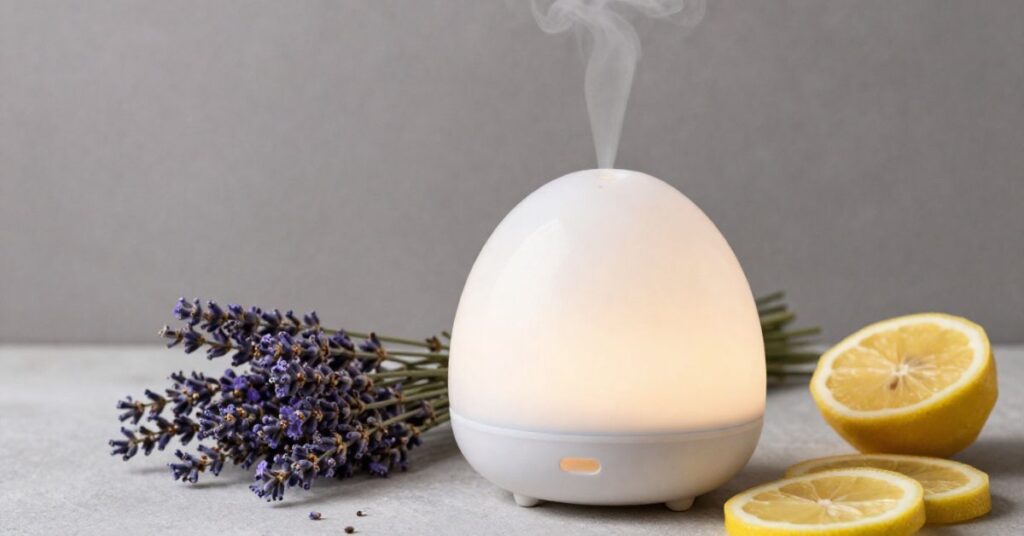
Essential oil diffuser recipes are carefully measured combinations of two or more essential oils designed to create a specific aroma or experience when dispersed through a diffuser. Instead of using a single oil, these recipes combine complementary scents that work together to produce a richer, more balanced fragrance. Depending on the oils you choose, a diffuser blend can help create a peaceful bedroom, an energizing workspace, a welcoming living room, or a refreshing environment for daily activities.
Unlike candles or synthetic room sprays, diffuser blends release microscopic aromatic molecules into the air using water or ultrasonic vibration, allowing you to enjoy natural plant aromas without burning anything. Because every essential oil contains its own unique aromatic profile, blending different oils opens the door to countless scent combinations that can be adjusted for the season, your mood, or even the time of day.
Another advantage of creating your own easy essential oil recipes for diffuser use is flexibility. You can increase citrus oils for a brighter scent, add woody oils for warmth, or include herbal notes for a cleaner, fresher atmosphere. As your preferences change, you can easily modify recipes without purchasing new commercial blends.
How Essential Oil Diffuser Blends Work
Every essential oil contains naturally occurring aromatic compounds that evaporate into the air when placed in a diffuser. Once dispersed, these tiny scent molecules quickly fill the surrounding space, creating an enjoyable aromatic environment that influences how a room feels. Although individual experiences vary, certain scent families are commonly associated with relaxation, alertness, comfort, or mental clarity because of their distinctive fragrance characteristics.
Most successful diffuser recipes follow the same principle used in fine perfumery by combining top notes, middle notes, and base notes. Top notes such as lemon, grapefruit, or sweet orange provide an immediate burst of freshness. Middle notes like lavender, rosemary, or geranium create the heart of the blend, while base notes including cedarwood, sandalwood, or patchouli provide depth and help the aroma linger longer.
When these layers work together, the result is a smoother and more enjoyable fragrance than using a single oil alone. This balanced approach explains why experienced aromatherapy enthusiasts often rely on an essential oil blending chart when creating custom diffuser recipes.
Benefits of Using Essential Oil Diffuser Recipes
One of the biggest benefits of making your own essential oil diffuser recipes is complete control over the fragrance in your home. Rather than settling for one commercial scent, you can design blends that perfectly match your mood, the season, or the purpose of a room. A bright citrus blend may help create an uplifting morning atmosphere, while a warm woodsy recipe can make evenings feel cozy and relaxing.
Homemade diffuser blends also allow you to avoid many synthetic fragrances commonly found in conventional air fresheners. High-quality essential oils provide complex natural aromas that many people prefer because they smell cleaner and more authentic. As a result, your home can maintain a pleasant fragrance without becoming overpowering.
Another advantage is variety. With only a small collection of essential oils, you can create dozens of unique combinations ranging from relaxing essential oil blend recipes for diffuser sessions to refreshing essential oil diffuser recipes for clean air or elegant essential oil recipes for home fragrance. This versatility makes diffusing enjoyable throughout the year without becoming repetitive.
Finally, creating your own blends is both practical and economical. Instead of purchasing multiple specialty products for every occasion, you can mix customized recipes whenever you need them. Over time, you’ll develop a collection of favorite combinations that suit your daily routine, your home, and your personal scent preferences.
How to Make Essential Oil Diffuser Recipes
Choose Top, Middle, and Base Notes for Better Essential Oil Diffuser Recipes
Creating balanced essential oil diffuser recipes begins with understanding fragrance layers. Professional-quality blends rely on three scent notes that work together to create a pleasant aroma from the moment the diffuser starts until the fragrance gradually fades. Instead of mixing oils randomly, selecting top, middle, and base notes helps every blend smell more natural, balanced, and long-lasting.
Top notes create the first impression and provide a bright, refreshing aroma. Oils such as lemon, sweet orange, bergamot, grapefruit, and lime are excellent choices because they instantly make a room feel fresh and uplifting. However, these lighter oils evaporate quickly, so they should be supported by longer-lasting fragrances.
Middle notes form the heart of essential oil diffuser recipes by connecting the lighter top notes with deeper base notes. Lavender, rosemary, geranium, clary sage, chamomile, and cypress provide balance while giving the blend its main character. Meanwhile, base notes such as cedarwood, frankincense, sandalwood, vetiver, patchouli, and myrrh evaporate slowly, adding warmth, richness, and lasting depth.
Following a simple ratio of top, middle, and base notes creates smoother, more sophisticated essential oil diffuser recipes that remain enjoyable throughout the entire diffusing session.
How Many Drops Should You Use in Essential Oil Diffuser Recipes?
The ideal number of drops for essential oil diffuser recipes depends on your diffuser’s water capacity and the strength of the oils you choose. Strong essential oils, including cinnamon bark, clove bud, peppermint, oregano, and eucalyptus, usually require fewer drops because their aromas are naturally more intense. On the other hand, softer floral and citrus oils often allow slightly larger amounts while maintaining a balanced fragrance.
Instead of adding the maximum number of drops immediately, begin with the lower recommended amount and increase gradually if needed. This approach prevents the scent from becoming overwhelming and also helps your essential oils last longer. When combining several oils, always count the total number of drops rather than measuring each oil separately. For example, a six-drop recipe may contain three drops of sweet orange, two drops of lavender, and one drop of cedarwood. Keeping the total drop count consistent ensures your essential oil diffuser recipes remain balanced and pleasant.
Tips for Creating Balanced Essential Oil Diffuser Recipes
The best essential oil diffuser recipes are built around harmony rather than complexity. Instead of combining many different oils, start with one dominant fragrance and support it with one or two complementary oils. This simple approach allows every aroma to contribute without overpowering the blend. As a result, the fragrance develops naturally and feels more refined.
Likewise, combining oils from compatible scent families produces better results. Citrus oils pair beautifully with herbs, floral oils blend smoothly with woody notes, and minty oils add freshness without dominating the recipe. Furthermore, consider the purpose of your blend before selecting ingredients. Bright citrus and herbal oils work well for mornings and productive environments, whereas lavender, cedarwood, and frankincense create calming essential oil diffuser recipes that are perfect for evenings and relaxation.
Finally, keep a record of every blend you create. Writing down the oils, drop counts, and your impressions makes it easy to recreate successful recipes and refine future combinations. Over time, you’ll build a personalized collection of essential oil diffuser recipes that perfectly match different rooms, seasons, moods, and occasions while becoming more confident in creating your own signature blends.
Best Essential Oil Diffuser Recipes for Every Mood
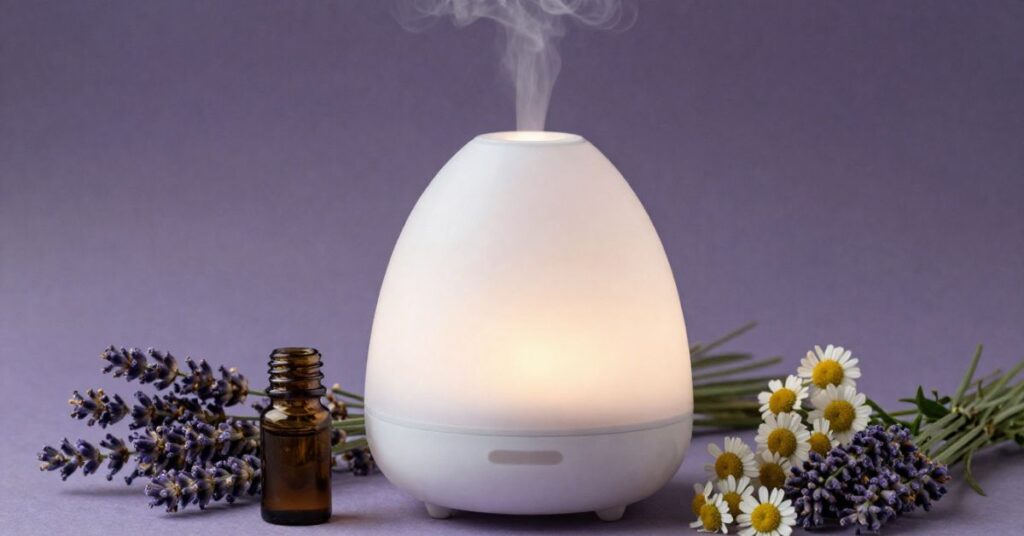
One of the greatest advantages of making your own essential oil diffuser recipes is the ability to match the aroma to your mood and daily routine. Different essential oils create different scent experiences, so a blend that feels refreshing in the morning may not be the best choice before bedtime. By selecting oils with complementary fragrance profiles, you can create blends that make your workspace feel productive, your bedroom feel peaceful, or your living room feel warm and inviting.
The recipes below are easy to prepare and work well in most ultrasonic diffusers. Adjust the total number of drops to match your diffuser’s water capacity while keeping the same proportions for the best results.
Focus & Productivity Blend
When you need to concentrate on work, studying, or creative projects, fresh herbal and citrus oils can create a clean, energizing atmosphere. This blend combines bright citrus with crisp herbal notes and a grounding woody finish to help your workspace feel organized and refreshed.
| Essential Oil | Drops |
| Rosemary | 3 |
| Lemon | 3 |
| Cedarwood | 2 |
This recipe opens with the fresh scent of lemon before rosemary takes center stage. Cedarwood adds depth and keeps the fragrance balanced instead of becoming too sharp. It is one of the best essential oil diffuser recipes for home offices, study sessions, or busy mornings when you want your surroundings to feel focused and motivating.
Morning Energy Blend
Starting the day with an uplifting aroma can make your home feel brighter and more welcoming. Citrus oils create a cheerful first impression, while peppermint introduces a cool, refreshing finish that feels clean without overwhelming the room.
| Essential Oil | Drops |
| Sweet Orange | 4 |
| Grapefruit | 3 |
| Peppermint | 2 |
This combination delivers a lively citrus fragrance with just enough mint to add freshness. It works especially well in kitchens, breakfast areas, and entryways where you want an energetic atmosphere. Additionally, the scent feels light enough for everyday use throughout spring and summer.
Stress Relief Blend
After a demanding day, many people prefer softer floral and woody aromas that encourage a calm environment. Lavender remains one of the most popular oils for evening diffuser blends because it pairs beautifully with grounding oils.
| Essential Oil | Drops |
| Lavender | 4 |
| Bergamot | 3 |
| Frankincense | 2 |
The floral sweetness of lavender blends naturally with the gentle citrus aroma of bergamot, while frankincense adds warmth and richness. This recipe creates a peaceful atmosphere for reading, relaxing, or simply enjoying quiet time at home. It is also among the most popular relaxing essential oil blend recipes for diffuser enthusiasts.
Grounding Blend
Woodsy essential oils create a comforting environment that feels stable, warm, and balanced. This recipe is ideal when you want your home to feel cozy without becoming overly sweet.
| Essential Oil | Drops |
| Cedarwood | 3 |
| Frankincense | 3 |
| Vetiver | 1 |
Cedarwood provides a smooth woody foundation, frankincense adds an elegant resinous aroma, and vetiver contributes an earthy finish that lingers gently in the room. Because these oils complement each other naturally, the blend feels sophisticated and works particularly well during cool evenings.
Sleep & Nighttime Blend
Preparing your bedroom with a gentle fragrance before bedtime can help create a peaceful nighttime routine. Soft floral oils combined with warm woody notes produce a relaxing atmosphere that many people enjoy before going to sleep.
| Essential Oil | Drops |
| Lavender | 4 |
| Roman Chamomile | 2 |
| Cedarwood | 2 |
This blend begins with calming lavender, while Roman chamomile adds a delicate floral softness. Cedarwood completes the recipe with a warm, comforting base note that helps the fragrance remain balanced throughout the diffusing session.
For the best experience, start your diffuser about 30 minutes before bedtime and switch it off before sleeping if your diffuser does not include an automatic timer.
Meditation & Yoga Blend
Meditation spaces often benefit from aromas that feel quiet, earthy, and centered rather than bright or stimulating. This blend creates a tranquil environment without becoming too heavy.
| Essential Oil | Drops |
| Frankincense | 3 |
| Sandalwood | 3 |
| Lavender | 2 |
Frankincense provides a classic meditative aroma, sandalwood introduces creamy wood notes, and lavender softens the overall fragrance. Together, they create a balanced scent that complements yoga, mindfulness practices, journaling, or peaceful reflection.
Happy Mood Blend
Sometimes a room simply needs a cheerful fragrance that makes it feel vibrant and welcoming. Bright citrus oils naturally blend together to create an uplifting aroma that suits almost any part of the home.
| Essential Oil | Drops |
| Sweet Orange | 4 |
| Lemon | 2 |
| Lime | 2 |
This lively citrus combination smells clean, sunny, and refreshing from the first few minutes of diffusing. It works beautifully in living rooms, family spaces, and kitchens where you want guests to feel comfortable and energized.
If you enjoy experimenting, try replacing lime with bergamot or adding one drop of vanilla oleoresin for a slightly sweeter finish. Small adjustments like these allow you to personalize your essential oil diffuser recipes while maintaining a balanced fragrance profile that never feels repetitive.
Essential Oil Diffuser Recipes for Every Season
Every season has its own character, and your home fragrance can reflect those natural changes. Fresh florals and citrus scents often feel perfect during spring, while warm spices and rich woods create a cozy atmosphere in autumn and winter. By rotating your essential oil diffuser recipes throughout the year, your home can feel fresh, inviting, and perfectly in tune with the changing seasons.
The following seasonal blends are easy to customize. If you prefer a stronger citrus aroma, simply increase the citrus oils by one drop. Likewise, if you enjoy richer fragrances, add an extra drop of a woody or spicy oil while keeping the overall recipe balanced.
Spring Diffuser Blend
Spring is all about fresh flowers, green gardens, and clean outdoor air. This blend captures that light, refreshing feeling with floral and citrus notes that brighten any room without becoming overwhelming.
| Essential Oil | Drops |
| Lavender | 3 |
| Lemon | 3 |
| Geranium | 2 |
Lavender creates a soft floral foundation, while lemon adds brightness and freshness. Geranium completes the blend with a delicate rosy aroma that gives the recipe a true springtime character. This blend works especially well in bedrooms, kitchens, and living areas where you want a naturally clean fragrance.
Summer Diffuser Blend
Summer fragrances should feel crisp, juicy, and energizing. Bright citrus oils paired with cooling mint create an aroma that reminds many people of sunshine, fresh fruit, and open windows.
| Essential Oil | Drops |
| Grapefruit | 3 |
| Sweet Orange | 3 |
| Peppermint | 2 |
Grapefruit delivers a vibrant citrus scent, sweet orange adds natural sweetness, and peppermint introduces a cool finish that keeps the blend refreshing. As a result, this recipe is ideal for warm afternoons, family gatherings, or relaxing weekends at home.
Fall Diffuser Blend
Autumn calls for warm spices, comforting woods, and cozy aromas that make your home feel welcoming. This blend recreates the familiar scent of crisp fall days without relying on synthetic fragrances.
| Essential Oil | Drops |
| Sweet Orange | 3 |
| Cinnamon Leaf | 2 |
| Cedarwood | 2 |
| Clove Bud | 1 |
Sweet orange provides a bright opening, while cinnamon leaf and clove bud introduce classic autumn spice. Cedarwood balances the recipe with a smooth woody base that keeps the fragrance rich rather than overpowering. It is one of the best essential oil diffuser recipes for cool evenings, reading by the fireplace, or decorating your home for fall.
Pro Tip: Cinnamon and clove are naturally strong oils. Begin with the recommended amount, then adjust gradually if you prefer a bolder aroma.
Winter Diffuser Blend
Winter blends often combine evergreen and citrus oils to create a fresh yet comforting atmosphere. This recipe brings together cool forest notes with warm citrus for a fragrance that feels clean and cozy at the same time.
| Essential Oil | Drops |
| Fir Needle | 3 |
| Frankincense | 2 |
| Sweet Orange | 3 |
Fir needle fills the room with a fresh woodland aroma, frankincense adds depth, and sweet orange softens the blend with a gentle sweetness. Together, these oils create a welcoming fragrance that works beautifully throughout the colder months.
Holiday Diffuser Blend
Holiday gatherings deserve a scent that feels festive from the moment guests walk through the door. This recipe combines bright citrus with comforting spices to create an aroma that many people associate with seasonal celebrations.
| Essential Oil | Drops |
| Sweet Orange | 4 |
| Clove Bud | 2 |
| Cinnamon Leaf | 1 |
| Fir Needle | 2 |
The sweet citrus aroma appears first, followed by warm spice and fresh evergreen notes. Consequently, your home feels inviting without becoming overly sweet or heavy. This blend is perfect for entertaining guests, decorating the house, or enjoying quiet evenings during the holiday season.
Seasonal Blending Tips
Changing your diffuser blends with the seasons keeps your home fragrance interesting and prevents scent fatigue. A few simple adjustments can make a noticeable difference throughout the year.
| Season | Dominant Scent Profile | Recommended Oils |
| Spring | Fresh, floral, green | Lavender, Geranium, Lemon, Palmarosa |
| Summer | Bright, juicy, cooling | Grapefruit, Lime, Sweet Orange, Peppermint |
| Fall | Warm, spicy, woody | Cedarwood, Cinnamon Leaf, Clove Bud, Cardamom |
| Winter | Evergreen, resinous, cozy | Fir Needle, Frankincense, Pine, Sweet Orange |
Finally, don’t hesitate to personalize these recipes. Swapping one complementary oil for another can produce an entirely new fragrance while preserving the seasonal theme. Over time, you’ll develop a collection of signature essential oil diffuser recipes that your family looks forward to using every spring, summer, fall, and winter.
Read More:https://pureoilshub.com/autumn-essential-oil-blends/
Essential Oil Diffuser Recipes by Scent Family
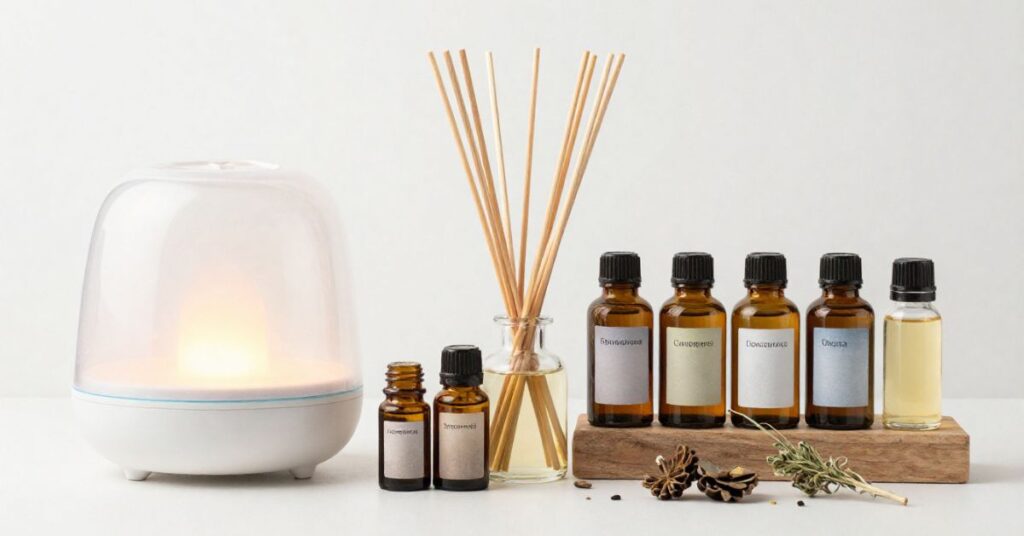
One of the easiest ways to create beautiful essential oil diffuser recipes is to understand scent families. Essential oils with similar fragrance profiles naturally complement one another, making it much easier to build balanced blends. Instead of mixing random oils, you can combine citrus, floral, woody, herbal, minty, spicy, or sweet aromas to achieve a specific atmosphere in your home.
Learning scent families also helps you customize recipes with confidence. For example, if you enjoy a citrus blend but run out of grapefruit oil, you can often replace it with bergamot or sweet orange while maintaining a similar fragrance profile. This flexibility allows you to create countless combinations without purchasing dozens of different oils.
Citrus Diffuser Recipes
Citrus oils are known for their bright, fresh, and uplifting aromas. They instantly make a room feel cleaner and more inviting, which is why they appear in many essential oil recipes for home fragrance. These oils work well in kitchens, living rooms, bathrooms, and home offices because they create a light, energetic atmosphere.
Sunshine Citrus Blend
| Essential Oil | Drops |
| Sweet Orange | 4 |
| Lemon | 3 |
| Bergamot | 2 |
This blend opens with the juicy sweetness of orange, followed by the crisp freshness of lemon. Bergamot adds a slightly floral citrus note that makes the fragrance feel more refined and balanced.
Fresh Morning Blend
| Essential Oil | Drops |
| Grapefruit | 3 |
| Lime | 3 |
| Lemon | 2 |
This recipe delivers a clean, sparkling aroma that feels refreshing from the first few minutes of diffusing. It is an excellent choice for mornings when you want your home to feel bright and full of energy.
Floral Diffuser Recipes
Floral essential oils create elegant, comforting fragrances that suit quiet evenings and relaxing spaces. Their soft aromas pair beautifully with citrus or woody oils, making them some of the most versatile ingredients for diffuser blends.
Blooming Garden Blend
| Essential Oil | Drops |
| Lavender | 3 |
| Geranium | 3 |
| Ylang Ylang | 1 |
Lavender forms a calming foundation, geranium introduces a rosy freshness, and ylang ylang adds a rich floral finish. Together, these oils create a sophisticated fragrance that feels luxurious without becoming overpowering.
Peaceful Petals Blend
| Essential Oil | Drops |
| Lavender | 4 |
| Roman Chamomile | 2 |
| Bergamot | 2 |
This gentle combination creates a peaceful atmosphere that works beautifully in bedrooms, reading corners, or quiet relaxation spaces.
Woodsy Diffuser Recipes
Woody oils bring warmth, depth, and stability to diffuser blends. Their rich aromas help create cozy interiors and pair exceptionally well with citrus, spice, and herbal oils.
Forest Retreat Blend
| Essential Oil | Drops |
| Cedarwood | 3 |
| Fir Needle | 3 |
| Frankincense | 2 |
This recipe captures the refreshing scent of a peaceful forest. Fir needle provides crisp evergreen notes, cedarwood adds warmth, and frankincense introduces subtle resinous depth.
Cabin Comfort Blend
| Essential Oil | Drops |
| Sandalwood | 3 |
| Cedarwood | 3 |
| Sweet Orange | 2 |
The creamy aroma of sandalwood blends perfectly with cedarwood, while sweet orange keeps the fragrance welcoming and balanced.
Minty Diffuser Recipes
Mint oils create cool, refreshing fragrances that instantly brighten indoor spaces. Their crisp aroma makes them especially popular during warmer months or whenever you want your home to feel fresh.
Cool Breeze Blend
| Essential Oil | Drops |
| Peppermint | 2 |
| Lemon | 3 |
| Eucalyptus | 3 |
Peppermint delivers a cooling sensation, lemon contributes brightness, and eucalyptus adds a clean, airy finish. This combination is also a favorite among people looking for essential oil diffuser recipes for clean air.
Fresh Air Blend
| Essential Oil | Drops |
| Spearmint | 3 |
| Lime | 3 |
| Tea Tree | 2 |
The softer sweetness of spearmint blends beautifully with lime, while tea tree gives the recipe a noticeably fresh character that works well in bathrooms and entryways.
Spicy Diffuser Recipes
Spice oils create warm, inviting fragrances that make a home feel comfortable and welcoming. These blends are especially popular during autumn and winter because they add richness without feeling heavy.
Cozy Spice Blend
| Essential Oil | Drops |
| Sweet Orange | 4 |
| Cinnamon Leaf | 2 |
| Clove Bud | 1 |
This recipe combines sweet citrus with gentle spice to create a fragrance reminiscent of freshly baked treats and cozy evenings at home.
Warm Hearth Blend
| Essential Oil | Drops |
| Cardamom | 2 |
| Cedarwood | 3 |
| Sweet Orange | 3 |
Cardamom introduces a smooth, slightly sweet spice, while cedarwood and orange create a warm and balanced aroma suitable for family gatherings.
Herbal Diffuser Recipes
Herbal oils produce clean, green fragrances that feel refreshing without being overly sharp. Many people enjoy these blends in home offices, kitchens, and workspaces because they promote a fresh atmosphere.
Garden Herbs Blend
| Essential Oil | Drops |
| Rosemary | 3 |
| Basil | 2 |
| Lemon | 3 |
Rosemary provides a crisp herbal aroma, basil adds subtle sweetness, and lemon brightens the overall fragrance. This blend feels clean, fresh, and naturally uplifting.
Herbal Fresh Blend
| Essential Oil | Drops |
| Clary Sage | 2 |
| Lavender | 3 |
| Bergamot | 3 |
The herbal softness of clary sage combines beautifully with lavender and bergamot, creating a fragrance that feels balanced throughout the day.
Sweet Diffuser Recipes
Sweet blends offer a comforting aroma that feels warm, soft, and inviting.Unlike sugary artificial fragrances, these recipes achieve sweetness by combining naturally rich essential oils with bright citrus notes. As a result, the fragrance feels balanced rather than overpowering. In addition, the citrus notes add freshness that complements the richer aromas. Meanwhile, the naturally sweet essential oils provide warmth and depth.
Furthermore, this combination creates a more layered and enjoyable fragrance experience. For this reason, these blends are a popular choice for everyday diffuser use. Likewise, they can make living spaces feel more welcoming and comfortable. Ultimately, blending naturally rich oils with bright citrus notes creates a pleasant, well-balanced aroma that remains fresh and inviting throughout your home.
Vanilla Citrus Blend
| Essential Oil | Drops |
| Sweet Orange | 4 |
| Vanilla Oleoresin | 2 |
| Cedarwood | 2 |
Sweet orange keeps the fragrance lively, vanilla oleoresin introduces creamy sweetness, and cedarwood prevents the blend from becoming too rich.
Honey Blossom Blend
| Essential Oil | Drops |
| Mandarin | 3 |
| Lavender | 3 |
| Benzoin | 2 |
Mandarin contributes a juicy sweetness, lavender softens the blend, and benzoin provides a warm, vanilla-like finish that lingers pleasantly in the room.
Expert Tip: If you’re new to blending, then start by mixing oils within the same scent family before experimenting with more complex combinations. This way, you’ll become familiar with how similar aromas work together. In addition, beginning with simple blends makes it easier to recognize the unique characteristics of each essential oil. As a result, you’ll gain confidence while creating balanced diffuser recipes. Furthermore, you’ll be able to identify which scents complement one another more naturally.
Once you’re comfortable, combine two scent families, such as citrus and woody or floral and herbal, to create unique, well-balanced easy essential oil recipes for diffuser use that reflect your personal style. For example, you might pair bright citrus oils with warm woody notes to create a fresh yet comforting aroma. Likewise, floral and herbal combinations can produce soft, balanced fragrances for everyday use. Moreover, experimenting with different proportions allows you to customize each blend. Consequently, every recipe becomes more personal and better suited to your preferences. Ultimately, regular practice, thoughtful experimentation, and gradual adjustments will help you create diffuser blends that are balanced, enjoyable, and uniquely your own.
Essential Oil Diffuser Recipes for Your Home
Every room serves a different purpose, so it makes sense to use different essential oil diffuser recipes throughout your home. A bedroom often benefits from calming floral and woody notes, while a kitchen or living room usually feels more inviting with fresh citrus aromas. Matching your diffuser blend to the function of each space creates a more comfortable environment and helps every room develop its own welcoming character.
Instead of using the same fragrance everywhere, choose blends that complement the activities taking place in each area. This simple approach prevents scent fatigue and allows each room to feel unique without becoming overwhelming.
Fresh and Clean Essential Oil Diffuser Recipes
A fresh-smelling home doesn’t require synthetic air fresheners. Carefully selected citrus and herbal oils can create a crisp, naturally clean aroma that makes everyday spaces feel brighter.
| Essential Oil | Drops |
|---|---|
| Lemon | 4 |
| Eucalyptus | 2 |
| Tea Tree | 2 |
Lemon delivers an instantly recognizable clean scent, eucalyptus adds an airy freshness, and tea tree provides a crisp herbal finish. Together, these oils produce one of the most popular essential oil diffuser recipes for clean air, making it an excellent choice for kitchens, bathrooms, laundry rooms, and entryways.
For the best results, diffuse this blend after cleaning your home to extend the feeling of freshness throughout the day.
Odor Eliminator Essential Oil Diffuser Recipes
Cooking smells, pet odors, and stale indoor air can linger longer than expected. Rather than masking unwanted odors with heavy fragrances, this blend replaces them with a balanced combination of citrus, herbs, and mint.
| Essential Oil | Drops |
|---|---|
| Sweet Orange | 3 |
| Lemon | 2 |
| Peppermint | 2 |
| Tea Tree | 1 |
Sweet orange softens the sharper citrus notes, while peppermint creates a cooling sensation that makes the room feel noticeably fresher. Tea tree completes the blend with a clean herbal aroma that enhances the overall fragrance without dominating it.
This recipe works particularly well after cooking, entertaining guests, or spending time indoors during rainy weather.
Living Room Essential Oil Diffuser Recipes
The living room is where families gather, guests relax, and conversations happen. A welcoming fragrance should feel warm, balanced, and enjoyable for everyone rather than overly sweet or intensely floral.
| Essential Oil | Drops |
|---|---|
| Sweet Orange | 3 |
| Cedarwood | 3 |
| Lavender | 2 |
Sweet orange creates an inviting first impression, cedarwood adds warmth and depth, and lavender softens the blend with gentle floral notes. The result is a sophisticated aroma that feels comfortable throughout the day and into the evening.
Because this recipe appeals to a wide range of scent preferences, it has become one of the best essential oil diffuser recipes for everyday use in shared living spaces.
Bedroom Essential Oil Diffuser Recipes
Your bedroom should encourage relaxation and comfort. Gentle floral oils paired with warm woody notes help establish a peaceful environment that supports an enjoyable nighttime routine.
| Essential Oil | Drops |
|---|---|
| Lavender | 4 |
| Cedarwood | 2 |
| Roman Chamomile | 2 |
Lavender provides a calming floral aroma, cedarwood contributes a cozy foundation, and Roman chamomile introduces a delicate sweetness that completes the blend beautifully.
Start diffusing this recipe about 20 to 30 minutes before bedtime. By the time you enter the room, the fragrance will have settled into a soft, balanced aroma that feels comforting rather than overpowering.
Home Office Essential Oil Diffuser Recipes
A productive workspace benefits from fragrances that feel fresh, clean, and mentally stimulating. Herbal oils combined with bright citrus notes create an atmosphere that encourages concentration without becoming distracting.
| Essential Oil | Drops |
|---|---|
| Rosemary | 3 |
| Lemon | 3 |
| Peppermint | 2 |
First of all, rosemary offers a crisp herbal fragrance that creates a fresh and invigorating atmosphere. Meanwhile, lemon brightens the room with its clean, uplifting aroma. In addition, peppermint adds a refreshing finish that keeps the overall blend lively and balanced. As a result, these oils work together to create an essential oil diffuser recipe that feels fresh without becoming overpowering. Therefore, this combination works especially well during work hours, online meetings, writing sessions, or creative projects that require focus and a pleasant environment.
If you spend several hours at your desk, diffuse the blend for 30 to 60 minutes at a time instead of running the diffuser continuously. This way, the fragrance remains pleasant throughout the day. At the same time, your sense of smell stays responsive instead of becoming accustomed to the aroma. Furthermore, using timed sessions helps reduce unnecessary oil consumption. Consequently, your essential oils last longer while still providing a consistent fragrance experience.
Choosing the Right Essential Oil Diffuser Recipes for Each Room
Different spaces benefit from different fragrance profiles. The table below can help you decide which scent family works best in each area of your home.
| Room | Recommended Scent Family | Ideal Essential Oils |
|---|---|---|
| Kitchen | Citrus & Herbal | Lemon, Sweet Orange, Tea Tree, Basil |
| Living Room | Citrus & Woody | Cedarwood, Sweet Orange, Lavender |
| Bedroom | Floral & Woody | Lavender, Roman Chamomile, Cedarwood |
| Bathroom | Mint & Citrus | Eucalyptus, Lemon, Peppermint |
| Home Office | Herbal & Citrus | Rosemary, Lemon, Peppermint |
| Entryway | Fresh Citrus | Bergamot, Grapefruit, Sweet Orange |
Expert Tips for Essential Oil Diffuser Recipes at Home
Rather than using one signature scent throughout your entire house, rotate your essential oil diffuser recipes according to the room and the time of day. Bright citrus blends create an energizing atmosphere in the morning, while softer floral and woody combinations help your home feel calm and inviting as evening approaches. Moreover, changing your blends with the seasons keeps your home smelling fresh and interesting all year. As a result, every room develops its own welcoming character without creating scent fatigue. Ultimately, this simple habit helps you enjoy your favorite essential oil diffuser recipes while making your home feel more comfortable, balanced, and memorable.
Wellness Essential Oil Diffuser Recipes
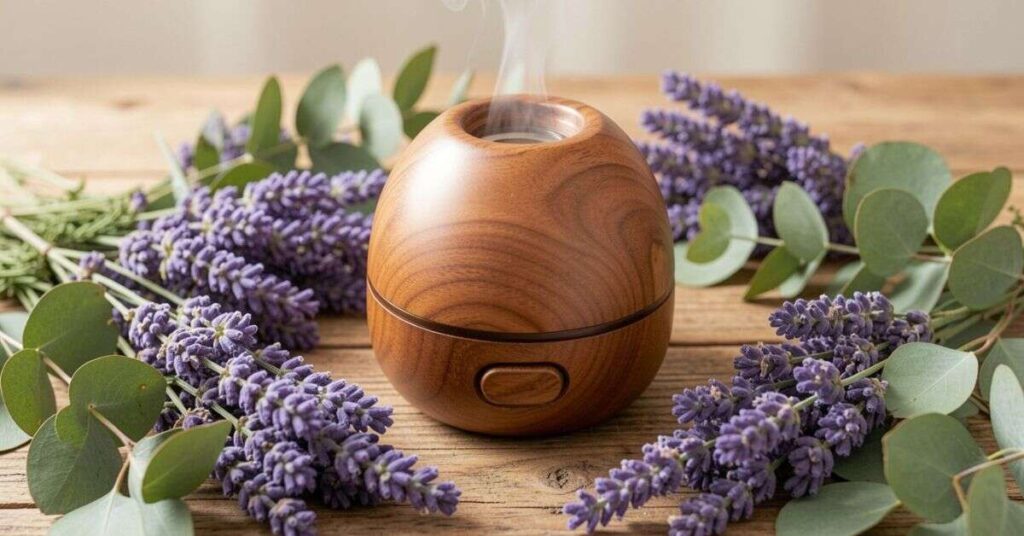
Many people enjoy essential oil diffuser recipes because they help create a comfortable and relaxing environment during everyday wellness routines. In addition, pleasant aromas can make everyday spaces feel more welcoming and enjoyable. Furthermore, different essential oil blends allow you to create a variety of moods throughout the day. As a result, you can easily match your diffuser recipe to your daily routine or personal preferences.
While diffusing essential oils is not a treatment for medical conditions, the right aroma can still make your space feel calmer, fresher, or more comforting. For example, citrus blends often create a bright and refreshing atmosphere. Meanwhile, floral and woody blends are commonly chosen for a softer and more relaxing ambiance. Likewise, herbal aromas can contribute to a clean and balanced environment. Therefore, selecting the right combination depends on the atmosphere you want to create.
Moreover, choosing high-quality essential oils and well-balanced blends allows you to enjoy pleasant, natural fragrances. At the same time, using the recommended number of drops helps maintain a comfortable scent level. In addition, regular diffuser maintenance supports consistent performance. Consequently, your favorite diffuser recipes continue to perform as intended. Ultimately, combining quality ingredients, thoughtful blending, and proper diffuser care helps create a peaceful, fresh, and inviting atmosphere throughout your home.
Different wellness goals call for different scent profiles. Fresh herbal and minty oils often create an open, invigorating environment, whereas floral and woody oils encourage relaxation. The following recipes are designed to complement your daily routine and should never replace professional medical advice or prescribed treatment.
Important: Diffuser blends can enhance your environment, but they should not be used to diagnose, treat, cure, or prevent any disease.
Deep Breathing Blend
Fresh, clean aromas can make your room feel airy and revitalizing, especially when you want a refreshing environment for reading, stretching, or quiet relaxation.
| Essential Oil | Drops |
| Eucalyptus Radiata | 3 |
| Peppermint | 2 |
| Lemon | 3 |
Eucalyptus Radiata provides a clean, crisp aroma, while peppermint adds a cooling freshness. Lemon brightens the blend and prevents the fragrance from becoming too intense. Together, these oils create a refreshing scent that works well during morning routines or after a long day indoors.
For the most pleasant experience, diffuse this blend in a well-ventilated room for 30 to 60 minutes.
Respiratory Support Blend
Many people prefer fresh herbal aromas during colder months because they create a clean and comfortable indoor atmosphere. This blend combines cooling and woody notes to produce a balanced fragrance that feels refreshing without overpowering the room.
| Essential Oil | Drops |
| Eucalyptus Radiata | 3 |
| Ravintsara | 2 |
| Cedarwood | 2 |
| Lemon | 1 |
Eucalyptus Radiata and Ravintsara provide crisp herbal notes, while cedarwood adds warmth and depth. Lemon contributes a subtle citrus finish that keeps the fragrance light and welcoming.
This recipe is especially popular during seasonal weather changes when people want their homes to smell clean and fresh.
Seasonal Support Blend
Changing seasons often inspire people to refresh the atmosphere inside their homes. Bright citrus combined with herbal oils creates a lively fragrance that complements spring, autumn, and winter alike.
| Essential Oil | Drops |
| Sweet Orange | 3 |
| Tea Tree | 2 |
| Lemon | 2 |
| Rosemary | 1 |
Sweet orange introduces natural sweetness, tea tree adds a crisp herbal aroma, and rosemary contributes a fresh green note. The result is a balanced blend that feels bright, clean, and suitable for everyday use.
This recipe also works well in living rooms, kitchens, and entryways where a welcoming fragrance makes a noticeable difference.
Immune Support Blend
Although no diffuser blend can strengthen or replace your immune system, many people enjoy warm herbal aromas as part of their seasonal wellness routine. This recipe focuses on creating a comforting environment rather than making medical claims.
| Essential Oil | Drops |
| Frankincense | 3 |
| Lemon | 2 |
| Tea Tree | 2 |
| Lavender | 1 |
Frankincense provides a rich, grounding base, while lemon keeps the fragrance bright and uplifting. Tea tree contributes a clean herbal character, and lavender softens the overall aroma for a smooth finish.
This blend is ideal when you want your home to feel warm, peaceful, and inviting during colder months or busy weeks spent indoors.
Wellness Diffusing Best Practices
Using the right recipe is only part of creating an enjoyable experience. Following a few simple habits can help you get consistent results while using your diffuser safely.
| Best Practice | Why It Matters |
| Use high-quality essential oils | Produces a cleaner, more authentic aroma. |
| Diffuse for 30–60 minutes at a time | Prevents scent fatigue and conserves oils. |
| Keep the room ventilated | Maintains a comfortable indoor environment. |
| Clean your diffuser regularly | Prevents residue from affecting future blends. |
| Adjust recipes gradually | Makes it easier to find your preferred fragrance strength. |
Making Wellness Blends More Enjoyable
The best wellness routine is one that feels consistent and relaxing. Instead of using the same recipe every day, rotate between citrus, herbal, floral, and woody blends to keep your sense of smell engaged. In addition, changing your blends regularly helps prevent fragrance fatigue. As a result, each aroma continues to feel fresh and enjoyable. Furthermore, rotating different scent families allows you to experience a wider variety of natural fragrances.
Additionally, consider matching your diffuser recipe to your daily activity. For example, fresh citrus blends work well during morning routines because they create a bright and refreshing atmosphere. Meanwhile, herbal recipes are often well suited to productive afternoons. Likewise, floral or woody combinations create a peaceful atmosphere during the evening. Consequently, each blend complements the mood and purpose of that part of the day. Therefore, your home can feel more comfortable and inviting from morning until night.
Over time, you’ll naturally build a collection of favorite essential oil diffuser recipes that fit different moments of your day. At the same time, you’ll become more confident in creating your own unique combinations. As a result, experimenting with new blends becomes easier and more enjoyable. Ultimately, regularly rotating recipes, adjusting blends for different activities, and exploring new aroma combinations help keep your home naturally fragrant, balanced, and inviting throughout the year.
Fun & Specialty Essential Oil Diffuser Recipes
Not every diffuser blend has to focus on relaxation or seasonal aromas. Some essential oil diffuser recipes are simply designed to make everyday activities more enjoyable. Whether you’re planning a road trip, hosting friends, creating a cozy atmosphere for date night, or looking for a fun candy-inspired fragrance, specialty blends allow you to personalize your space in creative ways.
The recipes below combine complementary oils to produce distinctive fragrances for different occasions. Feel free to adjust the drop count to match your diffuser size while maintaining the same proportions for the best scent balance.
Bug Repellent Blend
Warm weather often means spending more time near open windows, patios, or balconies. This fresh herbal blend creates a pleasant outdoor atmosphere while featuring oils that are commonly included in natural insect-repellent recipes.
| Essential Oil | Drops |
| Citronella | 3 |
| Lemongrass | 2 |
| Lavender | 2 |
| Eucalyptus | 1 |
Citronella provides the dominant fresh citrus aroma, lemongrass adds brightness, lavender softens the blend, and eucalyptus introduces a crisp finish. This recipe works especially well on covered patios, screened porches, and sunrooms.
Note: Always follow product directions if diffusing outdoors, and remember that diffuser blends are not a substitute for approved insect repellents.
Date Night Blend
A warm, elegant fragrance can instantly make an evening feel more intimate. This blend combines soft floral notes with rich woods and bright citrus to create a sophisticated aroma without becoming too sweet.
| Essential Oil | Drops |
| Bergamot | 3 |
| Ylang Ylang | 2 |
| Sandalwood | 2 |
| Sweet Orange | 1 |
Bergamot opens with a fresh citrus scent, ylang ylang introduces a luxurious floral heart, and sandalwood adds a smooth, creamy finish. The result is a balanced fragrance that feels refined and welcoming.
Road Trip Blend
Long drives become more enjoyable when your vehicle smells fresh and clean. This lively combination creates an energizing atmosphere that many people enjoy during daytime travel.
| Essential Oil | Drops |
| Lemon | 3 |
| Peppermint | 2 |
| Rosemary | 2 |
| Grapefruit | 1 |
The bright citrus oils create freshness, rosemary adds a crisp herbal character, and peppermint finishes with a cool, invigorating aroma. If you’re using a car diffuser, reduce the total number of drops according to the manufacturer’s instructions.
Study Blend
A clean and refreshing workspace helps create an environment that feels organized and productive. This blend combines herbal and citrus oils for a fragrance that stays pleasant during long study sessions.
| Essential Oil | Drops |
| Rosemary | 3 |
| Lemon | 3 |
| Basil | 1 |
| Peppermint | 1 |
Rosemary serves as the foundation of this recipe, while lemon brightens the overall aroma. Basil adds subtle herbal depth, and peppermint contributes a refreshing finish that keeps the fragrance lively.
Party Blend
When friends and family gather, your home should smell inviting from the moment guests arrive. This cheerful citrus recipe creates an energetic atmosphere that suits birthdays, celebrations, and weekend get-togethers.
| Essential Oil | Drops |
| Sweet Orange | 3 |
| Grapefruit | 3 |
| Lime | 2 |
The combination produces a juicy citrus fragrance that feels vibrant without becoming overpowering. Because citrus oils appeal to many different scent preferences, this recipe is an excellent choice for entertaining guests.
Man Cave Blend
This rich, masculine-inspired blend combines earthy woods with subtle spice to create a warm and sophisticated atmosphere. It works particularly well in home offices, game rooms, workshops, and reading spaces.
| Essential Oil | Drops |
| Cedarwood | 3 |
| Black Spruce | 2 |
| Vetiver | 2 |
| Bergamot | 1 |
Cedarwood provides a smooth woody foundation, black spruce introduces fresh evergreen notes, vetiver contributes earthy depth, and bergamot adds a light citrus finish that keeps the fragrance balanced.
Candy-Inspired Blend
If you enjoy playful fragrances, this sweet citrus recipe creates an aroma that reminds many people of colorful fruit candies without using artificial scents.
| Essential Oil | Drops |
| Sweet Orange | 3 |
| Tangerine | 3 |
| Vanilla Oleoresin | 2 |
Sweet orange and tangerine create a juicy, fruity opening, while vanilla oleoresin adds a creamy sweetness that completes the blend. This recipe works beautifully in family rooms, playrooms, and kitchens.
Spiced Chai Blend
Warm spices and creamy citrus create one of the coziest home fragrances during cooler months. This recipe captures the comforting character of a freshly brewed cup of chai.
| Essential Oil | Drops |
| Cardamom | 2 |
| Cinnamon Leaf | 2 |
| Sweet Orange | 3 |
| Clove Bud | 1 |
Cardamom introduces gentle spice, cinnamon leaf provides warmth, sweet orange balances the richer oils, and clove bud adds a subtle finishing touch. The fragrance feels welcoming, especially during autumn and winter evenings.
Customize Specialty Blends with Confidence
The recipes above are excellent starting points, but experimenting with small adjustments allows you to create your own signature fragrances. Replacing grapefruit with bergamot, swapping cedarwood for sandalwood, or adding one extra drop of lavender can completely transform the character of a blend while maintaining its overall balance.
To make future blending easier, consider creating your own essential oil diffuser recipes PDF or blending journal. Recording the oils, drop counts, and your impressions after each recipe helps you refine successful combinations over time. Before long, you’ll have a personalized collection of easy essential oil recipes for diffuser use that perfectly suits every occasion, season, and room in your home.
Best Essential Oils for Diffuser Recipes
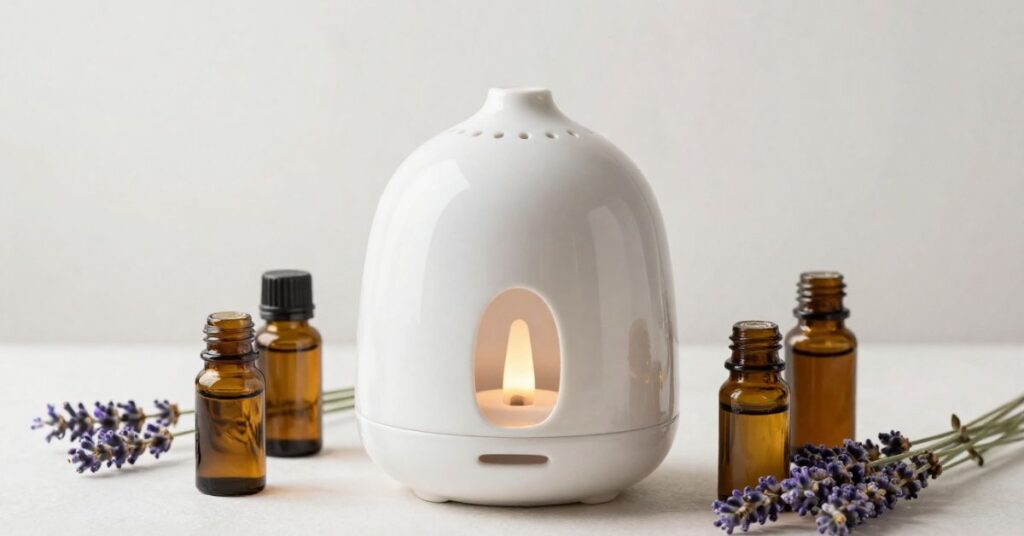
The quality of your essential oil diffuser recipes depends not only on the recipe itself but also on the oils you choose. Each essential oil belongs to a particular scent family and contributes a unique aroma, intensity, and character to a blend. Some oils provide bright, uplifting top notes, while others create warm base notes that help the fragrance last longer.
Building a versatile collection doesn’t require dozens of bottles. A carefully selected group of high-quality essential oils allows you to create hundreds of unique diffuser blends for every season, mood, and room in your home. Understanding the strengths of each scent family also makes it easier to substitute oils without compromising the overall balance of a recipe.
Citrus Oils
Citrus essential oils are among the most popular ingredients in essential oil recipes for home fragrance because they create bright, cheerful aromas that instantly refresh indoor spaces. Their clean scent makes them suitable for kitchens, bathrooms, living rooms, and home offices.
These oils usually act as top notes, meaning they provide the first impression of a diffuser blend before gradually giving way to deeper aromas.
| Essential Oil | Aroma Profile | Best Used For |
| Sweet Orange | Sweet, juicy, uplifting | Everyday home fragrance |
| Lemon | Crisp, fresh, clean | Kitchens and workspaces |
| Grapefruit | Bright, tangy, vibrant | Morning blends |
| Bergamot | Citrus with soft floral notes | Relaxing daytime blends |
| Lime | Sharp, refreshing | Summer recipes |
| Mandarin | Soft, sweet citrus | Family-friendly blends |
Because citrus oils evaporate quickly, they often pair well with woody or floral oils that help create a more balanced fragrance.
Floral Oils
Floral oils add elegance, softness, and depth to diffuser blends. They are especially popular in bedrooms, reading spaces, and evening routines because they create a gentle, comforting atmosphere.
Most floral oils serve as middle notes, helping bridge bright citrus aromas with deeper woody base notes.
| Essential Oil | Aroma Profile | Best Used For |
| Lavender | Soft, floral, herbaceous | Relaxation and bedtime |
| Geranium | Fresh, rosy | Spring blends |
| Roman Chamomile | Sweet, delicate | Quiet evenings |
| Ylang Ylang | Rich, exotic floral | Luxury-inspired blends |
| Jasmine Absolute | Warm floral | Special occasions |
Floral oils blend beautifully with citrus, woodsy, and herbal oils, making them some of the most versatile ingredients for homemade diffuser recipes.
Woody Oils
Woody oils provide warmth, richness, and longevity. Since they evaporate slowly, they often function as base notes, helping diffuser blends maintain their character throughout the diffusing session.
| Essential Oil | Aroma Profile | Best Used For |
| Cedarwood | Warm, dry wood | Everyday cozy blends |
| Sandalwood | Creamy, smooth wood | Meditation and evenings |
| Frankincense | Resinous, earthy | Wellness blends |
| Vetiver | Deep, earthy | Grounding recipes |
| Fir Needle | Fresh evergreen | Winter and holiday blends |
Adding just one woody oil can make a diffuser recipe feel fuller, smoother, and more sophisticated.
Mint Oils
Mint oils produce crisp, cooling aromas that instantly freshen indoor spaces. Their invigorating fragrance makes them ideal for daytime use, particularly in home offices, kitchens, and entryways.
Because mint oils are naturally strong, they usually require fewer drops than softer floral or citrus oils.
| Essential Oil | Aroma Profile | Best Used For |
| Peppermint | Cool, fresh, powerful | Morning and productivity |
| Spearmint | Sweet, gentle mint | Family rooms |
| Cornmint | Sharp, cooling | Freshening larger spaces |
Mint oils pair exceptionally well with lemon, eucalyptus, rosemary, and grapefruit to create lively essential oil diffuser recipes for clean air.
Spice Oils
Spice oils introduce warmth and richness, making them favorites for autumn, winter, and holiday diffuser blends. Since these oils have powerful aromas, they should be used sparingly to maintain balance.
| Essential Oil | Aroma Profile | Best Used For |
| Cinnamon Leaf | Warm, spicy | Fall recipes |
| Clove Bud | Rich, bold spice | Holiday blends |
| Cardamom | Sweet, aromatic spice | Cozy home fragrance |
| Black Pepper | Dry, peppery warmth | Woodsy blends |
Even one extra drop of a spice oil can noticeably change a blend, so always begin with a small amount before increasing the strength.
Herbal Oils
Herbal essential oils create fresh, green aromas that complement both citrus and woody scents. Their versatility makes them valuable additions to almost any collection.
| Essential Oil | Aroma Profile | Best Used For |
| Rosemary | Fresh, herbaceous | Focus blends |
| Basil | Sweet herbal | Study recipes |
| Clary Sage | Earthy herbal | Evening blends |
| Tea Tree | Clean, medicinal | Fresh home fragrance |
| Eucalyptus Radiata | Crisp, airy | Wellness recipes |
Herbal oils often provide the bridge between bright citrus top notes and deeper woody base notes, creating a smoother overall fragrance.
Build a Versatile Essential Oil Collection
You don’t need to purchase every essential oil available. A balanced starter collection can produce dozens of different essential oil diffuser recipes by simply changing the ratios and combinations.
For beginners, these ten oils offer excellent versatility:
| Recommended Starter Collection |
| Sweet Orange |
| Lemon |
| Lavender |
| Peppermint |
| Rosemary |
| Cedarwood |
| Frankincense |
| Tea Tree |
| Bergamot |
| Eucalyptus Radiata |
With these oils alone, you can create energizing morning blends, relaxing evening recipes, fresh home fragrances, seasonal aromas, and many of the best essential oil diffuser recipes featured throughout this guide.
Expert Tip: As your collection grows, expand gradually instead of buying dozens of oils at once. Learning how each essential oil smells on its own makes it much easier to build balanced blends and develop your own signature diffuser recipes with confidence.
Essential Oil Diffuser Blending Tips
Creating memorable essential oil diffuser recipes involves more than simply mixing a few oils together. Instead, the best blends come from understanding how different scent families interact and how small adjustments can transform the overall fragrance. For example, balancing citrus, floral, herbal, spicy, and woody oils creates a smoother aroma that develops naturally over time. In addition, paying attention to oil quality, drop ratios, and room size helps every blend perform more consistently. As you gain experience, you will also become more confident in modifying recipes to match different moods, seasons, and living spaces. Consequently, your essential oil diffuser recipes will become more balanced, enjoyable, and uniquely suited to your home.
Mistakes to Avoid When Making Essential Oil Diffuser Recipes
Even the best essential oil diffuser recipes can produce disappointing results if a few common mistakes are overlooked. First, avoid adding excessive amounts of essential oil to your diffuser. Although using more drops may seem like the easiest way to create a stronger fragrance, it often produces an overpowering aroma instead of a balanced one. Therefore, begin with the manufacturer’s recommended number of drops and adjust gradually according to your room size and personal preference.
Likewise, avoid combining too many oils in a single blend. Using several dominant fragrances at once can make it difficult for individual aromas to stand out. Instead, limit most recipes to two, three, or four complementary oils. As a result, each scent remains noticeable while the overall blend feels smooth and harmonious.
Furthermore, always store essential oils in a cool, dark place with the cap tightly closed. Proper storage helps preserve the natural aroma and prevents oxidation, allowing your blends to maintain their original fragrance. Finally, clean your diffuser regularly because leftover residue from previous blends can alter new essential oil diffuser recipes and reduce their freshness. Regular maintenance ensures every recipe smells exactly as intended.
Best Essential Oil Combinations for Diffuser Recipes
Some essential oil diffuser recipes work exceptionally well because the oils naturally complement one another. Citrus oils provide brightness and energy, floral oils soften the fragrance, herbal oils add freshness, spicy oils introduce warmth, and woody oils create depth. When these scent families are combined thoughtfully, the final blend becomes more balanced and longer lasting.
Classic combinations offer an excellent starting point for beginners. Lemon, sweet orange, and grapefruit create a clean, refreshing atmosphere that works well throughout the day. Meanwhile, lavender, cedarwood, and frankincense produce a relaxing blend that is perfect for evenings. Likewise, rosemary, peppermint, and lemon help create an uplifting environment that supports focus and productivity. Seasonal combinations such as sweet orange, cinnamon leaf, and cedarwood also bring warmth and comfort during cooler months. Once you understand how these fragrance families interact, creating your own personalized essential oil diffuser recipes becomes much easier.
How to Make Long-Lasting Essential Oil Diffuser Recipes
Long-lasting essential oil diffuser recipes depend on selecting the right oils, balancing fragrance layers, and using your diffuser correctly. Rather than adding extra drops, focus on building a blend that releases its aroma gradually. This approach creates a fragrance that remains pleasant from the beginning of the diffusing session until the very end.
Build Your Blend with Base Notes
Including at least one base note is one of the easiest ways to improve the longevity of essential oil diffuser recipes. Oils such as cedarwood, sandalwood, frankincense, vetiver, and patchouli evaporate more slowly than citrus oils. Consequently, they anchor lighter aromas, add depth, and help the fragrance remain noticeable for a longer period.
Balance the Scent Layers
A balanced fragrance develops naturally instead of disappearing quickly. In general, using approximately thirty percent top notes, fifty percent middle notes, and twenty percent base notes creates a smooth progression from the first impression to the final lingering aroma. Although this ratio is flexible, it provides an excellent foundation for experimenting with new essential oil diffuser recipes.
Choose Quality Oils and Care for Your Diffuser
Oil quality directly influences the performance of every blend. Pure essential oils typically deliver richer, cleaner, and more consistent fragrances than lower-quality alternatives. In addition, using filtered or distilled water helps reduce mineral buildup inside ultrasonic diffusers. Regular cleaning also prevents old residue from affecting new essential oil diffuser recipes, ensuring every blend smells fresh and performs consistently.
Match Your Blend to Room Size
The size of your room has a significant impact on fragrance performance. Larger spaces naturally disperse aromas more quickly, whereas smaller rooms retain fragrance for longer periods. Therefore, instead of simply increasing the number of oil drops, choose richer base-note oils or slightly adjust the water level. As a result, your essential oil diffuser recipes remain balanced without becoming overpowering.
Essential Oil Diffuser Recipe Pairing Guide
Creating original essential oil diffuser recipes becomes much easier when you understand which scent families naturally complement one another. Citrus oils blend beautifully with woody aromas, floral oils pair well with bright citrus notes, and spicy oils add warmth to sweet or woody fragrances. Similarly, herbal and minty oils create fresh, clean combinations that work well in kitchens, offices, and living areas.
Rather than choosing oils randomly, use complementary fragrance families as your starting point. This simple approach helps every blend feel balanced while encouraging creativity. Over time, you will naturally discover new combinations that reflect your personal preferences and suit different seasons, occasions, and rooms throughout your home.
Create Your Own Essential Oil Diffuser Recipes with Confidence
The more you experiment, the easier it becomes to develop your own signature essential oil diffuser recipes. Start by making small adjustments to proven blends rather than changing every ingredient at once. Recording the oils, drop counts, and your impressions after each recipe also makes it easier to recreate successful combinations in the future.
Keeping a simple blending journal is one of the best habits for long-term success. As your collection grows, you will quickly identify which oils work best together and which ratios produce the most enjoyable fragrance. With regular practice, thoughtful experimentation, and high-quality ingredients, you can confidently create personalized essential oil diffuser recipes that bring comfort, freshness, and the perfect atmosphere to your home.
Diffuser Safety Tips
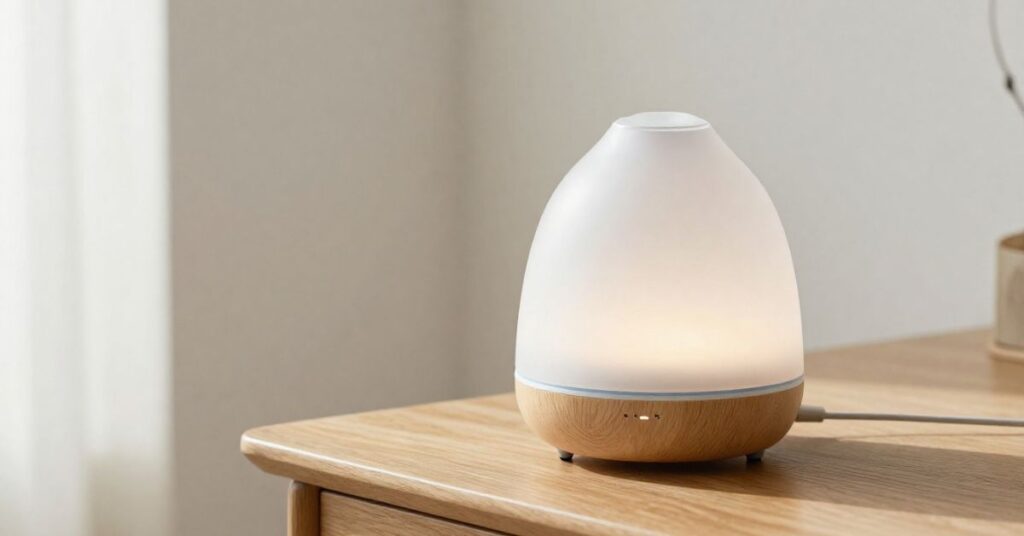
First of all, using essential oil diffuser recipes correctly helps you enjoy their fragrance while maintaining a safe and comfortable indoor environment. In addition, proper use allows you to get more consistent results from every diffuser session. Furthermore, it helps you avoid using more essential oil than necessary. As a result, your diffuser recipes remain both effective and economical.
Although diffusing essential oils is simple, following a few basic precautions can make a significant difference. For example, using the recommended number of drops and operating the diffuser according to the manufacturer’s instructions can improve both performance and safety. Moreover, keeping the room well ventilated supports a more comfortable diffusing experience. Likewise, taking regular breaks between diffusing sessions helps prevent the fragrance from becoming too intense. Most importantly, if children, pets, or sensitive individuals spend time in your home, extra care is recommended. Therefore, choose diffuser blends thoughtfully and monitor how everyone responds to the aroma. At the same time, avoid excessive diffusing and follow the guidance provided for both the diffuser and the essential oils. Ultimately, these simple precautions help create a pleasant, balanced, and safer indoor environment while allowing you to enjoy your favorite essential oil diffuser recipes with confidence.
Good diffuser habits begin with moderation. A pleasant aroma should gently fill the room without becoming overpowering. Running a diffuser continuously or adding excessive amounts of oil rarely improves the experience. Instead, balanced recipes, proper ventilation, and regular breaks help keep the fragrance enjoyable for everyone.
Important: Essential oils are highly concentrated plant extracts. Always use them according to the diffuser manufacturer’s instructions and discontinue use if anyone experiences discomfort.
Safe Diffusing Around Children
Children are generally more sensitive to strong aromas than adults. Their smaller body size and developing respiratory systems mean that a fragrance that feels mild to an adult may seem intense to a young child. Therefore, it’s best to diffuse essential oils in well-ventilated rooms while keeping the scent light and comfortable.
Choose gentle oils that are commonly used in family settings, such as lavender, sweet orange, mandarin, or frankincense. At the same time, avoid making blends overly concentrated. Using fewer drops usually provides a more pleasant experience than creating a strong fragrance.
Never place a diffuser where children can reach it. Essential oil bottles should also remain tightly closed and stored in a secure cabinet because even small amounts of undiluted essential oil can be harmful if swallowed or spilled.
If your child has asthma, allergies, or another respiratory condition, consult a qualified healthcare professional before regularly diffusing essential oils.
Safe Diffusing Around Pets
Dogs, cats, birds, and other household pets have a much stronger sense of smell than humans. As a result, they may react differently to certain essential oils or prolonged exposure to strong fragrances.
Whenever you diffuse essential oils around pets, make sure they can freely leave the room if they choose. Good airflow is equally important because it prevents aromas from becoming too concentrated.
Some essential oils may not be appropriate for every species. Cats, in particular, can be sensitive to certain essential oils because of differences in how their bodies process natural compounds. Birds also have delicate respiratory systems that require extra caution.
If you share your home with pets, follow these simple guidelines:
- Diffuse in well-ventilated rooms.
- Allow pets to leave the area whenever they wish.
- Avoid directing diffuser mist toward pet beds, cages, or food bowls.
- Watch for signs of discomfort, such as leaving the room, excessive drooling, coughing, sneezing, or unusual behavior.
- Contact your veterinarian immediately if you suspect an adverse reaction.
Whenever you’re in doubt, speak with your veterinarian before introducing new diffuser blends into your home. This way, you can make more informed decisions about the safety of your pets. In addition, a veterinarian can provide guidance based on your pet’s species, age, and individual health needs. Furthermore, professional advice can help you avoid using oils that may not be appropriate for certain animals. As a result, you can enjoy your diffuser with greater peace of mind. Likewise, introducing new blends gradually allows you to monitor your pet’s response more carefully.
How Long Should You Run a Diffuser?
Running your diffuser for longer periods does not necessarily produce a better fragrance. In fact, continuous diffusing can lead to scent fatigue, making it difficult to notice the aroma after a while. Shorter sessions often create a fresher and more enjoyable experience.
For most ultrasonic diffusers, 30 to 60 minutes at a time is sufficient for everyday use. Larger rooms may benefit from slightly longer sessions, while smaller bedrooms often require less time.
The following table provides general recommendations:
| Room Size | Suggested Diffusing Time |
| Small Room | 20–30 minutes |
| Medium Room | 30–45 minutes |
| Large Room | 45–60 minutes |
Many modern diffusers include timer settings or intermittent mist modes. These features, in turn, help conserve essential oils while preventing the fragrance from becoming overwhelming. As a result, you can enjoy a more balanced and comfortable aroma throughout the room. In addition, they reduce unnecessary oil consumption during each diffusing session. Furthermore, they help improve the overall efficiency of your diffuser. If your diffuser offers these options, then using them regularly can extend both the life of your essential oils and the lifespan of the diffuser itself.
Moreover, intermittent settings allow the diffuser to operate more efficiently. Consequently, you may need to refill the reservoir less often. Likewise, using automatic timers helps prevent the diffuser from running longer than necessary. Therefore, your oils last longer while the device experiences less wear. Ultimately, taking advantage of these built-in features helps you enjoy a more consistent fragrance, better performance, and greater long-term value from your diffuser.
Additional Diffuser Safety Tips
Following a few extra precautions helps maintain both your diffuser and your essential oils while ensuring consistent performance.
| Safety Tip | Why It Matters |
| Read your diffuser manual | Different diffusers have different capacity limits. |
| Use clean water | Reduces mineral buildup inside the diffuser. |
| Clean the diffuser regularly | Prevents residue from affecting future blends. |
| Measure oils carefully | Produces balanced fragrances and avoids waste. |
| Store oils away from sunlight | Helps preserve aroma and freshness. |
| Keep bottles tightly sealed | Minimizes oxidation and extends shelf life. |
| Never ingest essential oils unless directed by a qualified professional | Essential oils are highly concentrated and not intended for casual consumption. |
Safe Diffusing Creates a Better Experience
The most enjoyable essential oil diffuser recipes are those used thoughtfully and responsibly.By choosing quality oils, following the recommended drop counts, keeping rooms well ventilated, and respecting the needs of children and pets, you can enjoy beautiful natural fragrances with greater confidence. In addition, these simple practices help create a safer and more enjoyable diffusing experience. Furthermore, they reduce the risk of using more oil than necessary. As a result, every diffuser session becomes more balanced and comfortable. Likewise, following these recommendations helps you get more consistent results from your favorite essential oil diffuser recipes.
Moreover, developing safe diffusing habits also protects your investment in both your diffuser and your essential oils. For example, using the correct amount of oil and cleaning your diffuser regularly can improve its performance. At the same time, proper care helps extend the lifespan of the diffuser. In addition, storing essential oils correctly helps preserve their aroma and quality. Consequently, your oils remain effective for a longer period. Ultimately, combining quality products with safe diffusing practices allows you to enjoy reliable, long-lasting, and pleasant home fragrance every time. As these practices become routine, creating a pleasant, welcoming atmosphere throughout your home becomes effortless, allowing you to enjoy every blend exactly as it was intended.
Where to Buy High-Quality Essential Oils
The quality of your essential oil diffuser recipes depends heavily on the quality of the oils you use. Even the best recipe cannot produce an exceptional fragrance if the essential oils are old, diluted, or poorly processed. Premium oils typically deliver richer aromas, blend more smoothly, and provide greater consistency from one bottle to the next.
Fortunately, identifying high-quality essential oils becomes much easier once you know what to look for. Reputable brands are transparent about their sourcing, extraction methods, and quality testing. Instead of relying on marketing claims alone, they provide detailed product information that allows customers to make informed decisions.
Although premium oils often cost more than inexpensive alternatives, they usually offer better value because only a few drops are needed to create balanced, long-lasting diffuser blends. In fact, their higher concentration means you often use less oil during each session. As a result, a single bottle may last much longer than expected. Furthermore, premium oils typically produce cleaner and more natural aromas. In addition, they blend more smoothly with other essential oils, creating a more balanced fragrance. Likewise, their consistent quality makes it easier to recreate your favorite diffuser recipes.
For this reason, many experienced users prefer investing in high-quality oils. Moreover, using fewer drops can help reduce waste over time. Consequently, the higher upfront cost may provide better long-term value. Ultimately, choosing premium essential oils allows you to enjoy more reliable, long-lasting, and enjoyable diffuser blends.
What to Look for When Buying Essential Oils
Check the Label Carefully
A trustworthy essential oil company provides clear information about every product it sells. To begin with, the label should include the botanical (Latin) name, the plant part used, the country of origin whenever available, and the extraction method. These details help confirm that you are purchasing a genuine essential oil instead of a generic fragrance product. More importantly, transparent labeling reflects a brand’s commitment to quality. As a result, comparing products becomes much easier, allowing you to choose oils that work well in your essential oil diffuser recipes.
Choose Proper Packaging
Besides the label, packaging plays an equally important role in preserving quality. Genuine essential oils are typically sold in dark amber or cobalt blue glass bottles because colored glass protects the oil from sunlight. This protection helps preserve the natural aroma and reduces oxidation over time. In addition, a secure cap with a built-in dropper allows you to measure each recipe accurately while limiting unnecessary air exposure. Consequently, the oil stays fresher for longer and performs more consistently in diffuser blends.
Essential Oil Buying Checklist
Before purchasing any essential oil, review the following quality checklist.
| What to Check | Why It Matters |
|---|---|
| Botanical (Latin) name | Confirms the exact plant species. |
| Plant part used | Different parts of the same plant produce different aromas. |
| Extraction method | Shows whether the oil was steam distilled or cold pressed. |
| Dark glass bottle | Protects the oil from light exposure. |
| Batch number | Indicates quality control and traceability. |
| Ingredient list | Pure essential oils generally contain only one ingredient. |
| Testing information | Demonstrates the company’s commitment to quality. |
Compare Quality Instead of Price Alone
Finally, price can provide useful clues, but it should never be the only factor you consider. Producing pure essential oils requires large amounts of plant material, careful harvesting, and specialized extraction methods. For this reason, extremely inexpensive oils may not deliver the same level of purity as products from reputable suppliers. Even so, a higher price does not automatically guarantee better quality. Instead, compare the ingredient list, sourcing details, extraction method, and testing information before making your decision.
Additionally, reputable brands often display the botanical name and other transparency details directly on the label. Meanwhile, customer reviews can provide helpful information about aroma quality, packaging, and product consistency. Nevertheless, reviews should support your decision rather than replace the factual information supplied by the manufacturer. Ultimately, choosing well-documented, high-quality essential oils gives you more reliable performance and consistently better results with your essential oil diffuser recipes.
How to Identify Pure Essential Oils
First of all, knowing how to recognize pure essential oils helps you build better essential oil diffuser recipes. At the same time, it helps you avoid products that contain unnecessary fillers or synthetic fragrances. In addition, choosing pure oils supports more consistent and balanced diffuser blends. Furthermore, high-quality oils preserve their natural aroma more effectively. As a result, each diffuser recipe smells cleaner and more authentic.
Likewise, pure oils blend more smoothly with other essential oils. For this reason, your diffuser recipes are more likely to produce the fragrance you expect. Moreover, carefully selected oils can improve the overall diffusing experience. Ultimately, taking a few extra moments to verify the quality of your essential oils leads to more reliable, enjoyable, and effective diffuser recipes every time.
Check the Label and Ingredients
First, examine the label carefully. A bottle labeled simply “Lavender Oil” provides less information than one labeled Lavandula angustifolia, which identifies the exact botanical species. Next, review the ingredient list carefully. Pure essential oils typically contain only the essential oil itself. However, if additional ingredients, artificial fragrances, mineral oil, or unidentified blends appear on the label without a clear explanation, the product may not be suitable for creating authentic diffuser recipes. In particular, unclear ingredient lists can make it difficult to know exactly what you are diffusing. Furthermore, artificial additives may alter the natural aroma of the blend. As a result, the fragrance may smell less balanced and less enjoyable. In addition, products with undisclosed ingredients can produce inconsistent results from one recipe to another. Therefore, always read the label carefully before making a purchase.
Likewise, look for products that clearly identify every ingredient and provide transparent sourcing information. For example, many reputable brands list the botanical name, extraction method, and country of origin. Consequently, you can choose oils with greater confidence. Ultimately, selecting pure, clearly labeled essential oils helps ensure that every diffuser recipe delivers a cleaner, more natural, and more consistent aromatic experience.
Evaluate Aroma and Packaging
Additionally, pay attention to the aroma. High-quality essential oils usually develop naturally over time, allowing different scent notes to emerge gradually. By contrast, synthetic fragrance oils often smell flat, overly sweet, or unusually strong from beginning to end.
Similarly, storage recommendations can reveal a manufacturer’s commitment to quality. Companies that encourage customers to store oils away from heat, moisture, and direct sunlight demonstrate an understanding of how environmental conditions affect product quality.
| Pure Essential Oils | Lower-Quality Products |
|---|---|
| Clear botanical identification | Generic product names only |
| Dark glass packaging | Clear plastic or transparent bottles |
| Detailed sourcing information | Limited product details |
| Consistent natural aroma | Artificial or overly sharp fragrance |
| Quality testing available | Little or no testing information |
| Single-ingredient formula | May contain fillers or synthetic additives |
Buy From Reputable Brands
Finally, purchase your oils from companies with a strong reputation for quality and transparency. Established brands typically maintain stricter manufacturing standards, perform routine quality testing, and provide educational resources that help customers use their products confidently.Therefore, choosing premium oils has a significant impact on the quality of your essential oil diffuser recipes. In fact, high-quality essential oils deliver purer, more consistent aromas. Moreover, they blend more naturally with other oils, creating balanced and pleasant fragrance combinations. As a result, each diffuser recipe performs more effectively and provides a better overall experience.
In addition, premium oils often maintain their scent for longer during each diffusing session. Likewise, they help preserve the intended fragrance profile of every blend. For this reason, investing in quality oils is worthwhile for both beginners and experienced users. Ultimately, every diffuser recipe in this guide can perform at its full potential when you start with high-quality ingredients. Consequently, you’ll enjoy cleaner aromas, more harmonious blends, and a consistently satisfying home fragrance experience.
Final Thoughts
Creating your own essential oil diffuser recipes is one of the simplest ways to personalize the fragrance of your home. By understanding how scent families work together, choosing high-quality essential oils, and balancing top, middle, and base notes, you can design blends that suit every mood, every season, and every room.
Whether you’re looking for the best essential oil diffuser recipes to energize your mornings, calming blends to help you unwind after a long day, or essential oil recipes for home fragrance that make your living space feel warm and inviting, the possibilities are almost endless. In fact, you can easily customize each blend to suit your mood and personal preferences. Additionally, experimenting with different essential oils allows you to discover unique fragrance combinations. For example, you can combine floral, citrus, woody, or herbal oils to create balanced aromas.
Meanwhile, adjusting the number of drops helps you control the strength of the scent. As a result, every diffusing session becomes more enjoyable and personalized. Furthermore, rotating your favorite blends throughout the week keeps your home smelling fresh and interesting. Ultimately, with a little creativity and practice, you can create diffuser recipes that perfectly match every season, occasion, and room in your home. Therefore, don’t be afraid to experiment until you find the combinations you love most.
Start with a few versatile oils, experiment with different combinations, and keep a record of your favorite blends. Over time, you’ll build a personalized collection of recipes that perfectly matches your style and fills your home with beautiful, natural aromas.
FAQs:
What are the best essential oils for diffusers?
The best essential oils depend on the type of fragrance you enjoy and the atmosphere you want to create. For example, lavender is a favorite for relaxing spaces because it creates a calm and soothing atmosphere. Meanwhile, sweet orange, lemon, and grapefruit add a bright, fresh, and uplifting scent to kitchens and living rooms. In addition, these citrus oils help make the space feel clean and inviting. On the other hand, if you prefer warm, cozy aromas, cedarwood, frankincense, and sandalwood are excellent choices. Furthermore, these rich, earthy scents create a comforting environment that is ideal for quiet evenings.
As a result, they are often used in bedrooms, reading nooks, and meditation spaces. Ultimately, choosing the right essential oils depends on the mood you want to create. Therefore, experimenting with different combinations can help you discover your favorite diffuser blend.
For a clean and invigorating fragrance, many people choose peppermint, eucalyptus, or rosemary.
A well-rounded collection usually includes oils from several scent families. This allows you to create a wide variety of essential oil diffuser recipes for different moods, seasons, and rooms without purchasing dozens of individual oils.
How many drops of essential oil should I use in a diffuser?
The ideal number of drops depends on your diffuser’s water capacity and the strength of the oils you are using.For most ultrasonic diffusers, generally, 3 to 5 drops work well in a 100 mL reservoir. In contrast, larger 300–500 mL diffusers typically require 8 to 15 drops. If you’re trying a new recipe, however, start with the lower end of the recommended range. Then, evaluate the fragrance after your first session. After that, if you prefer a stronger aroma, you can gradually increase the number of drops during your next use. At the same time, avoid adding too much oil at once.
This way, the fragrance remains pleasant instead of becoming overwhelming. Moreover, this gradual approach helps you find the right balance for your space. As a result, you can enjoy a more comfortable diffusing experience. In addition, using fewer drops at first helps your essential oils last longer. Ultimately, this simple method improves both the aroma and the overall efficiency of your diffuser.
Can I mix different essential oils together?
Yes. In fact, blending multiple oils is the best way to create balanced and interesting fragrances. Combining top notes, middle notes, and base notes produces a richer aroma than using a single oil alone.
For beginners, start with two or three complementary oils. Citrus oils blend beautifully with woody oils, floral oils pair well with herbs, and mint oils often enhance fresh citrus recipes. As you become more familiar with different scent profiles, creating your own easy essential oil recipes for diffuser use becomes much simpler.
How often should I use my diffuser?
Most people enjoy diffusing essential oils once or twice a day for 30 to 60 minutes per session. This schedule provides plenty of fragrance while reducing the chance of scent fatigue.
If your diffuser includes an intermittent mist setting or built-in timer, using those features can help conserve essential oils and maintain a comfortable fragrance level throughout the day. Regularly cleaning the diffuser also improves performance and keeps every blend smelling fresh.
Which diffuser blends help with sleep?
Many people prefer soft floral and woody aromas during their evening routine. A classic bedtime blend combines:
- 4 drops Lavender
- 2 drops Roman Chamomile
- 2 drops Cedarwood
This combination creates one of the most popular relaxing essential oil blend recipes for diffuser use because it offers a gentle floral aroma with a warm, comforting finish. Additionally, the balanced scent helps create a peaceful environment that encourages relaxation. For this reason, many people choose this blend as part of their nightly routine. To achieve the best results, begin diffusing the oils about 20 to 30 minutes before bedtime.
Meanwhile, keep the room well ventilated and use the diffuser according to the manufacturer’s instructions. As a result, the fragrance has enough time to spread evenly throughout the space before you go to sleep. Ultimately, this simple habit can make your bedtime routine feel more calming and enjoyable.
Which diffuser blends make your house smell fresh?
Fresh-smelling homes often rely on citrus, herbal, and mint oils because they create bright, clean fragrances without feeling heavy. One of the most popular recipes is:
| Essential Oil | Drops |
| Lemon | 4 |
| Eucalyptus | 2 |
| Tea Tree | 2 |
This blend creates a crisp, clean, and refreshing fragrance that instantly brightens your living space. As a result, it works especially well in kitchens, bathrooms, entryways, and laundry rooms where fresh scents are most appreciated. In addition, the citrus notes help make these areas feel cleaner and more inviting throughout the day. If, however, you prefer a softer and slightly sweeter aroma, simply replace one drop of lemon essential oil with sweet orange or bergamot while keeping the overall number of drops the same.
This way, the blend remains well balanced without losing its fresh character. Moreover, sweet orange adds a warm, cheerful note, whereas bergamot introduces a light floral-citrus scent that feels both elegant and uplifting. Overall, this small adjustment allows you to personalize the diffuser recipe while maintaining its bright, refreshing appeal.