Introduction:
As the air turns crisp and colorful leaves begin to fall, many people look for simple ways to bring the comforting feeling of the season indoors. Autumn essential oil blends make that possible by filling your home with rich, inviting aromas that capture everything people love about fall. Whether you enjoy the scent of warm cinnamon rolls, fresh apples, spicy pumpkin treats, or peaceful forest walks, the right blend can instantly transform the atmosphere.
Beyond their beautiful fragrance, autumn essential oil blends offer practical benefits. Many fall-inspired oils create a relaxing environment after a busy day, while others help freshen indoor spaces or support seasonal wellness routines. Their versatility also makes them ideal for diffusers, candles, room sprays, soaps, bath products, and homemade gifts.
In this guide, you’ll discover the best autumn essential oils, learn how to create balanced blends, explore easy fall essential oil blend recipes, and understand how to use them safely throughout the season. Whether you are completely new to essential oils or already enjoy blending your own fragrances, you’ll find ideas that help you create warm, memorable scents for every autumn occasion.
What Are Autumn Essential Oil Blends?
Autumn essential oil blends are carefully combined mixtures of pure essential oils that recreate the comforting scents commonly associated with the fall season. Instead of relying on artificial fragrances, these blends use natural plant extracts to produce aromas inspired by harvest festivals, cozy evenings, woodland walks, fresh orchards, and homemade baked treats.
Most autumn blends combine several fragrance families rather than a single oil. Warm spices such as cinnamon and clove often provide depth, citrus oils add brightness, woody oils create an earthy foundation, and sweet oils contribute a soft, comforting finish. When these layers work together, they produce a fragrance that feels balanced instead of overpowering.
People use autumn essential oil blends for diffuser recipes more than any other application because diffusers distribute fragrance evenly throughout a room without burning the oils. However, these blends also work well in natural room sprays, homemade candles, wax melts, bath products, and seasonal cleaning solutions.
Unlike synthetic air fresheners that simply mask odors, high-quality essential oils provide authentic botanical aromas. This allows you to enjoy seasonal scents while maintaining greater control over the ingredients you bring into your home.
Another reason these blends remain popular is their flexibility. You can adjust each recipe according to your personal preferences by increasing sweet notes, reducing spice, or adding fresh evergreen oils for a cleaner finish. This customization makes homemade blends more enjoyable than many ready-made fragrances.
Why Autumn Essential Oil Blends Are So Popular
Several factors explain why autumn essential oil blends become favorites as soon as temperatures begin to cool. Their fragrances often trigger pleasant memories of family gatherings, holiday baking, colorful landscapes, and peaceful evenings indoors. Because scent connects closely with memory, even a small amount of fragrance can create a strong emotional response.
Another reason for their popularity is their ability to change the atmosphere of a room within minutes. A diffuser filled with warm spices and woody oils can make a living room feel inviting, while brighter citrus notes keep the blend from becoming too heavy. This balance creates a cozy environment without overwhelming the senses.
Many people also appreciate the creativity that comes with seasonal blending. Instead of purchasing the same commercial fragrance every year, they enjoy experimenting with different combinations of autumn essential oils to create unique scents that reflect their personal style.
Seasonal decorating has also contributed to the growing demand for fall-inspired aromas. Homes decorated with pumpkins, blankets, candles, and autumn colors often feel even more complete when paired with fragrances that match the visual setting. As a result, essential oil blending has become an important part of many fall traditions.
Social media has further increased interest by encouraging people to share creative diffuser recipes, DIY candles, handmade gifts, and home fragrance ideas. This continuous exchange of inspiration has introduced countless new combinations that appeal to both beginners and experienced essential oil enthusiasts.
What Makes Autumn Essential Oil Blends Different from Other Seasonal Blends
Every season has its own fragrance profile, but autumn essential oil blends stand apart because they emphasize warmth, richness, and depth rather than freshness or floral sweetness. Summer blends often focus on bright citrus and tropical notes, while spring blends highlight flowers and green herbs. Autumn shifts toward comforting aromas that create a feeling of warmth indoors.
Another defining feature is the increased use of spice oils. Cinnamon bark, clove bud, nutmeg, cardamom, black pepper, and ginger contribute the signature warmth associated with pumpkin desserts, apple cider, and holiday baking. These ingredients create the familiar scent profile many people immediately recognize as fall.
Woody essential oils also play a much larger role during autumn. Cedarwood, cypress, pine, fir needle, sandalwood, and spruce introduce earthy notes that resemble changing forests, mountain cabins, and fresh autumn landscapes. They provide stability while helping sweeter oils remain balanced.
Autumn blends frequently include vanilla-like aromas through oils such as benzoin or copaiba. Although true vanilla essential oil does not exist, these alternatives add creamy, dessert-inspired notes that complement spicy ingredients beautifully.
Finally, the best autumn essential oil blends focus on complexity instead of intensity. Rather than allowing one fragrance to dominate, they layer bright top notes, comforting middle notes, and rich base notes into a complete aroma that gradually unfolds over time. This balanced structure gives autumn blends their signature depth and makes them enjoyable from the first inhale to the final lingering scent.
Best Essential Oils for Autumn Essential Oil Blends
The quality of any autumn essential oil blends depends on the oils you choose. Every essential oil adds its own character, so selecting the right combination creates a fragrance that feels balanced, inviting, and true to the season. Some oils contribute warmth and spice, while others introduce earthy woods, sweet bakery notes, or crisp outdoor freshness. Understanding the role of each fragrance family makes it much easier to create the best autumn essential oil blends for your home.
A well-designed blend rarely relies on one dominant scent. Instead, it layers complementary aromas that unfold gradually. Bright notes greet you first, rich spices develop next, and deep woody scents remain in the background, creating a fragrance that feels natural rather than overwhelming. This layered approach gives homemade blends a more refined and long-lasting aroma.
The following essential oils appear in many professional diffuser recipes because they combine beautifully with one another and capture the unmistakable feeling of autumn.
Warm and Spicy Essential Oils
Warm spices define the heart of many fall essential oil blend recipes. These oils create the comforting aroma of fresh baking, hot drinks, festive gatherings, and cool evenings spent indoors. Because spice oils are naturally powerful, even a few drops can completely transform a blend.
Cinnamon Bark Essential Oil delivers one of the most recognizable autumn aromas. Its rich, sweet, and spicy fragrance instantly reminds many people of cinnamon rolls, pumpkin pie, apple cider, and holiday desserts. Since cinnamon bark is highly concentrated, it works best in very small amounts alongside softer oils.
Clove Bud Essential Oil introduces warmth with a slightly smoky character. It deepens diffuser blends and pairs exceptionally well with orange, cedarwood, vanilla-like oils, and sweet spices. Clove often adds richness without making a blend smell overly sweet.
Ginger Essential Oil contributes a fresh, spicy aroma that feels lively instead of heavy. It blends naturally with citrus oils, making it an excellent choice when you want a warm fragrance that still feels bright and energizing.
Cardamom Essential Oil offers a smoother, sweeter spice profile than cinnamon or clove. Its soft warmth helps round out complex blends while adding an elegant finish that works well in home fragrances and personal care products.
Black Pepper Essential Oil brings subtle dry spice with earthy undertones. Although people often overlook it, a single drop can add remarkable depth and improve the overall balance of autumn diffuser blends.
Together, these spice oils create the familiar fragrances associated with harvest celebrations, homemade desserts, and cozy evenings, making them essential ingredients in many autumn essential oil blends for diffuser.
Woody and Forest-Inspired Essential Oils
Woody essential oils provide the stable foundation that gives autumn blends their comforting depth. Instead of standing out on their own, they support brighter and sweeter oils while creating an aroma that resembles peaceful forests, rustic cabins, and fresh mountain air.
Cedarwood Essential Oil remains one of the most popular choices for autumn blending. Its warm, dry wood aroma adds richness without overpowering other ingredients. Cedarwood combines especially well with orange, cinnamon, clove, and fir needle to create relaxing seasonal fragrances.
Fir Needle Essential Oil introduces the clean scent of evergreen forests. Although many people associate fir with winter holidays, it also captures the refreshing feeling of early autumn hikes through wooded landscapes.
Pine Essential Oil adds crisp green notes that brighten heavy spice blends. When paired with citrus oils, it creates a fresh outdoor fragrance that feels both clean and comforting.
Cypress Essential Oil contributes a smooth, slightly smoky wood aroma that blends naturally with cedarwood and sandalwood. It helps soften sweeter ingredients while increasing the complexity of the finished blend.
Sandalwood Essential Oil offers a creamy, luxurious wood scent that lingers longer than many other essential oils. Because of its rich base note, sandalwood improves longevity and creates a more sophisticated fragrance profile.
These forest-inspired oils help recreate the peaceful atmosphere of colorful woodland trails, making them valuable ingredients in many of the best autumn essential oil blends.
Sweet and Bakery-Inspired Essential Oils
Many people associate autumn with freshly baked desserts, warm pastries, and comforting treats. While no essential oil smells exactly like every baked good, several botanical oils recreate those familiar aromas surprisingly well when blended together.
Sweet Orange Essential Oil provides juicy sweetness that balances stronger spices. It remains one of the most versatile autumn oils because it blends effortlessly with cinnamon, clove, ginger, cedarwood, and vanilla-like oils.
Mandarin Essential Oil offers a softer citrus aroma with gentle sweetness. It creates a smoother finish than orange and works beautifully in relaxing evening diffuser recipes.
Benzoin Resin Essential Oil is widely appreciated for its rich, vanilla-like fragrance. Although it is technically a resin extract rather than a true vanilla oil, benzoin gives autumn blends a creamy dessert character that resembles warm cookies and baked pastries.
Copaiba Essential Oil contributes subtle sweetness with smooth woody undertones. It blends particularly well with spices and helps soften sharper aromas without masking them.
Nutmeg Essential Oil introduces a warm bakery spice that naturally complements cinnamon, orange, and clove. Used sparingly, it creates the comforting scent of seasonal pies and baked desserts.
Combining these oils allows you to create autumn essential oil blends for candles, wax melts, and diffusers that fill your home with inviting aromas inspired by homemade treats.
Fresh and Crisp Autumn Essential Oils
Not every fall fragrance needs to smell sweet or spicy. Early autumn often brings cool mornings, fresh breezes, and orchard walks, making crisp essential oils equally important for creating realistic seasonal blends.
Apple-inspired aromas cannot come from a true apple essential oil because apples do not produce essential oil through steam distillation. Instead, many natural recipes recreate fresh apple scents by blending sweet orange, lemon, ginger, cinnamon leaf, and a touch of benzoin for warmth.
Lemon Essential Oil adds sparkling freshness that prevents heavier autumn fragrances from becoming too dense. Even a small amount can brighten woody and spicy recipes while improving overall balance.
Bergamot Essential Oil combines citrus freshness with subtle floral complexity. Its sophisticated aroma works especially well in elegant diffuser blends designed for living rooms and entryways.
Eucalyptus Radiata Essential Oil contributes a clean, airy character that pairs surprisingly well with cedarwood and fir needle. It creates the refreshing feeling of cool autumn mornings without overpowering the blend.
Juniper Berry Essential Oil finishes autumn recipes with crisp forest freshness and subtle woody notes. It bridges the gap between evergreen oils and citrus ingredients, producing blends that smell clean, natural, and outdoorsy.
By combining bright citrus, fresh forest notes, gentle woods, and carefully measured spices, you can create autumn essential oil blends that capture every side of the season—from sunny orchard afternoons to peaceful evenings beside a warm fireplace.
How to Make Autumn Essential Oil Blends
Creating your own autumn essential oil blends gives you complete control over the fragrance, strength, and mood of every recipe. Unlike pre-made blends, homemade combinations allow you to highlight the scents you enjoy most while reducing notes that feel too strong for your preference. Whether you want a cozy bakery aroma, a crisp forest scent, or a balanced blend of warm spices and fresh citrus, understanding a few basic blending principles makes the process simple and enjoyable.
Professional perfumers rarely mix oils randomly. Instead, they build fragrances in layers so each aroma appears at the right time. A balanced blend smells pleasant from the first inhale to the final lingering note because every essential oil has a specific role within the recipe. Learning this technique helps you create fall essential oil blend recipes that smell natural, harmonious, and long-lasting.
Experimenting is also part of the fun. Small adjustments such as replacing sweet orange with mandarin or swapping cedarwood for fir needle can completely change the character of a blend. Keeping notes of your favorite combinations makes it easier to recreate successful recipes throughout the season.
Choose the Right Top, Middle, and Base Notes
Every successful autumn essential oil blend follows a fragrance structure built around top, middle, and base notes. This layering technique creates a scent that develops naturally instead of fading quickly or feeling one-dimensional.
Top notes are the first aromas you notice. They are usually fresh, bright, and light, creating an inviting first impression before evaporating relatively quickly. During autumn, sweet orange, bergamot, lemon, mandarin, and grapefruit are excellent top-note choices because they brighten heavier spice oils.
Middle notes form the heart of the blend and remain noticeable after the top notes begin to soften. Warm spices such as ginger, cardamom, cinnamon leaf, clove bud, and nutmeg often fill this role. These oils provide the comforting autumn character that most people associate with the season.
Base notes appear more slowly but last the longest. Their purpose is to anchor the fragrance and give it depth. Cedarwood, sandalwood, fir needle, cypress, patchouli, and copaiba create a smooth foundation that supports the brighter and spicier oils above them.
A simple way to begin is to follow a balanced ratio such as 3 parts top notes, 2 parts middle notes, and 1 part base notes. This guideline keeps the fragrance fresh while allowing the richer autumn aromas to develop gradually. As you gain experience, you can adjust the proportions to create blends that are lighter, sweeter, woodier, or more intensely spiced.
| Fragrance Layer | Purpose | Popular Autumn Essential Oils |
| Top Notes | Add freshness and the first impression | Sweet Orange, Mandarin, Lemon, Bergamot |
| Middle Notes | Create warmth and seasonal character | Ginger, Cardamom, Cinnamon Leaf, Clove Bud, Nutmeg |
| Base Notes | Add depth and improve longevity | Cedarwood, Sandalwood, Fir Needle, Cypress, Copaiba |
How to Balance Sweet, Spicy, and Woody Scents
Balance is what separates an average blend from one that smells refined and inviting. If one fragrance family dominates, the blend may feel too sharp, too sweet, or too heavy. The goal is to let each aroma support the others without competing for attention.
Start with a woody foundation because base notes provide stability. Cedarwood or fir needle creates a natural backdrop that prevents sweeter oils from becoming overpowering. Once the foundation is in place, add one or two spice oils such as ginger or cinnamon leaf to introduce warmth. Finally, finish with a bright citrus oil like sweet orange or bergamot to lift the entire blend and keep it feeling fresh.
Sweet oils should soften spice rather than hide it. For example, sweet orange complements cinnamon beautifully because its juicy brightness reduces the sharpness of the spice while preserving the cozy autumn character. Likewise, benzoin adds a creamy, dessert-like finish that blends smoothly with clove and nutmeg without making the fragrance smell artificial.
Avoid adding several strong spice oils at full strength. Cinnamon bark, clove bud, and black pepper are highly concentrated, so using too many of them together can overwhelm lighter citrus and woody notes. Instead, introduce these oils gradually, smell the blend after each addition, and make small adjustments until the fragrance feels balanced.
It also helps to let a freshly mixed blend rest for 12 to 24 hours before making a final decision. During this time, the oils naturally combine, allowing the fragrance to become smoother and more cohesive. Many blends smell noticeably better after this short resting period than they do immediately after mixing.
Beginner Tips for Making Autumn Essential Oil Blends
If you are new to blending, begin with simple recipes that contain only three or four essential oils. Fewer ingredients make it easier to understand how each oil influences the final fragrance and help you avoid creating blends that feel crowded or confusing.
Always use 100% pure essential oils from trusted suppliers. High-quality oils produce cleaner, richer aromas and blend more consistently than products made with synthetic fragrances or unnecessary additives. Investing in good oils often leads to better results, even when using basic recipes.
Mix small test batches before preparing larger quantities. A blend that smells wonderful in theory may need slight adjustments once you experience it in a diffuser or candle. Testing with only a few drops prevents waste and gives you the freedom to refine your recipe until it matches your expectations.
Write down every recipe you create, including the number of drops for each oil. Keeping a blending journal helps you remember successful combinations and makes it easy to repeat your favorite seasonal fragrances year after year. Even changing one drop can noticeably affect the final scent, so accurate notes are valuable.
Finally, trust your own sense of smell. While popular recipes provide an excellent starting point, personal preference matters most. Some people enjoy bold spice-forward fragrances, while others prefer fresh woodland aromas or sweet bakery-inspired scents. As you experiment with different combinations, you’ll naturally develop autumn essential oil blends that perfectly match your home, your style, and the atmosphere you want to create.
Read More:https://pureoilshub.com/essential-oils-and-dogs/
Best Autumn Essential Oil Blends to Try
One of the best things about making your own autumn essential oil blends is the freedom to create fragrances for every mood and occasion. Some blends recreate the comforting smell of freshly baked desserts, while others capture the freshness of colorful forests or the warmth of a cozy cabin. By combining a few carefully selected oils, you can enjoy a different autumn-inspired aroma every day.
The recipes below are designed for a standard ultrasonic diffuser that holds approximately 100–200 ml (3.5–7 oz) of water. If your diffuser has a larger or smaller capacity, simply adjust the number of drops while keeping the same proportions.
| Blend | Essential Oils |
| Apple Pie | 3 Sweet Orange + 2 Cinnamon Leaf + 1 Clove Bud + 1 Ginger |
| Pumpkin Spice | 3 Sweet Orange + 2 Cardamom + 1 Cinnamon Leaf + 1 Nutmeg |
| Sweater Weather | 3 Cedarwood + 2 Bergamot + 2 Fir Needle |
| Flannel | 2 Cypress + 2 Cedarwood + 2 Sweet Orange + 1 Black Pepper |
| Spiced Cider | 3 Sweet Orange + 2 Ginger + 1 Clove Bud + 1 Cinnamon Leaf |
| Cinnamon Cookie | 3 Sweet Orange + 2 Benzoin + 1 Cinnamon Leaf + 1 Nutmeg |
| Forest Walk | 3 Fir Needle + 2 Cedarwood + 2 Juniper Berry |
| Fresh Autumn Air | 2 Bergamot + 2 Lemon + 2 Fir Needle + 1 Eucalyptus Radiata |
| Cozy Cabin | 3 Cedarwood + 2 Sandalwood + 2 Sweet Orange |
| Wellness | 2 Lemon + 2 Eucalyptus Radiata + 2 Ginger + 1 Frankincense |
| Halloween | 2 Sweet Orange + 2 Clove Bud + 2 Cedarwood + 1 Patchouli |
| Thanksgiving | 3 Mandarin + 2 Cinnamon Leaf + 1 Clove Bud + 1 Cardamom |
Apple Pie Autumn Essential Oil Blend
Nothing says fall quite like the aroma of a freshly baked apple pie. This blend combines juicy citrus with warm spices to recreate the comforting scent of homemade desserts without becoming overly sweet.
Recipe
- 3 drops Sweet Orange
- 2 drops Cinnamon Leaf
- 1 drop Clove Bud
- 1 drop Ginger
The bright orange opens the fragrance, while cinnamon and clove build a rich bakery-inspired heart. Ginger finishes the blend with gentle warmth, making it perfect for kitchens, dining rooms, or family gatherings.
Pumpkin Spice Autumn Essential Oil Blend
Pumpkin spice has become one of the signature fragrances of autumn. Although there is no pumpkin essential oil, this combination creates a warm, creamy aroma that closely resembles classic pumpkin spice desserts.
Recipe
- 3 drops Sweet Orange
- 2 drops Cardamom
- 1 drop Cinnamon Leaf
- 1 drop Nutmeg
Diffuse this blend during cool evenings or while decorating for autumn to create a welcoming atmosphere that feels festive and comforting.
Sweater Weather Autumn Essential Oil Blend
This refreshing blend captures the feeling of stepping outside on a crisp autumn morning wrapped in your favorite sweater. It balances clean forest notes with soft citrus for a fragrance that feels cozy without being heavy.
Recipe
- 3 drops Cedarwood
- 2 drops Bergamot
- 2 drops Fir Needle
The woody base creates warmth, while bergamot adds brightness and fir needle brings the scent of evergreen trees into your home.
Flannel Autumn Essential Oil Blend
Inspired by cool afternoons and comfortable flannel shirts, this blend combines wood, spice, and citrus into a fragrance that feels both rugged and relaxing.
Recipe
- 2 drops Cypress
- 2 drops Cedarwood
- 2 drops Sweet Orange
- 1 drop Black Pepper
The result is smooth, earthy, and slightly spicy, making it an excellent choice for living rooms, home offices, or reading spaces.
Spiced Cider Autumn Essential Oil Blend
Warm apple cider is a favorite autumn tradition, and this blend recreates its inviting aroma with a balance of citrus and spices.
Recipe
- 3 drops Sweet Orange
- 2 drops Ginger
- 1 drop Clove Bud
- 1 drop Cinnamon Leaf
The fragrance feels warm, cheerful, and welcoming, making it ideal when hosting guests or enjoying a quiet evening at home.
Cinnamon Cookie Autumn Essential Oil Blend
If you love the smell of cookies fresh from the oven, this recipe delivers a sweet bakery-inspired fragrance that fills your space with comfort.
Recipe
- 3 drops Sweet Orange
- 2 drops Benzoin
- 1 drop Cinnamon Leaf
- 1 drop Nutmeg
Benzoin provides a soft vanilla-like note that blends beautifully with warm spices, creating one of the most comforting autumn essential oil blends.
Forest Walk Autumn Essential Oil Blend
This blend recreates the peaceful experience of walking through colorful autumn woods surrounded by evergreen trees and fresh air.
Recipe
- 3 drops Fir Needle
- 2 drops Cedarwood
- 2 drops Juniper Berry
Its clean, natural aroma makes it perfect for anyone who prefers outdoor-inspired fragrances instead of sweet bakery scents.
Fresh Autumn Air Essential Oil Blend
Early autumn mornings often feel cool, bright, and refreshing. This recipe captures that experience with crisp citrus and forest-inspired essential oils.
Recipe
- 2 drops Bergamot
- 2 drops Lemon
- 2 drops Fir Needle
- 1 drop Eucalyptus Radiata
The citrus keeps the blend lively, while evergreen oils provide a fresh outdoor finish that leaves any room feeling clean and energized.
Cozy Cabin Autumn Essential Oil Blend
Imagine relaxing beside a fireplace in a quiet wooden cabin surrounded by colorful autumn leaves. This blend recreates that peaceful atmosphere with rich woods and gentle sweetness.
Recipe
- 3 drops Cedarwood
- 2 drops Sandalwood
- 2 drops Sweet Orange
The smooth base notes linger beautifully, making this recipe ideal for evenings, meditation, or simply unwinding after a long day.
Wellness Autumn Essential Oil Blend
Seasonal changes often encourage people to create a fresher indoor environment. This blend combines bright citrus with clean herbal notes for an uplifting fragrance that feels refreshing throughout the day.
Recipe
- 2 drops Lemon
- 2 drops Eucalyptus Radiata
- 2 drops Ginger
- 1 drop Frankincense
The combination creates a balanced aroma that works well in home offices, entryways, and shared living spaces.
Halloween Autumn Essential Oil Blend
Halloween calls for something warm, mysterious, and slightly smoky. This blend delivers a deeper fragrance that perfectly suits autumn evenings and festive decorations.
Recipe
- 2 drops Sweet Orange
- 2 drops Clove Bud
- 2 drops Cedarwood
- 1 drop Patchouli
Patchouli adds depth, while orange keeps the fragrance inviting rather than overly dark.
Thanksgiving Autumn Essential Oil Blend
Thanksgiving brings together family, comforting meals, and gratitude. This rich seasonal blend reflects those traditions with sweet citrus and classic holiday spices.
Recipe
- 3 drops Mandarin
- 2 drops Cinnamon Leaf
- 1 drop Clove Bud
- 1 drop Cardamom
The fragrance feels warm, festive, and welcoming, making it an excellent choice for dining rooms, family gatherings, and holiday celebrations.
These fall essential oil blend recipes offer something for every preference, from sweet bakery-inspired aromas to crisp woodland scents. As you become more confident, you can adjust the number of drops, substitute complementary oils, or combine elements from different recipes to create your own signature autumn essential oil blends that perfectly reflect the season.
How to Use Autumn Essential Oil Blends
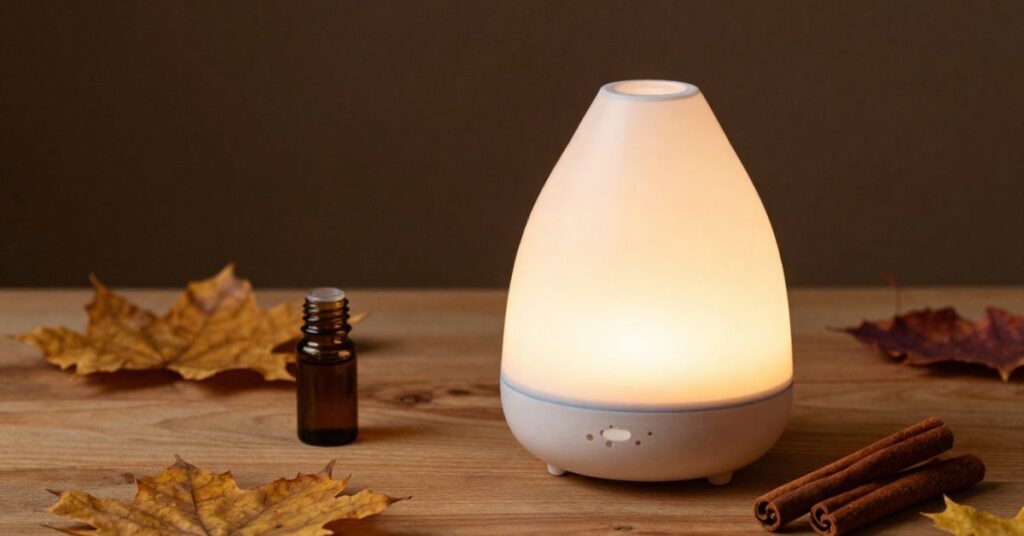
Once you’ve created your favorite autumn essential oil blends, the next step is choosing the best way to enjoy them. Different application methods produce different results. A diffuser fills an entire room with fragrance, while candles create a warm atmosphere over several hours. Room sprays provide an instant burst of freshness, and bath or body products allow you to enjoy seasonal aromas during your self-care routine.
Before using any blend, make sure it suits the intended purpose. Some essential oils perform better in diffusers, while others need proper dilution before they come into contact with the skin. Choosing the right application method helps you get the best fragrance while using your oils safely and efficiently.
Autumn Essential Oil Blends for Diffusers
Using autumn essential oil blends for diffuser is one of the easiest and most effective ways to bring the feeling of fall into your home. An ultrasonic diffuser disperses tiny droplets of essential oil into the air, creating a consistent fragrance without overheating the oils. This method helps preserve the natural aroma while evenly scenting the room.
Start by filling your diffuser with clean water according to the manufacturer’s instructions. Then add 5–10 drops of your chosen blend for a small to medium-sized room or 10–15 drops for larger spaces. Adjust the amount based on your diffuser’s capacity and your personal scent preference.
Different rooms often benefit from different fragrance profiles. Living rooms feel warm and inviting with sweet orange, cedarwood, and cinnamon, while home offices may benefit from fresher combinations that include bergamot, fir needle, or eucalyptus radiata. Bedrooms usually feel more relaxing with softer woody notes and gentle citrus rather than strong spice oils.
For the best experience, run your diffuser for 30 to 60 minutes at a time. Many modern diffusers include intermittent settings that help maintain the fragrance while reducing oil consumption.
Pro Tip: Rotate between different autumn essential oil blends throughout the week. Changing the fragrance regularly keeps your home smelling fresh and allows you to enjoy a wider variety of seasonal scents.
Autumn Essential Oil Blends for Room Sprays
A room spray provides a quick and convenient way to refresh indoor spaces whenever needed. Unlike a diffuser, which releases fragrance gradually, a spray instantly fills the air with your favorite autumn aroma. It works well before guests arrive, after cooking, or whenever you want to create a cozy atmosphere in just a few seconds.
To make a simple room spray, combine the following ingredients in a clean spray bottle:
| Ingredient | Amount |
| Distilled Water | ½ cup (120 ml) |
| Witch Hazel or High-Proof Alcohol | 2 tablespoons |
| Autumn Essential Oil Blend | 20–30 drops |
Shake the bottle thoroughly before every use because essential oils naturally separate from water over time. Spray lightly into the air, onto curtains, or around living spaces. Avoid spraying directly onto polished furniture, delicate fabrics, or electronic devices.
This method is also an excellent choice if you enjoy changing scents throughout the day because you can prepare several small bottles with different seasonal fragrances.
Autumn Essential Oil Blends for Candles and Wax Melts
Many people enjoy autumn essential oil blends for candles because they combine beautiful fragrance with the comforting glow of candlelight. Whether you make your own soy candles or purchase unscented wax, adding carefully selected essential oils creates a more personalized seasonal experience.
When making candles, always add essential oils after the melted wax cools slightly. Excessive heat can reduce the fragrance by causing some of the lighter aromatic compounds to evaporate before the candle hardens.
For homemade wax melts, mix your autumn blend into melted soy wax before pouring it into silicone molds. Once cooled, the melts can be used in electric or tealight wax warmers to release a slow, steady fragrance throughout the room.
Because essential oils vary in strength and flash point, they may not perform exactly like synthetic fragrance oils in candles. However, high-quality blends still provide a pleasant natural aroma when used correctly and in appropriate concentrations.
Autumn Essential Oil Blends for DIY Bath and Body Products
Many autumn essential oil blends for skin can be incorporated into homemade bath and body products when they are properly diluted. They add a seasonal fragrance to self-care routines while allowing you to customize lotions, body oils, bath salts, sugar scrubs, and massage oils with your favorite autumn scents.
Before applying any essential oil to the skin, dilute it in a suitable carrier oil such as sweet almond oil, jojoba oil, grapeseed oil, or fractionated coconut oil. Proper dilution helps reduce the risk of skin irritation, especially when using stronger spice oils like cinnamon, clove, or black pepper.
Popular DIY ideas include:
- Body oil: Blend diluted essential oils with jojoba or sweet almond oil for a lightweight moisturizer.
- Bath salts: Mix Epsom salt with a properly diluted autumn blend for a relaxing bath.
- Sugar scrub: Combine sugar, carrier oil, and a few drops of your favorite seasonal blend for gentle exfoliation.
- Hand cream: Add a skin-safe diluted blend to an unscented lotion to create a cozy fall moisturizer.
Always perform a patch test on a small area of skin before using any new blend over a larger area. This simple step helps identify possible sensitivities before regular use.
Easy Ways to Enjoy Autumn Essential Oil Blends Every Day
You don’t need elaborate DIY projects to enjoy the comforting aroma of autumn essential oil blends. Small daily habits can fill your home with seasonal fragrance while making ordinary routines feel more enjoyable.
Place a few drops of your favorite blend on a reusable diffuser necklace or lava stone bracelet to enjoy a subtle personal fragrance throughout the day. Add a drop to wool dryer balls before drying blankets or sweaters to leave fabrics lightly scented. You can also place a few drops on natural pinecones, dried botanicals, or wooden diffuser ornaments to create decorative autumn displays.
Another simple idea is to scent entryways by placing a reed diffuser or passive ceramic diffuser near the front door. Guests notice the welcoming fragrance as soon as they enter, creating a warm first impression that complements seasonal décor.
If you enjoy working from home, consider using brighter blends with bergamot, lemon, and cedarwood during the day, then switch to warmer combinations with orange, ginger, and sandalwood in the evening. Changing fragrances throughout the day helps match the atmosphere to your activities while allowing you to appreciate the full variety of your best autumn essential oil blends.
By incorporating these simple practices into your daily routine, you can enjoy the rich aromas of autumn well beyond the changing leaves, making every room feel warm, inviting, and unmistakably seasonal.
Are Autumn Essential Oil Blends Safe?
When used correctly, autumn essential oil blends are generally safe for most healthy adults. However, “natural” does not automatically mean risk-free. Essential oils are highly concentrated plant extracts, and some autumn favorites especially spice oils contain powerful compounds that require careful handling. Understanding how to use them responsibly allows you to enjoy seasonal aromas while reducing the risk of skin irritation, respiratory discomfort, or accidental overexposure.
Safety starts with choosing 100% pure essential oils, following recommended dilution guidelines, and using each oil only for its intended purpose. Reading the product label, checking safety information, and respecting usage limits become even more important when working with potent oils such as cinnamon bark, clove bud, and black pepper.
The following guidelines will help you use your autumn essential oil blends with greater confidence throughout the season.
How to Use Spice Essential Oils Safely
Spice essential oils give many autumn blends their signature warmth, but they are also among the strongest essential oils available. Oils such as cinnamon bark, clove bud, cassia, black pepper, and nutmeg contain naturally occurring compounds that can irritate the skin or sensitive airways when used in excessive amounts.
When creating diffuser recipes, start with only one or two drops of stronger spice oils and balance them with softer oils such as sweet orange, cedarwood, fir needle, or bergamot. This approach creates a richer fragrance without making the blend overly sharp or overpowering.
If you plan to use a blend in a body oil, lotion, or massage product, always dilute spice oils in a suitable carrier oil before skin application. Never apply undiluted spice oils directly to the skin because doing so may increase the likelihood of redness, burning, or irritation.
Good ventilation also improves comfort while diffusing strong autumn aromas. Running a diffuser in a well-ventilated room helps maintain a pleasant fragrance without making the air feel overly concentrated.
Safety Reminder: More essential oil does not produce a better fragrance. A balanced blend almost always smells richer and more enjoyable than one containing excessive amounts of strong spice oils.
Essential Oils That Need Proper Dilution
Many autumn essential oils require dilution before they come into contact with the skin. Proper dilution reduces the concentration of active compounds and helps lower the chance of irritation, especially for people with sensitive skin.
The following oils deserve extra attention before topical use:
| Essential Oil | Why Dilution Is Important |
| Cinnamon Bark | Can irritate sensitive skin if used at high concentrations. |
| Clove Bud | Contains powerful aromatic compounds that should remain well diluted. |
| Cassia | Extremely potent and best used sparingly in topical products. |
| Black Pepper | May cause warmth or mild irritation on sensitive skin. |
| Oregano | Very strong oil that requires significant dilution before skin use. |
For most healthy adults, a 1–2% dilution works well for daily body products. This equals approximately 6–12 drops of essential oil per 30 ml (1 oz) of carrier oil. Facial products usually benefit from an even lower concentration because facial skin is generally more delicate.
Suitable carrier oils include jojoba oil, sweet almond oil, grapeseed oil, fractionated coconut oil, and sunflower oil. These oils help distribute the essential oils evenly while making application smoother and more comfortable.
Always perform a patch test by applying a small amount of the diluted product to the inside of your forearm. Wait 24 hours before broader use to check for any unwanted reaction.
Are Autumn Essential Oil Blends Safe Around Pets?
Pet owners should use autumn essential oil blends with additional care because animals process certain aromatic compounds differently than humans. Cats are particularly sensitive to many essential oils due to differences in liver metabolism, while some dogs may also react to concentrated airborne fragrances.
If you choose to diffuse essential oils in a home with pets, place the diffuser in a well-ventilated area where animals can freely leave the room whenever they want. Never confine a pet in a small enclosed space while a diffuser operates.
Avoid allowing pets to lick essential oils, walk through spilled oils, or come into direct contact with undiluted blends. Store bottles securely to prevent accidental exposure.
If your pet shows unusual signs such as excessive drooling, coughing, vomiting, breathing difficulty, lethargy, or changes in behavior after exposure to essential oils, discontinue use immediately and contact a veterinarian for professional advice.
Households with birds require even greater caution because birds have highly sensitive respiratory systems. Many avian veterinarians recommend avoiding airborne fragrances around pet birds altogether.
General Safety Tips for Autumn Essential Oil Blends
Following a few simple habits can significantly improve the safe use of autumn essential oil blends throughout the season.
- Choose high-quality essential oils from reputable brands that provide clear botanical names and ingredient information.
- Read the label carefully before using a new oil, paying attention to dilution recommendations and safety warnings.
- Store oils out of reach of children and pets to reduce the risk of accidental ingestion or spills.
- Avoid contact with the eyes, inside the nose, and other sensitive areas.
- Do not ingest essential oils unless instructed by a qualified healthcare professional with appropriate training.
- Limit diffuser sessions to moderate periods instead of running them continuously throughout the day.
- Replace old oils if they develop an unusual smell, become noticeably thicker, or show signs of oxidation, as aged oils may increase the likelihood of skin sensitivity.
- Consult a healthcare professional before using essential oils during pregnancy, while breastfeeding, or if you have asthma, epilepsy, or another medical condition that could require additional precautions.
Used thoughtfully, autumn essential oil blends provide a safe and enjoyable way to fill your home with the comforting scents of fall. A little care in selecting, diluting, storing, and using your oils goes a long way toward creating a pleasant seasonal experience while protecting everyone in your household.
How to Store Autumn Essential Oil Blends
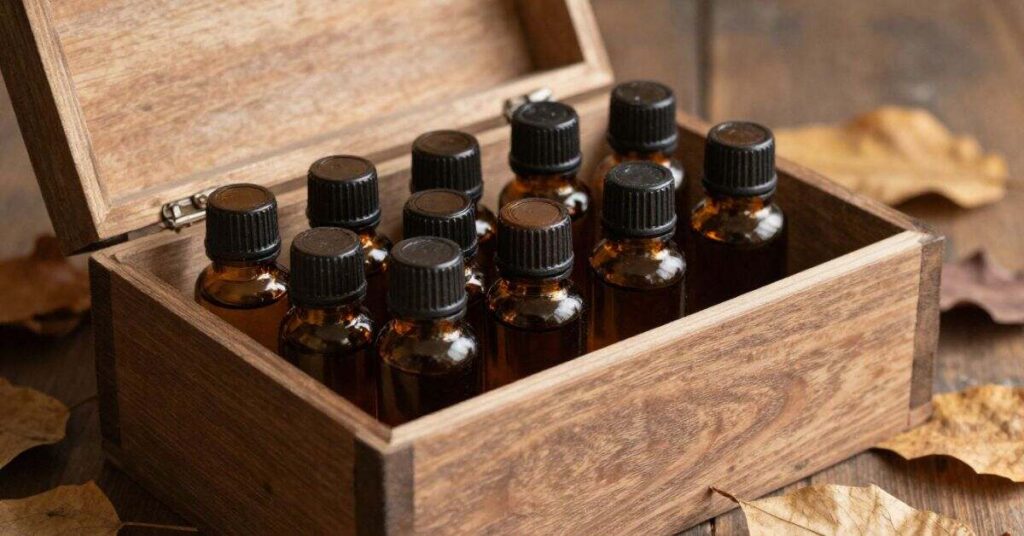
Proper storage plays an important role in preserving the fragrance, quality, and effectiveness of autumn essential oil blends. Even the highest-quality essential oils gradually change when they are exposed to heat, air, moisture, or sunlight. Storing your blends correctly helps maintain their rich aroma, reduces oxidation, and extends their usable life.
Whether you create a small diffuser blend or prepare larger batches for candles, room sprays, or DIY body products, following a few simple storage practices keeps your blends smelling fresh throughout the autumn season and beyond.
Shelf Life of Autumn Essential Oil Blends
The shelf life of autumn essential oil blends depends on the individual oils used in the recipe. Some essential oils remain stable for many years, while others naturally oxidize more quickly because of their chemical composition.
In general, citrus oils have the shortest shelf life because they contain volatile compounds that break down faster after repeated exposure to oxygen. Woody oils and many resin-based oils remain stable for much longer and often improve the overall longevity of a blend.
The table below provides a general guideline for common autumn essential oils.
| Essential Oil | Typical Shelf Life* |
| Sweet Orange | 1–2 years |
| Lemon | 1–2 years |
| Bergamot | 2–3 years |
| Ginger | 2–3 years |
| Cinnamon Leaf | 3–4 years |
| Clove Bud | 4–5 years |
| Cardamom | 3–4 years |
| Cedarwood | 4–6 years |
| Fir Needle | 2–3 years |
| Cypress | 3–5 years |
| Sandalwood | 6–8 years |
| Frankincense | 4–6 years |
| Benzoin Resin | 4–6 years |
*These time frames are approximate and assume the oils are stored under ideal conditions in tightly sealed containers.
A finished blend usually lasts as long as its shortest-lived ingredient. For example, if your recipe contains sweet orange and cedarwood, the blend should generally be used within the expected shelf life of the sweet orange oil rather than the cedarwood.
As essential oils age, they may lose some of their brightness, develop a flatter aroma, or show signs of oxidation. If a blend smells noticeably different from when you first made it, it is a good idea to prepare a fresh batch.
Storage Tips to Keep Autumn Essential Oil Blends Fresh
Good storage habits protect both the fragrance and the chemical stability of your autumn essential oil blends. Fortunately, preserving your blends does not require expensive equipment just a few practical precautions.
Always store your blends in dark amber or cobalt blue glass bottles. Colored glass helps block ultraviolet (UV) light, which can speed up oxidation and reduce the quality of the oils. Clear glass bottles are less suitable for long-term storage because they allow more light to reach the oils.
Keep bottle caps tightly closed after every use. Each time a bottle remains open, oxygen enters and slowly reacts with the aromatic compounds inside. Minimizing air exposure helps preserve the scent and extends the blend’s lifespan.
Choose a cool, dry location away from direct sunlight. A cabinet, drawer, or dedicated storage box works much better than a windowsill or bathroom shelf, where heat and humidity fluctuate throughout the day. Consistent temperatures help essential oils remain stable for longer periods.
Label every homemade blend with the blend name, ingredients, and mixing date. This simple habit makes it easy to identify your recipes, monitor freshness, and recreate successful blends in the future.
If you prepare seasonal recipes in larger quantities, consider dividing them into several smaller bottles instead of one large container. Opening a smaller bottle exposes less oil to oxygen each time you use it, helping preserve the remaining supply.
Finally, keep your essential oils away from open flames, heaters, and other heat sources. Many essential oils are naturally flammable, so proper storage improves both quality and safety.
By storing your autumn essential oil blends correctly, you protect their fragrance, maximize their shelf life, and ensure that every diffuser session, candle, or DIY project captures the warm, comforting aroma of autumn just as you intended.
How to Choose the Best Essential Oils for Autumn Essential Oil Blends
The quality of your autumn essential oil blends depends just as much on the quality of the individual oils as it does on the recipe itself. Even a perfectly balanced blend cannot reach its full potential if it contains diluted, synthetic, or poorly processed oils. Choosing premium essential oils gives you richer aromas, more consistent blending results, and a better overall experience.
With so many products available, it can be difficult to know which ones are worth buying. Learning how to recognize genuine essential oils and purchase them from trusted sources helps you build a collection that performs well in diffusers, candles, room sprays, and DIY body care products.
How to Identify Pure Essential Oils
Read the Label Before You Buy
High-quality essential oils should come from reputable manufacturers that are transparent about their sourcing, testing, and production methods. A trustworthy brand provides detailed product information rather than relying on vague marketing claims.
When shopping for autumn essential oils, check the bottle for the botanical (Latin) name of the plant. For example, a bottle labeled Cedrus atlantica provides more reliable identification than one labeled simply “cedarwood.” The label should also indicate the plant part used, such as bark, leaves, needles, peel, or resin, because different parts of the same plant can produce oils with different aromas and properties.
The ingredient list should contain only one ingredient: 100% pure essential oil. Avoid products that include synthetic fragrance, perfume, mineral oil, or undisclosed additives if your goal is to create authentic autumn blends.
Verify Quality and Purity
Many reputable companies also provide information about:
- Country of origin
- Extraction method (such as steam distillation or cold pressing)
- Batch number
- GC/MS testing (Gas Chromatography–Mass Spectrometry) performed by independent laboratories
- Packaging date or lot number
Independent laboratory testing helps verify the purity and composition of an essential oil. While you do not need to understand every chemical listed in a report, the availability of testing demonstrates a higher level of quality control.
Packaging also matters. Genuine essential oils are typically sold in amber or cobalt blue glass bottles, which protect the oil from light. A built-in dropper insert helps dispense consistent amounts while reducing unnecessary exposure to air.
Smart Buying Tips
Finally, be cautious of products that seem unusually inexpensive. Producing pure essential oils requires large amounts of plant material and careful extraction, so prices that appear too good to be true often reflect lower quality or diluted products.
Buying Tip: Start with a small collection of versatile oils such as sweet orange, cedarwood, fir needle, bergamot, ginger, cinnamon leaf, and clove bud. These oils combine beautifully and allow you to create dozens of different autumn essential oil blends.
Where to Buy Quality Essential Oils
Choose Reputable Essential Oil Suppliers
Purchasing essential oils from a reliable supplier is just as important as choosing the right recipe. Established companies generally maintain stricter quality standards, provide detailed product information, and offer better consistency from one batch to the next.
When evaluating a retailer or brand, look for businesses that clearly explain where their oils come from, how they are extracted, and what testing procedures they use. Companies that openly share this information tend to inspire greater confidence than those relying only on marketing language.
You can often find high-quality essential oils through:
- Official websites of established essential oil brands
- Natural health stores
- Specialty aromatherapy retailers
- Trusted online marketplaces that sell directly from verified brands
- Professional aromatherapy suppliers
Tips for Buying Essential Oils
Before making a purchase, take a few minutes to read verified customer reviews. Focus on comments about fragrance quality, packaging, consistency, and customer service rather than star ratings alone. Reviews from experienced users often provide valuable insight into how an oil performs in real-world applications.
If you plan to make autumn essential oil blends for diffusers, candles, or bath products throughout the season, buying larger bottles of your most frequently used oils, such as sweet orange or cedarwood, can offer better value. For stronger oils like cinnamon bark or clove bud, smaller bottles are usually sufficient because each recipe requires only a few drops.
It is also helpful to purchase complementary oils at the same time. Building a well-rounded collection allows you to experiment with different fragrance profiles, adjust recipes to your taste, and create everything from crisp forest-inspired aromas to warm bakery scents without needing additional ingredients.
By choosing pure, carefully sourced essential oils from reputable suppliers, you create a stronger foundation for every blend. High-quality ingredients not only produce more authentic fragrances but also make your best autumn essential oil blends smell richer, last longer, and deliver a more enjoyable seasonal experience.
Final Thoughts
Autumn essential oil blends offer a simple yet effective way to bring the warmth, comfort, and beauty of the season into your home. From spicy pumpkin-inspired aromas and freshly baked desserts to crisp forest walks and cozy cabin evenings, the right combination of essential oils can completely transform the atmosphere of any space.
By choosing 100% pure essential oils, understanding how to balance fragrance notes, following proper safety practices, and storing your blends correctly, you can enjoy rich seasonal aromas throughout the entire fall season. Whether you prefer creating autumn essential oil blends for diffuser, candles, room sprays, or DIY bath products, experimenting with different recipes allows you to develop fragrances that reflect your own style and favorite autumn memories.
With the techniques and recipes in this guide, you have everything you need to confidently create the best autumn essential oil blends and enjoy the unmistakable scents of fall in a natural, creative, and safe way.
FAQs:
What are the best essential oils for autumn essential oil blends?
The best autumn essential oil blends usually combine warm spices, fresh citrus, rich woods, and earthy notes to create a balanced seasonal fragrance. Some of the most popular choices include sweet orange, cedarwood, fir needle, cinnamon leaf, clove bud, ginger, cardamom, bergamot, sandalwood, frankincense, cypress, and juniper berry. Each oil contributes a different layer to the blend, allowing you to create fragrances that range from cozy bakery scents to crisp woodland aromas.
If you’re just starting, a simple combination of sweet orange, cedarwood, and cinnamon leaf is an excellent place to begin. It offers the classic scent of fall while remaining easy to customize with additional oils as you gain confidence.
How many essential oils should I mix in an autumn essential oil blend?
Most well-balanced autumn essential oil blends contain three to five essential oils. This number provides enough complexity without making the fragrance confusing or overpowering.
A practical approach is to include:
- One bright top note such as sweet orange or bergamot
- One or two warm middle notes like ginger, cardamom, or cinnamon leaf
- One grounding base note such as cedarwood, fir needle, or sandalwood
Beginners often achieve better results with fewer ingredients because it is easier to understand how each oil influences the final aroma. As your blending skills improve, you can gradually experiment with more complex recipes.
Can I use autumn essential oil blends every day?
Yes, most people can enjoy autumn essential oil blends daily when they use them responsibly. Many people diffuse seasonal blends while working, relaxing, reading, or spending time with family because they create a warm and welcoming atmosphere.
If you use a diffuser every day, avoid running it continuously for long periods. Instead, diffuse for 30 to 60 minutes at a time, then allow the room to air out before starting another session. This approach helps maintain a pleasant fragrance without overwhelming the senses.
For topical products such as body oils or lotions, always follow proper dilution guidelines and discontinue use if you notice any skin irritation or discomfort.
Which autumn essential oil blend smells the most like fall?
The answer depends on what reminds you most of autumn, but several fragrance combinations consistently capture the season’s signature aroma.
For many people, a blend of sweet orange, cinnamon leaf, clove bud, and ginger closely resembles freshly baked apple pie or warm spiced cider. Those who prefer outdoor-inspired fragrances often choose cedarwood, fir needle, and juniper berry, which recreate the scent of colorful forests and cool autumn mornings.
If you enjoy dessert-inspired aromas, combinations featuring benzoin, sweet orange, nutmeg, and cinnamon leaf produce a cozy bakery fragrance that fills the home with the comforting feeling of homemade treats.
Can I make my own autumn essential oil blends at home?
Absolutely. Making your own autumn essential oil blends at home is one of the easiest ways to create personalized seasonal fragrances. Homemade blends allow you to adjust the strength, sweetness, spice level, and woody notes according to your own preferences.
Begin by choosing a few high-quality essential oils and mixing small test batches. Keep a written record of each recipe, including the number of drops used, so you can recreate your favorite combinations later. As you gain experience, you’ll naturally discover fragrance profiles that suit your home and personal style.
Homemade blends are also ideal for diffusers, room sprays, candles, wax melts, bath products, and thoughtful handmade gifts during the autumn season.
Are autumn essential oil blends safe for children and pets?
Many autumn essential oil blends can be enjoyed in households with children and pets, but extra care is essential. Some essential oils, particularly stronger spice oils, may not be suitable for young children, while certain oils can also pose risks to pets if used improperly.
Diffuse essential oils in a well-ventilated room, avoid direct skin contact with undiluted oils, and store all bottles securely out of reach of children and animals. Cats are generally more sensitive to essential oils than dogs, and birds have particularly delicate respiratory systems.
If you are pregnant, caring for an infant, have a medical condition, or share your home with pets, consult an appropriate healthcare professional or veterinarian before introducing new essential oils into your routine.