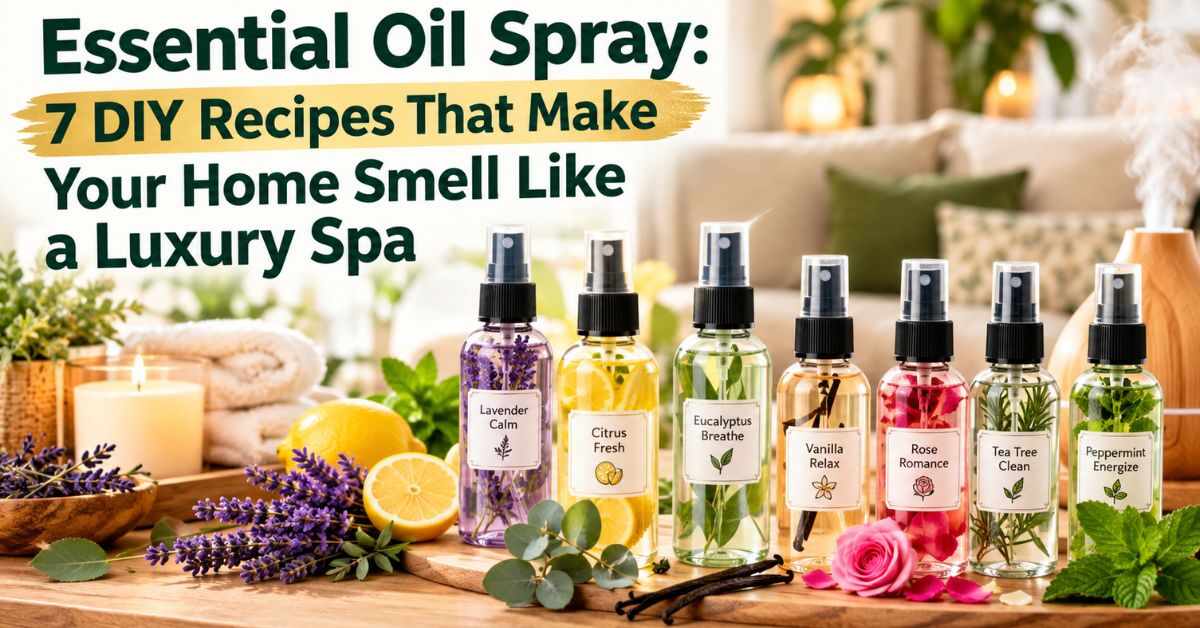
Introduction: Elevate Your Space with a Custom Essential Oil Spray
Have you ever walked into a room and instantly felt a wave of calm wash over you, or conversely, been overwhelmed by the synthetic, cloying scent of a commercial air freshener? Most store-bought room sprays and linen fresheners rely on hidden phthalates, synthetic masking agents, and harsh chemicals that pollute indoor air quality. Fortunately, there is a cleaner, more therapeutic alternative that puts complete control back into your hands. Crafting your own essential oil spray allows you to harness the pure power of nature to refresh your living spaces, uplift your mood, and nurture your well-being.
Whether you are looking for an essential oil spray for diffuser convenience or seeking out the best essential oil spray recipe for your daily routine, this comprehensive guide will walk you through everything you need to know. From understanding the underlying science and selecting the right amber glass bottles to mastering precise dilution ratios and avoiding common formulation mistakes, you will learn how to create professional-grade botanical mists right at home. Dive in and discover how easy it is to transform your home atmosphere with your own signature scents!
- Non-Toxic Home Fragrance: Eliminate hidden synthetic chemicals and artificial endocrine disruptors from your living space.
- Complete Customization: Tailor every single drop of your botanical blend to match your specific mood and functional needs.
- Cost-Effective Wellness: Create luxury-quality aromatherapy mists at a fraction of commercial retail prices.
What is an Essential Oil Spray and How Does It Work?
Understanding the Science Behind an Essential Oil Spray
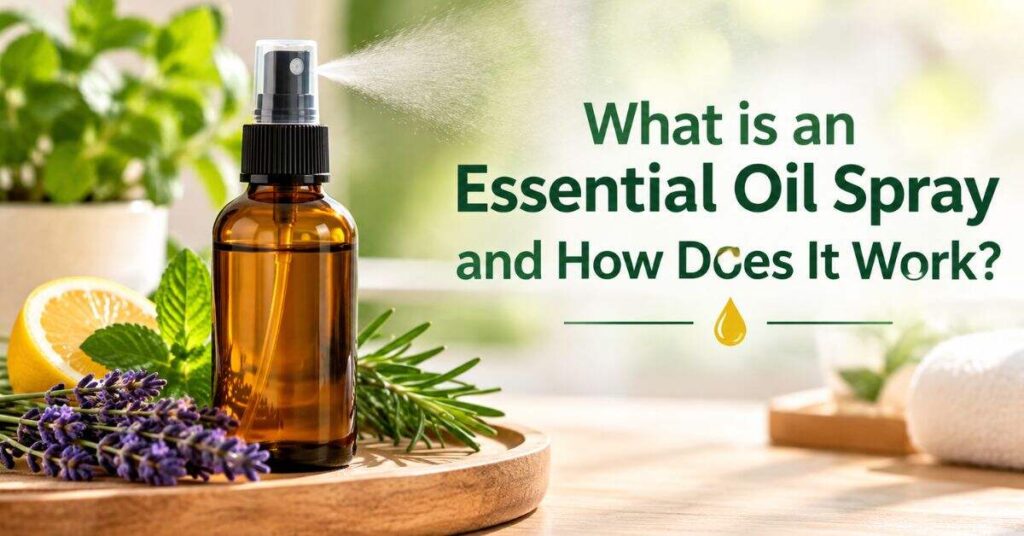
When you step into a room infused with a subtle, uplifting aroma, it is easy to think of it as pure magic. However, crafting and using an essential oil spray comes down to a fascinating blend of chemistry, physics, and sensory science. At its core, an essential oil spray is a carefully emulsified liquid mixture designed to suspend highly concentrated, hydrophobic plant extracts within a water-based solvent. Because oil and water naturally repel each other, understanding how these elements interact is the secret to creating a stable, high-performing formula that does not separate instantly inside the bottle.
When you press down on the nozzle, the mechanical action forces the liquid through a tiny aperture, atomizing it into thousands of micro-droplets. These microscopic particles instantly suspend themselves in the air or settle evenly across a targeted surface. As they disperse, volatile organic compounds evaporate into the surrounding atmosphere. Once these aromatic molecules reach your nasal cavity, they trigger the olfactory receptors. These receptors send immediate electrical signals straight to the limbic system, the emotional and memory-processing center of the brain. Consequently, a well-formulated essential oil spray can shift your mood, clear stale air, or soothe your senses in mere seconds.
- Atomization Mechanics: High-pressure nozzle design shears the liquid stream into a fine, floating mist.
- Volatile Compounds: Plant extracts evaporate at room temperature, releasing aromatic molecules into the air.
- Olfactory Pathway: Inhaled molecules stimulate the limbic system, impacting emotional and physiological well-being instantly.
Core Benefits of Using an Aromatherapy Spray Daily
Integrating a natural essential oil spray into your daily routine offers a multitude of practical advantages that commercial, synthetic air fresheners simply cannot match. Traditional room sprays often rely on hidden phthalates and artificial masking agents that pollute indoor air quality. In contrast, a DIY botanical spray provides a clean, customizable, and therapeutic alternative. Furthermore, you gain absolute control over every single ingredient, ensuring that no harmful synthetic toxins enter your living space.
Beyond simply smelling divine, daily use can dramatically enhance your physical and mental environment. Whether you want to sanitize gym gear, unwind after a long workday, or purify a stuffy office, these mists adapt effortlessly to your needs.
- Chemical-Free Air Refreshing: Instantly eliminates unwanted odors without relying on synthetic masking agents or endocrine-disrupting chemicals.
- Targeted Mood Enhancement: Elevates energy levels or promotes deep relaxation depending on the specific botanical extracts chosen.
- Multi-Surface Versatility: Easily transitions from fabric freshener to personal body spritz with a simple adjustment of ingredients.
- Cost-Effective Customization: Allows you to blend custom therapeutic aromas at a fraction of the cost of luxury boutique room sprays.
The Difference Between Room, Linen, and Body Sprays
Many beginners make the mistake of using the exact same formula for every application, but understanding the functional differences between room, linen, and body sprays is critical for safety and performance. While all three share similar foundational ingredients, their concentration levels and targeted substrates vary significantly. For instance, a room spray requires a higher percentage of aromatic oils to effectively scent an open space, whereas a body spray must use heavily diluted concentrations to prevent skin irritation.
Similarly, linen sprays require specialized solubilizers. They also use clean-evaporating carriers to prevent stains on delicate fabrics like silk or cotton. Tailoring your approach protects your skin. Furthermore, it safeguards your favorite garments. Ultimately, this maximizes the longevity of your essential oil spray.
- Room Sprays: Feature stronger aromatic concentrations designed to project through open air and neutralize persistent household odors.
- Linen Sprays: Formulated with fabric-safe carriers that refresh sheets and pillowcases without leaving oily residue or stains.
- Body Sprays: Strictly formulated with low dilution ratios, skin-loving emollients, and gentle solubilizers for direct dermal contact.
Read More: coconut cooking oil || coconut oil lip balm || hair oiling routine || linseed oil for hair
What You Need to Make the Perfect Essential Oil Spray
Essential Tools and Equipment Checklist for Your DIY Project
Before you begin blending your botanical creations, gathering the proper equipment is essential for precision, safety, and cleanliness. Making a professional-grade essential oil spray requires more than just mixing liquids in an old kitchen mug. Because pure essential oils are highly concentrated, they can interact poorly with certain low-grade materials, making the right setup a prerequisite for success. Furthermore, having your tools organized beforehand ensures a seamless, mess-free workflow that preserves the integrity of your ingredients.
Achieving consistent results requires a clean workspace. Specific measuring instruments are vital. Precision matters immensely. Minor ratio errors disrupt safety. Furthermore, they ruin your scent profile. Consequently, careful setup ensures your essential oil spray succeeds.
- Digital Kitchen Scale: Measures ingredients accurately in grams, ensuring your ratios remain consistent across large and small batches.
- Small Glass Beakers or Mixing Containers: Provides a non-reactive vessel for combining your solubilizers and essential oils before adding water.
- Stainless Steel or Glass Mini Funnels: Prevents messy spills and wasted product when transferring liquids into narrow bottle openings.
- Small Glass Stirring Rods: Allows you to thoroughly blend your carrier ingredients and essential oils prior to final dilution.
Choosing the Right Raw Ingredients for Your Essential Oil Spray
The overall performance, shelf life, and therapeutic value of your essential oil spray depend entirely on the quality of the raw ingredients you select. Cutting corners with synthetic fragrance oils or diluted plant extracts will result in a weak product that lacks genuine aromatherapy benefits. Therefore, sourcing 100% pure, therapeutic-grade essential oils from reputable suppliers is a non-negotiable step for any serious formulator or creator.
In addition to pure oils, your ingredient checklist must include high-proof alcohol or a natural dispersant to bridge the gap between oil and water, along with pure distilled water to prevent microbial contamination. Using tap water is a common pitfall because minerals and microscopic organisms can spoil your batch within days.
- 100% Pure Therapeutic-Grade Essential Oils: Deliver authentic botanical profiles and potent aromatic compounds without synthetic fillers.
- High-Proof Distilled Alcohol: Acts as a natural solvent to bind oil droplets evenly into water.
- Pure Distilled Water: Free from minerals, chlorine, and bacteria, ensuring a clean, long-lasting formulation.
- Natural Preservatives (Optional): Helpful for water-heavy body or linen formulations if you plan to store them for extended periods.
Why Glass vs. Plastic Matters for Your Essential Oil Spray Bottle
One of the most critical decisions you will make during your formulation process is choosing the correct container material. Many beginners mistakenly store their aromatic creations in cheap plastic bottles, only to find the container warped, cracked, or chemically degraded a few weeks later. Pure essential oils especially citrus varieties rich in limonene are chemically potent organic compounds that can break down low-grade plastics over time.
As a result, selecting the appropriate bottle type protects both your investment and the purity of your formula. Glass containers offer a completely non-reactive barrier that preserves the volatile compounds and prevents unwanted chemical leaching.
- Chemical Stability: Glass does not react with potent essential oils, ensuring your formula remains pure and uncontaminated.
- Aroma Preservation: Plastic can absorb scent molecules over time, whereas glass maintains the integrity of your signature blend.
- Durability and Sustainability: High-quality glass bottles can be endlessly sanitized and reused, making them an eco-friendly packaging choice.
Selecting the Best Carrier Oils and Solubilizers
When formulating a water-based mist, water and oil naturally refuse to mix, separating into distinct layers. To solve this problem, you need to understand the difference between carrier oils and proper solubilizers for a spray application. While carrier oils like jojoba or fractionated coconut oil are fantastic for roll-ons and massage blends, they are far too heavy for a spray bottle and will clog the nozzle or leave oily stains on surfaces.
Instead, you must rely on effective solubilizers or high-proof emulsifying agents that safely disperse essential oil droplets evenly throughout your distilled water base. This ensures every single spray delivers a balanced, perfectly mixed burst of fragrance.
- High-Proof Grain Alcohol (190 proof): Serves as an exceptional, fast-evaporating solvent that breaks down essential oils into micro-droplets.
- Natural Polysorbates or Solubol: Excellent commercial-grade dispersants designed specifically for water-based cosmetic and room sprays.
- Avoiding Heavy Carrier Oils: Traditional carrier oils should be avoided in sprays to prevent clogging, nozzle spitting, and greasy residue.
Step-by-Step Instructions: How to Make Essential Oil Spray at Home
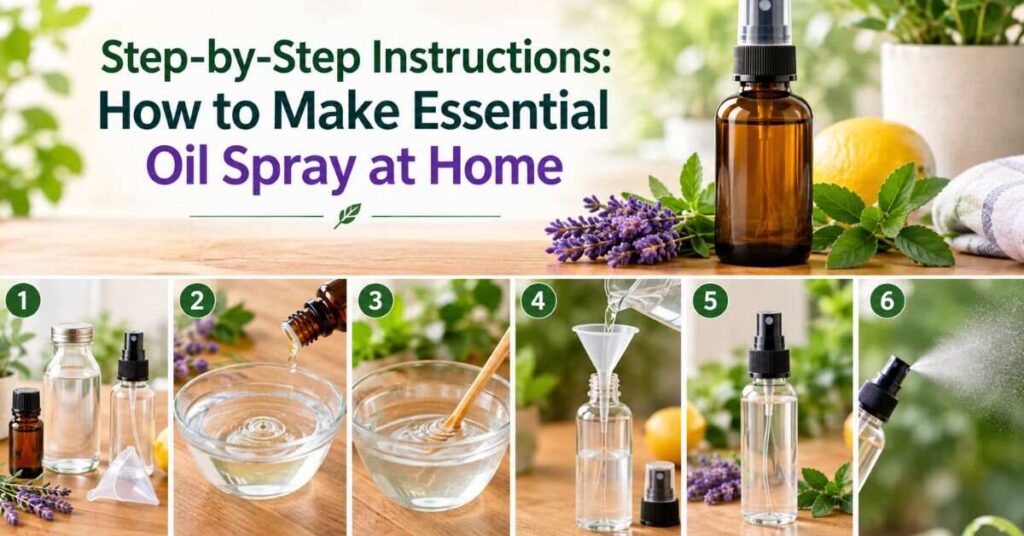
Step 1: Clean and Prepare Equipment for Your Essential Oil Spray
Before you mix a single drop of botanical extract, establishing a sterile and organized workspace is an absolute prerequisite. Any residual dust, bacteria, or leftover soap residue can compromise the stability of your formulation and shorten its shelf life. Therefore, thoroughly washing and sanitizing all your mixing beakers, funnels, measuring tools, and glass bottles should always be your very first action.
Furthermore, allowing your equipment to air-dry completely ensures that no unwanted tap water moisture contaminates your precise measurements. Taking time during this initial setup phase guarantees that your finished essential oil spray remains pure, safe, and long-lasting.
- Sanitize All Tools: Wash glass beakers, stirring rods, and funnels in hot, soapy water, followed by a rinse with isopropyl alcohol.
- Sterilize Spray Nozzles: Soak spray pump mechanisms briefly in warm water and alcohol to clear out any manufacturing residues.
- Complete Air-Drying: Ensure every component is 100% dry before introducing your pure oils and alcohol bases.
Step 2: Weigh and Measure Your Pure Essential Oils Safely
Precision is the hallmark of professional formulation. When crafting an essential oil spray, eyeballing your measurements can lead to an overpowering scent, skin irritation, or an unstable mixture that separates instantly. Therefore, utilizing a reliable digital scale to weigh your ingredients in grams provides the exact accuracy needed for consistent, repeatable results.
As you measure your botanicals, remember that different oils possess varying aromatic strengths. Carefully combine your selected extracts into your clean glass beaker before adding any liquid solvents, allowing the pure compounds to blend harmoniously together first.
- Use Precise Digital Scales: Measure all ingredients by weight to maintain exact ratios and avoid formulation errors.
- Blend Oils First: Combine your chosen essential oils in an empty glass container before introducing alcohol or water.
- Record Your Recipe: Keep a detailed notebook of your gram measurements so you can easily recreate your favorite batches.
Step 3: Add Alcohol as a Solubilizer to Your Essential Oil Spray
Because oil and water naturally repel each other, pouring essential oils straight into water will only result in droplets floating dangerously on top or clinging to the dip tube. To prevent this, you must introduce a proper solubilizer. Adding high-proof grain alcohol to your concentrated oil blend acts as a vital bridge, binding the oil molecules and preparing them for seamless integration into water.
Furthermore, alcohol serves a dual purpose by acting as a natural preservative, helping to inhibit bacterial growth in your water-based creations. Gently stir the oil and alcohol mixture for at least thirty seconds to ensure complete binding before moving to the next phase.
- Bridge the Gap: Alcohol breaks down hydrophobic essential oils so they can dissolve evenly into an aqueous base.
- Stir Thoroughly: Use a glass stirring rod to blend the oils and alcohol for 30 to 45 seconds.
- Enhance Preservation: High-proof alcohol naturally extends the shelf life of your finished essential oil spray.
Step 4: Slowly Incorporate Distilled Water Into Your Essential Oil Spray
Once your essential oils and alcohol have successfully bonded into a clear, unified concentrate, it is time to add your liquid base. Pouring pure distilled water into the mixture must be done slowly and steadily while continuously stirring the solution with your glass rod. Rapid pouring can shock the emulsion and cause tiny oil droplets to cloud or separate prematurely.
Using standard tap water at this stage is a major mistake because minerals and microscopic impurities can spoil your batch. Pure distilled water ensures your essential oil spray for diffuser or room use remains crystal clear, fresh, and chemically stable.
- Pour in a Slow Stream: Add distilled water gradually while stirring constantly to maintain a stable emulsion.
- Avoid Tap Water: Always use distilled or deionized water to eliminate minerals and microbial contaminants.
- Watch for Clarity: A properly mixed solution will remain translucent or evenly dispersed without heavy oil slicks on top.
Step 5: Bottle, Label, and Store Your Finished Essential Oil Spray
With your liquid completely emulsified and thoroughly blended, the next step is transferring it into your chosen container. Place a small stainless steel or glass funnel into the neck of your amber glass bottle and pour the mixture carefully to avoid any messy spills or wasted product.
Once bottled and securely capped with a fine-mist spray pump, labeling is critical. Always write down the exact recipe name and the creation date on the label, which helps you monitor aging and potency over time.
- Use a Funnel: Transfer the liquid smoothly into narrow-necked bottles without splashing or losing precious product.
- Attach Detailed Labels: Include the name of the blend, key ingredients, and creation date for easy tracking.
- Store Properly: Keep your finished bottles in a cool, dark cupboard away from direct sunlight and temperature fluctuations.
Step 6: Test Your Essential Oil Spray Before Routine Use
Before you generously mist your favorite living room curtains, bedsheets, or skin, conducting a preliminary test spray is a wise precaution. Pump the nozzle two or three times into the open air to ensure the atomizer mechanism creates a fine, even mist rather than a heavy stream or a clogged sputter.
Furthermore, if you are formulating a personal body spritz or a fabric refresher, always spray a small, hidden patch of fabric or skin first to verify that no staining or sensitivity occurs. This final quality control check ensures your best essential oil spray performs flawlessly every time.
- Test the Atomizer: Spray a few bursts into the air to check for proper mist dispersion and nozzle pressure.
- Perform a Patch Test: Check fabric colorfastness or skin compatibility before applying the formula broadly.
- Adjust if Needed: If the spray feels too strong or weak, make minor formula adjustments before regular daily use.
Master Ratios and Formulas for Every Type of Essential Oil Spray
Ultimate Essential Oil Spray Ratio Reference Table
Achieving the perfect balance between scent throw, safety, and stability requires strict adherence to professional dilution ratios. Whether you are crafting a refreshing mist for your living room or a gentle spritz for personal use, knowing the exact percentage of essential oils to carrier liquids prevents overpowering aromas and potential skin irritation.
The following reference table outlines the precise breakdown for formulating a standard 100-gram batch of different spray types, ensuring your essential oil spray performs brilliantly every time.
| Spray Category | Target Dilution | Essential Oil (Grams/Drops) | Solubilizer / Alcohol | Distilled Water Base | Primary Application |
| Room & Linen Spray | 2.5% to 3% | 2.5g (~50 drops) | 25g (High-proof alcohol) | 72.5g (Distilled water) | Refreshing air, sofas, bedsheets |
| Body Spray (Low-Strength) | 0.5% to 1% | 0.5g (~10 drops) | 15g (High-proof alcohol) | 84.5g (Distilled water) | Direct skin contact, light personal wear |
| Fabric Refresher | 1.5% | 1.5g (~30 drops) | 20g (High-proof alcohol) | 78.5g (Distilled water) | Curtains, carpets, yoga mats |
How to Mix a 100g Room or Linen Essential Oil Spray
When formulating a dedicated room or fabric refresher, you want enough aromatic punch to effectively neutralize stale household odors without feeling suffocating. A 2.5% to 3% dilution ratio strikes the ideal balance for a high-performing essential oil spray for diffuser alternative or general living space spritz.
To create a precise 100g batch, place your glass beaker on a digital scale and weigh out 2.5 grams of your favorite pure essential oils. Next, add 25 grams of high-proof grain alcohol, stirring gently until the botanical extracts are fully dissolved. Finally, slowly pour in 72.5 grams of pure distilled water while continuing to stir, creating a stable, crystal-clear emulsion ready for bottling.
- Measure 2.5g of Pure Oils: Combine your chosen botanical extracts directly into a clean digital scale beaker.
- Incorporate 25g of Alcohol: Mix thoroughly with the oils to ensure proper solubilization before water dilution.
- Add 72.5g of Distilled Water: Stream the water in slowly while stirring to lock in a stable, long-lasting emulsion.
How to Mix a 100g Low-Strength Body Essential Oil Spray
Formulating a mist intended for direct contact with skin or clothing requires a much gentler touch. Exceeding safe dermal dilution limits can cause redness or irritation, which is why a low-strength body formula typically maintains a strict 0.5% to 1% dilution ratio.
For a 100g batch, you will measure just 0.5 grams (approximately 10 drops) of pure essential oils. Combine this with 15 grams of high-proof alcohol or a gentle cosmetic solubilizer, and top off the mixture with 84.5 grams of distilled water. This thoughtful dilution ensures you enjoy the best essential oil spray experience without compromising your skin’s natural barrier.
- Keep Dilution Low (0.5%): Use a minimal amount of essential oil to safeguard sensitive skin against irritation.
- Blend With 15g Solubilizer: Disperse the concentrated oils evenly using a skin-safe alcohol or natural dispersant.
- Dilute With 84.5g Water: Fill out the rest of the batch with pure distilled water for a refreshing, lightweight finish.
Best Essential Oil Spray Blends for Every Mood and Atmosphere
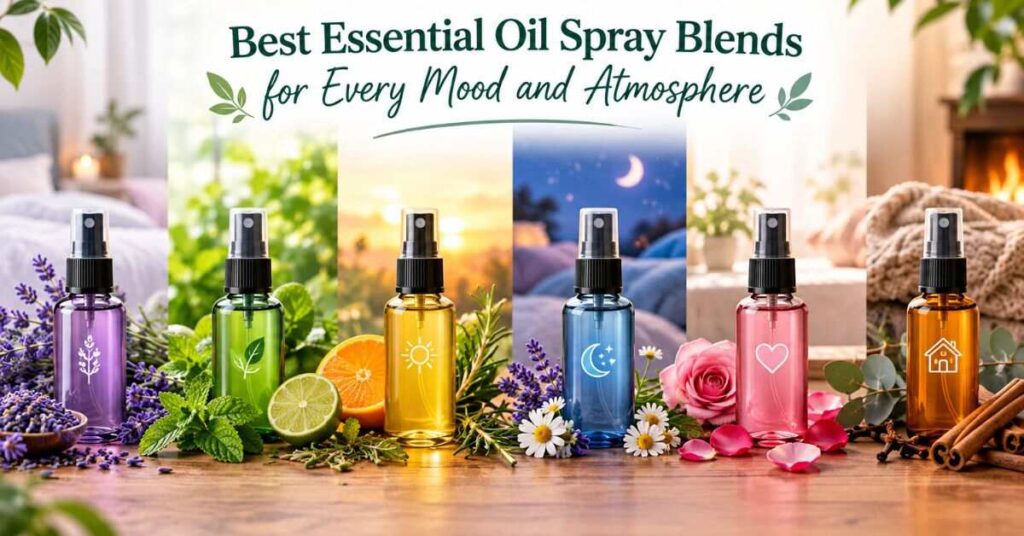
Uplifting Citrus Burst Essential Oil Spray for Positivity and Energy
When morning grogginess sets in or your workspace feels sluggish, nothing revives your energy quite like a bright, zesty aroma. Crafting an invigorating citrus essential oil spray instantly awakens your senses and promotes an atmosphere of optimism and mental clarity. Citrus oils like sweet orange, lemon, and grapefruit are naturally rich in limonene, a volatile compound known for its mood-elevating properties.
To create this vibrant blend, combine equal parts sweet orange and lemon essential oils into your alcohol solubilizer before adding your distilled water base. A few quick spritzes into the center of a room will instantly dispel stale air and fill the space with a sun-drenched, cheerful ambiance.
- Zesty Botanical Profile: Combines bright sweet orange and sharp lemon for an instant mood lift.
- Aromatherapy Benefits: Stimulates mental alertness and drives away sluggishness or morning fatigue.
- Ideal Use Cases: Perfect for home offices, kitchens, and morning living room routines.
Calm and Centered Essential Oil Spray for Relaxation and Sleep
After a long, high-stress day, transitioning your mind and body into a state of rest can be a challenge. Formulating a soothing, grounding essential oil spray for diffuser alternative or pillow mist provides a natural ritual to signal bedtime. Lavender, cedarwood, and bergamot work in harmonious synergy to quiet racing thoughts and ease muscular tension.
By keeping the concentration light and calming, you can safely mist your bedroom linens or pillowcases just minutes before turning off the lights. The delicate botanical vapors linger gently in the air, creating a serene sanctuary that promotes deep, restorative sleep.
- Soothing Botanical Blend: Features calming lavender, grounding cedarwood, and balancing bergamot.
- Nervous System Support: Naturally lowers cortisol perception and encourages physical relaxation.
- Linens-Safe Application: Ideal for light misting over bedsheets, pillowcases, and evening pajamas.
Focus and Clarity Essential Oil Spray for Mental Alertness
When deadlines loom or focus begins to drift during intense study sessions, an aromatic mental reset can work wonders. A targeted focus and clarity formulation utilizes sharp, herbal, and minty botanical extracts to stimulate cognitive function and clear mental fog. Peppermint, rosemary, and eucalyptus are industry-favorite powerhouses for this exact purpose.
When you mist this blend around your desk or inhale it lightly, the crisp vapors encourage deep breathing and heightened concentration. It serves as an incredible non-toxic productivity boost that keeps you sharp throughout long work sessions.
- Cognitive Stimulants: Pairs cooling peppermint with herbal rosemary and clarifying eucalyptus.
- Combats Mental Fatigue: Clears brain fog and promotes razor-sharp attention span during work hours.
- Workspace Friendly: Excellent for office desks, study spaces, and afternoon productivity slumps.
Fresh, Clean and Soft Linen Essential Oil Spray for Odor Neutralization
Keeping your home smelling fresh without resorting to heavy, synthetic aerosol sprays is a game-changer for indoor air quality. A dedicated linen and fabric refresher blend targets deep-seated odors trapped in curtains, sofa cushions, and guest towels. Combining tea tree for its purifying properties with crisp lemon and soft lavender creates a perfectly balanced scent profile.
This combination not only neutralizes unpleasant household odors at their source but also leaves fabrics smelling like a sunlit meadow. It stands out as the best essential oil spray choice for weekly deep cleaning routines.
- Natural Deodorization: Neutralizes stubborn fabrics odors using purifying tea tree and crisp citrus.
- Long-Lasting Freshness: Leaves linens smelling crisp, clean, and naturally revitalized.
- Multi-Fabric Versatility: Safe for sofas, throw pillows, carpets, and heavy drapes when properly diluted.
Quiet Woody Body Essential Oil Spray for Everyday Wear
For those who prefer earthy, understated fragrances over sweet or floral perfumes, a quiet woody body mist offers a sophisticated alternative. Blending warm cedarwood with subtle hints of frankincense and patchouli creates a grounded, comforting scent that wears close to the skin.
Because this is formulated as a body spray, maintaining a strict 0.5% low-strength dilution ratio ensures complete skin safety. The result is a subtle, unisex signature aroma that feels intimate, calming, and deeply connected to nature throughout the day.
- Earthy & Grounding: Combines warm cedarwood, frankincense, and subtle patchouli extracts.
- Skin-Safe Dilution: Formulated strictly at low percentages for direct, comfortable daily wear.
- Sophisticated Scent Profile: Offers a natural, subtle alternative to commercial alcohol-heavy perfumes.
Common Mistakes to Avoid When Making an Essential Oil Spray
Using Too Much Oil Without a Proper Dispersant
One of the most frequent errors DIY beginners make is dumping essential oils straight into water without adding a solubilizer or high-proof alcohol first. Because oil and water are chemically immiscible, failing to use a proper dispersant means the concentrated droplets will float on the surface. When you pump the bottle, you risk spraying pure, undiluted essential oil directly onto your skin or delicate fabrics, which can cause severe irritation or staining.
To prevent this frustrating pitfall, always ensure your carrier-to-water ratio includes a reliable solvent. Taking this extra step guarantees that every single mist from your essential oil spray is evenly distributed and completely safe for use.
- Surface Pooling: Pure oils separate immediately and float on top of water without an emulsifying agent.
- Irritation Hazards: Spraying un-solubilized droplets can cause localized skin sensitization or chemical burns.
- Essential Solution: Always bind your botanical extracts with high-proof alcohol or a cosmetic dispersant before adding water.
Using Plastic Bottles That Degrade with Citrus Essential Oils
Another common mistake involves recycling old plastic spray bottles without checking their material compatibility. Many commercial household cleaners or cheap plastic containers use low-grade polymers like PET or polystyrene, which cannot withstand the chemical potency of pure botanical extracts. Citrus oils, in particular, contain high levels of limonene, a natural solvent that can literally melt or degrade low-grade plastics over time, ruining your formula.
Therefore, avoiding cheap plastics is a vital rule for any formulator. Investing in amber or cobalt glass containers ensures your best essential oil spray remains chemically stable and uncontaminated for months.
- Chemical Leaching: Potent essential oils can break down low-grade plastic polymers, ruining your batch.
- Compromised Integrity: Degraded plastic alters the scent profile and introduces unwanted synthetic chemicals into your blend.
- The Glass Standard: Always choose high-quality glass bottles to protect the purity of your homemade botanical creations.
Skipping the Patch Test Before Spraying on Fabric or Skin
Many enthusiastic crafters finish mixing their recipe, bottle it up, and immediately mist it across expensive upholstery, silk pillowcases, or bare skin without testing first. This oversight can lead to permanent oil stains on delicate fabrics or unexpected allergic reactions on sensitive skin. Even natural plant extracts can interact poorly with certain dyes or individual dermatological profiles.
As a result, conducting a quick patch test is a mandatory quality control step. Spraying a hidden hem of fabric or a small patch of inner arm skin safeguards your belongings and ensures total peace of mind.
- Fabric Staining Risks: Undiluted botanical droplets can leave permanent grease spots on delicate fabrics like silk or satin.
- Dermal Sensitivity: Skipping a skin test can trigger redness, itching, or allergic contact dermatitis.
- Prevention Protocol: Always test your formula on a hidden fabric corner or a small patch of skin before widespread application.
Eco-Friendly and Sustainable Packaging Ideas for Your Essential Oil Spray
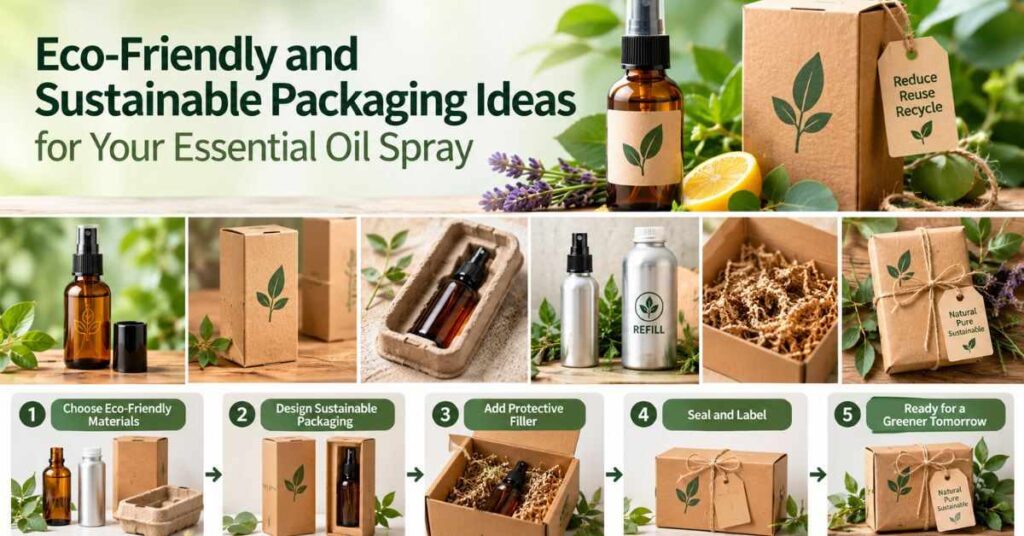
Why Amber and Cobalt Glass Bottles Are Best for Your Essential Oil Spray
When it comes to housing your botanical creations, container aesthetics are only part of the equation; protection and sustainability are far more critical. Pure essential oils are highly sensitive to ultraviolet (UV) light. Exposure to direct sunlight can rapidly degrade the delicate volatile compounds, stripping your formula of its therapeutic properties and altering its scent profile.
This is why amber and cobalt glass bottles are considered the gold standard for any high-end essential oil spray. The dark pigmentation of the glass acts as a natural UV shield, filtering out harmful light rays and significantly extending the lifespan of your custom blends.
- UV Light Protection: Dark amber and cobalt glass filters out damaging ultraviolet rays that degrade botanical compounds.
- Preserved Potency: Shields your active ingredients from oxidation, ensuring long-lasting therapeutic efficacy.
- Aesthetic Appeal: Offers a professional, apothecary-style look that elevates your homemade creations.
Reusing and Sanitizing Old Bottles for Your DIY Essential Oil Spray
Sustainability is at the heart of the DIY crafting community. Instead of constantly purchasing brand-new containers for every batch you make, adopting a zero-waste mindset by reusing and properly sanitizing old glass bottles is an eco-friendly win. However, simply rinsing a bottle with tap water is not enough to eliminate lingering scent molecules or microscopic residue from previous batches.
To achieve a pristine container ready for your new essential oil spray for diffuser or room blend, you must follow a rigorous multi-step sanitation process. This ensures your fresh formula never cross-contaminates with old scents or trapped bacteria.
- Hot Soapy Soak: Submerge glass bottles and spray pumps in hot, soapy water for 30 minutes to loosen oils.
- Alcohol Sterilization: Rinse thoroughly with high-proof isopropyl alcohol to eliminate residual bacteria and stubborn odors.
- Complete Air-Drying: Allow all components to dry completely upside down on a clean paper towel before refilling.
Pro Tips, Troubleshooting, and Storage for Your Essential Oil Spray
Essential Safety Checklist for Using an Essential Oil Spray on Skin
While natural botanical mists offer incredible therapeutic benefits, applying them directly to the human body requires caution and respect for their chemical potency. Pure essential oils are highly concentrated plant extracts that can cause dermal sensitization, photo-toxicity, or allergic reactions if mismanaged. Therefore, establishing a strict safety protocol before applying any personal body spritz is essential for protecting your skin’s health.
Furthermore, certain citrus oils such as bergamot, lemon, and lime contain furanocoumarins, which react adversely to ultraviolet sunlight and cause skin discoloration. Keeping your body dilutions well under 1% and avoiding photosensitive oils before outdoor exposure ensures a safe, enjoyable experience.
- Strict Dermal Dilution: Never exceed a 0.5% to 1% essential oil concentration for direct body or clothing application.
- Avoid Photosensitive Oils: Keep citrus-heavy body sprays away from exposed skin prior to direct sunlight exposure.
- Vulnerable Populations: Exercise extreme caution or consult a professional before using essential oil mists around infants, pregnant individuals, or pets.
Storage, Preservation, and Shelf-Life Tips for Your Essential Oil Spray
Because your homemade creations contain water, they lack the heavy synthetic chemical preservatives found in commercial room fresheners. Without proper storage and handling, water-based botanical mists can harbor microbial growth, mold, or bacteria over time. To maximize the shelf life of your essential oil spray, environmental control is your greatest ally.
Always store your glass bottles in a cool, dark environment away from fluctuating temperatures, such as a medicine cabinet or a bedroom cupboard. Furthermore, if you plan to store your water-heavy linen or body sprays for more than a few weeks, incorporating a natural broad-spectrum cosmetic preservative is highly recommended.
- Temperature Control: Keep bottles away from direct sunlight, radiators, and humid bathroom showers to prevent degradation.
- Monitor Expiration: Most water-based DIY sprays last between 4 to 6 weeks unless a proper natural preservative is added.
- Give a Gentle Shake: Always swirl or shake your bottle lightly before each use to re-disperse any natural separation.
Troubleshooting Common Separation and Mixing Issues in Your Essential Oil Spray
Even experienced creators occasionally encounter formulation hiccups where a batch turns cloudy, separates into distinct layers, or clogs the spray nozzle. If you notice tiny oil globules floating on top of your water base, it almost always indicates an insufficient amount of solubilizing alcohol or skipping the initial oil-blending step.
Similarly, if your nozzle begins spitting or clogging, it is usually caused by using a heavy carrier oil like jojoba instead of a light cosmetic dispersant, or using plant resins that harden inside the fine aperture. Flushing the spray pump with warm rubbing alcohol will quickly clear any blockages and restore a fine mist.
- Cloudy Emulsion Fix: Increase your high-proof alcohol ratio or ensure thorough stirring before introducing water.
- Nozzle Clogging Prevention: Avoid heavy carrier oils completely and stick to fast-evaporating solvents and light solubilizers.
- Quick Pump Reset: Soak clogged spray nozzles in warm isopropyl alcohol for 15 minutes to dissolve sticky residue.
Final Thoughts on Crafting Your Own Signature Essential Oil Spray
Crafting your own botanical mists is a deeply rewarding journey that combines scientific precision with creative aromatherapy expression. By taking control of every ingredient, you bypass the hidden phthalates and artificial chemicals found in commercial air fresheners, ensuring a clean, non-toxic environment for your home and family. Furthermore, mastering the correct ratios of essential oils, high-proof alcohol, and distilled water guarantees that your creations remain stable, safe, and delightfully aromatic.
Whether you are formulating an invigorating room refresher, a calming linen spritz, or an alternative essential oil spray for diffuser use, the possibilities are virtually endless. Experimenting with different botanical blends allows you to curate a signature scent profile that matches your unique mood, season, and lifestyle. Embrace the process, prioritize safety and proper dilution, and enjoy the beautiful sensory transformation your homemade creations bring to your everyday life.
- Total Ingredient Control: Eliminate hidden synthetic toxins and customize every drop to suit your personal preferences.
- Endless Creative Freedom: Mix and match botanical extracts to curate signature scents for every room and mood.
- Sustainable and Cost-Effective: Enjoy luxury-quality aromatherapy at a fraction of the cost using reusable glass packaging.
About the Author
Noor Fatima | SEO Expert & Natural Oils Specialist
Credentials:
As an SEO expert and the driving force behind Pure Oils Hub (pureoilshub.com), I combine over 8 years of digital strategy and search optimization with a deep, lifelong passion for organic aromatherapy and plant-based living.
First-Hand Experience:
“Navigating the digital landscape for more than 8 years while researching pure botanical and carrier oils has shown me that creating a truly helpful website takes more than just technical SEO. It requires a genuine commitment to cutting through the noise of commercial, synthetic products to deliver honest, thoroughly researched, and practical guides. My goal is to make natural wellness accessible to everyone, helping you discover the simple, powerful ways pure oils can transform your daily self-care routine.”
FAQs:
How do you make an essential oil spray from scratch?
Crafting a professional-grade mist from scratch is a straightforward process when you follow precise measurement and mixing guidelines. First, you combine your pure botanical extracts with a high-proof alcohol solubilizer in a glass beaker. Next, you slowly stream in pure distilled water while stirring continuously to create a stable emulsion. Finally, you transfer the finished liquid into an amber glass bottle fitted with a fine-mist sprayer.
Taking the time to use exact gram measurements ensures your essential oil spray achieves optimal scent throw, stability, and safety.
- Combine Extracts and Solvent: Mix pure essential oils with high-proof grain alcohol first to ensure proper bonding.
- Add Distilled Water Slowly: Pour water gradually into the mixture while stirring to prevent immediate separation.
- Bottle and Label: Transfer the emulsion into a dark glass container and label it with the recipe name and date.
Can you put an essential oil spray together without using alcohol?
While it is technically possible to mix essential oils and water using alternative natural dispersants like Polysorbate or specialized cosmetic solubilizers, skipping a proper solvent entirely is not recommended. Without an emulsifying agent, oil and water will naturally repel each other, causing pure oil droplets to float on top.
When you pump the bottle, these un-solubilized droplets can spray out in concentrated bursts, potentially staining fabrics or causing skin irritation. Therefore, utilizing a high-proof alcohol or a trusted dispersant is essential for creating the best essential oil spray formula.
- Immiscibility Challenge: Oil and water do not mix naturally, requiring a bridge ingredient to prevent separation.
- Alternative Dispersants: Cosmetic-grade solubilizers can replace high-proof alcohol if you prefer an alcohol-free formulation.
- Safety Assurance: Proper dispersion prevents concentrated oil spots from damaging fabrics or irritating the skin.
What is the best essential oil spray for neutralizing bad odors?
When it comes to tackling stubborn household odors such as pet smells, stale kitchen aromas, or damp gym gear certain botanical profiles outperform the rest. A blend featuring purifying tea tree oil, crisp lemon, and clean eucalyptus works exceptionally well to neutralize odors at their molecular source rather than just masking them.
Spritzing this combination into the air or lightly across upholstery provides an instantaneous, natural refresh that leaves your living spaces smelling wonderfully clean and vibrant.
- Purifying Powerhouses: Tea tree and lemon actively neutralize odor-causing compounds rather than masking them.
- Crisp Scent Profile: Delivers an invigorating, clean fragrance that revitalizes stale household air instantly.
- Multi-Surface Application: Perfect for refreshing carpets, sofa cushions, and pet bedding when properly diluted.
How long does a homemade essential oil spray last before spoiling?
Because water-based DIY mists lack heavy synthetic preservatives, their shelf life is significantly shorter than commercial air fresheners. A standard water-and-alcohol botanical spray typically remains fresh and potent for approximately 4 to 6 weeks when stored properly in a cool, dark place.
However, if you notice any cloudy discoloration, unusual separation, or off-putting smells, it is always best to discard the batch and mix a fresh one. Adding a broad-spectrum natural cosmetic preservative can extend this lifespan if you plan on long-term storage.
- Standard Shelf Life: Most homemade water-based mists last between 4 to 6 weeks under normal conditions.
- Storage Impact: Keeping bottles away from heat and direct sunlight significantly preserves product integrity.
- Safety Check: Discard and remake your batch immediately if you observe unusual odor shifts or microbial growth.