Introduction:
Dandruff is one of the most common scalp problems, and it can make your scalp feel itchy, uncomfortable, and hard to manage. For many people, the condition also creates visible white flakes that can affect confidence. That is why natural remedies often get attention, and coconut oil for dandruff is one of the most searched options.
People use coconut oil because it feels nourishing, simple, and easy to apply. It may help soften dry skin, reduce roughness, and support a healthier-feeling scalp. Still, coconut oil is not a magic cure. It works best when you understand what causes dandruff, how to apply it correctly, and when it may not be the right choice.
This guide explains the benefits, science, safe use, and risks in a clear way. It also helps you decide whether coconut oil can support your scalp care routine or whether you need a stronger treatment. If you have ever searched for how to use coconut oil for dandruff, this article will give you a practical, step-by-step answer.
Understanding Dandruff and Why It Affects Your Scalp
What Is Dandruff and What Causes Flaky Scalp?
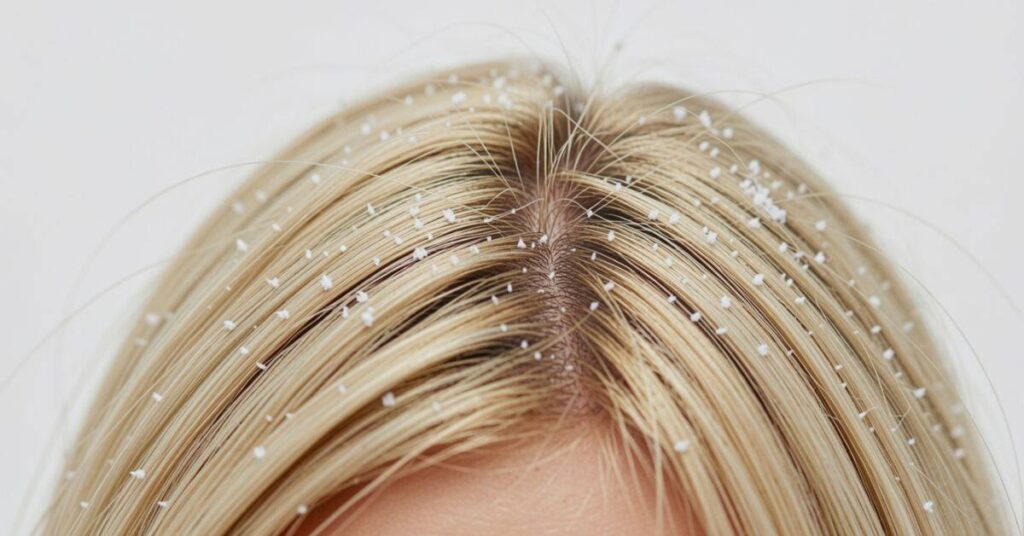
Dandruff is a scalp condition that causes flakes of dead skin to shed more than usual. These flakes often appear white or yellowish and can fall onto the hair, shoulders, and clothes. In many cases, dandruff develops when the scalp becomes irritated, oily, dry, or reacts to yeast that naturally lives on the skin.
Several things can trigger a flaky scalp. Cold weather, stress, harsh hair products, irregular washing, and excess oil buildup can all play a role. Some people also experience dandruff because their scalp barrier is weak and loses moisture too quickly. This is one reason why coconut oil for dandruff gets so much attention in natural hair care.
Common Signs and Symptoms of Dandruff
The most common sign of dandruff is visible flakes in the hair or on the shoulders. Many people also notice itching, scalp tightness, mild redness, and irritation. In some cases, the scalp may feel greasy, while in others it may feel dry and tight.
Dandruff can look different from person to person. Some people only see light flaking, while others deal with more stubborn buildup and discomfort. If the scalp keeps itching even after washing, dandruff may be part of the problem. Paying attention to these signs helps you choose the right treatment instead of guessing.
Dry Scalp vs Dandruff: How to Tell the Difference
Dry scalp and dandruff are often confused, but they are not the same. A dry scalp usually happens when the skin lacks moisture. The flakes are often smaller, finer, and dry in texture. You may also feel tightness or mild itching, especially in colder weather.
Dandruff, on the other hand, often involves oil, yeast, and faster skin shedding. The flakes may be larger, more noticeable, and sometimes slightly greasy. A dry scalp may improve with moisturizing care, while dandruff often needs a more balanced approach. This difference matters because coconut oil for dry scalp and dandruff may help some people, but not everyone will respond the same way.
How Oil, Yeast, and Scalp Buildup Trigger Dandruff
Your scalp naturally produces oil, and that oil can mix with dead skin cells and hair products. When buildup stays on the scalp for too long, it can create the right environment for irritation. In some people, a natural yeast called Malassezia may also contribute to the problem by feeding on scalp oils and triggering flaking.
This is why dandruff is not always caused by dryness alone. In fact, too much oil can also become part of the issue. A good scalp routine should control buildup without stripping away too much moisture. That balance is one of the main reasons people ask, does coconut oil cause dandruff, or can it help calm an irritated scalp? The answer depends on scalp type, product use, and how the oil is applied.
How Coconut Oil for Dandruff May Support Scalp Health
Does Coconut Oil Really Help With Dandruff?
Coconut oil may help some people manage dandruff-related discomfort, especially when dryness and irritation play a major role. It does not work the same way for every scalp, but it can support a healthier surface by reducing moisture loss and making the skin feel softer. That is why many people search for coconut oil for dandruff before trying stronger treatments.
The biggest benefit comes from how coconut oil supports the scalp barrier. When the scalp feels dry, tight, or rough, flakes often become more visible. Coconut oil may calm that roughness and reduce the look of dryness. It may also make scalp massage easier, which can help loosen buildup before washing.
Natural Properties of Coconut Oil That Benefit the Scalp
Coconut oil contains fatty acids, especially lauric acid, which help it spread smoothly across the skin. This makes it a rich, lightweight-feeling emollient for many users. It can coat the scalp, hold in moisture, and reduce the harsh feeling that often comes with flaky skin.
It also has a naturally soothing texture. That matters because an irritated scalp often feels more sensitive after using strong shampoos or styling products. Coconut oil can create a softer surface and may help the scalp feel more comfortable between washes. For many readers looking up how to use coconut oil for dandruff, this is one of the main reasons the oil remains popular.
How Coconut Oil Helps Moisturize Dry and Irritated Skin
Dry, irritated skin loses water faster and becomes more prone to flaking. Coconut oil may help by slowing that moisture loss and supporting a more flexible scalp barrier. When the skin barrier feels stronger, the scalp often feels less rough and less itchy.
This is especially useful if your dandruff seems linked to dryness rather than excess oil. In that case, coconut oil may act more like a comfort treatment than a cure. It can soften visible flakes, reduce the feeling of tightness, and make the scalp easier to manage. Still, it works best when you apply only a small amount, because too much oil can leave buildup behind.
Coconut Oil Composition and Its Key Hair Benefits
Coconut oil is made mostly of medium-chain fatty acids, and this structure helps it penetrate hair more easily than many heavier oils. That gives it a reputation for supporting shine, softness, and smoother-feeling strands. It can also help reduce the rough, brittle feeling that sometimes appears when the scalp is dry and the hair is stressed.
For scalp care, the oil’s composition matters because it behaves as both a moisturizer and a protective layer. It can help seal in hydration after washing and may make the scalp feel less exposed to harsh weather or styling habits. This is why many people use coconut oil for dandruff not only for flakes, but also for overall scalp comfort and hair texture.
Small but important tip: use less than you think you need. A thin layer often works better than a heavy coating, especially if your scalp tends to get oily or itchy after product buildup.
The Science Behind Coconut Oil for Dandruff Treatment
How Coconut Oil Works on Dryness and Scalp Flakes
Scientific interest in coconut oil for dandruff mainly focuses on its ability to reduce dryness and improve skin barrier function. When the scalp becomes dry, the outer skin layer weakens and starts shedding faster. Coconut oil helps by forming a protective layer that reduces water loss from the skin.
Its fatty acids, especially lauric acid, penetrate the hair and scalp better than many mineral oils. This allows it to soften rough skin and reduce the visibility of flakes. However, it is important to understand that coconut oil does not “cure” dandruff. Instead, it supports scalp condition by improving moisture balance and reducing irritation.
Coconut Oil and Malassezia Fungus: What You Should Know
One of the most important scientific discussions around dandruff involves Malassezia, a natural yeast that lives on the scalp. In some people, this yeast grows too quickly and triggers inflammation, itching, and flaking.
Coconut oil has mild antimicrobial properties, but research does not strongly support it as an antifungal treatment for Malassezia-related dandruff. In some cases, heavy oil use may even create a more oily environment, which can feed yeast growth in sensitive scalps.
This is why people asking does coconut oil cause dandruff get mixed answers. The effect depends on scalp type. Dry scalps may benefit, while oily or fungal-related dandruff may worsen if oil is overused.
What Research Says About Coconut Oil and Scalp Care
Studies on coconut oil mainly highlight its moisturizing and barrier-repair effects rather than direct dandruff treatment. It has been shown to reduce protein loss in hair and improve skin hydration. These benefits indirectly help people with mild flaking and dryness.
However, dermatology research generally recommends medicated shampoos for persistent dandruff caused by yeast imbalance or seborrheic dermatitis. Coconut oil is best seen as a supportive remedy, not a primary treatment.
Quick Science Summary Table
| Factor | What Science Says | Effect on Dandruff |
| Moisture retention | Strong evidence supports hydration benefits | Helps reduce dry flakes |
| Antimicrobial action | Mild, not strong antifungal effect | Limited impact on yeast-related dandruff |
| Barrier repair | Improves skin lipid protection | Reduces scalp irritation |
| Sebum interaction | May increase oiliness if overused | Can worsen oily dandruff in some cases |
| Hair penetration | Penetrates hair shaft effectively | Improves softness and smoothness |
Coconut oil works best when used as a support treatment, not a standalone solution. Understanding the science helps you avoid misuse and get better results from your routine.
Read More:https://pureoilshub.com/tea-tree-oil-and-coconut-oil/
Benefits of Coconut Oil for Dandruff and Dry Scalp
Helps Reduce the Look of Flakes and Dryness
One of the most noticeable benefits of coconut oil for dandruff is its ability to make flakes less visible. When the scalp is dry or irritated, dead skin cells shed more quickly and appear as white flakes. Coconut oil softens these flakes and helps them stick less to the hair strands.
It also improves the overall texture of the scalp. A dry, rough scalp often feels tight and uncomfortable. Coconut oil adds a layer of moisture that makes the skin feel smoother and more flexible. This does not remove dandruff permanently, but it can improve appearance and comfort quickly.
Supports a Healthier Scalp Environment
A balanced scalp environment is key to controlling dandruff. Coconut oil may help by reducing dryness and protecting the skin barrier from external damage like pollution, harsh shampoos, and weather changes.
When the scalp barrier is strong, it becomes less reactive. That means less irritation, less itching, and fewer visible flakes over time. This is why many people include coconut oil for dry scalp and dandruff in their weekly hair care routine as a natural support method.
May Improve Hair Softness and Shine
Coconut oil is widely known for improving hair texture. It penetrates the hair shaft more deeply than many other oils, helping reduce protein loss. As a result, hair feels softer, smoother, and more manageable.
While this benefit is mainly for hair strands, it indirectly supports scalp health. Healthy hair reduces friction and breakage, which can otherwise irritate the scalp. This creates a more comfortable environment overall, especially for people dealing with dandruff and dryness together.
Works as a Natural Scalp Conditioning Remedy
Coconut oil acts as a simple, natural conditioner for both scalp and hair. Unlike chemical-based conditioners, it does not contain strong additives that may irritate sensitive skin. Instead, it provides gentle nourishment and hydration.
When used properly, it can help loosen buildup before washing, making it easier to clean the scalp without harsh scrubbing. This makes it a useful pre-wash treatment for people exploring how to use coconut oil for dandruff safely and effectively.
Key Benefits Overview Table
| Benefit Area | How Coconut Oil Helps | Result on Scalp |
| Flake reduction | Softens and loosens dead skin | Less visible dandruff |
| Moisture support | Prevents water loss from scalp | Reduced dryness and tightness |
| Barrier protection | Strengthens outer skin layer | Less irritation and sensitivity |
| Hair conditioning | Reduces protein loss in hair | Softer, shinier hair |
| Buildup control | Helps loosen residue before wash | Cleaner scalp after shampooing |
Overall, coconut oil provides supportive care, especially for dry or mild dandruff conditions. It works best when combined with a proper scalp-cleansing routine rather than used alone.
How to Use Coconut Oil for Dandruff the Right Way
Step-by-Step Coconut Oil Scalp Treatment Method
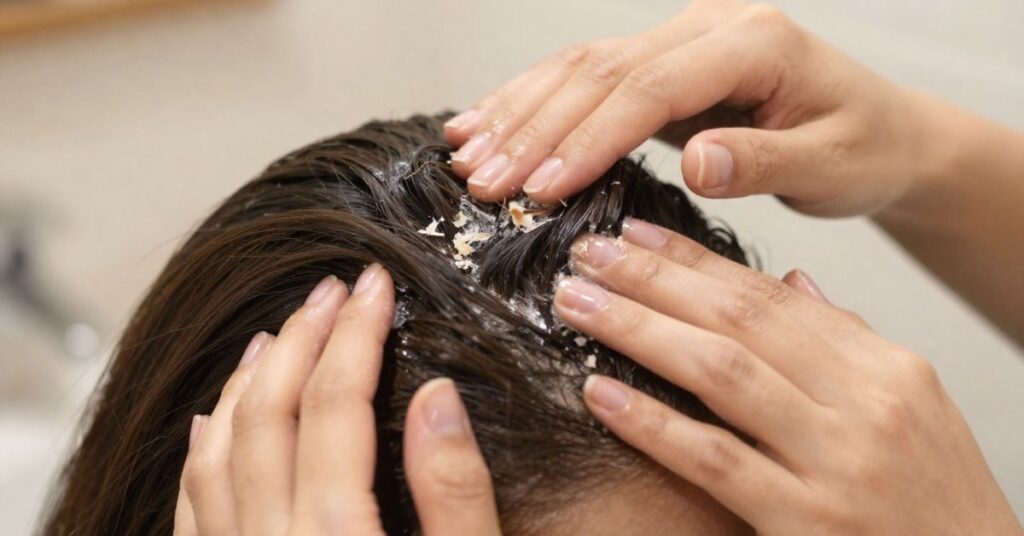
Using coconut oil for dandruff correctly is very important. Wrong application can lead to buildup or greasiness, which may worsen flakes instead of reducing them. Follow a simple, clean method to get better results.
- Warm 1–2 teaspoons of coconut oil slightly (do not overheat)
- Apply directly to the scalp using fingertips or cotton
- Gently massage for 5–10 minutes to improve absorption
- Focus on flaky or dry areas instead of the entire scalp
- Leave it for a controlled time before washing
This method helps the oil reach the scalp skin instead of just sitting on the hair surface.
Best Way to Apply Coconut Oil Without Heavy Buildup
Many people use too much oil, which leads to clogged pores and greasy buildup. A thin layer works better than heavy application.
- Use a small amount (less is more)
- Divide hair into sections for even application
- Avoid soaking the scalp completely in oil
- Keep application light near hair roots
- Wash thoroughly with a mild shampoo afterward
Proper application helps avoid the common issue people mention in coconut oil for dandruff reviews, where overuse makes the scalp feel heavier.
How Long to Leave Coconut Oil on Your Scalp
Leaving oil for too long can sometimes trap dirt or increase oiliness, especially for people with oily scalps.
- For dry scalp: 30 minutes to 2 hours is usually enough
- For mild dandruff: 1 hour pre-wash treatment works well
- Avoid overnight use if your scalp is oily or sensitive
- Always wash completely after treatment
- Use 1–2 times per week, not daily
Short, controlled use is more effective than long exposure.
Coconut Oil Blends With Other Natural Dandruff Remedies
Coconut oil can be combined with other ingredients to improve results. These blends are often used in natural scalp care routines.
- Coconut oil + aloe vera: helps soothe irritation
- Coconut oil + tea tree oil: may support scalp cleanliness
- Coconut oil + lemon juice (small amount): helps reduce oiliness
- Coconut oil + neem paste: supports scalp purification
- Coconut oil + honey: adds extra hydration
Always do a patch test before mixing ingredients, especially if your scalp is sensitive.
Quick Usage Summary Table
| Step | Action | Purpose |
| 1 | Warm small amount | Better absorption |
| 2 | Apply to scalp | Target dandruff area |
| 3 | Massage gently | Improve blood flow & spread oil |
| 4 | Leave 30–120 minutes | Allow moisture support |
| 5 | Wash properly | Prevent buildup |
When used correctly, coconut oil becomes a supportive pre-wash treatment, not a heavy leave-in product. This is the key difference between helpful results and unwanted buildup.
Coconut Oil for Dandruff Safety, Side Effects & Risks
Can Coconut Oil Make Dandruff Worse?
In some cases, coconut oil for dandruff can make the condition feel worse instead of better. This usually happens when the oil is overused or applied to an already oily scalp. Excess oil can mix with dead skin cells and create buildup, which may lead to more visible flakes and itching.
People with oily or acne-prone scalps are more likely to experience this issue. If the scalp feels heavier, greasier, or more itchy after using coconut oil, it is a sign that the product may not be suitable for that scalp type.
Coconut Oil and Seborrheic Dermatitis Concerns
Seborrheic dermatitis is a more advanced form of dandruff linked to yeast overgrowth and inflammation. In such cases, coconut oil does not always help and may sometimes worsen symptoms if it increases scalp oiliness.
Since this condition is sensitive, heavy oils can trap heat and sebum on the scalp, which may irritate it further. People dealing with persistent redness, thick flakes, or constant itching should be careful when using coconut oil and may need medicated treatment instead.
Who Should Avoid Coconut Oil on the Scalp?
Not every scalp reacts the same way to natural oils. Some people should limit or avoid using coconut oil for dandruff.
- People with very oily scalp conditions
- Individuals with fungal or yeast-heavy dandruff
- Those who experience clogged pores on the scalp
- Users with sensitive skin that reacts to oils
- People whose dandruff worsens after oil application
For these users, lighter scalp treatments or medicated shampoos may work better than heavy oiling.
How Often Should You Use Coconut Oil for Dandruff?
Frequency plays a big role in how effective coconut oil is. Using it too often can lead to buildup, while using it too rarely may not give visible benefits.
- Dry scalp: 1–2 times per week is usually enough
- Mild dandruff: once a week as a pre-wash treatment
- Oily scalp: avoid frequent use or limit to occasional application
- Always wash thoroughly after use to prevent residue
The key is balance. Controlled use gives benefits without increasing scalp buildup or irritation.
Coconut oil is generally safe, but it is not a universal solution. Understanding your scalp type is essential before making it a regular part of your routine.
Coconut Oil for Dandruff vs Other Treatment Options
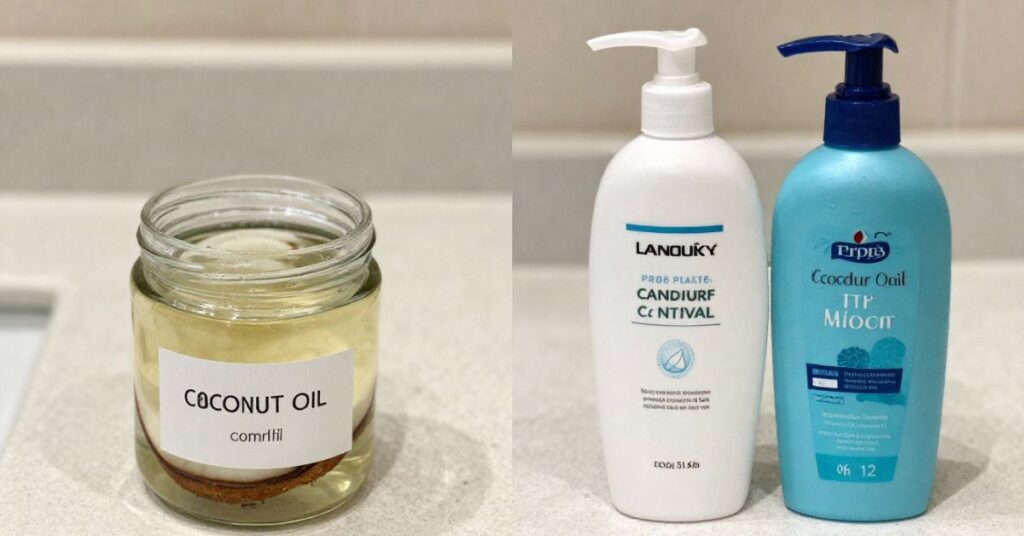
Can Coconut Oil Replace Medicated Dandruff Shampoo?
Coconut oil for dandruff cannot fully replace medicated dandruff shampoos in most cases. Medicated shampoos are designed to target the root causes of persistent dandruff, such as fungus (Malassezia), inflammation, and excessive skin shedding.
Coconut oil mainly supports the scalp by improving moisture and softness. It can reduce dryness and make flakes less visible, but it does not directly treat severe dandruff conditions. For mild cases, it may be helpful as a supportive step. For moderate to severe dandruff, medicated shampoos usually work faster and more effectively.
Coconut Oil Compared With Other Natural Treatments
Coconut oil is one of several natural remedies people try for scalp health. However, its effects differ from other popular options.
- Aloe vera: focuses on soothing irritation and cooling the scalp
- Tea tree oil: known for stronger antimicrobial properties
- Apple cider vinegar: helps balance scalp pH and reduce buildup
- Neem oil: traditionally used for scalp cleansing and purification
Compared to these, coconut oil is more focused on moisture and conditioning rather than deep antifungal action. That is why coconut oil for dry scalp and dandruff works better when dryness is the main issue.
When to Get Medical Help for Persistent Dandruff
Sometimes dandruff does not improve with home remedies like coconut oil. In such cases, medical attention becomes important.
You should consider a dermatologist if:
- Flakes become thick, yellow, or oily
- Itching becomes severe or constant
- Redness or inflammation increases
- Dandruff spreads beyond the scalp
- No improvement after 2–3 weeks of treatment
These signs may indicate seborrheic dermatitis or another scalp condition that requires targeted medication rather than home remedies.
Coconut oil works best as a supportive natural care option, not a replacement for clinical treatment when dandruff becomes persistent or severe.
Final Verdict: Is Coconut Oil for Dandruff Worth Trying?
Coconut oil for dandruff can be a helpful natural option, but only when used in the right way and for the right scalp type. It works best as a supportive treatment rather than a complete cure for dandruff.
If your dandruff is mainly caused by dryness, rough scalp texture, or mild irritation, coconut oil may improve comfort, reduce visible flakes, and make your hair feel softer. It supports the scalp barrier and helps lock in moisture, which is why many people continue using it in their weekly routine.
However, if your dandruff is linked to excess oil, fungal imbalance, or conditions like seborrheic dermatitis, coconut oil alone is not enough. In some cases, it may even worsen buildup if overused. That is why understanding your scalp type is more important than following trends.
In short, coconut oil works best as part of a balanced hair care routine. It should be used in moderation, combined with proper cleansing, and supported by medicated treatment when needed.
When applied correctly, it can be a simple, affordable, and natural way to improve scalp comfort but not a permanent solution for all types of dandruff.
FAQs:
Can coconut oil remove dandruff permanently?
Coconut oil cannot remove dandruff permanently on its own. Coconut oil for dandruff mainly helps improve scalp moisture, reduce dryness, and soften flakes. Dandruff is often linked to multiple causes like oil imbalance, yeast activity, and skin sensitivity. Because of this, long-term control usually requires consistent scalp care and sometimes medicated treatment. Coconut oil can support the process, but it is not a permanent cure.
Does coconut oil kill dandruff-causing fungus?
Coconut oil has mild antimicrobial properties, but it is not strong enough to fully eliminate dandruff-causing fungus like Malassezia. Some people ask about this because they expect antifungal results, but research shows its effect is limited. It may help create a healthier scalp environment, but it should not be relied on as an antifungal treatment for moderate or severe dandruff conditions.
Is coconut oil suitable for every scalp type?
No, coconut oil is not suitable for every scalp type. While it works well for dry or mildly irritated scalps, it may not suit oily or fungal-sensitive scalps. In some cases, using coconut oil for dry scalp and dandruff helps reduce flakiness, but in oily scalps it can increase buildup and make dandruff more noticeable. Always test a small amount before regular use.
How quickly can coconut oil show results?
Results vary depending on scalp condition. Some people notice softer skin and reduced flake visibility after the first few uses. However, improvements in overall scalp health usually take 1–2 weeks of consistent but controlled use. Coconut oil works gradually by improving moisture balance rather than giving instant dandruff removal results.