Introduction:
Coconut oil is one of the most useful oils in the kitchen and in beauty care. However, it often turns solid when the temperature drops, which can make it harder to use. That is why many people search for how to melt coconut oil in a safe and simple way. The good news is that coconut oil melts easily, and you do not need any special equipment to do it right.
The key is to use gentle heat and avoid overheating. Coconut oil has a low melting point, so it changes from solid to liquid quickly. At the same time, too much heat can affect its texture, smell, and overall quality. For that reason, the best method depends on how much oil you need and what you plan to use it for.
How to Melt Coconut Oil Safely and Effectively
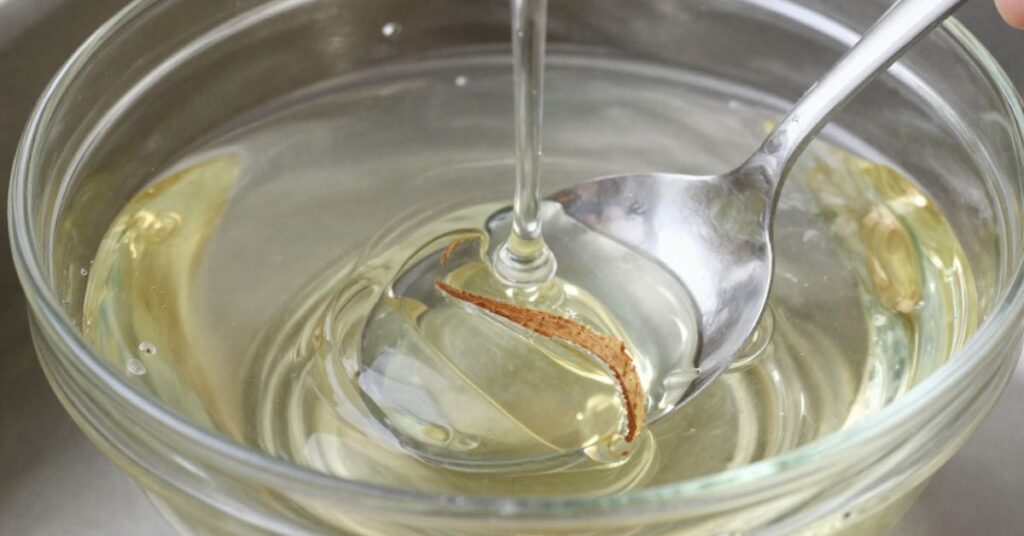
If you want smooth, usable coconut oil, you need to melt it in a way that protects its natural quality. Coconut oil is easy to work with, but it still needs careful handling. The safest method is usually the one that warms it slowly and evenly. This keeps the oil stable and makes it easier to use for cooking, hair care, skin care, or soap making.
When people ask how to melt coconut oil, they often want the fastest method. Speed matters, but control matters more. A quick burst of heat may melt the oil, yet it can also make it too hot to handle or cause uneven melting. A steady, low-heat approach usually gives the best result.
Why coconut oil becomes solid
Coconut oil becomes solid because of its natural fatty acid structure. It starts to harden when the room temperature falls below its melting point. In cooler weather, especially during winter, it may look cloudy, thick, or completely firm. This is normal and does not mean the oil has gone bad.
In fact, solid coconut oil is still the same oil. It simply changes form because of temperature. Once you warm it gently, it returns to liquid again. That is why learning how to melt coconut oil is so helpful. It lets you use the oil easily in any season.
When you should melt coconut oil
You should melt coconut oil whenever you need a smooth liquid texture. This is common before measuring it for recipes, mixing it into homemade products, or applying it to hair and skin. Melted oil spreads more evenly and blends better with other ingredients.
For example, if you use coconut oil in cooking, melting it first can help you mix it with spices, batter, or sauces. If you use it for beauty care, liquid oil is easier to massage into the scalp or skin. So, whether you need it for food or personal care, knowing how to melt coconut oil saves time and improves the result.
Things to know before melting coconut oil
Before you start, keep a few basic things in mind. First, coconut oil melts very easily, so you do not need high heat. Second, different uses need different levels of care. Oil for cooking should stay clean and free from contamination, while oil for hair or skin should never get too hot before use.
A few simple points can help:
- Use low or gentle heat whenever possible.
- Keep water out of the oil if you want to store it later.
- Do not let the oil smoke or boil.
- Choose a clean, dry container before heating.
- Stir only if needed, especially when melting a larger amount.
These small steps make a big difference. They protect the texture, help the oil melt evenly, and make it easier to use later. If you follow them, how to melt coconut oil becomes a simple everyday task instead of a messy one.
How to Melt Coconut Oil at Home
You do not need fancy tools to melt coconut oil at home. In most cases, a bowl, a pan, or a microwave-safe container is enough. The best method depends on how much coconut oil you need and how carefully you want to control the heat. If you use the right approach, you can melt it quickly without harming its quality.
When people look up how to melt coconut oil at home, they usually want a method that is simple, clean, and reliable. That is exactly what this section covers. The goal is not only to melt the oil, but also to keep it smooth, usable, and safe for the task you have in mind.
How to melt coconut oil using hot water
Using hot water is one of the easiest ways to melt coconut oil at home. It works well when you want gentle heat without placing the oil directly on a flame or inside a microwave. This method is especially useful if you are melting coconut oil for skin care, hair care, or small kitchen use.
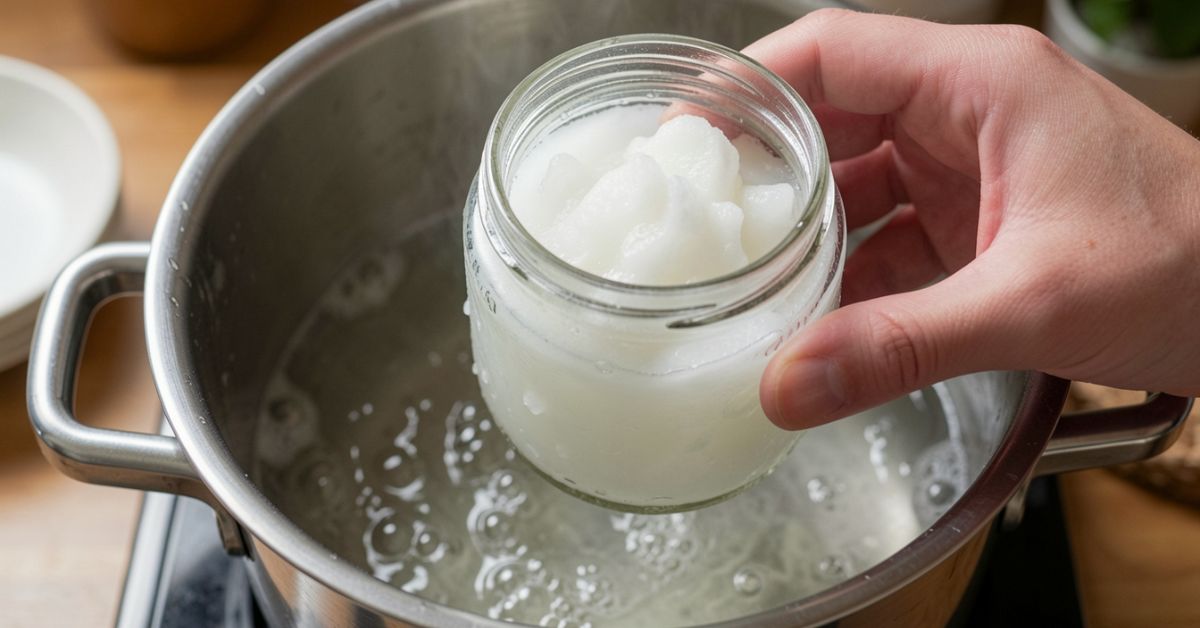
The basic idea is simple. Place the coconut oil container in a bowl or pan of hot water and let the warmth soften the oil gradually. The heat moves through the container and melts the oil without shocking it with direct heat. This method is slow, but it gives you good control.
This is also one of the safest answers to how to melt coconut oil because it lowers the risk of overheating. If you are working with a glass jar or a heat-safe bowl, the oil usually melts evenly and keeps its smooth texture.
How to melt coconut oil on a stovetop
A stovetop is another practical way to melt coconut oil, especially when you need a moderate amount. The key is to use very low heat and watch the oil closely. Coconut oil does not need intense temperature, so a gentle flame is enough.
You can place the oil in a small pan and warm it slowly. Stir only if necessary. Once the oil begins to liquefy, remove it from the heat. The biggest mistake people make is leaving it on the stove too long. Coconut oil can overheat quickly, so careful timing matters.
If you are learning how to melt coconut oil for cooking or batch preparation, the stovetop method gives you speed and control at the same time. It is useful, but only when you stay attentive.
How to melt coconut oil in a microwave
A microwave is the fastest option for many people. It works well when you need melted coconut oil in a hurry and do not want to set up a water bath or stovetop pan. Still, you need to use short heating bursts instead of long heating cycles.
Start with a short time, then check the oil. If it is still partly solid, heat it again for a few seconds. This step-by-step approach helps prevent overheating and keeps the oil from becoming too hot to use immediately. It also reduces the chance of splattering if the oil is in a container that traps heat.
When people ask how to melt coconut oil in the simplest way, the microwave often comes up first. It is fast and convenient, but it works best when you stay close and monitor the process carefully.
Which method melts coconut oil the fastest
The microwave usually melts coconut oil the fastest. It is quick, simple, and useful when you need liquid oil right away. However, the fastest method is not always the best one for every situation. If you want more control and less risk, the hot water method or stovetop method may be better.
Here is the practical rule:
- Use the microwave for speed.
- Use hot water for gentle melting.
- Use the stovetop for medium batches and careful control.
So, the best answer to how to melt coconut oil depends on your goal. If you want speed, the microwave wins. If you want safety and smooth texture, the hot water method is often the smarter choice.
How to Melt Coconut Oil Using Hot Water
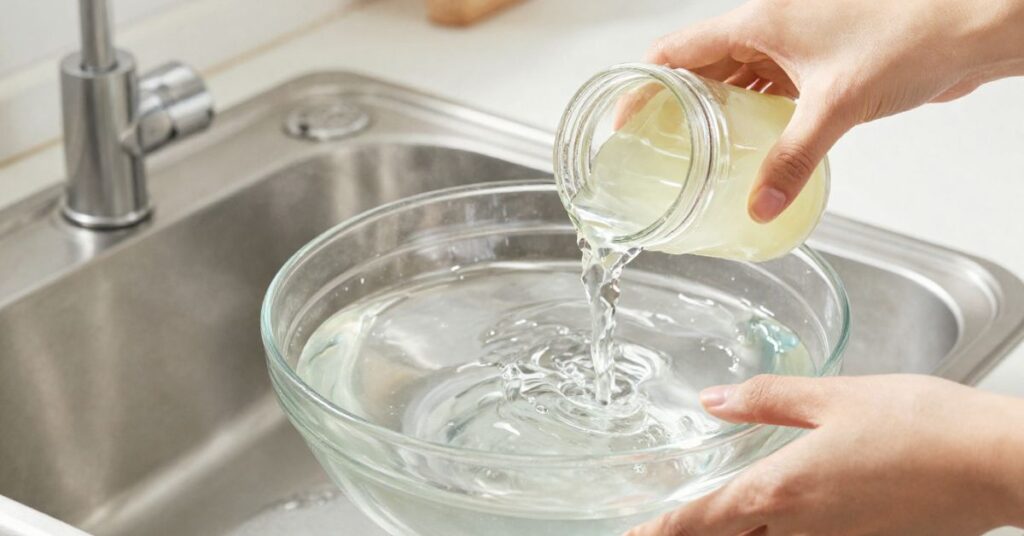
The hot water method is one of the safest and most reliable ways to melt coconut oil. It uses gentle heat instead of direct heat, which helps protect the oil’s texture and makes the melting process more controlled. Because coconut oil melts quickly at relatively low temperatures, this method works well for daily use.
Many people prefer this approach because it is simple and requires very little equipment. It also works well if you are learning how to melt coconut oil without microwave methods or if you want better temperature control for cooking, hair care, or skin care.
Step-by-step process
Melting coconut oil with hot water takes only a few minutes when done correctly. The goal is to warm the container gradually instead of heating the oil directly.
Follow these steps:
- Fill a bowl, pot, or deep container with hot water. The water should feel hot but not boiling.
- Place the sealed coconut oil jar or a heat-safe container into the water.
- Keep the water level below the container opening to avoid water mixing with the oil.
- Leave the container in the hot water for several minutes.
- Stir gently if needed once the oil starts softening.
- Remove the container as soon as the oil becomes liquid.
This method is especially useful during cold months if you want to know how to melt coconut oil in winter without changing its texture.
Common mistakes to avoid
Although this method is easy, a few mistakes can make the process less effective.
One common mistake is using boiling water. Extremely hot water is unnecessary because coconut oil melts quickly on its own. Too much heat can make the oil hotter than needed and less comfortable to handle.
Another mistake is leaving the container in water for too long. Once the oil turns liquid, remove it instead of continuing to heat it.
Avoid these errors:
- Using boiling instead of hot water
- Allowing water to enter the container
- Melting more oil than needed
- Heating and cooling repeatedly in a short time
- Using thin plastic containers that are not heat-safe
If you are trying to melt coconut oil in a plastic bottle, always make sure the bottle is designed to tolerate warm temperatures before placing it in hot water.
Best temperature for melting coconut oil
Coconut oil melts at a relatively low temperature, which means aggressive heating is not necessary. Gentle warmth is enough to transform solid oil into a smooth liquid.
For best results:
| Purpose | Recommended Heat Level |
| Everyday melting | Warm temperature |
| Cooking preparation | Low to moderate warmth |
| Hair care use | Slightly warm |
| Skin care use | Warm, comfortable to touch |
| Bulk melting | Controlled low heat |
The goal is not to make the oil hot. The goal is simply to turn it liquid.
This approach also works well if you want to learn how to melt coconut oil for hair or how to melt coconut oil for skin because mild heat helps keep the oil comfortable and easy to apply.
Using hot water may not be the fastest method, but it remains one of the most dependable ways to melt coconut oil while maintaining a smooth and consistent texture.
How to Melt Coconut Oil on a Stovetop Without Overheating
A stovetop is one of the most practical ways to melt coconut oil when you need more than a small amount or want faster results than the hot water method. However, direct heat requires more attention. Coconut oil melts quickly, so overheating can happen faster than most people expect.
If you are learning how to melt coconut oil properly, the stovetop method works best when you use low heat and remove the oil as soon as it becomes liquid. The goal is controlled warming, not cooking the oil.
This method is useful for food preparation, homemade beauty products, and larger batches that may take longer with indirect heat.
Tools you need
You do not need special equipment to melt coconut oil on a stovetop. A few basic kitchen items are enough to make the process easy and clean.
Prepare these items before starting:
- A small saucepan or heat-safe pot
- A clean spoon or silicone spatula
- A heat-safe bowl if using indirect heating
- A dry container for storing melted oil
- Measuring cups if exact amounts are needed
Choosing the right cookware matters. Heavy-bottom pans distribute heat more evenly and reduce the chance of creating hot spots.
If your coconut oil is stored in a jar, transfer only the amount you need instead of heating the full container each time.
Correct heating method
The safest stovetop technique uses slow and gentle heating. Since coconut oil turns liquid quickly, patience produces better results than high heat.
Follow this process:
- Place the required amount of solid coconut oil into a clean saucepan.
- Turn the heat to the lowest setting.
- Allow the oil to warm gradually.
- Stir lightly only if necessary.
- Remove the pan once only small solid pieces remain.
- Let the remaining warmth finish the melting process.
This approach helps maintain a smoother texture and prevents unnecessary overheating.
Another useful option is indirect stovetop heating. Place a heat-safe bowl over warm water and melt the oil slowly. This gives you more control and is often preferred when people search how to melt coconut oil without microwave solutions.
How to prevent damage from high heat
Too much heat is the biggest mistake when melting coconut oil on a stovetop. Unlike some cooking oils, coconut oil does not need prolonged heating just to become liquid.
You can protect the quality of the oil with a few simple habits:
- Always start with low heat.
- Remove the oil immediately after melting.
- Avoid visible bubbling or smoking.
- Heat only the amount you need.
- Allow natural cooling instead of rapid chilling.
A good rule is this: if the oil feels very hot to the touch after melting, it was probably heated more than necessary.
This becomes especially important when learning how to melt coconut oil for cooking, because controlled heating makes measuring and mixing easier. It also matters for beauty use, since excessively hot oil should never be applied directly.
When done correctly, the stovetop method gives fast results while keeping coconut oil smooth, usable, and easy to work with.
Read More:https://pureoilshub.com/coconut-oil-for-soap-making/
How to Melt Coconut Oil in a Microwave the Right Way
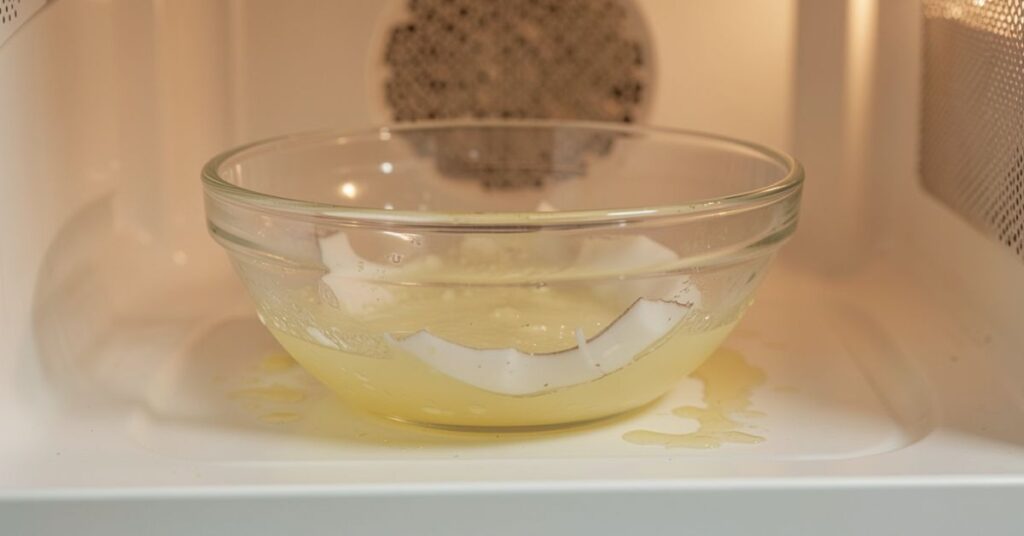
A microwave is one of the fastest ways to turn solid coconut oil into liquid. It is simple, convenient, and works well when you need melted oil immediately. However, speed can also lead to overheating if you are not careful.
Unlike slow heating methods, microwave heat builds quickly. That is why the best approach is to heat coconut oil in short intervals and check it often. This keeps the oil smooth and prevents unnecessary temperature changes.
If you are searching for how to melt coconut oil in microwave, this method can save time while still protecting the oil when done correctly.
Safe microwave instructions
Microwave melting should always be gentle. Coconut oil does not require continuous heating because it melts at a low temperature.
Follow these simple instructions:
- Transfer the amount of coconut oil you need into a microwave-safe container.
- Do not fill the container completely because the oil needs space.
- Heat using short intervals instead of one long cycle.
- Remove and check the texture between heating rounds.
- Stir lightly if part of the oil remains solid.
- Stop heating as soon as the oil turns liquid.
Glass or microwave-safe ceramic containers usually work best because they distribute heat more evenly.
If your oil is stored in a container that is not microwave-safe, move it first instead of placing the original packaging directly inside.
How long to heat coconut oil
The exact time depends on the amount of oil, container thickness, and microwave strength. Small amounts often melt quickly, while larger amounts need additional short heating rounds.
Instead of focusing on one exact time, focus on observation.
Use this practical guide:
| Amount of Coconut Oil | Heating Approach |
| Small amount | Very short heating intervals |
| Medium amount | Heat gradually and check often |
| Large amount | Multiple short intervals with stirring |
Never continue heating after the oil becomes liquid. Residual heat inside the container often finishes the melting process naturally.
People often assume faster is better, but when learning how to melt coconut oil, controlled heating usually gives better results than continuous heating.
When not to use a microwave
Although the microwave is convenient, it is not always the best choice.
Avoid microwave melting in these situations:
- When melting large quantities of coconut oil
- When the container is not microwave-safe
- When you want very gentle temperature control
- When preparing oil for immediate skin application
- When working with delicate homemade mixtures
For beauty routines, many people prefer gradual warming instead. For example, if you are learning how to melt coconut oil for skin, slower methods often feel easier to control. The same applies to how to melt coconut oil for hair, where mild warmth is usually more comfortable during application.
Microwave melting is excellent for convenience, but careful timing makes all the difference. Heat only until the oil liquefies and avoid turning a simple process into unnecessary overheating.
How to Melt Coconut Oil for Different Uses
Coconut oil is not melted the same way for every purpose. The best temperature and method often depend on whether you plan to cook with it, apply it to hair, use it on skin, or prepare soap. While the melting process remains simple, the final texture and heat level can make a noticeable difference.
If you understand the intended use before heating, you can get better results and avoid wasting oil. That is why learning how to melt coconut oil goes beyond simply turning solid oil into liquid.
How to melt coconut oil for cooking
When melting coconut oil for cooking, the goal is smooth texture and easy mixing. You do not need high heat because coconut oil liquefies naturally with gentle warming.
For cooking:
- Melt only the amount needed.
- Use low heat or warm water.
- Stir only if necessary.
- Add it to recipes after melting rather than overheating.
Liquid coconut oil blends better into batters, sauces, dressings, and marinades. It also distributes more evenly during mixing.
If you are searching for how to melt coconut oil for cooking, remember that direct high heat is rarely necessary. Gentle warming helps preserve the oil’s natural texture and keeps measuring more accurate.
How to melt coconut oil for hair care
Hair care requires more attention because melted oil may come into direct contact with the scalp. Coconut oil should feel slightly warm, not hot.
To prepare it:
- Take a small amount into a bowl.
- Melt it using warm water or low heat.
- Test a drop before applying.
- Massage lightly into hair if desired.
Many people ask, Can we heat coconut oil for hair? The answer is yes, but only gently. Slightly warmed oil spreads more easily and can make application more comfortable.
If your goal is how to melt coconut oil for hair, avoid microwaving large amounts or heating until very hot. Mild warmth is usually enough.
How to melt coconut oil for skin care
For skin care, temperature control becomes even more important. Coconut oil should feel comfortable and never hot when applied.
The best approach is indirect heating.
Try this method:
- Place the oil container into warm water.
- Wait until it softens naturally.
- Stir gently to create an even texture.
This process creates smooth melted oil that spreads easily across the skin.
People often search for how to melt coconut oil for skin because solid oil can feel difficult to apply evenly. Melting it lightly makes application easier without making it overly warm.
How to melt coconut oil for soap making
Soap making often requires larger amounts of melted coconut oil and more accurate preparation. Unlike beauty use, soap recipes usually need measured liquid oil for mixing consistency.
For soap preparation:
- Melt slowly using low stovetop heat.
- Stir to create even texture.
- Avoid overheating before combining ingredients.
- Melt only until fully liquid.
A controlled approach helps maintain consistency and makes measuring easier during formulation.
If you are preparing multiple batches, melt in stages instead of heating everything at once. This gives better control and reduces unnecessary reheating.
No matter the purpose, the best method for how to melt coconut oil always comes back to one simple rule: use only enough heat to make the oil liquid and stop once the job is done.
How to Melt Coconut Oil in Large Quantities
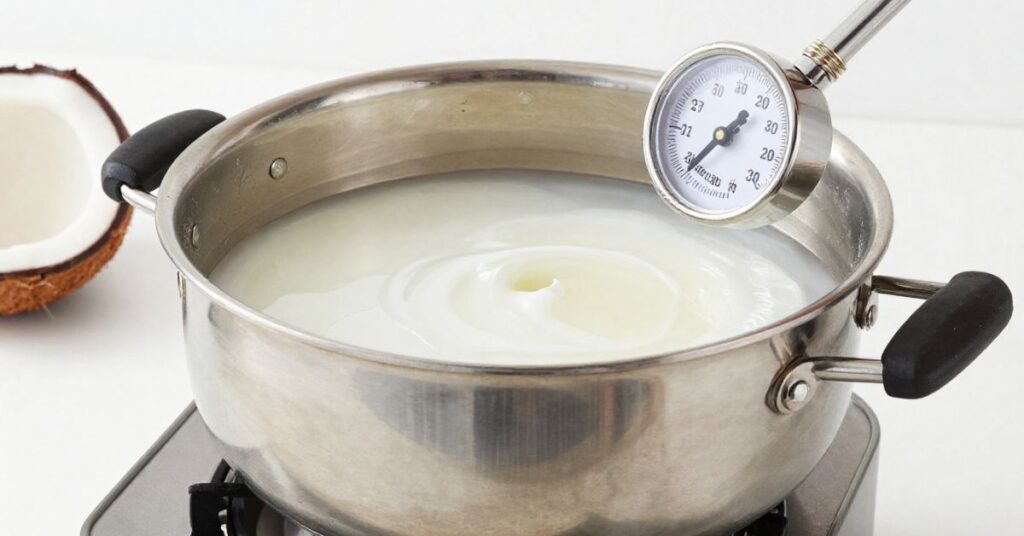
Melting a small jar of coconut oil is easy. However, working with larger amounts requires a different approach. When you melt coconut oil in bulk, the main goal is even heating. You want the oil to melt completely without creating hot spots or overheating one area while another part stays solid.
This section is especially useful if you prepare coconut oil for cooking, soap making, small businesses, or storage. The right method saves time and helps maintain a smooth texture throughout the batch.
If you are learning how to melt coconut oil in larger volumes, slow and controlled heating almost always gives better results than intense direct heat.
Hot water bath method
The hot water bath method is one of the safest ways to melt larger quantities of coconut oil. Instead of heating the oil directly, warm water transfers heat gradually around the container.
This method works well for:
- Medium and large containers
- Homemade beauty products
- Bulk kitchen preparation
- Controlled melting with minimal monitoring
To use this method:
- Fill a large container or sink with hot water.
- Place the coconut oil container into the water.
- Keep water below the opening.
- Allow the heat to soften the oil gradually.
- Stir occasionally if needed.
This method takes longer than direct heat, but it helps the oil melt more evenly.
If you are dealing with solid coconut oil during colder months and searching how to melt coconut oil in winter, this is often one of the most practical solutions.
Drum heating method
Drum heating is commonly used when melting very large quantities of coconut oil. Instead of transferring oil into smaller containers, the entire storage drum is warmed gradually.
The process focuses on controlled external heating rather than direct flame exposure.
Basic principles include:
- Apply gentle surrounding heat.
- Warm the container evenly.
- Avoid concentrating heat in one location.
- Check consistency throughout the process.
This method is more suitable for production environments or bulk storage situations rather than normal household use.
Patience matters here because rapid heating can leave some areas liquid while others remain solid.
Solar heat method
Solar heat is a simple low-energy approach for melting coconut oil in warmer climates. Since coconut oil naturally melts at relatively low temperatures, sunlight and warm surroundings may be enough.
To use solar warmth:
- Place the sealed container in a warm sunny area.
- Keep it protected from contamination.
- Rotate the container occasionally for even warming.
- Bring it inside once melted.
This method is slower but requires almost no equipment.
Solar melting works best when temperatures are consistently warm. It may not be practical in cold weather, but it can be useful for gentle bulk melting without active heating.
Best option for bulk melting
The best method depends on the amount of oil and your goal.
Here is a simple comparison:
| Situation | Recommended Method |
| Medium household batch | Hot water bath |
| Larger controlled batches | Low indirect heat |
| Storage containers | Drum heating |
| Warm climate use | Solar heat |
For most people, the hot water bath method remains the easiest balance between speed, safety, and consistency.
When choosing how to melt coconut oil in large quantities, avoid shortcuts that rely on extreme heat. Gentle warming usually produces smoother results and makes storage easier afterward.
Tips to Melt Coconut Oil Faster and Keep It Liquid Longer
Once you understand the basic methods, the next step is learning how to control the process better. Many people want coconut oil to melt quickly, but they also want it to stay smooth for longer without turning solid again too fast.
These tips help you improve efficiency while protecting the natural texture of the oil. If you are searching how to melt coconut oil in a more practical and time-saving way, these strategies make a big difference.
How to avoid overheating
Overheating is one of the most common mistakes when melting coconut oil. It does not need high temperatures, and too much heat can affect its natural quality.
To avoid overheating:
- Always use low or gentle heat
- Remove the oil as soon as it melts
- Avoid boiling or smoking temperatures
- Use short heating intervals in a microwave
- Stir only when necessary
Coconut oil melts quickly, so patience is more effective than high heat. Even after you remove it from heat, leftover warmth often finishes the melting process naturally.
This is especially important when you are learning how to melt coconut oil for skin or how to melt coconut oil for hair, because high heat can make it uncomfortable for direct use.
How to store melted coconut oil
Proper storage helps maintain texture and prevents quick solidification. Once coconut oil is melted, how you store it affects how long it stays usable in liquid form.
Best storage practices include:
- Use a clean, dry, airtight container
- Avoid moisture contamination
- Store at a stable room temperature
- Keep away from direct sunlight
- Do not repeatedly reheat and cool
If you store it correctly, coconut oil can stay usable and smooth for longer periods without frequent remelting.
For cooking use, small glass jars work best because they maintain cleanliness and are easy to handle.
How to keep coconut oil smooth after cooling
Coconut oil naturally starts to solidify again when the temperature drops. However, you can slow down this process slightly with proper handling.
To maintain smoother texture:
- Let it cool slowly at room temperature
- Avoid placing it in very cold environments
- Stir occasionally while cooling (if applicable)
- Store in a stable temperature area
- Keep container tightly sealed
If you are working in colder climates and learning how to melt coconut oil in winter, this becomes especially important. Rapid cooling often leads to uneven texture and partial solidification.
While you cannot completely stop coconut oil from solidifying in cool conditions, you can control how evenly it sets.
The key takeaway is simple: gentle heating + stable storage = better results.
When you understand these small adjustments, how to melt coconut oil becomes not just easy, but also more efficient and consistent for everyday use.
Common Problems When Learning How to Melt Coconut Oil
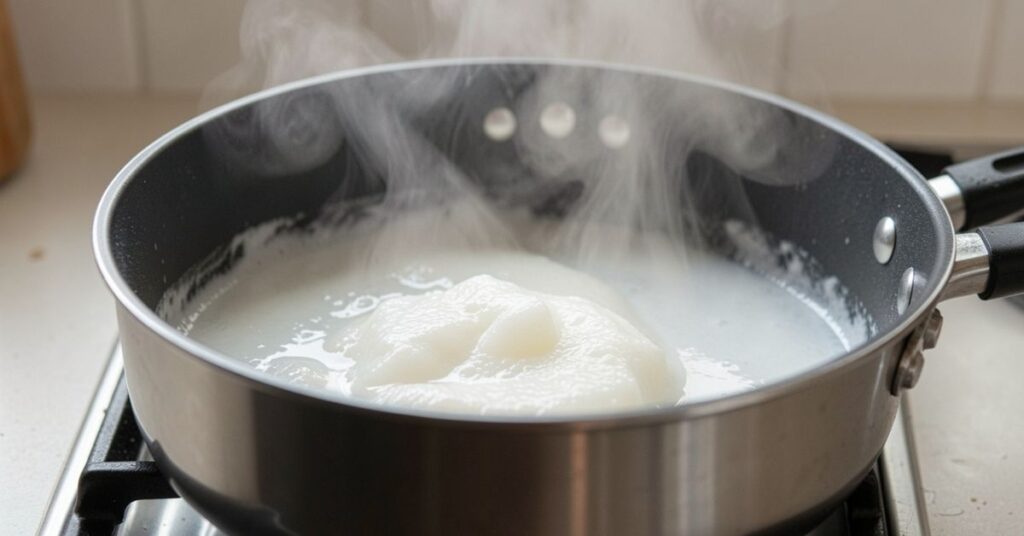
Even though coconut oil is easy to melt, small mistakes can change its texture or make the process less efficient. Most issues come from using too much heat, uneven warming, or improper storage after melting. Understanding these problems helps you get smoother results every time.
If you are still learning how to melt coconut oil, these common issues will help you avoid wasted oil and inconsistent texture.
Why coconut oil stays partly solid
Sometimes coconut oil does not fully melt, even after heating. This usually happens when the heat is too low or unevenly distributed.
Common reasons include:
- Not enough heat applied
- Large chunks melting unevenly
- Cold container slowing the process
- Removing from heat too early
- Using a thick glass or metal jar that delays warming
To fix this, break the oil into smaller pieces before melting or use a more consistent heat source like a hot water bath.
This issue is very common during how to melt coconut oil in winter, when colder surroundings slow down the process even more.
Why melted coconut oil becomes grainy
Grainy texture is another frequent problem. It usually appears when coconut oil melts and cools too quickly or repeatedly goes through heating and cooling cycles.
Main causes:
- Rapid cooling in cold environments
- Reheating the same oil multiple times
- Temperature shock (hot to cold quickly)
- Uneven melting process
While grainy coconut oil is still usable, the texture may not feel smooth for cooking or skin use.
To reduce graininess, let the oil cool slowly at room temperature instead of placing it in the fridge or cold areas.
Can you melt coconut oil multiple times
Yes, you can melt coconut oil multiple times, but it is not always ideal. Repeated heating does not destroy the oil immediately, but it can slowly affect its texture and quality if done frequently.
Here is what you should know:
- Occasional remelting is completely fine
- Repeated heating may reduce smoothness
- Overheating should always be avoided
- Best results come from melting only what you need
If you are using coconut oil for cooking or beauty care, it is better to melt small batches instead of reheating the same large amount again and again.
When people ask how to melt coconut oil properly, the key lesson is not just the melting process, but also how to maintain quality afterward.
Simple control, gentle heat, and proper storage solve most problems before they even begin.
Final Thoughts on How to Melt Coconut Oil
Melting coconut oil is a simple process, but doing it the right way makes a big difference in quality and usability. Whether you use a microwave, stovetop, or hot water method, the key is always gentle heat and careful control.
Coconut oil responds quickly to temperature changes, which means it does not need intense heating. In fact, the best results come from slow and steady warming. This helps you keep the oil smooth, clean, and ready for any use without affecting its natural texture.
If you look at all the methods discussed in how to melt coconut oil, one clear idea stands out: there is no single “perfect” method. Instead, the best choice depends on your purpose. Hot water works best for safety, stovetop gives better control, and microwave offers speed when you need quick results.
A light melt works best for cooking purposes. When using it for hair and skin care, keep the temperature mild and comfortable at all times. For bulk use, slow heating helps maintain a smooth and consistent texture across larger amounts.
The most important habit is to avoid overheating. Coconut oil melts at a low temperature, so pushing it too far only reduces its quality without adding any benefit. When handled properly, it stays versatile, smooth, and easy to use in every situation.
In short, once you understand the simple techniques behind how to melt coconut oil, you can use it more effectively in daily life whether in your kitchen, beauty routine, or DIY projects.
FAQs :
What is the easiest way to melt coconut oil?
The easiest way is using a hot water bath. It melts coconut oil gently without direct heat and reduces the risk of overheating.
Does melting coconut oil reduce quality?
No, melting coconut oil does not reduce its quality if done correctly. Only excessive heat or repeated overheating can affect its texture and natural properties.
Can you melt coconut oil every day?
Yes, you can melt coconut oil daily if needed. However, it is better to melt only the amount you plan to use to maintain better consistency.
How long does melted coconut oil stay liquid?
Coconut oil stays liquid as long as the temperature remains above its melting point. In cooler environments, it may start solidifying again within minutes or hours.