Introduction:
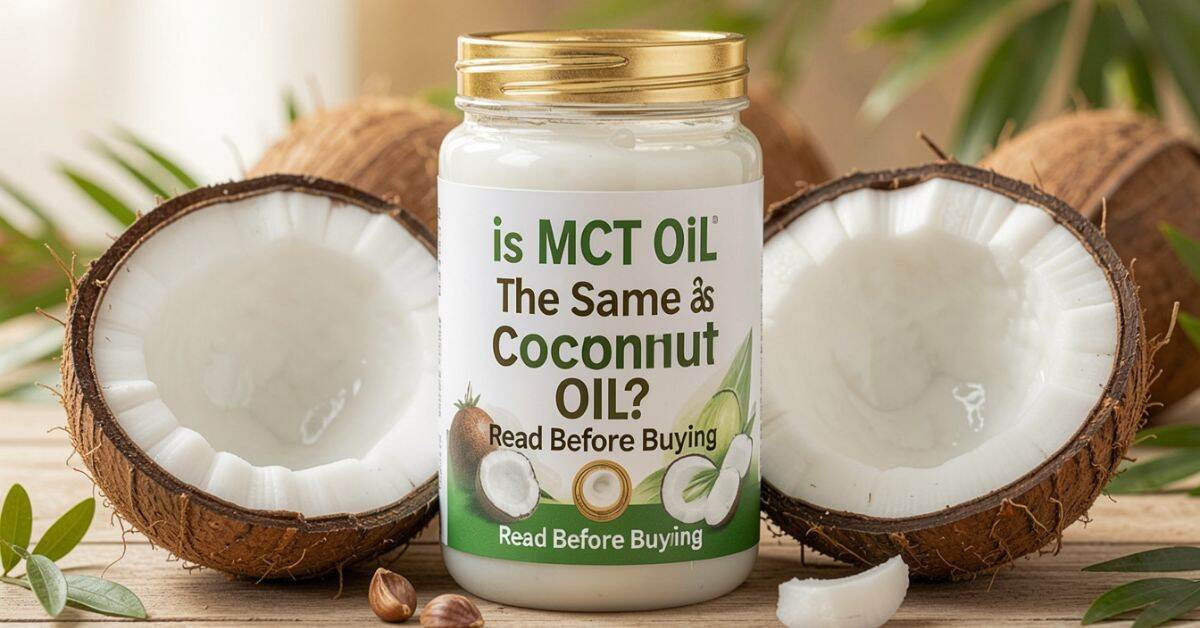
If you have ever stood in the supplement aisle or looked through your kitchen shelf wondering, is MCT oil the same as coconut oil?, you are certainly not alone. After all, these two oils are frequently grouped together because they come from the same source. However, despite their shared origin, they are not identical in how they are produced, how they function in the body, or how they are typically used. In fact, the differences become more noticeable when you take a closer look at their composition and purpose.
That is why this topic is worth exploring in detail. For instance, many people want a clear answer before choosing either oil for cooking, weight management, energy support, skincare, or hair care. Moreover, understanding the differences can help you make a more informed decision. While both oils offer unique advantages, the distinction between them becomes increasingly important when comparing factors such as digestion, fat composition, heat stability, and overall nutritional value. Therefore, knowing how each oil works can help you select the one that best matches your needs.
In simple terms, MCT oil is a highly concentrated source of medium-chain triglycerides, whereas coconut oil is a natural whole oil that contains MCTs along with several other types of fats. As a result, the two products may appear similar at first glance; however, they perform quite differently in practical use. For example, MCT oil is often preferred for rapid energy and ketogenic diets, while coconut oil is commonly chosen for cooking, baking, skincare, and hair care. Additionally, their processing methods and fatty acid profiles contribute to these different applications.
Is MCT Oil the Same as Coconut Oil? Quick Answer
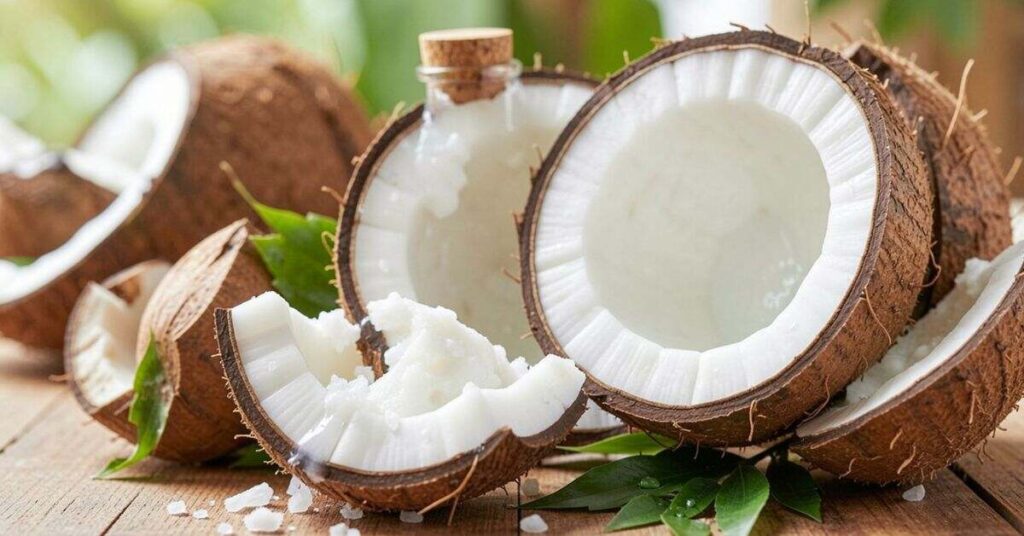
No, MCT oil is not the same as coconut oil. They are related, but they are not interchangeable in every situation. Coconut oil comes from coconut meat and provides a mix of fats, including some MCTs. In contrast, manufacturers create MCT oil by concentrating medium-chain triglycerides, which gives it a much higher level of these fast-digesting fats.
That difference is important because it changes how each oil works in the body. Coconut oil is broader and more traditional, while MCT oil is more targeted and processed for quick absorption and energy production. In other words, coconut oil is the source, but MCT oil is usually the refined result.
Here is the simplest way to think about it:
| Feature | MCT Oil | Coconut Oil |
| Main purpose | Quick energy and keto support | Everyday cooking and general use |
| Fat profile | Mostly medium-chain triglycerides | Mix of medium-chain and long-chain fats |
| Processing | More refined | More natural and less concentrated |
| Absorption | Faster | Slower than MCT oil |
| Best known for | Energy, ketones, digestion support | Cooking, baking, skin, and hair care |
So, if your main question is is MCT oil the same as coconut oil, the answer is clearly no. However, they do overlap in origin and some benefits, which is why people often confuse them. The rest of this article explains those differences in a simple, practical way so you can choose the right one with confidence.
What Is MCT Oil?
Manufacturers produce MCT oil from medium-chain triglycerides (MCTs), a type of fat that the body digests and converts into energy faster than many other fats. Unlike traditional cooking oils, people value MCT oil for its rapid absorption and its ability to provide a quick source of fuel for both the brain and body.
Over the past few years, MCT oil has become increasingly popular among people following low-carb, ketogenic, and fitness-focused lifestyles. Many people add MCT oil to coffee, smoothies, protein shakes, and nutritional supplements because it supports energy production and requires very little digestion.
When discussing whether MCT oil is the same as coconut oil, it is important to understand that manufacturers usually derive MCT oil from coconut oil and then use additional processing to isolate specific fatty acids.
As a result, it contains a much higher concentration of medium-chain triglycerides than regular coconut oil.
What Are Medium-Chain Triglycerides (MCTs)?
Medium-chain triglycerides (MCTs) are saturated fats that contain fatty acids with 6 to 12 carbon atoms. Their shorter chain length allows the body to absorb them differently from the long-chain fats found in many foods.
Instead of relying on complex digestion, MCTs move quickly to the liver, which converts them into energy or ketones. This unique metabolic pathway explains why many people associate MCT oil with improved mental focus, endurance, and ketogenic nutrition.
The most common types of MCTs include:
- Caproic Acid (C6) – Although the body rapidly converts it into energy, manufacturers use it less often because of its strong taste.
- Caprylic Acid (C8) – Considered the most efficient MCT for ketone production.
- Capric Acid (C10) – Provides quick energy, and manufacturers often combine it with C8 when producing MCT oil products.
- Lauric Acid (C12) – Found abundantly in coconut oil, though some experts classify it differently because it behaves more like a long-chain fat during digestion.
Key characteristics of MCTs include:
Faster digestion than most dietary fats
Quick conversion into usable energy
Popular among keto and low-carb dieters
Easy to add to beverages and meals
May support feelings of fullness
Where Does MCT Oil Come From?
Most commercial MCT oil is produced from coconut oil. However, some manufacturers also use palm kernel oil as a source. Additionally, both ingredients contain medium-chain triglycerides, making them suitable for MCT oil production. Therefore, the final product may come from one or both of these sources, depending on the manufacturing process.
Manufacturers extract and purify specific medium-chain triglycerides from these oils to create a concentrated product.
The production process generally involves:
- Extracting oil from coconuts or palm kernels.
- Separating the fatty acids through specialized processing.
- Isolating desirable MCTs, typically C8 and C10.
- Refining and purifying the oil for consumption.
Because of this process, MCT oil contains significantly higher levels of medium-chain triglycerides than regular coconut oil. This is a major reason why the answer to is MCT oil the same as coconut oil remains no, even though they often originate from the same raw material.
Quick Facts About MCT Oil
| Fact | Details |
| Source | Usually derived from coconut oil |
| Main Components | C8 and C10 medium-chain triglycerides |
| Digestion Speed | Very fast |
| Common Uses | Keto diet, coffee, smoothies, supplements |
| Flavor | Generally neutral and mild |
| Cooking Use | Best for low-heat applications |
Understanding what MCT oil is provides the foundation for comparing it with coconut oil. Next, we will examine coconut oil itself, including how it is made and the different types available on the market.
What Is Coconut Oil?
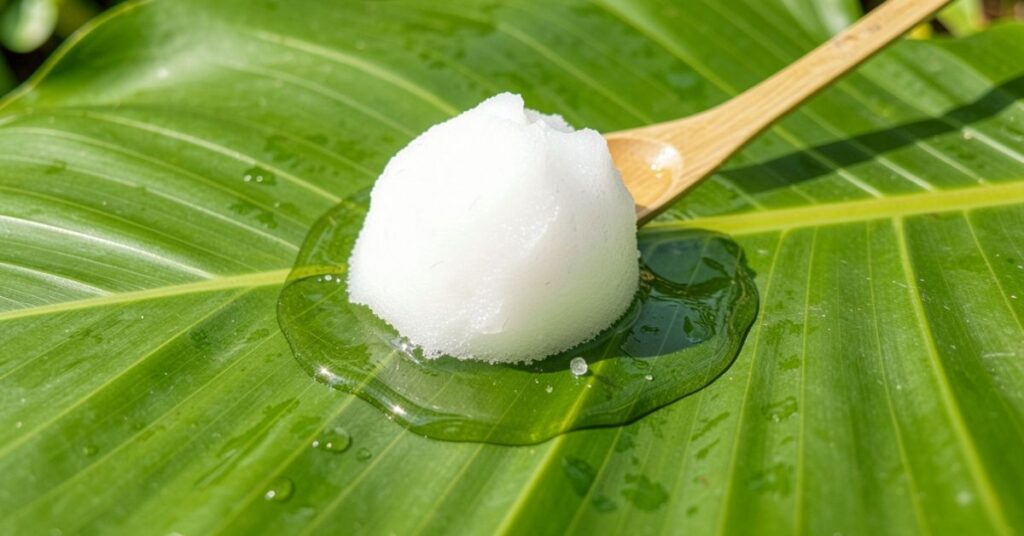
Producers extract coconut oil from the meat of mature coconuts, creating a natural edible oil. For centuries, people have used it in cooking, traditional wellness practices, skincare, and hair care.
Unlike MCT oil, which contains concentrated medium-chain triglycerides, coconut oil is a whole-food oil that contains a broader mix of fatty acids.
Many people assume that coconut oil and MCT oil are identical because coconut oil naturally contains MCTs. However, only a portion of coconut oil consists of medium-chain triglycerides, while the rest is made up of other saturated and unsaturated fats. This is one of the biggest reasons why is MCT oil the same as coconut oil is such a common question.
Coconut oil remains popular because it is versatile, affordable, and suitable for a wide range of household uses. From frying foods to moisturizing skin, its applications go far beyond nutrition alone.
How Coconut Oil Is Made
Manufacturers produce coconut oil by extracting oil from the white flesh, also known as the kernel, of mature coconuts. The exact process varies depending on the type of coconut oil they manufacture.
The basic production steps include:
- Harvesting mature coconuts.
- Removing the outer shell and collecting the coconut meat.
- Drying or pressing the coconut meat.
- Extracting the oil through mechanical or processing methods.
- Filtering and packaging the final product.
There are two primary extraction methods:
Dry Process
In the dry process, producers dry coconut meat into copra and then extract the oil. They often refine the resulting oil to remove impurities and extend its shelf life.
Wet Process
The wet process uses fresh coconut meat instead of dried copra. Manufacturers commonly use this method to produce virgin coconut oil, and it helps preserve more of the natural coconut aroma and flavor.
Types of Coconut Oil
Not all coconut oils are the same. Understanding the different varieties can help you choose the right option for cooking, skincare, or hair care.
Virgin Coconut Oil
Virgin coconut oil is extracted from fresh coconut meat with minimal processing. It retains its natural coconut scent, flavor, and many of its naturally occurring compounds.
Best for:
- Salad dressings
- Light cooking
- Skin care
- Hair treatments
Refined Coconut Oil
Refined coconut oil undergoes additional processing to create a neutral flavor and higher smoke point. It is often preferred for cooking when a coconut taste is not desired.
Best for:
- Frying
- Baking
- High-heat cooking
Organic Coconut Oil
Organic coconut oil comes from coconuts grown without synthetic pesticides or chemicals. It may be available in both virgin and refined forms.
Fractionated Coconut Oil
Fractionated coconut oil is created by removing certain fatty acids from regular coconut oil. This process leaves behind a liquid oil rich in medium-chain fats. In fact, manufacturers use fractionated coconut oil as one of the primary ingredients to produce many MCT oil products.
Coconut Oil Nutrition at a Glance
| Nutrient Feature | Coconut Oil |
| Primary Fat Type | Saturated fat |
| Contains MCTs | Yes |
| Contains Long-Chain Fats | Yes |
| Flavor | Mild to strong coconut taste |
| Texture | Solid at cooler temperatures |
| Common Uses | Cooking, baking, skin, and hair care |
Why Coconut Oil Is Different From MCT Oil
Although coconut oil contains medium-chain triglycerides, it is not as concentrated as MCT oil. Most coconut oil includes a mixture of fatty acids that digest more slowly compared to purified MCT oil.
As a result:
- Coconut oil provides a broader fatty acid profile.
- MCT oil delivers faster energy.
- Coconut oil is often better for general cooking.
- MCT oil is commonly used for ketogenic and performance-focused goals.
This distinction is essential when evaluating MCT oil vs coconut oil: the truth exposed. While both originate from coconuts, their composition, digestion speed, and practical uses are noticeably different.
In the next section, we’ll take a deeper look at those differences, including extraction methods, fat composition, calories, and how each oil affects energy production in the body.
Is MCT Oil the Same as Coconut Oil? Understanding the Main Differences
While MCT oil and coconut oil share the same origin, they are not the same product. Their manufacturing process, fat composition, digestion rate, and intended uses are quite different. Understanding these distinctions can help you choose the right oil for your health goals, cooking needs, and lifestyle.
If you are still asking is MCT oil the same as coconut oil, this section provides a detailed comparison that reveals exactly where the differences lie.
Extraction and Processing
One of the biggest differences between these oils is how they are processed.
Manufacturers extract coconut oil directly from coconut meat and can sell it with minimal processing, especially when producing virgin coconut oil.
It retains a natural balance of fatty acids and often preserves its characteristic coconut aroma and flavor.
MCT oil undergoes additional refinement after extraction. Manufacturers separate and concentrate specific medium-chain fatty acids, mainly caprylic acid (C8) and capric acid (C10), to create a product that delivers fast energy and rapid absorption.
Processing Comparison
| Feature | MCT Oil | Coconut Oil |
| Source | Usually coconut oil | Coconut meat |
| Processing Level | Highly refined | Minimal to moderate |
| Contains Isolated MCTs | Yes | No |
| Coconut Flavor | Usually none | Natural coconut taste |
| Purpose | Quick energy | General nutrition and cooking |
Because of this specialized processing, MCT oil functions differently in the body than traditional coconut oil.
Fat Composition Comparison
The fatty acid profile is where the most significant difference exists.
Coconut oil contains various saturated fats, including medium-chain and long-chain fatty acids. Although marketers often promote coconut oil as an MCT-rich food, only part of its fat content functions like true MCTs. In contrast, MCT oil contains almost entirely medium-chain triglycerides.
Typical Fat Composition
| Fat Type | MCT Oil | Coconut Oil |
| C8 (Caprylic Acid) | High | Low |
| C10 (Capric Acid) | High | Low |
| C12 (Lauric Acid) | Low or moderate | High |
| Long-Chain Fats | Very little | Moderate amount |
This is why many nutrition experts recommend MCT oil when the goal is rapid ketone production or immediate energy support.
Calories and Nutritional Value
Both oils are calorie-dense because they are pure fats. However, their nutritional effects differ due to how the body metabolizes them.
Nutrition Overview
| Nutritional Factor | MCT Oil | Coconut Oil |
| Calories per Tablespoon | About 115–120 | About 120 |
| Carbohydrates | 0g | 0g |
| Protein | 0g | 0g |
| Fat | 14g | 14g |
| Digestion Speed | Fast | Moderate |
Although the calorie difference is small, MCT oil is metabolized more efficiently for quick energy, making it popular among athletes and keto followers.
Absorption and Energy Production
The way these oils are absorbed is perhaps their most important difference.
Most dietary fats require several digestive steps before they can be used as energy. Coconut oil follows this traditional pathway because it contains a mixture of fatty acids.
MCT oil works differently. Its shorter-chain fatty acids travel directly to the liver, where they can be rapidly converted into ketones or used as fuel.
Benefits of Faster Absorption
- Provides quick energy without a sugar spike.
- Supports ketone production.
- May improve mental clarity and focus.
- Often used before workouts.
- Popular among people following ketogenic diets.
This unique metabolic pathway explains why MCT oil is frequently included in keto coffee, energy supplements, and performance-focused nutrition plans.
Quick Summary: MCT Oil vs Coconut Oil
| Category | Winner |
| Fast Energy | MCT Oil |
| Ketone Production | MCT Oil |
| Natural Processing | Coconut Oil |
| Cooking Versatility | Coconut Oil |
| Skin and Hair Care | Coconut Oil |
| Keto-Friendly Use | MCT Oil |
Key Takeaway
When comparing MCT oil vs coconut oil: the truth exposed, the answer becomes clear.
So, is MCT oil the same as coconut oil? No. They come from similar sources, but their composition, digestion, and practical uses make them distinctly different products.
The next section explores whether MCT oil is actually better than coconut oil for weight loss and what scientific research says about fat burning and ketone production.
Read More:https://pureoilshub.com/hot-oil-treatment-for-hair/
Is MCT Oil Better Than Coconut Oil for Weight Loss?

Weight loss is one of the main reasons people compare MCT oil and coconut oil. Both oils are popular in low-carb and ketogenic lifestyles, but they do not affect the body in exactly the same way.
In general, MCT oil may have an advantage for weight management because it is absorbed more quickly and converted into energy faster than the mixed fats found in coconut oil. However, neither oil is a magic solution for losing weight. Long-term results still depend on overall calorie intake, diet quality, physical activity, and lifestyle habits.
When discussing is MCT oil the same as coconut oil, weight-loss benefits are often where the differences become most noticeable.
MCT Oil and Ketone Production
One reason MCT oil has become so popular is its ability to increase ketone production.
The liver produces ketones when the body burns fat for energy instead of carbohydrates. Because MCTs travel directly to the liver, it converts them into ketones more efficiently than many other dietary fats.
Potential benefits of increased ketone production include:
- Faster energy availability
- Reduced dependence on carbohydrates
- Improved mental focus
- Better support for ketogenic diets
- Increased fat utilization for fuel
High-quality MCT oils commonly contain caprylic acid (C8), and this fatty acid is especially effective at raising ketone levels.
This is one reason why many keto enthusiasts prefer MCT oil over coconut oil.
MCT Oil and the Ketogenic Diet
The ketogenic diet focuses on reducing carbohydrate intake while increasing healthy fats. The goal is to enter a metabolic state called ketosis, where the body relies primarily on fat for fuel.
MCT oil fits naturally into this approach because it can help the body produce ketones more efficiently.
Many people use MCT oil in:
- Keto coffee
- Smoothies
- Protein shakes
- Salad dressings
- Low-carb snacks
Benefits often associated with MCT oil on a keto diet include:
Faster transition into ketosis
Convenient source of healthy fats
Sustained energy throughout the day
Reduced hunger between meals
Coconut oil can also support a ketogenic lifestyle, but because it contains a broader mix of fats, its ketone-producing effect is generally less pronounced than that of concentrated MCT oil.
Scientific Research on Weight Management
Research suggests that medium-chain triglycerides may support weight-management efforts when used as part of a balanced diet.
Studies have explored how MCTs may influence:
- Energy expenditure
- Fat oxidation
- Appetite control
- Feelings of fullness
- Body composition
Some findings indicate that MCTs may help the body burn slightly more calories than long-chain fats. In addition, people who consume MCTs sometimes report feeling fuller for longer periods, which may help reduce overall calorie intake.
However, it is important to keep expectations realistic.
What MCT Oil Can Do
- Support a calorie-controlled diet
- Provide quick energy
- Promote ketone production
- Potentially improve satiety
What MCT Oil Cannot Do
- Cause automatic weight loss
- Replace healthy eating habits
- Eliminate the need for exercise
- Guarantee fat loss results
Likewise, coconut oil should not be viewed as a direct weight-loss supplement. While it contains beneficial fats and can be part of a healthy eating plan, consuming large amounts may increase overall calorie intake.
MCT Oil vs Coconut Oil for Weight Loss
| Factor | MCT Oil | Coconut Oil |
| Ketone Production | Higher | Moderate |
| Absorption Speed | Very Fast | Slower |
| Satiety Support | Strong | Moderate |
| Keto Diet Support | Excellent | Good |
| Weight-Loss Potential | Higher | Moderate |
Bottom Line
If your primary goal is weight management or supporting ketosis, MCT oil generally offers more targeted benefits than coconut oil. Its rapid absorption and ketone-producing properties make it a preferred choice among many keto dieters and fitness enthusiasts.
That said, coconut oil still provides valuable fats and can be a healthy addition to a balanced diet. The best choice depends on your personal goals, dietary preferences, and how you plan to use the oil.
Health Benefits of MCT Oil vs Coconut Oil
Both MCT oil and coconut oil offer unique health benefits, but they shine in different areas. Many people choose MCT oil for quick energy and cognitive support, while others value coconut oil for its versatility, natural composition, and beauty-related applications.
Understanding these benefits can help answer not only is MCT oil the same as coconut oil, but also which option may better suit your health and wellness goals.
Coconut Oil Benefits
Coconut oil has been used for generations in cooking, skincare, and traditional wellness practices. Because it contains a variety of fatty acids, it provides benefits that extend beyond simple energy production.
Some of the most recognized coconut oil benefits include:
Supports Everyday Cooking
Coconut oil remains stable during many cooking methods and can be used for:
- Sautéing
- Baking
- Roasting
- Homemade recipes
Its mild coconut flavor also enhances many dishes naturally.
Provides Natural Moisturization
Coconut oil is widely used as a natural moisturizer because it helps reduce dryness and improve skin softness.
Common skincare uses include:
- Moisturizing dry skin
- Softening rough areas
- Supporting the skin barrier
- Removing makeup naturally
Helps Protect Hair
Many people use coconut oil as a hair treatment to reduce dryness and improve manageability.
Potential hair benefits include:
- Reducing protein loss in hair
- Improving shine
- Decreasing frizz
- Supporting scalp hydration
This is one reason why MCT oil vs coconut oil for hair is a common comparison. While MCT oil can be used on hair, coconut oil is generally considered the more effective and traditional choice for hair care.
Brain Function and Daily Energy
One area where MCT oil often stands out is mental performance and energy production.
Because MCTs are rapidly converted into ketones, they can provide an alternative fuel source for the brain. Many users report feeling more alert and focused after incorporating MCT oil into their daily routine.
Potential cognitive and energy-related benefits include:
- Quick energy without added sugar
- Enhanced mental clarity
- Improved concentration
- Sustained energy levels
- Support during low-carb diets
This fast-acting energy source explains why MCT oil is commonly added to morning coffee and pre-workout beverages.
Why MCT Oil Works Faster
Unlike many dietary fats, MCTs:
- Require less digestion.
- Travel directly to the liver.
- Are rapidly converted into usable energy.
- Can increase ketone availability.
As a result, MCT oil is often preferred by people seeking immediate fuel for both body and mind.
Skin and Hair Benefits
Many readers ask, is MCT oil the same as coconut oil for skin. The answer is no, and the differences become especially noticeable when applied topically.
Coconut Oil for Skin and Hair
Coconut oil remains one of the most popular natural beauty oils because it:
- Locks in moisture
- Softens dry skin
- Supports healthy-looking hair
- Improves shine and smoothness
- Works as a natural conditioning treatment
MCT Oil for Skin
MCT oil is lighter than coconut oil and absorbs quickly into the skin.
Some people prefer it because it:
- Feels less greasy
- Spreads easily
- Absorbs rapidly
- Works well as a carrier oil
However, when it comes to deep conditioning and long-term moisturization, coconut oil is generally the more popular choice.
MCT Oil vs Coconut Oil: Health Benefits Comparison
| Benefit | MCT Oil | Coconut Oil |
| Quick Energy | Excellent | Moderate |
| Ketone Production | Excellent | Moderate |
| Mental Focus | Excellent | Good |
| Cooking Versatility | Good | Excellent |
| Skin Moisturization | Good | Excellent |
| Hair Conditioning | Good | Excellent |
| Keto Support | Excellent | Good |
| Everyday Wellness | Good | Excellent |
Key Takeaway
When comparing health benefits, there is no single winner. MCT oil excels in energy production, ketosis support, and mental performance, while coconut oil offers broader benefits for cooking, skincare, and hair care.
Therefore, the choice often comes down to your goals. If you want fast fuel and keto support, MCT oil may be the better option. If you are looking for an all-purpose oil for cooking and personal care, coconut oil is often the more practical choice.
In the next section, we will explore exactly how to use MCT oil and coconut oil, including the best ways to incorporate them into your daily routine.
How to Use MCT Oil and Coconut Oil
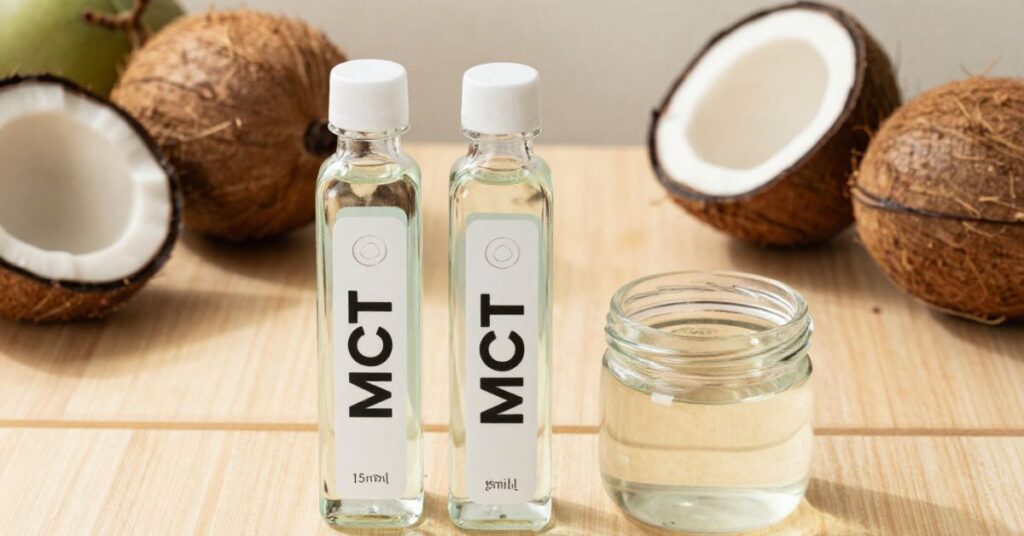
Knowing the difference between MCT oil and coconut oil is important, but understanding how to use them correctly is equally valuable. Although both oils come from similar sources, they perform differently in food preparation, supplementation, skincare, and everyday wellness routines.
If you have been wondering which oil is MCT oil and how it compares with coconut oil in practical use, this section will help you get the most benefit from each one.
Best Ways to Use MCT Oil
Many people use MCT oil primarily as a nutritional supplement rather than a traditional cooking oil. Because the body quickly absorbs it and converts it into energy, many consumers include it in their daily wellness routines.
Add It to Coffee
One of the most popular uses of MCT oil is in coffee.
Benefits include:
- Quick morning energy
- Increased ketone production
- Better focus and concentration
- Convenient calorie source for keto diets
Many people blend MCT oil into coffee to create a creamy, satisfying beverage often referred to as keto coffee.
Mix It Into Smoothies
MCT oil blends easily into smoothies without significantly changing flavor.
Popular smoothie additions include:
- Berries
- Protein powder
- Almond milk
- Greek yogurt
- Spinach
This provides a simple way to increase healthy fat intake.
Use It in Salad Dressings
MCT oil has a neutral taste, making it suitable for homemade dressings and sauces.
Try combining it with:
- Olive oil
- Lemon juice
- Apple cider vinegar
- Herbs and spices
Start Slowly
Because MCT oil is rapidly digested, beginners should start with small amounts.
A common approach is:
- Start with 1 teaspoon daily.
- Gradually increase as tolerated.
- Follow serving recommendations on the product label.
Best Ways to Use Coconut Oil
Coconut oil is far more versatile because it can be used both in the kitchen and as a personal care product.
Cooking and Baking
Coconut oil works well in:
- Baking recipes
- Stir-frying
- Roasting vegetables
- Homemade snacks
Its natural flavor can add a pleasant tropical note to foods.
Skin Moisturizer
Many people apply coconut oil directly to the skin to help combat dryness.
Common uses include:
- Hand moisturizer
- Body moisturizer
- Lip care
- Dry elbows and knees
Hair Treatment
As mentioned earlier in the discussion of MCT oil vs coconut oil for hair, coconut oil remains a favorite hair-conditioning treatment.
It can be used:
- Before shampooing
- As an overnight hair mask
- On dry hair ends
- To reduce frizz and breakage
Cooking and Everyday Uses
Although both oils can be incorporated into daily routines, they are typically used for different purposes.
Everyday Uses of MCT Oil
- Coffee and beverages
- Protein shakes
- Keto meal plans
- Pre-workout energy support
- Salad dressings
Everyday Uses of Coconut Oil
- Frying and sautéing
- Baking
- Skin care
- Hair care
- Homemade beauty products
Quick Usage Comparison
| Use | MCT Oil | Coconut Oil |
| Coffee | Excellent | Good |
| Smoothies | Excellent | Moderate |
| Keto Diet | Excellent | Good |
| Salad Dressings | Excellent | Good |
| Baking | Limited | Excellent |
| Frying | Limited | Excellent |
| Skin Care | Good | Excellent |
| Hair Care | Good | Excellent |
Practical Tip
Many people do not choose one oil over the other they use both. MCT oil can support energy, focus, and ketogenic goals, while coconut oil serves as a versatile kitchen staple and natural beauty product.
This combination allows you to enjoy the strengths of each oil without limiting yourself to a single option.
Is MCT Oil the Same as Coconut Oil for Cooking?
No, MCT oil is not the same as coconut oil for cooking.
Although both oils originate from coconuts and contain medium-chain fats, they respond differently when exposed to heat. In fact, their unique compositions influence how they perform during cooking and food preparation. As a result, they are often used for different purposes in the kitchen. Furthermore, their flavor profiles are not the same. For example, coconut oil typically has a mild to noticeable coconut taste, whereas MCT oil is generally flavorless and odorless. In addition, their textures differ significantly. While MCT oil remains liquid under normal conditions, coconut oil can become solid at cooler temperatures. Consequently, each oil behaves differently in recipes and food preparation methods.
Moreover, their cooking performance also varies. Because coconut oil is more heat-stable, it is commonly used for baking, sautéing, and moderate-heat cooking. On the other hand, MCT oil is usually reserved for cold applications such as smoothies, coffee, and salad dressings. Therefore, despite sharing a common source, these oils serve different functions. Ultimately, understanding these distinctions can help you choose the right oil for your specific cooking, nutritional, and lifestyle needs.
For this reason, choosing the right oil depends on how you plan to use it in the kitchen. Some recipes benefit from the quick-digesting nature of MCT oil, while others require the versatility and heat tolerance of coconut oil.
Heat Stability
Heat stability is one of the most important factors when selecting a cooking oil.
In general, coconut oil handles cooking temperatures better than MCT oil. Because it contains a broader range of fatty acids, it offers greater stability during many cooking processes. As a result, it is often considered a more practical choice for everyday meal preparation. For example, it performs well in sautéing, baking, roasting, and other moderate-heat cooking methods. Furthermore, its stability helps maintain texture and consistency during cooking. In addition, many home cooks appreciate its versatility across a wide range of recipes. By comparison, MCT oil is not designed for the same level of heat exposure. Therefore, it is typically used in cold applications rather than heated dishes. For instance, it is commonly added to coffee, smoothies, protein shakes, and salad dressings.
Meanwhile, coconut oil can transition more easily between cooking and non-cooking uses. Consequently, it provides greater flexibility in the kitchen. Moreover, the availability of both virgin and refined varieties allows users to choose between a noticeable coconut flavor and a more neutral taste. Ultimately, while both oils offer unique benefits, coconut oil is generally the better option when cooking performance and heat tolerance are important considerations. Thus, for sautéing, baking, and moderate-heat cooking, coconut oil is often the more reliable and versatile choice.
MCT oil is best used without excessive heat. High temperatures may reduce some of its desirable properties and can negatively affect flavor.
Best Cooking Applications
MCT Oil
- Coffee and beverages
- Smoothies
- Protein shakes
- Salad dressings
- Cold sauces
Coconut Oil
- Baking
- Roasting
- Sautéing
- Pan cooking
- Homemade desserts
Heat Performance Comparison
| Cooking Factor | MCT Oil | Coconut Oil |
| High-Heat Cooking | Not Recommended | Better Choice |
| Baking | Limited | Excellent |
| Frying | Limited | Good |
| Cold Recipes | Excellent | Good |
| Coffee & Drinks | Excellent | Good |
Ultimately, if your primary goal is cooking versatility, coconut oil is usually the more practical option. Because it can be used in a wide variety of culinary applications, it fits easily into many cooking styles. For example, it works well for baking, sautéing, roasting, and everyday meal preparation. In addition, its relatively high heat stability makes it suitable for many common cooking methods. Furthermore, coconut oil is available in both virgin and refined forms, giving users more flexibility based on their flavor preferences. While virgin coconut oil adds a distinct coconut taste, refined coconut oil provides a more neutral flavor. As a result, it can be incorporated into both sweet and savory dishes.
Moreover, coconut oil can also be used beyond cooking, which further increases its practicality. Therefore, many households choose it as a multipurpose oil. In contrast, MCT oil is generally intended for specific nutritional purposes rather than broad culinary use. Consequently, it is less versatile in the kitchen. For this reason, coconut oil is often the preferred choice for individuals seeking an oil that can handle a wide range of recipes and cooking needs. Overall, its flexibility, accessibility, and ease of use make it a valuable addition to everyday cooking routines.
Taste and Texture Comparison
Taste can significantly influence which oil works best in a recipe.
MCT Oil Taste
MCT oil is almost flavorless and odorless.
Benefits include:
- Does not alter food flavor
- Mixes easily into drinks
- Blends well into smoothies
- Suitable for neutral recipes
This makes it ideal for people who want nutritional benefits without changing the taste of their meals.
Coconut Oil Taste
In general, coconut oil often has a mild to noticeable coconut flavor, particularly when you choose virgin coconut oil. Because it undergoes minimal processing, it naturally retains more of its original aroma and taste. As a result, many people appreciate it for recipes where a subtle coconut flavor is desirable.
Advantages include:
- Adds natural sweetness
- Enhances tropical recipes
- Complements baked goods
- Provides rich texture
However, not everyone enjoys a coconut flavor in savory dishes. For that reason, choosing the right type of coconut oil becomes especially important. In such cases, refined coconut oil may be a better choice because it offers a much more neutral taste. As a result, it can be used in a wider variety of recipes without noticeably changing the overall flavor profile. Furthermore, many home cooks prefer refined coconut oil when preparing meals that require subtle or delicate flavors. In addition, its milder taste allows other ingredients to stand out more clearly.
By contrast, unrefined coconut oil retains a stronger coconut aroma and flavor. Therefore, it may be better suited for tropical dishes, baked goods, or recipes where a coconut taste is desirable. Meanwhile, refined coconut oil provides greater flexibility for everyday cooking. Consequently, it works well in stir-fries, roasted vegetables, sauces, and many other savory meals. Ultimately, while both types of coconut oil have their advantages, the best option depends on your flavor preferences and the specific dish you are preparing. Thus, if you want the benefits of coconut oil without a noticeable coconut taste, refined coconut oil is often the most practical solution.
Texture Comparison
| Feature | MCT Oil | Coconut Oil |
| State at Room Temperature | Liquid | Usually solid or semi-solid |
| Texture | Light | Rich and creamy |
| Flavor | Neutral | Mild coconut flavor |
| Mixing Ability | Excellent | Moderate |
Because MCT oil stays liquid at room temperature, it blends effortlessly into beverages, smoothies, coffee, and salad dressings. As a result, it is often considered a convenient option for people who want a smooth texture without additional preparation. Furthermore, its liquid consistency makes it easy to measure, mix, and incorporate into daily routines. In addition, it distributes evenly throughout recipes, which can improve consistency.
On the other hand, coconut oil behaves quite differently. For example, it can solidify at cooler temperatures. Consequently, this change in texture may affect certain recipes and preparation methods. Moreover, users may need to melt it before use in some situations. However, this characteristic can also be beneficial in recipes that require a firmer texture. Therefore, while MCT oil offers greater convenience for liquid-based applications, coconut oil may be better suited for other culinary purposes. Ultimately, understanding these differences can help you choose the most appropriate oil for each specific use.
Which Oil Is Better for Cooking?
The answer depends on your purpose.
Choose MCT oil if you want:
- A flavorless oil
- Keto-friendly beverages
- Smoothies and shakes
- Quick energy support
- Cold meal applications
Choose coconut oil if you want:
- An all-purpose cooking oil
- Baking versatility
- Better heat tolerance
- Natural coconut flavor
- Everyday kitchen use
Bottom Line
When asking is MCT oil the same as coconut oil for cooking, the answer is clearly no. Although both oils come from coconuts, they perform quite differently in the kitchen. For example, MCT oil is primarily designed for nutritional supplementation and is best used in cold preparations such as smoothies, protein shakes, coffee, and salad dressings. Because it has a relatively low smoke point, it is generally not recommended for high-heat cooking.
On the other hand, coconut oil is much more versatile when it comes to food preparation. In fact, it can be used for baking, sautéing, roasting, and a variety of everyday cooking methods. Furthermore, its greater heat stability makes it a more practical option for many recipes. Therefore, while MCT oil is ideal for quick energy and dietary support, coconut oil is typically the better choice for regular cooking needs. Ultimately, the best option depends on how you plan to use the oil and the results you hope to achieve.
Furthermore, both oils can have a valuable place in a healthy kitchen; however, understanding their individual strengths allows you to use them more effectively. For example, MCT oil is often preferred for quick energy and nutritional support, while coconut oil is better suited for a wide range of cooking and household uses.
As a result, choosing the right oil for the right purpose can help you maximize its benefits. Ultimately, when you understand how each oil works, you can make more informed decisions and incorporate both products into your routine in a way that best supports your health and lifestyle goals.
Risks and Side Effects of MCT Oil and Coconut Oil
Although both MCT oil and coconut oil are generally considered safe for most healthy adults, they are not completely free from side effects. Like any dietary fat, consuming too much can cause digestive discomfort or contribute to excessive calorie intake.
Understanding the potential drawbacks can help you use these oils more effectively and decide whether they are suitable for your individual needs.
Digestive Tolerance
Digestive tolerance is one of the most common concerns, especially for people who are new to MCT oil.
Because MCTs are rapidly absorbed and metabolized, taking large amounts too quickly may overwhelm the digestive system.
Possible Side Effects of MCT Oil
Some people may experience:
- Stomach discomfort
- Bloating
- Nausea
- Diarrhea
- Abdominal cramping
These effects are usually temporary and often occur when MCT oil is introduced too aggressively.
How to Reduce Digestive Issues
To improve tolerance:
- Start with a small serving.
- Take MCT oil with food.
- Increase intake gradually over time.
- Avoid consuming large amounts at once.
Allergy and Sensitivity
True coconut allergies are relatively rare, but they can occur.
Individuals who are sensitive to coconut products should use caution with both coconut oil and MCT oil, especially when manufacturers produce the MCT oil from coconuts.
Possible symptoms may include:
- Skin irritation
- Itching
- Digestive discomfort
- Allergic reactions in sensitive individuals
If you have a known food allergy or medical condition, it is wise to consult a healthcare professional before introducing new oils into your routine.
Things to Consider Before Daily Use
Before making either oil a daily habit, there are several important factors to keep in mind.
Calorie Density
Both oils are high in calories.
A single tablespoon typically provides around:
- 115–120 calories
- 14 grams of fat
Even healthy fats can contribute to weight gain if total calorie intake consistently exceeds your body’s needs.
Individual Health Goals
Your choice should align with your goals.
MCT Oil May Be Better For:
- Ketogenic diets
- Quick energy needs
- Pre-workout supplementation
- Mental focus support
Coconut Oil May Be Better For:
- Everyday cooking
- Baking
- Skin care
- Hair care
- General household use
Quality Matters
Not all oils are created equal.
When purchasing either product, look for:
- Reputable brands
- Minimal additives
- Transparent sourcing
- Proper packaging
- Third-party testing when available
Is Coconut MCT Oil Bad for You?
A common question is “Is coconut MCT oil bad for you?”
For most healthy individuals, the answer is no. Health experts generally consider coconut-derived MCT oil safe when people consume it in moderation.
In fact, many people use it regularly as part of a balanced diet.
Problems usually arise when:
- Excessive amounts are consumed.
- It replaces a variety of healthy foods.
- Digestive tolerance is ignored.
- Overall calorie intake becomes excessive.
Moderation remains the key to enjoying its benefits while minimizing unwanted effects.
Quick Side Effects Comparison
| Factor | MCT Oil | Coconut Oil |
| Digestive Upset Risk | Higher when starting | Lower |
| Allergy Risk | Rare | Rare |
| Calorie Dense | Yes | Yes |
| Daily Use Suitability | Good with moderation | Good with moderation |
| Skin Application | Good | Excellent |
Key Takeaway
Both MCT oil and coconut oil can be valuable additions to a healthy lifestyle when used appropriately. However, people should not view either oil as a miracle food.
Starting slowly, paying attention to portion sizes, and choosing high-quality products can help you avoid most common side effects.
Which Should You Choose if You Are Comparing MCT Oil and Coconut Oil?
Choosing between MCT oil and coconut oil ultimately depends on your personal goals.While both oils come from coconuts and share some similarities, manufacturers create them for different purposes.
To begin with, if your main objective is rapid energy, ketosis support, and improved mental focus, then MCT oil is often the better choice. Because it is absorbed quickly by the body, it can provide a fast and efficient source of fuel. Moreover, many people use MCT oil to support ketogenic diets and enhance cognitive performance. In addition, it can be conveniently added to coffee, smoothies, and other beverages. On the other hand, if you are looking for a more versatile product, then coconut oil may be the better option.
Not only can it be used for cooking and baking, but it can also be applied to the skin and hair. Furthermore, its broader range of uses makes it a practical choice for many households. As a result, coconut oil offers greater flexibility for everyday use. Ultimately, both oils provide unique benefits; however, the right choice depends on your personal goals and preferences. Therefore, understanding how you plan to use the oil will help you make the most suitable decision.
The good news is that you do not necessarily have to choose one over the other. Many people use both oils in different ways to take advantage of their unique benefits.
Choose MCT Oil If You Want:
- Fast energy throughout the day
- Better ketone production
- Support for a ketogenic diet
- A neutral-tasting oil
- An easy addition to coffee and smoothies
- Quick absorption and digestion
MCT oil is particularly popular among:
- Keto dieters
- Athletes
- Fitness enthusiasts
- Busy professionals
- People seeking sustained mental focus
Choose Coconut Oil If You Want:
- A multi-purpose household oil
- Better cooking versatility
- A natural coconut flavor
- A moisturizer for skin
- A conditioning treatment for hair
- A less processed option
Many people prefer coconut oil for:
- Home cooks
- Bakers
- Natural beauty enthusiasts
- Families looking for an all-purpose oil
- People who enjoy minimally processed foods
Side-by-Side Decision Guide
| Your Goal | Best Choice |
| Quick Energy | MCT Oil |
| Ketogenic Diet | MCT Oil |
| Mental Focus | MCT Oil |
| Smoothies and Coffee | MCT Oil |
| Cooking and Baking | Coconut Oil |
| Skin Care | Coconut Oil |
| Hair Care | Coconut Oil |
| Everyday Household Use | Coconut Oil |
| Versatility | Coconut Oil |
| Fast Absorption | MCT Oil |
Final Verdict
So, is MCT oil the same as coconut oil? The answer is no.
Although manufacturers commonly derive MCT oil from coconut oil, the two products differ significantly in processing methods, fat composition, absorption speed, and practical applications.
- MCT oil is a concentrated source of medium-chain triglycerides that excels at providing fast energy and supporting ketosis.
- Coconut oil is a natural, versatile oil that works well for cooking, skincare, hair care, and everyday use.
Neither option is universally better. Instead, the right choice depends on your specific goals and intended use. For example, if increasing energy levels and supporting ketosis are your main priorities, then MCT oil may be the better option. Because it is rapidly absorbed by the body, it can provide a quick source of fuel and mental focus. In addition, it is commonly used by people following ketogenic and low-carb diets. On the other hand, if versatility and natural use are more important to you, then coconut oil is likely the better fit.
Not only can it be used in cooking and baking, but also it works well for skincare and hair care applications. Furthermore, coconut oil is less processed, which appeals to many individuals seeking a more natural product. Ultimately, both oils offer valuable benefits; however, the best choice will depend on your personal needs and lifestyle preferences. Therefore, understanding your goals can help you select the option that delivers the greatest value for your situation.
For many people, incorporating both oils into a balanced lifestyle offers the best of both worlds.
Conclusion
If you have been wondering whether MCT oil is the same as coconut oil, the answer is now much clearer. Although both oils come from coconuts and share several characteristics, they are actually different products with unique benefits. On the one hand, MCT oil is a highly concentrated source of medium-chain triglycerides. As a result, it is absorbed quickly by the body and is often used for fast energy, ketosis support, and improved mental focus.
In addition, many people include MCT oil in their daily routines because of its convenience and efficiency. On the other hand, coconut oil is a more natural and less processed option. Therefore, it remains a popular choice for cooking, baking, skincare, and hair care. Furthermore, coconut oil contains a broader range of fatty acids, making it versatile for both dietary and cosmetic purposes. Ultimately, while both oils originate from the same source, they serve different functions. Therefore, choosing between them depends on your specific goals, whether you need quick energy and ketogenic support or a multipurpose oil for everyday use.
The comparison of MCT oil vs coconut oil: the truth exposed shows that neither oil is inherently superior. Instead, each offers unique advantages depending on your goals.
To summarize:
- Choose MCT oil for fast energy, ketone production, and keto-friendly nutrition.
- Choose coconut oil for cooking, beauty applications, and everyday versatility.
- Use both if you want to enjoy the strengths of each.
Ultimately, understanding how MCT oil is made from coconut oil, how each oil functions in the body, and where they perform best will help you make a smarter and more informed choice. Whether your focus is weight management, cooking, brain function, or natural beauty care, selecting the right oil can help you get the most value from your daily routine.
FAQs :
Can I replace coconut oil with MCT oil?
Yes, in some situations you can replace coconut oil with MCT oil, but not in every recipe. MCT oil works well in smoothies, coffee, protein shakes, salad dressings, and other cold preparations. However, it is not ideal for high-heat cooking because it has lower heat stability than coconut oil.
If you are baking, frying, or sautéing foods, coconut oil is usually the better choice. For drinks and ketogenic recipes, MCT oil can often serve as a suitable replacement.
Is MCT oil healthier than coconut oil?
Neither oil is universally healthier than the other. Their benefits depend on how you plan to use them.
MCT oil may be a better option for:
- Quick energy
- Ketone production
- Ketogenic diets
- Mental focus
Coconut oil may be a better option for:
- Everyday cooking
- Skin care
- Hair care
- General wellness use
When comparing overall nutrition, both oils contain healthy fats and can be part of a balanced diet when consumed in moderation.
Does MCT oil come from coconut oil?
Yes, manufacturers produce most MCT oil from coconut oil.
Manufacturers extract and concentrate specific medium-chain triglycerides primarily caprylic acid (C8) and capric acid (C10) from coconut oil. This process creates a purified oil that contains a much higher concentration of MCTs than regular coconut oil.
Although MCT oil often comes from coconut oil, the two products are not the same. In fact, MCT oil goes through additional processing; therefore, it has a different fatty acid profile. Moreover, coconut oil contains a wider range of fats, whereas MCT oil is designed to provide a higher concentration of medium-chain triglycerides. As a result, they may look similar at first, but they work differently in the body and are often used for different purposes.
Can I use MCT oil every day?
Yes, most healthy adults can use MCT oil daily.
Many people add it to their morning coffee, smoothies, or meals as part of a low-carb or ketogenic lifestyle. However, it is best to start with a small amount and gradually increase your intake to avoid digestive discomfort.
For daily use:
- Begin with 1 teaspoon per day.
- Increase slowly as tolerated.
- Follow the serving recommendations on the product label.
- However, if you have any underlying medical conditions, it is best to consult a healthcare professional before using it.