Introduction:
Hair loss affects millions of people worldwide. Some notice gradual thinning around the crown, while others experience excessive shedding during daily brushing or washing. As concerns about hair health continue to grow, many people are turning to natural remedies that may support healthier and fuller hair. One option gaining significant attention is pumpkin seed oil for hair loss.
Unlike many trendy hair growth products that lack scientific support, pumpkin seed oil has attracted interest from researchers because of its unique nutrient profile and potential effects on hormones linked to hair loss. Rich in antioxidants, essential fatty acids, phytosterols, zinc, and vitamin E, this natural oil may help create a healthier environment for hair growth.
What makes pumpkin seed oil especially interesting is its potential ability to influence dihydrotestosterone (DHT), a hormone strongly associated with male and female pattern hair loss. While it is not a miracle cure, growing evidence suggests that consistent use may help reduce shedding, improve hair density, and support stronger hair over time.
In this comprehensive guide, you’ll learn how pumpkin seed oil works, what science says about its effectiveness, how to use it correctly, possible side effects, and whether it deserves a place in your hair care routine.
What Is Pumpkin Seed Oil and Why Is It Used for Hair Loss?
Pumpkin seed oil is a nutrient-rich oil extracted from pumpkin seeds. For centuries, it has been used in traditional wellness practices for its potential health benefits. Today, it is increasingly recognized as a natural ingredient that may support scalp health and hair growth.
Many people choose pumpkin seed oil for hair loss because it contains compounds that may help nourish hair follicles and reduce factors that contribute to thinning hair. Unlike harsh treatments, it offers a plant-based approach that appeals to those seeking natural solutions.
How Pumpkin Seed Oil Is Made
Pumpkin seed oil is typically produced through a cold-pressing process. During this method, pumpkin seeds are mechanically pressed to extract the oil without exposing it to excessive heat.
The cold-pressing technique helps preserve valuable nutrients, including:
- Essential fatty acids
- Antioxidants
- Plant sterols
- Vitamins and minerals
- Natural bioactive compounds
High-quality cold-pressed pumpkin seed oil generally retains more beneficial compounds than highly refined versions.
Key Nutrients in Pumpkin Seed Oil
The effectiveness of pumpkin seed oil largely comes from its impressive nutritional composition.
| Nutrient | Potential Hair Benefit |
| Zinc | Supports healthy hair follicle function |
| Vitamin E | Protects follicles from oxidative stress |
| Omega-6 Fatty Acids | Helps maintain scalp moisture |
| Omega-9 Fatty Acids | Supports scalp barrier health |
| Phytosterols | May help reduce DHT activity |
| Antioxidants | Combat free radical damage |
| Magnesium | Supports overall follicle health |
These nutrients work together to support a healthy scalp environment, which is essential for maintaining strong and resilient hair.
Why Pumpkin Seed Oil Is Popular for Hair Growth
The growing popularity of pumpkin seed oil for hair loss is not based solely on traditional use. Interest has increased because researchers have begun studying its effects on hair growth and hormone-related hair thinning.
Several factors contribute to its popularity:
Natural and plant-based
Easy to use topically or orally
Rich in hair-supporting nutrients
May help address DHT-related hair loss
Generally well tolerated by most users
Can be combined with other hair care strategies
Many online pumpkin seed oil for hair loss reviews report improvements in hair thickness, reduced shedding, and healthier-looking hair after several months of consistent use. While individual results vary, these experiences have encouraged more people to explore pumpkin seed oil as part of their hair growth routine.
Quick Takeaway
Pumpkin seed oil is a nutrient-dense natural oil extracted from pumpkin seeds. Its combination of essential fatty acids, antioxidants, zinc, and phytosterols makes it a promising option for individuals looking to support healthier hair growth and reduce hair loss naturally.
Does Pumpkin Seed Oil for Hair Loss Really Work?
One of the most common questions people ask is whether pumpkin seed oil for hair loss actually works or if it is simply another natural remedy with exaggerated claims. The answer lies somewhere in the middle. Pumpkin seed oil is not a guaranteed cure for baldness, but emerging research suggests that it may help support hair growth and reduce hair thinning in certain individuals.
Hair growth is a complex process influenced by genetics, hormones, age, nutrition, stress, and overall health. Because of these factors, no single treatment works for everyone. However, pumpkin seed oil has shown promising results, particularly for people experiencing androgenetic alopecia, commonly known as pattern hair loss.
What makes pumpkin seed oil unique is its potential ability to target some of the biological mechanisms involved in hair thinning while simultaneously providing nutrients that support scalp and follicle health.
What Research Says About Pumpkin Seed Oil
Scientific research on pumpkin seed oil and hair growth is still developing, but several studies have generated encouraging findings.
Researchers believe that pumpkin seed oil may help:
- Support healthy hair follicle function
- Improve scalp condition
- Reduce inflammation around follicles
- Protect hair roots from oxidative stress
- Influence hormone-related hair loss pathways
- Promote a healthier hair growth cycle
The most frequently discussed benefit is its potential impact on dihydrotestosterone (DHT), a hormone associated with pattern hair loss in both men and women.
Although more large-scale studies are needed, current evidence suggests that pumpkin seed oil may offer measurable improvements when used consistently over several months.
Important: Hair growth is a slow biological process. Even effective treatments usually require three to six months before noticeable changes occur.
The Androgenetic Alopecia Study Explained
One reason pumpkin seed oil gained widespread attention is a clinical study published in the journal Evidence-Based Complementary and Alternative Medicine.
In this study:
| Study Detail | Information |
| Participants | Men with androgenetic alopecia |
| Duration | 24 weeks |
| Method | Daily pumpkin seed oil supplementation |
| Goal | Evaluate effects on hair growth |
| Outcome | Increased hair count compared to placebo |
In fact, researchers found that participants taking pumpkin seed oil experienced a significant increase in hair growth compared to those receiving a placebo.
The study suggested that pumpkin seed oil may help support hair density by influencing hormonal pathways involved in pattern hair loss.
However, it is important to understand the study’s limitations. Furthermore, before drawing any conclusions, readers should carefully consider several important factors. Additionally, understanding these limitations helps provide a more balanced perspective. Moreover, it allows for a clearer interpretation of the results. Therefore, examining the study’s constraints is essential.
- It focused primarily on men.
- The sample size was relatively small.
- More research is needed across different populations.
- Long-term effectiveness remains under investigation.
Despite these limitations, the study remains one of the strongest pieces of evidence supporting the use of pumpkin seed oil for hair loss.
Can Pumpkin Seed Oil Regrow Hair?
This is where realistic expectations matter.
Pumpkin seed oil may help stimulate hair growth and improve hair density in some individuals, but it is unlikely to restore a completely bald scalp.
The chances of improvement often depend on:
Better Candidates for Results
- Early-stage hair thinning
- Mild to moderate pattern hair loss
- Recent increases in hair shedding
- Individuals with active hair follicles
- People combining treatment with healthy lifestyle habits
More Challenging Cases
- Long-standing baldness
- Completely inactive follicles
- Severe scarring alopecia
- Advanced hair loss without treatment
Many users report seeing:
- Less hair shedding
- Stronger strands
- Improved scalp condition
- Fuller-looking hair
- Better hair volume
Some pumpkin seed oil for hair growth before and after experiences shared online show noticeable improvements after several months of consistent use. However, results vary significantly between individuals because genetics and hormone levels play a major role in hair growth.
What Experts Currently Believe
Most experts view pumpkin seed oil as a supportive treatment rather than a standalone cure.
It may be particularly useful when combined with:
- A nutrient-rich diet
- Proper scalp care
- Stress management
- Medical treatments when necessary
- Consistent hair growth routines
For people seeking a natural option before moving to stronger treatments, pumpkin seed oil may be worth considering.
Key Takeaways
Scientific evidence suggests pumpkin seed oil may support hair growth.
A well-known 24-week study found increased hair growth in men with pattern hair loss.
Results are typically gradual and require consistent use.
It may help improve hair density rather than completely reverse advanced baldness.
Individuals with early-stage thinning are often more likely to see positive results.
More research is still needed to fully understand its long-term effectiveness.
How Pumpkin Seed Oil Helps Reduce Hair Loss
Hair loss does not happen overnight. In most cases, it develops gradually due to a combination of hormonal changes, genetics, inflammation, aging, and environmental factors. Understanding how pumpkin seed oil for hair loss works begins with understanding one of the most important causes of hair thinning: DHT.
The Role of DHT in Hair Loss
Dihydrotestosterone, commonly called DHT, is a hormone derived from testosterone.
While DHT plays important roles in the body, it can negatively affect hair follicles in people who are genetically sensitive to it.
Over time, DHT can:
- Shrink hair follicles
- Shorten the hair growth phase
- Produce thinner hair strands
- Slow hair regrowth
- Eventually stop follicle activity
This process is known as follicle miniaturization and is considered a primary cause of male pattern baldness and a contributing factor in many cases of female pattern hair loss.
The effects often appear as:
- Receding hairlines
- Crown thinning
- Widening part lines
- Reduced hair density
- Progressive hair loss over time
Because DHT plays such a major role, many hair loss treatments focus on reducing its effects on hair follicles.
How Pumpkin Seed Oil May Block DHT
One reason researchers are interested in pumpkin seed oil is its high concentration of phytosterols.
Phytosterols are naturally occurring plant compounds that may influence hormone metabolism.
Scientists believe these compounds could help:
- Reduce DHT activity
- Support healthier follicle function
- Slow follicle miniaturization
- Improve hair growth conditions
Although pumpkin seed oil is not as potent as prescription DHT blockers, some evidence suggests it may provide mild DHT-modulating effects without the side effects commonly associated with stronger medications.
This potential mechanism helps explain why pumpkin seed oil has become a popular natural option for individuals experiencing androgenetic alopecia.
Benefits for Scalp and Hair Follicles
Hair growth depends on more than hormones alone. A healthy scalp is essential for strong and consistent hair production.
Pumpkin seed oil offers several benefits that may support follicle health:
Antioxidant Protection
Oxidative stress can damage hair follicles and contribute to premature thinning.
The antioxidants found in pumpkin seed oil may help:
- Protect follicle cells
- Reduce free-radical damage
- Support healthier hair growth cycles
Improved Scalp Hydration
Dry, irritated scalps can interfere with healthy hair growth.
Essential fatty acids in pumpkin seed oil may help:
- Maintain scalp moisture
- Improve skin barrier function
- Reduce dryness and flaking
Nutrient Support
Hair follicles require adequate nutrients to produce strong hair strands.
Pumpkin seed oil supplies:
- Zinc
- Vitamin E
- Magnesium
- Healthy fats
These nutrients support the biological processes involved in hair production.
Reduced Inflammation
Chronic scalp inflammation may contribute to follicle stress and hair shedding.
Some compounds in pumpkin seed oil possess anti-inflammatory properties that may help create a healthier environment for hair growth.
Why Multiple Mechanisms Matter
Many hair loss treatments focus on a single pathway. Pumpkin seed oil is different because it may support hair health through several mechanisms at once:
| Potential Benefit | How It Helps |
| DHT Support | May reduce hormone-related follicle stress |
| Antioxidants | Protect follicles from damage |
| Fatty Acids | Improve scalp condition |
| Vitamins & Minerals | Nourish hair follicles |
| Anti-Inflammatory Effects | Support a healthier scalp environment |
This multi-targeted approach is one reason many people are exploring pumpkin seed oil for hair loss as part of a broader hair growth strategy.
Benefits of Pumpkin Seed Oil for Hair Loss
The growing popularity of pumpkin seed oil for hair loss is largely driven by the wide range of potential benefits it offers for both the scalp and hair follicles. While results vary from person to person, many users report healthier hair, reduced shedding, and improved thickness after consistent use.
Unlike products that focus on a single aspect of hair growth, pumpkin seed oil provides nutritional support, scalp nourishment, and potential hormonal benefits. This combination makes it an appealing option for people looking for a natural approach to managing hair loss.
Let’s explore the most important benefits in detail.
May Reduce Hair Shedding
Excessive hair shedding is often the first sign that something is affecting the hair growth cycle. While losing some hair each day is normal, increased shedding can be frustrating and may eventually lead to visible thinning.
Pumpkin seed oil may help reduce shedding by supporting healthier hair follicles and improving the scalp environment.
Potential reasons it may reduce shedding include:
- Supporting stronger hair roots
- Reducing inflammation around follicles
- Providing essential nutrients needed for growth
- Helping protect follicles from oxidative damage
- Potentially reducing DHT-related follicle stress
Many people who use pumpkin seed oil consistently notice fewer hairs on their pillow, in the shower drain, or caught in their hairbrush after several weeks of use.
Pro Tip: Reduced shedding is often one of the earliest signs that a hair growth treatment is beginning to work, even before new growth becomes visible.
May Support Thicker Hair Growth
One of the main goals of any hair loss treatment is achieving fuller, thicker-looking hair. Although pumpkin seed oil cannot instantly increase hair volume, it may support healthier hair production over time.
Healthy hair follicles tend to produce:
- Stronger hair strands
- Better hair density
- Improved volume
- Reduced breakage
- More consistent growth cycles
Research suggests that pumpkin seed oil may help improve hair count in individuals experiencing androgenetic alopecia. This is one reason many pumpkin seed oil for hair growth before and after photos shared online show improvements in hair fullness after several months of use.
Hair thickness improvements often occur gradually and require patience. Most people need several months of consistent application or supplementation before seeing meaningful results.
Factors That Influence Thickness Results
| Factor | Impact on Results |
| Age | Younger follicles often respond better |
| Genetics | Strongly influences hair growth potential |
| Consistency | Regular use improves outcomes |
| Nutrition | Supports healthy follicle function |
| Hair Loss Severity | Early-stage thinning responds better |
Helps Improve Scalp Health
A healthy scalp creates the ideal foundation for healthy hair growth. Even the most effective hair products struggle to deliver results if the scalp is inflamed, dry, or poorly nourished.
Pumpkin seed oil contains fatty acids and antioxidants that may help maintain scalp health.
Benefits for the scalp may include:
Better Moisture Retention
Dry scalp conditions can weaken the scalp barrier and contribute to irritation. Pumpkin seed oil helps lock in moisture and supports overall scalp comfort.
Reduced Irritation
Some compounds found in pumpkin seed oil may help calm mild irritation and redness, creating a healthier environment for hair follicles.
Improved Scalp Barrier Function
The scalp serves as a protective barrier against environmental stressors. Healthy oils help maintain this protective layer and support optimal follicle performance.
Enhanced Nutrient Delivery
A nourished scalp may be better equipped to support strong and healthy hair growth.
Rich Source of Hair-Friendly Nutrients
One of the biggest advantages of pumpkin seed oil is its nutrient density. Hair follicles are among the most active cells in the body and require a steady supply of vitamins, minerals, and healthy fats.
Pumpkin seed oil naturally contains several nutrients linked to hair health.
| Nutrient | Potential Benefit for Hair |
| Zinc | Supports follicle growth and repair |
| Vitamin E | Protects against oxidative stress |
| Omega-6 Fatty Acids | Supports scalp hydration |
| Omega-9 Fatty Acids | Helps maintain hair strength |
| Magnesium | Supports healthy cellular function |
| Phytosterols | May influence DHT activity |
| Antioxidants | Help protect hair follicles |
These nutrients work together to support stronger, healthier hair from the inside and outside.
Benefits for Women Experiencing Hair Thinning
Interest in pumpkin seed oil for hair loss in women has increased significantly in recent years. Female hair thinning often involves hormonal fluctuations, aging, stress, nutritional deficiencies, or genetic factors.
Women may find pumpkin seed oil beneficial because it:
- Supports scalp health
- Provides key hair-supporting nutrients
- May help reduce excessive shedding
- Can be used topically or as a supplement
- Offers a natural alternative to harsher treatments
Many pumpkin seed oil for female hair loss reviews mention improvements in hair texture, reduced breakage, and better overall hair quality after regular use.
Although more research specifically focused on women is needed, the available evidence and user experiences remain encouraging.
Additional Advantages of Pumpkin Seed Oil
Beyond hair growth, pumpkin seed oil may offer several complementary benefits that support overall hair health:
Nourishes dry hair strands
Improves shine and softness
Supports scalp hydration
Easy to incorporate into daily routines
Available as both oil and capsules
Compatible with many other hair care treatments
These additional benefits make pumpkin seed oil a versatile addition to a broader hair care strategy.
Quick Summary of Benefits
Pumpkin seed oil for hair loss may help:
- Reduce excessive shedding
- Support thicker-looking hair
- Improve scalp health
- Nourish hair follicles
- Provide essential vitamins and minerals
- Support women and men experiencing hair thinning
- Create a healthier environment for long-term hair growth
While it is not a miracle cure, consistent use may contribute to noticeable improvements in hair quality, density, and overall scalp health.
Read More:https://pureoilshub.com/is-mct-oil-the-same-as-coconut-oil/
Who Should Use Pumpkin Seed Oil for Hair Loss?
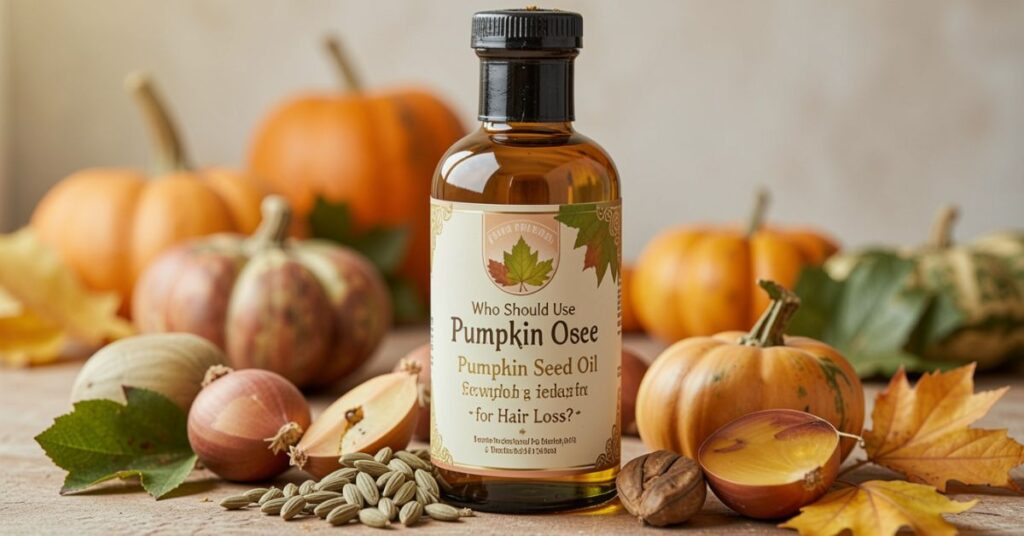
Not every hair loss treatment is suitable for every person. The effectiveness of pumpkin seed oil often depends on the type of hair loss, overall health, and individual expectations.
Fortunately, pumpkin seed oil is versatile and may benefit a wide range of people experiencing mild to moderate hair thinning.
Men With Male Pattern Baldness
Male pattern baldness, also known as androgenetic alopecia, is one of the most common causes of hair loss in men.
Typical signs include:
- Receding hairline
- Thinning crown
- Gradual reduction in hair density
- Progressive hair loss over time
Because pumpkin seed oil may help influence DHT-related pathways, men experiencing early-stage pattern hair loss may be among the best candidates for trying it.
Men often choose pumpkin seed oil because it:
- Offers a natural alternative
- Can be used alongside other treatments
- May support thicker hair growth
- Is easy to apply or take as a supplement
Those who begin treatment early generally have a better chance of maintaining existing hair and improving density.
Women With Hair Thinning
Hair thinning in women can occur for many reasons, including:
- Hormonal changes
- Menopause
- Stress
- Nutritional deficiencies
- Genetics
- Post-pregnancy hair shedding
Unlike men, women usually experience diffuse thinning across the scalp rather than a receding hairline.
Pumpkin seed oil may be useful because it:
- Supports scalp nourishment
- Provides hair-friendly nutrients
- May help reduce shedding
- Can be incorporated into a broader hair wellness routine
Women searching for natural solutions often explore pumpkin seed oil for hair loss in women because it is generally well tolerated and easy to use.
People Looking for Natural Hair Growth Solutions
Many individuals prefer to start with natural options before considering medications or more intensive treatments.
Pumpkin seed oil may be a good choice for people who:
- Prefer plant-based remedies
- Want to improve overall hair health
- Are experiencing mild hair thinning
- Want a supportive treatment alongside other methods
- Are interested in long-term scalp care
It can fit easily into a routine through:
- Scalp massage treatments
- Hair masks
- Daily supplements
- Nutritional support strategies
Who May See the Best Results?
People most likely to benefit include:
Individuals with early-stage hair thinning
Men with androgenetic alopecia
Women experiencing gradual hair loss
People with nutrient-related hair concerns
Those committed to consistent long-term use
Individuals combining it with healthy lifestyle habits
Who Should Avoid Using Pumpkin Seed Oil?
Although pumpkin seed oil for hair loss is generally considered safe for most people, it is not the right choice for everyone. Like any supplement or topical treatment, there are situations where caution is necessary.
Understanding potential risks and limitations can help you use pumpkin seed oil safely and effectively.
Possible Allergies and Sensitivities
People who have allergies to pumpkin, squash, seeds, or related plants should be cautious when using pumpkin seed oil.
Possible signs of sensitivity may include:
- Scalp itching
- Redness
- Mild burning sensation
- Skin irritation
- Rash
- Swelling
Before applying pumpkin seed oil to the entire scalp, perform a simple patch test.
How to Perform a Patch Test
- Apply a small amount of oil behind your ear or on your inner forearm.
- Leave it on for 24 hours.
- Monitor for any signs of irritation.
- If no reaction occurs, proceed with scalp application.
This simple step can help prevent unwanted skin reactions.
Supplement Safety Considerations
Many people choose pumpkin seed oil capsules for hair loss because they are convenient and easy to incorporate into a daily routine. However, supplements are not suitable for everyone.
Use caution if you:
- Take blood-thinning medications
- Have chronic digestive issues
- Are managing a serious medical condition
- Use multiple dietary supplements
- Are pregnant or breastfeeding without medical guidance
Although pumpkin seed oil is generally well tolerated, excessive supplementation may occasionally cause:
- Mild stomach discomfort
- Bloating
- Nausea
- Digestive upset
Following the manufacturer’s instructions and avoiding excessive doses can help minimize these risks.
When to Talk to a Healthcare Professional
Hair loss can sometimes be a symptom of an underlying health condition rather than a simple cosmetic concern.
Consult a healthcare professional if:
- Hair loss appears suddenly
- Large patches of hair fall out
- You experience scalp pain
- Hair loss is severe or rapidly progressing
- You suspect hormonal issues
- Over-the-counter treatments are not helping
A professional evaluation can identify potential causes such as:
- Thyroid disorders
- Nutritional deficiencies
- Autoimmune conditions
- Hormonal imbalances
- Certain medications
Addressing the root cause often produces better results than relying solely on topical treatments.
How to Use Pumpkin Seed Oil for Hair Loss
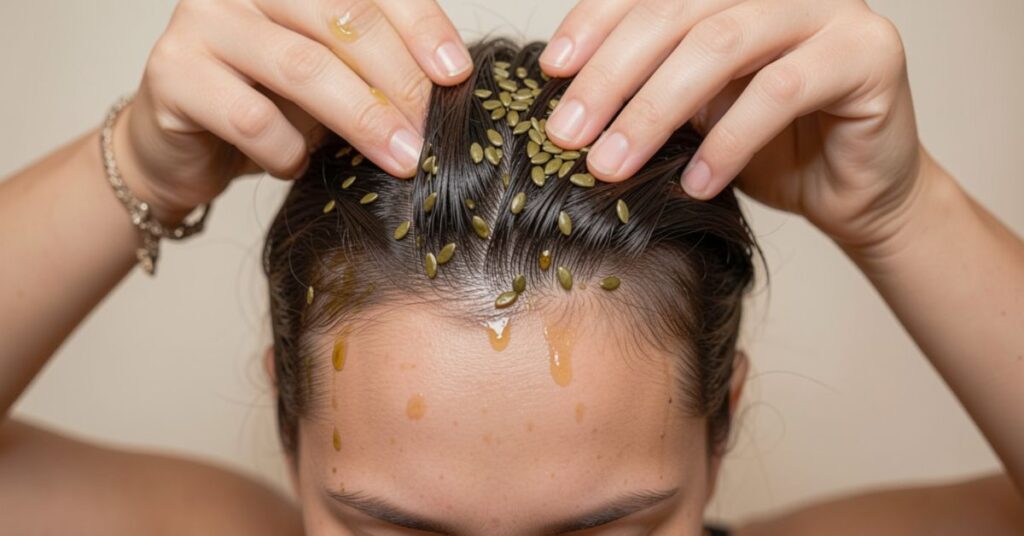
Using pumpkin seed oil for hair loss correctly is just as important as choosing the product itself. Consistency and proper application can make a significant difference in your overall results.
There are several effective ways to incorporate pumpkin seed oil into a hair care routine.
Applying Pumpkin Seed Oil Directly to the Scalp
Direct scalp application is one of the most popular methods because it allows the oil to come into contact with the scalp and hair follicles.
Step-by-Step Application Method
- Start with a clean scalp.
- Pour a small amount of pumpkin seed oil into your hands.
- Apply it directly to thinning areas.
- Gently massage for 5 to 10 minutes.
- Leave the oil on for at least 30 minutes.
- Wash with a mild shampoo if desired.
Scalp massage may offer additional benefits by:
- Improving circulation
- Enhancing relaxation
- Distributing oil evenly
- Supporting scalp health
Best Areas to Target
- Crown thinning
- Receding hairline
- Widening part line
- Areas with noticeable thinning
Regular application is often more important than using large amounts of oil.
Using Pumpkin Seed Oil as a Hair Mask
A hair mask allows pumpkin seed oil to deeply condition both the scalp and hair strands.
Simple Pumpkin Seed Oil Hair Mask
| Ingredient | Amount |
| Pumpkin Seed Oil | 2 tablespoons |
| Coconut Oil | 1 tablespoon |
| Argan Oil (Optional) | 1 teaspoon |
Directions
- Mix all ingredients thoroughly.
- Apply evenly to scalp and hair.
- Massage gently.
- Cover hair with a shower cap.
- Leave on for 1 to 2 hours.
- Wash thoroughly with shampoo.
Benefits of using a hair mask include:
- Improved scalp hydration
- Softer hair texture
- Reduced dryness
- Better manageability
- Enhanced shine
Many people use this method once or twice weekly for ongoing scalp support.
How Often Should You Use Pumpkin Seed Oil?
One of the most frequently asked questions is how to use pumpkin seed oil for hair growth effectively without overdoing it.
The ideal frequency depends on your scalp type and chosen method.
Recommended Usage Schedule
| Method | Frequency |
| Direct Scalp Application | 3–5 times weekly |
| Hair Mask Treatment | 1–2 times weekly |
| Pumpkin Seed Oil Capsules | Daily (as directed) |
| Combined Routine | Follow product guidelines |
Consistency matters far more than excessive application.
Tips for Better Results
Use high-quality cold-pressed pumpkin seed oil.
Maintain a healthy diet rich in protein and nutrients.
Avoid harsh hair treatments.
Stay consistent for at least 3–6 months.
Track progress with monthly photos.
Combine with proper scalp care habits.
Recommended Dose of Pumpkin Seed Oil for Hair Loss
There is no universally accepted dosage specifically approved for hair growth. However, studies and supplement manufacturers often recommend daily intake within a moderate range.
General Supplement Guidelines
| Form | Common Daily Amount |
| Pumpkin Seed Oil Capsules | Follow label directions |
| Liquid Pumpkin Seed Oil | Typically 1–2 teaspoons daily |
The recommended dose of pumpkin seed oil for hair loss can vary depending on:
- Product concentration
- Individual health status
- Age
- Treatment goals
Always follow the manufacturer’s instructions and consult a healthcare professional if you are unsure.
Maximizing Your Hair Growth Routine
Pumpkin seed oil works best when used as part of a complete hair health strategy.
Consider combining it with:
- A balanced diet
- Adequate protein intake
- Stress management
- Proper sleep
- Gentle hair care products
- Medical treatment when necessary
Hair growth is rarely the result of one product alone. A holistic approach usually delivers the best long-term outcomes.
Quick Takeaway
To get the most from pumpkin seed oil for hair loss:
- Apply it directly to thinning areas several times per week.
- Use nourishing hair masks regularly.
- Consider supplements if appropriate.
- Follow a consistent routine.
- Be patient, as visible improvements often take several months.
Pumpkin Seed Oil Supplements for Hair Loss
While topical application remains popular, many people prefer taking pumpkin seed oil supplements for hair loss because they are convenient, mess-free, and easy to include in a daily wellness routine. Supplements may also provide systemic benefits by delivering nutrients throughout the body rather than focusing only on the scalp.
Research examining pumpkin seed oil and hair growth has primarily involved oral supplementation, which is one reason capsules continue to attract attention among people dealing with hair thinning.
Benefits of Pumpkin Seed Oil Capsules
Pumpkin seed oil capsules for hair loss offer several potential advantages over topical application.
Easy Daily Use
Unlike scalp treatments that require preparation and cleanup, capsules can be taken in seconds and fit easily into busy schedules.
Consistent Nutrient Intake
Capsules provide a measured amount of pumpkin seed oil, making it easier to maintain consistency.
Whole-Body Support
The nutrients found in pumpkin seed oil may support:
- Hair health
- Skin health
- Heart health
- Antioxidant protection
- Overall wellness
No Greasy Residue
Many people dislike oily scalp treatments. Capsules eliminate concerns about greasy hair or product buildup.
Choosing a High-Quality Supplement
Not all supplements are created equal. Product quality can significantly influence effectiveness and safety.
When shopping for pumpkin seed oil supplements, look for:
Cold-pressed pumpkin seed oil
Third-party quality testing
Transparent ingredient labels
Reputable manufacturers
Minimal unnecessary fillers
Appropriate dosage recommendations
Red Flags to Avoid
- Extremely low prices
- Proprietary blends with unclear amounts
- Unverified health claims
- Poor customer reviews
- Lack of ingredient transparency
Reading pumpkin seed oil for hair loss reviews can provide additional insight into product quality and user experiences.
Topical Oil vs Supplements
Both approaches have advantages, and some people choose to combine them.
| Feature | Topical Pumpkin Seed Oil | Pumpkin Seed Oil Supplements |
| Direct Scalp Contact | Yes | No |
| Easy to Use | Moderate | High |
| Daily Convenience | Moderate | High |
| Whole-Body Nutritional Support | No | Yes |
| Potential Hair Growth Benefits | Yes | Yes |
| Mess-Free Application | No | Yes |
Which Option Is Better?
The answer depends on your goals.
Choose topical oil if you:
- Want direct scalp treatment
- Enjoy scalp massages
- Prefer external application
Choose supplements if you:
- Want convenience
- Prefer a simple daily routine
- Dislike oily hair products
Many users combine both methods for a comprehensive approach to hair support.
Can Eating Pumpkin Seeds Help With Hair Loss?
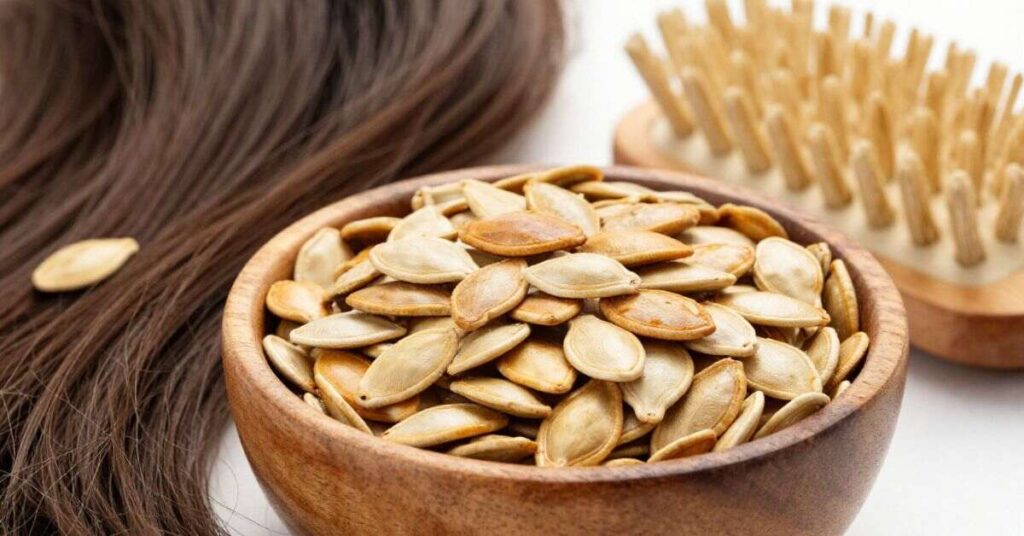
Pumpkin seeds are packed with nutrients that support overall health. Because pumpkin seed oil is derived from pumpkin seeds, many people wonder whether simply eating the seeds can provide similar benefits for hair growth.
While pumpkin seeds and pumpkin seed oil are not identical, both can contribute valuable nutrients that may support healthier hair.
Nutritional Benefits of Pumpkin Seeds
Pumpkin seeds are rich in several nutrients linked to hair health.
Key Nutrients Found in Pumpkin Seeds
| Nutrient | Potential Hair Benefit |
| Zinc | Supports healthy follicles |
| Protein | Essential for hair structure |
| Magnesium | Supports cellular health |
| Iron | Helps oxygen delivery to follicles |
| Vitamin E | Provides antioxidant protection |
| Healthy Fats | Support scalp moisture |
A nutrient-rich diet helps create an environment where hair follicles can function optimally.
Additional Health Benefits
Pumpkin seeds may also support:
- Heart health
- Immune function
- Energy production
- Healthy aging
- Antioxidant defense
Pumpkin Seeds vs Pumpkin Seed Oil
Although they come from the same source, pumpkin seeds and pumpkin seed oil differ in concentration and usage.
| Feature | Pumpkin Seeds | Pumpkin Seed Oil |
| Protein Content | High | Low |
| Fiber Content | High | None |
| Healthy Fat Concentration | Moderate | High |
| Convenience | Snack/Food | Oil or Supplement |
| DHT-Related Interest | Moderate | Higher |
| Hair Care Application | Dietary | Dietary & Topical |
Pumpkin seed oil contains concentrated beneficial fats and phytosterols, while whole pumpkin seeds provide additional fiber and protein.
Which Option Is Better for Hair Growth?
For hair growth support, both options can play a role.
Pumpkin Seeds May Be Better For:
- Nutritional support
- Increasing protein intake
- Daily healthy snacking
- General wellness
Pumpkin Seed Oil May Be Better For:
- Concentrated phytosterols
- Supplement use
- Topical scalp treatments
- Hair-focused routines
Many hair experts recommend using both as part of a balanced lifestyle.
A healthy diet plus targeted supplementation often provides greater benefits than relying on a single strategy.
Pumpkin Seed Oil vs Other Hair Loss Treatments
When evaluating pumpkin seed oil for hair loss, it helps to compare it with other popular hair growth solutions. Each option has unique strengths, limitations, and levels of scientific support.
Pumpkin Seed Oil vs Minoxidil
Minoxidil is one of the most widely used hair loss treatments and is approved in many countries for pattern hair loss.
Comparison Table
| Feature | Pumpkin Seed Oil | Minoxidil |
| Natural Option | Yes | No |
| Prescription Required | No | No |
| Scientific Evidence | Emerging | Extensive |
| DHT-Related Interest | Yes | No |
| Topical Use | Yes | Yes |
| Oral Supplement Option | Yes | No |
Key Difference
Minoxidil generally has stronger clinical evidence, while pumpkin seed oil appeals to those seeking a natural alternative or complementary option.
Pumpkin Seed Oil vs Rosemary Oil
Rosemary oil has become increasingly popular in natural hair care circles.
Similarities
Both may:
- Support scalp health
- Improve circulation
- Reduce hair shedding
- Be used topically
Differences
| Feature | Pumpkin Seed Oil | Rosemary Oil |
| Carrier Oil Needed | No | Usually Yes |
| DHT Interest | Higher | Moderate |
| Scalp Nourishment | High | Moderate |
| Strong Aroma | Mild | Strong |
Many people combine rosemary oil with pumpkin seed oil rather than choosing one over the other.
Pumpkin Seed Oil vs Biotin Supplements
Biotin is often marketed as a hair growth nutrient.
What Biotin Does
Biotin supports:
- Hair structure
- Nail strength
- Cellular metabolism
However, biotin primarily helps people who are deficient in the nutrient.
Comparison
| Feature | Pumpkin Seed Oil | Biotin |
| Healthy Fats | Yes | No |
| Zinc Content | Yes | No |
| DHT-Related Potential | Yes | No |
| Supports Deficiency Correction | Limited | Yes |
| Hair Growth Support | Potential | Potential |
For many people, a balanced nutritional approach may be more beneficial than focusing on a single nutrient.
Can You Combine Treatments?
Yes. In fact, many individuals achieve better results by combining complementary approaches.
A comprehensive hair growth strategy may include:
- Pumpkin seed oil
- Rosemary oil
- Proper nutrition
- Scalp care
- Medical treatments when appropriate
- Stress management
Example Combined Routine
| Morning | Evening |
| Pumpkin seed oil capsule | Scalp massage with pumpkin seed oil |
| Balanced breakfast | Gentle hair care routine |
| Hydration | Consistent sleep schedule |
Combining treatments should always be done thoughtfully, especially when prescription medications are involved.
Key Takeaway
Pumpkin seed oil for hair loss stands out because it offers a natural, nutrient-rich approach that may support hair growth through multiple pathways. While it may not replace established medical treatments for everyone, it can be a valuable addition to a broader hair health strategy.
How Long Does Pumpkin Seed Oil Take to Work for Hair Loss?
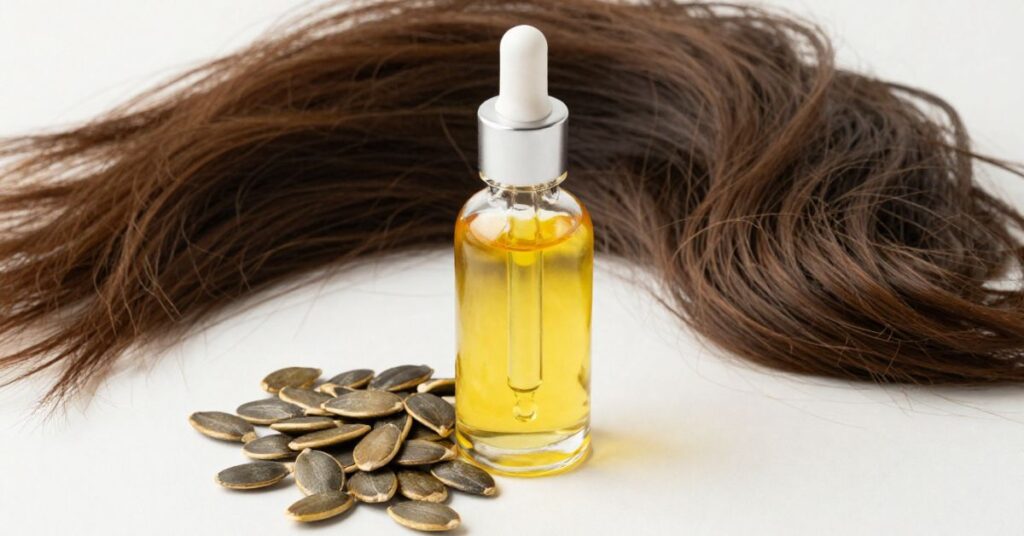
One of the biggest mistakes people make when trying a new hair growth treatment is expecting instant results. Hair growth is a slow biological process, and even the most effective solutions require time and consistency. If you’re using pumpkin seed oil for hair loss, understanding realistic timelines can help you stay patient and committed to your routine.
Most users do not notice major changes within the first few weeks. Instead, improvements often appear gradually as the hair growth cycle progresses.
Expected Timeline for Results
Hair grows in phases, including growth (anagen), transition (catagen), and resting (telogen). Because of this natural cycle, any treatment designed to improve hair growth takes time to show visible effects.
General Timeline
| Time Period | What You May Notice |
| 2–4 Weeks | Improved scalp hydration and reduced dryness |
| 1–2 Months | Possible reduction in hair shedding |
| 3–4 Months | Early signs of thicker or healthier hair |
| 4–6 Months | Improved density and fuller appearance |
| 6–12 Months | More noticeable long-term results |
Many positive pumpkin seed oil for hair growth before and after experiences are reported after at least four to six months of consistent use.
Factors That Affect Hair Growth
Results vary significantly from person to person. Several factors influence how well pumpkin seed oil may work.
Genetics
Genetics plays a major role in determining hair growth patterns and susceptibility to hair loss.
Age
Younger hair follicles often respond more effectively than follicles that have been inactive for many years.
Consistency
Regular application or supplementation is essential. Skipping treatments frequently can reduce effectiveness.
Type of Hair Loss
People with early-stage thinning may experience better outcomes than those with advanced baldness.
Nutrition and Lifestyle
Healthy habits can support stronger results.
Helpful lifestyle factors include:
- Adequate protein intake
- Proper hydration
- Quality sleep
- Stress management
- Balanced nutrition
Signs That It Is Working
Many people focus only on new hair growth, but there are several earlier indicators that suggest progress.
Positive Signs to Watch For
Less hair in your brush
Reduced shedding during washing
Improved scalp condition
Stronger hair strands
Increased hair volume
Healthier hair texture
More baby hairs along thinning areas
Tracking monthly photos can help identify subtle changes that might otherwise go unnoticed.
Tip: Consistent progress is often more important than dramatic overnight results.
Side Effects of Pumpkin Seed Oil for Hair Loss
Although pumpkin seed oil for hair loss is generally considered safe, no treatment is completely free of potential side effects. Nevertheless, most people use it without experiencing significant problems when it is used appropriately. Furthermore, following product instructions carefully may help reduce the likelihood of unwanted effects. Additionally, understanding both the potential benefits and possible risks can support informed decision-making. Moreover, individual responses can vary based on factors such as age, health status, and overall sensitivity. However, the occurrence of side effects does not necessarily mean that everyone will experience them. Therefore, it is important to monitor your response when introducing any new supplement into your routine.
Likewise, consulting a healthcare professional may be beneficial if you have existing medical concerns or are taking medications. In addition, paying attention to recommended dosages can further support safe use. Consequently, a cautious and informed approach is often the best strategy. Ultimately, while pumpkin seed oil is generally regarded as safe, awareness of potential side effects remains an important part of responsible supplement use.Understanding possible reactions can help you use it responsibly.
Fortunately, most reported side effects are mild and uncommon.
Topical Side Effects
Applying pumpkin seed oil directly to the scalp is usually well tolerated.
However, some users may experience:
- Mild itching
- Scalp irritation
- Redness
- Temporary discomfort
- Allergic skin reactions
These reactions are more likely in people with sensitive skin or allergies.
How to Reduce the Risk
- Perform a patch test before use.
- Use high-quality cold-pressed oil.
- Avoid applying excessive amounts.
- Stop use if irritation develops.
Supplement Side Effects
People taking pumpkin seed oil capsules for hair loss may occasionally experience digestive symptoms.
Possible side effects include:
- Mild stomach discomfort
- Bloating
- Nausea
- Loose stools
- Digestive upset
“In most cases, these effects are typically temporary and often improve when supplements are taken with food. Furthermore, many individuals find that taking supplements alongside a meal helps reduce discomfort. Additionally, following the recommended usage instructions may further support a positive experience. Moreover, mild side effects often decrease as the body adjusts over time. Nevertheless, individual experiences can vary from person to person.
Therefore, it is important to monitor how your body responds after beginning a new supplement. Likewise, staying consistent with proper usage guidelines may help minimize potential issues. In addition, maintaining a balanced diet can support overall health and well-being. Consequently, many people are able to continue supplementation without significant difficulties. Ultimately, while temporary side effects may occasionally occur, they often improve with appropriate use and simple adjustments such as taking supplements with food.
Safety Tips for First-Time Users
If you are new to pumpkin seed oil, follow these guidelines:
Start Slowly
Begin with a small amount to see how your body responds.
Follow Product Instructions
Do not exceed recommended serving sizes.
Monitor for Reactions
Pay attention to any unusual symptoms.
Choose Quality Products
High-quality products are more likely to provide consistent results and fewer issues.
Consult a Professional if Needed
People with existing medical conditions should seek guidance before starting supplements.
Pumpkin Seed Oil for Hair Loss Side Effects: Are They Common?
Most pumpkin seed oil for hair loss side effects reported by users are mild and uncommon. “Compared to some stronger hair loss treatments, pumpkin seed oil generally has a favorable safety profile. Furthermore, many individuals choose it because it is considered a relatively gentle option. Additionally, when used according to product recommendations, it is often well tolerated by most healthy adults. Moreover, its natural origin makes it appealing to people seeking alternative or complementary approaches to hair care. In contrast, some stronger treatments may be associated with a greater risk of side effects for certain individuals. Nevertheless, it is still important to use pumpkin seed oil responsibly and according to instructions.
Likewise, paying attention to any changes or reactions during use is advisable. In addition, individuals with existing medical conditions should consider seeking professional guidance before starting any new supplement. Therefore, informed and careful use remains important. Consequently, users can make better decisions based on their personal circumstances and health needs. Ultimately, while no treatment is completely risk-free, pumpkin seed oil is generally regarded as having a favorable safety profile when used appropriately.”
For most healthy adults, responsible use presents a relatively low risk of serious complications.
When Should You See a Doctor About Hair Loss?

While natural remedies can be helpful, not all hair loss should be managed at home. In some cases, hair loss may signal an underlying medical condition that requires professional evaluation.
Knowing when to seek help can prevent unnecessary delays in treatment.
Common Warning Signs
In general, consider scheduling a medical appointment if you notice any unusual or persistent changes in your hair or scalp. For example, you should seek professional evaluation if hair loss appears suddenly or becomes more severe over a short period. Additionally, a medical consultation may be beneficial if you experience excessive shedding on a regular basis. Furthermore, it is advisable to seek guidance if hair thinning is accompanied by scalp irritation, redness, itching, or discomfort. Moreover, changes in hair texture or noticeable patches of hair loss may also warrant professional attention.
Likewise, if hair loss is affecting your confidence or daily life, discussing your concerns with a healthcare professional may be helpful. In addition, individuals with underlying health conditions should be particularly cautious. Therefore, obtaining a proper assessment can help identify potential contributing factors. Consequently, early evaluation may support more effective management and treatment options. Ultimately, seeking medical advice when symptoms first appear can help protect long-term hair and scalp health.”
- Sudden hair loss
- Rapid thinning
- Large bald patches
- Significant changes in hair texture
- Scalp pain or tenderness
- Persistent itching or inflammation
These symptoms may indicate a condition that requires medical attention.
Hair Loss Conditions That Need Medical Treatment
Several medical conditions can contribute to hair loss.
Common Examples
| Condition | Possible Effect on Hair |
| Thyroid Disorders | Diffuse hair thinning |
| Iron Deficiency | Increased shedding |
| Autoimmune Disorders | Patchy hair loss |
| Hormonal Imbalances | Progressive thinning |
| Scalp Infections | Hair loss and irritation |
| Certain Medications | Temporary shedding |
“In many cases, treating the underlying cause of hair loss often leads to better outcomes than relying solely on cosmetic treatments. Furthermore, identifying the root cause can help guide a more effective and targeted approach. Additionally, underlying factors such as hormonal changes, nutritional deficiencies, stress, or medical conditions may contribute to hair thinning. Therefore, addressing these contributing factors may provide more meaningful long-term benefits. Moreover, cosmetic treatments may improve the appearance of the hair; however, they do not always address the reason the hair loss occurred in the first place. In contrast, a comprehensive approach focuses on both the cause and the visible symptoms.
Likewise, early evaluation can help prevent further progression in some cases. In addition, professional guidance may help determine the most appropriate strategy based on individual circumstances. Consequently, a well-informed treatment plan may improve the likelihood of achieving positive results. Ultimately, focusing on the underlying cause, rather than relying exclusively on cosmetic solutions, is often a more effective path toward supporting long-term hair and scalp health.”
Getting a Professional Diagnosis
A healthcare professional can help determine the root cause of your hair loss.
Evaluation may include:
- Medical history review
- Physical scalp examination
- Blood tests
- Hormone testing
- Nutritional assessment
A proper diagnosis can help identify the most effective treatment plan.
Why Early Diagnosis Matters
“In general, the earlier hair loss is addressed, the better the chances of preserving healthy follicles and maintaining hair density. Furthermore, early action may help support existing hair before significant thinning occurs. Additionally, addressing concerns at an early stage can provide more opportunities for effective management. Moreover, active and healthy follicles are often more responsive to supportive treatments. In contrast, follicles that have remained inactive for a long period may be less likely to respond. Therefore, recognizing the signs of hair loss as soon as possible can be beneficial.
Likewise, seeking appropriate guidance early may help individuals make informed decisions about their hair care strategy. In addition, timely intervention may contribute to maintaining overall scalp health. Consequently, many experts emphasize the importance of acting sooner rather than later. Ultimately, early attention and consistent care can improve the likelihood of preserving hair density and supporting long-term hair health.”
Many forms of hair loss become more difficult to manage once follicles have been inactive for extended periods.
Key Takeaway
However, it is important to seek professional advice in certain situations. For example, you should consult a healthcare professional if your hair loss is sudden, severe, or worsening rapidly. Additionally, professional guidance may be beneficial if you have an underlying medical condition. Furthermore, you should seek advice if you are taking medications that could affect hair growth or interact with supplements. Moreover, consulting an expert is recommended if you experience scalp irritation, inflammation, or other unusual symptoms. Likewise, if previous hair loss treatments have not produced the desired results, professional evaluation may be helpful.
In addition, individuals who are pregnant, breastfeeding, or managing ongoing health concerns should obtain medical guidance before starting any supplement. Therefore, seeking professional advice can help identify the underlying cause of hair loss and determine the most appropriate course of action. Ultimately, early consultation may improve the likelihood of achieving the best possible outcome.”
Hair loss is sudden or severe
You notice bald patches
Home treatments are not helping
You have symptoms suggesting a medical condition
Hair thinning is affecting your quality of life
Combining professional guidance with a well-planned hair care strategy often delivers the best long-term results.
Final Verdict on Pumpkin Seed Oil for Hair Loss
“Natural hair loss remedies continue to gain popularity; however, very few have attracted scientific interest in the way pumpkin seed oil has. In fact, researchers have increasingly explored its potential role in supporting hair growth and scalp health. Furthermore, its nutrient-rich composition has made it a topic of growing interest among both consumers and researchers. Additionally, many people are drawn to it because it offers a natural approach to hair care. Moreover, emerging studies have provided encouraging findings, although further research is still needed.
While it is not a miracle cure, the available evidence nevertheless suggests that pumpkin seed oil for hair loss may offer genuine benefits for some people. For example, some research indicates that it may help support hair density and overall hair health. In particular, individuals experiencing early-stage hair thinning may be more likely to notice positive results. Furthermore, active hair follicles generally respond better to supportive treatments than follicles that have been inactive for a long period. Therefore, starting a hair care strategy earlier may be advantageous.
Likewise, consistent use and proper expectations are important when evaluating potential benefits. However, results can vary based on factors such as genetics, age, lifestyle, and the severity of hair loss. Consequently, patience is often required before noticeable changes become apparent. Ultimately, although pumpkin seed oil is not a guaranteed solution, it remains one of the more promising natural options currently being explored for hair loss support.”
Key Benefits and Drawbacks
Like any hair loss treatment, pumpkin seed oil has strengths and limitations.
Benefits
May help reduce hair shedding
Supports scalp health
Rich in hair-friendly nutrients
Available as topical oil and supplements
Easy to incorporate into daily routines
“In general, pumpkin seed oil is generally well tolerated by most individuals when used as directed. Furthermore, many users report incorporating it into their routine without significant issues. Additionally, when taken according to recommended guidelines, it is often considered a suitable option for supporting hair health. Moreover, its natural origin makes it appealing to many people seeking alternative approaches. However, individual experiences can vary.
Therefore, it is important to follow product instructions carefully. Likewise, paying attention to how your body responds can be beneficial. In addition, consulting a healthcare professional may be advisable if you have existing medical concerns. Consequently, taking appropriate precautions can help support a positive experience. Ultimately, pumpkin seed oil is generally well tolerated by most healthy adults when used responsibly.”
May support thicker and healthier-looking hair
Backed by promising early research
Drawbacks
Results require patience and consistency
More large-scale research is needed
Not a guaranteed cure for baldness
May not work for advanced hair loss
“However, individual results vary significantly from person to person. For example, some individuals may notice improvements sooner, while others may require a longer period of consistent use. Additionally, factors such as age, genetics, lifestyle, and overall health can influence outcomes. Furthermore, the severity and duration of hair loss may also play an important role. Moreover, adherence to a regular hair care routine can affect the results achieved.
In contrast, inconsistent use may limit potential benefits. Therefore, it is important to maintain realistic expectations throughout the process. Likewise, tracking progress over time can provide a clearer picture of any changes. Consequently, patience and consistency remain essential when evaluating effectiveness. Ultimately, because every individual is different, results can vary significantly.”
The key is approaching pumpkin seed oil with realistic expectations and viewing it as part of a broader hair health strategy.
Who Is Most Likely to Benefit
The people most likely to see positive results from pumpkin seed oil for hair loss include:
- Men with early-stage male pattern baldness
- Women experiencing gradual hair thinning
- Individuals noticing increased hair shedding
- People seeking natural hair growth solutions
- Those willing to maintain consistent long-term use
- Individuals combining treatment with healthy lifestyle habits
“In general, people who begin treatment before significant follicle damage occurs generally have the best chance of seeing improvements. Furthermore, early intervention may help preserve existing hair and support healthier follicles. Additionally, addressing hair thinning at an earlier stage often provides more opportunities for positive outcomes. Moreover, active hair follicles are typically more responsive to supportive treatments.
In contrast, follicles that have remained inactive for extended periods may be less likely to respond. Therefore, recognizing the signs of hair thinning early can be beneficial. Likewise, taking timely action may help maximize potential results. Consequently, many experts encourage individuals to explore suitable options as soon as they notice ongoing hair loss. Ultimately, starting treatment early is often associated with a greater likelihood of achieving noticeable improvements over time.”
Is Pumpkin Seed Oil Worth Trying?
For many individuals, the answer is yes.
Pumpkin seed oil offers several advantages:
- It is natural.
- It is easy to use.
- It contains nutrients linked to hair health.
- It has emerging scientific support.
- It can complement other hair growth treatments.
Although it should not replace professional medical care when necessary, it may nevertheless serve as a valuable part of a broader hair growth plan. Furthermore, many individuals choose to use it alongside other healthy hair care practices. In addition, its nutrient-rich composition has contributed to its growing popularity among those seeking natural options. However, it is important to remember that individual results can vary. Therefore, maintaining realistic expectations is essential throughout the process.
If you are experiencing mild to moderate thinning and are looking for a natural approach, pumpkin seed oil may be worth testing for several months while tracking your progress. For example, taking regular photos and monitoring changes over time can help you evaluate any potential improvements. Moreover, consistent use is generally more important than occasional application. Likewise, combining pumpkin seed oil with a balanced diet and proper scalp care may further support overall hair health.
Additionally, patience is important because noticeable changes often take time to appear. Consequently, focusing on gradual progress rather than immediate results can be beneficial. Ultimately, a consistent and well-rounded approach may provide the best opportunity to assess whether pumpkin seed oil is helping support your hair growth goals.
Final Thoughts on Pumpkin Seed Oil for Hair Loss
Hair loss can affect confidence, appearance, and overall well-being; therefore, many people actively search for effective solutions. As a result, interest in natural hair care remedies has continued to grow in recent years. Among the many options available today, pumpkin seed oil for hair loss stands out because of its nutrient-rich profile and promising research. Furthermore, its natural composition has attracted attention from individuals seeking supportive approaches to hair health. Additionally, many people appreciate that it can be incorporated into an existing hair care routine with relative ease.
What Results Can You Expect?
While it may not deliver overnight transformations, it may nevertheless provide gradual benefits when used consistently. For example, regular use may help reduce shedding, support scalp health, and encourage thicker-looking hair over time. Moreover, its nutrients may contribute to a healthier environment for hair follicles. In addition, pumpkin seed oil can be used in several different ways, making it a versatile option for many individuals. Whether applied directly to the scalp, used in hair masks, consumed through supplements, or combined with a healthy lifestyle, it offers flexibility and convenience.
Likewise, pairing it with a balanced diet and proper hair care habits may further support overall hair wellness. However, individual results can vary based on factors such as genetics, age, lifestyle, and the extent of hair loss. Therefore, patience and consistency remain essential when evaluating its potential benefits. Consequently, users should focus on long-term progress rather than immediate results.
The Bottom Line
Ultimately, if you are looking for a natural and accessible option to support healthier hair growth and scalp health, pumpkin seed oil for hair loss may be a worthwhile addition to your overall hair care strategy.
The most important factor is consistency. Hair growth takes time, and meaningful results often require months rather than weeks. By setting realistic expectations and maintaining a long-term approach, many individuals may find that pumpkin seed oil becomes a useful tool in their journey toward healthier, stronger hair.
Bottom Line: If you’re looking for a natural remedy supported by nutrients and emerging scientific evidence, pumpkin seed oil for hair loss is a worthwhile option that may help support healthier hair growth and improved scalp health over time. Furthermore, it provides a convenient way to incorporate beneficial nutrients into your daily routine. Additionally, many people appreciate it as a natural complement to their overall hair care strategy.
FAQs:
Can pumpkin seed oil regrow lost hair?
“Pumpkin seed oil for hair loss may help stimulate hair growth and improve hair density in some individuals, especially those experiencing early-stage hair thinning. In particular, people who begin treatment during the early stages of hair loss may notice more favorable results. Furthermore, pumpkin seed oil contains natural compounds that may support scalp and follicle health. Additionally, regular and consistent use may contribute to healthier-looking hair over time. Moreover, many individuals choose it as part of a broader hair care strategy. However, it is unlikely to completely restore hair in areas where follicles have been inactive for a long time.
In contrast, active and functioning follicles are generally more likely to respond to supportive treatments. Therefore, setting realistic expectations is important when using any hair growth product. Likewise, combining pumpkin seed oil with other healthy hair care practices may provide additional benefits. Nevertheless, results can vary depending on factors such as age, genetics, and the extent of hair loss. Consequently, patience and consistency are essential throughout the process. Ultimately, while pumpkin seed oil may offer promising support for hair growth and density, it should be viewed as a complementary option rather than a guaranteed solution.” Results vary based on genetics, age, and the underlying cause of hair loss.
Is pumpkin seed oil effective for male pattern baldness?
“Research suggests that pumpkin seed oil may be particularly beneficial for men with androgenetic alopecia, also known as male pattern baldness. Furthermore, several studies have explored its potential role in supporting hair growth. In addition, researchers have examined how its natural compounds may contribute to healthier hair follicles. Moreover, many men are interested in pumpkin seed oil because it is a natural supplement option. Notably, androgenetic alopecia is one of the most common causes of hair loss in men. Therefore, finding supportive treatment options remains an important area of interest.
Additionally, pumpkin seed oil is often included as part of a broader hair care and wellness routine. However, individual results can vary from person to person. Consequently, consistent use and realistic expectations are important. Ultimately, while more research is needed, current findings suggest that pumpkin seed oil may offer promising benefits for some men experiencing male pattern baldness.Some studies have shown improvements in hair count and thickness after consistent use. While it may not be as extensively studied as medical treatments, it still offers a promising natural option. Nevertheless, many people are interested in it because of its natural origin. Additionally, it contains nutrients that may support overall scalp and hair health. Furthermore, some research has shown encouraging results, although more studies are needed.
Moreover, many users prefer natural alternatives as part of a broader hair care strategy. In contrast to some conventional treatments, it may be easier for certain individuals to incorporate into their daily routine. Therefore, it continues to gain attention among people seeking complementary approaches to hair care. Ultimately, although scientific evidence is still developing, it remains a promising option worth considering.”
Can women use pumpkin seed oil for hair loss?
Yes. “Pumpkin seed oil for hair loss in women has become increasingly popular because it provides nutrients that support scalp and follicle health. Additionally, many women choose it as a natural option to complement their hair care routine. For example, women experiencing thinning due to aging, hormonal changes, or stress may find it helpful. Furthermore, its nutrient-rich composition may support overall scalp wellness.
Moreover, when used consistently, it may contribute to healthier-looking hair over time. In addition, combining pumpkin seed oil with a balanced diet and proper hair care practices can enhance overall results. Therefore, many women consider it a valuable part of a comprehensive hair care routine. Ultimately, while individual results may vary, pumpkin seed oil remains a popular choice for supporting hair health.”
How often should I apply pumpkin seed oil?
For topical use, most people can apply pumpkin seed oil to the scalp 3 to 5 times per week. Hair masks containing pumpkin seed oil are typically used once or twice weekly. Most importantly, consistency is more important than excessive application. In fact, applying too much product does not necessarily lead to better results. Instead, regular and proper use tends to be more effective over time. Furthermore, consistent application allows the scalp and hair to receive ongoing support.
Additionally, it helps establish a sustainable hair care routine. Therefore, rather than increasing the amount used, it is generally better to focus on maintaining a consistent schedule. Ultimately, patience and consistency often play a key role in achieving the best possible results.”
Are pumpkin seed oil supplements safe?
In general, pumpkin seed oil capsules for hair loss are considered safe for most healthy adults when taken according to product instructions. However, it is still important to follow the recommended dosage carefully. Additionally, users should read the product label before use. Furthermore, taking the capsules as directed may help reduce the risk of unwanted side effects.
Moreover, individuals with existing health conditions should exercise extra caution. Therefore, consulting a healthcare professional before starting any new supplement is a wise decision. Ultimately, following these precautions can help ensure a safer and more effective experience.”. Mild digestive discomfort may occur in some individuals.”However, anyone with medical conditions or health concerns should first consult a healthcare professional before starting any supplements. Additionally, this step can help ensure safety and effectiveness.
Furthermore, a healthcare provider can identify potential risks, interactions, or side effects. Therefore, seeking professional advice is strongly recommended before beginning any supplement routine.”