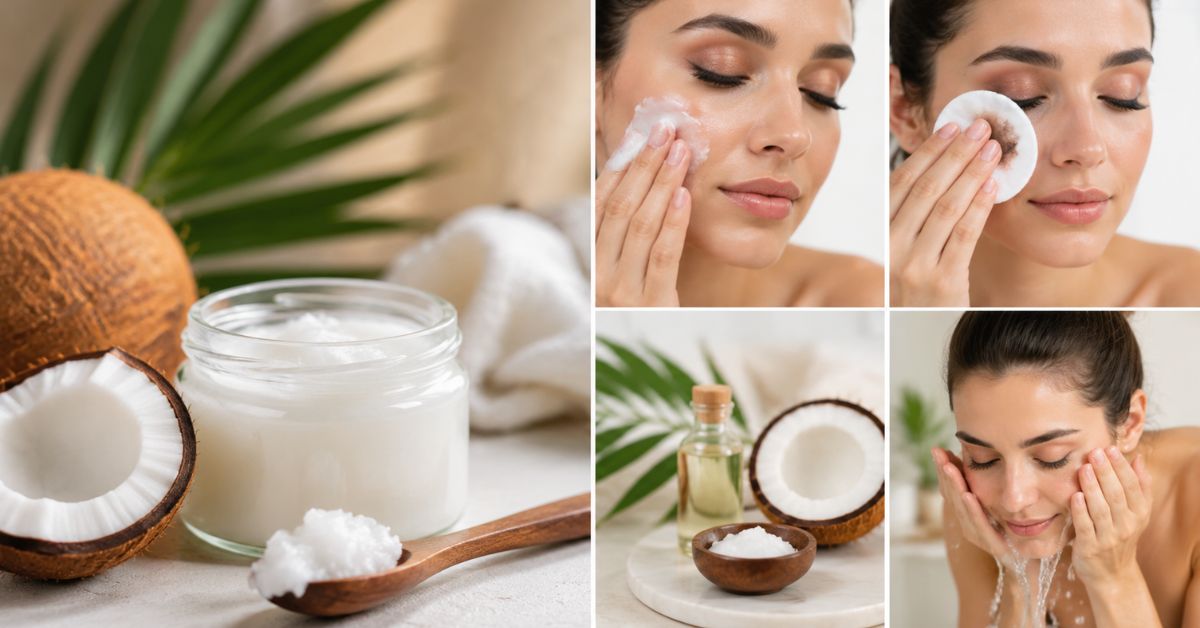
Introduction:
Removing your makeup at the end of the day is a non-negotiable step for maintaining a healthy complexion. Leaving foundation, heavy sunscreens, and stubborn mascara on overnight traps daily environmental pollutants, blocks natural skin regeneration, and inevitably leads to irritation and painful breakouts. While the beauty market is flooded with commercial cleansers, a growing number of people are turning toward pure, single-ingredient alternatives. Among these, coconut oil for makeup removal has emerged as a massive favourite.
Renowned for its ability to effortlessly melt away even the most stubborn cosmetics, coconut oil offers a double benefit by cleansing and deeply hydrating the skin simultaneously. Rich in medium-chain fatty acids, it is an affordable, accessible staple that many already have in their homes.
However, natural does not always mean universal. Coconut oil is highly potent, and how your skin responds to it depends heavily on your unique skin type, your specific makeup routine, and your post-cleansing technique. In this ultimate guide, we will break down exactly how coconut oil works on the skin, its proven benefits, potential risks, and the safest step-by-step methods to use it. Whether you are looking to dissolve waterproof formulas or trying to figure out if this oil will clog your pores, this comprehensive review will help you decide if coconut oil truly belongs in your daily skincare routine.
What Is Coconut Oil for Makeup Removal?
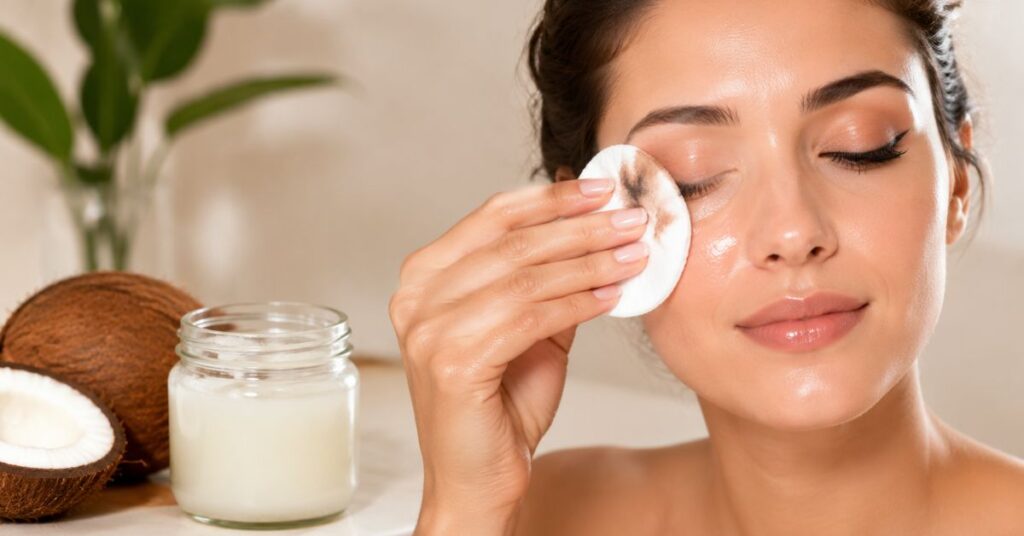
Coconut oil for makeup removal is a natural cleansing method that uses pure coconut oil to dissolve makeup, sunscreen, excess oil, and daily impurities from the skin. Unlike many traditional makeup removers that rely on alcohol or strong cleansing agents, coconut oil works because oil naturally attracts and breaks down other oils. This simple principle allows it to lift away stubborn makeup without excessive rubbing.
The oil comes from mature coconuts and contains a high amount of medium-chain fatty acids, especially lauric acid. These natural fats help loosen makeup while leaving the skin feeling soft and hydrated. Because of this unique composition, coconut oil can remove products such as foundation, concealer, blush, lipstick, and many eye makeup formulas with minimal effort.
Another reason many people choose coconut oil for makeup removal is its simplicity. Instead of using several cleansing products, one ingredient can remove makeup while also providing moisture. This makes it especially appealing to people with dry or dehydrated skin who often experience tightness after cleansing.
However, natural does not always mean suitable for everyone. Coconut oil has a relatively high comedogenic rating, which means it may clog pores for some people. Therefore, understanding both its benefits and limitations is essential before making it a regular part of your skincare routine.
Why People Use Coconut Oil to Remove Makeup
The growing popularity of coconut oil in daily skincare routines comes down to several distinct advantages that traditional makeup removers often lack:
- Efficient Oil-on-Oil Cleansing: Most makeup products, long-wear foundations, and physical sunscreens are formulated with heavy oils, waxes, and silicones. Since like dissolves like, coconut oil effortlessly breaks down these stubborn bonds, allowing cosmetics to slide off without damaging friction.
- Minimalist and Clean Formula: Commercial makeup removers are frequently packed with synthetic fragrances, harsh preservatives, alcohol, and surfactants that can strip or irritate the skin. Pure virgin coconut oil offers a single-ingredient alternative perfect for clean-beauty enthusiasts.
- Excellent Skin Slip: Coconut oil has a low melting point, transforming from a solid to a silky liquid upon contact with body heat. This provides incredible “slip,” allowing you to massage your face comfortably without tugging at the skin.
- Cost-Effective Skincare: A single, high-quality jar of organic coconut oil can last for several months, easily replacing multiple expensive makeup wipes, micellar waters, and dedicated eye makeup removers.
Can Coconut Oil Remove Waterproof Makeup?
Waterproof makeup is specifically designed to resist water, sweat, and humidity, which is why standard water-based face washes fail to remove it. Coconut oil serves as an exceptional solution because it rapidly cuts through the water-resistant polymers used in long-wear cosmetics.
How to Safely Remove Waterproof Mascara and Eyeliner
If you are wondering, “Can I use coconut oil to remove mascara?” the answer is yes but technique matters to protect your eyelashes and avoid irritation:
- The Melt Phase: Liquefy a small, pea-sized amount of coconut oil between your clean fingertips or place it onto a soft, reusable cotton round.
- The Press Method: Close your eyes and gently press the oil against your eyelids and eyelashes for 15 to 20 seconds. This gives the oil time to break down tough waterproof mascara and gel liners naturally.
- The Downward Sweep: Gently wipe downward following the natural growth of your lashes. Avoid rubbing back and forth or scrubbing aggressively, which can cause lash breakage and premature fine lines around the eyes.
- The Rinse: Wash your face with a gentle water-based cleanser afterward to remove any remaining oily residue from your lash line.
Precautions: While highly effective, using excessive amounts of oil near your eyes can cause temporary blurred vision if it gets inside. If coconut oil accidentally enters your eyes, simply rinse thoroughly with lukewarm water.
Benefits of Coconut Oil for Makeup Removal
Many people choose coconut oil for makeup removal because it does more than simply dissolve cosmetics. In addition to breaking down foundation, waterproof mascara, sunscreen, and long-wearing lipstick, it helps maintain the skin’s natural moisture barrier during cleansing. Unlike some makeup removers that can leave the skin feeling dry or tight, coconut oil cleanses while keeping the skin soft and comfortable.
Another reason for its popularity is its simple ingredient profile. Pure virgin coconut oil contains naturally occurring fatty acids and antioxidant compounds that are widely used in skincare products. While it is not designed to treat specific skin conditions, it can be an effective first step in a double-cleansing routine for many skin types.
The benefits of coconut oil for makeup removal depend on your skin type and how you use it. When followed by a gentle facial cleanser, it can provide an effective balance of cleansing and hydration.
Coconut Oil for Makeup Removal Cleanses Makeup Without Harsh Chemicals
One of the biggest advantages of coconut oil for makeup removal is its ability to dissolve makeup without relying on harsh cleansing ingredients. Most cosmetic products contain oils, waxes, silicones, and pigments that do not rinse away easily with water alone. Coconut oil binds to these oil-based ingredients, allowing them to lift away from the skin with gentle massage.
This cleansing method reduces the need for excessive rubbing, making it especially useful around delicate areas such as the eyes and lips. Waterproof mascara, liquid eyeliner, long-wear foundation, and matte lipstick begin to break down quickly, allowing makeup to be removed with less friction and irritation.
Many commercial makeup removers contain alcohol, strong surfactants, synthetic fragrances, or preservatives. Although these ingredients are suitable for many people, they may cause dryness or discomfort for some skin types. Pure virgin coconut oil provides a simpler alternative with a single natural ingredient.
For example, after wearing full-coverage makeup throughout the day, a small amount of coconut oil can loosen primer, foundation, concealer, blush, bronzer, sunscreen, and waterproof eye makeup in just a few minutes. Once the makeup has dissolved, following with a gentle facial cleanser removes the remaining oil and leaves the skin feeling fresh and clean.
Coconut Oil for Makeup Removal Helps Keep Skin Moisturized
One reason many people continue using coconut oil for makeup removal is the soft, hydrated feeling it leaves behind. Instead of stripping away the skin’s natural oils, coconut oil works as an emollient that helps support the skin barrier during cleansing.
As the oil spreads across the skin, it forms a temporary protective layer that reduces moisture loss while makeup is being removed. This helps prevent the tight, dry feeling that some foaming cleansers can cause after washing.
The moisturizing effect is especially noticeable for people with dry or mature skin. During colder months or in dry climates, coconut oil can help reduce the appearance of flaky patches and improve overall skin comfort after cleansing.
Although coconut oil provides hydration during makeup removal, it should not replace a dedicated moisturizer. After cleansing, applying a moisturizer containing ingredients such as glycerin, ceramides, or hyaluronic acid helps maintain long-term hydration and supports a healthy skin barrier.
Coconut Oil for Makeup Removal Contains Beneficial Fatty Acids and Antioxidants
Another important benefit of coconut oil for makeup removal is its naturally occurring fatty acids and antioxidant compounds, which contribute to healthy-looking skin.
Virgin coconut oil is rich in medium-chain fatty acids, particularly lauric acid, which makes up nearly half of its fatty acid content. Lauric acid is well known for its natural antimicrobial properties and contributes to coconut oil’s ability to dissolve oil-based makeup effectively. Other fatty acids, including caprylic and capric acid, give coconut oil its smooth texture and help it spread easily across the skin without requiring excessive rubbing.
In addition to fatty acids, unrefined coconut oil contains naturally occurring vitamin E and plant polyphenols. These antioxidants help protect the skin from everyday environmental stress caused by pollution and ultraviolet exposure. They also help reduce oxidative stress on the skin surface, leaving the complexion looking refreshed after makeup removal.
While these naturally occurring nutrients support overall skin health, coconut oil should be viewed as a cleansing product rather than a treatment. It can effectively remove makeup while supporting the skin’s moisture barrier, but it is not intended to cure acne, fade pigmentation, or replace targeted skincare products. When incorporated into a balanced skincare routine, coconut oil for makeup removal offers an effective combination of gentle cleansing, hydration, and nourishment.
Is Coconut Oil Good for Every Skin Type?

Although coconut oil for makeup removal works well for many people, it is not a universal solution. Every skin type reacts differently to skincare products, and coconut oil is no exception. While some people enjoy smoother, softer skin after using it, others may notice clogged pores or new breakouts if it does not suit their complexion.
Your skin naturally produces different amounts of oil, and factors such as genetics, climate, age, hormones, and existing skin conditions also influence how your skin responds. Therefore, before replacing your regular makeup remover, it is important to understand whether coconut oil matches your skin’s needs.
The following sections explain who is most likely to benefit, who should be cautious, and what you should consider before making coconut oil for makeup removal part of your daily skincare routine.
Best Skin Types for Coconut Oil
People with dry, normal, or mature skin often experience the greatest benefits from coconut oil for makeup removal. Because coconut oil is naturally rich in fatty acids (like lauric acid), it helps soften the skin while dissolving heavy cosmetics.
Here is how specific skin types benefit from it:
- Dry Skin: Dry skin lacks the necessary natural oils to maintain a healthy moisture barrier. Traditional foaming cleansers often strip away what little oil is left, causing tightness. Coconut oil acts as a ultra-nourishing alternative, lifting makeup while locking in essential hydration.
- Normal Skin: If your skin rarely deals with severe dryness or frequent breakouts, it can likely tolerate coconut oil beautifully. It provides a simple, one-step breakdown of foundation, blush, and stubborn lipsticks without disrupting your skin’s natural balance.
- Mature Skin: As skin ages, its natural sebum production decreases, leading to fine lines, roughness, or persistent tightness. Coconut oil helps replenish this lost moisture during the cleansing process, leaving a softer, more youthful texture.
- Cold Climate Adjustments: If you live in a cold or dry environment, your skin barrier can easily weaken. Using coconut oil during winter months helps shield the skin against harsh, drying weather.
Who Should Avoid Coconut Oil?
Although coconut oil offers deep conditioning properties, it is highly problematic for certain complexions. If your skin falls into any of the following categories, you should avoid using it on your face:
- Oily and Acne-Prone Skin: Coconut oil has a high comedogenic rating (4 out of 5), meaning it is highly likely to clog pores. When heavy oils mix with excess sebum, dead skin cells, and acne-causing bacteria, it directly triggers blackheads, whiteheads, and cystic breakouts.
- Combination Skin: If you have an oily T-zone (forehead, nose, and chin) but dry cheeks, applying coconut oil all over can worsen congestion in your oilier zones.
- Fungal Acne (Malassezia Folliculitis): Fungal acne is caused by an overgrowth of yeast, not bacteria. Coconut oil contains fatty acids that directly feed this yeast, which can cause a sudden, severe flare-up of itchy, uniform bumps.
- Known Coconut Allergies: While rare, a true coconut allergy will cause immediate contact dermatitis, resulting in redness, intense itching, swelling, or a burning rash.
Recommendation: If you have a chronic skin condition like eczema or rosacea, or if you naturally have highly acne-prone skin, dermatologists highly recommend switching to lighter, non-comedogenic cleansing oils (like jojoba, argan, or sunflower seed oil) instead.
Skin Type Considerations Before You Start
Before using coconut oil for makeup removal, take a moment to evaluate your skin’s individual needs rather than following general beauty trends. A product that works perfectly for one person may produce completely different results for another.
Start by identifying your skin type. If your skin feels tight after washing and rarely becomes oily, coconut oil may provide welcome hydration. On the other hand, if your face becomes shiny within a few hours or you regularly deal with acne, you should introduce coconut oil gradually instead of using it every night.
It is also helpful to think about the type of makeup you wear. Someone who applies only sunscreen and light makeup may need less cleansing power than someone who regularly wears full-coverage foundation and waterproof cosmetics. In both cases, following coconut oil with a gentle facial cleanser helps remove leftover oil and makeup residue more effectively.
Climate plays a role as well. During winter, many people appreciate the extra moisture coconut oil provides. However, in hot and humid weather, heavier oils may feel greasy, especially on naturally oily skin.
A simple way to test compatibility is to use coconut oil only once or twice a week at first. Observe how your skin responds over the following several days. If you notice smoother skin without new blemishes, you can gradually increase usage. However, if you develop clogged pores, persistent shine, or breakouts, discontinue use and switch to a lighter makeup remover.
Ultimately, the best skincare routine is one that matches your skin’s unique characteristics. While coconut oil for makeup removal can be an excellent option for many people, choosing products based on your skin type will always deliver better long-term results than following popular trends alone.
How to Use Coconut Oil for Makeup Removal
Using coconut oil for makeup removal is simple, but the right technique makes a significant difference. Applying too much oil, rubbing the skin aggressively, or skipping the cleansing step afterward can leave behind residue that may clog pores. On the other hand, using the correct method helps dissolve makeup efficiently while keeping the skin clean and comfortable.
The goal is to let the oil do the work instead of relying on excessive rubbing. Coconut oil naturally breaks down oil-based makeup, sunscreen, and cosmetic pigments, making them easier to lift from the skin. This gentle approach helps protect the skin barrier and reduces unnecessary friction, especially around delicate areas like the eyes.
If you are wondering how to use coconut oil for makeup removal safely, follow the steps below for the best results.
The Step-by-Step Makeup Removal Process
Removing makeup with coconut oil takes only a few minutes when done correctly. Following this structured method ensures a thorough clean without leaving a heavy, greasy film behind.
1. Prep Your Hands
Always begin with clean, dry hands. Washing your hands first prevents dirt, oil, and bacteria from transferring onto your face during the cleansing process.
2. Melt the Oil
Scoop out a small, pea-sized amount of virgin coconut oil. If the oil has solidified due to cooler temperatures, rub it gently between your fingertips for a few seconds until it melts completely into a smooth liquid.
3. Apply to Dry Skin
Smooth the liquefied oil directly onto your dry face. Do not wet your face first, as water creates a barrier that prevents the oil from breaking down the makeup pigments.
4. Massage Gently
Using your fingertips, massage the oil over your forehead, cheeks, nose, chin, and neck using slow, circular motions. Continue this for 30 to 60 seconds. You will see your foundation, concealer, blush, and sunscreen begin to dissolve and lift naturally. Focus extra attention on areas where product builds up, like the jawline and around the nose.
5. Wipe Away the Dissolved Makeup
Once the makeup has completely loosened, gently wipe it away using a soft microfiber cloth, a reusable cotton pad, or a clean, damp washcloth. Use light, sweeping motions instead of rubbing vigorously to protect your skin barrier.
6. Follow with a Double Cleanse
To prevent breakouts, follow up immediately with a gentle, water-based facial cleanser. This crucial second step removes leftover oily residue, trapped impurities, and sweat, leaving your skin perfectly clean and fresh.
7. Hydrate and Protect
Finally, pat your skin dry with a clean towel. Immediately follow up with the rest of your skincare routine, such as a hydrating toner, serum, and moisturizer to lock in hydration.
How Much Coconut Oil Should You Use?
Using the right amount of coconut oil is crucial for preventing clogged pores and messy application. A common mistake is using too much, which creates an oily film that is difficult to wash off.
As a general rule, less is more. High-quality virgin coconut oil spreads incredibly well once it melts against the warmth of your skin. Refer to the quick reference guide below to find the ideal amount for your current makeup look:
| Makeup Type | Recommended Amount |
| Sunscreen Only | A small, pea-sized drop |
| Light Daily Makeup | Half a teaspoon |
| Full-Face Makeup | Roughly one teaspoon |
| Heavy Stage / Bridal Makeup | One full teaspoon (Requires a thorough double cleanse) |
Using excessive oil does not improve its cleansing performance. Instead, it increases the likelihood of product buildup along your hairline and nose, and can easily creep into your eyes, causing temporary blurred vision. Always start small and add a tiny bit more only if necessary.
Can Coconut Oil Remove Waterproof Eye Makeup?
One of the most common questions people ask is, “Can coconut oil remove waterproof mascara?” In most cases, the answer is yes. Coconut oil effectively breaks down the waxes, oils, and pigments found in waterproof mascara, long-wearing eyeliner, and other water-resistant eye makeup. Instead of scrubbing the delicate eye area, the oil dissolves stubborn products, making them much easier to wipe away.
Step-by-Step Guide to Removing Waterproof Mascara
Because the skin around your eyes is thinner and more delicate than the rest of your face, always remove eye makeup gently. Start by warming a small amount of coconut oil between your fingertips or applying it to a soft cotton pad. Close one eye and press the oil lightly against your eyelid and eyelashes for about 15 to 20 seconds. This allows the coconut oil to soften waterproof makeup before you wipe it away.
Next, gently wipe downward along your lashes without rubbing back and forth. Most waterproof mascara and eyeliner should come off easily. If any makeup remains, apply another small amount of coconut oil and repeat the process instead of scrubbing harder. Giving the oil extra time to dissolve stubborn makeup helps protect your eyelashes from unnecessary pulling and reduces the risk of lash breakage.
Important Eye Safety Tips
After removing your eye makeup, rinse your face with lukewarm water and follow with a gentle facial cleanser. Cleansing removes any remaining coconut oil from the lash line and helps prevent oily residue from affecting your vision.
If coconut oil accidentally gets into your eyes, it may cause temporary blurry vision. This usually disappears after rinsing with clean water. However, avoid applying excessive amounts of oil near your eyes. If you experience persistent redness, irritation, swelling, or discomfort, stop using coconut oil and consult a healthcare professional.
When used correctly, coconut oil for makeup removal offers a gentle and effective way to remove even stubborn waterproof eye makeup while minimizing friction on the delicate skin around the eyes.
Should You Patch Test Coconut Oil First?
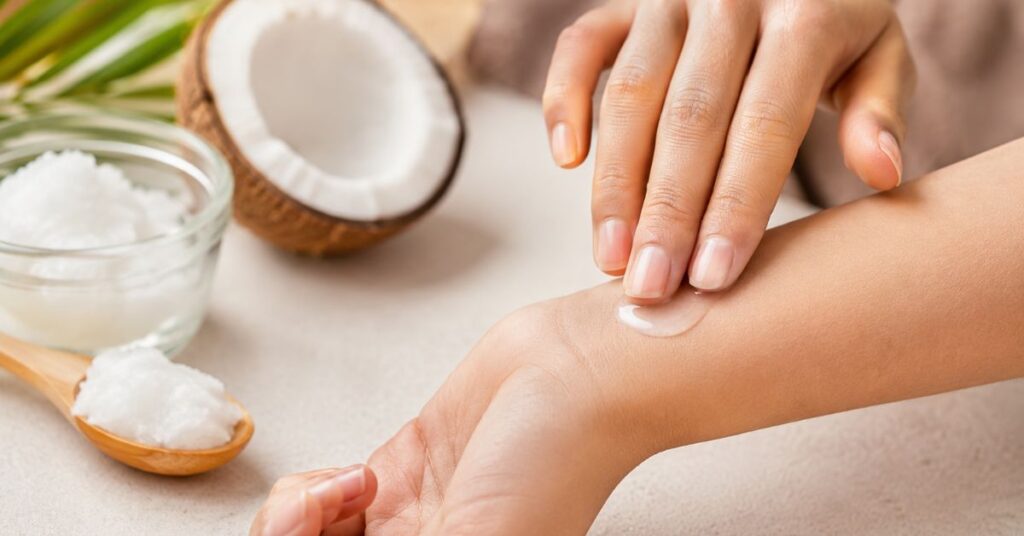
Before adding coconut oil for makeup removal to your daily skincare routine, it is important to make sure your skin can tolerate it. Although coconut oil is a natural ingredient, natural products can still cause irritation or allergic reactions in some people. In addition, every person’s skin barrier is different, which means an ingredient that works perfectly for one individual may not suit another.
A simple patch test takes only a day or two, yet it can help you avoid redness, itching, breakouts, or discomfort on your face. This small precaution is especially valuable if you have sensitive skin, a history of allergies, eczema, or have never used coconut oil on your skin before.
Instead of applying coconut oil directly to your entire face, test a small area first. If your skin reacts well, you can use it with greater confidence. However, if irritation develops, you will know before exposing your whole face to the product.
How to Perform a Patch Test
Performing a patch test is a quick, effortless step that ensures your skin’s safety before introducing a new product to your face. To test virgin coconut oil effectively, follow this simple step-by-step method:
- Select the Right Spot: Choose a small, discreet patch of skin where a potential reaction won’t be highly visible. The inner forearm, the bend of the elbow, or the area just behind your ear are ideal choices because the skin there is thin and sensitive.
- Prep the Area: Wash the selected spot with a gentle, fragrance-free cleanser and pat it completely dry.
- Apply a Small Amount: Dab a tiny amount of virgin coconut oil about the size of a single grain of rice and gently smooth it over a coin-sized area.
- Wait and Monitor: Leave the oil on your skin for 24 to 48 hours. Avoid washing this specific spot or layering other skincare products over it. Check the area periodically for any visible changes.
If your skin remains calm, smooth, and free of irritation after 48 hours, it is generally safe to proceed. However, facial skin is uniquely sensitive. When introducing coconut oil to your face for makeup removal, ease into it by using it just once or twice during the first week. For instance, if you have dry skin, use it to remove your makeup one evening, then wait a couple of days to observe how your skin responds before making it a permanent part of your nightly routine.
Note: A successful patch test identifies immediate allergic triggers or acute irritation, but it does not guarantee the oil won’t eventually clog your pores, as pore congestion typically develops over weeks of continuous use.
Signs of an Allergic Reaction vs. Clogged Pores
While true coconut allergies are relatively rare, they do happen. Knowing how to identify the warning signs early allows you to protect your skin barrier before severe damage occurs. It is equally important to distinguish between a true allergic reaction and pore congestion, as they require entirely different solutions.
Identifying an Allergic Reaction or Irritation An adverse reaction usually triggers an immediate immune response. Watch for these symptoms within a few hours of application:
- Persistent redness or a sudden rash
- Itching, burning, or a stinging sensation
- Localized swelling or inflammation
- Tiny, raised bumps or hives that feel unusually warm to the touch
Identifying Clogged Pores (Comedogenicity) Coconut oil is highly comedogenic, meaning it tends to trap sebum and dead skin cells. Unlike an allergy, pore congestion takes days or weeks to surface and looks completely different:
- The Timeline: An allergy happens almost overnight; clogged pores take 1 to 2 weeks of continuous use to appear.
- The Symptoms: Instead of itchy, red patches, you will notice non-itchy blackheads, whiteheads, or typical acne breakouts.
What to Do If Your Skin Reacts If you experience mild redness or itching, wash the area immediately with a mild cleanser and stop using the oil. Allow your skin barrier to heal completely before applying any other active ingredients.
Important Medical Warning: If you experience severe swelling, intense itching that spreads, widespread hives, dizziness, or any difficulty breathing, seek emergency medical care immediately. While extremely rare, these are signs of a severe anaphylactic reaction.
Read More:https://pureoilshub.com/coconut-oil-for-acne/
Complete Your Skincare Routine After Makeup Removal
Removing makeup is only the first step toward healthy skin. Even when coconut oil for makeup removal dissolves foundation, sunscreen, mascara, and other cosmetics effectively, a small amount of oil and makeup residue can remain on the skin. If left behind, this residue may mix with sweat, dead skin cells, and environmental pollutants, increasing the likelihood of clogged pores and dull-looking skin.
That is why skincare experts recommend following makeup removal with the rest of your skincare routine. Cleansing properly, restoring hydration, and protecting the skin barrier help your complexion stay balanced and healthy over time.
Whether you wear makeup every day or only on special occasions, completing your skincare routine after using coconut oil can improve your overall results and reduce the risk of unwanted breakouts.
Should You Double Cleanse?
In most cases, yes. Double cleansing is one of the best ways to ensure your skin is completely free of makeup, sunscreen, excess oil, and daily impurities after using coconut oil for makeup removal.
Double cleansing simply means washing your face in two steps. The first cleanser removes makeup and oil-based impurities, while the second cleanser removes any remaining residue, sweat, dirt, and water-based impurities.
Since coconut oil is an oil-based cleanser, it works exceptionally well as the first step. However, leaving coconut oil on the skin for long periods may not be ideal for everyone, especially those with oily or acne-prone skin. Therefore, following it with a gentle facial cleanser helps remove leftover oil and leaves the skin feeling cleaner.
For example, imagine wearing sunscreen, waterproof mascara, long-lasting foundation, and setting spray throughout the day. Coconut oil can dissolve these products quickly, but tiny traces of makeup and oil may still remain around the nose, hairline, or jawline. A mild gel or cream cleanser removes these leftovers, giving your skin a truly fresh start.
Choose a cleanser that matches your skin type:
| Skin Type | Recommended Second Cleanser |
| Dry Skin | Cream or hydrating cleanser |
| Normal Skin | Gentle foaming cleanser |
| Combination Skin | Mild gel cleanser |
| Oily Skin | Lightweight foaming cleanser |
| Sensitive Skin | Fragrance-free gentle cleanser |
Double cleansing also helps your other skincare products work more effectively. When your skin is free from makeup residue, serums and moisturizers can absorb more evenly instead of sitting on top of leftover oil.
Although double cleansing is highly recommended after using coconut oil, avoid washing your face repeatedly. Cleansing more than necessary can disrupt your skin’s natural moisture barrier and lead to unnecessary dryness or irritation.
Why Your Skin Needs Care After Cleansing
Once you remove your makeup and wash away the remaining coconut oil, your skincare routine should focus on restoring hydration and protecting your skin barrier. Although coconut oil leaves the skin feeling soft, it mainly works as a cleansing oil rather than a long-lasting moisturizer. Cleansing can temporarily reduce moisture from the skin’s surface, so applying the right products afterward helps maintain hydration, supports the skin barrier, and keeps your complexion balanced.
After washing your face, gently pat your skin dry with a clean, soft towel instead of rubbing it. Freshly cleansed skin is more sensitive to friction, and gentle drying helps reduce irritation while preparing your skin to absorb the products that follow.
Apply Hydrating Products in the Correct Order
For the best results, apply your skincare products from the lightest texture to the heaviest. Begin with an alcohol-free toner or hydrating essence that contains ingredients such as glycerin, rose water, aloe vera, or centella asiatica. These ingredients replenish moisture, soothe the skin, and help maintain a healthy skin barrier after cleansing.
Next, apply a serum that matches your skin’s needs. If your skin feels dry or dehydrated, a hyaluronic acid serum helps attract and retain water within the skin. If you have oily or combination skin, a niacinamide serum is an excellent choice because it helps regulate excess oil, minimizes the appearance of enlarged pores, and strengthens the skin barrier. Choosing targeted ingredients allows you to address specific concerns while keeping your skin balanced after using coconut oil for makeup removal.
Lock in Moisture With a Lightweight Moisturizer
After applying your toner and serum, use a lightweight moisturizer to seal in hydration. Even if your skin feels soft after cleansing with coconut oil, it still benefits from a moisturizer that provides water-based hydration. A good moisturizer also reduces moisture loss throughout the day and supports the skin’s natural protective barrier.
Look for moisturizers that contain ceramides, glycerin, squalane, or fatty acids. These ingredients reinforce the skin barrier without leaving a heavy or greasy finish. Choosing a formula that suits your skin type helps prevent clogged pores while keeping your skin smooth, comfortable, and healthy.
Never Skip Sunscreen During the Day
If you cleanse your face in the morning or during the daytime, finish your routine with a broad-spectrum sunscreen that offers SPF 30 or higher. Sun protection shields freshly cleansed skin from harmful UV rays that contribute to premature aging, dark spots, and uneven skin tone.
Daily sunscreen also protects the results of your skincare routine by preventing environmental damage that can weaken the skin barrier. Applying sunscreen every morning is one of the most effective ways to maintain healthy, youthful-looking skin over time.
Build a Complete Post-Cleansing Routine
A well-planned post-cleansing routine helps your skin recover after removing makeup with coconut oil. Hydrating, repairing, and protecting your skin immediately after cleansing reduces dryness, supports the skin barrier, and minimizes the risk of congestion or irritation. By following these steps consistently, coconut oil for makeup removal becomes part of a balanced skincare routine that leaves your skin clean, comfortable, and healthy-looking every day.
Possible Side Effects and Risks of Coconut Oil for Makeup Removal
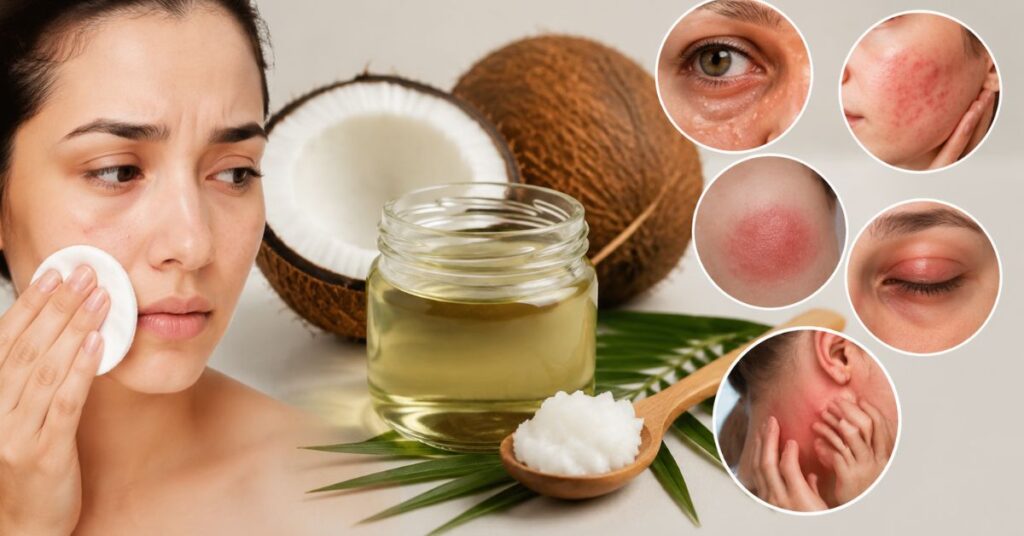
Although coconut oil for makeup removal is a popular natural cleansing option, it is not suitable for every skin type. While many people enjoy its moisturizing properties, others may experience clogged pores, breakouts, or irritation if they use it incorrectly. Your skin type, cleansing routine, and the amount of oil you apply all affect how well it works.
Natural ingredients are not automatically safe for everyone. Coconut oil is rich in fatty acids that help dissolve makeup, but it is also one of the more comedogenic natural oils. Understanding its potential drawbacks helps you make an informed decision and avoid common skincare problems. When used correctly and followed by proper cleansing, many people can enjoy its benefits while reducing the risk of unwanted side effects.
Can Coconut Oil for Makeup Removal Clog Pores?
One of the most common concerns about coconut oil for makeup removal is whether it blocks pores. The answer depends largely on your skin type.
Coconut oil has a comedogenic rating of approximately 4 out of 5, meaning it has a relatively high chance of clogging pores in people with oily or acne-prone skin. When the oil is not completely removed, it can combine with excess sebum, dead skin cells, sweat, sunscreen, and dirt. This mixture may block hair follicles and contribute to blackheads, whiteheads, and inflammatory acne.
People with dry or normal skin often tolerate coconut oil much better because their skin produces less natural oil. They may experience softer, smoother skin without developing congestion. In contrast, someone with oily skin may notice clogged pores after using coconut oil regularly for only a short period.
You can lower the risk by applying only a small amount, gently massaging it onto dry skin, and always following with a gentle facial cleanser as part of a double-cleansing routine. If your skin begins developing frequent clogged pores or bumps, discontinue use and switch to a lightweight, non-comedogenic cleansing oil.
Can Coconut Oil for Makeup Removal Cause Acne and Breakouts?
Although coconut oil contains lauric acid, a fatty acid known for its antimicrobial properties, this does not necessarily make it an effective acne treatment.
Pure coconut oil creates a rich, occlusive layer on the skin. While this barrier helps reduce moisture loss, it can also trap excess oil, dead skin cells, makeup residue, and environmental impurities inside the pores. For people with oily or acne-prone skin, this environment may encourage the development of inflammatory pimples rather than preventing them.
Dermatologists generally recommend avoiding raw coconut oil if you have active acne, frequent breakouts, or naturally oily skin. Individuals living in hot and humid climates may also experience more congestion because increased sweat and oil production can combine with the heavy texture of coconut oil.
If you still want to try coconut oil for makeup removal, use it only occasionally and always wash it away with a gentle water-based cleanser afterward. Carefully monitor your skin during the first few weeks. If new breakouts appear consistently, stop using it and choose a cleansing oil specifically formulated for acne-prone skin.
Common Mistakes When Using Coconut Oil for Makeup Removal
Many of the problems associated with coconut oil for makeup removal result from improper use rather than the oil itself. Avoiding a few common mistakes can make the cleansing process much safer and more effective.
Using excessive amounts of coconut oil is one of the biggest mistakes. A small amount is usually enough to dissolve makeup from the entire face. Applying too much makes it more difficult to rinse away completely and increases the chance of leaving pore-clogging residue behind.
Another common mistake is skipping the second cleanse. Coconut oil works best as the first step in a double-cleansing routine because it removes makeup, sunscreen, and surface impurities. Following with a gentle facial cleanser removes the remaining oil and helps keep pores clean.
Many people also rub their skin too aggressively, especially when removing waterproof eye makeup. Allow the oil to soften mascara and eyeliner first, then gently wipe them away to avoid irritation and unnecessary stress on the delicate skin around the eyes.
Product quality also matters. Choose 100% pure, virgin, cold-pressed coconut oil without added fragrances, preservatives, or artificial ingredients whenever possible.
Before applying coconut oil to your entire face, perform a patch test on a small area of skin. Although allergic reactions are uncommon, testing first helps identify sensitivity before it becomes a larger problem.
Finally, remember that coconut oil is only a makeup remover. It should not replace your facial cleanser, moisturizer, sunscreen, or other skincare products. Maintaining a balanced skincare routine remains the best way to support healthy, clear skin.
How to Choose the Best Coconut Oil for Makeup Removal
Not all coconut oils are created equal. While many products look similar on store shelves, the way the oil is processed can significantly affect its quality and suitability for skincare. Choosing the right product is just as important as learning how to use coconut oil for makeup removal because high-quality oil is generally gentler on the skin and contains fewer unnecessary additives.
When shopping, you may notice labels such as virgin, extra virgin, cold-pressed, organic, expeller-pressed, or refined. These terms can be confusing, especially if you are buying coconut oil for the first time. Understanding what each label means will help you select an oil that removes makeup effectively while minimizing the risk of irritation.
If you are wondering where to buy coconut oil for makeup removal, reputable grocery stores, health food shops, pharmacies, and trusted online retailers usually carry high-quality options. However, always read the ingredient list carefully before making a purchase.
What Is the Difference Between Virgin and Refined Coconut Oil?
Choosing the right type of coconut oil is just as important as knowing how to use it. Although both virgin coconut oil and refined coconut oil can dissolve makeup, they differ in how they are produced, the nutrients they contain, and how they interact with the skin. These differences can affect your overall skincare results, especially if you regularly use coconut oil for makeup removal.
Virgin coconut oil undergoes minimal processing, allowing it to retain many of its naturally occurring compounds. Refined coconut oil, on the other hand, is processed to remove its flavor and scent, which can also reduce some of its beneficial components. Understanding these differences helps you choose the option that best suits your skin type and skincare routine.
Why Virgin Coconut Oil Is Better for Makeup Removal
Virgin coconut oil is extracted from fresh, mature coconuts using gentle methods such as cold pressing or other low-heat mechanical techniques. Because it experiences very little processing, it preserves its natural coconut aroma along with valuable compounds like lauric acid, vitamin E, and antioxidants. These nutrients help nourish the skin while the oil dissolves foundation, sunscreen, waterproof mascara, and long-wearing makeup.
Its smooth texture allows it to glide effortlessly across the skin, breaking down stubborn cosmetics without excessive rubbing. This reduces friction on delicate areas such as the eyelids and eyelashes, making the cleansing process gentler and more comfortable. Many people also appreciate that high-quality virgin coconut oil contains only one ingredient, making it a simple choice for those who prefer a minimalist skincare routine.
How Refined Coconut Oil Differs
Refined coconut oil is produced from dried coconut meat, often called copra. Manufacturers refine the oil through processes such as degumming, bleaching, and deodorizing to create a neutral color, taste, and scent. These steps improve shelf stability but also reduce many of the naturally occurring antioxidants and vitamins found in virgin coconut oil.
While refined coconut oil can still remove makeup effectively, it does not provide the same nutrient-rich profile as virgin coconut oil. Some refined oils may also undergo additional processing methods that make them less appealing for people who prefer minimally processed skincare products. For individuals with sensitive skin, choosing a high-quality product with as few additives as possible is generally the safer option.
Virgin Coconut Oil vs. Refined Coconut Oil
| Feature | Virgin Coconut Oil | Refined Coconut Oil |
|---|---|---|
| Extraction Method | Cold-pressed or minimally processed | Highly refined using heat and deodorizing processes |
| Scent | Natural coconut fragrance | Odorless or nearly odorless |
| Nutrient Content | Rich in antioxidants, vitamin E, and lauric acid | Lower levels of natural nutrients |
| Processing | Minimal processing | Extensive processing |
| Best For | Makeup removal and nourishing dry or normal skin | Users who prefer a neutral scent |
| Overall Skin Benefits | Helps support the skin barrier while cleansing | Primarily functions as a cleansing oil |
Which Coconut Oil Should You Choose?
If your goal is to use coconut oil for makeup removal, high-quality virgin coconut oil is generally the better option. Its minimal processing helps preserve beneficial fatty acids and antioxidants while providing excellent cleansing performance. It removes stubborn makeup effectively, glides smoothly across the skin, and offers additional conditioning benefits during cleansing.
However, no single product works for everyone. If you have acne-prone or very oily skin, patch-test any coconut oil before using it on your entire face, as its rich texture may not suit every skin type. Choosing a pure, high-quality coconut oil and following it with a gentle facial cleanser can help you enjoy the cleansing benefits while maintaining healthy, balanced skin.
What to Look for When Buying Coconut Oil
Choosing the right coconut oil for makeup removal is just as important as using the correct cleansing method. High-quality coconut oil is generally purer, contains fewer unwanted ingredients, and is less likely to irritate your skin. Before making a purchase, take a few minutes to evaluate the product’s ingredients, processing method, packaging, and overall quality.
Choose 100% Pure and Unrefined Coconut Oil
Always check the ingredient list before buying coconut oil. The best option contains 100% pure coconut oil with no added fragrances, preservatives, artificial colors, mineral oils, or fillers. Products with a single ingredient are usually the safest choice for facial skincare because they reduce the risk of irritation from unnecessary additives.
Many skincare experts recommend virgin, extra virgin, or unrefined coconut oil because these varieties undergo minimal processing. As a result, they retain more of the oil’s naturally occurring fatty acids and beneficial compounds. If possible, select a cold-pressed product, as this extraction method uses little heat and helps preserve the oil’s natural properties.
Although organic certification is optional, many people prefer organic coconut oil because the coconuts are typically grown without many synthetic pesticides or chemical fertilizers. While this does not automatically make the oil more effective, it can provide additional confidence in the product’s quality.
Check Packaging, Storage, and Product Quality
The packaging can also influence the quality of coconut oil over time. Products stored in dark glass jars often offer better protection from heat and light than lower-quality plastic containers. Regardless of the container, always keep the lid tightly closed and store the oil in a cool, dry place away from direct sunlight to help maintain its freshness.
Pay attention to the oil’s appearance as well. Pure coconut oil naturally becomes solid at cooler temperatures and turns into a clear liquid when warmed. This change is completely normal and does not reduce its cleansing ability or skincare benefits.
When purchasing online, choose reputable brands that provide complete ingredient information and maintain consistent customer ratings. Reviews can offer helpful insights into product quality and texture, but remember that skin reactions vary from person to person. A product that works well for one individual may not be the best choice for another.
Finally, avoid selecting coconut oil based only on price. A high-quality virgin cold-pressed coconut oil usually offers greater purity and more consistent performance than heavily refined alternatives. Investing in a well-made product can improve your makeup removal routine and reduce the chance of unwanted skin irritation. By choosing a quality coconut oil and following it with a gentle facial cleanser, you can remove makeup more effectively while supporting healthier-looking skin.
Coconut Oil for Makeup Removal vs Other Makeup Removers

Choosing the right makeup remover depends on your skin type, the kind of makeup you wear, and your skincare goals. While coconut oil for makeup removal is a popular natural option, it is not the only effective solution. Micellar water, cleansing balms, and cleansing oils each remove makeup differently and offer unique benefits.
For example, if you wear only sunscreen and light makeup, a lightweight cleanser may be enough. However, if you regularly use waterproof mascara, long-lasting lipstick, or full-coverage foundation, an oil-based remover often provides better results. Comparing these products side by side makes it easier to choose the one that best suits your daily skincare routine.
Coconut Oil for Makeup Removal vs Micellar Water
Both coconut oil for makeup removal and micellar water effectively remove makeup, but they work through completely different cleansing methods.
Micellar water contains tiny cleansing molecules called micelles that attract dirt, oil, sunscreen, and makeup from the skin. Because it has a lightweight, water-like texture, it feels refreshing and is especially suitable for oily, combination, and sensitive skin. Most people can simply wipe it across the face without harsh rubbing.
In contrast, coconut oil removes makeup by dissolving oil-based cosmetic ingredients. Waterproof mascara, liquid lipstick, cream foundation, and long-wearing products often contain oils and waxes that break down quickly when they come into contact with coconut oil. This makes it particularly effective for removing stubborn makeup.
| Feature | Coconut Oil | Micellar Water |
|---|---|---|
| Removes Heavy Makeup | Excellent | Good |
| Removes Waterproof Makeup | Very Good | Moderate to Good |
| Hydration | High | Light |
| Best for Dry Skin | Excellent | Good |
| Best for Oily Skin | May clog pores | Excellent |
| Requires Second Cleanse | Yes | Recommended |
| Risk of Clogged Pores | Higher for acne-prone skin | Very Low |
If your routine mainly includes lightweight makeup and sunscreen, micellar water offers a fast and refreshing cleanse. However, if you frequently wear waterproof or long-lasting makeup, coconut oil for makeup removal usually removes it more effectively while providing extra moisture for dry skin.
Coconut Oil for Makeup Removal vs Cleansing Balm
Many people compare coconut oil for makeup removal with cleansing balms because both use oils to dissolve makeup. However, cleansing balms are specifically developed as facial cleansers, while coconut oil is simply a natural plant oil.
A cleansing balm starts as a solid balm before melting into a silky oil during massage. Most formulas contain emulsifiers that allow the product to mix with water and rinse away cleanly. As a result, cleansing balms usually leave less residue than coconut oil.
Coconut oil, on the other hand, provides excellent slip during facial massage and easily dissolves heavy makeup. Because it does not emulsify with water, it should always be followed by a gentle facial cleanser to completely remove leftover oil.
| Feature | Coconut Oil | Cleansing Balm |
|---|---|---|
| Removes Makeup | Excellent | Excellent |
| Removes Waterproof Makeup | Excellent | Excellent |
| Rinses Off Easily | No | Yes |
| Moisturizing | High | Moderate to High |
| Made for Facial Cleansing | No | Yes |
| Acne-Friendly Options | Limited | Many Available |
People with dry skin often appreciate the simplicity and rich moisturizing effect of coconut oil. Meanwhile, those looking for easier rinsing and products specifically designed for facial skincare may find cleansing balms more convenient.
Coconut Oil for Makeup Removal vs Cleansing Oil
Both coconut oil for makeup removal and cleansing oils remove makeup using the same basic principle: oil dissolves oil. Even so, their formulations, textures, rinsing ability, and suitability for different skin types vary considerably.
Pure coconut oil contains just one ingredient and naturally breaks down foundation, sunscreen, lipstick, and waterproof eye makeup. It also leaves the skin feeling soft and deeply moisturized after cleansing.
Cleansing oils are specially formulated facial cleansers made with lightweight plant oils, emulsifiers, and skin-conditioning ingredients. Once water is added, they transform into a milky texture that rinses away easily without leaving a greasy film. Many cleansing oils are also available in non-comedogenic formulas that are better suited for oily and acne-prone skin.
| Feature | Coconut Oil | Cleansing Oil |
|---|---|---|
| Main Ingredients | 100% Coconut Oil | Blend of Plant Oils & Cleansing Agents |
| Emulsifies with Water | No | Yes |
| Rinses Off Easily | Moderate | Excellent |
| Moisturizing | High | Moderate to High |
| Acne-Friendly Options | Limited | Widely Available |
| Removes Waterproof Makeup | Excellent | Excellent |
| Daily Use | Depends on Skin Type | Suitable for Most Skin Types |
If your skin is naturally dry and responds well to coconut oil, it can be an affordable and highly effective natural makeup remover. However, if you have oily, combination, or acne-prone skin, a cleansing oil is often the better long-term choice because it rinses away more easily and is less likely to leave pore-clogging residue.
Overall, coconut oil for makeup removal remains an excellent option for people who prefer natural skincare and need powerful makeup removal. Cleansing oils, meanwhile, offer greater convenience, easier rinsing, and formulations designed for a wider range of skin types. Whichever option you choose, following makeup removal with a gentle facial cleanser helps ensure clean, healthy, and comfortable skin.
Final Verdict: Should You Use Coconut Oil for Makeup Removal?
Coconut oil for makeup removal is an effective, affordable, and natural way to remove foundation, sunscreen, lipstick, and even many waterproof makeup products. Its rich fatty acids help dissolve cosmetics while leaving the skin feeling soft and hydrated, making it an excellent choice for people with dry, normal, and mature skin. When combined with a gentle facial cleanser, it can become a valuable part of a healthy skincare routine.
At the same time, coconut oil is not a one-size-fits-all solution. Because it has a relatively high comedogenic rating, people with oily, acne-prone, or congestion-prone skin should use it cautiously. Performing a patch test, using only a small amount, and double cleansing afterward can significantly reduce the risk of clogged pores and breakouts.
The best coconut oil for makeup removal is typically 100% pure, virgin, cold-pressed coconut oil without added fragrances or preservatives. Choosing a high-quality product and applying it correctly will give you the best chance of achieving clean, comfortable, and healthy-looking skin.
Ultimately, the right makeup remover is the one that suits your unique skin type and skincare goals. If coconut oil leaves your skin clean, hydrated, and free from irritation, it can be an excellent natural alternative to many commercial makeup removers. However, if it causes clogged pores or persistent breakouts, switching to a non-comedogenic cleansing oil, cleansing balm, or micellar water may be a better option.
By understanding both the benefits and risks of coconut oil for makeup removal, you can make an informed decision and build a skincare routine that keeps your skin healthy, balanced, and glowing for the long term.
FAQs:
Can I Use Coconut Oil Every Day?
Yes, you can use coconut oil for makeup removal every day if your skin tolerates it well. Many people with dry or normal skin use it as part of their nightly skincare routine without experiencing any problems. Its rich fatty acids help dissolve makeup while leaving the skin feeling soft and moisturized.
However, daily use is not ideal for everyone. If you have oily, combination, or acne-prone skin, using coconut oil every night may increase the risk of clogged pores over time. In that case, start by using it two or three times a week and monitor how your skin responds. If you notice new blackheads, whiteheads, or pimples, reduce the frequency or switch to a non-comedogenic makeup remover.
Regardless of your skin type, always remove the remaining oil with a gentle facial cleanser. Double cleansing helps prevent residue from building up and keeps your skin feeling fresh.
Can Coconut Oil Remove Mascara?
Yes. One of the biggest advantages of coconut oil for makeup removal is its ability to break down mascara, including many waterproof formulas.
If you are wondering, “Can I use coconut oil to remove mascara?”, the answer is generally yes. The oil dissolves the waxes and pigments found in mascara, allowing it to slide off with much less rubbing than soap and water alone.
For the safest results, warm a small amount of coconut oil between your fingertips or apply it to a soft cotton pad. Gently press it against your closed eyelid for about 15 to 20 seconds before wiping downward. This allows the mascara to soften naturally and helps reduce stress on your eyelashes.
Avoid rubbing your eyes aggressively because repeated friction can irritate the delicate skin around the eyes and contribute to lash breakage. If traces of mascara remain, repeat the process gently instead of scrubbing harder.
Finish by washing your face with a mild cleanser to remove any remaining oil from the lash line.
Do I Need to Wash My Face After Using Coconut Oil?
Yes. Washing your face after using coconut oil for makeup removal is highly recommended.
Although coconut oil removes makeup effectively, it does not rinse away completely with water alone. A thin layer of oil may remain on the skin, along with dissolved makeup, sunscreen, excess sebum, and environmental impurities.
Following up with a gentle facial cleanser removes this remaining residue and helps keep your pores clean. This process, commonly known as double cleansing, is especially beneficial if you wear waterproof makeup or have oily or acne-prone skin.
For example, after removing foundation and sunscreen with coconut oil, a mild water-based cleanser can wash away any leftover oil, leaving your skin clean and ready for moisturizer or other skincare products.
Skipping this step occasionally may not cause immediate problems, but consistently leaving oil on the skin may increase the likelihood of congestion for people who are prone to clogged pores.
Can Coconut Oil Cause Pimples?
Yes, coconut oil for makeup removal can contribute to pimples in some people, but it does not affect everyone the same way.
Coconut oil has a relatively high comedogenic rating, meaning it may clog pores in individuals who are naturally prone to acne. When oil, dead skin cells, and bacteria become trapped inside the pores, blemishes such as blackheads, whiteheads, and pimples can develop.
However, many people with dry or normal skin use coconut oil regularly without experiencing breakouts. The difference often comes down to skin type, cleansing habits, and how much oil is used.
To reduce the risk of pimples:
- Use only a small amount of coconut oil.
- Massage it gently for less than one minute.
- Always follow with a gentle facial cleanser.
- Avoid leaving coconut oil on your skin overnight.
- Monitor your skin during the first few weeks of use.
If you continue developing new blemishes after introducing coconut oil into your routine, discontinue use and choose a makeup remover formulated for acne-prone skin.
Is Coconut Oil Safe Around the Eyes?
Yes, coconut oil for makeup removal is generally safe to use around the eyes when applied carefully. In fact, many people rely on it to remove waterproof mascara, eyeliner, and eye shadow because it breaks down stubborn makeup without requiring harsh rubbing.
Even so, the eye area is extremely delicate, so gentle application is essential. Use only a small amount of oil and avoid getting it directly into your eyes. If a little oil accidentally enters your eye, you may notice temporary blurred vision. This usually clears after rinsing with clean, lukewarm water.
If you wear contact lenses, remove them before using coconut oil to prevent oil from coating the lenses.
You should also stop using coconut oil if you experience redness, persistent irritation, swelling, or discomfort around the eyes. While these reactions are uncommon, they may indicate sensitivity or an allergy.
For most people, using high-quality virgin coconut oil with gentle pressure provides a safe and effective way to remove eye makeup while protecting the delicate skin around the eyes.