Introduction:
Cradle cap is common, harmless in most cases, and often temporary, but it still worries many parents because it can look rough, thick, and uncomfortable. That is why many people search for coconut oil for cradle cap as a gentle home option. It sounds natural, simple, and safe, especially for baby skin. But the real question is not just whether it sounds helpful. The real question is whether it actually works, when it helps, and when it may do more harm than good.
In this article, the goal is to give parents clear, practical guidance. You will learn what cradle cap is, how coconut oil may help, how to use it safely, what precautions matter most, and when another option may be better. The focus stays on simple care, smart choices, and baby-safe treatment ideas that support healthy scalp care without unnecessary risk.
What Is Cradle Cap?
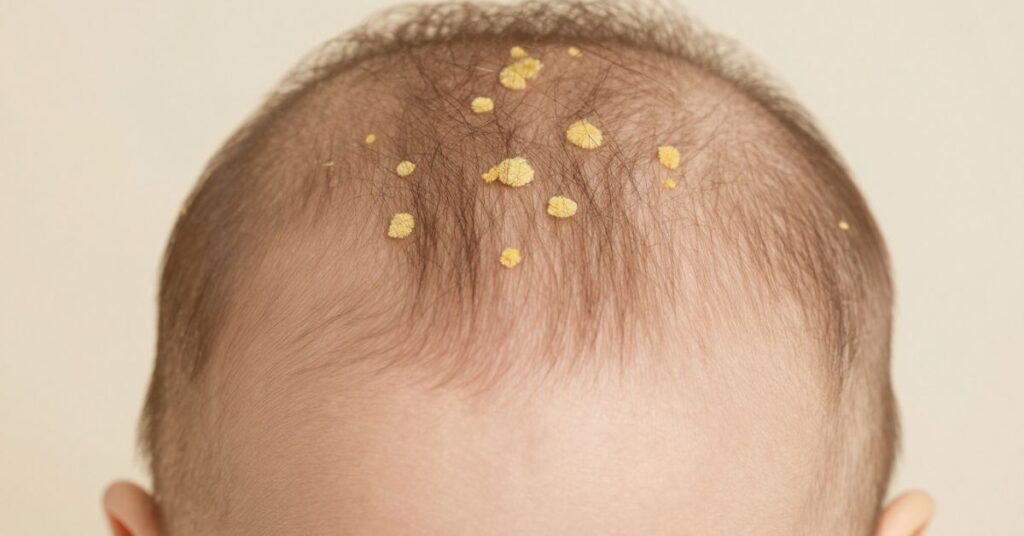
Cradle cap is a common skin condition that appears on a baby’s scalp during the first months of life. It often looks like greasy, yellow, white, or brownish scales that cling to the skin. Some babies also develop dry flakes, mild redness, or patchy buildup on the scalp. Even though it can look serious, cradle cap usually does not hurt the baby and often clears on its own over time.
Parents often notice cradle cap because it can make the scalp look crusty or flaky, which can be upsetting to see. The good news is that it is usually not caused by poor hygiene. It is also not a sign that a baby is unhealthy. In many cases, it is simply a normal newborn skin issue that improves as the skin matures. Still, gentle care can help reduce buildup and make the scalp look and feel better.
Cradle Cap Symptoms in Babies
Cradle cap can show up in a few different ways, but the most common signs are easy to spot. The scalp may have thick flakes, greasy patches, or soft crusty areas that do not seem to bother the baby. In some cases, the scales may also appear around the eyebrows, behind the ears, or on other oily skin areas. The skin may look slightly red under the flakes, but itching is usually mild or absent.
The important thing to watch is whether the area stays limited to the scalp and looks like simple flaking. If the skin becomes very red, swollen, oozes, smells unpleasant, or seems painful, the problem may be something else and may need medical attention. Most cradle cap cases stay calm, local, and manageable with gentle home care.
What Causes Cradle Cap?
Doctors do not point to one single cause, but cradle cap is often linked to the natural oil production of a baby’s skin. When the scalp produces extra oil, dead skin cells can stick together and form flakes or crusts. Hormones passed from mother to baby before birth may also play a role by increasing oil gland activity for a short time after delivery.
Some experts also believe yeast that normally lives on the skin may contribute to the buildup in certain babies. That does not mean cradle cap is an infection in the usual sense. It simply means the scalp environment can sometimes encourage scaling. This is why gentle cleansing, soft brushing, and careful moisturizing methods are often discussed as part of cradle cap care, including the use of coconut oil for cradle cap baby routines.
Is Coconut Oil for Cradle Cap Actually Effective?
Many parents turn to coconut oil for cradle cap because it is natural, widely available, and often recommended in parenting communities. While coconut oil is not a guaranteed cure, it may help soften stubborn flakes and make them easier to remove during gentle scalp care. The key is understanding what coconut oil can do and what it cannot do.
Coconut oil does not directly treat the underlying causes of cradle cap. Instead, it works mainly by moisturizing the scalp and loosening the scales that stick to the skin. When used correctly, it can make cleaning and brushing more effective. However, results vary from baby to baby. Some parents notice improvement after a few applications, while others see little change and need to explore different treatment options.
Before using any home remedy, it helps to understand both the benefits and the limitations. That way, parents can make informed decisions instead of relying on online claims alone.
Does Coconut Oil Help Cradle Cap?
In many cases, coconut oil can help soften thick, dry, or greasy flakes. Once the flakes become softer, they are easier to remove with a gentle wash and a soft cradle cap brush. This is the main reason coconut oil remains a popular home remedy among parents.
One advantage of coconut oil is that it creates a protective layer that can reduce dryness on the scalp. Babies with mild cradle cap may experience smoother skin and less visible scaling after consistent but careful use. Many positive coconut oil for cradle cap reviews mention that flakes loosen more easily after treatment.
However, parents should understand that coconut oil does not work overnight. It also does not prevent cradle cap from returning. If the condition is moderate or severe, coconut oil alone may not provide the results parents expect. In those situations, a pediatrician may recommend a medicated shampoo or another treatment approach.
Is Coconut Oil Safe for Baby Skin?
Pure, high-quality coconut oil is generally considered safe for most babies when applied externally in small amounts. It is often used in baby skincare products because of its moisturizing properties. Many parents choose best coconut oil for cradle cap products that are organic, cold-pressed, and free from fragrances or additives.
Even though coconut oil is usually gentle, every baby’s skin is different. Some babies may develop irritation, redness, or small bumps after application. For this reason, it is wise to test a small amount on a small area of skin before applying it to the entire scalp.
A common question parents ask is, “Can I leave coconut oil on baby scalp overnight?” While some parents do this successfully, many pediatric experts suggest shorter treatment periods first. Leaving oil on the scalp for too long may trap excess oil and skin cells, which could worsen buildup in certain cases. A short treatment followed by washing is often the safer approach.
Parent Tip: Choose pure virgin coconut oil without added fragrances, preservatives, or essential oils. Babies have sensitive skin that reacts more easily to unnecessary ingredients.
When Coconut Oil for Cradle Cap May Not Work
Although coconut oil can help many babies, it is not effective in every situation. If the scalp flakes are very thick, widespread, or repeatedly return despite proper care, coconut oil may not provide enough improvement.
Sometimes cradle cap resembles other skin conditions such as eczema, psoriasis, fungal infections, or allergic reactions. In these cases, treating the scalp with coconut oil may not address the actual problem. The condition may persist or even worsen.
Coconut oil may also be less helpful when parents apply too much product or use it too frequently. Excess oil can mix with dead skin cells and create additional buildup. This is one reason some discussions about coconut oil for cradle cap reddit experiences show mixed results. While many parents report success, others find that a different treatment works better for their baby.
If you notice increasing redness, inflammation, spreading patches, or signs of infection, it is important to stop self-treatment and seek professional advice. Cradle cap is usually harmless, but persistent skin problems deserve proper evaluation.
Quick Summary: Coconut Oil and Cradle Cap
| Potential Benefits | Possible Limitations |
| Softens scalp flakes | Does not cure the root cause |
| Helps loosen crusty buildup | May not work for severe cases |
| Easy to find and affordable | Can worsen buildup if overused |
| Generally safe for most babies | Some babies may develop irritation |
| Supports gentle scalp care | Results vary from child to child |
Bottom Line: Coconut oil can be a helpful part of cradle cap care when used correctly. It works best as a flake-softening treatment rather than a complete cure. Parents should focus on gentle scalp care, monitor their baby’s skin, and seek medical advice if symptoms become severe or fail to improve.
How to Use Coconut Oil for Cradle Cap the Right Way
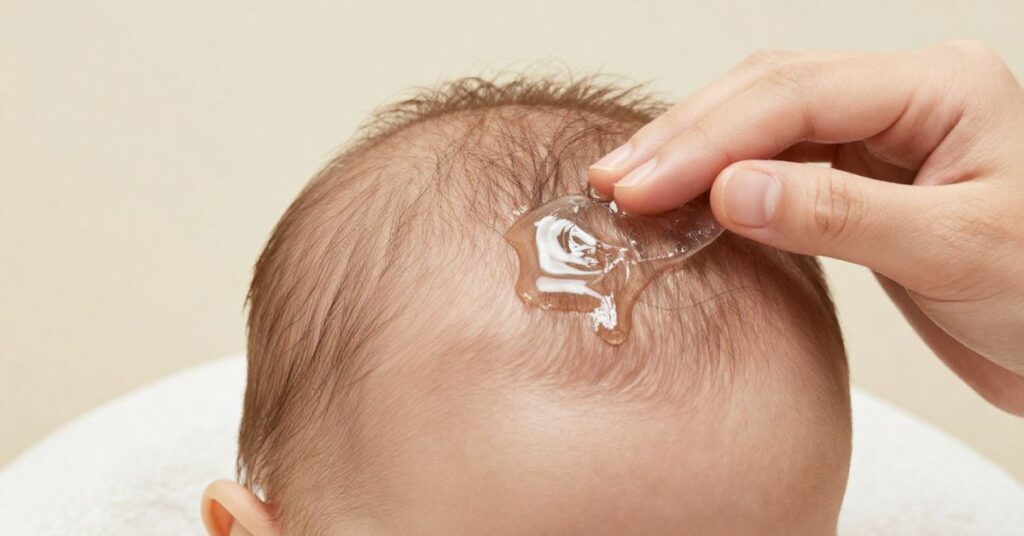
Using coconut oil for cradle cap the right way can make a big difference in your baby’s scalp health. The main goal is not to overload the scalp with oil but to gently soften the flakes so they come off naturally. When you use it correctly, coconut oil helps loosen buildup without harming your baby’s sensitive skin.
A simple and gentle routine works best. You only need a small amount of oil, soft brushing, and proper washing. Avoid rushing the process because cradle cap improves slowly with consistent care.
Clean the Scalp Before Using Coconut Oil for Cradle Cap
Start by gently cleaning your baby’s scalp. This step helps remove sweat, dirt, and extra oil so the coconut oil can work more effectively on the flakes.
Use a mild baby shampoo with lukewarm water. Massage the scalp softly using your fingertips. Never use nails because a baby’s skin is very delicate and can get easily irritated.
After washing, gently pat the scalp dry with a soft towel. Do not rub harshly.
A clean scalp allows coconut oil for cradle cap treatment to reach the flaky areas directly and work more efficiently.
How to Apply Coconut Oil for Cradle Cap Safely
Take a small amount of pure coconut oil and warm it between your fingers. You do not need a thick layer. A light application is enough to soften the scales.
Apply coconut oil only to the affected areas. Focus on patches where flakes are visible instead of covering the entire scalp.
Massage very gently in circular motions. This helps the oil spread evenly and begin loosening the crusty buildup.
Let the oil sit on the scalp for about 15 to 30 minutes. This waiting time allows the flakes to soften naturally, making them easier to remove later.
Avoid leaving coconut oil for cradle cap overnight in most cases, as too much oil can sometimes lead to extra buildup.
How to Remove Cradle Cap Flakes After Coconut Oil Treatment
Once the oil has softened the flakes, use a soft baby brush or a cradle cap brush. Brush very gently in small circular movements.
Do not force any flakes off. Only remove what comes off easily. If you try to pull stubborn scales, you may irritate the skin and cause redness.
With regular use of coconut oil for cradle cap, flakes will start loosening gradually over several sessions instead of one treatment.
Wash the Scalp After Using Coconut Oil for Cradle Cap
After brushing, wash the scalp again using mild baby shampoo. This step is very important but often skipped.
Washing removes leftover oil, loosened flakes, and dead skin cells. If oil stays on the scalp for too long, it may trap buildup instead of clearing it.
Rinse thoroughly with lukewarm water and gently pat dry with a soft towel. The scalp should feel clean and fresh, not greasy.
Coconut Oil for Cradle Cap Treatment Routine
A safe routine usually follows this pattern:
First, wash the scalp gently with baby shampoo.
Next, apply a thin layer of coconut oil.
Then, leave it for 15 to 30 minutes.
After that, gently brush softened flakes.
Finally, wash the scalp again to remove oil and residue.
This simple cycle helps improve cradle cap gradually without stressing the baby’s skin.
Common Mistakes When Using Coconut Oil for Cradle Cap
Many parents accidentally slow down healing by overusing oil or being too aggressive. Avoid applying too much coconut oil because heavy layers can trap buildup.
Do not scratch flakes with nails or pick at them. This can damage the scalp and make irritation worse.
Avoid harsh shampoos or strong cleaning products. Baby skin needs gentle care, not strong treatments.
Also avoid brushing too hard. Gentle movement always works better and keeps the scalp safe.
Is Coconut Oil for Cradle Cap Always Safe?
Coconut oil is generally safe for most babies when used in small amounts and washed properly afterward. However, every baby’s skin is different.
If you notice redness, irritation, or worsening flakes, stop using it and consult a pediatrician. The goal is always gentle improvement, not aggressive treatment.
Quick Takeaway
The best way to use coconut oil for cradle cap is simple: clean the scalp, apply a small amount, let it soften flakes, brush gently, and wash again. Consistency matters more than intensity.
When used correctly, coconut oil can support a gentle and safe cradle cap care routine without harming your baby’s delicate skin.
Read More:https://pureoilshub.com/fall-essential-oil-blends/
Coconut Oil for Cradle Cap Precautions Every Parent Should Know
Coconut oil is often viewed as a gentle and natural remedy, but “natural” does not automatically mean risk-free. Babies have delicate skin that can react differently to products than adult skin. While many families successfully use coconut oil for cradle cap, it is important to follow safe practices and recognize situations where treatment should stop.
The biggest mistake parents make is assuming that more oil will produce faster results. In reality, overusing coconut oil can increase scalp buildup, make flakes harder to manage, and sometimes cause irritation. A cautious approach is always the best choice when caring for a baby’s scalp.
Understanding a few simple precautions can help you use coconut oil safely and know when professional advice may be needed.
How Much Coconut Oil Is Safe to Use?
Only a small amount of coconut oil is needed to soften cradle cap flakes. A thin layer applied directly to the affected areas is usually enough. The scalp should look lightly coated, not saturated.
Using excessive oil can create several problems:
- More oil can trap dead skin cells.
- Thick layers are harder to wash away.
- Excess buildup may make flakes appear worse.
- The scalp can become greasy for longer periods.
For most babies, a small amount applied once or twice a week is often sufficient. Daily treatments are rarely necessary unless advised by a healthcare professional.
Simple Rule to Follow
Think of coconut oil as a treatment, not a moisturizer that should stay on the scalp all day. Apply only enough to soften the flakes and then remove it during washing.
When You Should Stop Using Coconut Oil
Although coconut oil works well for many babies, it is not the right solution for every child. If the scalp reacts negatively, discontinue use and monitor the skin closely.
Stop using coconut oil if you notice:
- Increased redness.
- New rashes or bumps.
- Swelling around the treated area.
- Skin irritation that was not present before.
- Persistent worsening of cradle cap.
Some babies may have sensitive skin that simply does not respond well to coconut oil. In those situations, switching to another treatment option may be the better choice.
It is also worth remembering that if there is no visible improvement after several weeks of proper use, continuing the same treatment may not be helpful. Exploring alternative approaches may provide better results.
Important Note: If a remedy consistently makes the scalp look worse, stop using it rather than increasing the amount or frequency.
Signs You Should Ask a Doctor
Most cradle cap cases improve with simple home care. However, there are times when professional medical advice becomes important.
Contact your pediatrician if you notice any of the following:
| Warning Sign | Why It Matters |
| Severe redness | May indicate irritation or another skin condition |
| Swelling | Could signal inflammation or infection |
| Oozing or fluid leakage | May require medical evaluation |
| Unpleasant odor | Can sometimes suggest infection |
| Cradle cap spreading beyond the scalp | May need a different diagnosis |
| Significant discomfort or itching | Unusual for typical cradle cap |
| No improvement after several weeks | Alternative treatment may be needed |
Some skin conditions can resemble cradle cap but require different treatment. Eczema, fungal infections, allergic reactions, and certain inflammatory skin disorders may look similar at first glance. A healthcare professional can determine whether cradle cap is truly the cause.
Is It Safe to Leave Coconut Oil on Overnight?
One of the most common questions parents ask is, “Can I leave coconut oil on baby scalp overnight?”
While some parents report positive experiences, overnight treatments are not always necessary. Leaving oil on for many hours may increase scalp buildup in some babies. A shorter treatment period of 15 to 30 minutes is often enough to soften flakes before washing.
If you choose to try an overnight application, monitor your baby’s scalp carefully and discontinue the practice if buildup, irritation, or worsening symptoms occur.
Safety Checklist Before Every Treatment
Before using coconut oil, ask yourself these questions:
Is the scalp free from cuts or broken skin?
Am I using only a small amount?
Will I wash the scalp afterward?
Does my baby show no signs of irritation from previous treatments?
Am I avoiding aggressive brushing or picking?
If the answer is yes to all of these, the treatment can generally be performed safely.
Quick Takeaway
Coconut oil for cradle cap can be helpful when used carefully, but moderation is essential. Use only a small amount, watch for signs of irritation, and stop treatment if symptoms worsen. Most importantly, seek medical advice if the scalp becomes inflamed, infected, or fails to improve with gentle home care.
Parent Insight
The best treatment for cradle cap is often the gentlest one. Consistent scalp care, patience, and careful observation usually produce better long-term results than aggressive attempts to remove every flake immediately.
Natural Ways to Support Cradle Cap Care
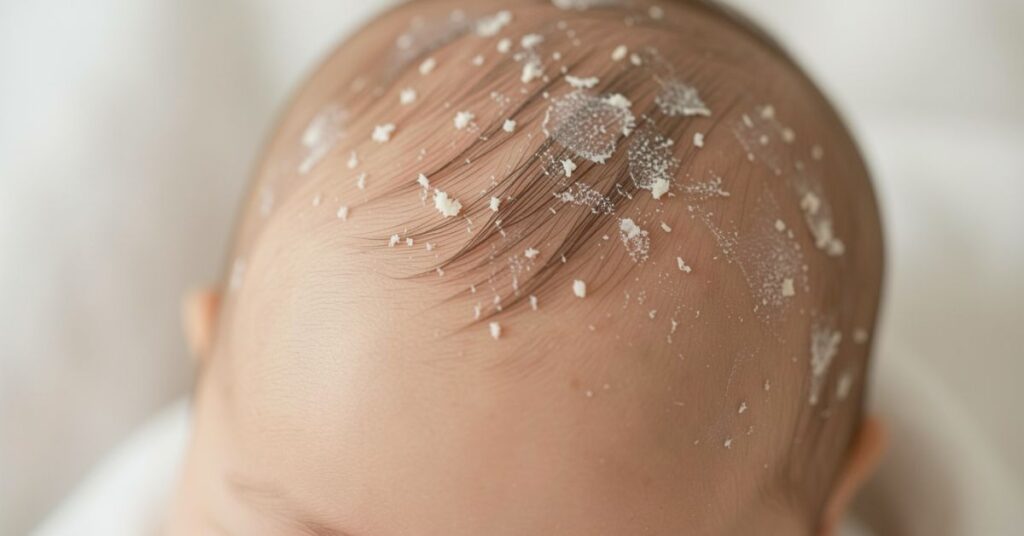
Many parents prefer starting with gentle, natural methods before considering medicated treatments. The good news is that cradle cap often responds well to simple scalp care. While no home remedy guarantees instant results, a consistent routine can help reduce flakes, loosen buildup, and keep your baby’s scalp healthy.
Natural care works best when parents focus on maintaining a clean scalp rather than trying to remove every scale at once. Cradle cap usually improves gradually, so patience is just as important as the treatment itself.
These supportive care methods can be used alone or alongside coconut oil for cradle cap treatments.
Gentle Washing for Baby’s Scalp
One of the simplest and most effective ways to manage cradle cap is regular washing with a mild baby shampoo. Washing helps remove excess oil, dead skin cells, and loose flakes before they accumulate into thicker patches.
The goal is not to scrub the scalp aggressively. Instead, use gentle circular motions with your fingertips while washing. A soft touch protects the skin barrier and prevents irritation.
Many parents notice that frequent gentle cleansing helps reduce visible flakes over time, especially when combined with occasional oil treatments.
Best Washing Practices
- Use lukewarm water.
- Choose a fragrance-free baby shampoo when possible.
- Massage gently with fingertips.
- Rinse thoroughly.
- Pat dry instead of rubbing with a towel.
A clean scalp creates a healthier environment and may reduce the amount of scaling that develops.
Soft Brushing to Reduce Flaking
Soft brushing remains one of the most effective non-medicated methods for managing cradle cap. After bathing, the flakes often become softer and easier to loosen.
A soft cradle cap brush can help lift scales that are ready to detach naturally. The key word is naturally. Never force flakes off the scalp.
Gentle brushing offers several benefits:
| Benefit | Why It Helps |
| Removes loose flakes | Improves scalp appearance |
| Prevents thick buildup | Reduces crust formation |
| Stimulates scalp circulation | Supports healthy skin renewal |
| Helps distribute natural oils | Maintains scalp balance |
Short brushing sessions are usually enough. Overbrushing can irritate sensitive skin and make the scalp red.
Parent Tip: Brush slowly and gently after bathing when flakes are naturally softer and easier to remove.
Other Home Care Tips That May Help
In addition to washing and brushing, a few simple habits can support healthier scalp care and reduce the appearance of cradle cap.
Keep the Scalp Clean and Dry
A clean scalp is less likely to develop heavy oil buildup. After bathing, dry the scalp gently and avoid leaving moisture trapped under hats or thick coverings.
Avoid Picking at Flakes
Parents often feel tempted to peel away visible scales. However, picking at cradle cap can damage the skin and increase irritation. Allow flakes to loosen naturally instead.
Use Baby-Friendly Products
Harsh shampoos, heavily scented products, and adult hair treatments can irritate a baby’s scalp. Stick to products designed specifically for infants whenever possible.
Wash Hats and Bedding Regularly
Clean hats, blankets, and bedding help maintain a hygienic environment for your baby’s scalp. While cradle cap is not caused by poor hygiene, clean fabrics can reduce irritation from accumulated oils and skin debris.
Monitor for Changes
Most cradle cap improves over time. However, if you notice worsening redness, swelling, or spreading patches, reassess your care routine and consult a healthcare professional if needed.
Natural Care Methods at a Glance
| Method | How Often | Main Benefit |
| Gentle shampooing | Several times weekly | Removes excess oil and flakes |
| Soft brushing | After bathing | Loosens scales safely |
| Coconut oil treatment | Occasionally as needed | Softens stubborn flakes |
| Clean bedding and hats | Weekly or as needed | Reduces scalp irritation |
| Avoid picking scales | Always | Protects sensitive skin |
What Natural Care Can and Cannot Do
Natural care methods can:
Soften flakes.
Reduce visible buildup.
Improve scalp appearance.
Support healthy skin maintenance.
Natural care methods cannot:
Cure underlying skin conditions.
Eliminate cradle cap overnight.
Replace medical treatment when infection or severe irritation is present.
Quick Takeaway
Gentle washing, soft brushing, and careful scalp care are often the foundation of successful cradle cap management. While coconut oil for cradle cap baby treatment can help soften scales, daily habits such as regular cleansing and avoiding aggressive removal techniques often make the biggest difference over time.
Coconut Oil for Cradle Cap vs Other Treatment Options
Coconut oil is one of the most popular home remedies for cradle cap, but it is far from the only option available. Parents today can choose from specialized cradle cap creams, baby shampoos, scalp brushes, and pediatrician-recommended treatments. Understanding how these options compare can help you decide what is best for your baby’s specific situation.
The right choice often depends on the severity of the cradle cap, your baby’s skin sensitivity, and how well the scalp responds to gentle home care. While coconut oil for cradle cap works well for some babies, others may see better results with alternative treatments.
The goal should always be safe, gentle, and effective scalp care rather than finding a quick fix.
Coconut Oil vs Cradle Cap Cream
Both coconut oil and cradle cap creams aim to soften flakes and improve scalp appearance, but they work in slightly different ways.
Coconut oil acts primarily as a natural moisturizer. It helps loosen crusty scales and makes them easier to remove during washing and brushing. Many parents appreciate that it contains a single ingredient and is readily available in most homes.
Cradle cap creams, on the other hand, are often formulated specifically for infant scalp care. Many contain ingredients designed to hydrate the skin, reduce scaling, and support the natural skin barrier. Some products may also include ingredients that help break down stubborn flakes more effectively than oil alone.
Comparison Table
| Feature | Coconut Oil | Cradle Cap Cream |
| Natural ingredient | Yes | Depends on product |
| Easy to find | Yes | Usually purchased separately |
| Softens flakes | Yes | Yes |
| Designed specifically for cradle cap | No | Yes |
| May help severe buildup | Limited | Often more effective |
| Risk of oily residue | Higher | Usually lower |
| Cost | Generally low | Varies by brand |
Parents often start with coconut oil because it is inexpensive and familiar. If the scalp does not improve after several weeks, a cradle cap cream may be worth considering.
Helpful Insight: The best treatment is not always the strongest one. The best treatment is the one that improves your baby’s scalp without causing irritation.
When an Alternative Treatment May Be Better
Although many families have positive experiences with coconut oil for cradle cap reviews, there are situations where another treatment option may provide better results.
Persistent or Severe Cradle Cap
If thick scales continue to return despite proper treatment, a specialized cradle cap product may be more effective. Some formulas are specifically developed to break down stubborn buildup while remaining gentle on infant skin.
Sensitive Skin Reactions
Not every baby tolerates coconut oil well. If redness, bumps, or irritation appear after use, switching to a different treatment may help.
Widespread Scalp Involvement
When cradle cap covers large areas of the scalp or extends beyond the head, a healthcare professional may recommend another approach. In some cases, medicated products may be necessary.
Unclear Diagnosis
Several skin conditions can resemble cradle cap. If the scalp looks unusually inflamed, itchy, or uncomfortable, the problem may not actually be cradle cap. Professional evaluation becomes especially important in these situations.
Other Common Treatment Options
Parents may encounter several alternatives while researching the best oil for cradle cap or other treatment methods.
Baby Shampoo Treatments
Specially formulated baby shampoos can help loosen flakes and reduce excess oil buildup. They are often recommended as a first-line approach for mild cradle cap.
Mineral Oil
Some healthcare providers suggest mineral oil as a temporary scalp-softening treatment. Like coconut oil, it helps loosen flakes before washing.
Petroleum Jelly
Petroleum jelly may soften thick scales and make removal easier. However, it should always be washed out thoroughly after treatment.
Pediatrician-Recommended Products
For stubborn cases, doctors may suggest medicated shampoos or treatments specifically designed for infant scalp conditions.
Which Option Is Best?
There is no universal answer because every baby’s scalp responds differently. The following guide can help parents choose a starting point:
| Situation | Potential Best Choice |
| Mild cradle cap | Gentle washing and brushing |
| Dry flaky patches | Coconut oil treatment |
| Thick stubborn scales | Cradle cap cream |
| Recurrent buildup | Specialized cradle cap products |
| Irritation or inflammation | Pediatrician evaluation |
| Uncertain diagnosis | Medical assessment |
What Parents Should Remember
Many online discussions, including coconut oil for cradle cap reddit conversations, reveal mixed experiences. Some parents see excellent results with coconut oil, while others report better outcomes from cradle cap creams or medicated products.
This variation is completely normal. Cradle cap differs from one baby to another, which means treatment success also varies. Instead of focusing on finding a miracle remedy, focus on finding a safe and gentle routine that works for your child.
Quick Takeaway
Coconut oil for cradle cap baby care can be an effective option for softening flakes and supporting scalp health. However, it is not always the best solution for severe, persistent, or recurring cases. Specialized cradle cap creams, gentle shampoos, and pediatrician-recommended treatments may provide better results when simple home care is not enough.
Key Takeaways
Cradle cap is a common and usually harmless condition that improves over time with proper care. Using coconut oil for cradle cap can help soften flakes and support gentle removal, but it should be used carefully and in small amounts.
The most important points to remember are:
- Coconut oil helps soften scales but does not cure cradle cap.
- Gentle washing and soft brushing are just as important as oil treatment.
- Overusing oil can sometimes worsen buildup.
- Every baby responds differently to treatment.
- Medical advice is needed if symptoms become severe or persistent.
With the right balance of gentle care, patience, and observation, most babies experience improvement without aggressive treatment.
FAQs:
Parents often have similar concerns when dealing with cradle cap, especially when considering coconut oil for cradle cap as a home treatment. Below are clear, practical answers to the most common questions.
Can Coconut Oil Get Rid of Cradle Cap?
Coconut oil does not directly cure cradle cap, but it can help manage it effectively in many mild cases. It works by softening the flakes and loosening the buildup on the scalp, which makes them easier to remove during gentle washing and brushing.
For some babies, consistent use improves the appearance of cradle cap significantly over time. However, for more stubborn or recurring cases, coconut oil alone may not be enough. In those situations, additional treatments like cradle cap creams or medicated shampoos may be needed.
What Oil Is Best for Cradle Cap?
There is no single “perfect” oil for every baby, but several options are commonly used for scalp care. Coconut oil is one of the most popular because it is natural, affordable, and widely available. Many parents prefer it as a first option for coconut oil for cradle cap baby care.
Other oils sometimes used include:
- Mineral oil (often recommended for its simplicity and low irritation risk)
- Baby oil (light and easy to apply, but may contain added ingredients)
- Olive oil (less commonly recommended due to potential residue buildup)
The “best oil” depends on how your baby’s skin reacts. If one option causes irritation or does not improve symptoms, switching to a different gentle alternative may help.
Can Too Much Oil Make Cradle Cap Worse?
Yes, using too much oil can actually make cradle cap look worse in some cases. While oil helps soften flakes, excessive amounts can trap dead skin cells and increase buildup on the scalp.
When parents overapply coconut oil for cradle cap, the scalp may become greasy, and flakes can clump together more tightly. This can make removal harder instead of easier.
To avoid this, always:
- Use a small amount of oil
- Apply only to affected areas
- Wash the scalp thoroughly after treatment
- Avoid daily heavy oiling unless advised by a doctor
Moderation is key to effective results.