Introduction :
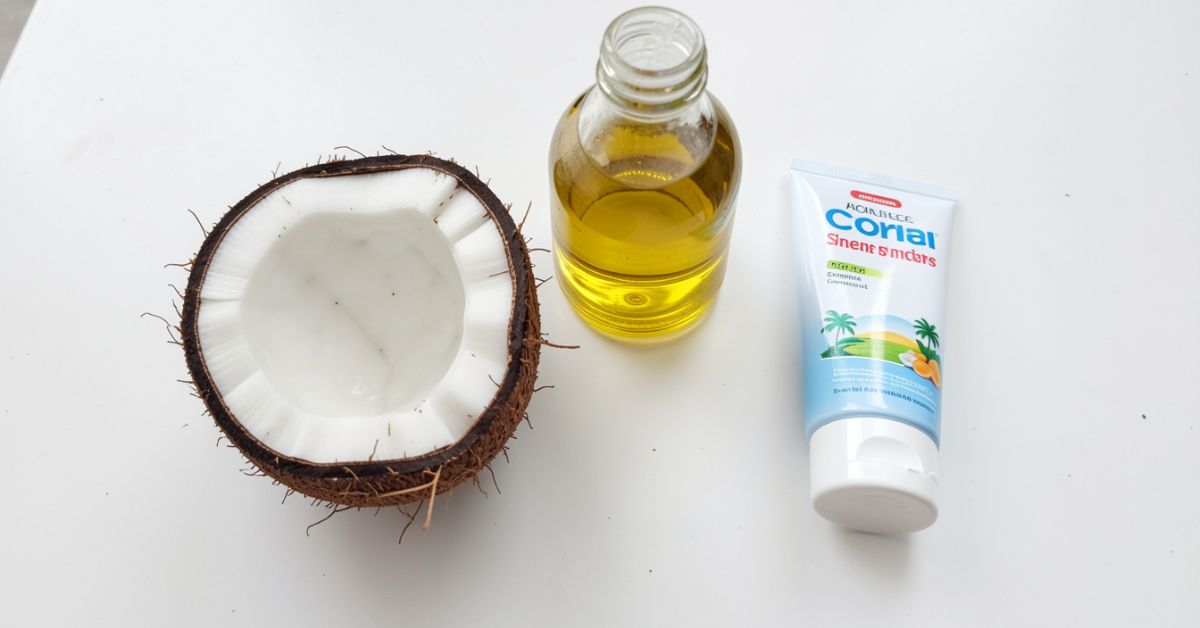
Coconut oil sunscreen has become a popular search term in natural skincare, but the idea behind it is often misunderstood. Many people use the phrase to describe coconut oil used on its own, coconut oil mixed into homemade sun care, or products that market coconut oil as a sun-friendly ingredient. The problem is simple: skin-softening oil is not the same thing as reliable sun protection.
This article clears up the confusion and gives you a smarter, safer view of the topic. You will learn what coconut oil sunscreen really means, where the idea came from, what it can and cannot do, and why so many people still trust it. The goal is not to dismiss coconut oil. The goal is to show how to use it in a way that supports your skin without putting your protection at risk.
What Coconut Oil Sunscreen Really Is
Why People Think Coconut Oil Works as Sunscreen
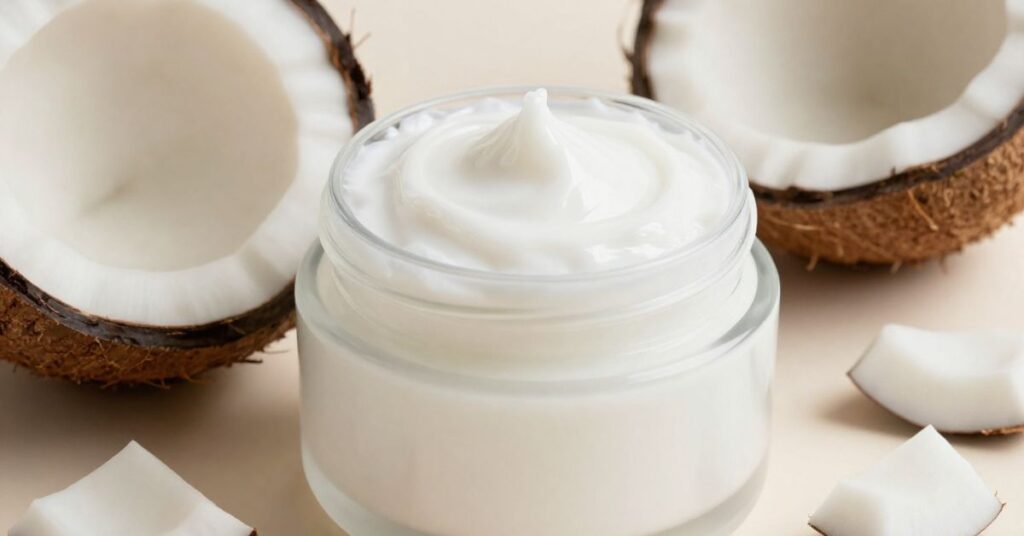
Many people assume coconut oil can work like sunscreen because it feels rich, protective, and nourishing on the skin. It creates a smooth layer, reduces dryness, and leaves the skin looking hydrated. That soft, coated feeling makes it seem like the skin is shielded from the sun.
The word “natural” also plays a big role. People often believe that if something comes from plants, it must be safe and effective for everything, including sun protection. Coconut oil fits perfectly into that idea because it is already popular in beauty, hair care, and body care routines.
Another reason people trust it is that coconut oil has a long history in home remedies. When something has been used for years in natural skincare, it often gains a reputation that feels stronger than the science behind it. That is exactly how coconut oil sunscreen became such a widely shared idea.
The Real Meaning of Coconut Oil Sunscreen
The phrase coconut oil sunscreen usually refers to the use of coconut oil as a DIY sun care method or as an ingredient in homemade sunscreen recipes. In most cases, it does not mean a regulated product with tested sun protection. That difference matters more than people realize.
A real sunscreen must be formulated to provide measurable UV protection. It should be tested, labeled, and used according to safety standards. Coconut oil alone does not meet that standard, even if it feels beneficial on the skin.
So when people say coconut oil sunscreen, they are often talking about a beauty trend, not a dependable sun defense product. That is why the term can sound useful while still creating dangerous confusion.
What This Natural Trend Gets Wrong
The biggest mistake with this trend is assuming that moisturizing and sun protection are the same thing. They are not. Coconut oil can help the skin feel softer, but softness does not mean safety under the sun.
Another problem is overconfidence. People may apply coconut oil and think they are protected well enough to stay outside longer. That false sense of security can lead to sunburn, skin damage, and avoidable exposure.
The trend also gets the science wrong. Sun protection depends on how well a product blocks or absorbs UV rays, how stable it stays in sunlight, and how consistently it performs on skin. Coconut oil may support the skin in other ways, but it does not solve those sun protection needs.
Section Snapshot
Coconut oil sunscreen is best understood as a popular idea, not a trusted replacement for sunscreen. It may make skin feel smooth and cared for, but it does not provide the level of UV protection people often assume. That is why the next section matters so much.
Can Coconut Oil Sunscreen Protect Your Skin?
This is the question most people search before trying coconut oil sunscreen. The answer needs more than a simple yes or no.
Coconut oil can support skin comfort and reduce dryness, but sun protection works differently. Protecting skin from sunlight requires tested UV filters, stable formulas, and measurable performance. A product that feels protective does not automatically protect against sun damage.
Understanding this difference can help you make safer skincare decisions and avoid common mistakes.
Understanding SPF and UV Protection
SPF stands for Sun Protection Factor. It measures how well a sunscreen helps protect skin from UVB rays, which are mainly linked with sunburn. Good sun care also considers UVA rays because they reach deeper into the skin and contribute to visible aging and long-term skin damage.
A quality sunscreen is designed to:
- Create even coverage across the skin
- Stay stable under sunlight
- Maintain protection for a period of time
- Reduce exposure to harmful UV radiation
Sun protection is not based on how oily, thick, or moisturizing a product feels. It depends on tested performance.
Here is a simple comparison:
| Feature | Coconut Oil | Proper Sunscreen |
| Moisturizes Skin | Yes | Often |
| Tested UV Protection | No | Yes |
| Reliable SPF Rating | No | Yes |
| Daily Sun Defense | Weak | Designed for it |
| Reapplication Guidance | No standard | Clear instructions |
This difference explains why confusion around coconut oil sunscreen continues.
Why Coconut Oil Does Not Block Sun Rays Properly
Coconut oil is mainly valued for its fatty acids and moisturizing qualities. Those qualities support skin softness, but they do not create dependable UV defense.
Sun rays interact with skin in complex ways. Effective sunscreens use active ingredients specifically created to absorb, scatter, or reflect UV radiation. Coconut oil was never developed for that purpose.
Even if someone uses a thick layer, coverage becomes uneven because oil moves, absorbs into the skin, and does not remain consistent throughout wear.
This becomes more risky when people stay outdoors longer because they believe the oil is protecting them.
Many homemade discussions also promote coconut oil sunscreen for the face without explaining that facial skin is exposed more frequently and may require consistent daily UV support.
The Difference Between Moisture and Sun Protection
One of the biggest reasons people trust coconut oil sunscreen is because hydrated skin feels healthier.
But hydration and protection are different jobs.
Moisture helps:
- Reduce the feeling of dryness
- Improve softness
- Support comfort after cleansing
- Improve the appearance of rough skin
Sun protection helps:
- Limit UV exposure
- Reduce sunburn risk
- Support long-term skin health
- Protect against environmental damage
Think of it this way:
Moisturizer improves how skin feels.
Sunscreen improves how skin is protected.
This is also important for people searching coconut oil sunscreen for oily skin. Oily skin still needs sun protection. Producing oil naturally does not mean skin becomes resistant to UV damage.
Quick Reality Check
If your goal is soft, nourished skin, coconut oil may have a place in your routine.
If your goal is dependable protection outdoors, coconut oil sunscreen should not be your main defense.
Understanding that difference is the smartest first step toward healthier sun habits.
Why Coconut Oil Sunscreen Became So Popular
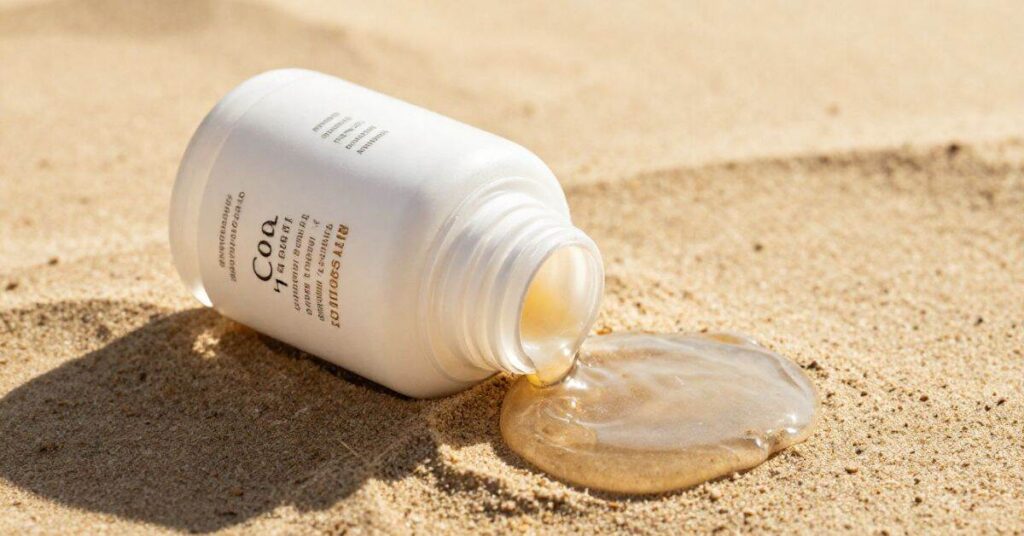
The popularity of coconut oil sunscreen did not happen by accident. It grew through beauty trends, natural wellness movements, social media advice, and the idea that simple ingredients are always better.
People today want skincare that feels clean, minimal, and easy to understand. Coconut oil became one of the biggest symbols of that movement. It was already used in hair care, body care, and home beauty routines, so many people naturally extended that trust into sun care.
The result was a trend that felt convincing even when the protection claims did not match reality.
The Natural Skincare Trend Behind It
Natural skincare changed how people shop for beauty products.
Many consumers started looking for:
- Short ingredient lists
- Plant-based formulas
- Less processed products
- DIY beauty solutions
- Multi-purpose ingredients
Coconut oil matched every one of those expectations.
Its popularity increased because people could use one jar for multiple purposes. It became common to see coconut oil recommended for dry skin, hair masks, makeup removal, body hydration, and eventually homemade sun care.
At the same time, online content began presenting natural skincare as automatically safer than traditional products. That message helped coconut oil sunscreen gain attention.
But natural ingredients and tested protection are not competing ideas. They solve different problems.
Why Coconut Oil Feels Safe and Effective
One reason this trend became so strong is because coconut oil creates an immediate visible effect.
After application, skin often looks:
- Softer
- Shinier
- Smoother
- More hydrated
- Healthier
That instant result can create the impression that the skin is protected.
People also connect comfort with effectiveness. If skin feels calm and moisturized after sun exposure, they may assume the oil prevented damage. In reality, skin can still receive UV exposure while feeling hydrated on the surface.
This is where many people misunderstand coconut oil sunscreen benefits.
Possible skin-supporting benefits may include:
- Helping reduce dryness
- Supporting softer-feeling skin
- Creating a temporary moisture seal
- Improving skin comfort after cleansing
Those benefits are not the same as measured sun protection.
The Marketing Problem With DIY Sun Care
DIY skincare content often spreads faster than science because it feels simple and empowering.
Homemade tutorials frequently promote ideas such as:
- “Natural SPF”
- “Chemical-free protection”
- “One ingredient solutions”
- “Kitchen-made sunscreen”
The challenge is that sunscreen is not a normal skincare product.
Reliable sun care requires:
- Stable formulas
- Controlled ingredient amounts
- Consistent performance
- Proper testing
A homemade mix cannot guarantee these conditions.
This is also why searches for the best coconut oil sunscreen can become confusing. Some users expect pure coconut oil to perform like a tested sunscreen, while others are actually searching for products that contain coconut oil alongside approved sun-protective ingredients.
Engagement Insight: Why This Trend Keeps Growing
People do not choose coconut oil sunscreen because they want less protection.
They choose it because they want:
- Simpler routines
- More natural products
- Gentler skincare
- Better skin health
The intention makes sense. The method often needs improvement.
Understanding why this trend became popular helps explain why so many people continue using it despite its limitations.
Read More:https://pureoilshub.com/coconut-oil-for-dandruff/
The Skin Benefits of Coconut Oil Sunscreen
Coconut oil sunscreen became popular partly because coconut oil does offer real skincare benefits. The confusion starts when those benefits are mistaken for sun protection.
Coconut oil can support the skin in several ways. It may help improve comfort, reduce dryness, and make skin feel smoother after exposure to heat, wind, or environmental stress. These effects make people believe it works as complete sun care.
The smarter approach is understanding where coconut oil helps and where it does not.
How Coconut Oil Helps Dry Skin
One of the biggest reasons people apply coconut oil is moisture support.
Coconut oil creates a layer over the skin that helps reduce moisture loss. This can leave skin feeling softer and less tight after washing or spending time outdoors.
People with dry skin often like coconut oil because it may help with:
- Temporary relief from rough texture
- Softer-feeling skin
- Improved surface smoothness
- Better moisture retention
This benefit becomes more noticeable after sun exposure because sunlight, heat, and outdoor conditions can leave skin feeling dry.
That is why many people searching for coconut oil sunscreen for their face are actually looking for hydration rather than UV protection.
A hydrated appearance can make skin look healthier, but moisture should never be confused with defense against sunlight.
Coconut Oil and Skin Barrier Support
Your skin barrier acts like a protective shield.
Its job is to:
- Hold moisture inside
- Limit water loss
- Support comfort
- Help maintain smoother skin
When the skin barrier feels disrupted, skin may appear rough, dull, or uncomfortable.
Coconut oil is popular because it can help support that outer layer and reduce the feeling of dryness. This is one of the most talked-about coconut oil sunscreen benefits.
Here is a simple breakdown:
| Skin Goal | Coconut Oil Support |
| Hydration | Good |
| Softness | Good |
| Moisture Retention | Good |
| UV Protection | Limited |
| Daily Sun Defense | Not reliable |
Skin barrier support is valuable, but it does not replace proper sun care.
Antioxidant Support After Sun Exposure
Another reason coconut oil receives attention in skincare is its natural antioxidant content.
Antioxidants are often discussed because they help support the skin against environmental stress. This has led some people to assume coconut oil can function as a sunscreen.
That assumption is where problems begin.
Antioxidant support and UV blocking are different processes.
After spending time outside, coconut oil may help the skin feel:
- More comfortable
- Less dry
- More conditioned
This makes coconut oil useful as part of an after-sun routine for some people.
A practical routine may look like this:
- Cleanse the skin gently
- Apply proper moisturizer if needed
- Use a small amount of coconut oil for dryness support
- Continue daily sun protection the next day
This approach gives coconut oil a realistic role instead of expecting it to perform as full sun defense.
Quick Takeaway
Coconut oil offers real skincare value.
It can:
Support moisture
Improve skin softness
Help the skin feel comfortable after sun exposure
But it cannot replace tested UV protection.
That distinction is the key to using coconut oil in a smarter and safer way.
The Hidden Risks of Coconut Oil Sunscreen
Coconut oil may feel nourishing, but relying on coconut oil sunscreen as your main defense can create problems that are easy to miss at first.
The biggest risk is not the oil itself. The real risk is believing your skin is protected when it is not.
Sun damage does not always appear immediately. Sometimes the skin feels comfortable while UV exposure continues underneath. That false sense of security is one of the main reasons natural sun care trends can become risky.
Understanding these hidden concerns helps you use coconut oil more wisely.
Sunburn Risk From Weak UV Defense
Many people apply coconut oil before going outside because the skin looks glossy and protected. Unfortunately, appearance does not equal protection.
Sunburn happens when UV exposure exceeds what your skin can safely handle. Reliable sunscreen is designed to reduce that exposure. Coconut oil was not developed for that purpose.
When used alone outdoors, coconut oil may create situations such as:
- Staying in direct sunlight longer than intended
- Delaying reapplication of real sunscreen
- Missing areas because oil spreads unevenly
- Assuming hydration means protection
People often notice the effects later, including:
| Possible Result | Why It Happens |
| Redness | Continued UV exposure |
| Dry feeling skin | Moisture loss after sun exposure |
| Uneven tanning | Inconsistent surface coverage |
| Discomfort | Extended time outdoors |
This becomes more important during long outdoor activities or peak daylight hours.
False Confidence in Natural Protection
False confidence is one of the most overlooked skincare risks.
Natural products often feel safer because they sound familiar and gentle. Coconut oil has built a strong reputation through years of beauty use, which can make people trust it more than they should in sun care.
Common beliefs include:
- “Natural means safer.”
- “My skin feels protected.”
- “I do not burn easily.”
- “Oil creates a barrier against sunlight.”
These assumptions can encourage habits that increase exposure.
This issue also affects users searching for coconut oil sunscreen for oily skin. Oily skin still receives UV exposure. Natural skin oils do not replace proper daily protection.
A comfortable skin feeling should never become the only signal that your sun care routine is working.
Why Coconut Oil Alone Is Not Enough
Coconut oil has strengths, but complete UV protection is not one of them.
Effective sun protection usually depends on multiple factors:
- Broad-spectrum coverage
- Consistent application
- Formula stability
- Reapplication during exposure
- Tested protective performance
Coconut oil does not deliver those features on its own.
That does not mean coconut oil has no place in skincare.
A better approach is:
Protection first → moisture second
For example:
- Apply a proper sunscreen before sun exposure
- Reapply as directed
- Use coconut oil later if your skin feels dry
This allows you to enjoy the comfort benefits without depending on coconut oil sunscreen as your only defense.
Reader Insight
The hidden danger is rarely immediate irritation.
The bigger issue is believing your routine protects you when it only moisturizes.
Understanding that difference makes your skincare routine stronger and safer over time.
Coconut Oil Sunscreen and the Science of UV Protection
Natural skincare trends often become popular faster than the science behind them. Coconut oil sunscreen is one of the clearest examples.
At first glance, the idea sounds reasonable. Coconut oil feels rich, creates a smooth layer on the skin, and is widely known for skin care benefits. But sun protection depends on much more than surface feel.
To understand why coconut oil struggles as sunscreen, it helps to look at how UV protection actually works.
How Coconut Oil Reacts Under Sunlight
When coconut oil is applied to the skin, it mainly acts as an emollient. That means it helps soften skin and reduce the feeling of dryness.
Under sunlight, coconut oil does not behave like a tested sunscreen filter.
Instead, several things happen:
- The oil spreads and shifts across the skin surface
- Body heat can change how evenly it sits on skin
- Sweat and movement reduce consistency
- Coverage becomes difficult to maintain
Because of this, one area of skin may end up with more oil while another area receives very little.
That uneven coverage matters because UV exposure is not reduced evenly.
People sometimes assume that because coconut oil feels thick, it forms a protective shield. In reality, skin comfort and UV filtering are separate functions.
Why Plant Oils Fail to Provide Stable SPF
Many DIY skincare trends promote plant oils as natural sun blockers.
This idea sounds appealing because plant oils are familiar and simple. The problem is consistency.
For something to function as dependable sun care, it should provide:
| Requirement | Why It Matters |
| Stable performance | Protection should remain consistent |
| Even application | Skin should receive similar coverage |
| Broad UV support | Multiple UV types matter |
| Repeatable results | Protection should not vary daily |
Plant oils generally struggle because their performance can change depending on:
- Ingredient source
- Extraction method
- Storage conditions
- Oxidation over time
- Application thickness
This is especially important when discussing coconut oil sunscreen ingredients in homemade mixtures. Adding oils together does not automatically create reliable SPF.
The result may feel luxurious on the skin while offering unpredictable protection.
What Dermatologists Say About Coconut Oil Sunscreen
Skin experts generally separate moisturizing products from sun-protective products.
The common recommendation is simple:
- Use sunscreen for UV protection
- Use oils for hydration and comfort
Dermatology guidance often emphasizes that moisturizing ingredients can support skin health, but protection should come from products specifically developed and tested for sun exposure.
This does not mean coconut oil has no value.
Coconut oil may still be useful for:
Supporting skin softness
Helping reduce dryness
Acting as part of after-sun care
Complementing a broader skincare routine
But it should not become the main layer of defense when spending time outdoors.
This distinction is especially useful for people searching for the best coconut oil sunscreen, because the better option is usually not pure coconut oil. It is a properly formulated sunscreen product that may include coconut-derived moisturizing ingredients.
Science Snapshot
Coconut oil works well as a skincare ingredient.
Sunscreen works well as a protective technology.
When those two roles are mixed together, expectations become unrealistic.
Using each product for its actual strength creates healthier and smarter sun habits.
Homemade Coconut Oil Sunscreen Recipes
Homemade skincare has become a major trend, and coconut oil sunscreen recipes are often shared as simple alternatives to store-bought products. People like them because they seem affordable, natural, and easy to make.
But there is an important distinction: these recipes should be viewed as DIY skincare blends for skin comfort, not as replacements for tested sun protection.
If you choose to experiment with natural skincare, use these ideas for hydration and skin feel not as your only UV defense.
Coconut Oil and Almond Oil Sunscreen Recipe
This is one of the most commonly shared natural oil combinations because both oils are known for their softening properties.
Ingredients
- 2 tablespoons coconut oil
- 1 tablespoon sweet almond oil
- 1 teaspoon shea butter (optional for texture)
Basic Preparation
- Add coconut oil and shea butter to a clean bowl.
- Stir until smooth.
- Mix in almond oil.
- Store in a clean glass container.
- Apply lightly to dry areas of skin.
Why People Use This Blend
- Leaves skin feeling softer
- Adds moisture to dry skin
- Creates a smooth finish
This mixture may feel pleasant after outdoor exposure but should not be treated as dependable sun protection.
Coconut Oil and Raspberry Seed Oil Sunscreen Recipe
Another popular DIY trend combines coconut oil with raspberry seed oil because natural skincare communities often discuss antioxidant-rich oils.
Ingredients
- 2 tablespoons coconut oil
- 1 tablespoon raspberry seed oil
- 1 teaspoon cocoa butter (optional)
Basic Preparation
- Soften coconut oil at room temperature.
- Add raspberry seed oil gradually.
- Mix until texture becomes even.
- Transfer to a clean container.
- Apply in small amounts where moisture is needed.
Why People Like This Formula
- Rich and nourishing texture
- Leaves skin feeling conditioned
- Works well in dry-weather routines
Many people search for a coconut oil sunscreen recipe expecting stronger protection, but homemade mixing does not create measured SPF.
Ingredients and Basic Preparation Steps
If you explore DIY skincare, ingredient quality and cleanliness matter.
Here are common coconut oil sunscreen ingredients found in homemade blends:
| Ingredient | Common Purpose |
| Coconut Oil | Moisture support |
| Almond Oil | Softer skin feel |
| Raspberry Seed Oil | Antioxidant support |
| Shea Butter | Rich texture |
| Cocoa Butter | Added conditioning |
Basic preparation principles:
- Use clean utensils
- Avoid water contamination
- Store in a cool location
- Make small batches
- Discontinue if irritation appears
DIY Reality Check
Homemade blends can be enjoyable for skin hydration.
They cannot tell you:
- Exact SPF
- UV coverage consistency
- Wear duration
- Reapplication intervals
That uncertainty is why DIY sun care deserves extra caution.
Use these recipes as skincare recipes not as complete sun protection.
Why DIY Coconut Oil Sunscreen Can Be Dangerous
DIY beauty content makes homemade sun care look simple. A few oils, a jar, and a quick mix can seem safer and more natural than buying a product.
But sunscreen is different from most skincare products.
A moisturizer can still work even if the formula changes slightly. Sun protection works differently because small changes in ingredients, texture, application, or storage can greatly affect performance.
That is why DIY coconut oil sunscreen creates risks people often do not notice.
Unmeasured SPF and Unreliable Protection
One of the biggest problems with homemade sun care is uncertainty.
When you buy a tested sunscreen, the protection level is designed to be measurable and repeatable. With homemade blends, there is no reliable way to know how much protection the skin receives.
This creates questions that DIY recipes cannot answer:
- How much UV exposure is reduced?
- Is protection even across the skin?
- How long does the blend remain effective?
- Does sweating reduce performance?
- How often should it be reapplied?
Without those answers, people may stay outside longer than intended.
Here is a simple comparison:
| Factor | DIY Coconut Oil Sunscreen | Tested Sunscreen |
| Measured Protection | No | Yes |
| Consistent Formula | Limited | Yes |
| Reapplication Guidance | Unclear | Yes |
| UV Performance Testing | No | Yes |
| Daily Reliability | Low | Designed for use |
This is why homemade mixtures should not replace daily protection.
Ingredient Variation in Homemade Recipes
Another hidden issue is variation.
Natural ingredients are not identical every time.
Even two containers of the same oil may differ because of:
- Processing methods
- Storage temperature
- Freshness
- Purity levels
- Ingredient blending ratios
That variation matters more than people expect.
Many users experimenting with coconut oil sunscreen ingredients assume combining several natural oils automatically improves protection. In reality, adding more ingredients does not guarantee stronger UV support.
Homemade formulas also change during use.
For example:
- Oils can separate
- Texture can shift in heat
- Coverage can become uneven
- Ingredients may degrade over time
These changes make protection difficult to predict.
Why Natural Does Not Always Mean Safe
One of the strongest beliefs in beauty marketing is that natural equals safe.
Natural ingredients can absolutely be useful.
But safe skincare depends on:
- Correct use
- Reliable formulation
- Skin compatibility
- Appropriate expectations
A natural product can still become risky if used for the wrong purpose.
Coconut oil is a good example.
It may work well for:
Moisture support
Skin softness
Comfort after cleansing
Supporting dry areas
But using coconut oil sunscreen as your only defense creates expectations it was never designed to meet.
This is especially important for people searching for the best coconut oil sunscreen. The safer choice is usually a tested sunscreen product that may include moisturizing ingredients rather than relying on homemade protection.
Smart Sun Care Reminder
DIY skincare can be creative and enjoyable.
DIY sun protection carries higher stakes because mistakes are harder to see until damage appears.
Use homemade coconut oil blends for skin care if you enjoy them but keep UV protection separate.
Safer Ways to Use Coconut Oil in Sun Care
Coconut oil does not need to be removed from your skincare routine completely. The key is using it in the right role.
Instead of treating coconut oil sunscreen as a replacement for UV protection, it works best as a supportive skincare step. When used correctly, it can help keep skin comfortable without increasing sun risk.
The goal is simple: protect first, nourish second.
Using Coconut Oil as an After-Sun Moisturizer
One of the safest and most effective uses of coconut oil is after sun exposure.
After spending time outdoors, skin often feels:
- Dry
- Warm
- Slightly tight
- Dehydrated
Coconut oil can help improve comfort by supporting moisture on the skin’s surface.
It may help:
- Reduce the feeling of dryness
- Improve skin softness
- Restore a smooth texture
- Support skin comfort after exposure
A simple after-sun routine:
- Clean skin gently with cool water
- Pat dry (do not rub harshly)
- Apply a light moisturizer first if needed
- Use a small amount of coconut oil on dry areas
This approach allows you to enjoy the benefits without relying on it for protection.
Pairing Coconut Oil With Proper Sunscreen
The safest strategy is not choosing between coconut oil and sunscreen, but using them together correctly.
A smart routine looks like this:
- Apply a broad-spectrum sunscreen before going outside
- Reapply sunscreen as directed (especially after sweating or swimming)
- Use coconut oil later for skin comfort and hydration
This separation is important because:
- Sunscreen handles UV protection
- Coconut oil handles moisture support
When people try to mix both into one product (like coconut oil sunscreen for face routines), they often lose consistency in protection.
Layering products in the correct order gives better results than blending them together.
Best Times to Use Coconut Oil on Skin
Timing matters when using coconut oil in sun care routines.
Here are the most effective times:
After Sun Exposure
Best for restoring moisture and reducing dryness.
Evening Routine
Helps nourish skin overnight when UV exposure is not a concern.
Low Sun Exposure Days
Useful for indoor days or cloudy weather when UV risk is lower.
On Dry Skin Areas Only
Good for elbows, knees, and rough patches that need extra softness.
Avoid using coconut oil alone:
- During peak sunlight hours
- At the beach or outdoor sports
- As your only sun protection layer
This is especially important for people searching for coconut oil sunscreen for oily skin, because oily skin still needs proper SPF regardless of sebum levels.
Practical Insight
Coconut oil becomes much more useful when it is treated as a support product, not a protection product.
That shift in mindset is what makes sun care safer and more effective.
Who Should Avoid Coconut Oil Sunscreen
Coconut oil sunscreen may sound gentle and natural, but it is not suitable for everyone. Skin type, sensitivity, and sun exposure habits all play a role in whether coconut oil is a good choice.
The biggest concern is not irritation alone, it is relying on coconut oil for sun protection when the skin actually needs reliable SPF coverage.
Some people are more at risk if they use coconut oil as their main sun care method.
Acne-Prone and Oily Skin Types
People with oily or acne-prone skin should be especially careful.
Coconut oil is highly rich and occlusive, meaning it forms a thick layer on the skin. For some skin types, this can lead to:
- Clogged pores
- Breakouts
- Excess shine
- Heavier skin feel
Oily skin already produces natural sebum. Adding coconut oil can sometimes increase congestion, especially on the face.
This is important for users searching for coconut oil sunscreen for oily skin, because oily skin still needs sun protection, but not necessarily heavy oils.
A better approach is:
- Lightweight, non-comedogenic sunscreen
- Gel-based or water-based formulas
- Oil-free sun protection products
Coconut oil can still be used in small amounts on dry body areas, but it should not replace sunscreen.
People With Sensitive Skin
Sensitive skin reacts more easily to environmental and product changes.
While coconut oil is often considered soothing, it is not universally gentle for all skin types. In some cases, it may:
- Trigger irritation
- Feel too heavy on delicate skin
- Cause redness in certain individuals
- Trap heat on the skin after sun exposure
Sensitive skin needs consistency and predictable behavior from products.
Since coconut oil sunscreen is not standardized, its effects can vary depending on how and where it is used.
People with sensitive skin should prioritize:
- Dermatologist-tested sunscreen
- Fragrance-free formulas
- Minimal ingredient products
- Patch testing before full use
Anyone Needing Strong Daily UV Protection
Some people require stronger and more consistent sun protection due to lifestyle or skin health needs.
This includes:
- People who spend long hours outdoors
- Individuals living in high-UV climates
- Those with a history of sun damage
- People using active skincare treatments (like retinoids or acids)
- Anyone with high sun exposure jobs
For these users, coconut oil sunscreen is not enough.
Sun exposure is cumulative. Even small gaps in protection can build over time.
In these cases, coconut oil should only be used as a supportive moisturizer—not part of primary sun defense.
Key Safety Reminder
Coconut oil is not harmful for most people when used correctly.
The risk comes from using it as:
- A sunscreen replacement
- A primary UV shield
- A standalone sun protection method
When used in the right role, it can still support skin comfort without increasing sun risk.
Better Alternatives to Coconut Oil Sunscreen
If your goal is real sun protection, coconut oil sunscreen is not the best option. The smarter approach is to separate moisturizing skincare from UV protection and choose products or habits that are scientifically tested.
The good news is that you still have many safer and effective alternatives that protect your skin without removing natural skincare from your routine.
Store-Bought Natural Sunscreens
Many modern sunscreens are now formulated with a “natural-friendly” approach while still providing tested UV protection.
These products often combine:
- Mineral UV filters
- Plant-based soothing ingredients
- Lightweight, skin-friendly textures
They are designed to give the best of both worlds: safer ingredients and reliable protection.
Unlike DIY coconut oil sunscreen, these products are tested for SPF performance and broad-spectrum coverage.
They are a better choice for daily use because they offer:
- Consistent UV protection
- Better stability in sunlight
- Safer long-term skin support
Mineral Sunscreens for Daily Use
Mineral sunscreens are one of the most reliable alternatives for people who want a gentle formula.
They typically use ingredients like zinc oxide or titanium dioxide, which work by sitting on top of the skin and reflecting UV rays.
Benefits include:
- Immediate protection after application
- Less irritation for many skin types
- Stable performance in sunlight
- Suitable for face and body use
Mineral sunscreens are especially useful for people who were previously interested in coconut oil sunscreen for the face; moreover, facial skin requires consistent and safe daily protection. In fact, the face is more exposed to sunlight compared to other areas of the body, so it needs stronger and more reliable coverage. Therefore, choosing a properly formulated sunscreen becomes essential for long-term skin health.
In addition, mineral sunscreens work by sitting on the skin’s surface and reflecting UV rays, which makes them a stable and effective option. As a result, they provide more dependable protection compared to untested natural alternatives. Furthermore, they are often recommended for daily use because they are gentle and suitable for sensitive facial skin. Consequently, switching to mineral sunscreen ensures both safety and consistent UV defense.
They are also a strong option for sensitive or reactive skin.
Shade, Clothing, and Smart Sun Habits
Sun protection is not only about products. Daily habits play a major role in keeping skin safe.
Some of the most effective non-product strategies include:
- Staying in shade during peak sunlight hours
- Wearing wide-brim hats or caps
- Using UV-protective clothing
- Wearing sunglasses to protect surrounding skin
- Planning outdoor activities in early morning or late afternoon
These habits reduce UV exposure without relying only on skincare products.
They also work well alongside sunscreen for stronger protection.
Why These Alternatives Work Better
The main difference between these alternatives and coconut oil sunscreen is reliability.
| Option | UV Protection | Consistency | Safety for Daily Use |
| Coconut Oil | Low / Unreliable | Variable | Not recommended alone |
| Mineral Sunscreen | High | Stable | Recommended |
| Clothing & Shade | High | Consistent | Very safe |
| DIY Blends | Unknown | Unpredictable | Not reliable |
Better alternatives do not remove natural skincare from your routine. Instead, they support it with science-backed protection.
Smart Skincare Insight
The best sun care routine is not about choosing between natural and synthetic.
It is about choosing what actually works.
You can still enjoy coconut oil for skin comfort but let proven sun protection handle UV defense.
Final Verdict on Coconut Oil Sunscreen
Coconut oil sunscreen has become popular because it feels natural, simple, and nourishing; however, when we separate skincare comfort from scientific sun protection, the reality becomes much clearer. Moreover, people often assume that natural ingredients automatically provide safety from the sun, but this is not always true. In fact, this misunderstanding can lead to inadequate protection during sun exposure.
Coconut oil is a useful skincare ingredient; however, it is not a reliable sunscreen. In addition, it can support hydration and improve skin softness, but it still cannot replace tested UV protection products. Therefore, relying on it for sun defense may leave the skin vulnerable to harmful UVA and UVB rays.
The smartest approach is not to reject coconut oil; instead, it is to understand its real role in your routine. Consequently, you can enjoy its moisturizing benefits while still using proper sunscreen for effective protection.
Is It Worth Using at All?
Coconut oil is worth using but not as a sunscreen replacement.
It works best as:
- A skin moisturizer for dry areas
- An after-sun comfort treatment
- A nighttime hydration support
- A body care ingredient for softness
However, it should not be used as:
- A primary sunscreen
- A daily UV protection layer
- A substitute for SPF products
- A standalone sun care solution
The difference is important because sun damage is cumulative and often invisible at first.
People searching for the best coconut oil sunscreen are usually looking for a simple solution. The truth is that the best solution is a combination of proper sunscreen plus supportive skincare, not a single DIY product.
The Safest Way to Protect Your Skin
A strong sun care routine is simple when broken down correctly:
- Use a broad-spectrum sunscreen daily
- Reapply it during prolonged outdoor exposure
- Add coconut oil only after sun exposure for moisture
- Support your skin with shade, clothing, and smart timing
This approach gives you both:
- Real protection from UV rays
- Real comfort for your skin barrier
It also avoids the biggest risk of coconut oil sunscreen: false confidence in protection.
Final Thought
Coconut oil is a valuable skincare ingredient; however, sun protection requires science, testing, and consistency. Moreover, when people rely on it alone, they may unintentionally skip proper UV protection. In fact, while it can support skin health in terms of moisture and softness, it still does not block harmful rays effectively. Therefore, it should never replace a tested sunscreen in daily use.
When used correctly, coconut oil supports your skin beautifully; for instance, it can help lock in moisture and improve skin texture. However, when it is misused as sunscreen, it can leave gaps in protection that may only show up later. As a result, the skin may experience hidden UV damage over time. Consequently, dermatologists recommend using it only as a moisturizer, not as a sun protection method.
The smartest skincare choice is simple:
Let coconut oil nourish your skin, and let real sunscreen protect it.
FAQs:
Is coconut oil sunscreen safe for daily use?
Coconut oil alone is not a safe or reliable daily sunscreen. It can moisturize the skin; however, it does not provide tested UV protection. Moreover, while it may help reduce dryness and improve skin softness, it still lacks any scientifically verified SPF value. In addition, it does not create a reliable barrier against UVA or UVB rays. Therefore, it cannot be considered a substitute for sunscreen. As a result, skin may still remain fully exposed to sun damage even after applying it.
Use proper sunscreen for daily sun defense.
Can coconut oil prevent tanning?
No, coconut oil cannot block UV rays effectively; therefore, it cannot prevent tanning in any real sense. In fact, although it may slightly moisturize the skin, it still does not stop UV exposure from reaching deeper skin layers. Moreover, while it can make the skin feel softer, it does not provide a protective barrier against UVA and UVB rays.
As a result, the skin remains exposed to sun damage even after application. Furthermore, unlike proper sunscreen, coconut oil lacks a scientifically proven SPF level that can reliably prevent tanning or burning. Consequently, relying on it for sun protection can lead to increased skin darkening and long-term damage.
Does coconut oil protect against UVA rays?
Coconut oil does not provide reliable protection against UVA rays. UVA protection requires specific tested filters found in proper sunscreen products.
Can coconut oil be mixed with sunscreen?
Moreover, mixing coconut oil with sunscreen is not recommended because it can dilute or weaken the SPF performance. In addition, when you combine oil with sunscreen, it may disrupt the even application that is needed for proper UV protection. As a result, the sunscreen layer may not form a stable barrier on the skin.
Therefore, its effectiveness can decrease significantly, leaving your skin less protected than expected. Furthermore, dermatologists often warn that adding oils like coconut oil can change how sunscreen absorbs and spreads. Consequently, instead of improving protection, this mixture may actually increase the risk of sun damage.
It is better to layer products separately.
Is coconut oil better than no sunscreen at all?
No. Coconut oil is not a substitute for sunscreen.Although it offers some moisturizing benefits, it does provide hydration to the skin; however, it does not deliver meaningful UV protection when compared with even a basic sunscreen. Moreover, while coconut oil can make the skin feel softer and smoother, it still cannot replace proper sun protection.
In fact, dermatologists clearly state that, in most cases, it fails to block harmful UVA and UVB rays effectively. Therefore, even if it seems natural and appealing, it should not be used as a standalone sunscreen. Instead, you should always pair moisturizing products with a clinically tested SPF for real protection.