Introduction:
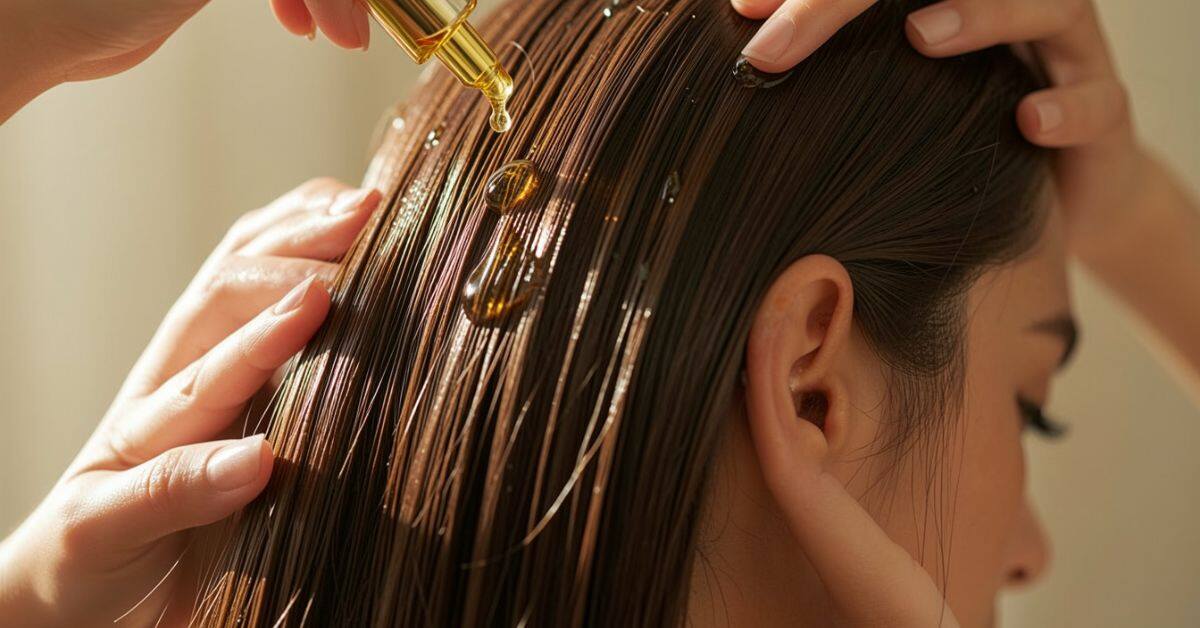
Healthy, shiny hair does not happen by chance. Instead, it comes from following the right hair care routine consistently. One of the oldest and most effective practices is how to oil your hair correctly. Although hair oiling has been used for centuries in many cultures, many people still apply oil the wrong way. As a result, they either fail to see results or experience greasy hair, product buildup, and unnecessary washing.
If you have ever wondered how to oil your hair for better moisture, less breakage, and healthier-looking strands, this guide will answer every important question. Moreover, you will learn which oils suit different hair types, how to apply them properly, when to oil your hair, and how often you should repeat the process for the best results.
Learning how to oil your hair is not simply about pouring oil onto your scalp. Instead, it involves choosing the right oil, applying the correct amount, massaging gently, and washing your at the right time. When done correctly, hair oiling can improve softness, reduce dryness, minimize frizz, and support a healthier scalp without making your hair feel heavy.
Whether your hair is straight, curly, wavy, coily, fine, thick, color-treated, or chemically processed, understanding how to oil your hair properly can help you build a routine that works specifically for your hair type. Furthermore, using the right technique helps maximize the benefits of natural oils while avoiding common mistakes that many people make.
In this complete guide, you will discover everything from selecting the best hair oil to creating a weekly oiling routine that supports healthier hair over time. Most importantly, every recommendation is based on practical hair care principles that are easy to follow at home.
What Is Hair Oiling and Why Is It Important?
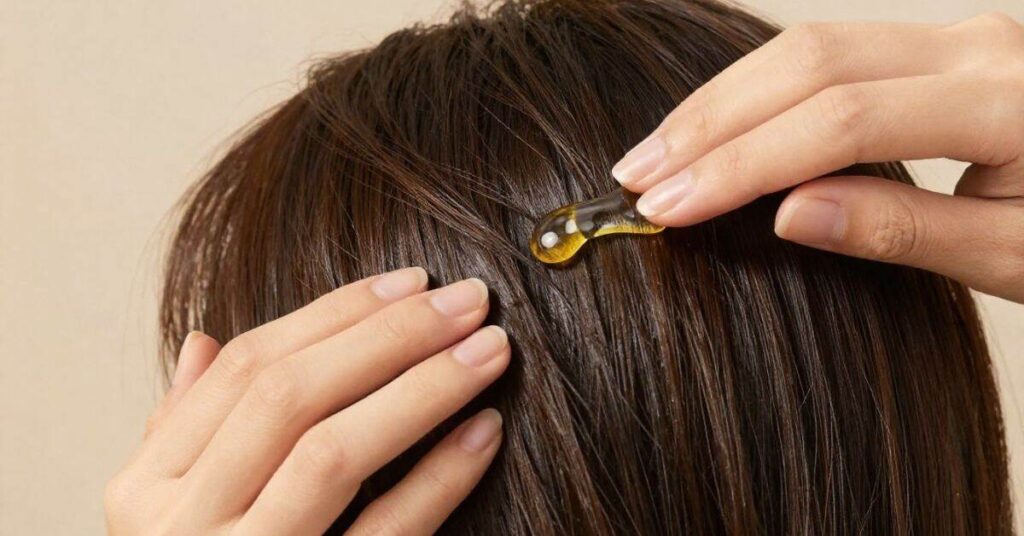
Hair oiling is the process of applying nourishing to the scalp, hair lengths, and ends to improve moisture, protect the hair shaft, and support overall hair health. While the exact method may vary depending on your hair type, learning how to oil your hair properly ensures that the oil provides maximum benefits without causing excessive buildup.
Unlike styling products that only improve appearance temporarily, hair oils work by coating the hair fiber, reducing moisture loss, improving lubrication between strands, and protecting hair from everyday damage caused by washing, heat styling, sunlight, pollution, and friction.
In addition, certain natural oils contain fatty acids, antioxidants, and vitamins that help maintain a healthier scalp environment. Although hair oil alone cannot magically grow new a healthy scalp creates better conditions for stronger and healthier hair over time.
Today, hair oiling is recommended by many dermatologists and hair care professionals as part of a balanced hair care routine, especially for people experiencing dryness, frizz, split ends, or frequent breakage. However, knowing how to oil your hair correctly is equally important because using too much oil or the wrong they can reduce its effectiveness.
Simply put, hair oiling is not about making your hair greasy. Instead, it is about giving your scalp and hair the nourishment and protection they need while maintaining the right balance of moisture.
How Hair Oiling Works
Understanding how to oil your they becomes much easier when you know what actually happens after applying the oil.
Hair oils create a protective layer around each strand. Consequently, this layer helps reduce water loss, smooths raised cuticles, and minimizes friction between hair fibers. As a result, your hair becomes softer, shinier, and easier to manage.
Some oils, such as coconut oil, have a unique molecular structure that allows them to penetrate the oils shaft more effectively than many other oils. Because of this, they may help reduce protein loss during washing and styling. On the other hand, lighter oils like argan mainly coat the surface of the hair, improving shine while reducing frizz.
When you gently massage oil into the scalp, the massage itself may also increase blood circulation temporarily. Although massage alone does not guarantee faster hair growth, it can help distribute natural scalp oils evenly and create a relaxing self-care experience.
Hair oiling also provides several protective benefits, including:
- Reduces moisture loss from hair
- Helps prevent dryness after shampooing
- Minimizes friction between hair strands
- Improves softness and manageability
- Reduces the appearance of frizz
- Adds natural-looking shine
- Helps protect hair from environmental stress
Therefore, learning how to oil your they correctly is less about using more product and more about using the right technique consistently.
Is Hair Oiling Right for Your Hair Type?
One of the biggest misconceptions is that every person should their hair in exactly the same way. In reality, different hair types require different oiling routines.
For example, dry, curly, and coily hair often benefits from regular oiling because these hair types lose moisture more quickly. Fine hair, however, usually needs lightweight oils in smaller amounts to avoid looking greasy. Meanwhile, oily scalps may only require oil on the mid-lengths and ends instead of the entire scalp.
Here is a quick comparison:
| Hair Type | Recommended Oiling Approach |
| Dry Hair | Oil 2–3 times weekly using richer oils like coconut or almond oil. |
| Normal Hair | Oil 1–2 times weekly with moderate amounts. |
| Oily Hair | Apply light oil mainly to the hair lengths and avoid excessive scalp oiling. |
| Curly Hair | Use nourishing oils regularly to reduce dryness and improve curl definition. |
| Fine Hair | Choose lightweight oils like argan oil and use a small quantity. |
| Thick Hair | Rich oils can deeply coat the strands and reduce frizz effectively. |
| Color-Treated Hair | Lightweight nourishing oils help improve softness while protecting damaged strands. |
Regardless of your hair type, the key is understanding how to oil your hair according to your individual needs rather than following a one-size-fits-all routine. Furthermore, selecting the right oil and applying the correct amount will produce far better results than simply using more product.
As you continue reading this guide, you will learn exactly how to your hair properly, choose the best oil for your hair type, and build a routine that supports healthier, stronger, and shinier hair over the long term.
Benefits of Learning How to Oil Your Hair Properly
Once you understand how to oil your the right way, it becomes much easier to build a hair care routine that delivers lasting results. Although hair oiling is a simple practice, using the correct technique can make a noticeable difference in your hair’s texture, strength, and overall appearance. Moreover, choosing the right oil and applying it consistently helps protect your hair from daily damage while improving its natural health over time.
Many people expect instant results after oiling their hair once or twice. However, healthy hair develops through regular care. Therefore, learning how to oil your properly for hair growth and overall hair health allows you to nourish both your scalp and hair strands without causing unnecessary buildup.
Below are the biggest benefits of following the correct hair oiling routine.
Keeps Hair Moisturized and Soft
One of the main reasons people learn how to oil your hair is to improve moisture retention. Hair loses moisture every day due to washing, heat styling, sun exposure, pollution, and changing weather conditions. As a result, dry hair often feels rough, becomes difficult to manage, and is more likely to develop split ends.
Hair oils help reduce moisture loss by creating a lightweight protective layer around each strand. Consequently, your hair stays hydrated for longer and feels smoother throughout the day.
Different oils provide different moisturizing benefits. For example:
| Hair Oil | Moisturizing Benefit |
| Coconut Oil | Deeply nourishes dry hair and reduces protein loss. |
| Argan Oil | Adds softness without making hair greasy. |
| Almond Oil | Improves smoothness and helps reduce rough texture. |
| Moringa Oil | Lightweight hydration for dull and dry hair. |
| Sesame Oil | Provides long-lasting nourishment for coarse hair. |
When you practice how to oil your hair correctly, your hair becomes noticeably softer because the cuticle remains smoother and retains moisture more effectively.
Additionally, hydrated hair is easier to detangle, making your daily styling routine much simpler.
Helps Reduce Hair Breakage
Hair breakage is one of the most common reasons people feel their hair is not growing. In many cases, the hair is actually growing from the roots, but the ends continue breaking before noticeable length is achieved.
Learning how to oil your hair helps reduce this problem by improving hair flexibility. Well-moisturized hair bends more easily instead of snapping under tension.
Furthermore, hair oil acts as a protective barrier that reduces friction while brushing, tying your hair, sleeping, or styling. Consequently, fewer strands break during everyday activities.
Regular hair oiling may help:
- Reduce breakage while combing
- Protect fragile hair strands
- Minimize split ends
- Improve elasticity
- Lower friction between hair fibers
- Reduce damage caused by frequent washing
Although hair oil cannot repair permanently split ends, it can help prevent new damage from developing when used consistently.
Improves Shine and Controls Frizz
Healthy hair naturally reflects light because its outer cuticle lies flat. Unfortunately, dryness, heat damage, and environmental stress can lift the cuticle, making hair appear dull and frizzy.
This is another reason why learning how to oil your hair is beneficial.
Natural oils smooth the outer surface of the hair shaft. Therefore, light reflects more evenly, giving your hair a healthy shine without relying on heavy styling products.
At the same time, oils help control frizz by sealing moisture inside the hair instead of allowing humidity to enter the strand. As a result, your hair becomes more manageable throughout the day.
People with curly, wavy, or coarse hair often notice the biggest improvement because these hair types naturally lose moisture faster than straight hair.
When combined with a proper washing routine, how to oil your hair can significantly improve softness while reducing flyaways and rough texture.
Supports a Healthy Scalp
Healthy hair starts with a healthy scalp. Therefore, scalp care should never be overlooked.
When you learn how to use hair oil on scalp correctly, you help maintain the scalp’s natural moisture balance without overloading it with excess oil.
A well-moisturized scalp may experience:
- Less dryness
- Reduced tightness
- Better comfort after washing
- Improved softness
- Less visible flaking caused by dry skin
In addition, gently massaging your scalp while applying oil helps distribute the product evenly. Moreover, the massage itself can temporarily improve blood circulation, creating a relaxing experience and supporting an overall healthy scalp environment.
However, moderation is important. Applying too much oil may lead to product buildup, especially if it is not washed out properly. Therefore, understanding how to oil your hair means using only the amount your scalp actually needs.
Helps Protect Hair from Damage
Every day, your hair faces multiple sources of damage. Heat tools, UV rays, pollution, chlorinated water, chemical treatments, and even brushing all place stress on the hair shaft.
Fortunately, learning how to oil your hair provides an extra layer of protection.
Hair oils reduce direct friction between strands, making them less likely to become rough or damaged during styling. Additionally, some oils help minimize protein loss, which is essential for maintaining stronger hair over time.
Hair oiling may help protect against:
- Heat styling damage (when used appropriately with heat protectants)
- Dryness after shampooing
- Mechanical damage from brushing
- Friction from pillowcases and clothing
- Environmental pollution
- Excessive moisture loss
It is important to remember that hair oil is not a substitute for a heat protectant or conditioner. Instead, it works best as part of a complete hair care routine.
Key Takeaway
Learning how to oil your hair is about much more than making your hair look shiny. When done correctly and consistently, hair oiling can help keep your hair moisturized, reduce breakage, improve shine, control frizz, support a healthier scalp, and protect your strands from everyday damage.
Most importantly, lasting results come from using the right oil, applying the correct amount, and following a routine that matches your unique hair type. In the next section, you’ll learn what oil to use for hair oiling and how to choose the best option based on your hair’s specific needs.
How to Choose the Best Hair Oil Before You Oil Your Hair

Choosing the right oil is just as important as learning how to oil your hair. Even the best application technique cannot deliver great results if the oil does not match your hair type or scalp condition. Every natural oil has a different composition, texture, and purpose. Some penetrate the hair shaft deeply, while others mainly coat the surface to improve shine and reduce moisture loss.
Therefore, before you begin how to oil your hair properly for hair growth, take a few minutes to understand what each oil offers. The right choice can help you address dryness, frizz, breakage, dullness, or scalp discomfort more effectively.
Pro Tip: Choose pure, cold-pressed oils whenever possible. They retain more of their natural nutrients and are usually free from unnecessary additives.
Coconut Oil
Coconut oil is one of the most researched and widely used hair oils in the world. Thanks to its high concentration of lauric acid, it can penetrate the hair shaft more effectively than many other oils. As a result, it helps reduce protein loss and strengthens hair from within.
If your hair feels dry, damaged, or brittle, coconut oil can be an excellent choice before washing your hair. It also works well for thick, curly, and coarse hair that needs deeper nourishment.
Best for:
- Dry hair
- Damaged hair
- Curly and coily hair
- Thick hair
- High-porosity hair
Benefits of coconut oil:
- Helps reduce protein loss
- Deeply moisturizes dry strands
- Improves softness
- Reduces breakage
- Adds natural shine
- Protects hair before shampooing
However, if you have very fine or low-porosity hair, use coconut oil sparingly because it may feel too heavy.
Argan Oil
Argan oil, often called “liquid gold,” is lightweight and absorbs quickly without leaving excessive residue. Rich in vitamin E, antioxidants, and essential fatty acids, it helps smooth the hair cuticle while adding softness and shine.
If you’re learning how to oil your hair and prefer a non-greasy finish, argan oil is one of the easiest oils to incorporate into your routine.
Best for:
- Fine hair
- Frizzy hair
- Color-treated hair
- Heat-damaged hair
- Normal hair
Benefits of argan oil:
- Controls frizz
- Adds lightweight moisture
- Enhances shine
- Improves manageability
- Helps protect against dryness
- Leaves hair soft without weighing it down
Because it is lightweight, argan oil can also be used in small amounts as a finishing oil after styling.
Almond Oil
Almond oil is packed with vitamin E, magnesium, and healthy fatty acids that help nourish both the scalp and hair strands. Its medium-weight texture makes it suitable for many hair types.
When used consistently, almond oil helps improve softness while reducing roughness and tangles.
Best for:
- Dry hair
- Normal hair
- Wavy hair
- Dull hair
- Hair prone to split ends
Benefits of almond oil:
- Softens rough hair
- Improves shine
- Helps reduce tangles
- Supports healthier-looking ends
- Adds lightweight nourishment
If your hair often feels rough after washing, almond oil is a great pre-shampoo treatment.
Sesame Oil
Sesame oil has been used in traditional hair care for centuries. It is rich in antioxidants, vitamin E, and essential fatty acids that help nourish dry hair while improving moisture retention.
Its thicker consistency makes it ideal for people with coarse or very dry hair that needs long-lasting hydration.
Best for:
- Dry scalp
- Thick hair
- Curly hair
- Coarse hair
Benefits of sesame oil:
- Deeply nourishes dry hair
- Helps reduce moisture loss
- Improves softness
- Adds shine
- Supports scalp hydration
Because sesame oil is rich and heavy, using a moderate amount is essential when practicing how to oil your hair.
Moringa Oil
Moringa oil is becoming increasingly popular because it offers deep nourishment without feeling overly heavy. It contains antioxidants, vitamins A and E, and oleic acid, making it suitable for maintaining soft, healthy-looking hair.
Its lightweight texture works well for people who want hydration without excessive greasiness.
Best for:
- Fine hair
- Dry hair
- Frizzy hair
- Dull hair
Benefits of moringa oil:
- Adds lightweight moisture
- Improves softness
- Smooths frizz
- Enhances shine
- Helps maintain healthy-looking hair
Moringa oil can be used before shampooing or as a light finishing oil on the hair lengths.
Bhringraj and Amla Oil
Bhringraj oil and amla oil are two traditional Ayurvedic oils that are commonly blended together. While more high-quality research is still needed to confirm all traditional claims, many people include these oils in their hair care routine because they help nourish the scalp and improve the overall appearance of the hair.
These oils are often chosen by people who want a regular scalp massage as part of their weekly routine.
Best for:
- Dry scalp
- Normal hair
- Thick hair
- Traditional hair care routines
Benefits of bhringraj and amla oil:
- Nourish the scalp
- Improve hair softness
- Enhance shine
- Help reduce dryness
- Support a healthy hair care routine
If you enjoy overnight oiling, these oils are commonly used as part of that practice, provided they are washed out properly the next day.
Which Hair Oil Is Best for Your Hair Type?
There is no single “best” hair oil for everyone. Instead, the ideal oil depends on your hair texture, scalp condition, and personal goals. Understanding your hair’s needs will help you get better results from how to oil your hair.
| Hair Type | Recommended Hair Oil | Why It Works |
| Dry Hair | Coconut Oil, Almond Oil, Sesame Oil | Deep nourishment and moisture retention |
| Oily Hair | Argan Oil, Moringa Oil | Lightweight hydration without excess grease |
| Fine Hair | Argan Oil, Moringa Oil | Won’t weigh hair down |
| Thick Hair | Coconut Oil, Sesame Oil | Rich oils coat thick strands effectively |
| Curly Hair | Coconut Oil, Almond Oil | Helps lock in moisture and reduce frizz |
| Frizzy Hair | Argan Oil, Moringa Oil | Smooths the hair cuticle for better control |
| Damaged Hair | Coconut Oil, Argan Oil | Helps protect hair from protein loss and dryness |
| Color-Treated Hair | Argan Oil | Adds softness and shine while remaining lightweight |
Quick Tips Before You Choose an Oil
- Match the oil to your hair type rather than following trends.
- Use lightweight oils for fine or oily hair.
- Choose richer oils if your hair is dry, thick, or curly.
- Perform a patch test if you’re trying a new oil.
- Select cold-pressed, high-quality oils with minimal added ingredients.
- Avoid applying excessive amounts more oil does not mean better results.
By selecting the right product first, you’ll make how to oil your hair far more effective and avoid common issues such as buildup, heaviness, or difficult washing. In the next section, you’ll learn the complete step-by-step process for applying hair oil correctly from preparing your hair to washing it out for the best possible results.
Read More:https://pureoilshub.com/jojoba-oil-for-low-porosity-hair/
How to Oil Your Hair Step by Step
Knowing how to oil your hair is more than simply pouring oil onto your scalp. The right technique helps the oil spread evenly, nourishes your hair without leaving excessive residue, and makes washing much easier afterward. In addition, following a proper routine ensures that your hair receives the maximum benefits while avoiding common mistakes such as over-oiling or product buildup.
If you’re wondering how to oil your hair properly for hair growth, follow the eight steps below. They are suitable for most hair types and can be adjusted based on your hair’s texture, length, and scalp condition.
Quick Tip: Less is often more. A moderate amount of oil applied correctly works better than soaking your entire head with oil.
Step 1: Choose the Right Hair Oil
The first step in how to oil your hair is selecting an oil that matches your hair type and hair goals. Different oils provide different benefits, so choosing wisely will improve your overall results.
For example, coconut oil is excellent for dry and damaged hair because it penetrates the hair shaft effectively. On the other hand, argan oil is lightweight and works well for fine or frizzy hair. If your hair needs extra nourishment, almond or sesame oil may be a better option.
Before applying any new oil, check the ingredient list. Ideally, choose a cold-pressed, pure oil with minimal additives or artificial fragrances.
Choose your oil based on your needs:
| Hair Concern | Recommended Oil |
| Dryness | Coconut Oil |
| Frizz | Argan Oil |
| Dull Hair | Almond Oil |
| Thick Hair | Sesame Oil |
| Lightweight Moisture | Moringa Oil |
| Scalp Nourishment | Bhringraj & Amla Oil |
Selecting the correct oil is the foundation of learning how to oil your hair effectively.
Step 2: Prepare Your Hair
Before applying oil, prepare your hair to ensure even distribution.
Start by gently brushing or combing your hair to remove knots and tangles. This simple step helps prevent breakage during application and allows the oil to spread more evenly from roots to ends.
Your hair should be dry or slightly damp not dripping wet. Excess water can reduce the oil’s ability to coat the hair properly.
If you use styling products regularly, make sure your hair is relatively clean before oiling. Heavy product buildup can prevent the oil from reaching the hair strands and scalp effectively.
A few minutes of preparation can significantly improve how to oil your hair and make the entire process smoother.
Step 3: Section Your Hair
Dividing your hair into sections makes oil application much easier, especially if your hair is long, thick, curly, or textured.
Use clips to divide your hair into four to six manageable sections. Then, work on one section at a time.
Sectioning helps you:
- Apply oil evenly
- Avoid missing areas
- Use less product
- Massage the scalp more effectively
- Reduce tangling during application
Instead of rushing through the process, take your time. Even application is one of the keys to mastering how to oil your hair.
Step 4: Apply Oil to Your Scalp
Now it’s time to apply the oil.
Pour a small amount into your palm or use a dropper bottle for better control. Then, place a few drops directly onto different areas of your scalp rather than emptying a large amount in one spot.
If you’re learning how to use hair oil on scalp, remember that your goal is to lightly coat the scalp not saturate it.
Move systematically from the front of your head toward the back until you’ve covered the entire scalp.
Avoid:
- Pouring excessive oil directly onto one area
- Scratching your scalp with your nails
- Applying more oil than necessary
Using the right amount makes how to oil your hair more effective and much easier to wash out later.
Step 5: Massage Your Scalp Gently
After applying the oil, gently massage your scalp using your fingertips.
Use slow, circular motions while applying light pressure. This helps distribute the oil evenly across the scalp and creates a relaxing experience.
Avoid using your fingernails because they can irritate the scalp.
A gentle scalp massage for about 5–10 minutes is usually enough.
Benefits of scalp massage include:
- Even distribution of oil
- Improved scalp comfort
- Reduced product concentration in one area
- A relaxing self-care routine
- Better absorption across the scalp
This step is an important part of how to oil your hair because it ensures the oil reaches all areas evenly.
Step 6: Apply Oil to the Hair Lengths and Ends
Once your scalp is covered, move on to the mid-lengths and ends of your hair.
The ends are the oldest and most fragile part of your hair, making them more vulnerable to dryness and split ends. Therefore, they often benefit the most from a light coating of oil.
Rub a few drops between your palms and smooth the oil gently through the hair.
Focus on:
- Mid-lengths
- Ends
- Dry sections
- Frizzy areas
Avoid applying excessive oil to healthy roots if your scalp already produces enough natural oil.
Learning how to oil your hair properly means balancing scalp care with strand protection.
Step 7: Leave the Oil on for the Right Amount of Time
One of the biggest questions people ask is how long they should leave hair oil in.
The answer depends on your hair type and the oil you’re using.
| Oiling Method | Recommended Time |
| Quick Treatment | 30–60 minutes |
| Deep Conditioning | 1–2 hours |
| Overnight Hair Oiling | 6–8 hours (if suitable for your scalp) |
If you’re trying how to oil your hair overnight, protect your pillow with a towel or wear a soft satin bonnet. However, overnight oiling is not necessary for everyone. Many people achieve excellent results by leaving the oil on for just one or two hours before shampooing.
Leaving oil on excessively long may increase product buildup, especially on oily scalps. Therefore, more time does not always mean better results.
Step 8: Wash Your Hair Properly
The final step in how to oil your hair is washing the oil out correctly.
Begin by thoroughly wetting your hair with lukewarm water. Next, apply a gentle shampoo to your scalp and massage it carefully. Depending on how much oil you used, you may need to shampoo twice.
After cleansing, apply conditioner mainly to the mid-lengths and ends to restore softness and improve manageability.
For the best results:
- Use a sulfate-free shampoo if it suits your hair.
- Avoid very hot water because it can dry out your hair.
- Rinse thoroughly to remove any remaining oil.
- Let your hair air-dry whenever possible, or use the lowest heat setting if blow-drying.
Proper washing completes the oiling process and helps you enjoy clean, soft, and nourished hair without greasy residue.
Step-by-Step Summary
| Step | What to Do | Why It Matters |
| 1 | Choose the right hair oil | Matches your hair type and concerns |
| 2 | Prepare your hair | Ensures even application |
| 3 | Section your hair | Prevents missed areas |
| 4 | Apply oil to the scalp | Nourishes the scalp evenly |
| 5 | Massage gently | Distributes oil and improves comfort |
| 6 | Oil the lengths and ends | Protects against dryness and breakage |
| 7 | Leave it on for the right time | Maximizes benefits without buildup |
| 8 | Wash thoroughly | Removes excess oil while keeping hair soft |
By following these steps consistently, you’ll master how to oil your hair in a way that supports healthier, smoother, and stronger hair over time. Up next, we’ll discuss when to oil your hair for the best results, including whether it’s better before shampooing, overnight, as a leave-in treatment, or before or after washing.
When to Oil Your Hair for the Best Results
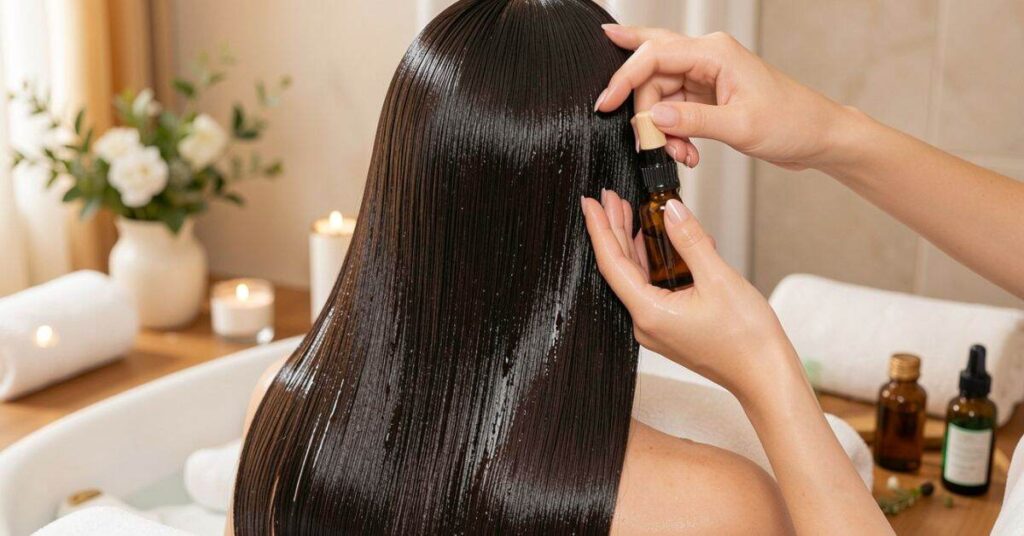
Learning how to oil your hair is only part of the process. Equally important is knowing when to apply hair oil. Timing can influence how well your hair absorbs the oil, how easy it is to wash out, and the overall benefits you receive.
There is no single schedule that works for everyone. Instead, the best time depends on your hair type, scalp condition, lifestyle, and the type of oil you are using. For example, someone with dry, curly hair may benefit from overnight oiling, while someone with an oily scalp may prefer applying oil just before shampooing.
If your goal is how to oil your hair properly for hair growth, focus on consistency rather than leaving oil in for long periods. Regular oiling with the correct technique is generally more effective than occasional heavy oil treatments.
Let’s explore the best times to oil your hair and the advantages of each method.
Before Shampooing
For most people, oiling before shampooing is the safest and most effective method. It allows the oil to nourish and protect your hair while making it easier to remove excess product during washing.
When you apply oil before washing, it forms a light protective layer around the hair shaft. Consequently, your hair is less likely to lose moisture during shampooing. This method is particularly helpful if your hair feels dry, rough, or damaged after every wash.
How to oil your hair before shampooing:
- Choose an oil that suits your hair type.
- Apply a small amount to your scalp and hair lengths.
- Massage your scalp gently for 5–10 minutes.
- Leave the oil on for 30 minutes to 2 hours.
- Wash with a gentle shampoo and follow with conditioner.
Benefits of pre-shampoo oiling:
- Helps reduce moisture loss
- Makes hair softer after washing
- Minimizes friction during shampooing
- Supports smoother, shinier hair
- Reduces the feeling of dryness after cleansing
For beginners learning how to oil your hair, this method is often the easiest to follow because it fits naturally into a regular wash day routine.
Overnight Hair Oiling
Many people believe that leaving oil on overnight automatically delivers better results. However, this is not always true. While how to oil your hair overnight can work well for some hair types, it is not necessary for everyone.
If your hair is extremely dry, thick, curly, or coarse, overnight oiling may provide extra time for the oil to coat the hair and improve softness. On the other hand, people with oily scalps or fine hair may wake up with greasy hair and product buildup.
If you decide to leave oil in overnight, use only a moderate amount. Excessive oil can stain bedding and may be more difficult to wash out the next morning.
Tips for overnight hair oiling:
- Apply a light to moderate amount of oil.
- Massage gently instead of rubbing aggressively.
- Cover your hair with a satin bonnet or wrap it in a soft microfiber towel.
- Protect your pillow with a clean pillowcase or towel.
- Shampoo your hair thoroughly the next morning.
Pros of overnight oiling:
- Provides extended nourishment for dry hair
- Helps soften coarse hair
- May improve manageability by morning
- Fits well into a nighttime self-care routine
Possible drawbacks:
- Can cause product buildup if done too often
- May feel too heavy for fine or oily hair
- Requires thorough cleansing the next day
Overnight oiling is optional, not essential. If leaving oil on for one to two hours works well for your hair, there is no need to keep it on all night.
As a Leave-In Hair Oil
Hair oil can also be used as a lightweight finishing product after washing. However, the key is using only a few drops.
Unlike pre-shampoo oiling, leave-in oil is applied mainly to the mid-lengths and ends—not the scalp. This helps smooth the hair cuticle, reduce frizz, and add shine without making the roots greasy.
Lightweight oils such as argan oil or moringa oil are excellent choices for this purpose.
How to use leave-in hair oil:
- Start with clean, towel-dried or dry hair.
- Rub 2–3 drops between your palms.
- Apply gently from the mid-lengths to the ends.
- Avoid the scalp unless the product is specifically designed for it.
Benefits of leave-in oil:
- Controls frizz throughout the day
- Adds natural shine
- Helps smooth flyaways
- Makes hair easier to style
- Improves softness without heaviness
If you are practicing how to oil your hair daily, remember that leave-in oil should be used sparingly. Too much can leave your hair looking greasy instead of healthy.
Before or After Washing Your Hair
One of the most common questions is whether you should oil your hair before washing or after washing. The answer depends on your hair care goals.
| Timing | Best For | Recommended? |
| Before Washing | Deep nourishment, moisture retention, scalp massage | Yes |
| After Washing | Frizz control, shine, styling | Yes (lightweight oils only) |
| Both | Dry, damaged, or curly hair | In moderation |
If your goal is deep conditioning, oil your hair before shampooing. This method helps protect your strands during cleansing and works well for most hair types.
If your goal is to tame frizz or add shine, apply a small amount of lightweight oil after washing to the lengths and ends.
For very dry or textured hair, combining both methods can work well. For example, you might use coconut oil before shampooing and a few drops of argan oil after styling.
The key to mastering how to oil your hair is understanding that different methods serve different purposes. Rather than choosing one approach for every situation, adapt your routine to your hair’s changing needs.
Quick Takeaway
The best time to oil your hair depends on your hair type and desired results. Pre-shampoo oiling is ideal for most people because it nourishes and protects the hair before cleansing. Overnight oiling can benefit very dry hair but is not required, while leave-in oils are excellent for controlling frizz and adding shine. By choosing the right timing and using the correct amount of oil, you’ll get the most out of your how to oil your hair routine without unnecessary buildup or greasiness.
How Often Should You Oil Your Hair?
One of the biggest questions people ask after learning how to oil your hair is how often they should do it. The truth is, there isn’t a universal schedule that works for everyone. Your ideal hair oiling routine depends on your hair type, scalp condition, lifestyle, and how frequently you wash your hair.
Some people benefit from oiling once a week, while others may need two or three sessions. At the same time, applying oil too often can lead to greasy hair, product buildup, and difficulty cleansing the scalp. Therefore, finding the right balance is essential.
If your goal is how to oil your hair properly for hair growth, remember that consistency matters more than frequency. Regular oiling with the correct technique is far more beneficial than applying excessive amounts of oil every day.
Below is a simple guide to help you decide how often should I oil my hair for growth and overall hair health.
For Dry Hair
Dry hair naturally struggles to retain moisture, making it more prone to roughness, frizz, and split ends. Because of this, it usually benefits from more frequent hair oiling than other hair types.
If you have dry hair, applying oil 2–3 times per week can help replenish lost moisture and improve softness. Rich oils such as coconut, almond, or sesame oil work particularly well because they provide long-lasting nourishment.
For the best results:
- Oil your hair before shampooing.
- Leave the oil on for 30 minutes to 2 hours.
- Focus on both the scalp and the hair lengths.
- Wash with a gentle shampoo to remove excess oil.
With a consistent routine, how to oil your hair becomes an effective way to reduce dryness and make your hair more manageable over time.
For Normal Hair
Normal hair usually maintains a healthy balance between moisture and natural oil production. As a result, it doesn’t require frequent oiling.
For most people with normal hair, oiling once or twice a week is enough to maintain softness, shine, and scalp comfort without causing buildup.
Lightweight to medium-weight oils, such as argan oil, almond oil, or moringa oil, are excellent choices for regular maintenance.
A simple weekly routine could look like this:
| Day | Hair Care Routine |
| Monday | Shampoo and condition |
| Wednesday | Apply hair oil before washing |
| Saturday | Deep oil treatment if needed |
This schedule keeps your hair nourished while preventing excessive oil accumulation.
For Oily Hair
Many people with oily scalps assume they should never oil their hair. However, that’s a common misconception.
Even if your scalp produces more natural oil, your hair lengths and ends can still become dry and damaged. The key is using the right oil and applying it in moderation.
If you have oily hair:
- Oil once every 7–10 days.
- Use lightweight oils like argan or moringa oil.
- Apply only a small amount.
- Focus mainly on the mid-lengths and ends.
- Avoid soaking the scalp with oil unless it feels dry.
This balanced approach allows you to enjoy the benefits of how to oil your hair without making your scalp feel excessively greasy.
How Often Should You Oil Your Hair Ends?
Your hair ends are the oldest and most fragile part of your hair. They receive less natural oil from the scalp and are more exposed to brushing, heat styling, and environmental damage. Therefore, they often need extra care.
Unlike scalp oiling, your hair ends can benefit from lightweight oil more frequently.
As a general guideline:
- Apply a few drops of lightweight oil to the ends 2–4 times per week, depending on dryness.
- Focus only on the bottom few inches of your hair.
- Avoid using too much product, as it can make the ends appear greasy instead of healthy.
Lightweight oils such as argan or moringa oil are ideal for this purpose because they add shine and softness without weighing the hair down.
Regularly caring for your ends can help:
- Reduce dryness
- Improve smoothness
- Minimize frizz
- Protect against split ends
- Make hair easier to style
Weekly Hair Oiling Schedule by Hair Type
If you’re unsure how to oil your hair in a week, this table provides a simple starting point.
| Hair Type | Oiling Frequency | Best Oils |
| Dry Hair | 2–3 times per week | Coconut, Sesame, Almond |
| Normal Hair | 1–2 times per week | Almond, Argan, Moringa |
| Oily Hair | Every 7–10 days | Argan, Moringa |
| Curly Hair | 2–3 times per week | Coconut, Almond |
| Fine Hair | Once a week | Argan, Moringa |
| Thick Hair | 2 times per week | Coconut, Sesame |
| Color-Treated Hair | Once a week | Argan, Almond |
Note: These recommendations are general. You may need to adjust your routine based on your climate, hair care products, and how your hair responds to oiling.
Signs You’re Oiling Too Often
Although hair oiling offers many benefits, excessive oiling can work against you. Pay attention to how your hair and scalp respond.
You may be oiling too frequently if you notice:
- Hair feels greasy shortly after washing
- Product buildup on the scalp
- Itchy or uncomfortable scalp
- Hair looks flat and lacks volume
- Shampoo struggles to remove the oil completely
If these signs appear, reduce your oiling frequency or switch to a lighter oil.
Signs Your Hair Needs More Oiling
On the other hand, your hair may benefit from more frequent oiling if you notice:
- Persistent dryness
- Increased frizz
- Rough texture
- Frequent tangles
- Dull appearance
- Split ends
- Hair feels stiff after shampooing
Increasing your oiling sessions gradually rather than using large amounts of oil at once often delivers better results.
Key Takeaway
There is no perfect schedule for everyone. The ideal frequency depends on your hair type, scalp condition, and daily routine. Dry hair generally benefits from oiling 2–3 times a week, normal hair does well with once or twice weekly, and oily hair usually requires once every 7–10 days. Most importantly, mastering how to oil your hair means listening to your hair’s needs and adjusting your routine as they change throughout the year.
In the next section, we’ll answer an important question: Should you oil your scalp or just your hair? You’ll learn when scalp oiling is beneficial, when it should be avoided, and how to decide which approach is right for you.
Should You Oil Your Scalp or Just Your Hair?
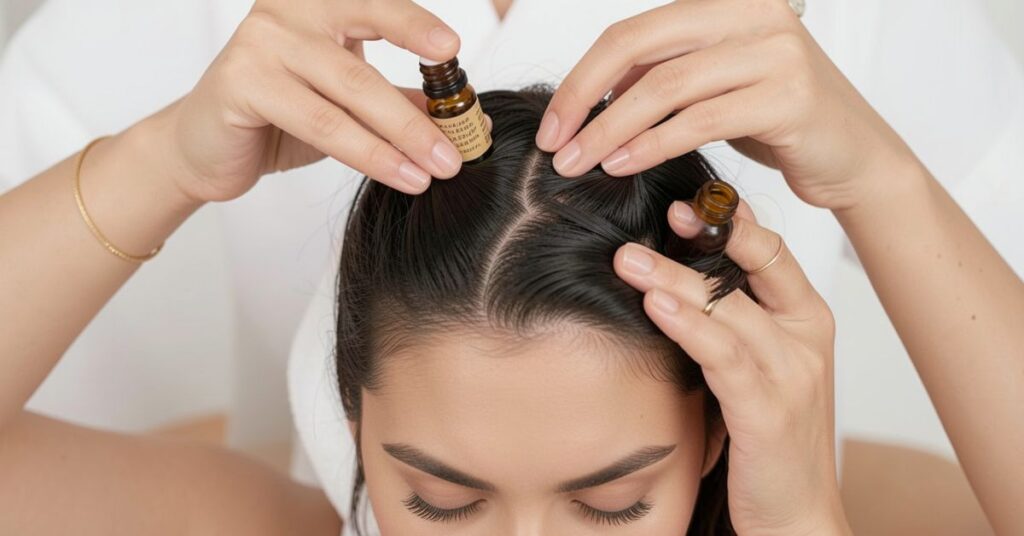
One of the most common questions people have after learning how to oil your hair is whether the oil should be applied directly to the scalp or only to the hair strands. The answer depends on your scalp condition, hair type, and the reason you’re using hair oil. While scalp oiling can be beneficial for some people, others may achieve better results by applying oil only to the mid-lengths and ends.
There is no one-size-fits-all approach. Instead, understanding your hair’s specific needs will help you decide where the oil should be applied. If your scalp feels healthy and balanced, you may not need to oil it every time. On the other hand, if your scalp feels dry or tight, targeted scalp oiling may improve comfort and support overall hair health.
The key to how to oil your hair successfully is applying the right amount of oil to the areas that need it most instead of covering your entire head with excessive product.
When Scalp Oiling Is Beneficial
Scalp oiling can be an excellent addition to your hair care routine when your scalp lacks moisture or feels uncomfortable. A healthy scalp creates the ideal environment for healthy hair, which is why many people include gentle scalp oiling as part of their weekly routine.
If you’re wondering how to use hair oil on scalp, start with a few drops of oil rather than pouring large amounts directly onto your head. Divide your hair into sections, apply small amounts along the partings, and gently massage with your fingertips for five to ten minutes. This method helps distribute the oil evenly while avoiding unnecessary buildup.
Scalp oiling is often beneficial if you have:
- A dry or tight scalp
- Flaking caused by dryness (not a medical scalp condition)
- Thick, curly, or coarse hair that loses moisture quickly
- Hair that feels dry after shampooing
- A weekly self-care routine that includes scalp massage
When performed correctly, scalp oiling can offer several benefits, including:
- Helps maintain the scalp’s natural moisture balance
- Reduces dryness and tightness
- Improves the distribution of natural scalp oils
- Makes the scalp feel more comfortable
- Supports softer, healthier-looking hair
- Creates a relaxing massage experience
However, remember that more oil does not produce better results. Using a moderate amount is one of the most important parts of how to oil your hair properly.
When You Should Avoid Oiling Your Scalp
Although scalp oiling works well for many people, it is not always the best choice. In some situations, applying oil directly to the scalp may make problems worse rather than better.
For example, if your scalp already produces a large amount of natural oil, adding more oil can leave your hair looking greasy and may contribute to product buildup. Likewise, if you use many styling products, frequent scalp oiling without proper cleansing can make it difficult to keep your scalp feeling fresh.
Signs You Should Avoid Scalp Oiling
You should avoid or limit scalp oiling if:
- Your scalp becomes oily within a day of washing.
- You notice heavy product buildup.
- Your scalp feels greasy most of the time.
- You have active scalp irritation or a scalp infection (consult a dermatologist instead).
- You struggle to remove oil completely during shampooing.
In these situations, it’s often better to apply oil only to the mid-lengths and ends, where hair is naturally drier and more prone to damage. This approach allows you to enjoy the moisturizing benefits of hair oil without overloading your scalp.
Where to Apply Hair Oil Based on Your Hair Type
A simple comparison can help you decide where to apply hair oil.
| Hair or Scalp Condition | Where to Apply Hair Oil |
|---|---|
| Dry scalp | Scalp and hair lengths |
| Dry hair with a normal scalp | Mainly hair lengths and ends |
| Oily scalp | Hair lengths and ends only |
| Curly or coily hair | Scalp (if dry), lengths, and ends |
| Fine hair | Small amount on lengths and ends |
| Thick or coarse hair | Scalp and entire hair in moderation |
Adjust Your Hair Oiling Routine as Needed
Ultimately, learning how to oil your hair means paying attention to how both your scalp and hair respond. If your scalp feels balanced after oiling, continue with a moderate routine. If it becomes greasy, itchy, or difficult to cleanse, reduce the amount of oil or apply it only where your hair needs extra nourishment.
There is no single hair oiling routine that works for everyone. Adjusting the amount of oil, the application method, and the frequency based on your hair type will help you achieve healthier, softer, and more manageable hair without unnecessary buildup. This personalized approach ensures you get the maximum benefits of how to oil your hair while keeping your scalp clean and comfortable.
Common Mistakes to Avoid When You Oil Your Hair

Even after learning how to oil your hair, many people unknowingly make small mistakes that reduce the benefits of hair oiling. In fact, the problem is often not the oil itself but how it is used. Applying too much oil, leaving it on for too long, or choosing the wrong product can make your hair feel greasy, heavy, and difficult to manage.
Fortunately, these mistakes are easy to avoid. By making a few simple adjustments to your routine, you can enjoy healthier, shinier, and softer hair while preventing unnecessary buildup and damage.
Let’s look at the most common hair oiling mistakes and how to avoid them.
Using Too Much Hair Oil
One of the biggest misconceptions about how to oil your hair is that using more oil will provide better results. However, this is not true. Hair can only absorb a limited amount of oil, and any excess simply sits on the surface of the hair and scalp.
Applying too much oil often leads to greasy hair that requires multiple rounds of shampooing to remove. Ironically, excessive washing can strip away natural moisture and leave your hair feeling dry again.
Instead of pouring oil directly onto your head, start with a small amount and add more only if necessary.
As a general guide:
| Hair Length | Suggested Amount |
| Short Hair | 1–2 teaspoons |
| Medium Hair | 2–3 teaspoons |
| Long Hair | 3–4 teaspoons |
| Thick or Curly Hair | Adjust slightly based on density |
Signs that you’re using too much oil include:
- Hair feels sticky or greasy after washing.
- Shampoo does not remove the oil easily.
- Hair appears flat with little volume.
- Dust and dirt stick to the hair more quickly.
- The scalp feels heavy or uncomfortable.
When practicing how to oil your hair, remember that a thin, even layer works much better than soaking your entire scalp.
Leaving Hair Oil on Too Long
Many people believe that leaving hair oil on overnight—or even longer—will automatically produce healthier hair. While overnight oiling can benefit some hair types, keeping oil on for excessive periods is usually unnecessary.
Once the oil has coated your hair and scalp, extending the application time does not significantly increase its effectiveness. Instead, it may lead to product buildup, clogged hair follicles, or a greasy scalp that requires stronger cleansing.
For most hair types, these time frames work well:
| Oiling Method | Recommended Time |
| Quick Nourishing Treatment | 30–60 minutes |
| Deep Conditioning | 1–2 hours |
| Overnight Oiling | 6–8 hours (occasionally if suitable) |
If you’re trying how to oil your hair overnight, use only a moderate amount of oil and wash it out thoroughly the following morning. This approach helps you enjoy the benefits without leaving behind excess residue.
Choosing the Wrong Hair Oil
Not every hair oil is suitable for every hair type. Choosing the wrong oil can leave your hair feeling heavy, greasy, or even drier than before.
For example, coconut oil is an excellent choice for many people with dry or damaged hair. However, someone with fine or oily hair may find it too rich. Similarly, lightweight oils such as argan or moringa oil may not provide enough nourishment for very coarse or highly textured hair.
Before selecting a product, consider:
- Your hair texture
- Your scalp type
- Your hair density
- Whether your hair is color-treated or chemically processed
- Your primary concern (dryness, frizz, breakage, or dullness)
Here’s a quick reference:
| Hair Type | Better Oil Choices |
| Dry Hair | Coconut, Almond, Sesame |
| Fine Hair | Argan, Moringa |
| Oily Hair | Argan, Moringa |
| Curly Hair | Coconut, Almond |
| Thick Hair | Coconut, Sesame |
| Color-Treated Hair | Argan |
Choosing the right oil is one of the most important parts of how to oil your hair successfully.
Washing Your Hair Incorrectly After Oiling
The benefits of hair oiling can quickly disappear if you don’t wash your hair properly afterward. Some people leave oil behind because they rinse too quickly, while others use harsh shampoos that remove both the oil and the hair’s natural moisture.
The goal is to remove excess oil without over-drying your hair.
For the best results:
- Wet your hair thoroughly with lukewarm water.
- Apply shampoo mainly to your scalp.
- Massage gently using your fingertips.
- Shampoo a second time if needed.
- Apply conditioner to the mid-lengths and ends.
- Rinse thoroughly before drying.
Avoid these common washing mistakes:
- Using extremely hot water
- Scrubbing the scalp aggressively with your nails
- Skipping conditioner after shampooing
- Leaving shampoo residue in the hair
- Using a clarifying shampoo too often unless buildup is present
A proper wash completes the how to oil your hair routine and leaves your hair clean, soft, and easy to manage.
Quick Summary of Mistakes to Avoid
| Mistake | Why It’s a Problem | Better Approach |
| Using too much oil | Causes buildup and greasy hair | Apply a small, even amount |
| Leaving oil on too long | May lead to residue and difficult cleansing | Follow recommended timing |
| Choosing the wrong oil | May not suit your hair type | Match the oil to your hair’s needs |
| Washing incorrectly | Leaves residue or strips moisture | Use a gentle shampoo and condition afterward |
Expert Tips to Oil Your Hair More Effectively
Once you understand how to oil your hair, a few expert techniques can make your routine even more effective. While choosing the right oil and applying it correctly are essential, small details such as warming the oil, using the proper massage technique, and maintaining a consistent schedule can significantly improve your results over time.
Professional hairstylists often emphasize that healthy hair is the result of regular care rather than occasional treatments. Therefore, instead of relying on a single deep oiling session, focus on building a routine that works with your hair type and lifestyle.
The following expert tips will help you get the most out of every hair oiling session.
Warm the Oil Before Applying
One of the simplest ways to improve how to oil your hair is to slightly warm the oil before application. Warm oil spreads more easily through the hair, feels more comfortable on the scalp, and provides a relaxing hair care experience.
However, “warm” does not mean hot. Overheating the oil can reduce the quality of some natural compounds and may even irritate your scalp.
A safe way to warm hair oil is by placing the bottle in a bowl of warm water for a few minutes. This gently raises the temperature without exposing the oil to direct heat.
Benefits of warming hair oil:
- Spreads more evenly through the hair
- Makes scalp massage more comfortable
- Helps coat each hair strand effectively
- Creates a relaxing self-care routine
- Improves the overall application experience
Before applying the oil, test a small drop on the inside of your wrist. If it feels comfortably warm, not hot it is ready to use.
Massage Gently Without Pulling Hair
A gentle scalp massage is an important part of how to oil your hair, but many people apply far too much pressure. Pulling, scratching, or rubbing aggressively can increase hair breakage and irritate the scalp.
Instead, use the pads of your fingertips to massage in slow, circular motions. Start at the front of your scalp and gradually work toward the back while covering every section evenly.
Aim to massage for 5–10 minutes. This is usually enough to distribute the oil thoroughly without causing unnecessary friction.
Best scalp massage practices:
- Use your fingertips instead of your fingernails.
- Apply light, even pressure.
- Massage in circular motions.
- Cover the entire scalp systematically.
- Avoid pulling or twisting the hair.
A gentle massage not only helps spread the oil evenly but also turns hair oiling into a calming part of your weekly self-care routine.
Be Consistent With Your Hair Oiling Routine
One of the biggest reasons people fail to see results is inconsistency. Learning how to oil your hair once is helpful, but making it part of your regular routine is what leads to healthier-looking hair over time.
Rather than applying large amounts of oil occasionally, follow a schedule that suits your hair type. For example, dry hair may benefit from oiling two or three times a week, while normal or oily hair usually requires less frequent treatments.
A simple routine is easier to maintain than a complicated one.
Example weekly hair oiling routine:
| Hair Type | Recommended Routine |
| Dry Hair | Oil 2–3 times weekly before shampooing |
| Normal Hair | Oil 1–2 times weekly |
| Oily Hair | Oil every 7–10 days |
| Curly Hair | Oil 2–3 times weekly, focusing on moisture |
| Fine Hair | Use lightweight oil once a week |
Consistency also helps you evaluate how your hair responds to different oils. If your hair becomes softer, shinier, and easier to manage, your routine is likely working well.
Pair Hair Oiling With a Healthy Hair Care Routine
Although mastering how to oil your hair is valuable, hair oil alone cannot solve every hair concern. Healthy hair depends on a complete routine that protects the hair from damage while maintaining proper moisture and cleanliness.
To get the best results, combine hair oiling with other healthy habits.
A balanced hair care routine should include:
- Washing your hair with a gentle shampoo suitable for your scalp type.
- Conditioning the mid-lengths and ends after every wash.
- Limiting excessive heat styling whenever possible.
- Using a heat protectant before blow-drying or straightening.
- Trimming split ends regularly.
- Protecting your hair from excessive sun exposure.
- Sleeping on a satin or silk pillowcase to reduce friction.
- Eating a balanced diet rich in protein, healthy fats, vitamins, and minerals.
- Staying hydrated throughout the day.
When these habits are combined with how to oil your hair correctly, they help improve the overall appearance, softness, and strength of your hair while reducing everyday damage.
Expert Hair Oiling Checklist
Use this checklist every time you oil your hair to ensure you’re following the best practices:
| Best Practice | Why It Matters |
| Choose the right oil | Matches your hair type and concerns |
| Warm the oil slightly | Makes application smoother and more comfortable |
| Section your hair | Ensures even coverage |
| Apply a moderate amount | Prevents greasy buildup |
| Massage gently | Distributes oil without causing breakage |
| Leave the oil on for the recommended time | Maximizes benefits without excess residue |
| Wash with a gentle shampoo | Removes excess oil while maintaining moisture |
| Follow a consistent routine | Delivers better long-term results |
Key Takeaway
The secret to successful hair oiling is not using more oil, it’s using the right technique consistently. By warming the oil slightly, massaging gently, following a regular schedule, and combining oiling with a healthy hair care routine, you’ll maximize the benefits of how to oil your hair. Over time, these small but effective habits can help your hair feel softer, look shinier, and become easier to manage while supporting overall hair health.
Final Thoughts on How to Oil Your Hair
Learning how to oil your hair is one of the simplest ways to improve your overall hair care routine. While hair oiling is an age-old practice, its benefits depend on using the right oil, applying the correct amount, and following a routine that matches your hair type. Consistency, rather than excess, is the key to achieving healthier-looking hair.
Whether your goal is to reduce dryness, control frizz, improve shine, or minimize breakage, understanding how to oil your hair can help you care for your hair more effectively. From choosing the best oil to knowing when and how often to apply it, every step contributes to stronger, softer, and more manageable hair over time.
Remember that healthy hair is built through good daily habits. Pair regular hair oiling with gentle cleansing, conditioning, heat protection, a balanced diet, and proper hydration for the best long-term results. Small, consistent improvements in your routine often lead to the biggest changes.
Now that you know how to oil your hair correctly, you can confidently create a routine that suits your unique hair type and supports healthy, beautiful hair for years to come.
FAQs:
How do you oil your hair correctly?
The correct way to oil your hair starts with choosing an oil that suits your hair type. First, gently detangle your hair and divide it into sections. Next, apply a small amount of oil directly to your scalp using your fingertips or a dropper. Then, massage your scalp for 5–10 minutes using gentle circular motions.
After that, spread a light layer of oil through the mid-lengths and ends, paying extra attention to dry or damaged areas. Leave the oil on for 30 minutes to 2 hours, or overnight if your type tolerates it well. Finally, wash your hair with a gentle shampoo and follow with a conditioner. This method helps keep your hair moisturized while avoiding excessive buildup.
Should you oil your hair on wet or dry hair?
In most cases, it is best to practice on dry or slightly damp hair. Dry hair allows the oil to coat each strand evenly, while slightly damp hair can help lock in moisture.
Avoid applying hair oil to soaking wet hair because the excess water can prevent the oil from spreading properly. If you’re using a lightweight leave-in oil after washing, apply only a few drops to towel-dried hair, focusing on the mid-lengths and ends instead of the scalp.
How long should you leave hair oil in your hair?
The ideal time depends on your hair type and the purpose of oiling. For most people, leaving the oil on for 30 minutes to 2 hours provides excellent results.
If you are trying how to oil your overnight, use only a moderate amount of oil and shampoo your hair thoroughly the following morning. Overnight oiling can benefit very dry or coarse hair, but it is not necessary for everyone. Leaving oil on for extremely long periods does not usually provide additional benefits and may contribute to product buildup.
How often should you oil your hair?
The answer depends on your hair type.
- Dry hair: 2–3 times per week
- Normal hair: 1–2 times per week
- Oily hair: Every 7–10 days
- Curly or textured hair: 2–3 times per week, depending on moisture needs
If your goal is how often should I oil my hair for growth, focus on maintaining a consistent routine rather than increasing the amount of oil you use. Healthy hair care habits over time are more important than frequent heavy oiling sessions.
Can you leave hair oil in overnight?
Yes, you can leave hair oil in overnight if it suits your hair type. This method works particularly well for people with dry, thick, or curly hair because it provides longer-lasting nourishment.
However, overnight oiling is optional. Many people achieve excellent results by leaving the oil on for just one or two hours before shampooing. If you decide to try how to oil your hair overnight, use a moderate amount of oil, protect your pillow with a satin bonnet or towel, and wash your hair thoroughly the next morning.
Which hair oil is best for hair growth?
There is no single hair oil that guarantees faster hair growth. However, some oils can help create a healthier scalp environment and reduce breakage, making it easier to maintain longer, stronger hair over time.
Here are some popular options:
| Hair Oil | Main Benefit |
| Coconut Oil | Helps reduce protein loss and moisturizes dry hair |
| Argan Oil | Adds shine and controls frizz |
| Almond Oil | Softens hair and improves manageability |
| Moringa Oil | Provides lightweight nourishment |
| Sesame Oil | Deeply moisturizes coarse hair |
| Bhringraj & Amla Oil | Traditionally used to support healthy-looking hair |
The best choice depends on your hair type, scalp condition, and overall hair care routine. Pairing the right oil with the correct how to oil your hair technique often delivers the best results.
Can hair oil replace conditioner?
No. Hair oil and conditioner serve different purposes, and one should not replace the other.
Hair oil mainly helps reduce moisture loss, smooth the hair cuticle, and add shine. Conditioner, on the other hand, is formulated to soften the hair after shampooing, improve detangling, and make hair easier to manage.
For the healthiest results, use both products as part of your regular routine:
- Apply hair oil before shampooing or as a lightweight leave-in treatment.
- Shampoo to cleanse the scalp and remove excess oil.
- Finish with conditioner on the mid-lengths and ends to restore softness and hydration.
Using both products together provides more complete care than relying on either one alone.