Introduction:
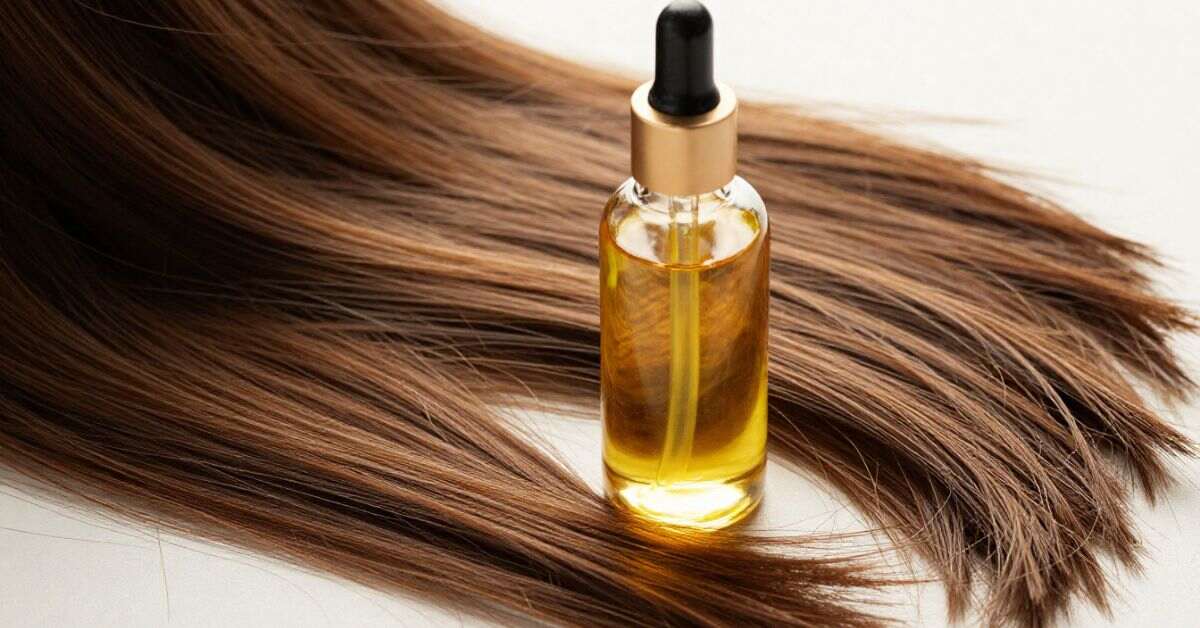
Low porosity hair can be difficult to moisturize because its tightly packed cuticles prevent water and hair products from absorbing easily. Jojoba oil for low porosity hair is one of the best lightweight oils because it helps lock in moisture without leaving hair feeling greasy or weighed down. As a result, many people with low porosity hair struggle with dryness, product buildup, dullness, and hair that feels heavy instead of hydrated. Choosing the right oil is one of the most effective ways to improve moisture retention while keeping hair soft, smooth, and healthy.
Jojoba oil for low porosity hair has become a popular choice because of its lightweight texture and unique composition. Unlike many heavy oils, it closely resembles the natural sebum produced by the scalp. Therefore, it helps seal in moisture while reducing the greasy feeling that thicker oils often leave behind. When used correctly, jojoba oil for low porosity hair can improve softness, shine, and overall manageability.
In this guide, you’ll discover everything you need to know about jojoba oil for low porosity hair, including its benefits, the best application methods, expert-backed tips, common mistakes to avoid, and how it compares with other popular oils such as argan oil for low porosity hair and rosemary oil for low porosity hair. You’ll also learn how to use jojoba oil for low porosity hair, choose high-quality products, and build a routine that supports healthier hair over time.
What Is Low Porosity Hair?

Low porosity hair refers to hair with a tightly closed cuticle layer. Because the cuticles lie flat against the hair shaft, water and conditioning products have difficulty entering the strands. Consequently, moisture often sits on the surface instead of being absorbed, making hydration one of the biggest challenges.
Although low porosity hair is usually healthy and naturally strong, it requires a different care routine than medium or high porosity hair. Using lightweight products and applying them correctly can make a significant difference. This is one reason why oils for low porosity hair is often recommended by hair care experts because it helps lock in moisture without creating excessive buildup.
How to Identify Low Porosity Hair
Understanding your hair’s porosity helps you select products that actually work for your hair type. Fortunately, there are several signs that indicate low porosity hair.
You may have low porosity hair if:
- Water beads on your hair before soaking in.
- Hair takes a long time to become fully wet.
- Hair also takes longer to dry after washing.
- Conditioners remain on the surface instead of absorbing.
- Hair feels smooth but often lacks moisture.
- Heavy oils leave your hair greasy instead of soft.
- Product buildup develops quickly.
Although many people perform the water strand test at home, it is not always completely reliable. Instead, observing how your hair reacts during washing and conditioning often provides a more accurate indication of porosity.
Quick Tip: If lightweight products consistently perform better than thick creams or butters, your hair is likely low porosity.
Why Low Porosity Hair Needs the Right Hair Oil
Not every oil works well for low porosity hair. In fact, heavier oils can coat the hair shaft without providing real hydration. As a result, hair may feel greasy while remaining dry underneath.
The ideal oil should be lightweight, easy to spread, and capable of sealing moisture without causing buildup. Jojoba oil for low meets these requirements because its molecular structure closely resembles the scalp’s natural oils.
Using the right oil can help:
- Seal moisture after washing.
- Reduce water loss from the hair.
- Improve softness.
- Minimize frizz.
- Add healthy-looking shine.
- Keep strands lightweight.
- Reduce the need for excessive styling products.
Therefore, choosing an appropriate oil is just as important as following a proper wash routine.
Common Challenges of Low Porosity Hair
Although low porosity hair is generally strong and less prone to breakage from internal damage, it presents its own unique challenges.
Some of the most common problems include:
| Challenge | Why It Happens |
| Moisture doesn’t absorb easily | Cuticles remain tightly closed. |
| Product buildup | Oils and creams stay on the surface. |
| Hair feels dry | Water struggles to penetrate the hair shaft. |
| Long drying time | Water becomes trapped inside once absorbed. |
| Heavy products flatten curls | Thick oils weigh the hair down. |
| Dull appearance | Lack of internal moisture reduces natural shine. |
Fortunately, these issues can be managed with the right routine. Using gentle cleansers, lightweight conditioners, occasional clarifying shampoos, and jojoba oil for low can help maintain balanced moisture while preventing unnecessary buildup.
Moreover, applying products to slightly damp hair and using gentle heat during deep conditioning may improve absorption even further. Over time, these simple habits can make low porosity hair easier to manage, softer to the touch, and healthier in appearance.
What Is Jojoba Oil and Why Is It Different?
Jojoba oil has earned a strong reputation in modern hair care because it behaves differently from most plant oils. Although it is commonly called an oil, it is technically a liquid plant wax extracted from the seeds of the Simmonds chinensis shrub, which is native to the southwestern United States and parts of Mexico.
This unique composition gives jojoba oil for low several advantages over heavier oils. Instead of sitting heavily on the hair shaft, it spreads easily, helps lock in moisture, and leaves hair feeling soft rather than greasy. Moreover, its lightweight nature makes it suitable for people who struggle with product buildup, one of the biggest concerns associated with low porosity hair.
Another reason jojoba oil for low stands out is its close resemblance to the scalp’s natural sebum. Therefore, it supports healthy-looking hair without overwhelming delicate strands. When paired with a proper moisturizing routine, jojoba oil for hair can improve manageability while maintaining a light, clean feel.
Is Jojoba Oil a Liquid Wax?
Yes. Despite its name, jojoba oil is not a traditional vegetable oil. Instead, it is a liquid wax ester, making it chemically different from oils such as coconut, olive, or castor oil.
This distinction matters because wax esters are remarkably stable. As a result, jojoba has a longer shelf life and is less likely to become rancid over time. In addition, its smooth texture allows it to coat the hair evenly without creating the heavy feeling that many thick oils can leave behind.
For individuals with low porosity hair, this lightweight coating is especially beneficial. Rather than suffocating the strands, jojoba oil for low helps reduce moisture loss after hydration. Consequently, hair feels nourished while remaining light and bouncy.
Key characteristics of jojoba oil include:
- Technically a liquid wax, not a true oil.
- Lightweight and fast-spreading.
- Naturally resistant to oxidation.
- Suitable for most hair types.
- Less greasy than many traditional hair oils.
- Ideal for sealing in moisture after washing.
Because of these qualities, best jojoba oil for low products are often recommended for people who want hydration without excess residue.
Key Nutrients Found in Jojoba Oil
Although jojoba oil is valued for its structure, it also contains several naturally occurring nutrients that support healthy-looking hair and scalp.
Some of its most beneficial components include:
| Nutrient | Potential Benefit for Hair |
| Vitamin E | Helps protect hair from environmental stress. |
| Vitamin B Complex | Supports overall scalp health. |
| Antioxidants | Help defend against oxidative damage. |
| Fatty Acids | Improve softness and reduce moisture loss. |
| Wax Esters | Create a lightweight protective barrier. |
| Natural Plant Compounds | Help maintain smooth, manageable hair. |
These nutrients work together to support healthier hair without making it feel heavy. Furthermore, Vitamin E and antioxidants may help protect strands from everyday exposure to sunlight, pollution, and heat styling.
Although jojoba oil for low benefits are widely discussed, it is important to remember that no oil alone can transform damaged hair overnight. Instead, consistent care, proper cleansing, and regular moisturizing create the best long-term results.
Why Jojoba Oil Mimics Natural Sebum
One of the biggest reasons experts recommend jojoba oil for low is its remarkable similarity to human sebum the natural oil produced by the scalp.
Sebum plays an essential role in keeping both the scalp and hair lubricated. However, frequent shampooing, environmental exposure, and heat styling can reduce this protective layer. Jojoba oil closely resembles natural sebum in structure, allowing it to blend easily with the scalp’s own oils.
As a result, it offers several advantages:
- Helps seal moisture into the hair.
- Supports a balanced scalp environment.
- Reduces the feeling of dryness.
- Leaves hair soft without excessive oiliness.
- Improves natural shine.
- Helps smooth the hair cuticle.
Unlike heavier products that may leave a thick coating, jojoba oil for low provides lightweight conditioning. Therefore, it works particularly well when applied to slightly damp hair after washing.
Moreover, many people combine jojoba oil for low porosity hair with other lightweight options like rosemary oil for low porosity hair for scalp massage or argan oil for low for added shine. However, jojoba is often preferred as the base oil because of its balanced texture and compatibility with low porosity hair.
Ultimately, its unique wax ester composition, nourishing nutrients, and sebum-like structure explain why jojoba oil for low porosity hair continues to be one of the most trusted lightweight oils for maintaining hydrated, healthy-looking strands.
Is Jojoba Oil for Low Porosity Hair a Good Choice?
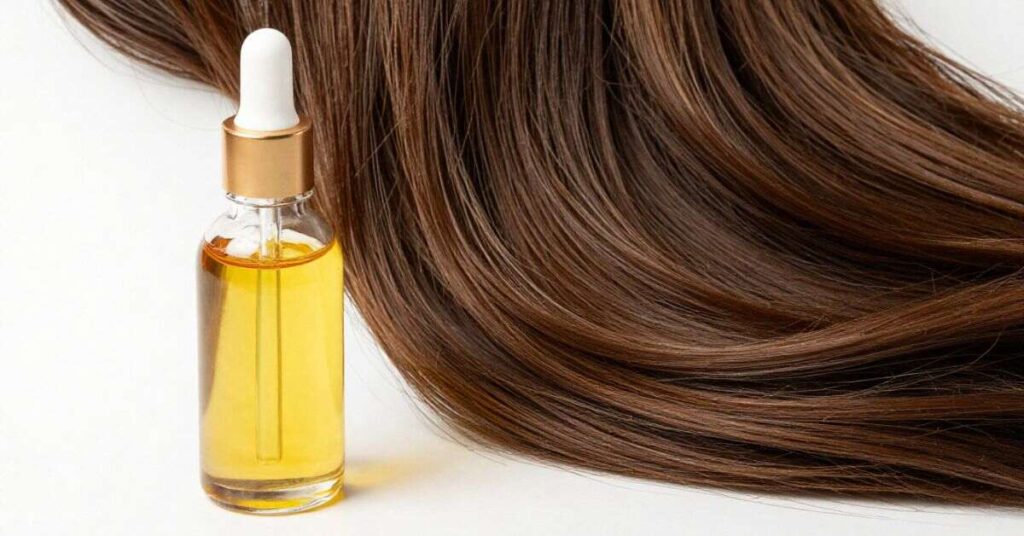
Yes, jojoba oil for low is widely considered one of the best lightweight oils for this hair type. Because low porosity hair has tightly closed cuticles, it often struggles to absorb moisture and heavy products. Therefore, choosing an oil that seals in hydration without leaving a thick residue is essential.
Unlike dense oils that can sit on the surface, jojoba oil for low porosity hair has a lightweight texture and a composition similar to the scalp’s natural sebum. As a result, it spreads evenly across the hair shaft, helps reduce moisture loss, and leaves hair feeling soft instead of greasy.
While no single product works perfectly for everyone, many people find that jojoba oil for low porosity hair fits well into a healthy hair care routine. When used after moisturizing and combined with regular cleansing, it can improve softness, shine, and overall manageability without causing excessive buildup.
Why Jojoba Oil Works for Low Porosity Hair
Low porosity hair benefits most from lightweight products that do not overwhelm the hair cuticle. Since jojoba oil closely resembles natural sebum, it provides moisture-sealing benefits while maintaining a weightless feel.
Several qualities make jojoba oil for low porosity hair an excellent option:
- Lightweight and non-greasy.
- Helps lock in moisture after washing.
- Reduces the appearance of dryness.
- Leaves hair soft and smooth.
- Supports a healthy-looking scalp.
- Less likely to weigh down curls or waves.
- Easy to layer with lightweight leave-in conditioners.
In addition, jojoba oil for low porosity hair works well in both straight and textured hair. Whether your hair is curly, coily, wavy, or straight, applying a small amount can help improve manageability without making the strands feel heavy.
However, using too much oil may still lead to product buildup. Therefore, moderation is the key to getting the best results.
Expert Tip: Apply just a few drops of jojoba oil to slightly damp hair. This helps seal existing moisture into the hair instead of trying to replace moisture that is already missing.
Scientific Perspective on Jojoba Oil
Scientific research on jojoba oil suggests that its unique wax ester composition contributes to its popularity in hair and skincare products. Unlike many traditional plant oils, jojoba remains highly stable and closely resembles the natural lipids produced by human skin.
Research has also shown that jojoba oil contains:
| Scientific Finding | Why It Matters |
| Rich in wax esters | Helps form a lightweight protective layer. |
| Contains Vitamin E | Supports protection against environmental stress. |
| Naturally stable | Maintains quality for longer periods. |
| Rich in antioxidants | Helps protect hair from oxidative damage. |
| Similar to natural sebum | Supports balanced scalp hydration. |
Although current studies support its conditioning and moisturizing properties, there is limited direct evidence proving that jojoba oil for low porosity hair alone increases hair growth. Instead, its greatest strength lies in creating a healthier scalp environment, reducing dryness, and protecting hair from everyday damage.
Therefore, it should be viewed as one part of a complete hair care routine rather than a miracle solution.
How Jojoba Oil Penetrates Low Porosity Hair
Many people wonder whether jojoba oil for low porosity hair actually penetrates the hair shaft. The answer is a little more nuanced.
Unlike penetrating oils such as coconut oil, jojoba oil mainly works on the surface of the hair. However, this is not a disadvantage. Its primary role is to create a light protective barrier that helps prevent moisture from escaping after the hair has been hydrated.
For the best results, follow these simple steps:
- Wash your hair with a gentle shampoo.
- Apply a moisturizing conditioner.
- Leave your hair slightly damp.
- Rub two or three drops of jojoba oil for low porosity hair between your palms.
- Smooth the oil evenly from the mid-lengths to the ends.
- Use a little extra on dry areas if needed.
- Allow the hair to air dry or diffuse on low heat.
Furthermore, applying gentle warmth during deep conditioning can slightly lift the hair cuticle. As a result, moisture enters more effectively before jojoba oil for low porosity hair seals it in.
This is why many hair care professionals recommend pairing jojoba oil with steam treatments or a warm towel rather than applying it to completely dry hair.
Overall, jojoba oil for low porosity hair does not need to deeply penetrate the hair shaft to be effective. Its ability to reduce moisture loss, smooth the cuticle, and maintain softness makes it one of the most reliable lightweight oils for low porosity hair.
Benefits of Jojoba Oil for Low Porosity Hair
Choosing the right hair oil can make a noticeable difference when you have low porosity hair. Since tightly closed cuticles make it difficult for moisture to enter the hair shaft, lightweight oils are often the best option. Jojoba oil for low porosity hair stands out because it helps lock in hydration without leaving the hair feeling greasy or weighed down.
In addition, jojoba oil for low porosity hair supports both the scalp and hair strands. It works well as part of a complete hair care routine, especially when applied after moisturizing. Although results vary from person to person, consistent use may improve softness, manageability, and overall hair health over time.
Below are the most important jojoba oil for low porosity hair benefits you should know.
Moisturizes Hair Without Weighing It Down
One of the biggest advantages of jojoba oil for low porosity hair is its lightweight texture. Unlike thicker oils, it spreads evenly across the hair without creating a heavy coating.
Because low porosity hair already struggles with product absorption, lightweight products are usually a better choice. Jojoba oil helps seal moisture into the hair after washing, allowing strands to stay hydrated for longer.
With regular use, you may notice:
- Softer hair texture.
- Better moisture retention.
- Less dryness between wash days.
- Hair that feels light instead of greasy.
- Improved manageability.
Therefore, applying a few drops of jojoba oil for low porosity hair to damp hair can help maintain hydration without weighing your hair down.
Helps Reduce Product Buildup
Product buildup is one of the most common concerns for people with low porosity hair. Heavy creams, thick butters, and dense oils often remain on the hair surface instead of being absorbed.
Fortunately, jojoba oil for low porosity hair is much lighter than many traditional oils. As a result, it is less likely to create excessive residue when used in moderation.
To further reduce buildup:
- Use only a small amount of oil.
- Clarify your hair every few weeks.
- Avoid layering multiple heavy styling products.
- Apply oil after moisturizing rather than before.
- Choose lightweight leave-in conditioners.
Although jojoba oil is lightweight, using too much of any product can still lead to buildup. Therefore, balance is important.
Keeps the Scalp Healthy
Healthy hair starts with a healthy scalp. While jojoba oil for low porosity hair is often used on the hair strands, it can also support scalp care when applied correctly.
Its sebum-like structure helps condition the scalp without making it excessively oily. In addition, its natural antioxidant content may help protect the scalp from environmental stress.
Some potential scalp benefits include:
- Improved scalp comfort.
- Reduced feeling of dryness.
- Better moisture balance.
- Softer scalp skin.
- Easier scalp massage during hair care routines.
If you enjoy scalp massages, mixing jojoba oil for low porosity hair with a few drops of rosemary oil for low porosity hair may be a popular option. However, rosemary essential oil should always be properly diluted before application.
Adds Natural Shine and Softness
Dry hair often looks dull because its surface does not reflect light evenly. Jojoba oil for low porosity hair helps smooth the outer cuticle layer, giving hair a naturally healthier appearance.
As the hair surface becomes smoother, it reflects more light. Consequently, your hair may appear shinier while also feeling softer to the touch.
Regular use may help:
- Increase natural shine.
- Improve smoothness.
- Reduce rough texture.
- Enhance hair’s healthy appearance.
- Make styling easier.
Unlike silicone-based products that temporarily coat the hair, jojoba oil provides a more natural finish when used in small amounts.
Helps Reduce Frizz and Dryness
Frizz often occurs when hair lacks enough moisture. Because low porosity hair has difficulty absorbing water, it may become dry even when many products are applied.
Jojoba oil for low porosity hair helps reduce moisture loss by creating a lightweight protective barrier around the hair shaft. As a result, hair stays smoother and is less likely to become frizzy throughout the day.
To minimize frizz:
- Wash your hair with a gentle shampoo.
- Use a moisturizing conditioner.
- Apply products while hair is still damp.
- Finish with a few drops of jojoba oil.
- Allow hair to air dry whenever possible.
Following this routine consistently often delivers better results than using large amounts of oil alone.
May Support Healthy Hair Growth
Many people ask whether jojoba oil for low porosity hair promotes faster hair growth. While current scientific evidence does not confirm that jojoba oil directly stimulates new hair growth, it may support a healthier environment for hair.
A well-moisturized scalp and reduced hair breakage can help existing hair grow longer over time. In addition, keeping the scalp comfortable encourages a healthier hair care routine.
Potential indirect benefits include:
- Less breakage.
- Better moisture retention.
- Improved scalp condition.
- Stronger-looking hair.
- Healthier overall appearance.
If hair growth is your primary goal, some people also use rosemary oil for low porosity hair alongside jojoba oil. Jojoba works well as a carrier oil because it helps dilute essential oils safely.
Protects Hair from Heat and Environmental Stress
Everyday exposure to sunlight, pollution, wind, and heat styling can gradually weaken the hair’s outer layer. While jojoba oil for low porosity hair is not a replacement for a dedicated heat protectant, it can provide an extra layer of protection by helping reduce moisture loss.
Its antioxidant content also supports healthier-looking hair by protecting it from environmental stressors.
Using jojoba oil for low porosity hair as part of your routine may help:
| Benefit | How It Helps |
| Reduces moisture loss | Keeps hair hydrated for longer. |
| Smooths the hair surface | Improves softness and shine. |
| Supports healthier-looking strands | Helps maintain hair quality over time. |
| Minimizes dryness | Makes hair easier to manage. |
| Complements heat protection | Adds an extra moisture-sealing layer after styling products. |
Overall, the many jojoba oil for low porosity hair benefits make it one of the best lightweight oils for maintaining hydrated, smooth, and manageable hair. When combined with proper cleansing, conditioning, and consistent hair care habits, jojoba oil for low porosity hair can become a valuable part of a long-term routine for healthier-looking hair.
How to Use Jojoba Oil for Low Porosity Hair
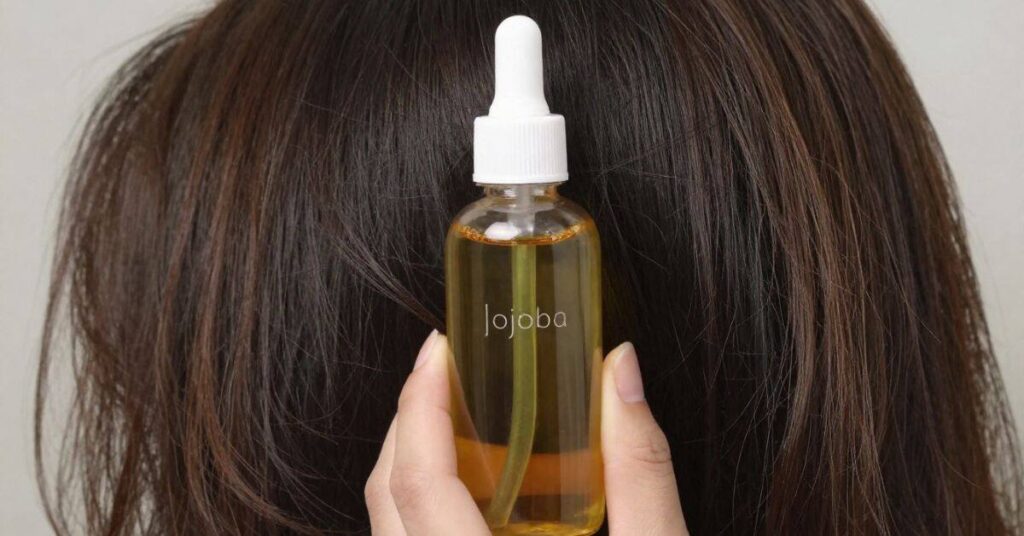
Knowing how to use jojoba oil for low porosity hair is just as important as choosing the right product. Even the best oil may not deliver good results if it is applied incorrectly. Since low porosity hair has tightly packed cuticles, the goal is to hydrate the hair first and then use jojoba oil to help lock in that moisture.
Unlike heavy oils, jojoba oil for low porosity hair works best in small amounts. Applying too much can make the hair feel coated, while using the right amount leaves it soft, smooth, and manageable. Moreover, pairing jojoba oil with a moisturizing routine can improve long-term hair health.
Below are the most effective ways to use jojoba oil for low porosity hair.
Apply Jojoba Oil as a Pre-Shampoo Treatment
Using jojoba oil for low porosity hair before shampooing can help protect the strands from becoming overly dry during the washing process. This method is especially useful if your shampoo tends to strip away natural moisture.
To use it as a pre-shampoo treatment:
- Divide your hair into manageable sections.
- Apply a few drops of jojoba oil to each section.
- Focus on the mid-lengths and ends.
- Gently detangle your hair with your fingers or a wide-tooth comb.
- Leave the oil on for 20–30 minutes.
- Wash your hair with a gentle, sulfate-free shampoo.
- Follow with a moisturizing conditioner.
This simple routine helps prepare your hair for cleansing while minimizing moisture loss.
Pro Tip: Warming the oil slightly between your palms before application makes it spread more evenly through the hair.
Use Jojoba Oil on Damp Hair
One of the most effective ways to use jojoba oil for low porosity hair is immediately after washing. At this stage, your hair already contains moisture, and jojoba oil helps seal it inside.
Instead of applying oil to completely dry hair, lightly towel-dry your hair until it is damp but not dripping wet. Then:
- Place 2–4 drops of jojoba oil in your hands.
- Rub your palms together.
- Smooth the oil over the mid-lengths and ends.
- Avoid using excessive amounts near the roots unless your scalp feels dry.
- Let your hair air dry or diffuse on a low setting.
Because jojoba oil for low porosity hair is lightweight, it leaves a soft finish without making the strands feel greasy.
Massage Jojoba Oil Into Your Scalp
Although many people focus only on the hair strands, scalp care is equally important. A healthy scalp creates a better environment for healthy-looking hair.
To perform a scalp massage:
- Add a few drops of jojoba oil for low porosity hair to your fingertips.
- Gently massage your scalp using circular motions.
- Continue for 3–5 minutes.
- Leave the oil on for 30–60 minutes before washing, or use a small amount as part of your routine if it suits your scalp.
A gentle massage may:
- Improve product distribution.
- Help loosen dry flakes.
- Promote relaxation.
- Support a balanced scalp.
If you want to include essential oils, always dilute them first. For example, rosemary oil for low porosity hair can be mixed with jojoba oil before application, as jojoba works well as a lightweight carrier oil.
Use Jojoba Oil with the LOC or LCO Method
Many people with textured or curly low porosity hair use layering techniques to improve moisture retention. Two of the most popular methods are the LOC and LCO routines.
| Method | Order of Application | Best For |
| LOC | Liquid → Oil → Cream | Hair that loses moisture quickly |
| LCO | Liquid → Cream → Oil | Hair that prefers lighter sealing |
In both methods, jojoba oil for low porosity hair acts as the oil step. Since it is lightweight, it seals moisture without creating excessive buildup.
For many people with low porosity hair, the LCO method works particularly well because the cream provides hydration first, while jojoba oil seals everything in with a light finish. However, every hair type is different, so it is worth trying both methods to see which delivers the best results.
Use Gentle Heat for Better Absorption
One of the biggest challenges with low porosity hair is that the tightly closed cuticles make it difficult for moisture to enter. Fortunately, gentle heat can temporarily lift the cuticle slightly, allowing conditioners and water to penetrate more effectively.
You can safely use gentle heat by:
- Wrapping your hair in a warm towel after conditioning.
- Wearing a thermal conditioning cap.
- Sitting under a hooded dryer on a low setting.
- Using a handheld steamer designed for hair care.
After your hair has absorbed moisture, apply a few drops of jojoba oil for low porosity hair to help seal it in.
Expert Tip: Avoid applying high heat directly to dry hair coated with oil. Instead, hydrate your hair first, use moderate warmth during conditioning, and then apply jojoba oil as the final sealing step.
When used consistently and correctly, how to use jojoba oil for low porosity hair becomes simple and effective. Rather than relying on large amounts of product, focus on proper timing, light application, and regular moisturizing. Over time, this approach can help your hair feel softer, look shinier, and become easier to manage while minimizing product buildup.
Read More:https://pureoilshub.com/can-rosemary-oil-cause-hair-loss/
Jojoba Oil for Low Porosity Hair vs Other Hair Oils
Not all hair oils perform the same, especially for low porosity hair. While some oils penetrate the hair shaft deeply, others mainly coat the surface to reduce moisture loss. Therefore, choosing the right oil depends on your hair’s needs, your styling routine, and how easily your hair develops product buildup.
Jojoba oil for low porosity hair is often recommended because it is lightweight, non-greasy, and similar to the scalp’s natural sebum. However, oils like coconut, argan, and castor oil each offer different benefits. Understanding these differences can help you create a routine that keeps your hair hydrated without making it feel heavy.
The comparison below highlights how jojoba oil for low porosity hair stacks up against other popular hair oils.
Jojoba Oil vs Coconut Oil
Coconut oil is one of the most widely used hair oils because it can penetrate the hair shaft more effectively than many other oils. However, this does not mean it is the best option for everyone.
For some people with low porosity hair, coconut oil may leave the hair feeling stiff, heavy, or coated. In contrast, jojoba oil for low porosity hair provides lightweight moisture sealing without creating as much residue.
| Feature | Jojoba Oil | Coconut Oil |
| Texture | Lightweight | Medium to Heavy |
| Resembles Natural Sebum | Yes | No |
| Product Buildup Risk | Low | Moderate |
| Best Use | Moisture sealing | Deep conditioning for some hair types |
| Suitable for Low Porosity Hair | Excellent | Depends on individual hair response |
If your hair becomes greasy or stiff after using coconut oil, switching to jojoba oil for low porosity hair may provide a lighter and more comfortable finish.
Jojoba Oil vs Argan Oil
When comparing argan oil for low porosity hair and jojoba oil, both are considered lightweight and suitable for many hair types. However, they serve slightly different purposes.
Argan oil is rich in Vitamin E and fatty acids, making it a popular choice for improving shine and reducing frizz. On the other hand, jojoba oil for low porosity hair is prized for its sebum-like structure, which helps maintain moisture balance without leaving a greasy layer.
| Feature | Jojoba Oil | Argan Oil |
| Texture | Very Lightweight | Lightweight |
| Shine Enhancement | High | Very High |
| Moisture Sealing | Excellent | Very Good |
| Scalp Care | Excellent | Good |
| Everyday Use | Excellent | Excellent |
Many people actually use both oils together. For example, jojoba oil can be used after washing to seal in moisture, while argan oil can be applied sparingly to add extra shine before styling.
Jojoba Oil vs Castor Oil
Castor oil is known for its thick consistency and is often included in hair care routines focused on reducing breakage. However, its heavy texture may not be ideal for low porosity hair.
Unlike castor oil, jojoba oil for low porosity hair spreads easily and requires only a few drops for effective moisture sealing. Consequently, it is much less likely to leave the hair feeling sticky or weighed down.
Here’s a quick comparison:
| Feature | Jojoba Oil | Castor Oil |
| Consistency | Light | Very Thick |
| Easy to Spread | Yes | No |
| Buildup Potential | Low | High |
| Best For | Daily moisture sealing | Targeted treatments |
| Suitable for Fine Low Porosity Hair | Excellent | Usually Too Heavy |
If you prefer using castor oil, consider mixing a small amount with jojoba oil to create a lighter blend. This approach can make application easier while reducing the risk of excessive buildup.
Best Lightweight Oils for Low Porosity Hair
Lightweight oils generally perform better on low porosity hair because they help seal moisture without creating a thick coating. Although everyone’s hair responds differently, the following oils are commonly recommended.
| Oil | Why It Works for Low Porosity Hair |
| Jojoba Oil | Mimics natural sebum, lightweight, helps seal moisture. |
| Argan Oil | Adds shine, smooths frizz, and feels light on the hair. |
| Grapeseed Oil | Thin texture with minimal residue. |
| Sweet Almond Oil | Softens hair without excessive heaviness. |
| Baobab Oil | Lightweight and rich in nourishing fatty acids. |
At the same time, some oils may be too heavy for certain people with low porosity hair, particularly when used in large amounts.
Oils to Use with Caution
If your hair develops buildup easily, these low porosity hair oils to avoid—or at least use sparingly may include:
- Heavy castor oil.
- Thick mineral oil-based blends.
- Large amounts of raw shea butter.
- Excessive coconut oil (if it makes your hair stiff).
- Thick petroleum-based hair greases.
This does not mean these products are bad. Instead, they may simply be too heavy for some low porosity hair types.
Expert Tip: If you’re unsure which oil suits your hair, start with jojoba oil for low porosity hair. Because it is lightweight and versatile, it is often the easiest option to incorporate into a low porosity hair routine. Once your hair responds well, you can experiment with small amounts of other lightweight oils, such as argan oil for low porosity hair, to customize your routine further.
How Often Should You Use Jojoba Oil for Low Porosity Hair?
Finding the right frequency is just as important as learning how to use jojoba oil for low porosity hair. Although jojoba oil is lightweight, using too much or applying it too often can still lead to product buildup, especially on low porosity hair.
The ideal schedule depends on your hair texture, lifestyle, climate, and how often you wash your hair. Some people benefit from using jojoba oil for low porosity hair once a week, while others may prefer applying a few drops several times between wash days.
Instead of following a strict rule, pay attention to how your hair feels. If it remains soft and moisturized, your routine is likely working well. However, if your hair starts feeling greasy or coated, reduce the amount or clarify your hair more often.
Daily vs Weekly Application
There is no single routine that works for everyone. However, most hair care professionals recommend starting with weekly use and adjusting based on your hair’s needs.
The table below can help you decide:
| Hair Condition | Recommended Frequency |
| Slight dryness | 2–3 drops, 2–3 times per week |
| Normal moisture | Once or twice a week |
| After wash day | Apply to damp hair every wash |
| Dry ends | Small amount as needed |
| Oily scalp | Focus on the hair lengths instead of the scalp |
For most people, jojoba oil for low porosity hair works best when used after washing because it helps seal moisture that is already inside the hair.
If you have fine hair, begin with just two or three drops. On the other hand, thicker or curlier hair may need a slightly larger amount. Nevertheless, using more oil does not necessarily produce better results.
Quick Tip: Start small. You can always add another drop if needed, but removing excess oil often requires another wash.
Can You Leave Jojoba Oil Overnight?
Yes, many people leave jojoba oil for low porosity hair overnight without any issues. Since jojoba oil is lightweight and closely resembles natural sebum, it is generally well tolerated when used in moderation.
However, overnight application is not always necessary. In many cases, applying a small amount to damp hair after washing provides enough moisture-sealing benefits.
If you choose to leave it overnight:
- Wash and condition your hair first.
- Leave your hair slightly damp.
- Apply a few drops of jojoba oil evenly.
- Avoid saturating your hair with oil.
- Cover your hair with a satin bonnet or use a satin pillowcase.
- Wash your hair the next morning only if it feels excessively oily.
While overnight treatments can work well, applying too much jojoba oil for low porosity hair may leave residue on both your hair and pillowcase. Therefore, moderation remains the best approach.
How Long Does It Take to See Results?
The results of using jojoba oil for low porosity hair vary from person to person. Factors such as your hair care routine, overall hair health, product quality, and consistency all play a role.
Below is a general timeline of what you may notice:
| Time Frame | What You May Notice |
| After the first use | Softer feel and improved shine |
| Within 2–4 weeks | Better moisture retention and less frizz |
| After 1–2 months | Hair becomes easier to manage with consistent care |
| Long term | Healthier-looking hair and reduced dryness when combined with a proper routine |
It is important to have realistic expectations. Jojoba oil for low porosity hair is not an instant treatment, and it cannot repair severe hair damage overnight. Instead, it works best as part of a consistent regimen that includes gentle cleansing, moisturizing conditioners, and regular maintenance.
Moreover, healthy hair habits matter just as much as the oil itself. Eating a balanced diet, minimizing excessive heat styling, protecting your hair while sleeping, and trimming damaged ends can all contribute to stronger, healthier-looking hair over time.
Expert Insight: Consistency delivers better results than quantity. Applying a small amount of jojoba oil for low porosity hair on a regular schedule is generally more effective than using a large amount only once in a while. Over time, this simple habit can help maintain hydration, reduce frizz, and keep low porosity hair soft, smooth, and manageable.
Best Tips for Using Jojoba Oil for Low Porosity Hair
Using the right technique can make a noticeable difference in your results. Although jojoba oil for low porosity hair is one of the most suitable lightweight oils, applying it correctly helps maximize its benefits while minimizing product buildup.
The following expert tips will help you get the most from jojoba oil for low porosity hair and build a routine that keeps your strands hydrated, soft, and healthy-looking.
Apply to Slightly Damp Hair
One of the biggest mistakes people make is applying oil to completely dry hair. Oil does not add moisture by itself it helps seal in existing moisture. Therefore, jojoba oil for low porosity hair works best when your hair is slightly damp.
After washing:
- Gently squeeze excess water from your hair with a microfiber towel or a soft cotton T-shirt.
- Leave your hair damp instead of completely dry.
- Rub 2–4 drops of jojoba oil between your palms.
- Smooth it evenly through the mid-lengths and ends.
- Allow your hair to air dry or use low heat if necessary.
Applying jojoba oil for low porosity hair at this stage helps reduce moisture loss while keeping your hair light and manageable.
Expert Tip: If your hair dries quickly, apply jojoba oil within a few minutes after rinsing out your conditioner.
Use Only a Small Amount
When it comes to jojoba oil for low porosity hair, less is often more. Because low porosity hair does not absorb products easily, excessive oil can remain on the surface and create buildup.
A small amount is usually enough.
General guideline:
| Hair Length | Recommended Amount |
| Short hair | 1–2 drops |
| Medium hair | 2–4 drops |
| Long hair | 4–6 drops |
| Thick curly hair | 5–8 drops (spread evenly) |
Start with the lowest amount and add more only if your hair still feels dry.
Using too much jojoba oil for low porosity hair may lead to:
- Greasy-looking hair.
- Reduced volume.
- Faster product buildup.
- Hair that feels coated instead of moisturized.
- More frequent clarifying washes.
Choose Cold-Pressed Pure Jojoba Oil
The quality of your oil matters just as much as how you apply it. High-quality jojoba oil for low porosity hair retains more of its naturally occurring nutrients because it undergoes minimal processing.
When shopping, look for products that are:
- 100% pure jojoba oil
- Cold-pressed
- Unrefined whenever possible
- Free from mineral oil
- Free from artificial fragrance
- Free from unnecessary fillers
- Packaged in a dark glass bottle to protect the oil from light
If you’re searching for the best jojoba oil for low porosity hair, always read the ingredient list. Ideally, the label should list only one ingredient: Simmondsia Chinensis (Jojoba) Seed Oil.
Choosing a high-quality product helps ensure that jojoba oil for low porosity hair performs as expected without unnecessary additives that may contribute to buildup.
Pair Jojoba Oil with a Moisturizing Routine
Even the best oil cannot replace moisture. Instead, jojoba oil for low porosity hair should be the final step that helps lock hydration inside the hair.
A simple moisture-focused routine may look like this:
| Step | Purpose |
| Gentle Shampoo | Removes dirt and buildup |
| Moisturizing Conditioner | Hydrates the hair |
| Leave-In Conditioner | Adds lasting moisture |
| Jojoba Oil | Seals moisture into the hair |
| Protective Hairstyle | Reduces moisture loss and friction |
This routine allows jojoba oil for low porosity hair to perform its main job preventing moisture from escaping after hydration.
If your scalp needs extra care, you may occasionally combine jojoba oil with properly diluted rosemary oil for low porosity hair. Likewise, if you want additional shine, a few drops of argan oil for low porosity hair can complement your routine without making your hair feel heavy.
Clarify Your Hair Regularly
Although jojoba oil for low porosity hair is lightweight, every hair product leaves some residue over time. Regular clarifying helps remove buildup so moisture and conditioners can work more effectively.
Signs that your hair may need clarifying include:
- Products stop working as well as before.
- Hair feels heavy even after washing.
- Moisture no longer absorbs easily.
- Your hair lacks shine.
- Styling becomes more difficult.
For most people, clarifying once every 3–4 weeks is enough. However, if you use many styling products or oils, you may benefit from clarifying slightly more often.
Simple Clarifying Routine
- Wash with a gentle clarifying shampoo.
- Apply a deep moisturizing conditioner.
- Use gentle heat for 15–20 minutes if desired.
- Rinse thoroughly.
- Apply leave-in conditioner.
- Finish with a few drops of jojoba oil for low porosity hair.
Expert Insight: Healthy low porosity hair is all about balance. Instead of applying more and more oil, focus on clean hair, consistent hydration, and light sealing. When used correctly, jojoba oil for low porosity hair can help maintain softness, reduce frizz, and improve manageability without making your hair feel weighed down. Over time, these simple habits can lead to healthier, shinier, and more resilient hair.
Common Mistakes to Avoid When Using Jojoba Oil for Low Porosity Hair
Although jojoba oil for low porosity hair is one of the best lightweight oils available, using it incorrectly can reduce its effectiveness. Low porosity hair naturally resists product absorption, so applying too much oil or following the wrong routine may leave your hair feeling greasy instead of hydrated.
Fortunately, avoiding a few common mistakes can help you enjoy the full benefits of jojoba oil for low porosity hair. By using the right amount, choosing quality products, and following a moisture-first routine, you can keep your hair healthy, soft, and manageable.
Applying Too Much Oil
One of the most common mistakes is believing that more oil provides more moisture. In reality, jojoba oil for low porosity hair works as a moisture sealant rather than a moisturizer.
When too much oil is applied, it can coat the hair shaft and make it difficult for water-based products to work effectively.
Signs you’re using too much jojoba oil:
- Hair feels greasy shortly after application.
- Strands lose volume.
- Hair attracts dust more easily.
- Products stop absorbing properly.
- Hair feels coated instead of soft.
To avoid this problem:
- Start with only 2–4 drops.
- Add more only if necessary.
- Distribute the oil evenly.
- Focus on the mid-lengths and ends.
- Avoid pouring oil directly onto the hair.
Expert Tip: It’s easier to add one extra drop than to remove excess oil from your hair.
Using Heavy Products Together with Jojoba Oil
Even though jojoba oil for low porosity hair is lightweight, combining it with multiple heavy products can lead to buildup.
For example, layering thick butters, petroleum-based products, and heavy oils over jojoba oil may leave your hair feeling sticky and weighed down.
Products to use sparingly include:
- Heavy castor oil.
- Thick hair greases.
- Large amounts of raw shea butter.
- Mineral oil-based styling products.
- Wax-heavy pomades.
Instead, choose lightweight companions such as:
- Water-based leave-in conditioners.
- Lightweight styling creams.
- Aloe vera-based moisturizers.
- Argan oil for low porosity hair in small amounts.
Using fewer products often gives better results than layering multiple heavy formulas.
Skipping Moisture Before Sealing
This is one of the biggest misunderstandings in hair care.
Many people apply jojoba oil for low porosity hair directly to dry strands, expecting it to moisturize the hair. However, oils do not replace water. Instead, they help reduce moisture loss after hydration.
For the best results, follow this simple order:
- Cleanse your hair.
- Apply a moisturizing conditioner.
- Use a leave-in conditioner if needed.
- Leave your hair slightly damp.
- Apply a few drops of jojoba oil for low porosity hair to seal in moisture.
Following this sequence helps your hair retain hydration for a longer period.
Remember:
- Water provides moisture.
- Conditioners improve hydration.
- Jojoba oil seals everything in.
When these steps work together, your hair is more likely to stay soft and manageable.
Choosing Low-Quality Jojoba Oil
Not every product labeled as jojoba oil offers the same quality. Some products contain fillers, synthetic fragrances, or inexpensive carrier oils that reduce the benefits.
When buying jojoba oil for low porosity hair, always read the ingredient label carefully.
Look for products that are:
| What to Look For | Why It Matters |
| 100% Pure Jojoba Oil | No unnecessary fillers |
| Cold-Pressed | Preserves natural nutrients |
| Unrefined | Minimal processing |
| Dark Glass Bottle | Protects the oil from light |
| No Added Mineral Oil | Reduces unnecessary buildup |
Avoid products with long ingredient lists if your goal is to experience the full benefits of jojoba oil for low porosity hair.
Choosing a high-quality product may improve your overall results while reducing the chance of unwanted residue.
Expecting Instant Results
Healthy hair develops through consistent care rather than overnight changes. Although jojoba oil for low porosity hair may improve softness and shine after the first few uses, lasting improvements usually take time.
Several factors influence your results, including:
- Your overall hair care routine.
- How often you wash your hair.
- The condition of your scalp.
- Heat styling habits.
- Diet and hydration.
- Product consistency.
Instead of expecting dramatic changes after one application, focus on building healthy habits.
Realistic expectations:
| Time | Possible Improvements |
| First application | Softer feel and added shine |
| 2–4 weeks | Better moisture retention and less frizz |
| 1–2 months | Improved manageability with consistent care |
| Long-term | Healthier-looking, smoother hair |
Expert Insight: Consistency always beats intensity. Applying jojoba oil for low porosity hair correctly every week is far more effective than using large amounts occasionally. Pair it with proper cleansing, regular conditioning, and gentle hair care practices, and you’ll give your hair the best chance to stay hydrated, healthy, and resilient over time.
Can Jojoba Oil for Low Porosity Hair Cause Any Problems?
Although jojoba oil for low porosity hair is considered one of the safest and most lightweight oils for this hair type, it is not completely free from potential drawbacks. Like any hair care product, the results depend on how you use it, how much you apply, and whether it suits your individual hair and scalp needs. Fortunately, most issues linked to jojoba oil for low porosity hair are caused by incorrect application rather than the oil itself.
For example, applying excessive amounts, layering it with heavy styling products, or skipping regular clarifying washes can make the hair feel coated. However, when used in moderation as part of a balanced hair care routine, jojoba oil for low porosity hair is generally well tolerated by most people. Understanding the possible concerns allows you to enjoy its benefits while avoiding unnecessary problems.
Can Jojoba Oil Cause Product Buildup?
Yes, jojoba oil for low porosity hair can contribute to product buildup if it is used too frequently or in excessive amounts. Although jojoba oil is much lighter than oils such as castor oil, repeated layering without proper cleansing may leave residue on the hair surface.
Low porosity hair naturally has tightly closed cuticles, which means products tend to remain on the outside of the hair instead of being absorbed quickly. As a result, even lightweight oils can accumulate over time.
To reduce the risk of buildup:
- Use only a few drops per application.
- Apply jojoba oil to damp hair instead of dry hair.
- Avoid combining it with multiple heavy products.
- Wash your hair with a gentle clarifying shampoo every few weeks.
- Choose lightweight leave-in products that complement jojoba oil.
If your hair starts feeling heavy, sticky, or dull, product buildup not the oil itself is often the cause. Adjusting your routine usually solves the problem.
Can Jojoba Oil Damage Low Porosity Hair?
In general, jojoba oil for low porosity hair does not damage healthy hair when used correctly. In fact, its lightweight texture and sebum-like composition make it one of the gentlest oils available for low porosity hair.
However, problems may occur if the oil is used incorrectly. Applying large amounts to dry hair without moisturizing first can leave the strands feeling coated instead of hydrated. Likewise, relying on jojoba oil alone without using conditioners or water-based moisturizers may lead to ongoing dryness because oil cannot replace moisture.
To get the best results:
- Moisturize your hair before applying oil.
- Use only a small amount.
- Wash away buildup regularly.
- Avoid excessive heat styling.
- Maintain a balanced hair care routine.
When these practices are followed, jojoba oil for low porosity hair is far more likely to improve softness and manageability than cause damage.
Who Should Avoid Jojoba Oil?
Most people can safely use jojoba oil for low porosity hair, but it may not be the best option for everyone. Individuals with a known allergy to jojoba or any ingredient in a blended product should avoid using it.
You should also use caution if:
- You have a history of allergic skin reactions.
- Your scalp is irritated, inflamed, or has open wounds.
- You are using medicated scalp treatments and your healthcare provider has advised against additional products.
- The product contains fragrances or additives that irritate your skin.
Before applying jojoba oil to your entire scalp, perform a simple patch test by placing a small amount on the inside of your arm and waiting 24 hours. If redness, itching, or irritation develops, discontinue use and seek medical advice if necessary.
When Should You Consult a Hair Care Professional?
While jojoba oil for low porosity hair can support a healthy hair care routine, it cannot treat underlying medical conditions that affect the scalp or hair. If you notice persistent hair or scalp problems, it is important to consult a qualified dermatologist or hair care professional.
Consider seeking professional advice if you experience:
- Sudden or excessive hair shedding.
- Persistent scalp itching or burning.
- Painful scalp inflammation.
- Thick scales or severe dandruff that does not improve.
- Bald patches or noticeable thinning.
- Hair breakage that continues despite proper care.
A professional can identify the underlying cause and recommend appropriate treatment. Once any medical issue is addressed, jojoba oil for low porosity hair can still be incorporated into your routine, if suitable, to help maintain moisture, softness, and overall hair health.
How to Choose the Best Jojoba Oil for Low Porosity Hair
Choosing the right jojoba oil for low porosity hair is just as important as learning how to use it. Not every product labeled as jojoba oil offers the same level of quality. Some bottles contain fillers, artificial fragrances, mineral oil, or other additives that can reduce the oil’s effectiveness and increase the risk of product buildup.
If you want to enjoy the full jojoba oil for low porosity hair benefits, choose a product that is pure, minimally processed, and free from unnecessary ingredients. A high-quality jojoba oil absorbs more easily, helps lock in moisture without making the hair greasy, and supports a healthier hair care routine.
Whether you shop online or buy from a local store, reading the ingredient label carefully can help you select the best jojoba oil for low porosity hair and avoid products that may not deliver the results you expect.
Cold-Pressed vs Refined Jojoba Oil for Low Porosity Hair
One of the first choices you’ll encounter is whether to buy cold-pressed or refined jojoba oil for low porosity hair. Although both types can moisturize the hair, their processing methods are different.
Cold-pressed jojoba oil is extracted without excessive heat or harsh chemicals. This gentle process helps preserve naturally occurring antioxidants, vitamin E, and other beneficial plant compounds. Because it retains more of its natural properties, many hair care experts recommend cold-pressed jojoba oil for low porosity hair.
Refined jojoba oil goes through additional processing to create a lighter color and a milder scent. While it still provides moisturizing benefits, some naturally occurring nutrients may be reduced during the refining process.
| Feature | Cold-Pressed Jojoba Oil | Refined Jojoba Oil |
|---|---|---|
| Processing | Minimal | More processing |
| Natural Nutrients | Higher | Slightly reduced |
| Color | Golden | Clear or pale yellow |
| Natural Scent | Mild, nutty | Very little scent |
| Best Choice for Low Porosity Hair | Highly Recommended | Good Alternative |
For most people, cold-pressed jojoba oil for low porosity hair is the preferred option because it provides maximum natural benefits while remaining lightweight enough for regular use.
Organic vs Conventional Jojoba Oil for Low Porosity Hair
Another important decision is choosing between organic and conventional jojoba oil for low porosity hair.
Organic jojoba oil is produced under certified organic farming standards, which generally limit the use of synthetic pesticides and fertilizers. Many people prefer organic products because they undergo strict production requirements.
Conventional jojoba oil can also be an excellent option if it is pure and free from unnecessary additives. The overall quality depends more on the manufacturing process than whether the product carries an organic certification.
| Organic Jojoba Oil | Conventional Jojoba Oil |
| Certified organic farming | Standard farming practices |
| Often fewer synthetic chemicals | Production methods vary |
| Usually more expensive | Often more affordable |
| Excellent for regular hair care | Also effective when pure |
If your budget allows, organic cold-pressed jojoba oil for low porosity hair is an excellent investment. However, a high-quality conventional product with a clean ingredient list can deliver very similar results. Purity is far more important than the organic label alone.
What to Check Before Buying Jojoba Oil for Low Porosity Hair
Before purchasing jojoba oil for low porosity hair, take a few minutes to examine the product label. A careful review can help you avoid low-quality oils and choose one that supports healthy, hydrated hair.
Look for these features:
- 100% pure jojoba oil
- Cold-pressed extraction
- Ingredient list containing only Simmondsia Chinensis (Jojoba) Seed Oil
- No mineral oil
- No silicones
- No artificial colors
- Fragrance-free if you have a sensitive scalp
- Dark amber or dark glass bottle to protect the oil from light
- Reputable manufacturer with transparent labeling
Avoid products that contain:
- Large amounts of filler oils
- Petroleum-based ingredients
- Artificial dyes
- Strong synthetic fragrances
- Incomplete or unclear ingredient lists
Use this simple checklist while comparing different brands.
| Buying Checklist | Recommended |
| 100% Pure Jojoba Oil | ✔ |
| Cold-Pressed | ✔ |
| Unrefined (Preferred) | ✔ |
| Single-Ingredient Formula | ✔ |
| Dark Glass Bottle | ✔ |
| No Fillers or Mineral Oil | ✔ |
| Trusted Brand | ✔ |
If you are searching for the jojoba oil for low porosity hair price in Pakistan, prices vary depending on the brand, bottle size, whether the oil is locally packaged or imported, and whether it is organic or cold-pressed. Instead of choosing the cheapest option, focus on ingredient quality, purity, and transparent labeling to get the best long-term value.
Choosing the right jojoba oil for low porosity hair can make a noticeable difference in your hair care routine. A pure, high-quality oil used consistently after moisturizing can help reduce dryness, improve softness, add natural shine, and minimize product buildup without weighing your hair down.
Final Verdict on Jojoba Oil for Low Porosity Hair
Choosing the right hair oil can make a significant difference when caring for low porosity hair. Because this hair type has tightly closed cuticles, it often struggles to absorb moisture and easily develops product buildup. Fortunately, jojoba oil for low porosity hair offers a lightweight solution that helps seal in hydration without leaving the hair feeling heavy or greasy.
Throughout this guide, we’ve explored the science behind jojoba oil, its unique wax ester composition, the many jojoba oil for low benefits, the best application methods, and common mistakes to avoid. While jojoba oil is not a miracle product, it can become an essential part of a healthy hair care routine when used correctly.
The key is consistency. Rather than applying large amounts of oil, focus on moisturizing your hair first, sealing that moisture with a few drops of jojoba oil for low porosity hair, and maintaining a regular cleansing routine. Over time, these simple habits can improve softness, reduce frizz, enhance shine, and make your hair easier to manage.
If you’re looking for a lightweight oil that works well with low porosity hair, jojoba oil for low they remains one of the most reliable and beginner-friendly choices available.
Key Takeaways
Here are the most important points to remember about for low porosity hair:
- Jojoba oil for low porosity hair is lightweight and closely resembles the scalp’s natural sebum.
- It helps seal moisture into the hair instead of adding moisture on its own.
- Apply it to slightly damp hair for the best results.
- A few drops are usually enough—using too much may cause product buildup.
- Cold-pressed, 100% pure jojoba oil is the best option for most people.
- Regular clarifying helps remove residue and keeps hair receptive to moisture.
- Jojoba oil pairs well with moisturizing conditioners and can also be combined with properly diluted rosemary oil for low porosity hair if desired.
- Compared with many heavier oils, it is less likely to weigh down low porosity hair.
- Consistent use, combined with a balanced hair care routine, produces the best long-term results.
Best Practices for Long-Term Healthy Hair
Healthy hair is built through daily habits rather than quick fixes. Although jojoba oil for low porosity hair can support your hair care routine, lasting results come from following a complete and consistent regimen.
For the best long-term results:
- Wash your hair regularly with a gentle shampoo to prevent buildup.
- Use a moisturizing conditioner during every wash.
- Apply products while your hair is still slightly damp.
- Seal moisture with a small amount of jojoba oil for low porosity hair.
- Clarify your hair every few weeks to remove residue.
- Minimize excessive heat styling and always use a heat protectant when styling.
- Protect your hair while sleeping with a satin bonnet or satin pillowcase.
- Trim split ends regularly to maintain healthy-looking hair.
- Eat a balanced diet and stay hydrated to support overall hair health.
- Be patient and stay consistent, as noticeable improvements take time.
By following these practices, jojoba oil for low porosity hair can become a valuable part of your routine, helping your hair stay hydrated, smooth, and manageable without unnecessary heaviness.
Final Thought: If your goal is healthier, softer, and more manageable low porosity hair, jojoba oil for low porosity hair is one of the best lightweight oils you can choose. Pair it with proper hydration, gentle cleansing, and consistent care, and you’ll be giving your hair the support it needs to look and feel its best for the long term.
FAQs:
Is jojoba oil good for extremely dry low porosity hair?
Yes, jojoba oil for low porosity hair can be a good choice for extremely dry hair when used correctly. However, remember that jojoba oil does not add moisture on its own. Instead, it helps seal moisture into the hair after you use water and a moisturizing conditioner. Therefore, apply jojoba oil to slightly damp hair for the best results. With consistent use, your hair may feel softer, smoother, and less prone to dryness.
Does jojoba oil help hair growth?
There is no strong scientific evidence proving that jojoba oil for low porosity hair directly stimulates new hair growth. However, it can support a healthier scalp by reducing dryness and helping maintain moisture balance. A healthy scalp may reduce hair breakage and create a better environment for healthy hair growth. If your goal is to support scalp health, some people combine jojoba oil with properly diluted rosemary oil for low porosity hair.
Can I use jojoba oil every day?
Yes, you can use jojoba oil for low porosity hair every day if your hair responds well to it. However, daily application is not necessary for everyone. Most people achieve excellent results by applying a few drops two or three times per week or after every wash. If your hair starts feeling greasy or heavy, reduce the frequency and clarify your hair regularly.
Should I apply jojoba oil before or after washing?
Both methods can work, depending on your hair care goals.
- Before washing: Use jojoba oil as a pre-shampoo treatment to help reduce moisture loss during cleansing.
- After washing: Apply a few drops to damp hair to seal in moisture and improve softness.
For most people with low porosity hair, applying jojoba oil for low porosity hair after washing provides the best long-term results because it locks in hydration.
Can I leave jojoba oil in my hair overnight?
Yes. Since jojoba oil for low porosity hair is lightweight and closely resembles natural sebum, many people leave it in their hair overnight without problems. Nevertheless, use only a small amount. Applying excessive oil overnight may cause buildup or make your hair feel greasy the next morning. Sleeping on a satin pillowcase or wearing a satin bonnet can also help protect your hair.
Is jojoba oil better than coconut oil for low porosity hair?
For many people, yes. Jojoba oil for low porosity hair is generally lighter than coconut oil and is less likely to leave a heavy coating on the hair. In contrast, coconut oil works well for some individuals but may make low porosity hair feel stiff or weighed down. Since every hair type is different, you may need to test both oils to determine which one works best for your routine.
Can men and women both use jojoba oil?
Absolutely. Jojoba oil for low porosity hair is suitable for both men and women. Hair porosity is determined by the structure of the hair cuticle, not by gender. Therefore, anyone with low porosity hair can benefit from using jojoba oil as part of a balanced hair care routine.
How can I tell if I have low porosity hair?
You may have low porosity hair if your hair shows several of these characteristics:
- Water sits on the hair before soaking in.
- Hair takes a long time to become fully wet.
- Drying time after washing is longer than usual.
- Products tend to sit on the surface.
- Heavy oils make your hair feel greasy instead of moisturized.
- Product buildup occurs quickly.
If you notice most of these signs, your hair is likely low porosity. Understanding your hair type allows you to choose lightweight products like jojoba oil for low porosity hair, making it easier to maintain healthy, hydrated, and manageable strands.