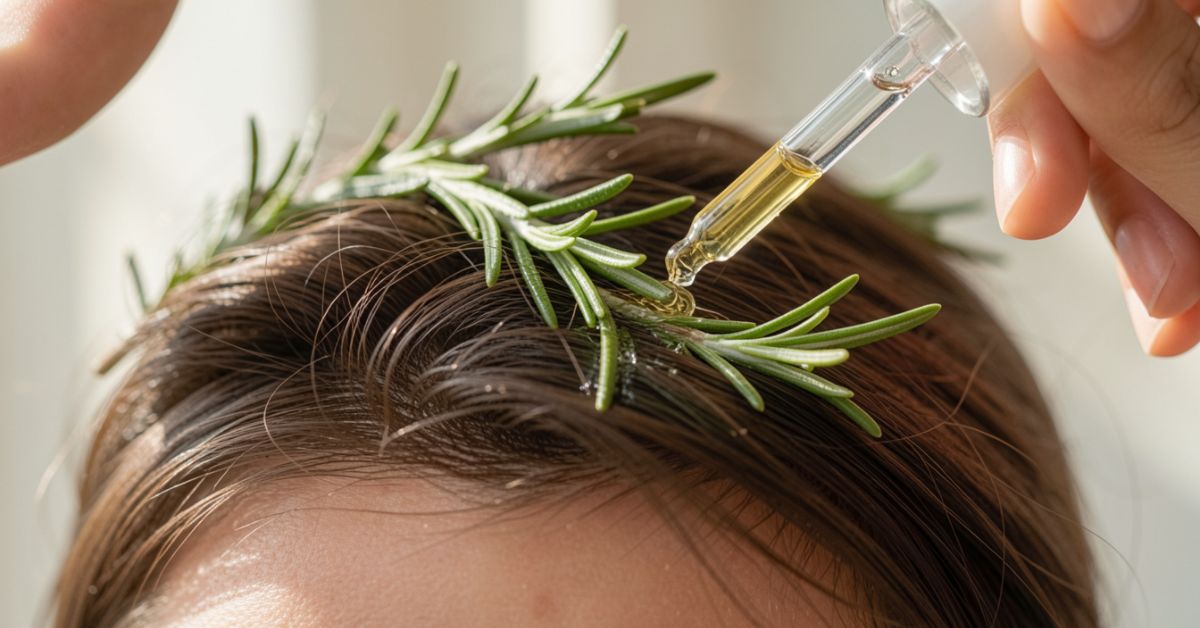
Introduction:
Hair care trends change quickly, yet rosemary oil has remained one of the most talked-about natural remedies for thinning hair and scalp health. Social media, beauty blogs, and even some dermatologists have highlighted its potential to support healthier hair. At the same time, many people report unexpected shedding after adding it to their routine. This has raised an important question: can rosemary oil cause hair loss, or are these experiences being misunderstood?
The short answer is that rosemary oil does not usually cause permanent hair loss when it is used correctly. Instead, factors such as improper application, scalp sensitivity, allergic reactions, or an unrelated hair condition may explain why some users notice increased shedding. In some cases, temporary hair fall may even be part of the natural hair cycle rather than evidence that the oil is damaging your hair.
In this guide, you’ll discover what scientific research says about rosemary oil and hair loss. Additionally, you’ll learn why some people experience temporary shedding after using it. Moreover, we’ll explain how to use rosemary oil safely to reduce the risk of scalp irritation and unnecessary hair loss. Furthermore, you’ll find out when you should stop using it and seek professional advice. If you’re trying rosemary oil for the first time, this guide will help you apply it correctly.
On the other hand, if you’ve noticed changes in your hair after using it, you’ll understand the possible reasons behind those changes. Finally, you’ll discover practical tips to maximize the potential benefits of rosemary oil while minimizing possible side effects. Overall, this evidence-based guide will help you make informed decisions with greater confidence.
Can Rosemary Oil Cause Hair Loss or Is It Just a Myth?
Many people search online for can rosemary oil cause hair loss after noticing extra strands in the shower or on their hairbrush. Although these experiences can be alarming, they do not always mean rosemary oil is harming your hair. In fact, current scientific evidence suggests that rosemary oil is more commonly associated with supporting healthier hair growth than causing permanent hair loss. However, not every scalp reacts the same way. Instead, your hair’s response depends on several factors. For example, your hair type, scalp condition, application method, and overall health can all influence the results. Therefore, it is important to understand these factors before making assumptions.
Likewise, knowing the difference between temporary shedding and actual hair loss is essential. As a result, you can avoid unnecessary worry and make better decisions about your hair care routine. Ultimately, understanding the facts before reaching conclusions will help you use rosemary oil more safely and effectively.
Does Rosemary Oil Really Make Hair Fall Out?
For most healthy individuals, rosemary oil does not directly cause hair to fall out. Instead, it is widely recognized for improving scalp circulation and supporting healthier hair follicles. Better blood flow may help follicles receive more oxygen and nutrients, creating an environment that encourages stronger hair growth.
Nevertheless, several situations may make it seem as though rosemary oil is causing hair loss:
- Applying undiluted essential oil directly to the scalp
- Using excessive amounts too frequently
- Having an allergy or skin sensitivity
- Already experiencing an underlying hair loss condition
- Mistaking normal daily shedding for abnormal hair loss
As a result, the oil itself is often not the primary problem. Instead, the way it is used or another underlying issue may be responsible.
Expert Insight: Healthy individuals naturally lose around 50 to 100 hairs each day as part of the normal hair growth cycle. This amount of shedding is completely normal.
Temporary Shedding vs. Permanent Hair Loss
One of the biggest misunderstandings involves confusing temporary shedding with permanent hair loss.
| Temporary Shedding | Permanent Hair Loss |
| Hair grows back after a period of shedding. | Hair follicles gradually shrink or stop producing hair. |
| Usually linked to changes in the hair growth cycle. | Often caused by genetics, hormones, or medical conditions. |
| Can improve without long-term damage. | Usually requires medical evaluation or treatment. |
| Hair density often returns over time. | Hair becomes progressively thinner if untreated. |
Temporary shedding can occur for many reasons and does not automatically mean your follicles are damaged. Permanent hair loss, on the other hand, usually develops gradually and often requires professional diagnosis.
Therefore, if you notice increased shedding shortly after starting rosemary oil, avoid assuming the product is solely responsible. Instead, monitor your scalp for signs of irritation. Additionally, review your application method to ensure you are using the oil correctly. At the same time, pay attention to your overall hair and scalp health.
Furthermore, consider whether other factors, such as stress, hormonal changes, or nutritional deficiencies, could be contributing to the shedding. Finally, after observing these factors for a few weeks, you can make a more informed conclusion about whether rosemary oil is affecting your hair.
Why Some People Notice Hair Shedding After Using Rosemary Oil
Although many people benefit from rosemary oil, others notice more hair shedding during the first few weeks. Several explanations may account for this experience.
First, rosemary oil may stimulate scalp circulation. As healthier hairs begin developing, older hairs that were already nearing the end of their life cycle may naturally shed sooner. While research has not conclusively shown that rosemary oil causes an initial shedding phase like some prescription treatments can, individual experiences do vary.
Second, incorrect application is extremely common. Essential oils are highly concentrated and should never be applied directly to the scalp without dilution. Undiluted rosemary oil can irritate the skin, weaken the scalp barrier, and increase inflammation, which may contribute to hair breakage or temporary shedding.
Additionally, many online discussions especially in forums and reviews reflect personal experiences rather than scientific evidence. Reading Can rosemary oil cause hair loss reviews or Can rosemary oil cause hair loss Reddit threads can be informative, but these anecdotes should not replace advice from qualified healthcare professionals or well-designed clinical studies.
Quick Takeaway
Rosemary oil is not scientifically proven to cause permanent hair loss.
Temporary shedding may have several explanations besides the oil itself.
Proper dilution and consistent use are essential for safety.
Scalp irritation, not rosemary oil alone is often the real issue.
If hair loss continues for several months or worsens significantly, consult a dermatologist to identify the underlying cause.
What Is Rosemary Oil and How Does It Affect Your Hair?
Rosemary oil is a concentrated essential oil extracted from the leaves of the Rosmarinus officinalis plant. For centuries, people have used it in traditional medicine, cooking, and natural beauty treatments. Today, it has become one of the most popular ingredients in hair care because many users believe it supports thicker, healthier hair.
When people ask, can rosemary oil cause hair loss, it is important to first understand how this essential oil interacts with the scalp and hair follicles. Current research suggests that rosemary oil is more likely to support scalp health than damage healthy hair when it is used correctly. However, like any active ingredient, it should be applied safely and consistently to achieve the best results.
Unlike products that simply coat the hair strands, rosemary oil works mainly on the scalp, where healthy hair growth begins. Its natural compounds may help improve circulation, reduce inflammation, and create a healthier environment for hair follicles.
Quick Fact: Rosemary essential oil is highly concentrated. Always dilute it with a carrier oil before applying it directly to your scalp.
What Makes Rosemary Oil Popular for Hair Care?
Over the past few years, rosemary oil has gained worldwide attention as a natural alternative to conventional hair growth products. Millions of people use it because they want to improve hair thickness without relying on stronger medications.
Several factors contribute to its popularity:
- It is a plant-based ingredient.
- It is suitable for many hair types when diluted properly.
- It supports overall scalp health.
- It may improve blood circulation around hair follicles.
- It is affordable compared to many hair growth treatments.
- It can easily be added to an existing hair care routine.
In addition, social media platforms have introduced rosemary oil to a wider audience. While many success stories are encouraging, it is important to separate personal experiences from scientific evidence. This is why many people continue searching can rosemary oil cause hair loss before trying it themselves.
Why People Choose Rosemary Oil
| Reason | Potential Benefit |
| Natural ingredient | Free from harsh chemicals when used in pure form |
| Easy to use | Mixes well with carrier oils and shampoos |
| Budget-friendly | Costs less than many prescription treatments |
| Supports scalp health | Helps maintain a balanced scalp environment |
| Growing research | Clinical studies continue to explore its effectiveness |
Although rosemary oil has become extremely popular, it should not be viewed as an overnight solution. Healthy hair growth requires consistency, patience, and proper scalp care.
How Rosemary Oil Supports Healthy Hair Growth
Healthy hair begins with healthy follicles. Rosemary oil may support this process through several biological mechanisms that improve the scalp’s environment.
Research suggests rosemary oil may help by:
- Encouraging healthy blood circulation to the scalp.
- Supporting oxygen delivery to hair follicles.
- Helping reduce oxidative stress around follicles.
- Promoting a balanced scalp environment.
- Reducing mild inflammation that may affect follicle health.
Better circulation means hair follicles may receive more nutrients needed for producing stronger strands. While rosemary oil cannot create new follicles where they no longer exist, it may help existing follicles perform more efficiently.
Many users also report improvements such as:
- Hair appearing thicker over time.
- Less noticeable breakage.
- Improved scalp comfort.
- Better hair texture.
- Increased shine.
However, results vary from person to person. Genetics, nutrition, hormones, stress levels, and existing scalp conditions all influence hair growth. Therefore, rosemary oil should be viewed as one part of a complete hair care routine rather than a miracle treatment.
Potential Benefits at a Glance
| Hair Concern | How Rosemary Oil May Help |
| Thinning hair | Supports healthier follicles |
| Weak strands | Encourages stronger-looking hair |
| Dry scalp | Helps maintain scalp balance when properly diluted |
| Mild dandruff | May support scalp comfort |
| Poor circulation | Promotes healthier blood flow to follicles |
How It Works on the Scalp and Hair Follicles
To understand can rosemary oil cause hair loss, it helps to know what happens beneath the surface of the scalp.
Every hair grows from a tiny structure called a hair follicle. These follicles continuously cycle through growth, transition, rest, and shedding phases. Their health largely determines the strength, thickness, and lifespan of each hair strand.
Rosemary oil contains naturally occurring plant compounds, including antioxidants and aromatic molecules, that may support scalp function. Researchers believe these compounds help improve microcirculation around the follicles. As a result, follicles may receive better nourishment and become more efficient at producing healthy hair.
Additionally, rosemary oil has natural antimicrobial and anti-inflammatory properties. These characteristics may help keep the scalp cleaner and reduce minor irritation that could interfere with healthy hair growth.
How Rosemary Oil Works
- It is absorbed into the scalp after proper dilution.
- It helps stimulate local blood circulation.
- Hair follicles receive improved oxygen and nutrients.
- The scalp environment becomes healthier.
- Existing follicles may produce stronger, healthier hair over time.
Although these mechanisms are promising, rosemary oil is not a cure for every type of hair loss. Conditions such as androgenetic alopecia, autoimmune disorders, severe nutritional deficiencies, or hormonal imbalances often require medical diagnosis and targeted treatment.
Expert Tip: Consistency matters more than quantity. Applying a small amount of properly diluted rosemary oil two or three times each week is generally more effective than using excessive amounts every day.
What Does Research Say About Can Rosemary Oil Cause Hair Loss?
When people search can rosemary oil cause hair loss, they are usually looking for evidence rather than opinions. While social media posts and online reviews can be helpful, scientific studies provide a much clearer picture of how rosemary oil affects the scalp and hair follicles.
Current research does not support the claim that rosemary oil causes permanent hair loss in healthy individuals. Instead, most available studies suggest that rosemary oil may improve hair density and support healthy hair growth when it is used correctly. However, researchers also emphasize that results vary depending on the cause of hair loss, the consistency of use, and individual scalp health.
Let’s look at what the evidence says.
1. Scientific Studies on Rosemary Oil and Hair Growth
Scientific interest in rosemary oil has increased significantly over the last decade. Researchers have explored whether this natural essential oil can improve hair growth and help people experiencing thinning hair.
One of the most frequently cited clinical studies was published in SKINmed Journal (2015). Researchers compared rosemary oil with 2% minoxidil, a well-known hair loss treatment, in people with androgenetic alopecia (pattern hair loss). Participants used their assigned treatment for six months.
The findings showed that both groups experienced an increase in hair count over time. Interestingly, the rosemary oil group also reported less scalp itching than the minoxidil group. Although the study had limitations, it suggested that rosemary oil may be a promising natural option for supporting hair growth.
Researchers believe rosemary oil may help by:
- Improving blood circulation around hair follicles.
- Supporting a healthier scalp environment.
- Reducing oxidative stress that can affect follicles.
- Providing anti-inflammatory benefits.
- Helping maintain healthier hair growth cycles.
What Current Research Suggests
| Research Finding | What It Means |
| May improve hair density | Hair may appear fuller with consistent use. |
| Supports scalp circulation | Better nutrient delivery to follicles. |
| Contains antioxidant compounds | Helps protect scalp tissues from oxidative stress. |
| May reduce scalp inflammation | Supports healthier follicle function. |
| Limited long-term studies | More research is still needed. |
Although these findings are encouraging, rosemary oil should not be considered a guaranteed cure for every type of hair loss. Conditions caused by hormonal disorders, autoimmune diseases, nutritional deficiencies, or medications often require additional medical treatment.
Research Insight: Most clinical studies evaluate rosemary oil over six months or longer. Visible improvements usually require patience and consistent application.
2. Rosemary Oil vs. Minoxidil for Hair Loss
Many people comparing hair growth treatments eventually ask whether rosemary oil performs as well as minoxidil.
Minoxidil is an FDA-approved medication for certain types of hair loss, while rosemary oil is a natural essential oil with growing scientific support. Although they work differently, both aim to improve the environment around hair follicles.
Comparison Table
| Feature | Rosemary Oil | Minoxidil |
| Source | Natural essential oil | FDA-approved medication |
| Primary Purpose | Supports scalp health and hair growth | Treats certain forms of hair loss |
| Prescription Required | No | Usually available over the counter |
| Common Side Effects | Irritation if not diluted properly | Scalp irritation, dryness, itching |
| Time to See Results | Around 3–6 months | Around 3–6 months |
| Suitable for Sensitive Skin | Depends on proper dilution | May irritate some users |
The 2015 clinical study found similar improvements in hair count after six months between rosemary oil and 2% minoxidil. However, this does not mean rosemary oil replaces medical treatments in every situation. Instead, it highlights that rosemary oil may be a useful option for some individuals, especially those looking for a plant-based approach.
If you are experiencing severe or rapidly progressing hair loss, it is best to consult a dermatologist before replacing prescribed treatments with natural remedies.
Important: Never stop prescribed hair loss medication without discussing it with your healthcare provider.
3. What Dermatologists Say About Rosemary Oil
Dermatologists generally view rosemary oil as a supportive treatment rather than a miracle solution. Many specialists acknowledge that the available research is promising, but they also point out that evidence is still limited compared with established medical treatments.
Most dermatologists agree on several important points:
- Rosemary oil is unlikely to cause permanent hair loss when used correctly.
- It should always be diluted with a carrier oil before touching the scalp.
- A patch test is recommended before regular use.
- Results take time and require consistency.
- Underlying medical causes of hair loss should always be investigated.
Experts also emphasize that hair loss has many possible causes. Therefore, someone searching can rosemary oil cause hair loss may actually be experiencing an unrelated condition such as hormonal changes, stress, nutritional deficiencies, or genetic pattern hair loss.
When Dermatologists Recommend Extra Evaluation
Consider scheduling an appointment if you notice:
- Sudden or excessive hair shedding.
- Bald patches developing quickly.
- Persistent scalp pain, redness, or swelling.
- Hair loss lasting longer than several months.
- Hair thinning accompanied by fatigue or other health changes.
These symptoms may indicate an underlying medical condition rather than a reaction to rosemary oil.
Expert Summary
Based on the current body of scientific evidence, there is no strong proof that rosemary oil causes permanent hair loss. Instead, research suggests it may support healthier hair growth by improving scalp circulation and creating a better environment for hair follicles.
However, rosemary oil is not a one-size-fits-all solution. Individual results depend on proper application, consistent use, and the underlying cause of hair loss. Therefore, if you experience ongoing shedding or significant scalp irritation, it is important to stop using the product and seek professional medical advice.
Why Can Rosemary Oil Cause Hair Loss in Some Cases?
Although research generally suggests that rosemary oil supports scalp health, some people still search can rosemary oil cause hair loss after experiencing unexpected shedding or irritation. In most situations, rosemary oil is not the direct cause of permanent hair loss. Instead, the problem usually comes from incorrect application, scalp sensitivity, or an existing hair condition that was already developing.
Understanding these common mistakes can help you use rosemary oil safely and reduce the risk of irritation or unnecessary hair shedding.
Important: Hair loss after using rosemary oil does not automatically mean the oil is harmful. Identifying the real cause is the key to protecting your hair.
1. Using Undiluted Rosemary Oil
One of the biggest mistakes people make is applying pure rosemary essential oil directly to the scalp. Essential oils are highly concentrated and contain powerful plant compounds that can irritate the skin if they are not diluted properly.
When undiluted rosemary oil comes into direct contact with the scalp, it may damage the skin barrier instead of supporting it. As a result, some people experience redness, burning, itching, or increased hair shedding.
Possible Effects of Undiluted Rosemary Oil
- Scalp irritation
- Burning sensation
- Dryness and flaking
- Itching
- Temporary hair shedding
- Increased hair breakage
If irritation becomes severe, the inflamed scalp may temporarily weaken the hair follicles, making hair appear thinner.
Best Practice: Always mix rosemary essential oil with a carrier oil before applying it to your scalp.
2. Applying Too Much Rosemary Oil
When trying to improve hair growth, many people believe that using more oil will produce faster results. Unfortunately, this approach often has the opposite effect.
Applying excessive amounts of rosemary oil can leave residue on the scalp, clog pores, and increase irritation. Overusing essential oils may also disturb the scalp’s natural balance.
Signs that you may be using too much include:
- Oily scalp that feels heavy
- Persistent itching
- Product build-up
- Increased scalp sensitivity
- Hair looking greasy shortly after washing
Using rosemary oil in moderation is much more effective than applying large amounts every day.
Recommended Usage
| Hair Type | Suggested Frequency |
| Normal scalp | 2–3 times per week |
| Dry scalp | 2 times per week |
| Oily scalp | 1–2 times per week |
| Sensitive scalp | Start once weekly after a patch test |
Consistency is more important than quantity. Small, regular applications usually deliver better long-term results.
3. Allergic Reactions and Scalp Irritation
Every person’s skin responds differently to essential oils. While many people tolerate rosemary oil well, others may develop an allergic reaction or skin sensitivity.
An allergic reaction can inflame the scalp, making hair more fragile and increasing temporary shedding. This is one reason why some users wonder, can rosemary oil cause hair loss, even though the underlying issue is actually irritation.
Common Symptoms of a Reaction
- Redness
- Itching
- Burning
- Rash
- Swelling
- Tender scalp
- Excessive discomfort after application
If you notice any of these symptoms, stop using the oil immediately and wash your scalp with a gentle shampoo. If symptoms persist or worsen, consult a dermatologist.
Expert Tip: Perform a patch test by applying a small amount of diluted rosemary oil to the inside of your forearm and wait 24 hours before using it on your scalp.
4. Product Build-Up on the Scalp
Healthy hair starts with a healthy scalp. However, applying rosemary oil without cleansing the scalp regularly can lead to product build-up.
Oil residue, styling products, sweat, and dead skin cells may accumulate around hair follicles over time. This build-up does not usually cause permanent hair loss, but it can create an unhealthy scalp environment that affects hair quality.
Signs of Product Build-Up
- Greasy roots
- Flaky scalp
- Itching
- Dull-looking hair
- Heavy or sticky feeling
- Reduced volume
To prevent build-up:
- Wash your hair with a gentle shampoo.
- Avoid layering too many oils.
- Massage the scalp gently instead of aggressively.
- Clarify the scalp occasionally if you use styling products frequently.
Keeping the scalp clean allows rosemary oil to work more effectively.
5. Poor Scalp Health and Weak Hair
Sometimes rosemary oil receives the blame even though the real issue already existed before treatment began.
A scalp affected by inflammation, dandruff, fungal infections, excessive oil production, or poor hygiene may struggle to support healthy hair growth. In these cases, rosemary oil alone cannot solve the underlying problem.
Other factors that may weaken hair include:
- Chronic stress
- Poor nutrition
- Iron deficiency
- Vitamin D deficiency
- Hormonal imbalance
- Lack of sleep
- Certain medications
- Tight hairstyles
If these issues remain untreated, hair shedding may continue regardless of whether you use rosemary oil.
Factors That Can Contribute to Hair Loss
| Factor | Potential Impact on Hair |
| Poor scalp hygiene | Weakens the scalp environment |
| Nutritional deficiencies | Reduces healthy hair production |
| Hormonal imbalance | Triggers increased shedding |
| Chronic stress | Pushes hairs into the resting phase |
| Existing scalp conditions | Can worsen hair thinning |
| Improper rosemary oil use | May cause irritation rather than benefits |
Expert Insight
Most reports claiming can rosemary oil cause hair loss are linked to how the oil is used, not the oil itself. Proper dilution, moderate application, and a healthy scalp are essential for achieving the best results.
If you notice severe shedding, persistent irritation, or hair loss that continues for several months, stop using the product and seek advice from a qualified dermatologist. An underlying medical condition may require professional evaluation and treatment.
Can Rosemary Oil Cause Hair Loss? How to Use Rosemary Oil Correctly for Safe Hair Growth
If you are searching for can rosemary oil cause hair loss, the answer often depends on how you use it. Rosemary essential oil is highly concentrated, and incorrect application may cause scalp irritation, dryness, or discomfort. These issues can sometimes make hair appear weaker or increase temporary shedding.
Using rosemary oil safely is not about applying more product. It is about using the correct dilution, choosing suitable carrier oils, following a consistent routine, and paying attention to how your scalp responds.
When used properly, rosemary oil may support scalp health and create a better environment for healthy-looking hair. However, it should be considered part of a complete hair care routine that includes good scalp hygiene, balanced nutrition, and proper hair care habits.
Expert Tip: Healthy hair growth requires patience. Consistent and correct application is usually more effective than applying large amounts of rosemary oil frequently.
1. How to Dilute Rosemary Oil Properly to Prevent Hair Damage
Rosemary essential oil is very concentrated, which means it should not usually be applied directly to the scalp. Using pure rosemary oil may increase the chance of irritation, dryness, itching, or redness.
Proper dilution helps reduce the concentration while allowing the oil to spread evenly across the scalp. This is one of the most important steps for safe rosemary oil use.
Key dilution guidelines include:
- Never apply pure rosemary essential oil directly to your scalp.
- Mix rosemary oil with a suitable carrier oil before use.
- Start with a lower concentration if you have sensitive skin.
- Perform a patch test before applying it to your entire scalp.
Recommended Rosemary Oil Dilution Guide
| Carrier Oil Amount | Rosemary Oil Amount | Suitable For |
|---|---|---|
| 1 teaspoon (5 ml) | 2–3 drops | Beginners and sensitive scalps |
| 1 tablespoon (15 ml) | 6–9 drops | Regular scalp massage |
| 2 tablespoons (30 ml) | 12–18 drops | Larger areas of application |
After mixing, gently massage the diluted oil into your scalp for a few minutes. Avoid aggressive rubbing because excessive friction may increase hair breakage.
Always perform a 24-hour patch test on a small area of skin before using rosemary oil for the first time. This helps identify possible sensitivity before applying it to your scalp.
Best Carrier Oils to Mix with Rosemary Oil for Healthy Hair
Carrier oils help dilute rosemary oil and can provide additional benefits for scalp and hair care. The best option depends on your hair type, scalp condition, and personal preference.
Some commonly used carrier oils include:
- Coconut oil
- Jojoba oil
- Argan oil
- Sweet almond oil
- Grapeseed oil
Each carrier oil has different properties. For example, coconut oil is often used for dry or damaged hair, while jojoba oil has a lightweight texture that may suit oily or sensitive scalps.
Carrier Oil Comparison Guide
| Carrier Oil | Best For | Texture |
| Coconut Oil | Dry and damaged hair | Rich |
| Jojoba Oil | Oily or sensitive scalp | Light |
| Argan Oil | Frizzy or dull hair | Lightweight |
| Sweet Almond Oil | Normal hair | Medium |
| Grapeseed Oil | Fine or oily hair | Very light |
There is no single carrier oil that works perfectly for everyone. Choose an option that matches your scalp needs and monitor how your hair responds over time.
How Often Should You Apply Rosemary Oil for Hair Growth?
Applying rosemary oil too frequently does not always provide better results. Overuse may lead to product buildup, scalp discomfort, or irritation.
A consistent schedule is usually more important than applying large amounts.
Recommended Rosemary Oil Application Frequency
| Scalp Type | Suggested Use |
| Normal scalp | 2–3 times per week |
| Dry scalp | About 2 times per week |
| Oily scalp | 1–2 times per week |
| Sensitive scalp | Start once weekly |
Your ideal routine may change depending on how your scalp reacts. If you notice itching, excessive oiliness, or irritation, reduce the frequency and allow your scalp time to recover.
Expert Advice: Regular use for several months is generally more important than daily application.
Can You Leave Rosemary Oil on Overnight Safely?
Many people choose to leave diluted rosemary oil on overnight as part of their hair care routine. Overnight application may be convenient because it allows longer contact time before washing.
However, overnight use is not necessary for everyone. People with sensitive skin or scalp concerns may prefer shorter application periods.
Benefits and Drawbacks of Overnight Rosemary Oil Use
| Benefits | Possible Drawbacks |
| Convenient nighttime routine | May feel greasy |
| Longer contact time | Possible irritation for sensitive scalps |
| Easy to include in a routine | May transfer onto pillowcases |
If you decide to leave rosemary oil overnight:
- Always use diluted rosemary oil.
- Wash your hair if your scalp feels uncomfortable.
- Keep pillowcases clean.
- Avoid overnight use if irritation develops.
Never leave undiluted rosemary essential oil on your scalp overnight.
Can You Add Rosemary Oil to Shampoo for Better Results?
Adding rosemary oil to shampoo can be a simple way to include it in your hair care routine. However, it is better to mix rosemary oil with a single shampoo portion instead of adding it directly to the entire shampoo bottle.
This helps maintain better control over the amount used and reduces the risk of over-application.
Rosemary Oil Shampoo Mixing Guide
| Shampoo Amount | Rosemary Oil Amount |
| One palmful of shampoo | 2–3 drops |
| Extra-long hair amount | 3–4 drops |
| Sensitive scalp | Start with 1–2 drops |
Massage the shampoo mixture gently into your scalp and rinse thoroughly. Avoid using excessive amounts because more rosemary oil does not always mean better results.
Stop using the mixture if you experience:
- Burning sensation
- Increased itching
- Persistent redness
- Scalp discomfort
Common Rosemary Oil Mistakes That May Cause Scalp Problems
Many issues associated with rosemary oil happen because of incorrect usage rather than the oil itself.
Common mistakes include:
- Applying undiluted rosemary oil
- Using too much product
- Applying it too frequently
- Ignoring scalp irritation
- Skipping a patch test
- Expecting immediate results
Avoiding these mistakes can help create a safer and more effective rosemary oil routine.
Best Practices for Using Rosemary Oil Without Irritation
To use rosemary oil safely and effectively:
- Dilute rosemary oil before application.
- Choose a suitable carrier oil.
- Start with a small amount.
- Follow a consistent routine.
- Keep your scalp clean.
- Monitor your scalp’s reaction.
- Be patient with results.
When used correctly, rosemary oil can be a helpful addition to a balanced hair care routine. Understanding proper application methods is the key to avoiding unnecessary scalp problems and getting the most potential benefits.
Read More:https://pureoilshub.com/cypress-oil-for-hair-removal/
Can Rosemary Oil Cause Hair Loss During the Shedding Phase?
Many first-time users become concerned when they notice extra hairs on their pillow, in the shower, or on their hairbrush after starting rosemary oil. This often leads to the question, can rosemary oil cause hair loss during the early stages of use?
The good news is that temporary shedding does not always mean rosemary oil is damaging your hair. Hair naturally follows a growth cycle, and some hairs are meant to shed before new ones grow. Although scientific evidence has not confirmed that rosemary oil consistently causes an initial shedding phase, individual experiences vary. In many cases, the shedding is related to the natural hair cycle, seasonal hair changes, or an underlying condition rather than the oil itself.
Therefore, understanding what happens during the hair growth cycle can help you avoid unnecessary worry and determine whether your hair is responding normally.
Expert Insight: A small increase in shedding for a short period does not necessarily indicate permanent hair loss. Persistent or excessive shedding, however, should be evaluated by a dermatologist.
1. Understanding the Hair Growth Cycle
Key Points
- Hair grows in four natural phases.
- Every hair follicle follows its own cycle.
- Shedding is a normal biological process.
- Healthy hair continuously replaces old hair.
- Rosemary oil supports the scalp but does not change the natural cycle overnight.
Every strand of hair goes through a repeating cycle of growth, rest, and shedding. Since different hairs are in different stages at the same time, losing some hair every day is completely normal.
Understanding these phases makes it easier to answer the question, can rosemary oil cause hair loss, because not every hair that falls out is a sign of damage.
The Four Stages of Hair Growth
| Hair Growth Phase | What Happens | Typical Duration |
| Anagen (Growth) | Hair actively grows from the follicle. | 2–7 years |
| Catagen (Transition) | Hair growth slows and the follicle begins to shrink. | 2–3 weeks |
| Telogen (Resting) | Hair remains in place while new growth develops underneath. | 2–4 months |
| Exogen (Shedding) | Older hairs naturally fall out, making room for new strands. | Ongoing |
A healthy person normally loses 50 to 100 hairs each day as part of this cycle. Therefore, seeing a few extra hairs after washing or brushing is usually not a reason to panic.
2. How Long Does the Shedding Phase Last?
Key Points
- Temporary shedding usually lasts a few weeks.
- Hair growth is a slow biological process.
- Results vary depending on the individual.
- Consistency is more important than frequent application.
- Severe or prolonged shedding requires medical advice.
Many people search how long does rosemary oil cause hair loss at first because they expect immediate improvements. However, hair follicles respond slowly to any treatment, including natural remedies.
If mild shedding occurs, it generally does not continue for several months. Most people who experience temporary shedding notice it improving within two to eight weeks, although this varies depending on their overall scalp health, genetics, and the reason for using rosemary oil.
Expected Timeline
| Time After Starting Rosemary Oil | What You May Notice |
| Weeks 1–2 | Little visible change |
| Weeks 3–8 | Some users may notice temporary shedding or improved scalp condition |
| Months 2–3 | Hair shedding often stabilizes |
| Months 3–6 | Possible improvements in hair thickness and density |
| After 6 Months | Continued progress with consistent use for suitable candidates |
Remember that hair grows only about 1 to 1.5 centimeters per month, so visible improvements require patience.
Important: If hair shedding becomes severe, creates bald patches, or continues beyond several months, stop self-diagnosing and consult a dermatologist.
3. Is Hair Shedding a Sign That Rosemary Oil Is Working?
Key Points
- Mild shedding is not always a negative sign.
- Research has not proven that rosemary oil causes a mandatory shedding phase.
- Everyone responds differently.
- Healthy scalp improvements often appear before visible hair growth.
- Consistency and proper use are essential.
Some people believe that hair shedding means rosemary oil is “pushing out weak hairs” to make room for stronger ones. While this idea is commonly discussed online, there is currently no strong scientific evidence proving that rosemary oil always causes this type of shedding.
Instead, several factors may explain why hair appears to shed after beginning a new hair care routine:
- The hair was already nearing the end of its natural growth cycle.
- Seasonal shedding happens to occur at the same time.
- The scalp is adjusting to a new product.
- An unrelated medical condition is causing hair loss.
- Improper application has irritated the scalp.
This is why relying solely on online discussions, including Can rosemary oil cause hair loss Reddit threads, can be misleading. Personal experiences vary widely and do not replace scientific research or professional medical advice.
When Shedding Is Usually Normal
Hair fall remains close to your normal daily amount.
Your scalp feels healthy without severe irritation.
Hair shedding gradually decreases over time.
You notice baby hairs or healthier-looking growth after several months.
When You Should Seek Medical Advice
Hair loss becomes sudden or excessive.
Large bald patches appear.
The scalp becomes painful, swollen, or infected.
Hair continues thinning despite proper rosemary oil use.
You experience other symptoms such as fatigue, weight changes, or hormonal issues.
Other Reasons You May Experience Hair Loss
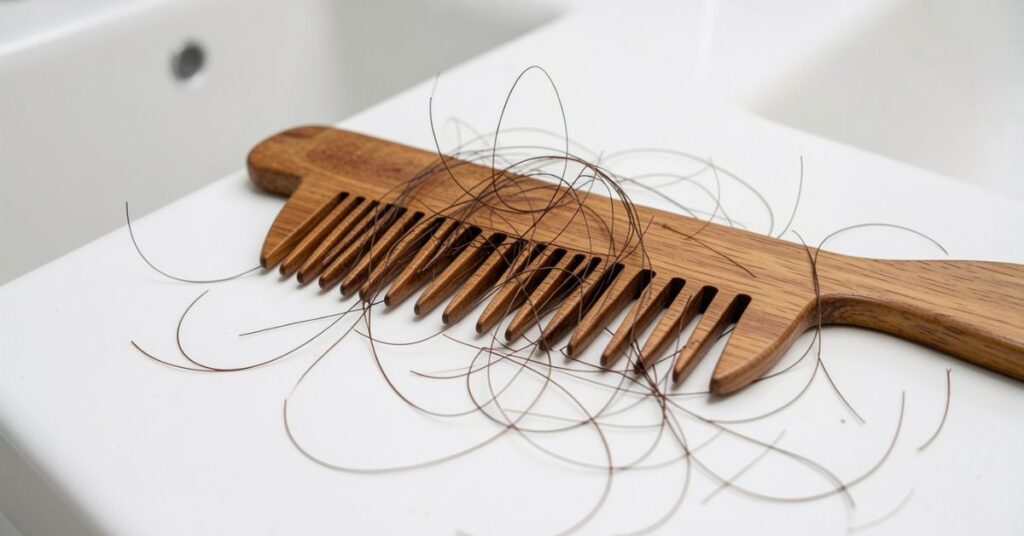
Even if you’re using rosemary oil correctly, it may not be the real reason your hair is thinning. Many people search can rosemary oil cause hair loss because they notice increased shedding soon after starting a new hair care routine. However, hair loss often develops due to underlying health conditions, hormonal changes, nutritional deficiencies, or lifestyle factors that have nothing to do with rosemary oil.
Understanding these common causes can help you identify the real issue and choose the most effective treatment. Instead of blaming one product, it’s important to look at your overall health, scalp condition, and daily habits.
Expert Insight: Hair loss is usually caused by multiple factors rather than a single product. A complete evaluation often reveals the true reason behind excessive shedding.
1. Telogen Effluvium
Key Points
- A common cause of temporary hair shedding.
- Often triggered by physical or emotional stress.
- Hair follicles enter the resting phase too early.
- Hair usually grows back after the trigger is resolved.
- Rosemary oil does not cause telogen effluvium.
Telogen effluvium is one of the most common reasons people experience sudden hair shedding. It happens when a large number of hair follicles enter the telogen (resting) phase at the same time. A few months later, those hairs begin to fall out, making it seem like hair loss has appeared overnight.
Common triggers include:
- High fever or illness
- Surgery
- Childbirth
- Rapid weight loss
- Severe emotional stress
- Certain medications
- Major life changes
Because telogen effluvium often begins two to three months after the triggering event, many people mistakenly connect it to a new shampoo or rosemary oil that they recently started using.
Common Triggers of Telogen Effluvium
| Trigger | How It Affects Hair |
| High stress | Pushes follicles into the resting phase |
| Illness or surgery | Interrupts the normal hair cycle |
| Rapid weight loss | Reduces nutrients available for hair growth |
| Childbirth | Hormonal changes increase shedding |
| Certain medications | Can temporarily affect hair follicles |
The good news is that telogen effluvium is usually temporary, and hair often begins to recover once the underlying cause is addressed.
2. Hormonal Changes
Key Points
- Hormones strongly influence hair growth.
- Hormonal imbalances can increase shedding.
- Both men and women can be affected.
- Medical evaluation may be necessary.
- Rosemary oil cannot correct hormonal disorders.
Hormones play a major role in regulating the hair growth cycle. When hormone levels change, hair follicles may shrink, produce thinner strands, or enter the shedding phase earlier than normal.
Common hormonal causes include:
- Pregnancy
- Postpartum changes
- Menopause
- Thyroid disorders
- Polycystic ovary syndrome (PCOS)
- Elevated androgen levels
These conditions may cause gradual thinning or sudden hair shedding. If hair loss is accompanied by irregular menstrual cycles, fatigue, unexplained weight changes, or persistent acne, consult a healthcare professional for proper testing.
Important: Treating the underlying hormonal condition is often more effective than relying on topical products alone.
3. Nutritional Deficiencies
Key Points
- Healthy hair depends on proper nutrition.
- Vitamin and mineral deficiencies can slow hair growth.
- Protein intake is essential for strong hair.
- Blood tests may help identify deficiencies.
- Diet plays a key role in long-term hair health.
Hair follicles require a steady supply of nutrients to grow healthy strands. When your body lacks important vitamins or minerals, it may prioritize essential organs over hair growth, leading to increased shedding.
Common nutritional deficiencies linked to hair loss include:
- Iron
- Vitamin D
- Vitamin B12
- Zinc
- Biotin (rare deficiency)
- Protein
Nutrients That Support Healthy Hair
| Nutrient | Why It’s Important | Food Sources |
| Protein | Builds hair structure | Eggs, fish, beans |
| Iron | Supports oxygen delivery | Spinach, red meat, lentils |
| Vitamin D | Supports follicle function | Fatty fish, fortified foods, sunlight |
| Zinc | Helps tissue repair | Nuts, seeds, seafood |
| Vitamin B12 | Supports healthy cell production | Meat, dairy, fortified cereals |
A balanced diet supports healthier hair from the inside out. Supplements should only be taken if recommended by a healthcare professional.
4. Stress and Lifestyle Factors
Key Points
- Chronic stress may increase hair shedding.
- Poor sleep affects overall health.
- Smoking may reduce blood flow to hair follicles.
- Crash diets can weaken hair.
- Healthy habits support stronger hair growth.
Modern lifestyles often place significant stress on the body. Emotional stress, poor sleep, unhealthy eating habits, and smoking can all affect the hair growth cycle.
Lifestyle habits that may contribute to hair thinning include:
- Sleeping fewer than seven hours regularly
- High stress levels
- Smoking
- Excessive alcohol consumption
- Poor hydration
- Lack of regular physical activity
Although rosemary oil may support scalp health, it cannot fully overcome the effects of long-term unhealthy lifestyle habits.
Healthy Habits That Support Hair Growth
- Eat a balanced diet.
- Stay hydrated.
- Exercise regularly.
- Manage stress through healthy coping strategies.
- Get enough quality sleep.
- Avoid smoking when possible.
Small improvements in your daily routine can have a positive impact on both your overall health and your hair.
5. Genetics and Pattern Hair Loss
Key Points
- Genetics is one of the leading causes of hair loss.
- Pattern hair loss develops gradually.
- Both men and women can experience it.
- Early treatment often produces better results.
- Rosemary oil may support scalp health but is not a cure.
Androgenetic alopecia, commonly called pattern hair loss, is largely influenced by genetics and hormones. It is the most common form of hair loss worldwide.
Typical signs include:
For Men
- Receding hairline
- Thinning at the crown
- Progressive hair loss over time
For Women
- Widening part line
- Diffuse thinning across the scalp
- Reduced hair volume without complete baldness
While some studies suggest rosemary oil may help improve hair density in certain people with pattern hair loss, it does not reverse advanced follicle miniaturization. Medical treatments may be recommended depending on the severity of the condition.
Comparison of Common Hair Loss Causes
| Cause | Temporary or Long-Term | Professional Treatment May Be Needed |
| Telogen Effluvium | Usually Temporary | Sometimes |
| Hormonal Changes | Depends on the Cause | Often |
| Nutritional Deficiencies | Usually Reversible | Yes |
| Stress | Usually Temporary | Sometimes |
| Pattern Hair Loss | Often Progressive | Frequently |
Who Should Avoid Using Rosemary Oil?
Rosemary oil is generally considered safe for most healthy adults when it is properly diluted and used as directed. However, it is not the right choice for everyone. If you have certain medical conditions, sensitive skin, or an already irritated scalp, rosemary oil may cause discomfort instead of providing benefits. This is one reason some people begin searching can rosemary oil cause hair loss after experiencing redness, itching, or increased shedding.
Although rosemary oil does not usually cause permanent hair loss, some individuals have a higher risk of developing irritation or allergic reactions. Understanding these situations can help you decide whether rosemary oil is suitable for your hair care routine.
Important: If you are unsure whether rosemary oil is appropriate for you, speak with a dermatologist or healthcare professional before adding it to your routine.
1. People with Sensitive Skin
People with sensitive skin should use rosemary oil with extra caution because their skin barrier is more likely to react to concentrated ingredients.
If your skin frequently becomes irritated by skincare products, fragrances, or cosmetics, you may also be more sensitive to essential oils. Even when rosemary oil is diluted, some individuals may experience redness, itching, burning, or dryness. These reactions can temporarily weaken the scalp and make hair shedding appear worse.
Before applying rosemary oil to your scalp, perform a patch test by placing a small amount of diluted oil on the inside of your arm and waiting 24 hours. If no irritation develops, you can begin using it on a small area of your scalp. Starting with a lower concentration and applying it only once a week allows you to monitor your skin’s response before increasing the frequency.
2. Individuals with Scalp Conditions
People with existing scalp conditions should not assume that rosemary oil will automatically improve their symptoms. In some cases, applying essential oils to an inflamed or damaged scalp may increase irritation rather than relieve it.
Conditions such as eczema, psoriasis, seborrheic dermatitis, fungal infections, or open sores can make the scalp more sensitive. Applying rosemary oil to these areas may cause discomfort, burning, or additional inflammation.
If you have an ongoing scalp condition, it is best to focus on treating the underlying problem first. Once your dermatologist confirms that your scalp has healed or stabilized, they can advise whether rosemary oil is appropriate for your situation. A healthy scalp provides a much better environment for hair growth than an irritated one.
3. Pregnancy and Breastfeeding
Pregnant or breastfeeding women should be cautious when using essential oils, including rosemary oil. Although rosemary oil is widely used in cosmetic products, there is limited high-quality research confirming its safety during pregnancy and lactation.
Because essential oils contain highly concentrated plant compounds, some healthcare providers recommend avoiding unnecessary exposure unless specifically approved by a medical professional. This precaution is especially important during the first trimester of pregnancy.
If you are pregnant, planning a pregnancy, or breastfeeding, discuss the use of rosemary oil with your doctor before applying it regularly to your scalp. Following professional advice helps protect both your health and your baby’s well-being.
4. When to Talk to a Dermatologist
While mild daily hair shedding is completely normal, persistent or excessive hair loss should never be ignored. If you continue asking can rosemary oil cause hair loss despite using it correctly, the real cause may be an underlying medical condition rather than the oil itself.
Schedule an appointment with a dermatologist if you notice sudden hair loss, rapidly developing bald patches, severe scalp itching, persistent redness, swelling, pain, or hair thinning that continues for several months. Hair loss accompanied by fatigue, unexplained weight changes, irregular menstrual cycles, or other health concerns also deserves medical evaluation.
A dermatologist can examine your scalp, review your medical history, and, if necessary, recommend blood tests or additional investigations to identify the exact cause of your hair loss. Receiving an accurate diagnosis early often leads to more effective treatment and better long-term results.
Key Takeaways
- Rosemary oil is safe for most people when it is properly diluted and used in moderation.
- Individuals with sensitive skin or existing scalp conditions should use extra caution.
- Pregnant and breastfeeding women should seek medical advice before using rosemary oil.
- Persistent or severe hair loss is often linked to underlying health conditions rather than rosemary oil itself.
- Consulting a dermatologist is the best step if your symptoms continue or worsen despite proper hair care.
Can Rosemary Oil Cause Hair Loss? How Long Does Rosemary Oil Take to Show Results?

One of the most common questions people ask after starting rosemary oil is how quickly they can expect visible results. Many users want to know whether improvements appear within a few weeks or if they need to wait several months before noticing changes.
When discussing can rosemary oil cause hair loss, it is important to understand that healthy hair growth is a gradual process. Rosemary oil does not provide instant results like styling products that temporarily improve hair appearance. Instead, it may support scalp health, improve the hair growth environment, and help hair look healthier over time when used consistently.
The time needed to see results depends on several factors, including the reason for hair concerns, genetics, scalp condition, lifestyle habits, and how regularly rosemary oil is applied. Some people may notice early improvements, while others may need more time to see visible changes.
Expert Insight: Hair growth follows a natural cycle, so evaluating any hair care product after only a few days or weeks may not provide an accurate picture of its effectiveness.
1. Expected Rosemary Oil Hair Growth Timeline
Rosemary oil usually requires patience and consistent use. Unlike chemical treatments or cosmetic products that create temporary changes, rosemary oil works gradually by supporting the scalp environment.
Most people who respond positively to rosemary oil may begin noticing subtle improvements after several months of regular use. However, results can vary because every person’s hair growth cycle and scalp condition are different.
Rosemary Oil Results Timeline: What to Expect Month by Month
| Time Period | Possible Changes |
|---|---|
| First few weeks | Scalp may feel more balanced, but visible hair changes are usually limited |
| 1–3 months | Some users may notice improved scalp condition and reduced dryness or breakage |
| 3–6 months | Gradual improvements in hair strength, thickness appearance, or overall hair quality may become noticeable |
| 6+ months | Continued use may help maintain improvements and support healthier-looking hair |
Several factors can influence how quickly rosemary oil shows results:
- Your current hair health
- The reason behind hair thinning or shedding
- Genetics and natural hair growth cycle
- Nutrition and daily habits
- Stress levels
- Consistency of rosemary oil use
- Correct application method
If hair loss is caused by an underlying medical issue, rosemary oil alone may not address the main cause. In such cases, understanding the reason behind hair loss is important before expecting significant results.
Factors That Affect How Quickly Rosemary Oil Works
The results of rosemary oil can differ from person to person. Several important factors determine how your hair responds.
1. Consistency of Use
Regular use plays an important role in seeing potential benefits. Applying rosemary oil occasionally may not provide the same support as following a consistent hair care routine.
2. Scalp Condition
A healthy scalp creates a better environment for healthy-looking hair. Issues such as dryness, irritation, or poor scalp care may affect how your hair responds.
3. Cause of Hair Loss
The reason behind hair loss matters. Temporary shedding, lifestyle-related concerns, and genetic hair loss may respond differently to any hair care approach.
4. Overall Lifestyle
Balanced nutrition, proper sleep, stress management, and gentle hair care habits can support overall hair health.
Signs Rosemary Oil Is Working for Your Hair
Many people expect the first sign of success to be dramatic new hair growth. However, early improvements are often more subtle.
Possible positive signs include:
- Healthier-feeling scalp
- Reduced dryness
- Less hair breakage
- Improved hair texture
- Stronger-looking strands
- Gradual improvement in hair fullness
Some users may notice small changes around areas where hair appears thinner. However, it is important to track progress over time because hair changes happen slowly.
Taking monthly photos under similar lighting conditions can help you compare changes more accurately. Checking your hair every day may make gradual improvements difficult to notice.
Signs Your Scalp May Not Be Responding Well to Rosemary Oil
Although many people use rosemary oil without problems, some individuals may experience sensitivity or irritation.
Possible signs that your scalp is not responding well include:
- Increased itching
- Burning sensation
- Persistent redness
- Excessive oiliness
- Scalp irritation
- Increased discomfort
These signs may indicate that the product is not suitable for your scalp type or that it is being used incorrectly. Using diluted rosemary oil and following proper application methods may help reduce irritation risks.
What Happens If You Stop Using Rosemary Oil?
Many people ask, does rosemary oil cause hair loss after stopping? Generally, stopping rosemary oil does not directly cause permanent hair loss.
If rosemary oil was supporting a healthier scalp environment or improving the appearance of your hair, those benefits may gradually decrease after stopping use. Your hair may simply return to its previous condition over time.
However, if you were using rosemary oil while dealing with an underlying hair loss cause, that condition may continue after you stop. Any changes that happen afterward are usually related to the original cause rather than stopping rosemary oil itself.
| Situation | Possible Outcome |
| Healthy scalp with no major hair concerns | Little noticeable change after stopping |
| Rosemary oil improved scalp condition | Benefits may gradually decrease |
| Existing genetic hair loss | Original thinning pattern may continue |
| Temporary shedding condition improved | Hair may continue recovering naturally |
How to Maintain Long-Term Hair Health After Using Rosemary Oil
Rosemary oil should be considered one part of a complete hair care routine. Maintaining healthy habits can support stronger-looking hair over time.
Helpful practices include:
- Keep your scalp clean and comfortable
- Use gentle hair care products
- Avoid excessive heat styling
- Maintain balanced nutrition
- Manage daily stress
- Avoid harsh chemical treatments
- Protect hair from unnecessary damage
A consistent and healthy routine helps create better conditions for maintaining hair quality.
The key is to have realistic expectations. Rosemary oil may support hair and scalp health, but it is not an instant solution. Giving your routine enough time allows you to evaluate whether it works well for your individual needs.
Benefits of Rosemary Oil Beyond Hair Growth: How It Supports Healthy Hair
Rosemary oil is widely known for its potential role in supporting hair growth, but its benefits go beyond simply making hair appear thicker. This natural essential oil may also support scalp health, hair strength, and overall hair quality when used correctly.
Many people search for answers to can rosemary oil cause hair loss, but understanding the benefits of rosemary oil provides a more complete view of how this ingredient works. When properly diluted and added to a balanced hair care routine, rosemary oil may help maintain a healthier scalp environment and improve the appearance of hair.
However, rosemary oil is not a guaranteed solution for every hair concern. Its results can vary depending on individual factors such as genetics, scalp condition, lifestyle, and overall hair care habits.
Rosemary Oil Benefits for a Healthy Scalp
A healthy scalp plays an important role in maintaining strong and healthy-looking hair. Rosemary oil contains natural plant compounds that may help support scalp balance and create a better environment for hair follicles.
When the scalp becomes too dry, oily, or irritated, hair quality may be affected. Therefore, keeping the scalp clean and balanced is an important part of a complete hair care routine.
How Rosemary Oil May Support Scalp Health
Rosemary oil may provide several scalp-related benefits, including:
- Supporting scalp circulation.
- Providing antioxidant support.
- Helping maintain scalp balance.
- Creating a comfortable scalp environment.
- Reducing feelings of dryness when properly diluted.
Regular scalp care helps support healthy follicles. However, if rosemary oil causes irritation or discomfort, stop using it and determine the reason before applying it again.
How Rosemary Oil May Help Reduce Dandruff and Scalp Problems
Dandruff is a common scalp concern that may cause visible flakes, dryness, and discomfort. While rosemary oil is not a medical treatment for every dandruff condition, it may support scalp cleanliness and comfort as part of a proper routine.
Rosemary oil contains natural compounds that may have soothing and cleansing properties. These qualities may help maintain a healthier scalp environment when combined with regular washing habits.
Rosemary Oil Effects on Common Scalp Concerns
| Scalp Concern | Possible Rosemary Oil Support |
|---|---|
| Dry scalp | May help maintain moisture when mixed with carrier oils |
| Mild flaking | May support scalp balance |
| Excess oil | May help maintain scalp cleanliness |
| Scalp discomfort | May provide a soothing experience for some users |
Avoid using too much rosemary oil because excessive oil buildup may sometimes contribute to scalp problems.
Rosemary Oil for Hair Thickness and Fuller-Looking Hair
Many people use rosemary oil because they want their hair to look thicker, stronger, and healthier. Some research suggests that rosemary oil may support hair density by helping maintain a healthier environment around hair follicles.
Hair thickness depends on many factors, including genetics, hormones, nutrition, and follicle health. Rosemary oil cannot change genetic factors, but it may support overall hair condition when included in a healthy routine.
Possible Rosemary Oil Benefits for Hair Appearance
Rosemary oil may help support:
- Stronger-looking hair strands.
- Improved hair texture.
- Reduced appearance of dryness.
- Healthier-looking volume.
- Better scalp condition.
When people ask can rosemary oil cause hair loss, they often worry about temporary shedding or changes in hair appearance. Properly used rosemary oil is generally associated with supporting hair care rather than causing hair thinning.
Rosemary Oil Benefits for Stronger and Healthier Hair Strands
Beyond scalp care, rosemary oil may help improve the overall look and feel of hair strands. When combined with gentle hair care practices, it may help hair appear smoother, softer, and healthier.
Hair strength can be affected by heat styling, chemical treatments, environmental exposure, and poor hair care habits. Protecting hair from unnecessary damage is important for maintaining its appearance.
How Rosemary Oil Supports Hair Quality
Rosemary oil may complement a healthy hair routine by:
- Supporting scalp nourishment.
- Helping reduce dryness when diluted properly.
- Improving hair softness.
- Supporting a healthier appearance.
- Encouraging consistent hair care habits.
Healthy Hair Care Tips When Using Rosemary Oil
Using rosemary oil correctly is important for achieving the best possible results. A balanced routine works better than relying on one ingredient alone.
Best Practices for Using Rosemary Oil for Hair
- Use rosemary oil in moderation.
- Always dilute essential oil before applying it.
- Avoid applying excessive amounts.
- Keep your scalp clean.
- Protect hair from unnecessary damage.
- Maintain a balanced, nutrient-rich diet.
- Avoid products that irritate your scalp.
A complete hair care routine that includes proper cleansing, nutrition, and gentle treatment can help support healthier-looking hair over time.
Final Verdict: Can Rosemary Oil Cause Hair Loss?
After reviewing the research, possible side effects, proper usage methods, and common reasons behind hair shedding, the answer to can rosemary oil cause hair loss is more balanced than a simple yes or no.
For most people, rosemary oil does not appear to cause permanent hair loss when it is properly diluted and used correctly. Instead, research suggests that rosemary oil may support scalp health and encourage a healthier environment for hair follicles. However, problems can occur when people apply undiluted oil, use excessive amounts, ignore scalp irritation, or already have an underlying hair loss condition.
If you notice shedding after starting rosemary oil, do not immediately assume that the oil is the cause. Hair loss can happen due to genetics, stress, hormonal changes, nutritional deficiencies, scalp conditions, or natural changes in the hair growth cycle.
The most important factor is using rosemary oil safely and understanding your own scalp needs. A natural ingredient can be beneficial, but it is not a replacement for professional diagnosis when serious hair loss occurs.
1. Key Takeaways
Important Points to Remember
- Rosemary oil does not usually cause permanent hair loss.
- Correct dilution is essential for safe use.
- Temporary shedding can have many causes besides rosemary oil.
- Hair growth requires patience and consistency.
- Individual results depend on genetics, scalp health, and lifestyle.
- Severe or ongoing hair loss may require professional evaluation.
The biggest misunderstanding around rosemary oil is that every case of shedding after use means the product is harmful. In reality, hair naturally goes through cycles of growth and shedding, and many factors can influence daily hair fall.
Research on rosemary oil remains promising, especially regarding scalp health and supporting hair growth. However, it should be viewed as a supportive hair care ingredient rather than a guaranteed solution for every type of hair loss.
When used correctly, rosemary oil may become a valuable part of a healthy hair routine. However, understanding your scalp, choosing the right application method, and maintaining realistic expectations are essential for long-term success.
2. Best Practices for Safe and Effective Use
Safe Usage Checklist
- Dilute rosemary essential oil before applying it to your scalp.
- Use a suitable carrier oil such as jojoba, coconut, argan, or grapeseed oil.
- Apply rosemary oil moderately instead of using excessive amounts.
- Perform a patch test before regular use.
- Avoid applying it to irritated or damaged skin.
- Keep your scalp clean to prevent product build-up.
- Be consistent and allow several months to evaluate results.
- Stop using it if you experience severe irritation or discomfort.
Using rosemary oil effectively is about balance. Applying more oil will not necessarily create faster results. In fact, excessive use may increase the chance of irritation and make your scalp feel uncomfortable.
A successful hair care routine combines proper product use with healthy habits, including balanced nutrition, stress management, gentle hair handling, and regular scalp care.
Safe Rosemary Oil Routine
| Step | Best Practice |
| 1 | Mix rosemary oil with a carrier oil |
| 2 | Apply a small amount to the scalp |
| 3 | Massage gently without harsh rubbing |
| 4 | Leave it for the recommended time |
| 5 | Wash if your scalp feels oily or irritated |
| 6 | Track changes over several months |
Final Thoughts
So, can rosemary oil cause hair loss? For most people, the answer is unlikely when it is used properly. The majority of concerns come from incorrect application, sensitivity, excessive use, or confusion between normal shedding and actual hair loss.
Rosemary oil may support healthier hair by improving scalp conditions and helping maintain stronger-looking strands. However, successful hair care requires patience, consistency, and attention to the factors that influence hair health.
If you choose to use rosemary oil, focus on safe application rather than expecting overnight results. A thoughtful routine, combined with proper scalp care and healthy lifestyle choices, gives your hair the best opportunity to remain strong and healthy.
FAQs:
1. Can Rosemary Oil Cause More Hair Loss Before Hair Growth?
Some people report increased shedding after starting rosemary oil, but there is no strong scientific evidence proving that rosemary oil consistently causes an initial hair shedding phase.
If shedding happens, it may be related to several factors, including the natural hair growth cycle, scalp sensitivity, improper application, or an existing hair loss condition. In many cases, people mistake normal daily shedding for a reaction to rosemary oil.
If you are concerned about can rosemary oil cause hair loss, focus on how you are using it. Always dilute rosemary oil, avoid excessive application, and monitor your scalp’s condition. If heavy shedding continues for several months, consult a dermatologist to identify the real cause.
2. Does Rosemary Oil Really Regrow Hair?
Rosemary oil may support hair growth, but it is not a guaranteed cure for all types of hair loss. Research suggests that rosemary oil may help improve scalp circulation and create a healthier environment for hair follicles.
Some studies have shown promising results, especially for certain types of thinning hair. However, results vary depending on genetics, hormones, overall health, and the reason behind hair loss.
Rosemary oil works best as part of a complete hair care routine that includes proper nutrition, scalp care, and healthy lifestyle habits.
3. Can I Use Rosemary Oil Every Day?
Using rosemary oil every day is not necessary and may increase the risk of scalp irritation, dryness, or product build-up. Most people achieve better results by using diluted rosemary oil two to three times per week.
Your ideal frequency depends on your scalp type:
- Normal scalp: 2–3 times weekly
- Dry scalp: Around 2 times weekly
- Oily scalp: 1–2 times weekly
- Sensitive scalp: Start once weekly
If you notice itching, redness, or discomfort, reduce usage or stop using the oil until your scalp recovers.
4. Is Rosemary Oil Safe for All Hair Types?
Rosemary oil can be used by many hair types, including straight, curly, thick, and fine hair. However, suitability depends more on scalp sensitivity than hair texture.
People with sensitive skin, scalp conditions, allergies, or irritation should use extra caution. Always dilute rosemary oil with a carrier oil and perform a patch test before applying it regularly.
A product that works well for one person may not provide the same experience for another person.
5. Can Rosemary Oil Regrow Bald Patches?
Rosemary oil may support existing hair follicles, but it cannot guarantee regrowth in every bald area. Bald patches can develop due to different causes, including autoimmune conditions, infections, injury, or advanced pattern hair loss.
If you notice sudden bald patches, it is important to consult a dermatologist. Identifying the cause early can help determine the most suitable treatment approach.
Rosemary oil may be helpful for scalp care, but it should not replace professional evaluation when significant hair loss occurs.
6. Can Men and Women Use Rosemary Oil Differently?
Both men and women can use rosemary oil as part of a hair care routine. However, the reason behind hair loss can vary significantly from one individual to another. Moreover, understanding the specific cause of hair loss is important because different factors can affect hair health in different ways. For example, men commonly experience pattern hair loss that is linked to genetics and hormonal changes.
On the other hand, women may experience hair thinning due to hormonal fluctuations, nutritional deficiencies, stress, or other health-related factors. Therefore, identifying the underlying cause of hair loss can help people choose a more suitable hair care approach. In addition, rosemary oil may support scalp care, but it should be used as part of a balanced routine rather than a replacement for addressing the main cause. As a result, both men and women should consider their individual hair concerns before adding rosemary oil to their routine.
The application method is generally similar for both:
- Dilute rosemary oil properly.
- Apply it to the scalp.
- Use it consistently.
- Monitor for irritation.
The expected results may differ because the underlying cause of hair loss plays a major role.
7. Can Rosemary Oil Damage Hair?
Rosemary oil does not usually damage hair when it is used correctly. However, improper application may sometimes cause problems such as scalp irritation, dryness, or excessive oil build-up. Moreover, using too much rosemary oil without proper dilution can make the scalp feel uncomfortable and may affect overall scalp balance. Therefore, it is important to apply rosemary oil in moderation and follow the recommended usage methods.
In addition, regular scalp cleansing can help remove excess oil and prevent unwanted residue from accumulating. Furthermore, choosing the right amount and frequency of application can support healthier hair care results. As a result, rosemary oil can be a beneficial addition to a hair care routine when it is used properly and consistently.
Possible issues may occur if you:
- Apply undiluted rosemary oil.
- Use too much product.
- Leave heavy oil build-up on the scalp.
- Use it despite an allergic reaction.
Using the correct dilution method and paying attention to how your scalp responds can reduce these risks.
8. Can Rosemary Oil Clog Hair Follicles?
Rosemary oil itself does not usually clog hair follicles when it is used properly. However, if you apply too much oil or do not cleanse your scalp regularly, it may gradually lead to product build-up. Moreover, excessive oil application can mix with dirt, sweat, and dead skin cells, which may make the scalp feel heavy or greasy.
Therefore, it is important to use rosemary oil in the right amount and maintain a proper scalp-cleaning routine. In addition, diluting rosemary oil with a carrier oil can help improve its application and reduce the chances of irritation or unwanted build-up. As a result, using rosemary oil correctly can support a healthy scalp environment without causing follicle blockage.
A healthy scalp requires balance. Excessive oil, dead skin cells, and styling products can create an environment where follicles may not function optimally.
To prevent build-up:
- Use only the recommended amount.
- Wash your scalp regularly.
- Avoid layering multiple heavy oils.
- Choose lightweight carrier oils if you have an oily scalp.