Introduction:
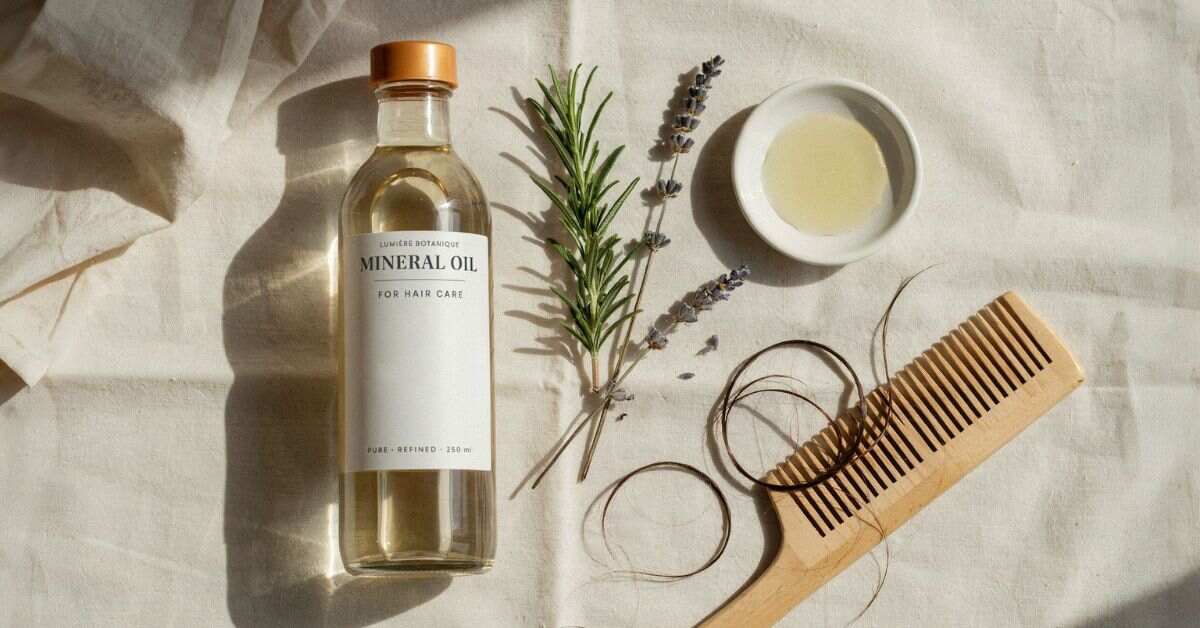
When it comes to hair care ingredients, mineral oil for hair is one of the most debated. Some people believe it seals in moisture and leaves hair soft and shiny, while others worry about buildup or clogged pores. The truth is more balanced. When used correctly, mineral oil for hair can be an effective ingredient for protecting the hair shaft, reducing moisture loss, and improving manageability without changing the hair’s natural structure.
Unlike many plant-based oils, mineral oil does not deeply penetrate the hair fiber. Instead, it creates a lightweight protective layer around each strand. This barrier helps reduce water loss, smooth rough cuticles, minimize friction, and make hair feel softer. As a result, many conditioners, hair serums, baby oils, and anti-frizz products include mineral oil for hair as one of their key ingredients.
However, not every hair type responds in the same way. People with dry, coarse, curly, or chemically treated hair often experience the greatest benefits because their hair tends to lose moisture more easily. On the other hand, those with very fine or oily hair may need to use smaller amounts to avoid weighing the hair down. Therefore, knowing when and how to use mineral oil for hair is just as important as choosing the product itself.
In this complete guide, you’ll discover how for is made, its science-backed benefits, possible side effects, whether it supports mineral oil for hair growth, how it compares with natural oils, and the best way to apply it for healthier-looking hair. You’ll also learn the truth behind common myths, explore expert recommendations, and find answers to the most frequently asked questions.
What Is Mineral Oil for Hair?
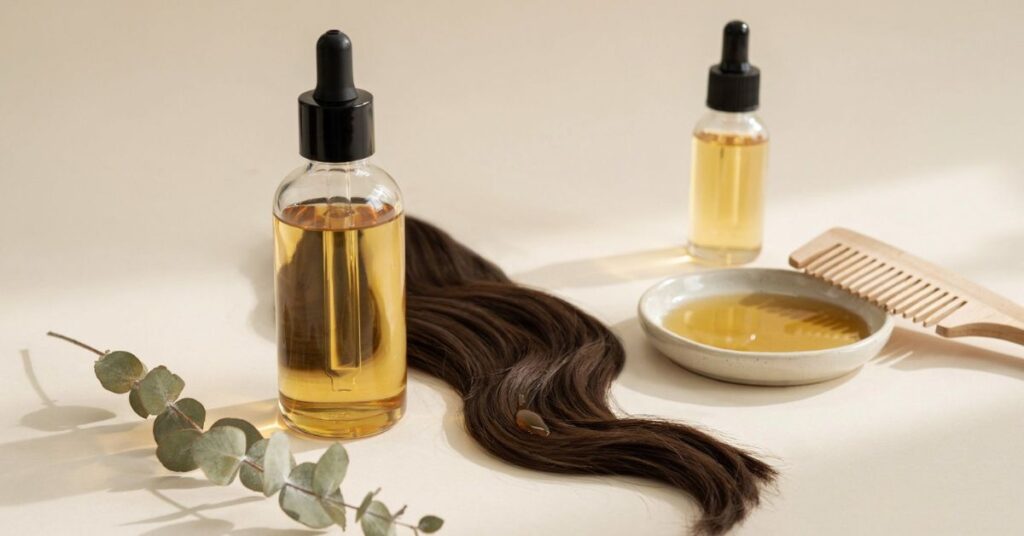
Mineral oil for hair is a highly refined, colorless, odorless oil derived from petroleum through a strict purification process. During refining, unwanted compounds and impurities are removed, leaving behind a cosmetic-grade ingredient that meets safety standards for use in personal care products.
Rather than nourishing the hair from within, They for works mainly as an occlusive ingredient. In simple terms, it coats the surface of the hair strand to help reduce moisture loss and protect against everyday damage. This protective film can improve softness, reduce tangles, enhance shine, and control frizz, especially in dry or damaged hair.
Because it is stable, affordable, and compatible with many formulations, manufacturers often include for hair in leave-in conditioners, hair oils, styling creams, serums, pomades, and even products designed for babies. In fact, There for Hair Baby products have been used for years to help maintain softness and reduce dryness when used appropriately.
Although some consumers prefer natural oils, cosmetic scientists generally agree that purified for hair is considered safe for cosmetic use when manufactured according to industry standards. Its effectiveness depends less on whether it is “natural” or “synthetic” and more on how well it matches your hair type and routine.
How Mineral Oil for Hair Is Made
The journey of begins with crude petroleum. Through several refining and purification stages including distillation and advanced filtration the raw material is transformed into an extremely pure cosmetic-grade oil suitable for hair and skin care.
High-quality for hair ingredients undergo rigorous quality control to remove potentially harmful substances. The finished ingredient is clear, stable, fragrance-free, and resistant to oxidation. Unlike many natural oils that can become rancid over time, mineral oil remains stable for long periods, making it a reliable ingredient in many oils care formulations.
This high level of refinement is the reason cosmetic-grade mineral oil differs significantly from industrial petroleum products. They are not interchangeable, and only purified cosmetic-grade mineral oil should ever be used in personal care products.
Why Mineral Oil for Hair Is Used in Hair Care Products
Manufacturers choose for hair because it delivers several practical benefits while remaining cost-effective and highly stable.
Some of its biggest advantages include:
- Helps lock moisture inside the hair shaft.
- Reduces friction between hair strands.
- Makes detangling easier.
- Improves softness and smoothness.
- Adds noticeable shine.
- Helps reduce frizz in humid weather.
- Protects hair from excessive dryness.
- Works well with many conditioning ingredients.
Additionally, they for hair does not oxidize as quickly as many botanical oils. Therefore, products containing it often enjoy a longer shelf life without losing effectiveness.
Types of Mineral Oil for Hair Products
Today, mineral oil for is available in many different formulations. Choosing the right one depends on your hair type, styling routine, and overall hair goals.
| Product Type | Best For | Main Purpose |
| Hair Serums | Frizzy hair | Smoothness and shine |
| Hair Oils | Dry hair | Moisture sealing |
| Leave-in Conditioners | Damaged hair | Softness and protection |
| Styling Creams | Curly hair | Frizz control |
| Pomades | Short hairstyles | Hold and shine |
| Baby Oil | Baby hair and skin | Gentle moisture protection |
Some premium products combine for hair with argan oil, coconut oil, jojoba oil, or vitamin E to provide both moisture retention and additional conditioning benefits.
Expert Tip: Instead of looking only at the front label, check the ingredient list. The best products balance for hair ingredients with conditioning agents, humectants, and nourishing botanical extracts for more complete hair care.
Is Mineral Oil for Hair Good or Bad?
The question “Is mineral oil for hair good or bad?” does not have a simple yes-or-no answer. In reality, They for hair can be very beneficial for some people and less suitable for others. Its effectiveness depends on your hair type, how you use it, and what results you expect.
Many people assume that for hair is harmful because it comes from petroleum. However, cosmetic-grade mineral oil is highly refined and is widely used in and skin care products around the world. It does not directly nourish the hair like some penetrating oils, but it excels at protecting hair from moisture loss, reducing friction, and improving softness.
For dry, damaged, curly, or chemically treated hair, They for hair often works well because these hair types tend to lose moisture quickly. On the other hand, people with very fine or oily hair may need to use smaller amounts because too much product can make the hair look greasy or heavy.
Therefore, the better question is not “Is mineral oil for hair bad?” but rather “Is mineral oil for hair right for my hair type?”
How Mineral Oil for Hair Works
Understanding how for hair works helps explain why opinions about it differ.
Unlike oils such as coconut oil, which can penetrate the shaft to some degree, They for hair mainly works on the surface of the hair. It forms a thin protective layer that:
- Helps reduce water loss.
- Smooths the hair cuticle.
- Decreases friction between strands.
- Reduces tangling.
- Improves shine.
- Helps control frizz.
Think of it as a protective seal rather than a deep treatment. This is why many conditioners and anti-frizz serums include mineral oil for hair even when they also contain botanical oils and other conditioning ingredients.
Quick Fact
Mineral oil for is especially effective at preventing moisture from escaping, which can help dry hair stay softer for longer.
What Research Says About Mineral Oil for Hair
Research on hair care ingredients suggests that for hair can help reduce mechanical damage by lubricating the hair surface and lowering friction during combing and styling.
Studies comparing different oils often show that some natural oils may penetrate the hair shaft more effectively. However, mineral oil for hair still performs well as a surface protectant and moisture-sealing ingredient.
Importantly, there is no strong scientific evidence showing that properly refined cosmetic-grade care for hair is harmful when used externally on hair according to normal cosmetic use.
What research does support is that they tends to break less when friction is reduced and moisture loss is controlled two areas where mineral oil for hair can be helpful.
Who Should Use Mineral Oil for Hair?
Mineral oil for hair may be a good option if you have:
- Dry or dehydrated hair.
- Heat-damaged hair.
- Chemically treated hair.
- Curly or coily hair.
- Frizzy hair.
- Hair that tangles easily.
- Split ends and rough texture.
You may need to use it more carefully if you have:
- Very fine hair.
- Oily scalp.
- Hair that gets weighed down easily.
- Heavy product buildup issues.
Expert Tip
Start with 2–3 drops of mineral oil for they on damp hair, focusing on the mid-lengths and ends. This helps you enjoy the smoothing benefits without making the roots greasy.
Benefits of Mineral Oil for Hair
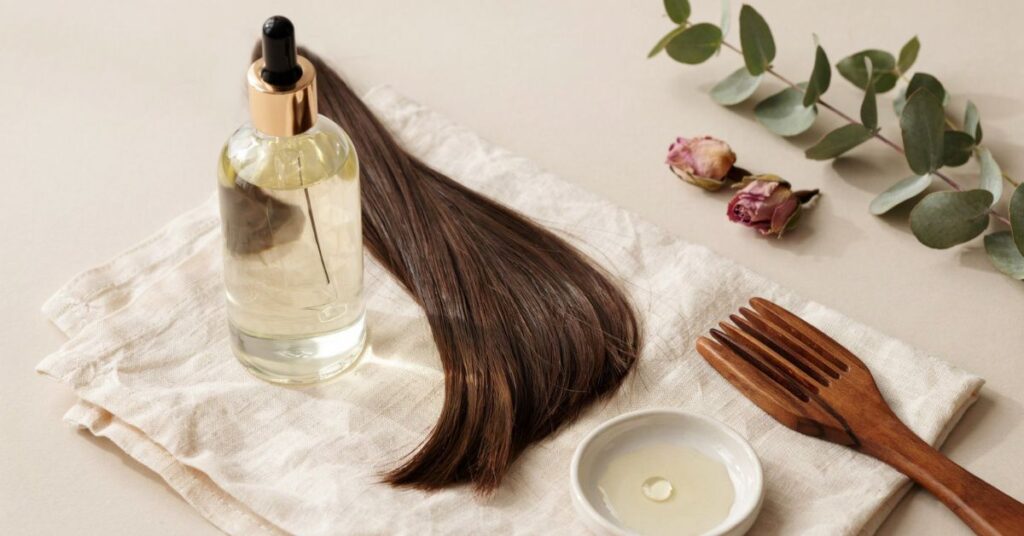
When used correctly, mineral oil for hair offers several practical benefits that can improve your hair’s appearance, softness, and manageability. Although it does not repair damaged strands from the inside, it creates a protective barrier around the hair shaft that helps retain moisture, reduce friction, and protect against everyday wear.
One of its biggest advantages is its ability to reduce moisture loss. Hair that stays hydrated is typically softer, smoother, and less prone to dryness or breakage. In addition, the protective coating created by mineral oil helps minimize friction during brushing and styling, which may reduce mechanical damage over time.
Whether your hair is naturally dry, curly, color-treated, or regularly exposed to heat styling, There for hair can be a valuable addition to a balanced hair care routine when used in moderation.
Helps Lock in Moisture
Healthy hair relies on maintaining the right moisture balance. However, frequent shampooing, heat styling, sun exposure, and harsh weather can gradually strip moisture from the hair shaft.
Mineral oil for hair works as a sealant rather than a moisturizer. Instead of adding water to the hair, it locks in the moisture that is already present. As a result, hair stays hydrated for longer and feels softer and smoother.
For the best results, apply mineral oil after using a moisturizing conditioner or leave-in treatment. This allows it to seal hydration into the hair instead of coating dry strands.
Benefits of moisture sealing include:
- Reduces dryness
- Helps prevent brittle hair
- Improves softness
- Makes hair feel smoother
- Supports healthier-looking strands
Pro Tip: Apply mineral oil for hair to slightly damp hair. Damp strands hold moisture more effectively, allowing the oil to lock it in.
Helps Reduce Hair Damage
Hair experiences mechanical stress every day from brushing, combing, towel drying, tying it back, and heat styling. Over time, this repeated friction can weaken the hair cuticle and increase breakage.
Mineral oil for hair forms a smooth coating around each strand, reducing friction between hairs and helping protect the outer cuticle from unnecessary wear.
Regular use may help:
- Reduce breakage during brushing
- Minimize styling damage
- Protect weakened hair
- Improve manageability
- Keep hair looking healthier over time
Although mineral oil cannot repair existing damage, it may help prevent additional wear caused by everyday grooming.
Controls Frizz and Flyaways
Frizz often develops when the hair cuticle becomes raised, allowing moisture from the surrounding air to enter unevenly. This causes strands to swell and appear rough or unruly.
A light layer of mineral oil helps smooth the cuticle, reducing flyaways while giving the hair a sleeker, more polished appearance.
People with curly, wavy, or coarse hair often notice the greatest improvement because these hair types naturally lose moisture more easily.
For the best results:
- Use only a few drops.
- Warm the oil between your palms.
- Apply it to the mid-lengths and ends.
- Avoid using large amounts near the scalp.
Using too much product can make the hair appear greasy instead of smooth.
Makes Hair Softer and Easier to Detangle
Knots and tangles increase the amount of force needed to brush the hair, which may lead to unnecessary breakage.
One reason many conditioners include mineral oil is that it improves slip, allowing individual strands to glide past each other more easily. This makes brushing and detangling gentler and more comfortable.
Benefits include:
- Easier brushing
- Fewer painful tangles
- Less pulling during detangling
- Reduced breakage
- A smoother, silkier feel
If you have long, curly, or textured hair, applying a small amount of mineral oil before detangling can make the process easier and reduce stress on the hair.
Adds Natural Shine
Healthy hair reflects light evenly because the cuticle lies flat. When the cuticle becomes rough or damaged, hair often appears dull and lifeless.
By smoothing the outer surface of each strand, mineral oil for enhances light reflection and gives the hair a healthy-looking shine.
Unlike some heavy styling products, a small amount can provide noticeable shine without leaving the hair stiff or sticky.
For the best results:
- Apply sparingly.
- Focus on dry ends.
- Avoid overusing the product.
- Style as usual.
A little mineral oil goes a long way.
Can It Help Prevent Split Ends?
Split ends cannot be permanently repaired once they develop. The only effective treatment is trimming the damaged ends.
However, mineral oil for they may help reduce the likelihood of new split ends forming by protecting the hair shaft from friction, dryness, and everyday wear.
When combined with regular trims and gentle styling habits, it can:
- Keep hair ends smoother
- Reduce roughness
- Lower friction during brushing
- Help minimize future splitting
Think of mineral oil as a preventive step rather than a repair treatment.
Can It Protect Hair from Environmental Damage?
Hair is constantly exposed to environmental factors such as sunlight, humidity, pollution, dust, and wind. Over time, these elements can make hair feel dry, rough, and difficult to manage.
A lightweight layer of they creates a protective coating around the hair shaft, helping reduce moisture loss and minimizing the effects of everyday environmental exposure.
Although it does not provide UV protection like sunscreen, it can improve the hair’s resilience by reducing dryness caused by external conditions.
If you spend a lot of time outdoors or frequently use heated styling tools, How for hair can offer an additional layer of protection as part of a complete hair care routine.
Key Takeaways
| Benefit | How Mineral Oil Helps |
|---|---|
| Locks in moisture | Creates a protective barrier that reduces water loss |
| Reduces hair damage | Lowers friction during brushing and styling |
| Controls frizz | Smooths the hair cuticle for a sleeker appearance |
| Improves softness | Enhances slip and makes detangling easier |
| Adds shine | Smooths the hair surface to reflect more light |
| Helps prevent split ends | Protects hair from friction and dryness |
| Supports environmental protection | Shields hair from humidity, pollution, and everyday wear |
Expert Tip: For the best results, use for hair as the final step in your moisturizing routine. Apply a small amount to damp hair after conditioner or a leave-in treatment to lock in hydration while minimizing product buildup.
Mineral Oil for Hair and Scalp Health
Healthy hair starts with a healthy scalp. While oil for hair is mainly known for improving the appearance and feel of hair strands, it can also support scalp care in certain situations. Its primary role is to reduce moisture loss by forming a protective barrier over the skin and hair.
However, it is important to understand that they for hair is not a medication. It does not treat scalp diseases or infections. Instead, it can help relieve dryness, soften flakes, and improve comfort when used alongside a proper hair care routine. If you have persistent scalp problems, such as severe dandruff, redness, or itching, it is best to consult a dermatologist for the right diagnosis and treatment.
Can Mineral Oil for Hair Help Treat Dandruff?
The answer depends on the type of dandruff you have.
If your dandruff is caused by a dry scalp, There for hair may help by locking in moisture and reducing dryness. Softer, better-hydrated skin is less likely to flake, which can make mild dry scalp dandruff less noticeable.
However, most dandruff is linked to an overgrowth of a naturally occurring yeast called Malassezia, along with excess scalp oil. In these cases, mineral oil for they does not address the underlying cause and should not replace a medicated anti-dandruff shampoo.
For the best results:
- Use a dermatologist-recommended anti-dandruff shampoo if you have persistent dandruff.
- Apply mineral oil for hair only if your scalp feels dry or tight.
- Avoid applying large amounts directly to the scalp, as excess oil may contribute to product buildup.
- Wash your hair regularly to keep the scalp clean.
Expert Insight: If dandruff continues for several weeks despite using anti-dandruff products, seek medical advice to rule out conditions such as seborrheic dermatitis, psoriasis, or eczema.
Can Mineral Oil for Hair Soothe a Dry or Flaky Scalp?
Yes, mineral oil for they can be helpful for people with a dry or flaky scalp caused by moisture loss.
When applied in a thin layer, it creates a protective barrier that slows water evaporation from the scalp. This can leave the skin feeling softer and more comfortable while reducing visible dryness.
You may notice benefits such as:
- Less scalp tightness.
- Reduced dry flakes.
- Improved scalp comfort.
- Softer skin.
- Better moisture retention.
For best results:
- Wash your hair with a gentle shampoo.
- Let the scalp become slightly damp.
- Massage a small amount of onto dry areas using your fingertips.
- Leave it on for a short period or overnight if recommended by your healthcare provider.
- Wash thoroughly with shampoo to remove excess oil.
If your scalp becomes more irritated, itchy, or oily after application, discontinue use and consult a dermatologist.
Can Mineral Oil for Hair Help Treat Head Lice?
Interestingly, mineral oil for has been used as part of some home and commercial approaches for managing head lice. Rather than poisoning lice, mineral oil is believed to work by coating the insects and making it harder for them to survive.
Although some studies suggest that mineral oil-based treatments may help remove lice, results can vary. In addition, mineral oil for hair does not always eliminate every louse or egg (nit), so repeat treatment and careful combing are often necessary.
If you’re dealing with head lice:
- Use a fine-tooth lice comb to remove lice and nits.
- Follow the instructions provided with any lice treatment product.
- Wash bedding, hats, pillowcases, and clothing that may have come into contact with lice.
- Check other family members for signs of infestation.
- Repeat treatment if recommended on the product label.
Mineral oil for should not replace medically approved lice treatments when they are recommended by a healthcare professional, especially in cases of severe or recurring infestations.
Quick Summary: Mineral Oil for Hair and Scalp Health
| Scalp Concern | Can Mineral Oil for Hair Help? | Notes |
| Dry scalp | Yes | Helps reduce moisture loss and improve comfort. |
| Flaky scalp | Yes | Softens dry flakes caused by dehydration. |
| Common dandruff | Sometimes | Helps only if dryness is the main cause, not fungal dandruff. |
| Head lice | May help | Can assist in some treatments but should not replace proven lice products. |
| Scalp infections | No | Requires proper medical treatment. |
Scalp Care Tip: Healthy hair begins with a balanced scalp. Use for hair as a moisture-sealing product not as a cure for medical scalp conditions. Combining it with a gentle cleansing routine and targeted treatments when needed will provide the best long-term results.
Does Mineral Oil for Hair Help Hair Growth?
Many people search for mineral oil for they growth hoping it will make their hair grow faster or thicker. While mineral oil for hair can improve the appearance and condition of your hair, it is important to separate marketing claims from scientific evidence.
Hair growth begins inside the hair follicle beneath the scalp. The speed and quality of hair growth are influenced by genetics, hormones, nutrition, age, overall health, and certain medical conditions. Because they for hair works mainly on the outside of the hair shaft, it does not directly stimulate hair follicles or increase the natural rate of hair growth.
That said, healthier-looking hair often appears longer over time because it experiences less breakage. By reducing friction, locking in moisture, and protecting the hair shaft, There for hair may help you retain more of your existing hair length.
Can Mineral Oil for Hair Promote Hair Growth?
Based on current scientific evidence, there is no proof that for hair directly promotes new hair growth or activates dormant hair follicles.
However, this does not mean it has no role in a healthy hair care routine. Mineral oil for they can create a protective barrier around each strand, helping reduce moisture loss and minimizing everyday damage. Hair that breaks less is more likely to retain its length, giving the impression of healthier growth over time.
If your goal is stronger, longer-looking hair, mineral oil for may support your routine by:
- Reducing hair breakage.
- Protecting dry and fragile strands.
- Improving flexibility and softness.
- Making hair easier to detangle.
- Helping preserve hair length.
In other words, mineral oil for hair supports retention, not faster hair growth.
Expert Tip: Think of mineral oil for hair as a protective finishing product. It helps maintain the hair you already have rather than encouraging new hair to grow.
Does Mineral Oil for Hair Cause Hair Loss?
A common concern online is whether for hair causes hair loss. Fortunately, there is no reliable scientific evidence showing that cosmetic-grade mineral oil directly causes loss when used properly.
In some situations, people may notice increased shedding after using heavy hair oils. However, the oil itself is usually not the cause. Instead, other factors may be responsible, such as:
- Product buildup from using excessive amounts.
- Infrequent shampooing.
- Existing scalp conditions.
- Natural hair shedding.
- Hair breakage mistaken for hair loss.
Using too much mineral oil for they without cleansing regularly can leave residue on the scalp and hair. While this does not damage hair follicles, buildup may make the scalp feel greasy and weigh the hair down.
To reduce the risk of buildup:
- Apply only a small amount.
- Focus on the mid-lengths and ends.
- Wash your hair with a gentle shampoo as needed.
- Clarify occasionally if you use many styling products.
If you experience sudden or excessive hair loss, it is important to speak with a healthcare professional or dermatologist. Hair loss is often linked to medical conditions, hormonal changes, nutritional deficiencies, stress, or genetics rather than the use of mineral oil for hair alone.
Mineral Oil for Hair vs Proven Hair Growth Treatments
Although mineral oil for they can improve hair’s appearance and reduce breakage, it should not be confused with treatments that are clinically proven to support hair growth.
The table below highlights the differences:
| Treatment | Helps Hair Growth? | Main Purpose |
| Mineral oil for hair | No direct evidence | Seals moisture, reduces breakage, adds shine |
| Minoxidil | Yes | Clinically proven to stimulate hair growth in many people |
| Finasteride* | Yes | Helps treat certain types of hair loss (under medical supervision) |
| Low-level laser therapy | Some evidence | May stimulate hair follicles in suitable candidates |
| Balanced nutrition | Supports healthy growth | Provides nutrients needed for strong hair |
| Gentle hair care routine | Helps reduce breakage | Protects existing hair length |
*Finasteride is a prescription medication and is not suitable for everyone. Always consult a qualified healthcare provider before using it.
Which Option Should You Choose?
Your choice depends on your goal.
- If your hair is dry, frizzy, or damaged, mineral oil for hair can help protect and smooth the hair shaft.
- If you are experiencing pattern hair loss or thinning, proven treatments recommended by a healthcare professional are generally more appropriate.
- For the best long-term results, combine protective hair care with a balanced diet, good scalp hygiene, and professional advice if hair loss becomes persistent.
Key Takeaway: Mineral oil for hair is excellent for protecting and reducing breakage, but it should not be relied upon as a treatment for hair loss or a way to stimulate new hair growth.
Quick Summary
| Question | Answer |
| Can mineral oil for hair make hair grow faster? | No scientific evidence supports this claim. |
| Can it help hair appear longer? | Yes. By reducing breakage, it helps retain existing hair length. |
| Does it cause hair loss? | No evidence suggests cosmetic-grade mineral oil directly causes hair loss. |
| Should it replace proven hair growth treatments? | No. It is a protective hair care ingredient, not a medical hair growth treatment. |
Is Mineral Oil for Hair Safe for Every Hair Type?
Mineral oil for hair is generally considered safe for cosmetic use when applied correctly. However, no single hair care ingredient works perfectly for everyone. Hair texture, porosity, scalp condition, and styling habits all influence how well a product performs.
Unlike ingredients that penetrate deep into the hair shaft, mineral oil creates a protective barrier around each strand. This barrier helps reduce moisture loss, smooth the hair cuticle, and minimize friction. While many people experience softer, shinier hair, others may find it too heavy if they apply too much. The key is using the right amount for your specific hair type and applying it where your hair needs it most.
Below is a closer look at how mineral oil works for different hair types.
Dry and Damaged Hair
Dry and damaged hair often benefits the most from mineral oil for hair. Frequent heat styling, bleaching, coloring, chemical treatments, and harsh weather can weaken the hair cuticle and cause moisture to escape more quickly.
Because mineral oil forms a protective coating around each strand, it helps reduce moisture loss and smooth rough cuticles. As a result, hair feels softer, looks shinier, and becomes easier to manage.
People with dry or damaged hair may notice:
- Better moisture retention
- Reduced frizz
- Less breakage while brushing
- Improved softness
- Healthier-looking ends
For the best results, apply mineral oil for hair after using a moisturizing conditioner or leave-in treatment. This helps lock hydration into the hair and keeps it soft for longer.
Expert Tip: If your hair is extremely dry, apply a hydrating leave-in conditioner first and then use a few drops of mineral oil on the mid-lengths and ends to help seal in moisture.
Curly and Coily Hair
Curly and coily hair naturally loses moisture faster because the scalp’s natural oils have difficulty traveling along the twists and bends of each strand.
For this reason, mineral oil can be an effective finishing product for textured hair. It helps lock in moisture, smooth the hair cuticle, reduce frizz, and enhance shine without changing the natural curl pattern.
Benefits may include:
- Improved moisture retention
- Less frizz and fewer flyaways
- Easier detangling
- Better curl definition
- Added shine
To avoid weighing curls down, apply only a small amount after your leave-in conditioner or curl cream rather than using large quantities.
Fine or Oily Hair
Fine or oily hair requires a lighter application.
Although mineral oil can reduce frizz and add shine, applying too much may leave fine strands looking greasy or flat. Fortunately, using a very small amount can still provide smoothing benefits without sacrificing volume.
If you have fine or oily hair:
- Use only one or two drops.
- Apply it mainly to the ends.
- Avoid applying it directly to the scalp unless advised by a professional.
- Wash your hair regularly to prevent product buildup.
Used correctly, mineral oil for hair can improve smoothness while maintaining a lightweight feel.
Low-Porosity Hair
Low-porosity hair has tightly packed cuticles that make it difficult for moisture to enter the hair shaft. Since mineral oil acts as a sealant rather than a moisturizer, applying it to dry hair may lock in dryness instead of hydration.
Instead, hydrate the hair first with water, a moisturizing conditioner, or a leave-in product. Then apply a small amount of mineral oil to help seal in that moisture.
A simple routine includes:
- Cleanse with a gentle shampoo.
- Apply a moisturizing conditioner.
- Use a lightweight leave-in conditioner.
- Finish with a small amount of mineral oil to lock in hydration.
Following this routine helps maximize moisture while reducing the risk of excessive buildup.
Color-Treated Hair
Color-treated hair often becomes more porous after chemical processing, making it more vulnerable to dryness and breakage.
Mineral oil for hair can help by forming a protective layer around the hair shaft. This reduces moisture loss, smooths rough cuticles, and leaves hair looking softer and shinier. Although it does not prevent color fading on its own, it can support healthier-looking hair between coloring appointments.
For the best results:
- Wash with a color-safe shampoo.
- Deep condition regularly.
- Apply mineral oil to the mid-lengths and ends.
- Limit excessive heat styling.
Combined with a balanced hair care routine, mineral oil can help color-treated hair stay smoother, softer, and easier to manage.
Is It Safe for Babies?
Mineral oil has been used in baby skincare and hair care products for many years. When used correctly, cosmetic-grade mineral oil is generally considered suitable for infants when recommended by a healthcare professional.
If you use mineral oil on a baby’s hair or scalp:
- Choose a cosmetic-grade product made for infants.
- Apply only a small amount.
- Avoid contact with the eyes.
- Use it only when needed.
- Follow your pediatrician’s advice if your baby has cradle cap or another scalp condition.
Some healthcare professionals recommend using a small amount of mineral oil to soften cradle cap scales before gently brushing them away and washing the scalp with a mild baby shampoo. However, treatment recommendations may vary, so always follow your healthcare provider’s guidance.
Read More:https://pureoilshub.com/how-to-oil-your-hair/
Which Hair Types Benefit the Most?
| Hair Type | Suitability | Best Way to Use It |
|---|---|---|
| Dry Hair | Excellent | Apply after conditioning to seal in moisture. |
| Damaged Hair | Excellent | Focus on the mid-lengths and ends. |
| Curly Hair | Very Good | Use after leave-in products to reduce frizz. |
| Coily Hair | Very Good | Seal moisture with a small amount. |
| Fine Hair | Use Sparingly | Apply only to the ends. |
| Oily Hair | Limited Use | Avoid overapplying or using it on the scalp. |
| Low-Porosity Hair | Good with Moisture | Apply after hydrating products. |
| Color-Treated Hair | Good | Helps reduce dryness and improve smoothness. |
| Baby Hair | When Appropriate | Use only infant-safe products as directed. |
Hair Care Tip: The effectiveness of mineral oil for hair depends more on how you use it than on your hair type. Applying a small amount to clean, moisturized hair and avoiding excessive use can help you enjoy smoother, shinier hair while minimizing product buildup.
How to Use Mineral Oil for Hair the Right Way

Using mineral oil for hair correctly is the key to getting the best results. Applying too much or using it the wrong way can leave your hair feeling greasy and may cause product buildup. On the other hand, using the right amount at the right time helps seal in moisture, reduce frizz, improve shine, and protect your hair from everyday damage.
For most people, mineral oil for hair works best as the final step in a moisturizing routine. Instead of applying it to extremely dry hair, use it after washing your hair and applying a conditioner or leave-in treatment. This allows the oil to lock in hydration and keep your hair softer for longer.
Keep in mind that a little goes a long way. Most hair types only need a few drops to enjoy the benefits. Applying more product does not make it work better it simply increases the chance of greasy hair and buildup.
Step 1: Wash and Prepare Your Hair
Start by washing your hair with a gentle shampoo to remove dirt, excess oil, sweat, and styling product residue. Clean hair allows mineral oil for hair to spread more evenly across each strand.
After shampooing, apply a moisturizing conditioner and rinse thoroughly. Gently squeeze out excess water with a soft towel or microfiber towel instead of rubbing your hair aggressively, as this helps prevent unnecessary breakage.
Your hair should be slightly damp before applying mineral oil for hair. Damp strands hold moisture better, allowing the oil to seal hydration inside the hair shaft more effectively.
Step 2: Apply the Right Amount of Mineral Oil for Hair
The amount of mineral oil for hair you use depends on your hair length, thickness, and texture.
As a general guide:
| Hair Length | Recommended Amount |
| Short hair | 1–2 drops |
| Medium hair | 2–4 drops |
| Long hair | 4–6 drops |
| Thick or curly hair | 5–8 drops |
Pour the oil into your palms and rub your hands together to distribute it evenly. This helps prevent applying too much oil to one area and ensures a smooth, even application.
If your hair still feels dry after styling, add only one or two more drops rather than applying a large amount all at once.
Step 3: Focus on the Mid-Lengths and Ends
Most people should apply mineral oil for hair only to the mid-lengths and ends because these areas are usually the driest and most prone to damage.
Run your fingers gently through the hair to spread the oil evenly. Pay extra attention to dry ends, frizzy sections, or areas that have been exposed to heat styling or chemical treatments.
Avoid applying large amounts directly to the scalp unless you are using mineral oil for hair for a specific scalp-care purpose recommended by a healthcare professional. This simple step helps reduce the risk of greasy roots and unnecessary buildup.
Step 4: Avoid Product Buildup
Although mineral oil for hair can protect and smooth your strands, using excessive amounts too often may lead to product buildup. This can leave your hair looking heavy, dull, or difficult to style.
To minimize buildup:
- Apply only the amount your hair needs.
- Avoid layering multiple heavy oils on the same day.
- Use lightweight styling products when possible.
- Wash your hair regularly with a suitable shampoo.
- Use a clarifying shampoo occasionally if you frequently use hair oils or styling products.
Remember, healthy-looking hair comes from balance not from using more product.
Step 5: Wash Your Hair Regularly
Regular cleansing is an important part of any routine that includes mineral oil for hair. Shampoo helps remove excess oil, dirt, and styling products before they accumulate on the hair and scalp.
How often you should wash depends on your hair type:
- Dry or curly hair: Every 3–7 days, depending on your needs.
- Normal hair: Every 2–4 days.
- Fine or oily hair: Every 1–2 days or as needed.
If you notice your hair becoming heavy, limp, or greasy, it may be time to use a clarifying shampoo to remove residue and restore freshness.
By combining proper cleansing with moderate use, mineral oil for hair can remain an effective part of your hair care routine without causing unnecessary buildup or weighing your hair down.
Expert Tip: The best way to use mineral oil for hair is to think of it as a moisture-sealing finish, not a deep-conditioning treatment. Apply a small amount to damp, conditioned hair, concentrate on the mid-lengths and ends, and maintain a regular washing routine for soft, smooth, and healthy-looking hair.
How to Remove Mineral Oil for Hair Buildup
Although mineral oil for hair helps protect and smooth the hair, using too much or applying it too often can lead to product buildup. Over time, layers of oil, styling products, sweat, and dirt can collect on the hair and scalp, leaving your hair looking heavy, greasy, or dull.
Fortunately, mineral oil for hair buildup is easy to remove with the right cleansing routine. Regular shampooing and occasional deep cleansing can restore your hair’s natural movement and shine without stripping away too much moisture.
If your hair feels coated even after washing, or if styling products no longer work as expected, buildup may be the cause. A few simple changes to your routine can help keep your hair clean, fresh, and manageable.
Best Shampoos to Remove Mineral Oil for Hair
Not every shampoo removes oil buildup equally well. A mild daily shampoo is suitable for regular cleansing, but if you use mineral oil for hair frequently, an occasional clarifying shampoo can help remove stubborn residue.
When choosing a shampoo, look for products that match your hair type while providing effective cleansing.
| Shampoo Type | Best For | How Often to Use |
| Gentle Daily Shampoo | Regular cleansing | Every wash or as needed |
| Clarifying Shampoo | Heavy product buildup | Once every 2–4 weeks |
| Moisturizing Shampoo | Dry or damaged hair | Regular use |
| Sulfate-Free Shampoo | Color-treated or sensitive hair | Regular use if buildup is minimal |
If you use a clarifying shampoo, follow it with a moisturizing conditioner to help restore softness and reduce dryness.
Pro Tip: You don’t need to clarify after every application of mineral oil for hair. Most people only need a clarifying shampoo occasionally, depending on how often they use styling products and oils.
Tips to Prevent Mineral Oil for Hair Buildup
Preventing buildup is much easier than removing it. By using mineral oil for hair correctly and maintaining a balanced hair care routine, you can enjoy its benefits without making your hair feel heavy.
Here are some practical tips:
- Use only a few drops of mineral oil for hair instead of overapplying.
- Apply it mainly to the mid-lengths and ends rather than the scalp.
- Shampoo your hair regularly based on your hair type.
- Avoid layering several heavy oils or styling products at the same time.
- Use a clarifying shampoo occasionally if you notice residue.
- Deep condition your hair after clarifying to restore moisture.
- Clean your brushes and combs regularly to prevent oil transfer.
- Adjust the amount of oil according to your hair’s thickness and texture.
By following these simple habits, mineral oil for hair can continue to improve softness, shine, and manageability without causing unnecessary buildup.
Signs Your Hair Has Product Buildup
Watch for these common signs that it may be time for a deeper cleanse:
- Hair feels greasy soon after washing.
- Strands appear dull instead of shiny.
- Hair feels heavy or lacks volume.
- Styling products stop working effectively.
- The scalp feels coated or itchy.
- Hair becomes difficult to detangle.
If you notice several of these symptoms, using a clarifying shampoo followed by a hydrating conditioner can help refresh your hair and restore its natural texture.
Expert Tip: Healthy hair is all about balance. Mineral oil for hair works best when used in moderation and paired with a consistent cleansing routine. Using the right amount and washing it out properly helps you enjoy smooth, shiny hair without the drawbacks of buildup.
Common Myths About Mineral Oil for Hair
There are many opinions about mineral oil for hair, especially on blogs, social media, and online forums. Unfortunately, not all of them are supported by scientific evidence. Some myths have been repeated for years, creating unnecessary confusion about whether this ingredient is safe or effective.
The truth is that cosmetic-grade mineral oil has been used in hair and skincare products for decades. It is highly refined, widely studied, and approved for cosmetic use in many countries. Although it may not suit every hair type or routine, many of the claims made about it are exaggerated or inaccurate.
Let’s separate the facts from the myths.
Myth: It Dries Out Hair
This is one of the most common misconceptions.
In reality, mineral oil for hair does not remove moisture from your strands. Instead, it forms a protective barrier that helps reduce water loss, allowing hair to stay hydrated for longer.
However, it is important to understand that mineral oil is a sealant rather than a moisturizer. If you apply it to hair that is already dry, it can lock in that dryness instead of adding hydration. For the best results, apply it after washing your hair or after using a moisturizing conditioner or leave-in treatment.
Fact: Mineral oil for hair helps preserve moisture when used correctly. It does not dry out healthy hair.
Myth: It Clogs Hair Follicles
Another common belief is that mineral oil blocks hair follicles and prevents healthy hair growth.
Current scientific evidence does not support this claim. Cosmetic-grade mineral oil mainly coats the hair shaft and the surface of the scalp. When used in reasonable amounts and washed away regularly, it is not known to clog healthy hair follicles.
Problems are more likely to occur when excessive product is used without regular cleansing, leading to buildup rather than blocked follicles.
Fact: Proper application and regular shampooing are much more important than avoiding mineral oil altogether.
Myth: It Causes Cancer
Because mineral oil is derived from petroleum, some people worry that it may increase the risk of cancer.
This misconception usually comes from confusing untreated petroleum products with highly refined cosmetic-grade mineral oil.
Before it is added to personal care products, cosmetic mineral oil undergoes extensive purification to remove unwanted impurities. Regulatory agencies in many countries approve its use in cosmetics when it meets established safety standards.
Fact: There is no credible scientific evidence showing that properly refined cosmetic-grade mineral oil causes cancer when used as intended in hair care products.
Myth: It Is Unsafe
Some people assume that all mineral oil products are harmful simply because they are not plant-based.
In reality, safety depends on the quality and refinement of the ingredient rather than whether it comes from a natural or synthetic source.
Cosmetic-grade mineral oil is:
- Highly refined
- Colorless and odorless
- Stable and resistant to oxidation
- Commonly used in shampoos, conditioners, serums, and baby care products
Most people can use it safely when following the product directions. If you have a sensitive scalp or notice irritation after using any new hair product, discontinue use and consult a healthcare professional.
Fact: Mineral oil for hair is generally considered safe for cosmetic use when properly formulated.
Myth: It Stops Hair Growth
Many online discussions claim that mineral oil prevents hair from growing.
However, this claim is not supported by scientific research.
Hair growth occurs inside the hair follicle beneath the scalp, while mineral oil works mainly on the outside of the hair shaft. Its primary role is to reduce moisture loss, minimize friction, and improve hair manageability. It does not interfere with the natural hair growth cycle.
What it can do is reduce breakage. Since fewer strands break, hair may appear longer over time because you retain more of its length.
Fact: Mineral oil does not stop hair growth. Instead, it may help improve length retention by protecting the hair from everyday damage.
Myth vs. Fact at a Glance
| Myth | Reality |
|---|---|
| Mineral oil dries out hair. | It helps seal in moisture when applied to moisturized hair. |
| It clogs hair follicles. | There is no strong scientific evidence supporting this when used correctly. |
| It causes cancer. | Cosmetic-grade mineral oil is highly refined and considered safe for cosmetic use. |
| It is unsafe. | Most people can use it safely when used as directed. |
| It stops hair growth. | It does not affect hair growth but may reduce breakage and improve length retention. |
Expert Tip: Don’t rely solely on viral social media posts or anonymous online comments when evaluating hair care ingredients. Instead, look for information backed by dermatologists, cosmetic scientists, and peer-reviewed research. Using mineral oil for hair correctly and in moderation is far more important than believing common myths.
Side Effects and Risks of Mineral Oil for Hair
Although mineral oil for hair is considered safe for cosmetic use, no hair care ingredient is completely free of potential drawbacks. Most side effects occur because of overuse, incorrect application, or choosing a product that does not suit your hair type.
For many people, mineral oil for hair provides excellent moisture retention and frizz control without causing problems. However, using large amounts too frequently may leave the hair feeling heavy or contribute to product buildup. Understanding these possible risks will help you use the product more effectively while avoiding common mistakes.
Product Buildup
One of the most common concerns with mineral oil for hair is product buildup.
Because mineral oil forms a protective layer around the hair shaft, repeated application without regular shampooing can leave residue on the hair. Over time, this buildup may make your hair feel coated, reduce volume, and prevent conditioners or styling products from working as effectively.
Common signs of buildup include:
- Hair feels heavy or waxy.
- Strands look dull instead of shiny.
- Hair becomes difficult to style.
- Products no longer absorb or perform well.
- The scalp feels coated or uncomfortable.
Fortunately, buildup is usually easy to manage. Washing your hair regularly and using a clarifying shampoo once every few weeks, if needed, can help remove excess residue without damaging the hair.
Greasy Hair
Applying too much mineral oil for hair is one of the fastest ways to make your hair appear greasy.
Since mineral oil is designed to coat the hair, excessive amounts can weigh down fine strands and reduce natural movement. This is especially noticeable in people with fine, straight, or naturally oily hair.
To avoid greasy hair:
- Start with just a few drops.
- Warm the oil between your palms before applying.
- Concentrate on the mid-lengths and ends.
- Avoid applying large amounts near the roots.
- Add more only if your hair still feels dry.
Remember, less is often more when using mineral oil for hair.
Pro Tip: If your hair looks oily after application, you’ve probably used too much. Reduce the amount next time instead of washing your hair more frequently.
Scalp Irritation
Most people tolerate cosmetic-grade mineral oil for hair well, but individual reactions can vary.
In rare cases, a person may experience:
- Mild itching.
- Redness.
- Scalp discomfort.
- Irritation from another ingredient in the product, such as fragrance or preservatives.
It is important to remember that these reactions are not usually caused by mineral oil itself. Often, another ingredient in the hair product is responsible.
If you have sensitive skin:
- Perform a patch test before using a new product.
- Choose fragrance-free formulas whenever possible.
- Stop using the product if irritation develops.
- Consult a dermatologist if symptoms persist.
When to Avoid Using Mineral Oil for Hair
While mineral oil for hair is suitable for many people, there are situations where it may not be the best choice.
You should avoid or limit its use if:
- Your scalp is already extremely oily.
- You frequently struggle with heavy product buildup.
- You have an allergy or sensitivity to one of the product’s ingredients.
- Your dermatologist has advised against using occlusive products for a specific scalp condition.
- You are using prescription scalp medications unless your healthcare provider recommends combining them.
If you have dandruff, eczema, psoriasis, or another ongoing scalp condition, it is best to follow your healthcare provider’s treatment plan rather than relying solely on mineral oil for hair.
Warning Signs That You Should Change Your Routine
Pay attention to how your hair and scalp respond after using mineral oil for hair. Consider adjusting your routine if you notice:
| Sign | What It May Mean |
| Hair feels heavy all the time | You may be using too much product. |
| Hair becomes greasy quickly | Reduce the amount or apply only to the ends. |
| Hair looks dull | Product buildup may need to be removed. |
| Scalp feels itchy after use | Stop using the product and check the ingredient list. |
| Styling products stop working | Clarify your hair to remove residue. |
Most of these issues can be solved by reducing the amount used, washing your hair more consistently, or switching to a lighter formula.
Key Takeaways
- Mineral oil for hair is generally safe when used correctly.
- The most common side effects are product buildup and greasy hair, both of which are usually preventable.
- Use only the amount your hair needs and shampoo regularly.
- Patch-test new products if you have sensitive skin.
- If you experience persistent irritation or unusual scalp symptoms, discontinue use and consult a healthcare professional.
Expert Tip: The goal is not to use more mineral oil for hair, it’s to use it smarter. A small amount applied to clean, damp hair can provide shine, softness, and protection without the unwanted side effects that often result from overapplication.
Mineral Oil for Hair vs Other Hair Oils
Choosing the right hair oil can be confusing because every oil works differently. While some oils penetrate the hair shaft and nourish it from within, others mainly protect the outer layer of the hair. Mineral oil for hair belongs to the second category. Its primary role is to seal in moisture, reduce friction, and protect the hair from everyday damage.
Natural oils such as coconut, argan, olive, and jojoba each offer unique benefits. The best option depends on your hair type, styling routine, and overall hair care goals. Instead of asking which oil is universally “better,” it is more useful to consider which one best suits your specific needs.
The comparisons below explain how mineral oil differs from some of the most popular hair oils.
Compared with Coconut Oil
Both oils support healthier-looking hair, but they work in different ways.
Mineral oil for hair creates a protective coating around each strand, helping reduce moisture loss and improve smoothness. Coconut oil, in contrast, contains fatty acids that can penetrate the hair shaft and may help reduce protein loss in certain hair types.
| Feature | Mineral Oil for Hair | Coconut Oil |
|---|---|---|
| Seals in moisture | Excellent | Good |
| Penetrates the hair shaft | No | Yes |
| Reduces frizz | Excellent | Good |
| Helps reduce protein loss | No | Yes |
| Lightweight feel | Moderate | Can feel heavy on fine hair |
Best choice:
- Choose mineral oil for hair if your goal is to reduce frizz, add shine, and lock in moisture.
- Choose coconut oil if your hair benefits from deeper conditioning and reduced protein loss.
Compared with Argan Oil
Argan oil is often called “liquid gold” because it contains vitamin E, antioxidants, and essential fatty acids.
Unlike mineral oil, argan oil provides nourishing compounds while also smoothing the hair. However, mineral oil generally forms a stronger moisture-sealing barrier that helps reduce water loss.
| Feature | Mineral Oil for Hair | Argan Oil |
| Moisture sealing | Excellent | Good |
| Rich in nutrients | No | Yes |
| Adds shine | Excellent | Excellent |
| Controls frizz | Excellent | Excellent |
| Lightweight | Yes | Yes |
Best choice:
Argan oil is ideal if you want lightweight nourishment and conditioning. Mineral oil for hair is often the better choice when your priority is preventing moisture loss and controlling frizz.
Compared with Olive Oil
Olive oil has been used in traditional hair care for generations because it contains healthy fatty acids and antioxidants.
Compared with olive oil, mineral oil for hair usually feels lighter and is less likely to leave a sticky residue when applied in small amounts.
| Feature | Mineral Oil for Hair | Olive Oil |
| Moisture barrier | Excellent | Good |
| Deep conditioning | Limited | Better |
| Rich in antioxidants | No | Yes |
| Texture | Usually lighter | Often heavier |
| Frizz control | Excellent | Good |
Best choice:
People with thick, coarse, or extremely dry hair may prefer the rich conditioning properties of olive oil. Those who want a smoother finish with less heaviness often choose mineral oil.
Compared with Jojoba Oil
Jojoba oil is unique because its structure closely resembles the skin’s natural sebum.
This makes jojoba oil especially useful for balancing the scalp, whereas mineral oil for hair is primarily designed to protect the hair shaft and reduce moisture loss.
| Feature | Mineral Oil for Hair | Jojoba Oil |
| Seals in moisture | Excellent | Good |
| Similar to natural scalp oils | No | Yes |
| Lightweight | Yes | Yes |
| Supports scalp balance | Limited | Better |
| Adds shine | Excellent | Good |
Best choice:
Choose jojoba oil if your main concern is maintaining scalp balance and lightweight conditioning. If your hair needs extra protection against dryness, frizz, and moisture loss, mineral oil for hair is an excellent option.
Which Hair Oil Is Best for Your Hair Type?
There is no single hair oil that works best for everyone. The right choice depends on your hair’s texture, condition, and styling needs.
| Hair Type or Goal | Recommended Oil |
| Dry hair | Mineral oil for hair or coconut oil |
| Damaged hair | Coconut oil or argan oil |
| Curly or coily hair | Mineral oil for hair, argan oil, or jojoba oil |
| Fine hair | Argan oil or jojoba oil |
| Oily hair | Jojoba oil (used sparingly) |
| Frizz control | Mineral oil for hair |
| Maximum shine | Mineral oil for hair or argan oil |
| Deep nourishment | Coconut oil or olive oil |
Quick Comparison at a Glance
| Oil | Biggest Strength | Best For |
| Mineral oil for hair | Seals in moisture and reduces frizz | Dry, frizzy, and damaged hair |
| Coconut oil | Penetrates the hair shaft and helps reduce protein loss | Dry and damaged hair |
| Argan oil | Lightweight nourishment | Fine, dry, and color-treated hair |
| Olive oil | Rich conditioning | Thick and coarse hair |
| Jojoba oil | Balances the scalp while conditioning hair | Oily or sensitive scalps |
Expert Tip: You don’t always have to choose just one oil. Many high-quality hair products combine mineral oil with botanical oils such as argan or jojoba oil. This combination provides the moisture-sealing benefits of mineral oil alongside the nourishing properties of plant oils, helping create a balanced hair care routine.
Can You Mix Mineral Oil for Hair with Other Hair Oils?
Yes, mineral oil for hair can be mixed with other hair oils, and many commercial hair products already do exactly that. Combining mineral oil with nourishing botanical oils can help you enjoy the strengths of both. While mineral oil for hair creates a protective barrier that locks in moisture, natural oils may provide fatty acids, antioxidants, and vitamins that help condition the hair.
The key is to choose oils that match your hair type and use them in moderation. Mixing too many heavy oils can make your hair feel greasy and increase the risk of product buildup.
Benefits of Mixing Mineral Oil with Other Hair Oils
When used correctly, blending mineral oil for hair with natural oils may offer several advantages:
- Helps lock in moisture for longer.
- Adds softness and shine.
- Improves frizz control.
- Makes hair easier to detangle.
- Helps reduce breakage caused by friction.
- Creates a balanced hair care routine for different hair types.
Many premium hair serums combine mineral oil for hair with plant-based oils to provide both protection and conditioning in a single product.
Best Oils to Mix with Mineral Oil for Hair
Different oils serve different purposes. The table below shows which combinations may work best depending on your hair needs.
| Hair Oil | Why Mix It with Mineral Oil? | Best For |
| Coconut Oil | Helps reduce protein loss while mineral oil seals in moisture | Dry and damaged hair |
| Argan Oil | Adds vitamin E and antioxidants for smoother hair | Frizzy and color-treated hair |
| Jojoba Oil | Provides lightweight conditioning and supports scalp comfort | Fine or oily hair |
| Olive Oil | Offers rich conditioning for coarse hair | Thick and very dry hair |
| Sweet Almond Oil | Softens hair and improves manageability | Normal to dry hair |
How to Mix Mineral Oil for Hair with Other Oils
You do not need a complicated recipe. A simple blend works well for most people.
A balanced starting ratio is:
- 2 parts mineral oil
- 1 part natural hair oil
For example, you can mix:
- 2 teaspoons of mineral oil for hair
- 1 teaspoon of argan, coconut, or jojoba oil
Warm the mixture between your palms and apply it evenly to damp hair, concentrating on the mid-lengths and ends. Leave it in as a finishing oil or use it as a pre-shampoo treatment before washing your hair.
Pro Tip: Mix only a small amount at a time. Fresh blends are easier to customize for your hair’s current needs and reduce the chance of contamination.
Which Oil Combination Is Best for Your Hair Type?
| Hair Type | Recommended Blend |
| Dry Hair | Mineral oil + Coconut Oil |
| Damaged Hair | Mineral oil + Argan Oil |
| Curly or Coily Hair | Mineral oil + Jojoba Oil |
| Thick Hair | Mineral oil + Olive Oil |
| Fine Hair | Small amount of Mineral oil + Jojoba Oil |
| Color-Treated Hair | Mineral oil + Argan Oil |
Mistakes to Avoid
Even the best oil blend can produce poor results if it is not used correctly. Avoid these common mistakes:
- Applying too much oil at one time.
- Using heavy oil blends on an oily scalp.
- Applying oil to dirty hair with heavy product buildup.
- Skipping regular shampooing.
- Mixing too many oils together without a specific purpose.
Keeping your routine simple usually delivers the best results.
Expert Tip: Mineral oil for hair works best as a moisture-sealing ingredient rather than the main source of nourishment. Pairing it with a lightweight botanical oil, such as argan or jojoba oil, can provide a balanced combination of protection, softness, and shine without making the hair feel overly heavy.
Final Thoughts on Mineral Oil for Hair
Mineral oil for hair remains one of the most widely used ingredients in modern hair care, and for good reason. Although it does not penetrate the hair shaft or directly stimulate mineral oil for hair growth, it plays an important role in protecting the hair from moisture loss, reducing friction, controlling frizz, and improving softness and shine.
Like any hair care product, the results depend on how you use it. Applying a small amount to clean, damp hair and focusing on the mid-lengths and ends can help you enjoy its benefits while minimizing the risk of buildup. Pairing mineral oil for hair with a moisturizing conditioner and regular cleansing routine creates a balanced approach that works well for many hair types.
If your goal is smoother, more manageable hair, mineral oil for hair can be a valuable addition to your routine. However, if you’re experiencing significant hair loss, scalp irritation, or other ongoing hair concerns, it’s important to seek advice from a dermatologist or healthcare professional. A personalized treatment plan can address the underlying cause more effectively than any single cosmetic ingredient.
Ultimately, the best mineral oil for hair is the one that suits your hair type, fits your routine, and is used consistently and correctly. When applied in moderation, mineral oil for hair can help keep your hair looking healthier, shinier, and easier to manage for the long term.
FAQs:
Can Mineral Oil for Hair Protect Hair from Heat Styling?
Mineral oil for hair can help reduce moisture loss and minimize friction during styling. As a result, hair may feel smoother and look shinier after using heat tools. However, mineral oil is not a replacement for a dedicated heat protectant. Instead, heat protectant products are specially formulated to help reduce damage caused by blow dryers, curling irons, flat irons, and other heated styling tools. Therefore, relying only on mineral oil may not provide enough protection against high temperatures.
For the best results, always apply a heat protectant before using any heat styling tool. Then, after styling, apply a small amount of mineral oil to help add shine and seal in existing moisture. In addition, this final step can help reduce frizz and improve the overall appearance of your hair. Furthermore, using only a few drops prevents your hair from feeling greasy or weighed down. Consequently, your hair looks smoother while maintaining a healthier finish. Overall, combining a heat protectant with mineral oil provides better protection, improved moisture retention, and a shinier appearance than using mineral oil alone.
Should Mineral Oil for Hair Be Applied to Wet or Dry Hair?
For most people, mineral oil for hair works best on slightly damp hair.
Applying it after washing and conditioning helps trap moisture inside the hair shaft, leaving hair softer and smoother. While you can also use a small amount of dry hair to tame frizz or add shine, it will not add moisture to already dry strands, it only helps retain the moisture that is already there.
If you’re using mineral oil for hair as a finishing product, start with just a few drops and focus on the mid-lengths and ends.
How Often Should You Use Mineral Oil for Hair?
The ideal frequency depends on your hair type, lifestyle, and styling routine.
As a general guideline:
| Hair Type | Recommended Frequency |
| Dry or damaged hair | 2–3 times per week |
| Curly or coily hair | 2–3 times per week |
| Normal hair | 1–2 times per week |
| Fine hair | Once a week or as needed |
| Oily hair | Occasionally, mainly on the ends |
Rather than following a strict schedule, pay close attention to how your hair looks and feels over time. For example, if your hair starts looking greasy, feeling heavy, or becoming difficult to style, it is a sign that you may be using too much mineral oil. In that case, reduce either the amount you apply or how often you use it.
Additionally, adjust your routine based on your hair type, scalp condition, and styling habits. As a result, you can enjoy the benefits of mineral oil without causing unnecessary buildup. Ultimately, making small adjustments as needed will help keep your hair healthy, smooth, and well-balanced.
Can You Leave Mineral Oil for Hair Overnight?
Yes, you can leave mineral oil for hair overnight if your hair is very dry or damaged. An overnight treatment gives the oil more time to coat the hair shaft and help reduce moisture loss.
To avoid staining your pillowcase, consider covering your hair with a satin bonnet or placing a towel over your pillow. Shampoo your hair the next morning to remove excess oil if needed.
If you have a naturally oily scalp or fine hair, an overnight treatment may feel too heavy. In that case, using mineral oil for hair as a short leave-in treatment or finishing serum is usually a better option.
Is Mineral Oil for Hair Safe for Daily Use?
Yes, mineral oil for hair can be used daily, but only if your hair benefits from it and you apply a very small amount. However, the ideal frequency depends on your hair type, texture, and overall hair care routine. For example, people with dry, coarse, or curly hair often tolerate daily use better because their hair tends to lose moisture more quickly. In contrast, those with fine or oily hair may find that daily application makes their hair feel heavy or greasy.
Therefore, it is important to start with a small amount and observe how your hair responds. Additionally, applying too much mineral oil every day can lead to product buildup over time. As a result, your hair may feel weighed down and become more difficult to style. If this happens, simply reduce how often you use the product and continue washing your hair with a suitable shampoo. Furthermore, using a clarifying shampoo occasionally can help remove excess buildup. Ultimately, moderate use and regular cleansing will help you enjoy the benefits of mineral oil without making your hair look or feel greasy.
Does Mineral Oil for Hair Expire?
Like most cosmetic products, mineral oil for hair has a shelf life.
Pure mineral oil is very stable and generally lasts longer than many natural oils because it is much less likely to oxidize over time. As a result, it maintains its quality for an extended period when stored properly. However, hair products that contain mineral oil often include fragrances, botanical extracts, vitamins, or other active ingredients.
Because these added ingredients have shorter shelf lives, the overall product may expire sooner than pure mineral oil itself. Therefore, it is always important to check the expiration date before use. In addition, storing the product in a cool, dry place away from direct sunlight can help preserve its quality. Consequently, proper storage ensures better performance and a longer usable life.
Always:
- Check the expiration date on the packaging.
- Store the product in a cool, dry place.
- Keep the bottle tightly closed after use.
- Discard the product if you notice an unusual smell, color, or texture.
Proper storage helps maintain the quality and effectiveness of mineral oil for hair.
Can Mineral Oil for Hair Replace Hair Conditioner?
No. Mineral oil for hair should not replace a conditioner.
Conditioners contain ingredients that hydrate, soften, and smooth the hair. Mineral oil for hair mainly acts as a sealant rather than a moisturizer. Instead of adding hydration to the hair, it helps lock in the moisture already provided by water, leave-in conditioners, or other moisturizing products. As a result, hair stays softer and smoother for longer.
In addition, this protective layer helps reduce moisture loss, making hair feel less dry between washes. Therefore, mineral oil works best when applied after moisturizing products instead of being used on dry hair alone.
For the healthiest results, use both products as part of your routine:
- Wash your hair with shampoo.
- Apply conditioner.
- Rinse thoroughly.
- Finish with a small amount of mineral oil for hair to help seal in moisture.
This layered approach provides better hydration, softness, and long-term protection.