Introduction:
Oils for low porosity hair are essential for maintaining moisture, softness, and shine, especially since this hair type often struggles with product absorption. Low porosity hair has tightly packed cuticles that make it difficult for water and nourishing ingredients to penetrate the hair shaft. Because of this, heavier formulas frequently sit on the surface, leaving your strands feeling weighed down, greasy, or coated.
Choosing the right products can completely transform your hair care routine. Lightweight, nutrient-rich options can help seal in moisture, improve smoothness, reduce frizz, and support healthier-looking strands without causing unnecessary buildup. The key is understanding which oils work in harmony with your hair’s unique structure.
Whether you are searching for an oil for low porosity hair growth, natural oils for low porosity hair, or the best oil for low porosity hair growth, selecting the right ingredients is important. Popular options such as argan oil for low porosity hair, jojoba oil for low porosity hair, and rosemary oil for low porosity hair are commonly used for better moisture balance.
In this guide, you will discover the 15 best oils for low porosity hair, learn which oils to avoid, understand proper application methods, and explore suitable options like low porosity hair oil in Pakistan. This will help you choose oils that keep your hair feeling soft, hydrated, and manageable.
What Are Oils for Low Porosity Hair and Why Do They Matter?
What Is Low Porosity Hair?
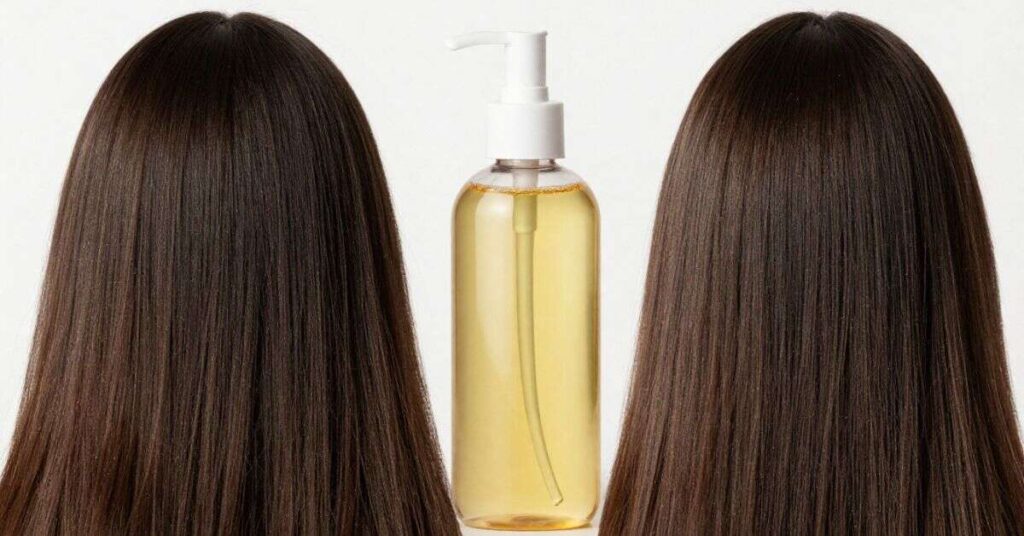
Low porosity hair is a hair type in which the outer cuticle layer lies very flat and remains tightly closed. Because of this compact structure, water, conditioners, and even many hair oils have difficulty penetrating the hair shaft. As a result, low porosity hair often requires special care and carefully selected products. Although this natural barrier helps the hair retain moisture once it gets inside, it also means that the moisturizing process can become much more challenging.
For example, people with low porosity hair often notice that water beads up on their hair instead of soaking in quickly. Similarly, heavy products may remain on the surface, causing the hair to feel greasy rather than properly hydrated. Therefore, choosing the right oils for low porosity hair is extremely important. In addition, lightweight oils are usually more effective because they spread easily across the strands without creating excessive buildup. Moreover, these oils help support moisture balance while allowing the hair to feel soft, smooth, and manageable.
Understanding your hair’s porosity is the foundation of a successful hair care routine.Instead of relying on thicker products that may weigh the hair down, it is better to choose the right natural oils for low porosity hair. As a result, these lightweight oils can help improve softness, enhance shine, and support better overall hair manageability.
Quick Fact: Hair porosity is determined by the condition and arrangement of your hair cuticles not by your curl pattern. Straight, wavy, curly, and coily hair can all have low porosity.
How the Hair Cuticle Affects Oil Absorption
To understand why certain oils work better than others, it is important to first understand how the hair cuticle functions.
The cuticle is the outermost protective layer of every hair strand. In low porosity hair, these cuticle scales remain tightly packed together. Consequently, moisture and nutrients struggle to pass through this protective barrier.
When heavy oils are applied, they often sit on the surface instead of being absorbed. This creates unwanted buildup, attracts dirt, and can make the hair appear dull. On the other hand, lightweight oils for low porosity hair have smaller molecular structures and spread more evenly across the hair, helping seal in moisture without making the strands feel coated.
Additionally, applying oil after washing or using gentle heat can temporarily lift the cuticle slightly. As a result, beneficial ingredients can penetrate the hair more effectively and provide better nourishment. For this reason, many hair experts recommend warming oils or using a warm towel during oil treatments. Moreover, this simple technique can help improve the effectiveness of oil application, especially for low porosity hair that often resists moisture absorption.
Characteristics of Low Porosity Hair
Although every person’s hair is unique, low porosity hair shares several common characteristics.
Typical signs include:
- Water tends to bead on the surface before absorbing.
- Hair takes a long time to become fully wet.
- Hair also requires more time to dry after washing.
- Products often sit on top of the hair.
- Heavy oils create noticeable buildup.
- Hair feels healthy but often lacks moisture.
- Protein treatments may leave hair stiff.
- Hair usually appears shiny because the cuticles lie flat.
- Moisture is retained well once absorbed.
Many people mistakenly believe their hair is simply dry. In reality, the issue is often that moisture cannot enter the hair efficiently. Choosing the right oil for low porosity hair growth and maintaining a balanced routine can help solve this problem without overloading the hair with products.
Why Moisture Retention IWhy Moisture Retention Is Challenging
One of the biggest misconceptions about low porosity hair is that it cannot hold moisture. In fact, the opposite is true.
The real challenge is getting moisture inside the hair in the first place.
Since the cuticle layer is tightly closed, water and conditioning ingredients struggle to penetrate. Consequently, many people continue adding more oils and creams, hoping to fix dryness. Unfortunately, using too much product usually creates buildup rather than increasing hydration.
Choosing the Right Oils for Low Porosity Hair
This is why selecting the right oils for low porosity hair is essential. For example, lightweight oils such as jojoba oil for low porosity hair, argan oil for low porosity hair, and grapeseed oil can help seal moisture after the hair has been properly hydrated.
Additionally, rosemary oil for low porosity hair, when diluted with a suitable carrier oil, may support a healthy scalp and therefore contribute to stronger-looking hair. Moreover, these lightweight oils are preferred because they provide nourishment without making low porosity hair feel heavy or overloaded.
Best Practices for Applying Oils
For the best results:
- Always apply oil to slightly damp hair instead of completely dry hair.
- Use lightweight oils before heavier products.
- Clarify your hair regularly to remove buildup.
- Deep condition with gentle heat to improve absorption.
- Avoid layering multiple heavy oils at the same time.
Why Oils Should Seal Moisture, Not Replace It
Pro Tip: Think of oils as moisture sealers, not moisturizers. Water provides hydration, while the right oils for low porosity hair help lock that hydration into the hair shaft for longer-lasting softness and shine.
By understanding how low porosity hair behaves, you’ll be able to choose products more effectively and build a routine that keeps your hair healthy, moisturized, and free from unnecessary buildup.
In the next section, we’ll explore how to know if you have low porosity hair, including simple at-home tests and the key differences between low and high porosity hair.
How to Know If You Have Low Porosity Hair
Understanding your hair’s porosity is one of the most important steps in building an effective hair care routine. Many people spend years trying different products without realizing that their hair’s porosity not the products themselves is the real reason they struggle with dryness, product buildup, or slow moisture absorption.
If your hair always feels coated after applying oils or conditioners, chances are you may have low porosity hair. Fortunately, there are several simple ways to identify it at home. Once you know your hair type, choosing the right oils for low porosity hair becomes much easier, allowing you to moisturize your hair effectively without weighing it down.
Common Signs of Low Porosity Hair
Low porosity hair has several recognizable characteristics. While you don’t need to experience every sign, having multiple symptoms usually indicates that your hair cuticles are tightly packed.
You may have low porosity hair if:
- Water stays on your hair for several seconds before soaking in.
- Your hair takes a long time to become fully wet.
- Hair also takes several hours to dry naturally.
- Conditioners often remain on the surface instead of absorbing.
- Hair products leave behind residue or buildup.
- Oils make your hair greasy instead of moisturized.
- Hair feels dry even after conditioning.
- Protein treatments often make your hair stiff or brittle.
- Your hair has a natural shine because the cuticle layer is smooth and flat.
These signs explain why selecting lightweight natural oils for low porosity hair is much more beneficial than using thick, heavy oils that simply coat the hair shaft.
Quick Tip: If your hair looks oily shortly after applying products but still feels dry inside, your hair is likely low porosity.
The Water Glass Test
The water glass test is one of the most popular methods for estimating hair porosity. Although it is not scientifically precise, it provides a useful starting point when combined with other observations.
How to perform the test
- Wash your hair with a clarifying shampoo to remove all product buildup.
- Collect one or two clean strands of naturally shed hair.
- Fill a clear glass with room-temperature water.
- Place the hair strand into the water.
- Wait for about 3–5 minutes and observe what happens.
Results
| Hair Position | What It Means |
| Floats on the surface | Low porosity hair |
| Suspends in the middle | Medium or normal porosity |
| Sinks quickly | High porosity hair |
If the strand continues floating, it usually means the tightly closed cuticles are preventing water from entering the hair shaft. This is why oils for low porosity hair should always be lightweight and easily spread across the hair.
Note: Product residue can affect the results, so always perform this test using clean hair.
The Absorption Test
Another reliable way to determine porosity is by observing how your hair absorbs water and products during your normal routine.
After washing your hair, spray a small amount of water onto a clean section.
If you have low porosity hair:
- Water forms tiny beads before absorbing.
- Hair feels damp only on the surface.
- Conditioner takes longer to penetrate.
- Oils remain visible on the hair.
- Hair feels slippery after applying products.
- Drying time is unusually long.
In contrast, hair with medium porosity absorbs moisture almost immediately and dries at a moderate pace.
This simple absorption test often gives a clearer picture than the water glass method because it reflects how your hair behaves in real-life conditions.
Low Porosity vs High Porosity Hair
Many people confuse these two hair types, yet they require completely different care routines. Understanding the difference helps you choose the correct products and avoid unnecessary damage.
| Feature | Low Porosity Hair | High Porosity Hair |
| Cuticle Structure | Tightly closed | Raised or damaged |
| Moisture Absorption | Slow | Very fast |
| Moisture Retention | Excellent once absorbed | Poor; loses moisture quickly |
| Drying Time | Long | Short |
| Product Buildup | Common | Rare |
| Best Oil Type | Lightweight oils | Richer, heavier oils |
| Recommended Oils | Argan oil for low porosity hair, Jojoba oil for low porosity hair, grapeseed oil, sunflower oil | Castor oil, olive oil, avocado oil, shea butter blends |
If your hair has low porosity, avoid assuming that more oil equals more moisture. Instead, focus on applying water first and then sealing it in with suitable oils for low porosity hair. This approach helps reduce buildup while keeping your hair hydrated, soft, and manageable.
Furthermore, if your goal is healthier strands and improved length retention, choosing the right oil for low porosity hair growth can support a healthier scalp environment. Many people also ask which oil is best for low porosity hair growth. While there is no single miracle oil, lightweight options such as jojoba oil for low porosity hair, argan oil for low porosity hair, and diluted rosemary oil for low porosity hair are among the most popular choices because they nourish the scalp without leaving excessive residue.
Expert Tip: Hair porosity can change over time due to coloring, heat styling, chemical treatments, or environmental damage. If your routine suddenly stops working, it’s worth reassessing your hair’s porosity before changing all your products.
How to Choose the Best Oils for Low Porosity Hair
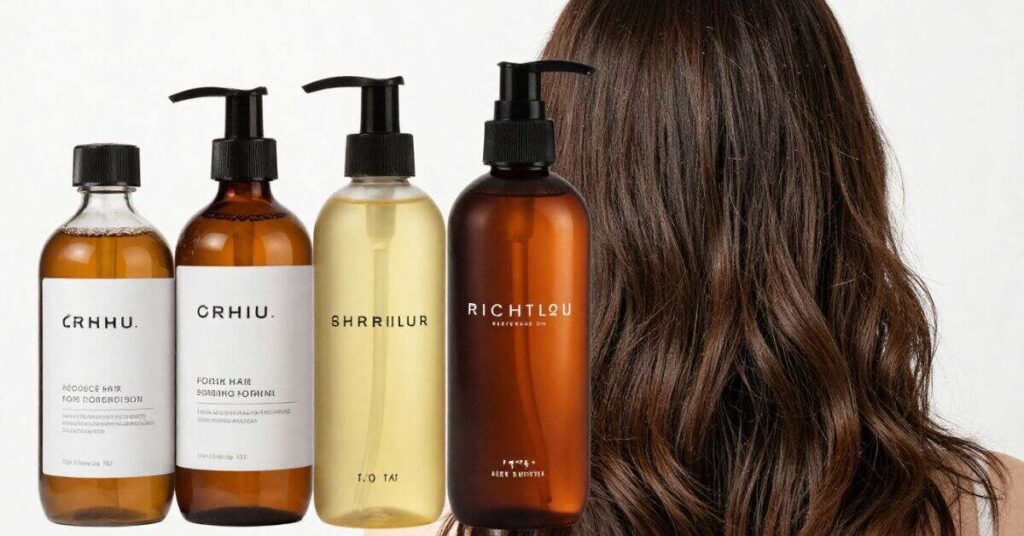
Choosing the right oils for low porosity hair is more than picking a popular product. Because low porosity hair has tightly packed cuticles, not every oil can penetrate or perform the same way. In fact, using the wrong oil may create buildup, leave your hair feeling greasy, and prevent moisture from reaching the inner layers of the hair shaft.
The key is to select lightweight oils that complement your hair’s natural structure. These oils help seal in hydration without weighing your strands down. Whether you’re looking for an oil for low porosity hair growth or simply want healthier, shinier hair, understanding what makes an oil suitable is essential.
What Makes an Oil Good for Low Porosity Hair?
Not all oils are created equal. Some have smaller molecules that spread easily across the hair and lock in moisture, while others are thick and remain on the surface.
The best oils for low porosity hair typically have the following qualities:
- Lightweight consistency that doesn’t weigh hair down.
- Easily spreads through the hair strands.
- Helps seal moisture without excessive residue.
- Rich in vitamins, antioxidants, and essential fatty acids.
- Non-comedogenic or less likely to clog the scalp.
- Suitable for regular use without causing buildup.
- Improves softness, shine, and manageability.
Some of the most recommended natural oils for low porosity hair include:
- Jojoba oil for low porosity hair
- Argan oil for low porosity hair
- Grapeseed oil
- Marula oil
- Rosehip oil
- Sunflower oil
These oils are lightweight enough to work with the tightly closed cuticle while still providing nourishment and helping reduce moisture loss.
Expert Tip: Oils do not hydrate your hair on their own. They work best when applied after water or a moisturizing leave-in conditioner to lock hydration inside the hair shaft.
Lightweight vs Heavy Oils
One of the biggest mistakes people make is assuming that thicker oils provide better nourishment. However, for low porosity hair, the opposite is often true.
Lightweight Oils
Lightweight oils absorb more evenly and are less likely to leave a greasy coating.
Examples include:
- Argan oil
- Jojoba oil
- Grapeseed oil
- Marula oil
- Rosehip oil
- Sunflower oil
- Hemp seed oil
Benefits of Lightweight Oils
- Seal moisture effectively.
- Add natural shine.
- Reduce frizz.
- Prevent product buildup.
- Leave hair soft without feeling oily.
- Ideal for frequent use.
Heavy Oils
Heavy oils have a thicker consistency and can quickly accumulate on low porosity hair.
Examples include:
- Castor oil
- Coconut oil
- Olive oil
- Avocado oil
- Palm oil
These oils are not necessarily bad; however, they should be used carefully and in smaller amounts. Moreover, applying too much oil can create buildup; therefore, the hair may feel coated instead of properly moisturized. As a result, using a balanced amount is important to maintain soft and healthy-looking hair.
Lightweight vs Heavy Oils Comparison
| Feature | Lightweight Oils | Heavy Oils |
| Texture | Thin | Thick |
| Absorption | Easier to spread | Mostly sits on the surface |
| Product Buildup | Low | Higher |
| Best for Daily Use | Yes | ⚠ Occasionally |
| Suitable for Low Porosity Hair | Excellent | Use sparingly |
If you’re wondering which oil is best for low porosity hair growth, lightweight oils combined with a healthy scalp routine are generally the safest and most effective choice.
Carrier Oils vs Sealing Oils
Understanding the difference between carrier oils and sealing oils helps you build a more effective hair care routine.
Carrier Oils
Carrier oils are plant-based oils that dilute essential oils and provide nourishment to the hair and scalp.
Popular carrier oils include:
- Jojoba oil for low porosity hair
- Argan oil for low porosity hair
- Grapeseed oil
- Sweet almond oil
- Sunflower oil
- Marula oil
These oils are gentle enough for regular use and work well with essential oils like rosemary or peppermint.
For example, if you plan to use rosemary oil for low porosity hair, always mix a few drops with a carrier oil before applying it to your scalp. This reduces the risk of irritation while helping distribute the essential oil evenly.
Sealing Oils
Sealing oils create a protective layer over the hair to reduce moisture loss.
Common sealing oils include:
- Coconut oil
- Castor oil
- Olive oil
- Avocado oil
While sealing oils can be beneficial, they should only be used in moderation on low porosity hair. Applying too much may block moisture instead of preserving it.
Best Practice: Hydrate your hair first with water or a leave-in conditioner, then apply a small amount of oil to seal in that moisture.
Ingredients to Avoid
Even the best hair routine can fail if your products contain ingredients that encourage buildup or dryness. Since low porosity hair is already prone to product accumulation, choosing lightweight, clean formulations is especially important.
Try to avoid products that contain excessive amounts of:
- Heavy mineral oil
- Petroleum-based ingredients
- Thick waxes
- Excessive silicones that require harsh shampoos to remove
- Large amounts of heavy butter blends
- Overly rich oil combinations
These ingredients may leave a coating on the hair, making it more difficult for moisture to penetrate over time.
When shopping for products, look for lightweight formulas that pair well with oils for low porosity hair. If you’re in South Asia, you’ll also find several brands offering low porosity hair oil in Pakistan, including blends based on argan, jojoba, grapeseed, and rosemary oils. Always check the ingredient list to ensure the product isn’t overloaded with heavy fillers.
Quick Buying Checklist
Lightweight texture
Rich in natural plant oils
Free from excessive heavy waxes and petroleum-based fillers
Suitable for your hair goals (hydration, shine, or growth support)
Easy to wash out with a gentle or clarifying shampoo
15 Best Oils for Low Porosity Hair That Actually Work
Among the best oils for low porosity hair, argan oil stands out because of its lightweight texture and nourishing properties. It helps lock in moisture, smooth the hair cuticle, reduce frizz, and add shine without leaving heavy buildup.
Jojoba Oil for Low Porosity Hair: Lightweight Daily Moisture
Jojoba oil for low porosity hair is one of the best choices for daily use because it closely resembles the scalp’s natural sebum. Its lightweight consistency helps moisturize both the scalp and hair without making strands feel greasy.
Grapeseed Oil for Low Porosity Hair: Ultra-Light Hydration
Grapeseed oil for low porosity hair is an excellent option if your strands become weighed down easily. Its ultra-light texture seals in moisture, improves softness, and helps control frizz without leaving residue.
Sweet Almond Oil for Low Porosity Hair: Nourishment Without Buildup
Sweet almond oil for low porosity hair delivers deep nourishment while remaining lighter than many traditional oils. It helps improve softness, reduce breakage, and support healthy-looking hair with minimal buildup.
Marula Oil for Low Porosity Hair: Smooth and Frizz-Free Strands
Marula oil for low porosity hair provides lightweight hydration while helping reduce frizz and improve shine. It leaves hair feeling smooth, soft, and manageable without creating a greasy coating.
Rosehip Oil for Low Porosity Hair: Lightweight Moisture and Shine
Rosehip oil for low porosity hair is rich in vitamins, antioxidants, and essential fatty acids. It helps moisturize dry strands, improve elasticity, and add natural shine without weighing the hair down.
Hemp Seed Oil for Low Porosity Hair: Rich in Essential Fatty Acids
Hemp seed oil for low porosity hair is packed with omega fatty acids that support moisture retention and healthier-looking strands. Its lightweight texture makes it ideal for regular use.
Avocado Oil for Low Porosity Hair: Deep Nourishment in Moderation
Avocado oil for low porosity hair offers deep nourishment for dry or damaged strands. Because it is slightly richer than other oils, it works best when used in small amounts as a weekly treatment.
Olive Oil for Low Porosity Hair: When and How to Use It
Olive oil for low porosity hair can provide intense moisture and softness when used correctly. However, because it is a heavier oil, it should be applied in moderation to avoid buildup.
Coconut Oil for Low Porosity Hair: Benefits, Risks, and Best Uses
Coconut oil for low porosity hair can strengthen hair and reduce protein loss, but it does not suit everyone. Some people experience softer hair, while others notice stiffness or product buildup.
Castor Oil for Low Porosity Hair: Should You Use It?
Castor oil for low porosity hair is best used in diluted blends because of its thick consistency. Mixing it with lighter oils can help reduce heaviness while still providing conditioning benefits.
Sesame Oil for Low Porosity Hair: Traditional Care for Healthy Hair
Sesame oil for low porosity hair has been used in traditional hair care for generations. It helps nourish dry strands, improve softness, and protect hair from moisture loss when used occasionally.
Amla Oil for Low Porosity Hair: Natural Shine and Strength
Amla oil for low porosity hair is valued for its antioxidant-rich composition and ability to enhance shine. Choosing a lightweight formula helps minimize buildup while supporting healthier-looking hair.
Sunflower Oil for Low Porosity Hair: A Lightweight Moisture Sealer
Sunflower oil for low porosity hair is a lightweight option rich in vitamin E and linoleic acid. It helps seal in moisture, reduce dryness, and leave hair soft without feeling heavy.
Baobab Oil for Low Porosity Hair: Softness Without Heaviness
Baobab oil for low porosity hair delivers lightweight nourishment that improves softness, flexibility, and shine. It is especially beneficial for curly or dry low porosity hair that needs lasting moisture without buildup.
Why These Oils Work So Well for Low Porosity Hair
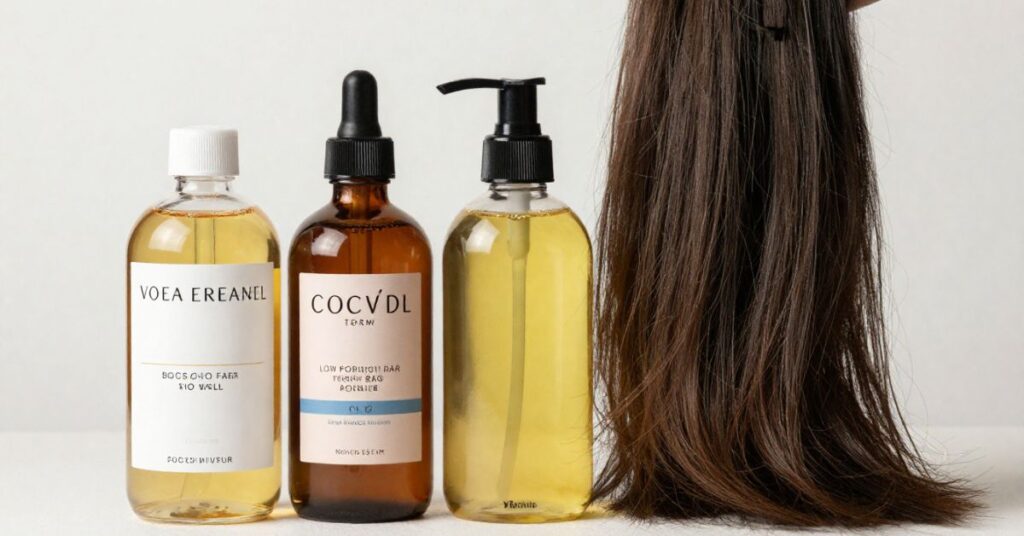
Choosing the right oils for low porosity hair is not just about adding shine. These oils work because they match the unique structure of low porosity strands. Since the hair cuticle is tightly closed, the goal is to use oils that support moisture retention without creating a heavy coating.
The best oils provide a balance between absorption, protection, and nourishment. Lightweight oils can spread across the hair surface, reduce moisture loss, and improve the overall feel of the hair without causing excessive buildup.
Let’s understand why these oils perform so well.
Lightweight Molecular Structure
One of the biggest reasons certain oils work better for low porosity hair is their molecular structure. Oils with smaller or lighter molecules can distribute more evenly across the hair shaft and are less likely to sit heavily on the surface.
Low porosity hair often struggles with product absorption because the cuticle layers are tightly packed. Therefore, using extremely thick oils can create a barrier that makes the hair feel coated instead of moisturized.
Lightweight options such as:
- Argan oil for low porosity hair
- Jojoba oil for low porosity hair
- Grapeseed oil
- Sunflower oil
- Marula oil
are popular because they provide nourishment while maintaining a lightweight feel.
These oils can help:
- Improve softness.
- Reduce dryness.
- Enhance shine.
- Minimize frizz.
- Make hair easier to manage.
The goal is not to overload the hair with oil but to create a balanced environment where moisture can stay inside the strands.
Pro Tip: If your hair feels greasy but still dry after oiling, the oil is probably too heavy or you are using too much product.
Better Moisture Sealing
Although oils do not add water-based hydration by themselves, they play an important role in preventing moisture loss. They act as a protective layer that helps keep hydration inside the hair after washing or conditioning.
For low porosity hair, the best approach is:
Hydrate first → Seal second
This means applying water, a leave-in conditioner, or a moisturizing product before using oil.
When applied correctly, oils for low porosity hair help:
- Slow down moisture evaporation.
- Keep hair softer for longer.
- Reduce roughness.
- Improve flexibility.
- Protect the hair surface.
For example, applying a few drops of argan or jojoba oil after conditioning can help maintain moisture without making the hair heavy.
Many people searching for the best oil for low porosity hair growth focus only on the oil itself, but the application method is equally important. A good oil combined with proper hydration creates better results than using large amounts of oil alone.
Reduced Product Buildup
One of the biggest challenges with low porosity hair is buildup. Because the cuticle is tightly closed, excess products often remain on the surface instead of absorbing completely.
Heavy oils and thick product layers can make hair appear:
- Dull.
- Greasy.
- Flat.
- Difficult to style.
- Rough despite using moisturizing products.
The right natural oils for low porosity hair help avoid this problem because they are lighter and easier to distribute.
Oils such as jojoba, argan, and grapeseed are excellent examples because they provide conditioning benefits without creating an overly thick coating.
To prevent buildup:
- Use only a small amount of oil.
- Apply oil mainly to mid-lengths and ends.
- Clarify your hair regularly.
- Avoid mixing too many heavy products.
- Choose lightweight formulas.
Understanding your hair’s needs is especially important when exploring low porosity hair oils to avoid, because some oils may work well for other hair types but feel heavy on low porosity strands.
Rich in Essential Fatty Acids and Vitamins
The best oils for low porosity hair are not only lightweight; they are also rich in nutrients that support healthier-looking hair.
Many beneficial oils contain:
Essential Fatty Acids
Fatty acids help improve the smoothness and flexibility of hair strands. They support the protective barrier around the hair and help reduce moisture loss.
Examples include:
- Omega-3 fatty acids.
- Omega-6 fatty acids.
- Oleic acid.
- Linoleic acid.
Vitamins and Antioxidants
Many plant-based oils contain nutrients that help protect the hair from environmental stress.
Common beneficial nutrients include:
- Vitamin E for antioxidant protection.
- Vitamin A for scalp nourishment.
- Vitamin D support.
- Plant compounds that improve shine and softness.
For example:
- Argan oil provides vitamin E and antioxidants.
- Jojoba oil closely resembles natural scalp oils.
- Rosehip oil contains vitamins and fatty acids.
- Hemp seed oil provides omega fatty acids.
These properties make them excellent choices for maintaining moisture balance and improving the overall appearance of low porosity hair.
Final Tip: The best oil is not always the richest oil. For low porosity hair, the ideal choice is usually a lightweight oil that supports moisture retention without creating buildup.
Read More:https://pureoilshub.com/does-mielle-rosemary-oil-cause-hair-loss/
Oils for Low Porosity Hair to Avoid or Use Carefully
While choosing the right oils for low porosity hair can improve moisture retention and softness, it is equally important to understand which oils may not work well for your hair type. Low porosity hair already has tightly closed cuticles, meaning heavy oils can easily sit on the surface instead of absorbing properly.
This does not mean that every heavy oil is completely harmful. Some richer oils can provide benefits when used correctly and in small amounts. However, frequent use or applying too much can lead to buildup, dullness, and a greasy feeling.
Understanding low porosity hair oils to avoid helps you create a balanced routine where your hair receives nourishment without becoming weighed down.
Castor Oil
Castor oil is one of the most popular oils in natural hair care because of its thick consistency and rich composition. It contains ricinoleic acid, which helps create a protective layer over the hair and supports scalp conditioning.
However, pure castor oil can be challenging for many people with low porosity hair. Its thick texture makes it difficult to spread evenly, and it may remain on the hair surface rather than absorbing into the strands.
Why Castor Oil May Be Difficult for Low Porosity Hair
- Very thick and sticky texture.
- Can create product buildup quickly.
- May make hair feel coated.
- Requires more effort to wash out.
- Can weigh down fine hair.
This does not mean you must completely avoid castor oil. If you enjoy using it, try mixing a small amount with lighter oils for low porosity hair such as jojoba, argan, or grapeseed oil.
Best Way to Use Castor Oil
- Use it as an occasional treatment.
- Apply a small quantity.
- Mix it with a lightweight carrier oil.
- Wash thoroughly afterward.
Many people search for which oil is best for low porosity hair growth and immediately choose castor oil. However, the best results usually come from a complete routine that includes proper scalp care, hydration, and oils that suit your hair’s absorption ability.
Coconut Oil
Coconut oil is one of the most researched oils in hair care because its small molecular structure allows it to penetrate the hair shaft. It can help reduce protein loss and strengthen the appearance of hair.
However, coconut oil is also one of the most commonly misunderstood oils for low porosity hair.
Some people experience softer, healthier-looking hair with coconut oil, while others notice dryness, stiffness, or a waxy feeling.
Why Coconut Oil Can Be Problematic
Low porosity hair already has tightly packed cuticles. When coconut oil does not work well for your hair, it may cause:
- Stiff or hard-feeling strands.
- Reduced softness.
- Difficulty styling.
- A coated feeling.
- Increased buildup.
When Coconut Oil May Work
Coconut oil may be suitable if:
- Your hair responds well to strengthening oils.
- You use it occasionally.
- You apply a small amount.
- You wash it out properly.
For many people, coconut oil works better as a pre-shampoo treatment rather than a daily sealing oil.
Expert Tip: If your hair feels rough after using coconut oil, it may not be the right match for your low porosity hair routine.
Olive Oil
Olive oil has been used for centuries as a natural hair treatment. It contains antioxidants, vitamin E, and fatty acids that help improve softness and reduce moisture loss.
However, olive oil is considered a heavier oil, especially compared with lightweight options like jojoba, argan, or grapeseed oil.
For low porosity hair, olive oil should be used carefully because excessive application can create a barrier that prevents moisture from entering the hair effectively.
Possible Issues With Olive Oil
- Heavy feeling on fine hair.
- Slow absorption.
- Increased buildup.
- Greasy appearance.
- Difficult removal if overused.
How to Use Olive Oil Correctly
If your hair enjoys olive oil:
- Use it as an occasional deep treatment.
- Apply before shampooing.
- Use a small amount.
- Avoid daily application.
Olive oil can still be beneficial, but it is not usually the first choice when selecting lightweight natural oils for low porosity hair.
Heavy Butter-Based Oils
Many hair products contain rich butter-based ingredients because they provide intense softness and protection. Examples include:
- Shea butter.
- Cocoa butter.
- Mango butter.
- Thick oil blends.
While these ingredients can be excellent for certain hair types, they may overwhelm low porosity hair when used frequently.
Because low porosity hair has difficulty absorbing heavy products, butter-based formulas may sit on the surface and create buildup.
Signs Heavy Butter Products Are Too Much
You may notice:
- Hair feels waxy.
- Products stop absorbing.
- Hair becomes difficult to style.
- Strands appear dull.
- Hair feels heavy after washing.
This does not mean you can never use butter-based products. Instead:
- Use them occasionally.
- Apply small amounts.
- Pair them with lightweight oils.
- Focus application on dry ends.
For daily care, lightweight oils for low porosity hair are usually a better option.
How to Prevent Buildup
Preventing buildup is one of the most important parts of maintaining low porosity hair. Even beneficial oils can cause problems if they are applied too frequently or in excessive amounts.
Follow these simple tips:
Use Less Oil
Low porosity hair usually needs only a few drops. Applying more does not provide extra moisture and may create residue.
Apply Oil After Hydration
Oil works best as a sealant. Apply it after:
- Water.
- Leave-in conditioner.
- Moisturizing cream.
This helps lock in hydration instead of simply coating dry hair.
Clarify Regularly
A gentle clarifying shampoo helps remove:
- Excess oil.
- Product residue.
- Silicone buildup.
- Environmental impurities.
However, avoid over-clarifying because it can make hair feel dry.
Choose Lightweight Oils
The best options for regular use are usually:
- Jojoba oil.
- Argan oil.
- Grapeseed oil.
- Sunflower oil.
- Marula oil.
These oils provide moisture support without creating unnecessary buildup.
Avoid Mixing Too Many Oils
Using multiple heavy oils together can quickly overwhelm low porosity hair. Instead, choose one or two oils that your hair responds well to.
Remember: The goal is not to completely cover your hair in oil. The goal is to create the right moisture balance.
How to Apply Oils for Low Porosity Hair for Maximum Absorption
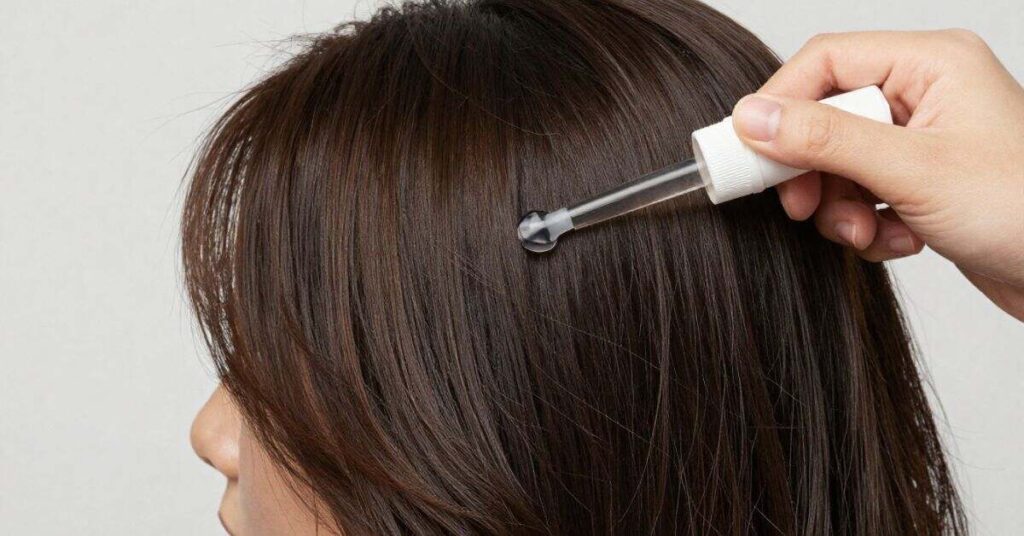
Using the right oils for low porosity hair is only half of the process. The way you apply oil plays an equally important role in determining whether your hair feels soft and moisturized or heavy and coated.
Because low porosity hair has tightly closed cuticles, oils need the right conditions to work effectively. Applying oil directly to dry hair in large amounts often leads to buildup instead of hydration. The better approach is to prepare the hair, use a small amount of oil, and help the strands absorb nutrients through proper techniques.
When applied correctly, oils can help seal moisture, improve softness, reduce frizz, and make hair easier to manage.
Start with Clean Hair
Clean hair provides a better foundation for oil application because there is less product residue blocking absorption.
Over time, styling products, conditioners, and previous oil applications can create a layer on the hair surface. Since low porosity hair naturally resists absorption, this buildup can make it even harder for beneficial ingredients to reach the strands.
Before applying oil:
- Wash your hair with a gentle shampoo.
- Remove excess product residue.
- Avoid applying oil over heavy buildup.
- Use a clarifying shampoo occasionally if needed.
Clean hair allows lightweight natural oils for low porosity hair to spread more evenly and work more effectively.
However, avoid shampooing too aggressively. Removing all natural oils from the scalp can leave hair feeling dry and make it harder to maintain moisture balance.
Pro Tip: The best time to apply oil is usually after washing when your hair is clean, slightly damp, and ready to absorb moisture.
Apply Oil on Damp Hair
One of the most common mistakes people make is applying oil to completely dry hair and expecting it to provide hydration.
Oil does not add water to the hair. Instead, it helps seal existing moisture and reduce moisture loss. This is why applying oil after dampening your hair is usually more effective.
A simple method:
- Wash your hair.
- Apply a moisturizing conditioner or leave-in product.
- Remove excess water.
- Apply a small amount of oil.
- Distribute evenly through the strands.
This technique allows the oil to lock in hydration and helps prevent dryness.
For example, lightweight options like jojoba oil for low porosity hair and argan oil for low porosity hair work especially well when applied after moisturizing products.
Warm the Oil Before Applying
Warming your oil slightly can improve the application experience and help the product spread more easily.
Low porosity hair often benefits from gentle heat because it can temporarily help loosen the tightly packed cuticle layer.
How to warm oil safely:
- Place the oil container in warm water for a few minutes.
- Test the temperature before applying.
- Never use extremely hot oil.
Warm oil can:
- Improve spreadability.
- Help distribute nutrients evenly.
- Make scalp massage more comfortable.
- Support better absorption.
This method works especially well during pre-shampoo treatments.
Important: The goal is gentle warmth, not heat. Excessive heat can damage the hair and scalp.
Section Your Hair
Applying oil without dividing your hair into sections often results in uneven distribution. Some areas may receive too much product while others receive very little.
Sectioning helps ensure that every strand receives an appropriate amount of oil.
Simple sectioning method:
- Divide your hair into 4–6 sections.
- Apply a small amount of oil to each section.
- Smooth the oil from mid-lengths to ends.
- Comb gently if needed.
This method is especially useful for:
- Thick hair.
- Curly low porosity hair.
- Long hair.
- Dense textures.
Proper distribution prevents the common problem of using too much oil in one area.
Massage Gently
A gentle scalp massage can make oil application more enjoyable while supporting a healthy scalp routine.
Use your fingertips instead of your nails and massage in circular motions.
Benefits of gentle massage include:
- Even oil distribution.
- Relaxation.
- Improved scalp care habits.
- Better product coverage.
If you are using rosemary oil for low porosity hair, always dilute it with a suitable carrier oil before applying it. Essential oils should not typically be applied directly because they are highly concentrated.
Popular carrier oils include:
- Jojoba oil.
- Argan oil.
- Sweet almond oil.
- Grapeseed oil.
Use Steam or a Warm Towel
Low porosity hair often responds well to gentle heat because it helps soften the hair surface and improves product penetration.
Using steam or a warm towel after applying oil may help the oil spread more effectively.
How to use a warm towel method:
- Apply a small amount of oil.
- Wrap your hair with a warm, damp towel.
- Leave it for 10–20 minutes.
- Wash or continue with your routine.
This technique is especially helpful during deep conditioning or occasional oil treatments.
However, avoid excessive heat. Low porosity hair needs gentle assistance, not intense temperature exposure.
Focus on Mid-Lengths and Ends
The ends of your hair are usually the oldest and most fragile parts of the strand. They often lose moisture faster than the roots.
When applying oils for low porosity hair, focus mainly on:
- Mid-lengths.
- Ends.
- Dry areas.
The scalp already produces natural oils, so applying too much oil directly to the roots can increase buildup.
For people with fine hair or oily scalps, keeping oil away from the roots may improve the overall appearance and feel of the hair.
How Much Oil Should You Use?
One of the biggest mistakes with oiling is assuming that more oil equals more moisture.
For low porosity hair, a small amount is usually enough.
General guideline:
| Hair Type | Amount of Oil |
| Fine hair | 2–4 drops |
| Medium hair | 5–8 drops |
| Thick hair | 1–2 teaspoons |
Start with less and increase only if your hair needs more.
Using too much oil can lead to:
- Greasy appearance.
- Heavy strands.
- More frequent washing.
- Product buildup.
The goal is lightweight moisture sealing, not coating every strand with excessive oil.
Leave-In vs Rinse-Out Method
There are two common ways to use oils for low porosity hair: leaving them in or rinsing them out.
Leave-In Method
This works best with lightweight oils.
Suitable options:
- Argan oil.
- Jojoba oil.
- Grapeseed oil.
- Marula oil.
Apply a few drops after moisturizing your hair and leave it in.
Benefits:
- Daily softness.
- Reduced frizz.
- Added shine.
- Moisture protection.
Rinse-Out Method
This method is better for richer oils.
Suitable options:
- Castor oil blends.
- Coconut oil.
- Olive oil.
- Avocado oil.
Apply before washing, leave for 20–60 minutes, then cleanse your hair.
Benefits:
- Deep nourishment.
- Reduced dryness.
- Occasional intensive treatment.
Choosing the correct method prevents buildup and helps your hair receive the benefits of oil without feeling overwhelmed.
Final Tip: The best results come from consistency. Using a small amount of the right oil regularly is usually more effective than applying large amounts occasionally.
Complete Hair Care Routine Using Oils for Low Porosity Hair
When creating an effective hair care routine, it is important to understand that success is not only about choosing the right products; instead, it is also about using them in the correct order. Because low porosity hair has tightly packed cuticles, each step should be planned carefully to support better moisture absorption. In addition, the routine should focus on preventing buildup and maintaining long-lasting hydration. As a result, following the right sequence can help products work more effectively.
Furthermore, understanding how low porosity hair responds to different ingredients allows you to make smarter choices. Therefore, every step, from cleansing to moisturizing and sealing, should have a clear purpose. For this reason, a consistent routine can help maintain softer, more manageable, and healthier-looking hair. Ultimately, the combination of suitable products, proper techniques, and regular care creates the foundation for an effective low porosity hair routine.
The best routine combines gentle cleansing, proper conditioning, lightweight oils, and occasional treatments. When you use suitable oils for low porosity hair correctly, they can help seal moisture, improve softness, reduce frizz, and support healthier-looking strands.
A balanced routine also prevents common issues associated with low porosity hair, such as product buildup, dryness, and difficulty absorbing treatments.
Choose the Right Shampoo
The first step in any successful low porosity hair routine is choosing a shampoo that cleans effectively without stripping away essential moisture.
Because low porosity hair is prone to buildup, a gentle cleanser is important. Product residue from oils, creams, conditioners, and styling products can sit on the hair surface and prevent moisture from entering.
Look for shampoos that:
- Clean without excessive dryness.
- Remove buildup effectively.
- Maintain scalp balance.
- Contain moisturizing ingredients.
- Are suitable for regular use.
Avoid shampoos with extremely harsh cleansing agents if they leave your hair feeling rough or tight after washing.
Recommended Shampoo Routine:
- Wash hair when it feels dirty or coated.
- Focus shampoo mainly on the scalp.
- Allow the cleanser to rinse through the lengths.
- Avoid aggressive scrubbing.
A clean foundation allows natural oils for low porosity hair to work more effectively because fewer barriers prevent absorption.
Expert Tip: If your hair products stop working suddenly, buildup may be the reason. A gentle clarifying wash can restore better product performance.
Pick a Moisturizing Conditioner
Conditioner is one of the most important steps for low porosity hair because it provides hydration before oil is applied.
Since oils mainly help seal moisture, your conditioner provides the water-based hydration your hair needs first.
A good conditioner for low porosity hair should:
- Provide lightweight moisture.
- Improve softness.
- Reduce tangles.
- Help smooth the cuticle.
- Avoid leaving heavy residue.
Ingredients that may work well include:
- Aloe vera.
- Glycerin.
- Lightweight plant extracts.
- Amino acids.
- Humectants.
After conditioning, applying a few drops of argan oil for low porosity hair or jojoba oil for low porosity hair can help lock in moisture without creating unnecessary heaviness.
Conditioning Tip:
Leave your conditioner on for a few minutes before rinsing. This gives the ingredients more time to interact with the hair surface.
Clarify Your Hair Regularly
Clarifying is an essential step for people with low porosity hair because buildup happens more easily compared with highly porous hair.
Even the best oils for low porosity hair can become problematic when too much product accumulates.
A clarifying shampoo helps remove:
- Excess oils.
- Styling product residue.
- Silicone buildup.
- Environmental impurities.
- Heavy product layers.
How Often Should You Clarify?
The ideal frequency depends on your routine:
- Heavy product users: Every 2–4 weeks.
- Light product users: Once a month or when buildup appears.
- Minimal product users: Less frequently.
Signs you may need clarification:
- Hair feels waxy.
- Products sit on top.
- Hair looks dull.
- Hair feels heavy after washing.
- Moisture products stop absorbing.
However, avoid clarifying too often because it can remove too much moisture and make hair feel dry.
Deep Condition with Heat
Deep conditioning is especially helpful for low porosity hair because gentle heat can encourage better product absorption.
Since the cuticle layer is tightly closed, deep conditioners may perform better when combined with mild warmth.
Benefits of Deep Conditioning:
- Improves softness.
- Helps maintain moisture.
- Reduces dryness.
- Makes detangling easier.
- Improves hair flexibility.
Best Method:
- Apply a moisturizing deep conditioner.
- Cover your hair with a cap.
- Use gentle heat or a warm towel.
- Leave it for the recommended time.
- Rinse thoroughly.
After deep conditioning, lightweight oils can help preserve the moisture gained from the treatment.
For example, applying a small amount of jojoba or argan oil afterward can help maintain softness without causing buildup.
Remember: Heat should be gentle. Excessive heat can damage hair instead of improving absorption.
Daily Moisturizing Tips
Maintaining moisture between wash days is important, especially for people whose hair becomes dry easily.
A simple daily routine can include:
1. Refresh With Water
Because low porosity hair often has tightly packed cuticles, it usually responds better when moisture is added before oil. Therefore, applying hydration first can help create a better foundation for your oiling routine. In addition, lightly misting your hair with water or a water-based spray before applying oil can help prepare the strands. As a result, the oil can work more effectively as a sealing step to help maintain moisture.
Furthermore, using this method prevents the hair from feeling overly dry after oil application. For this reason, many people with low porosity hair prefer to hydrate first and seal afterward. Moreover, applying products in the correct order can improve the overall feel and manageability of the hair. Ultimately, combining water-based hydration with the right oil can support a more balanced and effective low porosity hair care routine.
2. Use Lightweight Products
Avoid layering multiple heavy creams and oils together.
Choose products that provide moisture without leaving residue.
3. Seal Moisture Properly
After hydration, apply a small amount of oil to prevent moisture loss.
Good daily options include:
- Jojoba oil.
- Argan oil.
- Grapeseed oil.
- Sunflower oil.
4. Protect Hair While Sleeping
Reduce moisture loss by:
- Using a satin or smooth pillowcase.
- Protecting hair overnight.
- Avoiding excessive friction.
5. Pay Attention to Your Hair’s Response
Every person’s hair reacts differently. A product that works for someone else may not work for you.
Monitor:
- How quickly your hair absorbs products.
- Whether oils feel heavy.
- How long moisture lasts.
- How your hair feels after washing.
If you are searching for which oil is best for low porosity hair growth, remember that no single oil replaces a complete routine. Healthy-looking hair depends on consistent care, proper hydration, scalp maintenance, and choosing oils that match your hair’s needs.
Final Routine Summary
Wash → Condition → Hydrate → Apply lightweight oil → Protect → Clarify when needed
Following this approach allows oils for low porosity hair to perform their main purpose: sealing moisture, improving manageability, and supporting healthier-looking hair without unnecessary buildup.
Best Products to Pair with Oils for Low Porosity Hair

By using the right oils for low porosity hair, you can significantly improve moisture retention. However, oils work best when they are combined with the right supporting products and techniques. This is because low porosity hair has tightly packed cuticles, which can make moisture absorption more challenging. Therefore, a complete hair care routine should focus on more than just oil application.
In addition, gentle cleansing, proper hydration, lightweight conditioning, and effective moisture sealing all play important roles. As a result, your hair can maintain better moisture balance and feel more manageable. Furthermore, choosing products that work together helps prevent buildup while supporting healthier-looking strands. For this reason, a balanced routine is often more effective than relying on a single product alone. Ultimately, combining suitable oils with proper hair care habits is the best approach for maintaining soft, hydrated, and well-nourished low porosity hair.
The purpose of pairing oils with suitable products is simple:
Clean hair → Add moisture → Seal hydration → Prevent buildup
When each product works together, your hair is more likely to stay soft, manageable, and healthy-looking without feeling heavy or greasy.
Best Clarifying Shampoo
A good clarifying shampoo is an important part of a low porosity hair routine. This is because buildup can quickly become a common issue when products do not absorb easily. In addition, oils and styling products may remain on the hair surface, which can make strands feel heavy or less responsive to moisture. As a result, occasional clarification helps remove residue and creates a cleaner base for better moisture absorption. Therefore, using a clarifying shampoo at the right frequency can support a more balanced hair care routine.
Furthermore, regular buildup removal can help your other hair products work more effectively. However, clarification should not be overused because excessive cleansing may leave hair feeling dry or less comfortable. For this reason, the best clarifying shampoos should clean effectively while still being gentle on the hair. Moreover, choosing a formula that matches your hair’s needs can help maintain softness and manageability. Ultimately, the right balance between cleansing and hydration is essential for keeping low porosity hair healthy-looking.
Look for:
- Gentle cleansing ingredients.
- Lightweight formulas.
- Hydrating ingredients.
- Sulfate-free options if your hair feels dry easily.
- Scalp-friendly ingredients.
Benefits of Clarifying Shampoo:
- Removes excess oil buildup.
- Clears product residue.
- Restores hair freshness.
- Helps conditioners work better.
- Prevents dull-looking hair.
A clarifying shampoo is especially useful if you regularly use richer oils such as coconut oil, castor oil, or olive oil. These oils can provide benefits, but without proper cleansing they may create a coating over low porosity strands.
How Often to Use:
Most people with low porosity hair can clarify:
- Every 3–4 weeks with a light routine.
- More often if using many styling products.
- Less often if hair stays clean and balanced.
Expert Tip: Clarifying is not about removing all oils from your hair. It is about creating a clean base where the right oils for low porosity hair can work effectively.
Best Lightweight Conditioner
A lightweight conditioner is one of the most important products for low porosity hair because hydration should come before oil application.
Remember:
Oil seals moisture; it does not replace moisture.
A suitable conditioner helps soften the hair and prepares it to receive lightweight oils.
Look for conditioners containing:
- Aloe vera.
- Glycerin.
- Panthenol.
- Lightweight proteins (if your hair responds well).
- Plant extracts.
- Hydrating ingredients.
Benefits:
- Improves softness.
- Reduces tangling.
- Makes hair easier to manage.
- Helps prepare hair for oil sealing.
- Supports moisture balance.
Avoid conditioners that are extremely heavy with:
- Thick waxes.
- Excessive butters.
- Large amounts of heavy oils.
These ingredients may sit on the surface and make low porosity hair feel coated.
A good combination is:
Moisturizing conditioner + lightweight oil
For example:
- Conditioner → Jojoba oil
- Leave-in conditioner → Argan oil
- Hydration spray → Grapeseed oil
This combination helps maintain moisture without overwhelming the hair.
Best Leave-In Conditioner
A leave-in conditioner can be extremely beneficial for low porosity hair because it provides lightweight hydration between wash days.
Unlike heavy creams, a good leave-in conditioner adds moisture without creating unnecessary buildup.
Benefits of a Lightweight Leave-In:
- Provides daily hydration.
- Reduces frizz.
- Improves softness.
- Makes detangling easier.
- Creates the perfect base for oils.
Choose a leave-in conditioner that:
- Has a lightweight texture.
- Absorbs easily.
- Contains moisturizing ingredients.
- Does not leave a heavy coating.
The best application method is:
- Spray or apply leave-in conditioner to damp hair.
- Allow it to absorb.
- Apply a few drops of oil over it.
This method works especially well with:
- Argan oil for low porosity hair
- Jojoba oil for low porosity hair
- Grapeseed oil
These oils help lock in the hydration provided by the leave-in conditioner.
Pro Tip: If your hair feels dry shortly after oiling, you may need more hydration underneath rather than more oil on top.
Best Hair Serum
A lightweight hair serum can be a useful finishing product for low porosity hair. In particular, it can help reduce frizz and improve shine without adding unnecessary weight. Because low porosity hair can become easily weighed down by heavy products, choosing a lightweight formula is often a better option. As a result, serums can provide a smooth finish while keeping the hair looking soft and manageable.
Unlike heavy oils, hair serums are usually designed to coat the hair lightly and provide protection without making strands feel greasy. In addition, many serums help improve the appearance of smoothness and control flyaways. Therefore, they can be a practical choice when you want extra polish without sacrificing volume. Furthermore, using a small amount allows you to enjoy the benefits while reducing the risk of buildup. Ultimately, a suitable serum can complement your routine and support the overall appearance of low porosity hair.
Benefits of Hair Serum:
- Adds instant shine.
- Smooths the hair surface.
- Reduces frizz.
- Protects against environmental stress.
- Improves styling results.
Ingredients to Look For:
- Lightweight botanical oils.
- Argan oil.
- Jojoba oil.
- Vitamin E.
- Silicones that are suitable for your routine.
Although some people avoid silicones completely, others find them helpful because they create a smooth protective layer around the hair. In addition, silicones can help improve the appearance of softness, shine, and manageability for some hair types. However, the way your hair responds to silicones is the most important factor to consider. Therefore, choosing products based on your hair’s specific needs is more beneficial than following a strict rule.
Furthermore, if silicones work well for your hair, they can be included as part of a balanced routine. At the same time, removing buildup when needed helps maintain a clean scalp and prevents product overload. For this reason, occasional clarifying may be useful for people who regularly use silicone-based products. Ultimately, the best approach is to observe your hair’s response and select products that help your hair remain healthy-looking, smooth, and manageable.
For those searching for natural oils for low porosity hair, a serum containing lightweight plant oils can be a convenient option for daily styling.
How to Combine These Products With Oils
Creating the correct order of application helps your products work better.
Wash Day Routine:
Step 1: Cleanse with a suitable shampoo
↓
Step 2: Apply lightweight conditioner
↓
Step 3: Add leave-in conditioner on damp hair
↓
Step 4: Seal moisture with a few drops of oil
↓
Step 5: Finish with serum if needed
Example Oil Pairings:
| Hair Need | Recommended Combination |
| Dryness | Moisturizing conditioner + Jojoba oil |
| Frizz control | Leave-in conditioner + Argan oil |
| Lightweight moisture | Grapeseed oil + serum |
| Curly hair care | Leave-in + Marula oil |
| Scalp-focused routine | Carrier oil + diluted rosemary oil |
Choosing the right supporting products allows oils for low porosity hair to perform better because the hair receives hydration first and protection second.
A balanced routine prevents the common mistake of applying more oil when the real issue is a lack of moisture.
Common Mistakes to Avoid When Using Oils for Low Porosity Hair
When using the right oils for low porosity hair, you can transform the way your hair feels and looks. However, many people do not achieve the expected results because of small mistakes in their oiling routine. This is because low porosity hair behaves differently from other hair types. In addition, the tightly closed cuticle layer can make it harder for products to enter the hair shaft. As a result, choosing the wrong oil, applying too much product, or using improper techniques may lead to buildup instead of better moisture balance.
Therefore, understanding these common mistakes is an important step toward creating an effective hair care routine. Furthermore, learning how low porosity hair responds to different oils can help you make better choices. For this reason, proper application, suitable ingredients, and consistent care are essential. Ultimately, avoiding these simple errors can help you get better results from your oils while keeping your hair soft, manageable, and healthy-looking.
The solution is not always using more oil. In many cases, the problem is applying the wrong amount, choosing unsuitable oils, or skipping important steps like hydration and clarification.
Avoiding these common mistakes will help your hair receive the benefits of oil without unnecessary buildup.
Using Too Much Oil
One of the most common mistakes people make is believing that applying more oil will automatically provide more moisture. However, low porosity hair usually needs a smaller amount because the hair cuticle does not easily absorb excessive products.
When too much oil is applied, it can create a layer on the hair surface instead of nourishing the strands.
Signs You Are Using Too Much Oil:
- Hair feels greasy instead of soft.
- Strands look flat or heavy.
- Hair becomes difficult to style.
- Shampooing becomes more frequent.
- Products stop absorbing properly.
The purpose of oils for low porosity hair is to seal hydration, not replace it. A few drops of a lightweight oil are often enough to create softness and shine.
Better Approach:
- Start with a small amount.
- Add more only if your hair needs it.
- Focus on mid-lengths and ends.
- Avoid repeatedly layering oil every day.
Lightweight options like jojoba, argan, and grapeseed oil usually work better because they provide moisture support without overwhelming the hair.
Expert Tip: If your hair feels oily but still dry, adding more oil is usually not the answer. Your hair may need more water-based hydration underneath.
Applying Oil on Dry Hair
Many people apply oil directly to completely dry hair and expect it to provide moisture. This is one of the biggest misunderstandings about oiling.
Oil does not hydrate hair by itself. Instead, it helps slow down moisture loss by creating a protective layer over hydrated strands.
When applied to dry low porosity hair, oil may:
- Sit on the surface.
- Create buildup.
- Make hair feel coated.
- Reduce softness.
Better Method:
Follow the hydration-first approach:
- Lightly dampen your hair.
- Apply a moisturizing product or leave-in conditioner.
- Apply a small amount of oil to seal moisture.
This method allows natural oils for low porosity hair to work more effectively.
For example, applying jojoba oil after conditioning can help maintain softness because the oil locks in the moisture already provided by the conditioner.
Skipping Clarifying Shampoo
Clarifying is an important step that many people ignore when using oils regularly.
Even lightweight oils can accumulate over time, especially when combined with:
- Styling creams.
- Conditioners.
- Hair sprays.
- Silicone-based products.
- Multiple oil layers.
Since low porosity hair naturally resists absorption, buildup can block moisture from reaching the hair.
Signs You Need Clarification:
- Hair feels waxy.
- Products sit on the surface.
- Hair looks dull.
- Oil no longer improves softness.
- Hair feels heavy after washing.
A gentle clarifying shampoo helps remove excess residue and refresh the hair.
However, avoid over-clarifying because it can leave your hair feeling dry. The goal is balance.
Regular clarification also helps you get better results from your chosen oils for low porosity hair because your strands remain clean and ready to absorb moisture.
Choosing Heavy Oils
Not every popular hair oil is suitable for low porosity hair. Some oils are excellent for other hair types but may feel too heavy on strands with tightly closed cuticles.
Heavy oils may:
- Remain on the hair surface.
- Create buildup.
- Make hair look greasy.
- Reduce volume.
- Require stronger cleansing.
Examples that may need caution include:
- Pure castor oil.
- Heavy coconut oil applications.
- Large amounts of olive oil.
- Thick butter-based oil blends.
This does not mean these oils are completely unsuitable. Some people benefit from them when used occasionally and correctly.
The key is moderation.
For regular use, many people prefer lighter choices such as:
- Jojoba oil.
- Argan oil.
- Grapeseed oil.
- Sunflower oil.
- Marula oil.
When exploring low porosity hair oils to avoid, remember that the best oil depends on your hair’s response. An oil that feels heavy on one person may work perfectly for someone else.
Leaving Oil Overnight Too Often
Overnight oiling has become popular, but doing it too frequently may not be ideal for everyone with low porosity hair.
Leaving oil on the hair for many hours can sometimes lead to:
- Excess buildup.
- Difficult washing.
- Heavy-feeling strands.
- Increased need for cleansing.
Low porosity hair often benefits more from shorter, controlled treatments rather than excessive oil exposure.
Better Options:
- Use oil as a pre-shampoo treatment for 30 minutes to a few hours.
- Apply lightweight oil after moisturizing.
- Adjust frequency based on how your hair feels.
Overnight oiling may work for some people, especially when using lighter oils, but it should not become a requirement for healthy hair.
The goal is maintaining moisture balance, not keeping hair saturated with oil.
Avoiding these mistakes allows your hair to benefit from the nourishing properties of oils for low porosity hair while preventing the buildup and heaviness that many people experience.
A successful routine focuses on three simple principles:
Hydrate first → Apply the right amount of oil → Remove buildup when needed
Following these steps helps your hair stay soft, manageable, and healthy-looking.
Home Remedies to Improve Low Porosity Hair Naturally

Low porosity hair often needs a different approach compared with other hair types. Since the cuticle layer is tightly packed, low porosity hair often requires a more targeted moisture approach. In addition, the main challenge is not only adding moisture but also helping that moisture stay inside the hair shaft. As a result, choosing the right products and application methods becomes especially important. Therefore, focusing on moisture retention rather than simply adding more products can create better results over time.
Furthermore, lightweight oils and proper hydration techniques can help support a balanced hair care routine. For this reason, natural treatments can be useful when combined with the right oils for low porosity hair. Moreover, using suitable ingredients consistently may help improve the overall feel and manageability of your hair. Ultimately, understanding your hair’s unique needs is the key to creating an effective and sustainable routine.The goal of home remedies is to provide hydration, improve softness, reduce dryness, and create better conditions for lightweight oils to work effectively.
However, natural remedies should always be used in moderation. This is because even beneficial ingredients can create problems if they are used too frequently or applied incorrectly. Therefore, it is important to understand your hair’s needs before adding any new treatment to your routine. In addition, using the correct amount and frequency can help prevent unnecessary buildup.
Furthermore, introducing new ingredients gradually allows you to observe how your hair responds. As a result, you can adjust your routine based on what works best for your hair type. For this reason, balance and consistency are essential when using natural hair treatments. Ultimately, even gentle ingredients can provide better results when they are used properly and as part of a thoughtful hair care routine.
Warm Oil Treatments
Warm oil treatments are one of the most traditional methods for improving the feel and manageability of low porosity hair. Gentle warmth can help soften the hair surface and allow oils to spread more evenly across the strands.
Since low porosity hair often struggles with absorption, warming lightweight oils before application may improve the overall experience.
Best Oils for Warm Treatments:
- Jojoba oil.
- Argan oil.
- Sweet almond oil.
- Grapeseed oil.
- Sunflower oil.
These natural oils for low porosity hair provide nourishment without feeling excessively heavy.
How to Perform a Warm Oil Treatment:
- Choose a lightweight oil or oil blend.
- Warm the oil slightly using a warm water bath.
- Apply it evenly through your hair.
- Cover your hair with a towel or shower cap.
- Leave it for 20–60 minutes.
- Wash with a gentle shampoo.
Benefits:
- Improves softness.
- Helps reduce dryness.
- Makes hair easier to detangle.
- Adds shine.
- Supports moisture retention.
Avoid using extremely hot oil because excessive heat can weaken the hair and irritate the scalp.
Expert Tip: Warm oil treatments work best when followed by proper cleansing. Leaving too much oil behind can create buildup on low porosity hair.
Aloe Vera and Oil
Because aloe vera provides lightweight hydration, it has become a popular natural ingredient in many hair care routines. In addition, its refreshing texture makes it a suitable option for hair that needs moisture without extra weight. Unlike heavy creams and butters, aloe vera absorbs easily and can help hair feel softer and more manageable. As a result, it is often preferred by people who want a gentle hydration boost without causing buildup.
Furthermore, aloe vera can be combined with other lightweight ingredients to create a balanced moisture routine. For this reason, it works especially well for hair types that struggle with heavy products. Moreover, using the right amount of aloe vera can help maintain a comfortable moisture balance. Therefore, choosing lightweight hydrating ingredients like aloe vera can be a useful step for keeping hair looking healthy and refreshed. Ultimately, the best results come from using ingredients that match your hair’s specific needs.
Combining aloe vera with suitable oils for low porosity hair creates a balanced treatment:
- Aloe vera provides moisture.
- Oil helps seal that moisture.
Simple Aloe Vera and Oil Treatment:
Ingredients:
- 2 tablespoons aloe vera gel.
- A few drops of jojoba oil or argan oil.
Method:
- Mix aloe vera gel with a small amount of oil.
- Apply to damp hair.
- Leave for 20–30 minutes.
- Rinse thoroughly.
Benefits:
- Adds lightweight hydration.
- Helps improve softness.
- Reduces the feeling of dryness.
- Supports smoother-looking hair.
Aloe vera is especially useful for people who feel that traditional oils make their hair heavy. The combination allows you to hydrate first and seal second.
For people interested in rosemary oil for low porosity hair, aloe vera can also be used as part of a moisturizing routine alongside properly diluted rosemary oil.
Rice Water Routine
Because rice water contains compounds such as starch, amino acids, and minerals, it has become a popular natural hair treatment. In addition, these nutrients may help improve the appearance of hair strength and smoothness. As a result, many people include rice water in their hair care routines when they want to support healthier-looking strands. Furthermore, its natural properties make it an appealing option for those interested in simple at-home treatments.
However, rice water should be used carefully for low porosity hair. This is because excessive use of protein-like treatments may sometimes make the hair feel stiff or less flexible. Therefore, it is important to observe how your hair responds and adjust the frequency accordingly. For this reason, using rice water occasionally rather than too often may be a better approach. Moreover, balancing rice water treatments with moisturizing products can help maintain softness. Ultimately, the right balance between strengthening and hydration is essential for keeping low porosity hair healthy-looking and manageable.
How to Use Rice Water:
- Rinse rice thoroughly.
- Soak rice in water.
- Allow the mixture to sit.
- Strain the water.
- Apply it to clean hair.
- Rinse after a suitable amount of time.
Potential Benefits:
- Improves hair smoothness.
- Adds shine.
- Helps hair feel stronger.
- Supports a healthier appearance.
Important Note:
Not every person with low porosity hair responds well to rice water. If your hair feels:
- Stiff.
- Rough.
- Dry.
- Less flexible.
Reduce the frequency or stop using it.
Balance is important. A good routine combines occasional strengthening treatments with moisturizing ingredients and suitable oils for low porosity hair.
DIY Moisture Mask
When low porosity hair feels dry or difficult to manage, then a homemade moisture mask can provide extra hydration and improve softness. In addition, using the right ingredients can help support better moisture retention. As a result, your hair may feel more manageable and smoother after a consistent care routine. Furthermore, natural moisture treatments can be a helpful addition when used alongside proper cleansing and conditioning.
However, the key is choosing lightweight, moisturizing ingredients instead of extremely heavy mixtures. This is because heavy formulas may sit on the hair surface rather than absorbing effectively. Therefore, selecting ingredients that match the needs of low porosity hair is important. For example, lightweight oils, hydrating ingredients, and gentle conditioners are often better choices. Moreover, using the right amount of product can help prevent buildup. Ultimately, a balanced moisture mask routine can help maintain healthier-looking, softer, and more hydrated low porosity hair.
Simple DIY Moisture Mask:
Ingredients:
- Aloe vera gel.
- A lightweight conditioner.
- A few drops of jojoba or argan oil.
Method:
- Mix all ingredients together.
- Apply to damp hair.
- Cover your hair.
- Leave for 20–30 minutes.
- Rinse thoroughly.
Benefits:
- Improves softness.
- Helps reduce dryness.
- Makes detangling easier.
- Adds moisture without excessive heaviness.
This type of treatment works well because it follows the correct moisture order:
Hydration → Nourishment → Sealing
The lightweight oil helps maintain the moisture provided by the mask instead of replacing hydration completely.
Natural Hair Care Tips for Better Results
When using home remedies for low porosity hair:
- Always start with clean hair.
- Avoid mixing too many heavy ingredients.
- Use small amounts of oil.
- Pay attention to how your hair responds.
- Clarify when buildup appears.
- Maintain consistency instead of over-treating.
Many people searching for which oil is best for low porosity hair growth focus only on finding a single ingredient.However, healthy-looking hair usually comes from a complete and balanced routine. In addition to using the right oils, proper hydration, gentle care, and effective cleansing also play important roles. As a result, a consistent approach can help maintain better moisture balance and overall hair condition. Furthermore, paying attention to your hair’s specific needs allows you to choose products that work more effectively.
Although natural remedies can support your routine, choosing suitable oils for low porosity hair and applying them correctly remains essential. For this reason, understanding how different oils interact with low porosity hair can make a significant difference. Moreover, using the right amount and applying oils properly can help prevent unnecessary buildup. Therefore, combining suitable oils with healthy hair care habits is one of the most important steps for maintaining moisture balance. Ultimately, consistency, patience, and the right techniques are key to achieving healthier-looking hair over time.
Best Oils for Low Porosity Hair for Curly Hair
Curly hair with low porosity needs lightweight oils that can provide moisture support without creating buildup. The right Oils for Low Porosity Hair can help seal hydration, reduce frizz, improve softness, and maintain natural curl definition.
How to Use Oils for Low Porosity Hair on Curly Curls
Using Oils for Low Porosity Hair correctly is important because low porosity curls often resist product absorption. Apply hydration first, then use styling products, and finish with a lightweight oil to lock in moisture.
Top Oils for Low Porosity Hair That Work Best for Curls
Jojoba Oil for Low Porosity Hair
Jojoba oil is a lightweight option that works well for curly low porosity hair. It helps provide softness, supports moisture balance, and leaves curls feeling smooth without heavy buildup.
Argan Oil for Low Porosity Hair
Argan oil helps improve the appearance of dry curls while adding shine and reducing frizz. It works well as a finishing oil after applying moisturizing products.
Grapeseed Oil for Low Porosity Hair
Grapeseed oil is a lightweight choice for curls that become easily weighed down. It helps seal moisture while keeping curls soft and flexible.
Marula Oil for Low Porosity Hair
Marula oil provides a smooth finish and helps maintain moisture without making curly hair feel heavy.
Tips for Choosing Oils for Low Porosity Hair
When selecting Oils for Low Porosity Hair, choose lightweight formulas that absorb easily and support moisture retention. Avoid using too much product because excess oil can lead to buildup.
Final Thoughts on Choosing the Best Oils for Low Porosity Hair
Finding the right oils for low porosity hair is not about using the most expensive oil or following every trending hair care method. It is about understanding how your hair behaves and choosing ingredients that support its natural structure.
Since low porosity hair has tightly closed cuticles, it requires a balanced approach. Therefore, choosing the right products and techniques is essential for maintaining healthy-looking hair. Moreover, heavy oils and excessive product layering can often create buildup; however, lightweight oils can help seal moisture, improve softness, and maintain a healthier appearance.
Throughout this guide, we explored some of the most effective options, including argan oil for low porosity hair, jojoba oil for low porosity hair, grapeseed oil, marula oil, sunflower oil, and other nourishing choices. These oils work best when combined with proper hydration, gentle cleansing, and a consistent hair care routine.
How to Use Oils Effectively for Low Porosity Hair
The most important thing to remember is that oil alone cannot moisturize your hair. Instead, water-based hydration should always come first, while oil works as a protective layer that helps reduce moisture loss.
A simple and effective routine looks like this:
- Cleanse your hair regularly to prevent buildup.
- Use a lightweight conditioner to add moisture.
- Apply a leave-in product when needed.
- Seal hydration with a suitable oil.
- Clarify when products stop absorbing properly.
- Adjust your routine based on how your hair responds.
Moreover, applying oil after hydration can help lock in moisture and improve the overall feel of your hair. Therefore, a balanced routine that combines hydration, suitable oils, and gentle care is the best approach for low porosity hair.
Choosing the Best Oil Based on Your Hair Needs
For those searching for which oil is best for low porosity hair growth, remember that there is no single miracle oil that works for everyone. Oils can support a healthy scalp environment and improve the condition of your hair; however, consistent care, proper nutrition, gentle handling, and a balanced routine are equally important.
If you are exploring options such as rosemary oil for low porosity hair, always dilute essential oils properly and combine them with suitable carrier oils like jojoba, argan, or sweet almond oil. Furthermore, using the right combination of oils can help maintain comfort and reduce the chances of irritation.
Likewise, if you are looking for low porosity hair oil in Pakistan, focus on ingredient quality rather than only brand popularity. Check the ingredients, oil type, and suitability for your hair needs before making a choice.
Ultimately, the best oil is the one that works with your hair, not against it. By selecting the right natural oils for low porosity hair, applying them correctly, and maintaining a balanced routine, you can enjoy softer, shinier, and more manageable hair without unnecessary heaviness or buildup.
Healthy hair is not achieved by using more products; it comes from understanding your hair and giving it exactly what it needs.
FAQs:
Which oils are best for low porosity hair?
The best oils for low porosity hair are usually lightweight oils that can provide moisture sealing without creating excessive buildup.
Some of the most effective options include:
- Jojoba oil
- Argan oil
- Grapeseed oil
- Marula oil
- Sunflower oil
- Hemp seed oil
- Sweet almond oil
These oils work well because they spread easily, feel lightweight, and help reduce moisture loss without making hair feel greasy. Moreover, they can provide a comfortable feel while supporting a simple and effective hair care routine. In addition, lightweight oils are often easier to apply because they do not leave behind a heavy residue.
For daily use, lightweight oils are generally preferred because low porosity hair can become overwhelmed by thick products. Therefore, choosing lighter formulas can help maintain a better moisture balance and prevent unnecessary buildup. Furthermore, using the right amount of oil is also important because even lightweight oils can feel heavy when applied excessively.
However, the best oil depends on your hair’s texture and how it responds. For this reason, it is helpful to test different options and observe the results over time. Moreover, some people may enjoy richer oils occasionally, while others may need to avoid them completely. Ultimately, understanding your hair’s needs will help you choose the most suitable oil for your routine.
Is coconut oil good for low porosity hair?
Coconut oil can work for some people with low porosity hair, but it is not suitable for everyone.
Coconut oil has a small molecular structure, which allows it to penetrate the hair shaft and help reduce protein loss. However, some people experience:
- Stiffness.
- Dry-feeling hair.
- A waxy coating.
- Reduced softness.
If your hair responds well to coconut oil, then you can use it occasionally as a pre-shampoo treatment instead of applying large amounts daily. Moreover, using coconut oil in moderation can help you maintain a balanced hair care routine without unnecessary buildup. However, it is important to pay attention to how your hair reacts after each use.
If your hair becomes rough, stiff, or feels heavy after using coconut oil, then consider switching to lighter options such as jojoba or argan oil. Furthermore, lightweight oils may provide better moisture support for some low porosity hair types because they are easier to manage. In addition, experimenting with different oils can help you discover what works best for your hair.
Therefore, always observe your hair’s response before making coconut oil a regular part of your routine. Ultimately, choosing the right oil depends on your hair’s individual needs, and a simple, consistent approach often works best.
Is argan oil good for low porosity hair?
Yes, argan oil for low porosity hair is one of the most popular choices because of its lightweight texture and nourishing properties.
Argan oil contains:
- Vitamin E.
- Antioxidants.
- Essential fatty acids.
These nutrients help improve softness, reduce frizz, and add shine without making hair feel overly heavy.
It works especially well when applied to damp hair after using a conditioner or leave-in product.
For people who want a simple everyday oil, argan oil is often a reliable option.
Can I use castor oil on low porosity hair?
Yes, castor oil can be used on low porosity hair, but it should be applied carefully.
Pure castor oil is extremely thick, which means it may sit on the surface and create buildup for some people.
If you want to use castor oil:
- Mix it with lighter oils.
- Apply a small amount.
- Avoid frequent heavy applications.
- Wash thoroughly afterward.
Many people interested in oil for low porosity hair growth often consider castor oil; however, it is important to remember that healthy hair depends on overall scalp care and a consistent routine rather than one single oil. Moreover, while castor oil may be a popular choice, other factors such as proper hydration, gentle handling, and regular maintenance also play an important role.
Furthermore, focusing only on one oil may not provide the results you expect. Instead, creating a balanced hair care routine with suitable products and techniques can support better hair health. In addition, understanding your hair’s needs can help you make smarter choices. Therefore, always consider your complete routine because, ultimately, healthy hair comes from consistent care, patience, and the right approach.
How often should I oil low porosity hair?
The ideal oiling frequency depends on your hair’s needs, texture, and routine.
General guidelines:
- Fine hair: Once or twice per week.
- Medium hair: One to three times per week.
- Thick or very dry hair: Adjust based on moisture needs.
Using oil too frequently can cause buildup, especially if your hair does not absorb products easily.
A good approach is to monitor your hair:
If it feels:
- Soft and manageable → Your routine is working.
- Heavy and coated → Reduce oil frequency.
- Dry despite oiling → Focus on hydration first.
Consistency matters more than excessive oil application.
Can I leave oil overnight?
Leaving oil overnight is a common practice, but it is not necessary for everyone with low porosity hair.
Some people prefer overnight oiling, while others experience:
- Heavy buildup.
- Difficult washing.
- Greasy hair.
- Product residue.
For many people, shorter treatments work just as well.
Try:
- Applying oil before washing.
- Leaving it for 30 minutes to a few hours.
- Cleansing afterward.
If you do leave oil overnight, use a lightweight oil and avoid applying excessive amounts.
Does steaming help oil absorb better?
Yes, gentle steaming can help improve the oiling experience for low porosity hair.
Low porosity hair has tightly closed cuticles, and mild warmth may help soften the hair surface temporarily.
Benefits of steaming include:
- Better product distribution.
- Improved softness.
- Enhanced conditioning results.
- Easier absorption of treatments.
However, steaming should be gentle. Excessive heat can weaken the hair and cause dryness.
A warm towel method can be a simple alternative if you do not have a hair steamer.
How often should I clarify low porosity hair?
Clarifying frequency depends on how many products you use and how quickly buildup develops.
Many people benefit from clarifying:
- Every 3–4 weeks.
- Whenever hair feels coated.
- When products stop absorbing properly.
You may need clarification sooner if you regularly use:
- Heavy oils.
- Styling creams.
- Multiple layers of products.
Regular clarification helps your chosen oils for low porosity hair work better by removing residue that blocks moisture absorption.
What ingredients should I avoid?
People with low porosity hair should be careful with ingredients that commonly create buildup.
Ingredients that may require caution include:
- Heavy mineral oils.
- Petroleum-based ingredients.
- Excessive waxes.
- Thick butter blends.
- Heavy oil combinations.
This does not mean every product containing these ingredients is harmful. It depends on your hair’s reaction.
When choosing products, it is important to focus on lightweight formulas that can support moisture balance. Moreover, selecting the right ingredients can help your hair absorb moisture more effectively without creating unnecessary weight. In addition, understanding which oils work best for low porosity hair can make your routine easier and more effective.
Furthermore, learning about low porosity hair oils to avoid can help prevent product buildup and reduce the need to keep adding more products. Instead, choosing suitable oils and maintaining a simple routine can help improve moisture retention. Therefore, paying attention to your hair’s needs is essential for achieving healthier and more manageable results.
What is the best daily routine for low porosity hair?
A simple and consistent routine is usually more effective than using many products.
A basic daily routine:
Morning or Refresh Routine:
- Lightly add moisture with water or a hydrating spray.
- Apply a lightweight leave-in conditioner if needed.
- Seal with a few drops of oil.
- Style gently.
Wash Day Routine:
- Cleanse hair.
- Condition thoroughly.
- Apply leave-in conditioner.
- Seal moisture with suitable oil.
- Clarify when buildup appears.
For many people, a combination of hydration plus lightweight oils for low porosity hair provides the best results.
The key is finding a routine that matches your hair’s behavior instead of following trends blindly.