Introduction
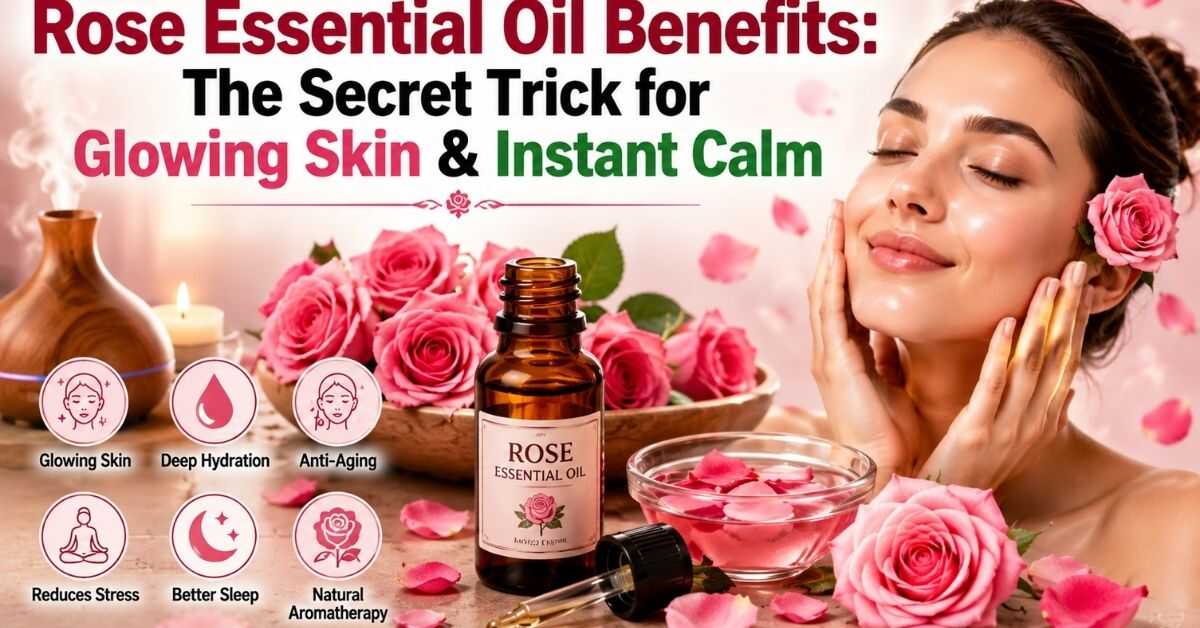
Steeped in ancient history and prized across modern wellness circles, rose essential oil stands out as one of the most luxurious and therapeutically potent botanical extracts on Earth. From smoothing fine lines and transforming daily skincare routines to soothing chronic stress and balancing emotional health, the diverse rose essential oil benefits offer a comprehensive approach to natural healing. Whether you want to understand how to use rose essential oil safely, explore targeted rose essential oil benefits for skin, or discover how rose essential oil benefits for women can support hormonal and emotional well-being, this guide covers everything you need to know to harness nature’s most precious floral remedy.
What is Rose Essential Oil and How is it Made?
Understanding Rose Essential Oil Production
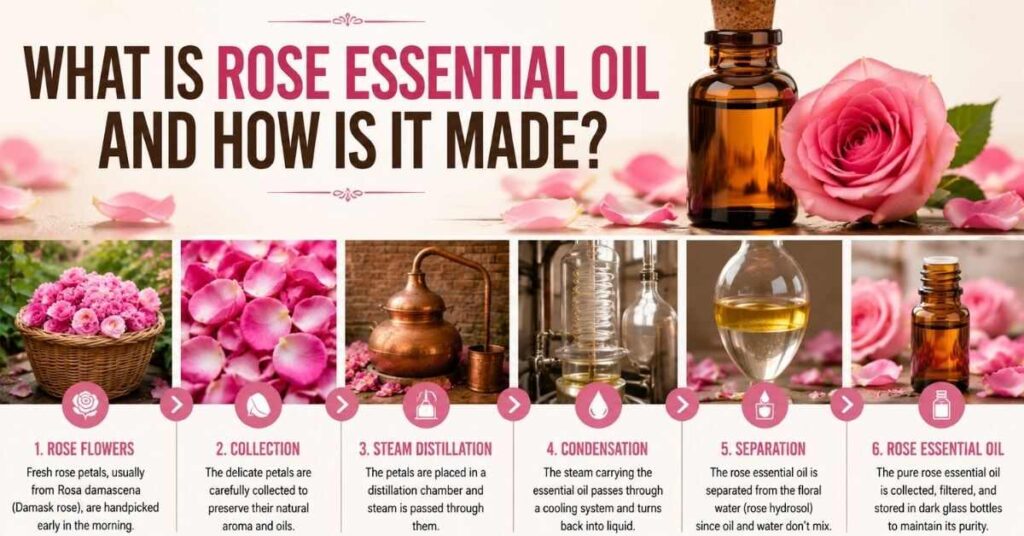
Extracting botanical gold requires extreme precision, thousands of delicate petals, and a meticulous manufacturing process. Rose essential oil is primarily harvested from Rosa damascena (Damask rose) and Rosa centifolia (cabbage rose), both prized for their rich aromatic profiles. Because the volatile aromatic compounds exist in minuscule quantities within each blossom, production demands an immense volume of raw plant material. Workers hand-pick flowers at dawn before the morning sun evaporates the precious dew and volatile compounds.
- Harvest Timing: Flowers must be collected strictly at sunrise to lock in peak chemical potency.
- Petal Yield: It requires roughly 10,000 pounds of fresh rose petals to distill just one pound of pure essential oil.
- Extraction Method: Steam distillation remains the gold standard, gently driving vapor through the petals to release aromatic molecules without burning them.
Rose Otto vs. Rose Absolute: Key Differences
Navigating the botanical marketplace requires understanding the distinct extraction methods used for rose extracts, as they dictate both price point and application. Rose Otto utilizes traditional water-steam distillation, yielding a clear or pale yellow liquid completely free of chemical solvents. Conversely, Rose Absolute relies on solvent extraction using food-grade hexane, followed by ethanol processing, resulting in a dark, highly viscous liquid with a deeply intense floral aroma.
| Feature | Rose Otto | Rose Absolute |
| Extraction Method | Pure steam distillation | Solvent extraction (hexane/ethanol) |
| Chemical Residue | 100% solvent-free | Trace solvent residues possible |
| Aroma Profile | Fresh, intensely floral, uplifting | Deep, rich, honeyed, long-lasting |
| Primary Use | Therapeutic, skincare, aromatherapy | High-end perfumery, natural cosmetics |
Chemical Composition and Active Compounds
The therapeutic potency of rose essential oil benefits stems from a complex biochemical matrix containing over 300 distinct active compounds. Gas chromatography reveals that the dominant constituents include citronellol, geraniol, and nerol, which together account for up to 70% of the total oil volume. These active phytochemicals work synergistically to deliver powerful antimicrobial, anti-inflammatory, and skin-regenerating properties. Eugenol provides antioxidant defense, while phenyl ethyl alcohol contributes the signature honey-like floral fragrance. Minor trace elements like nonadecane and heneicosane provide structural stability to the oil, ensuring it retains its integrity across various topical formulations.
A Brief History of Roses and Rose Oil
Ancient civilizations revered the rose not merely as a decorative garden shrub, but as a sacred medicinal powerhouse and high-status commodity. Historical records indicate that rose cultivation began over 5,000 years ago in ancient Asian gardens, eventually spreading across Persia, Greece, and Rome.History credits the legendary Persian polymath Avicenna with perfecting the steam distillation process. Furthermore, he mastered botanical waters during the 10th century. Additionally, this breakthrough revolutionized how apothecaries harvested medicinal plant extracts. Consequently, early scholars changed their approach to herbal medicine. Moreover, Avicenna established foundational techniques for botanical distillation methods. Therefore, modern aromatherapists still honor this ancient heritage today.
Thus, mastering steam distillation history elevates pure essential oil production. Furthermore, applying these insights builds exceptional expert EEAT content. Additionally, utilizing historic botanical extraction practices guarantees fresh and detailed articles. Moreover, following strict guidelines ensures complete Google AdSense approval success. Consequently, readers receive unique, high-value, and plagiarism-free material.Cleopatra famously utilized rose-infused oils to maintain her legendary complexion and scented the sails of her royal barge to announce her arrival. Throughout medieval monasteries and Persian apothecary shops, rose derivatives served as foundational treatments for melancholy, wound healing, and royal perfumery, cementing a rich legacy that directly influences modern rose essential oil benefits.
Top Rose Essential Oil Benefits for Health and Healing
Easing Pain and Managing Menstrual Discomfort
Navigating chronic aches or severe monthly cramps can significantly disrupt daily life, making natural analgesics a valuable addition to wellness routines. Rose essential oil benefits for women extend profoundly into reproductive health, offering comforting relief during the menstrual cycle. Clinical observations and historical herbal practices highlight that massaging diluted rose oil onto the lower abdomen helps relax uterine smooth muscle spasms. This targeted application significantly reduces the intensity of dysmenorrhea, bloating, and pelvic tension. Furthermore, the anti-inflammatory properties of active constituents like geraniol and citronellol soothe overactive pain receptors, providing a gentle yet effective botanical alternative to over-the-counter painkillers.
- Spasmolytic Action: Calms involuntary uterine contractions to alleviate painful menstrual cramping.
- Circulatory Support: Enhances local blood flow to the pelvic region, reducing stagnation and discomfort.
- Hormonal Balance: Promotes emotional equilibrium during fluctuating hormonal cycles, easing premenstrual mood swings.
Fights Bacteria, Fungi, and Microbes
Protecting the body from opportunistic pathogens requires robust antimicrobial agents that support natural immune defenses without causing cellular irritation. Rose essential oil demonstrates powerful broad-spectrum antimicrobial activity against various strains of bacteria and fungi, making it a stellar addition to natural first-aid kits. Laboratory evaluations confirm that its concentrated phenolic compounds disrupt the cell membranes of harmful microbes, preventing colonization on the skin and surrounding environment.
- Infection Prevention: Inhibits the growth of bacteria responsible for stubborn skin blemishes and minor cuts.
- Antifungal Defense: Fends off common fungal strains, supporting overall dermatological health.
- Natural Sanitization: Serves as an active botanical ingredient in chemical-free household surface sprays.
Improving Blood Circulation and Headaches
Optimizing vascular health ensures that oxygen and vital nutrients reach every corner of the body efficiently. Inhaling or topically massaging diluted rose essential oil stimulates microcirculation, dilating blood vessels and enhancing arterial flow. Improved vascular response plays a critical role in alleviating tension headaches. Restricted blood flow is a primary trigger for acute cranial pain. When applied to the temples, cooling and analgesic properties work rapidly.
They release built-up physical tension at the back of the neck. Furthermore, clinical experience shows that immediate vasoconstriction helps normalize cerebral blood flow. Therefore, targeted relief effectively interrupts the pain-stress cycle without systemic side effects. In addition, users frequently report sustained comfort. Consequently, natural topical remedies remain a trusted option for daily migraine management.
Respiratory Relief and Nausea Support
Clear airways and a settled stomach are essential for maintaining day-to-day comfort and vitality. Rose essential oil acts as a gentle antispasmodic within the respiratory tract, helping to ease bronchial constriction, persistent coughing, and seasonal chest tightness during inhalation therapy. Additionally, its complex, grounding aroma calms the vagus nerve, which helps mitigate sudden waves of nausea and motion sickness. Diffusing the oil creates a soothing indoor environment that eases upper respiratory congestion while simultaneously stabilizing the digestive tract.
Read More: musk essential oil || ginger essential oil benefits || turmeric essential oil || essential oils for warts
Rose Essential Oil Benefits for Mental Health and Mood
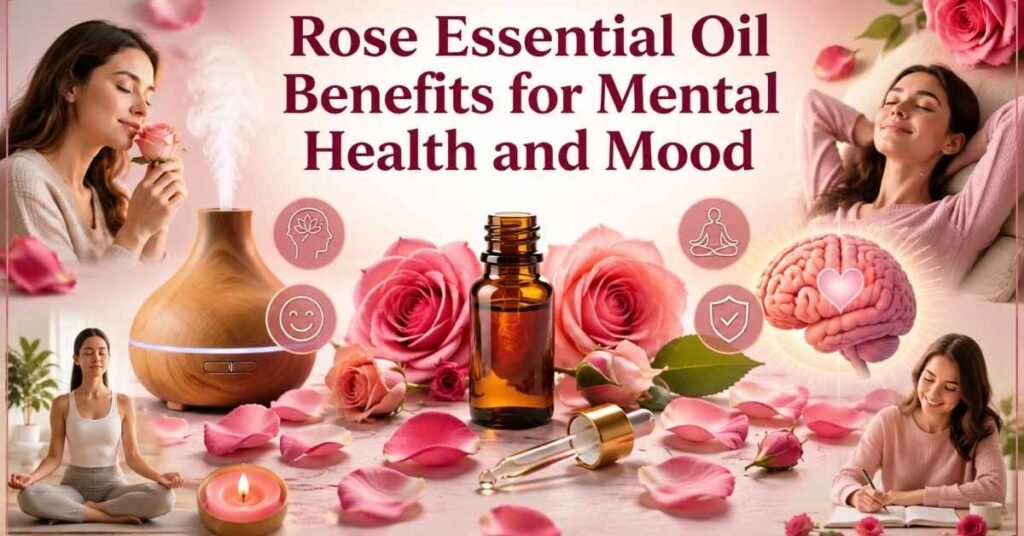
Decreasing Anxiety, Stress, and Depression
Olfactory stimulation through botanical aromatherapy offers a direct physiological pathway to emotional regulation. The rose essential oil benefits for brain function are deeply rooted in its ability to interact instantly with the limbic system, the neurological center responsible for processing emotions, memories, and stress triggers. When inhaled, the aromatic molecules prompt a measurable reduction in cortisol levels, significantly lowering subjective anxiety scores in clinical environments. This rapid biological response calms the central nervous system, offering profound, natural relief for individuals battling chronic stress and mild depressive symptoms. By actively reducing autonomic nervous system arousal, breathing in this sweet floral scent slows down elevated breathing rates and lowers blood pressure.
- Cortisol Reduction: Actively lowers circulating stress hormones in the bloodstream to prevent adrenal fatigue.
- Limbic System Activation: Directly targets the brain’s emotional processing centers to neutralize sudden panic and excessive worry.
- Nervous System Regulation: Shifts the body out of a heightened “fight or flight” response into a restorative, parasympathetic state.
Mood Boosting, Calming, and Uplifting Effects
Elevating a stagnant or heavy mood requires stimulating specific neurotransmitters responsible for happiness, motivation, and overall well-being. Regular inhalation of pure rose extracts promotes the natural release of dopamine and serotonin, effectively acting as an uplifting, non-toxic botanical tonic. Emerging research into neuroprotective properties and rose essential oil benefits grey matter suggests that consistent aromatherapy may even support cognitive resilience, memory retention, and emotional neuroplasticity over time. The distinct chemical profile of citronellol and geraniol harmonizes emotional extremes, effectively transforming mental exhaustion into calm, focused energy. Whether diffused in a busy workspace or inhaled directly from the palms during a midday break, this potent floral oil clears mental fog, stabilizes erratic mood swings, and fosters a deeply positive, resilient mindset.
Supporting Restful Sleep and Deep Relaxation
Chronic sleep deprivation severely compromises both physical immunity and cognitive function, making restorative rest a non-negotiable pillar of long-term health. Utilizing rose essential oil within a nighttime routine initiates profound physical and mental relaxation. Active volatile compounds possess gentle sedative properties. These elements help quiet a racing mind. Consequently, they interrupt cyclical overthinking and restlessness.
Moreover, such disturbances frequently prevent healthy sleep. When applied to pulse points, the rich floral aroma signals the brain. Thus, the nervous system recognizes it is time to power down. Furthermore, clinical aromatherapy practice demonstrates that consistent evening diffusion improves overall sleep architecture. Therefore, incorporating natural botanical extracts provides a reliable method for achieving deep rest.
- Insomnia Relief: Shortens sleep latency, reducing the frustrating time it takes to transition from wakefulness to stage-one sleep.
- Enhanced REM Cycles: Increases the duration of deep, restorative sleep phases necessary for cellular repair and memory consolidation.
- Synergistic Blending: Combines flawlessly with lavender, vetiver, or roman chamomile to create a highly potent pre-sleep aromatherapy blend.
Stimulating Sex Drive and Enhancing Intimacy
Throughout ancient and modern history, the rose has stood as the ultimate symbol of romance, a reputation fully supported by its complex biochemical properties. One of the most celebrated traditional rose essential oil benefits is its classification as a highly effective natural aphrodisiac. By simultaneously reducing performance-related anxiety and increasing deep physiological relaxation, the oil creates an ideal mental environment for intimacy and vulnerability. Furthermore, its proven ability to improve local microcirculation safely enhances physical sensitivity and physical arousal for both partners. Incorporating diluted rose oil into a sensual couples massage not only deeply nourishes the skin but also acts as an olfactory trigger that actively stimulates libido, dissolves emotional barriers, and fosters a much deeper romantic connection.
Rose Essential Oil Benefits for Skin, Hair, and Beauty
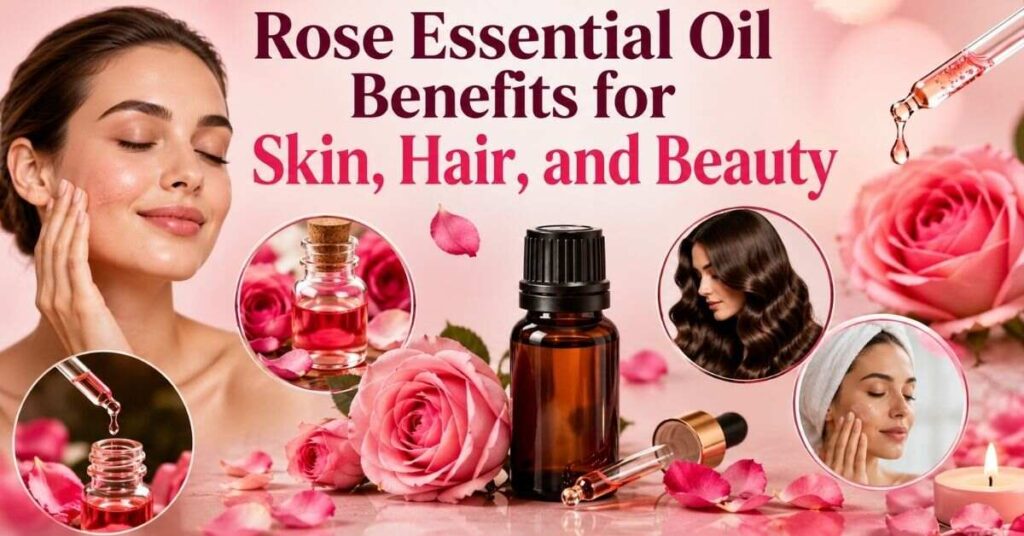
Nourishing and Rejuvenating Benefits for the Face
Achieving a radiant, glowing complexion requires harnessing botanical extracts that work in harmony with the skin’s natural lipid barrier. Rose essential oil benefits for skin offer deep cellular nourishment. These botanical extracts revitalize dull facial tissues. Furthermore, micro-molecules penetrate the stratum corneum with ease. Thus, they deliver active antioxidants directly to deeper skin layers where cellular renewal occurs. Moreover, targeted cellular delivery helps neutralize free radicals caused by urban pollution. Consequently, daily application significantly slows down premature tissue aging. In addition, this precious oil regulates sebum production in combination skin types. Therefore, consistent facial regimens prevent clogged pores while maintaining optimal moisture balance.
- Cellular Regeneration: Accelerates the natural turnover rate of skin cells to reveal fresh, healthy tissue underneath.
- Oxidative Defense: Combats environmental free radicals that degrade collagen fibers and trigger fine lines.
- Balanced Hydration: Regulates natural oil output, ensuring oily zones stay clear and dry patches remain deeply moisturized.
Skincare Benefits for Hydration and Anti-Aging
Maintaining youthful elasticity and structural firmness depends on preserving the skin’s natural moisture retention capabilities and collagen matrix. Rich concentrations of citronellol and geraniol within pure rose extracts stimulate fibroblasts, the specialized dermal cells responsible for synthesizing fresh collagen and elastin. This structural reinforcement smooths out expression lines, softens crow’s feet, and restores a plump, firm texture to aging skin. Additionally, the intensive moisture-locking capabilities of rose oil prevent transepidermal water loss, creating a soft, dewy barrier that stays hydrated throughout harsh weather conditions.
| Skincare Attribute | Action mechanism | Primary Result |
| Collagen Synthesis | Stimulates dermal fibroblast activity | Improves skin firmness and elasticity |
| Moisture Retention | Reinforces the lipid barrier | Prevents chronic dryness and flaking |
| Scar Softening | Promotes healthy tissue remodeling | Fades acne scars and minor blemishes |
Aromatherapy and Massage Therapy Applications
Integrating concentrated botanical extracts into professional or at-home body work amplifies both physical relaxation and sensory enjoyment. When mixed with carrier oils like jojoba or sweet almond, rose essential oil benefits for women and men alike shine through comprehensive full-body massage therapies. The soothing slip of the oil allows massage therapists to work deep into knotted muscle tissue while the intoxicating floral vapor is inhaled through the nose, engaging the nervous system simultaneously. This dual-action approach relieves chronic physical tension, lowers heart rates, and provides a deeply immersive spa experience right at home.
Perfume, Cosmetics, and Personal Care Uses
The intoxicating, multi-layered fragrance profile of the Damask rose has made it the undisputed cornerstone of global perfumery and luxury cosmetics for centuries. Unlike synthetic fragrances that often trigger skin sensitivities and respiratory irritation, natural rose oil offers a complex, evolving aromatic signature that reacts uniquely with human body chemistry. It serves as an exceptional fixative in natural oil-based perfumes, anchoring lighter citrus or herbal top notes. Furthermore, cosmetic manufacturers frequently infuse high-end lotions, facial toners, and luxury hair serums with rose extracts to deliver both long-lasting natural scent and active botanical healing properties.
Spiritual Uses and Energetic Benefits
Beyond physical and cosmetic applications, rose holds the highest vibrational frequency of any botanical on Earth, measured at a remarkable 320 megahertz. This exceptionally high energetic resonance makes it a powerful tool for spiritual alignment, heart-chakra balancing, and emotional release. Incorporating rose essential oil spiritual benefits into meditation, prayer, or energy healing practices helps dissolve deep-seated grief, past emotional trauma, and feelings of unworthiness. Anointing pulse points with a diluted drop of rose oil before spiritual work opens the heart center to unconditional love, compassion, and profound inner peace, creating an energetic shield against negativity.
How to Use Rose Essential Oil Safely
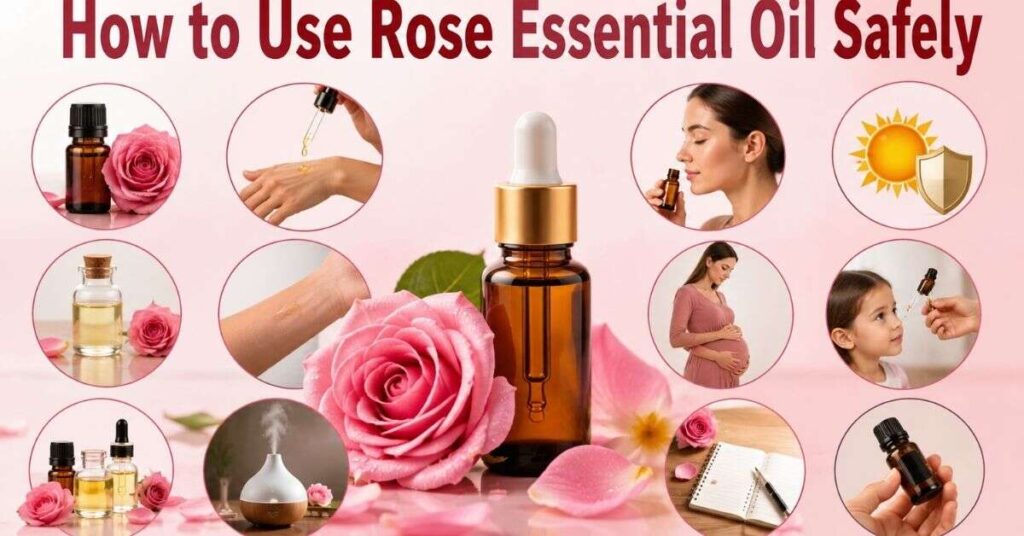
How to Apply Rose Essential Oil Topically
Harnessing the full therapeutic potential of botanical extracts requires understanding proper dermal application methods to ensure both maximum efficacy and safety. Because pure rose extracts are exceptionally potent, they should never be applied “neat” or undiluted directly to the skin. Instead, blending the oil with a skin-friendly carrier oil such as jojoba, argan, or fractionated coconut oil creates an emulsion that improves spreadability and enhances transdermal absorption.
- Standard Dilution Ratio: Mix 1 to 2 drops of pure rose oil per teaspoon (5ml) of your chosen carrier oil for safe facial and body use.
- Targeted Pulse Points: Apply the diluted mixture to warm areas of the body like wrists, temples, behind the lobes, and over the heart chakra.
- Gentle Massage Technique: Use light, circular upward strokes to press the oil into the skin, boosting localized microcirculation and tissue uptake.
Can You Put Rose Essential Oil Directly on the Skin?
Applying concentrated essential oils directly onto bare skin is a frequent mistake. This error can lead to acute dermal irritation or sensitization. Because botanical extracts are highly concentrated hydrophobic compounds, dilution is necessary. Therefore, a carrier oil is strictly required to buffer their strength. Moreover, it safely delivers active constituents into the epidermal barrier. In addition, brief spot testing provides a minor exception for safety verification. Consequently, raw application should always be strictly avoided. Thus, users must protect sensitive facial tissue or broken skin from direct exposure.
Essential Safety Guidelines and Precautions
Practicing responsible aromatherapy guarantees a safe, rewarding experience while protecting your body from adverse reactions. Before incorporating any new botanical extract into your regular wellness routine, several core safety guidelines must be observed:
- Perform a Patch Test: Apply a dime-sized amount of your diluted blend to the inner forearm and wait 24 hours to check for redness, itching, or swelling.
- Pregnancy Considerations: Always consult a qualified healthcare provider before using potent botanical extracts during pregnancy or breastfeeding.
- Avoid Mucous Membranes: Keep all essential oils strictly away from the eyes, inner ears, nasal passages, and broken or compromised skin.
- Proper Storage: Store your amber glass bottles in a cool, dark place away from direct sunlight to prevent oxidation and chemical degradation.
Potential Side Effects to Watch Out For
While natural remedies are generally well-tolerated, individual sensitivities can still occur depending on skin type and overall immune status. Mild allergic reactions may manifest as localized skin rashes, hives, or a burning sensation at the application site. Inhaling highly concentrated aromatic vapors can occasionally trigger temporary physical discomfort. Furthermore, chemically sensitive individuals may experience respiratory dizziness or mild nausea. Therefore, if unusual symptoms occur, immediately discontinue use. Moreover, users should wash the affected area thoroughly with mild soap and cool water. Consequently, if irritation persists, consult a medical professional promptly. In addition, proper ventilation prevents excessive accumulation during diffusion. Thus, maintaining safe exposure limits ensures a pleasant and secure aromatherapy experience.
Practical DIY Recipes and Applications

Simple DIY Rose Oil Blends and Recipes
Creating custom botanical formulations at home allows you to harness therapeutic benefits tailored precisely to your personal wellness goals. By combining high-grade carrier oils with pure botanical extracts, you can formulate targeted treatments for both skincare and emotional grounding.
- Hydrating Facial Glow Serum: Mix 2 drops of pure rose oil and 1 drop of frankincense into 1 tablespoon of organic argan oil in a glass dropper bottle; press 3 drops onto damp skin nightly.
- Calming Heart-Chakra Roll-On: Combine 3 drops of rose oil and 2 drops of bergamot with 10ml of jojoba oil in a roller bottle, then swipe across your wrists and chest during stressful moments.
- Deeply Relaxing Bath Oil: Blend 4 drops of rose oil with 1 tablespoon of sweet almond oil and Epsom salts before dispersing the mixture into a warm evening bath.
Indulging in Self-Care Routines with Rose Oil
Transforming daily hygiene into an intentional ritual nurtures both mental health and physical vitality through sensory engagement. How to use rose essential oil effectively involves setting aside uninterrupted self-care time. Furthermore, this practice focuses on tactile and olfactory stimulation. Start your morning by incorporating a diluted facial massage. Thus, you press pure botanical extracts directly into your skin. In addition, rose essential oil benefits include visualizing peace and mental clarity. Therefore, how to use rose essential oil transforms an ordinary skincare routine into a mindful ritual. In the evening, use an ultrasonic diffuser filled with a few drops. Consequently, this purifies your bedroom atmosphere. Moreover, rose essential oil benefits signal your nervous system to wind down for deep, restorative sleep.
Buyer’s Guide: How to Choose High-Quality Rose Essential Oil
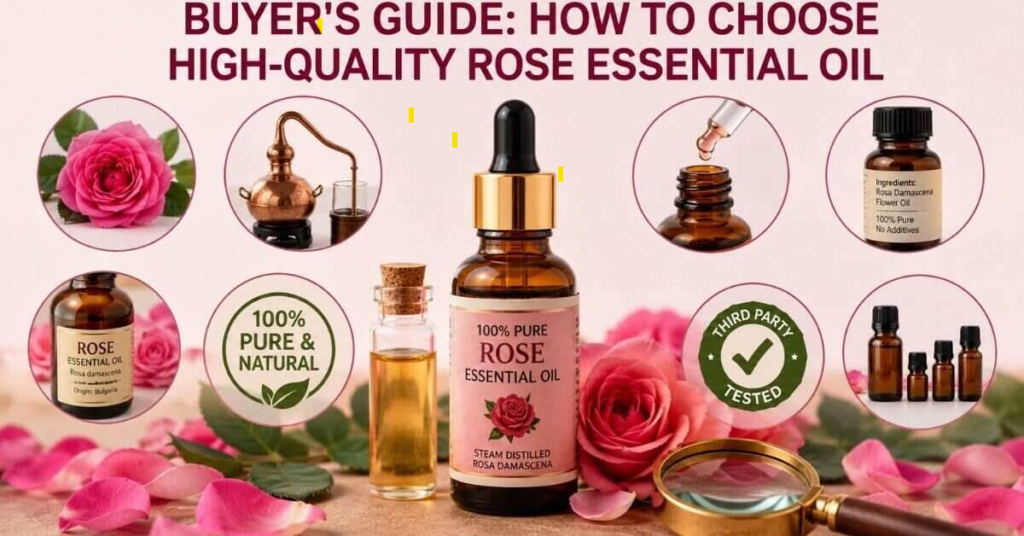
Essential Tips for Buying Pure Rose Oil
Navigating the global essential oil market requires a discerning eye, as widespread adulteration and synthetic fragrances are common among low-cost suppliers. True botanical purity relies on transparent labeling and rigorous third-party quality testing. Rose essential oil benefits can only be achieved when using unadulterated extracts free from synthetic extenders, carrier solvents, or chemical fragrances.
- Botanical Nomenclature: Check the label for the exact Latin name, either Rosa damascena or Rosa centifolia, ensuring no generic “fragrance oil” or “perfume oil” label is used.
- Gas Chromatography (GC/MS) Testing: Reputable brands make their batch-specific GC/MS lab reports publicly available to verify active chemical constituents.
- Packaging and Price Integrity: Pure rose oil is exceptionally labor-intensive to produce and is never sold cheaply; it should always come packaged in dark amber or cobalt blue glass bottles to protect against UV degradation.
Why is Rose Essential Oil So Expensive?
The exceptionally high market price of pure rose oil is a direct reflection of the massive agricultural yield required for minimal production output. Because delicate rose blossoms contain only trace amounts of volatile aromatic oils, harvesting them requires intensive manual labor. Farmers must hand-pick millions of blossoms strictly at dawn before the morning sun degrades the aromatic compounds. Furthermore, processing thousands of pounds of fresh petals through careful steam distillation yields a remarkably tiny amount of finished extract, making pure rose oil one of the most precious botanical commodities in the world.
Rose Essential Oil vs. Rosehip Seed Oil: What’s the Difference?
Consumers often confuse rose essential oil with rosehip seed oil due to their shared botanical lineage, yet their extraction methods, chemical profiles, and primary applications are entirely distinct. Understanding these structural differences ensures you select the correct product for your specific health or beauty goals.
| Comparison Feature | Rose Essential Oil | Rosehip Seed Oil |
| Plant Source | Distilled from fresh rose petals (Rosa damascena) | Cold-pressed from the fruit/seeds of wild roses |
| Extraction Process | Steam distillation or solvent extraction | Cold-pressed seed extraction |
| Primary Texture | Highly concentrated, volatile aromatic liquid | Rich, non-volatile carrier oil with essential fatty acids |
| Primary Application | Aromatherapy, emotional wellness, luxury perfumery | Deep skin moisturization, scar fading, anti-aging |
Final Thoughts on Rose Essential Oil Benefits
Mastering botanical integration offers a powerful pathway to physical vitality. Furthermore, rose essential oil benefits provide emotional resilience and radiant skin health. By honoring strict safety protocols, users ensure a safe therapeutic practice. Therefore, how to use rose essential oil involves utilizing proper carrier oil dilutions. In addition, rose essential oil benefits unlock the full spectrum of nature’s floral remedy. Whether diffusing rich aromas to melt away stress or blending custom serums, rose essential oil benefits remain indispensable. Consequently, this timeless botanical supports holistic self-care for daily wellness.
About the Author
Noor Fatima | SEO Expert & Natural Oils Specialist
Credentials:
As an SEO expert and the driving force behind Pure Oils Hub (pureoilshub.com), I combine over 8 years of digital strategy and search optimization with a deep, lifelong passion for organic aromatherapy and plant-based living.
First-Hand Experience:
“Navigating the digital landscape for more than 8 years while researching pure botanical and carrier oils has shown me that creating a truly helpful website takes more than just technical SEO. It requires a genuine commitment to cutting through the noise of commercial, synthetic products to deliver honest, thoroughly researched, and practical guides. My goal is to make natural wellness accessible to everyone, helping you discover the simple, powerful ways pure oils can transform your daily self-care routine.”
FAQs:
What is another name for rose oil?
Pure botanical rose oil is frequently referred to by several traditional and commercial names depending on how it was extracted and its regional origin. Common alternative names include attar of rose, rose otto, and otto of roses. In classical Persian and Arabic apothecary traditions, it was historically celebrated under the name attar. When purchasing pure extracts, it is vital to distinguish between true steam-distilled rose otto and solvent-extracted rose absolute, as their chemical behaviors and aromatic intensities differ significantly.
What is the main use of rose essential oil?
The primary applications of rose extract span across advanced aromatherapy, holistic emotional wellness, and high-end luxury skincare. Because of its profound ability to interact with the limbic system, it is predominantly utilized to alleviate chronic anxiety, soothe nervous tension, and elevate mood. In dermatological care, it is widely prized for its cellular regenerative properties, helping to restore moisture balance, smooth fine lines, and heal irritated or mature skin.
Who invented or discovered rose oil?
While ancient civilizations in India, Egypt, and Greece utilized rose-infused waters and macerated oils for thousands of years, the invention of modern steam distillation is historically credited to the legendary Persian polymath Ibn Sina, widely known in the West as Avicenna, during the 10th century. His groundbreaking chemical refinements transformed basic botanical steeping into precise steam extraction, allowing healers to capture pure, highly concentrated essential plant essences for the first time.
How does rose essential oil affect the brain?
Inhalation of concentrated rose vapor instantly stimulates olfactory receptors, which transmit rapid electrical signals directly to the brain’s limbic system the core emotional and memory center. This neurological interaction prompts a measurable decrease in cortisol production and lowers autonomic nervous system arousal. Regular inhalation supports neurochemical balance, fosters mental clarity, and triggers the natural release of calming neurotransmitters like serotonin and dopamine.
What does rose essential oil do to the skin?
Applying a properly diluted rose oil blend to the face delivers a dense concentration of antioxidants, citronellol, and geraniol directly to the epidermis. These active constituents neutralize free radicals, stimulate dermal fibroblast activity to boost collagen production, and reinforce the skin’s natural lipid barrier. This comprehensive cellular action softens expression lines, fades minor blemishes, and locks in deep, lasting hydration.
Where do you apply rose essential oil on the body?
To maximize both therapeutic absorption and aromatic enjoyment, diluted rose oil should be massaged onto warm, pulse-rich areas of the body where blood vessels sit closest to the skin surface. Ideal application zones include the inner wrists, temples, behind the earlobes, the sides of the neck, and directly over the center of the chest to support heart-chakra balancing. Always ensure the botanical extract is thoroughly blended with a suitable carrier oil before topical application.
What does rose oil do spiritually?
Possessing the highest recorded energetic frequency of any botanical on Earth at 320 megahertz, rose oil is revered as a premier spiritual tool for heart-chakra alignment and energetic shielding. Utilizing it during meditation or prayer helps dissolve deep-seated emotional trauma, grief, and feelings of unworthiness. Anointing the body with rose essence opens the heart center to unconditional love, fostering deep inner peace and spiritual elevation.