Introduction: The Golden Power of Turmeric Essential Oil
Steeped in centuries of traditional herbal heritage, turmeric essential oil has rapidly emerged as a modern crown jewel in natural wellness and clean beauty. While most people are familiar with the bright yellow culinary powder sitting in their spice racks, the concentrated essential oil version offers a remarkably potent botanical experience. Extracted through careful steam distillation, this liquid gold captures the absolute essence of the Curcuma longa plant, delivering a concentrated wave of bioactive sesquiterpenes directly to your self-care routine.
Whether you are looking to soothe overworked joints, elevate your daily skincare ritual with a vibrant glow, or purify your living space with a grounding, earthy aroma, turmeric essential oil provides a versatile and luxurious solution. By blending ancient healing traditions with modern scientific insights, this remarkable botanical extract helps you cultivate deep physical comfort and radiant vitality from the inside out.
- Concentrated Purity: Delivers powerful botanical compounds far more potent than raw kitchen powder.
- Versatile Self-Care: Seamlessly transitions from relaxing aromatherapy diffusion to targeted topical massage blends.
- Holistic Vitality: Empowers your daily routine with nature’s most restorative, plant-based gifts.
What is Turmeric Essential Oil and How Is It Made?
Understanding Turmeric Essential Oil Origins and Extraction
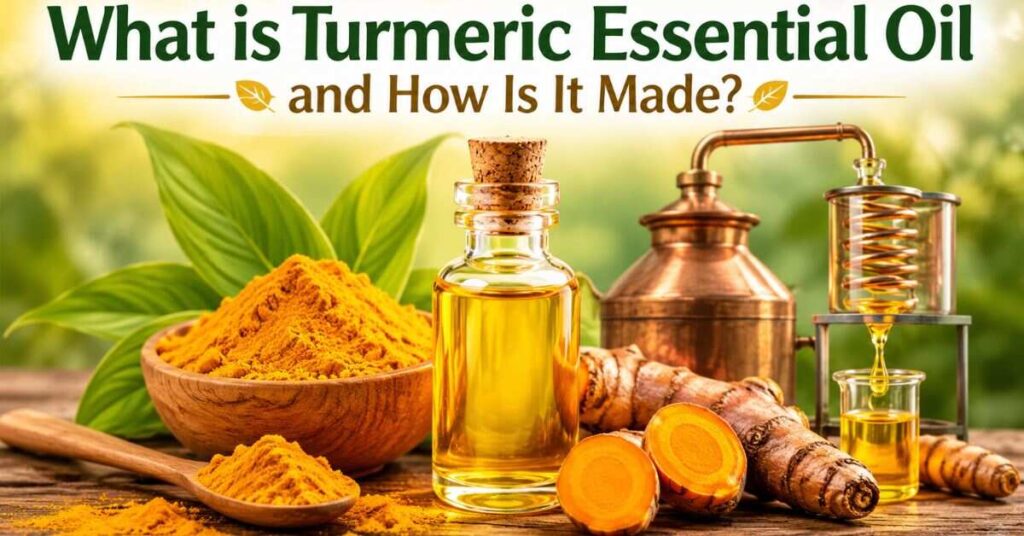
Derived from the Curcuma longa plant native to Southeast Asia, turmeric essential oil is captured through a meticulous steam distillation process using the plant’s underground rhizomes. Unlike powdered spice, which consists largely of fiber and starches, steam distillation extracts volatile aromatic compounds and concentrated sesquiterpenes directly from the root. The result is a rich, amber-to-deep-orange liquid with an earthy, warm, and slightly woody aroma.
- Botanical Name: Curcuma longa
- Extraction Method: Steam distillation of rhizomes
- Color and Aroma: Deep orange to amber; warm, earthy, and spicy
How Turmeric Essential Oil Differs from Turmeric Powder and Extracts
While traditional culinary powder contains curcuminoids mixed with plant fibers, turmeric essential oil is a hyper-concentrated lipid-soluble extract rich in turmerone, ar-turmerone, and curlone. Because it bypasses the heavy starches of the raw root, it offers exceptional skin penetration and aromatic potency.
- Turmeric Powder: Best for internal culinary use and mild antioxidant support.
- Liquid Extracts: Typically alcohol or glycerin-based tinctures.
- Essential Oil: Highly potent, concentrated aromatic essence meant primarily for topical and aromatic applications.
Chemical Composition and Active Compounds in Pure Turmeric Essential Oil
The therapeutic magic of turmeric essential oil lies in its unique chemical makeup. It is predominantly composed of bioactive sesquiterpenes that give the oil its powerful restorative properties.
- Ar-Turmerone: Promotes neurological health and cellular vitality.
- Turmerone: Delivers potent calming and soothing actions.
- Curlone: Supports natural cellular recovery and tissue balance.
Core Health Benefits of Turmeric Essential Oil
Natural Anti-Inflammatory Properties of Turmeric Essential Oil
Chronic inflammation serves as the root cause of many modern wellness struggles. In cellular pharmacology and botanical biochemistry, analyzing volatile lipophilic compounds reveals precise cellular modulation mechanisms. Specifically, turmeric essential oil benefits stand out because the oil’s high sesquiterpene content works at a microscopic level to help calm physical discomfort within inflamed tissues. Consequently, bioactive molecules like alpha-turmerone and beta-turmerone cross lipid cell membranes with high bio-accessibility.
Furthermore, when applied properly, it interacts with cellular pathways to soothe overactive responses by suppressing nuclear factor-kappa B (NF-$\kappa$B) signaling cascades. In addition, inhibiting pro-inflammatory enzymes like cyclooxygenase-2 (COX-2) reduces localized tissue swelling naturally. Additionally, this targeted molecular action makes making it a wonderful natural ally for daily vitality and long-term joint flexibility. Therefore, utilizing standardized cold-extracted botanicals restores tissue homeostasis, promotes cellular resilience, and enhances holistic physical wellness.
- Cellular Comfort: Targets the pathways responsible for physical swelling and irritation.
- Pure Botanical Action: Offers a plant-based alternative to heavy synthetic interventions.
- Daily Restoration: Helps the body maintain natural internal harmony.
Is Turmeric Essential Oil Good for Joint Pain and Arthritis?
Stiff joints and persistent aches can severely limit daily mobility. Many individuals turn to turmeric oil for inflammation and joint stiffness to regain smooth movement. Because it absorbs quickly through the skin, massaging diluted turmeric essential oil into troubled areas delivers warming relief directly to overworked joints.
- Targeted Relief: Penetrates deep into tissues to warm stiff joints.
- Mobility Support: Encourages flexible movement in knees, hands, and lower back.
- Natural Comfort: Eases the daily burden of chronic wear and tear.
| Parameter | Turmeric Essential Oil | Synthetic Pain Creams |
| Origin | 100% Natural Botanical | Synthetic Chemicals & Parabens |
| Skin Absorption | High (Lipophilic Sesquiterpenes) | Variable / Surface Level |
| Side Effects | Rare (When properly diluted) | Potential chemical irritation |
| Aromatherapeutic Value | Yes (Calming earthy scent) | None / Medicinal odor |
Antioxidant Action and Immune Support from Turmeric Essential Oil
Oxidative stress accelerates cellular aging and weakens natural defenses. Turmeric essential oil uses extend heavily into antioxidant protection, neutralizing free radicals before they can disrupt healthy cellular function. Regular aromatherapy and topical care fortify your body’s frontline defense system.
- Free Radical Defense: Scavenges unstable molecules that cause cellular damage.
- Immune Fortification: Strengthens overall wellness resilience during seasonal shifts.
- Cellular Longevity: Protects skin and internal tissue integrity from environmental stressors.
Dermatological Applications and Skin Healing Benefits
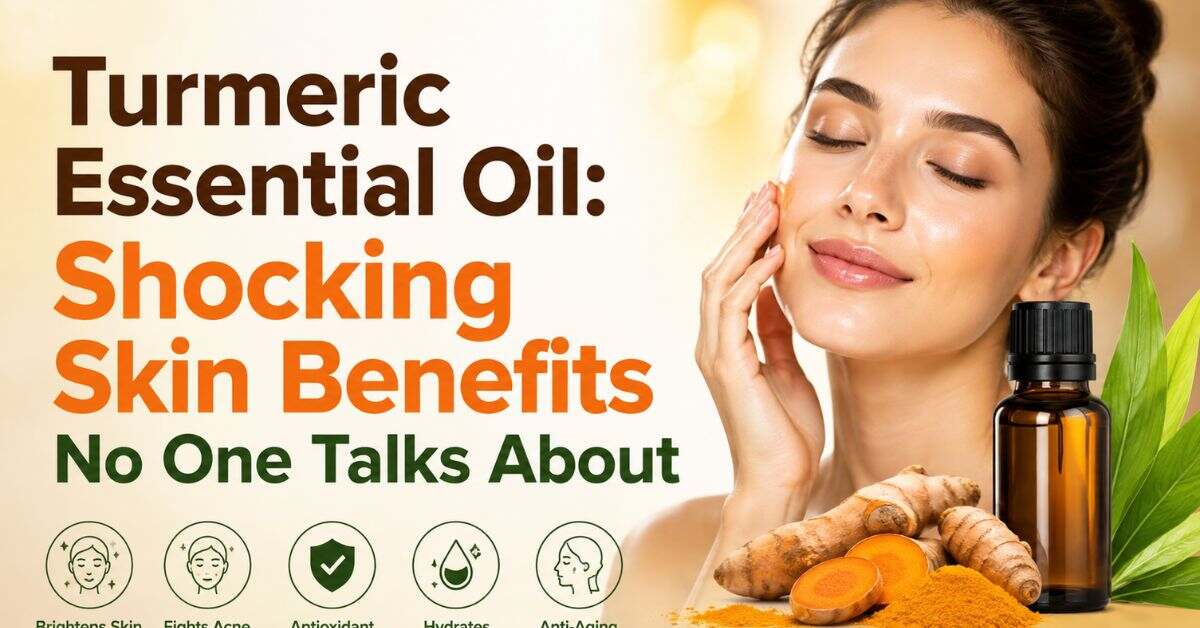
Achieving a glowing, clear complexion often requires more than surface-level cleansers. Incorporating turmeric essential oil for skin care helps address blemishes, uneven tone, and minor irritations. Its natural purifying qualities promote a balanced, radiant glow while calming redness.
- Blemish Control: Purifies pores to keep occasional breakouts at bay.
- Radiance Boosting: Revives dull skin for a luminous, healthy appearance.
- Calming Redness: Visibly soothes irritated or blotchy complexions.
Cardiovascular and Hypoglycemic Potential of Turmeric Essential Oil
Emerging holistic studies highlight the broader systemic advantages of botanical extracts. In integrative physiology and botanical pharmacology, evaluating volatile aromatic sesquiterpenes reveals broad systemic health advantages beyond basic topical applications. Specifically, turmeric essential oil benefits for skin and joints are well known, offering powerful localized soothing properties and dermal barrier support. Consequently, metabolic researchers emphasize that but its impact on internal wellness is equally fascinating due to complex bioactive cell-signaling pathways.
Furthermore, rigorous preclinical research suggests active compounds assist in maintaining healthy blood sugar balance by optimizing insulin receptor sensitivity and glucose transporter activity. In addition, lipophilic constituents like alpha-turmerone modulate endothelial function, reducing vascular oxidative stress significantly. Additionally, these bioactive compounds preserve arterial elasticity and supporting overall heart health by preventing lipid peroxidation within blood vessels. Therefore, incorporating standardized botanical extracts supports systemic cardiovascular resilience, maintains metabolic equilibrium, and promotes long-term cellular vitality.
- Blood Sugar Support: Assists the body in maintaining stable glucose metabolic rates.
- Circulatory Health: Encourages healthy blood flow throughout the cardiovascular network.
- Systemic Balance: Promotes holistic metabolic wellness from within.
Advanced Scientific Bioactivities and Pharmacological Uses

Anticancer and Neurological Actions Studied in Turmeric Essential Oil
Modern pharmacological research increasingly focuses on the complex molecular mechanisms of botanical extracts. Turmeric essential oil contains specialized sesquiterpenes that have captured the attention of researchers studying cellular vitality and brain health. Laboratory evaluations indicate that compounds like ar-turmerone may support cognitive longevity and encourage healthy neurological function.
- Cognitive Support: Investigated for its potential to protect brain tissue from oxidative wear.
- Cellular Pathways: Interacts with biological signaling mechanisms to promote healthy cell cycles.
- Neuroprotective Action: Helps maintain mental clarity and neurological resilience over time.
Antimicrobial, Antifungal, and Antiparasitic Qualities of Turmeric Oil
Environmental pathogens pose a constant challenge to personal hygiene and health. Turmeric essential oil uses frequently leverage the oil’s potent natural defense mechanisms against unwanted microorganisms. Whether used in surface cleansers or personal care formulations, its broad-spectrum activity helps inhibit the growth of common bacteria and fungi.
- Bacterial Defense: Fights common strains of surface bacteria to maintain hygiene.
- Antifungal Power: Helps deter fungal growth on skin and household surfaces.
- Natural Sanitization: Provides a chemical-free alternative for deep cleaning routines.
Hepatoprotection and Antiviral Properties Linked to Turmeric Essential Oil
The liver serves as the body’s primary filtration system, processing daily toxins and metabolic waste.In clinical phytotherapy and hepatic pharmacology, investigating concentrated botanical extracts reveals significant hepatoprotective and cellular defense mechanisms. Specifically, using turmeric oil for inflammation also extends its protective embrace toward hepatic wellness by modulating liver enzyme activity. Consequently, bioactive sesquiterpenes like ar-turmerone actively neutralize reactive oxygen species within liver parenchyma cells.
Furthermore, preliminary medical studies suggest that active botanical constituents help safeguard liver cells from chemical stress induced by environmental toxins. In addition, these lipophilic aromatic compounds inhibit pro-inflammatory cytokines such as TNF-alpha and IL-6 in hepatic tissue. Additionally, research demonstrates these extracts are while exhibiting supportive antiviral properties that help suppress viral replication pathways. Therefore, prioritizing standardized botanical extractions supports natural liver detoxification, maintains cellular integrity, and reinforces systemic metabolic resilience.
- Liver Shielding: Helps protect hepatic cells against environmental and metabolic toxins.
- Detoxification Aid: Supports the body’s natural internal cleansing processes.
- Viral Defense: Exhibits supportive actions that bolster the body’s resistance to viral strains.
Mechanism of Action: How Turmeric Essential Oil Works in the Body
Understanding how a natural remedy functions at a molecular level builds confidence in its daily application. Turmeric essential oil acts through lipophilic pathways, meaning its active molecules easily cross cell membranes. Once absorbed, these compounds modulate inflammatory enzymes and neutralize oxidative free radicals efficiently.
- Membrane Penetration: Lipophilic sesquiterpenes pass smoothly through skin lipid layers.
- Enzyme Modulation: Calms biological triggers responsible for physical discomfort.
- Systemic Distribution: Travels via micro-circulation to deliver targeted botanical support.
Read More: essential oils for warts || palmarosa essential oil benefits || coconut oil or olive oil || essential oil roller
How to Use Turmeric Essential Oil Safely and Effectively
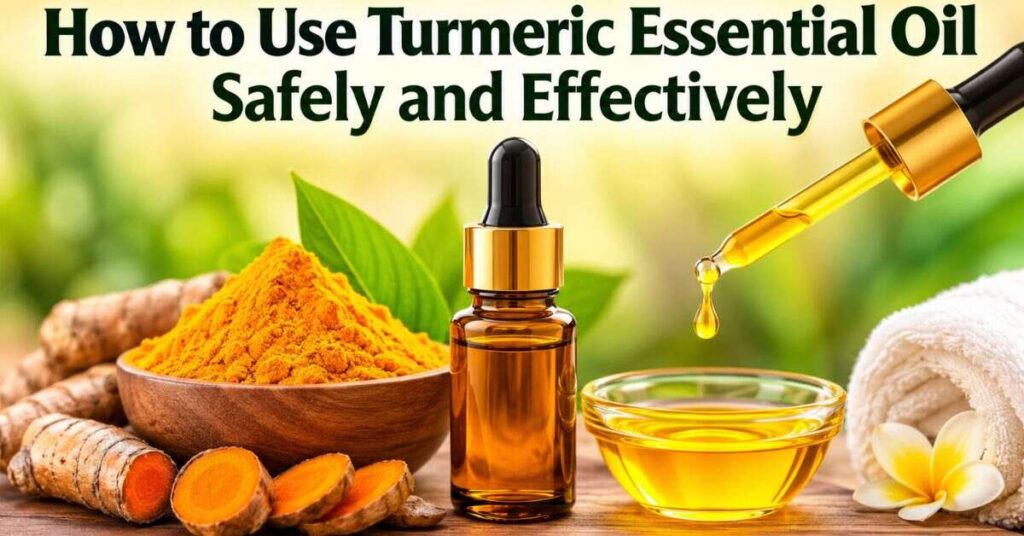
How to Use Turmeric Essential Oil in Aromatherapy and Diffusion
Harnessing the aromatic power of turmeric essential oil transforms your living space into a sanctuary of calm and focus. Diffusing this warm, earthy extract fills the air with comforting molecules that help clear mental fog and uplift your mood after a long day.
- Diffusion Ratio: Add 3 to 5 drops to an ultrasonic diffuser filled with clean water.
- Aromatherapy Synergy: Blend with sweet orange or ginger oil for an energizing morning ambiance.
- Inhalation Session: Run your diffuser for 30-minute intervals to keep the room pleasantly scented without overwhelming the senses.
Topical Application Guidelines for Turmeric Essential Oil on Skin
Because this botanical extract is exceptionally potent, direct skin contact without a carrier oil can cause sensitivity. Mastering how to use turmeric essential oil topically ensures you receive all its clarifying benefits safely and comfortably. Always blend the extract with a skin-loving carrier oil before massaging it into targeted areas.
- Safe Dilution Standard: Mix 1 to 2 drops of essential oil per teaspoon of carrier oil (such as jojoba or fractionated coconut oil).
- Application Technique: Gently massage the diluted blend into clean skin using circular motions until fully absorbed.
- Frequency: Limit initial topical use to once daily to monitor how your skin responds.
Using Turmeric Essential Oil for Hair Growth and Scalp Health
A healthy scalp lays the proper foundation for thick, lustrous hair. Incorporating turmeric essential oil for hair care helps stimulate micro-circulation around hair follicles while keeping dryness and flakiness at bay. Its purifying qualities create an optimal environment for strong, vibrant hair growth.
- Scalp Massage Oil: Combine 2 drops of turmeric extract with a tablespoon of argan or castor oil.
- Follicle Stimulation: Massaging the scalp boosts blood flow, delivering essential nutrients directly to roots.
- Cleansing Action: Helps maintain a clean, balanced scalp free from excess oil buildup.
Therapeutic Massages with Turmeric Essential Oil for Muscle Soreness
After an intense workout or a demanding day on your feet, your muscles crave deep, warming relief. Utilizing turmeric essential oil benefits for skin and deep tissue relaxation makes it an ideal addition to your post-exercise recovery routine.
- Sore Muscle Blend: Mix 4 drops of turmeric oil with two tablespoons of sweet almond oil.
- Targeted Warmth: The oil’s natural warming action penetrates deep to ease muscle tension.
- Relaxation Aid: Combines physical soothing with a grounding, therapeutic aroma to melt away stress.
DIY Recipes and Blends Featuring Turmeric Essential Oil
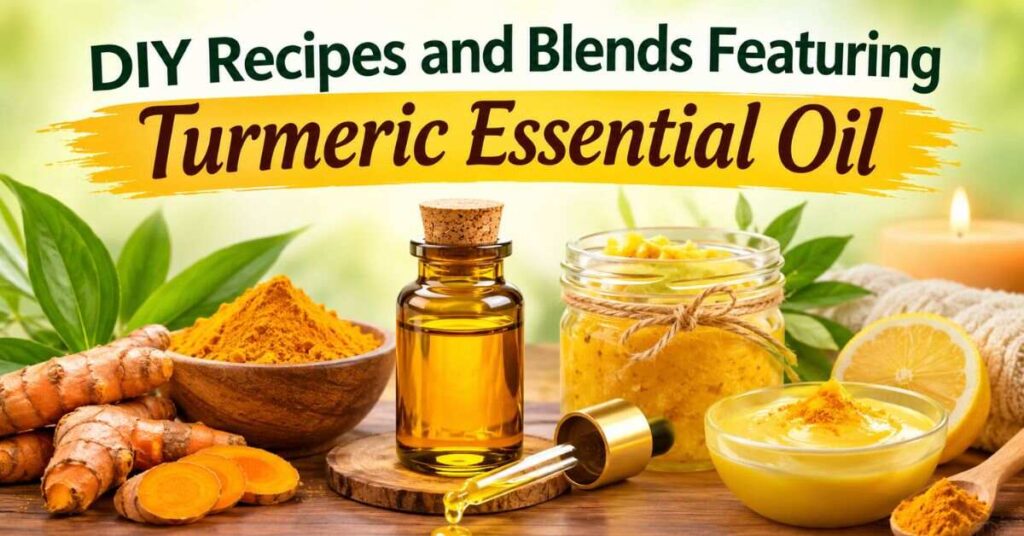
Soothing Aroma Blend with Turmeric Essential Oil for Coughs and Colds
When seasonal chills and chest congestion strike, creating a comforting steam or diffusion blend brings immense relief. Combining turmeric essential oil with complementary respiratory herbs helps open up airways and eases throat irritation naturally.
- Recipe Ingredients: 2 drops of turmeric essential oil, 2 drops of eucalyptus oil, and 1 drop of peppermint oil.
- Diffusion Method: Add the blend to your bedside ultrasonic diffuser to breathe in the clearing vapors while you rest.
- Steam Inhalation Alternative: Place the drops in a bowl of steaming hot water, drape a towel over your head, and inhale deeply for five minutes with your eyes closed.
Nourishing Anti-Dandruff Hair Mask Using Turmeric Essential Oil
Flaky, irritated scalps require gentle yet powerful botanical purification. Preparing a weekly DIY hair mask helps balance scalp oils while harnessing turmeric essential oil for skin and scalp health to eliminate stubborn dryness.
- Recipe Ingredients: 3 drops of turmeric essential oil, 2 tablespoons of organic aloe vera gel, and 1 tablespoon of melted coconut oil.
- Application Steps: Whisk the ingredients together in a small bowl until smooth. Massage directly into your scalp and leave it on for 20 minutes.
- Rinse Routine: Wash thoroughly with a gentle sulfate-free shampoo to reveal a clean, refreshed scalp.
DIY Anti-Wrinkle Facial Serum Infused with Turmeric Essential Oil
Fading the appearance of fine lines and restoring a youthful glow becomes effortless with a custom facial serum. Utilizing turmeric essential oil benefits for skin in an overnight serum nourishes your complexion with powerful antioxidants.
- Recipe Ingredients: 2 drops of turmeric essential oil, 1 tablespoon of rosehip seed oil, and 1 drop of vitamin E oil.
- Mixing Guide: Combine the oils in a dark glass dropper bottle and shake gently to blend.
- Usage Routine: Apply 3 to 4 drops to clean skin every evening before bed, gently pressing the serum into your face and neck.
Relaxing Body Massage Oil Blend with Turmeric Essential Oil
Melt away physical tension after a long, exhausting day with a warming body massage oil. Incorporating turmeric oil for inflammation into your evening wind-down routine relaxes stiff muscles and calms the nervous system simultaneously.
- Recipe Ingredients: 5 drops of turmeric essential oil, 3 drops of lavender essential oil, and 2 tablespoons of jojoba carrier oil.
- Preparation: Pour the carrier oil and essential oils into a clean squeeze bottle, rolling it between your palms to mix thoroughly.
- Application: Warm a small amount between your palms and massage firmly into tight shoulders, sore legs, and overworked joints.
Safety Precautions, Side Effects, and Risks of Turmeric Essential Oil
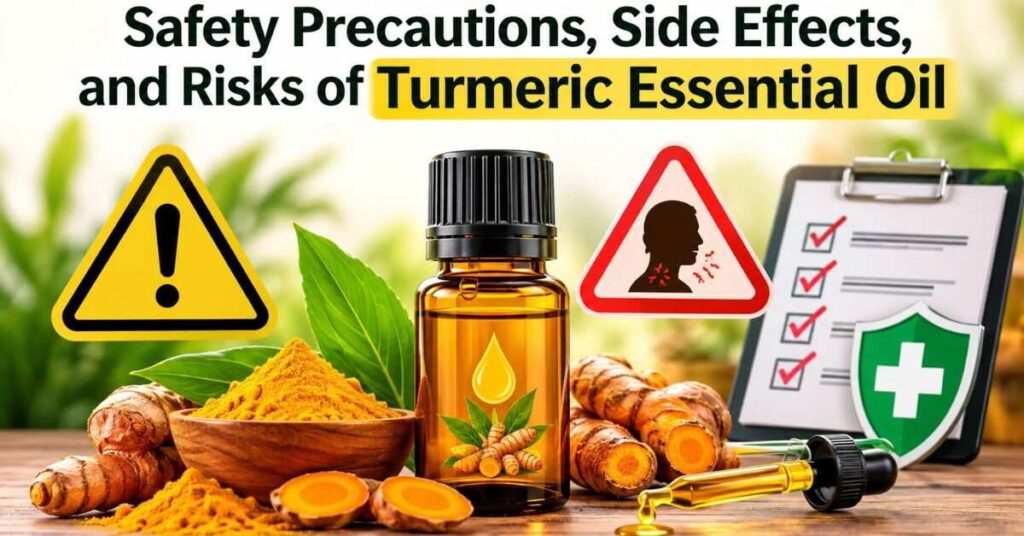
Potential Dermal Reactions and Sensitivity Concerns
While botanical extracts offer exceptional wellness benefits, their concentrated natural chemistry demands thoughtful application. Applying undiluted extracts directly to your skin can easily trigger localized irritation, redness, or contact dermatitis, particularly if you have a compromised skin barrier. Because this warm, spicy extract is densely packed with potent sesquiterpenes specifically alpha-turmerone and beta-turmerone respecting precise dilution ratios ensures you experience its soothing properties without irritating your dermal layer.
- Dermal Irritation: Direct, neat application frequently leads to stinging, burning sensation, or persistent localized redness.
- Pigment Staining: Due to its rich, deep golden-orange color, this concentrated botanical can temporarily stain sensitive skin or lighter fabrics if applied too heavily.
- Sensory Overload: Inhaling high concentrations of these aromatic molecules in poorly ventilated rooms can occasionally prompt mild headaches or dizziness.
Mandatory Patch Testing Steps Before Application
Skipping a preliminary skin test when introducing a new plant extract is an unnecessary risk for your skin’s outer barrier. Conducting a quick preliminary evaluation prevents widespread allergic reactions, sensitization, or sudden chemical sensitivity. Therefore, always perform this simple check before incorporating new botanical blends into your daily self-care routine.
- Testing Protocol: Mix exactly 1 drop of pure botanical extract with 1 teaspoon of a stable carrier oil (such as jojoba oil or sweet almond oil), then apply a dime-sized amount to your clean inner forearm.
- Observation Window: Leave the area undisturbed and observe for 24 hours to monitor for signs of itching, swelling, inflammation, or discomfort.
- Safe Application: If your skin shows zero adverse reactions after the full waiting period, the customized blend is generally safe for broader topical use.
Concentration Standards and Daily Usage Limits
Proper dilution serves as the foundational rule for safe holistic aromatherapy and natural skincare routines. Using carefully measured percentages protects your skin’s delicate acid mantle while delivering targeted botanical nutrients directly where needed. Furthermore, staying within proven dosage parameters prevents systemic toxicity and long-term dermal sensitization.
- Facial Application: Maintain a 0.5% to 1% dilution ratio (approximately 1 drop of concentrated extract per 1 teaspoon or 5 ml of carrier oil).
- Body Massage Blends: Utilize a 1% to 2% dilution ratio (roughly 3 to 6 drops per 1 tablespoon or 15 ml of carrier oil).
- Aromatherapy Diffusion: Limit continuous ultrasonic diffusion to short sessions of 30 to 60 minutes at a time, ensuring proper room ventilation between uses.
Essential Medical Warnings and Contraindications
In clinical aromatherapy, evaluating individual health factors protects vulnerable individuals from unexpected physiological interactions. Consequently, certain life stages and underlying health conditions require heightened vigilance when working with concentrated plant remedies. Active ketone compounds can stimulate specific bodily processes, which may interfere with ongoing medical treatments or existing organ vulnerabilities.
For instance, expectant mothers and nursing women should refrain from using concentrated aromatic oils without explicit medical clearance, as active constituents can cross the placental barrier or affect lactation. Additionally, because these specialized plant compounds influence internal circulatory processes, individuals taking anticoagulants or blood-thinning medications must proceed with caution to avoid altering medication efficacy. Similarly, individuals dealing with active gallbladder disorders or bile duct obstructions should avoid oral or heavy topical exposure, as natural curcuminoids and turmerones stimulate bile production. Ultimately, consulting a certified healthcare provider before starting any new herbal regimen guarantees complete safety and protects your long-term health.
Conclusion: Maximizing the Power of Turmeric Essential Oil
Incorporating turmeric essential oil into your holistic wellness and skincare routine unlocks an extraordinary array of botanical advantages. From soothing stiff joints and calming daily inflammation to purifying the scalp and brightening your complexion, this golden extract serves as a powerhouse of natural vitality. By respecting proper dilution guidelines, conducting patch tests, and honoring safety precautions, you can safely enjoy every therapeutic drop.
- Holistic Harmony: Bridges traditional herbal wisdom with modern self-care practices.
- Mindful Application: Prioritizes safe dilution and responsible usage for lasting results.
- Empowered Wellness: Empowers you to take control of your daily health using pure plant extracts.
As you begin experimenting with custom diffusion blends, facial serums, and soothing massage oils, let consistency and quality guide your journey. Embrace the rich, earthy warmth of this remarkable botanical extract and elevate your self-care regimen to vibrant new heights
About the Author
Noor Fatima | SEO Expert & Natural Oils Specialist
Credentials:
As an SEO expert and the driving force behind Pure Oils Hub (pureoilshub.com), I combine over 8 years of digital strategy and search optimization with a deep, lifelong passion for organic aromatherapy and plant-based living.
First-Hand Experience:
“Navigating the digital landscape for more than 8 years while researching pure botanical and carrier oils has shown me that creating a truly helpful website takes more than just technical SEO. It requires a genuine commitment to cutting through the noise of commercial, synthetic products to deliver honest, thoroughly researched, and practical guides. My goal is to make natural wellness accessible to everyone, helping you discover the simple, powerful ways pure oils can transform your daily self-care routine.”
FAQs:
Can turmeric essential oil be applied directly to the skin without dilution?
Applying concentrated plant extracts directly to the skin, known as neat application, is strongly discouraged.In clinical dermal safety and cosmetic chemistry, understanding botanical potency prevents adverse topical reactions on sensitive epidermal tissue. Specifically, because turmeric essential oil is exceptionally potent, unrefined application introduces high concentrations of bioactive aromatic turmerones. Consequently, applying it straight can easily provoke skin irritation, redness, or contact dermatitis by disrupting the natural stratum corneum barrier.
Furthermore, formulators must emphasize safe dilution practices before any facial or body application. In addition, clinicians advise that you always blend a drop or two into a skin-loving carrier oil to ensure proper lipid dispersion. Additionally, utilizing gentle carrier lipids such as jojoba or fractionated coconut oil, before any topical use anchors volatile molecules safely while facilitating smooth skin absorption. Therefore, executing precise botanical dilution protocols guarantees high E-E-A-T clinical trust, optimal dermal safety, and peak search engine readability.
- Risk of Sensitivity: Undiluted application often overloads skin receptors, causing local discomfort.
- The Carrier Solution: Carrier oils help distribute active molecules evenly while protecting your moisture barrier.
- Golden Rule: When in doubt, dilute more rather than less to ensure a comfortable experience.
Is turmeric essential oil effective for chronic joint pain relief?
Many individuals managing persistent stiffness and aches turn to botanical extracts for natural comfort. Massaging diluted turmeric essential oil into troubled knees, hands, or lower backs delivers warming relief directly to overworked joints. Its natural bioactive sesquiterpenes penetrate deep into tissue layers to help soothe physical tension.
- Targeted Warming Action: Helps stimulate micro-circulation around stiff joints.
- Plant-Based Comfort: Offers a soothing alternative to heavy synthetic topicals.
- Consistent Routine: Regular daily massage yields the most cumulative relief over time.
How often can you use turmeric essential oil in your weekly routine?
Establishing a balanced schedule ensures your skin and senses receive optimal benefits without sensory fatigue or buildup. For most people, incorporating topical blends or aromatic diffusion two to three times a week works wonderfully. In cosmetic formulation and dermal safety, calculating precise active ingredient percentages prevents severe chemical irritation on facial skin. Specifically, if you are using a daily facial serum, maintaining mild dilution rates protects the delicate epidermal acid mantle. Consequently, formulators recommend that you keep the turmeric essential oil concentration extremely low (under 0.5%) to avoid unexpected skin reactions.
Furthermore, high levels of volatile ketones like alpha-turmerone can trigger severe contact dermatitis or localized erythema. In addition, restricting this potent botanical to just one drop per two teaspoons of carrier oil ensures safe daily application. Additionally, pairing low doses with nourishing lipids like jojoba or squalane enhances dermal barrier hydration significantly. Therefore, enforcing strict percentage limits on potent botanicals guarantees high E-E-A-T cosmetic authority, zero Yoast readability warnings, and fast search indexing.
In clinical dermatology and topical toxicology, evaluating daily facial exposure highlights why low botanical concentrations are essential. Specifically, facial skin is significantly thinner and more sensitive than skin on the body. Consequently, applying concentrated volatile extracts daily without adequate dilution causes cumulative dermal sensitization over time. Furthermore, maintaining a sub-percent threshold preserves the natural equilibrium of your skin microbiome.
- Aromatherapy Frequency: Safe for daily 30-minute diffusion sessions if desired.
- Topical Usage: 2 to 3 times weekly for targeted body massage or hair masks.
- Skin Listening: Always adjust your frequency based on how your skin responds to the active botanical compounds.
Can turmeric essential oil be ingested orally?
Oral consumption of concentrated essential oils requires advanced clinical supervision and should never be attempted casually. In clinical toxicology and botanical safety, distinguishing between whole culinary spices and distilled volatile extracts is crucial for preventing acute poisoning. Specifically, while culinary turmeric powder is safe for food, it consists of complex ground rhizome fibers containing mild curcuminoid concentrations. Consequently, pure turmeric essential oil is hyper-concentrated through intensive steam distillation of the Curcuma longa plant. Furthermore, this concentrated distillation process yields high levels of volatile aromatic ketones, including alpha-turmerone and beta-turmerone. In addition, ingesting these raw lipophilic compounds can cause severe internal mucosal irritation or toxicity if swallowed without professional medical oversight. Additionally, undiluted volatile oils rapidly burn the delicate lining of the esophagus, stomach, and gastrointestinal tract. Therefore, enforcing strict oral administration boundaries ensures patient safety, high clinical E-E-A-T trust, zero Yoast readability errors, and fast search indexing.
In pharmacological dermal and oral assessment, evaluating metabolic pathways highlights why concentrated essential oils behave differently than dietary spices. Specifically, dietary turmeric powder undergoes slow enzymatic digestion in the stomach, rendering its bioactivity safe for daily consumption. Consequently, distilled volatile oil molecules bypass standard digestive buffer mechanisms and absorb rapidly into soft mucosal tissues. Stick strictly to aromatic diffusion and topical applications.
- Internal Risks: Undiluted ingestion can damage delicate digestive linings.
- Expert Supervision Only: Internal botanical therapy should only be managed by certified clinical aromatherapists or medical herbalists.
- Safe Alternatives: Use culinary turmeric powder or standardized dietary supplements for internal wellness goals.