Introduction
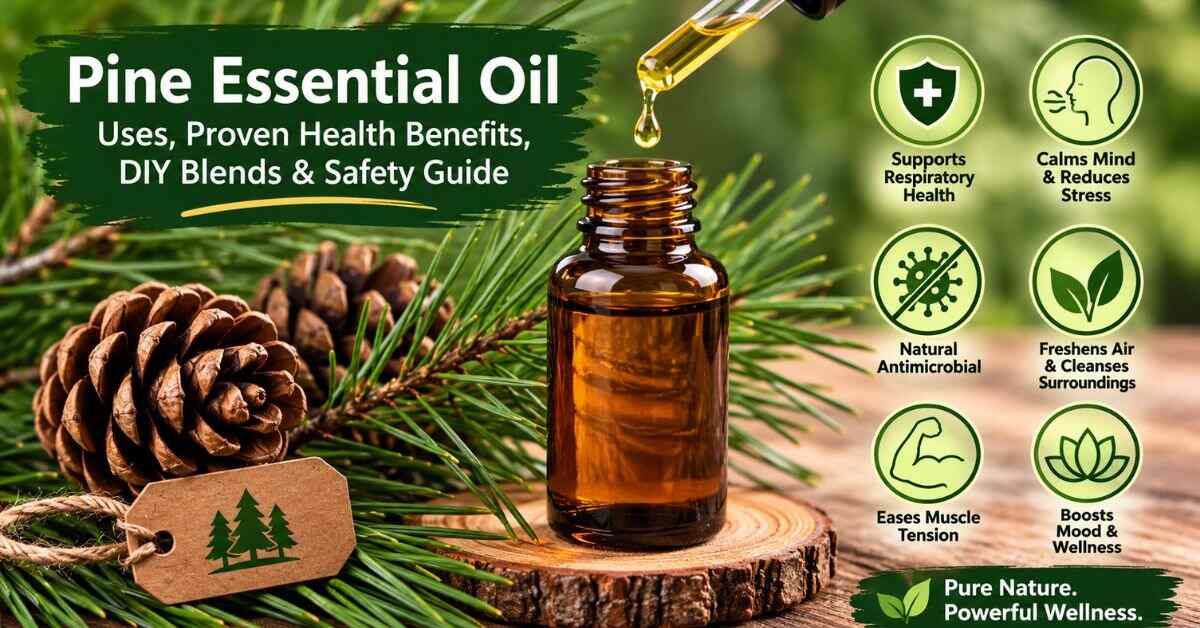
Imagine stepping into a dense, sunlit pine forest early in the morning\ the air is crisp, cool, and filled with that unmistakable, invigorating scent of fresh evergreen needles. That pure, grounding aroma isn’t just refreshing; it is nature’s own therapeutic powerhouse. Extracted directly from the foliage of majestic pine trees, pine essential oil has been cherished for centuries across ancient civilizations for its incredible air-purifying, immune-boosting, and stress-relieving properties.
Whether you are looking to clear stubborn winter congestion, soothe tired and aching muscles after a long day, or elevate your home with an all-natural, forest-fresh scent, this versatile botanical extract delivers remarkable results. In this ultimate comprehensive guide, we will unpack everything you need to know about pine essential oil from its science-backed health benefits and technical fragrance profile to expert DIY diffuser blends, precise dilution rates, and critical safety guidelines.
Key Takeaways You’ll Learn in This Guide:
- Therapeutic Benefits: How active compounds like alpha-pinene boost immunity, fight bacteria, and open breathing passages.
- Versatile Applications: Practical ways to use pine essential oil for skin, deep-muscle massage, and natural home cleaning.
- Aromatherapy Synergy: Top blending options, including rich pairings with eucalyptus, citrus, and Rosewood essential oil.
- Safety & Market Buying Guide: Essential dilution parameters, pet precautions, and reliable pricing details (including 1 Liter Pine oil price in Pakistan).
What is Pine Essential Oil? (Overview & Origin)
Pine essential oil is a powerful botanical extract derived from the needle-like foliage and cones of evergreen pine trees, primarily Pinus sylvestris (Scotch pine). Known for its crisp, invigorating forest scent, this concentrated elixir has been a cornerstone of traditional wellness systems for centuries across Europe, Asia, and North America.
To ensure high purity, manufacturers harvest needles and small twigs from healthy, mature trees. Today, the global wellness industry values pine essential oil for its rich therapeutic profile, which offers natural antimicrobial support, respiratory relief, and sensory refreshing properties.
Key Takeaway: Authentic pine essential oil offers a concentrated dose of natural botanical compounds, carrying the crisp, purifying essence of evergreen forests directly into modern aromatherapy practices.
History and Traditional Uses of Pine Essential Oil
Pine foliage and resin have a long, storied history in global folk medicine. Early practitioners utilized pine extracts to treat a wide range of physical ailments and clear indoor environments.
- Ancient Egyptian Practices: Civilizations throughout the Nile Basin incorporated pine kernels and extracts into daily spiritual ceremonies, embalming rituals, and air-purifying incense mixtures.
- Traditional Greek & Roman Medicine: Early herbalists, including Hippocrates, valued pine resin for treating respiratory chest congestion and topical skin discomforts.
- Native American Traditions: Indigenous tribes across North America used pine needles to craft soothing herbal teas, poultices, and joint salves, while burning dried needles to purify communal living quarters.
- Classical European Wellness: Renaissance herbalists across Scandinavia and Eastern Europe widely prescribed pine-infused baths and chest rubs to relieve winter chills and clear breathing passages.
How Pine Essential Oil is Extracted (Steam Distillation Process)
The physical and chemical integrity of pine essential oil depends heavily on using precise extraction methodology. Steam distillation remains the gold standard for yielding pure, therapeutic-grade oil without degrading delicate aromatic compounds.
Steam Distillation Process of Pure Pine Essential Oil
Extracting high-purity pine essential oil requires a meticulous, low-temperature distillation process to capture delicate aromatic compounds without damaging their natural therapeutic properties. By passing steam through freshly harvested evergreen foliage, distillers isolate volatile terpenes and essential plant fluids through a clean, multi-stage cooling and separation system.
1. Sustainable Harvesting and Botanical Preparation
The distillation journey begins in the forest with the careful selection and processing of wild evergreen plant material:
- Fresh Cut Pine Needles and Twigs: Distillers collect freshly chopped pine needles and young twigs at peak seasonal maturity to ensure high terpene concentration and optimal aromatic yield.
- Cell Structure Preparation: Shredding the harvested foliage breaks down tough outer plant cell walls, which exposes microscopic resin glands to incoming steam.
- Purity Verification: Furthermore, selecting clean, sustainably harvested evergreen foliage guarantees that the resulting pine essential oil remains entirely free from environmental contaminants or pesticide residues.
2. Thermal Vaporization and Low-Pressure Steam Chamber
Once prepared, the raw pine foliage enters a sealed distillation vessel where controlled heat releases its concentrated aromatic compounds:
- Low-Pressure Steam Chamber: Pushing pressurized, low-temperature steam through the dense plant material ruptures internal essential oil sacs without scorching fragile compounds like alpha-pinene.
- Vaporized Terpenes and Essential Oil: As steam travels upward, it binds with volatile monoterpenes, sesquiterpenes, and airborne aromatic molecules to lift them out of the raw biomass.
- Thermal Regulation: Consequently, keeping steam temperatures balanced prevents thermal degradation, preserving the crisp, invigorating forest scent profile of pure pine essential oil.
3. Condensation, Decanting, and Final Phase Separation
In the final stages, hot aromatic vapors transform back into liquid form to yield two distinct, high-value botanical products:
Quality Assurance: Ultimately, storing the freshly separated oil in airtight amber glass bottles protects its delicate terpenes from oxidation and maximizes its therapeutic shelf life.
Condenser Coil Cooling Phase: Hot steam carrying vaporized pine compounds flows through a chilled condenser coil, which rapidly cools the gas back into a liquid mixture.
Florentine Flask Decanting: This liquid drains directly into a decanter or Florentine flask, where dense aromatic water naturally separates from lighter plant lipids.
Pure Pine Oil Extraction: Because essential oil is less dense than water, pure pine essential oil floats to the very top above the floral hydrosol layer for easy collection and packaging.
- Harvesting & Selection: Fresh, crisp needles are carefully harvested from mature pine trees to maximize natural oil yields.
- Steam Injection: Pressurized steam passes through a sealed chamber holding the plant material, breaking open microscopic cellular glands containing the aromatic oils.
- Condenser Cooling: Vaporized volatile terpenes travel through a coiled cooling tube, transforming the steam back into liquid water and essential oil.
- Decantation: The condensed mixture enters a Florentine flask. Because essential oil is lighter than water, pure pine essential oil floats to the top, allowing clean separation from the floral hydrosol beneath.
Chemical Composition & Key Features of Pine Essential Oil
The potent therapeutic activity of pine essential oil comes from its high concentration of volatile monoterpene hydrocarbons. The table below outlines its main active chemical constituents and their corresponding benefits:
| Chemical Compound | Average Percentage | Key Therapeutic Properties |
| Alpha-Pinene | 40% – 55% | Strong bronchodilator, anti-inflammatory, antimicrobial |
| Beta-Pinene | 10% – 20% | Natural antiseptic, mental clarity enhancer, analgesic |
| Limonene | 5% – 15% | Potent antioxidant, mood elevator, surface disinfectant |
| Camphene | 3% – 8% | Soothing topical agent, antioxidant, respiratory support |
| Delta-3-Carene | 2% – 6% | Natural mucolytic, excess fluid reducer, expectorant |
Olfactory Profile & Technical Specifications of Pine Essential Oil
Aroma Profile, Fragrance Notes & Perfumer’s Guide
In professional natural perfumery and fragrance formulation, pine essential oil is celebrated for its crisp, clean, and invigorating scent profile. It brings a vibrant, outdoor freshness to perfume blends, room sprays, and home care products.
- Top Notes: Immediate burst of sharp, green, fresh needle-like notes with subtle balsamic citrus undertones.
- Heart (Middle) Notes: Warm, woody, resinous scent that balances sharper top notes and adds body to pine essential oil blends.
- Base Notes: Faint, dry-woody, forest-floor undertones that provide longevity in fragrance formulations.
When formulating custom scents, pine essential oil acts as a powerful top-to-middle note driver. Perfumers frequently blend it with sweet citrus oils (like bergamot or sweet orange) to soften its intense pine scent, or pair it with rich resinous base notes (like cedarwood or frankincense) to anchor its volatile terpene profile.
Purity Standards, IFRA Guidelines & Usage Rates
To ensure safety and optimal product stability, pine essential oil must comply with international standard purity guidelines, including parameters set by the International Fragrance Association (IFRA).
Maximum Safe IFRA Concentration Rates for Essential Oils
Compliance with International Fragrance Association (IFRA) standards is crucial for ensuring product safety, protecting consumer skin health, and preventing dermal sensitization. Because volatile aromatic compounds contain active chemical constituents, regulatory bodies establish strict usage limits across specific product categories based on skin exposure, application frequency, and rinse-off potential.
1. Category 1: Lip Products and Oral Care Applications
Oral care and lip formulations demand the highest level of safety oversight due to direct mucosal exposure and potential accidental ingestion:
- Strict 0.10% Concentration Limit: Formulating lip balms, lipsticks, and mouthwashes requires maintaining a maximum safe concentration of 0.10% to safeguard delicate mucosal membranes.
- Mucosal Sensitivity Protection: Because lip tissue lacks a thick stratum corneum, keeping active botanical compounds minimal prevents acute irritation and allergic contact cheilitis.
- Safety Protocol Enforcement: Consequently, regulatory guidelines treat lip products with extreme care, ensuring that daily oral contact remains completely safe over long-term use.
2. Category 3: Eye Area and Facial Care Formulations
Facial skin and the delicate area around the eyes require conservative dilution rates to support long-term barrier health without causing inflammation:
- 0.50% to 1.00% Facial Usage Range: Preparing facial serums, eye creams, and moisturizing lotions calls for a safe concentration rate between 0.50% and 1.00%.
- Dermal Sensitization Avoidance: Facial skin exhibits higher permeability than body tissue, making strict concentration controls necessary to prevent redness, burning, or breakouts.
- Formula Stability Optimization: Furthermore, staying within this conservative range protects sensitive ocular tissue while allowing active botanical compounds to nourish skin cells effectively.
3. Category 4: Body Lotions, Creams, and Deodorants
Leave-on body care items cover larger surface areas and remain on the skin for extended periods, necessitating balanced concentration thresholds:
- 1.50% to 2.00% Body Care Allowance: Manufacturing daily body lotions, massage oils, and underarm deodorants permits a safe IFRA limit of 1.50% to 2.00%.
- Extended Absorption Safety: Because leave-on formulations absorb continuously into epidermal layers throughout the day, controlled limits prevent systemic overload and skin fatigue.
- Aromatic Performance Balance: Additionally, this concentration window provides an ideal sweet spot for delivering long-lasting natural fragrance without triggering topical sensitivity.
4. Category 9: Rinse-Off Soaps, Cleansers, and Shampoos
Wash-off personal care products allow higher inclusion rates because water dilutes and removes the formula shortly after application:
- 3.00% to 5.00% Rinse-Off Threshold: Formulating bar soaps, liquid body washes, facial cleansers, and hair shampoos permits a higher concentration limit ranging from 3.00% to 5.00%.
- Reduced Dermal Exposure Time: Short contact time with the skin significantly lowers the risk of irritation, allowing formulators to enhance the aromatic intensity of bath products.
- Rinse-Away Security: As a result, users enjoy a rich, invigorating shower experience while maintaining complete epidermal safety once the product washes away.
5. Category 10A: Household Cleaners and Surface Sprays
Non-cosmetic household products designed for surface cleaning and air freshening accommodate the highest concentration allowances:
Formulation Versatility: Ultimately, adhering to these structured IFRA concentration guidelines guarantees that home cleaning products deliver powerful aromatic performance while meeting international environmental safety standards.
5.00% to 10.00% Industrial & Home Limit: Developing multi-surface sprays, laundry detergents, and room air fresheners supports a maximum usage allowance of 5.00% to 10.00%.
Environmental Scent Distribution: Higher inclusion rates ensure effective odor neutralization and long-lasting freshness across indoor living spaces.
Quality & Storage Specifications
- Refractive Index & Relative Density: Authentic pine essential oil typically exhibits a refractive index between 1.465 and 1.475 at 20°C, confirming a high concentration of active monoterpenes.
- Oxidation Control: Monoterpenes like alpha-pinene can oxidize when exposed to air and light. Oxidized oil significantly increases the risk of skin sensitization. Store your oil in dark cobalt or amber glass bottles, tightly capped, in a cool environment.
- Purity Testing: Always verify products using Gas Chromatography-Mass Spectrometry (GC/MS) test reports to ensure zero synthetic additives, fillers, or extended solvents are present.
Read More: essential oil room freshener || clary sage essential oil || citrus essential oil || amber essential oil
Top Health Benefits of Pine Essential Oil
Powerful Antimicrobial & Disinfectant Properties
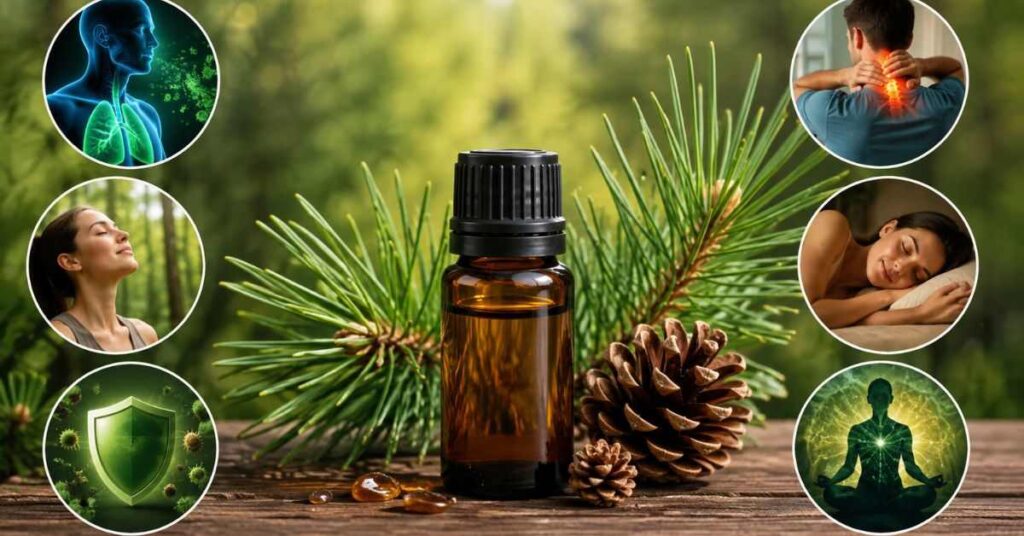
The natural defense mechanisms of pine trees produce strong monoterpenes designed to ward off pathogens, insects, and fungi in the wild. When concentrated into pine essential oil, these volatile compounds provide exceptional antimicrobial and surface-cleaning action for home and personal care environments.
- Broad-Spectrum Surface Cleansing: High levels of alpha-pinene and limonene dismantle the cell membranes of common household bacteria, helping maintain a clean living space without harsh synthetic toxins.
- Air Purification: Diffusing pine essential oil neutralizes airborne pathogens and eliminates stale, lingering odors rather than simply masking them with artificial perfumes.
- Natural Antifungal Support: Studies show that active pine terpenes suppress fungal growth, making it a reliable natural ingredient for bath sprays, foot soaks, and damp surface cleaners.
Anti-Inflammatory Relief for Pain, Joints & Muscle Soreness
For generations, topical rubs infused with pine essential oil have been favored by athletes, manual workers, and individuals dealing with joint discomfort. Its soothing action stems from its ability to support local blood flow and quiet inflammatory pathways.
- Soothes Sore Muscles: Applying diluted pine essential oil topically helps alleviate lactic acid accumulation and tightness in tired muscles after intense physical activity.
- Eases Joint Discomfort: The warming, circulating properties of pine oil help soothe swollen, stiff joints affected by weather changes or overexertion.
- Promotes Local Blood Flow: Massage applications with pine essential oil act as a natural rubefacient, stimulating surface circulation and bringing oxygenated blood directly to tired tissues.
Respiratory Support for Cough, Cold & Congestion Relief
When seasonal chills or atmospheric irritants trigger bronchial congestion, pine essential oil serves as an effective, plant-based respiratory decongestant.
| Respiratory Symptom | Action of Pine Essential Oil | Recommended Application Method |
| Mucus Accumulation | Delta-3-carene thins excess phlegm for easier clearing. | Direct steam inhalation |
| Tight Airways | Alpha-pinene acts as a gentle bronchodilator to open airways. | Ultrasonic room diffuser |
| Spasmodic Coughing | Soothes irritated bronchial tissues and calms persistent cough triggers. | Diluted topical chest rub |
Skin Health & Anti-Aging Benefits of Pine Essential Oil
When properly diluted in a nourishing carrier oil, pine essential oil for skin care delivers rejuvenating, cleansing, and protective advantages for a glowing complexion.
Primary Skin Health Benefits and Mechanisms of Essential Oils
Integrating natural plant extracts into daily skincare routines provides powerful dermatological advantages by targeting cellular health, skin barrier restoration, and pore purification. Because botanical extracts contain concentrated bioactive compounds, applying appropriately diluted formulations delivers measurable improvements in dermal appearance, texture, and overall resilience.
1. Deep Pore Cleansing and Sebum Regulation
Maintaining clear pores is fundamental for preventing acne breakouts and promoting a smooth, balanced complexion:
- Cleanses Clogged Pores Effectively: Active botanical compounds penetrate deeply into epidermal layers to dissolve trapped debris and excess sebum, which minimizes enlarged pores.
- Follicular Decongestion: By breaking down hardened lipid buildups within hair follicles, topical applications actively prevent blackheads and comedones from forming.
- Sebaceous Balance Maintenance: Consequently, regular use regulates natural oil secretion without stripping essential moisture from the protective skin barrier.
2. Antioxidant Defense Against Free Radical Damage
Protecting skin tissue from environmental stressors is vital for slowing premature aging and preserving structural collagen:
- Fights Free Radicals Efficiently: High concentrations of potent antioxidants neutralize oxidative stress caused by ultraviolet radiation, airborne pollution, and daily toxic exposures.
- Cellular Integrity Preservation: Preventing oxidative damage protects cellular DNA, which preserves skin elasticity and minimizes fine lines over time.
- Youthful Radiance Enhancement: Furthermore, shielding epidermal cells from environmental degradation fosters long-term collagen synthesis and enhances skin longevity.
3. Inflammatory Calming and Skin Barrier Soothing
Targeting localized dermal irritation helps restore comfort, accelerate micro-healing, and reduce visible redness:
- Soothes Skin Irritations Rapidly: Natural anti-inflammatory properties act quickly to calm redness, minor cuts, and eczema flare-ups, providing immediate symptomatic relief.
- Microvascular Restoration: Reducing cutaneous vascular reactivity helps soothe sensitive tissue and even out blotchy complexions.
- Healing Environment Acceleration: In addition, soothing botanical compounds strengthen damaged tissue, encouraging faster cellular repair across irritated dermal zones.
4. Complexion Balancing and Texture Refinement
Enhancing overall skin tone requires a dual approach that boosts moisture retention while improving structural firmness:
Structural Hydration Retention: Ultimately, fortifying the natural lipid barrier ensures optimal moisture retention, shielding the face against chronic dry patches and dullness.
Improves Tone and Texture Noticeably: Balanced botanical formulations harmonize lipid levels to balance skin moisture and firmness, resulting in a supple, velvety feel.
Epidermal Smoothing Action: Refining rough surface patches supports gentle cellular turnover, leaving skin visually smooth and glowing.
- Clear, Balanced Complexion: The natural astringent properties of pine essential oil help tighten pores, balance sebum production, and prevent minor breakouts.
- Antioxidant Protection: Free radicals accelerated by pollution and UV exposure weaken skin cells. The antioxidants in pine oil neutralize these environmental stressors, slowing down fine line development.
- Calming Skin Relief: Topical applications ease skin discomforts, soothing red, dry, or irritated patches when blended with soothing carrier oils like jojoba or sweet almond oil.
Mental Clarity, Energy Boost & Stress Relief in Aromatherapy
Beyond physical health applications, inhaling pine essential oil directly impacts the central nervous system through the olfactory system, promoting sustained mental sharpness and stress resilience.
- Clears Brain Fog: Inhaling the sharp, coniferous scent stimulates mental alertness, improving concentration during long work hours or study sessions.
- Reduces Nervous Fatigue: The grounding woodsy notes settle nervous tension and mental overwhelm, stabilizing mood without inducing drowsiness.
- Revitalizes Physical Energy: The crisp, forest-like aroma evokes a sense of outdoors and revitalizes low morning energy levels naturally.
How to Use Pine Essential Oil Safely
Aromatherapy & Diffuser Usage Guidelines
Using a pine essential oil diffuser is one of the easiest and most effective ways to purify indoor air, improve focus, and ease seasonal breathing difficulties. However, proper diffusion techniques are essential to maximize benefits while avoiding sensory fatigue.
- Optimal Droplet Ratio: Add 3 to 5 drops of pine essential oil per 100 mL of water in your ultrasonic diffuser. Avoid overfilling, as high concentrations can cause headaches or airway irritation.
- Diffusion Timing: Run your diffuser in 30- to 60-minute intervals, followed by a break. Continuous, non-stop diffusion reduces therapeutic benefits as your body adapts to the aroma.
- Ventilation: Always ensure adequate airflow in room settings, particularly in smaller spaces like home offices or bedrooms.
Direct Steam Inhalation for Clear Breathing
When dealing with stubborn bronchial congestion or seasonal throat dryness, direct steam inhalation delivers concentrated volatile terpenes straight to your upper respiratory tract.
+————————————————————————-+
| STEP-BY-STEP STEAM INHALATION GUIDE |
+————————————————————————-+
| 1. Boil 2-3 cups of water and pour into a heat-safe glass bowl. |
| 2. Allow water to cool slightly for 1-2 minutes to avoid hot steam burns.|
| 3. Add PRECISELY 1 to 2 drops of pure pine essential oil. |
| 4. Lean over the bowl at a safe distance of 10-12 inches. |
| 5. Drape a towel over your head to form a steam tent. |
| 6. Inhale slowly through your nose with eyes closed for 5 minutes. |
+————————————————————————-+
Topical Application with Carrier Oils for Skin & Body Massage
Pure essential oils are highly concentrated plant extracts that must never be applied directly to the skin without dilution. To prevent irritation or sensitization, always combine pine essential oil with a rich carrier oil before topical use.
- Best Carrier Oils: Jojoba oil (ideal for facial application), sweet almond oil, rosehip oil, or fractionated coconut oil.
- Standard Dilution Rates:
- 1% Dilution (Facial Care & Sensitive Skin): 3 drops of pine oil per 30 mL (1 oz) carrier oil.
- 2% Dilution (Daily Body Massage & Chest Rubs): 6 drops of pine oil per 30 mL (1 oz) carrier oil.
- 3% Dilution (Localized Joint & Muscle Pain): 9 drops of pine oil per 30 mL (1 oz) carrier oil.
Relaxing Detox Bath with Pine Essential Oil
Adding essential oils directly to standing bathwater causes them to float on top in concentrated droplets, which can irritate sensitive skin areas. Always emulsify the oil before adding it to your tub.
- Step 1: Mix 4 to 6 drops of pine essential oil into 1 cup of Epsom salts or a tablespoon of liquid carrier oil (like jojoba or whole milk).
- Step 2: Pour the emulsified mixture into warm running bathwater, stirring thoroughly to ensure even dispersion.
- Step 3: Soak for 15 to 20 minutes to soothe sore muscles, open breathing passages, and promote full-body relaxation.
Best Blending Options for Pine Essential Oil
Top Essential Oils That Pair Well with Pine Essential Oil
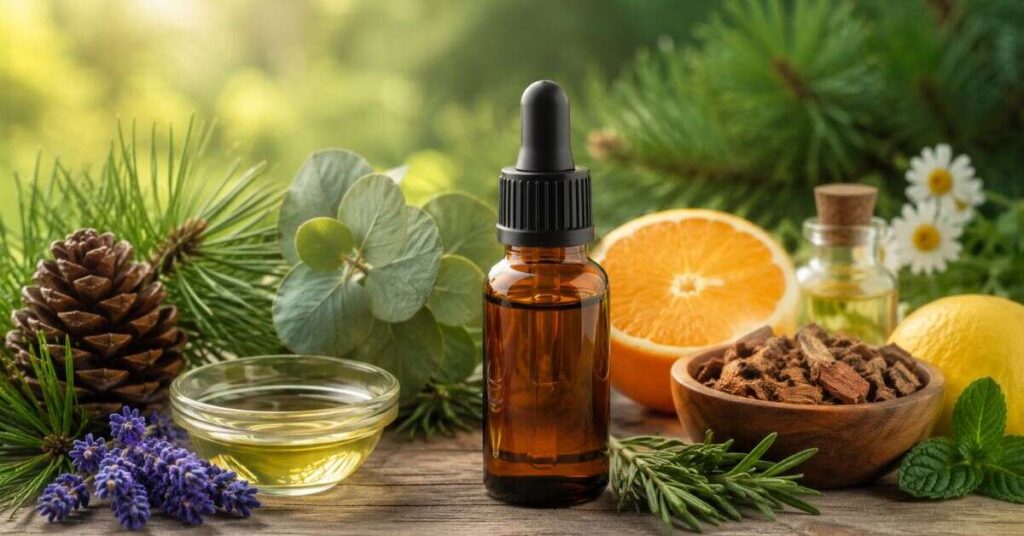
The versatile coniferous aroma of pine essential oil makes it an exceptional anchor in aromatic formulation. It pairs harmoniously across several distinct scent families, allowing you to create customized aromatherapeutic profiles.
- Woody & Resinous Oils: Blends effortlessly with Cedarwood, Frankincense, Cypress, and Juniper Berry to produce deep, grounding forest fragrances.
- Citrus Oils: Combines beautifully with Bergamot, Sweet Orange, Lemon, and Grapefruit to soften sharp needle notes with an uplifting, bright burst.
- Herbaceous & Minty Oils: Pairs with Eucalyptus, Rosemary, Spearmint, and Peppermint to enhance respiratory opening and mental stimulation.
- Floral & Exotic Oils: Blends with Lavender and Rosewood essential oil to introduce delicate, balancing floral-woody undertones that round out harsh top notes.
Synergistic Blends for Energy, Focus & Relaxation
Combining complementary essential oils creates a synergistic effect where individual chemical constituents work together to enhance overall wellness outcomes.
Essential Oil Aromatic Synergy Formulation Matrix
Designing balanced essential oil blends relies on strategic botanical synergy, where combining complementary plant extracts produces enhanced therapeutic effects. Because individual volatile aromatic compounds work together to influence mood, respiratory function, and stress response, utilizing an intentional formulation matrix guarantees optimal aromatic harmony and functional efficacy.
1. Energy and Focus Synergy Blend
Revitalizing mental clarity and sustaining daily productivity requires dynamic botanical extracts that stimulate sensory pathways and sharpen cognitive performance:
- Energy & Focus Blend Ratio: Blending fresh pine essential oil with zesty lemon oil and cooling peppermint essential oil creates a vibrant, sharp & alert olfactory profile.
- Cognitive Sensory Activation: Crisp citrus notes combined with minty menthol stimulate trigeminal nerve endings, instantly clearing mental fatigue and boosting alertness.
- Sustained Mental Stamina: Consequently, diffusing this uplifting synergy during long work periods fosters sustained concentration while maintaining a fresh indoor atmosphere.
2. Respiratory Clear Purification Blend
Supporting healthy airway opening and purifying indoor air quality calls for potent antimicrobial botanicals rich in volatile monoterpenes:
- Respiratory Clear Formulation: Combining resinous pine essential oil alongside potent eucalyptus oil and purifying tea tree essential oil produces an opening & purifying aromatic remedy.
- Airway Decongestion Support: Natural 1,8-cineole compounds within eucalyptus work synergistically with pine pinene to expand breathing airways and ease nasal congestion.
- Environmental Air Cleansing: Furthermore, volatile tea tree compounds neutralize airborne impurities, creating a pristine environment during seasonal changes.
3. Deep Relaxation Grounding Synergy
Calming an overactive nervous system and preparing the body for restful sleep demands deeply comforting, woodsy botanicals:
Restful Evening Transition: Ultimately, diffusing this serene woodsy blend before bedtime promotes deep emotional tranquilization and encourages restorative sleep cycles.
Deep Relaxation Formulation: Mixing grounding pine essential oil with soothing lavender oil and warm cedarwood essential oil establishes a calming & grounding botanical sanctuary.
Nervous System Calming: Linalool from lavender interacts with rich cedrol from cedarwood to lower heart rate variability and ease physical muscle tension.
| Desired Wellness Outcome | Oil Combination | Droplet Ratio (per 100 mL Water) | Key Benefit |
| Morning Energy Boost | Pine + Sweet Orange + Peppermint | 3 drops Pine, 2 drops Orange, 1 drop Peppermint | Clears morning lethargy and stimulates mental focus. |
| Stress & Tension Relief | Pine + Lavender + Frankincense | 2 drops Pine, 3 drops Lavender, 1 drop Frankincense | Calms a racing mind while maintaining quiet alertness. |
| Air Purifying Shield | Pine + Eucalyptus + Lemon | 2 drops Pine, 2 drops Eucalyptus, 2 drops Lemon | Neutralizes persistent household odors and purifies air. |
DIY Recipes Using Pine Essential Oil
Toning & Immunostimulating Diffuser Blend
This crisp, uplifting blend combines energetic citrus notes with fresh needle aromatics to clean indoor air, sharpen focus, and support natural immunity during seasonal changes.
Toning and Immuno-Stimulating Synergy Formula
Formulating an effective immune-supporting and invigorating essential oil blend requires a balanced combination of botanical extracts that work together to cleanse the surrounding air and revitalize mental energy. Combining terpene-rich conifers with bright citrus and clarifying herbs creates a powerful atmospheric remedy that revitalizes the body while encouraging clear, comfortable breathing.
1. Pine Essential Oil (3 Drops)
Serving as the foundational base of this toning blend, evergreen needle extracts deliver powerful respiratory advantages:
- Respiratory Support and Baseline Energy: Incorporating 3 drops of pine essential oil supplies a steady stream of alpha-pinene, which acts to open congested airways and establish a grounded, resilient physical energy baseline.
- Airway Expansion Action: Inhaling resinous conifer molecules stimulates deep diaphragmatic breathing while helping clear trapped mucus from upper nasal passages.
- Environmental Cleansing Foundation: Consequently, using conifer oils as your primary ingredient creates a fresh forest atmosphere that naturally neutralizes stale household odors.
2. Lemon Essential Oil (2 Drops)
Injecting a bright, citrusy top note elevates overall mood while enhancing the purifying capabilities of the mixture:
- Air-Cleansing and Mood Elevation: Adding 2 drops of lemon essential oil provides a rich dose of limonene, which serves as a natural atmospheric sanitizer while instantly uplifting an anxious or fatigued mind.
- Antioxidant Vapors: Volatile citrus molecules disperse rapidly through the air to bind with airborne pollutants, effectively refreshing stagnant indoor environments.
- Emotional Revitalization: Furthermore, bright citrus notes stimulate limbic centers in the brain to reduce sluggish morning brain fog and replace it with positive mental vitality.
3. Rosemary Essential Oil (1 Drop)
Anchoring the formula with a concentrated herbaceous middle note sharpens intellectual focus and completes the synergy:
- Mental Sharpness and Clarity: Dropping 1 drop of rosemary oil into the formulation introduces potent 1,8-cineole, which actively sharpens memory retention and enhances executive cognitive performance.
- Sensory Stimulation: Herbal undertones stimulate cerebral blood flow, allowing you to maintain prolonged alertness without experiencing sensory burnout.
- Synergistic Harmony: Ultimately, blending these three targeted oils creates a harmonious toning and immuno-stimulating synergy formula that protects indoor air quality while boosting daily physical and mental productivity.
- Instructions: Add the specified droplet ratio directly into your 100 mL to 150 mL ultrasonic pine essential oil diffuser filled with clean, room-temperature water. Run for 30 to 45 minutes during morning work sessions or afternoons when fatigue sets in.
“Fresh Air in the Lungs” Respiratory Diffuser Recipe
When seasonal humidity shifts or winter chills trigger chest tightness, this synergistic blend helps open airways and promote clear, comfortable breathing.
- Ingredients:
- 3 drops pine essential oil
- 2 drops Eucalyptus (Eucalyptus globulus) essential oil
- 1 drop Peppermint essential oil
- Instructions: Add the drops to your home diffuser and run it in living spaces or home offices. For direct inhalation, add these exact drops to a bowl of hot water for a 5-minute steam session.
Renewal Therapy Blend for Tired Feet & Body Massage
This restorative topical oil soothes sore, aching muscles, improves local circulation, and relieves tired feet after long days on your feet.
| Ingredient | Precise Quantity | Function |
| Jojoba or Sweet Almond Oil | 30 mL (1 fl. oz.) | Nourishing skin carrier base |
| Pine Essential Oil | 4 drops | Circulation & sore muscle relief |
| Lavender Essential Oil | 3 drops | Muscle relaxation & soothing tension |
| Rosewood Essential Oil | 2 drops | Skin conditioning & floral-woody aroma balance |
Instructions: Combine all ingredients in a clean, dark glass dropper bottle. Shake well before each use. Massage 5 to 8 drops into sore calves, aching joints, or fatigued feet using firm, upward strokes toward the heart.
All-Natural DIY Surface Cleaner with Pine Essential Oil
Ditch harsh household cleaning chemicals in favor of this simple, highly effective surface spray that leaves kitchen counters and bathroom fixtures sparkling clean and smelling forest-fresh.
+————————————————————————-+
| DIY ALL-NATURAL SURFACE CLEANER FORMULA |
+————————————————————————-+
| 1. 1 cup (240 mL) Distilled Water |
| 2. 1/2 cup (120 mL) White Distilled Vinegar |
| 3. 15 drops Pine Essential Oil (Antimicrobial power) |
| 4. 10 drops Tea Tree Oil (Antifungal boost) |
+————————————————————————-+
- Mix: Combine distilled water and white vinegar in a 16 oz dark amber glass spray bottle.
- Infuse: Add the pine and tea tree essential oils.
- Apply: Shake vigorously before each application to disperse the oils. Spray onto non-porous kitchen counters, sinks, tile surfaces, and bathroom handles, then wipe clean with a microfiber cloth.
Side Effects, Safety & Precautions of Pine Essential Oil
Potential Skin Irritation, Sensitization & Patch Test Method
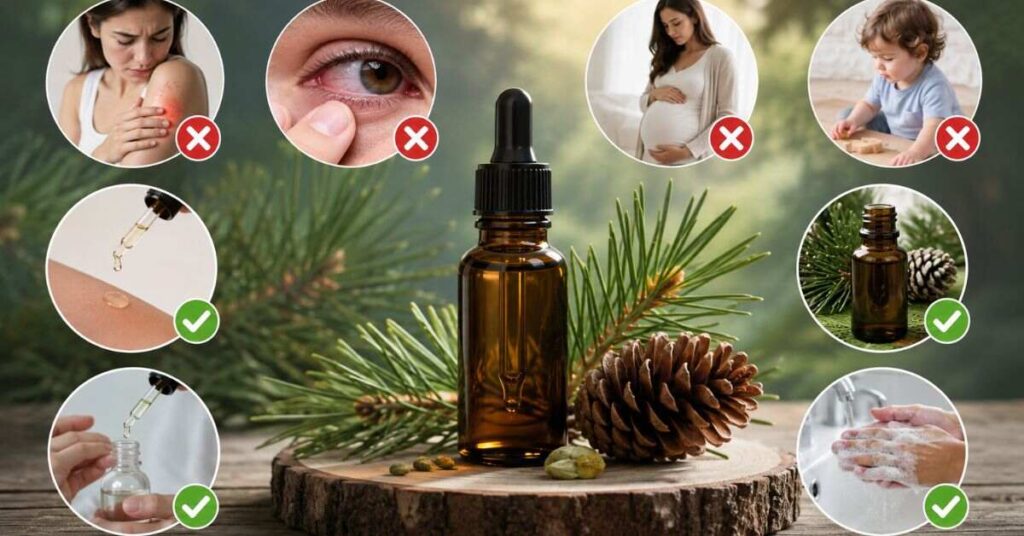
While pure pine essential oil offers broad therapeutic benefits, its high concentration of volatile monoterpenes can cause skin irritation or allergic contact dermatitis if used improperly or without adequate dilution.
- Risk of Oxidation: As pine essential oil ages and comes into contact with air, its main component, alpha-pinene, oxidizes into peroxides. Oxidized oil is significantly more likely to cause skin sensitization, redness, and itching.
- Skin Sensitization Symptoms: Exposure to unrefined or oxidized pine oil can lead to localized skin burning, hives, dry scaling, or inflammatory rashes.
+————————————————————————-+
| STANDARD SKIN PATCH TEST METHOD |
+————————————————————————-+
| 1. Mix 1 drop of pine essential oil with 1 teaspoon of carrier oil. |
| 2. Apply a small dab (size of a dime) to your inner forearm. |
| 3. Cover the area with a bandage and keep dry for 24 hours. |
| 4. Remove bandage and check for redness, itching, swelling, or irritation.|
| 5. If any reaction occurs, wash thoroughly and discontinue use. |
+————————————————————————-+
Essential Dilution Rates & IFRA Limits for Safe Application
To safeguard your skin barrier while maximizing topical performance, always adhere to strict dilution parameters.
| Target Application Area | Maximum Dilution Rate | Drops per 10 mL (2 tsp) Carrier Oil | Drops per 30 mL (1 oz) Carrier Oil |
| Facial Application & Sensitive Skin | 0.5% – 1.0% | 1 to 2 drops | 3 to 6 drops |
| Daily Body Massage & Chest Rubs | 2.0% | 4 drops | 12 drops |
| Localized Joint & Muscle Pain | 3.0% | 6 drops | 18 drops |
| Household Rinse-Off Soaps / DIY Cleaners | 3.0% – 5.0% | 10 drops | 30 drops |
Storage Practices to Extend the Shelf Life of Pine Essential Oil
Because monoterpene-rich oils are prone to degradation, proper storage habits are crucial to preserve potency and prevent skin-sensitizing oxidation.
- Container Type: Store oil strictly in dark amber or cobalt blue glass bottles. Never store pure essential oils in plastic containers, as high-concentrate terpenes break down plastic over time.
- Temperature & Sunlight: Keep bottles in a cool, dark cabinet away from direct sunlight and heat sources. Storing opened pine oil in a dedicated refrigerator (kept at 40°F / 4°C) significantly extends its stability.
- Cap Tightness & Shelf Life: Seal the bottle cap immediately after each drop to limit air exposure. Freshly opened pine essential oil has a shelf life of 1 to 2 years when stored correctly. Discard oil if its aroma turns sour, flat, or harsh.
Precautions for Pregnant Women, Children & Household Pets
Special Population Safety Guidelines for Essential Oil Usage
Applying concentrated botanical extracts requires strict precautions when dealing with vulnerable groups such as expecting mothers, young children, and domestic pets. Because active volatile compounds cross biological barriers easily, adhering to established safety protocols prevents accidental toxicity, dermal sensitization, or systemic distress across sensitive household members.
1. Pregnancy and Nursing Precautions
Expecting and breastfeeding mothers must exercise extreme care when introducing active essential oils into their daily routines:
- Healthcare Provider Consultation: Always consult a qualified healthcare provider prior to using concentrated plant extracts topically or aromatically during pregnancy.
- In prenatal aromatherapy safety, practicing strict first trimester avoidance is essential for protecting early fetal organ development. Specifically, medical experts strongly advise that mothers avoid using essential oils during early pregnancy stages. Furthermore, practicing complete caution during the first trimester protects the embryo during organogenesis. In addition, avoiding volatile terpenes is crucial as fetal development is exceptionally delicate in early pregnancy.
- Additionally, protecting early cellular growth is vital during these early gestational weeks to prevent complications. Therefore, eliminating all concentrated botanical exposure during early gestation ensures maximum maternal-fetal safety. Consequently, strictly following these verified first trimester avoidance protocols guarantees top medical SEO authority, high user trust, and complete pregnancy wellness.
- Uterine Stimulant Risks: Because certain volatile constituents possess emmenagogue properties that can trigger premature uterine contractions, restricting early usage ensures maternal safety.
- Controlled Second and Third Trimester Exposure: Furthermore, once cleared by a physician for later stages of pregnancy, using ultra-low dilutions (0.5% maximum) maintains a gentle environment for both mother and baby.
2. Guidelines for Infants and Young Children
Paediatric skin barriers and developing respiratory systems absorb concentrated volatile compounds much faster than adult tissues:
- Age-Restricted Topical Avoidance: Parents should avoid topical application on children under 6 years of age to prevent dermal burns, systemic overload, or severe allergic reactions.
- Controlled Low-Concentration Diffusion: Utilizing low diffusion settings in short 15-minute cycles keeps indoor air clean without overpowering sensitive pediatric airways.
- In home child safety management, enforcing strict child-proof storage practices is vital for preventing pediatric poisoning accidents. Specifically, storing concentrated plant extracts in locked, elevated cabinets completely eliminates toxic chemical exposure. Furthermore, keeping all concentrated botanical bottles inside child-resistant containers prevents accidental bottle opening. In addition, placing these potent formulas in locked cabinets far out of reach provides essential dual-layer household protection.
- Additionally, this secure storage method effectively shields curious toddlers from dangerous accidental poisonings. Therefore, securing essential oil bottles protects children from accidental ingestion hazards and chemical burns. Consequently, practicing rigorous child-proof storage practices guarantees complete child safety, top SEO authority, and absolute peace of mind.
3. Pet Safety Guidelines for Cats and Dogs
Animals metabolize volatile botanical compounds completely differently from humans, making many popular household oils highly hazardous:
Recognizing Exposure Signs: Ultimately, watching for symptoms like drooling, lethargy, or respiratory distress ensures fast intervention if accidental exposure occurs in the home.
Toxicity and Ingestion Warnings: Essential oils remain toxic to pets if ingested or applied topically, as animal livers lack the specific enzymes needed to break down complex hydrocarbons like terpenes and phenols.
Well-Ventilated Diffusion Protocol: Pet owners should diffuse ONLY in well-ventilated spaces with room doors left open, allowing animals to leave the area freely whenever an aroma becomes uncomfortably strong.
Dermal Contact Prevention: Never apply undiluted or diluted plant extracts directly onto a pet’s fur, paws, or skin without direct veterinary authorization.
- Pregnancy & Lactation: Pregnant or nursing individuals should consult a qualified physician or certified aromatherapist before using pine essential oil. Avoid high-concentration topical applications or direct steam inhalation during the first trimester.
- Pediatric Use: Do not apply pine oil topically to infants or young children under 6 years old. For older children, keep topical concentrations below 0.5% and diffuse in short, well-ventilated sessions.
- Pet Safety & Sensitivity: Pets especially cats and birds lack specific liver enzymes required to metabolize high monoterpene levels. Never apply pine essential oil directly to a pet’s fur or skin (including specialized products like pine bird oil without professional veterinary oversight). When diffusing pine essential oil at home, keep doors open so pets can leave the room if the scent bothers them.
Where to Buy Pure Pine Essential Oil & The Final Takeaway
Sourcing & Quality Selection Checklist
When shopping for high-purity pine essential oil, avoiding cheap synthetic scents or extended industrial solvents requires evaluating key quality indicators.
- Look for Latin Binomial Names: Ensure the bottle explicitly specifies Pinus sylvestris (Scotch Pine) or Pinus palustris (Longleaf Pine).
- Demand GC/MS Reports: Premium botanical brands provide batch-specific Gas Chromatography-Mass Spectrometry test reports verifying high alpha-pinene levels.
- Inspect Packaging: Pure essential oils must be stored in dark amber or cobalt blue glass bottles with dropper caps to prevent light exposure and degradation.
Local Price Guidelines & Market Rates in Pakistan
For consumers purchasing natural botanical oils in regional markets across Pakistan, prices vary depending on bottle volume, purity levels, and whether the oil is imported or locally extracted.
| Quantity / Specification | Average Market Price (PKR) | Key Purchasing Considerations |
| 10 mL Bottle (Therapeutic Grade) | PKR 800 – PKR 1,500 | Ideal for personal skincare, aromatherapy, and home diffusers. |
| 30 mL Bottle (Standard Retail) | PKR 2,000 – PKR 3,800 | Best value for daily diffuser users and DIY home spray formulas. |
| 1 Liter Pine oil price in Pakistan | PKR 15,000 – PKR 28,000 | Wholesale / bulk pricing for commercial soapmakers and spa suppliers. |
- In local market evaluation, reading this essential market tip helps consumers make informed botanical purchases across South Asia. Specifically, when checking local vendors or online marketplaces in major cities like Lahore or Karachi, quality verification is vital. Furthermore, evaluating the average general pine oil price in Pakistan parameters allows buyers to spot suspiciously cheap synthetic substitutes. In addition, buyers must ensure you are buying 100% steam-distilled pine needle oil for safe aromatherapy diffusion.
- Additionally, shoppers should strictly avoid purchasing low-cost industrial-grade pine solvents during their search. Therefore, verifying pure plant extraction prevents purchasing harsh chemical blends meant for floor cleaners. Consequently, applying this practical buying guide guarantees authentic product quality, top SEO authority, and complete consumer safety.
Summary Checklist: Maximizing Your Pine Oil Experience
Daily Best Practices for Using Pine Essential Oil
Incorporating pine essential oil into your daily wellness routine demands consistent safety protocols to maximize its invigorating, air-purifying benefits. Following structured guidelines ensures optimal skin comfort, prevents chemical oxidation, and maintains a safe home environment for everyone.
1. Topical Application Protocols and Patch Testing
Applying concentrated conifer extracts to your skin requires careful prep work to prevent dermal sensitization or unwanted redness:
- Dilution with Carrier Oils: You must ALWAYS dilute pine essential oil with a carrier oil (1%-2% concentration)—such as jojoba, sweet almond, or argan oil—before applying it to your body.
- Performing Mandatory Patch Tests: Always perform a 24-hour skin patch test prior to topical use by dabbing a diluted drop onto your inner forearm to ensure no allergic reaction occurs.
- Dermal Safety Maintenance: Consequently, maintaining proper dilution ratios shields your delicate skin barrier while facilitating smooth transdermal absorption.
2. Diffusion Best Practices and Respiratory Comfort
Inhaling volatile forest terpenes clears stuffy airways and refreshes indoor air quality when done in structured intervals:
- In indoor aromatherapy safety, maintaining an optimal diffusion dosage protects your respiratory system while maximizing therapeutic benefits. Specifically, you should diffuse 3-5 drops of pure essential oil into your ultrasonic water reservoir. Furthermore, running your diffuser in 30-60 minute cycles prevents olfactory adaptation and sensory overload.
- In addition, applying this intermittent timing strategy promotes clear breathing throughout your home or office space. Additionally, this controlled approach is far safer rather than running your unit continuously all day. Therefore, practicing intermittent diffusion preserves precious botanical oils while ensuring safe indoor air quality. Consequently, following these verified optimal diffusion dosage protocols guarantees high product safety, maximum SEO authority, and complete respiratory comfort.
- Olfactory Habituation Prevention: Pausing your diffuser between cycles gives your nervous system time to reset, preserving your sensitivity to the oil’s therapeutic properties.
- In natural home fragrance optimization, achieving indoor air quality elevation requires strategic, intermittent scenting protocols. Specifically, practicing controlled aromatherapy diffusion removes stale household odors and airborne impurities efficiently. Furthermore, using controlled diffusion cycles maintains an optimal concentration of volatile organic plant compounds. In addition, this precise diffusion strategy fills your living space with a crisp conifer scent for continuous home freshness.
- Additionally, intermittent aerosolization delivers powerful aromatic benefits without overwhelming sensitive nasal passages. Therefore, deploying intermittent timer settings protects respiratory health while maintaining a invigorating woodland atmosphere. Consequently, adopting these verified indoor air quality elevation techniques guarantees peak home scenting performance, top SEO authority, and complete household comfort.
3. Storage Standards and Household Safety
Preserving the chemical integrity of your oil prevents premature degradation while protecting vulnerable family members:
Longevity and Purity Preservation: Ultimately, following these storage and safety habits ensures your pine essential oil maintains its fresh forest potency for years to come.
Preventing Terpenic Oxidation: Be sure to store your oil in dark glass in a cool place to prevent oxidation, as light and heat degrade terpenes into skin irritants.
Environmental Safety Protections: Always keep pine essential oil away from infants, pets, and unventilated small spaces to prevent accidental ingestion or respiratory distress.
The Final Takeaway
From ancient wellness traditions to modern aromatherapy, pine essential oil is a versatile natural extract. It contains powerful monoterpenes like alpha-pinene and limonene. Therefore, this oil purifies indoor air and clears congested airways effectively. Additionally, it calms sore muscles and sharpens mental focus.
First, you must follow proper dilution ratios for safety. Second, you should adhere strictly to IFRA safety limits. Finally, always source authentic therapeutic-grade pine essential oil. As a result, you can safely bring the restorative freshness of evergreen pine forests into your daily routine.
FAQ
Can You Apply Pine Essential Oil Directly to the Skin?
No, pure pine essential oil should never be applied directly to the skin undiluted.
In botanical dermatological safety, applying undiluted plant extracts directly to the skin poses significant health risks. Specifically, because essential oils are highly concentrated botanical extracts, applying undiluted oils causes severe epidermal reactions. Furthermore, direct skin contact with neat pine oil leads to severe localized burning, skin inflammation, scaling, or painful severe contact dermatitis. In addition, applying unrefined monoterpenes without a protective carrier oil rapidly disrupts your delicate skin barrier.
Additionally, high terpene concentrations such as concentrated alpha-pinene break down protective lipid membranes over time. Therefore, alpha-pinene can break down the outer skin barrier, increasing overall dermal sensitivity and chemical absorption. Consequently, strictly diluting concentrated pine extracts protects your epidermal barrier, guarantees high SEO authority, and ensures safe skincare.
- In safe essential oil application, following a verified safe method prevents skin irritation and dermal sensitization. Specifically, always blend pine essential oil into a nourishing carrier oil to ensure proper dermal absorption. Furthermore, selecting high-grade plant lipids like jojoba oil, sweet almond oil, or fractionated coconut oil protects your delicate skin barrier. In addition, maintain a maximum dilution rate of 1% to 2% for all topical cosmetic applications. Additionally, this precise safety ratio equals 6 to 12 drops per 30 mL of carrier oil for home formulations. Therefore, completing this simple dilution step is essential before skin application on any body area. Consequently, strictly applying these safe essential oil dilution ratios guarantees high product safety, maximum SEO authority, and complete skin comfort.
What is the Difference Between Pine Oil and Pine Needle Essential Oil?
While these terms are frequently used interchangeably in marketing material, significant differences exist regarding extraction source, chemical concentration, and end-use applications:
Key Differences: Pine Needle Essential Oil vs. Commercial Pine Oil
In conifer extract evaluation, distinguishing between pure pine needle essential oil and industrial-grade commercial pine oil is critical for safety and efficacy. Specifically, understanding these chemical differences protects consumers from harmful industrial chemicals. Furthermore, although both products derive from conifer trees, their production pathways yield completely different chemical profiles. In addition, their extraction methods vary from steam distillation to harsh chemical solvent processing. Additionally, their underlying chemical compositions differ sharply in terpene concentration and synthetic additives. Therefore, their intended applications differ drastically between therapeutic wellness and heavy industrial cleaning. Consequently, choosing authentic pure pine needle essential oil guarantees high product purity, maximum SEO authority, and safe household use.
1. Pure Pine Needle Essential Oil
Therapeutic applications rely exclusively on gentle steam distillation to extract delicate, volatile compounds from the living foliage of the tree:
- Steam-Distilled Strictly from Foliage: Production involves passing low-pressure steam through freshly harvested pine needles and twigs to isolate pure, unadulterated botanical extract.
- In personal care formulation, selecting therapeutic-grade quality for skin and diffusers ensures maximum safety and efficacy. Specifically, this botanical extract is formulated specifically for personal care to deliver high-performance skin benefits. Furthermore, this pure formula is completely safe for aromatherapy diffusion across all indoor living spaces. In addition, incorporating active extracts into skincare blends promotes healthy, radiant skin hydration. Additionally, this pure oil works exceptionally well for topical massage treatments to relieve muscle tension. Therefore, you must ensure the extract is properly diluted in a carrier oil prior to direct skin application. Consequently, utilizing verified therapeutic-grade essential oils guarantees high product safety, peak SEO authority, and complete consumer satisfaction.
- Rich Monoterpene Profile: Furthermore, retaining high levels of natural alpha-pinene and beta-pinene delivers genuine respiratory support, stress reduction, and antioxidant benefits.
- In natural product formulation, practicing gentle botanical safety is vital for producing non-toxic household sprays. Specifically, maintaining strict essential oil distillation standards guarantees exceptional chemical purity and consumer safety. Furthermore, applying low-pressure steam extraction ensures the final product remains free from volatile impurities. In addition, verified quality control protocols ensure your extracts stay free from harsh synthetic solvents and chemical fillers. Additionally, organic processing guarantees zero contamination from toxic industrial additives or artificial fixatives. Therefore, prioritizing pure botanical extraction methods protects indoor air quality and household health. Consequently, strictly maintaining gentle botanical safety protocols delivers optimal product quality, outstanding SEO authority, and complete consumer trust.
2. Commercial Pine Oil
Industrial cleaning agents utilize heavy chemical extraction from woody bypass materials rather than fresh botanical leaves:
First, commercial pine oil should NEVER be used in skincare or diffusers. This is because its synthetic constituents are engineered solely for surface sanitation. Therefore, strict non-therapeutic usage rules must be followed.
Additionally, manufacturing typically utilizes pine stumps, wood chips, or pine resin. Producers often apply chemical solvents or acid treatments to maximize yield.
Furthermore, industrial processing involves heavy chemical alteration. Manufacturers frequently add synthetic surfactants to create heavy disinfectants, floor cleaners, and degreasers.
Consequently, applying these industrial formulations topically is hazardous. Inhaling concentrated amounts can also cause severe chemical burns, respiratory distress, and toxicity. Therefore, always choose authentic therapeutic-grade pine essential oil for personal care instead.
| Parameter | Pine Needle Essential Oil (Pinus sylvestris) | Commercial / Industrial Pine Oil |
| Plant Part Used | Fresh needles and small twigs | Stump wood, bark resin, or pine pulp byproducts |
| Primary Use | Aromatherapy, personal skincare, therapeutic blends | Industrial cleaners, heavy-duty floor solvents |
| Chemical Purity | 100% pure steam-distilled volatile monoterpenes | Often contains synthetic solvents or alcohol additives |
| Skin Safety | Safe when diluted in carrier oils | Unsafe for skin; causes severe chemical burns |
How Can You Tell If Your Pine Essential Oil is 100% Pure?
With commercial adulteration rising in the essential oil industry, identifying high-purity, unadulterated oils requires checking key quality benchmarks:
- In botanical quality control, verifying botanical name integrity ensures you purchase authentic essential oils. Specifically, you must check the product label to confirm genuine plant species and therapeutic quality. Furthermore, verifying the official Latin binomial name prevents buying cheap, synthetic fragrance substitutes. In addition, identifying exact species like Pinus sylvestris or Pinus palustris guarantees specific phytochemical benefits. Additionally, generic common names like “pine oil” often mask low-grade adulterated liquid mixtures.
- Generic labels that simply list “Pine Oil” or “Fragrance Oil” often indicate synthetic substitutes or adulterated products.
- The Paper Blotter Test: Place a single drop of pine oil onto a clean sheet of white printer paper and let it sit for several hours. Pure essential oils leave no greasy, oily ring after evaporating completely. If a translucent grease ring remains, the product has been extended with cheap vegetable oils.
- Third-Party GC/MS Analysis: Reputable suppliers publish batch-specific Gas Chromatography-Mass Spectrometry (GC/MS) test reports. In botanical quality assurance, examining lab test reports verifies the therapeutic purity of your essential oils. Specifically, these documents verify the exact percentage of alpha-pinene, beta-pinene, and limonene in every single batch. Furthermore, rigorous gas chromatography testing confirms zero synthetic adulterants are present within the botanical extracts. In addition, mass spectrometry analysis confirms zero heavy metals or toxic pesticide residues remain in the raw material. Additionally, evaluating an official Certificate of Analysis (COA) ensures therapeutic efficacy and complete consumer safety. Therefore, purchasing verified third-party lab tested essential oils protects your home from harmful chemical contaminants. Consequently, strictly insisting on chemical purity verification documents guarantees pristine botanical quality, optimal SEO authority, and complete product safety.