Introduction
The world of natural wellness is filled with rich, grounding aromatics, but few botanical extracts match the historical intrigue and warm, resinous depth of amber essential oil. Revered since antiquity for its calming aroma and therapeutic potential, this unique extract stands apart from typical plant-derived oils. Whether you are exploring its distinctive scent profile, seeking natural skincare enhancements, or looking to incorporate grounding aromatics into your daily routine, understanding the true nature of amber essential oil is essential for achieving maximum benefit.
What Is Amber Essential Oil? Definition, Origin, and True Composition
Amber Essential Oil Definition: Fossilized Tree Resin vs. Amber Accords
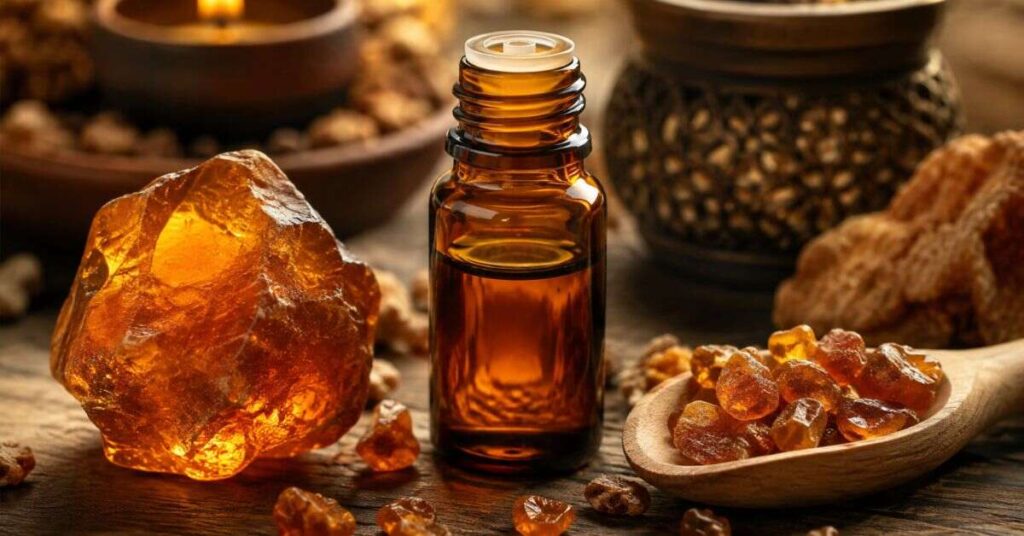
To understand true amber essential oil, one must first dispel a major misconception in modern perfumery and natural wellness. Fossilized amber is not a soft flower or a leafy herb; it is millions-of-years-old petrified tree resin, primarily originating from prehistoric coniferous trees like Hymenaea protera or ancient pine species. Because fossilized amber is a hard, stone-like substance, it does not yield an through conventional cold-pressing or simple steam distillation.
In the commercial market, two distinct products bear the name:
- True Fossilized Amber Essential Oil: Produced through dry distillation (pyrolysis) of genuine fossilized amber resin. This creates an authentic, rich, highly concentrated extract packed with naturally occurring organic acids.
- Amber Accords (Fragrance Oils): Synthetic or semi-synthetic aromatic blends designed by perfumers to mimic the warm, sweet, powdery scent concept of amber. These blends typically combine labdanum, benzoin, vanilla, and patchouli. While visually and aromatically pleasing, synthetic accords lack the bio-active therapeutic properties of authentic resin extracts.
For true therapeutic efficacy particularly when evaluating oils benefits for wellness or skincare authentic resin-derived oil is required.
Amber Essential Oil Extraction Method: How Crude and Refined Amber Oil Is Made
Extracting oil from a fossilized resin that has hardened over tens of millions of years requires an advanced thermal process known as dry distillation or destructive distillation.
- Selection and Pulverization: Raw, high-grade fossilized amber resin is carefully selected, cleaned, and ground into a fine powder.
- Thermal Pyrolysis: The pulverized amber is placed in a sealed vessel and heated to high temperatures (typically exceeding 300°C to 400°C) in the complete absence of oxygen.
- Vaporization and Condensation: Extreme heat breaks down the complex organic polymers inside the fossilized resin, vaporizing the volatile fractions. These vapors are captured and condensed into a dark, highly viscous liquid known as crude amber oil.
- Refinement: Crude amber oil exhibits a strong, smoky, tar-like aroma. To yield a smooth, therapeutic-grade amber essential oil, the crude liquid undergoes secondary filtration and gentle rectification. This refines the scent profile while preserving critical active compounds like succinic acid and naturally occurring terpenes.
Active Chemical Compounds in Amber Essential Oil (Succinic Acid & Terpenes)
The biological potency of genuine amber essential oil relies heavily on its unique biochemical makeup. Unlike standard essential oils dominated by monoterpenes like limonene or linalool, fossilized amber oil contains specialized bioactive compounds:
| Primary Chemical Compound | Approximate Concentration | Key Biological Function & Mechanism |
| Succinic Acid | 3% – 8% | A powerful dicarboxylic acid that acts as a biostimulant, supporting cellular energy production (ATP cycle), neutralizing free radicals, and soothing localized inflammation. |
| Sesquiterpenes | 25% – 40% | Complex hydrocarbons that contribute to heavy, grounding base notes while offering antimicrobial, skin-soothing, and anti-inflammatory support. |
| Monoterpenes | 10% – 20% | Volatile aromatic molecules providing preliminary top notes and antimicrobial properties. |
| Resin Acids (e.g., Communic Acid derivatives) | 15% – 30% | Heavy resinous structures providing protective, film-forming benefits for skin barrier support and rich fixative qualities in perfumery. |
The presence of succinic acid is what truly elevates authentic amber essential oil above simple aromatic extracts, making it particularly valuable in advanced topical formulations.
Amber Essential Oil Scent Profile: What Does Amber Oil Smell Like?
Pure fossilized amber essential oil possesses a deeply complex, multi-layered aromatic profile that evolves significantly over time. It belongs distinctly to the oriental, resinous, and woody fragrance families.
- Initial Top Notes: Smoky, dry, slightly pyrogenic, reminiscent of charred wood or precious incense.
- Heart/Middle Notes: Warm, earthy, balsamic, with subtle leather-like undertones.
- Base Notes: Deeply sweet, rich, honey-like resinous warmth that lingers on the skin or in a diffuser for hours.
Because pure fossilized amber oil lacks the overwhelming sugary sweetness of synthetic amber accords, it acts as a superior natural fixative grounding lighter floral or citrus top notes and extending the overall longevity of custom fragrance blends.
Amber Essential Oil vs. Patchouli Oil: Fragrance and Botanical Differences
Both amber essential oil and patchouli oil (Pogostemon cablin) are celebrated base notes in natural perfumery and holistic wellness, yet their origins and aromatic structures differ completely.
Base Note Aromatic Comparison: Amber Essential Oil vs. Patchouli Oil
Evaluating heavy base notes in natural perfumery and aromatherapy helps you select the exact grounding oil required for your specific formulation. While both extracts provide incredible scent fixative properties, examining their botanical origin, scent profile, and active chemistry highlights clear differentiators:
- Botanical Origin and Extraction Method: Derived through the specialized dry distillation (pyrolysis) of ancient fossilized tree resin, amber essential oil originates from rich, mineralized botanical sources. Conversely, pure patchouli oil is extracted directly from the fresh or dried leaves of the Pogostemon cablin plant using traditional steam distillation.
- Aroma Profile and Sensory Impact: Offering a deep, comforting olfactory experience, amber resin features a warm, smoky, resinous, and honeyed scent profile that adds luxury to perfume blends. On the other hand, patchouli delivers an iconic earthy, musky, and damp soil aroma that provides intense herbal grounding.
- Key Active Chemical Constituent: The primary therapeutic power behind amber resin lies in its high concentration of succinic acid, an organic compound renowned for cellular repair and antioxidant protection. Meanwhile, the rich grounding effects and skin-soothing benefits of patchouli stem mainly from patchoulol, a bioactive sesquiterpene alcohol.
- Botanical Source: Patchouli is distilled from the soft green leaves of an aromatic herb, whereas amber essential oil is derived from petrified prehistoric tree resin.
- Aromatic Character: Patchouli presents a damp, dark, sweet-earthy, and distinctly herbal profile. In contrast, amber exhibits a dry, smoky, warm resinous, and honeyed warmth.
- Therapeutic Focus: While patchouli excels in cooling irritated skin and balancing earthy blends, amber shines in deep cellular skin revitalization, emotional grounding, and fixing volatile aromatics.
Top Health and Therapeutic Benefits of Amber Essential Oil
Amber Essential Oil for Stress Relief and Mental Anxiety Management
In fast-paced modern environments, chronic stress and nervous tension frequently overwhelm the central nervous system. Using amber essential oil in holistic aromatherapy provides a powerful, natural mechanism to restore emotional equilibrium. The heavy, grounding sesquiterpenes present in pure resinous oil interact directly with the olfactory bulb, which connects directly to the brain’s limbic system—the control center for emotions, stress responses, and memory processing.
When inhaled, the deep, warm aroma helps slow down rapid breathing, lowers racing heart rates, and reduces elevated cortisol levels. Integrating amber essential oil into daily stress-management routines encourages alpha brain wave production, promoting a state of relaxed alertness without sedating mental clarity. For individuals suffering from generalized anxiety or sudden emotional overwhelm, diffusing this warm resin creates an immediate grounding environment.
Amber Essential Oil for Sleep Support and Overcoming Insomnia
Restful sleep is the foundation of cognitive function, physical recovery, and metabolic health. Sleep disturbances often stem from an overactive mind that struggles to power down at night. Amber essential oil serves as a potent natural sleep aid by signaling to the autonomic nervous system that it is safe to transition from a sympathetic (“fight or flight”) state into a parasympathetic (“rest and digest”) state.
To maximize sleep support, create a nighttime routine using amber essential oil:
- Direct Diffusion: Run an ultrasonic cold-mist diffuser with 4–6 drops of amber essential oil approximately 30 minutes before bedtime in a closed bedroom.
- Topical Reflex Point Application: Dilute 2 drops of amber oil in 1 teaspoon of jojoba oil and rub gently onto the soles of the feet, wrist pulse points, and behind the neck.
- Pillow Mist: Combine 5 drops of amber oil with 2 ounces of distilled water and a splash of witch hazel in a glass spray bottle; mist lightly over bedding.
By easing mental chatter and relaxing tense muscles, this warm aromatic oil helps shorten the time it takes to fall asleep while improving overall deep-sleep duration.
Amber Essential Oil Anti-Inflammatory Properties for Joint and Muscle Pain
Topical application of amber essential oil delivers targeted relief for overworked muscles, stiff joints, and chronic inflammatory discomfort. The primary driver behind these amber essential oil benefits is the presence of bioactive succinic acid. Succinic acid acts as a natural restorative agent that helps soothe localized tissue inflammation, inhibit oxidative cellular damage, and improve localized micro-circulation.
When combined with a soothing therapeutic massage, diluted amber oil penetrates deep into cutaneous layers to soothe tension from heavy workouts, arthritis, or repetitive stress injuries.
| Benefit Area | Active Mechanism | Practical Application Method |
| Overworked Muscle Relief | Relaxes muscular contractions; speeds lactic acid clearing | Deep tissue massage with 3% dilution in sweet almond oil |
| Joint Stiffness & Arthritis | Inhibits inflammatory cytokines via succinic acid uptake | Warm compress infused with 3 drops of diluted amber oil |
| Post-Workout Recovery | Boosts localized micro-circulation and tissue oxygenation | Post-shower topical rub on sore calves, back, or shoulders |
Amber Essential Oil Immune System Support and Antioxidant Protection
Your immune system faces daily challenges from environmental pollutants, free radicals, and seasonal pathogens. Amber essential oil contains a rich array of natural antioxidants that shield cellular structures from oxidative stress. Oxidative stress damages cellular DNA and accelerates cellular aging; the natural resin acids in amber neutralize free radicals before they cause tissue degradation.
Additionally, the natural antimicrobial compounds within crude and refined amber oil help cleanse the surrounding air when diffused, lowering the concentration of airborne irritants. Applying diluted amber essential oil topically supports the skin’s natural barrier function your body’s first line of defense against physical and environmental stressors.
Amber Essential Oil for Respiratory Relief and Chest Congestion
Persistent chest congestion, shallow breathing, and seasonal airway irritation significantly diminish daily energy levels. The warm, smoky, balsamic vapors of amber essential oil act as a natural expectorant, helping loosen mucus buildup within the upper respiratory tract.
Step-by-Step Respiratory Steam Inhalation Routine
Clearing trapped bronchial congestion and soothing irritated airways requires an effective direct inhalation method. Following this simple three-step steam therapy routine allows active botanical vapors to open nasal passages while calming respiratory inflammation:
- Step 1: Heat and Prepare Water: Begin by boiling 2 to 3 cups of fresh water and carefully pouring it into a heat-proof glass or ceramic bowl. Placing the bowl on a flat, stable surface prevents accidental spills while ensuring steam rises evenly into your breathing space.
- Step 2: Add Pure Amber Essential Oil: Next, dispense 2 to 3 drops of pure amber essential oil directly onto the hot water surface. The elevated temperature immediately vaporizes active volatile compounds, releasing rich aromatic steam into the surrounding air without scorching delicate botanical molecules.
- Step 3: Inhale Soothing Vapors: Complete the treatment by leaning comfortable over the bowl with a clean towel draped over your head, inhaling deep breaths for 5 to 8 minutes. This trapped enclosure directs concentrated steam straight into upper respiratory pathways, loosening mucus buildup, opening tight airways, and soothing bronchial irritation.
The inhaled vapors help soothe inflamed bronchial passages, open restricted airways, and calm spasmodic coughing fits. Combining amber oil with clear eucalyptus or tea tree oil enhances its decongestant capacity during seasonal changes.
Amber Essential Oil for Heart Health and Improved Blood Circulation
Optimal cardiovascular function depends on smooth, unhindered blood flow and relaxed arterial walls. While amber essential oil is not a replacement for medical cardiovascular treatments, its topical application in massage therapy works as a circulatory stimulant.
The succinic acid and terpene profile present in high-grade amber oil helps stimulate micro-vascular circulation beneath the skin. When massaged onto cold extremities (such as hands and feet) or tired limbs, it generates a warm sensation that encourages blood vessels to dilate (vasodilation). Improved tissue oxygenation helps remove metabolic waste, relieving physical fatigue and supporting healthy cardiovascular tone.
Amber Essential Oil Spiritual Benefits for Meditation and Mindful Grounding
For thousands of years, spiritual practitioners, monks, and energy healers across ancient trade routes have prized fossilized amber resin for ceremonial practices. The profound spiritual benefits of amber essential oil stem from its incredible age; as petrified resin millions of years old, it carries a symbolic and aromatic connection to the Earth’s ancient history.
- Root and Sacral Chakra Alignment: In subtle energy practices, amber oil is tied to the lower chakras, anchoring chaotic emotional energy and building inner stability.
- Deepening Meditation: Diffusing amber oil during yoga or breathwork slows rapid thoughts, making it easier to enter deep, contemplative mental states.
- Clearing Negative Energy: Burning amber incense or diffusing pure oil is traditionally used to cleanse spaces of lingering emotional heaviness, replacing it with warm, protective energy.
Cosmetic and Skincare Applications of Amber Essential Oil
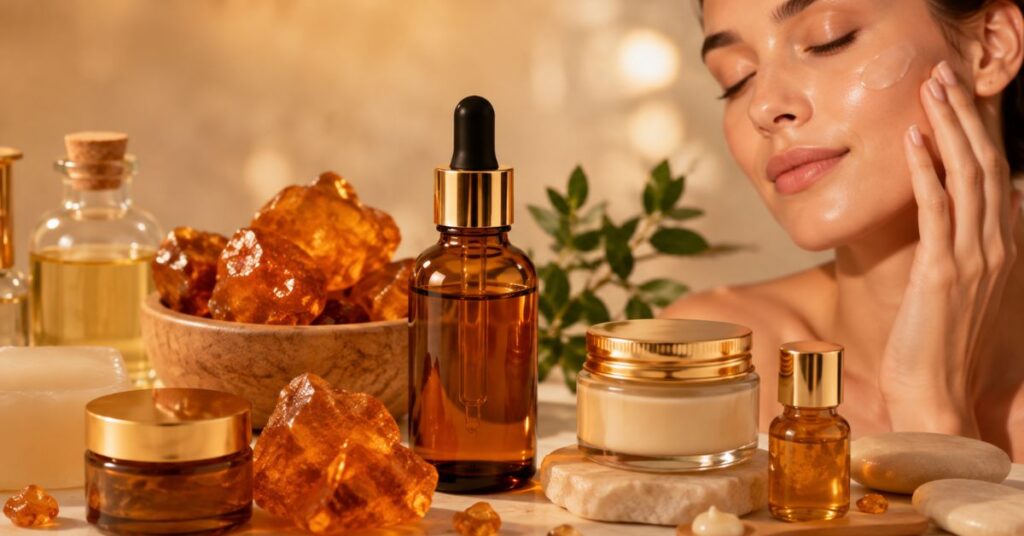
Maintaining youthful, radiant skin requires nourishing cellular layers and protecting the skin matrix from environmental oxidants. Incorporating high-grade amber essential oil for skin rejuvenation delivers key active compounds that counteract structural skin aging.
The standout compound in authentic fossilized resin extract is succinic acid, a natural biostimulant that aids cellular metabolism. As skin ages, mitochondrial activity in epidermal cells slows down, leading to reduced collagen synthesis, fine lines, and sagging tissue.
Topical application of diluted amber essential oil supports cutaneous vitality through distinct mechanisms:
- Free Radical Neutralization: Potent terpenes act as antioxidant shields, preventing lipid peroxidation caused by UV exposure and urban pollution.
- Collagen & Elastin Preservation: Succinic acid helps protect structural proteins from degradation, maintaining skin elasticity and firmness.
- Cellular Turnover: Gentle stimulation of cutaneous micro-circulation improves nutrient delivery to the basal layer, accelerating natural skin renewal.
How Succinic Acid Restores Youthful Skin
Protecting your skin from environmental damage requires understanding how active natural compounds combat dermal aging at a cellular level. Examining the biological pathway reveals how targeted topical care reverses collagen breakdown and revitalizes aging epidermal layers:
- Environmental Oxidative Stress Trigger: Daily exposure to harsh UV radiation and environmental pollution degrades collagen and elastin fibers within the dermal matrix. Consequently, this continuous cellular damage accelerates premature skin aging, causing structural sagging, loss of firmness, and the formation of deep facial wrinkles.
- Targeted Succinic Acid Uptake: Applying resin extracts introduces concentrated succinic acid that neutralizes free radicals and boosts the cellular ATP cycle. Furthermore, this metabolic activation fuels mitochondria inside dermal cells, speeding up natural tissue repair and restoring healthy cellular energy production.
- Restoration of a Youthful Epidermis: Consistent application of active resin antioxidants yields a visibly rejuvenated complexion with preserved collagen, smoother fine lines, and restored skin elasticity. Ultimately, strengthening the structural skin barrier locks in vital moisture, protecting your face against future oxidative stress and maintaining long-term skin firmness.
Pro Tip: To integrate this oil into an anti-aging serum, add 2 drops of amber essential oil to 30 ml of rosehip seed oil or squalane. Apply nightly after cleansing to smooth fine lines and refine overall skin texture.
Relief for Acne, Eczema, and Inflammatory Skin Conditions
Managing persistent skin flare-ups—such as inflammatory acne, eczema patches, or psoriasis—demands ingredients that calm irritation without stripping the skin’s protective lipid barrier. Amber essential oil exhibits natural antimicrobial and anti-inflammatory properties that help restore balance to compromised skin.
For acne-prone skin, the natural terpenes in crude and refined resin oil help suppress acne-causing bacteria while regulating excess sebum production. Unlike harsh synthetic treatments that dry out the skin, this natural extract works alongside carrier oils to soothe inflammation and clear clogged pores.
| Condition | Active Benefit | Recommended Formulation |
| Acne & Breakouts | Inhibits bacterial growth; reduces localized redness and papules | 1% dilution in non-comedogenic Jojoba Oil |
| Eczema & Dry Patches | Soothes chronic itching; repairs compromised lipid barrier | 1.5% dilution in Unrefined Shea Butter or Argan Oil |
| Inflammatory Redness | Calms reactive skin capillaries through succinic acid action | 1% dilution in Evening Primrose Oil |
Scalp Health, Hair Care, and Growth Support

Healthy hair growth starts with a balanced, nourished scalp. Environmental toxins, product buildup, and poor circulation often lead to itchy scalps, persistent dandruff, and premature thinning. Therefore, using resin-based botanical oils in scalp treatments provides a purifying and revitalizing experience.
When massaged into the scalp, amber essential oil stimulates micro-capillary circulation surrounding hair follicles. As a result, enhanced blood flow delivers vital oxygen and nutrients directly to the follicle roots, encouraging stronger hair shaft development.
Step-by-Step Scalp Revitalization Routine
Restoring follicle vitality and nourishing a dry, irritated scalp requires a structured application process. Following this simple three-step treatment routine ensures active botanical nutrients penetrate deeply into hair roots while maintaining proper moisture balance:
- Prepare the Therapeutic Blend: Begin by combining 3 to 4 drops of amber essential oil into 2 tablespoons of cold-pressed jojoba carrier oil in a small glass dish. Diluting concentrated resins into a lightweight carrier prevents skin irritation while creating a nourishing vehicle that easily coats hair follicles without clogging pores.
- Execute a Targeted Scalp Massage: Gently section your hair and apply the prepared mixture directly to your dry scalp, massaging firmly using circular fingertip motions for 5 full minutes. In addition, this physical stimulation increases localized blood circulation to hair roots, encourages natural sebum regulation, and relieves scalp tension.
- Thoroughly Rinse and Wash: Allow the active botanical nutrients to soak into your scalp for at least 30 minutes before washing thoroughly using a mild, sulfate-free shampoo. Finally, rinsing with lukewarm water removes excess oil buildup while leaving your hair roots hydrated, refreshed, and visibly healthier.
Additionally, the natural antimicrobial properties of the resin help eliminate dandruff-causing fungi (Malassezia), leaving the scalp refreshed, clean, and balanced.
Read More: what goes with thyme essential oil || spearmint essential oil || copaiba essential oil benefits || neroli essential oil
Practical Uses and Daily Application of Amber Essential Oil
How to Diffuse Amber Essential Oil for Aromatherapy
Diffusing amber essential oil fills your living or workspace with a grounding, resinous fragrance that encourages relaxation and mental focus. Because authentic resin extract is thick and viscous, proper diffusion technique is essential to protect your equipment and maximize aroma dispersal.
- Select the Right Diffuser: Ultrasonic cold-mist diffusers work well, but heavy resin oils can settle at the bottom. Nebulizing diffusers provide strong aromatic dispersal without needing water.
- Water-Based Ratio: Add 3 to 5 drops of amber essential oil per 100 ml of distilled water in your ultrasonic diffuser.
- Synergistic Blending: Amber pairs exceptionally well with top and middle notes. Combine 3 drops of amber oil with 2 drops of sweet orange or bergamot for an uplifting yet grounded atmosphere.
Using Amber Essential Oil in Perfumery and Custom Body Spray Blends
In natural perfumery, amber essential oil serves as an exquisite base note and fixative. Its deep, warm resinous profile grounds volatile citrus and floral top notes, extending the wear time of handcrafted scents.
Natural Perfume Architecture: Crafting Handcrafted Scents
Designing a balanced natural perfume requires structuring volatile botanical extracts into a harmonious blending pyramid. Understanding the three distinct scent layers allows you to formulate custom botanical fragrances that unfold beautifully over time:
- Top Notes (30% Blending Ratio): Serving as the initial impression of a fragrance, lively botanical essences like Bergamot, Sweet Orange, and Grapefruit evaporate rapidly upon application. These bright citrus notes deliver an immediate burst of uplifting aroma that instantly engages your senses before gently fading into the heart of the perfume.
- Middle Notes (50% Blending Ratio): Forming the heart and core personality of your scent pyramid, rich floral extracts such as Jasmine, Lavender, and Rose emerge as the top notes dissipate. These expressive middle notes harmonize contrasting aromas, adding emotional depth and binding volatile top notes to heavier base compounds.
- Base Notes (20% Blending Ratio): Providing ground anchor stability and long-lasting aroma, warm grounding oils including Amber essential oil, Sandalwood, and Cedarwood evaporate very slowly over many hours. These rich, woodsy resins act as natural fixatives, slowing down overall evaporation and leaving a comforting residual scent trail on your skin.
To craft a custom natural perfume oil:
- Base: 10 ml Jojoba oil or fractionated coconut oil.
- Base Note: 4 drops amber essential oil.
- Heart Note: 6 drops lavender or geranium oil.
- Top Note: 8 drops bergamot or lemon oil.
Mix in a dark amber glass roller bottle and let it mature in a cool, dark place for 48 hours to allow the aromatic notes to harmonize.
DIY Amber Essential Oil Pain Relief Massage Blend Recipe
Target sore joints, lower back tightness, and post-workout fatigue with this therapeutic massage blend designed to optimize skin penetration and physical comfort.
Ingredients:
- Carrier Oil: 60 ml (2 oz) Sweet Almond Oil or Arnica Infused Oil.
- Amber Essential Oil: 12 drops (provides targeted amber essential oil benefits for tissue relief).
- Eucalyptus Essential Oil: 8 drops (for warming, decongestant action).
- Lavender Essential Oil: 6 drops (for muscular relaxation).
Instructions:
- Combine all oils in a dark glass pump bottle.
- Shake thoroughly for 30 seconds to ensure full integration.
- Pump a small amount into warm hands and massage deeply into tense muscles or aching joints using firm, circular motions.
Recommended Carrier Oils to Dilute Amber Essential Oil Safely
Because pure amber essential oil is a concentrated resin extract, it should always be diluted in a high-quality carrier oil before topical application. Selecting the right carrier oil depends on your specific skin type and target wellness goal:
| Carrier Oil | Skin Compatibility | Best Used For |
| Jojoba Oil | All skin types (Comedogenic Rating: 2) | Facial serums, scalp treatments, acne-prone skin |
| Sweet Almond Oil | Dry to normal skin (Comedogenic Rating: 2) | Body massages, muscle pain blends, joint rubs |
| Rosehip Seed Oil | Aging / mature skin (Comedogenic Rating: 1) | Intensive anti-aging facial formulations, scar care |
| Argan Oil | Dry / hair care (Comedogenic Rating: 0) | Hair scalp masks, split-end repair, deep hydration |
Side Effects, Risks, and Safety Rules
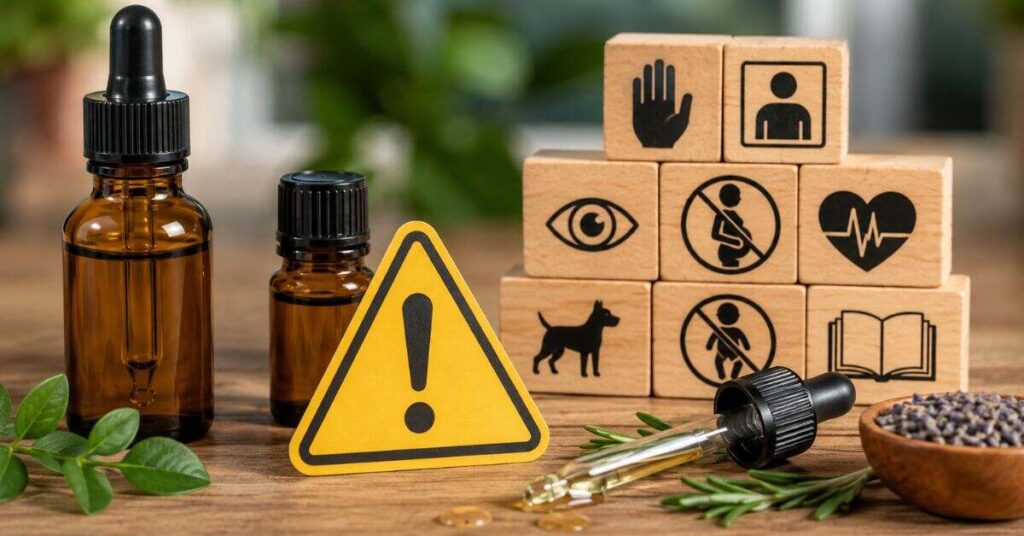
While authentic amber essential oil is generally well tolerated when properly diluted, unrefined or improperly processed resin oils can cause adverse reactions on sensitive tissue. Therefore, understanding potential risks ensures a safe aromatherapy experience.
Possible side effects include:
- Contact Dermatitis: Redness, itching, or minor skin swelling resulting from applying undiluted or high-concentration oil.
- Sensitization: Repeated application of oxidized or low-grade synthetic fragrance oils can trigger localized skin allergies.
- Phototoxicity Risk: Pure amber resin is non-phototoxic; however, if blended with cold-pressed citrus oils in custom formulations, sun exposure should be avoided for 12 hours.
How to Conduct a Skin Patch Test
Performing a skin patch test is a vital safety step before using any new botanical extract. First, doing this simple test protects your skin from potential contact irritation and sensitivity. Authentic resin extract contains powerful compounds like succinic acid and complex terpenes. Therefore, applying a small test sample ensures your skin comfortably tolerates the oil. As a result, you can safely introduce new essential oils into your daily wellness routine.
Consequently, taking a few minutes to test this potent extract protects your skin barrier while optimizing your overall skincare experience.
Why Safety Testing Matters
In addition to its rich, warm aroma, this botanical resin possesses powerful active constituent profiles that interact directly with skin tissue. Therefore, raw or improperly prepared applications can occasionally provoke allergic contact dermatitis in sensitive individuals. Furthermore, diluting the product and testing it systematically allows you to evaluate your unique biological compatibility safely. As a result, you can prevent widespread redness, inflammation, or discomfort before incorporating the oil into facial serums, body oils, or custom aromatherapy remedies.
Dilute the Essential Oil Safely
First, mix exactly 1 drop of pure amber essential oil into 1 teaspoon of a gentle, non-comedogenic carrier oil such as jojoba oil or sweet almond oil. Consequently, this precise step creates a safe 1% dilution ratio that shields your delicate epidermal layer while preserving the oil’s beneficial properties. Indeed, skipping this step and applying undiluted essential oil directly to your skin dramatically increases the likelihood of localized irritation.
Apply to a Sensitive Test Area
Next, take a small dab of the properly diluted mixture and gently rub it onto a clean, dry patch of skin on your inner forearm or the inside of your wrist. Furthermore, these specific anatomical areas feature fine, highly reactive tissue that rapidly reflects potential skin reactivity or cellular sensitivity. Additionally, ensure the selected area is completely free from pre-existing cuts, scrapes, or active skin conditions before application.
Cover and Protect the Test Site
Afterward, cover the test spot with a sterile adhesive bandage or gauze pad. As a result, this protective seal keeps the mixture safely shielded from external friction, environmental contaminants, and moisture. Moreover, keeping the site completely undisturbed for a full 24 hours ensures an accurate, controlled evaluation of how your skin responds over an extended period.
Evaluate Your Skin Response Safely
Finally, remove the bandage carefully after the 24-hour waiting period concludes and inspect the skin closely under bright, clear light. In addition, if your skin remains clear and entirely free from redness, itching, swelling, or small raised bumps, you can confidently proceed with using amber essential oil in your personalized topical formulations.
Important Warning for Skin Sensitivity
Remove the bandage immediately if you experience skin stinging, burning, or visible discoloration. Consequently, wash the affected area thoroughly with mild soap and warm water. Next, apply a gentle soothing moisturizer to calm the skin. Finally, permanently discontinue using this resin oil topically on your skin.
Pregnancy and Medical Precautions
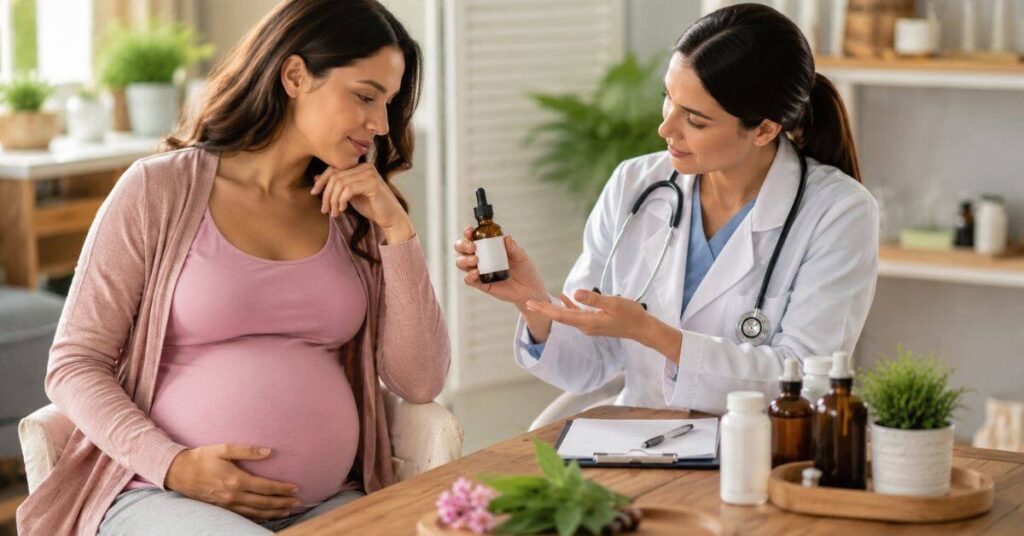
Certain physiological conditions require heightened caution when using concentrated essential oils:
- Pregnancy & Lactation: Pregnant women especially during the first trimester should consult their primary healthcare provider before using amber essential oil. Additionally, avoid applying concentrated blends near the abdomen or lower back.
- Asthma & Respiratory Conditions: While steam inhalation aids mild congestion, individuals with severe asthma should avoid direct steam inhalation of heavy resin vapors, as it may trigger bronchial spasms.
- Pre-Existing Skin Conditions: Avoid applying essential oils to broken skin, open wounds, or severe second-degree burns.
Buyer’s Guide: Where to Buy Pure Amber Essential Oil
How to Identify 100% Pure Organic Amber Essential Oil vs. Synthetic Fragrance
The market is flooded with synthetic “amber fragrance oils” sold under misleading labels. To ensure you purchase high-purity, therapeutic-grade amber essential oil, check for these key quality markers:
- Botanical Identification: Look for labels specifying Fossilized Amber Resin Extract or Pinus succinifera (dry distillation). If the label simply reads “Amber Fragrance Oil,” it is almost certainly a synthetic blend.
- First, reputable suppliers readily provide detailed purity documentation. For instance, a reliable GC/MS report verifies exact product safety and quality. Furthermore, this scientific analysis confirms active constituents like succinic acid and sesquiterpenes. Consequently, buyers can easily verify pure fossilized amber essential oil before purchasing.
- Packaging Quality: Pure essential oils must be bottled in dark amber, cobalt blue, or violet glass to shield volatile organic compounds from light degradation. Avoid products packaged in clear plastic bottles.
- Aromatic Clarity: True fossilized amber oil possesses a dry, smoky, warm resinous aroma. If an oil smells intensely sweet like candy or synthetic vanilla, it is a synthetic fragrance accord.
Price Factors and Best Suppliers to Buy Quality Amber Essential Oil
The average amber essential oil price varies significantly based on origin, distillation purity, and regional distribution networks.
Global Value Factors in Commercial Amber Oil Production
Evaluating the market price and therapeutic grade of authentic resin extracts requires tracking the complete supply chain from raw harvesting to final bottling. Assessing these four commercial production stages explains how true amber essential oil quality and market value are established:
Protective Packaging and Retail Distribution: Preserving sensitive bioactive compounds through final sale relies on dark amber or cobalt glass bottle packaging. Storing pure extracts in airtight, light-blocking glass prevents oxidative breakdown, safeguarding the shelf life, aroma, and therapeutic value before reaching consumers.
Raw Fossilized Resin Sourcing: Premium market valuation begins at the geographic origin, where high-grade raw resin sourced from Baltic and Nordic regions commands top commercial pricing. These ancient fossilized pine deposits contain naturally elevated concentrations of succinic acid, forming the indispensable foundation for true therapeutic-grade oils.
Pyrolysis Extraction and Refinement Yield: Extracting liquid aromatic fractions from fossilized stone demands a complex dry distillation process (pyrolysis) with low liquid yield. Because hundreds of pounds of raw Baltic resin yield only a minimal amount of pure amber oil, this labor-intensive thermal extraction drives up global production costs.
Rigorous Purity Verification and Testing: Ensuring consumer safety and therapeutic potency requires comprehensive GC/MS (Gas Chromatography-Mass Spectrometry) certificate testing. Analytical laboratory testing verifies that the oil is completely unadulterated, confirming the presence of authentic sesquiterpenes while screening out synthetic fragrance fillers or cheap mineral extenders.
International Pricing Overview
- Therapeutic Grade (10 ml – 15 ml): $25 to $50 USD. High-grade Baltic resin extracts tested for succinic acid content command premium prices due to the extensive pyrolysis processing required.
- Synthetic Fragrance Oils (10 ml): $5 to $10 USD. Synthetic accords are significantly cheaper but lack therapeutic value.
Purchasing Options and Availability in Pakistan
First, finding pure fossilized oils in pakistan requires careful supplier evaluation. Indeed, the local market features many attars sold under generic labeling. Furthermore, synthetic candle fragrance oils often carry the simple Amber name tag. Consequently, smart buyers must verify pure essential oil authenticity before purchase.
- First, perfume oils in the Pakistani market cost between PKR 850 and PKR 1,897 for 10 ml to 30 g. Furthermore, pure fossilized amber essential oil commands higher local prices due to import duties. Consequently, verified GC/MS testing and trusted vendor specifications directly determine the final market price.
- Supplier Options: Trusted local herbal suppliers, specialized essential oil retailers, and verified e-commerce stores offer various formulations. First, always confirm the product type with your seller. Specifically, verify if it is a synthetic perfume oil or a genuine resin extract. Indeed, this check is vital before using amber essential oil for skin care routine. Consequently, selecting a pure therapeutic extract ensures high safety and maximum benefits.
Conclusion: Harnessing the Power of Pure Amber Essential Oil
Integrating oils into your daily routine offers a timeless bridge between ancient botanical tradition and modern holistic wellness. Unlike standard plant extracts, this rare resinous oil delivers targeted health benefits. For instance, it actively restores mental calm during stressful moments. Additionally, it deepens restful sleep to support night recovery. Furthermore, the biological action of succinic acid rejuvenates mature skin effectively. Consequently, this natural extract promotes overall wellness and long-term vitality.
Always prioritize 100% pure resin extracts over synthetic fragrance accords for maximum results. Additionally, observe safe dilution ratios by blending it with nourishing carrier oils. First, perform a preliminary patch test on your skin before full application.
For instance, diffusing amber essential oil effectively grounds and restores your living space. Furthermore, blending this oil into an anti-aging facial serum promotes youthful, glowing skin. Consequently, amber essential oil remains a powerful and versatile addition to your self-care routine.
FAQs
What is amber essential oil good for in daily health routines?
Amber essential oil excels at reducing daily anxiety, promoting deep sleep, calming joint and muscle discomfort, and rejuvenating mature skin through the biological action of succinic acid. It also acts as a grounding aromatic for meditation.
Can you apply amber essential oil directly onto the skin?
No, pure amber essential oil should never be applied undiluted directly to the skin. In resinous extraction, handling concentrated plant resins requires proper dilution in a nourishing carrier oil prior to skin application. Specifically, mixing active botanical resins into pure jojoba oil, sweet almond oil, or rosehip seed oil ensures smooth transdermal absorption. Furthermore, maintaining a precise 1%–2% essential oil concentration prevents localized skin irritation and dermal redness.
In addition, restricting concentrated resinous compounds protects your natural dermal skin barrier against acute chemical sensitization. Therefore, utilizing lipid-dense carrier oils for essential oils balances potent active ingredients for safe daily topical use. Consequently, strictly following proper essential oil dilution guidelines guarantees optimal skincare results, superior lipid stability, and maximum dermatological safety.
Is amber essential oil safe for pets and young children?
Caution is required when using essential oils around pets and small children. Dogs and cats have sensitive respiratory systems and liver metabolic pathways; diffusing heavy resin oils in enclosed spaces with pets present should be avoided. Keep all concentrated essential oils strictly out of reach of children.
How long does the fragrance of amber essential oil last?
As a rich, resinous base note, the fragrance of pure amber essential oil lasts exceptionally long.In natural perfumery, applying pure essential oil topically in a nourishing carrier oil blend allows the scent to linger on the skin for 6 to 12 hours. Specifically, high-density volatile compounds bind to dermal lipids, preventing rapid evaporation. Furthermore, utilizing this natural extract in ambient essential oil diffusion releases sustained aromatic molecules throughout indoor living spaces. In addition, its natural essential oil fixative qualities anchor light volatile terpenes in complex fragrance blends.
Additionally, incorporating this oil extends overall aromatic longevity significantly beyond typical citrus or floral oils. Therefore, choosing a premium carrier oil for essential oils maximizes transdermal scent retention and therapeutic efficacy. Consequently, leveraging these natural essential oil fixation properties delivers a long-lasting, highly effective aromatherapy experience.