Introduction
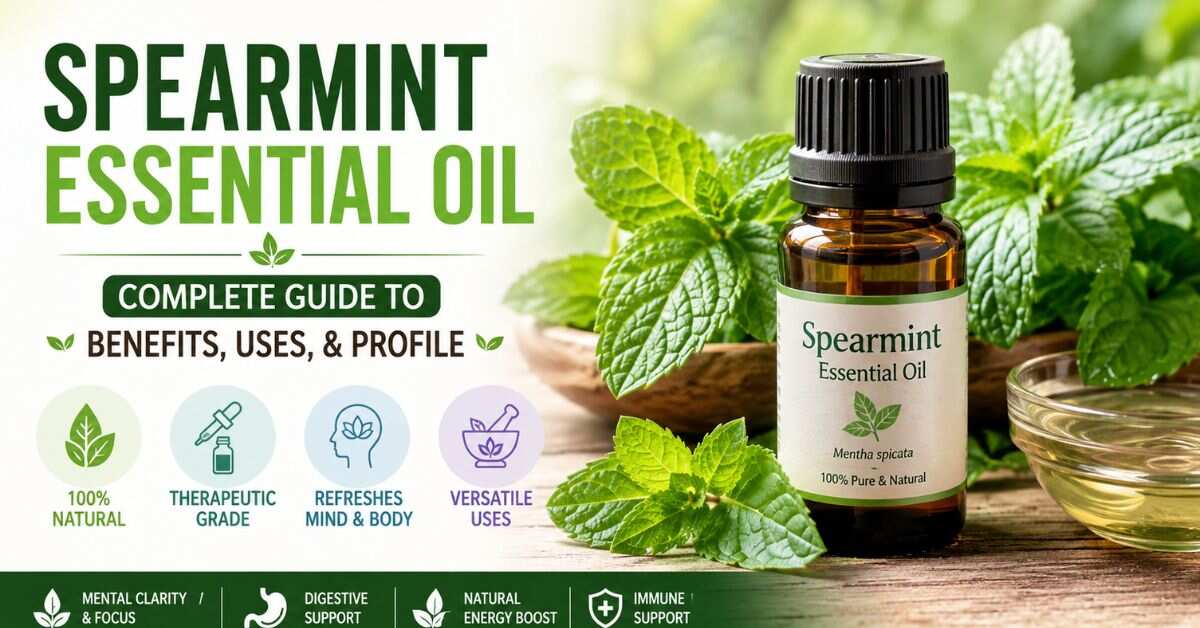
When you think of mint, your mind might immediately jump to the intense, icy bite of peppermint. However, there is a sweeter, gentler cousin in the botanical world that offers incredible therapeutic value without the harsh sting: spearmint essential oil. Known for its uplifting scent and versatile health benefits, this gentle botanical dynamic powerhouse has been revered for centuries across traditional wellness systems.
Whether you are looking to revitalize your morning routine, soothe post-workout muscle tension, or enhance your natural beauty regimen, understanding how to utilize spearmint essential oil correctly can transform your holistic self-care.
What is Spearmint Essential Oil?
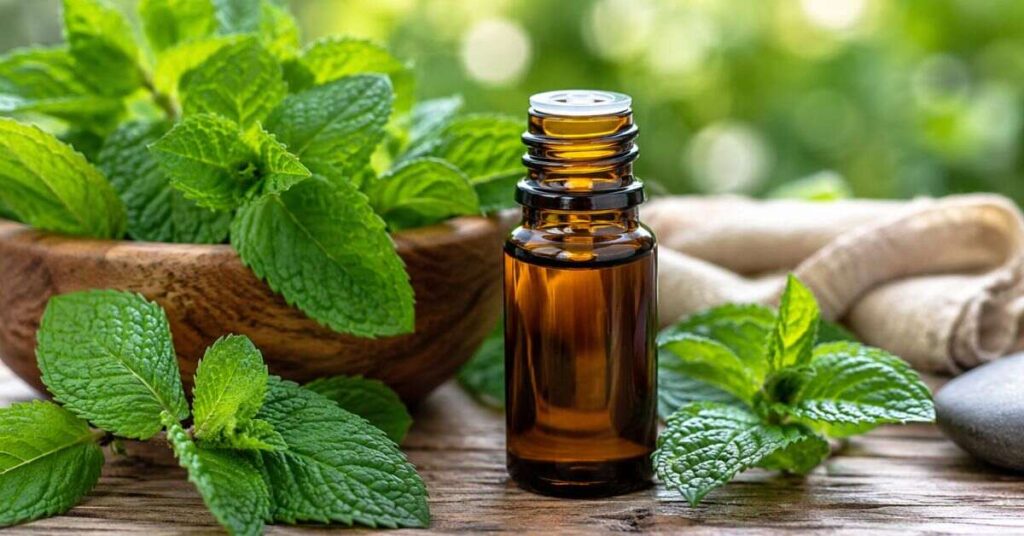
Spearmint essential oil is a concentrated plant extract derived from the leaves of the Mentha spicata plant. Unlike synthetic fragrances that merely mimic fresh scents, true essential oil contains the volatile aromatic compounds that give the plant its natural defense mechanisms and therapeutic properties.
Because it contains significantly less menthol than peppermint oil, spearmint delivers a softer, sweeter aromatic experience. Consequently, it serves as an ideal choice for sensitive individuals, children, and anyone who finds stronger mint oils overwhelming.
Key Takeaway: Spearmint essential oil offers a milder, sweeter alternative to intense mint oils, making it exceptionally versatile for everyday aromatherapy, topical application, and holistic wellness routines.
Botanical Profile of Spearmint Essential Oil (Mentha spicata)
To fully appreciate the quality of this botanical extract, we must look at its exact scientific identity. Understanding the botanical profile ensures you select pure, authentic oils rather than cheap, synthetic alternatives.
| Feature | Botanical Specification |
| Common Name | Spearmint, Garden Mint, Green Mint |
| Botanical Name | Mentha spicata (formerly Mentha viridis) |
| Plant Family | Lamiaceae (Mint family) |
| Native Region | Mediterranean region, naturalized across Europe, Asia, & North America |
| Primary Extraction Method | Steam distillation of flowering tops and leaves |
| Primary Active Compound | Carvone (typically 50% to 70%) |
| Aroma Note | Top to Middle Note |
Plant Family, Origin, and Plant Parts Used
The spearmint plant belongs to the Lamiaceae family, a broad family of aromatic herbs that includes lavender, rosemary, thyme, and sage. Historically, ancient Greeks added spearmint to their baths to restore energy, while ancient Romans used it to preserve milk and clean their teeth.
- The Plant: Spearmint is a hardy perennial herb growing up to 11 to 39 inches tall. It features bright green, lance-shaped (spear-like) leaves with serrated edges and produces delicate pink or white flower spikes during summer.
- Geographic Origin: While native to Europe and temperate Asia, major commercial cultivation now occurs in the United States (particularly the Pacific Northwest), India, and China.
- Parts Used: The highest yield of essential oil comes from the leaves and fresh flowering tops of the plant, harvested just as the blooms open to ensure peak chemical concentration.
How Spearmint Essential Oil Extracted (Steam Distillation)
The extraction process directly dictates the final quality, purity, and safety of essential oil. True therapeutic-grade spearmint essential oil is obtained through a process known as steam distillation.
- Harvesting: Freshly cut spearmint leaves are harvested during dry weather to prevent moisture buildup, which can sour the batch.
- Steam Pass-Through: The harvested plant material is placed inside a sealed distillation chamber. Pressurized steam is gently passed through the leaves.
- Cell Rupture: The heat breaks open the microscopic glandular trichomes (tiny hair-like structures on the leaf surface) that store the plant’s essential oil.
- Condensation: As the steam carries the volatile essential oil vapor upward, it enters a cooling condenser, returning the vapor back into a liquid form.
- Separation: The liquid flows into a separator device. Because oil and water do not mix, the lighter essential oil floats to the top, while the remaining floral water becomes fresh hydrosol.
This delicate low-heat process preserves the full spectrum of aromatic molecules without degrading active therapeutic compounds.
Key Chemical Constituents: The Power of Carvone
The distinct aroma, gentle nature, and soothing health properties of spearmint essential oil are driven by its precise chemical makeup. While peppermint relies heavily on menthol, spearmint gets its unique characteristics from a naturally occurring monoterpene called L-carvone.
Chemical Composition and Therapeutic Profile of Spearmint Essential Oil
Understanding the biochemical makeup of Mentha spicata reveals how this versatile plant resin delivers such impressive physical and emotional support. The remarkable spearmint essential oil benefits stem from a unique combination of natural monoterpenes and volatile compounds:
Myrcene and Beta-Bourbonene (Trace Amounts): Working in perfect harmony behind the primary terpenes, these subtle trace compounds contribute synergistic soothing properties. They enhance the overall therapeutic potency of the oil, accelerating tissue repair and deepening physical relaxation across overused muscles.
L-Carvone (50% – 70% Concentration): Serving as the dominant active constituent in pure spearmint, this natural ketone provides a sweet aroma, nervous system balance, and smooth digestion support. Unlike peppermint, which contains high menthol levels, L-Carvone delivers a gentler cooling sensation that calms gastrointestinal spasms and relaxes smooth muscle tissue without harshness.
Limonene (10% – 25% Concentration): Featuring as the second most abundant terpene, this vibrant compound promotes mood elevation, antioxidant action, and skin absorption support. Its natural lipophilic structure allows active oil molecules to penetrate deep into dermal layers, neutralizing oxidative free radicals while uplifting a fatigued mind.
- Carvone (50%–70%): This is the primary driver of spearmint’s soothing reputation. Carvone promotes a calm nervous system, encourages smooth digestion, and provides a sweet, restorative scent.
- Limonene (10%–25%): A powerful natural antioxidant that uplifts mood, supports healthy skin renewal, and enhances how easily the oil absorbs into carrier oils.
- 1,8-Cineole (Eucalyptol): Present in smaller amounts, this compound helps open up congested airways without causing the intense cooling sensation associated with high-menthol oils.
Physical Properties & Aromatic Profile of Spearmint Essential Oil
Evaluating an essential oil’s sensory characteristics provides crucial clues regarding its purity and grade. Because synthetic fragrance oils cannot replicate the exact volatile synergy produced by nature, checking physical parameters helps ensure you are using pure spearmint essential oil.
Scent Description, Aroma Strength, and Perfumery Notes
The smell of spearmint essential oil is immediately recognizable: clean, sweet, herbaceous, and brightly uplifting.
- Aromatherapy Note: Classified as a top-to-middle note. It produces an immediate burst of scent upon diffusion, followed by a warm, herbaceous dry-down.
- Aroma Strength: Medium. It fills a room comfortably without overpowering the senses or causing head pressure.
- Fragrance Profile: A balanced blend of sugary sweet green top notes resting on a gentle, cooling herbaceous base.
Visual Consistency and Color Profile
Authentic steam-distilled spearmint essential oil exhibits distinct visual traits:
- Color: Clear to light pale yellow or yellowish-green.
- Viscosity: Thin, watery consistency. It flows easily from a standard dropper bottle without leaving a greasy or sticky residue.
- Purity Test Tip: Drop a single drop onto clean white paper. Pure oil will evaporate completely over several hours, leaving zero oily stain behind.
Top Health & Wellness Benefits of Spearmint Essential Oil
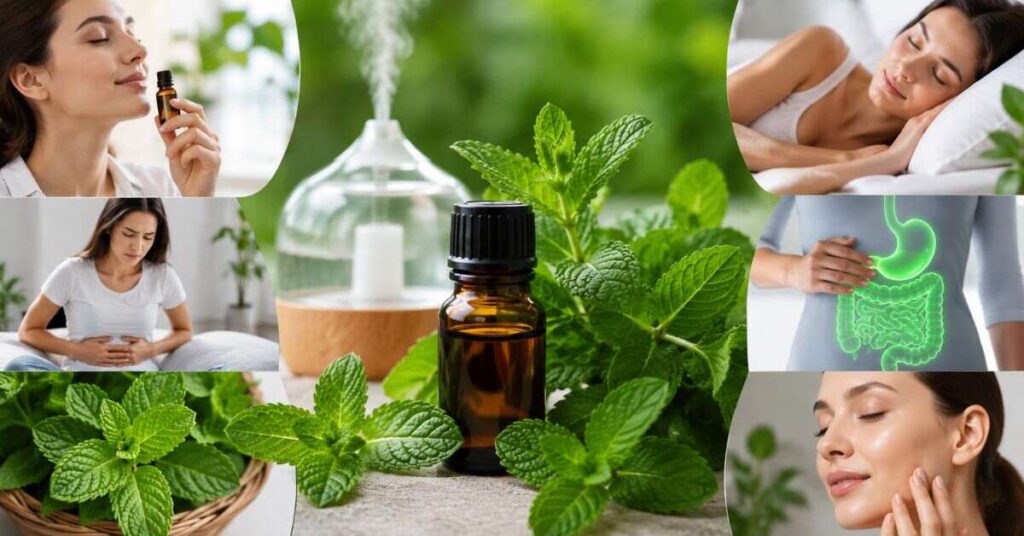
Incorporating this versatile botanical into your routine offers wide-ranging physical and mental benefits. From digestive balance to natural skin care, exploring spearmint essential oil benefits shows why it remains a staple in holistic therapy.
Soothing Digestive Discomfort and Nausea
For hundreds of years, herbalists have turned to mint species to calm upset stomach conditions. The high concentration of carvone gently Relaxes smooth muscle tissue throughout the digestive tract.
- Eases Nausea: Inhaling the sweet aroma helps settle motion sickness, morning queues, or sudden stomach upset.
- Reduces Bloating: When diluted in a carrier oil and massaged over the abdomen in a clockwise direction, it helps release trapped gas and eases cramping.
- Supports Healthy Digestion: Stimulates natural digestive enzymes to assist smooth food breakdown after heavy meals.
Easing Stress, Anxiety, and Mental Fatigue
When mental burnout strikes, heavy sedatives can leave you feeling sluggish. Spearmint essential oil acts as a balanced nervous system tonic, uplifting your mood while simultaneously easing nervous tension.
The Neurological Process Behind Mental Clarity and Mood Balance
Understanding how inhaling botanical aromas directly influences brain chemistry helps explain the rapid emotional relief experienced through aromatherapeutic care. Experiencing copaiba essential oil benefits for mental health follows a precise, science-backed biological sequence:
Result (Reduced Stress + Renewed Mental Focus): As your nervous system shifts out of sympathetic overdrive, physical muscle tension melts away. This biochemical balance produces a immediate reduction in mental stress accompanied by renewed sharp focus, allowing you to navigate demanding tasks with calm clarity.
Inhale Volatile Aromatic Compounds: When you diffuse or deeply palm-inhale pure copaiba, microscopic volatile sesquiterpenes travel immediately through your nasal passages. These fine aromatic molecules interact directly with specialized olfactory receptors located in your upper nasal cavity.
Signals Trigger Limbic System (Emotional Center): Olfactory receptors transmit rapid neural signals straight to the limbic system, the primary emotional processing center of your brain. Because this neurological pathway bypasses conscious logical filtering, the scent activates instantaneous emotional responses.
Releases Calming Neurotransmitters (GABA & Serotonin Support): Stimulation of the limbic system encourages your brain to release calming neurotransmitters like GABA and serotonin. This biochemical adjustment slows down overactive neural firing, regulates erratic mood spikes, and suppresses circulating stress hormones like cortisol.
- Mental Clarity: Diffusing the oil during study sessions or high-pressure work tasks enhances alertness without causing jitters.
- Stress Reduction: Calms rapid breathing patterns and releases tight shoulder tension during stressful workdays.
Supporting Respiratory Health and Clear Breathing
Although it contains far less menthol than peppermint, spearmint still delivers significant respiratory support thanks to compounds like 1,8-cineole and limonene.
- Opens Airways: Diffusing during seasonal changes helps clear stuffy head sensations and promotes comfortable breathing.
- Gentle Steam Inhalation: Adding two drops to a bowl of steaming water creates a soothing, moisture-rich vapor that gently clears nasal passages without burning the throat.
Natural Pain and Muscle Tension Relief
Post-workout soreness and lingering tension headaches respond exceptionally well to topical application when paired with a quality carrier oil.
- Cooling Comfort: Delivers a gentle cooling sensation that dulls localized muscle throbbing.
- Headache Relief: Massaging a diluted mixture onto the temples and nape of the neck reduces vascular tightness tied to tension headaches.
Key Takeaway: Spearmint essential oil provides powerful, versatile wellness support ranging from digestive relief and mental refreshers to soothing muscle massage all while maintaining a gentle profile suitable for daily use.
Read More: copaiba essential oil benefits || neroli essential oil || chamomile essential oil || Thieves essential oil
Clever Everyday Uses for Spearmint Essential Oil
Beyond general wellness, spearmint essential oil excels in functional everyday applications. Its versatility allows you to streamline your personal care, home environment, and beauty routines naturally.
Aromatherapy & Refreshing Diffuser Blends with Spearmint Essential Oil
Diffusing is the fastest way to distribute aromatic molecules into your living environment. Because the oil cleanses stale air while invigorating your senses, it serves as an excellent natural alternative to synthetic aerosol sprays.
- Morning Energy Boost: Combine 3 drops spearmint with 3 drops sweet orange in your diffuser to encourage an energized wakeup routine.
- Study & Work Focus: Pair 3 drops spearmint with 2 drops rosemary to enhance mental concentration during demanding tasks.
Relaxing Body Massage for Muscle & Joint Relief
Creating your own targeted body massage oil allows you to address localized joint tightness and post-exercise muscle fatigue effectively.
- How to Mix: Dilute 4 to 6 drops of spearmint essential oil in 1 tablespoon of jojoba or sweet almond carrier oil.
- Application: Massage into tired calves, thighs, or tight shoulders using upward circular motions to stimulate local blood flow and soothe discomfort.
Haircare & Scalp Health: Untangling Hair Issues Naturally
A healthy scalp provides the foundation for strong hair growth. Using spearmint essential oil in your hair washing routine addresses oiliness while invigorating the roots.
Scalp Renewal Mechanism
Balances Excess Sebum Output controls oily build-up while keeping your roots properly moisturized. Stimulates Local Circulation enhances blood flow to deliver vital nourishment directly to hair follicles, promoting stronger root growth. Soothes Scalp Irritation calms redness, alleviates itching, and minimizes flaking for optimal scalp health. Incorporating these actions into your hair care routine restores balance and encourages healthier, vibrant strands.
- Scalp Clarifier: Add 2 drops of oil directly into your normal shampoo palm-dose to help break up excess scalp grease and leave hair feeling thoroughly refreshed.
- Follicle Support Massage: Combine 2 drops spearmint with 1 tablespoon of argan oil and gently massage into your scalp 20 minutes before showering.
Homemade DIY Body Sprays and Natural Room Fresheners
Creating custom home and body sprays lets you enjoy clean, invigorating scents without harsh chemicals or artificial musk ingredients.
- Refreshing Body Mist: In a 4 oz glass spray bottle, mix 2 oz distilled water, 1 oz witch hazel, and 15 drops spearmint oil. Shake well before misting over shoulders and chest.
- Natural Linen & Room Spray: Combine 20 drops spearmint oil, 10 drops lavender oil, and 3 oz distilled water in a spray bottle. Spray on curtains, bedsheets, or sofa cushions to neutralize lingering odors.
Combining Spearmint Essential Oil with CBD for Deep Calm
Integrating essential oils with cannabinoid topical formulations creates a synergistic combination often referred to as the “entourage effect.”
- Topical Serenity: Adding 2 drops of spearmint oil to your favorite high-potency CBD balm enhances skin penetration while delivering an immediate cooling, soothing sensation to tired muscles.
- Aromatic Synergy: The sweet, herbaceous top notes of spearmint help balance the earthy, dark scent profile typical of full-spectrum hemp extracts.
Safe Flavor Enhancement: Using Spearmint Essential Oil in Drinks & Recipes
When exploring edible spearmint oil, extreme caution and precision are required. Essential oils are thousands of times more concentrated than fresh herb leaves.
Crucial Food Safety Rules:
- Purity Verification: Only use oils clearly labeled as 100% Pure GRAS (Generally Recognized As Safe) food-grade extracts.
- Micro-Dosing: Never pour oil directly into recipes. Dip the clean tip of a toothpick into the oil bottle and swirl that toothpick through your liquid dough or beverage base.
- Fat Solubilizers: Oils do not dissolve in water. Always blend the toothpick-dip into a lipid (like coconut oil, butter, or honey) before mixing into beverages.
- Culinary Uses: Adds vibrant fresh flavor to homemade dark chocolates, summer lemonades, fruit mocktails, and salad dressings.
Spearmint Oil for Skin & Facial Hair Solutions
Using spearmint oil for skin and facial care has earned widespread attention due to its natural clarifying and balancing capabilities.
Clarifying Skin Care & Acne Support
For individuals managing oily or breakout-prone skin, using spearmint oil face applications can help restore balance:
- Sebum Regulation: Naturally clarifies clogged pores without stripping away the skin’s essential protective moisture barrier.
- Spot Application: Never apply neat. Always mix 1 drop of spearmint oil with 1 teaspoon of non-comedogenic jojoba oil before gently dabbing onto skin blemishes.
Facial Hair Management Considerations
Many people research spearmint oil for facial hair due to interest in natural remedies for excess hair growth (hirsutism) connected to hormonal imbalances like PCOS.
- Scientific Context: While drinking spearmint herbal tea has shown mild anti-androgenic effects in clinical studies, applying topical essential oil primarily offers scalp-soothing and hair conditioning benefits rather than permanent follicle reduction.
- Safe Usage: Always prioritize proper dilution with a carrier oil to prevent facial skin redness or irritation.
Is Spearmint Essential Oil Safe for Dogs?
A common question among pet owners is whether spearmint essential oil safe for dogs during household diffusion or cleaning.
Safe Usage Guidelines for Dogs and Pets
When using spearmint essential oil in a household with animals, safety must always remain your top priority. While spearmint contains significantly less menthol than peppermint, concentrated botanical compounds can still affect pets differently than humans due to their heightened olfactory systems and unique metabolic pathways.
First and foremost, diffusing spearmint essential oil is generally considered safe for dogs, provided you maintain a well-ventilated space. You should always leave room doors wide open during diffusion so your pet can freely leave the area if the aroma becomes too strong for their sensitive nose. Furthermore, limit active diffusion sessions to 15 or 20 minutes at a time to prevent respiratory discomfort.
When it comes to topical application, applying spearmint essential oil directly to a pet’s skin or fur is strictly not recommended unless you are acting under the explicit, direct supervision of a licensed veterinarian. Animals can absorb essential oil molecules rapidly through their skin, and routine grooming often leads to accidental ingestion.
- Diffusing Around Dogs: Safe when used in open, well-ventilated areas where your dog can freely leave the room if the scent becomes overwhelming.
- Sensitivity Warning: Dogs have an exceptionally acute sense of smell. Limit diffuser runs to 15–20 minutes at a time, and keep concentrated oil bottles far out of reach of curious paws.
Key Takeaway: Spearmint essential oil effortlessly elevates daily home mists, haircare routines, topical skin applications, and pet-friendly home diffusing when used with proper dilution and basic safety awareness.
Spearmint Essential Oil vs. Peppermint Essential Oil: Key Differences
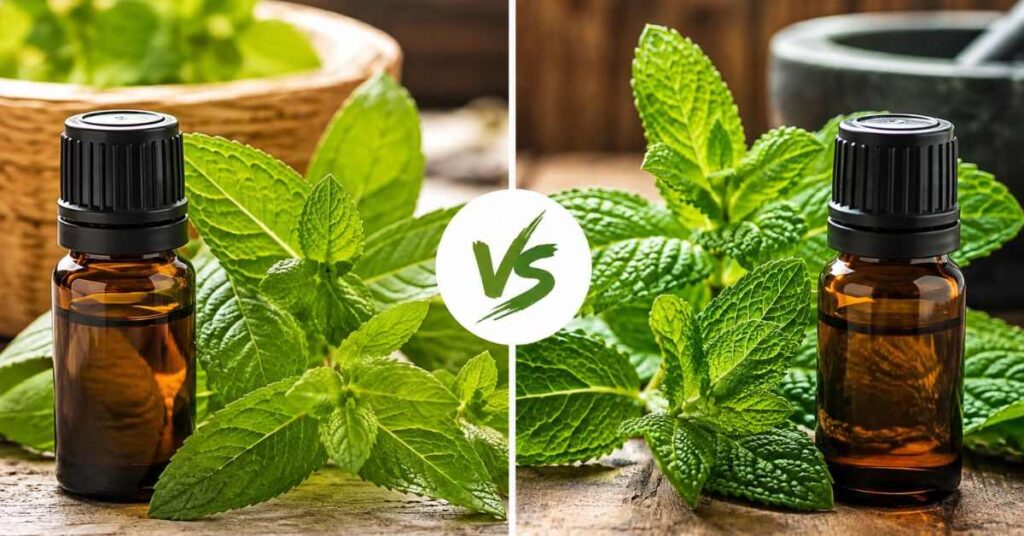
While both spearmint and peppermint belong to the same botanical genus (Mentha), assuming they are identical is a common mistake. Their chemical profiles, intensity levels, and ideal uses differ significantly.
Chemical Comparison: Carvone vs. Menthol
The underlying chemistry explains why these two popular mint oils look, smell, and behave so differently when used topically or aromatically.
| Feature | Spearmint Essential Oil (Mentha spicata) | Peppermint Essential Oil (Mentha x piperita) |
| Primary Constituent | L-Carvone (50% to 70%) | Menthol (30% to 50%) & Menthone |
| Cooling Sensation | Mild, gentle warming/cooling | Intense, sharp cooling sensation |
| Menthol Content | Very low (< 0.5%) | High (Up to 50%) |
| Skin Sensitivity | Low risk (gentle on delicate skin) | Higher risk (can irritate sensitive skin) |
| Best For | Daily stress relief, gentle skin care, children | Severe tension, intense cooling, heavy congestion |
Carvone Dominance: Carvone gives spearmint its rounded, fruity-sweet aroma and gentle soothing effect on the central nervous system.
- Menthol Dominance: Menthol gives peppermint its sharp, icy sensory burst. While excellent for severe muscular pain, high menthol concentrations can cause intense stinging or airway irritation in sensitive individuals.
Aroma Difference, Mildness, and Scent Profiles
Understanding these olfactory nuances helps you pick the exact right oil for your specific environment and personal preference.
Mint Aroma Spectrum Comparison
Peppermint Essential Oil delivers a sharp, icy, piercing, camphorous, and intense aromatic profile that quickly clears the senses. Spearmint Essential Oil offers a sweet, soft, herbaceous, warm, and invigorating scent ideal for gentle mental clarity. Understanding these distinct aroma notes helps you select the right mint essential oil for your specific diffuser recipes and natural wellness routines.
- Peppermint: Piercing, camphorous, intensely cooling, and instantly sharp.
- Spearmint: Soft, warm, sugary-green, and gently uplifting.
Which Oil Should You Choose for Your Needs?
Selecting the ideal mint oil depends entirely on who will use it and what outcome you are aiming for:
- Choose Spearmint If: You have sensitive skin, want a soothing daily diffuser blend, need a mild digestive aid, or are formulating products for children or elderly family members.
- Choose Peppermint If: You need heavy-range athletic recovery cooling, need to break up deep chest congestion, or want an intense physical boost before an intense workout.
How to Blend Spearmint Essential Oil (Best Recipe Combinations)
Blending essential oils creates synergistic effects where individual compounds enhance one another’s overall therapeutic potential. Spearmint essential oil pairs exceptionally well with floral, citrus, herbaceous, and woodsy families.
Best Essential Oils to Pair with Spearmint
- Citrus Oils: Sweet Orange, Bergamot, Grapefruit, and Lemon (brightens sweet notes).
- Floral Oils: Lavender, Jasmine, and Ylang-Ylang (softens sharp herbaceous tones).
- Woodsy & Grounding Oils: Cedarwood, Frankincense, and Sandalwood (anchors top notes).
- Herbaceous Oils: Rosemary, Eucalyptus, Tea Tree, and Basil (amplifies clarity and freshness).
DIY Diffuser Recipes for Focus, Energy, and Relaxation
Try these tried-and-tested diffuser recipes in any standard 100ml to 200ml ultrasonic water diffuser.
Focus & Mind Renewal Blend
To create this invigorating aromatherapy mix, combine 3 drops of Spearmint Essential Oil for an instant mental refresh, 2 drops of Rosemary Essential Oil for memory support, and 2 drops of Bergamot Essential Oil to encourage calm focus. Simply add these pure essential oils to your diffuser or mix them with a suitable carrier oil to boost concentration and sharpen clarity throughout your day.
1. Morning Productivity Boost
- 3 drops Spearmint Essential Oil
- 3 drops Sweet Orange Essential Oil
- 1 drop Lime Essential Oil
- Purpose: Clears morning brain fog and boosts natural motivation without nervousness.
2. Evening Calm & De-Stress
- 3 drops Spearmint Essential Oil
- 3 drops Fine Lavender Essential Oil
- 1 drop Frankincense Essential Oil
- Purpose: Releases tight neck muscle tension and prepares your mind for restorative sleep.
3. Fresh Home Air Purifier
- 2 drops Spearmint Essential Oil
- 2 drops Lemon Essential Oil
- 2 drops Eucalyptus Essential Oil
- Purpose: Eliminates lingering cooking odors while leaving rooms feeling crisp and sanitized.
Key Takeaway: Spearmint offers a sweet, carvone-rich alternative to harsh menthol oils, making it easy to blend across citrus, floral, and woodsy notes for personalized daily aromatherapy.
Sourcing, Shelf Life, and Sustainability Standards
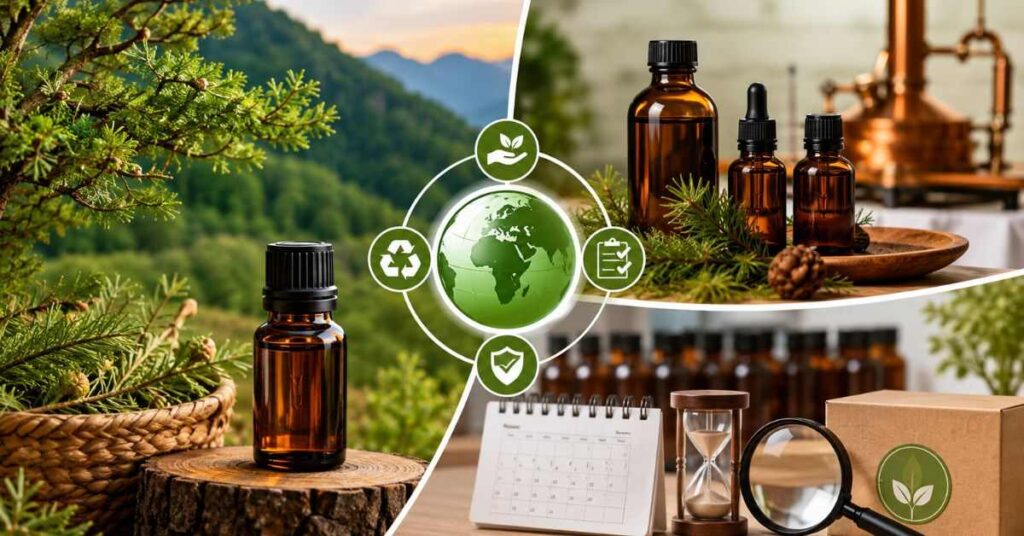
As demand for natural wellness products grows, understanding how your oils are harvested, stored, and verified guarantees both high therapeutic power and ecological safety.
Botanical Conservation and Environmental Sustainability
While Mentha spicata is a resilient, fast-growing crop, sustainable agricultural practices remain essential to safeguard soil vitality and prevent pesticide contamination.
- Pesticide Avoidance: Because essential oil extraction concentrates plant compounds by up to 100 times, non-organic crops can concentrate synthetic pesticide residues. Always look for organically grown crops.
- Water & Soil Management: Responsible distillers utilize closed-loop steam recycling systems to conserve water during distillation while returning spent mint plant matter to fields as nutrient-rich compost.
How to Store Spearmint Essential Oil to Maximize Shelf Life
Essential oils do not turn rancid like fat-based carrier oils, but exposure to air, heat, and light causes oxidation. Oxidized oils lose their therapeutic potency and are significantly more likely to cause skin irritation.
Essential Oil Storage Guidelines for Maximum Shelf Life and Potency
Preserving the delicate bio-active terpenes in botanical extracts requires protecting them against natural environmental degradation factors like sunlight, oxygen, and heat exposure. Adhering to proper storage protocols safeguards your essential oil safety and shelf life, ensuring every drop retains its full therapeutic potency:
Shelf Life Management: Expect high-quality natural oils to remain potent for 1 to 3 years from the distillation date under optimal conditions. Monitoring batch production dates and discarding oxidized or sour-smelling liquids ensures you never apply compromised plant compounds to your skin.
Container Selection: Always store pure volatile plant resins in dark amber or cobalt glass bottles ONLY to prevent UV degradation. Clear glass and cheap plastic containers allow ultraviolet light rays to break down fragile aromatic molecules, while reactive synthetic polymers can leach harmful plastic chemicals directly into your oils.
Closure System: Keep every bottle sealed tightly using an airtight dropper cap to minimize oxygen exposure. Preventing oxidation stops sesquiterpenes from turning rancid, which drastically lowers the risk of developing skin sensitization or contact dermatitis when applied topically.
Temperature Control: Maintain your bottle collection inside a cool, dark cabinet or dedicated refrigerator between 50°F to 65°F (10°C to 18°C). Storing botanicals away from ambient room warmth, direct sunlight, and moisture fluctuations preserves volatile chemical integrity for long-term therapeutic use.
How to Identify 100% Pure Certified Organic Spearmint Essential Oil
Avoid synthetic perfume oils marketed under vague names like “fragrance oil” or “aroma oil.” Ensure you buy genuine pure therapeutic products by checking these four essential label indicators:
- Botanical Name: The bottle must clearly state Mentha spicata.
- GC/MS Testing: Reputable brands provide Gas Chromatography-Mass Spectrometry (GC/MS) batch reports verifying carvone levels and proving zero synthetic additives.
- Purity Statement: Look for “100% Pure Essential Oil” without synthetic fillers, additives, or mineral oil dilutions.
- Where to Buy Pure Oils: You can find quality options by searching for spearmint essential oil amazon storefronts from trusted brands or by searching for spearmint essential oil near me at local certified natural health stores.
Spearmint Essential Oil Safety Information & Precautions
Though spearmint essential oil is noticeably milder than high-menthol oils, concentrated botanical extracts require proper safety protocols to prevent adverse skin reactions.
Proper Dilution Ratios and Carrier Oil Guidelines
Never apply pure essential oils directly to your skin without diluting them in a quality carrier oil (such as jojoba, rosehip, argan, or sweet almond oil).
| Intended Application | Recommended Dilution Rate | Drops per 1 oz (30ml) Carrier Oil |
| Sensitive Skin / Facial Care | 0.5% to 1% | 3 to 6 drops |
| Daily Body Care & Massage | 2% | 12 drops |
| Targeted Spot / Short-Term Relief | 3% to 5% | 18 to 30 drops |
Topical Safety: Skin Sensitivity and Patch Testing
Before incorporating any new oil into your regular skincare regimen, perform a standard patch test:
- Dilute 1 drop of spearmint oil in 1 teaspoon of jojoba oil.
- Apply a small dab to your inner forearm.
- Cover with a bandage and monitor for 24 hours.
- If redness, itching, or irritation occurs, wash the area thoroughly with soap and warm water and discontinue use.
Safe Usage Guidelines for Children, Pregnancy, and Pets
- In pediatric aromatherapy, pure spearmint essential oil (Mentha spicata) contains negligible menthol compared to potent peppermint extracts. Specifically, this milder chemical profile makes spearmint essential oil for children significantly safer for young individuals over two years old. Furthermore, applying a low 0.5% essential oil dilution rate prevents acute dermal sensitization and respiratory irritation. In addition, mixing 1 to 2 drops of essential oil per ounce of carrier oil ensures gentle application on pediatric skin. Therefore, consulting a licensed pediatrician before using pediatric essential oil formulations remains a vital safety practice. Consequently, strictly following age-appropriate spearmint essential oil safety guidelines provides safe, comforting aromatherapeutic support for growing children.
- Pregnancy & Nursing: Always consult a licensed healthcare provider before using topical or diffused essential oils during pregnancy.
- Pets: Ensure diffusers run in well-ventilated spaces with doors open so pets can move away freely if desired. Avoid applying undiluted oils near pet beds or paws.
As a key takeaway, proper essential oil storage in dark glass bottles preserves active botanical potency for years. Specifically, shielding pure spearmint essential oil from ambient heat and direct light prevents rapid oxidation. Furthermore, preventing volatile terpene breakdown preserves the fresh aroma and therapeutic properties of Mentha spicata. In addition, consulting precise essential oil dilution tables guarantees accurate dosing for topical and home applications. Therefore, applying properly diluted spearmint essential oil for skin protects your natural dermal barrier from irritation. Consequently, following these proven spearmint essential oil safety protocols ensures a safe, soothing, and highly effective holistic experience.
Final Thoughts: Incorporating Spearmint Essential Oil into Your Daily Routine
Adding spearmint essential oil to your daily lifestyle offers a balanced, versatile approach to natural self-care.In aromatherapy practice, pure spearmint essential oil (Mentha spicata) offers a remarkably sweet profile and gentle chemical composition. Specifically, its lower carvone content makes it a far milder choice compared to harsher, high-menthol botanical extracts. Furthermore, diffusing spearmint essential oil in the morning effectively clears mental fatigue and sharpens cognitive focus. In addition, blending this refreshing oil into a lipid-rich carrier oil for muscles soothes post-workout tension and physical fatigue. Additionally, incorporating diluted spearmint essential oil for skin helps regulate sebum production and balance facial skin clarity.
Therefore, purchasing 100% certified organic spearmint essential oil packaged in dark glass preserves active volatile compounds against light degradation. Consequently, adhering to proper essential oil dilution guidelines ensures a safe, uplifting, and versatile natural remedy for daily holistic wellness.
(FAQs)
Can you apply spearmint essential oil directly to the skin?
No, you should never apply undiluted spearmint essential oil directly to the skin. Concentrated essential oils can cause severe skin sensitization, irritation, or contact dermatitis. In formulation guidelines, you should always mix pure essential oil into a nutrient-rich carrier oil before topical application. Specifically, pairing your essential oil with jojoba oil, sweet almond oil, or rosehip seed oil protects sensitive skin. Furthermore, applying a safe 1% to 2% dilution ratio prevents acute dermal irritation and contact sensitization. In addition, mixing 6 to 12 drops per ounce of carrier oil establishes the optimal therapeutic strength for face or body. Therefore, utilizing a lipid-rich carrier oil for essential oils enhances nutrient delivery while preserving your dermal skin barrier. Consequently, adhering to these essential oil topical dilution protocols guarantees a safe, deeply restorative skincare application.
Is spearmint essential oil safe to diffuse around pets?
Diffusing spearmint essential oil around pets is generally considered safe if done with proper care and ventilation:
- From a safety perspective, always operate your essential oil diffuser in an open, well-ventilated room. Specifically, maintaining continuous airflow prevents heavy concentrations of airborne volatile terpenes from accumulating in living areas. Furthermore, ensuring that your pets can leave freely allows animals to avoid scents that feel overwhelming to their senses. In addition, keeping internal doors unlatched safeguards animals with hyper-sensitive pet olfactory systems from acute respiratory irritation. Therefore, prioritizing proper indoor room ventilation protects household animals from toxic vapor buildup during daily aromatherapy sessions. Consequently, following strict essential oil diffusion safety protocols guarantees a serene environment while preserving long-term pet respiratory health.
- Diffusion Duration: Limit continuous diffusion sessions to 15 to 20 minutes at a time.
- Direct Exposure: Never apply essential oils directly to your pet’s skin, fur, or paws, and keep concentrated oil bottles far out of their reach.
How is spearmint essential oil different from other mint oils?
The primary distinction lies in their chemical makeup:
- Spearmint (Mentha spicata): Dominated by L-carvone (50% to 70%), giving it a sweet, herbaceous scent and a mild, gentle soothing profile with virtually zero menthol.
- Peppermint (Mentha x piperita): Rich in menthol (30% to 50%), delivering a sharp, piercing aroma and an intense, icy cooling sensation on the skin.
- In botanical classification, cornmint essential oil (Mentha arvensis) is distinguished by its extremely high menthol concentration. Specifically, this potent chemical profile makes cornmint oil ideal for heavy industrial scenting rather than gentle aromatherapeutic blends. Furthermore, high levels of natural menthol can easily overpower sensitive respiratory airways if used without proper dilution. In addition, choosing genuine Mentha arvensis over traditional peppermint essential oil requires careful formulation adjustment. Therefore, evaluating the exact menthol percentage in cornmint ensures safe, effective application in specialized formulations. Consequently, selecting high-quality cornmint essential oil extracts delivers powerful cooling action while maintaining optimal essential oil safety.