Introduction
Coconut oil pulling is a traditional oral care practice that has gained massive popularity in recent years. Many people believe it helps improve oral hygiene, freshen breath, and detox the mouth naturally. However, alongside its claimed benefits, there are also important coconut oil pulling dangers that users should understand before making it part of their daily routine.
While coconut oil is natural and generally safe, improper or excessive use of oil pulling can lead to discomfort, oral issues, and even delayed dental treatment. In this article, we will explore both the benefits and coconut oil pulling dangers, along with safe usage methods backed by expert opinions and available research.
What Is Coconut Oil Pulling and How Does It Work?
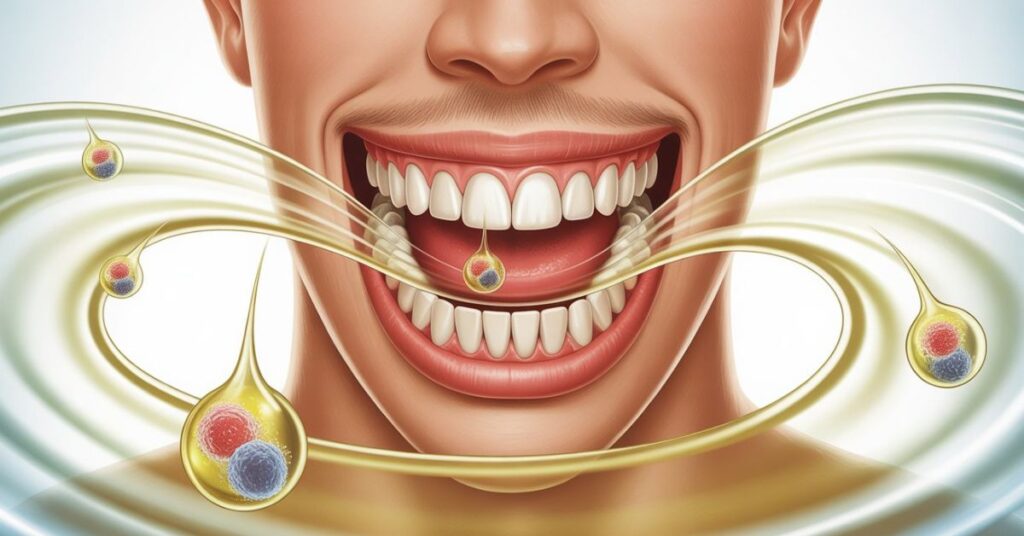
Coconut oil pulling is an ancient oral hygiene technique that involves swishing oil in the mouth for a certain period to improve dental health. To understand its effectiveness and possible coconut oil pulling dangers, it is important to first know how it actually works.
Basic Meaning of Oil Pulling
People practice oil pulling by swishing a tablespoon of edible oil in their mouth for around 10–20 minutes.The idea is that the oil “pulls out” bacteria, toxins, and debris from the teeth and gums. Most people use coconut oil because it has a pleasant taste and natural antibacterial properties.
However, despite its popularity, dental experts warn that misunderstanding this process can lead to overconfidence in results, which is one of the hidden coconut oil pulling dangers.
How Coconut Oil Works Inside the Mouth
Coconut oil contains lauric acid, a compound known for its antimicrobial effects. When swished in the mouth, it mixes with saliva and may help reduce certain bacteria that cause bad breath and plaque buildup.
The oil becomes thinner as it moves around the mouth, allowing it to coat teeth and gums. Some users feel a temporary sense of cleanliness after doing it. However, this effect does not replace professional cleaning, and relying only on oil pulling may contribute to overlooked oral issues another concern linked to coconut oil pulling dangers.
Why People Use Coconut Oil for Oil Pulling
People prefer coconut oil over other oils because it is natural, affordable, and widely available. It also has a mild taste compared to sesame or sunflower oil, making it easier to use daily.
Many individuals also believe it supports “oral detox,” improves gum health, and whitens teeth naturally. These claims have made it a trending natural remedy. However, increasing popularity sometimes leads people to misuse or overuse it, which can raise the risk of coconut oil pulling dangers if they ignore proper dental care.
Why Coconut Oil Pulling Became So Popular
Coconut oil pulling has become a global wellness trend in recent years, especially among people who prefer natural and chemical-free oral care methods. The rising popularity comes not only from traditional beliefs but also from modern lifestyle trends, even though many experts still highlight potential coconut oil pulling dangers when people overuse or misunderstand it.
Influence of Natural Health Trends
One of the biggest reasons behind the popularity of coconut oil pulling is the global shift toward natural and holistic health practices. Many people now try to avoid chemical-based toothpaste additives, artificial mouthwashes, and synthetic products.
Coconut oil, being a natural substance, fits perfectly into this lifestyle. It is seen as a “clean” and simple alternative. However, the growing belief that natural automatically means safe has led some users to ignore possible coconut oil pulling dangers, such as neglecting proper dental care routines.
Claims About Oral Detox and Fresh Breath
Many people promote coconut oil pulling as a method to “detox the mouth” and remove harmful toxins. Many users report fresher breath and a cleaner feeling after using it, which adds to its appeal.
Some also claim it helps whiten teeth and improve gum health naturally. While these benefits may feel real to users, they are often temporary and not scientifically proven at a strong clinical level. Over-reliance on these claims can create a false sense of security, increasing the risk of coconut oil pulling dangers like ignoring cavities or gum disease symptoms.
Role of Social Media and Ayurveda
Social media platforms have played a major role in spreading coconut oil pulling trends. Influencers, wellness bloggers, and lifestyle creators often share “before and after” results that make the practice look highly effective.
Additionally, its roots in Ayurveda, an ancient Indian system of medicine, have increased its credibility among natural health enthusiasts. Ayurvedic traditions often promote oil-based oral care for overall wellness.
However, viral trends and traditional beliefs do not always match modern dental science. This gap sometimes leads people to overuse or misuse the method, increasing exposure to coconut oil pulling dangers when it replaces proper oral hygiene practices.
How to Do Coconut Oil Pulling Correctly

Coconut oil pulling can be a simple routine when done correctly, but improper technique is where many coconut oil pulling dangers begin to appear. Incorrect duration, swallowing oil, or replacing brushing with oil pulling can reduce its effectiveness and harm oral hygiene habits.
Understanding the correct method is essential to reduce risks and get the best possible results safely.
Step-by-Step Coconut Oil Pulling Method
To practice coconut oil pulling correctly, follow a simple and consistent method.
How to Start Coconut Oil Pulling Safely
First, take about one tablespoon of coconut oil. Use raw, organic, and cold-pressed oil for better quality and results.
How to Swish Coconut Oil Properly
Next, place the oil in your mouth and gently swish it around. Keep the movement slow and controlled so the oil reaches all areas of your mouth, including between teeth and along the gums.
Why You Should Not Swallow Coconut Oil While Pulling
Continue swishing without swallowing the oil. As it mixes with saliva, it becomes thinner and collects bacteria and toxins.
How to Dispose Coconut Oil After Pulling
After completing the session, spit the oil into a trash bin instead of the sink to prevent clogged pipes.
Why Brushing After Coconut Oil Pulling Is Important
Finally, rinse your mouth with warm water and brush your teeth. Skipping brushing is one of the most common coconut oil pulling dangers.
Best Time and Duration for Coconut Oil Pulling

When to Do Coconut Oil Pulling for Best Results
The best time for coconut oil pulling is in the morning before eating or drinking. This helps remove bacteria that build up overnight.
How Long Should You Do Coconut Oil Pulling
The ideal duration is 10 to 20 minutes. Less time may reduce effectiveness, while longer sessions can cause jaw discomfort.
Coconut Oil Pulling Duration for Beginners
Beginners should start with 5 to 10 minutes and slowly increase the duration as they get comfortable.
Risks of Doing Coconut Oil Pulling Too Long
Overdoing the process does not give extra benefits. It may increase coconut oil pulling dangers, such as jaw strain or muscle soreness.
What to Do After Coconut Oil Pulling
Proper Aftercare After Coconut Oil Pulling
After oil pulling, always spit out the oil and rinse your mouth thoroughly with warm water.
Should You Brush After Coconut Oil Pulling
Yes, brushing is essential. It helps remove leftover bacteria and oil residue. Skipping brushing can lead to poor oral hygiene.
Drinking Water After Coconut Oil Pulling
Drinking water after the process helps refresh your mouth and restore saliva balance.
Possible Benefits of Coconut Oil Pulling

Many people promote coconut oil pulling as a natural way to support oral hygiene. While it does not replace dental care, some users report noticeable improvements when they use it correctly. However, you should balance the claimed benefits with awareness of coconut oil pulling dangers, especially when people rely on it too heavily.
Helps Reduce Bad Breath
One of the most commonly reported benefits of coconut oil pulling is fresher breath. The swishing action may help remove food particles and reduce bacteria in the mouth that contribute to bad odor.
Coconut oil contains lauric acid, which has mild antimicrobial properties. This may help reduce odor-causing bacteria temporarily. However, the effect is not permanent, and poor oral hygiene habits can still lead to recurring bad breath. Overdependence on oil pulling alone may increase coconut oil pulling dangers, especially when underlying dental issues are ignored.
May Support Gum Health
Some users believe coconut oil pulling helps improve gum health by reducing irritation and supporting cleaner gums. The gentle swishing action may help stimulate saliva flow, which naturally protects gum tissues.
Healthy gums are essential for overall oral health, and oil pulling may provide a soothing effect for some individuals. However, it should never replace professional gum care or treatment for gum disease. Ignoring dental symptoms while relying only on oil pulling can increase coconut oil pulling dangers over time.
May Reduce Harmful Bacteria
Coconut oil has been studied for its antimicrobial properties. It may help reduce certain bacteria in the mouth, especially those linked to plaque formation and tooth decay.
While this sounds beneficial, the reduction is usually limited and not strong enough to replace brushing or flossing. Relying only on oil pulling for bacteria control may create a false sense of protection, which is one of the key coconut oil pulling dangers highlighted by dental experts.
Improves Mouth Freshness
Many users report a cleaner and fresher feeling after oil pulling. This is often due to the removal of debris and temporary reduction of bacteria in the mouth.
The refreshing sensation can make the mouth feel healthier, especially when used as part of a morning routine. However, this effect is temporary and should not be mistaken for complete oral cleansing. Using it as a sole method of hygiene may lead to hidden coconut oil pulling dangers, including plaque buildup and untreated dental issues.
Read More:https://pureoilshub.com/cold-pressed-coconut-oil/
Coconut Oil Pulling Dangers You Should Not Ignore
While coconut oil pulling is widely promoted as a natural oral care practice, it is not completely risk-free. Many users overlook important safety concerns, which can lead to real oral health problems. Understanding these coconut oil pulling dangers is essential before making it a regular habit.
Jaw Pain and Muscle Fatigue
One of the most common issues reported by regular users is jaw discomfort. Swishing oil for 10–20 minutes requires continuous muscle movement, which can strain the jaw.
People with weak jaw muscles or those new to the practice may experience soreness or fatigue after a few sessions. Over time, this can become uncomfortable and discourage proper oral care routines. This physical strain is one of the overlooked coconut oil pulling dangers that beginners often ignore.
Risk of Swallowing Oil Accidentally
During oil pulling, there is always a risk of accidentally swallowing the oil, especially for beginners. Since the oil mixes with bacteria, saliva, and debris, swallowing it may cause nausea or stomach discomfort.
In some cases, it may also lead to digestive irritation. This is why proper technique and caution are important. Accidental ingestion is one of the practical coconut oil pulling dangers that can be easily avoided with correct practice.
Allergic Reactions in Some Users
Although rare, some individuals may experience allergic reactions to coconut oil. Symptoms can include mouth irritation, itching, or mild swelling.
People with sensitive skin or known coconut allergies should be especially careful before trying oil pulling. Ignoring allergic responses can worsen symptoms, making this one of the more serious coconut oil pulling dangers for sensitive users.
False Sense of Oral Hygiene Protection
One of the biggest hidden risks is psychological. Many users feel that oil pulling alone is enough to maintain oral health.
This false sense of security can lead to neglect of brushing, flossing, and dental check-ups. Over time, this can allow plaque buildup, cavities, and gum disease to develop unnoticed. This is one of the most critical coconut oil pulling dangers highlighted by dental professionals.
Can Delay Proper Dental Treatment
Some people use oil pulling as a remedy for tooth pain or gum issues instead of visiting a dentist. This delay in proper treatment can make dental problems worse.
Oil pulling cannot fix infections, cavities, or advanced gum disease. Relying on it instead of professional care can lead to long-term oral damage. This misuse is a serious coconut oil pulling dangers.
Not a Substitute for Brushing and Flossing
Perhaps the most important risk is misunderstanding its role. Coconut oil pulling is not a replacement for brushing and flossing.
Brushing removes plaque mechanically, while flossing cleans between teeth where oil cannot reach effectively. Ignoring these basic habits while relying only on oil pulling significantly increases coconut oil pulling dangers and weakens overall oral hygiene.
What Science Says About Coconut Oil Pulling Dangers

Scientific research on coconut oil pulling is still limited, and most available studies are small or inconclusive. While some findings suggest mild oral benefits, there is not enough strong evidence to fully support its effectiveness or dismiss the coconut oil pulling dangers that come with improper use or overreliance.
Lack of Strong Clinical Evidence
One of the biggest concerns in the scientific community is the lack of large-scale, long-term clinical trials. Most studies on oil pulling involve small sample sizes and short durations.
Because of this, it is difficult to make strong medical claims about its effectiveness in improving oral health. Without solid evidence, experts caution users not to rely solely on it, as misunderstanding its role can contribute to coconut oil pulling dangers such as neglecting proven dental care methods.
What Research Studies Have Found
Some early studies suggest that coconut oil pulling may help reduce certain bacteria in the mouth, particularly those linked to plaque and bad breath.
However, these improvements are often similar to regular rinsing with water or standard oral hygiene practices. In many cases, brushing and flossing remain significantly more effective.
Researchers also emphasize that oil pulling should be considered a complementary practice, not a primary treatment. Misinterpreting these findings can increase coconut oil pulling dangers, especially when users replace essential dental care with oil pulling alone.
Limitations of Existing Scientific Data
Current research on coconut oil pulling has several limitations. These include short study durations, lack of control groups in some cases, and inconsistent results.
There is also limited evidence regarding long-term effects on gum health, tooth decay prevention, or overall oral hygiene improvement.
Because of these gaps, dental experts remain cautious. They recommend prioritizing scientifically proven oral care methods while treating oil pulling as optional. Overestimating its benefits due to weak data can lead to hidden coconut oil pulling dangers, especially for people with existing dental conditions.
What Dentists Say About Coconut Oil Pulling Dangers
Dental professionals generally take a cautious stance on coconut oil pulling. While they do not completely dismiss it as a harmless habit, most dentists emphasize that it should never replace standard oral hygiene practices. Many of the concerns they raise are directly linked to coconut oil pulling dangers, especially when people rely on it too heavily or misunderstand its purpose.
Professional Warnings and Concerns
Most dentists agree that coconut oil pulling may have mild benefits such as temporary freshness or slight reduction in bacteria. However, they consistently warn that it is not a scientifically proven treatment for preventing cavities, gum disease, or plaque buildup.
A major concern is that patients may delay proper treatment while depending on oil pulling. This delay can allow dental problems to worsen unnoticed. Dentists often highlight this as one of the most serious coconut oil pulling dangers, especially for individuals already experiencing tooth or gum issues.
When Dentists Consider It Acceptable
Some dental professionals accept coconut oil pulling as a supplementary practice, not a primary one. It may be considered acceptable if used alongside brushing, flossing, and regular dental check-ups.
In such cases, it can act as an additional step for oral freshness, but only when it does not replace essential care. Dentists stress that moderation is key, because overuse or misuse increases the risk of coconut oil pulling dangers, particularly when users develop false confidence in its effectiveness.
Expert Advice on Oral Hygiene Priority
Dentists strongly emphasize that brushing twice a day with fluoride toothpaste and daily flossing remain the gold standard for oral hygiene. These methods are proven to remove plaque, prevent decay, and protect gums effectively.
Oil pulling, on the other hand, does not mechanically clean teeth or reach deep plaque buildup areas. Because of this limitation, experts warn that relying on it alone can lead to hidden dental issues. This is why ignoring basic care in favor of oil pulling is considered one of the key coconut oil pulling dangers in modern dental discussions.
Coconut Oil Pulling vs Regular Dental Care

Understanding the difference between coconut oil pulling and standard dental care is important because many of the coconut oil pulling dangers come from confusion between supportive habits and essential oral hygiene practices. Oil pulling may offer minor benefits, but it cannot replace scientifically proven dental care routines.
Brushing vs Oil Pulling
Brushing teeth is the foundation of oral hygiene. It physically removes plaque, food particles, and bacteria using bristles and fluoride toothpaste. This mechanical action is essential for preventing cavities and gum disease.
Coconut oil pulling, on the other hand, works only by swishing oil in the mouth. It does not scrub or remove hardened plaque effectively. Because of this limitation, replacing brushing with oil pulling can significantly increase coconut oil pulling dangers, especially tooth decay and gum inflammation over time.
Flossing Importance in Oral Health
Flossing plays a critical role in cleaning areas that brushing cannot reach, especially between teeth and below the gum line. These are common places where plaque buildup begins.
Coconut oil cannot physically reach or remove trapped food particles in the same way floss can. Ignoring flossing while relying on oil pulling may allow hidden bacteria to grow. This gap in cleaning is another factor behind coconut oil pulling dangers that dentists often warn about.
Mouthwash vs Oil Pulling Effectiveness
Mouthwash is designed to kill bacteria, reduce plaque, and freshen breath using scientifically formulated ingredients. Many mouthwashes also contain fluoride or antiseptic agents that support long-term oral health.
Oil pulling may temporarily improve breath freshness, but it lacks strong antibacterial strength compared to medical-grade mouthwash. Choosing oil pulling as a full replacement for mouthwash can reduce oral protection and increase coconut oil pulling dangers in the long run.
Where Oil Pulling Actually Fits
Coconut oil pulling should be seen as a complementary practice rather than a replacement for dental care. It may provide a refreshing feeling or mild reduction in bacteria, but it works best only when combined with proper hygiene habits.
The safest approach is to use oil pulling occasionally while maintaining regular brushing, flossing, and dental visits. When used incorrectly or alone, it becomes more of a risk factor, contributing to coconut oil pulling dangers rather than preventing them.
Who Should Avoid Coconut Oil Pulling
Coconut oil pulling is generally considered safe for most healthy adults, but it is not suitable for everyone. Certain individuals are more likely to experience discomfort or complications. In these cases, ignoring precautions can increase coconut oil pulling dangers and may negatively affect oral or overall health.
People with Dental Problems or Sensitivity
Individuals who already have dental issues such as cavities, gum infections, or severe tooth sensitivity should be cautious.
Oil pulling does not treat these conditions and may sometimes worsen discomfort if done incorrectly or too aggressively. Relying on it instead of professional treatment can delay healing and increase coconut oil pulling dangers, especially when underlying infections are left untreated.
Children and Elderly Users
Children may accidentally swallow the oil while swishing, which can cause nausea or stomach discomfort. Their coordination and understanding of the process are often not developed enough for safe practice.
Similarly, elderly individuals may struggle with prolonged swishing due to reduced jaw strength or medical conditions. These limitations make both groups more vulnerable to coconut oil pulling dangers, especially related to accidental ingestion or fatigue.
People with Jaw or TMJ Issues
Individuals suffering from jaw pain, temporomandibular joint (TMJ) disorders, or muscle weakness should avoid or limit oil pulling.
The continuous swishing motion can strain the jaw muscles and worsen existing pain. Over time, this can lead to discomfort or inflammation. For such users, ignoring physical limitations can significantly increase coconut oil pulling dangers and cause unnecessary strain.
Allergy-Prone Individuals
Although coconut allergies are uncommon, they do exist. People with known allergies or sensitive reactions to coconut products should avoid oil pulling completely.
Symptoms may include irritation, swelling, or discomfort in the mouth. Even mild allergic responses should not be ignored, as continued exposure may worsen symptoms. This makes allergies one of the more important coconut oil pulling dangers to consider before starting the practice.
Safe Way to Practice Coconut Oil Pulling

Coconut oil pulling can be included in a daily routine safely if it is done correctly and in moderation. Most of the coconut oil pulling dangers occur due to improper technique, overuse, or misunderstanding its role in oral hygiene. Following safe guidelines can help reduce risks and improve the overall experience.
Recommended Frequency of Use
For most people, coconut oil pulling does not need to be done more than once a day. In fact, 3–4 times per week is often enough for those who want to include it as a supportive oral care habit.
Doing it too frequently does not significantly increase benefits and may instead lead to jaw fatigue or overconfidence in results. Overuse is one of the subtle contributors to coconut oil pulling dangers, especially when users begin to neglect brushing and flossing.
Safe Duration for Beginners
Beginners should start with shorter sessions, around 5 to 10 minutes. This helps the mouth and jaw adjust to the swishing motion without strain.
As comfort improves, the duration can be increased up to 15–20 minutes if desired. However, exceeding this time is unnecessary and may cause discomfort. Long, forced sessions can increase the risk of fatigue, which is one of the avoidable coconut oil pulling dangers.
Hygiene Tips After Oil Pulling
Proper hygiene after oil pulling is essential. Always spit the oil into a trash bin instead of the sink to prevent clogging pipes.
Afterward, rinse your mouth thoroughly with warm water to remove leftover oil residue. Brushing your teeth afterward is strongly recommended to ensure complete cleaning and plaque removal.
Skipping brushing after oil pulling is a common mistake that increases coconut oil pulling dangers, as it may leave bacteria and residue in the mouth.
Warning Signs to Stop Immediately
If you experience jaw pain, mouth irritation, nausea, or discomfort while practicing oil pulling, you should stop immediately.
These symptoms may indicate overuse, incorrect technique, or sensitivity to coconut oil. Continuing despite discomfort can worsen the condition and increase coconut oil pulling dangers unnecessarily.
Listening to your body is important to ensure safe and balanced use of this practice.
Final Thoughts
Coconut oil pulling is a traditional oral care practice that has gained modern popularity due to its natural approach and simple routine. While it may offer mild benefits such as fresher breath and temporary mouth cleanliness, it is important to understand the full picture, especially the coconut oil pulling dangers associated with improper or excessive use.
Balanced View of Risks and Benefits
Coconut oil pulling should be viewed as a supportive habit rather than a primary dental care method. Some people may experience short-term improvements in breath freshness and oral comfort, but these effects are not strong enough to replace brushing, flossing, or professional dental care.
The main risks come when users rely on it too heavily. Misuse can lead to jaw discomfort, delayed dental treatment, or a false sense of oral hygiene. These concerns are the core of coconut oil pulling dangers, especially when the practice replaces proven dental routines.
Safe Approach for Better Oral Health
The safest way to use coconut oil pulling is to include it occasionally as part of a complete oral hygiene routine. It should always be combined with proper brushing, flossing, and regular dental check-ups.
Moderation is key. When used correctly, it can be a harmless addition, but when overused or misunderstood, it may lead to avoidable problems. Understanding both benefits and coconut oil pulling dangers helps you make informed decisions and maintain long-term oral health safely.
FAQs
Is coconut oil pulling safe every day?
Coconut oil pulling is generally safe when done correctly, but daily use is not necessary for everyone. Many people practice it 3–4 times a week without issues.
However, doing it every day does not guarantee better results and may lead to jaw fatigue or overdependence. Overuse and ignoring regular brushing can increase coconut oil pulling dangers, especially related to poor oral hygiene habits.
Can it replace brushing teeth?
No, coconut oil pulling cannot replace brushing teeth.
Brushing removes plaque mechanically using toothpaste and bristles, which oil pulling cannot do. Relying only on oil pulling may lead to cavities, gum disease, and plaque buildup. This misunderstanding is one of the most serious coconut oil pulling dangers highlighted by dentists.
How long should oil pulling be done?
The ideal duration is 10–20 minutes per session. Beginners can start with 5–10 minutes and gradually increase the time.
However, longer sessions do not necessarily provide better results. Overdoing the process can lead to jaw fatigue and discomfort, increasing unnecessary coconut oil pulling dangers.
Does it really whiten teeth?
Coconut oil pulling may make teeth appear slightly cleaner due to the removal of surface debris, but it does not actually whiten teeth like professional dental treatments.
Any whitening effect is usually temporary and cosmetic. Expecting dramatic whitening results can lead to disappointment and misuse, indirectly contributing to coconut oil pulling dangers when people neglect real dental treatments.
What are the side effects?
Possible side effects of coconut oil pulling include jaw pain, nausea (if oil is swallowed), mouth irritation, and in rare cases, allergic reactions.
Most side effects occur due to incorrect technique or overuse. Ignoring these warning signs can worsen oral discomfort and increase coconut oil pulling dangers, especially when users continue despite symptoms.