Introduction
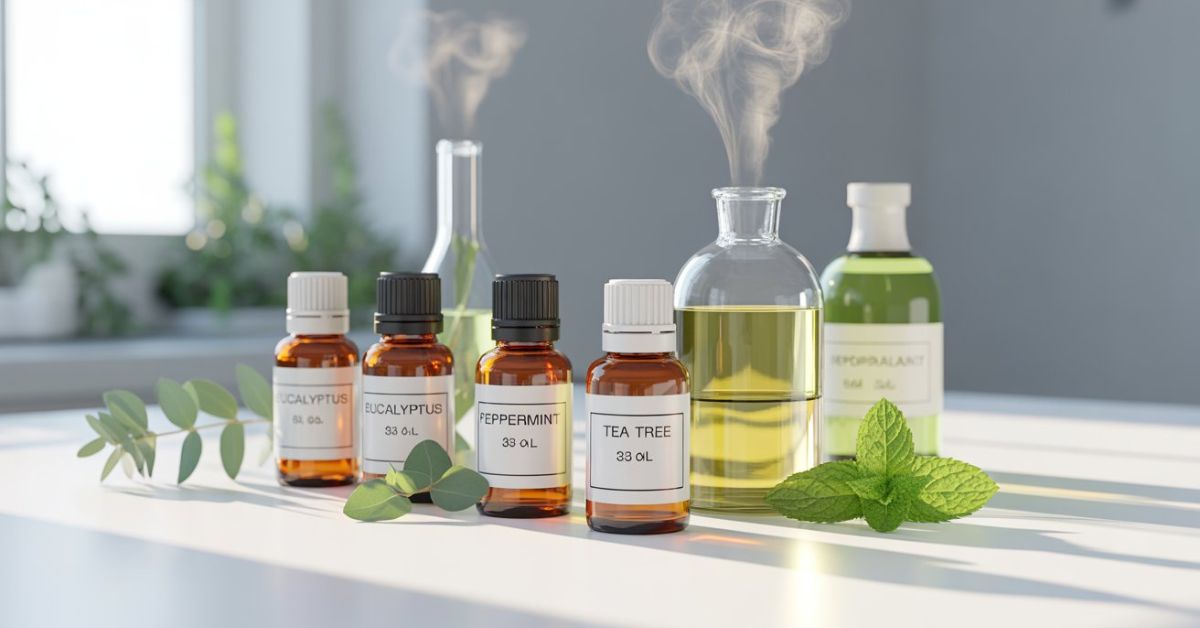
Colds are one of the most common health issues people face worldwide. Many individuals look for natural solutions instead of relying only on medicine. This is where essential oils for colds have gained massive popularity.
These natural plant extracts are used for breathing comfort, congestion relief, and soothing flu-like symptoms. People believe that essential oils for colds can help the body feel better faster by supporting the respiratory system.
However, the real question is whether they actually work or if it is just a trend.
In this article, we will explore everything in detail, including how essential oils for colds are used. Moreover, we will also discuss what research says, their benefits, safety, and the best oils for cough, cold, and sore throat relief.
What Are Essential Oils for Colds and Why People Use Them
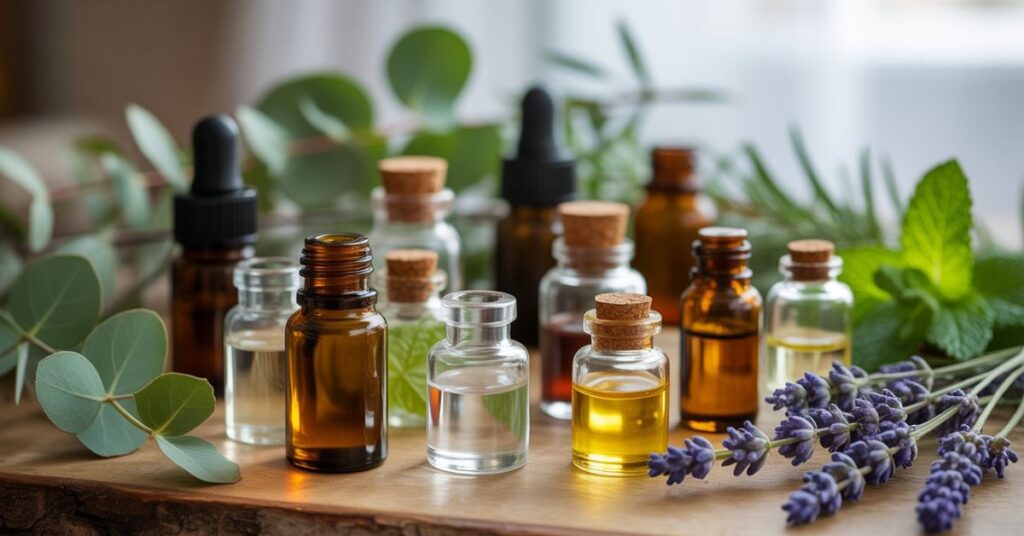
Essential oils for colds are highly concentrated natural oils that manufacturers extract from plants, flowers, and herbs. These oils contain active compounds that help support breathing, reduce congestion, and provide a calming effect on the body.
People commonly use essential oils for colds and coughs because they prefer natural remedies over chemical-based medicines. These oils are often inhaled, diffused, or applied on the skin after dilution.
One major reason for their popularity is the feeling of instant freshness they provide.For example, oils like eucalyptus and peppermint are known for their strong cooling effect; therefore, they help open blocked airways.
Another reason people use essential oils for colds is their ease of use. They can be added to diffusers, steam inhalation, or even humidifiers, making them a convenient home remedy option.
Why People Prefer Essential Oils
- They are natural plant-based extracts
- Easy to use at home
- Often used for relaxation and breathing comfort
- Can be combined in blends for better results
- Used in aromatherapy for wellness support
Many users also combine essential oils for colds diffuser methods to create a soothing environment, especially during seasonal flu or weather changes.
Do Essential Oils for Colds Really Work? What Research Says
When people talk about essential oils for colds, the biggest question is whether they actually work or not; therefore, this remains a common concern among users.
The answer is not completely simple. Some studies show promising effects, while others suggest that results depend on how people use them and how each body responds.
Scientifically, essential oils for colds and coughs are not a cure for viral infections like the common cold. However, research does support that certain oils may help reduce symptoms such as nasal congestion, throat irritation, and breathing discomfort.
For example, oils like eucalyptus and peppermint contain compounds such as menthol and cineole; in fact, people recognize these compounds for their strong cooling and decongestant effects. These compounds create a cooling sensation in the airways, which can make breathing feel easier.This is why, many people feel immediate relief when using essential oils for colds diffuser therapy; as a result, it is commonly used for quick comfort.
What Research Suggests
Studies in aromatherapy and respiratory care show:
- Some essential oils may help relax airway muscles
- Certain oils may support mucus clearance
- Aromatic compounds can improve the feeling of airflow
- Inhalation may reduce perceived congestion
However, it is important to understand that essential oils for colds do not kill viruses or directly cure infections. Instead, they work more like supportive therapy.
This is why many experts recommend using essential oils for flu doTERRA or similar blends only as a complementary approach, not as a replacement for medical treatment.
Important Scientific Reality
- They help symptoms, not the infection itself
- Effects vary from person to person
- Strongest benefit comes from inhalation methods
- Overuse or improper use may reduce effectiveness
So, in simple terms, essential oils for colds can support comfort and breathing, but people should not consider them a standalone cure.
Benefits of Essential Oils for Colds and Flu Symptoms
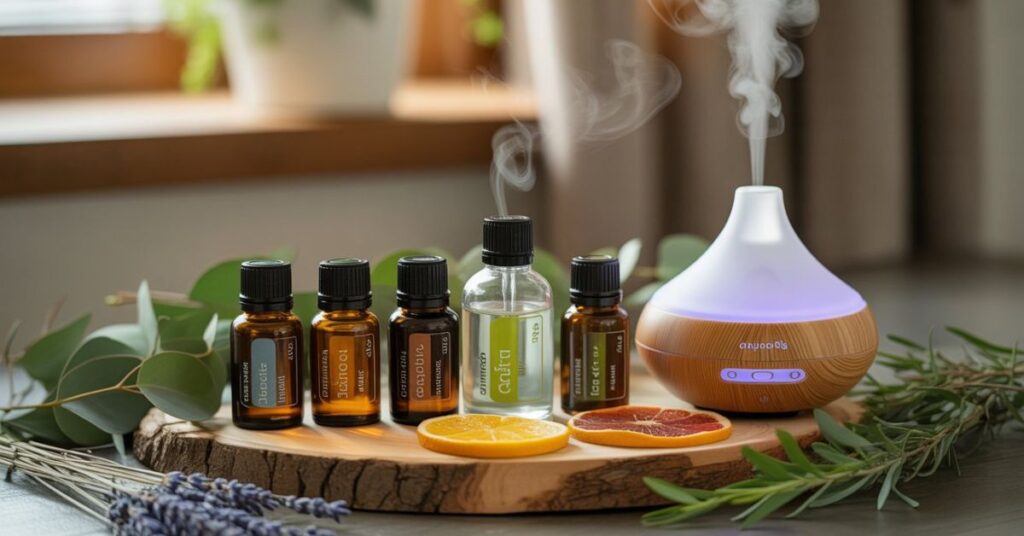
Using essential oils for colds has become a popular natural approach for managing everyday cold and flu discomfort. While they are not a cure, they can offer several supportive benefits that help the body feel more comfortable during illness.
One of the biggest advantages of essential oils for colds and coughs is their ability to create a soothing breathing experience. Many oils contain natural compounds that produce a cooling or warming sensation, which can make congested airways feel more open.
Another key benefit is relaxation. When you are sick, stress and discomfort often increase. Aromatherapy using essential oils for colds diffuser methods can help calm the mind and improve rest, which is important for recovery.
Key Benefits of Essential Oils for Colds
1. Helps ease breathing discomfort
Certain oils like eucalyptus and peppermint may help reduce the feeling of blocked airways, making breathing feel smoother.
2. Moreover, supports better sleep during illness.
In general, using essential oils for colds humidifier setups can create a calming environment; therefore, it supports restful sleep, which is essential for healing.
3. May reduce sinus pressure sensation
Some blends used in essential oils for colds and coughs routines help relieve the heavy feeling in the head caused by congestion
4. Provides natural aromatic relied
Strong natural scents can help distract from discomfort and create a refreshing atmosphere.
5. In addition, easy and non-invasive use.
Unlike medicines, essential oils are usually inhaled or diffused; therefore, they are simple to use at home.
In general, why people trust essential oils during cold season
In fact, many users prefer essential oils for colds because they are:
- Natural plant-based solutions
- Easy to combine in blends
- Useful for both cold and flu symptoms
- Compatible with diffusers, steam, and humidifiers
Some popular options like essential oils for flu do TERRA blends are also widely used in aromatherapy routines for seasonal wellness support.
Read More: https://pureoilshub.com/essential-oil-laundry-detergent/
Best Essential Oils for Colds, Cough, and Sore Throat
When it comes to natural relief, choosing the right essential oils for colds makes a big difference; therefore, it can improve overall comfort and results.
Not all oils work the same way. In general, some are better for congestion, while on the other hand, others are more effective for cough or throat discomfort.
Many people use essential oils for colds and coughs because they offer targeted support depending on symptoms. The key is understanding which oil works best for each problem.
Below is a breakdown of the most effective oils and how they help.
Top Essential Oils for Colds That Clear Congestion
Congestion is one of the most uncomfortable cold symptoms. Certain oils help open airways and improve breathing comfort.
Popular options include:
- Eucalyptus oil – Helps open nasal passages and supports easier breathing
- Peppermint oil – Provides a cooling effect that reduces the feeling of blockage
- Tea tree oil – Known for its cleansing and refreshing aroma
These oils are often used in essential oils for colds diffuser blends because inhalation gives fast sensory relief.
Essential Oils for Colds That Help with Cough Relief
In many cases, coughing can make rest difficult during illness.
Some essential oils help soothe throat irritation and reduce coughing urges.
Effective choices include:
- Lavender oil – Calming effect that supports relaxation and sleep
- Frankincense oil – Helps reduce throat irritation sensation
- Lemon oil – Refreshing scent that supports respiratory comfort
Many people include these in essential oils for colds and coughs blends for nighttime use.
Essential Oils for Colds That Soothe Sore Throat
A sore throat is often one of the earliest cold symptoms. Certain oils can help create a soothing effect when used properly.
Helpful oils include:
- Chamomile oil – Gentle and calming for throat discomfort
- Clove oil – Known for its warming sensation
- In addition, eucalyptus oil – also supports throat cooling and freshness.
These oils are often used in steam inhalation or diluted topical applications for best results.
How These Oils Work Together
Many users combine different essential oils for colds into blends to get better results. For example:
- Eucalyptus + peppermint = congestion relief
- Lavender + lemon = cough and relaxation support
- Moreover, tea tree + eucalyptus = overall respiratory freshness.
Some branded blends like essential oils for flu doTERRA also follow similar combinations for seasonal support.
How to Use Essential Oils for Colds Safely and Effectively

Using essential oils for colds the right way is very important. These oils are highly concentrated, so proper usage ensures better results and avoids irritation. Therefore, many people use essential oils for colds and coughs at home; however, not everyone knows the safest methods.
There are several effective ways to use them, including inhalation, skin application, diffusers, and steam therapy.
How to Inhale Essential Oils for Colds
Inhalation is one of the fastest ways to feel relief from essential oils for colds.
You can do this by:
- Adding a few drops to a tissue and gently inhaling
- Using direct palm inhalation (rub and breathe deeply)
- Adding oils to hot water and breathing in the steam
In fact, this method is especially helpful for quick congestion relief; because of this, the aroma reaches the respiratory system immediately.
Many users prefer this method when dealing with essential oils for colds diffuser alternatives during travel or without equipment.
How to Apply Essential Oils for Colds on Skin
In addition, topical use is another common method; however, it must always be diluted.
Steps:
- Mix essential oil with a carrier oil (like coconut or almond oil)
- Apply to chest, neck, or back
- Gently massage for better absorption
This method is often used for essential oils for and coughs because it provides longer-lasting aroma support.
Never apply undiluted essential oils directly on skin.
Using Diffusers with Essential Oils for Colds
Diffusers are one of the most popular ways to use for colds diffuser blends.
Benefits:
- Keeps air aromatic for hours
- Helps support easier breathing
- Creates a calming environment for rest
Common oils used in diffusers include eucalyptus, peppermint, and lavender. Many people also use there for colds humidifier setups for larger rooms.
Steam Therapy with Essential Oils for Colds
Steam therapy is highly effective for sinus and chest congestion.
How to use:
- Boil water in a bowl
- Add 2–4 drops of essential oil
- Cover head with towel and inhale steam deeply
This method is widely used for they for colds and coughs because it delivers strong and immediate relief.
Safety Reminder
Even though essential oils for colds are natural, they must be used carefully:
- Therefore, always dilute before skin use.
- Avoid overuse or high concentration
- Keep away from eyes and sensitive areas
Some people also prefer trusted blends like essential oils for flu doTERRA for pre-formulated safe usage.
Risks and Safety of Essential Oils for Colds
Even though essential oils for colds are natural, they are still highly concentrated substances; therefore, they must be used with care.
. This means they must be used carefully to avoid unwanted reactions. Many people use for and coughs safely at home, but incorrect usage can lead to irritation or sensitivity.
Understanding safety is just as important as understanding benefits.
Who Should Avoid Essential Oils for Colds
Not everyone reacts the same way to essential oils. Some groups need extra caution or should avoid them unless advised by a professional:
- Pregnant women (certain oils may not be safe)
- Infants and very young children
- People with asthma or severe allergies
- Individuals with sensitive skin
- Those taking specific medical treatments
Even popular blends like essential oils for flu doTERRA should be used carefully in sensitive cases.
Side Effects of Essential Oils for Colds
When misused, they for colds may cause mild to moderate side effects such as:
- Skin irritation or redness
- Headache from strong aroma exposure
- Allergic reactions in sensitive individuals
- Breathing discomfort in rare cases
Overuse in diffusers or essential oils for humidifier setups can also make the scent overwhelming and uncomfortable.
How to Test Essential Oils for Colds on Skin
Before using any oil on your skin, it is important to perform a patch test; this ensures that you avoid any allergic reaction or irritation.
This helps ensure you don’t have a reaction.
Steps:
- Mix a small amount of essential oil with a carrier oil
- Apply to a small area (like inner arm)
- Wait 24 hours
- Check for redness, itching, or irritation
This is especially important for essential oils for and coughs used in chest or neck applications.
Safe Usage Guidelines
To safely enjoy for colds, follow these simple rules:
- Always dilute before applying to skin
- Do not overuse in diffusers
- Avoid direct contact with eyes or sensitive areas
- Use high-quality, pure oils only
- Limit exposure time in closed rooms
When used correctly, they for colds diffuser methods and steam therapy are generally safe and effective.
Can Essential Oils for Colds Help with COVID-19 Symptoms?
Many people search for for colds and wonder if they can also help with COVID-19 symptoms. Additionally, this is an important topic because both conditions can affect breathing, congestion, and overall comfort.
However, it is very important to understand the medical reality clearly.
Essential oils for and coughs may help with symptom relief such as congestion, stress, or discomfort; however, they do NOT treat, prevent, or cure COVID-19 or any viral infection.
COVID-19 is a serious infectious disease that requires proper medical care, testing, and treatment.
What Essential Oils Can Actually Do
When used properly, they for colds may:
- Help improve breathing comfort
- Reduce stress and anxiety during illness
- Support better sleep
- Create a soothing environment using aromatherapy
These effects are supportive only and do not affect the virus itself.
Important Comparison Table
Here is a clear breakdown to understand the difference:
| Aspect | Essential Oils for Colds | COVID-19 Medical Treatment |
| Treats virus | No | Yes |
| Reduces congestion feeling | Yes | Sometimes (medications) |
| Improves relaxation | Yes | Limited |
| Replaces medical care | No | No |
| Scientific cure | No | Yes (medical protocols) |
Role of Aromatherapy in Illness Support
Even though essential oils for do not cure viral diseases, they are sometimes used in hospitals or home care settings for comfort support.
For example:
- Lavender may help reduce anxiety
- Eucalyptus may support easier breathing sensation
- Peppermint may create a cooling effect
Some users also prefer essential oils for flu doTERRA blends for relaxation during illness, but again, only as supportive care.
Key Safety Reminder
If someone has COVID-19 symptoms, they should:
- Get tested immediately
- Follow medical advice
- Use essential oils only as complementary comfort support
Never rely only on essential oils for and coughs for serious illness treatment.
Are Essential Oils for Colds Safe for Children and Babies?
When it comes to essential oils for colds, parents often wonder if they are safe for babies and children. In fact, this is important because children have more sensitive skin, airways, and immune systems compared to adults; therefore, extra care is necessary.
While essential oils for colds and coughs are natural, they are also very concentrated; therefore, extra caution is needed before using them on young children.
Safety for Babies and Young Children
For babies, especially under 2 years old, in fact, most experts recommend avoiding direct use of essential oils; therefore, they should only be used if advised by a qualified healthcare professional.
Common concerns include:
- Sensitive respiratory system
- Higher risk of skin irritation
- Strong aroma sensitivity
Even popular options like essential oils for flu doTERRA should not be used directly on infants without guidance.
Safe Use for Older Children
For children above 2–5 years, some for colds may be used safely in very diluted forms.
Common safe methods include:
- Mild diffuser use in open rooms
- Very diluted topical application (only under guidance)
- Short exposure time (not continuous use)
Safety Guidelines Table
| Age Group | Safety Level | Recommended Use | Risk Level |
| 0–2 years | Not recommended | Avoid direct use | High |
| 2–5 years | Use with caution | Diffuser only (mild oils) | Medium |
| 6–12 years | Generally safe | Diluted topical + diffuser | Low |
| Adults | Safe (if used properly) | Full methods allowed | Low |
Best Practices for Children
If using essential oils for colds and coughs for children:
- Always dilute properly
- Use gentle oils like lavender or chamomile
- Avoid strong oils like peppermint in high concentration
- Never apply near eyes, nose, or mouth
Important Reminder
Even though essential oils for colds can provide comfort, however, they are not a replacement for medical care in children. Therefore, if symptoms persist, medical advice should always be taken.
Alternatives to Essential Oils for Colds and Natural Remedies
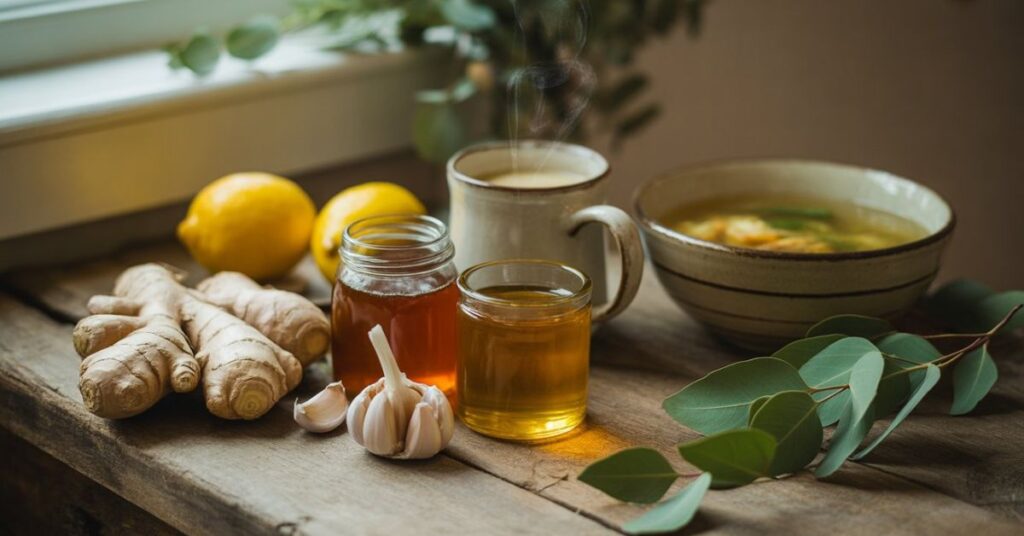
While essential oils for colds are widely used for natural symptom support, however, they are not the only option. In addition, many people also rely on other home remedies that help ease congestion, cough, and sore throat in a gentle way.
These alternatives can be used alone or alongside essential oils for colds and coughs for better comfort and faster relief.
Popular Natural Alternatives
Here are some effective and commonly used natural remedies:
- Warm herbal teas – Help soothe the throat and keep the body hydrated
- Honey with warm water – Supports throat comfort and reduces irritation
- Saltwater gargle – Helps reduce throat inflammation
- Steam inhalation (without oils) – Clears nasal passages naturally
- Rest and hydration – Essential for immune recovery
Comparison of Natural Remedies and Essential Oils
| Remedy Type | Main Benefit | Speed of Relief | Ease of Use |
| Essential oils for colds | Aromatherapy + breathing comfort | Fast (inhalation) | Easy |
| Herbal teas | Hydration + soothing throat | Moderate | Very easy |
| Honey remedies | Throat coating effect | Fast | Very easy |
| Steam therapy | Clears congestion | Fast | Easy |
When to Combine Remedies
Many people combine for with other natural treatments for better results. For example:
- Steam + eucalyptus oil + honey tea
- Diffuser + warm fluids + rest
- Humidifier + herbal tea + sleep
This combination approach is often more effective than using a single method.
Some users also prefer blends like essential oils for flu doTERRA along with herbal remedies for seasonal wellness support.
Why Natural Remedies Work Well Together
Natural remedies work because they support different parts of recovery:
- Fluids hydrate the body
- Steam clears nasal congestion
- Honey soothes the throat
- Essential oils improve breathing comfort
When used together with for colds and coughs, they create a balanced relief system.
When to See a Doctor Instead of Using Essential Oils for Colds
Although essential oils for can help with mild symptoms, they are not a replacement for medical care. In some situations, relying only on for colds and coughs may delay proper treatment and make the condition worse.
It is important to know when home remedies are not enough and professional medical help is needed.
Warning Signs You Should Not Ignore
You should see a doctor if you experience:
- High fever lasting more than 2–3 days
- Severe sore throat or difficulty swallowing
- Shortness of breath or chest pain
- Persistent cough lasting more than 10–14 days
- Thick yellow or green mucus with worsening symptoms
- Extreme weakness or dizziness
In these cases, however for colds should only be used as supportive comfort, not treatment.
When Essential Oils Are NOT Enough
While for colds diffuser methods can help improve breathing comfort, they cannot:
- Treat bacterial infections
- Cure viral diseases
- Replace antibiotics or prescribed medicines
- Handle severe respiratory conditions
Even popular blends like essential oils for flu doTERRA are only supportive and should not delay medical care.
Safe Rule to Follow
A simple rule is:
In general, if symptoms are mild → you can use essential oils for colds for comfort. However, if symptoms are severe or worsening → see a doctor immediately.
When Medical Care Becomes Urgen
Seek emergency help if:
- Breathing becomes difficult
- Lips or face turn bluish
- Severe chest pain occurs
- Confusion or fainting happens
These symptoms require immediate medical attention, not home treatment.
Tips to Get Fast Relief Using Essential Oils for Colds
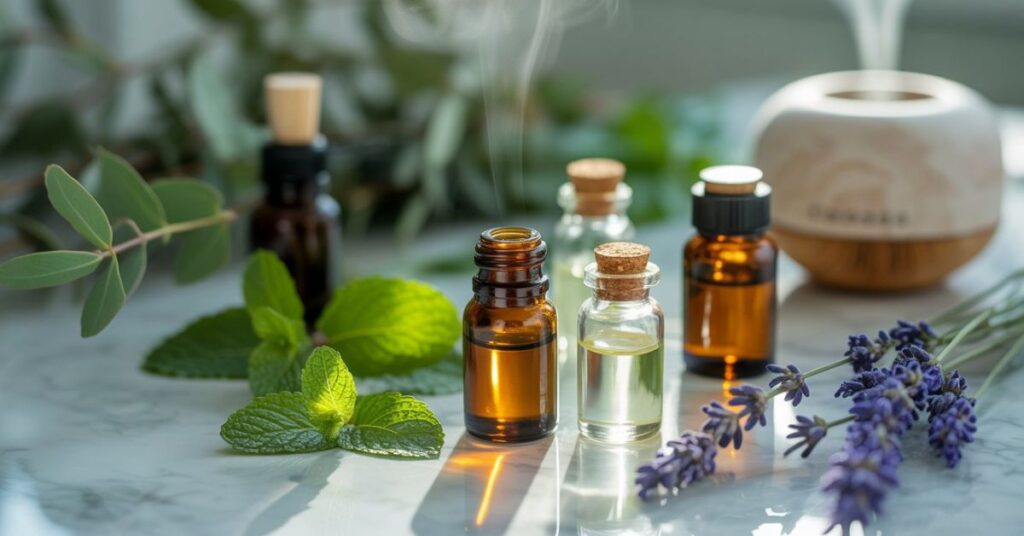
When using for colds, results depend not only on the oils you choose but also on how correctly you use them. Small improvements in your routine can make a big difference in how quickly you feel relief.
Many people use for colds and coughs at home; however, only a few know the proper techniques that actually speed up comfort and recovery.
Best Tips for Faster Relief
1. Use the right oil combinations
Blending oils increases effectiveness. For example:
- Eucalyptus + peppermint → helps open airways
- Lavender + lemon → supports relaxation and breathing comfort
- Tea tree + eucalyptus → supports overall respiratory freshness
These blends are commonly used in for colds diffuser routines.
2. Inhale at the right time
The best time to use essential oils for colds is:
- Before sleep (to improve breathing at night)
- Early morning (to clear congestion)
- During steam therapy for instant relief
3. Use steam therapy for quick action
Steam inhalation helps oils reach the respiratory system faster. This is one of the most effective methods for for colds and coughs relief.
4. Keep your environment humid
Dry air worsens cold symptoms. Using a humidifier with for colds humidifier blends helps:
- Reduce throat dryness
- Improve nasal comfort
- Support easier breathing
5. Stay hydrated
Drinking warm water, herbal tea, or fluids helps your body respond better to for colds by thinning mucus and supporting recovery.
6. Don’t overuse essential oils
More is not better. Overuse can cause irritation or headache. Stick to small, controlled amounts.
Quick Relief Strategy Table
| Method | Speed of Relief | Best Use Time |
| Steam inhalation | Very fast | Morning / congestion |
| Diffuser | Moderate | Day & night |
| Humidifier blends | Steady relief | Night |
| Direct inhalation | Instant | On-the-go |
Final Tip for Better Results
Consistency matters. Using for colds regularly during the first signs of illness can help reduce discomfort faster and improve overall comfort.
Some users also rely on essential oils for flu doTERRA blends as part of their daily wellness routine during seasonal changes.
Conclusion:
After exploring all aspects of essential oils for colds, it is clear that they can be a helpful natural support option for managing mild cold and flu symptoms. They are widely used for congestion relief, breathing comfort, and relaxation during illness.
However, it is important to understand that for colds and coughs are not a cure for infections. They do not kill viruses or replace medical treatment. Instead, they work best as a complementary therapy that supports comfort and symptom relief.
When used correctly, for example, methods like for diffuser, steam inhalation, and diluted topical application can help improve breathing. In addition, they can create a calming environment that supports recovery.
Many people also combine essential oils for colds humidifier setups; additionally, they use blends like essential oils for flu doTERRA as part of their seasonal wellness routine.
Final Takeaway
- Yes, essential oils for colds can help with symptom relief
- No, they are not a medical cure
- Best results come from safe and proper usage
- They work best alongside rest, hydration, and medical care when needed
Simple Verdict
If used wisely, essential oils for colds are definitely worth trying as a natural comfort method. In fact, they are most effective for mild symptoms and early-stage colds; moreover, they work best when combined with healthy habits.
FAQs:
1. What are the best essential oils for colds?
The best essential oils for colds include eucalyptus, peppermint, tea tree, lavender, and lemon oil. These are commonly used to support breathing comfort, reduce congestion feeling, and promote relaxation during cold symptoms.
2. How do essential oils for colds and coughs work?
Essential oils for and coughs work mainly through inhalation or topical use. In fact, their natural aromatic compounds may help open airways and soothe throat irritation. In addition, they can create a calming effect, which improves overall comfort during illness.
3. What is the best way to use essential oils for colds diffuser?
The most effective way is to add a few drops of essential oil (like eucalyptus or peppermint) into a diffuser filled with water. This spreads the aroma into the air and helps support easier breathing, especially during sleep or rest.
4. Can essential oils for colds cure flu or infections?
No, essential oils for cannot cure viral infections or flu. In general, they are only used for symptom relief such as congestion, stress reduction, and breathing comfort. However, medical treatment is still required for serious or persistent infections.
5. Are essential oils for colds safe for daily use?
Yes, but only when used properly. Essential oils for should always be diluted before skin use, and diffuser use should be limited. Overuse may cause irritation or headaches in some individuals.
6. What is the best essential oil blend for cold and flu relief?
A common cold and flu blend includes eucalyptus, peppermint, and lavender. These combinations are often used in essential oils for flu doTERRA blends and help support congestion relief and relaxation.
7. Can I use essential oils for colds in a humidifier?
Yes, essential oils for cold humidifier use are popular for adding moisture and aroma to the air. However, always check your humidifier instructions, as not all devices are designed for essential oils.