Introduction
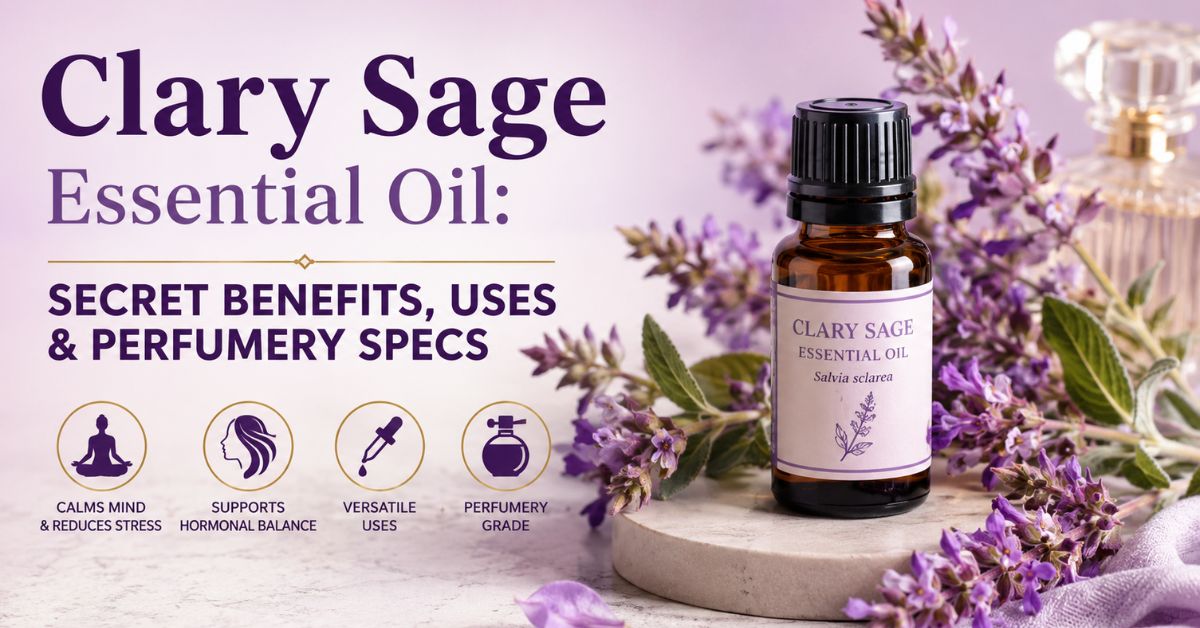
If you are looking for a natural botanical extract that effortlessly bridges the gap between deep hormonal balance, advanced skin therapy, and high-end perfumery, clary sage essential oil stands in a league of its own. Known scientifically as Salvia sclarea, this remarkable herbal extract has transitioned from ancient European monasteries to modern clinical labs and luxury formulation studios.
Whether you want to soothe stubborn stress, revitalize your hair and skin, or create artisanal scents, understanding the full power of this oil is your first step toward mastering plant-based wellness. In this comprehensive guide, we unpack the exact botanical profile, extraction secrets, active chemistry, and therapeutic potential that make clary sage essential oil an indispensable botanical power-house.
What Is Clary Sage Essential Oil and How Is It Produced?
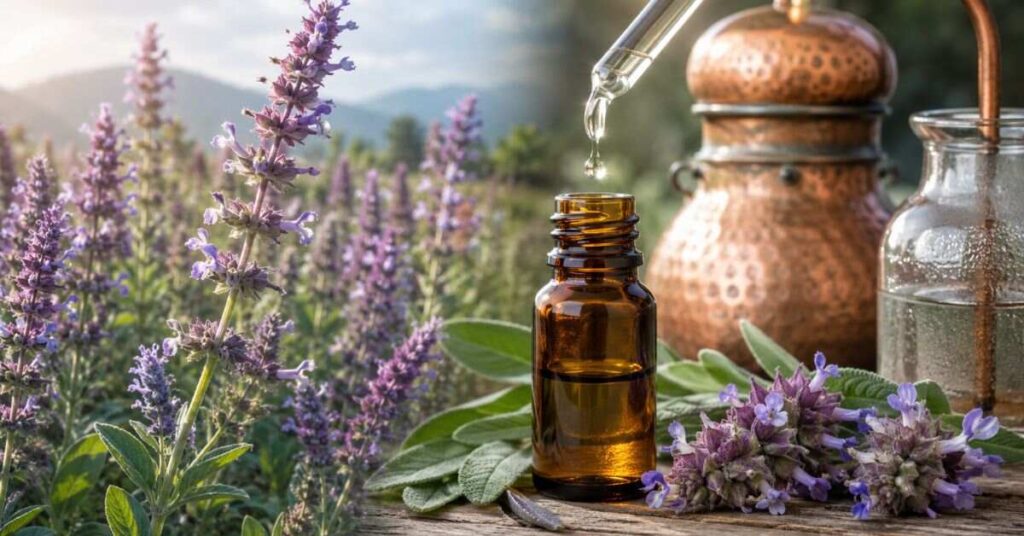
To truly appreciate the therapeutic potency of clary sage essential oil, one must first understand its origins and the intricate process required to capture its active volatile compounds. Unlike common garden sage (Salvia officinalis), which contains high levels of neurotoxic thujone, true clary sage is gentle, profoundly relaxing, and chemically unique.
[ Salvia sclarea (Flowering Tops & Leaves) ]
│
▼
[ Steam Distillation Process ]
(Controlled Temperature & Low Pressure)
│
▼
┌─────────────────┴─────────────────┐
▼ ▼
[ Clary Sage Essential Oil ] [ Pure Hydrosol ]
(Rich in Linalyl Acetate) (Water-Soluble)
Botanical Profile and Origin of Pure Clary Sage Essential Oil (Salvia sclarea)
The term “clary” originates from the Latin word clarus, which translates to “clear.” Historically referred to as “clear eye” or Oculus Christi (Eye of Christ), medieval herbalists relied on its mucilaginous seeds to soothe irritated eyes and clear visual impairments.
- Plant Family: Lamiaceae (Mint family)
- Botanical Name: Salvia sclarea
- Native Habitat: Northern Mediterranean region, alongside specific parts of North Africa and Central Asia.
- Plant Morphology: A biennial or perennial herbaceous plant growing up to 3 to 4 feet tall. It features broad, velvet-like greenish-wrinkled leaves and stunning lavender-pink or white blooms encased in large, colorful bracts.
Today, high-grade oils is primarily cultivated in Southern France, Hungary, Bulgaria, and parts of North America. The specific microclimate, soil composition, and harvesting time dramatically influence the aroma and therapeutic profile of the final extract.
Steam Distillation: How High-Quality Clary Sage Essential Oil Is Extracted
The process of extracting pure clary sage essential oil requires exceptional technical precision. A minor variance in steam pressure or temperature can easily destroy its delicate esters and terpenes.
Key Production Rule: Authentic, therapeutic-grade essential oil is extracted exclusively through steam distillation of the flowering tops and foliage, never via chemical solvent extraction or harsh expression.
- Harvest Timing: The flowering stalks are harvested during peak bloom—typically in late spring or early summer—on warm, dry days when the essential oil glands inside the trichomes reach maximum density.
- Field Drying (Wilted State): The harvested plant material is briefly left to wilt. This step reduces excess moisture content, preventing water saturation inside the distillation retorts.
- Steam Injection: Pressurized steam passes gently through the densely packed botanical material. Consequently, heat opens the microscopic oil glands, releasing volatile liquid aromatics into vapor form.
- Condensation & Separation: The aromatic vapor travels through cooling coils where it condenses back into liquid. Because pure essential oil is lighter than water, it floats gracefully on top of the floral hydrosol layer, allowing for clean, chemical-free separation.
Key Active Compounds and Chemical Composition of Clary Sage Essential Oil
The medicinal and perfumery value of thy relies entirely on its complex, synergistic chemical blueprint. Gas Chromatography-Mass Spectrometry (GC-MS) testing reveals that a top-tier distillation consists primarily of two crucial natural compounds: Linalyl Acetate and Linalool.
| Chemical Constituent | Average Percentage | Primary Therapeutic Role |
| Linalyl Acetate | 55.0% – 75.0% | Sedative, antispasmodic, anti-inflammatory, ester structure. |
| Linalool | 10.0% – 20.0% | Anxiolytic, antibacterial, stress-reducing monoterpenol. |
| Sclareol | 0.5% – 2.5% | Diterpenol compound linked to phytohormonal balance. |
| Germacrene D | 1.0% – 5.0% | Antimicrobial, calming, sesquiterpene constituent. |
| Alpha-Terpineol | 0.5% – 2.0% | Antioxidant, soothing agent, enhancer of skin absorption. |
Because linalyl acetate dominates its chemistry, this oil acts as a powerful natural nervous system relaxant. Additionally, the presence of sclareol gives it unique hormonal properties rarely found in other botanical extractions, making it a favorite for natural women’s health remedies.
Proven Health Benefits of Clary Sage Essential Oil
The therapeutic reputation of clary sage essential oil (Salvia sclarea) is backed by centuries of traditional herbal medicine as well as modern clinical studies. From central nervous system modulation to dermatological care, this versatile botanical extract offers targeted relief across multiple human biological systems.
Biological Systems Impact and Physiological Mechanisms

Understanding how clary sage essential oil interacts with human biology reveals why this botanical extract remains a cornerstone of modern holistic therapy. Rather than relying on a single physiological mechanism, it targets three vital body systems simultaneously to deliver comprehensive wellness support.
1. Nervous System Modulation and Mood Support
The primary active constituent in the oil is linalyl acetate, an ester celebrated for its profound relaxing effects on the central nervous system. When inhaled or applied topically with a carrier oil, this versatile botanical helps balance key physiological stress pathways:
- Cortisol Reduction: Clinical research indicates that inhaling the vapor can significantly lower systemic cortisol levels, thereby blunting the body’s acute stress response.
- Anxiolytic Action: In addition, the natural presence of linalyl acetate promotes a gentle sedative effect that settles racing thoughts and relieves mental fatigue.
- Neurochemical Balance: Furthermore, it interacts directly with dopamine pathways in the brain, which enhances mood stability and creates a comforting sense of emotional groundedness.
2. Endocrine System and Hormonal Harmony
For centuries, natural health practitioners have turned to plant extracts to support female reproductive wellness across different stages of life. Consequently, its unique chemical makeup offers targeted, natural support for the endocrine system:
- Soothes Menstrual Cramps: Thanks to its high concentration of antispasmodic compounds, massaging a diluted mixture onto the lower abdomen gently relaxes uterine smooth muscle tissue to ease painful cramping.
- Eases Menopause Symptoms: Additionally, regular aromatherapy sessions help reduce the intensity and frequency of sudden hot flashes, night sweats, and hormonal mood swings.
- Phyto-Estrogenic Support: Because it contains natural trace diterpenes like sclareol, it provides gentle phyto-estrogenic action that helps harmonize hormonal fluctuations without overpowering natural biochemistry.
3. Integumentary System (Skin & Scalp Health)
Beyond internal balance, the extract delivers exceptional protective and restorative benefits for the skin and scalp. Therefore, incorporating this extract into daily skincare routines addresses common dermatological concerns naturally:
- Boosts Hair Growth: When massaged gently into the scalp, it stimulates microcirculation around hair follicles, which strengthens root structures and encourages fuller, healthier hair growth.
- Regulates Sebum Production: Furthermore, this specialized oil helps balance sebaceous gland activity, making it an ideal natural solution for managing both excessively oily skin and dry patches.
- Antimicrobial Care: Moreover, its natural antibacterial and antifungal properties shield delicate skin barriers against acne-causing bacteria and environmental impurities.
Stress Reduction, Anxiety Relief, and Cortisol Control
Chronic stress triggers a surge in serum cortisol levels, subsequently leading to sleep disturbance, elevated blood pressure, and systemic metabolic imbalance. Fortunately, inhaling clary sage essential oil triggers a rapid physiological shift from the sympathetic nervous system (fight-or-flight) to the parasympathetic state (rest-and-digest).
Physiological Trigger: Inhalation of volatile aromatic esters directly stimulates olfactory receptors, rapidly sending inhibitory signals to the amygdala to downregulate acute stress responses.
- Cortisol Modulation: Clinical research demonstrates that inhaling this aromatic oil can lower salivary cortisol levels significantly, thereby reducing systemic stress markers.
- Autonomic Regulation: As a result, inhalation helps decrease systolic and diastolic blood pressure while stabilizing respiratory rates during acute anxiety spikes.
- Synergistic Calming: Meanwhile, the natural synergy of linalool and linalyl acetate acts directly on neural pathways to calm overactive brain signals quickly.
Natural Antidepressant and Mood-Boosting Effects

Beyond acute stress management, the extract demonstrates noticeable antidepressant properties. Specifically, it influences key neurotransmitter pathways, offering a gentle, non-sedating boost to overall emotional well-being.
Neurochemical Mechanism
Inhalation elevates endogenous dopamine concentrations while interacting with 5-HT1A serotonin receptors. Consequently, this dual mechanism helps lift persistent mood fatigue and emotional exhaustion.
To maximize mood-boosting results during demanding work hours or low-energy afternoons, consider combining it with complementary citrus extracts:
- Diffuser Blend: Add 4 drops of clary sage and 3 drops of Sweet Orange oil to an ultrasonic diffuser for ambient mental uplifting.
- Direct Inhalation: Alternatively, place 1 drop diluted in a carrier oil (such as jojoba or almond) on your palms, cupping your hands over your nose for 3 deep diaphragmatic breaths.
Targeted Relief for Menstrual Cramps and Dysmenorrhea
For women navigating painful monthly menstruation (dysmenorrhea), therapeutic benefits extend to natural uterine relaxation and pain management. Because of its high concentration of esters, it provides targeted antispasmodic action directly to contracting smooth muscle tissue.
- Topical Abdominal Massage: Applying diluted oil to the lower abdomen effectively eases uterine contractions and relaxes pelvic muscle tension.
- Synergistic Blends: Furthermore, blending it with Lavender and Sweet Marjoram in a 2% carrier dilution reduces both the duration and severity of menstrual pain more effectively than single-oil applications.
- Premenstrual Support: Ultimately, utilizing daily abdominal rubs helps smooth out emotional volatility associated with premenstrual syndrome (PMS).
Comprehensive Relief from Menopause Symptoms

Navigating perimenopause and menopause brings uncomfortable systemic shifts, including hot flashes, night sweats, insomnia, and rapid mood fluctuations. Fortunately, the presence of sclareol a rare diterpenol structured similarly to natural estrogen molecules provides balancing support.
| Menopause Symptom | Primary Physiological Driver | Targeted Botanical Response |
| Hot Flashes | Hypothalamic thermoregulatory dysfunction | Cools systemic heat responses and stabilizes autonomic surges |
| Night Sweats | Nocturnal estrogen drops | Diffused at bedtime to support uninterrupted deep sleep cycles |
| Mood Swings | Fluctuating hormone-neurotransmitter levels | Enhances serotonin receptor sensitivity and emotional stability |
| Fatigue | Disrupted circadian rhythm | Calms the nervous system without causing heavy morning brain fog |
Therefore, regular aromatherapeutic use during menopause offers gentle, non-invasive support for thermal regulation and restful sleep.
Antimicrobial and Anti-Inflammatory Properties
Bacterial overgrowth and unchecked inflammation accelerate skin damage and internal cellular fatigue. Fortunately, laboratory testing shows broad-spectrum antimicrobial activity against multiple bacterial strains, including Staphylococcus aureus, Escherichia coli, and Pseudomonas aeruginosa.
- Pathogen Control: It inhibits bacterial replication on contact, making it an excellent addition to natural wound cleansing formulations and protective topical salves.
- Inflammatory Cascades: In addition, active compounds suppress inflammatory cytokines, significantly reducing localized redness, tissue swelling, and heat.
- Fungal Defense: Moreover, it demonstrates mild antifungal activity against Candida species when applied topically in protective carrier oils.
Skin Health, Sebum Balance, and Acne Care
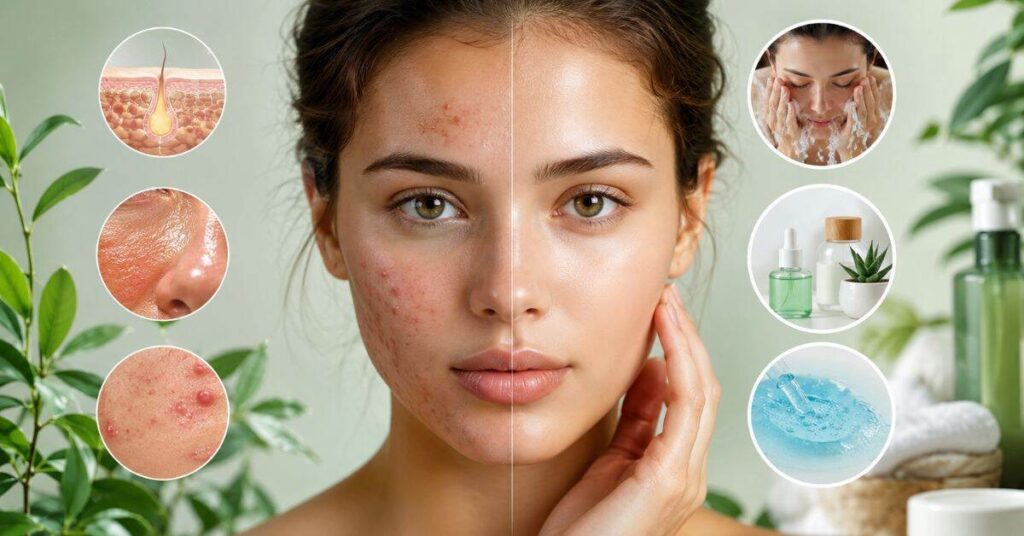
Unlocking vibrant, clear skin requires balancing natural dermal oils without stripping away protective surface moisture. Consequently, incorporating these therapeutic properties into skincare formulations allows for effective care of acne-prone, oily, or mature complexions.
[ Excess Sebum Production ] ──► [ Topical Application ] ──► [ Balanced Skin Barrier ]
            │                                                      │
            ▼                                                      ▼
[ Bacterial Overgrowth ]   ──► [ Linalyl Acetate Action ] ──► [ Clear, Soothed Dermis ]
- Sebum Regulation: It normalizes overactive sebaceous glands, effectively preventing clogged pores and oily shine without over-drying delicate facial skin.
- Acne Prevention: Furthermore, it actively combats acne-causing bacteria (Cutibacterium acnes) while soothing painful, inflamed pimples and cysts.
- Astringent Toning: As a result, it gently tightens lax pores and smooths skin texture, encouraging healthy cellular turnover.
Hair and Scalp Care Benefits
In addition to facial skincare, the benefits extend remarkably to individuals struggling with thinning hair, brittle strands, or flaky scalps. Ultimately, maintaining a healthy scalp environment forms the foundation for strong hair growth.
- Scalp Circulation: It stimulates microcirculation around hair follicles, thereby delivering vital nutrients to support resilient hair growth.
- Dandruff Control: Furthermore, it balances scalp moisture levels and reduces fungal irritation that causes flaking and persistent itchiness.
- Tensile Strength: Consequently, regular application strengthens hair shafts, decreasing breakage caused by thermal styling stress or environmental damage.
Enhancing Mental Function and Cognitive Clarity

When mental fatigue sets in, maintaining focus can feel challenging. However, this aromatic extract acts as a gentle cognitive clarifier, removing mental fog while maintaining calm alertness.
Clinical Insight: Research suggests that essential oils rich in linalool enhance memory retention and spatial awareness by protecting acetylcholine—a key neurotransmitter responsible for memory formation—from premature enzymatic degradation.
- Enhanced Focus: Diffusing the oil during study or deep work sessions sharpens concentration without the jittery side effects of caffeine.
- Clearing Brain Fog: Furthermore, it dissipates mental confusion caused by prolonged stress, thereby restoring logical decision-making and productivity.
Pharmacology and Scientific Evidence Behind Clary Sage Essential Oil
While historical herbal texts praise clary sage essential oil as a multi-purpose cure, modern pharmacodynamics allows us to analyze its exact mechanisms of action at the cellular level. By examining how its principal volatile compounds pass through biological barriers and interact with receptor sites, we can clearly distinguish verified medical science from folklore.
Mechanisms of Systemic Absorption: How Clary Sage Essential Oil Operates
When you utilize clary sage essential oil through either direct inhalation or topical transdermal application, active volatile compounds enter your body through two distinct bio-available pathways. These physiological routes work in tandem to trigger rapid, systemic therapeutic effects across both mind and body.
1. The Olfactory Pathway (Inhalation Route)
Inhaling airborne micro-droplets of clary sage essential oil initiates an immediate neuro-chemical cascade within the central nervous system:
- Olfactory Bulb Signaling: Airborne aromatic molecules bind directly to specialized olfactory receptors in the nasal cavity, sending instant electrical impulses straight to the brain’s olfactory bulb.
- Limbic System Activation: Following this initial neural trigger, signals migrate into the limbic system the brain’s emotional control center which regulates memory, stress responses, and mood stability.
- GABA-A Receptor Modulation: Concurrently, primary compounds like linalyl acetate interact with GABA-A receptors, calming overactive neural firing to produce a gentle, natural anxiolytic (anti-anxiety) response.
2. The Dermal Pathway (Transdermal Route)
Applying clary sage essential oil topically when properly diluted in a nourishing carrier oil delivers localized and circulating physical benefits:
- Systemic Capillary Uptake: Lipophilic botanical compounds effortlessly penetrate the stratum corneum, allowing active components to absorb directly into microscopic dermal capillaries.
- Direct Cellular Interaction: As these compounds circulate through local tissue, they interface directly with cellular membranes to enhance nutrient delivery and tissue elasticity.
- Localized Anti-Inflammatory Action: Simultaneously, concentrated antioxidants work at the site of application to soothe skin irritation, neutralize free radicals, and calm tissue swelling.
3. Integrated Physiological Response
Once the olfactory and dermal absorption pathways converge, your body experiences a deeply restorative, systemic shift:
Uterine and Smooth Muscle Spasmolysis: Finally, antispasmodic compounds relax tight smooth muscle fibers, providing relief from severe uterine cramping and localized abdominal discomfort.
Decreased Serum Cortisol: Clinical observations reveal a measurable drop in circulating stress hormones, which effectively eases systemic physical tension.
Enhanced Dopamine and Serotonin Activity: Neurochemical activity receives a natural boost, elevating overall mood while fostering emotional resilience against daily anxiety.
How Clary Sage Essential Oil Interacts with Neurotransmitters and Hormones
The therapeutic versatility of clary sage essential oil stems directly from its ability to influence both the central nervous system (CNS) and the endocrine system. The small molecular weight of its main constituents allows rapid biological uptake through skin lipids and respiratory membranes.
- GABA-A Receptor Allosteric Modulation: The monoterpene linalool and its ester linalyl acetate bind to $\text{GABA}_\text{A}$ receptor complexes in the brain. This action enhances the inhibitory effects of $\gamma$-aminobutyric acid (GABA), slowing down hyperactive neuronal firing and creating a profound calming effect.
- Dopaminergic Pathway Stimulation: Inhalation studies confirm that exposure to clary sage essential oil triggers dopamine release within the striatum. This neurochemical release helps explain its ability to lift low mood and relieve emotional fatigue.
- Serotoninergic Modulation: The oil interacts directly with $5\text{-HT}_1\text{A}$ serotonin receptors, supporting emotional stability and stress resilience during intense pressure.
- The Estrogenic Debate (Sclareol Mechanism): The diterpenol sclareol features a chemical skeleton resembling endogenous $17\beta$-estradiol. While sclareol does not bind to nuclear estrogen receptors with the same potency as bioidentical hormones, it acts as a mild phytoestrogenic modulator, supporting healthy hormone balance without triggering hyper-estrogenic risks.
Clinical Studies vs. Traditional Claims for Clary Sage Essential Oil
To ensure responsible, evidence-based use, we must evaluate traditional folkloric claims against rigorous peer-reviewed clinical data.
| Historical / Folkloric Claim | Clinical Verification Status | Scientific Findings & Molecular Evidence |
| Instant Stress & Anxiety Relief | Robust Clinical Support | Human trials show significant drops in systolic blood pressure and salivary cortisol levels following direct inhalation during medical examinations. |
| Complete Hormone Replacement | Partially Supported / Contextual | Sclareol offers mild estrogen-mimicking effects, but it does not replace conventional HRT for medical estrogen deficiency. |
| Painful Menstrual Cramp Relief | Strong Clinical Support | Double-blind trials confirm that abdominal massage using a 2% dilution reduces dysmenorrhea severity more effectively than an isolated placebo massage. |
| Direct Induction of Labor | Observational / Midwifery Support | Clinical trials show that while clary sage essential oil labour applications improve uterine contraction efficiency, it does not magically initiate labor on an unprimed cervix. |
| Permanent Loss of Facial Pore Size | Unsupported (Debunked) | Sebum regulation reduces pore visibility by preventing stretch from clogged oils, but it cannot permanently alter genetic pore size. |
E-E-A-T Safety Takeaway: Always evaluate botanical products based on verified bio-activity. Clary sage essential oil is a powerful complementary wellness tool, but it should never replace medically necessary treatments for severe clinical conditions.
Read More: citrus essential oil || amber essential oil || what goes with thyme essential oil || spearmint essential oil
Perfumery Notes and Technical Specifications of Clary Sage Essential Oil
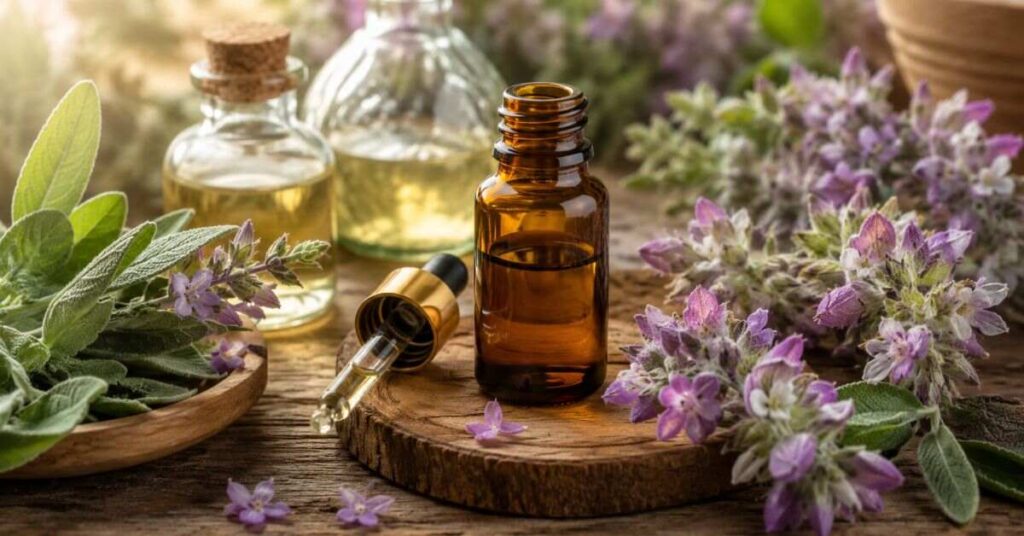
Beyond its clinical applications, clary sage essential oil is a celebrated treasure in fine fragrance design and cosmetic chemistry. Revered by perfumers for centuries, this complex botanical bridges dry herbal top notes with warm, ambery, tea-like undertones, making it a powerful, natural fixing agent in luxury scents.
Fragrance Pyramid Architecture: Mastering Clary Sage Essential Oil in Perfumery
Crafting a balanced, long-lasting aroma profile requires a deep understanding of natural scent volatility. In classical perfumery, clary sage essential oil occupies a prestigious position as a core heart note, bridging bright initial scents with deep, lingering base accords to create a cohesive olfactory experience.
1. Top Notes: Initial Zest and Atmospheric Brightness
Top notes represent the fleeting first impression of a fragrance mixture, evaporating quickly to make room for deeper botanical layers:
- Bright Citrus and Mint Boosters: Incorporating vibrant top notes like bergamot, grapefruit, and spearmint creates an immediate burst of uplifting, crisp freshness.
- Volatile Evaporation Rate: Because these lightweight volatile molecules flash off within 15 to 30 minutes, they serve primarily to capture immediate attention and stimulate the senses.
- Seamless Olfactory Opening: Furthermore, their sharp, energetic profile sets an inviting stage before gently transitioning into the herbaceous middle layers of the blend.
2. Heart Note Anchor: Clary Sage Essential Oil
Positioned directly in the center of the fragrance pyramid, clary sage essential oil acts as the crucial artistic bridge holding the entire blend together:
- Complex Herbaceous Scent Profile: This versatile extract delivers a rich combination of bittersweet herbal, refined tea-like, and warm floral nuances that ground lighter top notes.
- Fixative Perfumery Properties: Thanks to its naturally occurring heavy esters, adding clary sage essential oil helps slow down the evaporation rate of lighter citrus oils.
- Emotional Core Alignment: Moreover, its warm, bittersweet aroma imparts a sense of sophisticated luxury, filling the air with a calming presence that lingers for hours.
3. Base Notes: Deep Grounding and Longevity
Base notes emerge gradually as the lighter top and heart notes mature, providing a solid foundation that lasts all day:
- Woodsy and Earthy Anchor Points: Blending heavy botanical bases such as sandalwood, vetiver, and labdanum establishes a rich, lingering undertone.
- Extended Scent Retention: These dense, low-volatility molecules lock onto skin moisture, ensuring the scent profile evolves smoothly over 6 to 12 hours.
- Harmonious Dry-Down Phase: Ultimately, as the fresh top notes fade, the warm heart of clary sage essential oil melds with these rich base notes to leave a lasting, elegant trail.
Fragrance Profile and Scent Characteristics of Clary Sage Essential Oil
In olfactory classification, clary sage essential oil acts primarily as a middle-to-base note. It possesses remarkable diffusive power and acts as a natural modifier, softening harsh synthetic aroma chemicals while seamlessly blending citrus top notes into deep woody bases.
- Odor Family: Herbaceous / Aromatic / Amber-Tobacco
- Initial Impression (Top Layer): Fresh, bittersweet, slightly nutty, and dry-herbaceous.
- Heart Character (Body): Soft lavender-like floral warmth mixed with dried hay, clary tea leaves, and sweet pine nuances.
- Dry-Down (Base Tail): Rich, tenacious, musky, balsamic, and sweet amber tone (largely driven by its natural sclareol content).
Perfumer’s Guide: Best Oils to Blend with Clary Sage Essential Oil
Because of its balanced chemistry, clary sage essential oil uses in perfumery extend across feminine floral, masculine fougère, and unisex amber scent profiles.
| Essential Oil Family | Ideal Blending Partner Oils | Synergistic Olfactory Effect |
| Citrus Family | Bergamot, Sweet Orange, Grapefruit, Lemon | Brightens dry herbal facets while taming sharp citrus sharpness. |
| Floral Family | Lavender, Ylang Ylang, Roman Chamomile, Geranium | Deepens floral accords, adding earthy, tea-like complexity. |
| Woody & Earthy | Cedarwood, Vetiver, Patchouli, Sandalwood | Anchors volatile light notes and enhances fixative longevity. |
| Resinous & Balsamic | Frankincense, Myrrh, Labdanum, Benzoin | Enhances warm, amber-like musky undertones for luxury fragrances. |
Perfumer’s Tip: When building a classic Fougère (fern-like) perfume, pair clary sage essential oil with Oakmoss, Bergamot, and Lavender to create a timeless, earthy sophisticated scent.
Technical Specifications and IFRA Usage Limits for Clary Sage Essential Oil
For commercial formulators and hobbyists alike, adherence to International Fragrance Association (IFRA) standards ensures product safety and prevents dermal sensitization.
Technical Specification & Analytical Profile of Clary Sage Essential Oil
Verifying the physical and chemical standards of clary sage essential oil is vital for cosmetic chemists, aromatherapists, and quality control analysts alike. These precise physical constants serve as an analytical fingerprint, ensuring product purity, verifying botanical authenticity, and preventing batch contamination in commercial manufacturing.
1. Chemical Identification & Botanical Origin
Establishing accurate regulatory tracking ensures that raw ingredients meet international safety and quality standards:
- CAS Identification Numbers: The Chemical Abstracts Service assigns 8016-63-5 (and European registration 84775-83-7) to systematically catalog clary sage essential oil across global trade databases.
- Botanical Taxon: Authentic therapeutic batches derive strictly from Salvia sclarea L., a biennially flowering herb belonging to the Lamiaceae plant family.
- Regulatory Compliance: Furthermore, documenting these precise registry numbers guarantees full traceability across commercial supply chains and customs verification procedures.
2. Physical Constants and Safety Metrics
Evaluating key physical properties ensures safe handling, formulation stability, and pure batch quality:
Formulation Stability: Ultimately, maintaining these strict analytical benchmarks guarantees consistent scent blending, predictable skin absorption rates, and maximum therapeutic shelf life.
Flash Point Standards: Testing reveals a flash point of approximately 79°C (174°F), which classifies the extract as possessing a medium volatile risk during transport and heating processes.
Specific Gravity (at 20°C): Measured between 0.886 and 0.907, this density reading confirms that the pure oil remains lighter than water, providing a quick check against heavy synthetic additives.
Refractive Index (at 20°C): Ranging accurately from 1.456 to 1.466, this optical test measures how light passes through the liquid to quickly detect accidental adulteration.
Optical Rotation (at 20°C): Demonstrating a negative rotation between -6° and -20°, this specific measurement verifies the natural presence of chiral botanical compounds.
Maximum IFRA 51st Amendment Guidelines (Safe Exposure Limits)
- Category 1 (Lip Balms, Toys): Restricted to maximum 0.20%
- Category 3 (Eye Products, Facial Creams): Maximum recommended limit 1.20%
- Category 4 (Fine Fragrance, Body Sprays): Safe up to 5.00%
- Category 5A (Body Lotions, Body Oils): Recommended max limit 2.50%
- Category 9 (Rinse-off soaps, Shampoos): Safe up to 10.00%
Using Clary Sage Essential Oil in DIY Soap, Candles, and Craft Formulation
Incorporating clary sage essential oil into handmade artisan goods elevates simple recipes into therapeutic spa experiences.
[ Cold Process Soap Batch ] ──► [ Trace Stage Addition ] ──► [ Flash Point Control (<79°C) ]
│
▼
[ Cured Artisan Bar ] ◄── [ Insulated 48h Mold ] ◄── [ Scent Retention Anchored ]
1. Cold-Process Soap Making Guidelines
- Usage Rate: Use 0.5 oz to 0.7 oz (14g – 20g) of oil per pound of saponified oils.
- Incorporation Phase: Add at light trace. To prevent scent fade during curing, blend clary sage essential oil with a natural fixative carrier such as kaolin clay or bentonite powder before stirring into soap batter.
2. Hand-Poured Soy & Beeswax Candles
- Usage Rate: 6% to 8% fragrance load (approximately 1 oz oil per 16 oz soy wax).
- Pour Temperature: Stir the oil into melted wax when the temperature drops to 65°C – 68°C (149°F – 154°F) to avoid flashing off subtle aromatic compounds.
3. Botanical Aromatherapy Room Sprays
- Recipe: Mix 30 drops of clary sage essential oil, 15 drops of Bergamot, and 15 drops of Lavender into 2 oz of high-proof grain alcohol (perfumer’s alcohol). Shake well to dissolve, then top up with 2 oz of distilled water.
How to Use Clary Sage Essential Oil Safely and Effectively
Unlocking the therapeutic potential of clary sage essential oil requires proper application techniques and precise dilution rates. Because pure essential oils are highly concentrated botanical extracts, using them correctly ensures maximum benefits while preventing skin irritation or sensitization.
Practical Application Methods for Raw Clary Sage Essential Oil
Utilizing clary sage essential oil effectively requires selecting the proper administration method tailored to your specific wellness goals. In holistic aromatherapy, choosing between direct topical essential oil application or atmospheric essential oil diffusion requires strict safety protocols. Specifically, applying diluted plant extracts onto skin delivers active volatile compounds directly to your dermal skin layer. Furthermore, utilizing an ultrasonic essential oil diffuser disperses microscopic aromatic droplets throughout indoor living environments. In addition, adhering strictly to established essential oil safety guidelines guarantees maximum therapeutic aromatherapy benefits. Additionally, maintaining proper dilution ratios prevents localized skin sensitivity and acute chemical contact dermatitis. Therefore, limiting continuous room diffusion sessions prevents overwhelming your nervous system and avoids olfactory fatigue. Consequently, practicing evidence-based essential oil usage methods ensures sustainable wellness results, clean indoor air, and complete dermatological protection.
1. Topical Application Protocols and Dilution Standards
Applying concentrated botanical extracts directly to skin tissue demands careful preparation to ensure optimal transdermal absorption and complete safety:
- Carrier Oil Dilution Requirements: Raw clary sage essential oil must always be blended into a lipid-rich carrier oil—such as jojoba, sweet almond, or rosehip oil—before touching the skin.
- Standard Concentration Ratios: Maintaining a safe 1% to 3% concentration (typically 3 to 9 drops per tablespoon of carrier oil) provides an ideal balance between potency and skin comfort.
- Optimal Application Sites: Gently massaging this diluted mixture onto the lower abdomen eases menstrual discomfort, while applying it to the wrists or scalp delivers soothing aromatherapy benefits throughout the day.
- Skin Absorption Efficiency: Consequently, blending the extract with a quality carrier oil enhances lipid penetration while preventing rapid evaporation off the skin’s surface.
2. Inhalation and Diffusion Best Practices
Inhaling volatile aromatic molecules serves as the fastest route to influence mood, calm mental tension, and clear spatial environments:
- Ultrasonic Diffuser Dosage: Adding 3 to 5 drops of pure oil into a standard water diffuser fills living spaces with a refreshing, herbaceous scent profile.
- Direct Palm Inhalation Method: Alternatively, placing a single diluted drop between your palms, rubbing them together, and cupping them over your nose provides instant, portable stress relief.
- Intermittent Diffusion Cycles: Running your diffuser in 30-to-60-minute cycles prevents olfactory habituation, allowing your nervous system to respond continually to the aromatic stimulus.
- Respiratory Comfort: Ultimately, sticking to structured diffusion intervals protects indoor air quality while maximizing the natural, relaxing properties of the oil.
Topical Application Methods for Pure Clary Sage Essential Oil
Applying clary sage essential oil topically allows its active lipophilic constituents to penetrate the skin and enter the bloodstream. However, applying pure essential oil directly to the skin without a carrier oil can lead to contact dermatitis or dermal sensitization.
- In lipid cosmetic formulation, selecting a high-quality cold-pressed carrier oil is essential for effective topical blending. Specifically, mixing active botanical extracts into pure jojoba oil, sweet almond oil, argan oil, or fractionated coconut oil ensures superior dermal absorption. Furthermore, utilizing unrefined cold-pressed carrier oils for essential oils preserves vital fatty acids and bioactive antioxidants. In addition, pure jojoba oil is particularly effective because its wax ester lipid structure closely mimics natural human sebum composition. Additionally, this unique biomimetic compatibility allows rapid transdermal penetration without clogging pores or leaving greasy residue. Therefore, choosing a suitable nourishing carrier oil base balances potent bioactive extracts while reinforcing your natural dermal skin barrier. Consequently, applying well-formulated carrier oil dilution blends guarantees maximum therapeutic efficacy, optimal skin hydration, and complete dermatological safety.
- Abdominal Massage for Menstrual Relief: Blend 3 drops of clary sage essential oil with 1 teaspoon (5 mL) of carrier oil. Massage gently onto the lower abdomen in circular clockwise motions to help ease uterine spasms and PMS tension.
- Scalp Care Protocol: Combine 5 drops of clary sage essential oil with 1 tablespoon of jojoba oil. Massage firmly into the scalp 30 minutes before shampooing to stimulate blood flow and support follicle health.
Aromatherapy, Diffusion, and Direct Inhalation Guidelines for Clary Sage Essential Oil
Aromatic inhalation is the fastest route to target the central nervous system, bypass the blood-brain barrier, and influence emotional state.
Diffusion Golden Rule: Diffuse in a well-ventilated space for 30 to 60 minutes at a time, followed by a 60-minute break. Continuous inhalation can overstimulate the olfactory system and reduce overall therapeutic efficacy.
- Ultrasonic Room Diffusion: Add 3 to 5 drops of clary sage essential oil per 100 mL of water in your diffuser.
- Personal Steam Inhalation: Add 2 drops of essential oil to a bowl of steaming (not boiling) water. Place a towel over your head, close your eyes, and inhale deeply for 3 to 5 minutes.
- Palm Inhalation on the Go: Place 1 drop of diluted clary sage oil onto your palm, rub your hands together, cup them over your nose and mouth (avoiding your eyes), and take 4 deep, slow breaths.
Safe Recommended Dosing and Dilution Rates for Clary Sage Essential Oil
To keep your topical applications safe and effective, follow this precise dilution guide based on age, application area, and specific skin needs.
| Dilution Level | Drop Ratio (per 10 mL / 2 tsp Carrier Oil) | Target Use Case & Application Area |
| 0.5% Dilution | 1 Drop | Sensitive skin, facial serums, elderly care |
| 1.0% Dilution | 2 Drops | Daily facial oils, cosmetic leave-on products |
| 2.0% Dilution | 4 Drops | Daily body oils, scalp treatments, massage oils |
| 3.0% Dilution | 6 Drops | Acute muscle pain, severe menstrual cramp relief |
| 5.0% Dilution | 10 Drops | Short-term local application (e.g., intensive spot treatments) |
Precision Dilution Standards for Essential Oils
Mastering accurate measurement ratios is essential when formulating safe, therapeutic blends with concentrated botanicals like clary sage essential oil. Because pure essential oils are highly potent extracts, calculating precise drop counts relative to carrier oil volumes prevents skin sensitization while ensuring consistent topical performance.
1. Volumetric Conversions and Drops-Per-Milliliter Ratio
Establishing a reliable baseline measurement allows you to scale custom recipes accurately across different bottle sizes:
- Standard Volumetric Dropper Ratio: As a general rule in liquid formulations, 1 mL of carrier oil yields approximately 20 standard drops of liquid base.
- Precision Dropper Consistency: Utilizing a calibrated glass pipette guarantees uniform drop sizes, which eliminates guesswork when measuring active ingredients.
- In cosmetic formulation, mastering accurate volumetric essential oil conversions is essential for professional product scaling. Specifically, understanding standard drop-to-milliliter ratios simplifies scaling small test batches into larger topical serum formulations. Furthermore, calculating precise liquid volumes maintains exact essential oil concentration percentages across batch sizes. In addition, applying consistent measurements when blending active extracts with a nourishing carrier oil prevents formulation errors. Additionally, controlling batch ratios ensures uniform active ingredient distribution and reliable topical skincare efficacy. Therefore, utilizing standardized essential oil scaling charts eliminates guesswork during bulk product manufacturing. Consequently, adopting systematic cosmetic batch formulation protocols guarantees product consistency, optimal chemical stability, and complete dermatological safety.
2. Practical Dilution Ratios for Topical Formulations
Calculating exact drop percentages guarantees that your homemade skincare recipes remain both gentle and effective:
Application Uniformity: Ultimately, strictly following these dilution metrics shields delicate skin barriers from irritation while optimizing transdermal absorption.
Teaspoon Formulation Scale (5 mL): Adding 2 drops of essential oil into 5 mL (1 teaspoon) of carrier oil creates a balanced 2% dilution, which works exceptionally well for daily body lotions.
Fluid Ounce Formulation Scale (30 mL): Mixing 12 drops of essential oil into 30 mL (1 fluid ounce) of carrier oil yields an identical 2% dilution, making it ideal for standard massage oil bottles.
Targeted Application Safety: Furthermore, maintaining a 2% concentration offers a sweet spot for adult daily use, balancing strong therapeutic action with optimal dermal comfort.
Where and How You Can Safely Apply Clary Sage Essential Oil
Targeting specific application sites enhances local uptake and aromatherapeutic benefits while minimizing risks.
- Wrists and Pulse Points: Ideal for quick emotional grounding and stress relief throughout the workday.
- Lower Abdomen and Lower Back: Target areas for addressing menstrual cramps, digestive discomfort, and pelvic tension.
- Temple and Back of Neck: Excellent locations for soothing tension headaches and clearing mental fog (keep away from the eyes).
- Scalp and Hair Roots: Best for regulating sebum production and supporting healthy hair roots.
Safety Warning: Never apply clary sage essential oil directly inside the eyes, inner ears, mucus membranes, or on broken or severely inflamed skin.
Safety Precautions, Side Effects, and Drug Interactions of Clary Sage Essential Oil
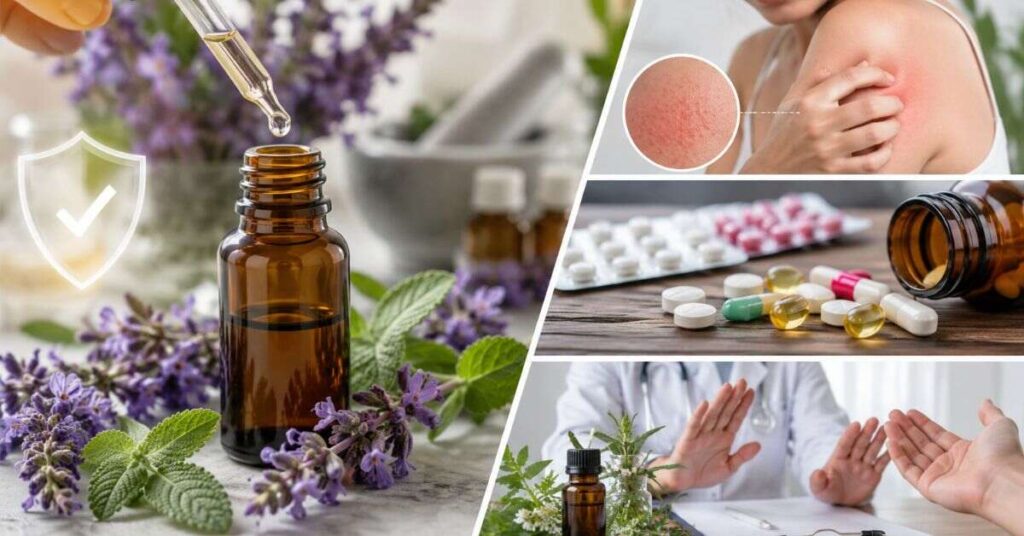
While clary sage essential oil is widely celebrated for its broad therapeutic profile, it is an active biochemical agent. Treating pure plant extracts with respect requires understanding potential toxicological risks, safe usage limits for sensitive populations, and clear medical contraindications.
[ Safety Evaluation Protocol ]
│
┌────────────────────────────────┼────────────────────────────────┐
▼ ▼ ▼
[ Patch Test First ] [ Check Contraindications ] [ Population Rules ]
• 24-Hour Arm Test • Avoid with Alcohol/Sedatives • Pregnancy Warnings
• Check for Erythema • Check Estrogen Sensitivity • Infant Restrictions
Potential Side Effects and Patch Testing for Clary Sage Essential Oil
In dermatological science, applying improperly diluted pure clary sage essential oil damages sensitive facial complexions. Specifically, failing to follow strict essential oil dilution guidelines rapidly strips natural protective skin lipids. Furthermore, this concentrated volatile exposure frequently causes acute localized dermal irritation and visible skin redness. In addition, potent botanical compounds can trigger severe allergic contact dermatitis on compromised skin barriers. Additionally, always mixing potent extracts into a nourishing carrier oil prevents adverse cutaneous immunological reactions. Therefore, prioritizing safe clary sage topical application actively protects your delicate dermal skin barrier. Consequently, utilizing verified dermatological safety protocols guarantees maximum therapeutic aromatherapy benefits without causing chemical burns.
- Dermal Sensitization: Excessive application or using oxidized oil (oil past its shelf life) increases the risk of skin redness, itching, burning, and rash formation.
- Mild Sedation & Drowsiness: Inhaling high concentrations over extended periods can induce excessive relaxation, mild lightheadedness, or slight lethargy.
- Headaches & Nausea: Inhaling intense concentrations in poorly ventilated rooms can trigger nausea or tension headaches in sensitive individuals.
How to Conduct a Standard 24-Hour Patch Test
- Dilute 1 drop of clary sage essential oil in 1 teaspoon (5 mL) of your chosen carrier oil (e.g., Jojoba or Sweet Almond oil).
- Apply 2–3 drops of this mixture onto a clean patch of skin on your inner forearm.
- Cover the area with a bandage and leave it undisturbed for 24 hours.
- In clinical dermatology, monitoring your skin for acute adverse reactions after topical essential oil application is essential. Specifically, if you experience dermal redness, severe swelling, acute burning, or intense itching, react immediately. Furthermore, experiencing these symptoms indicates localized contact dermatitis or severe chemical skin irritation. In addition, washing the affected skin area immediately with warm water and mild soap removes residual volatile essential oil compounds. Additionally, applying a gentle, unperfumed pure carrier oil helps dilute lipid-bound active compounds on your skin. Therefore, discontinuing product use instantly prevents permanent dermal skin sensitization and long-term tissue damage. Consequently, strictly following these emergency essential oil first aid protocols protects your natural dermal skin barrier and restores cutaneous health.
Known Medical Contraindications and Drug Interactions with Clary Sage Essential Oil
In clinical neuro-endocrinology, clary sage essential oil (Salvia sclarea) directly interacts with central nervous system pathways and systemic hormone levels. Specifically, its high concentrations of active linalyl acetate esters modulate neurotransmitter activity and autonomic nervous system tone. Furthermore, specific medical scenarios require strict clinical caution when using potent clary sage oil formulations. In addition, individuals with hormone-sensitive conditions must avoid excessive exposure to phytoestrogenic botanical extracts.
Additionally, using concentrated plant extracts alongside sedative medications may accentuate central nervous system depression. Therefore, consulting a licensed physician before introducing clary sage essential oil for medical conditions is essential. Consequently, adhering to medical clary sage essential oil safety guidelines prevents unexpected contraindications, guarantees systemic safety, and preserves physiological balance.
| Drug Class / Medical Condition | Interaction Mechanism | Clinical Risk & Management Standard |
| Alcohol & CNS Depressants | Potentiates GABAergic sedative effects | Avoid Combination: Inhaling or applying this oil alongside alcohol consumption or sedative medications (e.g., Benzodiazepines) can severely increase drowsiness and impair motor coordination. |
| Estrogen-Sensitive Cancers | Contains sclareol (phytoestrogenic compound) | Exercise Precaution: Individuals with a history of estrogen-receptor-positive ($ER^+$) breast cancer, uterine fibroids, or endometriosis should consult their oncologist before regular use. |
| Antihypertensive Medications | Compounds hypotensive mechanisms | Monitor Blood Pressure: Because clary sage naturally lowers blood pressure, combining it with prescription blood pressure drugs may lead to lightheadedness or hypotension. |
Crucial Medical Advisory: Never substitute prescribed medical treatments or endocrine therapies with essential oils without direct guidance from a licensed health professional.
Special Safety Rules: Clary Sage Essential Oil for Pregnancy and Sensitive Groups
Addressing clary sage essential oil pregnancy guidelines requires clear distinction between late-stage labor preparation and early-stage gestation safety.
[ Gestational Timeline & Safety Rules ]
First & Second Trimester Early Third Trimester Full Term (Week 37+)
(Weeks 1 – 27) (Weeks 28 – 36) (Weeks 37 – 40+)
┌──────────────────────────┐ ┌──────────────────────────┐ ┌──────────────────────────┐
│ STRICTLY CONTRAINDICATED │ ────► │ USE WITH EXTREME CAUTION │ ─► │ SAFE UNDER SUPERVISION │
│ Risk of uterine spasms │ │ Spot inhalation only │ │ Encourages active labor │
└──────────────────────────┘ └──────────────────────────┘ └──────────────────────────┘
1. Pregnancy Safety Rules
- First & Second Trimesters: Clary sage essential oil pregnancy applications are strictly contraindicated during the first two trimesters. Its natural emmenagogue properties can stimulate uterine contractions, potentially increasing early miscarriage risks.
- In full-term labor support, licensed midwives and birth doulas frequently integrate clary sage essential oil labour protocols after Week 37. Specifically, incorporating this botanical extract during active labor helps ease intense contraction pain through natural analgesic pathways. Furthermore, inhaling volatile clary sage esters promotes deep emotional grounding and maintains calm mental focus during childbirth. In addition, applying diluted clary sage oil for labor onto acupressure points encourages regular uterine rhythm and smooth labor progression. Additionally, utilizing structured maternal aromatherapy protocols effectively reduces maternal stress hormones and anxiety levels in labor suites. Therefore, coordinating with certified birth professionals ensures safe clary sage essential oil labor application during full-term delivery. Consequently, utilizing evidence-based birth support essential oil techniques provides natural pain management, optimal maternal comfort, and safe labor support.
2. Infants and Young Children
- Do not apply clary sage essential oil to infants or children under 6 years old. Young children have sensitive skin barriers and developing metabolic pathways that process concentrated botanical extracts slowly.
3. Elderly Care
- Use lower dilution levels (0.5% to 1.0%) for elderly skin, which tends to be thinner and more prone to sensitization.
Proper Storage and Shelf-Life Guidelines to Preserve Clary Sage Essential Oil
In lipid degradation chemistry, pure essential oils rapidly decompose when exposed to direct sunlight, elevated temperatures, and atmospheric oxygen. Specifically, prolonged exposure triggers photo-oxidation and free radical formation within fragile volatile monoterpene compounds.
Furthermore, this chemical breakdown leads to essential oil oxidation, altering the molecular structure of active plant constituents. In addition, deteriorated or oxidized essential oils pose a significantly higher risk of causing severe dermal irritation and skin inflammation. Additionally, degraded active compounds produce skin-sensitizing hydroperoxides, which directly compromise your natural dermal skin barrier.
- Ideal Storage Container: Always keep your oil in dark amber, cobalt blue, or violet glass bottles fitted with airtight dropper caps. Avoid clear glass or plastic containers.
- Temperature & Environment: Store bottles in a cool, dark cabinet between 10°C and 20°C (50°F – 68°F). Keeping unopened bottles refrigerated helps preserve delicate terpenes over longer periods.
- In essential oil chemistry, high-quality clary sage essential oil (Salvia sclarea) demonstrates excellent chemical shelf life stability. Specifically, botanical extracts rich in linalyl acetate esters typically maintain their therapeutic potency for 2 to 3 years. Furthermore, storing your pure clary sage oil in amber glass bottles protects volatile monoterpenes from UV oxidation. In addition, keeping your essential oil storage containers sealed tightly minimizes atmospheric oxygen exposure and terpene degradation. Additionally, preventing clary sage essential oil oxidation stops the formation of irritating skin-sensitizing peroxides over time. Therefore, practicing proper essential oil storage methods preserves full aromatic freshness and active botanical properties. Consequently, verifying correct clary sage oil shelf life guarantees optimal therapeutic benefits, superior chemical stability, and complete topical safety.
- Discard any oil that develops a sour or sharp, vinegary smell, or appears cloudy.
Global Availability, Pricing, and Local Sourcing Standards
As demand for botanical wellness and clean cosmetics continues to rise globally, navigate the essential oil marketplace requires consumer vigilance. Because true clary sage essential oil requires extensive floral biomass to produce, synthetic adulteration and misleading grade labeling are widespread. Knowing how to verify purity and understand pricing structures ensures you invest in therapeutic-grade extracts.
[ Authentic Essential Oil Criteria ]
│
┌────────────────────────────┼────────────────────────────┐
▼ ▼ ▼
[ GC-MS Lab Verification ] [ Botanical Labeling ] [ Physical Standards ]
• Linalyl Acetate (50%+) • Salvia sclarea Name • Dark Amber Glass Container
• No Synthetic Solvents • Country of Origin Listed • Zero Viscous Greasiness
How to Identify 100% Pure Undiluted Clary Sage Essential Oil
Distinguishing between 100% pure, steam-distilled clary sage essential oil and synthetic fragrance oils (or cheap carrier blends) requires checking key technical details:
- In botanical taxonomy, verifying label integrity on your clary sage essential oil bottle is crucial for safety. Specifically, high-purity product labels must explicitly state the exact Latin botanical name Salvia sclarea. Furthermore, vague product labeling that simply reads sage oil or garden sage oil often indicates common sage oil (Salvia officinalis). In addition, substituting these distinct botanical species poses serious health risks due to elevated neurotoxic thujone compounds. Additionally, inspecting certified pure essential oil labeling protects consumers from accidental thujone toxicity and central nervous system strain. Therefore, selecting verified botanical clary sage extracts ensures complete absence of dangerous thujone neurotoxins. Consequently, verifying accurate botanical essential oil names guarantees authentic therapeutic benefits, optimal product purity, and complete dermatological safety.
- GC-MS Batch Testing: Reputable suppliers provide third-party Gas Chromatography-Mass Spectrometry (GC-MS) batch reports upon request. Look for 50% to 75% Linalyl Acetate and 10% to 20% Linalool.
- Packaging and Container: Pure essential oils rapidly degrade in clear plastic or transparent glass. True therapeutic oil is packaged strictly in dark amber or cobalt blue glass bottles with orifice reducers or glass droppers.
- The Paper Blotter Test: Place 1 drop of oil on a clean sheet of white paper. A 100% volatile essential oil will evaporate completely over 24 hours without leaving an oily or greasy ring. A permanent greasy stain indicates dilution with cheap vegetable carrier oils.
Price Expectations and Regional Sourcing Standards for Clary Sage Essential Oil
Real clary sage essential oil reflects the costs of harvesting, seasonal yields, and steam distillation. Understanding standard retail prices helps you spot suspicious, ultra-cheap synthetic imitations.
| Bottle Size / Volume | Average US / EU Price Range | Average South Asian (PK/IN) Price Range | Quality Tier Expectation |
| 10 mL (0.34 oz) | $14.00 – $22.00 USD | PKR 1,500 – PKR 2,500 | Standard Pure Therapeutic Grade |
| 15 mL (0.50 oz) | $20.00 – $32.00 USD | PKR 2,800 – PKR 4,200 | Organic Certified / Artisan Distillate |
| 30 mL (1.00 oz) | $38.00 – $58.00 USD | PKR 5,000 – PKR 7,500 | Bulk / Commercial Formulator Batch |
Sourcing Standard: Origin matters. In botanical perfumery, geographical sourcing dramatically impacts the chemical profile and aroma of pure essential oil harvests. Specifically, French lavender essential oil and Bulgarian clary sage harvests are prized for higher linalyl acetate ester percentages. Furthermore, these European terroir conditions yield a distinctly sweeter, rich floral-herbal bouquet suited for therapeutic aromatherapy. In contrast, North American lavender harvests produce crisp, tea-like green notes with elevated terpenic top notes.
In addition, fine fragrance perfumers favor these fresh green profiles for complex commercial perfume formulations. Therefore, evaluating specific essential oil regional origin ensures precise fragrance matching and consistent ester composition. Consequently, selecting certified botanical essential oil origins guarantees predictable olfactory performance, superior chemical purity, and optimal therapeutic aromatherapy benefits.
Final Takeaways on Using Clary Sage Essential Oil for Wellness
[ The Complete Clary Sage Protocol ]
│
┌────────────────────────────────┼────────────────────────────────┐
▼ ▼ ▼
[ Hormonal Health ] [ Radiant Skin & Hair ] [ Emotional Balance ]
• Eases Cramp Spasms • Regulates Sebum • Lowers Cortisol
• Supports Menopause • Fortifies Hair Roots • Enhances Focus
In corporate health, home spa rituals, and natural perfumery, clary sage essential oil remains one of the most versatile botanical extracts available. Its rare blend of linalyl acetate, linalool, and sclareol provides benefits ranging from regulating nervous system stress to restoring hormonal balance and keeping hair and skin vibrant.
In holistic herbal practices, following strict essential oil dilution guidelines is essential for safe, daily topical application. Specifically, verifying pure essential oil quality and GC/MS purity reports prevents skin irritation and chemical sensitization. Furthermore, prioritizing reproductive safety during pregnancy essential oil use protects maternal and fetal health during critical growth stages. In addition, consulting healthcare professionals during active medical treatment ensures no adverse herbal remedy drug interactions occur. Additionally, pairing therapeutic plant extracts with a nourishing carrier oil maximizes transdermal lipid absorption and skin barrier health.
Therefore, implementing evidence-based essential oil safety protocols allows you to integrate potent plant remedies with total confidence. Consequently, selecting certified organic essential oil products guarantees clean botanical efficacy, optimal therapeutic results, and long-term wellness.
Summary Checklist for Quick Reference
- Purity First: Always buy steam-distilled Salvia sclarea packaged in dark amber glass.
- Dilute Properly: Stick to a 2% dilution (4 drops per 10 mL carrier oil) for routine body and scalp care.
- In clinical obstetric safety, exercising extreme caution regarding essential oil use during pregnancy is vital for maternal health. Specifically, you must completely avoid clary sage essential oil during the first two trimesters to prevent uterine complications. Furthermore, active volatile compounds like linalyl acetate can stimulate pelvic blood circulation and trigger premature contractions. In addition, applying clary sage oil after Week 37 should occur strictly under the supervision of a licensed midwife or birth supporter. Additionally, utilizing structured maternal essential oil safety protocols protects fragile fetal development during critical early growth phases. Therefore, consulting your healthcare provider before introducing essential oils for labor and delivery safeguards both mother and baby. Consequently, strictly following evidence-based pregnancy essential oil guidelines ensures complete reproductive safety, optimal birth prep support, and total peace of mind.
- Diffuse Responsibly: Intermittent 30-to-60-minute diffusion cycles deliver optimal mental clarity without overwhelming your senses.
FAQs:
Can You Apply Clary Sage Essential Oil Directly to the Skin Without Dilution?
No. Applying pure, undiluted clary sage essential oil directly to the skin is strongly discouraged by dermatologists and clinical aromatherapists.
In clinical dermatology, applying pure essential oils without proper dilution dramatically increases the risk of adverse dermal reactions. Specifically, applying undiluted botanical extracts directly onto skin frequently triggers severe contact dermatitis, localized burning, and acute erythema. Furthermore, direct exposure to concentrated volatile terpenes can cause permanent dermal skin sensitization and long-term allergic responsiveness.
In addition, always diluting potent plant extracts into a nourishing carrier oil like pure jojoba oil, rosehip seed oil, or sweet almond oil ensures complete skin protection. Additionally, maintaining a strict 1% to 3% essential oil concentration (or 2 to 6 drops per 10 mL of carrier oil) preserves the natural dermal skin barrier. Therefore, utilizing lipid-dense carrier oils for essential oils balances potent bioactive compounds for safe, daily topical use. Consequently, strictly following established essential oil dilution guidelines prevents chemical toxicity, preserves dermal health, and guarantees maximum therapeutic essential oil efficacy.
How Quickly Does Clary Sage Essential Oil Help with Stress Relief?
In neuro-olfactory research, inhaling pure clary sage essential oil directly triggers measurable physiological responses within 3 to 5 minutes. Specifically, practicing direct palm cupping inhalation or active ambient essential oil diffusion rapidly delivers volatile aromatic molecules to the nasal mucosa. Furthermore, these active clary sage esters stimulate the olfactory bulb and influence the central nervous system.
In addition, inhaling high-purity clary sage essential oil for stress effectively lowers blood pressure and reduces salivary cortisol levels. Additionally, utilizing these evidence-based essential oil inhalation techniques promotes rapid parasympathetic nervous system activation. Therefore, incorporating targeted clary sage aromatherapy protocols supports emotional grounding and acute anxiety relief. Consequently, selecting pure botanical clary sage extracts guarantees fast-acting olfactory absorption, superior neuro-chemical response, and maximum therapeutic aromatherapy benefits.
The volatile aromatic molecules travel directly up the nasal cavity to interact with olfactory sensory neurons. These neurons send immediate signals to the limbic system the emotional center of the brain lowering heart rate and reducing salivary cortisol levels almost instantly.
Is Clary Sage Essential Oil Safe for Daily Aromatherapy Use?
Yes, provided you follow proper exposure rotation rules. In atmospheric aromatherapy, diffusing pure clary sage essential oil daily is completely safe when following proper room ventilation standards. Specifically, limiting your essential oil diffusion sessions to 30 to 60 minutes at a time prevents olfactory fatigue and sensory overload. Furthermore, ensuring active airflow in well-ventilated rooms maintains optimal air quality during active diffusion.
In addition, using an ultrasonic clary sage essential oil diffuser disperse fine aromatic micro-droplets safely throughout your living space. Additionally, controlling daily clary sage diffusion exposure protects sensitive respiratory tissues against acute mucosal irritation. Therefore, practicing intermittent clary sage room diffusion protocols promotes calm focus and stress relief without overwhelming your nervous system. Consequently, strictly adhering to recommended essential oil safety guidelines guarantees clean indoor air, sustainable olfactory benefits, and maximum therapeutic aromatherapy efficacy.
Continuous, 24-hour diffusion can overstimulate the nervous system, trigger olfactory fatigue, or cause mild headaches.
Aromatherapy Insight: Beyond physical and emotional wellness, clary sage essential oil spiritual benefits are widely celebrated in holistic meditation practices. Diffusing it during quiet reflection helps clear negative mental energy, open the third-eye chakra, and promote deep spiritual grounding.