Introduction:
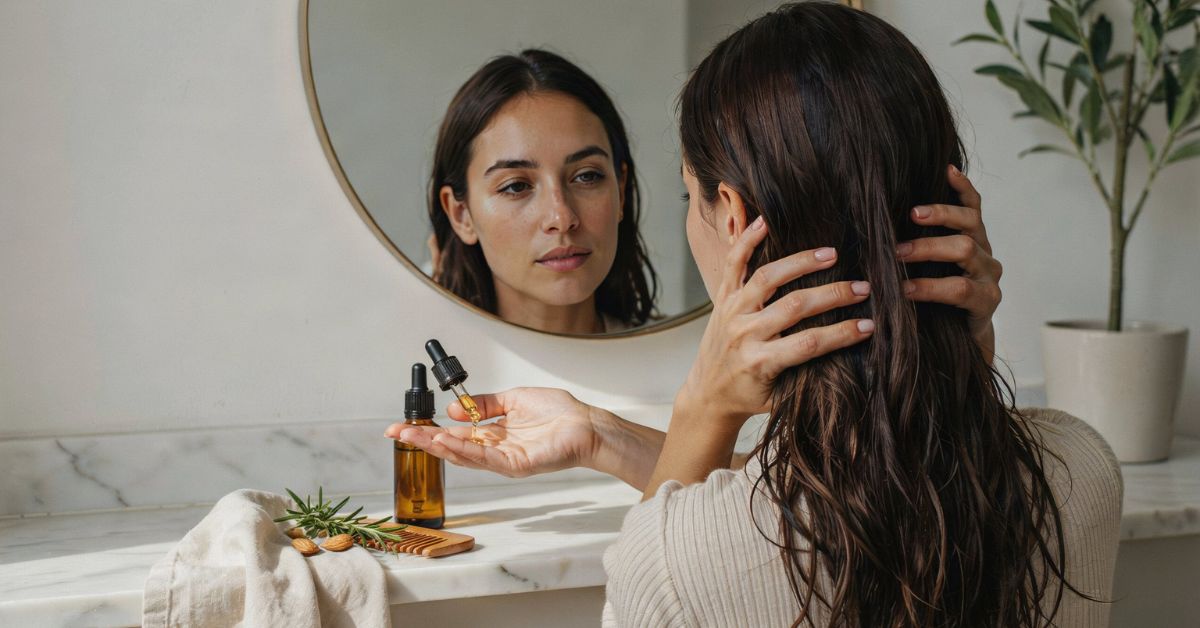
Hair oil can do a lot for your hair when you use it the right way. It can make dry strands feel softer, help reduce roughness, support a healthier-looking scalp, and improve shine without making hair look flat or dull. Still, many people do not get good results because they apply too much oil, use the wrong type, or leave it on in the wrong way.
That is why learning how to use hair oil correctly matters. The method is just as important as the oil itself. When you apply it with the right timing, the right amount, and the right technique, you give your hair a better chance to look smoother, stronger, and more manageable. In other words, good results do not come from random oiling. They come from a smart routine.
This guide will help you understand the full process step by step. It will show you how to choose the right oil, how to apply it properly, and how to avoid common mistakes that waste time and product. You will also learn how to use hair oil for different needs, including dry hair, frizzy hair, damaged hair, scalp care, and hair growth support.
Why Learning How to Use Hair Oil Correctly Changes Your Hair Results

Many people think hair oil is only about adding shine. However, that is only one small part of the picture. When used correctly, hair oil can improve how your hair feels, how it behaves, and how well it handles daily stress from styling, brushing, heat, and weather. The real benefit comes from using in a way that matches your hair type and hair goal.
How hair oil works on the scalp and hair strands
Hair oil works in two main ways. First, it helps coat the hair strand, which can reduce the feeling of dryness and make the surface look smoother. This can help hair reflect light better, which creates a shinier appearance. Second, it can support the scalp by reducing dryness and making massage more comfortable, especially when you use light, well-chosen oils.
Hair oil does not repair like a medical treatment, but it can improve the look and feel of hair by sealing in moisture, reducing friction, and making strands easier to manage. That is why the method matters so much. If you apply oil only on the surface without thinking about timing or hair type, you may not see much improvement. But when you use it with purpose, it can become one of the most useful parts of your hair care routine.
A good oiling routine also helps protect hair from constant wear and tear. For example, hair often gets damaged through brushing, tight hairstyles, heat styling, and environmental dryness. Oil can help reduce that rough daily impact. As a result, the hair can stay softer and look healthier over time.
Benefits of using hair oil for every hair type
Hair oil is not only for one type of hair. Different oils types can benefit in different ways, which is why learning how to use hair oil is so useful. Dry hair may need more nourishment. Frizzy hair may need smoother control. Fine hair may need a lighter touch. Even oily hair can benefit when the oil is applied the right way and kept away from the scalp if needed.
For dry or damaged hair, oil helps reduce roughness and makes the strands easier to comb. It also improves softness, which helps the hair look healthier over time. In frizzy hair, it works by smoothing the cuticle and reducing that lifted, fuzzy appearance, especially in humid weather. Curly or wavy benefits as well, since oil helps define natural shape while adding softness and bounce.
Straight hair can also gain a polished look, as oil reduces static and gives a smoother finish. Meanwhile, thick hair becomes easier to manage because tangles loosen and detangling takes less effort. With fine hair, only a small amount is needed, but it still adds noticeable shine without making the hair feel heavy or flat.
The key is balance. Hair oil should support your hair, not overload it. When you use the right oil in the right amount, the results can look natural and healthy. That is one reason so many people search for how to use for different hair goals. The technique changes slightly depending on what your hair needs most.
Common reasons people use hair oil the wrong way
A lot of people do not get the best results from hair oil because they follow habits that are too heavy, too random, or too aggressive. One of the most common mistakes is using too much oil. More oil does not mean better results. In many cases, too much oil can make hair feel greasy, attract dirt, and make washing harder.
Another common mistake is applying without thinking about hair type. For example, a heavy oil may work well for very dry hair, but it may feel too much for fine or oily hair. Some people also apply oil only to the scalp even when their hair ends are the driest part. Others do the opposite and ignore the scalp completely when the scalp itself needs care.
Timing is another big issue. Some people oil hair right before a rushed wash and then expect dramatic results. Others leave oil on for too long without cleansing properly, which can lead to buildup. Some apply oil after the hair is already styled and then wonder why it looks flat. These small mistakes can stop from working well.
There is also the issue of using the wrong technique. Rubbing oil harshly into the scalp, pulling through tangled hair, or applying it unevenly can cause more problems than benefits. The best approach is gentle, measured, and consistent. Once you understand that, you can use hair oil with much better results.
A simple rule helps here: hair oil should feel like support, not stress. If it makes your hair difficult to wash, too heavy to style, or overly greasy, the routine needs adjustment.
How to Choose the Right Hair Oil for Your Hair Type
Choosing the right is the difference between a routine that works and a routine that feels messy, greasy, or disappointing. Not every oil suits every hair type. Some oils feel rich and nourishing on thick, dry strands, while the same oil can sit heavily on fine hair and make it look flat. That is why the first step in learning how to use is not application. It is selection.
A good hair oil should match your hair’s texture, condition, and goal. Are you trying to soften dryness? Control frizz? Add shine? Support growth-focused scalp care? Each goal may need a different oil or a different way of using the same oil. When you choose well, you need less product, you get better results, and your hair routine becomes much easier to maintain.
| Hair type / concern | Best oil style | Why it works well |
| Dry or damaged hair | Rich, nourishing oils | Helps soften rough strands and improve manageability |
| Fine hair | Lightweight oils | Adds shine without making hair collapse |
| Oily hair | Very light oils or only on ends | Helps avoid buildup at the roots |
| Frizzy hair | Smoothing oils | Helps control roughness and flyaways |
| Curly or textured hair | Medium to rich oils | Supports softness and definition |
| Scalp dryness | Gentle scalp-friendly oils | Helps reduce dryness and improve comfort |
This does not mean one oil is perfect forever. Your hair can change with weather, heat styling, coloring, or even seasonal dryness. So, the smartest approach is to choose based on your current needs, not just habit.
How to choose hair oil for dry and damaged hair
Dry and damaged hair usually needs more support than other hair types. If your strands feel rough, look dull, tangle easily, or break during brushing, they likely need an oil that feels nourishing and protective. In this case, richer oils often work better because they help smooth the hair surface and make the hair feel softer to the touch.
For dry hair, the best usually has a heavier feel and a strong conditioning effect. These oils work well as a pre-wash treatment, a mid-length and ends treatment, or a small finishing layer on especially dry areas. They can also help hair stay more manageable after washing, which is important when your hair loses moisture quickly.
Damaged hair needs a gentle approach. Do not overload the hair with oil and then use too much heat or rough towel drying. Instead, apply oil in a controlled amount and focus on the driest parts first. That gives your hair the support it needs without creating extra buildup. If your has been colored, bleached, or heat-styled often, a richer oil routine can make the hair feel more comfortable and less brittle.
The main thing to remember is this: dry and damaged hair needs moisture support, softness, and smoother handling. Choose an oil that helps the hair feel more flexible, not one that just makes it look shiny for a moment.
How to choose hair oil for fine and oily hair
Fine hair needs a lighter hand. Heavy oils can make it look limp, flat, or greasy very quickly. If your hair is fine, the best oil is usually a lightweight formula that spreads easily and does not sit on the surface for too long. A small amount can still give shine and softness, but the goal is balance.
For oily hair, the main issue is not always the hair itself. Often, the scalp already produces enough natural oil, so extra oil at the roots can make the problem worse. In that case, the smartest method is to use very little and focus it on the ends or the dry parts of the hair only. That way, you still get the benefit of smoother strands without making the scalp feel heavy.
People with fine or oily hair often think they should skip hair oil completely. That is not always necessary. You can still use hair oil, but you must apply it carefully. A drop or two can be enough. Start small, then adjust only if needed. This approach helps you avoid buildup while still learning in a way that supports your hair instead of overwhelming it.
If your roots get greasy quickly, avoid massaging oil all over the scalp every time. Instead, apply it to the mid-lengths and ends, where hair usually needs more softness and protection. That gives you the benefits without creating a weighed-down look.
The most popular hair oils and when to use them
Different oils bring different strengths. Some feel richer, some feel lighter, and some work better for scalp use while others work better for dry ends. Knowing the basic difference helps you choose with more confidence.
Coconut oil is often used for deeper nourishment and pre-wash care. It works well for thicker, drier hair that needs more softness and control. Argan oil is popular for shine and smoothness, especially when hair looks dull or frizzy. Jojoba oil feels lighter and often suits people who want a more balanced feel. Almond oil can feel soft and nourishing for dry strands. Olive oil is richer and often works best when hair feels very dry or rough.
Here is a simple way to think about them:
- Richer oils often suit dry, coarse, or damaged hair.
- Lighter oils often suit fine hair or oily-prone hair.
- Smoothing oils often help frizz and flyaways.
- Scalp-friendly oils often work better when you want massage or pre-wash care.
There is no single best oil for everyone. The right oil depends on how your feels after washing, how fast it gets greasy, and how much softness or control it needs. For many people, the best routine includes one oil for the scalp or pre-wash step and another lighter option for the ends or finishing.
Which hair oil is best for your hair goals
Your hair goal should guide your choice. If your goal is softness, go for an that makes the feel smoother and easier to comb. For frizz control, pick one that helps calm the outer layer of the hair and reduces flyaways effectively. When shine is your priority, choose a lightweight oil that adds a clean, polished finish without causing buildup.
In cases where growth support matters, focus on oils that can be applied regularly to the scalp as part of a gentle and consistent routine.
It helps to match oil type with a clear purpose:
- For dry hair: choose a richer, more nourishing oil.
- For frizzy hair: choose a smoothing that helps tame roughness.
- For fine hair: choose a lightweight oil that will not flatten volume.
- For damaged hair: choose an oil that supports softness and easier detangling.
- For scalp care: choose an oil that feels gentle and easy to massage in small amounts.
The best results come when your oil choice matches both your hair type and your result. That is why people who understand how to use hair oil for growth or how to use for frizzy hair often see better outcomes than people who apply the same product in the same way every time.
A smart hair oil choice should make your routine easier, not harder. It should fit your hair’s needs, your styling habits, and your comfort level. When that happens, your oil becomes a useful tool instead of just another product on the shelf.
How to Use Hair Oil Step by Step for the Best Results

Using hair oil the right way is not complicated, but it does require a clear method. If you apply it randomly, you may end up with greasy roots, heavy strands, or uneven results. On the other hand, if you follow a simple step-by-step routine, hair oil can support softness, shine, and manageability much more effectively. That is why learning how to use properly matters as much as choosing the right product.
A good hair oil routine follows a clean order: prepare the hair, apply the right amount, massage gently, leave it in for the proper time, and rinse well. Each step plays a role. When you skip one part or rush the process, the results often drop. But when you use a calm and consistent routine, your hair has a better chance to look and feel healthier.
Step 1: Prepare your hair before applying oil
The first step is to prepare your hair so the can spread properly. Start with dry or slightly damp hair, depending on your goal and hair type. If your hair is tangled, brush or detangle it gently first. This helps the oil move evenly through the strands instead of sitting in one area.
Preparation also means checking how much your hair really needs. Do not begin with a heavy amount. Start small, especially if your hair is fine, oily, or short. You can always add a little more later if needed. It is much harder to fix a heavy application after the fact.
If your hair feels dirty, dusty, or loaded with styling products, it may be better to wash it before oiling or use oil as a pre-wash treatment. Clean hair or lightly prepared they often absorbs oil more evenly. That makes the routine feel smoother and more effective.
Step 2: Apply hair oil correctly from roots to ends
The way you apply oil makes a huge difference. In most cases, you should not pour oil straight onto the scalp or the ends. Instead, place a small amount in your palm, rub your hands together, and then distribute it carefully. This gives you better control and helps prevent overuse.
If your hair is dry or thick, you may need to apply oil from the mid-lengths down to the ends, then add a little to the scalp if needed. If your hair is fine or oily, focus mostly on the ends and the driest sections. This approach helps you avoid the heavy, greasy look that can happen when oil reaches the roots too strongly.
For best results, work in sections. This helps you cover the hair evenly and makes sure no area gets overloaded. The ends usually need the most care because they are the oldest and most fragile part of the hair. So, always give them extra attention when applying oil.
A light hand works better than a rushed one. Hair oil should coat the hair gently, not drown it.
Step 3: Massage your scalp the right way
Scalp massage can make hair oil feel more effective and more relaxing, but only when done correctly. Use your fingertips, not your nails, and move with gentle pressure. Harsh rubbing can irritate the scalp and make the experience uncomfortable.
A slow, circular massage helps spread oil and can support better scalp comfort. Many people use scalp massage as part of their how to use hair oil for hair growth routine because it encourages consistency and helps them apply the oil evenly. Still, the massage itself should always stay gentle. The goal is not to scratch the scalp. The goal is to spread the oil and create a calm, steady routine.
You do not need to massage for a long time. A few focused minutes are usually enough. Overdoing it can make the scalp feel sensitive, especially if your skin is already dry or reactive. Keep the movement soft and controlled.
If you have oily roots, focus the massage on the scalp only when necessary. If your scalp feels healthy and your main issue is dryness on the ends, you can skip heavy scalp oiling and keep the focus lower on the hair shaft.
Step 4: Leave hair oil in for the ideal amount of time
Hair oil does not need to stay in your hair forever to work. In fact, leaving it in too long can sometimes make hair feel heavy or difficult to wash. The ideal time depends on your hair type, the type of oil, and the purpose of the treatment.
For many people, a pre-wash oil treatment works well when left in for a moderate amount of time before shampooing. Hair that is very dry or damaged may benefit from a longer treatment window, while fine or oily hair may only need a short treatment. What matters most is how your hair responds.
Do not assume longer always means better. Some people leave oil in overnight and get good results, while others find that their scalp feels too coated or their hair becomes hard to clean. This is why it helps to test what works best for your own hair instead of copying someone else’s routine exactly.
If you are using oil as a finishing treatment, only a very small amount is needed. In that case, the oil stays on the hair and is not washed out right away. Even then, less is more.
Step 5: Wash and rinse your hair properly
Washing is the final step, and it matters just as much as application. If you do not rinse and cleanse properly, oil can remain on the scalp or strands and create buildup. That buildup can make hair feel dull, heavy, or hard to style.
Start by wetting the hair fully. Then use shampoo in a way that lifts the oil from the scalp and roots. You may need a second wash if you used a richer oil or applied a larger amount. That does not mean the oil routine failed. It simply means your hair needs a proper cleansing step to finish the process.
Avoid rough scrubbing. Instead, focus on thorough but gentle cleansing. This helps remove the oil without making the hair feel stripped. If your hair is very dry, follow with conditioner on the mid-lengths and ends so the hair keeps its softness after washing.
Rinsing well is important too. Leftover oil can make the scalp feel sticky and the hair look flat. A clean rinse helps your hair feel fresh, light, and balanced. When you wash hair the right way after oiling, you get the benefit of nourishment without the downside of buildup.
A simple routine like this can turn hair oil from a random habit into a real care method. Once you know the process, you can use it with much more confidence and much better results.
When to Use Hair Oil for Maximum Benefits
Timing matters a lot when you use hair oil. The same oil can give very different results depending on when you apply it. For example, oil on dry hair may help with smoothness and shine, while oil before washing may work better as a treatment. That is why learning how to use hair oil is not only about the product or the amount. It is also about choosing the right moment.
The best time to use hair oil depends on your goal. If you want softness and control, apply it to dry hair in small amounts so it doesn’t feel heavy. For deeper nourishment, use it as a pre-wash treatment to let it absorb properly. When you need protection before styling, use a tiny amount beforehand to help reduce heat damage and keep the strands smoother.
Each timing choice creates a different result, so the smartest routine is the one that matches your hair needs.
Choosing timing based on your hair goals
Hair oil works differently depending on what you want to achieve. Some people need shine and softness, while others need repair and deep nourishment. Because of this, timing should always match your goal. Light use after styling gives a polished look, while longer application before washing supports deeper care.
Differences between dry and damp application
Hair reacts differently when it is dry or slightly wet. On dry hair, oil mainly works as a smoothing and finishing product. It helps reduce frizz and adds shine. On damp hair, it can help with detangling and softness, but only in very small amounts to avoid heaviness or buildup.
Benefits of pre-wash treatment
Applying oil before washing gives the hair time to absorb moisture and nutrients. This method works well for dry or damaged hair because it reduces the harsh effect of shampoo. It also helps make hair feel softer and more manageable after washing without stripping natural oils completely.
Using oil before heat styling
A light layer of oil before blow drying or straightening can help make hair smoother and easier to style. It reduces flyaways and improves shine. However, the amount must stay minimal because too much oil can weigh hair down or affect the styling result.
Finding the best routine for everyday use
There is no single perfect timing for everyone. Some people prefer oiling before washing, while others use it after styling in very small amounts. The best routine depends on your hair type, lifestyle, and final look you want. Once you understand your hair needs, timing becomes easier to control.
How Often Should You Use Hair Oil for Healthy Hair?
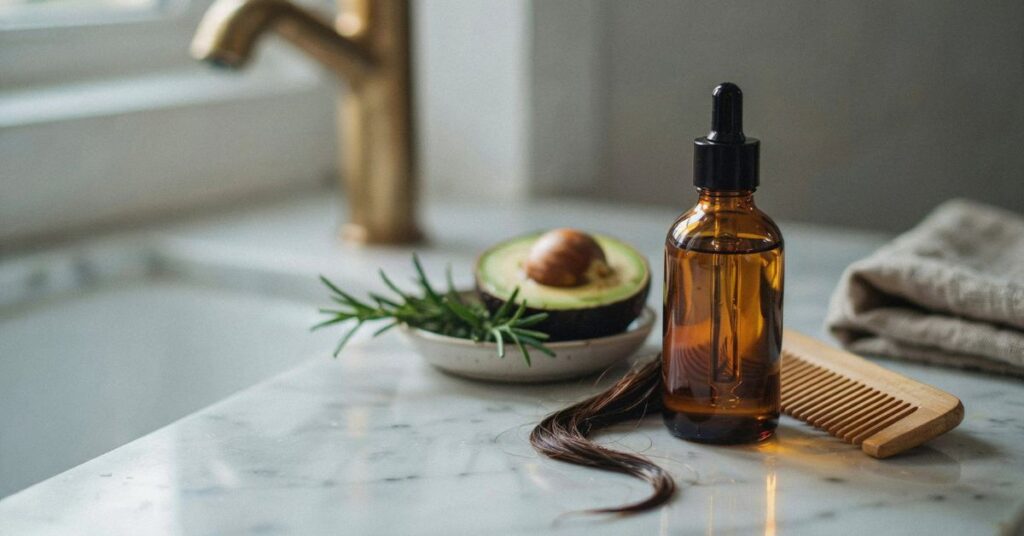
One of the biggest questions people ask after learning how to use hair oil is how often they should actually use it. The answer is not the same for everyone. Hair texture, scalp condition, styling habits, weather, and product choice all affect frequency. Using too little may not give noticeable results, while using too much can create buildup and leave hair feeling heavy.
The goal is consistency instead of excess. Hair oil works best when it becomes part of a balanced routine rather than an occasional heavy treatment. Your hair should feel softer, smoother, and easier to manage after oiling—not greasy or overloaded.
The table below gives a simple starting point.
| Hair Type | Recommended Frequency | Best Application Style | Notes |
| Dry hair | 2–3 times per week | Pre-wash treatment + light ends application | Focus on softness and moisture support |
| Damaged hair | 2–3 times per week | Mid-lengths to ends + gentle scalp massage | Avoid heavy rubbing |
| Fine hair | 1–2 times per week | Lightweight oil on ends | Use very small amounts |
| Oily hair | 1 time per week or as needed | Ends only or minimal scalp use | Prevent buildup |
| Curly hair | 2–3 times per week | Pre-wash or finishing routine | Helps improve manageability |
| Thick hair | 2–3 times per week | Full-length application in sections | Adjust based on heaviness |
| Frizzy hair | 2–3 times per week | Focus on lengths and ends | Helps smooth appearance |
Treat this table as a starting guide. Your routine should always adjust based on how your hair responds.
How often to use hair oil based on hair type
Hair type changes everything when it comes to frequency. Thick and dry hair usually tolerates more oil because it tends to lose softness faster and often benefits from richer routines. On the other hand, fine hair often needs fewer applications because excess oil becomes visible quickly.
If your hair feels rough after washing, increasing oil frequency gradually may help improve softness. If your hair already feels smooth but becomes oily fast, reducing frequency may give better results. The best routine is the one that supports your hair without making it feel coated.
People using heat styling regularly may also benefit from more consistent oil use because styling can leave hair feeling dry. However, that does not mean applying more oil each time. Instead, keep the amount controlled and focus on regular use.
If your goal is how to use hair oil for growth, consistency matters more than quantity. Gentle routines repeated over time usually work better than occasional heavy treatments.
Can you use hair oil every day
Yes, you can use hair oil every day, but that does not mean everyone should.
Daily use depends mainly on the amount and purpose. A tiny amount on dry ends is very different from applying a full scalp treatment every day. Daily heavy oiling often becomes too much for many people and can leave the hair difficult to wash and style.
For example:
| Goal | Daily Use Recommendation |
| Add shine | Yes, use a very small amount |
| Control frizz | Yes, apply lightly to ends |
| Scalp treatment | Usually not necessary every day |
| Deep nourishment | Better as scheduled treatments |
| Heat styling support | Use minimal amounts |
People with dry or textured hair may tolerate more frequent oil use. People with oily scalps often benefit from spacing applications farther apart.
The easiest test is to watch your hair. If it feels balanced, soft, and manageable, your routine is likely working. If it starts feeling sticky, heavy, or flat, reduce frequency or amount.
How long should you leave hair oil in your hair
Leaving oil in too long does not automatically create better results. Hair oil needs enough time to coat and support the strands, but extremely long treatments may leave residue and require extra washing.
This quick guide helps simplify timing:
| Hair Goal | Suggested Timing |
| Quick softness boost | Short pre-wash session |
| Deep nourishment | Moderate treatment before washing |
| Frizz control | Small leave-in amount |
| Styling support | Apply before styling |
| Overnight routine | Only if your hair responds well |
If your hair feels soft and easy to wash afterward, the timing is probably working. If it feels greasy or difficult to clean, shorten the treatment next time.
Over time, you will find your ideal balance. Some people get excellent results from shorter sessions, while others prefer longer pre-wash routines. The key is observing your hair instead of following one fixed rule.
A good hair oil routine should leave your hair looking healthier, shinier, and lighter—not overloaded.
How to Use Hair Oil for Different Hair Concerns
Hair oil is not a one-size-fits-all solution. The way you use it should change based on the concern you want to improve. Someone with dryness needs a different routine than someone dealing with frizz, scalp flakes, or weak-looking hair. That is why understanding how to use hair oil according to your hair concern can help you build a routine that feels more targeted and gives more visible results.
The good news is that you do not always need a completely different product. In many cases, changing the amount, timing, and application method creates a better outcome. A smart routine focuses on the problem area instead of applying oil the same way every time.
Quick Guide: Hair Concern → Best Hair Oil Method
| Hair Concern | Where to Apply | Best Timing | Main Goal |
| Hair growth support | Scalp + roots | Before washing | Build a consistent scalp routine |
| Damaged hair | Mid-lengths to ends | Pre-wash treatment | Improve softness and manageability |
| Dry hair | Lengths and ends | Before wash or light leave-in | Reduce rough feeling |
| Frizzy hair | Surface + ends | After styling or damp hair | Smooth appearance |
| Dandruff / flaky scalp | Scalp only | Controlled treatment | Support scalp comfort |
This table gives a starting point, but your routine may change depending on your hair texture and lifestyle.
How to use hair oil for hair growth support
Many people search for how to use hair oil for growth because they want stronger-looking, healthier hair over time. Hair oil itself does not force hair to grow faster, but it can support a healthy hair routine by helping the scalp feel comfortable and making massage easier.
For this routine, start by dividing your hair into sections. Apply a small amount of oil directly where needed instead of covering the whole scalp heavily. Then massage gently using fingertips and slow circular motions.
The goal is consistency, not quantity.
A simple growth-support routine looks like this:
| Step | Action |
| Step 1 | Section hair |
| Step 2 | Apply a small amount to scalp |
| Step 3 | Massage gently |
| Step 4 | Leave for treatment time |
| Step 5 | Wash thoroughly |
Avoid pressing too hard or scratching the scalp. A relaxed and repeatable routine often works better than aggressive oiling sessions.
If you combine scalp care with balanced washing habits and reduced heat stress, your hair may appear healthier and easier to maintain over time.
How to use hair oil for damaged and brittle hair
Damaged and brittle hair often feels rough, dry, and difficult to detangle. This type of hair usually benefits more from protecting the strands than from heavy scalp oiling.
Start by applying oil from the middle of the hair down to the ends. These areas usually experience the most stress from brushing, heat styling, and daily friction. Work in sections so the oil spreads evenly.
For damaged hair:
- Focus more on lengths than roots.
- Use moderate amounts instead of heavy coating.
- Apply before washing for easier cleansing.
- Follow with conditioner after shampooing.
One useful habit is warming a small amount of oil between your hands before application. This often helps create a more even finish.
If your hair feels stiff or breaks easily during brushing, oiling may help make it feel smoother and easier to handle.
How to use hair oil for dry and frizzy hair
Dry and frizzy hair usually needs softness and control more than shine alone. This is where understanding how to use hair oil for frizzy hair becomes useful.
For this concern, the biggest mistake is applying too much oil at once. Frizz often improves more with light layering than with heavy saturation.
Try this simple approach:
| Hair Condition | Application Method |
| Mild frizz | Tiny amount on dry hair |
| Strong frizz | Apply to damp lengths |
| Dry ends | Focus oil only on ends |
| Thick frizz | Work section by section |
Apply oil between your palms first and smooth it gently over the outer layer of the hair. Avoid placing large amounts directly at the roots unless they also feel dry.
If your hair becomes fluffy after brushing or humidity, a small amount of oil after styling may help create a smoother appearance.
This method also works well for people learning how to use hair oil on dry hair because it supports softness without making the hair feel greasy.
How to use hair oil for dandruff and flaky scalp
When dealing with flakes or scalp dryness, people often use too much oil and accidentally make the scalp feel heavier instead of more comfortable.
For a flaky scalp routine, less is usually better.
Use a small amount of oil and apply it directly to areas that feel dry. Massage gently and avoid aggressive rubbing. The purpose is scalp comfort, not heavy coating.
Follow these simple guidelines:
| Do | Avoid |
| Use small amounts | Flooding the scalp |
| Massage gently | Scratching with nails |
| Wash thoroughly | Leaving residue behind |
| Observe scalp response | Applying blindly every time |
If flakes continue or become severe, oil alone may not address the cause, so adjust your overall scalp routine accordingly.
Hair oil can still become a useful support step when used correctly and in moderation.
The biggest lesson across all hair concerns is simple: apply with intention. Once your routine matches your concern, how to use hair oil becomes easier and far more effective.
Read More:https://pureoilshub.com/argan-oil-for-dry-hair/
Advanced Ways to Use Hair Oil Like a Pro

Once you understand the basics of how to use hair oil, you can move beyond simple application and start using more advanced techniques. These methods do not require more product. Instead, they focus on timing, layering, and building a routine that works with your hair instead of against it.
Professional-looking results usually come from small adjustments rather than dramatic changes. The right combination of pre-wash care, masks, and styling habits can make hair feel smoother, look shinier, and become easier to manage over time.
The key idea is simple: use hair oil with purpose.
How to use a pre wash hair oil treatment
A pre-wash hair oil treatment is one of the easiest ways to upgrade your routine. Instead of applying oil after washing, this method prepares the hair before shampooing.
This approach works especially well for:
- Dry hair
- Frizzy hair
- Thick hair
- Hair exposed to frequent heat styling
- Hair that feels rough after washing
The process is simple.
| Step | What to Do |
| Step 1 | Detangle hair gently |
| Step 2 | Divide hair into sections |
| Step 3 | Apply a controlled amount of oil |
| Step 4 | Focus extra attention on dry ends |
| Step 5 | Leave for treatment time |
| Step 6 | Shampoo and rinse thoroughly |
The biggest advantage of pre-wash oiling is that it allows nourishment without leaving a heavy finish after styling.
If your hair feels dry after every wash, this method can become one of the most effective changes in your routine.
Can you add hair oil to your hair mask
Yes, you can combine hair oil with a hair mask, but balance matters.
Hair masks and oils work differently. Masks usually focus on conditioning and softness, while oil helps improve smoothness and support moisture retention. When combined correctly, they can create a richer treatment experience.
A simple rule helps:
| Hair Condition | Oil + Mask Combination |
| Very dry hair | Can work well |
| Damaged hair | Often useful in moderation |
| Fine hair | Use carefully |
| Oily hair | Keep oil minimal |
The safest method is to use a small amount of oil rather than turning the mask into an oily mixture.
Apply the mask as normal and add only a light layer of oil where your hair feels driest.
Common areas to target:
- Mid-lengths
- Ends
- Areas exposed to heat styling
- Areas that feel rough after washing
Avoid applying too many heavy products together because that can reduce movement and make rinsing difficult.
How to combine hair oil with your hair routine
The most successful hair oil routines fit naturally into normal hair care instead of replacing everything else.
Think of hair oil as a support product rather than the center of your routine.
This simple system works well:
| Routine Stage | How Hair Oil Fits |
| Before wash | Pre-wash treatment |
| After wash | Tiny amount on ends |
| Before heat styling | Lightweight smoothing step |
| Between wash days | Frizz control |
| Night routine | Light nourishment if needed |
A balanced routine may look like this:
- Pre-wash oil treatment
- Gentle shampoo
- Conditioner on lengths
- Small amount of oil only if needed
- Heat styling with moderation
People often overcomplicate hair care and keep adding products. In reality, consistency usually matters more than quantity.
If your routine already includes masks, conditioners, leave-ins, and styling creams, hair oil should complement them instead of competing with them.
This is also where how to use hair oil men can become slightly different. Many men benefit from shorter routines with lighter amounts and simple application focused on dryness, shine, or scalp comfort rather than multiple heavy treatment layers.
Pro-Level Hair Oil Routine by Goal
| Goal | Best Advanced Method |
| Smoother hair | Small finishing amount |
| Dry hair | Pre-wash oil routine |
| Frizz control | Damp-hair application |
| Scalp comfort | Gentle massage routine |
| Growth support | Consistent scalp routine |
| Healthy appearance | Combine oil with overall hair care |
Advanced hair oiling is not about using more products. It is about using better timing, smarter placement, and a routine that fits your hair.
Once you reach this stage, how to use hair oil becomes less of a treatment and more of a long-term hair habit that delivers better results with less effort.
Common Hair Oiling Mistakes That Reduce Results
Hair oil can improve softness, shine, and manageability, but only when you use it correctly. Many people follow habits that seem helpful but actually reduce results. In many cases, the problem is not the oil itself. The issue is the timing, amount, or application method.
If your hair feels greasy, flat, heavy, or difficult to wash after oiling, one of these mistakes may be the reason.
Using too much hair oil
Using more oil does not create better results. Excess oil often sits on the surface instead of improving how the hair feels.
Common signs you are using too much hair oil:
- Hair looks greasy soon after application
- Shampoo takes multiple washes to remove buildup
- Hair feels heavy and loses movement
- Roots become oily faster than normal
- Styling products stop working properly
- Hair appears flat instead of shiny
How to fix it:
- Start with a small amount and build only if needed
- Apply oil section by section
- Focus more on lengths and ends than roots
- Adjust based on hair thickness and texture
A good oil routine should leave hair soft and smooth, not overloaded.
Applying oil at the wrong time
Even the right oil can feel ineffective if applied at the wrong moment.
Timing mistakes people often make:
- Applying oil immediately before rushing into shampoo
- Oiling freshly styled hair with large amounts
- Using heavy oil before heat styling
- Applying oil to already greasy roots
- Using deep treatments too frequently
Better timing habits:
- Use pre-wash oiling for deeper care
- Use minimal oil for styling support
- Apply according to your hair goal
- Match timing to your hair condition
Many people searching when to apply oil on hair wet or dry discover that timing changes results more than the product itself.
Leaving oil in too long
Leaving oil longer does not automatically improve hair.
Common problems caused by leaving oil too long:
- Hair feels sticky or coated
- Excess product buildup appears
- Washing becomes difficult
- Hair loses volume
- Scalp feels uncomfortable
Better habits:
- Follow a consistent treatment schedule
- Choose treatment time based on hair type
- Wash thoroughly afterward
- Observe how your hair responds
If your hair feels heavier instead of healthier, shorten the routine rather than adding more shampoo.
Using the wrong oil for your hair type
One of the biggest reasons people struggle with how to use hair oil is choosing an oil that does not match their hair.
Signs your oil may not suit your hair:
- Hair becomes greasy too quickly
- Ends still feel dry after application
- Hair loses volume
- Oil sits on top instead of spreading evenly
- Scalp feels uncomfortable
Choose smarter by matching the goal:
- Dry hair → richer oils
- Fine hair → lightweight oils
- Frizzy hair → smoothing oils
- Damaged hair → nourishing oils
- Oily hair → minimal application
A quick reminder:
- Do not copy someone else’s routine blindly
- Test gradually instead of changing everything at once
- Adjust oil amount before changing products
- Let your hair guide the routine
The best hair oil routine is not the most expensive or complicated one. It is the one that fits your hair and stays consistent.
Conclusion
Learning how to use hair oil properly can completely change the way your hair looks and feels. It is not just about applying oil randomly, but about choosing the right oil, using the correct amount, and applying it at the right time based on your hair type and needs.
When you follow a structured routine, hair oil can help reduce dryness, control frizz, improve shine, and support overall hair manageability. Small adjustments like focusing on the ends, avoiding excess oil, and timing your application correctly make a big difference in results.
The most important thing to remember is consistency. Hair oil works best when it becomes part of your regular care routine, not a one-time treatment. As you understand your hair better, you can adjust your method and get even better results over time.
In the end, the right technique matters more than the quantity of oil. When you apply it with care and purpose, hair oil becomes a simple but powerful step toward healthier, stronger, and more beautiful hair.
FAQs:
Can you leave hair oil overnight
Yes, you can leave hair oil overnight, but it depends on your hair type and how your scalp reacts.
Overnight oiling can help dry or thick hair feel softer because it gives the oil more time to sit on the strands. However, it is not always necessary for everyone.
Key points to remember:
- Works better for dry and coarse hair
- May feel heavy for fine or oily hair
- Should be washed properly in the morning
- Avoid overusing overnight treatments
If your hair feels greasy or difficult to wash after overnight oiling, reduce the time instead of increasing shampoo harshness.
Should you apply hair oil to roots or ends
This depends on your hair goal.
General guideline:
- Roots: only for scalp care or dryness
- Mid-lengths: for overall nourishment
- Ends: for softness and split-end appearance
Quick breakdown:
- Dry scalp → light root application
- Oily scalp → avoid roots
- Dry ends → focus application there
- Frizzy hair → mid-lengths and ends
Most people get better results by focusing more on the ends rather than the roots.
Can hair oil moisturize hair
Hair oil does not add water-based moisture, but it helps support moisture retention.
What it actually does:
- Smooths hair surface
- Reduces moisture loss
- Improves softness feel
- Helps control dryness appearance
What it does not do:
- It does not hydrate like water-based conditioners
- It does not repair deep internal damage
So, hair oil works best as a sealing and smoothing step, not a full replacement for conditioner or hair masks.
Can hair oil help make hair look healthier
Yes, hair oil can make hair look healthier when used correctly.
It improves appearance by:
- Adding natural shine
- Reducing frizz and flyaways
- Making hair easier to style
- Improving smooth texture
- Helping hair look more controlled
However, results depend on:
- Amount used
- Hair type
- Application method
- Frequency of use
When used correctly, hair oil supports a cleaner, more polished look without making hair feel heavy.
What is the best hair oil for daily use
The best hair oil for daily use is usually a lightweight oil that absorbs easily and does not build up quickly.
Good options depend on hair type:
- Fine hair → very light oils in tiny amounts
- Dry hair → light to medium oils on ends
- Frizzy hair → smoothing oils in controlled use
- Oily hair → minimal application only when needed
Daily use tips:
- Always use small amounts
- Avoid applying directly to roots every day
- Focus on ends for finishing
- Adjust based on weather and styling needs
Daily oiling works best when it stays minimal and targeted, not heavy or full-scalp.
Final Note
Mastering how to use hair oil is not about following a strict rule. It is about understanding your hair, adjusting your routine, and staying consistent. When you apply the right amount at the right time, hair oil becomes a powerful support step for healthier-looking, smoother, and more manageable hair.