Introduction:
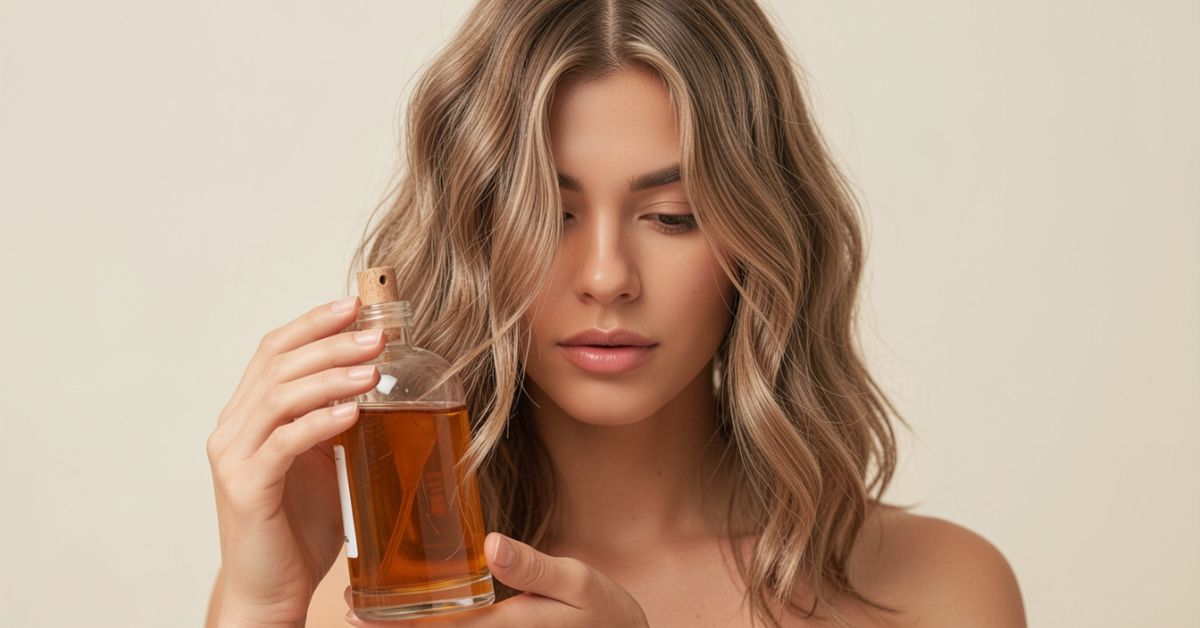
Dry hair often looks dull, feels rough, and breaks too easily. It can lose shine, softness, and strength after heat styling, harsh weather, coloring, or simple daily wear. That is where argan oil for dry hair stands out. Moreover, it gives moisture, and at the same time, it helps smooth the outer layer of the hair. In addition, it supports a healthier-looking finish; therefore, it improves overall hair appearance without making the hair feel heavy when used correctly.
This guide will walk through how argan oil works; moreover, it will explain why people call it liquid gold and what makes it different from many other oils. In addition, the goal is simple: to help you understand the real value of argan oil for dry hair before moving into benefits, usage, routines, and product selection. Therefore, you will get a clearer and more practical understanding of how it fits into a complete hair care routine.
What Makes Argan Oil for Dry Hair So Effective?
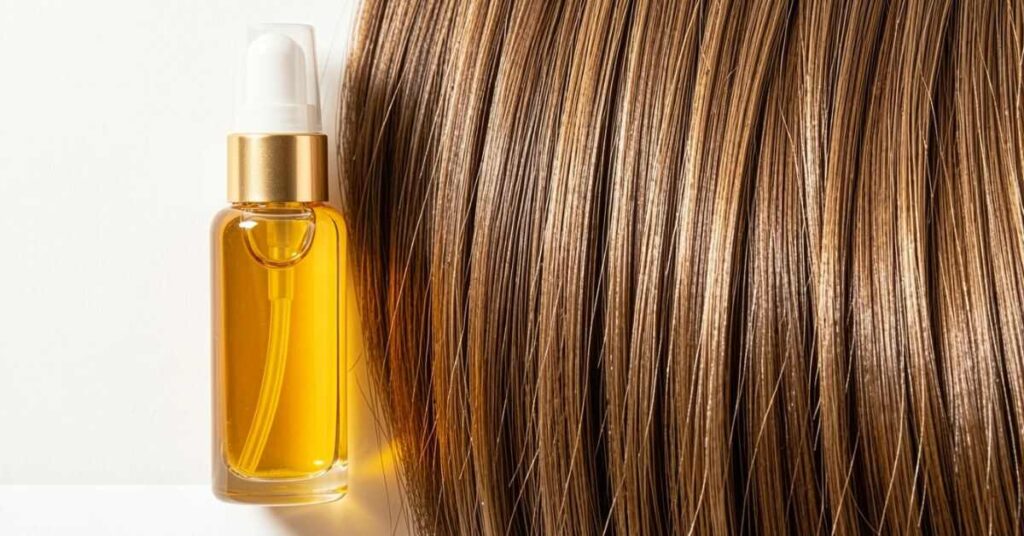
How argan oil nourishes dry and dehydrated hair
Argan oil comes from the kernels of the argan tree and is naturally rich in fatty acids and vitamin E. These nutrients help coat the hair shaft, reduce the look of roughness, and improve softness. For dry hair, that matters because dryness usually means the hair cuticle is open, weakened, and unable to hold moisture well.
When you apply argan oil for dry hair, it helps create a protective layer around each strand. That layer can reduce moisture loss and make hair feel more manageable. It also helps calm the frizzy look that often comes with dehydration. The result is hair that looks smoother, feels softer, and responds better to styling.
Another reason it works so well is absorption. Moreover, argan oil is lightweight compared with many heavier oils; therefore, it can sink into the hair more easily without leaving a greasy finish. In addition, this quality makes it a practical choice for people who need hydration but do not want flat, oily hair. As a result, it becomes a balanced option for everyday use.
Why argan oil is called liquid gold for hair care
People call argan oil “liquid gold” because it has a rich golden color and a strong reputation in beauty care. The name also reflects its value. It offers moisture, shine, and a smoother look in one product, which makes it popular in both simple routines and advanced hair repair treatments.
For dry hair, the “gold” part is not just about appearance. It also reflects how flexible the oil is. You can use it before washing, after washing, as a mask, or as an overnight treatment. That versatility makes argan oil for dry hair useful for many different needs.
It also works well as a finishing oil. A small amount can help tame flyaways, reduce the dry look of ends, and add a healthy glow. That is why many people keep it in their routine even after their hair starts feeling better.
What makes argan oil different from other hair oils
Not all oils behave the same way on hair. Some oils are very heavy and can sit on the surface. Others may feel too rich for fine hair or too light for very dry strands. Argan oil balances both worlds well.
Here is a simple comparison:
| Feature | Argan Oil | Heavier Oils |
| Texture | Light to medium | Thick |
| Absorption | Fast and smooth | Slower |
| Finish | Soft, natural shine | Can feel greasy |
| Best for | Dry, frizzy, damaged hair | Very coarse hair or deep sealing |
| Daily use | Often suitable in small amounts | Can build up faster |
What makes argan oil for dry hair especially helpful is its ability to hydrate without overwhelming the hair. It supports softness, shine, and manageability while still feeling practical for regular use. That balance is a big reason it has become a staple in modern hair care.
When compared with many other oils, argan oil also feels easier to control. You usually need only a few drops to see a difference. That makes it efficient; moreover, it is especially useful for people who want strong results without a complicated routine. In addition, it simplifies hair care, and as a result, it delivers hydration and manageability without requiring extra steps. Therefore, it becomes a practical choice for everyday use.
Top Benefits of Using Argan Oil for Dry Hair
Deep hydration for rough and dry strands
Dry hair usually lacks enough moisture inside the strand and enough protection on the outside. That is why it often feels rough, brittle, and difficult to manage. Argan oil for dry hair helps by adding a soft layer of nourishment that improves the feel and look of each strand.
The oil contains fatty acids that support hydration and help reduce the dry, thirsty look many people struggle with. When used regularly, it can make hair feel less coarse; moreover, it becomes easier to brush or style. In addition, this benefit is especially useful for people whose hair becomes dry after washing, coloring, heat styling, or exposure to sun and wind. As a result, the hair feels more manageable and less stressed over time. Therefore, consistent use supports a smoother and healthier texture.
One of the biggest advantages is that argan oil does not only sit on top of the hair. It helps smooth the surface and reduce moisture loss, which gives dry hair a healthier feel over time. That is why many people rely on argan oil for dry hair as part of a simple repair routine.
How argan oil helps repair damaged hair
Damage often shows up as split ends, breakage, rough texture, and weak elasticity. While no oil can fully “heal” broken hair, argan oil can improve the appearance and feel of damaged strands by helping protect them from further stress.
It works by coating the hair and making it less vulnerable to friction. That matters because damaged hair breaks more easily when it is brushed, tied, or heated. By smoothing the strand, argan oil for dry hair can reduce that constant wear and tear.
It also helps hair look more uniform; moreover, damaged strands often appear uneven because some parts are dry while others are more fragile. In addition, this imbalance affects the overall appearance, and as a result, the hair can look rough and unpolished. Therefore, improving moisture distribution helps create a smoother and more consistent look over time.
Argan oil supports a softer surface, which can make the hair look healthier, more polished, and less frayed. That is one reason it is a favorite in repair-focused hair care.
Supporting softer, smoother, and shinier hair
Dry hair usually loses its natural shine because the cuticle becomes raised and uneven. Light reflects poorly off rough hair, so it looks dull. Argan oil helps smooth that surface and restore a more reflective finish.
This is one of the most visible benefits of argan oil for dry hair. Even a small amount can make the hair look glossier and feel silkier without making it stiff or sticky. That smooth finish also helps reduce tangles, which can lower breakage during brushing.
Softness matters too. Hair that feels softer is easier to manage, style, and maintain. Argan oil can improve that softness by coating dry sections and making them feel more flexible. For many users, that change is noticeable after just a few uses.
Protecting hair from heat and environmental damage
Dry hair is more vulnerable to heat tools, pollution, sun exposure, humidity, and cold weather. These stressors can strip away moisture and make already dry hair feel worse. Argan oil helps create a small protective barrier that can reduce the impact of these daily stressors.
Before blow-drying or styling, a small amount of argan oil for dry hair can help the hair feel less exposed to heat. Moreover, it should not replace a proper heat protectant when you use high temperatures; however, it can still support a healthier routine.
In addition, it also helps shield hair from environmental stress. For example, wind and dry air can make hair rough, while humidity can cause frizz. Therefore, argan oil helps control both by keeping the hair more balanced and smoother in texture. Furthermore, with consistent use, it supports better overall protection against daily damage.That makes it useful year-round, not just in one season.
Can Argan Oil for Dry Hair Help Hair Growth?

Many people start using argan oil for dry hair hoping for faster hair growth. The reality is more interesting.First of all, argan oil does not directly make hair grow at a faster biological rate; however, it can, nevertheless, create conditions that support healthier-looking and stronger hair over time.
Moreover, hair growth depends on several important factors; in addition, these include genetics, overall scalp condition, nutrition, daily habits, and hair damage; therefore, maintaining proper care becomes essential for visible and long-term improvement.What argan oil does well is reduce dryness, improve manageability, and help protect existing strands from unnecessary breakage. When hair breaks less, it often appears fuller and longer.
So, if your goal is stronger and healthier-looking hair, argan oil can become a valuable part of your routine.
How healthy moisture supports stronger hair
Dry hair becomes weak more easily. When strands lose moisture, they often become stiff, rough, and more likely to snap during brushing or styling. This breakage can create the feeling that your hair is not growing even when new hair continues to appear at the roots.
Using argan oil for dry hair helps improve moisture balance. Hair that stays hydrated tends to remain softer and more flexible. Flexible strands can handle movement and styling better than overly dry strands. Moreover, they are less likely to break during brushing or heat styling, and as a result, they maintain a healthier appearance over time. In addition, improved flexibility supports overall hair strength; therefore, the hair feels smoother, more manageable, and easier to style consistently.
Healthy moisture can support:
- Reduced breakage during brushing; moreover, it helps protect the hair strand from mechanical stress. In addition, this benefit becomes more noticeable with regular care, and as a result, the hair maintains better length retention and overall strength. Therefore, consistent gentle brushing practices play an important role in minimizing damage.
- Better hair elasticity
- Fewer rough and split-looking ends
- Hair that appears thicker and healthier
- Improved length retention over time
Think of hydration as maintenance rather than a growth shortcut; moreover, it supports the hair’s natural structure over time. In addition, when you maintain proper moisture levels, the hair becomes stronger and more resilient, and as a result, it is less prone to dryness and damage. Therefore, consistent hydration should be viewed as an essential part of long-term hair care.
Moisturized hair keeps more of its length, which creates visible progress.
Argan oil and scalp health
Healthy hair starts with a healthier scalp environment. While argan oil is mostly known for hair hydration, many people also apply small amounts to the scalp to improve comfort and reduce dryness.
A dry scalp may feel tight and can sometimes lead to visible flakes or irritation. Argan oil can help soften the skin surface and support a more balanced feeling. When the scalp feels healthier, maintaining a consistent hair routine becomes easier.
If you want to apply argan oil near the scalp:
| Hair Type | Suggested Amount |
| Fine hair | 1–2 drops |
| Medium hair | 2–4 drops |
| Thick or coarse hair | 4–6 drops |
Massage gently using fingertips and avoid using too much product.
Some people also ask, can argan oil cause hair loss? In normal use, argan oil itself is not considered a common cause of hair loss. However, using excessive amounts, leaving heavy buildup on the scalp, or reacting to added ingredients in blended products may make hair feel weighed down or uncomfortable. Patch testing new products is always a smart step.
What results you can realistically expect
One of the biggest mistakes people make is expecting overnight growth or dramatic transformation. Hair care works best when expectations match reality.
With consistent use of argan oil for dry hair, these are more realistic outcomes:
After a few uses
- Hair feels softer
- Less rough texture
- Better shine
- Easier detangling
After several weeks
- Reduced appearance of dryness
- Improved manageability
- Less visible breakage
- Healthier-looking lengths
Longer-term routine
- Better moisture maintenance
- Hair retains length more effectively
- Overall smoother and stronger appearance
Argan oil works best as part of a complete routine rather than a standalone solution. Moisture, gentle cleansing, conditioning, and limiting damage all work together.
A healthy routine does not promise instant growth, but it can help your hair look and feel noticeably stronger.
How to Use Argan Oil for Dry Hair Correctly
Using the right product is important; however, using it the right way makes the biggest difference. Moreover, many people apply too much oil or use it at the wrong step, and as a result, they assume it does not work. In reality, how to use argan oil for dry hair depends on your hair condition, texture, and goals.
Furthermore, argan oil works best when used with purpose. For instance, you can use it before shampooing, as a deep treatment, as a leave-in product, or even overnight for extra moisture. Therefore, when you apply it correctly, it delivers much better hydration and overall hair improvement.The key is applying enough to support hydration without leaving buildup.
Using argan oil before shampooing
Pre-wash treatment is one of the easiest ways to help dry hair feel softer without making it greasy afterward. This method works especially well for rough, damaged, or dehydrated lengths.
Start with dry hair and apply a small amount of argan oil through the mid-lengths and ends. Avoid soaking the roots unless your scalp feels extremely dry.
Follow this process:
| Step | What to Do |
| Step 1 | Brush hair gently to remove tangles |
| Step 2 | Warm a few drops between your palms |
| Step 3 | Apply through dry areas |
| Step 4 | Leave for 20–45 minutes |
| Step 5 | Shampoo and condition normally |
This method helps soften the hair before cleansing and reduces that stripped feeling some shampoos leave behind.
If you are searching for how to use argan oil for hair, this is one of the most beginner-friendly methods.
Applying argan oil as a deep conditioning treatment
When hair feels extremely dry, a deeper treatment can deliver better hydration. Instead of using argan oil alone, combine it with your conditioner to improve softness and spreadability.
After shampooing:
- Remove excess water from your hair
- Apply conditioner first
- Add a few drops of argan oil over the conditioned lengths
- Comb gently using fingers or a wide-tooth comb
- Leave for 10–20 minutes
- Rinse with lukewarm water
This method creates a richer conditioning effect and can help improve the feel of damaged areas.
Deep conditioning with argan oil for dry hair is especially useful after heat styling, swimming, seasonal dryness, or coloring sessions.
Using argan oil as a leave-in treatment
Leave-in use is one of the most popular ways to enjoy the benefits of argan oil because it supports softness and shine throughout the day.
After washing:
- Towel-dry hair gently
- Place a small amount of oil into your palms
- Rub hands together
- Apply mainly to mid-lengths and ends
- Style as usual
Use less than you think you need. Too much product can flatten the hair and make it appear oily.
Use this quick guide:
| Hair Length | Suggested Amount |
| Short | 1 drop |
| Medium | 2–3 drops |
| Long | 3–5 drops |
People often ask about argan oil for hair side effects. The most common issue is simply overapplication. Using excessive oil may leave hair heavy, greasy, or difficult to style.
Using argan oil overnight for extra hydration
If your hair feels extremely dry, overnight treatment can provide extended nourishment. This method allows more time for the oil to soften rough strands.
For how to use argan oil on hair overnight, follow these steps:
- Apply a moderate amount to dry or slightly damp hair
- Focus on ends and damaged sections
- Braid loosely or wrap hair with a soft cloth
- Leave overnight
- Wash lightly in the morning if needed
Overnight use can help hair feel smoother and easier to manage the next day.
Do not apply excessive amounts expecting faster results. More oil does not always mean more hydration. Consistency usually works better than heavy application.
Used correctly, argan oil for dry hair becomes a flexible treatment that fits into almost any routine without adding complexity.
Read More:https://pureoilshub.com/shaving-with-coconut-oil/
The Best Hair Routine with Argan Oil for Dry Hair
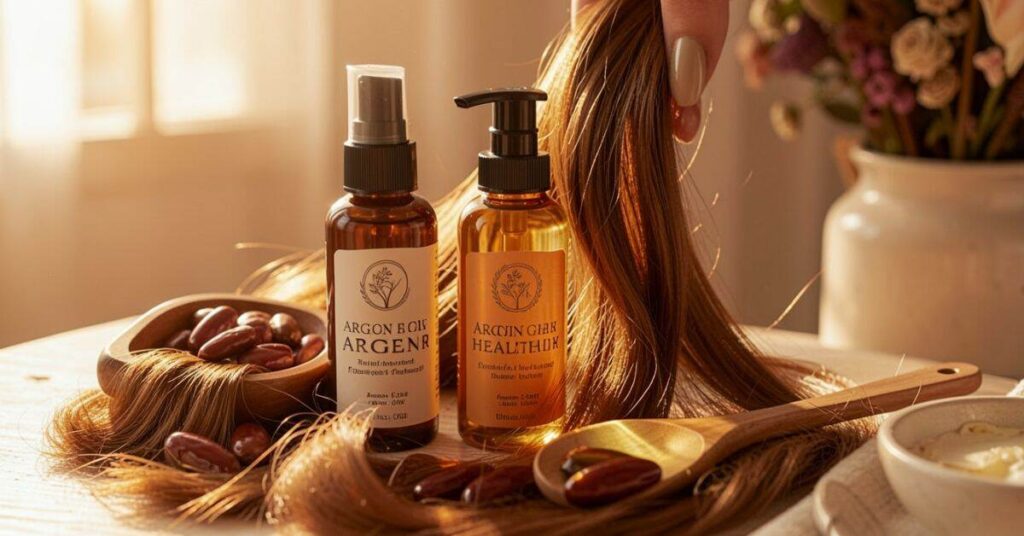
Dry hair rarely improves from one product alone. The best results usually come from a routine that combines cleansing, hydration, moisture retention, and protection. That is why creating the right routine matters as much as choosing the right oil.
A smart routine with argan oil for dry hair focuses on keeping moisture inside the hair while reducing the daily stress that causes dryness again.
You do not need a complicated system. A simple and consistent approach often delivers better long-term results.
Pre-wash routine for dry hair
What you do before shampooing can affect how your hair feels afterward. Many people wash dry hair too aggressively and remove the little moisture it still has.
A pre-wash routine prepares the hair and helps reduce that stripped feeling.
Follow this routine:
| Step | Routine |
| Step 1 | Detangle hair gently |
| Step 2 | Apply a few drops of argan oil to dry areas |
| Step 3 | Leave for 20–40 minutes |
| Step 4 | Use a gentle shampoo |
| Step 5 | Continue with conditioner |
This step creates a softer wash experience and helps reduce friction.
Extra habits that improve results:
- Avoid very hot water
- Do not scrub hair aggressively
- Focus shampoo mainly on the scalp
- Let the lengths stay protected
Using argan oil for dry hair before cleansing often helps hair stay softer after drying.
Post-wash routine to lock in moisture
After washing, hair becomes more vulnerable because water leaves the cuticle open for a short time. This is the ideal moment to seal in softness and prevent dryness.
A good post-wash routine keeps hydration where it belongs.
Follow this order:
Conditioner → Towel Dry → Argan Oil → Styling
Start by gently removing extra water instead of rubbing with a towel. Then apply a small amount of argan oil through the middle and ends of the hair.
Post-wash benefits include:
- Better moisture retention
- Reduced frizz
- Improved shine
- Easier detangling
- Softer texture
If your hair still feels dry after styling, apply one additional drop only to the ends.
This is also one of the easiest answers for people searching how to use argan oil for hair without creating a complicated routine.
Combining shampoo, conditioner, and argan oil
The strongest routine combines products that work together instead of depending on one solution.
Think of your routine in three stages:
| Product | Purpose |
| Shampoo | Cleans buildup without over-drying |
| Conditioner | Restores softness and slip |
| Argan Oil | Locks in moisture and smooths hair |
Choose a shampoo that feels gentle rather than overly clarifying. Follow with a hydrating conditioner and finish with argan oil to support moisture retention.
A simple weekly structure can look like this:
Wash Day (2–3 times weekly)
Shampoo → Conditioner → Argan Oil
Between Washes
Small amount of argan oil on dry ends if needed
Weekly Treatment
Deep conditioning with argan oil
Many people searching for the best argan oil for dry hair focus only on the product itself. In reality, routine consistency often creates bigger results than switching oils repeatedly.
When shampoo, conditioner, and argan oil for dry hair work together, hair usually becomes easier to manage, smoother to touch, and healthier in appearance.
Who Should Use Argan Oil for Dry Hair?
Argan oil has become popular because it works across many hair types, but it does not mean every person should use it the same way. The amount, frequency, and application method can change depending on hair texture, dryness level, and styling habits.
The good news is that argan oil for dry hair is flexible.Whether your hair feels rough, frizzy, damaged, or simply lacks shine, there is often a way to fit argan oil into your routine. Moreover, it can be adjusted based on your specific hair needs, and as a result, it becomes more effective when used correctly.
In addition, the main goal is to match the oil to your hair requirements rather than applying more product than necessary; therefore, balanced use leads to better results over time.
Best hair types for argan oil
Argan oil performs best when hair needs moisture, softness, and surface protection. Because of its lightweight feel, many people can use it without creating excessive heaviness.
Hair types that usually respond well include:
| Hair Type | Why Argan Oil Works |
| Dry hair | Helps improve softness and moisture |
| Damaged hair | Supports smoother-looking strands |
| Thick hair | Adds shine and manageability |
| Curly hair | Helps reduce dryness and frizz |
| Color-treated hair | Supports moisture retention |
| Frizzy hair | Helps improve smoother texture |
People with extremely fine hair can still use argan oil but usually need smaller amounts.
If your hair becomes oily quickly, apply only to the ends instead of the roots.
You may benefit most from argan oil for dry hair if your hair regularly feels:
- Rough after washing
- Difficult to detangle
- Puffy or frizzy
- Dull and lacking shine
- Weak at the ends
Can you use argan oil every day?
This is one of the most common questions.
The answer depends on your hair condition.
Daily use may work for very dry, thick, textured, or highly damaged hair. Hair that loses moisture quickly often benefits from light and regular application.
For most people, this schedule works well:
| Hair Condition | Suggested Frequency |
| Mild dryness | 2–3 times weekly |
| Moderate dryness | Every other day |
| Very dry hair | Small amount daily |
| Fine hair | 1–2 times weekly |
Daily use does not mean using more products.
A few drops are usually enough.
People searching how to use argan oil for dry hair often assume frequent application creates faster results. In reality, correct quantity matters more than frequency.
Watch how your hair responds and adjust gradually.
Signs you may be using too much oil
Even a nourishing oil can become too much if overused.
Hair overloaded with oil may feel heavy instead of healthy. The goal is balanced hydration, not coating the strands repeatedly.
Common signs of overuse include:
- Hair feels greasy shortly after styling
- Loss of natural volume
- Sticky or coated texture
- Increased buildup near roots
- Hair appears flat instead of smooth
Use this quick correction guide:
| Problem | Adjustment |
| Hair feels greasy | Reduce application amount |
| Hair looks flat | Apply only to ends |
| Product buildup | Clarify occasionally |
| Hair feels heavy | Space out applications |
If this happens, do not stop completely. Simply reduce the amount and frequency.
The best results with argan oil for dry hair usually come from consistency, light application, and a complete routine rather than using excessive oil.
Argan Oil for Dry Hair vs Coconut Oil: Which Works Better?
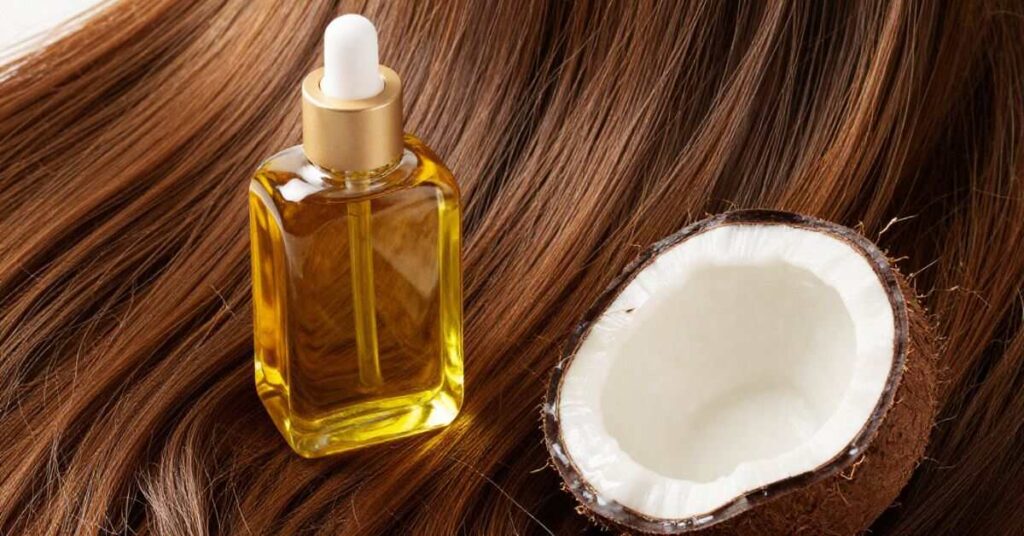
When people look for a solution for dry hair, two oils appear in almost every discussion: argan oil and coconut oil. Both are widely used, but they do not work in exactly the same way.
Choosing the better option depends on your hair goals. Some people need lightweight hydration and softness, while others want heavier moisture sealing. Understanding the difference helps you avoid using an oil that feels too heavy or not moisturizing enough.
If your main concern is dryness, rough texture, or damaged-looking ends, comparing performance instead of popularity gives better results.
Hydration comparison
Hydration is one of the biggest reasons people choose hair oils.
Argan oil for dry hair is known for giving moisture support without leaving a thick layer behind. It helps soften the surface of the hair and improve manageability.
Coconut oil behaves differently. It creates a stronger coating effect and may feel richer, especially on thicker hair types.
Here is a practical comparison:
| Feature | Argan Oil | Coconut Oil |
| Feel on hair | Lightweight | Rich and heavier |
| Moisture support | Balanced hydration | Strong moisture sealing |
| Frizz control | Very good | Good |
| Shine | Soft natural shine | More glossy finish |
| Daily use | Often easier | Can feel heavy |
| Absorption | Faster | Slower |
If your hair feels dry but becomes oily quickly, then argan oil often feels more comfortable. Moreover, it absorbs easily, and as a result, it does not weigh the hair down as much as heavier oils.
On the other hand, if your hair is extremely coarse and loses moisture fast, then coconut oil may feel more protective. In addition, it creates a stronger sealing effect; therefore, it helps lock in moisture for a longer time.
Texture and absorption differences
Texture affects results more than most people expect.
Argan oil spreads easily and absorbs quickly, which makes it popular for styling, leave-in use, and everyday routines. Hair often feels softer without appearing overloaded.
Coconut oil stays on the surface longer and may require more careful application. For some people, that extra richness feels nourishing. For others, it creates heaviness.
Use this simple guide:
Choose argan oil if you want:
- Lightweight softness
- Less greasy finish
- Daily moisture support
- Smoother styling
Choose coconut oil if you want:
- Richer coating
- Intensive moisture retention
- Weekly treatment use
- Extra support for very coarse hair
Many users combine both instead of choosing one. They use coconut oil before washing and apply argan oil for dry hair afterward to maintain softness.
Which oil is better for damaged hair
Damaged hair needs more than moisture. It needs protection, flexibility, and a routine that reduces future stress.
For most people with dry and damaged hair, argan oil often feels easier to maintain because it adds softness without creating too much buildup.
Compare them for repair support:
| Concern | Better Choice |
| Heat-styled hair | Argan Oil |
| Fine damaged hair | Argan Oil |
| Extremely coarse hair | Coconut Oil |
| Frizz control | Argan Oil |
| Lightweight daily care | Argan Oil |
| Intensive weekly treatment | Coconut Oil |
If breakage, rough ends, and dullness are your main concerns, argan oil for dry hair usually fits better into a long-term routine.
That does not make coconut oil ineffective. It simply means the best oil depends on how your hair behaves and how you plan to use it.
The strongest results often come from consistency, gentle washing, and realistic expectations rather than switching products every week.
Common Mistakes to Avoid When Using Argan Oil for Dry Hair
Even the best product can fail if it is used the wrong way. Moreover, many people do not get full results from argan oil for dry hair because they apply it incorrectly or, alternatively, expect instant transformation. In addition, proper technique and realistic expectations play a major role; as a result, consistent and correct use becomes essential for visible improvement over time.
Small mistakes can easily turn a helpful treatment into a greasy or ineffective experience.
If you want smoother, softer, and healthier-looking hair, avoiding these common errors is just as important as choosing the oil itself.
Applying too much product
The most common mistake is overusing argan oil. Because it feels light and nourishing, many people assume more oil will give better results. In reality, hair can only absorb a limited amount.
When you apply too much argan oil for dry hair, it can:
- Make hair look greasy
- Reduce natural volume
- Cause product buildup
- Weigh down fine hair
- Make styling difficult
The correct amount is usually very small.
| Hair Length | Ideal Amount |
| Short hair | 1–2 drops |
| Medium hair | 2–3 drops |
| Long hair | 3–5 drops |
Start with less and add only if needed. This approach gives better control and avoids heaviness.
Using argan oil on the wrong hair type
Argan oil works for many hair types, but the application method must match your hair texture.
For example:
- Fine hair needs minimal application only on ends
- Thick or curly hair can handle slightly more product
- Oily scalp types should avoid roots completely
- Extremely dry hair may need both pre- and post-wash use
A common mistake is applying argan oil for dry hair directly to the scalp when it is not needed. This can lead to buildup or a flat appearance.
Instead, focus on:
- Mid-lengths
- Ends
- Damaged or frizzy sections
Adjusting placement makes a big difference in results.
Skipping a complete hair care routine
Another mistake is relying only on oil without supporting it with proper hair care habits.
Argan oil is powerful, but it works best as part of a full routine. If you ignore cleansing, conditioning, or heat protection, results will stay limited.
A balanced routine includes:
- Gentle shampoo
- Hydrating conditioner
- Occasional deep treatment
- Proper drying techniques
- Controlled use of heat tools
Without these steps, even the best argan oil for dry hair cannot fully protect your strands from ongoing damage.
Think of argan oil as a support product, not a complete solution.
Using it on soaking wet or overly dry hair
Timing matters more than people realize. Applying oil at the wrong stage can reduce absorption or effectiveness.
Common timing mistakes:
- Applying on soaking wet hair (oil may not spread evenly)
- Applying on extremely dirty hair (buildup blocks absorption)
- Applying too late after styling (less control over frizz)
Best timing options:
- On damp towel-dried hair for leave-in use
- On dry hair for shine and frizz control
- Before washing for softening treatment
Correct timing helps argan oil for dry hair perform at its best.
Ignoring product quality
Not all argan oils are pure. Some products contain fillers, silicones, or synthetic fragrances that change performance.
Low-quality blends may:
- Feel sticky or heavy
- Provide weak hydration
- Cause buildup over time
- Reduce natural shine
Choosing a pure or high-quality product makes a noticeable difference in results.
Avoiding these mistakes helps you get smoother, softer, and healthier-looking hair without wasting product or time.
How to Choose the Best Argan Oil for Dry Hair
Not all argan oils deliver the same results. The effectiveness of argan oil for dry hair depends heavily on purity, processing method, and added ingredients. If you choose the wrong product, you may end up with buildup, weak hydration, or even scalp discomfort.
A good argan oil should feel light, absorb quickly, and improve hair texture without leaving residue. Choosing carefully helps you get real long-term benefits instead of temporary shine.
Pure vs blended argan oil
The first decision is whether you want pure argan oil or a blended product.
Pure argan oil is extracted directly from argan kernels with minimal processing. It contains only natural nutrients and delivers the strongest conditioning effect for dry hair.
Blended oils often mix argan oil with other ingredients such as silicones, fragrance, or cheaper carrier oils. Moreover, these blends may feel smooth at first; however, they often reduce long-term nourishment. In addition, while they can give an instant cosmetic shine, they do not always deliver deep repair, and as a result, the benefits may be more temporary than lasting.
Here is a clear comparison:
| Type | Pure Argan Oil | Blended Oil |
| Ingredients | 100% argan oil | Mixed formulas |
| Effect on hair | Deep nourishment | Surface-level smoothness |
| Build-up risk | Low | Medium to high |
| Best for | Dry, damaged hair | Styling only |
| Long-term use | Highly effective | Less consistent |
If your goal is real repair and hydration, argan oil for dry hair should ideally be pure or minimally processed.
What ingredients to look for
Reading the label is very important. Many products look natural but still contain unnecessary additives.
Look for:
- “100% Argania Spinosa Kernel Oil”
- Cold-pressed extraction
- No silicones or mineral oils
- No heavy synthetic fragrances
- Non-greasy lightweight formula
Avoid products that list:
- Dimethicone or heavy silicones
- Mineral oil
- Artificial colorants
- Strong alcohol-based additives
These ingredients can block moisture and reduce the natural benefits of argan oil for dry hair.
A simple rule works best: the shorter the ingredient list, the better the quality usually is.
Organic argan oil and product selection
Organic argan oil is extracted from trees grown without synthetic pesticides or chemical fertilizers. This often results in a cleaner, more natural product.
While “organic” does not always guarantee perfection, it usually indicates higher-quality sourcing and better production standards.
When choosing an oil, consider:
- Packaging in dark glass bottles (protects nutrients)
- Cold-pressed extraction method
- Trusted brand reputation
- Transparent ingredient sourcing
A good-quality product will feel light, not greasy, and will absorb easily into dry strands.
People searching for the best argan oil for dry hair should focus less on marketing claims and more on texture, ingredient purity, and how the oil performs on actual hair.
A high-quality argan oil should:
- Smooth frizz without heaviness
- Add natural shine
- Improve softness over time
- Work in small amounts effectively
Choosing well ensures that argan oil for dry hair delivers long-term hydration instead of temporary shine.
Expert Tips to Get Better Results from Argan Oil for Dry Hair
Getting real results from argan oil for dry hair is not only about applying it. It is about how you use it in your routine, how often you apply it, and how well you combine it with other hair care habits. Moreover, small expert adjustments can significantly improve softness, shine, and overall hair health.
In addition, these tips help you maximize hydration while preventing buildup or heaviness. Therefore, when you follow them correctly, argan oil for dry hair can deliver long-lasting repair and smoother texture over time.
How often should you use argan oil for dry hair?
Frequency plays a key role in results. If you use argan oil for dry hair too rarely, your strands will stay under-hydrated. However, if you use it too often in large amounts, it can make hair greasy or heavy.
A balanced routine works best. Slight dryness usually needs 2–3 applications per week, while moderate dryness benefits from every-other-day use. Severe dryness may require light daily application. Fine hair should always use it less frequently to avoid buildup.
Consistency matters more than quantity. Regular small applications of argan oil for dry hair always perform better than heavy, occasional use.
Ideal amount of argan oil for dry hair by length
One of the most common mistakes is using too much oil. The right amount depends on hair length and texture.
Short hair only needs 1–2 drops. Medium-length hair works well with 2–3 drops. Long hair usually requires 3–5 drops. Thick or curly hair may need slightly more, but it should still stay controlled.
Always start with less and increase slowly. If your hair starts feeling oily or flat, you are using too much argan oil for dry hair and should reduce the quantity immediately.
Apply argan oil for dry hair on slightly damp hair
Application timing makes a big difference. Argan oil for dry hair works best when applied on slightly damp hair instead of fully dry strands.
Damp hair helps the oil spread more evenly and absorb better. It also locks in moisture more effectively, which improves softness and reduces frizz.
After washing your hair, gently towel-dry it and then apply a small amount of oil. This simple step increases hydration and improves long-term repair results.
Warm the oil before applying for better absorption
Another expert trick is warming the oil slightly before use. When you rub argan oil for dry hair between your palms, it becomes easier to spread and absorbs more smoothly.
This technique helps distribute the oil evenly across strands without clumping. It also reduces heaviness and ensures a natural finish instead of a greasy look.
Even a few seconds of warming can noticeably improve results.
Focus on hair ends when applying argan oil for dry hair
Hair ends are the oldest and driest part of your strands. That is why they need the most care.
When applying argan oil for dry hair, always start from the ends first and then move upward. Avoid applying too much on the scalp unless your scalp is extremely dry.
This method helps prevent split ends, reduces breakage, and improves smoothness where it is needed most.
Combine argan oil for dry hair with conditioner for deeper hydration
Argan oil works even better when combined with a good moisturizing conditioner. This combination helps lock in moisture and strengthens hair structure.
After conditioning, applying a small amount of argan oil for dry hair creates a sealing effect. It prevents moisture loss and keeps hair softer for longer periods.
This step is especially useful for people with chemically treated or heat-damaged hair.
Avoid heat styling after heavy oil application
Heat and heavy oil together can sometimes create buildup and dullness. If you have applied a larger amount of argan oil for dry hair, avoid using high heat immediately.
Instead, let your hair air dry or use low heat settings. This protects the hair shaft and maintains natural shine.
Over time, this habit prevents damage and keeps hair healthier and more manageable.
Simple daily routine using argan oil for dry hair
A consistent routine gives the best results. Start by washing your hair gently with a mild shampoo. Then lightly towel dry your hair without rubbing.
Apply a small amount of argan oil for dry hair evenly through the mid-lengths and ends. Let your hair dry naturally whenever possible.
For finishing, you can use just one drop to add shine and smooth flyaways. This simple routine keeps hair hydrated without making it heavy.
Layering technique for deep repair using argan oil for dry hair
For extremely dry or damaged hair, layering works very well. Instead of applying a large amount at once, use small steps throughout your routine.
Before washing, apply a light layer of argan oil for dry hair as a pre-treatment. After washing, use a small leave-in amount on damp hair. The next day, apply a tiny touch-up on dry ends if needed.
This layering method helps maintain moisture balance and improves long-term hair repair without overload.
Final Verdict: Is Argan Oil for Dry Hair Worth Adding to Your Routine?
After looking at how it works, how to use it, and how it compares with other oils, one thing becomes clear: argan oil for dry hair is one of the most practical and reliable natural options for improving dry, dull, and rough hair.
It does not promise instant repair or magical hair growth. Instead, it focuses on something more realistic and more important; in fact, it emphasizes consistent improvement in moisture, softness, and manageability. Moreover, this gradual approach is more sustainable, and as a result, it supports long-term hair health. In addition, it avoids quick fixes, so your hair improves steadily over time rather than temporarily.
Dry hair needs balance. It needs hydration without heaviness, protection without buildup, and shine without greasiness. Argan oil fits well into that balance when used correctly.
What makes it worth using
Argan oil stands out because it delivers multiple benefits in one simple step:
- Improves softness and smoothness
- Reduces frizz and rough texture
- Enhances natural shine
- Supports better moisture retention
- Helps protect hair from daily damage
Unlike heavier oils, it does not usually overwhelm the hair; therefore, it makes a suitable choice for regular routines. Moreover, it absorbs more easily into the strands, and as a result, it leaves the hair feeling lighter and less greasy. In addition, this balanced effect allows you to use it more frequently without buildup, so it fits well into everyday hair care.
What you should realistically expect
It is important to stay realistic. Argan oil for dry hair works best as a support treatment, not a cure-all solution.
With consistent use, you can expect:
- Softer hair texture over time
- Less visible dryness and frizz
- Improved shine and appearance
- Easier detangling and styling
- Better overall hair manageability
However, results do depend on your full hair care routine, not just one product. Moreover, even the best oil will work more effectively when you combine it with proper cleansing, conditioning, and gentle handling. In addition, consistent care plays a key role, and as a result, your hair responds better over time. Therefore, argan oil should be seen as a supportive step rather than a complete solution on its own.
Final decision: is it worth it?
Yes, indeed, argan oil is worth adding to your routine if your hair struggles with dryness, frizz, or damage. Moreover, it is simple, flexible, and easy to use in different ways such as a pre-wash treatment, a leave-in serum, or overnight hydration.
In addition, it works well for most hair types, and as a result, it becomes a practical choice for daily hair care. Furthermore, when used consistently, it can improve softness and manageability over time. Therefore, it offers a reliable solution for long-term hair health.
The key is using it correctly and in the right amount. When you combine it with proper washing, conditioning, and gentle care, argan oil for dry hair can significantly improve how your hair looks and feels over time. Moreover, this combination supports overall hair health, and as a result, it reduces dryness and breakage gradually.
In short, it is not just a trend; rather, it is a long-term supportive treatment that fits naturally into modern hair care routines. Furthermore, when used consistently, it helps maintain moisture balance, so your hair stays smoother and more manageable.
FAQs:
1. How often should I use argan oil for dry hair?
You can use argan oil for dry hair 2–3 times a week for mild dryness. For very dry or damaged hair, light daily use in small amounts works better. Always adjust based on how your hair responds.
2. Can argan oil cause hair loss?
Argan oil does not directly cause hair loss. In fact, it helps reduce breakage by improving softness and manageability. Moreover, when used in the right amount, it can make hair feel smoother and easier to handle.
However, using too much oil or applying it heavily on the scalp can cause buildup. As a result, the hair may feel weak or heavy instead of light and healthy.
3. How to use argan oil on hair overnight safely?
Apply a small amount of argan oil for dry hair to mid-lengths and ends before sleeping. Avoid over-saturating the scalp. Braid your hair loosely or cover it with a soft cloth and wash or lightly rinse in the morning if needed.
4. What is the best way to apply argan oil for dry hair?
The best method depends on your goal. For daily care, use a few drops on damp or dry hair after washing. For deep treatment, first of all, apply it before shampooing. Moreover, you can leave it overnight for extra hydration. In addition, this method allows the oil to deeply penetrate the hair shaft, and as a result, it provides stronger moisture and repair. Furthermore, if you use it regularly, it improves overall hair softness and shine. Therefore, this approach works best for very dry or damaged hair.
5. Can I use argan oil on oily hair too?
Yes, but only in small amounts; however, you should still focus on the ends instead of the roots. Moreover, this helps prevent excess oil buildup at the scalp, and as a result, your hair stays lighter and cleaner.
In addition, applying it this way improves hydration exactly where it is needed, so the hair looks healthier overall.
Even oily hair can have dry or damaged ends, and argan oil for dry hair can help smooth and soften those areas.
6. Are there any argan oil for hair side effects?
Side effects are rare; however, overuse can make hair greasy or flat. In addition, some people may also experience buildup if they use low-quality or blended oils. Moreover, this issue becomes more noticeable when the oil is applied too frequently, and as a result, the hair can lose its natural volume. Therefore, proper usage and choosing high-quality oil are very important to avoid these unwanted effects.
Always choose pure argan oil and use it in moderation.
7. What is the best argan oil for dry hair?
The best option is 100% pure, cold-pressed argan oil with no added silicones or fillers.Organic versions are often preferred because, first of all, they maintain higher purity; moreover, they deliver better nutrient quality.
In addition, they are produced without harmful chemicals, and therefore they support healthier long-term use. Furthermore, many people choose them because they feel safer and more natural, and as a result, they often provide more reliable benefits for overall wellness.