Introduction
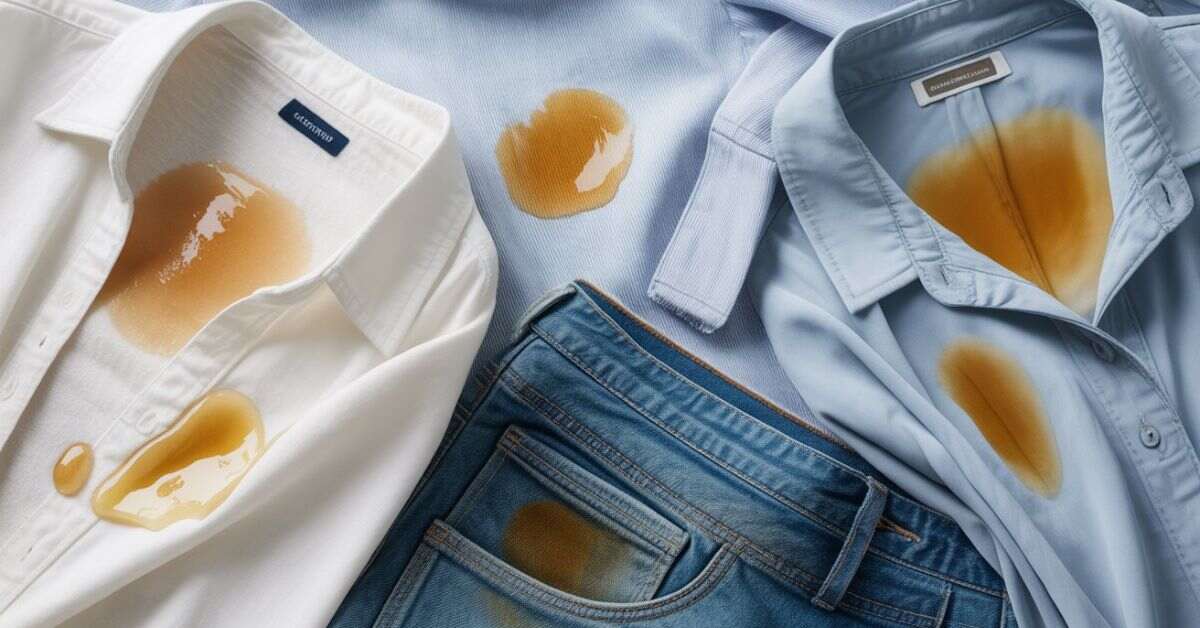
Coconut oil is a natural product celebrated for its beauty and health benefits. People use it for hair, skin, and even cooking. However, when coconut oil gets on your clothes, it can leave stubborn stains that are difficult to remove. Learning how to get coconut oil out of clothes begins with understanding what makes these stains so tricky.
Coconut oil is made up of fatty acids that are hydrophobic, meaning they repel water. This property makes oil stains cling tightly to fabric fibers. Unlike water-based stains, coconut oil penetrates deep into fibers, especially natural ones like cotton or linen. This is why simply washing your garment in the laundry might not remove the stain entirely.
Even a small spill can leave a visible mark. For instance, drips from cooking, massage oils, or hair treatments can quickly turn into set-in stains if not treated promptly. Knowing the right methods and timing can make a huge difference in restoring your clothes.
Did you know? Coconut oil stains are similar to other oils; however, because of their solid-at-room-temperature nature, they often leave greasy marks that can harden if the fabric warms up. As a result, these stains can become more stubborn over time. Therefore, many people search online for ways to get coconut oil out of clothes fast, especially when the stain seems permanent.
Understanding your stain type also matters. Fresh spills behave differently from older, set-in stains. Fabrics react uniquely; delicate materials like silk may absorb oil faster, while synthetics like polyester might repel some of it but hold residue on the surface. Being aware of this can guide your cleaning choices.
Why Coconut Oil Stains Are Hard to Remove from Clothes
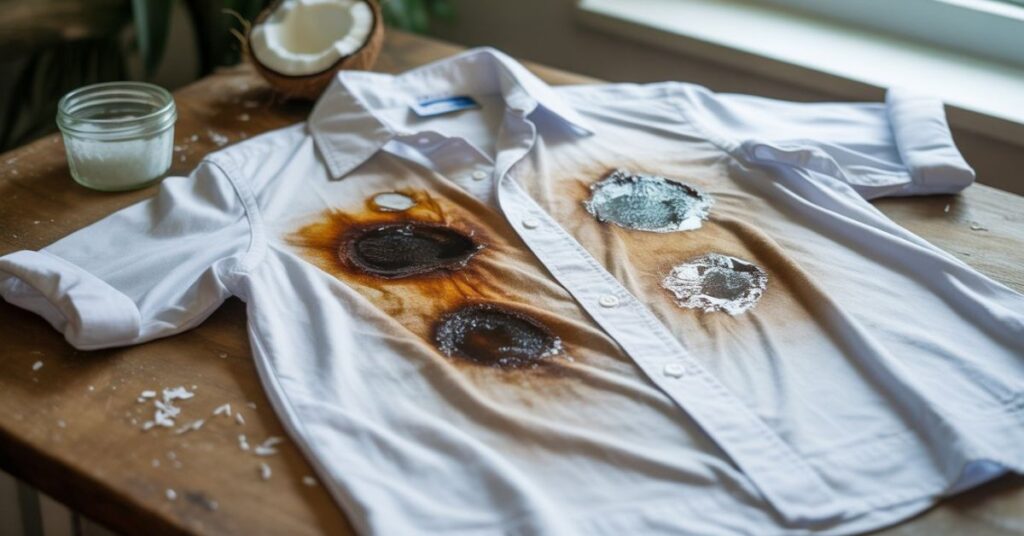
Coconut oil stains can be frustrating because they are not like typical water-based stains. Knowing why coconut oil stains are hard to remove from clothes helps you choose the right method for effective cleaning.
The main reason is that coconut oil is hydrophobic, meaning it repels water. When it gets on fabric, it sinks deep into the fibers instead of staying on the surface. This penetration makes washing with plain water ineffective. Many people wonder does coconut oil wash out of clothes easily, but the answer is often no especially if the stain has set in.
Fabric type also plays a big role in how oil stains behave. For example, natural fibers like cotton and linen absorb oils more readily, which means that stains become harder to remove. On the other hand, synthetic fabrics such as polyester tend to hold oil on the surface, so they often create a greasy film. At the same time, delicate fabrics like silk or wool are even trickier to handle. This is because harsh cleaning methods can easily damage them, and as a result, your cleaning options become limited. Therefore, choosing the right method depends heavily on the fabric type, and ultimately, it helps prevent further damage.
Another challenge is set-in stains. Once coconut oil dries or combines with heat from ironing or tumble drying, it hardens inside the fibers. At this stage, stains become stubborn and require targeted treatments. That’s why many guides emphasize how to get coconut oil out of clothes after drying for these set-in situations.
Additionally, coconut oil is often mixed with other substances like scents, essential oils, or lotions. These compounds can increase stain resistance, making removal more difficult. Even small amounts of oil left untreated can reappear after washing, frustrating anyone who tries to clean their garments.
How to Get Coconut Oil Out of Clothes: Step-by-Step Methods
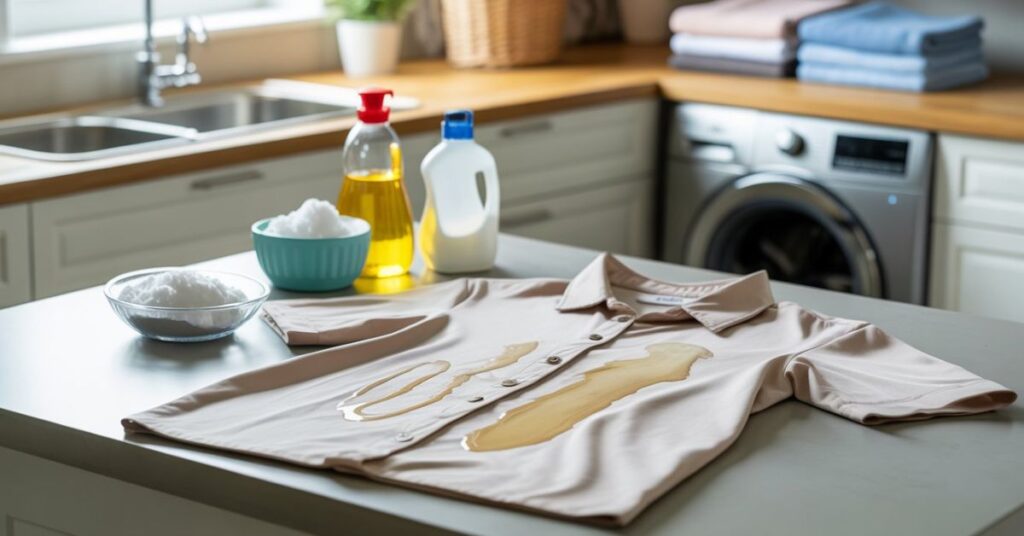
Removing coconut oil from clothes requires a careful approach. Whether the stain is fresh or set-in, following proper steps ensures your fabric is clean without damage. Below is a step-by-step guide on how to get coconut oil out of clothes.
Step 1: How to Get Coconut Oil Out of Clothes by Blotting Excess Oil
The first step in treating coconut oil stains is to remove excess oil. Use a clean paper towel or a soft cloth to gently blot the stain. Avoid rubbing, as this spreads the oil and pushes it deeper into fibers.
Tip: For fresh stains, acting immediately increases the chance of full removal. Blotting removes surface oil, reducing the amount that penetrates the fabric. Many people search how to get coconut oil out of clothes fast, and this quick action is the first key.
Step 2: How to Get Coconut Oil Out of Clothes Using Absorbent Powders
Absorbent powders can lift oil from fabrics effectively. Sprinkle baby powder, cornstarch, or baking soda over the stain. Let it sit for 10–15 minutes to absorb the oil, then gently brush off the powder.
Pro Tip: For stubborn stains, repeat the process.In particular, this method is especially useful for delicate fabrics that cannot handle harsh scrubbing. Furthermore, using powders before washing improves your chances of success when learning how to get coconut oil out of clothes.
Step 3: How to Get Coconut Oil Out of Clothes With Dish Soap
Dish soap is designed to cut grease, making it perfect for oil stains. Apply a small amount of liquid dish soap directly to the stain. Rub it gently into the fabric with your fingers or a soft brush, then rinse with cold water.
Tidbit: Avoid hot water at this stage because heat can set the oil. This method is widely used by people looking for how to get coconut oil out of clothes without baking soda, offering an effective alternative.
Step 4: How to Get Coconut Oil Out of Clothes With Cold or Hot Water
After treating with soap or powders, rinse the area with water. For fresh stains, cold water prevents the oil from setting. For tougher stains, warm water combined with soap can help break down the grease.
Tip: Test a small area of the fabric first. Certain synthetics may react poorly to hot water. Knowing the correct water temperature is essential in how to get coconut oil out of clothes for complete stain removal.
Step 5: How to Get Coconut Oil Out of Clothes When Stains Have Set In
Set-in stains require more effort.First, pre-treat the area with a stain remover or liquid laundry detergent. Next, gently rub it in, and then let it sit for 15–30 minutes before washing. Finally, wash the garment as usual.
Pro Tip: For older stains, repeating treatments may be necessary. Using a combination of powders, soap, and detergent is often the most effective way how to get coconut oil out of clothes after drying.
Step 6: How to Get Coconut Oil Out of Clothes While Drying Correctly
Drying your clothes incorrectly can set stains permanently.First, avoid the dryer until the stain is completely gone. Instead, air dry the treated garments to prevent the stain from setting.
Quick Recap Table: Step-by-Step Removal
| Step | Method | Key Tip |
| 1 | Blot Excess Oil | Use paper towel, do not rub |
| 2 | Absorbent Powders | Cornstarch, baking soda, baby powder |
| 3 | Dish Soap | Rub gently, rinse with cold water |
| 4 | Cold/Hot Water | Cold for fresh, warm for tough stains |
| 5 | Set-In Stains | Pre-treat with detergent or stain remover |
| 6 | Drying Correctly | Air dry, avoid heat until stain is gone |
How to Get Coconut Oil Out of Clothes: For Specific Fabrics
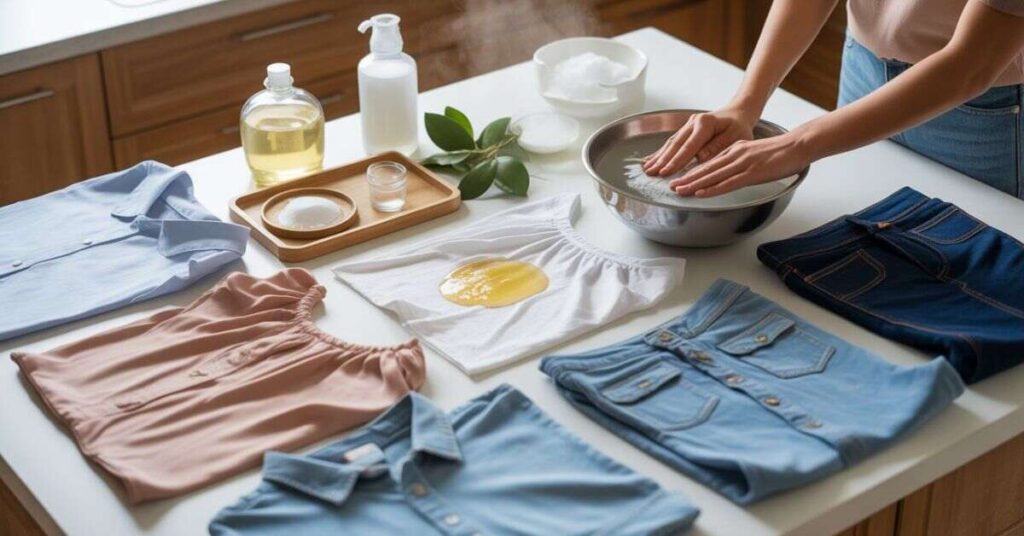
Different fabrics react differently to coconut oil, which means that knowing how to get coconut oil out of clothes depends largely on the type of fabric. Treating each fabric carefully ensures stain removal without damage.
Cotton
Cotton is durable and absorbs oil easily. For fresh stains, start by blotting the oil and sprinkling baking soda or cornstarch. Rub gently with liquid dish soap, rinse with cold water, and air dry. For set-in stains, pre-treat with laundry detergent and soak for 15–30 minutes before washing normally.
Tip: Cotton can handle gentle scrubbing, making it easier to remove stubborn coconut oil stains. Many people look for ways how to get coconut oil out of clothes fast, and cotton is one of the easiest fabrics to clean if treated immediately.
Silk
Silk is delicate and requires special care. Blot excess oil carefully and apply baby powder to absorb grease. Avoid harsh soaps; instead, use mild detergent or a silk-friendly cleaner. Rinse with cold water and air dry.
Caution: Never use hot water or scrub vigorously. Learning how to get coconut oil out of clothes for silk is about patience and gentle handling to avoid fabric damage.
Polyester
Polyester is synthetic and holds oil on the surface. Blot the stain and use liquid dish soap. Rinse with warm water to help break down the oil. For stubborn spots, a gentle pre-treatment with a stain remover is recommended.
Wool
Wool is sensitive and can shrink if treated incorrectly. Blot excess oil, sprinkle cornstarch, and let it sit. Use a wool-friendly detergent and rinse with cold water. Avoid wringing the fabric; gently press to remove excess water and air dry flat.
Tip: Avoid tumble dryers. Heat and friction can set oil into wool fibers permanently. Knowing how to get coconut oil out of clothes for wool prevents irreparable damage.
Linen
Linen absorbs oil quickly. Blot immediately and sprinkle baking soda or cornstarch. Apply dish soap, rinse with cold water, and air dry. For set-in stains, pre-treat with detergent and repeat if necessary.
Quick Fabric Care Table
| Fabric | Best Treatment | Key Tip |
| Cotton | Baking soda + dish soap | Can handle gentle scrubbing |
| Silk | Baby powder + mild detergent | Be very gentle, avoid hot water |
| Polyester | Dish soap + warm water | May need repeated treatments |
| Wool | Cornstarch + wool detergent | Air dry flat, avoid wringing |
| Linen | Baking soda + dish soap | Quick action is essential |
How to Get Coconut Oil Out of Clothes: Prevention Tips

Prevention is always better than treatment. Knowing how to get coconut oil out of clothes also means understanding ways to avoid stains in the first place. Simple habits and precautions can save time, effort, and ruined garments.
Use Protective Clothing
When cooking or applying coconut oil for hair or skin, wear aprons, old shirts, or protective layers. This prevents accidental spills from reaching your good clothes. Even a small drip can become a stubborn stain if it’s not caught in time.
Tip: For people who frequently use coconut oil on hair or skin, consider keeping a dedicated towel or cape nearby. This is especially useful for preventing stains on delicate fabrics like silk or wool.
Apply Oil Carefully
Whether using coconut oil for hair, skin, or massage, apply in small amounts and avoid direct contact with clothing. Let the oil absorb into the skin or hair before putting on clothes.
Act Quickly on Spills
If coconut oil accidentally lands on your clothes, treat it immediately. Blot excess oil, sprinkle absorbent powder, and follow the early steps of stain removal. Prompt action significantly increases the chances of complete removal.
Tip: Fresh stains are easier to remove than set-in ones. People searching how to get coconut oil out of clothes fast often overlook the power of quick intervention.
Use Alternative Oils with Care
Some oils like fractionated coconut oil are lighter and less likely to stain. Knowing the differences in oil types can help reduce risk.
Tip: Avoid heavy or solid coconut oils on light-colored fabrics if possible. Choosing the right product is part of smart stain prevention.
Keep Workspaces Clean
In the kitchen, bathroom, or spa, keep your workspace free of excess oil. Spills on countertops or floors often end up on clothing accidentally. Using paper towels, mats, or trays can help contain the mess.
Quick Prevention Checklist
| Prevention Step | Practical Tip |
| Protective Clothing | Use aprons or old shirts |
| Apply Oil Carefully | Small amounts, wait for absorption |
| Act Quickly | Blot spills immediately |
| Use Lighter Oils | Consider fractionated coconut oil |
| Clean Workspaces | Keep areas free from excess oil |
How to Get Coconut Oil Out of Clothes: Alternative and Commercial Methods
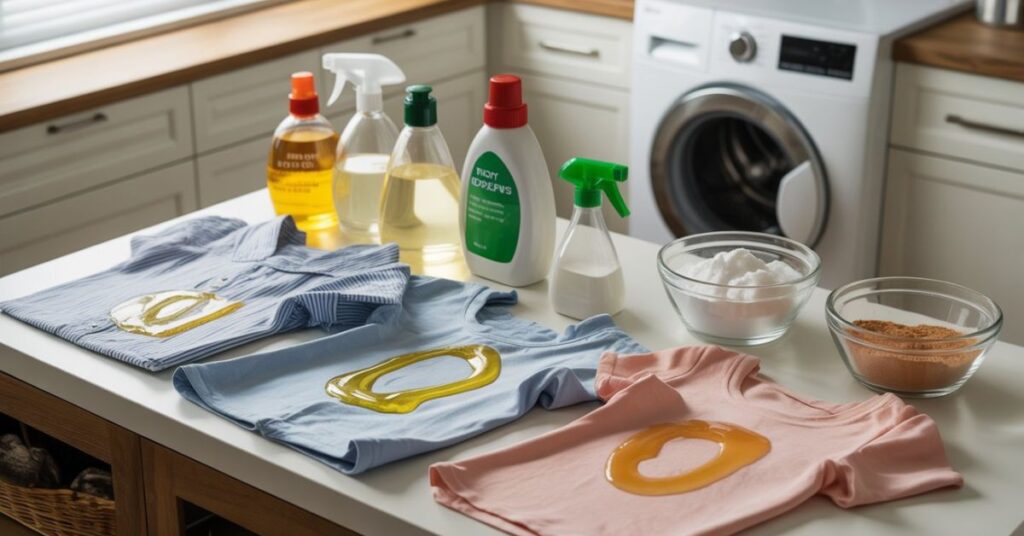
Sometimes, traditional methods like soap and water aren’t enough to remove stubborn coconut oil stains. Knowing how to get coconut oil out of clothes using alternative and commercial methods can save your garments and time.
Vinegar Solutions
Vinegar is a natural degreaser that helps break down oil stains. Mix one part white vinegar with two parts water and apply it to the stained area. Let it sit for 10–15 minutes, then gently blot with a clean cloth before washing as usual.
Tip: Vinegar works well on fresh and moderately set-in stains. People often wonder can vinegar remove coconut oil stains—yes, it’s effective when used correctly.
Baking Soda Treatments
Baking soda absorbs oil effectively. Sprinkle it over the stain and let it sit for 15–30 minutes. Brush it off gently, then wash the fabric using mild detergent.
Pro Tip: This method is perfect for fabrics that cannot handle strong chemicals. It’s a popular alternative for those searching how to get coconut oil out of clothes without baking soda.
Commercial Stain Removers
Commercial products like OxiClean, Shout, or Folex are formulated to tackle tough oil stains. Apply the product directly to the stain, let it sit according to the instructions, and wash the garment as directed.
Tidbit: Many people prefer commercial cleaners for set-in stains or when washing delicate fabrics. Using these products is an effective way to learn how to get coconut oil out of clothes fast without damaging fibers.
Professional Dry Cleaning
For expensive, delicate, or heavily stained items, professional dry cleaning is the safest choice. Dry cleaners have specialized solvents that remove oil effectively without harming fabric.
Tip: Wool, silk, and tailored garments respond best to professional cleaning. This method ensures that stubborn coconut oil stains are removed completely while preserving your clothing.
Quick Alternative Methods Table
| Method | How It Works | Best For |
| Vinegar Solution | Natural degreaser | Fresh and moderately set-in stains |
| Baking Soda | Absorbs oil | Delicate fabrics and small stains |
| Commercial Stain Remover | Specially formulated chemicals | Tough or old stains |
| Professional Dry Cleaning | Solvents remove oil safely | Expensive or delicate garments |
How to Get Coconut Oil Out of Clothes: Common Mistakes to Avoid
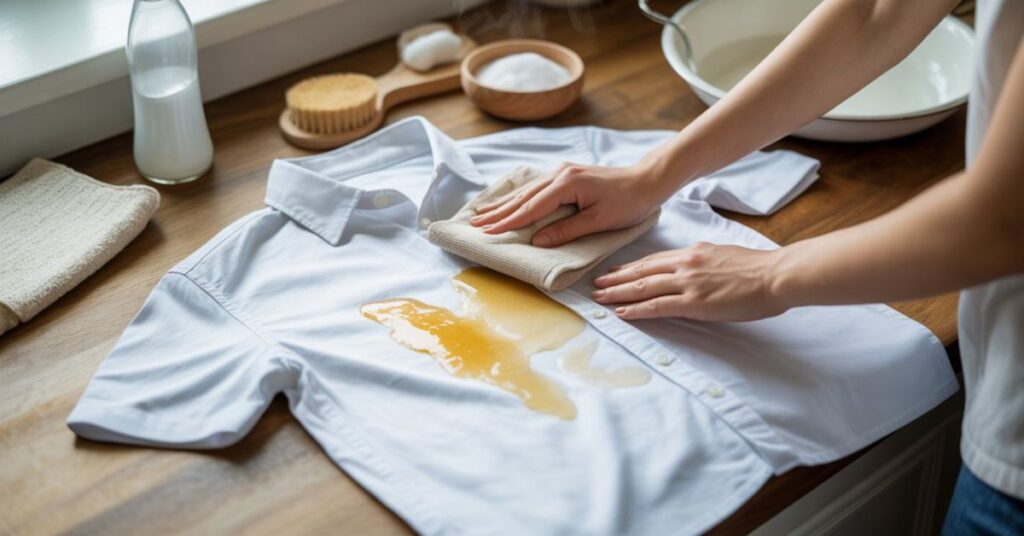
Even with the best methods, people often make mistakes that make coconut oil stains harder to remove. Understanding these pitfalls is key to mastering how to get coconut oil out of clothes effectively.
Mistake 1: Rubbing the Stain Too Hard
Rubbing can spread the oil and push it deeper into fibers. Instead, gently blot excess oil with a clean cloth or paper towel.
Tip: For fresh spills, quick blotting is always better than aggressive scrubbing. Many searches on how to get coconut oil out of clothes fast fail because people rub too vigorously.
Mistake 2: Using Hot Water Too Early
Hot water can set coconut oil stains, making them permanent. Always start with cold or lukewarm water until the oil is lifted.
Tidbit: For set-in stains, warm water can be used with soap, but never use heat on untreated fresh oil stains. Knowing this prevents frustrating outcomes when learning how to get coconut oil out of clothes after drying.
Mistake 3: Drying Clothes Before Removing the Stain
Putting stained clothes in the dryer is a common mistake. Heat fixes the oil into the fibers permanently. Always air dry until the stain is completely gone.
Tip: Skip the dryer entirely during the cleaning process. Many people overlook this and wonder does coconut oil wash out of clothes easily.
Mistake 4: Using Harsh Chemicals on Delicate Fabrics
Strong chemicals can damage silk, wool, or other delicate materials. Always check the fabric type before applying detergents or stain removers.
Tip: Use mild solutions like dish soap, baking soda, or vinegar for sensitive fabrics. Correct handling ensures your garment is clean without harm while learning how to get coconut oil out of clothes.
Mistake 5: Ignoring Fabric-Specific Needs
Each fabric behaves differently. Treating all fabrics the same way can worsen the stain. Follow fabric-specific tips for cotton, silk, wool, polyester, or linen.
Quick Mistakes to Avoid Table
| Mistake | Why It Hurts | Better Approach |
| Rubbing Too Hard | Spreads oil | Blot gently |
| Hot Water Too Early | Sets stain | Start with cold water |
| Drying Before Cleaning | Fixes stain | Air dry until removed |
| Harsh Chemicals on Delicates | Damages fabric | Use mild solutions |
| Ignoring Fabric Type | Stain persists | Follow fabric-specific tips |
How to Get Coconut Oil Out of Clothes: Extra Tips for Best Results
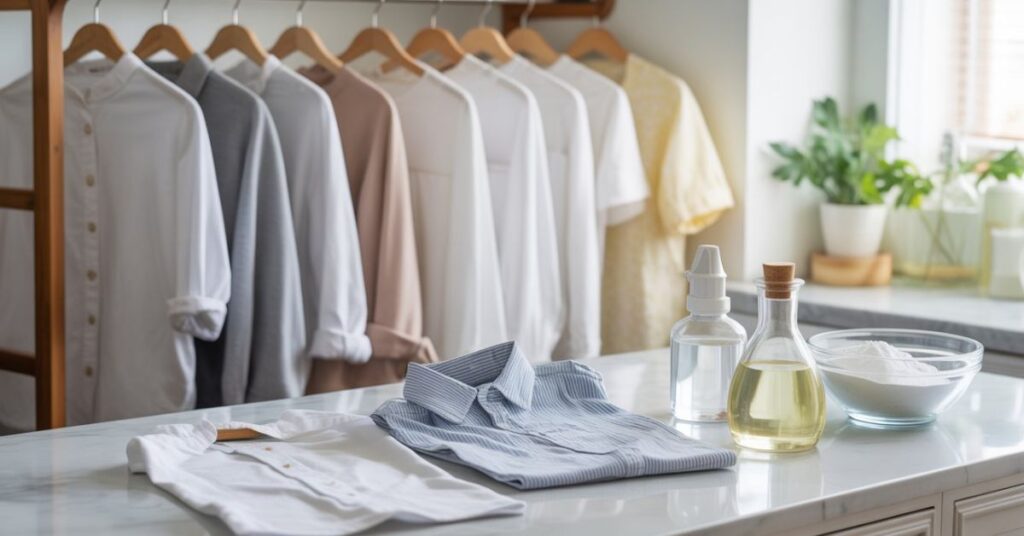
Even after following all standard methods, a few extra tips can make how to get coconut oil out of clothes faster, easier, and more effective. These expert tricks help tackle stubborn stains and ensure your clothes remain fresh and intact.
Tip 1: Pre-Treat Every Stain
Always pre-treat stains before washing. Whether using dish soap, baking soda, or commercial cleaners, pre-treating allows the solution to break down the oil before it spreads.
Tip 2: Use the Right Temperature
Cold water is best for fresh stains to prevent setting, while warm water can be used for tougher or set-in stains after pre-treatment. Avoid hot water until the oil is fully broken down.
Tip: Correct water temperature improves cleaning success and prevents permanent marks, a key step in how to get coconut oil out of clothes after drying.
Tip 3: Repeat Treatments if Necessary
Some stubborn stains require multiple rounds of treatment. Apply absorbent powders, dish soap, or commercial stain remover more than once if the stain persists.
Pro Tip: Persistence pays off. Even small repeat treatments ensure your clothes return to their original condition when learning how to get coconut oil out of clothes.
Tip 4: Use Absorbent Powders Strategically
Sprinkle baking soda, cornstarch, or baby powder over the stain and let it sit longer for tough stains. Brushing it off gradually lifts the oil from fibers.
Tip 5: Avoid Heat During Drying
As emphasized earlier, heat sets oil stains permanently. Always air dry treated clothing until the stain is fully gone.
Pro Tip: For extra caution, place the garment flat to dry and avoid ironing over treated areas. This ensures your fabric stays clean while mastering how to get coconut oil out of clothes.
Tip 6: Use Commercial or Natural Enhancers
For very stubborn stains, combining natural and commercial methods works best. Apply vinegar, dish soap, or a stain remover in sequence. Let each product act for a few minutes before washing.
Quick 6 Tips Table
| Tip | How It Helps | Key Point |
| Pre-Treat Stains | Breaks down oil | Essential for all fabrics |
| Correct Water Temp | Prevents setting | Cold for fresh, warm for old stains |
| Repeat Treatments | Ensures removal | Persistence works |
| Absorbent Powders | Lifts oil gently | Ideal for delicate fabrics |
| Avoid Heat | Prevents permanent stains | Air dry only |
| Combine Methods | Boosts effectiveness | Use natural + commercial solutions |
Conclusion:How to Get Coconut Oil Out of Clothes
Coconut oil stains may seem stubborn, but with the right methods, removing them is completely achievable. Understanding how to get coconut oil out of clothes from quick blotting to fabric-specific treatments ensures your garments stay clean and fresh.
By acting quickly, using absorbent powders, dish soap, and proper washing techniques, even set-in stains can be successfully treated. Choosing the correct method for each fabric whether cotton, silk, wool, polyester, or linen prevents damage and maximizes results.
Alternative methods, such as vinegar solutions, baking soda, commercial cleaners, or professional dry cleaning, provide additional options for stubborn stains. Knowing how to get coconut oil out of clothes fast or after drying gives you control over every situation.
Equally important are prevention tips. Wearing protective clothing, applying oil carefully, and keeping workspaces clean reduce the likelihood of future stains. Combining preventive practices with proper removal techniques ensures your clothes stay spotless.
FAQs
1. Can coconut oil deodorant stain clothes?
Yes, coconut oil-based deodorants can leave greasy marks, especially on light fabrics. To prevent stains, allow the deodorant to absorb fully before dressing and avoid direct contact with clothing. If a stain occurs, follow steps for how to get coconut oil out of clothes using blotting, powders, or dish soap.
2. How do you remove set-in coconut oil stains?
Set-in stains require stronger methods. Pre-treat the area with dish soap or a stain remover, let it sit for 15–30 minutes, then wash in cold or warm water depending on fabric type. Repeat treatments if necessary. Using vinegar or baking soda can also help, as explained in alternative methods.
3. Can vinegar remove coconut oil stains?
Yes, vinegar acts as a natural degreaser. Mix one part white vinegar with two parts water, apply to the stain, and blot gently. Vinegar works best for fresh or moderately set-in stains and can be combined with other cleaning methods for tougher oil marks.
4. Which fabrics are hardest to clean from coconut oil?
Delicate fabrics like silk and wool are the most challenging. They require gentle treatment with mild detergents or specialized cleaners. Synthetic fabrics like polyester may hold oil on the surface but usually respond well to repeated treatments. Cotton and linen are easier to clean if treated promptly.
5. How to prevent coconut oil stains while cooking?
Wear protective clothing such as aprons, use small amounts of oil, and clean work surfaces regularly. Acting quickly on accidental spills and using absorbent towels can prevent stains. Prevention is an important part of how to get coconut oil out of clothes success.