Introduction
Substituting coconut oil for butter has become a popular choice in modern cooking and baking. Many people now look for dairy-free, plant-based, and healthier fat options in everyday recipes. Coconut oil offers a simple replacement that works in most baked goods and cooked meals without changing the process too much.
This guide explains how substituting coconut oil for butter works, why people use it, and when it gives the best results. You will also learn how it behaves in recipes and what makes it a useful alternative in both sweet and savoury dishes.
Substituting Coconut Oil for Butter in Baking and Cooking

Why people substitute coconut oil for butter
People choose substituting coconut oil for butter for several practical reasons. Some want a dairy-free option, while others prefer plant-based cooking. Many also believe coconut oil fits better into certain dietary preferences like vegan or lactose-free diets.
Health awareness also plays a big role. Coconut oil contains natural fats that some people prefer over traditional dairy fats. In baking, it also provides moisture and a smooth texture, making it a strong alternative in many recipes.
Basic understanding of how coconut oil replaces butter
To understand substituting coconut oil for butter, you need to know that both ingredients work as fats in recipes. Butter contains water and milk solids, while coconut oil is pure fat.
Because of this difference, coconut oil behaves slightly differently, but it still performs the same core function—adding richness, moisture, and structure. In most cases, it can replace butter in equal amounts, making it easy to use in everyday cooking.
When melted, coconut oil mixes smoothly into batters and doughs, just like butter does when softened.
When this substitution works best in recipes
Substituting coconut oil for butter works best in recipes where fat plays a structural or moisture role. It performs very well in cookies, cakes, muffins, and brownies.
It also works in sautéing, roasting, and frying where butter is usually used for flavor and texture. However, in recipes that depend heavily on butter’s flavor, such as certain pastries, the result may taste slightly different.
For best outcomes, coconut oil works especially well in recipes that already include strong flavors like chocolate, vanilla, or spices.
How Substituting Coconut Oil for Butter Affects Recipes
When you start substituting coconut oil for butter, the final result in your recipe changes in a few noticeable ways. These changes are not negative they just require understanding so you can adjust your cooking or baking properly. Coconut oil behaves differently from butter because it is 100% fat, while butter contains water and milk solids. This difference directly impacts texture, flavor, and consistency in recipes.
Changes in texture and structure of baked goods
One of the biggest effects of substituting coconut oil for butter is the change in texture. Coconut oil creates a softer and slightly more tender structure in baked goods.
In cookies, it can lead to a slightly chewier result depending on the recipe. In cakes and muffins, it often improves moisture and softness. However, because coconut oil lacks the water content found in butter, baked items may sometimes feel less airy if the recipe is not adjusted properly.
The structure also depends on temperature. Coconut oil solidifies at cooler temperatures, which helps maintain shape in baking but can create density if overused.
Flavor differences when using coconut oil instead of butter
Flavor is another important factor when substituting coconut oil for butter. Butter has a rich, creamy, and slightly salty taste, while coconut oil brings a mild coconut aroma and natural sweetness.
In recipes like chocolate cakes, brownies, or spiced cookies, this flavor difference is usually not very noticeable. But in simple recipes like plain cookies or butter-based sauces, the coconut flavor can stand out more.
Refined coconut oil has a much neutral taste, which makes it a better choice when you want to avoid coconut flavor completely.
Moisture and consistency adjustments in cooking
When substituting coconut oil for butter, moisture balance becomes very important. Since butter contains water, removing it and replacing it with coconut oil can slightly change the hydration level in a recipe.
This can affect dough and batter consistency. For example, cookie dough may feel drier, while cake batter may become richer and heavier. Small adjustments like adding a tablespoon of milk, plant milk, or water can help restore balance when needed.
In cooking applications like sautéing or frying, coconut oil performs smoothly and maintains consistency without major adjustments.
Health Benefits of Substituting Coconut Oil for Butter

Many people consider substituting coconut oil for butter not just for cooking performance but also for health-related reasons. While both ingredients are high in fats, their composition is different, which leads to different effects in the body. Understanding these differences helps you choose the right option based on your dietary needs and lifestyle.
Healthy fatty acids in coconut oil
One major reason people choose substituting coconut oil for butter is its fatty acid profile. Coconut oil contains medium-chain triglycerides (MCTs), which are digested differently compared to long-chain fats found in butter.
These MCTs are quickly broken down and used for energy by the body. This is why coconut oil is often included in energy-focused diets. It also contains lauric acid, a type of fat that has antimicrobial properties and may support overall wellness when used in moderation.
Because of these fats, coconut oil is often seen as a more functional cooking fat in certain diets.
Coconut oil vs butter for heart health
When comparing coconut oil and butter, many discussions focus on heart health. Butter contains saturated fats along with cholesterol, which can impact blood lipid levels if consumed in excess.
Coconut oil also contains saturated fats, but the structure is different due to MCTs. Some studies suggest that it may affect cholesterol levels differently, but results are still debated in the scientific community.
The key point is moderation. Substituting coconut oil for butter does not automatically make a recipe “healthy,” but it does offer an alternative fat profile that some people prefer in balanced diets.
Why it is preferred in plant-based diets
Another important reason for substituting coconut oil for butter is its role in plant-based and vegan diets. Coconut oil is completely dairy-free, making it suitable for people who avoid animal products.
It allows bakers and cooks to recreate traditional butter-based recipes without using dairy ingredients. This makes it very popular in vegan baking, especially for cakes, cookies, and desserts.
It also helps people who are lactose intolerant or sensitive to dairy products enjoy similar textures and results without discomfort.
Read More:https://pureoilshub.com/does-coconut-oil-need-to-be-refrigerated/
Types of Coconut Oil for Substitution
When you are substituting coconut oil for butter, choosing the right type of coconut oil is very important. Different types of coconut oil behave differently in baking and cooking. Some have a strong coconut flavor, while others are more neutral. The right choice depends on the recipe and the flavor outcome you want.
Virgin coconut oil and its uses
Virgin coconut oil is the least processed form. It comes from fresh coconut meat and keeps a strong coconut aroma and flavor. Many people use it in recipes where a slight coconut taste is acceptable or even desired.
It works well in cookies, smoothies, and some desserts. However, in delicate baked goods where butter flavor is important, the coconut taste may become noticeable.
Refined coconut oil and when to use it
Refined coconut oil goes through more processing, which removes most of the coconut flavor and aroma. It still performs the same function as a fat in recipes but gives a more neutral taste.
This type is best for substituting coconut oil for butter in recipes where you do not want any coconut flavor. It works well in cakes, brownies, bread, and savory dishes.
Which coconut oil is better for baking
The best coconut oil depends on your recipe goal. If you want flavor, use virgin coconut oil. If you want neutral results similar to butter, use refined coconut oil.
Both types work in a 1:1 substitution ratio, but refined coconut oil gives more consistent baking results when replacing butter in traditional recipes.
Comparison Table: Types of Coconut Oil for Substitution
| Type of Coconut Oil | Flavor | Best Use in Substituting Coconut Oil for Butter | Baking Result |
| Virgin Coconut Oil | Strong coconut taste | Cookies, flavored desserts, tropical recipes | Slight coconut aroma in final product |
| Refined Coconut Oil | Neutral / almost no taste | Cakes, brownies, bread, savory cooking | Closest taste to butter-based recipes |
| Cold-Pressed Coconut Oil | Mild coconut flavor | General baking and cooking | Balanced flavor and texture |
How to Substitute Coconut Oil for Butter Correctly
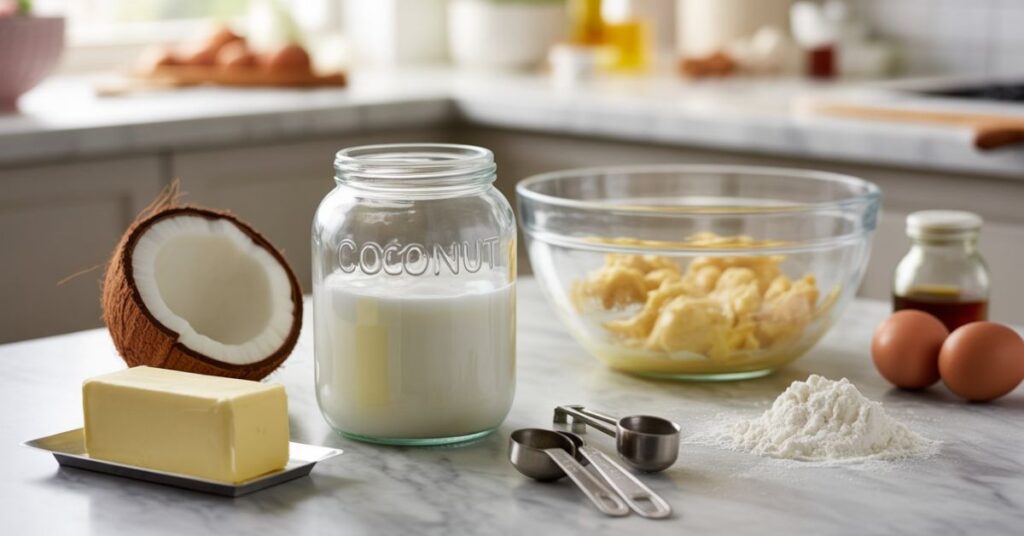
When substituting coconut oil for butter, correct measurement and technique matter a lot. If you use the right ratio and handle temperature properly, you can achieve results very similar to butter-based recipes. Small mistakes in conversion or melting can change the texture, so understanding the basics is important for consistent baking and cooking results.
One-to-one substitution ratio explained
The simplest rule for substituting coconut oil for butter is the 1:1 ratio. This means you can replace butter with the same amount of coconut oil in most recipes.
For example:
- 1 tablespoon butter = 1 tablespoon coconut oil
- 1 cup butter = 1 cup coconut oil
This works because both ingredients function as fats. However, coconut oil is 100% fat, while butter contains water and milk solids. In most baking recipes, this difference is not a problem, but in some cases, minor texture adjustments may be needed.
Converting butter measurements into coconut oil
When converting recipes, it is important to measure accurately. Butter is often listed in sticks, cups, or grams, so knowing conversions helps avoid mistakes.
| Butter | Coconut Oil Equivalent |
| 1 tablespoon butter | 1 tablespoon coconut oil |
| 1/2 cup butter | 1/2 cup coconut oil |
| 1 cup butter | 1 cup coconut oil |
| 113 grams butter | 113 grams coconut oil |
This direct conversion makes substituting coconut oil for butter very simple in everyday cooking and baking.
Temperature and melting considerations
Temperature plays a major role when substituting coconut oil for butter. Butter is soft at room temperature, while coconut oil changes between solid and liquid depending on heat.
If a recipe calls for melted butter, you should also melt coconut oil before mixing. If the recipe requires softened butter, coconut oil should be slightly soft but not fully liquid.
In colder environments, coconut oil can harden quickly, which may affect mixing. In warm conditions, it stays liquid, which can slightly change dough consistency. Managing temperature helps maintain the right texture in your final dish.
Best Recipes for Substituting Coconut Oil for Butter
Substituting coconut oil for butter works best in recipes where fat is mainly used for moisture, texture, and binding. Some recipes handle this swap very smoothly, while others may need slight adjustments. Understanding which dishes work best helps you get consistent and delicious results every time.
Cakes and cookies
Cakes and cookies are among the best recipes for substituting coconut oil for butter. In cakes, coconut oil adds moisture and creates a soft crumb. It helps keep the texture tender, especially in chocolate, vanilla, and spice cakes.
In cookies, it creates a slightly chewier texture. The cookies may spread a little differently compared to butter, but the result is still rich and satisfying. If you use refined coconut oil, the taste remains neutral and close to traditional baking.
This is one of the most popular uses of substituting coconut oil for butter in home baking.
Pie crusts and pastries
Pie crusts and pastries are more sensitive recipes, but substituting coconut oil for butter can still work well with careful handling. Coconut oil helps create a flaky texture when kept cold before baking.
However, because butter creates steam pockets due to its water content, pastries made with coconut oil may be slightly less airy. To improve results, chilling the dough before baking becomes very important.
For sweet pies, a mild coconut flavor from virgin oil can sometimes enhance the taste, especially in fruit-based recipes.
Deep-fried and savory dishes
Coconut oil is also useful in savory cooking and frying. When substituting coconut oil for butter in sautéing or pan-frying, it performs well due to its high fat content and heat stability.
It works especially well in vegetables, stir-fries, and lightly fried dishes. Refined coconut oil is preferred here because it does not add a coconut flavor to savory foods.
In some recipes, it can even enhance crispness while maintaining a clean cooking taste.
Everyday cooking applications
Beyond baking, substituting coconut oil for butter is useful in everyday cooking. It can be used for greasing pans, cooking eggs, making sauces, or adding richness to rice and grain dishes.
It also works well in breakfast recipes like pancakes and porridge. Many people use it as a simple butter replacement in daily meals for a dairy-free lifestyle.
Because of its versatility, coconut oil has become a common kitchen staple in modern cooking.
Common Mistakes When Substituting Coconut Oil for Butter
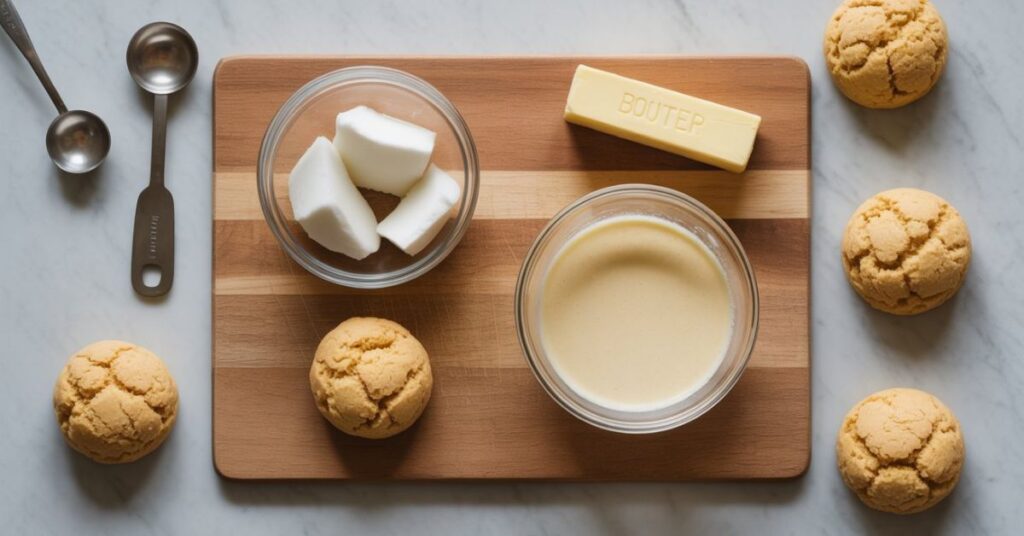
Even though substituting coconut oil for butter is simple, many people still make small mistakes that affect texture, flavor, and overall baking results. Understanding these errors helps you avoid failed recipes and achieve more consistent outcomes.
Using the wrong type of coconut oil
One of the most common mistakes in substituting coconut oil for butter is choosing the wrong type of coconut oil. Virgin coconut oil has a strong coconut flavor that can overpower delicate recipes.
If you use it in plain cakes or bread, the coconut taste becomes noticeable. Refined coconut oil works better in neutral recipes because it has a mild or almost invisible flavor.
Choosing the right oil based on the recipe is essential for balanced taste and professional results.
Ignoring recipe fat requirements
Another mistake happens when people treat coconut oil exactly like butter without considering fat structure differences. Butter contains water and milk solids, while coconut oil is pure fat.
This means that substituting coconut oil for butter can slightly change moisture and texture. If you ignore this, baked goods may turn out too dense or too dry.
Some recipes may need small adjustments like adding a bit of liquid (milk or plant-based milk) to restore balance.
Not adjusting temperature and consistency
Temperature control is very important when substituting coconut oil for butter. Coconut oil behaves differently depending on heat conditions.
If a recipe requires softened butter and you use fully melted coconut oil, the batter may become too runny. On the other hand, if coconut oil is too solid, it may not mix evenly.
Keeping coconut oil in the right state soft, melted, or solid depending on the recipe ensures better texture and consistency in baking and cooking.
Coconut Oil vs Butter Comparison
When you are deciding between coconut oil and butter, it helps to understand how they differ in nutrition, flavor, and performance in recipes. Substituting coconut oil for butter is not just about replacement it is also about choosing the right fat for the result you want in cooking and baking.
Nutritional differences
Coconut oil and butter both contain high amounts of fat, but their fat composition is different.
Butter contains saturated fat, cholesterol, and small amounts of water and milk solids. Coconut oil, on the other hand, is made almost entirely of fat and contains medium-chain triglycerides (MCTs), which are metabolized differently by the body.
Because of this difference, many people prefer substituting coconut oil for butter in diets focused on plant-based or dairy-free nutrition. However, both should still be used in moderation as part of a balanced diet.
Flavor and texture differences
Flavour is one of the biggest differences between coconut oil and butter. Butter has a rich, creamy, and slightly salty taste that enhances baked goods and savoury dishes. Coconut oil has a lighter texture and may add a mild coconut aroma, depending on the type used.
In terms of texture, butter adds structure due to its water content, which helps create flakiness in pastries and softness in cakes. Coconut oil produces a smoother and sometimes denser texture because it is pure fat.
This is why substituting coconut oil for butter works best in recipes where flavor is flexible and structure is not heavily dependent on butter’s unique properties.
Which one is better for baking
There is no single winner when comparing coconut oil and butter in baking. The better choice depends on your recipe and dietary goals.
Butter is ideal for traditional baking where flavor and structure are important, such as pastries and classic cookies. Coconut oil works better for dairy-free baking, vegan recipes, and dishes where a neutral or light coconut flavor is acceptable.
Many modern recipes successfully use substituting coconut oil for butter to create healthier or plant-based alternatives without losing quality.
Final Tips for Better Substitution Results
Substituting coconut oil for butter works best when you follow a few simple but important techniques. These final tips will help you improve texture, flavor, and consistency so your recipes turn out successful every time.
Choosing the right recipe for coconut oil
Not every recipe reacts the same way to substituting coconut oil for butter. Recipes that rely heavily on butter flavor or structure may need more adjustment.
Coconut oil performs best in recipes like cakes, muffins, brownies, and simple cookies. It also works well in frying and sautéing. Choosing the right recipe from the beginning makes a big difference in your final result.
Small adjustments for perfect baking results
Even though the basic substitution is simple, small adjustments can improve your baking. If your batter feels too dry, adding a small amount of milk or plant-based milk can help restore moisture.
If the texture feels too soft or greasy, slightly reducing the coconut oil or chilling the dough before baking can improve structure. These small changes help balance the differences between butter and coconut oil.
This is especially useful when you are frequently substituting coconut oil for butter in homemade recipes.
Expert tips for consistent outcomes
For the best results, always measure ingredients accurately and keep an eye on temperature. Use refined coconut oil when you want a neutral taste, and virgin coconut oil when you want a mild coconut flavor.
Also, mix ingredients properly so that coconut oil is evenly distributed in the batter or dough. This prevents uneven texture and ensures consistent baking results.
With practice, substituting coconut oil for butter becomes easy and reliable in almost any kitchen recipe.
FAQs
1. Can I substitute coconut oil for butter in all recipes?
Yes, in most recipes you can use substituting coconut oil for butter with a 1:1 ratio. It works best in baking like cakes, cookies, and muffins. However, recipes that depend heavily on butter flavor or structure may taste slightly different or need small adjustments.
2. Can I substitute coconut oil for butter when baking cookies?
Yes, substituting coconut oil for butter in cookies works very well. It can make cookies slightly chewier and softer. Refined coconut oil is often preferred because it does not add a strong coconut flavor.
3. How do I convert butter to coconut oil in measurements?
You can use a simple 1:1 conversion. For example, 1/2 cup butter equals 1/2 cup coconut oil. This makes substituting coconut oil for butter very easy in everyday recipes without complex calculations.
4. Can I substitute coconut oil for butter in brownies?
Yes, brownies are one of the best recipes for substituting coconut oil for butter. It helps keep them moist, rich, and fudgy. The chocolate flavor usually covers any mild coconut taste.
5. Can you substitute coconut oil for butter in Rice Krispie treats?
Yes, you can use substituting coconut oil for butter in Rice Krispie treats. It helps bind the mixture and adds smoothness. The taste may change slightly depending on whether you use virgin or refined coconut oil.