Introduction:
Coconut oil makeup remover has become one of the most popular natural skincare solutions for removing makeup without harsh chemicals. Many people prefer it because it is simple, affordable, and deeply nourishing for the skin. Instead of relying on chemical-based removers that may irritate the skin, coconut oil offers a gentle alternative that works for most skin types.
A coconut oil makeup remover not only dissolves makeup but also helps hydrate and protect the skin barrier. In addition, it is especially useful for removing stubborn products like foundation, eyeliner, and mascara. Moreover, it works gently on the skin, which makes it a popular natural option. However, like any skincare product, it is important to understand how it works, its benefits, and the correct way to use it. By doing so, you can get the best results while avoiding potential issues.
In this article, you will learn everything about coconut oil makeup remover, including its benefits, safety tips, DIY recipes, and how to use it properly in your skincare routine.
What Is a Coconut Oil Makeup Remover and How Does It Work?
A coconut oil makeup remover is a natural cleansing method that uses coconut oil to dissolve makeup, dirt, and excess oil from the skin. It works on the principle that “oil dissolves oil,” making it highly effective for breaking down waterproof and long-wear makeup products.
Coconut oil is rich in fatty acids, especially lauric acid, which helps it penetrate the skin and break down makeup particles easily. Because of this, it works effectively on even stubborn products. In contrast, unlike water-based cleansers, it binds with makeup and impurities more efficiently. As a result, they can be wiped away without harsh rubbing. Additionally, this makes the cleansing process gentler and more suitable for sensitive skin.
How coconut oil removes makeup and impurities
Coconut oil works by melting the oils, waxes, and pigments found in makeup products. When you massage it onto your skin, it loosens stubborn makeup and lifts it from pores. This makes cleansing easier and reduces the need for aggressive scrubbing, which can damage the skin barrier.
It also helps remove:
- Foundation and concealer
- Lipstick and lip stains
- Eyeliner and mascara
- Sunscreen residue
- Daily dirt and oil buildup
Because of its texture, coconut oil also provides a smooth cleansing experience while nourishing the skin at the same time.
Can a coconut oil makeup remover remove waterproof makeup?
Yes, a coconut oil makeup remover is highly effective on waterproof makeup. Waterproof mascara, eyeliner, and long-lasting lip products are often difficult to remove with regular cleansers. Coconut oil breaks down these formulas easily due to its oil-soluble nature.
However, for heavy waterproof makeup, it is recommended to:
- Let the oil sit on the skin for a few seconds
- Gently massage in circular motions
- Use a soft cotton pad or cloth to wipe it away
This ensures complete removal without irritating the delicate eye area.
Benefits of Using a Coconut Oil Makeup Remover
Using a coconut oil makeup remover offers several skincare benefits beyond just removing makeup.It is not only a cleansing option but also a nourishing treatment that supports overall skin health. In fact, it provides both cleansing and hydration at the same time. For this reason, many people prefer it as a simple and effective solution. Additionally, it combines makeup removal and skincare in one easy step, which means you can simplify your routine without compromising results.
One of the biggest advantages of a coconut oil makeup remover is that it is natural and free from harsh chemicals. This makes it a safer choice for people who want to avoid synthetic ingredients in their skincare routine. It also helps maintain the skin’s natural moisture barrier while cleansing, which is something many commercial removers fail to do.
Gentle cleansing without harsh chemicals
A coconut oil makeup remover provides gentle cleansing that does not strip the skin of its natural oils. Many traditional makeup removers contain alcohol or strong detergents that can cause dryness, irritation, or redness.
Coconut oil works differently. It breaks down makeup while keeping the skin soft and balanced. As a result, the skin feels clean without dryness. Because of this, it becomes suitable for daily use. In particular, it works well for people with sensitive skin. Moreover, it is a great option for those who react easily to chemical-based products.
It cleanses effectively without:
- Causing dryness
- Irritating the skin barrier
- Leaving a tight or uncomfortable feeling
Deep moisturizing and skin nourishment
One of the key benefits of a coconut oil makeup remover is its deep moisturizing ability. Coconut oil is rich in fatty acids that help nourish and hydrate the skin while cleansing.
Instead of leaving the skin dry after makeup removal, it leaves a soft and smooth finish. This is especially helpful for people with dry or flaky skin, as it supports long-lasting hydration.
Regular use may help:
- Improve skin softness
- Reduce dryness patches
- Maintain a healthy glow
Natural antibacterial and skin-protecting properties
Coconut oil contains natural antibacterial and antimicrobial properties, mainly due to lauric acid. This makes a coconut oil makeup remover useful for keeping the skin clean and protected from bacteria that can cause breakouts.
While it is not a medical treatment for acne, it can help reduce the buildup of dirt and impurities that often contribute to skin issues. It also supports a cleaner skin surface after makeup removal.
Eco-friendly and budget-friendly skincare option
Another major advantage of a coconut oil makeup remover is that it is both eco-friendly and cost-effective. Unlike packaged makeup removers that come in plastic bottles and contain synthetic chemicals, coconut oil is a natural product with minimal environmental impact.
It is also budget-friendly because a small amount goes a long way. One jar of coconut oil can last for weeks or even months, making it a practical choice for everyday skincare.
Benefits include:
- Less plastic waste
- Fewer chemical ingredients
- Long-lasting usage
- Affordable skincare routine
How to Use Coconut Oil Makeup Remover Step by Step

Using a coconut oil makeup remover is very simple, but the correct method matters. When applied properly, it effectively removes makeup while keeping your skin clean, soft, and nourished. The key is to use the right amount and follow a gentle cleansing process.
Below is a simple step-by-step guide to help you use a coconut oil makeup remover correctly in your daily skincare routine.
Simple method using pure coconut oil
The basic method requires only pure coconut oil and your hands or a soft cotton pad. It works best when the oil is slightly warm and melted.
Step-by-step process table:
| Step | Action | Details |
| 1 | Take a small amount | Use a pea-sized amount of coconut oil makeup remover |
| 2 | Warm it up | Rub between fingers to melt the oil |
| 3 | Apply gently | Massage onto dry face in circular motions |
| 4 | Focus on makeup areas | Pay attention to eyes, lips, and foundation areas |
| 5 | Let it break makeup | Wait a few seconds for oil to dissolve makeup |
| 6 | Wipe off | Use a cotton pad or soft cloth |
| 7 | Rinse face | Wash with lukewarm water for a clean finish |
This simple method helps remove even stubborn makeup while keeping the skin hydrated.
Removing heavy and waterproof makeup properly
For heavy or waterproof makeup, a coconut oil makeup remover works even better when given extra time to break down products.
You should:
- Apply a slightly larger amount of oil on the eyes and lips
- Gently massage for 30–60 seconds
- Let the oil sit on waterproof mascara or eyeliner
- Use a soft cotton pad to wipe slowly without rubbing hard
This method reduces friction and protects delicate skin areas like the eyes.
Should you double cleanse after using coconut oil?
Yes, in most cases, it is recommended to double cleanse after using a coconut oil makeup remover. While coconut oil removes makeup effectively, it can sometimes leave a light oily layer on the skin.
A simple double cleansing routine includes:
- First cleanse: coconut oil makeup remover
- Second cleanse: gentle water-based face wash
This ensures:
- No residue is left on the skin
- Pores stay clean
- Breakouts are minimized
Double cleansing is especially helpful for oily and acne-prone skin types.
Read More:https://pureoilshub.com/coconut-oil-for-diaper-rash/
How to Choose the Best Coconut Oil Makeup Remover
Choosing the right coconut oil makeup remover is important if you want the best skincare results. Not all coconut oils are the same, and quality plays a big role in how well it removes makeup and how your skin reacts to it. A poor-quality oil can feel heavy, clog pores, or leave residue, while a good-quality one nourishes and cleans effectively.
When selecting a coconut oil makeup remover, you should always focus on purity, processing method, and skin compatibility.
Virgin vs refined coconut oil
One of the first choices is between virgin and refined coconut oil.
| Type | Description | Best Use |
| Virgin coconut oil | Cold-pressed, unrefined, retains nutrients and natural scent | Best for skincare and coconut oil makeup remover |
| Refined coconut oil | Processed, odorless, fewer nutrients | Better for cooking, less ideal for skincare |
Virgin coconut oil is generally the best choice for a coconut oil makeup remover because it contains more antioxidants and skin-friendly nutrients. It is also less processed, making it gentler on the skin.
What to look for in high-quality coconut oil
Not every coconut oil works equally well for makeup removal. A high-quality coconut oil makeup remover should be pure and free from additives.
Look for:
- 100% pure coconut oil
- Cold-pressed or organic certification
- No added fragrances or chemicals
- Clear or slightly cloudy appearance (natural texture)
Avoid products that contain fillers or synthetic ingredients, as they can irritate the skin and reduce effectiveness.
Fractionated coconut oil vs regular coconut oil
Fractionated coconut oil is a lighter version of coconut oil that stays liquid at all temperatures. It is often used in skincare products and is different from regular coconut oil.
| Type | Texture | Skin Feel | Best For |
| Regular coconut oil | Solid when cold, melts on skin | Rich and nourishing | Deep makeup removal |
| Fractionated coconut oil | Always liquid | Lightweight and non-greasy | Sensitive or oily skin |
For a coconut oil makeup remover, both types can work, but regular virgin coconut oil is more popular because it provides deeper cleansing and better nourishment.
Coconut Oil Makeup Remover for Different Skin Types
A coconut oil makeup remover does not react the same way for everyone. Your skin type plays a major role in how it performs. While it is generally safe and natural, understanding how it works for different skin conditions helps you get better results and avoid unwanted side effects.
Coconut oil is rich, nourishing, and deeply cleansing, but its suitability varies from person to person.
Is it suitable for oily and acne-prone skin?
A coconut oil makeup remover can be tricky for oily and acne-prone skin. While it effectively removes makeup and dissolves excess oil, it is comedogenic for some people, meaning it may clog pores if not removed properly.
For oily skin, it is important to:
- Use a small amount of oil
- Massage gently without over-applying
- Always follow with a water-based cleanser (double cleansing)
Some people with oily skin tolerate it well, while others may experience breakouts. Patch testing is highly recommended before regular use.
Benefits for dry and sensitive skin
For dry and sensitive skin, a coconut oil makeup remover is often a very good option. It not only removes makeup but also provides deep hydration and soothes irritation.
Benefits for dry/sensitive skin include:
- Reduces dryness after cleansing
- Helps calm redness and irritation
- Leaves skin soft and moisturized
- Supports skin barrier protection
Because it is free from harsh chemicals, it is generally gentle and soothing for sensitive skin types.
When coconut oil may not work for your skin
Although a coconut oil makeup remover works well for many people, it is not ideal for everyone. In some cases, it may not suit your skin.
You may need to avoid or reduce usage if you notice:
- Frequent breakouts after use
- Greasy residue even after cleansing
- Clogged pores or blackheads increasing
- Skin feeling heavy or uncomfortable
In such cases, switching to lighter oils like jojoba oil or olive oil may be a better option. Every skin type reacts differently, so it is important to observe your skin’s response.
DIY Coconut Oil Makeup Remover Recipes You Can Try
Making your own coconut oil makeup remover at home is simple, cost-effective, and gives you full control over the ingredients. DIY recipes are especially useful if you want a more customized skincare solution for your skin type. You can also combine coconut oil with other natural ingredients for added benefits like hydration, soothing, or lightweight cleansing.
Below are some easy and effective DIYmakeup remover recipes you can try at home.
Basic coconut oil cleanser recipe
This is the simplest version of a coconut oil makeup remover and works for most skin types.
Ingredients:
- 1 tablespoon virgin coconut oil
How to use:
- Take a small amount of coconut oil
- Warm it slightly between your fingers
- Massage gently onto dry skin
- Wipe off with a cotton pad
- Rinse with lukewarm water
This basic method is effective for removing everyday makeup and leaving skin soft and clean.
Coconut oil and aloe vera soothing blend
This recipe is ideal for sensitive or irritated skin because aloe vera adds a calming effect.
Ingredients:
- 1 tablespoon coconut oil
- 1 teaspoon aloe vera gel
How to use:
- Mix coconut oil and aloe vera until smooth
- Apply gently on the face
- Massage in circular motions
- Wipe and rinse thoroughly
This blend helps reduce redness and keeps the skin calm while removing makeup.
Exfoliating coconut oil makeup remover
This version helps remove makeup and gently exfoliate dead skin cells at the same time.
Ingredients:
- 1 tablespoon coconut oil
- 1 teaspoon finely ground oatmeal or sugar
How to use:
- Mix ingredients well
- Apply gently to the skin
- Massage lightly (avoid harsh rubbing)
- Rinse with lukewarm water
This is best used once or twice a week for smoother skin texture.
Lightweight DIY oil cleanser
This recipe is suitable for oily or combination skin because it feels less heavy.
Ingredients:
- 1 teaspoon coconut oil
- 1 teaspoon jojoba oil (or olive oil as an alternative)
How to use:
- Mix both oils together
- Apply a small amount to the face
- Massage gently to dissolve makeup
- Wipe and follow with a gentle cleanser
This combination helps balance oil levels while still removing makeup effectively.
Safety Tips When Using Coconut Oil Makeup Remover
While a is natural and generally safe, proper usage is very important. Using it the wrong way can lead to clogged pores, residue buildup, or skin irritation in some cases. Following safety guidelines ensures you get all the benefits without unwanted side effects.
A little care in application and hygiene can make a big difference in your skincare results.
How to patch test coconut oil safely
Before using a coconut oil makeup remover on your entire face, it is important to do a patch test. This helps you check how your skin reacts.
How to do it:
- Apply a small amount of coconut oil on your inner wrist or behind your ear
- Leave it for 24 hours
- Check for redness, itching, or irritation
If no reaction occurs, it is generally safe to use on your face. This step is especially important for sensitive and acne-prone skin types.
Best storage and hygiene practices
Proper storage keeps your coconut oil makeup remover clean and effective for longer.
Follow these tips:
- Store in a cool, dry place
- Keep the container tightly closed
- Avoid dipping dirty fingers into the jar
- Use a clean spoon or spatula if possible
Good hygiene prevents bacteria buildup and keeps the oil safe for skin use.
Common mistakes to avoid
Many people do not get the best results from a because of simple mistakes. Avoiding these can improve your skincare routine significantly.
Common mistakes include:
- Using too much oil, which can leave a heavy residue
- Not removing oil completely after cleansing
- Skipping double cleansing when needed
- Using low-quality or impure coconut oil
- Applying on wet skin instead of dry skin
One of the biggest mistakes is not washing the face properly afterward, which can lead to clogged pores or breakouts over time.
Side Effects of Coconut Oil Makeup Remover
Although a is widely used as a natural skincare option, it is not completely free from side effects. Its impact depends on your skin type, how often you use it, and how well you remove it afterward. Understanding possible side effects helps you use it more safely and effectively.
Most issues occur when the oil is not properly cleansed from the skin or when it does not suit a person’s skin type.
Can coconut oil clog pores?
Yes, in some people a olive oil can clog pores. Coconut oil is considered comedogenic, which means it may block pores for certain skin types, especially oily or acne-prone skin.
When pores get clogged, it can lead to:
- Blackheads
- Whiteheads
- Small acne breakouts
However, this does not happen to everyone. Many people use it without any issues, especially those with dry or normal skin. The key factor is proper cleansing after use.
Signs of irritation or breakouts
If your skin does not tolerate a oils well, you may notice some early warning signs.
Common signs include:
- Small pimples appearing after use
- Skin feeling greasy or heavy
- Redness or mild irritation
- Increased blackheads around nose or chin
These signs usually appear within a few days of regular use. If they continue, it may mean coconut oil is not suitable for your skin type.
When you should stop using it
You should stop using a coconut oil makeup remover if your skin consistently reacts negatively. Continuing its use in such cases can worsen skin problems instead of improving them.
Stop using it if you experience:
- Persistent acne breakouts
- Oily buildup that does not wash off easily
- Skin irritation or itching
- Worsening clogged pores
If this happens, switching to lighter alternatives like jojoba oil or micellar water may be a better option for your skincare routine.
How to Add Coconut Oil Makeup Remover to Your Skincare Routine
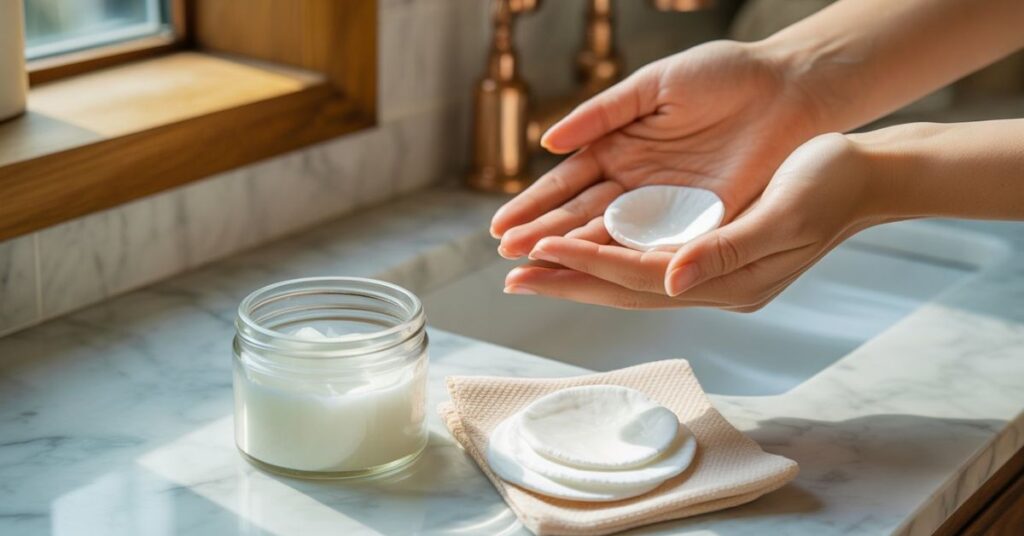
A they can fit easily into a daily skincare routine if used correctly. The key is knowing when to apply it and how to combine it with other products. When used in the right order, it helps remove makeup effectively while keeping your skin healthy and balanced.
It works best as a first cleansing step before your regular face wash or skincare treatments.
When to use coconut oil in your routine
A they should be used at the end of the day as part of your nighttime skincare routine. This is when your skin needs cleansing from makeup, sunscreen, dirt, and excess oil.
Ideal usage time:
- At night before bed
- After wearing makeup or sunscreen
- When skin feels dirty or oily
It is not usually necessary in the morning unless you are removing leftover skincare products.
Combining coconut oil with other products
A coconut oil works best when combined with other skincare products in a proper order. This ensures your skin is fully cleansed and ready for hydration or treatment products.
Recommended order:
- Step 1: Coconut oil makeup remover (first cleanse)
- Step 2: Gentle face wash (second cleanse)
- Step 3: Toner (optional)
- Step 4: Serum or treatment
- Step 5: Moisturizer
This layering method helps prevent clogged pores and ensures deeper skin cleansing.
You can also combine it with:
- Micellar water for extra cleansing
- Aloe vera gel for soothing effect
- Lightweight oils for balance
Building a simple skincare routine
A coconut oil can be part of a very simple skincare routine without needing too many products. A minimal routine is often more effective for maintaining healthy skin.
Simple routine example:
- Cleanse with coconut oil makeup remover
- Wash face with gentle cleanser
- Apply moisturizer
- Use sunscreen in the daytime
This routine is easy to follow and works well for beginners who want a natural skincare approach.
Coconut Oil Makeup Remover vs Commercial Makeup Removers
When choosing a makeup remover, many people compare a they with commercial products. Both options can remove makeup effectively, but they work in very different ways. Understanding these differences helps you choose what is best for your skin type, lifestyle, and skincare goals.
A coconut oil makeup remover is natural and simple, while commercial removers are often formulated with chemicals, preservatives, and added ingredients designed for fast cleansing.
Key differences in ingredients and performance
The biggest difference between a coconut oil and commercial products is the ingredient list.
| Feature | Coconut Oil Makeup Remover | Commercial Makeup Remover |
| Ingredients | Natural coconut oil | Chemicals, alcohol, surfactants |
| Skin feel | Moisturizing and rich | Light or sometimes drying |
| Effect on skin | Nourishes and cleans | Cleans quickly, may irritate |
| Makeup removal | Effective for most types | Very fast, especially waterproof |
Coconut oil works by breaking down makeup naturally, while commercial removers often use synthetic agents for faster results.
Pros and cons comparison
Both options have strengths and weaknesses depending on your skin needs.
Coconut oil makeup remover pros:
- Natural and chemical-free
- Hydrates while cleansing
- Budget-friendly
- Easy to find and use
Coconut oil makeup remover cons:
- May clog pores in some skin types
- Needs proper cleansing afterward
- Can feel heavy on oily skin
Commercial makeup remover pros:
- Fast and convenient
- Lightweight texture
- Designed for waterproof makeup
Commercial makeup remover cons:
- May contain alcohol or irritants
- Can dry out skin
- Often more expensive over time
Which option is better for your skin?
There is no one-size-fits-all answer. The better choice depends on your skin type and preferences.
A coconut oil makeup remover is better if you:
- Prefer natural skincare
- Have dry or normal skin
- Want a budget-friendly option
- Like multi-purpose products
Commercial removers are better if you:
- Have very oily or acne-prone skin (in some cases)
- Need quick makeup removal
- Wear heavy waterproof makeup daily
- Prefer lightweight formulas
In many cases, people even combine both depending on their needs, using coconut oil at home and commercial removers when traveling or in a hurry.
Final Thoughts
A coconut oil makeup remover is a simple, natural, and effective skincare option that continues to gain popularity for good reason. It removes makeup gently while also nourishing the skin, making it different from many harsh chemical-based removers. For people who prefer natural skincare, it offers a practical and affordable solution.
Throughout this article, we explored how a coconut oil makeup remover works, its benefits, how to use it correctly, and how it compares with commercial alternatives. It is clear that while it is highly effective for many skin types, it also requires proper usage and cleansing to avoid issues like clogged pores or buildup.
One of its biggest strengths is versatility. A oils can handle everyday makeup, light waterproof products, and even double as a moisturizing treatment for dry skin. However, it is important to pay attention to your skin’s response and adjust usage accordingly.
In the end, the best skincare routine is the one that suits your individual skin needs. If used correctly, a olive oil can be a powerful addition to your daily routine, offering both cleansing and nourishment in one simple step.
FAQs
Can I use coconut oil as a makeup remover every day?
Yes, you can use a coconut oil makeup remover daily if your skin tolerates it well. It is gentle and natural, but you should always follow it with a proper face wash to avoid residue buildup. People with dry or normal skin usually benefit the most from daily use.
Can a coconut oil makeup remover remove waterproof mascara?
Yes, a coconut oil makeup remover is very effective for waterproof mascara and eyeliner. It breaks down heavy makeup easily due to its oil-based nature. You may need to massage it gently for a few extra seconds before wiping it off.
Is coconut oil makeup remover good for acne-prone skin?
It depends on your skin. Some people with acne-prone skin can use it without issues, while others may experience clogged pores or breakouts. If you have oily or acne-prone skin, always do a patch test and use double cleansing.
Do I need to wash my face after using coconut oil as a makeup remover?
Yes, it is highly recommended. Even though a coconut oil makeup remover removes makeup effectively, it can leave an oily layer on the skin. Washing your face afterward helps prevent clogged pores and keeps skin fresh.
What is the best oil alternative to coconut oil for makeup removal?
If coconut oil does not suit your skin, you can try alternatives like jojoba oil or olive oil. These oils are lighter and may work better for oily or sensitive skin while still providing effective makeup removal.