Introduction
Coconut oil is one of the most versatile natural oils available. But have you heard about fractionated coconut oil? Unlike regular coconut oil, this version is processed to remove long-chain fatty acids, leaving mainly medium-chain triglycerides (MCTs). The result is a lightweight, liquid oil that is stable, odorless, and ideal for skin, hair, and overall wellness.
Many people wonder how fractionated coconut oil is used. It serves multiple purposes, including skincare, haircare, aromatherapy, massage, and as a carrier oil for essential oils. Its lightweight texture allows it to absorb quickly, making it suitable for all skin types without leaving a greasy residue.
In this guide, we’ll cover everything you need to know from how it’s made to its benefits, practical uses, and safety tips—so you can use it effectively in your daily routine.
Coconut Oil Fractionated Overview and Meaning
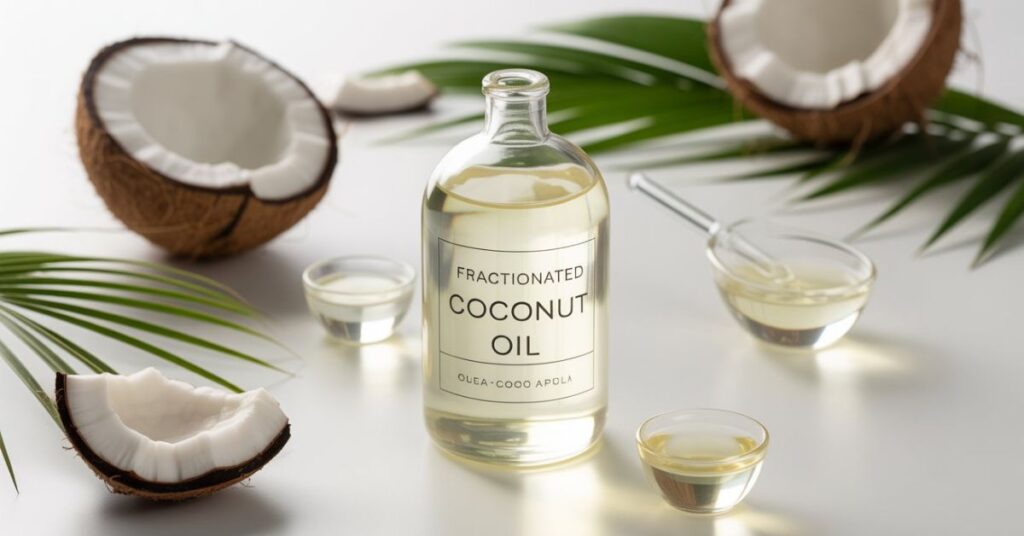
Coconut oil fractionated is a form of coconut oil that has been processed to separate out certain fatty acids, leaving mostly medium-chain triglycerides (MCTs). This makes the oil liquid at room temperature, stable, and resistant to oxidation. Unlike traditional coconut oil, which can solidify at lower temperatures, oil remains fluid and easy to apply.
People sometimes call it “liquid coconut oil” or “MCT coconut oil,” yet technically, standard MCT oils do not contain all MCTs. Consequently, manufacturers fractionate coconut oil not only because they want it to last longer, but also to keep it non-greasy, so that people can use it effectively for cosmetic and therapeutic purposes. Moreover, this process ensures the oil performs consistently in various skincare and wellness routines.
Key points to remember:
- Liquid at room temperature – unlike regular coconut oil.
- Long shelf life – does not turn rancid quickly.
- Neutral scent and color – ideal for mixing with essential oils.
- Versatile uses – suitable for hair, skin, massage, and DIY cosmetics.
Many users ask, “Is good for skin?” Yes, its lightweight texture allows easy absorption without clogging pores. It also works well for all skin types, including sensitive skin.
What Is Coconut Oil Fractionated and How Is It Made?
Fractionated coconut oil is a refined form of created to enhance its usability for cosmetic, therapeutic, and culinary purposes.To fully understand its unique characteristics, first, explore its definition and key properties. Then, examine the production process, because this process gives the oil its versatility and effectiveness. Additionally, learning both aspects helps you see why stands out among other oils.
Coconut Oil Fractionated Definition and Key Properties
Coconut oil fractionated refers to that processors treat to isolate medium-chain triglycerides (MCTs) and remove long-chain fatty acids.
This results in a lightweight, odorless, and liquid oil that stays liquid at room temperature.
Key properties of coconut include:
- Lightweight texture: Easily absorbed by skin and hair without leaving a greasy residue.
- Long shelf life: Resistant to oxidation and rancidity.
- Neutral scent and color: Perfect as a carrier oil for essential oils or for DIY skincare.
- Non-comedogenic: Safe for all skin types, including sensitive skin.
- Versatile applications: Ideal for massage, aromatherapy, haircare, and skin hydration.
This is why people often ask, “how can I use for hair?” or “how can I use for skin?”. Its gentle, non-greasy composition makes it highly suitable for daily use without causing buildup or irritation.
Coconut Oil Fractionated Production Process Explained
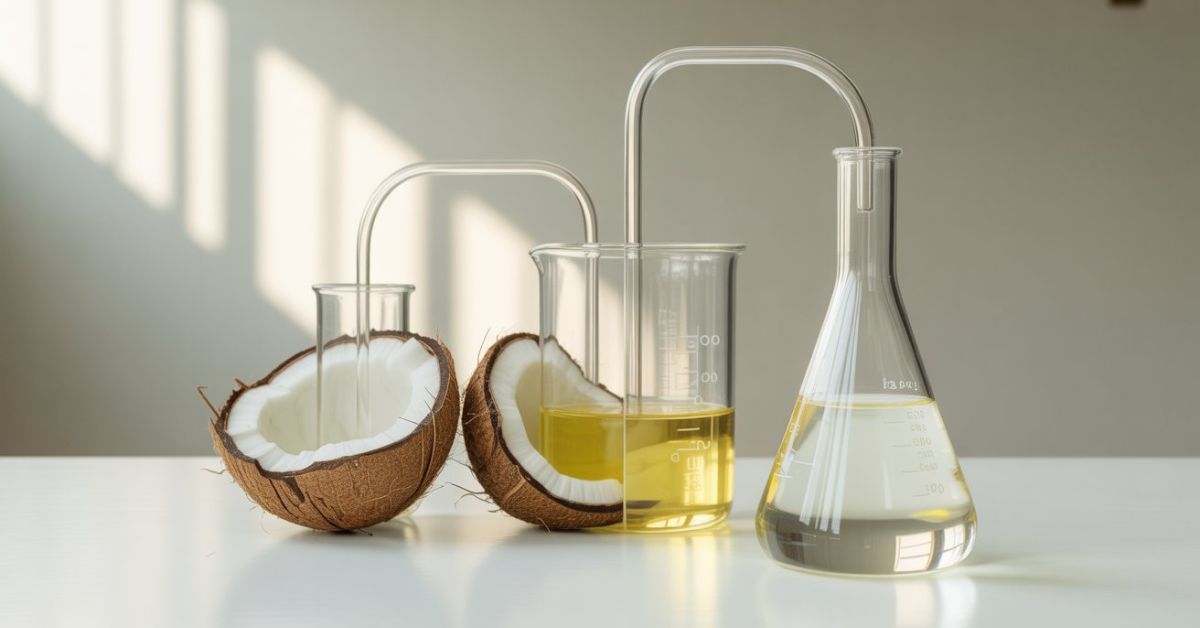
The production of involves fractionation, a process that separates fatty acids based on their melting points. Here’s how it works:
- Start with high-quality coconut oil: Use either virgin or refined coconut oil as the base.
- Heat the oil: Gently heat the oil to melt it and prepare it for separation.
- Fractionation: Process the oil to separate long-chain fatty acids from medium-chain triglycerides (MCTs).
- Filtration and refinement: Filter the resulting liquid to remove impurities and obtain a pure, clear, and odorless fractionated oil.
- Packaging: Bottle the final oil for use in skincare, haircare, or aromatherapy.
Why this process matters: Fractionation ensures the oil remains liquid, shelf-stable, and non-greasy, which makes it ideal for everyday use. Unlike regular coconut oil that solidifies in cooler temperatures, thy stays fluid, making it easier to apply and mix with other ingredients.
Tidbit for readers: Some users confuse oil with MCT oil. While they share similarities, thy is primarily used in cosmetic and topical applications, whereas MCT oil is often used in dietary and energy-boosting contexts.
Coconut Oil Fractionated vs Regular and Virgin Coconut Oil
Understanding the differences between and traditional coconut oils is essential for choosing the right product for your needs. While all coconut oils originate from coconuts, their properties, uses, and benefits vary significantly.
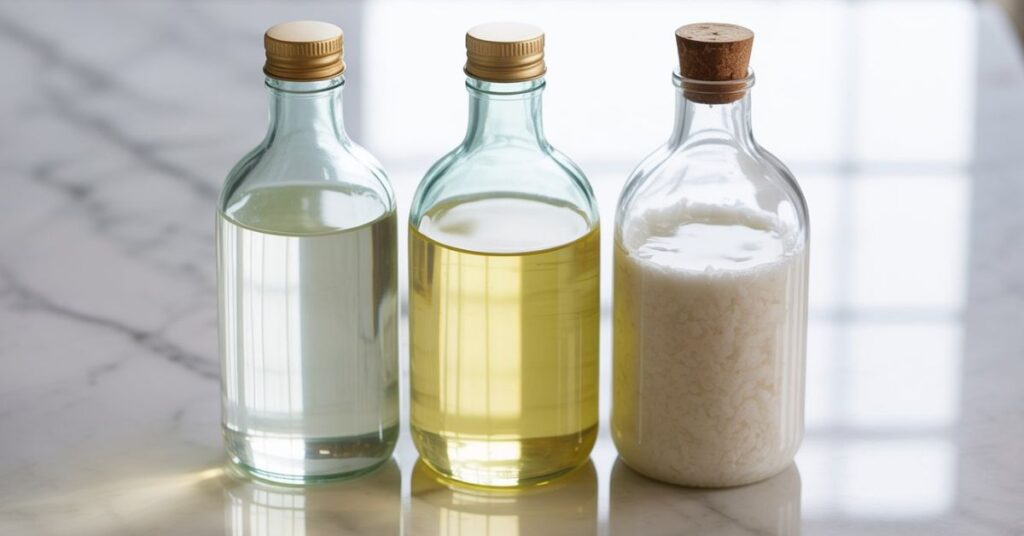
Fractionated coconut oil is lightweight, liquid at room temperature, and odorless, making it ideal for skincare, haircare, and massage. In contrast, regular coconut oil and virgin coconut oil contain a mix of long-chain fatty acids, are often solid at room temperature, and have a noticeable coconut aroma. Knowing these differences helps you select the oil that works best for your specific purpose.
Key Differences in Coconut Oil Fractionated vs Other Oils
Here’s a clear comparison of and other forms of coconut oil:
| Feature | Fractionated Coconut Oil | Regular Coconut Oil | Virgin Coconut Oil |
| State at Room Temp | Liquid | Solid or semi-solid | Solid or semi-solid |
| Aroma | Odorless | Mild coconut scent | Strong coconut scent |
| Fatty Acid Composition | Mostly medium-chain triglycerides (MCTs) | Mix of long and medium-chain fatty acids | Mix of long and medium-chain fatty acids |
| Shelf Life | Very long | Moderate | Moderate |
| Uses | Skin, hair, massage, aromatherapy | Cooking, baking, skincare | Cooking, raw applications, skincare |
| Absorption | Quick and non-greasy | Slower | Slower |
| Comedogenic | Low | Medium | Medium |
As you can see, manufacturers design l specifically for cosmetic and therapeutic use, while people use regular and virgin oils more broadly for cooking and general health purposes.
Which Is Better: Coconut Oil Fractionated or Regular Oil?
The answer depends on your intended use:
- For skin and hair care: oil is better. It absorbs quickly, won’t clog pores, and is ideal for daily application.
- For cooking or raw nutrition, people prefer regular or virgin coconut oil because it retains more natural fatty acids and nutrients.
- For aromatherapy and massage: oil is superior due to its odorless, light texture and long shelf life.
Many users wonder, “ vs unfractionated coconut oil for skin” or “oil vs oil”. If your focus is skin hydration, hair nourishment, or using it as a carrier oil, is generally the recommended choice. Its non-greasy consistency and stable nature make it a favorite in cosmetic formulations.
Quick Tip: You can combine with essential oils for a lightweight, soothing massage oil without the greasy feel of traditional coconut oils.
Is Coconut Oil Fractionated the Same as MCT Oil?
Many people confuse with MCT oil since both contain medium-chain triglycerides. However, they are not exactly the same. Therefore, understanding the differences is crucial for choosing the right oil for your needs. For instance, people mainly use for cosmetic and topical purposes, whereas they use MCT oil in dietary and energy-boosting applications.
Coconut Oil Fractionated vs MCT Oil Differences
Here’s a clear breakdown of the key differences between and MCT oil:
| Feature | Fractionated Coconut Oil | MCT Oil |
| Source | Derived from coconut oil | Derived from coconut oil or palm kernel oil |
| Fatty Acid Content | Mostly caprylic (C8) and capric (C10) acids | Primarily C8 and C10, sometimes includes C12 |
| Uses | Skin, hair, massage, aromatherapy | Dietary supplements, cooking, energy |
| Scent & Texture | Odorless, light, non-greasy | Flavorless or slightly nutty, liquid |
| Absorption | Quick on skin and hair | Quick in the digestive system for energy |
| Solid at Room Temp | Never | Never |
The main distinction is that people use MCT for ingestion, while they apply for topical or cosmetic purposes. Using MCT oil on your skin is possible, but it may not have the same non-greasy, long-lasting properties as fractionated coconut oil.
Similarities Between Coconut Oil Fractionated and MCT Oil
Despite their differences, there are several similarities:
- Medium-chain triglycerides (MCTs): Both oils contain primarily caprylic (C8) and capric (C10) acids.
- Liquid at room temperature: Both remain fluid even in cooler conditions.
- Stable shelf life: Both resist oxidation and rancidity.
- Versatile applications: Although their main uses differ, you can mix both oils with other ingredients or oils to enhance their effects.
Pro Tip: If your goal is skin or hair care, stick with oil. If your goal is dietary energy or keto support, MCT oil is the better choice.
Coconut Oil Fractionated Composition and Lauric Acid Content
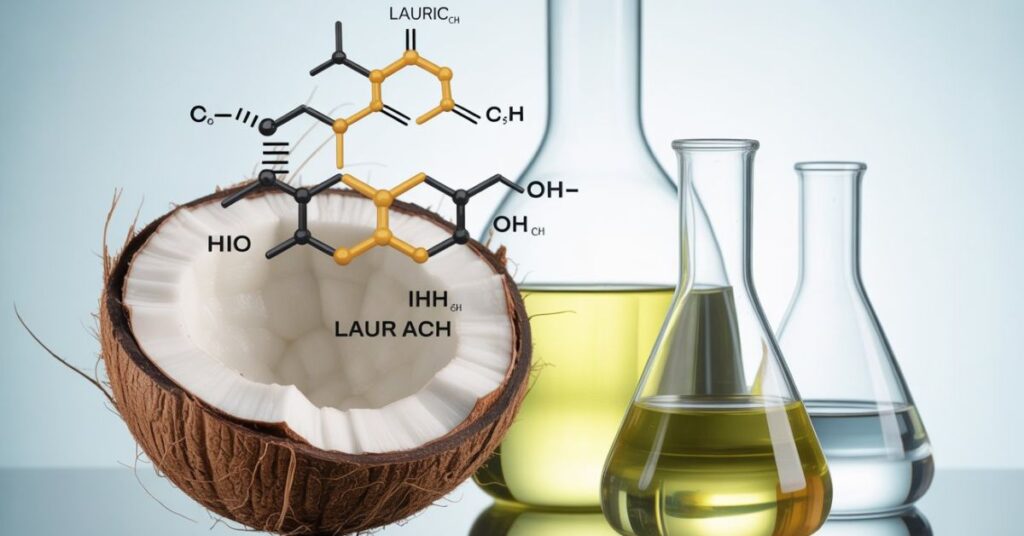
Understanding the composition of is key to knowing why it behaves differently from regular coconut oil. Its unique fatty acid profile makes it ideal for skin, hair, and other topical applications, while also providing certain nutritional benefits.
Does Coconut Oil Fractionated Contain Lauric Acid?
One common question is: does coconut oil fractionated contain lauric acid?
- Fractionated coconut oil contains mostly medium-chain triglycerides (MCTs), including caprylic (C8) and capric (C10) acids.
- Fractionation mostly removes lauric acid (C12), which appears abundantly in regular and virgin coconut oil.
- This removal is intentional because lauric acid has a higher melting point and can make the oil solidify at room temperature.
Why this matters:
- Removing lauric acid creates a lightweight, liquid oil that absorbs quickly into the skin and hair.
- It also reduces the risk of clogged pores, making it safe for daily skincare routines.
So, while doesn’t have significant lauric acid, it retains the benefits of MCTs, such as moisturization and anti-inflammatory properties.
Nutritional Value of Coconut Oil Fractionated
Although most people apply fractionated coconut oil topically, it still retains certain nutrients from the original coconut oil.
| Component | Approximate Percentage | Benefit |
| Caprylic Acid (C8) | 55–60% | Anti-inflammatory, lightweight moisturizing |
| Capric Acid (C10) | 35–40% | Skin hydration, quick absorption |
| Other MCTs | 5–10% | Stability, non-greasy texture |
| Vitamins | Trace amounts of Vitamin E | Antioxidant properties |
Key Takeaways:
- Fractionated coconut oil has low lauric acid content, unlike regular coconut oil.
- Its nutritional profile focuses on medium-chain fatty acids, making it ideal for skin and hair applications rather than cooking.
- The oil is stable, odorless, and safe for all skin types, including sensitive and acne-prone skin.
Tidbit: If you’re looking for “thy vs unfractionated coconut oil for skin”, the lack of lauric acid in is actually a benefit, as it prevents greasiness and improves absorption.
Top Benefits of Coconut Oil Fractionated
People celebrate for its versatile benefits for skin, hair, and overall wellness.Its lightweight texture, stable composition, and high MCT content make it a preferred choice for cosmetic, therapeutic, and even health-related uses. Below, we explore its top benefits and why it’s a staple in many daily routines.
Coconut Oil Fractionated Benefits for Skin
Skincare enthusiasts highly regard because it gently nourishes, does not clog pores, and absorbs easily. Some of its key skin benefits include:
- Deep Moisturization: Penetrates quickly to hydrate the skin without leaving a greasy layer.
- Suitable for All Skin Types: Ideal for sensitive, oily, or acne-prone skin.
- Carrier Oil for Essential Oils: Perfect for blending with essential oils for massages or therapeutic applications.
- Soothes Irritation: Anti-inflammatory properties help calm minor skin irritations and dryness.
Many people ask, “what is oil for skin?” Its lightweight nature and fast absorption make it a top choice over regular coconut oil, which can feel heavy on the skin.
Coconut Oil Fractionated Benefits for Hair
When it comes to haircare, is a game-changer:
- Lightweight Conditioning: Nourishes hair without weighing it down.
- Reduces Frizz: Smoothens hair strands and adds shine.
- Scalp Health: Helps maintain a healthy scalp without clogging follicles.
- Prevents Breakage: Strengthens hair shafts and reduces split ends.
Coconut Oil Fractionated for Weight Loss
Although primarily used topically,oil contains medium-chain triglycerides (MCTs), which can support metabolism:
- Boosts Energy: MCTs are absorbed quickly and converted to energy.
- Supports Fat Metabolism: MCTs can help the body burn fat more efficiently.
- Weight Management: When used as a supplement (in small amounts), it may help in controlling appetite.
Coconut Oil Fractionated for Brain Function
MCTs in fractionated may also provide cognitive benefits:
- Quick Energy for the Brain: MCTs are converted into ketones, which serve as an alternative energy source for the brain.
- Supports Mental Clarity: Some studies suggest MCTs may help improve focus and concentration.
- Neuroprotective Potential: Preliminary research indicates potential benefits for brain health, especially in aging adults.
Pro Tip: For mental boost or keto support, combining f with MCT-rich products can enhance energy and focus.
Best Uses of Coconut Oil Fractionated in Daily Life
Coconut oil fractionated is one of the most versatile oils you can include in your daily routine. Its lightweight, non-greasy nature and long shelf life make it perfect for skincare, haircare, massage, and DIY beauty recipes. Below, we explore the most effective ways to use in everyday life.
Coconut Oil Fractionated for Skincare Routine
Fractionated coconut oil is a go-to solution for smooth, hydrated skin. Here’s how to integrate it into your skincare routine:
- Daily Moisturizer: Apply a few drops on your face or body to lock in moisture.
- Carrier Oil for Essential Oils: Mix with lavender, tea tree, or rose oil for targeted skin benefits.
- Makeup Remover: Gently removes makeup without harsh chemicals.
- Soothing After Sun: Helps calm sun-exposed skin and reduces redness.
Users often ask, “what is oil used for?” For skincare, it is gentle, fast-absorbing, and ideal for all skin types.
Coconut Oil Fractionated for Haircare Routine
Fractionated coconut oil works wonders for hair due to its lightweight and nourishing properties. Daily uses include:
- Leave-in Hair Serum: Apply a few drops to damp hair to reduce frizz and add shine.
- Scalp Hydration: Massage into the scalp to maintain moisture balance.
- Heat Protectant: Can be lightly applied before styling to reduce heat damage.
- Hair Mask Base: Mix with essential oils like rosemary or peppermint for deep nourishment.
This is why many ask, “what is coconut oil fractionated for hair?” It is perfect for daily haircare without greasy buildup.
Coconut Oil Fractionated for Massage and Aromatherapy
One of the most popular uses of is in massage therapy and aromatherapy:
- Massage Oil: Its light texture ensures smooth application and quick absorption.
- Carrier for Essential Oils: Blends seamlessly with lavender, eucalyptus, or chamomile oils.
- Relaxation and Stress Relief: Used in aromatherapy massages to enhance calmness and relaxation.
- Spa Treatments at Home: Can be used as part of DIY spa rituals for skin and body care.
Pro Tip: Because is odorless, it allows the essential oils’ fragrance to shine, creating a more pleasant and therapeutic experience.
DIY Uses of Coconut Oil Fractionated
Fractionated coconut oil is a versatile base for DIY beauty and wellness products:
- Homemade Body Scrubs: Mix with sugar or salt for exfoliation.
- Lip Balm: Combine with beeswax and essential oils for natural lip care.
- Cuticle Oil: Hydrates nails and cuticles effectively.
- Facial Oils and Serums: Blend with antioxidants like vitamin E or rosehip oil.
With these DIY applications, thy becomes a must-have oil in your daily life, offering multiple benefits beyond simple hydration.
Is Coconut Oil Fractionated Good for Skin and Hair?
Many people ask, “is good for skin and hair?” It definitely nourishes skin and strengthens hair. Its lightweight texture, high MCT content, and non-greasy nature make it ideal for both skin and hair care. Unlike regular coconut oil, thy absorbs quickly and is less likely to clog pores, making it suitable for all skin types.
Coconut Oil Fractionated for Different Skin Types
Fractionated coconut oil works well on all skin types, from dry to oily and sensitive skin:
- Dry Skin: Provides deep hydration and helps retain moisture without leaving a greasy residue.
- Oily Skin: Lightweight and non-comedogenic, it moisturizes without causing breakouts.
- Sensitive Skin: Gentle and soothing, suitable for irritated or inflamed skin.
- Mature Skin: Helps improve elasticity and suppleness while reducing dryness-related fine lines.
Tip for Users: For best results, apply after showering, when skin is slightly damp. This helps lock in moisture and leaves skin soft and smooth.
Coconut Oil Fractionated for Hair Health
Fractionated coconut oil is also a powerful ally for healthy hair:
- Strengthens Hair: MCTs help fortify hair strands and reduce breakage.
- Adds Shine: Lightly coats hair without weighing it down, giving a natural shine.
- Reduces Frizz: Smoothens hair and helps manage flyaways.
- Supports Scalp Health: Keeps the scalp hydrated and reduces dryness or flakiness.
- Protects from Damage: Ideal as a pre-styling oil to minimize heat and environmental damage.
Many ask, “what is the for hair?” It is perfect for daily haircare, frizz control, and maintaining healthy scalp balance.
Pro Tip: You can combine with essential oils like rosemary or peppermint for a nourishing hair serum that improves shine and scalp circulation.
How to Use Coconut Oil Fractionated Safely
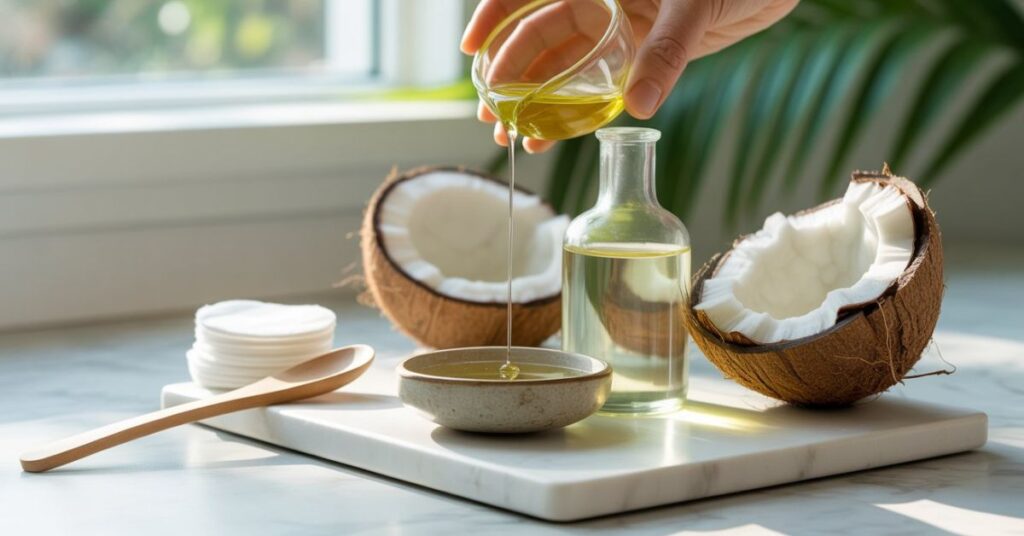
Although is gentle and safe for most people, it’s important to use it properly to maximize benefits and avoid any potential irritation. Its lightweight and non-greasy nature make it versatile, but correct application ensures optimal results for skin, hair, and overall wellness.
Best Ways to Apply Coconut Oil Fractionated
Here are some of the most effective ways to use oil safely:
- For Skin: Apply a few drops on clean, slightly damp skin. Massage gently until fully absorbed. Can be used alone or blended with essential oils for added benefits.
- For Hair: Apply a small amount to the scalp or hair ends. Can be used as a leave-in serum or pre-wash treatment.
- For Massage: Use as a carrier oil mixed with essential oils. Its lightweight texture ensures smooth application and quick absorption.
- For DIY Products: Incorporate into homemade lotions, scrubs, or serums as a moisturizing base.
Pro Tip: Avoid applying excessively to oily areas of the skin if you are prone to acne. Use moderate amounts for best results.
How Much Coconut Oil Fractionated Should You Use?
The amount of fractionated depends on the application:
- Skin: 2–3 drops for the face, 5–10 drops for larger areas like arms and legs.
- Hair: 3–5 drops for short hair, 8–10 drops for longer hair or scalp massage.
- Massage or Aromatherapy: 1–2 teaspoons per session, depending on body area and blend with essential oils.
- DIY Products: Follow your recipe, but typically 1–2 tablespoons per 100ml of base product works well.
Key Safety Tips:
- Always perform a patch test before full use, especially if you have sensitive skin.
- Avoid contact with eyes. If accidental contact occurs, rinse thoroughly with water.
- Store in a cool, dry place away from direct sunlight to maintain shelf life.
By following these guidelines, you can safely enjoy the skin, hair, and wellness benefits of without any issues.
Coconut Oil Fractionated Side Effects and Risks
Although is generally considered safe, it’s important to understand potential side effects and risks. Being aware of these ensures you can use it safely for skin, hair, or massage purposes while avoiding irritation or other issues.
Possible Side Effects of Coconut Oil Fractionated
Most people tolerate oil well, but a few side effects may occur in certain cases:
- Skin Irritation or Redness: Rare, but possible in individuals with extremely sensitive skin or allergies.
- Acne or Breakouts: Overuse on oily or acne-prone skin can clog pores if applied excessively.
- Allergic Reactions: Very rare; may include itching, rash, or swelling. Always test on a small patch first.
- Eye Irritation: Accidental contact with eyes can cause stinging or discomfort.
Tip for Users: To minimize risk, always use moderate amounts and perform a patch test before full application.
Precautions When Using Coconut Oil Fractionated
To ensure safe use, follow these precautions:
- Patch Test First: Apply a small amount on the inner forearm and wait 24 hours for any reaction.
- Moderation: Use only the recommended drops or teaspoons for skin, hair, or massage.
- Avoid Eyes and Open Wounds: Do not apply to irritated skin or open cuts.
- Store Properly: Keep in a cool, dry place to maintain quality and prevent contamination.
- Check for Additives: Choose 100% pure oil without synthetic fragrances or preservatives for maximum safety.
By following these precautions, you can enjoy the benefits of fractionated coconut oil safely for both skin and hair.
Is Coconut Oil Fractionated Worth It?
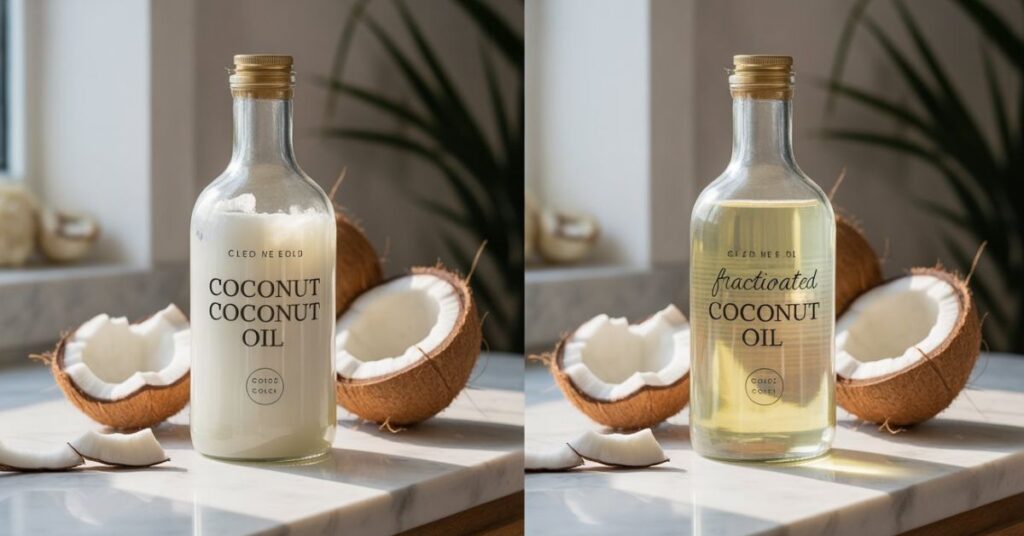
With so many types of coconut oil available, you might wonder, “is oil worth it?” The answer depends on how you plan to use it. For skincare, haircare, massage, and DIY cosmetic applications, offers unique advantages over regular or virgin coconut oils. Its lightweight, odorless, and long-lasting nature makes it highly versatile and user-friendly.
Pros and Cons of Coconut Oil Fractionated
Like any product, fractionated coconut oil has both benefits and limitations. Here’s a clear overview:
Pros:
- Lightweight and Non-Greasy: Absorbs quickly into skin and hair.
- Odorless: Ideal for mixing with essential oils.
- Long Shelf Life: Resistant to oxidation and rancidity.
- Safe for All Skin Types: Non-comedogenic and gentle on sensitive skin.
- Versatile Uses: Works for skincare, haircare, massage, aromatherapy, and DIY projects.
Cons:
- Low Lauric Acid Content: Less antibacterial properties than virgin coconut oil.
- Not Ideal for Cooking: Mainly used for topical applications, not as a cooking oil.
- Less Nutritional Value: Reduced vitamins and long-chain fatty acids compared to regular coconut oil.
This balance of pros and cons helps you decide if fractionated coconut oil suits your daily routine and specific needs.
Who Should Use Coconut Oil Fractionated?
Fractionated coconut oil is ideal for:
- People with Sensitive or Oily Skin: Gentle, fast-absorbing, and non-greasy.
- Haircare Enthusiasts: Strengthens hair, reduces frizz, and maintains scalp health.
- Massage Therapists and Spa Users: Serves as an excellent carrier oil for essential oils.
- DIY Skincare Makers: Perfect for homemade lotions, scrubs, and serums.
- Individuals Seeking Lightweight Moisturizers: Provides hydration without clogging pores.
If your goal is skin, hair, or wellness benefits, fractionated coconut oil is definitely worth incorporating into your routine. For cooking or dietary supplementation, traditional coconut or MCT oil may be more appropriate.
How to Choose the Best Coconut Oil Fractionated Products
With so many products on the market, it’s important to know how to choose the best oil products. Selecting a high-quality oil ensures you get all the benefits for skin, hair, and wellness without any unwanted additives or reduced effectiveness.
Tips to Buy High Quality Coconut Oil Fractionated
Here are some key tips to ensure you purchase pure and effective fractionated coconut oil:
- Check the Label: Look for “100% pure oil” without added fragrances or preservatives.
- Source Matters: Prefer oils derived from organic coconuts for better quality and minimal chemical processing.
- Packaging: Dark glass bottles protect the oil from light and preserve its shelf life.
- Certifications: Look for organic, non-GMO, or cruelty-free labels for added assurance.
- Consistency and Color: High-quality should be clear, odorless, and liquid at room temperature.
Pro Tip: Avoid products labeled as “blended” or “refined” without specifying fractionation they may contain fillers or reduced MCT content.
Different Types of Coconut Oil Fractionated Products
Fractionated coconut oil comes in a variety of forms and products to suit different needs:
- Pure Fractionated Coconut Oil: Ideal for skin, hair, massage, and DIY recipes.
- Blended Oils: Often combined with essential oils like lavender, peppermint, or eucalyptus for aromatherapy or therapeutic uses.
- Cosmetic Formulations: Found in lotions, serums, creams, and hair products.
- Massage Oils: Pre-blended with essential oils for spa and massage therapy.
- DIY Kits: Fractionated coconut oil included in kits for homemade beauty products.
By knowing these types and buying tips, you can confidently select a high-quality that fits your personal routine and needs.
Final Thoughts
Coconut oil fractionated is a versatile, lightweight, and stable oil that has become a staple in skincare, haircare, massage, and wellness routines. Its unique composition, primarily medium-chain triglycerides (MCTs), makes it absorb quickly, remain non-greasy, and suitable for all skin types.
Unlike regular or virgin coconut oil, this is liquid at room temperature, odorless, and long-lasting, which makes it highly adaptable for daily use. Whether you are looking to moisturize skin, strengthen hair, or create DIY beauty products, thy delivers consistent and reliable results.
Key Takeaways:
- Safe and gentle: Ideal for sensitive, oily, or mature skin.
- Versatile uses: Works in haircare, skincare, massage, aromatherapy, and DIY projects.
- Easy absorption: Non-greasy texture allows quick application without residue.
- High quality matters: Choose 100% pure, organic for the best benefits.
In conclusion, if you wonder “what is the good for?”, you can use this all-in-one natural oil to hydrate your skin, improve your hair health, and enhance your wellness routines.
With the right application and quality product, oil is a worthwhile addition to any personal care regimen.
FAQs
1. What is coconut oil fractionated used for?
Fractionated coconut oil is mainly used for skincare, haircare, massage, and aromatherapy. Its lightweight and non-greasy texture makes it ideal as a carrier oil for essential oils, a moisturizer, or a nourishing hair treatment.
2. Is fractionated coconut oil good for skin?
Yes, fractionated is safe for all skin types, including sensitive and oily skin. It absorbs quickly, hydrates without leaving a greasy residue, and can help soothe irritation or dryness.
3. What is coconut oil fractionated for hair?
It helps strengthen hair, reduce frizz, and maintain scalp health. It can be used as a leave-in serum, pre-styling oil, or mixed with essential oils for a nourishing hair treatment.
4. How is fractionated coconut oil different from regular coconut oil?
thy is liquid at room temperature, odorless, and contains mostly MCTs (medium-chain triglycerides), while regular coconut oil contains long-chain fatty acids, can solidify, and has a stronger coconut scent. thy is ideal for topical and cosmetic uses, whereas regular is better for cooking and raw consumption.
5. Can I use fractionated coconut oil for DIY beauty products?
Absolutely! Fractionated coconut oil is perfect for homemade lotions, scrubs, serums, lip balms, and massage oils. Its lightweight, odorless nature makes it an excellent base for blending with essential oils and other natural ingredients.