Introduction:
Fleas can turn your dog’s life into a constant battle of itching, discomfort, and potential health issues. While chemical treatments are widely available, many dog owners seek safer, natural alternatives. Essential oils for fleas on dogs offer a promising solution by repelling or even killing these pesky insects without harsh chemicals. Derived from plants, these oils are packed with active compounds that not only target fleas but also provide additional benefits for your dog’s skin and coat.
In this guide, we’ll explore the benefits, risks, and best natural remedies using essential oils. You’ll learn which oils work best, how to apply them safely, and alternative methods to keep your dog flea-free all year round.
What Are Essential Oils and How Do They Work for Fleas on Dogs?
Essential oils for fleas on dogs are concentrated plant extracts obtained through distillation or cold pressing. These oils carry the natural fragrance and bioactive compounds of the plant, making them effective for various uses, including natural flea control. Some oils repel fleas, while others can disrupt or kill them, offering a safer alternative to chemical treatments.
What Essential Oils Are Safe for Dogs
Essential oils are highly concentrated plant extracts with unique properties:
- Lavender: Calming effect, flea-repelling scent.
- Peppermint: Strong aroma that deters fleas and mosquitoes.
- Eucalyptus: Insecticidal properties; disrupts flea nervous system.
- Cedarwood: Repels fleas while promoting healthy skin and coat.
Tip: Using safe essential oils for fleas on dogs ensures effective flea control without harming your pet.
How Essential Oils Affect Fleas: Repelling vs Killing
Repelling Fleas: Oils like lavender or lemongrass emit scents that fleas find unpleasant. They prevent fleas from approaching your dog, reducing the risk of infestation.
Killing Fleas: Oils such as clove, eucalyptus, and cedarwood can disrupt a flea’s nervous system or damage their exoskeleton. While slower than chemical insecticides, these oils gradually reduce flea populations.
Tip: Combining repellent and insecticidal essential oils for fleas on dogs creates a dual-action approach for natural flea control.
Why Essential Oils Are Used as Natural Alternatives for Dogs
Dog owners increasingly prefer essential oils for fleas on dogs because they are chemical-free, environmentally friendly, and gentle when used correctly.
Additional Benefits:
- Improves skin and coat health.
- Reduces irritation from flea bites.
- Leaves a pleasant, natural scent.
Holistic Approach: Essential oils complement other natural remedies like apple cider vinegar, coconut oil, and regular grooming, making flea management safer and more sustainable.
Tidbit: Even though essential oils are natural, proper dilution and application of essential oils for fleas on dogs is crucial to avoid harm.
Can You Use Essential Oils for Fleas on Dogs?
Are Essential Oils Safe for Dogs?
While essential oils are natural, not all of them are safe for dogs. Dogs have a much more sensitive sense of smell and a different metabolism than humans, making certain oils toxic if ingested or applied directly. Essential oils for fleas on dogs can be safe only when properly diluted and used with caution.
Some oils, like lavender and cedarwood, are generally safe when used correctly. Others, such as tea tree, cinnamon, and clove in high concentrations, can cause serious harm. Always research the specific oil and its recommended dilution before use.
When They Can Be Used Safely
To use essential oils safely on dogs:
- Dilute Properly: Use carrier oils like coconut or olive oil to reduce potency. A common ratio is 1 drop of essential oil per teaspoon of carrier oil for small dogs and 2–3 drops for larger dogs.
- Spot Test First: Apply a small amount to a patch of skin to check for irritation.
- Avoid Sensitive Areas: Never apply oils near eyes, nose, ears, or genitals.
- Use Low Concentrations: Essential oils should be mild, especially for puppies, senior dogs, or dogs with health conditions.
When applied correctly, essential oils for fleas on dogs and cats can safely repel and reduce flea infestations while supporting coat and skin health.
When to Avoid Them Completely
Certain situations require avoiding essential oils altogether:
- Puppies Under 12 Weeks: Their skin is delicate, and they may ingest oils while grooming.
- Pregnant or Nursing Dogs: Essential oils can affect hormones and lactation.
- Dogs with Health Issues: Liver, kidney, or respiratory problems make essential oils risky.
- High-Concentration Products: Never use undiluted essential oils on dogs, as they can cause toxicity, burns, or respiratory distress.
Tidbit: Even natural products can be harmful if misused. Always consult your veterinarian if unsure about using essential oils for fleas on dogs.
Benefits of Using Essential Oils for Fleas on Dogs
Using essential oils for fleas on dogs offers multiple advantages beyond simply reducing fleas. These natural remedies work gently, provide additional health benefits, and serve as eco-friendly alternatives to chemical treatments. Let’s explore the key benefits in detail.
Natural Flea Repellent Properties of Essential Oils for Dogs
Essential oils contain compounds that repel fleas naturally. Oils like lavender, peppermint, cedarwood, and lemongrass emit scents that fleas dislike, keeping them away from your dog.
Dual-Action Effect: Many pet owners combine several essential oils to both repel fleas and discourage them from laying eggs. This approach is safer than chemicals and reduces the risk of flea resistance.
Tip: Using natural flea-repelling essential oils on dogs supports both preventive and active flea control effectively.
Chemical-Free Alternative for Flea Control on Dogs
One of the biggest benefits of essential oils for fleas on dogs is that they provide a chemical-free solution.
Why It Matters: Traditional flea treatments often contain pesticides that can irritate skin, affect internal organs, or trigger allergic reactions.
Safe for Sensitive Pets: Essential oils reduce exposure to harsh chemicals, making them ideal for households with multiple pets, children, or sensitive dogs.
Tip: Switching to chemical-free essential oils for flea prevention on dogs protects your pet and your home environment.
Additional Skin and Coat Benefits of Essential Oils for Dogs
Beyond flea control, many essential oils support skin and coat health:
- Soothing Irritation: Lavender and chamomile calm itching and redness from flea bites.
- Moisturizing and Shiny Coat: Oils like coconut or rosemary nourish the hair, leaving it soft and glossy.
- Natural Antimicrobial Properties: Some oils prevent bacterial or fungal infections on the skin.
Tip: Strategic use of essential oils for flea control and skin health on dogs not only reduces fleas but also promotes overall wellness.
Tidbit: Dogs with healthy skin and strong coats are less attractive to fleas, so using essential oils for fleas on dogs indirectly supports long-term flea prevention.
Risks and Dangers of Essential Oils for Dogs
While essential oils for fleas on dogs can be highly effective, they are not without risks. Understanding potential dangers is critical to prevent harm and ensure safe use. Misuse or overuse of essential oils can lead to serious health issues in dogs.
Essential Oil Toxicity Explained
Dogs metabolize essential oils differently than humans. Some oils contain compounds that can overwhelm a dog’s liver or nervous system if absorbed in high concentrations. Toxicity can occur through:
- Skin absorption (topical application)
- Ingestion (licking oils from fur or skin)
- Inhalation (strong diffusers in poorly ventilated areas)
Even small amounts of toxic oils, such as tea tree or cinnamon, can cause severe reactions. Therefore, careful dilution, application, and monitoring are essential.
Symptoms of Toxicity in Dogs
It’s important to recognize early signs of essential oil toxicity:
- Vomiting or diarrhea
- Drooling or foaming at the mouth
- Lethargy or weakness
- Tremors or seizures
- Difficulty breathing
- Skin irritation or burns
If any of these symptoms appear, immediate veterinary attention is required. Quick response can prevent long-term health complications.
Dangerous Oils to Avoid
Some oils are highly toxic to dogs and should never be used, even in small amounts:
- Tea Tree Oil (Melaleuca)
- Cinnamon Oil
- Pennyroyal Oil
- Wintergreen Oil
- Citrus Oils (high concentrations)
Always cross-check the safety of any oil before using it for flea control.
Risks: Topical vs Ingestion
- Topical Application: Diluted oils applied to the coat or skin are generally safe if used carefully. Avoid sensitive areas like eyes, nose, ears, and genitals.
- Ingestion: Dogs often lick their fur, so ingesting oils can quickly lead to toxicity. Never leave undiluted oils on your pet, and supervise your dog after application.
Tidbit: Even oils labeled “safe for pets” can be harmful if overused. Stick to recommended doses and always combine them with carrier oils for added safety.
Best Essential Oils That Kill and Repel Fleas on Dogs
Finding the right essential oils for fleas on dogs can make flea control safer and more effective. Some oils repel fleas, others kill them, and a few do both. Using the right combination helps keep your dog flea-free naturally without harsh chemicals.
Essential Oils That Repel Fleas on Dogs
Certain oils primarily act as flea repellents by emitting scents that fleas find unpleasant:
- Lavender Oil – Calming for dogs and effective at keeping fleas away.
- Lemongrass Oil – Strong citrus scent repels fleas naturally.
- Peppermint Oil – Fresh aroma deters fleas and mosquitoes.
- Cedarwood Oil – Keeps fleas off while promoting healthy skin.
Tip: These oils are best for preventive flea control on dogs, applied in low concentrations to the dog’s coat or used in a diffuser for the home.
Essential Oils That Kill Fleas on Dogs
Some essential oils for fleas on dogs can disrupt the flea’s nervous system or exoskeleton, gradually reducing their numbers:
- Clove Oil – Highly potent; kills fleas on contact but must be heavily diluted.
- Eucalyptus Oil – Interferes with flea respiration and mobility.
- Rosemary Oil – Strong insecticidal properties; safe when diluted.
Tip: These oils are better for active infestations, but care must be taken to avoid irritation or ingestion.
Dual-Action Essential Oils That Repel and Kill Fleas
Certain oils provide a dual-action effect, repelling fleas while also helping to eliminate them:
- Geranium Oil – Repels fleas and helps reduce flea populations.
- Cedarwood Oil – Repels and has mild flea-killing effects when applied correctly.
Tip: Combining these dual-action essential oils for fleas on dogs in a diluted spray or topical treatment maximizes flea control results.
Top Recommended Essential Oils for Flea Control
| Essential Oil | Action | Key Benefits | Safety Notes |
|---|---|---|---|
| Lavender | Repel | Calms skin, soothing | Safe when diluted |
| Peppermint | Repel | Deterrent, cooling effect | Avoid eyes & nose |
| Eucalyptus | Kill | Disrupts fleas, antimicrobial | Dilute well, avoid ingestion |
| Rosemary | Kill | Antifungal, flea-killing | Safe diluted |
| Lemongrass | Repel | Strong scent, prevents flea infestation | Dilute; not for cats |
| Cedarwood | Both | Repels fleas, promotes healthy coat | Dilute; monitor reactions |
| Clove | Kill | Strong insecticide effect | Highly concentrated; dilute carefully |
| Geranium | Both | Repels fleas and reduces eggs | Use low concentration |
Tidbit: Combining repellent and killing essential oils for fleas on dogs in proper dilution can provide year-round protection safely and naturally.
How to Use Essential Oils for Fleas on Dogs Safely
Using essential oils for fleas on dogs can be highly effective but safety is key. Improper use can cause irritation, toxicity, or other health issues. By following proper dilution, application methods, and frequency, you can protect your dog while keeping fleas at bay.
Proper Dilution Methods
Essential oils are highly concentrated and must be diluted before use:
- Carrier Oils: Coconut oil, olive oil, or jojoba oil are ideal.
- Recommended Dilution: For small dogs, use 1 drop of essential oil per teaspoon of carrier oil. For medium to large dogs, use 2–3 drops per teaspoon.
- Spray Solutions: Mix a few drops of essential oil in water with a small amount of witch hazel or apple cider vinegar for a safe, mistable flea spray.
Proper dilution ensures the oils are gentle on your dog’s skin while maintaining effectiveness against fleas.
Application Techniques
- Topical Application: Rub diluted oil gently onto the dog’s fur, avoiding eyes, nose, ears, and genitals.
- Spray Method: Lightly mist the dog’s coat using a homemade flea spray. Keep the spray off the face and allow the coat to dry naturally.
- Diffusers: Use in well-ventilated rooms to repel fleas indoors, but never let the dog inhale essential oils directly for extended periods.
Frequency of Use
- Preventive Use: 2–3 times per week is usually sufficient for repelling fleas.
- Active Infestation: Daily application may be necessary for 1–2 weeks, followed by a maintenance schedule.
- Monitor Reactions: Always observe your dog after each application for signs of irritation or discomfort.
Step-by-Step Application Guide
1. Preparing the Oil
- Choose safe oils like lavender, cedarwood, or peppermint.
- Dilute with a carrier oil following the recommended ratios.
- Mix thoroughly in a bowl or spray bottle.
2. Applying to Dog
- Part the fur to expose the skin.
- Apply diluted oil directly onto the skin or lightly mist over the coat.
- Avoid sensitive areas like eyes, nose, ears, and genitals.
3. Monitoring Reactions
- Watch for redness, itching, or unusual behavior.
- If any reaction occurs, wash the area with mild soap and water and discontinue use.
- Consult your veterinarian if symptoms persist.
Tidbit: Always start with a small area of the body to patch-test new essential oil combinations before full application.
Important Safety Guidelines Before Using Essential Oils on Dogs
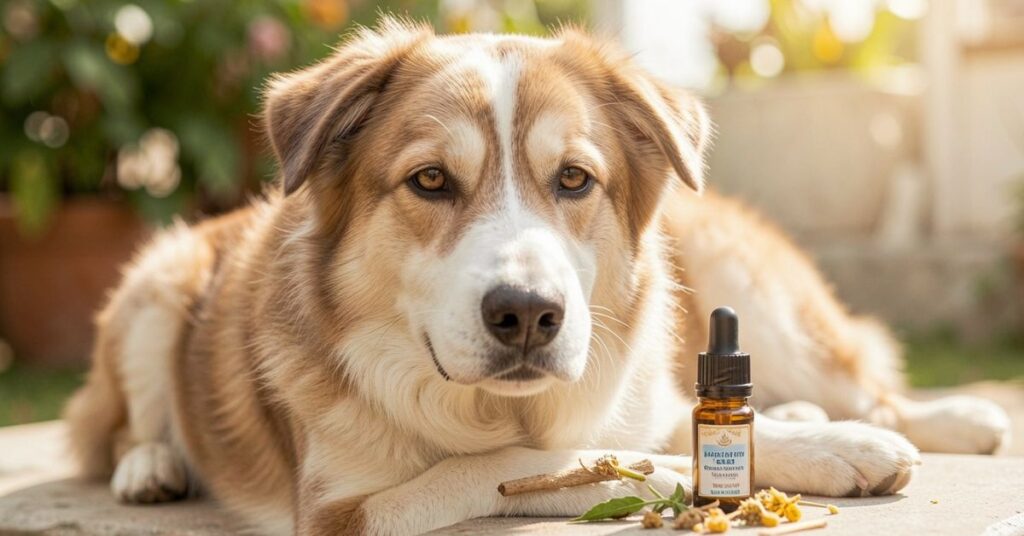
While essential oils for fleas on dogs can be effective, following strict safety guidelines ensures your dog stays healthy and avoids harmful side effects. Safety measures should always be the first step before applying any essential oil treatment.
Consider Your Dog’s Age, Size, and Breed Before Using Essential Oils
Puppies: Dogs under 12 weeks have delicate skin and underdeveloped livers, making them highly sensitive to essential oils. Avoid or use extremely diluted oils.
Small Dogs: Smaller breeds need lower concentrations. Even a few drops of a potent oil can be too strong.
Sensitive Breeds: Breeds like Bulldogs or Shih Tzus may be prone to respiratory or skin issues. Extra caution is necessary.
Understanding your dog’s specific needs helps prevent adverse reactions and ensures safe and effective flea control with essential oils.
Perform a Patch Test Before Applying Essential Oils on Dogs
Before full application, always perform a patch test:
- Dilute the essential oil with a carrier oil.
- Apply a small amount to a tiny area of your dog’s skin.
- Wait 24 hours and observe for redness, itching, or swelling.
A successful patch test reduces the risk of irritation and ensures the chosen oil is suitable for your dog. Patch testing is a crucial step in using essential oils safely for dogs.
Avoid Sensitive Areas When Using Essential Oils on Dogs
Never apply essential oils near:
- Eyes
- Nose
- Ears
- Genitals
- Open wounds or irritated skin
Even safe oils can cause severe irritation if applied to these sensitive areas. Focus on the back, neck, and sides for optimal flea-repelling effect. Targeted application maximizes benefits while keeping dogs safe.
Consult a Veterinarian Before Using Essential Oils for Fleas on Dogs
Always consult your veterinarian before starting essential oil treatments, especially if your dog is:
- Pregnant or nursing
- On medication
- Has health conditions
A vet can recommend safe oils, proper dilution, and application frequency for your dog’s specific situation.
Tidbit: Even natural remedies like essential oils are not “one-size-fits-all.” Professional guidance ensures your dog benefits without risk.
DIY Homemade Flea Spray with Essential Oils for Dogs
Creating a homemade flea spray with essential oils for dogs is a safe, natural, and cost-effective way to protect your pet from fleas. This spray combines the repelling and flea-killing properties of essential oils while being gentle on your dog’s skin and coat.
Simple Recipe for DIY Essential Oil Flea Spray
You’ll need:
- 1 cup of distilled water
- 1 tablespoon of apple cider vinegar (optional, enhances repelling effect)
- 1 teaspoon of carrier oil (coconut or olive oil)
- 5–6 drops of essential oils (choose 2–3 safe options like lavender, cedarwood, and peppermint)
Instructions:
- Mix the carrier oil and essential oils in a small bowl.
- Add the water and apple cider vinegar.
- Pour into a spray bottle and shake well before each use.
This homemade essential oil flea spray is gentle enough for regular use and can be applied to your dog’s coat or around the home for extra protection.
How to Apply DIY Flea Spray Safely on Dogs
- Shake the bottle well to distribute the oils evenly.
- Lightly mist your dog’s fur, avoiding the eyes, nose, ears, and genitals.
- Focus on the neck, back, and tail area where fleas often hide.
- Allow the coat to dry naturally; do not rinse.
Tip: Start with a small area to ensure your dog doesn’t have any adverse reactions. Proper application ensures your essential oil flea spray for dogs is effective and safe.
Storage Tips for Homemade Flea Spray with Essential Oils
- Store the spray in a cool, dark place to maintain potency.
- Shake well before each use.
- Use within 2–3 weeks for maximum effectiveness.
Tidbit: Using a DIY essential oil flea spray alongside regular grooming, flea combing, and home cleaning creates a multi-layered defense against fleas without harsh chemicals.
Natural Flea Remedies for Dogs Without Essential Oils
While essential oils for fleas on dogs are effective, several natural flea remedies without essential oils can also help. These methods are safe, easy to use, and can complement essential oil treatments for a complete flea-control strategy.
Apple Cider Vinegar for Flea Control on Dogs
Apple cider vinegar (ACV) creates an acidic environment on your dog’s skin that fleas dislike.
How to Use ACV for Fleas:
- Mix equal parts water and ACV in a spray bottle.
- Lightly mist your dog’s coat, avoiding eyes and sensitive areas.
- Regular use can repel fleas and improve skin health.
Tip: ACV can also be added to your dog’s drinking water in very small amounts (consult your vet) for internal benefits.
Coconut Oil as a Natural Flea Repellent for Dogs
Coconut oil has antimicrobial properties and a mild scent that deters fleas.
Application Steps:
- Rub a small amount into your dog’s coat.
- Focus on areas where fleas commonly hide, such as the neck, behind the ears, and tail.
- Coconut oil also moisturizes the skin, preventing dryness and irritation from flea bites.
Using coconut oil for flea control on dogs is a gentle and effective natural method.
Lemon Spray for Flea Prevention on Dogs
Lemon contains natural compounds that repel fleas.
How to Make Lemon Flea Spray:
- Slice a lemon thinly and steep in boiling water overnight.
- Pour into a spray bottle and lightly mist your dog’s coat (avoid face and eyes).
- Can also be sprayed on bedding and carpets to reduce fleas in the environment.
Tip: A lemon-based flea spray for dogs is an easy, chemical-free way to protect both your pet and your home.
Using a Flea Comb for Physical Flea Removal
A flea comb is a simple yet effective tool for physically removing fleas and eggs.
How to Use a Flea Comb:
- Comb your dog’s fur daily, especially around the neck, tail, and behind the ears.
- Dip the comb in soapy water to kill trapped fleas.
Regular combing breaks the flea life cycle naturally and complements natural flea remedies for dogs.
Bathing Methods to Reduce Fleas Naturally
Bathing your dog can flush out fleas and soothe irritated skin.
Steps for a Flea-Reducing Bath:
- Use a mild, pet-safe shampoo.
- Add a few tablespoons of apple cider vinegar to the rinse water for added flea-repelling effect.
- Ensure thorough drying, as fleas thrive in damp fur.
Tip: Combining natural flea remedies like baths and combing with essential oils creates a layered approach, targeting fleas at multiple stages: eggs, larvae, and adults.
Step-by-Step Guide to Get Rid of Fleas Completely on Dogs
Eliminating fleas requires a multi-step approach that targets adult fleas, eggs, and larvae. Using essential oils for fleas on dogs alongside environmental control ensures long-term results. This comprehensive guide shows you how to remove fleas completely and maintain a flea-free environment.
Step 1: Reduce Adult Fleas on Your Dog
The first step is to tackle adult fleas directly on your dog:
Flea Combing: Use a fine-toothed flea comb daily to remove adult fleas from the coat. Dip the comb in soapy water to kill captured fleas.
Bathing: Use a mild shampoo with natural repellents like apple cider vinegar or coconut oil to wash off fleas.
DIY Flea Spray: Apply a diluted essential oil flea spray (lavender, cedarwood, or peppermint) to repel remaining fleas.
Tip: Regular grooming not only removes fleas but also allows early detection of skin issues or irritation. Combining flea combing and essential oils for dogs is highly effective against adult fleas.
Step 2: Break the Flea Life Cycle Naturally
Fleas reproduce quickly, so it’s crucial to interrupt their life cycle:
Clean Bedding: Wash your dog’s bedding in hot water weekly.
Vacuum Home Thoroughly: Focus on carpets, furniture, and corners to remove eggs and larvae. Dispose of vacuum bags immediately.
Use Flea Sprays on Home Surfaces: Natural sprays containing essential oils for fleas or citrus solutions can prevent new infestations.
Tip: By eliminating eggs and larvae, you prevent future generations of fleas from developing. Regular home and dog flea treatments are key for long-term control.
Step 3: Protect Your Dog from Fleas Long-Term
Preventative care is essential to keep fleas away permanently:
Regular Grooming: Weekly combing and occasional essential oil application maintain a flea-free coat.
Environmental Control: Frequent cleaning of floors, furniture, and pet areas reduces the risk of infestation.
Monitor Seasonal Risk: Fleas are most active in warm, humid months. Increase preventative measures during these periods.
Tip: Consistent care combining essential oils for fleas on dogs, natural remedies, and home hygiene breaks the flea life cycle effectively, keeping your dog safe year-round.
Flea Prevention Tips for Long-Term Protection in Dogs
Preventing fleas is always easier than treating an infestation. Combining essential oils for fleas on dogs with consistent grooming, home maintenance, and natural repellents provides long-term protection for your furry friend.
Regular Grooming to Prevent Fleas on Dogs
Daily or Weekly Combing: Use a fine-toothed flea comb to remove any stray fleas or eggs before they multiply.
Bathing: Bathe your dog using mild shampoos and natural additives like apple cider vinegar or coconut oil to maintain healthy skin.
Check for Irritation: Early detection of flea bites or skin issues helps prevent larger infestations.
Tip: Grooming not only keeps your dog clean but also strengthens the bond between pet and owner. Consistent grooming is a key part of long-term flea prevention for dogs.
Home Cleaning Strategies to Reduce Flea Risks
Vacuum Frequently: Carpets, rugs, and furniture can harbor eggs and larvae. Empty the vacuum immediately to prevent fleas from returning.
Wash Bedding Regularly: Clean your dog’s bedding in hot water weekly to eliminate fleas and eggs.
Declutter Floors: Reducing clutter minimizes flea hiding spots.
Tip: Keeping the environment clean is as important as treating your dog directly. Fleas thrive in dirty or damp areas, so routine cleaning complements essential oil flea treatments for dogs.
Preventative Treatments Using Natural Flea Remedies
Essential Oil Sprays: Lightly mist safe essential oils like lavender, cedarwood, or peppermint on your dog or around the home as a preventive measure.
Natural Repellents: Apple cider vinegar or lemon sprays can help repel fleas from both pets and living areas.
Seasonal Awareness: Fleas are more active in warm months, so increase preventative efforts during spring and summer.
Tip: Long-term protection is a layered strategy grooming, cleaning, and preventative essential oil treatments for fleas on dogs together create a nearly flea-proof environment.
When to Use Professional Flea Control for Dogs
While natural remedies and essential oils for fleas on dogs can handle most infestations, some situations require professional intervention. Knowing when to call an expert ensures your dog’s health, comfort, and effective flea management.
Severe Flea Infestations That Require Expert Help
If your dog is constantly scratching, biting, or showing signs of discomfort despite home treatments, the flea population may be too high to manage naturally.
Tip: In severe cases, professional pest control or veterinarian-prescribed treatments may be necessary to quickly reduce the infestation and complement essential oil flea treatments for dogs.
When Home Remedies and DIY Flea Treatments Fail
DIY sprays, essential oils, and natural methods work best for mild or preventive cases.
Warning Signs:
- Fleas persist after a few weeks of consistent treatment.
- Home remedies do not stop scratching or skin irritation.
At this stage, consulting a professional ensures access to stronger, safe treatments while maintaining the benefits of natural and essential oil flea prevention for dogs.
Signs Your Dog Needs Professional Flea Control
Persistent Scratching and Redness: Indicates ongoing flea activity or possible skin infection.
Hair Loss or Skin Lesions: Fleas or secondary infections may be causing significant damage.
Anemia: Pale gums, weakness, or lethargy can occur in severe flea infestations, especially in puppies.
Allergic Reactions: Dogs with flea allergy dermatitis need veterinary care to prevent serious health issues.
Tip: Early professional intervention prevents serious health problems and works alongside essential oils for fleas on dogs for long-term flea control.
Final Thoughts
Essential oils for fleas on dogs offer a natural, chemical-free alternative for keeping your pet flea-free. When used correctly, they can repel and reduce flea populations, improve skin and coat health, and provide a safer option compared to harsh chemical treatments.
Summary of Safety and Effectiveness
- Essential oils are effective when properly diluted and applied.
- Safety is crucial: avoid sensitive areas, perform patch tests, and consider your dog’s age, size, and health.
- Not all oils are safe tea tree, cinnamon, and pennyroyal should never be used undiluted.
- Combining essential oils with regular grooming, cleaning, and natural remedies improves overall results.
Best Approach: Balanced Use + Caution
- Start with safe, gentle oils like lavender, cedarwood, and peppermint.
- Use homemade sprays or diluted topical applications to target fleas naturally.
- Integrate other natural remedies like apple cider vinegar, coconut oil, and flea combing.
- Seek professional help if infestations are severe or home remedies fail.
By taking a balanced and cautious approach, you can enjoy the benefits of essential oils while protecting your dog’s health and comfort.
Tidbit: Flea control is most successful when it’s consistent, multi-layered, and tailored to your dog’s needs. Essential oils are a safe and effective tool when used responsibly.
FAQs About Essential Oils for Fleas on Dogs
Are essential oils really effective for fleas?
Yes, certain essential oils like lavender, cedarwood, and peppermint can repel and even kill fleas when used properly. They work best as part of a multi-layered approach, including grooming, cleaning, and natural remedies, rather than as a sole treatment.
Can I leave essential oils on my dog overnight?
It depends on the dilution and type of oil. Never use undiluted essential oils, as they can irritate the skin or be toxic if ingested. Lightly diluted oils may be safe for a few hours, but overnight exposure is not recommended without veterinary guidance.
What is the safest essential oil for dogs?
Lavender and cedarwood are among the safest options for flea control. They are gentle, non-toxic, and effective when properly diluted. Always perform a patch test and monitor your dog for any adverse reactions before full application.
Do essential oils kill flea eggs?
Essential oils primarily target adult fleas and repel new infestations. Some oils, like clove or eucalyptus, may reduce egg-laying, but they do not reliably kill eggs. Combining essential oils with regular cleaning, flea combing, and washing bedding is necessary to disrupt the flea life cycle completely.
Tidbit: For best results, think of essential oils as part of a holistic flea control strategy, rather than a quick fix.