Introduction:
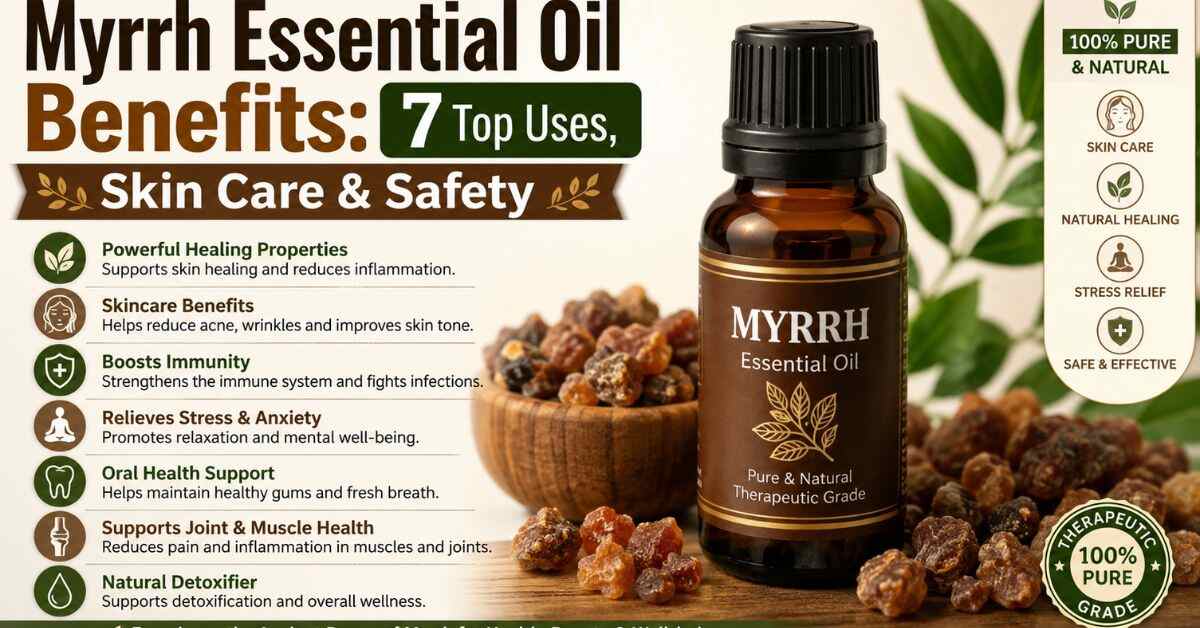
Benefits of Myrrh Essential Oil have been recognized for thousands of years through ancient trade routes, traditional Ayurvedic medicine, and historical skincare practices. Modern research shows that myrrh essential oil contains powerful bioactive compounds with antioxidant, antimicrobial, and skin-supporting properties. Extracted from the resin of the Commiphora tree through steam distillation, this dark amber oil provides valuable benefits for holistic wellness, natural skincare, and aromatherapy applications.
Unlike synthetic fragrance oils or diluted cosmetic blends, unadulterated Myrrh Essential Oil features a unique chemical profile rich in furanosesquiterpenes, especially curzerene and furanoeudesma-1,3-diene. These natural volatile compounds help neutralize free radicals, support skin barrier function, and maintain oral wellness. Therefore, this resinous essential oil is widely used in anti-aging facial serums, targeted skincare products, and grounding aromatherapy blends.
Unlocking the full potential of Myrrh Essential Oil requires careful attention to quality selection, chemical purity, and proper dilution methods. Since concentrated essential oils can affect sensitive skin, following recommended safety guidelines helps reduce irritation while maximizing benefits. This comprehensive guide explores Myrrh Essential Oil extraction methods, chemical composition, skincare benefits, therapeutic uses, blending techniques, and safety standards to help you use this ancient botanical ingredient with confidence.
What Is Myrrh Essential Oil?
What Is Myrrh?
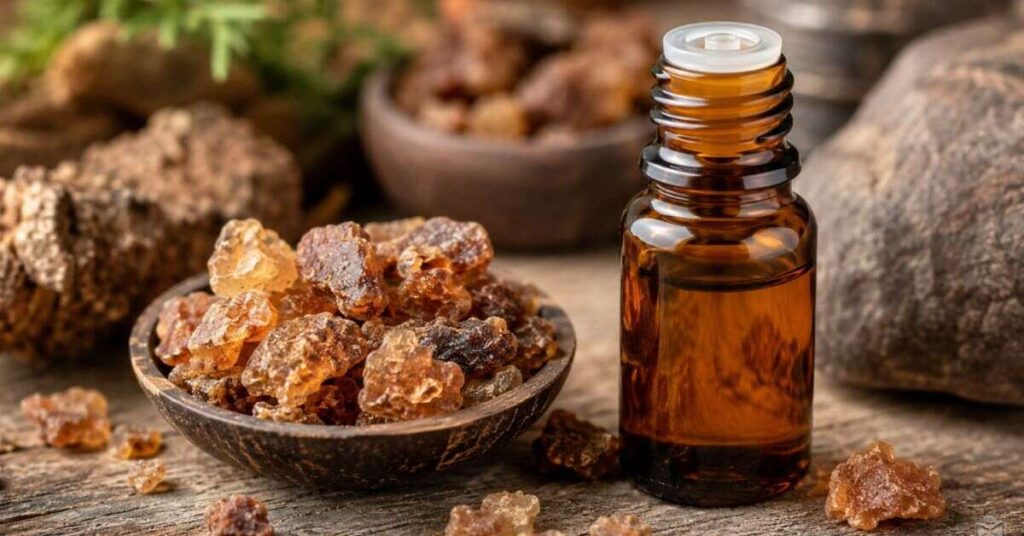
Myrrh is an ancient, natural oleo-gum-resin harvested from specialized, drought-resistant myrrh trees belonging to the Commiphora genus. When the myrrh tree’s outer bark is carefully incised, the myrrh bark exudes a thick, pale-yellow sap that gradually hardens into translucent, reddish-brown myrrh resin “tears” upon exposure to air. These hardened myrrh resin droplets have been meticulously harvested for thousands of years, serving as the primary raw material for producing pure myrrh essential oil.
For millennia, historic civilizations across East Africa, the Mediterranean basin, and the Middle East venerated myrrh for its distinct myrrh aromatic profile and broad medicinal utility. Myrrh held a foundational role in luxury myrrh cosmetics, sacred myrrh ceremonial incenses, traditional herbal pharmacopeias, and royal myrrh embalming practices. Consequently, myrrh resin became one of the most lucrative and highly sought-after botanical commodities along ancient commercial myrrh trade routes.
In modern manufacturing, master distillers subject these hardened myrrh resin tears to steam distillation to yield pure myrrh essential oil a dense, viscous myrrh extract renowned for its warm, earthy, resinous, and balsamic myrrh fragrance. Because myrrh essential oil contains exceptionally concentrated bioactive compounds, only micro-quantities of myrrh essential oil are required for myrrh aromatherapy, professional myrrh cosmetic formulation, and holistic myrrh wellness practices. Contemporary clinical research continues to evaluate the traditional health claims surrounding this historic myrrh botanical and myrrh essential oil.
Botanical Name and Plant Profile
The primary, universally recognized botanical source behind the Benefits of Myrrh Essential Oil is Commiphora myrrha (synonymous with Commiphora molmol). This species produces the aromatic resin used to create authentic myrrh essential oil, which is valued for its traditional wellness applications and modern skincare benefits. Although Commiphora myrrha remains the preferred source, related Commiphora species are also harvested commercially for resin production. These resin-producing trees belong to the Burseraceae botanical family, sharing a close classification with frankincense-producing trees from the Boswellia genus.
Commiphora myrrha naturally grows in dry, rocky environments with intense heat and limited rainfall. The tree is native to East Africa and the Arabian Peninsula, especially regions such as Somalia, Ethiopia, Kenya, Oman, Saudi Arabia, and Yemen. Because of these challenging conditions, the tree develops a protective resin rich in natural compounds. These compounds contribute to many of the Benefits of Myrrh Essential Oil, including its antioxidant potential, aromatic value, and traditional skin-supporting properties.
The unique environment where Commiphora myrrha grows plays an important role in determining the quality of the resin and the final oil. Soil composition, altitude, seasonal rainfall, and harvesting practices influence the concentration of valuable plant compounds. Therefore, high-quality Benefits of Myrrh Essential Oil depend not only on the plant species but also on ethical harvesting methods that preserve tree health and protect local ecosystems.
| Botanical Profile Feature | Technical Specification |
| Botanical Name | Commiphora myrrha |
| Plant Family | Burseraceae (Torchwood family) |
| Plant Type | Small, thorny, resin-producing deciduous tree |
| Part Used | Exudate gum-resin (hardened tears) |
| Extraction Material | Cleaned, sorted oleo-gum-resin |
| Native Regions | Somalia, Ethiopia, Kenya, Yemen, Oman |
| Aromatic Profile | Warm, rich, earthy, woody, balsamic, slightly smoky |
| Oil Consistency & Color | Viscous; pale yellow to deep amber-brown |
How Myrrh Essential Oil Is Extracted
The production process behind the Benefits of Myrrh Essential Oil starts with sustainable and carefully managed resin harvesting. Skilled collectors make precise, shallow cuts into the bark of the Commiphora myrrha tree, allowing the natural oleo-gum-resin to slowly flow out and harden over several weeks. This traditional harvesting method protects the tree while preserving the valuable compounds responsible for the therapeutic properties of authentic myrrh essential oil.
Harvesting and Gathering Resin
Once the resin tears reach the ideal level of hardness and moisture content, collectors carefully hand-gather them without removing excessive bark or damaging the tree’s vascular system. This careful process plays an important role in maintaining resin quality because healthy trees produce a more balanced chemical profile. As a result, premium-quality oil delivers stronger aromatic characteristics and supports many of the traditional Benefits of Myrrh Essential Oil used in skincare, wellness, and aromatherapy.
After collection, the raw resin undergoes detailed manual sorting and cleaning to remove bark particles, dust, and other natural impurities. The purified resin is then gently crushed and transferred into specialized steam distillation equipment. During this process, pressurized steam moves through the resin structure, breaking down tiny resin pockets and releasing volatile aromatic compounds.
Steam Distillation and Key Quality Factors
The steam carries these valuable molecules into a cooling condenser, where the vapor changes back into liquid form. This natural separation creates two products: concentrated myrrh essential oil and a lighter aromatic hydrosol. Because steam distillation avoids harsh extraction chemicals, it helps maintain the purity and natural composition linked with the Benefits of Myrrh Essential Oil.
Several important factors determine the final quality, strength, and effectiveness of the extracted oil:
Resin Maturity:
Older and properly cured resin tears often contain higher levels of heavy sesquiterpenes and aromatic compounds. Therefore, mature resin contributes to a richer chemical profile and enhances the traditional value of Benefits of Myrrh Essential Oil.
Temperature Control:
Slow, low-pressure steam distillation helps protect sensitive aromatic molecules from excessive heat damage. Consequently, controlled temperatures preserve the natural compounds that contribute to the oil’s antioxidant and skin-supporting qualities.
Equipment Quality:
High-quality food-grade stainless steel distillers reduce the risk of contamination and help maintain the purity of the final product. Moreover, professional equipment ensures that the extracted oil meets cosmetic and aromatherapy standards.
Chemical Composition and Active Compounds
The therapeutic efficacy and distinct aroma of myrrh essential oil stem from its intricate chemical matrix. Unlike synthetic fragrance oils that rely on single isolated molecules, pure myrrh oil contains dozens of naturally occurring bioactive constituents working in synergy.
Gas Chromatography-Mass Spectrometry (GC-MS) testing reveals that myrrh essential oil is exceptionally rich in sesquiterpenes and furanosesquiterpenes specialized plant molecules known for their profound antioxidant and soothing properties.
Key active constituents include:
- Furanoeudesma-1,3-diene: A primary active constituent responsible for much of myrrh’s characteristic balsamic aroma and studied for its soothing biological activity.
- Curzerene: A dominant furanosesquiterpene that exhibits strong antioxidant properties and contributes to skin barrier support.
- Lindestrene: A key aromatic compound that provides deep, woody-spicy fragrance notes and exhibits natural antimicrobial activity.
- Germacrene D: A versatile sesquiterpene hydrocarbon that supports skin conditioning and provides environmental defense.
- Furanodiene: A bioactive molecule recognized for its ability to help calm temporary tissue redness and discomfort.
Because natural climate variations, soil composition, and harvest seasons alter compound ratios, batch-specific GC-MS reports are essential. Reviewing analytical lab reports guarantees that the product is 100% pure, unadulterated, and free from synthetic extenders or carrier oil diluents.
Myrrh Essential Oil Benefits
Overview of Therapeutic Properties
The widespread adoption of myrrh essential oil benefits in modern holistic care stems from a strong foundation of historical use backed by emerging pharmacological research. Rich in naturally occurring sesquiterpenes, pure myrrh essential oil exhibits notable antimicrobial, antioxidant, anti-inflammatory, and skin-regenerative characteristics.
When incorporated into daily self-care, myrrh essential oil serves as a multi-functional botanical asset. It enhances high-performance skincare, strengthens natural oral care formulations, elevates therapeutic massage blends, and grounds mind-body practices through environmental scenting. However, realizing these benefits safely requires adhering to standardized dilution protocols and proper application techniques.
Myrrh Essential Oil Benefits for Skin
Among its diverse uses, the Benefits of Myrrh Essential Oil for skin remain one of its most recognized applications. This ancient botanical oil contains valuable sesquiterpenes that provide antioxidant support, helping protect delicate skin layers from environmental stress caused by UV exposure, pollution, and free radicals. Because of these protective properties, myrrh essential oil is widely used in natural skincare formulas focused on maintaining a healthier and more balanced complexion.
Furthermore, the Benefits of Myrrh Essential Oil include its ability to support the skin’s natural moisture barrier. When properly diluted with nourishing carrier oils, myrrh essential oil helps comfort dry, rough, or mature skin while improving softness and overall texture. Its natural astringent properties may also help create a firmer skin appearance, making it a popular ingredient in anti-aging serums, facial oils, and nighttime skincare routines.
Additionally, the antimicrobial qualities of myrrh essential oil contribute to its value for blemish-prone skin. It helps maintain a clean skin surface, supports balanced oil production, and soothes occasional skin concerns without causing excessive dryness. Therefore, the Benefits of Myrrh Essential Oil make it a valuable natural ingredient for people seeking antioxidant protection, skin nourishment, and gentle botanical care.
Core Skin Benefits
- Promotes Youthful Radiance: Smooths the appearance of fine lines and crepey skin texture.
- Reinforces Barrier Function: Deeply nourishes cracked, severely dry, or weather-damaged skin.
- Delivers Free-Radical Defense: Neutralizes oxidative stress to prevent premature skin aging.
- Soothes Blemish-Prone Skin: Cleanses surface bacteria while calming localized redness and irritation.
- Enhances Facial Oil Blends: Pairs synergistically with rosehip, jojoba, and frankincense oils.
Myrrh Essential Oil Benefits for Hair and Scalp
Beyond facial care, myrrh essential oil for hair offers targeted support for scalp health and strand vitality. A healthy scalp environment provides the essential foundation for strong hair growth, and myrrh’s moisturizing properties help alleviate dry, flaky scalp conditions.
When blended into a light carrier oil and massaged into the hair roots, myrrh oil helps clear pore-clogging debris, soothe itching, and balance natural scalp oils. Its antioxidant profile protects hair follicles from environmental stress, while its rich, balsamic scent imparts a subtle, natural fragrance to conditioning treatments.
Key Hair Care Applications
- Relieves Scalp Dryness: Hydrates the epidermal layer of the scalp to reduce flaking and discomfort.
- Strengthens Root Foundations: Cleanses hair follicles to encourage a healthier scalp environment.
- Imparts Natural Shine: Smooths the hair cuticle when added to leave-on hair oils or masks.
- Pairs with Key Botanicals: Blends exceptionally well with rosemary, lavender, and tea tree oils for comprehensive scalp care.
Myrrh Essential Oil Benefits for Oral Health
Traditional health practices have used raw myrrh resin for oral hygiene for centuries, and modern studies continue to explore the Benefits of Myrrh Essential Oil for maintaining oral wellness. Today, purified myrrh extracts and properly diluted myrrh oil are commonly included in natural toothpastes, herbal tooth powders, and botanical mouth rinses because of their powerful cleansing and antimicrobial properties.
Research suggests that active compounds found in myrrh essential oil may help limit the growth of certain oral microorganisms associated with plaque formation, unpleasant breath, and temporary gum discomfort. Due to these properties, the Benefits of Myrrh Essential Oil extend beyond skincare and include traditional oral care applications. When used correctly in a diluted rinse, myrrh can help support a cleaner mouth, comfort sensitive gum areas, and maintain fresher breath.
Moreover, myrrh’s resin compounds have long been valued for their soothing and protective qualities. This makes it a popular natural ingredient in holistic dental care products that combine traditional knowledge with modern formulation methods. However, concentrated essential oils require careful handling to ensure safe use.
Crucial Safety Note: Essential oils should never be swallowed. When preparing DIY oral rinses with myrrh essential oil, always dilute the oil properly, avoid internal consumption, and spit the rinse out completely after use. Alternatively, choose professionally formulated oral care products created specifically for safe mouth applications.
Myrrh Essential Oil Benefits for Wound Recovery
Historically, soldiers carried myrrh resin onto battlefields to treat minor cuts, abrasions, and skin wounds. Modern laboratory investigations into myrrh essential oil benefits reveal that its sesquiterpene compounds possess natural antiseptic and tissue-soothing properties that support the body’s natural recovery processes.
While pure essential oils must never be applied directly to open wounds, applying properly diluted myrrh oil to the closed skin surrounding a recovering minor injury can help keep the area clean, minimize surface redness, and protect healing skin. For severe burns, deep lacerations, or infected wounds, professional medical evaluation remains mandatory.
Myrrh Essential Oil Benefits for Pain and Inflammation
Licensed massage therapists frequently integrate myrrh essential oil into specialized bodywork blends targeting joint stiffness and sore muscles. Its warm, resinous aroma creates a deeply relaxing sensory experience, while its active constituents help ease localized discomfort after strenuous exercise or long workdays.
Scientific studies highlight furanodiene and curzerene as key constituents that help moderate inflammatory pathways in laboratory settings. Diluting myrrh oil in a heavy carrier oil (such as sweet almond or arnica-infused oil) provides an excellent, warming rub for overexerted muscles and stiff joints.
Myrrh Essential Oil Benefits as a Natural Antioxidant
Everyday environmental exposures generate unstable free radicals that accelerate cellular aging and tissue degradation. The impressive antioxidant activity of myrrh essential oil helps neutralize these damaging molecules before they disrupt skin integrity.
Integrating myrrh into routine personal care products provides a continuous layer of topical environmental protection. Working alongside antioxidant vitamins (such as Vitamin C and Vitamin E), myrrh supports long-term dermal resilience and aids in maintaining a smooth, healthy complexion.
Myrrh Essential Oil Benefits for Immune System Support
Historically revered during seasonal shifts, myrrh essential oil helps support general well-being through its environmental cleansing and stress-reducing properties.
Rather than directly altering internal immune function, diffusing myrrh essential oil helps purify indoor air, while topical application in personal care products helps maintain skin cleanliness. By reducing environmental stress and supporting skin barrier integrity, myrrh serves as an effective, complementary element in a holistic wellness lifestyle.
Myrrh Essential Oil Benefits for Stress Relief and Mindfulness
The deep, resinous, and grounding fragrance of myrrh essential oil makes it a cornerstone ingredient in aromatherapy and meditation practices. Inhaling its warm vapors stimulates the olfactory system, sending direct signals to the brain’s limbic system to encourage emotional balance, quiet a racing mind, and reduce feelings of daily tension.
When diffused during evening relaxation, meditation, or yoga, myrrh fosters a serene, centered environment. It blends harmoniously with other grounding essential oils to create custom aromatherapy experiences:
- Grounding Meditation Blend: Pair equal parts myrrh, frankincense, and sandalwood.
- Relaxing Evening Blend: Combine myrrh with lavender and sweet orange.
- Spiritual Clarity Blend: Blend myrrh with cedarwood and bergamot.
Summary of Secondary Myrrh Essential Oil Applications
Beyond its primary wellness uses, myrrh essential oil offers diverse applications across home and artisan crafting:
- Fixative in Natural Perfumery: Acts as a rich, slow-evaporating base note that grounds lighter floral and citrus notes.
- Artisan Soap Making: Imparts a luxurious, warm fragrance and rich amber color to cold-process soaps.
- Natural Candle Production: Holds its scent profile well in soy and beeswax candle formulations.
- Custom Skincare Formulation: Elevates body balms, cuticle creams, and salves with a premium botanical touch.
- Natural Deodorizing: Helps neutralize ambient room odors when added to natural room sprays.
Scientific Evidence Behind Myrrh Essential Oil Benefits
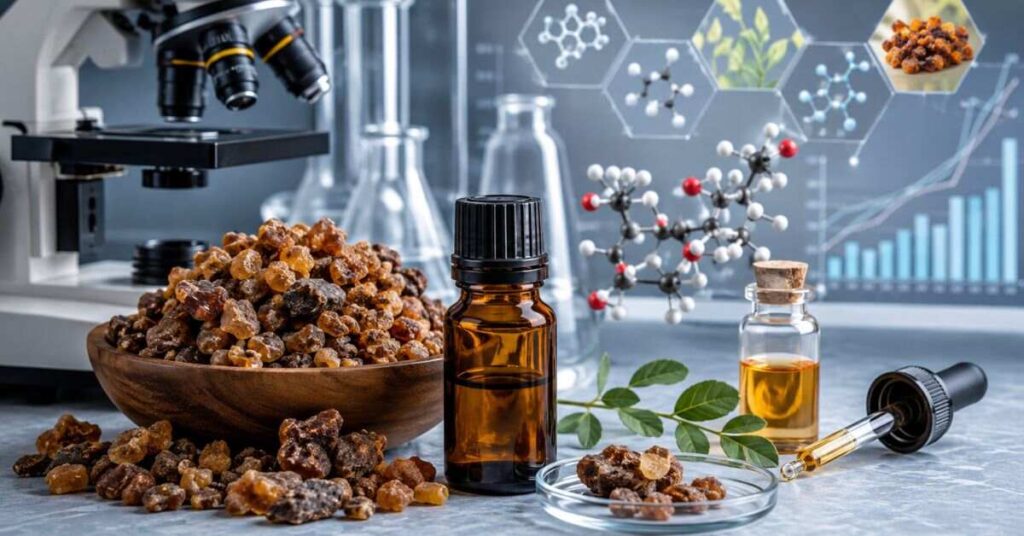
The extensive historical tradition surrounding myrrh essential oil benefits is increasingly supported by modern biomedical research. Over recent decades, phytochemists and pharmacologists have conducted rigorous in vitro (cell culture) and in vivo (animal model) studies to evaluate myrrh’s antimicrobial, antioxidant, anti-inflammatory, and tissue-supportive properties. While preliminary findings are exceptionally promising, large-scale human clinical trials remain limited. Consequently, establishing clear distinctions between historical folklore, controlled laboratory data, and validated medical treatments is vital for evidence-based wellness.
Biochemists attribute the primary bioactivity of pure myrrh essential oil to its unique concentration of specialized sesquiterpenes and furanosesquiterpenes. Active molecules such as furanoeudesma-1,3-diene, curzerene, lindestrene, and furanodiene exhibit significant biological activity under laboratory parameters. Ongoing pharmacological research continues to examine how these volatile constituents perform in human clinical applications.
Research on Antimicrobial Activity
Among all studied properties, the antimicrobial activity of myrrh essential oil represents one of the most thoroughly documented fields of study. Controlled laboratory assays demonstrate that myrrh essential oil effectively inhibits the proliferation of diverse bacterial strains and fungal pathogens. As a result, product developers actively explore its inclusion in natural oral hygiene products, specialized cosmetic formulas, and clean-label preservative systems.
Scientific evaluations highlight that myrrh oil exhibits pronounced activity against Gram-positive bacteria, including Staphylococcus aureus and Streptococcus mutans—the primary bacterial driver of dental plaque and tooth decay. Furthermore, in vitro testing demonstrates targeted activity against various fungal organisms, including Candida albicans. However, petri-dish efficacy does not automatically guarantee identical performance in complex living human tissues.
Researchers emphasize that myrrh’s antimicrobial strength relies on natural chemical synergy. Rather than depending on a single active compound, its complex mixture of sesquiterpenes works collectively to disrupt microbial cell membranes and inhibit metabolic function. Although this synergistic mechanism makes bacterial resistance less likely, healthcare professionals still require broader human clinical trials before recommending myrrh essential oil as a standalone therapeutic antimicrobial.
Proven Antimicrobial Observations
- Inhibits Oral Pathogens: Suppresses key bacterial strains associated with dental caries and periodontal plaque.
- Demonstrates Antifungal Activity: Restricts the growth of common dermatophytes and opportunistic fungi.
- Enhances Cosmetic Formulations: Acts as a natural botanical shield against acne-causing bacteria like Cutibacterium acnes.
- Leverages Chemical Synergy: Combines multiple volatile compounds to maximize biological defense mechanisms.
Research on Antioxidant Effects
Uncontrolled oxidative stress occurs when reactive oxygen species (ROS) outpace the body’s endogenous antioxidant defenses. Over time, this imbalance accelerates premature dermal aging, collagen degradation, and cellular stress. Consequently, phytochemists have evaluated whether the volatile compounds in myrrh essential oil can help neutralize free radicals.
Analytical testing confirms that furanosesquiterpenes present in myrrh function as effective electron donors capable of scavenging unstable free radicals. These natural antioxidants help protect cellular structures from oxidative degradation under experimental conditions. For this reason, cosmetic manufacturers frequently integrate myrrh extracts into premium anti-aging skincare products designed to maintain youthful dermal integrity.
While radical-scavenging activity is consistently demonstrated in laboratory settings, scientists continue investigating its long-term benefits in human clinical trials. Practical factors—including topical concentration, delivery systems, and individual skin barrier health—directly influence real-world outcomes. Therefore, myrrh essential oil works best as a complementary, supportive ingredient within a balanced, holistic skincare regimen.
Research on Wound Healing
Historical civilizations relied on raw myrrh resin for wound dressings, and modern regenerative medicine actively investigates the biological mechanisms behind these practices. Preclinical research suggests that myrrh essential oil supports normal tissue repair by combining moderate antimicrobial defense with localized anti-inflammatory action.
Experimental models reveal that specific myrrh constituents encourage a healthy recovery environment by reducing surface microbial load and aiding natural cellular re-epithelialization. Additionally, its high antioxidant capacity helps shield newly formed granulating tissue from localized oxidative stress during the healing phase.
Despite these encouraging preclinical outcomes, human clinical evidence remains preliminary. Optimal dosage parameters and standardized application protocols have not yet been established by regulatory authorities. Consequently, pure essential oils must never replace professional medical care for serious lacerations, deep burns, or infected wounds.
Research on Inflammation
Inflammation is a necessary immunological response, but chronic or excessive localized inflammation leads to tissue discomfort and accelerated breakdown. Accordingly, researchers have investigated how the active sesquiterpenes in myrrh essential oil interact with inflammatory signaling pathways.
Preclinical pharmacological studies indicate that compounds such as furanodiene and curzerene help modulate inflammatory responses by downregulating key biochemical mediators, including pro-inflammatory cytokines and the NF-κB signaling pathway. These findings explain why myrrh oil is increasingly incorporated into topical recovery balms and professional massage preparations designed to ease localized joint and muscle discomfort after strenuous activity.
However, because the majority of current evidence is derived from preclinical models, larger clinical trials are necessary to verify these mechanisms in human subjects. Until comprehensive clinical data is published, myrrh essential oil should be utilized as a complementary topical aid rather than a primary medical treatment for inflammatory conditions.
Emerging Research on Cancer
In experimental oncology research, isolated compounds extracted from myrrh resin have demonstrated interesting interactions with specific cancer cell lines under laboratory conditions. In vitro assays indicate that certain sesquiterpenes can influence cancer cell viability, induce apoptosis (programmed cell death), and alter cell-cycle regulation in isolated dish cultures.
Crucially, these laboratory observations require cautious interpretation. Preclinical research on isolated cells or rodent models does not demonstrate that myrrh essential oil can prevent, treat, or cure cancer in human beings. Laboratory success frequently fails to translate into clinical human efficacy due to complex human metabolic and tissue-distribution factors.
Oncology authorities explicitly advise against using essential oils as an alternative to evidence-based cancer therapies. Individuals undergoing active cancer treatments must consult their medical team before introducing aromatherapy or topical oils, as volatile plant compounds can interfere with conventional medical therapies.
Current Research Limitations
While scientific interest in myrrh essential oil benefits continues to grow, several key methodological limitations must be acknowledged to maintain a balanced, objective perspective.
A primary challenge is that published literature relies heavily on in vitro cell cultures or animal models rather than double-blind, human clinical trials. Furthermore, researchers frequently utilize highly concentrated, isolated compounds or specialized extracts that differ significantly from commercially available, steam-distilled essential oils.
Another critical variable is the natural chemical variation inherent to botanical products. The exact composition of myrrh essential oil shifts depending on the specific Commiphora species, geographical origin, soil conditions, harvest timing, and distillation parameters. Consequently, two unstandardized commercial bottles may contain varying concentrations of key active molecules.
Finally, a lack of standardized clinical dosing protocols makes direct study comparisons difficult. Addressing these gaps through rigorous future clinical trials will clarify optimal therapeutic applications, ideal dilution ratios, and long-term safety guidelines.
| Research Area | Current Level of Evidence | Primary Scientific Observation | Practical Wellness Application |
| Antimicrobial Activity | Strong In Vitro / Preclinical | Suppresses S. mutans and C. albicans | Natural oral hygiene, blemish care |
| Antioxidant Effects | Strong Laboratory Evidence | Scavenges ROS free radicals effectively | Protective serums, anti-aging skincare |
| Wound Healing | Promising Preclinical Data | Supports cellular re-epithelialization | Post-closure skin recovery, soothing balms |
| Anti-Inflammatory Activity | Moderate Preclinical Studies | Downregulates NF-κB inflammatory pathways | Soothing massage rubs, joint comfort |
| Cancer Research | Early In Vitro Phase Only | Induces apoptosis in isolated dish cells | Not a medical cancer treatment |
| Overall Safety | Well-Documented Safety Profile | High tolerance when properly diluted | Topical application, home diffusion |
How to Use Myrrh Essential Oil
Understanding how to use myrrh essential oil correctly is vital because this concentrated botanical extract requires knowledgeable handling. Unlike non-volatile carrier oils like jojoba or sweet almond, steam-distilled essential oils contain concentrated aromatic phytochemicals, meaning micro-amounts deliver significant biological potency. When applied responsibly, myrrh essential oil serves as a versatile addition to custom skincare, aromatherapy, bodywork, and personal care practices.
Your chosen application method should align directly with your wellness goals: topical application targets skin health, ambient diffusion creates a tranquil environment, and massage blends support physical comfort. Prioritizing safe handling ensures you maximize benefits while avoiding skin sensitization or adverse reactions.
Topical Application
Topical application is the preferred method for leveraging myrrh essential oil for skin and localized self-care routines. Because pure essential oils are highly concentrated, myrrh must always be diluted in a suitable carrier oil before contacting the skin.
Recommended Carrier Oils
- Jojoba Oil: Mimics natural human sebum, making it ideal for balancing facial skin.
- Sweet Almond Oil: Deeply nourishing and rich in Vitamin E, perfect for dry or chapped skin.
- Fractionated Coconut Oil: Extremely lightweight, odorless, and rapidly absorbed without clogging pores.
- Argan Oil: Packed with essential fatty acids, making it an excellent carrier for mature skin care.
Standardized Dilution Guidelines
- 1% Dilution (Facial Care & Sensitive Skin): Mix 3 drops of myrrh essential oil per 1 fl oz (30 mL) of carrier oil.
- 2% Dilution (General Body Care & Massage): Mix 6 drops of myrrh essential oil per 1 fl oz (30 mL) of carrier oil.
- 3% Dilution (Targeted Short-Term Application): Mix 9 drops of myrrh essential oil per 1 fl oz (30 mL) of carrier oil.
Gently massage the diluted blend onto dry patches, cuticles, areas displaying fine lines, or physical pressure points. Before widespread use, perform a standard patch test by applying a small amount of diluted oil to your inner forearm and observing the site for 24 hours to rule out localized sensitivity.
Aromatherapy
Aromatherapy offers a gentle, effective way to experience the grounding attributes of myrrh essential oil. Its deep, warm, resinous, and slightly smoky aroma has been utilized for millennia during spiritual rituals, mindfulness practices, and relaxation sessions.
When inhaled, volatile aromatic molecules stimulate the olfactory system, transmitting direct signals to the brain’s limbic system—the emotional center governing mood and memory. Consequently, diffusing or inhaling myrrh creates a calming, centered atmosphere during moments of stress.
Myrrh is particularly suited for evening aromatherapy routines due to its comforting fragrance profile. It blends seamlessly with complementary oils to create balanced aromatic environments:
- Lavender Essential Oil: Adds a soothing, herbaceous floral note for nighttime relaxation.
- Frankincense Essential Oil: Enhances the warm, resinous depth for meditative practices.
- Sweet Orange Essential Oil: Introduces a bright, sweet citrus contrast to the heavy base note.
- Sandalwood Essential Oil: Builds a rich, velvety, woodsy atmosphere.
Diffuser Use
Using an ultrasonic diffuser is an effortless method for dispersing myrrh essential oil throughout your home or workspace without direct dermal contact.
Because myrrh is a naturally dense base note with a rich scent profile, a minimal amount produces a lasting aroma. Adding 3 to 5 drops of essential oil to your diffuser’s water reservoir is typically sufficient for an average-sized room.
| Blend Purpose | Essential Oil Combination | Scent Character |
| Relaxing Evening Atmosphere | 3 drops Myrrh + 3 drops Lavender | Warm, floral-balsamic, calming |
| Meditation Blend | 2 drops Myrrh + 3 drops Frankincense | Deeply resinous, grounding, sacred |
| Warm Seasonal Aroma | 2 drops Myrrh + 4 drops Sweet Orange | Sweet, citrus-spiced, inviting |
| Woodsy Calming Scent | 2 drops Myrrh + 2 drops Sandalwood | Earthy, rich, velvet-woody |
| Fresh Herbal Blend | 2 drops Myrrh + 3 drops Tea Tree | Clean, camphoraceous, purifying |
Ensure adequate room ventilation during diffusion. Avoid running diffusers continuously for extended hours in closed spaces, and exercise extra caution around infants, pets, or individuals with severe asthma or fragrance sensitivities.
Massage Blends
Integrating myrrh essential oil into custom massage oils creates a warm, sensory experience that enhances physical bodywork. When properly diluted in a nourishing carrier oil, it provides localized comfort to overexerted muscles after physical exercise.
Simple Home Massage Recipe
- Base: 2 fl oz (60 mL) of Sweet Almond Oil or Jojoba Oil.
- Active Oils: 12 drops of Myrrh Essential Oil + 6 drops of Lavender Essential Oil (maintaining a safe ~1.5% dilution).
Combining gentle manual pressure with warm, aromatic oils encourages deep muscular relaxation. However, avoid applying massage blends to broken skin, fresh wounds, or inflamed skin conditions.
Steam Inhalation
Steam inhalation is a traditional method used to experience volatile plant vapors directly. However, this technique requires extreme caution because concentrated hot vapors can cause irritation to sensitive ocular and respiratory tissues.
If utilizing steam inhalation:
- Fill a heat-safe glass bowl with hot water and allow it to cool slightly for 2 minutes.
- Add only 1 drop of myrrh essential oil to avoid overpowering the respiratory system.
- Keep your eyes tightly closed and maintain a distance of at least 12 inches from the bowl while inhaling gently for 3 to 5 minutes.
Individuals with hyper-reactive airways, asthma, severe allergies, or chronic respiratory conditions should avoid direct steam inhalation completely, opting for gentle ambient diffusion instead.
Safe Usage Guidelines for Myrrh Essential Oil
Adhering to established safety protocols ensures you maximize the practical benefits of myrrh essential oil while preventing avoidable adverse reactions:
- Always Dilute Before Topical Use: Never apply pure, undiluted essential oil directly to the skin to avoid chemical sensitization or contact dermatitis.
- Perform a Patch Test: Test new diluted mixtures on a small patch of skin for 24 hours prior to full application.
- Protect Sensitive Mucous Membranes: Keep essential oils completely away from eyes, inner ears, nostrils, and delicate areas.
- Do Not Ingest: Never consume essential oils internally unless under the direct supervision of a certified medical practitioner or clinical toxicologist.
- Pregnancy Precautions: Myrrh contains compounds with historical emmenagogue properties; pregnant women should avoid using myrrh essential oil, as it may stimulate uterine activity.
- Proper Storage: Store bottles in a cool, dark location away from direct sunlight and heat to prevent oxidation and extend shelf life.
- Discontinue Upon Irritation: If redness, itching, or discomfort occurs, immediately apply a pure carrier oil to the area to dilute the essential oil, then wash with gentle soap and water.
Read More:https://pureoilshub.com/coffee-essential-oil/
Myrrh Essential Oil for Skin Care
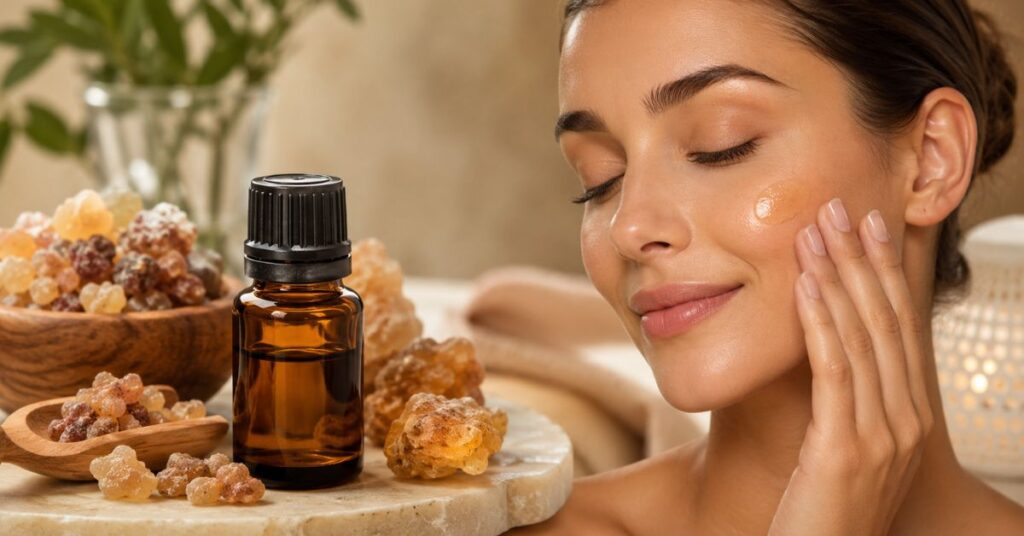
The application of myrrh essential oil for skin care represents one of the most celebrated usages of botanical extracts in history, supported today by modern cosmetic chemistry. For centuries, traditional preparations utilized raw Commiphora resins to condition the skin, soothe minor surface irritations, and protect the complexions of ancient royalty. Modern cosmetic scientists integrate steam-distilled myrrh essential oil and specialized resin extracts into high-performance serums, restorative balms, and night creams formulated for mature, dry, and environmentally stressed skin.
A primary reason for myrrh’s enduring presence in holistic dermatology is its concentrated chemical composition, rich in natural antioxidants and bioactive furanosesquiterpenes. These plant constituents help shield the skin barrier from environmental oxidation while supporting a balanced, radiant appearance. Because myrrh acts as a natural fixative and lipid-solubilizer, it integrates seamlessly with plant-derived carrier oils, creating potent synergy in custom facial oils and professional skincare formulations.
However, because pure essential oils are highly volatile and concentrated, proper cosmetic formulation and application standards are paramount. Undiluted myrrh must never be applied directly to the skin. Practicing precise carrier oil dilution and conducting standardized patch tests ensures you experience the cosmetic benefits of myrrh while safeguarding skin barrier integrity.
Anti-Aging Benefits
A major focus of myrrh essential oil benefits for skin centers on its potential to support mature complexions. Over time, intrinsic aging combined with extrinsic factors—such as solar ultraviolet radiation, urban pollution, psychological stress, and natural transepidermal water loss—leads to visible fine lines, structural loss of firmness, and persistent roughness. Incorporating antioxidant-rich botanical oils like myrrh into daily regimens helps counter these external stressors.
In vitro studies reveal that compounds such as curzerene and furanoeudesma-1,3-diene act as potent free-radical scavengers. By neutralizing unstable reactive oxygen species (ROS), these molecules help protect cellular lipids and dermal collagen structures from oxidative degradation. Consequently, consistent topical application of properly diluted myrrh oil helps maintain dermal elasticity and a youthful, smooth skin texture.
Additionally, myrrh exhibits mild natural astringent properties that help tone and refine mature skin surfaces. When combined with deeply hydrating carrier oils rich in essential fatty acids, myrrh helps fortify the lipid barrier, sealing in vital moisture and smoothing out the appearance of crepey skin.
Anti-Aging Dermal Mechanisms
- Delivers Free-Radical Scavenging: Neutralizes ROS generated by UV exposure and environmental pollution.
- Smooths Dermal Texture: Refines rough surface patches by reinforcing the skin’s natural moisture barrier.
- Protects Collagen Integrity: Inhibits oxidative stress pathways that contribute to premature skin sagging.
- Enhances Botanical Serums: Combines synergistically with frankincense, rosehip, and pomegranate seed oils.
While myrrh essential oil delivers robust topical support, it is not a medical cure for intrinsic biological aging. Rather, it functions as an exceptional botanical ingredient that complements broad-spectrum daily sun protection, adequate hydration, and a comprehensive dermatological routine.
Acne and Blemish Care
Beyond mature skin support, myrrh essential oil offers targeted utility for blemish-prone and congested skin types. Achieving clear skin requires maintaining a balanced cutaneous microbiome without stripping the skin’s delicate acid mantle, and myrrh’s innate antimicrobial profile makes it an intriguing subject in cosmetic research.
Microbiological testing indicates that active sesquiterpenes in myrrh help suppress opportunistic skin bacteria, including Cutibacterium acnes (formerly Propionibacterium acnes). Excess bacterial colonization combined with oxidized sebum creates localized inflammation, leading to breakout formation; myrrh helps keep surface pores clear and microbially balanced.
Furthermore, myrrh possesses pronounced soothing characteristics that help calm temporary skin redness and inflammation surrounding active blemishes. When properly diluted in non-comedogenic carrier oils, it delivers targeted cleansing without causing the extreme dryness or peeling often triggered by harsh synthetic treatments.
Actionable Blemish Care Steps
- Gentle Cleansing: Wash the face using a mild, pH-balanced cleanser to remove surface impurities.
- Precise Dilution: Blend 1 drop of myrrh essential oil with 1 teaspoon (5 mL) of a non-comedogenic carrier oil like jojoba.
- Targeted Application: Lightly press the oil mixture onto areas prone to congestion or occasional blemishes.
- Barrier Protection: Follow with a lightweight moisturizer to lock in hydration and preserve skin barrier function.
Myrrh essential oil serves as a gentle, complementary option for occasional breakouts, but it should not replace prescription dermatological treatments for severe cystic acne. Individuals with reactive skin should introduce myrrh gradually to monitor skin tolerance.
Dry and Sensitive Skin Support
Dry, compromised, and sensitive skin barriers require topical formulations that lock in hydration while minimizing inflammatory irritation. Myrrh essential oil is frequently selected for dry-skin formulations because its rich, resinous lipids pair harmoniously with heavy plant-based emollients.
When diluted in nourishing carrier oils, myrrh helps soothe chapped, weather-damaged skin surfaces. For example, combining myrrh with jojoba oil a liquid wax ester chemically similar to natural human sebum creates a lightweight, non-greasy facial oil that restores flexibility and reduces flaking.
Additionally, introducing myrrh into evening skincare rituals offers dual sensory benefits: its warm, grounding balsamic scent encourages mental relaxation while its lipid-soluble compounds nourish the skin overnight.
| Carrier Oil Companion | Phytochemical Profile | Primary Skincare Synergy |
| Jojoba Oil | Wax esters, Vitamin E, B-complex | Mimics natural sebum; lightweight moisture for all skin types |
| Argan Oil | High oleic & linoleic acids, Squalane | Deeply nourishes dry, mature, or weather-damaged skin |
| Rosehip Seed Oil | Essential fatty acids (Omega-3 & 6), Provitamin A | Promotes cellular regeneration and even skin tone |
| Pomegranate Seed Oil | Punicic acid (Omega-5), Polyphenols | Delivers intense antioxidant defense for compromised skin |
Safety Protocol for Sensitive Skin: Individuals with sensitive skin or a history of contact allergies must start at a ultra-low 0.5% dilution (1 drop per 10 mL of carrier oil) and conduct a 24-hour forearm patch test before applying the blend to facial skin. Never apply essential oils to open wounds, active eczema flare-ups, or broken skin.
Best Ways to Use Myrrh in Your Skincare Routine
Integrating myrrh essential oil into your personal care regimen requires an informed, methodical approach. Because essential oils are potent, applying higher concentrations does not yield better results; micro-dosing provides optimal cosmetic benefits while protecting the skin barrier.
Practical integration methods include:
- Custom Facial Oil Serums: Add 3 drops of myrrh essential oil to a 30 mL (1 oz) bottle of jojoba or rosehip oil for a daily evening restorative facial treatment.
- Enriched Body Balms & Lotions: Stir diluted myrrh oil into unfragranced body creams or shea butter salves to nourish severely dry elbows, knees, and heels.
- Targeted Cuticle & Nail Treatments: Blend myrrh with sweet almond oil and massage into dry nail beds and cuticles to strengthen surrounding skin tissue.
- Synergistic Botanical Blends: Combine myrrh with complementary essential oils such as frankincense, lavender, or sandalwood to multiply aromatic and skin-supportive benefits.
- Formulated Cosmetic Products: For precise dosing, choose professionally manufactured creams or serums containing standardized Commiphora myrrha resin extracts.
How to Use Myrrh Oil on Face Safely
Facial skin requires specialized care compared to the rest of the body due to its thinner epidermal layer and higher density of sensory nerve endings. Understanding how to use myrrh oil on face safely prevents accidental irritation or barrier disruption.
Follow this standard facial application protocol:
- Strict Dilution Control: Maintain a strict 0.5% to 1% dilution rate for facial applications (1 to 3 drops of essential oil per 10 mL of carrier oil).
- Cleanse Thoroughly: Apply the diluted blend to clean, slightly damp skin to enhance moisture absorption.
- Avoid Ocular Areas: Carefully avoid the immediate eye contour, eyelids, nostrils, and lips, as volatile vapors can cause stinging.
- Perform Pre-Screening: Always patch-test new mixtures on the lower jawline or inner arm before full facial application.
- Discontinue If Irritated: Wash the face immediately with a gentle cleanser if burning, itching, or redness occurs.
When incorporating myrrh into daytime routines, always finish with a broad-spectrum SPF 30+ sunscreen. Protecting the skin from solar radiation remains the most critical step in any effective anti-aging and skin-health strategy.
Best Essential Oils to Blend with Myrrh Essential Oil
Formulating custom essential oil blends allows you to combine complementary chemical profiles and create sophisticated, well-balanced fragrances. Because myrrh essential oil possesses a deep, earthy, warm, resinous, and slightly smoky profile, it acts as a premier base note in natural perfumery and therapeutic aromatherapy.
As a base note, myrrh anchors volatile top notes—such as citrus and light florals—slowing their evaporation rate and allowing the blend’s fragrance to persist over time. Beyond aroma, combining myrrh with complementary plant extracts leverages botanical synergy to optimize skincare, meditation, and massage applications.
Selecting ideal blending partners depends on your specific wellness target. Floral oils soften myrrh’s intense resinous edge, wood oils reinforce its grounding depth, and citrus oils provide an uplifting, energetic contrast. Regardless of the combination, all custom blends applied topically must follow strict carrier oil dilution guidelines.
Frankincense Essential Oil
Frankincense essential oil (Boswellia genus) represents the single most celebrated blending partner for myrrh. Both botanical resins originate from desert-adapted trees within the Burseraceae family and share thousands of years of parallel usage in sacred incense rituals, royal skincare, and traditional pharmacopeias.
Combining frankincense and myrrh yields a deep, resinous aroma characterized by warm, woody, and slightly sweet balsamic notes. Because both extracts are exceptionally rich in skin-supportive monoterpenes and sesquiterpenes, this combination serves as the gold standard for luxury facial oils and mature skin treatments.
The biological synergy between these two ancient resins explains the popularity of searching for myrrh and frankincense benefits. In aromatherapy, diffusing this classic combination fosters an atmosphere of deep tranquility, emotional balance, and spiritual grounding during meditation or breathwork practices.
Key Benefits of the Frankincense-Myrrh Synergy
- Delivers Dual Resin Chemistry: Combines boswellic acids and furanosesquiterpenes for comprehensive skin support.
- Anchors Meditative Practices: Creates a deeply grounding, sacred atmosphere that quietens mental tension.
- Enhances Anti-Aging Serums: Smooths fine lines and restores radiant luster to mature complexions.
- Provides Timeless Fragrance: Offers a rich, balsamic aroma with superior longevity.
Master Synergistic Facial Oil Recipe
- 1 oz (30 mL) Jojoba Oil or Argan Oil (Carrier Base)
- 3 drops Myrrh Essential Oil
- 3 drops Frankincense Essential Oil
- Application: Apply 3 to 4 drops onto cleansed facial skin every evening.
Lavender Essential Oil
Lavender essential oil (Lavandula angustifolia) provides a floral, herbaceous contrast that lightens the dense, heavy resin profile of myrrh. While myrrh delivers an earthy, grounding base note, lavender introduces a soft, calming middle note that yields a balanced, harmonious aroma.
This pairing is exceptionally effective in evening relaxation routines and sleep-supportive aromatherapy. Lavender’s high linalool and linalyl acetate content helps quiet an overactive nervous system, and when anchored by the grounding depth of myrrh, the resulting vapor promotes deep, restful sleep.
Topically, lavender and myrrh form a gentle, soothing team for reactive or stressed skin. Both oils are renowned for their ability to calm surface redness, making this blend a favorite for post-sun exposure salves and evening facial treatments.
Primary Applications for Myrrh & Lavender
- Bedtime Diffuser Blends: Promotes restorative sleep and eases daily stress.
- Soothing Massage Oils: Relieves tension in tight neck and shoulder muscles after long workdays.
- Calming Bath Rituals: Dilute in a carrier oil or Epsom salts for a grounding bath experience.
- Gentle Skin Balms: Soothes dry, wind-chapped skin and minor surface irritation.
Sandalwood Essential Oil
Sandalwood essential oil (Santalum album or Santalum spicatum) combines with myrrh to create an ultra-luxurious, woody fragrance profile revered in natural perfumery and holistic bodywork. Both oils possess slow-evaporating base-note characteristics, yielding an extraordinarily long-lasting scent.
Sandalwood contributes a creamy, smooth, soft-woody sweetness that mellows myrrh’s sharper, smoky resin notes. The resulting synergy feels sophisticated, warm, and deeply comforting to the senses.
Aromatherapists frequently utilize this combination during mindfulness, yoga, and meditation practices to encourage emotional stillness and mental clarity. Furthermore, sandalwood’s historic use in Ayurvedic skincare makes it an outstanding partner for hydrating dry, mature skin.
| Chemical Contribution | Myrrh Oil Contribution | Sandalwood Oil Contribution |
| Primary Molecules | Furanosesquiterpenes (Curzerene) | Santalols (alpha- & beta-santalol) |
| Aromatic Quality | Earthy, resinous, smoky, warm | Creamy, smooth, sweet-woody |
| Dermal Benefit | Antioxidant defense; astringent tone | Deep hydration; soothing barrier support |
| Aromatherapy Role | Grounding base note | Velvety middle-to-base binder |
Tea Tree Essential Oil
Tea tree essential oil (Melaleuca alternifolia) creates a crisp, medicinal contrast with myrrh, introducing a sharp, camphoraceous top note to myrrh’s warm resin base. This blend is formulated primarily for targeted, functional skincare applications—specifically for oily, congested, or blemish-prone complexions.
Tea tree oil is globally recognized for its powerful cleansing properties, dominated by the active constituent terpinen-4-ol. When combined with myrrh’s soothing sesquiterpenes, the blend delivers a dual-action approach: tea tree cleanses surface bacterial buildup while myrrh calms localized redness and supports tissue recovery.
Because both tea tree and myrrh are potent botanical extracts, careful carrier oil dilution is critical to prevent skin barrier dryness.
Recommended Blemish-Care Blend
- 1 oz (30 mL) Grapeseed Oil or Jojoba Oil
- 3 drops Tea Tree Essential Oil
- 3 drops Myrrh Essential Oil
- Usage: Dab lightly onto congested areas using a clean cotton swab after cleansing.
Sweet Orange Essential Oil
Sweet orange essential oil (Citrus sinensis) introduces a bright, cheerful, citrus top note that lifts and opens the heavy, dense aroma of myrrh. Citrus oils provide an immediate burst of aromatic energy, while myrrh grounds the blend, preventing the light citrus notes from dissipating rapidly.
This combination produces an inviting, spiced-citrus fragrance profile that is popular for home scenting, seasonal diffuser blends, and mood-boosting aromatherapy routines. Sweet orange’s rich limonene content works synergistically with myrrh’s sesquiterpenes to create an uplifting, stress-relieving environment.
When formulating topical blends with citrus oils, ensure you select cold-pressed, non-phototoxic citrus options or maintain safe dilution limits to avoid skin photosensitivity when exposed to sunlight.
Uplifting Ambient Diffuser Recipe
- 4 drops Sweet Orange Essential Oil
- 2 drops Myrrh Essential Oil
- 1 drop Frankincense Essential Oil
- Method: Add to an ultrasonic diffuser filled with clean water to refresh living spaces and elevate mood.
Myrrh Essential Oil Blending Guide
To simplify your custom formulation process, reference this quick-selection guide to pair myrrh essential oil with the ideal botanical partner for your specific objective:
| Blending Companion | Botanical Scent Profile | Primary Synergy Target | Recommended Note Ratio |
| Frankincense | Resinous, warm, balsamic, woody | Anti-aging skincare & deep meditation | 50% Myrrh / 50% Frankincense |
| Lavender | Soft, floral, herbaceous, fresh | Nighttime relaxation & skin soothing | 40% Myrrh / 60% Lavender |
| Sandalwood | Creamy, rich, velvety, smooth-woody | Luxury natural perfume & deep hydration | 50% Myrrh / 50% Sandalwood |
| Tea Tree | Sharp, fresh, camphoraceous, clean | Blemish control & pore cleansing | 30% Myrrh / 70% Tea Tree |
| Sweet Orange | Bright, sweet, sparkling citrus | Mood elevation & energetic space diffusion | 30% Myrrh / 70% Sweet Orange |
Mastering the art of blending myrrh essential oil enables you to customize functional skincare, natural perfumes, and therapeutic aromatherapy blends. By respecting proper dilution ratios and selecting complementary botanical profiles, you establish a safe, highly effective foundation for holistic personal care.
DIY Myrrh Essential Oil Recipes
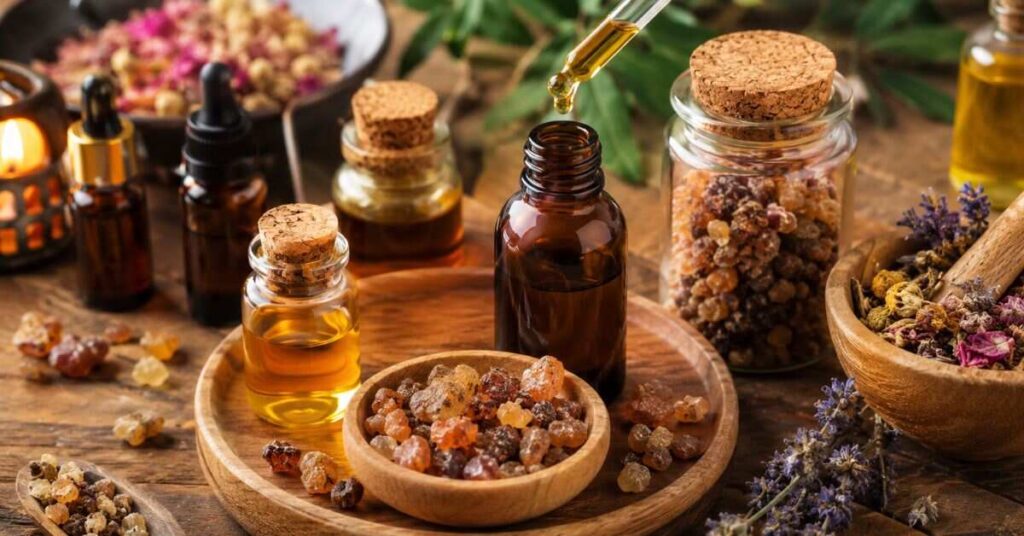
Formulating custom skincare preparations with myrrh essential oil allows cosmetic enthusiasts to harness the therapeutic potential of Commiphora myrrha while tailoring carrier matrices to specific skin types. Because myrrh features a heavy resinous consistency, high viscosity, and deep balsamic aromatic profile, it excels as an anchoring base note in topically applied serums, restorative body balms, and grounding diffuser blends.
Formulating essential oil recipes requires precise measurements based on dermal safety standards rather than informal drop counts. Pure essential oils consist of volatile organic compounds capable of crossing the stratum corneum; consequently, proper dilution in non-comedogenic botanical carriers prevents contact sensitization and protects skin barrier function.
These DIY formulations follow professional cosmetic dilution guidelines for topical application and spatial aromatherapy. Always store homemade preparations in amber or cobalt glass containers to prevent photo-degradation and chemical oxidation over time.
Anti-Aging Face Serum
This high-performance facial serum pairs the free-radical scavenging capacity of myrrh essential oil with nutrient-dense carrier lipids to fortify aging dermal matrices. As intrinsic cellular turnover slows, mature skin exhibits compromised lipid barrier function, accelerated collagen degradation, and heightened transepidermal water loss (TEWL).
The foundation utilizes jojoba oil a liquid wax ester chemically congruent with human sebum and rosehip seed oil, which is naturally abundant in all-trans retinoic acid (Provitamin A) and essential fatty acids (linoleic and alpha-linolenic acids). Together with frankincense and myrrh, this blend accelerates surface smoothing while providing deep dermal hydration.
| Ingredient | Volume / Count | Formulation Role | Comedogenic Rating |
| Jojoba Seed Oil | 15 mL (1 tbsp) | Sebum-mimicking lipid base | 2 (Low) |
| Rosehip Seed Oil | 15 mL (1 tbsp) | Provitamin A & fatty acid carrier | 1 (Very Low) |
| Myrrh Essential Oil | 2 drops (~0.3%) | Antioxidant & astringent active | N/A |
| Frankincense Essential Oil | 2 drops (~0.3%) | Monoterpene barrier support | N/A |
| Tocopherol (Vitamin E) Oil | 3 drops | Natural lipid antioxidant preservative | 1 (Very Low) |
Formulation Protocol
- Sanitize Equipment: Clean a 30 mL (1 oz) amber glass dropper bottle with 70% isopropyl alcohol and dry completely.
- Combine Carrier Base: Measure and pour 15 mL jojoba oil and 15 mL rosehip seed oil directly into the bottle.
- Incorporate Actives: Precision-drop 2 drops of myrrh, 2 drops of frankincense, and 3 drops of Vitamin E oil into the mixture.
- Homogenize: Cap securely and roll the bottle gently between warm palms for 60 seconds to integrate the lipids without introducing oxygen bubbles.
- Application Method: Press 3 to 4 drops onto cleansed, damp facial and neck skin every evening using gentle upward press-and-release motions.
Skin Repair Blend
Designed specifically for compromised, weather-damaged, or extremely dry focal areas such as cracked heels, rough elbows, and dehydrated hands this intensive body treatment delivers high-density moisture. Myrrh essential oil contains furanosesquiterpenes that promote localized skin comfort, making it an exceptional addition to targeted body balms.
The carrier architecture combines fractionated coconut oil (medium-chain triglycerides) for rapid penetration with calendula-infused oil (derived from Calendula officinalis flowers macerated in olive or sunflower oil). Calendula supplies soothing triterpenoid esters that synergize with myrrh to calm localized dermal redness.
Ingredients & Exact Metrics
- Fractionated Coconut Oil: 30 mL (2 tablespoons)
- Calendula-Infused Carrier Oil: 15 mL (1 tablespoon)
- Myrrh Essential Oil: 3 drops
- Lavender Essential Oil (Lavandula angustifolia): 2 drops
Preparation & Application Standards
- Mixing: Blend the carrier oils in a 50 mL glass pump container before adding essential oils. Invert gently 5 times to thoroughly blend.
- Target Application: Apply a small amount directly to dry, calloused, or environmentally stressed body skin up to twice daily.
- Safety Warning: Never apply this or any essential oil blend to open wounds, severe burn tissue, broken blisters, or active dermatological lesions.
Relaxing Diffuser Blend
Spatial inhalation of volatile aromatic compounds directly influences the limbic system—the emotional processing center of the brain. Myrrh essential oil functions as a rich base note in inhalation therapy, delivering grounding aromatics that balance faster-evaporating top and middle notes.
This blend pairs the heavy, balsamic warmth of myrrh with the linalool-rich floral notes of lavender and the bright, limonene-dense profile of sweet orange essential oil. The result is a sophisticated, multi-layered ambient fragrance that reduces stress responses without synthetic fixatives.
Top Note: Sweet Orange (4 drops) ──> Immediate bright, uplifting citrus release
Middle Note: Lavender (4 drops) ──> Calming herbaceous-floral heart
Base Note: Myrrh (3 drops) ──> Long-lasting warm, resinous anchor
Protocol for Safe Inhalation
- Water Reservoir Preparation: Fill an ultrasonic cold-mist diffuser with distilled water up to the fill line (typically 100 mL to 200 mL capacity).
- Oil Integration: Add 3 drops myrrh, 4 drops lavender, and 4 drops sweet orange directly to the water reservoir.
- Diffusion Cycle: Operate the diffuser in 30-to-60-minute intermittent cycles in well-ventilated living spaces.
- Safety Cautions: Cease diffusion if pets (especially cats), infants, or individuals with reactive airway diseases (such as asthma) display signs of sensitivity or discomfort.
Massage Oil Blend
Systemic body massage combines manual tissue manipulation with the physiological benefits of topical aromatherapy. Myrrh essential oil enhances massage treatments by delivering antioxidant sesquiterpenes through the epidermis while imparting an opulent, warming scent profile.
The carrier matrix utilizes sweet almond oil rich in oleic and linoleic acids which provides optimal “slip” and glide across large muscular groups without leaving an excessively tacky residue. Jojoba oil is added to adjust viscosity and improve absorption into cutaneous tissue.
Master Formulation Specifications
- Sweet Almond Oil: 30 mL (2 tablespoons)
- Jojoba Seed Oil: 15 mL (1 tablespoon)
- Myrrh Essential Oil: 3 drops
- Sandalwood Essential Oil (Santalum album): 2 drops
- Lavender Essential Oil: 2 drops
Execution & Safety Protocols
- Blending: Pour sweet almond oil and jojoba oil into a glass vessel. Carefully add the essential oil droplets and swirl for 30 seconds.
- Technique: Warm 1 teaspoon of the blended oil between hands before applying to shoulders, back, or legs using long, rhythmic effleurage strokes.
- Precautionary Boundary: Avoid application to mucosal membranes, sensitive inguinal areas, facial skin, or inflamed dermatological regions.
Important Safety Tips for DIY Myrrh Oil Recipes
While botanical ingredients offer profound cosmetic benefits, essential oils are highly concentrated chemical mixtures that require disciplined safety standards. Adhering to professional formulation guidelines eliminates the risk of irritant contact dermatitis and chemical sensitization.
- Enforce Precise Dilution Limits: Never exceed a 1% total essential oil dilution for facial applications (approximately 3 to 6 drops total per 30 mL/1 oz of carrier oil) or a 2% dilution for body products (12 drops per 30 mL).
- Conduct Standardized Patch Tests: Apply 2 drops of the final diluted blend onto the inner forearm or behind the ear. Cover with a bandage and observe for 24 hours. Discontinue use immediately if erythema (redness), edema, or pruritus (itching) develops.
- Prevent Oxidation & Photodegradation: Store all DIY formulations in dark amber, cobalt blue, or violet glass bottles. Keep containers tightly capped in a cool, dark environment away from direct sunlight to prevent lipid rancidity.
- Maintain Strict Labeling Practices: Affix a physical label on every glass container detailing the exact ingredient list, carrier oil type, dilution percentage, and preparation date. Discard unused DIY facial oil serums after 6 months.
- Prohibit Internal Ingestion: Essential oils must never be ingested orally. Internal administration can cause mucosal burning, systemic toxicity, and hepatic stress. Keep all preparations strictly out of reach of children and domestic animals.
Myrrh Essential Oil vs. Frankincense
Myrrh and frankincense represent the two most celebrated resinous botanical extracts in human history. Both have been continuously traded, formulated, and revered across the Mediterranean, Middle East, and Asia for over 5,000 years. Moreover, these ancient botanical extracts have maintained their cultural and therapeutic importance through generations. Additionally, both are derived from oleo-gum-resins of desert trees belonging to the Burseraceae family, which contributes to their unique chemical profiles. Furthermore, these valuable extracts remain highly appreciated today by cosmetic chemists, clinical aromatherapists, and natural perfumers because of their versatile aromatic and skincare applications. Therefore, the long-standing history and modern popularity of frankincense and myrrh demonstrate the enduring value of these desert tree resins in contemporary wellness and beauty formulations.
Despite their shared botanical lineage and historical synergy, myrrh and frankincense exhibit distinct chemical fingerprints, volatility profiles, aromatic notes, and targeted cutaneous mechanisms. Understanding these differences allows formulators to select the optimal resin extract for specific skin conditions and aromatic goals.
Key Differences
The primary distinctions between myrrh essential oil and frankincense essential oil stem from their specific genus origin, extraction chemistry, and volatile compound distribution.
Myrrh is steam-distilled from the dark, reddish-brown oleo-gum-resin of Commiphora myrrha (and related species like Commiphora erythraea). Chemically, myrrh oil is dominated by sesquiterpenes and furanosesquiterpenes heavier, 15-carbon molecular structures such as curzerene, furanoeudesma-1,3-diene, and lindestrene. These complex molecules grant myrrh its thick, viscous texture, deep amber color, and warm, smoky, balsamic, and earthy base note.
Conversely, frankincense is steam-distilled from the pale yellow, tear-shaped resins of Boswellia trees, predominantly Boswellia carterii, Boswellia frereana, and Boswellia serrata. Moreover, the extraction process preserves the delicate aromatic compounds responsible for frankincense’s distinctive scent profile. Additionally, the volatility of frankincense is driven by monoterpenes, which are lighter 10-carbon molecules such as alpha-pinene, limonene, and sabinene.
This lighter chemical architecture yields a pale, fluid oil with a crisp, fresh, citrus-like, woody, and resinous fragrance that functions as a middle-to-base note in perfumery.
COMMIPHORA MYRRHA (Myrrh) ──────> Sesquiterpene Dominant ──> Heavy Base Note (Smoky/Earthy)
BOSWELLIA CARTERII (Frankincense) ─> Monoterpene Dominant ──> Crisp Middle/Base Note (Citrus/Woody)
| Comparative Feature | Myrrh Essential Oil (Commiphora myrrha) | Frankincense Essential Oil (Boswellia carterii) |
| Botanical Family | Burseraceae | Burseraceae |
| Primary Chemical Class | Furanosesquiterpenes (e.g., Curzerene) | Alpha-Monoterpenes (e.g., Alpha-Pinene) |
| Aromatic Profile | Warm, earthy, balsamic, smoky, bitter-sweet | Crisp, woody, citrus-like, fresh, resinous |
| Viscosity & Color | High viscosity; dark amber/brown | Low to medium viscosity; pale yellow/clear |
| Perfumery Note | Deep, persistent Base Note | Versatile Middle to Base Note |
| Primary Skin Benefit | Soothes dry skin; astringent barrier repair | Smooths fine lines; supports cellular renewal |
| Primary Aromatherapy Target | Emotional grounding, stillness, deep comfort | Mental clarity, meditation, breath expansion |
Similarities
Despite their contrasting volatility profiles and chemical structures, myrrh and frankincense share profound biological and functional overlaps due to their common evolutionary origins in arid climates. Moreover, both botanical resins are produced by trees as a natural defensive mechanism to seal bark wounds and protect underlying plant tissue from pathogen attack.
Additionally, this protective function contributes to the development of valuable resin compounds that support their unique aromatic and botanical characteristics. Furthermore, both distilled oils possess natural antioxidant, antimicrobial, and skin-conditioning properties because of their rich chemical compositions. Therefore, understanding these shared characteristics highlights the important role of botanical resins in traditional wellness, skincare, and aromatherapy practices.
Laboratory assays confirm that both oils effectively neutralize reactive oxygen species (ROS), protecting cutaneous lipids from oxidative stress.
In clinical aromatherapy, both extracts exhibit pronounced grounding and calming properties. Moreover, when diffused or inhaled, both resins may help create a more peaceful aromatic environment. Additionally, these botanical extracts can support relaxation by encouraging slower breathing patterns and promoting a sense of emotional balance. Furthermore, during meditation or mindfulness practices, both resins are commonly used to enhance a calming atmosphere and improve overall mental focus. Therefore, the combined use of these grounding and calming properties makes frankincense and myrrh valuable choices for creating a balanced aromatherapy experience.
Core Shared Benefits
- Potent Antioxidant Capacity: Scavenges free radicals to combat premature environmental skin aging.
- Synergistic Formulation Compatibility: Blends seamlessly into carrier lipid matrices and natural cosmetics.
- Aromatherapeutic Grounding: Quietens nervous tension and enhances contemplative practices.
- Historic Dermatological Heritage: Proven track record in conditioning dry, mature, and weather-damaged skin.
Which One Should You Choose?
Selecting between myrrh and frankincense depends entirely on your specific cosmetic formulation targets, aromatic preferences, and therapeutic objectives. Neither oil is inherently superior; rather, they serve distinct roles within holistic skincare and aromatherapy. Moreover, each oil offers unique properties that make it suitable for different personal care and wellness applications. Additionally, frankincense is often valued for its lighter aromatic profile, while myrrh provides a deeper and more grounding scent experience.
Furthermore, choosing between these oils depends on individual preferences, skincare goals, and desired aromatic effects. Therefore, understanding their differences helps users select the most appropriate option for their specific needs and create a balanced holistic skincare and aromatherapy routine.
Select Myrrh Essential Oil For:
- Intense Moisture & Dry Barrier Support: Formulating thick balms or serums for dehydrated, cracked, or weather-damaged skin.
- Fixative Base Notes in Natural Perfumery: Requiring a heavy, warm, smoky anchor that slows the evaporation of lighter top notes.
- Targeted Blemish & Pore Care: Utilizing natural astringent and antimicrobial sesquiterpenes to soothe surface redness.
- Grounding Nighttime Aromatherapy: Creating a deeply comforting, quiet atmosphere for evening relaxation.
Select Frankincense Essential Oil For:
- Mature Skin Renewal Serums: Supporting cellular turnover, improving elasticity, and smoothing fine surface lines.
- Uplifting & Mindful Aromatherapy: Enhancing morning yoga, meditation, or breathwork routines with a crisp, resinous scent.
- Versatile Daily Skincare: Formulating lightweight daytime moisturizers that absorb rapidly without heavy residual scent.
- Broad Synergy Blending: Creating balanced essential oil mixtures with citrus, floral, and herbaceous companions.
For optimal therapeutic and cosmetic results, combine both essential oils in equal ratios. Blending frankincense and myrrh unifies the light, citrus-resin brightness of Boswellia with the deep, grounding, sesquiterpene richness of Commiphora, producing a timeless, scientifically balanced botanical synergy for skin health and emotional wellness.
How to Choose the Best Myrrh Essential Oil
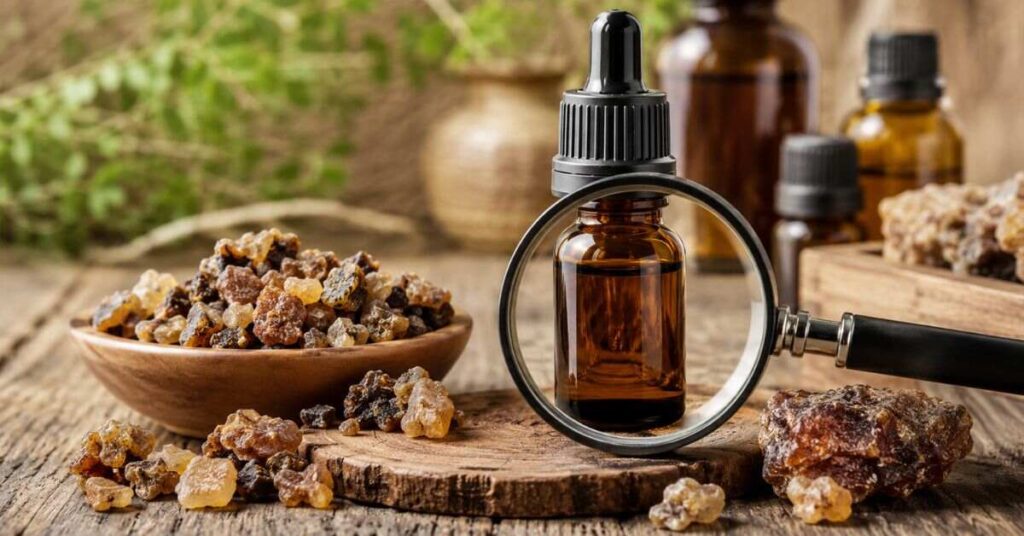
Selecting a high-grade myrrh essential oil requires evaluating botanical authenticity, distillation standards, analytical testing, and supply-chain transparency. The global essential oil market contains numerous adulterated, synthetic, or diluted products labeled as pure. Choosing an authentic, therapeutic-grade extract ensures safety and predictable results in skincare and clinical aromatherapy.
Authentic myrrh essential oil is distilled directly from the oleo-gum-resin of Commiphora myrrha (or related species such as Commiphora erythraea). Moreover, this traditional extraction process helps preserve the natural aromatic profile and valuable botanical constituents of the resin. Additionally, premium oils feature a complex chemical distribution dominated by bioactive furan sesquiterpenes, specifically curzerene, furanoeudesma-1,3-diene, and lindestrene. Furthermore, these naturally occurring compounds contribute to the distinctive aroma, stability, and unique characteristics of genuine myrrh essential oil. Therefore, understanding the origin, extraction process, and bioactive furan sesquiterpenes helps consumers identify high-quality myrrh essential oil.
Responsible manufacturers provide batch-specific documentation, clear geographical sourcing, and verifiable laboratory testing to prove purity.
Because essential oils pass through the epidermal layer and enter systemic pathways through inhalation or topical absorption, purity is paramount. Adulterated or improperly stored oils can trigger contact allergies, barrier disruption, or oxidative skin damage. Checking key technical parameters empowers you to select an unadulterated product tailored to your specific formulation needs.
Purity Checklist
Verifying the purity of myrrh essential oil requires scrutinizing the product packaging and technical documentation provided by the distributor. Reputable essential oil companies clearly state that the bottle contains 100% pure Commiphora myrrha resin oil, free from synthetic diluents, artificial fixatives, or solvent residues.
The product label must display the exact botanical Latin binomial (Commiphora myrrha). Generic labeling such as “Myrrh Fragrance Oil” or “Myrrh Scented Oil” indicates synthetic aromatic chemical compounds that lack the bioactive properties of real resin extracts. Moreover, these products are typically designed to imitate the aroma of myrrh rather than provide the natural constituents found in authentic essential oils.
Additionally, synthetic fragrance blends may not contain the same therapeutic compounds associated with genuine myrrh resin extracts. Furthermore, carefully reading product labels helps consumers differentiate between artificial fragrances and true botanical oils. Therefore, selecting products with clear sourcing information and authentic real resin extracts is important for achieving the desired aromatic and skincare benefits of myrrh essential oil.
| Quality Metric | Premium Oil Standard | Low-Grade / Adulterated Marker |
| Botanical Binomial | Clearly states Commiphora myrrha | Uses generic term “Myrrh Oil” or “Perfume Oil” |
| Extraction Process | Low-pressure steam distillation of resin | Solvent extraction with hexane/petroleum residues |
| Analytical Testing | Batch-specific GC/MS report available | No chemical analysis or third-party verification |
| Ingredient Integrity | 100% Commiphora myrrha oil | Contains caprylic/capric triglycerides or dipropylene glycol |
| Organoleptic Scent | Viscous amber oil; warm, smoky, balsamic | Thin liquid; harsh, chemical, or perfume-like scent |
| Protection Packaging | Dark amber or cobalt blue glass bottle | Clear glass or plastic containers |
Reputable suppliers avoid making illegal medical claims that frame myrrh as a cure for acute skin diseases. Transparency regarding wild-crafting practices, sustainable tapping of Commiphora trees, and verifiable chemical purity reflects true commitment to product quality.
Organic vs. Conventional
Choosing between organic and conventional myrrh essential oil involves understanding resin harvesting methods, environmental sustainability, and chemical safety. Commiphora trees thrive primarily in wild, arid regions across the Horn of Africa (Somalia, Ethiopia) and the Arabian Peninsula.
Certified organic myrrh essential oil is harvested from trees grown in unpolluted ecosystems without synthetic pesticides, herbicides, or chemical fertilizers. Organic certification guarantees that the land and tapping processes follow strict environmental sustainability guidelines, protecting fragile desert soils from over-exploitation.
Conventional myrrh essential oil harvested from wild-crafted trees can offer similar chemical purity and cosmetic performance when the producer follows ethical harvesting practices and applies strict third-party testing. Moreover, responsibly sourced wild-crafted myrrh can maintain excellent quality while supporting sustainable collection methods. Additionally, proper quality control procedures help verify the oil’s authenticity, purity, and overall effectiveness.
Furthermore, independent laboratory testing provides greater confidence by confirming the presence of desired botanical compounds and reducing the risk of contamination. Therefore, choosing a trusted producer with transparent sourcing and third-party testing standards is essential for obtaining high-quality myrrh essential oil.
An organic certification seal alone does not compensate for poor steam distillation techniques or lack of chemical analysis.
| Criteria | Certified Organic Myrrh Oil | Wild-Crafted / Conventional Myrrh Oil |
| Sourcing Environment | Certified organic farmland or protected wild areas | Wild desert trees (Commiphora forests) |
| Synthetic Pesticide Exposure | Zero synthetic chemical exposure | Minimal to zero (due to harsh desert habitats) |
| Price Point | Premium cost due to certification auditing | More accessible price point |
| Chemical Composition | Dictated by climate, soil, and distillation | Dictated by climate, soil, and distillation |
| Best Suited For | Organic-focused brands & sensitive skin | Cost-conscious formulators seeking high purity |
Evaluating batch-specific testing results remains the most reliable way to assess quality. A fully tested, unadulterated conventional oil is always superior to an unverified organic product that lacks chemical documentation.
Packaging and Storage
Preserving the chemical integrity of myrrh essential oil requires specialized packaging materials. The volatile sesquiterpenes in resin-derived oils undergo molecular degradation when exposed to ultraviolet light, thermal fluctuation, and atmospheric oxygen.
High-grade myrrh essential oil must be packaged in dark amber, cobalt blue, or violet glass bottles. Glass is chemically inert, preventing the oil from reacting with its container. Dark glass blocks harmful UV rays that trigger photo-oxidation, preserving aromatic depth and chemical stability.
Never purchase or store essential oils in:
- Clear Glass Containers: Allows ultraviolet rays to degrade volatile sesquiterpenes.
- Plastic Bottles (PET/HDPE): Essential oils dissolve plasticizers over time, contaminating the oil.
- Containers with Rubber Dropper Tops Attached: Volatile vapors deteriorate rubber bulbs, leaching synthetic compounds into the oil.
To maximize shelf life at home, store bottles in a cool, dark cabinet maintained below 20°C (68°F). Keep the bottle cap tightly sealed immediately after use to minimize oxidation caused by air exposure.
Shelf Life
Because myrrh essential oil consists primarily of heavy, stable sesquiterpenes and furanosesquiterpenes, it exhibits an exceptionally long shelf life compared to monoterpene-rich citrus or pine oils. Moreover, these naturally stable compounds help protect the oil’s chemical structure and maintain its aromatic qualities for extended periods.
Additionally, when stored correctly in airtight amber glass away from heat sources, high-quality myrrh oil remains stable for 3 to 5 years. Furthermore, proper storage conditions allow the oil to preserve its potency, while its viscosity and aromatic depth may improve gradually over time. Therefore, maintaining suitable storage practices is essential for maximizing the shelf life and overall quality of myrrh essential oil.
As myrrh ages, its volatile lighter fractions evaporate, yielding a thicker resinous oil with a smoother balsamic profile.
Clear indicators of myrrh oil degradation include:
- A rancid, sour, or uncharacteristically sharp chemical odor.
- Excessive cloudiness or sediment precipitation inside the bottle.
- Significant loss of aromatic intensity.
- Increased skin reactivity or burning sensations during topical application due to oxidized chemical components.
Inspecting aged oils through organoleptic evaluation (scent and clarity checks) ensures that your myrrh oil remains safe and effective for topical applications.
Buying Tips for High-Quality Myrrh Essential Oil
Follow these technical guidelines when evaluating myrrh essential oil brands:
- Demand GC/MS Reports: Confirm the vendor provides Gas Chromatography/Mass Spectrometry analysis to verify active curzerene and furanoeudesma-1,3-diene levels.
- Verify Botanical Nomenclature: Ensure the bottle specifies Commiphora myrrha or Commiphora erythraea.
- Check Extraction Methods: Select steam-distilled resin extracts rather than solvent-extracted concretes or resinoids diluted with heavy chemicals. Moreover, choosing the right extraction method helps preserve the natural qualities and purity of myrrh essential oil. Additionally, steam distillation supports the production of a cleaner botanical extract with a more authentic aromatic profile. Furthermore, avoiding heavily processed alternatives reduces the chance of unwanted additives affecting the final product. Therefore, carefully reviewing extraction methods is an important step when purchasing high-quality myrrh essential oil.
- Avoid Unrealistic Bargains: Pure resin distillation requires significant botanical raw material; extremely low prices signal synthetic dilution.
- Inspect Packaging Standards: Purchase only oils sealed in dark glass containers with tamper-evident, orifice-reducing caps.
- Avoid Fragrance Oils: Never substitute synthetic “myrrh fragrance oils” for genuine essential oils in skincare or aromatherapy applications.
Myrrh Essential Oil Safety and Side Effects
While myrrh essential oil offers significant cosmetic and aromatherapeutic benefits, enforcing safety standards protects skin health and overall well-being. Moreover, essential oils are highly concentrated botanical chemicals that can cause cutaneous irritation, contact allergy, or systemic interactions when misused.
Additionally, following proper dilution practices and responsible application methods helps minimize potential risks. Furthermore, myrrh essential oil is generally well-tolerated by adult skin when properly diluted in non-comedogenic carrier oils. Therefore, maintaining appropriate safety measures allows users to enjoy the benefits of myrrh essential oil while supporting healthier and more effective usage.
Individual sensitivity varies based on skin barrier integrity, underlying medical conditions, concurrent medication use, and dosage concentration.
Understanding proper dilution math, conducting patch tests, and respecting medical contraindications helps prevent adverse dermatological reactions while ensuring a rewarding wellness experience. Moreover, following accurate dilution guidelines allows users to apply myrrh essential oil more safely and effectively. Additionally, performing regular patch tests helps identify possible skin sensitivities before wider application. Furthermore, considering medical contraindications is essential because individual health conditions can influence how the body responds to essential oils. Therefore, practicing responsible usage methods supports better skin protection and creates a more beneficial wellness experience with myrrh essential oil.
Proper Dilution Guidelines
Undiluted application of myrrh essential oil (neat application) increases the risk of irritant contact dermatitis, localized erythema, and epidermal sensitization. Diluting essential oils in fatty plant lipids slows their absorption rate, reduces evaporation, and protects the stratum corneum.
Recommended dermal dilution rates for adults:
| Application Target | Target Concentration | Drops per 10 mL Carrier Oil | Primary Intended Use |
| Facial Application | 0.5% to 1.0% | 1 to 3 drops | Daily serums, eye oils, sensitive skin |
| General Body Care | 1.0% to 2.0% | 3 to 6 drops | Body lotions, chest rubs, hand creams |
| Targeted Application | 2.0% to 3.0% | 6 to 9 drops | Short-term spot care for dry elbows/heels |
| Relaxation Massage | 1.0% to 1.5% | 3 to 4 drops | Full-body massage therapy |
Ideal carrier oil pairings include jojoba oil for balanced facial hydration, rosehip seed oil for aging skin support, sweet almond oil for body massage, and squalane for compromised skin barriers.
Patch Testing
A standardized patch test identifies potential localized contact allergies before incorporating myrrh essential oil into a daily routine. Moreover, this simple safety step helps users detect possible skin sensitivity before regular application. Additionally, performing a patch test allows individuals to understand how their skin responds to the essential oil blend. Furthermore, this preventive approach reduces the likelihood of unexpected irritation and supports a safer skincare routine. Therefore, a proper patch test remains an important practice for anyone planning to use myrrh essential oil topically.
Step-by-step patch test protocol:
- Prepare the Test Blend: Mix 1 drop of myrrh essential oil with 1 teaspoon (5 mL) of your chosen carrier oil (a 1% dilution).
- Apply to Test Site: Apply 2 to 3 drops of the mixture to a clean patch of skin on the inner forearm or upper inner arm.
- Cover and Monitor: Cover the area with a bandage and leave it undisturbed for 24 hours.
- Evaluate Skin Response: Remove the bandage and inspect the site for redness, itching, swelling, burning, or vesicular eruption.
- Action Plan: If any irritation develops, immediately wash the affected area with a mild cleanser and carrier oil, and then discontinue use. Moreover, stopping application promptly helps reduce further skin discomfort and supports safer essential oil practices. Additionally, if no reaction occurs after proper testing, the blend may be considered suitable for general topical use. Furthermore, conducting a careful patch test beforehand allows users to identify potential sensitivity and avoid unwanted reactions. Therefore, following this action plan ensures a more responsible approach to using myrrh essential oil while protecting skin health.
Pregnancy and Breastfeeding
Myrrh essential oil is contraindicated during pregnancy
Moreover, toxicological data and traditional usage indicate that certain bioactive constituents in myrrh, particularly furanosesquiterpenes, may possess emmenagogue and uterine-stimulating properties. Additionally, ingesting or absorbing high concentrations of myrrh may stimulate uterine activity, which can create potential concerns during gestation. Furthermore, because pregnancy involves increased sensitivity to certain botanical compounds, extra caution is necessary when considering essential oil use. Therefore, pregnant individuals should avoid myrrh essential oil unless a qualified healthcare professional provides specific guidance.
Breastfeeding individuals should avoid applying myrrh oil to the chest, torso, or arm areas to prevent the infant from accidentally ingesting or inhaling the oil. Consult a certified clinical aromatherapist or obstetrician before using myrrh preparations during lactation.
Children and Pets
Young children and domestic animals process volatile organic compounds differently because of their smaller body mass, immature liver metabolic enzymes, and thinner epidermal layers. Moreover, these biological differences can increase their sensitivity to concentrated essential oil compounds.
Additionally, extra caution is necessary because children and pets may respond differently compared with healthy adults. Furthermore, avoiding direct exposure and following proper safety guidelines can help reduce potential risks. Therefore, careful consideration is essential before using myrrh essential oil around young children or domestic animals.
- Pediatric Safety: Avoid applying myrrh essential oil to infants under 2 years of age. For children aged 2 to 10, limit topical application to a maximum dilution of 0.25% to 0.5% under expert guidance. Never apply essential oil blends near a child’s face, nostrils, or eyes.
- Veterinary Safety: Cats lack essential glucuronidation liver enzymes needed to metabolize sesquiterpenes and monoterpenes. Diffusing concentrated myrrh oil in enclosed spaces can lead to respiratory distress or systemic toxicity in felines and small dogs. Ensure rooms are well-ventilated and allow pets to leave diffusion spaces freely.
Drug Interactions
Extensive topical application or accidental ingestion of myrrh essential oil may interact with specific pharmaceuticals:
- Anticoagulants & Antiplatelets: Myrrh compounds may exert mild circulatory effects, potentially enhancing the bleeding risk associated with blood thinners like warfarin or aspirin.
- Antidiabetic Medications: In vitro studies indicate myrrh extracts may influence blood glucose levels, potentially compounding the effects of insulin or oral hypoglycemic agents.
- CYP450 Substrates: Hepatic metabolic pathways processing pharmaceutical drugs can be affected by concentrated sesquiterpenes, altering drug absorption and clearance rates.
Individuals managing chronic medical conditions or scheduled for surgical procedures should consult their physician before using myrrh oil therapeutic preparations. Moreover, professional medical guidance helps determine whether myrrh oil is suitable for their specific health circumstances. Additionally, discussing essential oil use with a healthcare provider can help prevent possible complications or interactions. Furthermore, individuals should share complete information about their current treatments and health conditions before starting any new botanical preparation. Therefore, consulting a qualified physician beforehand supports a safer and more informed approach to using myrrh oil.
Who Should Avoid Myrrh Essential Oil?
Exercise heightened caution or completely avoid myrrh essential oil if you fall into any of the following profiles. Moreover, understanding these precautions can help prevent unnecessary risks and support safer essential oil use. Additionally, individuals with specific health considerations should carefully review safety recommendations before application. Furthermore, consulting a qualified healthcare professional is recommended when uncertainty exists about using myrrh essential oil. Therefore, following these precautionary steps allows users to make more informed and responsible choices.
- Pregnant or Nursing Women: High risk of uterine stimulation and potential infant exposure.
- Infants and Young Children: Elevated risk of dermal sensitization and respiratory distress.
- Individuals on Blood Thinners or Antidiabetic Drugs: Potential metabolic and physiological interactions.
- People with Active Dermatitis or Open Wounds: Heightened risk of chemical irritation and barrier compromise.
- Individuals with Known Burseraceae Resin Allergies: Risk of allergic contact dermatitis.
Discontinue use immediately if you experience hives, facial swelling, breathing difficulty, persistent skin burning, or dizziness after exposure. Moreover, seeking medical advice promptly is important because these symptoms may indicate an adverse reaction. Additionally, monitoring your body’s response after using essential oils can help identify potential sensitivity early. Furthermore, avoiding further exposure until professional guidance is received supports safer wellness practices. Therefore, taking quick action and recognizing warning signs plays an important role in maintaining overall safety.
Important Safety Practices
Safeguard your wellness routine by following these essential safety standards. Moreover, these guidelines help ensure a more responsible and balanced approach to essential oil use. Additionally, by applying proper safety measures, users can reduce unnecessary risks and support better results. Furthermore, careful attention to recommended practices allows you to enjoy myrrh essential oil with greater confidence. Therefore, following these essential safety standards is an important step toward maintaining a safe and effective wellness routine.
- Always Dilute: Never apply pure essential oil directly to cutaneous tissue.
- Strictly External Use: Never ingest essential oils orally; internal consumption risks mucosal injury and organ toxicity.
- Protect Sensitive Mucous Membranes: Keep oil mixtures away from eyes, ears, nostrils, and internal body cavity areas.
- Maintain Childproof Storage: Store essential oil bottles locked away from children and pets.
- Practice Intermittent Diffusion: Limit ultrasonic diffusion cycles to 30–60 minutes in well-ventilated areas.
Conclusion
Myrrh essential oil remains one of the most remarkable botanical extracts in holistic personal care, bridging ancient resin traditions with modern dermatological science. Distilled from the oleo-gum-resin of Commiphora trees, myrrh provides a concentrated source of protective furanosesquiterpenes, delivering potent antioxidant, astringent, and skin-soothing benefits. Whether incorporated into anti-aging facial serums, dry barrier repair balms, or grounding meditative diffuser blends, this versatile resin oil continues to offer exceptional therapeutic value.
Maximizing the benefits of myrrh oil for skin and aromatherapy requires a disciplined, safety-first approach. Selecting high-grade oils verified by GC/MS testing ensures freedom from synthetic diluents and chemical pollutants. By respecting proper carrier oil dilution ratios, conducting routine forearm patch tests, and adhering to contraindication guidelines, users can support a safer experience. Moreover, following these safety practices helps reduce potential skin reactions and improves responsible essential oil use. Additionally, special attention should be given to pregnancy and pediatric care because these groups may require extra precautions. Furthermore, when formulated responsibly, myrrh essential oil can elevate daily self-care into a luxury botanical ritual. Therefore, careful preparation and mindful application allow users to enjoy the aromatic benefits of myrrh essential oil more effectively.
By unifying precise chemical dilution standards with complementary partner oils like frankincense, lavender, and sandalwood, you can harness the enduring therapeutic power of this ancient resin to support radiant skin health and emotional balance.
FAQs
What is myrrh essential oil used for?
Myrrh essential oil is utilized in advanced skincare, clinical aromatherapy, natural perfumery, and therapeutic massage formulations. Distilled from Commiphora myrrha tree resin, it contains bioactive furanosesquiterpenes that deliver potent antioxidant, astringent, and skin-soothing benefits.
Primary applications include:
- Anti-Aging Skincare: Smooths fine lines, tones mature skin, and fortifies the lipid barrier.
- Dry Skin Repair: Calms chapped, rough, or weather-damaged epidermal tissue.
- Meditative Aromatherapy: Fosters deep emotional grounding and quietude during mindfulness practices.
- Natural Perfumery: Acts as an amber base note and fixative that anchors lighter top notes.
Is myrrh essential oil good for skin?
Yes, myrrh essential oil is an exceptional botanical active for skincare, particularly for dry, mature, or environmentally stressed complexions. Moreover, its naturally occurring compounds help support a nourishing skincare routine when used correctly. Additionally, myrrh essential oil provides a rich aromatic profile that complements many botanical formulations.
Furthermore, because of its traditional use in skin care practices, it remains a popular choice for those seeking plant-based ingredients. Therefore, myrrh essential oil can be a valuable addition to skincare blends when properly diluted and applied with care.Its rich antioxidant profile neutralizes reactive oxygen species (ROS), protecting collagen structures from premature degradation caused by UV exposure and pollution.
Dermatological benefits include:
- Lipid Barrier Support: Seals in hydration when blended with fatty carrier oils like jojoba or argan.
- Skin Surface Toning: Mild astringent properties refine rough dermal texture.
- Blemish Calming: Soothes localized redness associated with occasional breakouts without stripping the skin’s acid mantle.
Can you apply myrrh essential oil directly?
No, applying pure myrrh essential oil directly to the skin without dilution (neat application) is not recommended. Essential oils are concentrated botanical chemical mixtures; therefore, they can trigger irritant contact dermatitis, burning, or allergic sensitization when applied undiluted. Moreover, because these oils contain highly active natural compounds, they require careful handling and proper dilution before topical use.
Additionally, myrrh essential oil should always be diluted in a non-comedogenic carrier oil such as jojoba, rosehip seed, or sweet almond oil to support safer application. Furthermore, maintaining a 0.5% to 1.0% dilution for facial use (1 to 3 drops per 10 mL) helps reduce the risk of skin irritation. Similarly, a dilution of up to 2.0% for body applications (6 drops per 10 mL) provides a more suitable concentration. Therefore, following proper dilution guidelines is essential for protecting the skin while using myrrh essential oil.
What essential oils blend well with myrrh?
Because myrrh essential oil possesses a heavy, warm, resinous, and smoky base note, it blends exceptionally well with oils across multiple olfactory families. Moreover, this rich aroma creates a balanced foundation when combined with lighter and fresher essential oils. Additionally, myrrh pairs beautifully with floral, citrus, woody, and spicy notes because it adds depth and improves the overall fragrance profile. Furthermore, these combinations allow myrrh essential oil to enhance both traditional and modern aromatic blends. Therefore, its versatile character makes it a valuable base note for creating complex, long-lasting essential oil compositions.
| Partner Essential Oil | Scent Compatibility | Formulation Synergy |
| Frankincense | Resinous, balsamic, woody | Premier anti-aging & meditative blend |
| Lavender | Soft, floral, herbaceous | Calming evening skincare & sleep support |
| Sandalwood | Creamy, smooth, velvety wood | Luxurious natural perfume & deep moisture |
| Sweet Orange | Bright, sparkling citrus | Uplifting, energetic home diffusion |
| Tea Tree | Sharp, fresh, medicinal | Targeted cleansing for blemish-prone skin |
Is myrrh essential oil safe during pregnancy?
No, myrrh essential oil is generally not recommended during pregnancy. Moreover, pregnant individuals should avoid using myrrh essential oil unless a qualified healthcare professional provides specific guidance. Additionally, myrrh contains naturally active compounds that may require extra caution during this sensitive period. Therefore, it is important to consult an obstetrician or certified clinical aromatherapist before considering its use. Furthermore, professional advice helps ensure safer decisions and reduces potential risks associated with essential oil use during pregnancy. Active sesquiterpene compounds in myrrh exhibit emmenagogue properties that can stimulate blood flow to the pelvic region and potentially induce uterine contractions.
Pregnant and nursing individuals should avoid using myrrh essential oil topically or internally. Always consult an obstetrician or certified clinical aromatherapist before introducing new botanical extracts during pregnancy. Moreover, professional guidance helps ensure safer choices because pregnancy can increase sensitivity to certain natural compounds. Additionally, qualified experts can provide personalized recommendations based on individual needs and circumstances. Therefore, seeking advice beforehand is an important step for maintaining safety while using botanical extracts during pregnancy.
How should myrrh essential oil be stored?
Store myrrh essential oil in a tightly sealed, dark amber or cobalt blue glass bottle to protect its delicate aromatic compounds from UV degradation. Keep the container in a cool, dry, dark cabinet away from direct sunlight, ambient moisture, and heat sources.
When stored under optimal conditions (below 20°C/68°F), high-quality myrrh oil remains chemically stable and effective for 3 to 5 years. Moreover, proper storage conditions help preserve its natural compounds and maintain its overall quality. Additionally, keeping myrrh oil away from heat, light, and moisture further extends its usable life. Therefore, careful storage plays an important role in protecting the oil’s aroma, potency, and effectiveness over time.
What are the benefits of frankincense and myrrh together?
Combining frankincense (Boswellia carterii) and myrrh (Commiphora myrrha) creates a powerful resin synergy that people have revered since antiquity. Moreover, this combination offers a unique chemical balance because frankincense contributes lighter, monoterpene-rich notes, including alpha-pinene, which support cellular renewal. In addition, myrrh provides heavier antioxidant sesquiterpenes that help protect against free-radical damage. Furthermore, these two resins work together to create a complementary blend where frankincense delivers a fresh, uplifting aroma, while myrrh adds depth, warmth, and grounding properties. Therefore, the combination of frankincense and myrrh remains popular in traditional wellness practices because their compounds provide a balanced aromatic and antioxidant profile.
Topical and aromatherapeutic benefits of the pairing:
- Superior Anti-Aging Synergy: Delivers comprehensive antioxidant defense for mature skin.
- Balanced Aromatic Profile: Frankincense’s citrus-woody brightness lightens myrrh’s smoky resin depth.
- Deep Emotional Grounding: Slows breathing and reduces stress during meditation.
What is the magical use of myrrh?
Historically, myrrh held sacred and symbolic importance across ancient Egyptian, Greek, Roman, and Middle Eastern civilizations. It was utilized in temple incense, sacred anointing oils, purification rites, and embalming ceremonies to symbolize spiritual protection, purification, and solar energy.
In modern holistic practices, myrrh aroma is incorporated into mindfulness routines, energy-cleansing rituals, and meditation sessions to promote emotional stability, spiritual grounding, and an atmosphere of peaceful contemplation.
Who should not use myrrh?
The following individuals should avoid using myrrh essential oil unless cleared by a qualified medical professional:
- Pregnant or Breastfeeding Women: Due to potential uterine stimulation risks.
- Infants and Young Children: Due to delicate skin and undeveloped metabolic pathways.
- People on Anticoagulant or Antidiabetic Medications: Due to potential systemic interactions.
- Individuals with Known Resin Allergies: Risk of severe allergic contact dermatitis.
What is the best way to use myrrh?
The optimal application method depends on your wellness objective:
- For Facial Skincare: Dilute 2 drops of myrrh essential oil in 1 tablespoon of jojoba or rosehip seed oil and press gently into cleansed skin every evening.
- For Meditative Diffusion: Add 3 drops of myrrh, 3 drops of frankincense, and 2 drops of sweet orange oil to an ultrasonic water diffuser for a grounding ambient atmosphere.
- For Body Care: Mix 6 drops of myrrh into 30 mL of sweet almond oil for a warming, restorative massage treatment on dry body areas.