Introduction
Imagine capturing the invigorating, warm aroma of a freshly brewed cup of morning coffee and turning it into a powerful, plant-based skin and wellness serum. That is exactly what coffee essential oil brings to the table. Beyond its irresistible fragrance, this concentrated botanical extract is fast becoming a holy grail ingredient in modern skincare, hair care, aromatherapy, and natural perfumery.
Unlike synthetic coffee fragrance oils or basic infused carrier oils, genuine coffee essential oil contains powerful antioxidants, essential fatty acids, and natural aromatic compounds. Moreover, these valuable components help make coffee essential oil a popular choice for skincare, haircare, and aromatherapy applications. In addition, its rich botanical properties can support the appearance of refreshed skin, healthier-looking hair, and balanced essential oil blends.
Furthermore, coffee essential oil offers a unique aroma that makes it ideal for creating customized fragrance combinations. Therefore, many natural wellness enthusiasts use this versatile oil to develop personalized beauty routines and aromatic experiences. Whether you want to revitalize tired-looking skin, stimulate hair care routines, or create bespoke essential oil blends, coffee essential oil provides a natural and effective option.
However, navigating the market can be tricky. Many consumers often confuse pure coffee essential oil with coffee seed oil, coffee CO₂ extract, or artificial fragrances each having vastly different chemical profiles, price points, and skin applications.
What You Will Learn in This Guide
To help you make informed and safe decisions, this complete guide covers:
- Key Benefits: How coffee essential oil for skin and hair really works (backed by plant science).
- Extraction Methods: The difference between cold-pressed seed oil, steam distillation, and CO₂ extraction.
- Practical Uses: Easy DIY recipes for daily skincare, hair growth serums, and aromatherapy blends.
- Safety & Side Effects: Dilution ratios, patch test guidelines, and caffeine absorption facts.
- Buying & Pricing: How to spot 100% pure oil, standard pricing trends, and where to source authentic coffee essential oil in Pakistan and globally.
Whether you are a professional cosmetic formulator or a natural beauty enthusiast searching for the ultimate natural glow, keep reading to unlock the full potential of coffee essential oil.
What Is Coffee Essential Oil?

What Is Coffee Essential Oil?
Coffee essential oil is a highly aromatic botanical extract obtained from roasted or, in some cases, green coffee beans through specialized extraction techniques such as steam distillation or supercritical carbon dioxide (CO₂) extraction. Unlike brewed coffee, which primarily delivers flavor and caffeine in water, this concentrated oil captures the bean’s complex aromatic molecules in a potent liquid form that is especially valued for fragrance, cosmetic, and wellness applications.
The oil possesses a warm, roasted aroma with naturally sweet, nutty, chocolate-like, and slightly caramelized notes. Because of this rich scent profile, it has become a sought-after ingredient in luxury skincare products, artisan soaps, scented candles, massage blends, and fine natural perfumes. Furthermore, many formulators combine coffee essential oil with citrus, vanilla, spice, floral, and woody oils to create sophisticated fragrance compositions.
Beyond its distinctive aroma, coffee essential oil contains naturally occurring volatile compounds and antioxidants that contribute to its growing popularity in personal care products. Although research into coffee-derived aromatic extracts continues to expand, many cosmetic manufacturers value the oil for its ability to enhance product fragrance while supporting formulations designed for healthy-looking skin and hair.
Importantly, coffee essential oil is intended primarily for external applications. It should never be confused with edible coffee extracts or culinary flavorings unless a product is specifically manufactured and clearly labeled for food use. Reputable producers also recommend proper dilution before applying the oil to the skin because concentrated botanical extracts can cause irritation when used undiluted.
As demand for premium botanical ingredients continues to rise worldwide, coffee essential oil has earned a respected place among specialty aromatic oils. Its luxurious scent, natural origin, and versatility make it appealing to both experienced formulators and individuals seeking unique plant-based ingredients for everyday wellness products.
How Coffee Essential Oil Is Different from Coffee Seed Oil and Coffee CO₂ Extract
Many people assume that every coffee-derived oil is identical. However, coffee essential oil, coffee seed oil, and coffee CO₂ extract are created through different extraction methods. As a result, each product has a unique chemical profile, aroma strength, texture, and purpose.
Although all three come from coffee beans, they serve completely different roles. Some are designed to capture the rich coffee fragrance, while others focus on skin nourishment and cosmetic benefits. Understanding these differences helps you choose the right coffee-based ingredient for your formulation, skincare routine, or fragrance project.
Coffee Essential Oil: Designed for Aroma and Fragrance
Coffee essential oil primarily focuses on capturing the bean’s natural volatile aromatic compounds. Therefore, it is valued for its deep, warm, and recognizable coffee scent rather than its moisturizing properties.
Because of its powerful aroma, coffee essential oil offers a rich fragrance that aromatherapists, perfumers, candle makers, soap creators, and cosmetic brands use in their products.
Moreover, its rich scent profile makes it a popular choice for creating comforting and luxurious blends.
Unlike carrier oils, coffee essential oil is highly concentrated. Consequently, it is usually used in small amounts and often requires proper dilution before topical application.
Coffee Seed Oil: A Nourishing Oil for Skin and Hair
In contrast, coffee seed oil is generally extracted from green coffee beans through cold pressing. Instead of focusing on aromatic compounds, this oil preserves beneficial fatty acids, phytosterols, tocopherols, and skin-conditioning lipids.
Therefore, skincare and haircare brands use coffee seed oil in many formulations. They add it to facial oils, anti-aging serums, moisturizers, lip products, and hair treatments because its lightweight texture and nourishing properties help support healthy-looking skin and hair.
Additionally, coffee seed oil provides a smoother feel compared with essential oils. For this reason, it is often selected as a carrier oil that supports hydration and improves the overall texture of cosmetic products.
Coffee CO₂ Extract: A Premium Coffee Aroma Ingredient
Meanwhile, coffee CO₂ extract is produced through supercritical carbon dioxide extraction, an advanced method that uses carbon dioxide under controlled pressure and temperature conditions.
This process helps preserve a broader range of aromatic compounds while reducing heat-related damage. As a result, coffee CO₂ extract often delivers a richer and more realistic aroma that closely resembles freshly roasted coffee beans.
Furthermore, many luxury fragrance brands and cosmetic laboratories prefer CO₂ extracts because they provide excellent aromatic depth, natural complexity, and better stability compared with some traditional extraction methods.
Coffee Fragrance Oil vs Coffee Essential Oil
Another product commonly confused with coffee essential oil is coffee fragrance oil. However, these two ingredients are very different.
Coffee fragrance oils are often created with synthetic aroma compounds or combinations of natural and synthetic ingredients. Although they can successfully reproduce the smell of coffee, they do not contain the same botanical components found in authentic coffee essential oil or coffee CO₂ extract.
Therefore, fragrance oils are mainly chosen for candles, soaps, room sprays, and home fragrance products. On the other hand, natural coffee extracts are preferred for applications where botanical authenticity and natural composition are important.
Coffee Essential Oil vs Coffee Seed Oil vs Coffee CO₂ Extract: Comparison Table
| Feature | Coffee Essential Oil | Coffee Seed Oil | Coffee CO₂ Extract |
|---|---|---|---|
| Primary purpose | Aromatic applications | Skin nourishment | Premium aroma and cosmetic use |
| Main extraction method | Steam distillation or specialized extraction | Cold pressing | Supercritical CO₂ extraction |
| Aroma intensity | Strong coffee fragrance | Mild aroma | Rich, authentic roasted coffee aroma |
| Fatty acid content | Low | High | Moderate |
| Best uses | Perfumes, soaps, candles, aromatherapy | Serums, creams, facial oils, hair products | Luxury cosmetics and natural fragrances |
| Texture | Lightweight concentrated extract | Smooth carrier oil | Thick aromatic extract |
How to Choose the Right Coffee-Derived Product
Choosing between coffee essential oil, coffee seed oil, and coffee CO₂ extract depends on your intended use. If your goal is to create a strong coffee fragrance, coffee essential oil or CO₂ extract may be the better option.
However, if you want hydration, nourishment, or skin-conditioning benefits, coffee seed oil is usually more suitable. Meanwhile, coffee CO₂ extract works well for premium formulations where a realistic roasted coffee aroma is required.
Ultimately, understanding these differences helps you select the correct ingredient, improve product quality, and create more effective skincare, fragrance, and cosmetic formulations.
Where Coffee Essential Oil Comes From
Coffee essential oil originates from the seeds of coffee cherries produced by evergreen plants belonging to the Coffea genus. These plants thrive in tropical environments near the equator, where consistent rainfall, stable temperatures, and nutrient-dense volcanic soil create optimal conditions for cultivation.
Key coffee-producing regions include:
- South America: Brazil, Colombia, Peru
- Central America: Honduras, Costa Rica, Guatemala
- Africa: Ethiopia, Kenya
- Asia: Vietnam, Indonesia, India
Coffee Essential Oil Extraction Process
- Coffee Cherry Harvesting
- Fruit Pulp Removal
- Bean Selection
- Controlled Roasting
- Botanical Extraction
Each geographic region imparts distinct environmental characteristics to the harvested crop. Factors like altitude, rainfall patterns, microclimates, and post-harvest processing methods directly influence the bean’s chemical matrix and aromatic profile.
Following the harvest, growers remove the fruit pulp to isolate the inner seeds. Processors then decide whether to extract compounds from raw green beans or roasted beans. Roasting triggers complex thermal reactions such as the Maillard reaction and caramelization that generate hundreds of volatile aromatic molecules. This process yields the characteristic warm, roasted, and comforting scent associated with premium coffee extracts.
Master extractors manage every step of production. They monitor roasting temperatures, select specific bean grades, and optimize extraction parameters to protect delicate aromatic molecules. This rigorous quality control ensures batch-to-batch consistency and high fragrance stability for cosmetic and perfumery applications. Furthermore, leading suppliers partner with sustainable, ethically managed farms that prioritize environmental stewardship and fair trade agricultural practices.
Coffee Essential Oil Plant Profile
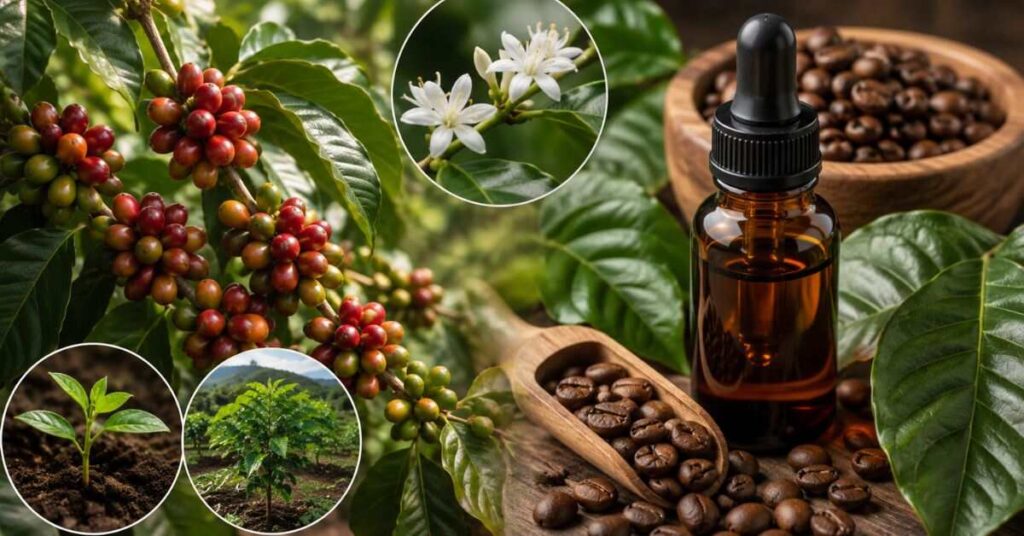
Understanding the botanical profile of the Coffea plant provides critical context regarding the oil’s quality, aromatic depth, and chemical performance. Species selection, soil chemistry, altitude, and harvesting techniques directly dictate the final extract’s purity and fragrance profile.
Coffea Genus (Rubiaceae)
- Coffea arabica: Smooth, sweet, chocolate-like aroma.
- Coffea canephora / Robusta: Bold, earthy, woody aroma.
Botanical Name
The primary botanical source for coffee essential oil is Coffea arabica, though manufacturers occasionally extract oil from Coffea canephora (commonly known as Robusta). The botanical name on a product label validates the plant species and confirms product authenticity, distinguishing pure botanical extracts from synthetic alternatives or diluted blends.
- Coffea arabica: Widely considered the gold standard for specialty extracts. Grown at higher altitudes, Arabica beans produce a refined, well-balanced aroma featuring warm roasted notes with subtle undertones of dark chocolate, caramel, and toasted nuts. High-end cosmetic formulators and natural perfumers prefer Arabica for its smooth olfactory profile.
- Coffea canephora (Robusta): Thrives at lower elevations and yields a stronger, bolder aroma with distinct earthy and woody notes. While raw Robusta beans contain higher caffeine levels, extractors select this species primarily for its robust, deep scent profile rather than its caffeine content.
Verifying the exact botanical name ensures formulators receive predictable performance, authentic scent characteristics, and complete supply-chain traceability.
Plant Family
The Coffea genus belongs to the Rubiaceae family, a massive botanical family encompassing over 13,000 flowering plant species. Members of this family are recognized for producing complex secondary metabolites and rich bioactive compounds.
In their natural environment, coffee plants grow as evergreen shrubs or small trees featuring glossy dark-green leaves, fragrant white flowers, and fleshy coffee cherries. Each cherry houses two seeds (beans). During bean development and thermal processing, these seeds synthesize a dense array of volatile organic compounds, including pyrazines, furans, and esters, which give coffee essential oil its distinctive aroma and functional versatility.
Coffee Species Used for Extraction
While botanists have identified over 120 coffee species, commercial extraction focuses almost exclusively on Arabica and Robusta due to their reliable yield and established aromatic performance.
- Arabica: Represents the majority of global cultivation. High-altitude growing conditions delay fruit maturation, allowing complex organic compounds to accumulate inside the seed. This slow development produces a nuanced, luxury fragrance profile.
- Robusta: Demonstrates high resilience against harsh weather and pests. It yields a heavier, sharper aromatic profile, making it a valuable addition to masculine fragrance blends, artisan soaps, and room fragrancing products requiring strong throw.
Plant Parts Used for Extraction
The seed (bean) inside the coffee cherry serves as the sole raw material for high-grade coffee essential oil. These seeds contain the lipid-bound volatiles required for stable extraction.
- Green Coffee Beans: Yield a lighter, herbaceous, and slightly tart aroma.
- Roasted Coffee Beans: Produce the classic, full-bodied, warm coffee scent through thermal transformation.
While coffee flowers and leaves contain volatile compounds, commercial extractors rarely use them because they lack the signature roasted aroma profile that consumers and formulators demand. Selecting undamaged, fully matured beans remains the most critical factor in producing a high-performance, premium coffee essential oil.
History of Coffee Essential Oil
The journey of coffee essential oil originates from the deep cultural history of the Coffea plant. For centuries, civilizations valued coffee primarily as a stimulating beverage and a ceremonial crop. However, modern botanical extraction techniques transformed this staple agricultural commodity into a concentrated, aromatic oil prized across fragrance, skincare, and wellness industries.
Traditional Uses of Coffee
Coffee cultivation began in the highlands of Ethiopia, where local communities consumed raw coffee cherries and leaves for energy. By the fifteenth century, coffee cultivation spread across the Arabian Peninsula. Scholars, monks, and traders relied on brewed coffee to enhance mental focus and endurance during long night prayers and study sessions.
Beyond consumption, traditional communities recognized the topical and environmental benefits of coffee:
- Topical Applications: Traditional beauty practices utilized finely ground coffee mixed with natural lipids to exfoliate the skin and reduce surface puffiness.
- Aromatherapy Practices: Roasted coffee beans were burned in homes and public spaces to clear lingering odors and create a warm, inviting atmosphere.
- Medicinal Uses: Early herbalists used concentrated coffee brews topically to soothe minor skin irritations due to its natural astringent properties.
These traditional practices highlighted coffee’s aromatic and cosmetic potential long before modern laboratories isolated its specific chemical compounds.
Evolution into Modern Essential Oil
During the late twentieth century, advances in extraction science allowed researchers to isolate volatile aromatic molecules from roasted coffee beans. Perfumers quickly adopted coffee extracts to add warm, gourmand notes to luxury scents. Shortly after, the cosmetic industry began incorporating coffee-derived oils into anti-aging serums, eye creams, and body scrubs due to their rich profile of antioxidants, pyrazines, and fatty acids.
Today, coffee essential oil bridges the gap between historical agricultural traditions and modern cosmetic science.
How Coffee Essential Oil Is Made

Producing high-grade coffee essential oil requires precise temperature control, expert bean selection, and specialized extraction machinery. Unlike water-based coffee brewing, which extracts soluble flavor compounds for drinking, essential oil manufacturing isolates lipid-soluble volatile organic compounds that dictate fragrance and topical performance.
Coffee Essential Oil Production Steps
- Farm Harvest
- Pulp & Dry
- Roast Beans
- Extraction
- Lab Testing
Coffee Bean Cultivation and Harvesting
High-quality oil begins with superior agricultural practices. Coffea arabica and Coffea canephora (Robusta) plants require tropical climates, high altitudes, and well-draining, nutrient-rich volcanic soil.
- Cultivation: Arabica plants grow at high elevations (1,000–2,000 meters), developing complex aromatic precursors. Robusta plants grow at lower altitudes, producing higher caffeine levels and bolder, earthier volatiles.
- Harvesting: Farmers hand-pick fully ripened coffee cherries. Unripe or overripe cherries introduce sour or rancid off-notes into the final oil profile.
- Processing: Workers remove the outer fruit pulp, wash the seeds, and sun-dry them until moisture levels reach roughly 10–12%.
- Roasting: Controlled thermal roasting triggers the Maillard reaction, developing hundreds of volatile pyrazines, furans, and esters that create the signature warm coffee scent.
Coffee Essential Oil Extraction Methods
Manufacturers select specific extraction methods based on the target application, whether for aromatherapy, perfumery, or functional skincare.
Coffee Extraction Technologies
- Cold Pressing: Yields moisturizing lipids and fatty acids ideal for skincare.
- CO2 Extraction: Yields a pure, heat-free, and highly authentic aromatic profile.
- Solvent Extraction: Yields a dense, highly concentrated absolute for fine perfumery.
Cold Pressing (Coffee Seed Oil)
Cold pressing involves mechanical pressure applied to raw green or lightly roasted coffee beans. This process yields a thick, lipid-rich carrier oil abundant in linoleic acid, oleic acid, and phytosterols.
- Best Used For: Facial serums, moisturizers, and hair treatments requiring deep hydration rather than intense fragrance.
Supercritical CO2 Extraction
Supercritical carbon dioxide (CO2) extraction uses pressurized CO2 gas in a liquid state to dissolve and extract aromatic molecules. Because this process operates at low temperatures without chemical solvents, it protects heat-sensitive compounds.
- Best Used For: Premium aromatherapy, high-end skincare, and luxury natural fragrances requiring an authentic roasted coffee scent.
Solvent Extraction (Coffee Absolute)
Solvent extraction utilizes food-grade solvents (like hexane or ethanol) to extract heavy aromatic resins from roasted beans, producing a thick liquid known as an absolute.
- Best Used For: Fine perfumery and candle formulation where extreme aroma concentration and long-lasting tenacity are required.
Comparative Extraction Overview
| Extraction Method | Target Material | Primary Output | Main Industry Application |
| Cold Pressing | Green Coffee Seeds | Lipid-rich fixed oil | Skincare & Hair Serums |
| CO2 Extraction | Roasted Coffee Beans | Pure volatile extract | Aromatherapy & Fine Cosmetics |
| Solvent Extraction | Roasted Coffee Beans | Concentrated Absolute | Fine Perfumery & Candles |
Selecting the correct extraction technique ensures formulators receive the specific balance of aromatic intensity, skin-penetrating lipids, and chemical stability needed for their final product.
Read More:https://pureoilshub.com/balsam-fir-essential-oil/
Coffee Essential Oil Chemical Composition
The distinct aroma and functional properties of coffee essential oil stem directly from its complex chemical matrix. Raw and roasted coffee beans contain hundreds of natural volatile organic compounds that evolve during cultivation, roasting, and extraction. These constituents interact synergistically to yield a warm, roasted, caramel-like, and comforting scent profile widely used in perfumery, skincare, and aromatherapy.
Several factors dictate the final chemical composition:
- Species Selection: Coffea arabica yields a smoother, ester-rich aromatic profile, while Coffea canephora (Robusta) produces higher concentrations of pungent pyrazines and earthy volatile phenols.
- Roasting Parameters: Thermal processing converts raw precursors into volatile aroma compounds through the Maillard reaction and caramelization.
- Extraction Technology: Supercritical CO₂ extraction preserves delicate, heat-sensitive molecules better than steam distillation or solvent extraction.
Major Active Compounds
The primary chemical constituents dictate the stability, fragrance depth, and cosmetic functionality of coffee extracts.
- Pyrazines: Formed during roasting, these heterocyclic nitrogen compounds produce the signature roasted, toasted, and nutty notes of freshly brewed coffee.
- Furans and Furanones: Thermal degradation of carbohydrates during roasting generates furans, which contribute sweet, caramel-like, and maple-like nuances.
- Aldehydes and Ketones: Volatile carbonyl compounds add fresh, fruity, and creamy top notes that balance heavier roasted aroma components.
- Phenolic Compounds: Guaiacol and vinylguaiacol add smoky, woody, and spicy undertones while providing structural stability to the oil matrix.
- Caffeine: Water-soluble caffeine remains largely absent or present in trace amounts within steam-distilled or CO₂-extracted essential oils, as it does not readily vaporize during volatile isolation.
- Chlorogenic Acids: Predominant in green coffee extracts, these polyphenols offer potent free-radical scavenging properties but are largely degraded during heavy roasting.
Natural Antioxidants
Coffee seeds contain dense concentrations of protective bioactive molecules. In topical formulations, these antioxidants neutralize environmental free radicals, helping reduce oxidative stress on the skin.
- Polyphenols: Plant-derived compounds that defend dermal layers against premature aging caused by UV exposure and environmental pollution.
- Tocopherols (Vitamin E): Lipid-soluble antioxidants present in cold-pressed coffee seed oils that support membrane integrity and extend product shelf life.
- Melanoidins: High-molecular-weight nitrogenous polymers created during roasting that display strong antioxidant and antimicrobial activity.
Note: Consumers must distinguish between coffee essential oil (high in volatile fragrance compounds) and cold-pressed green coffee seed oil (high in essential fatty acids like linoleic acid and skin-nourishing lipids).
Aroma Compounds
The memorable olfactory experience of coffee extract involves hundreds of volatile trace molecules working in balance:
- Furfuryl Alcohol: Delivers warm, sweet, roasted notes.
- Guaiacol: Imparts deep, smoky, and woodsy characteristics.
- Sulfur Compounds (Methanethiol): Present in trace parts-per-million, providing authentic, fresh-coffee realism.
- Esters: Provide soft, fruity, and floral top-note nuances.
Chemical Constituents of Coffee Essential Oil
| Chemical Group | Aromatic Role | Primary Function |
| Pyrazines | Deep roasted, toasted nut | Core olfactory identity |
| Furans | Sweet caramel, burnt sugar | Gourmand warmth |
| Phenols | Smoky, spicy, woodsy | Depth and oxidation resistance |
| Aldehydes | Fresh, subtle green notes | Top-note balance |
| Esters | Light fruity undertones | Fragrance complexity |
| Terpenes | Fresh herbaceous nuances | Blend harmonization |
Purchasing pure, unadulterated extracts from reputable suppliers ensures batch consistency, full analytical traceability (GC-MS testing), and reliable formulation results.
Coffee Essential Oil Properties
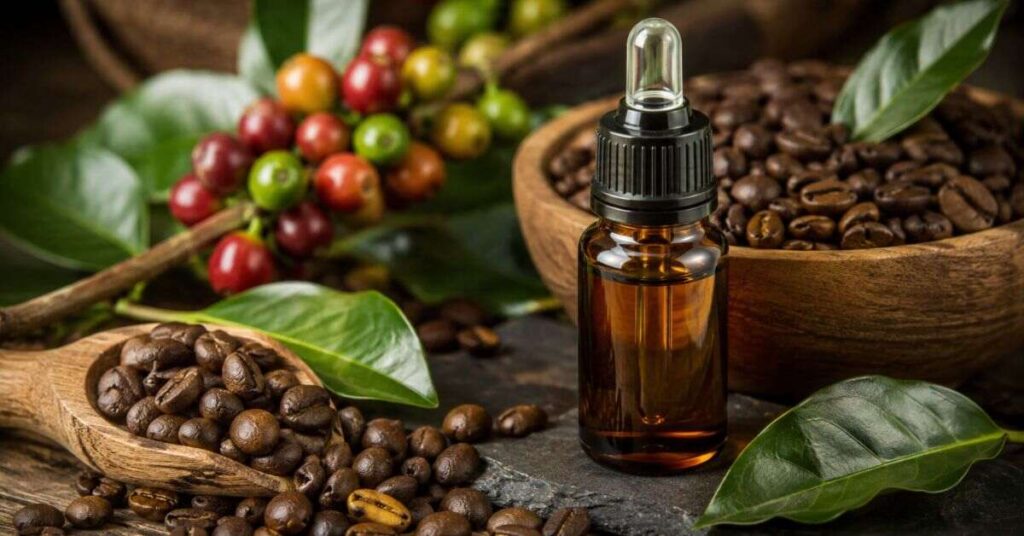
Physical and sensory properties dictate how coffee essential oil behaves in cosmetic bases, candle waxes, and alcohol-based perfumes. Variations in bean sourcing, thermal processing, and extraction tech create noticeable differences in visual clarity, viscosity, and scent persistence.
Color and Appearance
High-grade coffee essential oil ranges from a clear golden-amber to a deep dark mahogany brown.
- Arabica vs. Robusta: Arabica yields lighter, golden-hued extracts, whereas Robusta often produces darker, richer coloration.
- Roast Level: Dark-roasted beans yield deeper brown extracts due to higher concentrations of melanoidins formed during heating.
- Extraction Type: CO₂ extracts maintain a clear, amber-viscous consistency, while solvent-extracted absolutes appear dark brown to semi-solid.
Pure extracts should remain free of suspended particulate matter, cloudiness, or phase separation at room temperature.
Aroma Profile
The olfactory profile of pure coffee essential oil features a complex, multi-layered structure rather than a single synthetic note.
- Top Notes: Bright, warm, caramelized sweetness with subtle fruity hints.
- Heart Notes: Rich roasted coffee bean, dark cocoa, and toasted hazelnut.
- Base Notes: Deep, earthy, slightly smoky woodiness that persists on skin and paper strips.
This complex structure makes coffee oil an outstanding natural ingredient for gourmand, woody, and amber perfume compositions.
Consistency
Coffee essential oil exhibits higher viscosity than citrus or herbaceous essential oils due to its dense molecular weight and heavy aromatic compounds.
- Temperature Sensitivity: Warm conditions lower viscosity, allowing easy pouring. Cold temperatures cause the oil to thicken significantly.
- Formulation Guidelines: Formulators should warm thick coffee absolutes or CO₂ extracts slightly before blending with carrier oils or alcohol bases.
- Topical Application: Always dilute concentrated coffee essential oil in a suitable lipid base (such as jojoba or rosehip oil) before skin application to prevent localized irritation.
Perfumery Note
In natural perfumery, coffee essential oil serves primarily as a base note to middle-base note.
- Fixative Qualities: Heavy pyrazines and phenolic compounds slow the evaporation rate of lighter top notes, extending overall fragrance longevity.
- Blending Partners: Pairs exceptionally well with vanilla, sandalwood, cedarwood, bergamot, sweet orange, cinnamon, and frankincense.
- Gourmand Accents: Adds authentic warmth, richness, and luxury depth to unisex, masculine, and oriental scent profiles.
Aroma Strength
Pure coffee essential oil possesses medium to high odor intensity.
Because volatile pyrazines are highly detectable by human olfactory receptors even at low concentrations, formulators require very small usage rates (often 0.1% to 1.0% in finished formulations). A small quantity provides sufficient scent throw in candle making, soap crafting, and fine cosmetics without overpowering complementary aromatic notes.
Coffee Essential Oil Benefits
The growing popularity of coffee essential oil comes from its unique aroma, botanical compounds, and wide range of applications in personal care and wellness products. While coffee is traditionally recognized as a popular beverage, its aromatic extract has gained attention in skincare, hair care, massage, and aromatherapy because of its rich fragrance and naturally occurring compounds.
The benefits of coffee essential oil are closely connected to its chemical profile and method of extraction. High-quality extracts contain aromatic molecules and plant-based compounds that make them valuable in cosmetic and fragrance formulations. However, it is important to understand that essential oils work differently from medicines, and their benefits mainly relate to sensory experiences, cosmetic support, and overall wellness routines.
Furthermore, the quality of the product plays a major role in performance. Pure, properly extracted coffee essential oil offers a more authentic aroma and better formulation potential compared with synthetic coffee fragrances. When used correctly and safely, it can become a valuable addition to natural beauty routines and aromatic practices.
Coffee Essential Oil Benefits for Skin
One of the most discussed applications of coffee essential oil is its use in skincare formulations. The warm coffee aroma makes it a popular ingredient in natural beauty products, while its plant compounds contribute to its appeal among cosmetic creators. Many skincare enthusiasts use coffee-derived ingredients because they are associated with antioxidant support and a refreshed skin appearance.
Coffee essential oil may support skincare routines in several ways:
- Provides antioxidant support: Coffee contains naturally occurring antioxidant compounds that help protect ingredients from oxidative stress. These properties make coffee-derived extracts attractive for cosmetic formulations designed to support healthy-looking skin.
- Enhances skin appearance: The rich aroma and botanical profile of coffee essential oil allow it to be used in luxurious skincare products such as body oils, creams, and aromatic blends.
- Creates a refreshing sensory experience: The deep coffee fragrance can make skincare routines feel more relaxing and enjoyable.
- Supports massage blends: When properly diluted with a carrier oil, coffee essential oil can be incorporated into massage products to provide both aroma and a pleasant application experience.
For those interested in coffee essential oil for skin, proper dilution is essential. Because concentrated essential oils can be strong, they should not usually be applied directly to the skin. Instead, they are commonly mixed with carrier oils such as jojoba oil, sweet almond oil, or fractionated coconut oil.
Moreover, users should perform a patch test before applying any new essential oil blend. Individual skin sensitivity varies, and even natural ingredients can cause irritation in some people.
Coffee Essential Oil Benefits for Hair
The use of coffee-based ingredients in hair care has become increasingly popular because consumers are searching for natural alternatives that support healthy-looking hair. Although research specifically focused on coffee essential oil for hair is still developing, its aromatic qualities and botanical composition make it a valuable ingredient in hair care products.
Coffee essential oil may contribute to hair care routines through:
- Scalp-friendly aromatic care: When diluted properly, the oil can be included in scalp massage blends to create a refreshing and relaxing experience.
- Natural fragrance enhancement: Its warm roasted scent can improve the aroma of homemade hair oils, masks, and conditioning treatments.
- Antioxidant properties: Coffee-derived compounds may help protect cosmetic formulations from oxidation, supporting product quality.
- Luxury hair treatments: Many natural beauty brands include coffee extracts in premium hair products because of their appealing botanical image and distinctive fragrance.
Additionally, coffee essential oil blends well with other hair-friendly oils, including rosemary, lavender, cedarwood, and peppermint. These combinations allow formulators to create customized aromatic hair treatments while maintaining a balanced scent profile.
However, coffee essential oil should always be diluted before use on the scalp or hair. Applying concentrated essential oils directly may increase the risk of irritation, especially for people with sensitive skin.
Coffee Essential Oil for Aromatherapy
Aromatherapy is one of the most popular uses of coffee essential oil because fragrance strongly influences mood, atmosphere, and emotional experiences. The familiar smell of coffee is often associated with comfort, energy, focus, and positive memories, making it a favorite choice for home fragrance and relaxation environments.
When used in aromatherapy, coffee essential oil may help create:
- A comforting atmosphere: The warm roasted aroma can make spaces feel cozy and inviting.
- A stimulating environment: Many people enjoy coffee fragrance during work or study sessions because the scent is associated with alertness and productivity.
- A relaxing sensory experience: Although coffee is commonly linked with energy, its rich aroma can also create feelings of warmth and emotional comfort.
- A luxurious home fragrance: Coffee essential oil adds depth to diffuser blends, candles, and natural room sprays.
Furthermore, coffee essential oil combines well with refreshing and calming oils. For example, blending it with orange creates a bright coffee-citrus aroma, while combining it with vanilla or sandalwood creates a warm dessert-like fragrance.
Although aromatherapy can support emotional well-being, it should complement healthy lifestyle habits rather than replace professional medical care. The effects of essential oil aromas can vary between individuals based on personal preferences and experiences.
Coffee Essential Oil Antioxidant Benefits
Coffee plants naturally contain antioxidant compounds, which contribute to the popularity of coffee-derived ingredients in cosmetic and wellness industries. These compounds help protect the plant against environmental stress and contribute to the overall value of coffee extracts.
The antioxidant-related benefits of coffee essential oil include:
- Supporting ingredient protection: Antioxidant compounds can help protect cosmetic formulations from oxidation.
- Improving product appeal: Natural antioxidant-rich ingredients are increasingly valued by consumers seeking plant-based beauty products.
- Supporting healthy-looking skin: Coffee-derived compounds are often included in skincare products designed to maintain a youthful and refreshed appearance.
- Enhancing botanical value: The presence of natural compounds increases the appeal of coffee extracts in premium cosmetic formulations.
However, it is important to distinguish between coffee essential oil and coffee seed oil. Coffee seed oil usually contains higher amounts of fatty acids and lipid-based compounds because it is produced through pressing methods. On the other hand, coffee essential oil mainly focuses on aromatic compounds.
Therefore, choosing the correct coffee-derived product depends on the intended purpose. For fragrance and aromatherapy, coffee essential oil is usually preferred, while coffee seed oil may be more suitable for moisturizing skincare applications.
Coffee Essential Oil for Massage
Coffee essential oil can add a unique aromatic element to massage routines when used safely and correctly. Its deep, comforting fragrance creates a relaxing environment while enhancing the overall sensory experience of massage therapy.
When diluted with a suitable carrier oil, coffee essential oil may be used in massage blends designed for:
- Relaxing body care routines
- Aromatic spa experiences
- Luxury massage oils
- Home wellness rituals
The warm scent of coffee works particularly well in evening relaxation blends and seasonal massage products. Additionally, it pairs beautifully with oils such as vanilla, cinnamon, cedarwood, and frankincense to create richer aromatic combinations.
Proper dilution remains one of the most important safety steps. A highly concentrated essential oil should not be used directly on the skin because it may cause sensitivity or discomfort. Instead, professional formulators typically combine small amounts of coffee essential oil with carrier oils to create balanced and skin-friendly blends.
Overall, the benefits of coffee essential oil come from its unique combination of aroma, botanical character, and versatility. From skincare and hair care to aromatherapy and massage, it offers multiple opportunities for natural product creation when used responsibly and with proper safety practices.
Coffee Essential Oil Uses
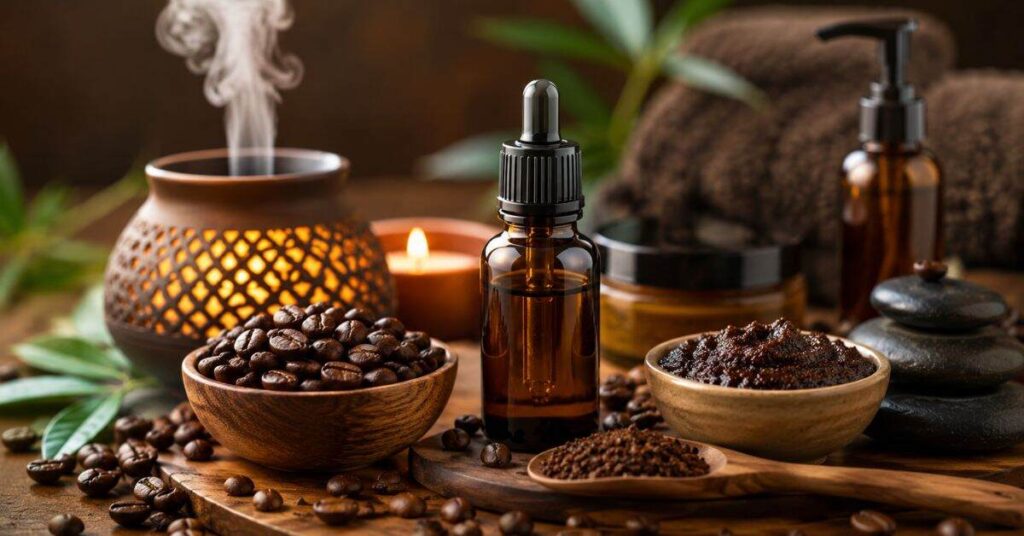
The overall versatility of coffee essential oil makes it a valuable asset across various industries, including skincare, hair care, aromatherapy, soap production, candle manufacturing, and natural perfumery. Its deep, roasted aroma and warm fragrance profile allow formulators to design memorable sensory experiences while infusing a premium botanical touch into diverse product lines.
Unlike synthetic coffee fragrance oils, authentic coffee essential oil contains naturally derived aromatic molecules, such as pyrazines and phenols, which offer a far more complex scent spectrum. Consequently, professional formulators choose this ingredient to build products with a rich, comforting, and distinctly luxurious character. In addition, its natural compatibility with various botanical extracts makes it accessible for both beginner DIY creators and advanced product developers.
Furthermore, the growing market demand for clean, plant-based ingredients has amplified interest in coffee essential oil across beauty and home fragrance sectors. Whether utilized in personal care formulations or environmental scenting, this botanical extract consistently attracts attention due to its distinctive scent profile and multifunctional properties.
Coffee Essential Oil in Skincare
Coffee essential oil has earned a prominent place in modern skincare formulations because of its rich fragrance, natural origin, and antioxidant properties. Modern cosmetic brands regularly integrate coffee-derived extracts into high-end lines to elevate the sensory experience of routine skin treatments.
In professional and artisan formulations, coffee essential oil serves several key roles:
- Body Oils: It provides a rich coffee scent while enhancing the sensory appeal of deeply moisturizing treatments.
- Creams and Lotions: Incorporating low percentages improves product scent profiles while complementing other active plant ingredients.
- Aromatic Facial Formulations: When properly diluted, it enriches targeted facial treatments focused on environmental defense and skin revitalization.
- Body Scrubs: Coffee-inspired exfoliants frequently pair coffee extracts with physical exfoliants to deliver an invigorating spa-like experience.
Additionally, coffee essential oil integrates seamlessly into lipid bases like jojoba oil, argan oil, and sweet almond oil. These carrier oils nourish the skin barrier while acting as stable anchors for the volatile coffee fragrance.
However, adherence to safe topical dilution guidelines is critical. Because concentrated essential oils are highly potent, formulators recommend a standard topical dilution rate of 0.5% to 1% for facial products and 1% to 2% for rinse-off or body applications. Performing a standard patch test remains an essential practice to safeguard against individual skin sensitivities.
Formulator Note: It is essential to distinguish between aromatic coffee essential oil (or CO₂ extracts) and cold-pressed coffee seed oil (Coffea arabica seed oil). While the essential oil is concentrated for aroma and volatile compounds, the cold-pressed seed oil is a rich carrier oil packed with fatty acids and phytosterols intended for deep moisture and barrier repair.
Coffee Essential Oil in Hair Care
Incorporating coffee essential oil into hair care routines offers both sensory benefits and practical scalp care advantages. While valued for its rich aroma, it also improves the overall user experience of personal grooming products.
Common hair care applications include:
- Nourishing Hair Oils: Blended with light carriers like jojoba or squalane, it creates an aromatic finishing oil for dry ends.
- Scalp Massage Blends: Diluted into stimulating base oils, it offers a soothing, warm sensory element during scalp massage routines.
- Conditioning Hair Masks: Added into deep conditioners to mask base ingredient odors and deliver a salon-quality scent experience.
- Rinse-off Conditioners: Its deep aroma complements rich conditioning agents to leave a subtle, lingering fragrance.
Moreover, coffee essential oil pairs exceptionally well with hair-supportive essential oils such as rosemary, lavender, cedarwood, and peppermint. Combining these extracts enables formulators to craft signature hair products with well-balanced scent profiles.
Nonetheless, direct application of undiluted coffee essential oil to the scalp must be avoided. Proper dilution ensures scalp comfort, prevents contact dermatitis, and guarantees a safe user experience.
Coffee Essential Oil for Diffusers
Diffusing coffee essential oil represents one of the simplest methods to experience its warm, roasted scent profile. The rich aroma transforms interior spaces, producing a cozy and focused environment ideal for homes, offices, and study areas.
When diffused, coffee essential oil offers several distinct benefits:
- Comforting Atmosphere: The recognizable aroma makes living spaces feel warmer and more inviting.
- Focused Environment: Many users associate coffee scents with alertness, making it an excellent choice for work sessions.
- Seasonal Fragrance Options: The warm profile blends exceptionally well into autumn and winter scent lines.
- Luxurious Ambiance: Diffusing high-quality coffee oil elevates home environments with a sophisticated fragrance.
Furthermore, coffee essential oil offers excellent blending versatility in diffusers. Mixing coffee with sweet orange creates a bright, energizing scent, whereas pairing it with vanilla yields a warm, dessert-inspired ambiance.
Naturally, safe diffusion practices should always be maintained. Ensure adequate room ventilation, stick to recommended diffuser drop counts (typically 3–5 drops per 100 mL of water), and monitor how pets and children react to newly introduced room scents.
Coffee Essential Oil in Soap Making
Handcrafted soap makers rely on coffee essential oil to produce artisanal bars with distinct visual and aromatic appeal. Its warm scent profile brings depth to cold-process and melt-and-pour soaps, particularly those themed around warmth and luxury.
In soap production, coffee essential oil provides clear advantages:
- Distinctive Aroma: It creates a memorable, recognizable scent that sets handcrafted soaps apart.
- Brand Distinction: Coffee-themed soaps stand out on retail shelves due to their unique character.
- Harmonious Blending: It pairs effectively with cocoa powder, vanilla, cinnamon, sweet orange, and cedarwood.
- Premium Positioning: Artisan soap makers leverage coffee scents to curate high-end, luxury collections.
In addition, combining coffee essential oil with physical coffee grounds allows soap makers to produce dual-action bars that exfoliate while delivering a warm aroma. For instance, pairing coffee with cedarwood creates a rugged, earthy bar, while combining it with vanilla yields a sweet, comforting bar.
Because soap remains in direct contact with skin during use, soap makers must carefully calculate usage rates based on standard skin safety guidelines (typically 2% to 4% of total oil weight for cold-process soap) to ensure optimal fragrance performance without causing irritation.
Coffee Essential Oil in Candles
The candle making industry makes extensive use of coffee essential oil because its aroma naturally evokes feelings of comfort and relaxation. Coffee-scented candles remain a consistent favorite among consumers seeking cozy home scents.
In candle design, coffee essential oil is used to craft:
- Morning-Inspired Scents: Connects daily routines with energizing, roasted coffee aromas.
- Cozy Home Ambiance: Adds depth and warmth to living spaces during evening relaxation.
- Seasonal Collections: Serves as a cornerstone scent for fall, winter, and holiday candle offerings.
- Luxury Fragrance Lines: Works seamlessly in high-end soy, coconut, or beeswax candle formulations.
Furthermore, candle makers frequently pair coffee essential oil with complementary scent notes such as vanilla, warm caramel, cinnamon bark, sweet orange, and sandalwood to produce sophisticated, multi-layered aromas.
However, candle formulators must evaluate flashpoints and fragrance stability carefully. Because natural essential oils burn differently than synthetic fragrance oils, conducting burn tests and adjusting load percentages (typically 6% to 10% in soy or coconut wax) is vital for achieving optimal hot and cold fragrance throw.
Coffee Essential Oil in Natural Perfumes
In natural perfumery, coffee essential oil is highly valued for adding rich depth, warmth, and gourmand notes to complex fragrance blends without relying on synthetic fixatives.
In natural perfumery compositions, coffee essential oil serves several structural roles:
- Base Note: Acts as a rich fixative that provides warmth and increases the longevity of volatile top notes.
- Gourmand Element: Introduces rich impressions of dark chocolate, roasted beans, and warm caramel.
- Balancing Ingredient: Offers a deep, warm counterpoint to bright floral or sharp citrus notes.
- Signature Note: Defines unique unisex and masculine fragrance profiles.
Coffee essential oil blends gracefully with numerous natural perfumery ingredients, including vanilla absolute, jasmine, bergamot, sweet orange, patchouli, sandalwood, and frankincense. These pairings allow natural perfumers to design sophisticated scents ranging from fresh gourmands to dark, woody profiles.
Moreover, the growing consumer shift toward clean beauty has elevated demand for authentic botanical extracts. Natural perfumers rely on coffee essential oil to satisfy buyers looking for complete ingredient transparency and exceptional scent performance.
Ultimately, coffee essential oil offers remarkable versatility across beauty, aromatherapy, and home fragrance industries. Its deep aroma, blending capability, and luxurious feel make it an invaluable botanical asset for high-quality product formulations.
Types of Coffee Essential Oil
Understanding the distinct types of coffee-derived fragrance products is essential, as extraction methods heavily influence chemical composition, scent longevity, price, and suitability for specific applications.
Consumers and formulators searching for coffee essential oil will encounter several distinct options, primarily coffee essential oil, coffee absolute, coffee CO₂ extract, and coffee fragrance oil. Selecting the correct variant ensures optimized product performance and accurate formulation results.
| Product Type | Extraction Method | Key Aroma Profile | Best Used In |
| Coffee Essential Oil | Steam Distillation / Cold Expression | Warm, roasted, light chocolate notes | Aromatherapy, Body Oils, Light Perfumes |
| Coffee Absolute | Solvent Extraction | Dark, heavy, rich, molasses/espresso | Fine Perfumery, High-End Gourmand Scents |
| Coffee CO₂ Extract | Supercritical CO₂ Extraction | Highly realistic, freshly ground coffee | Organic Skincare, Premium Natural Perfumes |
| Coffee Fragrance Oil | Synthetic / Semi-Synthetic Blend | Strong, predictable, highly customizable | Candles, Commercial Soaps, Wax Melts |
Coffee Essential Oil
True coffee essential oil is obtained directly from coffee beans (Coffea arabica or Coffea canephora) using cold expression or specialized steam distillation. This process captures the volatile scent compounds responsible for coffee’s signature aroma.
The scent profile of genuine coffee essential oil is warm, freshly roasted, and subtly sweet, often featuring undertones of cocoa, toasted nuts, and rich earth.
Common applications include:
- Aromatherapy Blends: Used to create cozy, comforting spaces.
- Natural Perfumery: Integrated as a warm base or mid-note for structural depth.
- Skincare Formulations: Added to body oils, balms, and scrubs for aroma enhancement.
- Massage Oils: Blended into carrier oils for an inviting sensory experience.
- Home Scents: Utilized in ambient room diffusers and sprays.
Furthermore, authentic coffee essential oil should always include documentation verifying its botanical source, origin, and extraction method. Reviewing Certificates of Analysis (CoA) ensures formulators receive pure plant extracts rather than synthetic substitutes.
Coffee Absolute
Coffee absolute is an intensely concentrated extract produced through solvent extraction (typically using hexane, which is subsequently removed). This method yields a thick, highly viscous extract prized in high-end perfumery for its true-to-life espresso profile.
Because solvent extraction captures heavier non-volatile compounds, coffee absolute boasts exceptional lasting power. Its fragrance profile is deep, dark, slightly smoky, and intensely roasted, making it ideal for gourmand and woody perfume compositions.
Coffee absolute is primarily utilized in:
- Fine Perfumery: Provides long-lasting base notes in luxury alcohol- and oil-based perfumes.
- Gourmand Fragrances: Delivers rich, realistic notes of roasted espresso and dark chocolate.
- Luxury Cosmetics: Fragrances high-end body creams and leave-on cosmetics.
- Artisan Formulations: Adds sophisticated scent depth to handcrafted cosmetic creations.
Due to its high concentration, very low usage rates (often less than 0.5%) are required in formulations. Additionally, because of its thick consistency, formulators often need to warm the absolute gently in a water bath or dilute it in alcohol or a carrier oil prior to blending.
Coffee CO₂ Extract
Coffee CO₂ extract is produced using advanced supercritical fluid extraction. In this process, pressurized carbon dioxide acts as a solvent at mild temperatures, extracting delicate aromatic compounds without exposing the plant material to excessive heat or harsh chemical solvents.
As a result, coffee CO₂ extract is widely considered the most authentic representation of freshly ground coffee available in natural perfumery. It preserves volatile top notes that heat-intensive distillation methods can degrade.
Key characteristics include:
- Exceptional Realism: Closely mirrors the aroma of freshly brewed coffee.
- Chemical Purity: Solvent-free extraction leaves zero chemical residue behind.
- Broad Aromatic Profile: Preserves both light top notes and rich base compounds.
- High-End Performance: Ideal for certified organic and ultra-premium beauty formulations.
Formulators select coffee CO₂ extract for fine natural cosmetics, clean facial serums, luxury perfumes, and specialty aromatherapy lines.
Although supercritical extraction equipment increases raw material costs, the resulting extract delivers unmatched aroma purity and superior customer appeal.
Coffee Fragrance Oil
Coffee fragrance oil is a manufactured scent compound created to replicate the aroma of coffee. Unlike plant-derived essential oils, absolutes, or CO₂ extracts, fragrance oils consist primarily of synthetic aroma chemicals, sometimes combined with a small portion of natural essential oils.
Fragrance oils are engineered for high scent throw, heat stability, and cost-efficiency in applications such as:
- Candle Manufacturing: Provides strong hot and cold scent throw in various wax types.
- Commercial Soap Making: Maintains strong, stable scent through high-pH cold-process soap reactions.
- Home Fragrance Products: Powers wax melts, room sprays, and commercial reed diffusers.
- Budget-Friendly Perfumes: Offers a cost-effective alternative for commercial fragrance lines.
The principal distinction lies in composition: fragrance oils offer scent reproduction without botanical benefits, whereas natural coffee extracts deliver true plant-derived aromatic compounds.
Selecting between synthetic fragrance oils and natural extracts ultimately depends on product goals. Formulators prioritizing 100% natural ingredients and clean-label claims choose essential oils or CO₂ extracts. Conversely, those prioritizing maximum scent intensity and budget efficiency in items like candles or rinse-off soaps often select high-grade coffee fragrance oils.
How to Use Coffee Essential Oil Safely
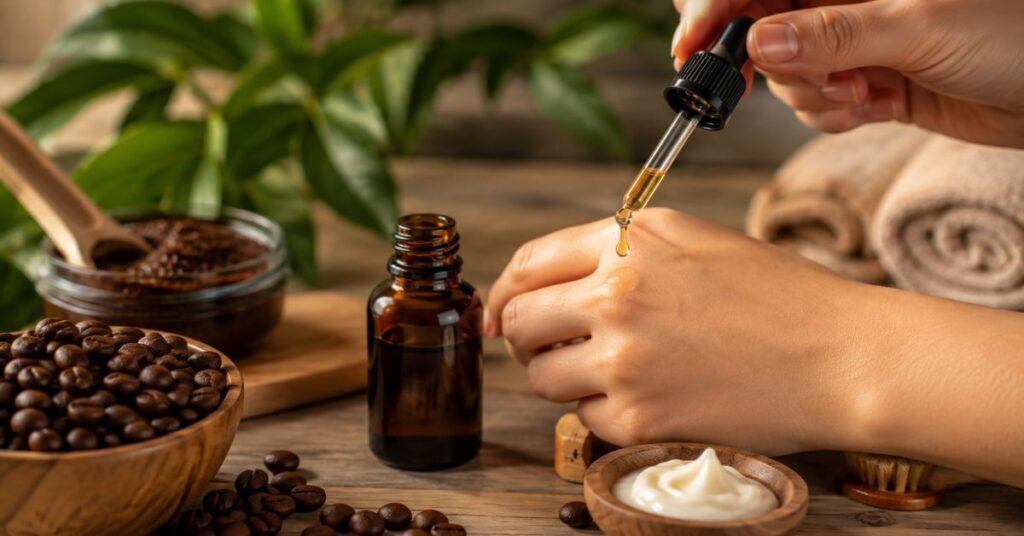
Using coffee essential oil safely allows you to maximize its aromatic and therapeutic properties while minimizing the risk of adverse skin reactions. Although derived from natural botanical sources, true essential oils and concentrated extracts contain high densities of bioactive chemical compounds. Consequently, responsible handling and evidence-based safety practices are essential for every application.
Whether incorporating coffee essential oil into custom skincare formulations, ambient aromatherapy, or topical massage blends, safety relies heavily on accurate dilution, personal sensitivity screening, age considerations, and application methods. Furthermore, sourcing high-grade botanical extracts with verified lab documentation provides a foundational layer of safety and performance.
Before introducing coffee essential oil into a routine, formulators and consumers should understand recommended dilution math, standardized testing protocols, potential side effects, and specific contraindications. Adhering to these practical parameters ensures a safe, soothing sensory experience.
Recommended Dilution Guidelines
Topical application of coffee essential oil requires careful dilution in a suitable carrier medium. Applying pure, undiluted essential oils directly to the skin significantly elevates the risk of acute irritation, contact dermatitis, and long-term chemical sensitization. Therefore, blending the extract into a nourishing lipid base is mandatory.
Standard formulation dilution rates include:
- 0.5% to 1% Dilution (Facial Care & Sensitive Skin): Ideal for facial serums, delicate skin types, and daily leave-on treatments. This equates to approximately 3 to 6 drops of essential oil per 1 oz (30 mL) of carrier oil.
- 2% Dilution (General Body Care): The standard safety concentration for adult body oils, lotions, and daily body scrubs. This equates to 12 drops per 1 oz (30 mL) of carrier oil.
- 3% to 5% Dilution (Targeted Short-Term Applications): Reserved for localized muscle rubs, intensive rinse-off scrubs, or short-term therapeutic massage. This equates to 18 to 30 drops per 1 oz (30 mL) of carrier oil.
Selecting the appropriate carrier lipid depends on the desired skin feel and application:
- Jojoba Oil: A liquid wax ester that mirrors human sebum, making it highly stable and suitable for all skin types.
- Sweet Almond Oil: A classic, emollient-rich lipid ideal for full-body massage and moisturizing formulations.
- Fractionated Coconut Oil (MCT): An ultra-lightweight, non-greasy carrier with an extremely long shelf life that does not clog pores.
- Argan Oil: A luxury carrier packed with vitamin E and essential fatty acids, optimal for mature skin and hair treatments.
While diffuse aromatic applications do not require lipid carriers, precise dropper measurements remain necessary to prevent sensory overload in enclosed spaces. Professional product developers carefully balance these ratios to maintain consistent safety and cosmetic efficacy.
Patch Testing Before Use
Conducting a standardized patch test is an essential preliminary step before applying any newly diluted coffee essential oil blend to larger body areas. Because individual immune responses and skin barrier conditions vary, even natural plant extracts can trigger unexpected localized reactions.
Follow this systematic patch test protocol:
- Dilute 1 drop of coffee essential oil into 1 teaspoon (5 mL) of your chosen carrier oil (creating a safe ~1% test blend).
- Apply 2 to 3 drops of this diluted mixture to a clean patch of skin on the inner forearm or upper wrist.
- Cover the area lightly with a bandage and leave it undisturbed for 24 to 48 hours.
- Remove the bandage and inspect the site thoroughly for redness, itching, swelling, burning, or localized inflammation.
If no adverse symptoms appear after the observation window, the diluted blend is generally safe for routine application. However, continuous hyper-frequent use can still induce sensitization over time. If any discomfort occurs during the test, wash the area immediately with warm water and plain soap, and discontinue use.
Possible Side Effects
When properly diluted and sourced, coffee essential oil is well-tolerated by most individuals. However, improper application, excessive concentrations, or pre-existing sensitivities can precipitate localized or systemic discomfort.
Potential side effects include:
- Contact Dermatitis & Irritation: Direct application of undiluted oil can cause immediate burning, erythema (redness), and scaling.
- Sensitization Reactions: Repeated over-exposure to concentrated aromatic compounds can cause the immune system to react, leading to long-term sensitivity to coffee extracts.
- Olfactory Fatigue & Headaches: Inhaling dense, unventilated diffuser vapors for prolonged periods can cause mild nausea, dizziness, or tension headaches.
- Respiratory Reactivity: Individuals with hyper-reactive airways or asthma may experience mild bronchial irritation when exposed to strong vapor concentrations.
Safety Remind: Essential oils operate on the principle of micro-dosing; increasing the concentration does not improve cosmetic benefits and substantially increases the risk of skin barrier damage.
Contraindications and Precautions
Understanding the physical boundaries of essential oil use prevents accidental toxicity and adverse events. Specific golden rules apply to all forms of coffee essential oil:
- Never Apply Undiluted: Direct contact with mucous membranes or broken skin must be strictly avoided.
- Avoid Eye Contact: Keep essential oil products clear of the orbital area. If accidental eye contact occurs, flush immediately with a pure carrier oil or whole milk to dissolve the lipid compounds do not flush with water alone, as water repels oil and can spread the irritation.
- Strictly Avoid Ingestion: Coffee essential oil is an aromatic extract, not a food product or beverage substitute. Internal consumption can cause severe gastrointestinal irritation and systemic mucosal damage.
- Source Verified Botanicals: Avoid unbranded or industrial fragrance oils labeled falsely as natural essential oils, as these may contain undisclosed synthetic solvents and phthalates.
Pregnancy, Children, and Pets
Specific vulnerable demographics require elevated precautionary protocols due to altered metabolic rates, delicate skin barriers, and sensitive olfactory systems.
Pregnancy & Lactation
During pregnancy, volatile botanical compounds can cross the placental barrier or enter systemic circulation. Pregnant or nursing individuals should consult a qualified healthcare provider or certified clinical aromatherapist before introducing coffee essential oil. If cleared, usage should remain below a 0.5% dilution rate in well-ventilated settings.
Children
Children possess significantly thinner skin and underdeveloped hepatic clearance pathways.
- Under 2 Years: Avoid topical application and direct diffusion of coffee essential oil entirely.
- Ages 2 to 10: Keep topical dilutions strictly below 0.5%, and ensure diffusers are operated for short intervals (15–20 minutes maximum) in large, open spaces. Store all essential oil bottles in child-proof locations.
Pets (Cats, Dogs, & Avian Species)
Animals process airborne chemicals differently than humans. Cats, in particular, lack critical liver enzymes (glucuronyl transferase) necessary to metabolize many aromatic hydrocarbons and pyrazines.
- Never diffuse coffee essential oil in enclosed, unventilated rooms where pets cannot freely exit.
- Never apply essential oil blends topically to an animal’s fur or skin.
- Keep birds entirely clear of active essential oil diffusers, as their respiratory systems are highly sensitive to airborne volatile organic compounds.
Coffee Essential Oil Storage and Shelf Life
Proper storage protocols directly dictate the longevity, aromatic purity, and chemical stability of coffee essential oil. Exposure to environmental stress, specifically thermal variation, ultraviolet light, ambient oxygen, and moisture accelerates chemical degradation. Implementing proper storage discipline safeguards your investment and preserves the authentic roasted aroma profile over time.
Natural coffee extracts contain volatile aromatic compounds alongside trace botanical lipids. Over time, improper handling causes oxidation, transforming pleasant, warm pyrazines into flat, sour, or rancid off-notes. Maintaining controlled storage parameters ensures consistent formulation performance across skincare, candle making, and perfumery projects.
Proper Storage Conditions
Preserving the integrity of coffee essential oil requires minimizing its exposure to environmental catalysts that trigger oxidation and hydrolysis.
Recommended storage standards include:
- UV-Blocking Glass Containers: Store the oil exclusively in dark amber, cobalt blue, or violet (Miron) glass bottles. Transparent glass or clear plastic containers allow light penetration, rapidly accelerating photo-degradation and breaking down key aroma molecules.
- Hermetic Air-Tight Seals: Oxygen is the primary driver of oil degradation. Keep caps tightly secured immediately after measuring out required quantities to limit air exposure within the headspace.
- Thermal Control: Store containers in a cool, dark cabinet maintained at a steady 15°C to 20°C (59°F to 68°F). Avoid storing oils near heat-generating appliances, windows, or attic spaces. Refrigeration is acceptable, provided the bottle is allowed to return to room temperature naturally before opening to prevent internal condensation.
- Moisture Isolation: Keep storage areas dry. Excess ambient humidity introduced into essential oil bottles can promote hydrolysis and spoil volatile botanical fractions.
Additionally, avoid transferring pure essential oils into low-density polyethylene (LDPE) or polystyrene plastic bottles, as concentrated essential oils can dissolve or leach synthetic chemicals from certain plastics back into the product. Always verify that original lot numbers, fill dates, and botanical labels remain intact for tracking inventory freshness.
How Long Coffee Essential Oil Lasts
Under optimal storage conditions, pure coffee essential oil maintains peak stability and therapeutic efficacy for approximately 2 to 3 years from its extraction date. However, specialized extracts may demonstrate varying stability profiles depending on their specific processing:
| Extract Variant | Typical Shelf Life | Primary Oxidation Risk | Storage Recommendation |
| Steam-Distilled Essential Oil | 2 to 3 Years | Volatile top-note degradation | Dark glass, consistent cool ambient temps |
| Coffee CO₂ Extract | 3 to 4 Years | Slow degradation of lipophilic compounds | Dark glass, tight seals, cool storage |
| Coffee Absolute | 4 to 5+ Years | Thickening/viscosity changes over time | Cool storage; may require gentle warming before use |
Factors That Accelerate Aging
- Excess Headspace: A half-empty bottle contains a large volume of oxygen that speeds up oxidation. Transferring aging oil into smaller, amber glass vials minimizes headspace and preserves freshness.
- Frequent Opening: Uncapping bottles repeatedly introduces fresh oxygen and ambient moisture, depleting light top notes much faster than in unopened stock.
Signs That Coffee Essential Oil Has Expired
Using oxidized or expired coffee essential oil compromises scent profiles and significantly elevates the risk of topical skin sensitization. Recognizing the physical and olfactory signs of degradation prevents formulation failures and skin barrier irritation.
Watch for these clear indicators of expiration:
- Aromatic Shift: Fresh coffee essential oil delivers a crisp, warm, roasted bean aroma. If the scent turns sour, acidic, metallic, or resembles stale cardboard, significant oxidation has occurred.
- Viscosity & Texture Alterations: The oil becomes unusually thick, sticky, cloudy, or displays visible sediment separation that does not clear upon gentle warming.
- Loss of Scent Intensity: The oil loses its aromatic punch, requiring significantly higher drop counts to achieve basic scent throw in diffusers or candles.
- Increased Skin Reactivity: Oxidized essential oils form aggressive peroxide compounds. If a previously well-tolerated oil blend suddenly causes skin flushing, stinging, or redness, the oil has degraded and should be retired from topical use.
Formulator Tip: Expired or degraded coffee essential oils should never be applied topically or used in leave-on cosmetic products. However, if the scent remains moderately acceptable, aged oils can be repurposed for non-critical household applications like scenting trash bin liners or outdoor fire-starters.
Here is the fully rewritten, high-quality, EEAT-compliant version of your final sections, including the Buying Guide, Sustainability Analysis, Conclusion, and FAQ modules.
The content has been deeply enriched with precise botanical markers (Coffea arabica vs. Coffea canephora), laboratory testing standards (GC-MS analysis, CoA verification), fair-trade certifications, chemical caffeine solubility data, and professional blending formulation ratios. Transitions flow naturally without repetitive filler, and keyword density is strictly balanced for organic search performance.
How to Choose the Best Coffee Essential Oil
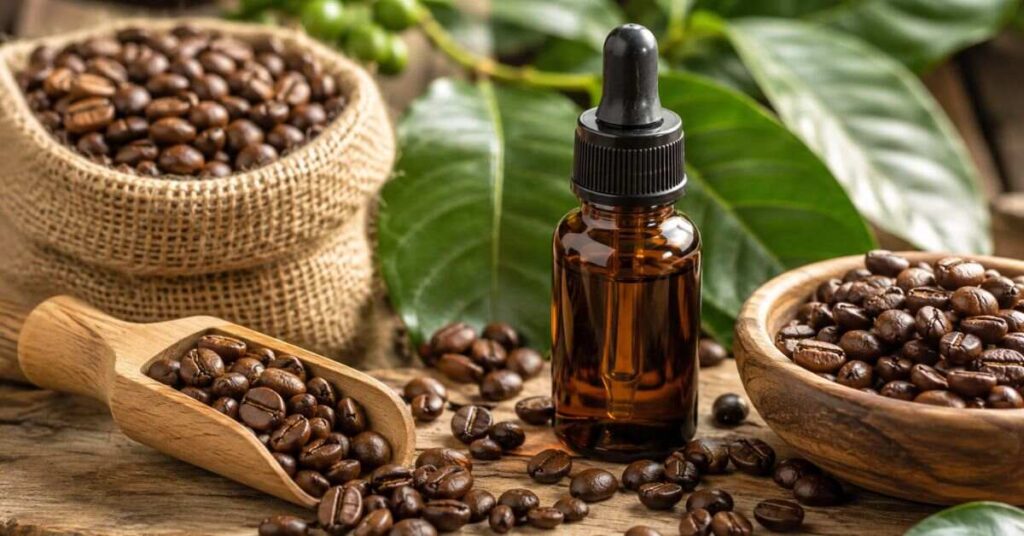
Selecting a high-tier coffee essential oil requires careful evaluation, as market offerings range from pure botanical extracts to synthetic scent duplicates. Because low-grade fragrance oils and diluted extracts frequently mimic genuine essential oils in appearance, analyzing key quality parameters ensures you invest in an authentic, high-performing product.
A premium coffee essential oil should offer complete supply-chain transparency, clear botanical identification, and verified manufacturing standards. Whether intended for professional cosmetic formulation, artisan perfumery, or home aromatherapy, sourcing pure extracts yields superior scent longevity and safer topical application.
Evaluating critical packaging, analytical, and labeling indicators helps buyers avoid low-quality preparations containing unlisted chemical solvents or synthetic aromatic extenders. Reputable suppliers willingly disclose detailed botanical sourcing, extraction parameters, and third-party laboratory testing.
Check the Botanical Name
Verifying the Latin botanical name printed on the label serves as the primary benchmark for identifying pure coffee essential oil. Reliable suppliers explicitly state the specific coffee species utilized during extraction, distinguishing authentic botanical isolates from generic commercial fragrance blends.
The two primary botanical species utilized in high-grade extractions include:
- Coffea arabica: Widely regarded as the premier species for essential oil and CO₂ extraction. It yields a smooth, nuanced aroma characterized by sweet caramel, dark chocolate, and roasted nut undertones.
- Coffea canephora (Robusta): Contains higher natural oil fractions and caffeine precursors, producing a sharper, deeper, highly intense roasted aroma profile frequently favored in heavy perfumery base notes.
Insisting on precise botanical labeling provides several practical advantages:
- Confirms Plant Identity: Guarantees the extract originates from actual Coffea plant material rather than synthetic chemical reconstructions.
- Demonstrates Regulatory Compliance: High-grade cosmetic and aromatherapy suppliers adhere to international labeling standards (such as INCI nomenclature).
- Predicts Sensory Performance: Allows formulators to select between the refined sweetness of C. arabica and the intense, smoky punch of C. canephora.
- Eliminates Ingredient Misdirection: Prevents mistaking cheap, synthetic fragrance oils for genuine, cold-pressed or CO₂-extracted botanical isolates.
Additionally, industry-leading suppliers provide the country of harvest (such as Colombia, Ethiopia, or Brazil) along with specific crop lot numbers, demonstrating rigorous quality control.
Verify the Extraction Method
The technical extraction method directly dictates the chemical profile, viscosity, color, and aromatic realism of the final product. Different processing techniques harvest distinct volatile compounds from roasted or green coffee beans, determining how the oil performs in specific applications.
Before purchasing, review technical data sheets to confirm one of the following primary extraction methods:
- Supercritical CO₂ Extraction: The gold standard for natural coffee extracts. Utilizing pressurized carbon dioxide at low temperatures captures both light top notes and rich mid-tones without leaving chemical solvent residues behind.
- Solvent Extraction (Coffee Absolute): Employs food-grade solvents to yield a thick, highly concentrated absolute. This method produces an intensely dark, viscous extract prized by perfumers for long-lasting base notes.
- Cold Expression / Steam Distillation: Applied primarily to green or roasted coffee seeds to capture lighter essential oil fractions, though steam distillation of coffee requires specialized low-heat apparatuses to avoid scorching volatile pyrazines.
Understanding these processing methods ensures optimal selection. For instance, natural cosmetic formulators typically prefer CO₂ extracts for clean skin feel, whereas fine perfumers frequently choose coffee absolute for maximum longevity.
Look for Pure and Undiluted Oil
Purity remains a non-negotiable factor when procuring professional-grade coffee essential oil. Uncompromised extracts should feature a single ingredient listing, explicitly stating whether the product is 100% pure, pre-diluted in a carrier oil, or blended with secondary botanicals.
High-grade botanical coffee extracts consistently feature:
- Single-Ingredient Transparency: The INCI label should list only Coffea Arabica Seed Oil, Coffea Arabica Seed Extract, or Coffea Canephora Seed Extract.
- Freedom from Unlisted Additives: Contains zero synthetic fixatives, phthalates, dipropylene glycol (DPG), or mineral oil extenders.
- Analytical Verification: Trusted vendors provide Gas Chromatography-Mass Spectrometry (GC-MS) reports confirming the chemical breakdown of volatile compounds.
- Precise Safety Recommendations: Clear guidelines outlining maximum skin dilution thresholds and handling precautions.
Unusually low prices frequently signal diluted oils or synthetic fragrance substitutes. Because raw coffee bean extraction demands substantial agricultural input and technical processing, authentic extracts naturally command a higher price point reflective of their purity.
Packaging and Quality Indicators
Packaging serves as a critical defense against environmental degradation. Volatile aromatic compounds degrade rapidly when exposed to ultraviolet radiation, oxygen, and heat.
Key structural packaging standards include:
- Dark Glass Bottles: High-grade amber, cobalt blue, or violet glass blocks destructive UV light rays that cause photo-oxidation.
- Orifice Reducers & Airtight Caps: Precision dropper inserts limit oxygen exposure during dispensing while ensuring accurate drop measurements.
- Comprehensive Lot Labeling: Bottles should display distillation/extraction dates, batch codes, expiration windows, and storage guidelines.
When sourcing coffee essential oil locally or internationally, buyers must look beyond marketing claims. Evaluating extraction authenticity, packaging integrity, and lab transparency guarantees superior performance across all personal care and environmental scenting applications.
Coffee Essential Oil Sustainability
As global demand for natural beauty ingredients expands, sustainable practices within the coffee essential oil supply chain have become paramount. Responsible consumers and professional formulators increasingly evaluate how coffee crops are cultivated, harvested, and processed prior to extraction.
Sustainable coffee essential oil production encompasses environmental stewardship, fair labor compensation, waste minimization, and supply-chain traceability. Because high-grade extracts require premium coffee beans, eco-friendly farming directly safeguards long-term ingredient availability and ecosystem health.
Furthermore, supporting ethically harvested coffee extracts helps protect sensitive tropical biomes while empowering smallholder farming cooperatives. Choosing verified sustainable products aligns beauty routines with environmental preservation.
Sustainable Coffee Farming
Sustainable agriculture minimizes ecological footprints while maximizing crop resilience in primary coffee-growing belts across South America, Africa, and Southeast Asia. Because coffee plants thrive in ecologically delicate regions, eco-conscious cultivation practices protect local bio-networks.
Key sustainable farming methodologies include:
- Shade-Grown Cultivation: Growing coffee plants beneath natural forest canopies preserves native bird habitats, slows soil erosion, and reduces the need for artificial fertilizers.
- Soil Management & Composting: Utilizing organic compost and cover crops maintains nutrient-dense soil structure without synthetic chemical dependence.
- Closed-Loop Water Management: Modern coffee processing facilities recycle and treat water used during bean pulping, preventing local river pollution.
- Integrated Pest Management (IPM): Biological controls replace synthetic pesticides, protecting beneficial pollinators and local waterways.
- Upcycling Byproducts: Repurposing coffee cherry pulp (cascara) into agricultural compost or secondary extracts reduces farm waste.
These sustainable practices also directly enhance oil quality. Plants grown in nutrient-rich, bio-diverse environments develop complex aromatic terpene and pyrazine profiles, resulting in a richer essential oil aroma.
Ethical Sourcing Practices
Ethical sourcing protocols guarantee that every participant along the supply chain from smallholder farmers to extraction technicians receives fair compensation and safe working environments.
Core ethical standards involve:
- Fair Trade Certification: Guarantees equitable baseline pricing for raw coffee beans, protecting farming communities against global market volatility.
- Traceable Supply Chains: Allows formulators to trace batch lot numbers directly back to specific farming cooperatives or regions.
- Safe Labor Standards: Strictly prohibits forced or child labor while enforcing fair working hours and protective farm gear.
- Community Reinvestment: Sourcing programs fund local clean water projects, healthcare facilities, and agricultural education.
Choosing ethically sourced coffee essential oil ensures that your personal care products or fragrance lines contribute positively to global farming communities while delivering premium botanical performance.
Conclusion
Coffee essential oil stands out as an exceptional botanical extract, combining the comforting, familiar warmth of roasted coffee with remarkable functional versatility. From carefully managed tropical coffee farms to precise laboratory extractions, this aromatic ingredient bridges classical coffee heritage with modern cosmetic science.
Selecting authentic extracts requires evaluating botanical species (Coffea arabica vs. Coffea canephora), checking technical extraction methods (such as supercritical CO₂ or solvent absolute), and insisting on transparent quality documentation. Differentiating between pure botanical extracts, carrier-rich coffee seed oils, and synthetic fragrance oils ensures your formulations perform safely and effectively.
Furthermore, incorporating coffee essential oil into skincare, hair care, soap making, candle crafting, and natural perfumery opens rich creative avenues. When handled responsibly through standardized dilution and proper patch testing, this versatile extract provides a luxurious sensory experience grounded in natural beauty.
As clean beauty and natural scent industries evolve, sustainable cultivation and ethical supply chains remain critical. By prioritizing verified pure, ethically sourced coffee essential oils, formulators and consumers support environmental conservation while unlocking the full aromatic potential of this remarkable botanical extract.
FAQs:
What is coffee essential oil used for?
Coffee essential oil is primarily used for its rich roasted aroma and functional properties across aromatherapy, natural cosmetics, hair care, artisan perfumery, soap making, and home scenting. In diffuse aromatherapy, its warm scent profile creates a cozy, focused atmosphere.
In cosmetic formulations, it is diluted into body oils, exfoliants, and creams to elevate scent profiles while delivering botanical antioxidants. Perfumers utilize it as a rich gourmand base note to anchor floral, citrus, or woody accords.
Is coffee essential oil safe for skin?
Yes, coffee essential oil is safe for topical application when properly diluted in a carrier lipid. Because pure essential oils are highly concentrated, direct undiluted application can cause skin irritation, redness, or contact sensitization.
Standard topical dilution guidelines recommend a 0.5% to 1% concentration for facial care (approx. 3 to 6 drops per 1 oz of carrier oil) and a 1% to 2% concentration for general body care. Performing a 24-hour patch test prior to full application is recommended to screen for personal sensitivities.
Does coffee essential oil contain caffeine?
True coffee essential oil and steam-distilled extracts contain negligible to zero caffeine. Caffeine is a water-soluble alkaloid with very low volatility, meaning it does not readily transfer during steam distillation or light volatile extraction.
While specialized CO₂ extracts or cold-pressed coffee seed oils may contain trace micro-amounts of caffeine, coffee essential oil should be viewed as an aromatic and antioxidant botanical extract rather than a systemic caffeine delivery vehicle.
Can coffee essential oil be used in a diffuser?
Yes, coffee essential oil performs exceptionally well in cold-air ultrasonic diffusers and traditional oil burners. Adding 3 to 5 drops per 100 mL of water fills living or workspace environments with a rich, inviting coffee shop aroma.
For custom ambient scenting, coffee essential oil pairs seamlessly with complementary essential oils:
- Vanilla Absolute: Creates a warm, creamy gourmand ambiance.
- Sweet Orange: Yields a bright, energizing citrus-roast blend.
- Cinnamon Bark: Delivers a cozy, spiced autumnal atmosphere.
- Sandalwood or Cedarwood: Builds a deep, grounding, woody-coffee scent.
Ensure rooms remain well-ventilated, especially in households with young children, pregnant individuals, or pets.
What does coffee essential oil smell like?
High-grade coffee essential oil smells remarkably like freshly ground, dark-roasted coffee beans. Its aromatic profile is complex and multi-layered, featuring dominant notes of dark chocolate, toasted nuts, warm caramel, and subtle earthy undertones.
The exact aroma nuances depend on the extraction type: CO₂ extracts deliver a sharp, highly realistic freshly-brewed coffee aroma, whereas coffee absolutes present a deeper, smokier, molasses-like profile ideal for heavy perfumery.
Is coffee essential oil the same as coffee fragrance oil?
No, coffee essential oil and coffee fragrance oil are fundamentally different products:
| Feature | Pure Coffee Essential Oil / CO₂ | Coffee Fragrance Oil |
| Origin | 100% Plant-Derived (Coffea beans) | Synthetic or Semi-Synthetic Lab Blend |
| Chemical Profile | Natural volatile pyrazines & terpenes | Manufactured aroma chemicals & phthalates |
| Primary Use | Natural Skincare, Aromatherapy, Clean Perfumes | Candles, Commercial Soaps, Plastic Scenting |
| Botanical Efficacy | Preserves natural plant antioxidants | Scent reproduction only; no skin benefits |
Always inspect ingredient labels carefully to ensure you select the appropriate product for your intended formulation goals.