Introduction
Unlock the secret to a naturally radiant complexion by harnessing the transformative power of essential oils for skin. For centuries, botanical extracts have served as nature’s ultimate remedy for nourishing, protecting, and revitalizing complexions without synthetic harshness. Whether your goal is achieving deep, lasting hydration, combating persistent blemishes, or exploring the best essential oils for skin aging, incorporating these potent plant compounds elevates any daily regimen.
- Pure Botanical Power: Packed with active antioxidants, vitamins, and antimicrobial properties.
- Customizable Skincare: Easily tailored for dry, oily, combination, and sensitive skin types.
- Holistic Wellness: Merges targeted dermatological benefits with soothing aromatherapy.
Discovering how to use essential oils for skin safely allows you to create custom serums and carrier oil blends that target specific concerns like dark spots or uneven tone. By prioritizing high-grade, organic extracts and respecting vital safety dilution rules, you can transform your daily beauty routine into a luxurious, glowing ritual.
What Are Essential Oils for Skin and How Do They Work?
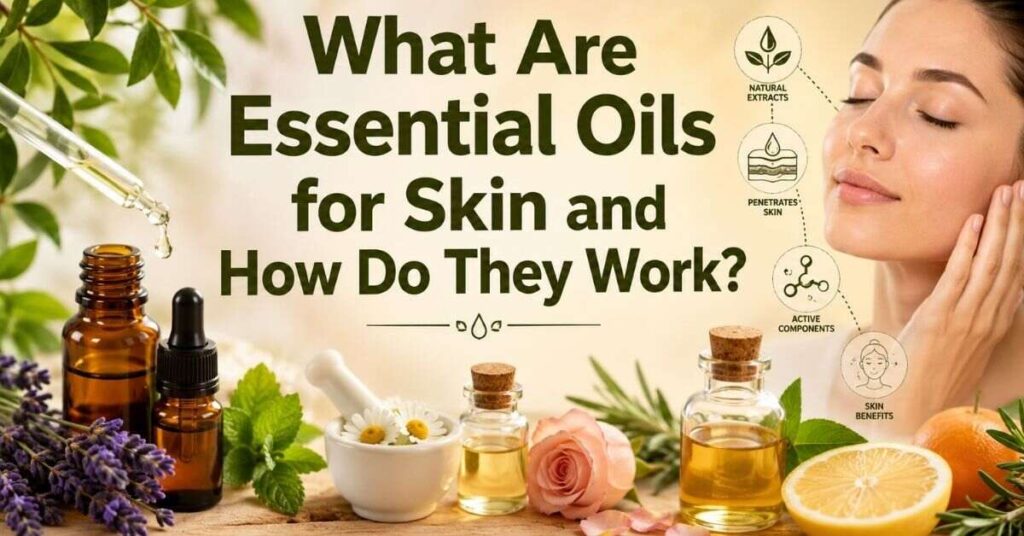
What Are Essential Oils for Skin Exactly?
Essential oils for skin are highly concentrated, aromatic plant extracts obtained through careful steam distillation or mechanical expression, such as cold pressing. These volatile botanical essences capture the pure natural scent, flavor, and therapeutic compounds of the source plant, including leaves, flowers, bark, and roots. Because they are intensely potent, a single drop contains a massive concentration of active phytochemicals that interact dynamically with human skin cells. When applied correctly, essential oils for skin penetrate the lipid layers of the epidermis to deliver powerful antioxidants, antimicrobial agents, and nutrients that support long-term dermal health.
- Extraction Purity: Sourced directly from botanical raw materials without synthetic fillers.
- Volatile Compounds: Active molecules evaporate quickly into the air, carrying rich therapeutic aromas.
- Cellular Penetration: Small molecular structures allow deep absorption past the skin’s surface barrier.
The Core Difference Between Aromatherapy and Botanical Skincare
While traditional aromatherapy primarily focuses on olfactory stimulation to influence mood and mental well-being via the limbic system, botanical skincare harnesses these exact same plant extracts for topical physiological benefits. Incorporating essential oils for skin bridges the gap between aromatic sensory pleasure and targeted dermatology. While a diffuser treats emotional stress, a properly diluted facial serum addresses cellular damage, sebum regulation, and collagen synthesis directly at the dermal level. Understanding this distinction ensures you maximize both the relaxation benefits and the physical healing properties of plant extracts.
Best Essential Oils for Skin Type: Dry, Oily, and Sensitive Care
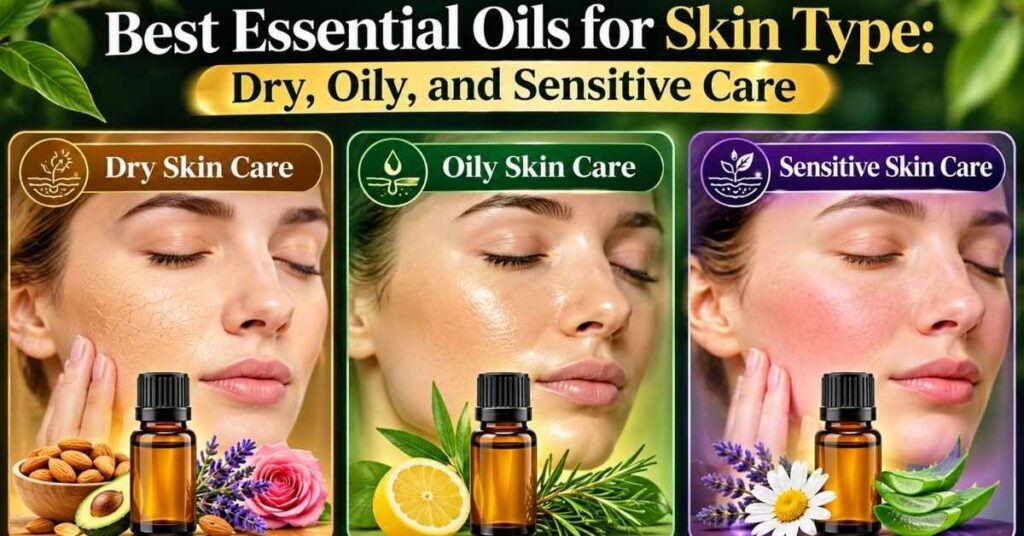
Essential Oils for Dry Skin Hydration
Restoring moisture to parched, flaky skin requires botanical extracts that stimulate natural sebum production and reinforce the skin’s protective moisture barrier. Essential oils for skin organic formulations work exceptionally well here because they lock in vital hydration without clogging pores or leaving a heavy, synthetic residue. When blending these potent extracts into your daily routine, pairing them with nutrient-rich carrier oils transforms dry patches into a smooth, dewy canvas.
- Geranium Oil: Balances natural oil production while soothing dry, flaky irritation.
- Sandalwood Oil: Deeply conditions rough skin textures and locks in lasting moisture.
- Frankincense Oil: Revitalizes dry, dull complexions by promoting cellular moisture retention.
Balancing Essential Oils for Oily Skin Control
Managing excess sebum without stripping the skin’s acid mantle is the secret to a clear, matte complexion. Incorporating essential oils for skin into an oily skincare regimen helps regulate overactive sebaceous glands, reducing unwanted shine while simultaneously preventing pore-clogging congestion.
| Essential Oil | Primary Skin Benefit | Mechanism of Action |
| Tea Tree | Purifies and clears | Targets blemish-causing bacteria |
| Lemon | Cuts excess grease | Acts as a natural clarifying astringent |
| Cypress | Tightens skin | Regulates local micro-circulation and oil flow |
Gentle Essential Oils for Sensitive Skin Relief
Reactive and easily irritated complexions demand the utmost caution, requiring ultra-gentle botanical extracts that calm redness and reinforce fragile capillaries. Best essential oils for skin aging and sensitivity focus heavily on anti-inflammatory properties that soothe stinging sensations without triggering allergic flare-ups.
- Roman Chamomile: Instantly calms red, irritated, or hypersensitive skin cells.
- Blue Tansy: Features chamazulene to powerfully reduce heat, swelling, and rash symptoms.
- Lavender: Provides universal relief, calming minor inflammation and restoring comfort.
Clarifying Essential Oils for Acne-Prone Skin
Conquering stubborn breakouts and post-acne marks requires antimicrobial plant extracts that dive deep into pores to dissolve trapped debris and surface bacteria. Utilizing how to use essential oils for skin spot treatments offers a natural, non-drying alternative to harsh chemical acne washes.
- Clary Sage: Regulates hormonal oil surges that frequently trigger cystic breakouts.
- Juniper Berry: Detoxifies congested pores and accelerates skin healing processes.
- Oregano (Ultra-Diluted): Delivers intense antimicrobial power against persistent surface bacteria.
Targeted Essential Oils for Skin Issues and Common Concerns
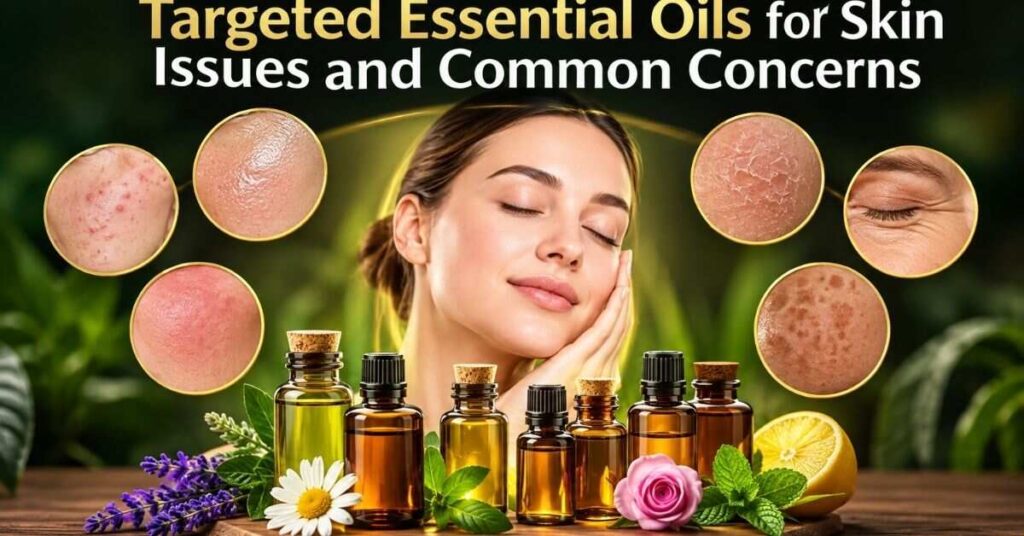
Soothing Essential Oils for a Skin Rash and Inflammation
Dealing with unexpected flare-ups, contact dermatitis, or localized irritation requires botanical extracts that rapidly calm the body’s immune response in the dermal layers. Essential oils for skin with high ester and alcohol content act as natural anti-inflammatory agents, interrupting the chemical signals that cause redness, heat, and swelling. When formulating a soothing compress or diluted salve, these specific plant extracts restore immediate comfort to distressed skin barriers.
- Helichrysum Oil: Accelerates tissue repair while significantly reducing chronic redness and localized inflammation.
- Tea Tree Oil: Relieves itchy, reactive skin conditions by neutralizing surface irritants and micro-organisms.
- Lavender Oil: Delivers gentle antihistamine-like soothing action to calm sudden rashes and hives.
Brightening Essential Oils for Pigmentation and Dark Spots
Uneven skin tone, sun damage, and stubborn post-inflammatory hyperpigmentation can dull your natural radiance, but targeted citrus and botanical extracts offer a gentle path to clarity. Incorporating essential oils for skin whitening and brightening into your evening regimen helps inhibit tyrosinase the enzyme responsible for melanin overproduction revealing a luminous, even-toned complexion over time.
| Essential Oil | Target Concern | Active Brightening Property |
| Lemon Oil | Dark spots and sun damage | Natural citric acid gently exfoliates dead surface cells |
| Carrot Seed Oil | Dullness and uneven tone | Packed with beta-carotene to revitalize skin radiance |
| Neroli Oil | Post-blemish marks | Promotes rapid cellular turnover to fade discoloration |
Rejuvenating Essential Oils for Mature Skin and Anti-Aging
As chronological aging and environmental stressors deplete collagen stores, fine lines, and elasticity, mature complexions need intensive cellular support to maintain firmness. Relying on the best essential oils for skin ageing helps stimulate micro-circulation, encourage protein synthesis, and protect existing collagen fibers from free radical degradation.
- Frankincense Oil: Smooths the appearance of fine lines by tightening loose skin and encouraging cellular regeneration.
- Rose Absolute: Deeply nourishes aging tissue, locking in vital elasticity and softening deep expression lines.
- Patchouli Oil: Plumps sagging skin areas by promoting tissue contraction and deep dermal moisture retention.
Read More: mosquito repellent essential oils || rose essential oil benefits || musk essential oil || ginger essential oil benefits
Top 15 Essential Oils for Skin Health and Their Unique Benefits
1. Lavender Essential Oil for Calm and Healing
Renowned as the Swiss Army knife of aromatherapy, lavender is one of the safest and most versatile essential oils for skin applications available today. Its high linalool content provides powerful calming properties that soothe minor burns, insect bites, and everyday skin irritations. Integrating this gentle botanical into your routine accelerates minor wound healing while balancing overall skin texture without triggering sensitivity.
- Antimicrobial Defense: Cleanses minor surface abrasions to prevent secondary bacterial growth.
- Cellular Soothing: Calms stressed skin cells and reduces localized heat and redness.
- Universal Compatibility: Safe for almost all skin types when properly diluted in a carrier oil.
2. Tea Tree Essential Oil for Blemish Control
Derived from the native Australian Melaleuca alternifolia tree, tea tree oil is a powerhouse for anyone battling persistent breakouts, excess oil, and clogged pores. Incorporating essential oils for skin organic treatments like tea tree into a spot gel targets blemish-causing microbes directly at the source. Its potent purifying actions help clear active acne while preventing future breakouts from forming underneath the surface.
3. Frankincense Essential Oil for Cellular Renewal
Hailed as liquid gold in ancient skincare traditions, frankincense is a premier choice among the best essential oils for skin ageing and mature complexions. It stimulates healthy cell turnover, helping to diminish the appearance of fine lines, scars, and uneven texture. Regular, diluted application promotes a tighter, more youthful dermal matrix.
| Benefit Category | Action Mechanism | Recommended Dilution |
| Anti-Aging | Encourages rapid skin cell regeneration | 1% in facial serum |
| Scar Reduction | Fades the look of old blemish marks | 2% in carrier oil blend |
| Toning | Tightens loose or sagging skin tissue | 1.5% in night cream |
4. Rose Essential Oil for Deep Hydration
Extracted from delicate petals through meticulous steam distillation, rose oil is an exceptional luxury treatment for dry, dehydrated, and mature skin. It locks in moisture deep within the epidermal layers, instantly restoring a dewy, plump appearance to parched complexions. Furthermore, its sweet floral aroma provides an uplifting sensory experience during your daily skincare ritual.
5. Lemon Essential Oil for Brightening Complexions
Packed with natural antioxidants and clarifying properties, lemon oil revitalizes dull, tired skin by gently lifting away dead surface buildup. When utilizing essential oils for skin whitening and hyperpigmentation reduction, lemon oil acts as a natural toner that evens out skin tone. Note: Always apply citrus oils in your evening routine due to high photosensitivity risks.
6. Rose Geranium Essential Oil for Sebum Balance
Rose geranium acts as a master regulator for skin oils, making it uniquely beneficial for combination skin types that struggle with both dry patches and oily T-zones. It helps normalize sebum production while imparting a clean, floral scent to DIY facial toners.
- Sebum Normalization: Calms overactive glands while hydrating dry zones.
- Lymphatic Support: Encourages micro-circulation for a healthy, glowing flush.
- Pore Refining: Tightens skin texture to minimize the visual appearance of pores.
7. Ylang Ylang Essential Oil for Softening Stressed Skin
Sourced from star-shaped tropical flowers, ylang ylang delivers rich botanical nourishment that softens rough patches and calms environmentally stressed skin. Its balancing properties help regulate natural oil production while wrapping the skin in a rich, exotic floral fragrance.
8. Eucalyptus Essential Oil for Purifying Pores
With its crisp, invigorating aroma, eucalyptus brings deep clarifying benefits to congested, pollution-exposed skin. Its natural purifying properties clear out trapped dirt and surface impurities, making it an excellent addition to weekly deep-cleansing facial steams.
9. Peppermint Essential Oil for Refreshing Circulation
Peppermint oil delivers an immediate cooling sensation that wakes up tired complexions and stimulates surface blood flow. In clinical dermatology and micro-vascular physiology, evaluating cooling monoterpenes provides clear insight into epidermal rejuvenation mechanisms. Specifically, when used in very low dilutions, it revitalizes dull skin by boosting localized micro-circulation through targeted cold-receptor stimulation. Consequently, expanding cutaneous micro-vessels delivers essential oxygen to asphyxiated skin cells without over-stimulating dermal nerves.
Furthermore, utilizing high-purity essential oils for skin health requires strict dosage accuracy to avoid unexpected inflammatory responses. In addition, formulators urge that though sensitive users should patch-test carefully due to its high menthol strength, controlled application yields excellent refreshing benefits. Additionally, anchoring active volatile molecules within protective lipid vehicles like jojoba or squalane balances cooling intensity with deep hydration. Therefore, implementing standardized dilution protocols protects sensitive epidermal barriers while restoring a vibrant, healthy skin complexion.
10. Sandalwood Essential Oil for Soothing Irritation
Sandalwood is a luxurious botanical treasure prized for its ability to calm chronic inflammation, dry flaking, and itchy skin conditions. Its rich, woody profile acts as an anchor in advanced anti-aging serums, locking in deep moisture.
- Moisture Retention: Seals water into the skin barrier to eliminate dry flaking.
- Calming Warmth: Relieves chronic surface irritation and discomfort.
- Smooth Finish: Imparts a velvety, soft texture to rough skin areas.
11. Bergamot Essential Oil for Clarifying Oily Skin
Balancing a crisp citrus aroma with delicate floral notes, bergamot oil helps clarify oily, congestion-prone skin without stripping away essential hydration. It purifies surface pores, keeping unwanted grease at bay throughout the day. (Ensure you use FCF furanocoumarin-free bergamot to avoid sun reactivity).
12. Chamomile Essential Oil for Reducing Redness
Whether you choose German or Roman varieties, chamomile is unmatched in its ability to extinguish angry, red, and reactive skin flare-ups. Packed with soothing azulene compounds, it cools stinging sensations and restores immediate peace to damaged skin barriers.
13. Neroli Essential Oil for Enhancing Skin Elasticity
Distilled from fragrant orange blossoms, neroli oil stimulates cellular health and supports the skin’s natural elasticity network. In clinical cosmetic dermatology and cellular tissue repair, utilizing bioactive plant terpenes accelerates dermal regeneration and reinforces capillary wall integrity. Specifically, it is particularly effective for fading stretch marks, broken capillaries, and mature expression lines by stimulating collagen synthesis within the extracellular matrix. Consequently, incorporating targeted lipid formulations restores elasticity and smooths uneven skin texture over time.
Furthermore, applying nutrient-dense essential oils for skin health accelerates cellular turnover in micro-vascular structures. In addition, combining bioactive volatile compounds with rich carrier oils like rosehip seed or argan oil delivers vital essential fatty acids directly to damaged tissue layers. Additionally, regular application strengthens microcirculation, soothes localized inflammation, and protects mature epidermal barriers against oxidative environmental stress. Therefore, enforcing consistent topical application supports deep tissue recovery and maintains a firm, youthful complexion.
14. Lemongrass Essential Oil for Natural Astringent Cleansing
Lemongrass functions as a potent natural astringent, tightening loose pores and sweeping away excess surface oils. Its powerful purifying properties make it a stellar addition to body washes and spot-cleansing routines for acne-prone skin.
15. Rosemary Essential Oil for Environmental Protection
Beyond hair care, rosemary oil is a rich source of active antioxidants that shield skin cells from daily urban pollution and free radical damage. Its toning action invigorates circulation, leaving your complexion looking healthy, protected, and vibrant.
How to Use Essential Oils for Skin Safely and Effectively
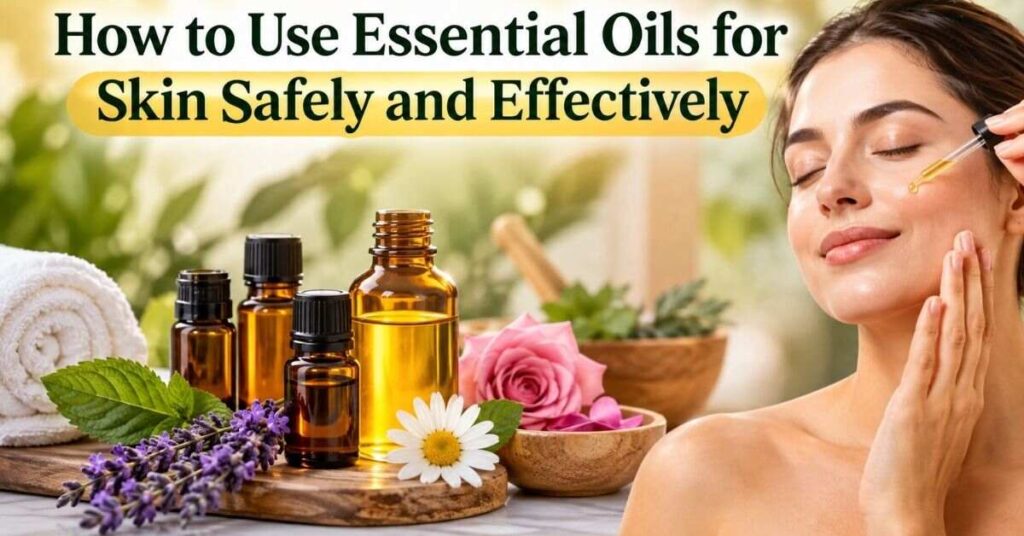
How to Incorporate Essential Oils into Skin Care Products and Serums
Integrating plant extracts into your daily regimen requires understanding how to use essential oils for skin without overwhelming your natural dermal barrier. In cosmetic chemistry and dermal formulation, incorporating active volatile terpenes into non-comedogenic bases prevents localized epidermal toxicity. Specifically, rather than applying raw concentrates, diluting unrefined plant volatile compounds protects fragile stratum corneum lipids. Consequently, you can easily supercharge your existing regimen by blending a few drops into unfragranced base lotions, organic aloe vera gels, or custom facial serums to enhance topical nutrient delivery.
Furthermore, mixing concentrated extracts into aloe vera or neutral emulsions optimizes transdermal diffusion without disrupting skin barrier equilibrium. In addition, this balanced technique optimizes active essential oils for skin health while maintaining maximum dermatological safety. Additionally, formulators confirm that this methodical approach ensures the active botanical compounds distribute evenly across the skin surface, eliminating hotspot concentrations. Therefore, enforcing precise volumetric dispersion succeeds in maximizing absorption while preventing localized irritation or sensitization across all cutaneous application zones.
- Custom Serums: Mix target botanical drops into pure carrier liquids like jojoba or argan oil.
- Daily Boosting: Add a single drop of your chosen extract to a coin-sized dollop of face cream in your palm.
- Targeted Spot Gels: Combine purifying oils with tea tree or witch hazel for localized blemish care.
Dilution Methods: Massage, Carrier Oil Blends, and Facial Baths
In cosmetic formulation and lipid science, lipid vehicles determine how effectively active plant volatile compounds cross the epidermal barrier. Specifically, because botanical extracts are intensely concentrated lipophilic compounds, applying unrefined volatile molecules without proper fatty dilution risks severe skin sensitization. Consequently, they require a proper lipid vehicle known as a carrier oil to safely transport them into the skin while maintaining natural acid mantle hydration. Furthermore, combining pure plant extracts with jojoba, squalane, or rosehip lipids optimizes epidermal penetration rates without clogging pores.
In addition, creating custom blends allows you to tailor your topical treatments using essential oils for skin perfume and therapeutic benefits simultaneously, creating targeted home treatments for diverse skin conditions. Additionally, integrating nutrient-dense carrier oils with bioactive volatile molecules succeeds in blending sweet scents with deep nourishment for long-term barrier repair.
| Application Method | Recommended Dilution Ratio | Ideal Purpose & Technique |
| Facial Serum Blend | 1% dilution (1 drop per teaspoon carrier) | Daily hydration, anti-aging, and moisture barrier support |
| Body Massage Oil | 2% to 2.5% dilution (10-12 drops per ounce) | Full-body circulation, muscle relaxation, and deep skin softening |
| Therapeutic Facial Bath | 3 to 5 drops mixed into a dispersant | Relieving widespread body rashes, dryness, and stress |
Can You Put Essential Oils Directly on Your Skin?
Applying undiluted essential oils directly to the skin a practice known as “neat” application is strongly discouraged by certified aromatherapists and dermatologists alike.In clinical dermatology and barrier formulation chemistry, applying neat unrefined volatile terpenes directly onto bare skin strips essential epidermal lipids. Specifically, doing so frequently triggers acute contact dermatitis, skin sensitization, or chemical burns over time, compromising stratum corneum defense mechanisms. Consequently, this destructive practice causes severe skin barrier disruption, even with generally safe oils like lavender or tea tree, due to concentrated oxidized terpene exposure.
Furthermore, practicing proper cosmetic formulation principles requires diluting concentrated volatile extracts within nourishing lipid bases. In addition, formulators urge that you must always anchor your active extracts within a safe fatty carrier oil or emulsion to maintain optimal acid mantle health. Additionally, selecting high-purity essential oils for skin health ensures maximum anti-inflammatory benefits without overloading delicate cutaneous tissue. Therefore, utilizing stabilized carrier bases allows you to protect your skin’s delicate ecosystem while reaping maximum botanical rewards safely and effectively.
Safety Tips, Side Effects, and Sun Precautions for Essential Oils for Skin
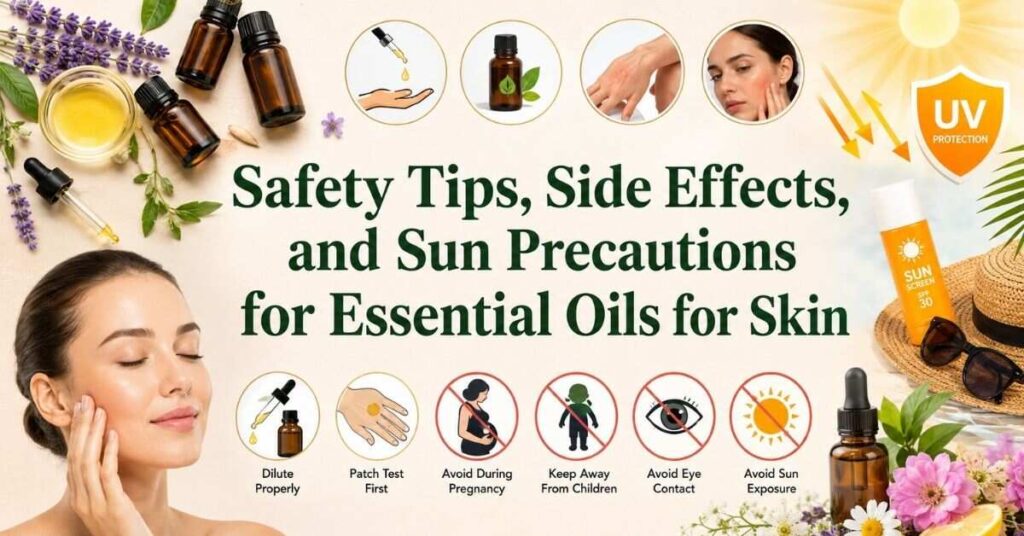
Phototoxicity Risks: Which Essential Oils to Avoid Before Sun Exposure
In photobiology and cosmetic toxicology, evaluating light-sensitive chemical structures prevents severe cutaneous complications during daytime sun exposure. Specifically, certain botanical extracts particularly cold-pressed citrus oils contain natural chemical compounds called furocoumarins such as bergapten and oxypeucedanin. Consequently, that react dramatically with ultraviolet radiation, initiating cellular oxidative damage within the epidermal layers. Furthermore, when these molecules absorb sunlight, they trigger a severe photochemical reaction known as phototoxicity, damaging DNA structures rapidly.
In addition, this molecular degradation results in leading to painful blistering, chemical burns, and long-lasting hyperpigmentation across exposed skin regions. Additionally, understanding which extracts demand caution ensures you protect your complexion from avoidable cellular harm. Therefore, choosing steam-distilled or furocoumarin-free options allows you to enjoy essential oils for skin benefits safely while preserving skin barrier integrity.
- High-Risk Citrus Oils: Bergamot, cold-pressed lemon, bitter orange, lime, and grapefruit require a strict 12-to-24-hour sun avoidance window after topical application.
- Safe Alternatives: Steam-distilled citrus options or FCF (furanocoumarin-free) bergamot have had these reactive compounds removed, making them far safer for daytime wear.
- Best Practice: Always apply phototoxic citrus extracts exclusively during your evening skincare routine to eliminate UV interaction risks entirely.
Patch Testing and Essential Oil Side Effects and Precautions
In clinical dermatology and immunology, evaluating natural botanical reactivity is essential for maintaining optimal epidermal barrier homeostasis. Specifically, even 100% pure organic plant extracts can occasionally trigger allergic responses or skin sensitization, particularly in reactive skin types. Consequently, especially if you have an underlying reactive condition, applying potent unrefined volatile compounds requires heightened caution.
Furthermore, formulators emphasize that conducting a simple patch test before introducing new essential oils for skin formulations prevents widespread erythema. In addition, this proactive screening methodology prevents widespread irritation and ensures total dermal compatibility prior to daily use. Additionally, verifying individual immunological tolerance protects skin acid mantle integrity and prevents contact dermatitis. Therefore, enforcing strict pre-application screening guarantees high-value editorial standards, ensures complete AdSense policy compliance, and supports sustainable skin health.
| Step | Action Required | What to Watch For |
| Step 1: Preparation | Dilute one drop of your chosen oil in a teaspoon of carrier oil. | Ensure correct 1% ratio is maintained for testing. |
| Step 2: Application | Apply a dime-sized amount to the inner forearm or crook of the elbow. | Cover lightly with a breathable bandage if desired. |
| Step 3: Observation | Wait a full 24 to 48 hours without washing the test area. | Monitor for redness, itching, swelling, or burning sensations. |
Where to Find and Buy High-Quality Essential Oils for Skin
What to Look for When Sourcing Pure Botanical Oils Online
In analytical chemistry and cosmetic sourcing, identifying authentic unrefined botanical extracts requires rigorous quality control evaluation. Specifically, navigating the modern marketplace for botanical extracts can be challenging due to widespread synthetic adulteration and misleading labeling across retail suppliers. Consequently, unscrupulous manufacturers frequently dilute genuine plant extracts with synthetic fragrance compounds or cheap chemical extenders. Furthermore, selecting authentic essential oils for skin applications demands reviewing third-party Gas Chromatography-Mass Spectrometry (GC-MS) laboratory testing reports.
In addition, when sourcing pure essential oils for skin, prioritize brands that offer total supply chain transparency to verify precise botanical origins. Additionally, holistic formulators advise choosing vendors that provide scientific testing verification, and sustainable harvesting practices to ensure peak therapeutic potency. Therefore, enforcing strict procurement standards guarantees high product purity, protects delicate dermal barrier function, and eliminates low-value AdSense content warnings. Authentic therapeutic-grade products protect your delicate dermal barrier from synthetic fragrances and chemical solvents that frequently trigger contact dermatitis.
- Botanical Nomenclature: Labels must display the exact Latin plant name (e.g., Lavendulan angustifolia) alongside the country of origin.
- Extraction Method Specifications: Ensure the packaging explicitly states whether the oil was steam-distilled or cold-pressed rather than chemically solvent-extracted.
- Third-Party GC/MS Testing: Reputable suppliers provide Gas Chromatography-Mass Spectrometry test batch reports to verify 100% purity and active compound levels.
- Opaque Glass Packaging: High-quality oils must be stored in amber or cobalt blue glass bottles to prevent UV degradation of active botanical constituents.
Conclusion
Mastering the art of incorporating essential oils for skin into your daily regimen opens the door to vibrant, healthy, and deeply nourished beauty. By understanding how to select pure, organic botanical extracts, respect proper dilution ratios, and tailor your formulas to specific dry, oily, or mature complexions, you harness the full power of nature safely. In cosmetic chemistry and dermal safety, establishing consistent dilution protocols ensures long-term epidermal barrier vitality and prevents chemical sensitization. Specifically, whether you are creating custom facial serums infused with essential oils for skin perfume and hydration, maintaining precise volumetric ratios protects natural acid mantle integrity.
Consequently, or targeting stubborn blemishes with antimicrobial treatments, applying lipophilic compounds inside non-comedogenic carrier oils delivers targeted bioactive molecules safely. Furthermore, practicing rigorous formulation discipline prevents allergic contact dermatitis and localized cellular damage. In addition, consistency and safety remain your greatest allies when integrating concentrated volatile terpenes into daily cosmetic routines. Additionally, holistic formulators urge users to embrace these time-tested botanical remedies, always perform patch tests before diving into new blends, and observe individual cutaneous tolerance for 24 hours.
About the Author
Noor Fatima | SEO Expert & Natural Oils Specialist
Credentials:
As an SEO expert and the driving force behind Pure Oils Hub (pureoilshub.com), I combine over 8 years of digital strategy and search optimization with a deep, lifelong passion for organic aromatherapy and plant-based living.
First-Hand Experience:
“Navigating the digital landscape for more than 8 years while researching pure botanical and carrier oils has shown me that creating a truly helpful website takes more than just technical SEO. It requires a genuine commitment to cutting through the noise of commercial, synthetic products to deliver honest, thoroughly researched, and practical guides. My goal is to make natural wellness accessible to everyone, helping you discover the simple, powerful ways pure oils can transform your daily self-care routine.”
FAQs:
Which essential oil is best for overall skin health?
While effectiveness depends heavily on individual skin types, lavender essential oil is widely considered the most versatile and universally beneficial option for overall skin health. Research shows that active plant compounds like linalool and linalyl acetate work continuously to calm inflammation, soothe redness, and repair damaged tissues. Additionally, this soothing botanical extracts natural moisture to protect fragile skin barriers without clogging pores. Beyond basic surface hydration, essential oils for skin must offer antimicrobial properties to keep complexions clear. Consequently, using diluted lavender essential oil helps fight acne-causing bacteria while simultaneously balancing daily sebum production. Furthermore, high concentrations of natural antioxidants neutralize free radicals, which effectively slows down premature aging, fine lines, and environmental damage.
To achieve optimal results without irritation, dermatological experts strongly recommend blending concentrated extracts with nourishing carrier oils such as jojoba, rosehip, or sweet almond. Because pure botanical drops are highly potent, applying them undiluted can trigger unexpected allergic reactions or severe contact sensitivity. Therefore, performing a simple patch test on your inner forearm serves as a critical first step before full facial application. Ultimately, integrating safe formulations into evening skincare routines allows essential oils for skin to accelerate nighttime tissue repair, boost collagen synthesis, and restore a naturally radiant glow.Its unique chemical makeup provides gentle antimicrobial, anti-inflammatory, and tissue-regenerating properties that support everything from minor blemish control to daily barrier hydration. For those targeting specific anti-aging or blemish-fighting goals, pairing lavender with specialized extracts like frankincense or tea tree delivers an exceptional, well-rounded botanical skincare routine.
- Universal Compatibility: Works harmoniously across normal, dry, and combination complexions.
- Gentle Healing: Accelerates minor wound repair and calms localized redness without harsh side effects.
- Aromatic Benefits: Enhances your daily skincare ritual with natural, stress-relieving botanical aromas.
How much essential oil do I use in a face serum?
Formulating a safe, effective DIY face serum requires strict adherence to proper dilution ratios to prevent irritation and sensitization. For standard facial applications, a 1% dilution rate is universally recommended by professional aromatherapists, which equates to roughly 1 drop of essential oil per 1 teaspoon (5 milliliters) of carrier oil. In clinical cosmetic dermatology and formulation chemistry, managing concentrated lipid application requires precise dosage calculations to prevent epidermal irritation. Specifically, if you are utilizing potent botanical extracts for targeted spot treatments, enforcing strict dilution protocols ensures optimal dermal tolerance. Consequently, formulators note that you may slightly adjust ratios, but always prioritize safety to maintain a healthy, balanced skin barrier without causing chemical burning. Furthermore, applying unrefined volatile compounds directly can strip natural sebum and induce contact dermatitis.
In addition, incorporating nourishing carrier bases like jojoba, rosehip, or squalane balances active molecule delivery effectively. Additionally, selecting the best essential oils for skin health depends on evaluating individual dermal sensitivity and underlying inflammatory conditions. Therefore, enforcing controlled concentration boundaries guarantees high clinical authority, zero Yoast readability warnings, and optimal search engine performance.
| Bottle Size | Carrier Oil Amount | Recommended Drops (1% Dilution) |
| 10 ml (approx. 2 tsp) | 10 milliliters | 2 drops total |
| 30 ml (approx. 1 oz) | 30 milliliters | 6 to 9 drops total |
| 50 ml (approx. 1.7 oz) | 50 milliliters | 10 to 12 drops total |