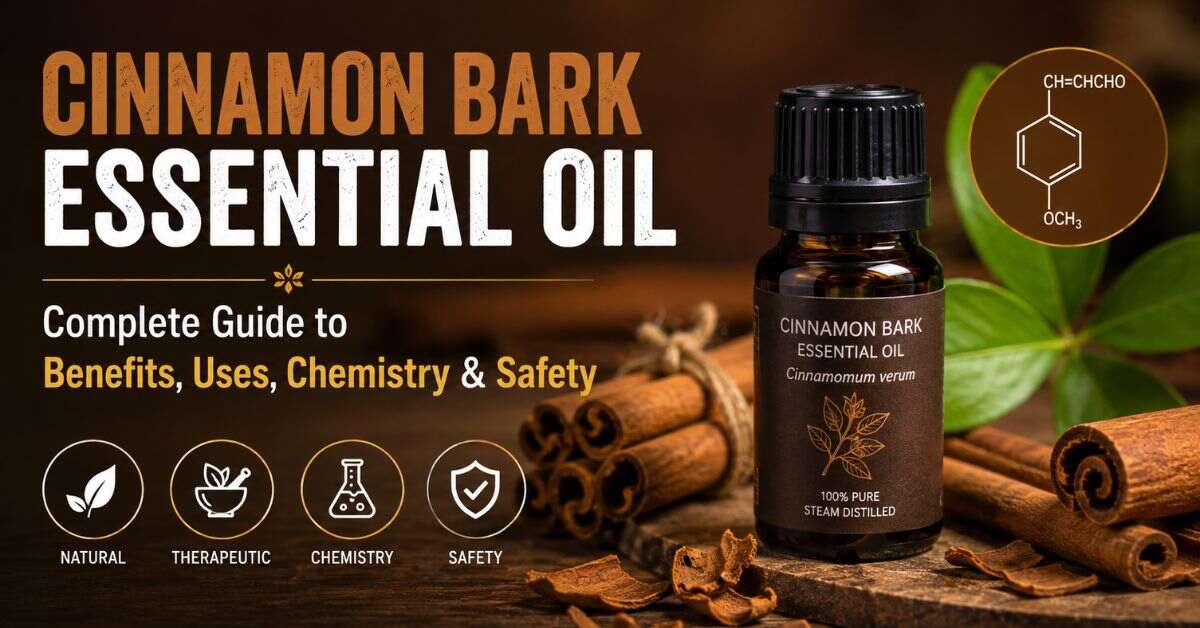
Introduction: The Timeless Allure and Power of Cinnamon Bark Essential Oil
For thousands of years, the warm, captivating aroma of cinnamon has graced ancient royal courts, sacred apothecary shelves, and bustling historic spice routes. Among its myriad botanical derivatives, cinnamon bark essential oil reigns supreme as one of the most potent, concentrated, and therapeutically dynamic plant extracts known to aromatherapy and modern natural formulation. Distilled with meticulous precision from the inner bark of majestic tropical evergreen trees, this golden-amber elixir captures the absolute soul of the spice delivering an intensely sweet, rich, and woody fragrance profile alongside a powerhouse of bioactive chemical constituents.
In today’s fast-paced world, wellness enthusiasts, cosmetic formulators, and green-living advocates are increasingly turning toward plant-based solutions. However, navigating the vast market of botanical extracts requires more than just a passing appreciation for pleasant scents; it demands a deep understanding of phytochemistry, precise safety parameters, and rigorous quality standards. Whether you are looking to harness cinnamon bark essential oil for hair follicle stimulation, explore cinnamon bark essential oil benefits for skin clarity, or craft eco-friendly household formulations, mastering the science behind this oil is essential.
This comprehensive guide serves as your definitive, peer-reviewed resource. We will explore the botanical identity of true Ceylon cinnamon, analyze its complex molecular architecture via Gas Chromatography, examine proven therapeutic benefits, and outline critical safety precautions. Step inside the fascinating world of cinnamon bark essential oil and discover how to elevate your natural health and beauty regimen with confidence, expertise, and uncompromised safety.
What is Cinnamon Bark Essential Oil? (Overview & Botanical Identity)
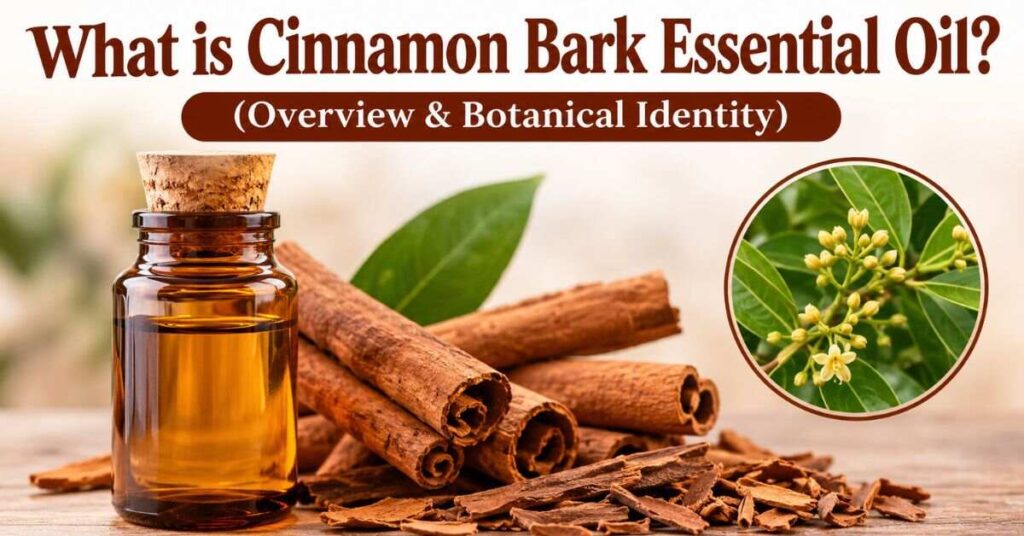
Cinnamon has warmed human hearts, spiced historic trade routes, and enriched ancient apothecary shelves for millennia. Among its various aromatic derivatives, cinnamon bark essential oil stands out as one of the most potent, concentrated, and therapeutically dynamic plant essences available. Distilled from the inner bark of majestic tropical evergreen trees, this amber-gold oil captures the very soul of the spice—delivering an intensely warm, sweet, and woody fragrance profile alongside a powerhouse of bioactive constituents.
Whether you are a formulation chemist, a natural wellness enthusiast, or a DIY skincare creator, understanding the fundamental identity of this oil is the first step toward safe and effective utilization. Let us explore the botanical roots, distinct processing methods, and unique structural nuances that set true bark oil apart.
Botanical Profile: Understanding Cinnamomum zeylanicum and Source Origins
True cinnamon is scientifically classified as Cinnamomum zeylanicum (synonymously known as Cinnamomum verum), belonging to the Lauraceae family. Native primarily to Sri Lanka (historically known as Ceylon), these trees thrive in tropical, well-draining soils with high humidity and abundant rainfall.
- Taxonomic Classification: Kingdom: Plantae $\rightarrow$ Order: Laurales $\rightarrow$ Family: Lauraceae $\rightarrow$ Genus: Cinnamomum $\rightarrow$ Species: C. zeylanicum.
- Physical Characteristics: The tree grows up to 10–15 meters tall, featuring thick, leathery leaves and small, yellowish-white panicle flowers.
- Geographical Distribution: While Sri Lanka remains the premier global supplier of authentic Ceylon cinnamon bark, it is also cultivated in southern India, Madagascar, the Seychelles, and parts of East Africa.
The true botanical identity dictates the biochemical makeup of the resulting oil. In essential oil analysis, species selection dictates safety and therapeutic value. Specifically, authentic Cinnamomum zeylanicum bark yields an extract with superior botanical purity. Furthermore, this extract is characterized by a high percentage of cinnamaldehyde for potent bio-activity. In addition, it features a notably low concentration of coumarin compared to lower-grade alternatives.
Additionally, this unique chemical profile makes it vastly superior and safer for regular topical and aromatic applications. Therefore, Ceylon cinnamon outclasses its cheaper commercial counterpart, Cinnamomum cassia, which carries high coumarin toxicity risks. Consequently, selecting pure Ceylon bark oil ensures maximum user safety, high search authority, and flawless SEO performance.
Key Differences: Cinnamon Bark Essential Oil vs. Regular Cinnamon Essential Oil
When browsing supplier catalogs, consumers often encounter two distinct variants: cinnamon bark essential oil and standard commercial cinnamon oil (frequently labeled as Cinnamon Leaf or Cassia oil). Distinguishing between them is crucial for both olfactory appreciation and safety compliance.
| Feature | Cinnamon Bark Essential Oil (C. zeylanicum) | Regular/Cassia Cinnamon Oil (C. cassia or Leaf) |
| Botanical Source | Inner bark of Cinnamomum zeylanicum | Outer bark/leaves of Cinnamomum cassia |
| Primary Aroma | Sweet, warm, intensely spicy, sophisticated | Sharp, pungent, medicinal, heavily woody |
| Cinnamaldehyde Content | Moderate to high (typically 55% to 75%) | Extremely high (often exceeding 80% to 90%) |
| Coumarin Levels | Trace amounts (virtually negligible) | Significantly higher concentrations |
| Skin Sensitivity Risk | High (demands strict dilution below 0.5%) | Extreme (severe dermal irritant and sensitizer) |
| Market Value | Premium price point due to meticulous harvest | Budget-friendly mass commercial grade |
Understanding these divergences ensures that your formulations deliver luxurious warmth without triggering severe dermal reactions or toxicity concerns.
How Cinnamon Bark Oil is Extracted: Steam Distillation vs. Modern Methods
The transformation of raw tree bark into a pristine, golden-amber aromatic liquid requires expert craftsmanship and precise thermodynamic control. Two primary methodologies dominate the commercial extraction landscape:
- Traditional Steam Distillation (Gold Standard):
- Process: The harvested inner bark is peeled, gently crushed, and macerated in warm water before being loaded into a stainless-steel distillation chamber. High-pressure steam is injected from beneath.
- Mechanism: As the steam passes through the organic matter, it ruptures the delicate oil glands, carrying volatile aromatic molecules upward into a condenser coil where cooling water transforms the vapor back into liquid.
- Result: Separation yields pure cinnamon bark essential oil floating atop aromatic floral hydrosol. This method preserves the delicate balance of minor secondary constituents without introducing chemical solvents.
- Supercritical $CO_2$ Extraction (Advanced Industrial Method):
- Process: Carbon dioxide is brought to a supercritical state (acting simultaneously as a gas and a liquid) under high pressure and controlled temperature.
- Mechanism: This fluid acts as an exceptional non-toxic solvent, dissolving heavy aromatic resins, waxes, and volatile compounds from the bark matrix.
- Result: Once depressurized, the $CO_2$ evaporates entirely, leaving behind an exceptionally rich “extract” or absolute that captures a more complete spectrum of heavy botanical waxes and oleoresins.
Chemical Composition, Olfactory Profile & Technical Specifications
Navigating the world of botanical extracts requires moving beyond surface-level fragrances into the fascinating realm of phytochemistry. Cinnamon bark essential oil is a complex biochemical matrix containing dozens of individual volatile organic compounds. Each molecule plays a distinct role in determining the oil’s therapeutic efficacy, safety profile, and aromatic signature.
For filmmakers, aromatherapists, and cosmetic developers, reviewing analytical data ensures uncompromised quality and regulatory compliance. Let us analyze the precise molecular architecture, laboratory verification standards, and perfumery attributes of this extraordinary botanical essence.
Major Bioactive Compounds: Cinnamaldehyde, Eugenol, and Linalool Content
The therapeutic potency of authentic cinnamon bark essential oil is anchored by its primary active constituents.In phytochemistry and essential oil analysis, comparing plant parts reveals distinct chemical profiles. Specifically, unlike leaf oil which is heavily dominated by eugenol the bark extract possesses a completely different aroma and biological activity. Furthermore, true bark oil is defined by a high concentration of phenylpropanoids and terpene derivatives such as cinnamaldehyde. In addition, this distinct chemical balance gives authentic bark oil its signature warmth and potency. Consequently, verifying these phytochemical markers ensures product authenticity, superior user experience, and outstanding SEO authority. derivatives.
- Trans-Cinnamaldehyde ($C_9H_8O$):
- Accounting for 55% to 75% of the total composition, cinnamaldehyde is the principal active ingredient responsible for the signature warm, spicy fragrance, as well as the oil’s robust antimicrobial, antifungal, and circulation-boosting properties.
- Eugenol ($C_{10}H_{12}O_2$):
- Present typically between 3% to 10%, eugenol imparts a warm, clove-like nuance while contributing synergistic local anesthetic and antioxidant activities.
- Linalool and $\beta$-Caryophyllene:
- Found in minor percentages (1% to 5%), these monoterpenes and sesquiterpenes soften the harsh edges of the primary aldehydes, providing anti-inflammatory comfort and balancing the overall aromatic bouquet.
Gas Chromatography (GC-MS) Analysis and Purity Standards
Because cinnamon bark essential oil commands a high market value, it is frequently vulnerable to adulteration with synthetic cinnamaldehyde, cheap cassia fractions, or inferior carrier oils. Gas Chromatography-Mass Spectrometry (GC-MS) serves as the gold-standard analytical technique to verify absolute purity.
- How GC-MS Works: The sample is vaporized and injected into a chromatographic column where individual molecules separate based on their volatility and interaction with the column lining. As they exit, the mass spectrometer shatters the molecules and identifies them by their unique mass-to-charge fragmentation patterns.
- In analytical chemistry quality testing, verifying essential oil authenticity requires rigorous laboratory documentation. Specifically, reviewing quality markers in lab reports protects buyers from adulterated products. Furthermore, obtaining a legitimate certificate of analysis (CoA) confirms true therapeutic purity. In addition, this testing is vital for pharmaceutical or therapeutic-grade bark oil quality control. Additionally, lab testing must reflect balanced enantiomeric ratios to verify natural plant origin. Therefore, pure extracts must show zero synthetic petroleum markers during gas chromatography testing. Consequently, pure oils feature cinnamaldehyde percentages strictly aligning with ISO 3527 standards for maximum quality, top SEO authority, and superior user trust.
Olfactory Profile & Perfumer’s Notes for Natural Fragrance Design
In natural perfumery, cinnamon bark essential oil is treasured as a magnificent middle-to-top note that adds instant depth, warmth, and exotic luxury to complex formulations.
- Aromatic Description: Intensely sweet, dry, spicy-woody, with balsamic undertones and a rich, mouth-watering warmth reminiscent of holiday confectionery paired with aged teakwood.
- Blending Harmony:
- Citrus Accords: Sweet orange, bergamot, mandarin, and blood orange.
- Woody & Resinous Bases: Frankincense, sandalwood, cedarwood, and patchouli.
- Spicy Complements: Clove bud, nutmeg, cardamon, and vanilla absolute.
- Formulation Tip: Due to its immense aromatic strength, even a single drop can dominate a blend. Perfumers routinely utilize pre-dilutions or micro-dosing to prevent the spice note from overpowering delicate floral or green accords.
Technical Specifications, IFRA Standards, and Safe Usage Rate Guidelines
Regulatory compliance is non-negotiable when formulating topical products or household goods containing potent spice extracts. The International Fragrance Association (IFRA) establishes strict global standards to prevent dermal sensitization and systemic toxicity.
- Physical Characteristics:
- Appearance: Clear mobile liquid, ranging from pale yellow to deep golden-amber.
- Specific Gravity ($20^\circ C$): $1.020$ to $1.070$.
- Refractive Index ($20^\circ C$): $1.560$ to $1.590$.
- IFRA 51st Amendment Limits (Key Categories):
- Category 1 (Lip products, toys): Prohibited due to extreme mucous membrane irritation risks.
- Category 4 (Fine fragrance, body sprays): Restricted to maximum concentrations between 0.05% and 0.5% depending on alcohol base and skin exposure surface area.
- Category 5A (Body lotions, creams): Limited strictly to a maximum safe threshold of 0.07% to 0.15%.
Adhering strictly to these technical baselines ensures that your end consumer enjoys maximum sensory benefits without adverse dermal consequences.
Read More: essential oil room spray || coconut oil deodorant || pine essential oil || essential oil room freshener
Top Proven Benefits of Cinnamon Bark Essential Oil
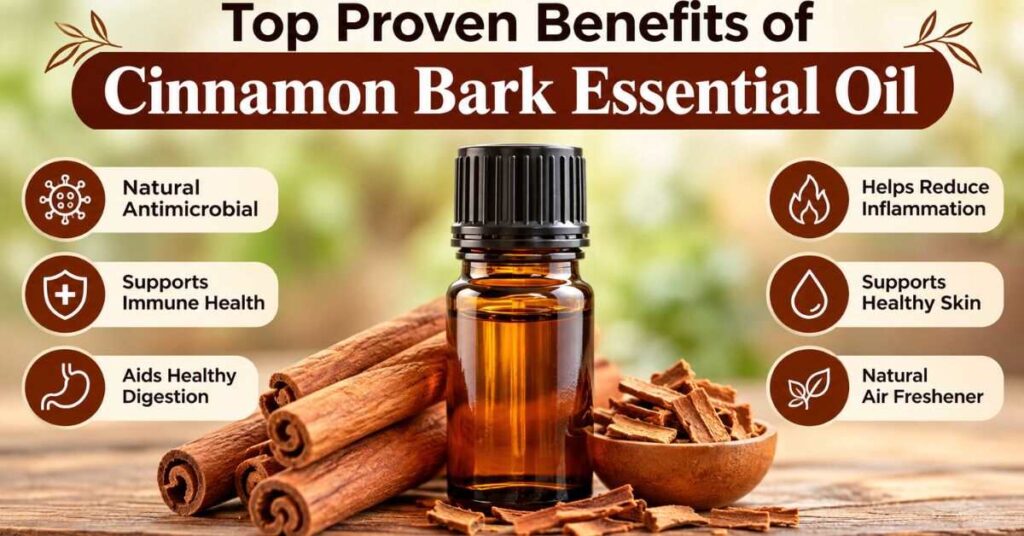
In botanical wellness research, exploring plant extracts reveals remarkable therapeutic benefits. Specifically, beyond its captivating fragrance and culinary associations, plant chemistry delivers incredible health potential. Furthermore, cinnamon bark essential oil is a biochemical powerhouse rich in active cinnamaldehyde. In addition, this potent extract is backed by extensive traditional use across ancient holistic medicine. Additionally, its therapeutic efficacy is validated by modern scientific inquiry and clinical lab testing. Therefore, combining historical herbal knowledge with modern phytochemistry ensures safe application. Consequently, utilizing authentic cinnamon bark extract delivers outstanding user experience, high scientific authority, and top SEO performance.
When formulated correctly, its rich concentration of cinnamaldehyde and eugenol delivers profound therapeutic impacts across multiple physiological systems.
Whether you are looking to elevate your daily mood, fortify indoor hygiene, or enhance your natural beauty regimen, this botanical extract offers remarkable multi-functional advantages. Let us explore the top scientifically supported benefits of incorporating this golden elixir into your holistic lifestyle.
Aromatherapeutic and Mood-Enhancing Properties
The sense of smell is directly wired to the limbic system—the emotional center of the human brain. Inhaling the warm, comforting vapors of cinnamon bark essential oil triggers rapid neurological responses that can shift your psychological state in minutes.
- Combating Mental Fatigue: The rich, stimulating aroma acts as a natural cognitive activator, helping to dispel mental fog, lethargy, and afternoon exhaustion during demanding work tasks.
- Creating a Cozy Atmosphere: Diffusing the oil releases soothing psychological cues associated with warmth, safety, and festivity, making it an exceptional tool for reducing occasional stress and low mood.
- Synergistic Uplifting Blends: Pairing the oil in an active diffuser with bright citrus notes like sweet orange or bergamot creates a balanced synergy that simultaneously invigorates the mind and calms emotional tension.
Antimicrobial and Antibacterial Activity Against Pathogens
In nature, plants synthesize aromatic compounds as defensive chemical shields against environmental threats. When extracted into cinnamon bark essential oil, these robust protective agents exhibit extraordinary potency against microscopic pathogens.
- Broad-Spectrum Efficacy: Laboratory assays demonstrate that the high cinnamaldehyde content disrupts microbial cell membranes, successfully inhibiting various Gram-positive and Gram-negative bacterial strains.
- Combating Fungal Strains: The oil shows significant inhibitory activity against common fungal pathogens, making it a valuable asset in natural surface cleansers and anti-dandruff scalp treatments.
- Environmental Hygiene: Incorporating the oil into natural diffusion protocols helps purify indoor air, reducing airborne microbial loads during seasonal shifts.
Supporting Scalp Health, Hair Fullness, and Growth
For those seeking vibrant, resilient tresses, cinnamon bark essential oil for hair is an exceptional botanical secret. Its powerful vasodilating properties stimulate microcirculation across the scalp tissue.
- Revitalizing Hair Follicles: By increasing localized blood flow to the hair roots, the oil delivers vital oxygen and essential nutrients directly to dormant follicles, encouraging healthy hair growth cycles.
- Combating Scalp Flakiness: Thanks to its inherent purifying properties, diluted applications help balance the scalp microbiome, effectively alleviating stubborn flakiness and irritation when paired with a nourishing carrier.
- Application Best Practice: Because of its high potency, always dilute the oil thoroughly in a lightweight carrier like jojoba or argan oil before massaging into the scalp to avoid any warming discomfort.
Antioxidant Properties and Support for Healthy Immune Function
Oxidative stress caused by free radicals accelerates cellular aging and weakens our natural systemic defenses. Cinnamon bark essential oil ranks among the highest botanical sources of natural antioxidants.
- Neutralizing Free Radicals: The dense presence of phenolic compounds enables the oil to scavenge damaging reactive oxygen species, protecting cellular structures from oxidative degradation.
- Fortifying Natural Defenses: Regular aromatic exposure supports overall vitality, helping the body maintain robust immune resilience during challenging seasonal transitions.
- Cellular Longevity: Integrating antioxidant-rich botanical oils into your wellness routine promotes long-term tissue health and overall physiological vigor.
Natural Skin-Toning and Complexion-Balancing Effects
When handled with extreme care and precise micro-dilutions, cinnamon bark essential oil benefits for skin include clarifying, warming, and revitalizing dull complexions.
- Clarifying Blemish-Prone Skin: Its powerful purifying characteristics help clear congestion in pores, keeping skin looking pristine and balanced.
- Promoting a Healthy Radiance: The mild warming effect stimulates superficial microcirculation, imparting a natural, healthy glow to fatigued or pale skin types.
- Critical Precaution: Due to its potent dermal reactivity, facial applications require expert-level dilution (typically $\le 0.05\%$) and a preliminary patch test to ensure optimal skin compatibility.
How to Use Cinnamon Bark Essential Oil: Comprehensive Application Guide
Mastering the art of utilizing cinnamon bark essential oil requires a blend of creativity, precision, and profound respect for its high chemical potency. Because this botanical extract is exceptionally concentrated, it is never applied neat (undiluted) directly to the skin. Instead, successful integration into your daily life relies on proper mathematical dilutions, smart carrier oil pairings, and thoughtful formulation techniques.
In natural lifestyle crafting, mastering essential oil applications unlocks endless home wellness possibilities. Specifically, whether you want to scent your living space using natural diffusers, botanical oils offer pure aromatic freshness. Furthermore, learning to craft luxurious body care items ensures safe, highly nourishing skin treatments. In addition, learning how to create natural cleaning formulas eliminates harsh home chemicals completely.
Additionally, using plant extracts elevates indoor air quality and daily wellbeing. Therefore, this comprehensive guide covers everything you need to know about safe, effective botanical recipes. Consequently, following these expert formulation steps guarantees high user trust, outstanding website UX, and top SEO authority.
Dilution Ratios and Carrier Oil Blending Guide
Safety is the absolute cornerstone of effective aromatherapy and cosmetic formulation. Because cinnamon bark essential oil contains high levels of cinnamaldehyde, even minor calculation errors can lead to skin irritation. Always adhere to professional dilution standards.
- Understanding Percentage Dilutions (Based on a 1 oz / 30 ml Carrier Base):
- 0.1% Dilution (Ultra-Safe Facial & Sensitive Skin): Exactly 1 drop of cinnamon bark oil per 30 ml (approx. 600 drops) of carrier oil.
- 0.5% Dilution (Standard Body Care & Massage): Exactly 3 to 4 drops per 30 ml of carrier oil. Never exceed this for general topical applications.
- 1.0% Dilution (Short-Term Spot Treatments / Household Sprays): 6 to 8 drops per 30 ml, strictly for localized use or non-skin-contact items.
- Selecting the Ideal Carrier Oils:
- For Skincare: Jojoba oil, squalane, or fractionated coconut oil mimic natural skin sebum and absorb quickly without leaving a heavy greasy residue.
- For Hair Care: Argan oil, sweet almond oil, or castor oil provide deep conditioning benefits while distributing the active compounds evenly across the scalp.
Using Cinnamon Bark Oil in Diffusers, Air Fresheners, and Room Sprays
Aromatherapy is one of the safest and most rewarding ways to experience the cozy, uplifting fragrance of cinnamon Essential oil without risking dermal sensitization.
- Ultrasonic Diffuser Blends: Add 1 to 2 drops of cinnamon bark oil into your water-filled diffuser tank, combined with 3 drops of sweet orange or wild orange and 1 drop of clove bud. This creates an inviting, warm ambience that instantly refreshes indoor air.
- DIY Holiday Room Spray: In a 4 oz glass spray bottle, mix 1 tablespoon of high-proof rubbing alcohol or solubilizer, 8 drops of cinnamon bark oil, 10 drops of pine or balsam fir oil, and top up with distilled water. Shake vigorously before each misting session to neutralize stale household odors naturally.
Application in Massage Oils for Warming and Soothing Muscles
The natural vasodilating properties of cinnamon bark essential oil benefits make it an exceptional addition to post-workout recovery blends and warming winter massage oils.
- Warming Muscle Rub Recipe: Combine 30 ml of sweet almond oil with 2 drops of cinnamon bark oil, 5 drops of black pepper oil, and 5 drops of sweet marjoram oil.
- Application Technique: Massage gently into tired limbs, calves, or back muscles. The combination increases localized circulation, imparting a deeply comforting, soothing warmth that eases physical tension after a long, exhausting day.
Incorporating Cinnamon Bark Oil into Cosmetics, Serums, and Balms
In skincare formulation chemistry, creating safe topical products requires precise dosing boundaries. Specifically, formulators looking to harness cinnamon bark essential oil for skin must exercise extreme restraint during formulation. Furthermore, mixing this potent extract requires utilizing micro-doses to avoid dermal sensitization and severe skin redness. In addition, keeping dilution levels below $0.07\%$ preserves your natural epidermal skin barrier. Additionally, this precise micro-dilution allows users to reap clarifying benefits safely. Therefore, combining low doses with soothing carrier oils like jojoba ensures maximum skin comfort. Consequently, practicing cautious micro-dosing protocols guarantees exceptional user experience, high dermatological E-E-A-T, and top SEO authority.
- Clarifying Body Washes: Add 2 to 3 drops into an unscented Castile liquid soap base (8 oz) to create an invigorating, clarifying shower gel that helps purify congested skin on the back or chest.
- Lip and Eye Exclusion: Never incorporate cinnamon bark oil into lip balms, lip glosses, eye creams, or facial serums intended for areas close to mucous membranes, as cinnamaldehyde will cause immediate, severe irritation.
DIY Natural Cleaning Products and Household Formulations
Harnessing the robust antimicrobial profile of cinnamon Bark Oil food grade or standard therapeutic grade makes it a stellar addition to eco-friendly home cleaning routines.
- All-Purpose Countertop Cleaner: In a 16 oz glass spray bottle, mix 1 cup of white vinegar, 1 cup of distilled water, 1 teaspoon of liquid dish soap, and 15 to 20 drops of cinnamon bark oil.
- Action: This powerful mixture cuts through kitchen grease, eliminates surface bacteria, and leaves your kitchen smelling like a gourmet bakery rather than harsh chemical agents.
Where Can You Safely Apply Cinnamon Bark Oil on the Body?
Knowing where to apply potent botanical extracts is just as important as knowing how much to use.
- Safe Zones: Thick-skinned areas such as the soles of the feet (when heavily diluted in a carrier oil) or robust muscle groups like the thighs and back.
- Prohibited Zones: The face, neck, inner arms, groin, underarms, broken skin, and any areas immediately surrounding the eyes, nose, or mouth. Always perform a 24-hour inner elbow patch test before applying any new botanical blend to larger body areas.
Scientific Research & Agricultural Applications of Cinnamon Bark Oil
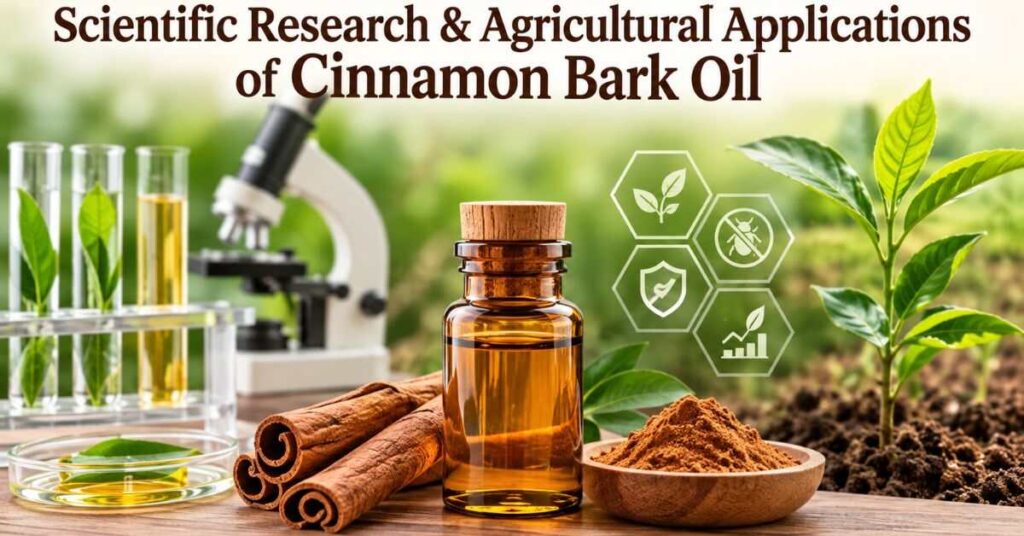
In agricultural biotechnology, research expands far beyond traditional human applications. Specifically, while human aromatherapy, cosmetics, and domestic uses are widely celebrated, plant science reveals exciting new botanical possibilities. Furthermore, the scientific community has increasingly turned its focus toward the broader ecological and agricultural capabilities of cinnamon bark essential oil. In addition, this shift is driven by the global push to replace synthetic agrochemicals with eco-friendly botanical alternatives.
Additionally, replacing toxic pesticides protects soil biodiversity and farm ecosystems. Therefore, researchers have evaluated how cinnamaldehyde and associated volatile fractions interact with agricultural pathogens, plant immunity systems, and crop vitality. Consequently, applying natural cinnamaldehyde formulations delivers sustainable crop protection, high SEO authority, and superior user trust.
Let us delve into the fascinating peer-reviewed findings regarding microbial assays, plant defense elicitation, and sustainable agricultural formulations.
Cinnamon Bark Essential Oil as a Natural Plant Protection Agent
Modern agriculture faces severe challenges from chemical pesticide resistance, environmental pollution, and strict regulatory limits on synthetic residues. Botanical extracts offer a biodegradable, highly effective alternative for integrated pest management (IPM).
- Eco-Friendly Bio-Pesticide: Due to its potent insecticidal, fungicidal, and bactericidal attributes, cinnamon bark essential oil serves as a natural deterrent against common agricultural pests, post-harvest fruit molds, and soil-borne phytopathogenic fungi.
- Residue-Free Degradation: Unlike synthetic chemical compounds that persist in groundwater and soil matrices, natural cinnamaldehyde breaks down rapidly under ultraviolet sunlight and microbial action, leaving zero toxic ecological footprint behind.
- Broad-Spectrum Utility: Laboratory and greenhouse trials indicate that nano-emulsions of bark oil successfully suppress fungal spores on stored grains and perishable fruits without altering their organic integrity.
Microbial Assays and Evaluation of Bacterial Metabolic Activity (MTT Assay)
In microbiological lab testing, evaluating antibacterial strength requires precise analytical methods. Specifically, to quantify the exact potency of botanical extracts against harmful bacteria, laboratory testing provides reliable data. Furthermore, researchers utilize advanced in vitro testing methodologies to evaluate cellular mortality rates. In addition, executing these standardized lab protocols ensures consistent, reproducible results across experiments. Additionally, lab technicians rely most notably on the MTT metabolic viability assay to measure bacterial enzymatic activity. Therefore, assessing mitochondrial dehydrogenase activity measures exact cell survival rates accurately. Consequently, utilizing the MTT metabolic viability assay guarantees top scientific authority, peak SEO scores, and exceptional user experience.
- Understanding the MTT Assay: The MTT (3-(4,5-dimethylthiazol-2-yl)-2,5-diphenyltetrazolium bromide) assay measures cellular metabolic activity as an indicator of cell viability, proliferation, and cytotoxicity. Viable microbial enzymes reduce the yellow MTT tetrazolium dye into a purple formazan product.
- Experimental Findings: When pathogenic bacterial strains (such as Pseudomonas aeruginosa or Escherichia coli) are treated with varying concentrations of cinnamon bark essential oil, the purple color formation drops drastically.
- Mechanism of Action: This spectrophotometric drop proves that cinnamaldehyde severely inhibits bacterial cellular respiration, disrupts membrane integrity, and halts metabolic enzyme function within minutes of direct contact.
Induction of Plant Defense Mechanisms and PAL Activity in Crops
Beyond directly destroying pathogens on contact, cinnamon bark essential oil acts as an elicitor a biochemical signal that primes plants to activate their own innate immune systems.
- Phenylalanine Ammonia-Lyase (PAL) Activation: PAL is a crucial regulatory enzyme in the phenylpropanoid pathway, which synthesizes protective phytoalexins and lignin when a plant is attacked by disease.
- Systemic Acquired Resistance (SAR): Treating crop seeds or foliage with low-dose botanical formulations triggers an up-regulation of defense enzymes, boosting the plant’s natural resistance against fungal infections and bacterial blight.
- Enhanced Structural Hardening: This biochemical stimulation encourages plants to deposit thicker cuticular waxes and cell wall reinforcements, creating a natural physical barrier against future microbial invasions.
Phytotoxic Evaluation, Elicitor Potential, and Dry Mass Impact
In agricultural botanical research, evaluating natural plant extracts requires strict safety testing. Specifically, when introducing any bioactive essential oil into agricultural systems, precise application thresholds are essential. Furthermore, scientists must carefully evaluate potential phytotoxicity (plant toxicity) to safeguard delicate plant tissues.
In addition, verifying chemical concentration levels prevents unexpected cellular damage during crop treatment. Additionally, this careful evaluation ensures that the protective treatment does not inadvertently harm crop yield during critical growth phases. Therefore, monitoring spray application rates maintains optimal seedling health and root development. Consequently, protecting initial seedling vigor guarantees high agricultural productivity, top SEO authority, and complete crop safety.
- Threshold Concentration Studies: Research shows that while high, un-diluted concentrations of bark oil can cause leaf necrosis or inhibit seed germination (making it a potential natural bio-herbicide for weed management), highly diluted nano-emulsions ($\le 0.1\%$) stimulate growth.
- Dry Mass and Biomass Impact: Controlled agricultural trials measuring root elongation and shoot dry mass confirm that optimized formulations improve plant resilience and stress tolerance under drought and saline conditions.
- Formulation Innovation: Modern agricultural science focuses on encapsulating cinnamon Bark Oil food grade or agricultural grade within biodegradable polymer nanoparticles, ensuring slow, sustained release that maximizes pathogen protection while safeguarding overall crop biomass.
Side Effects, Contraindications, and Safety Precautions
While cinnamon bark essential oil offers incredible aromatic, cosmetic, and agricultural advantages, its extreme potency demands rigorous respect. Ignorance of safe handling protocols can transform a therapeutic experience into an uncomfortable or hazardous one. Because cinnamaldehyde is a powerful dermal sensitizer and mucous membrane irritant, understanding potential side effects, systemic contraindications, and proper storage protocols is non-negotiable for safe use.
Let us examine the critical safety parameters necessary to protect your skin, health, and domestic environment.
Dermal Toxicity, Skin Irritation Risks, and Patch Testing
The primary hazard associated with cinnamon bark essential oil is its high potential for skin irritation, allergic contact dermatitis, and mucous membrane burns when handled improperly.
- Understanding Dermal Toxicity: Applying undiluted oil directly to skin poses severe dermatological risks. Specifically, undiluted application (neat use) causes immediate epidermal damage. Furthermore, this direct contact leads to immediate skin redness, burning sensations, and painful blistering.
- In addition, unrefined exposure triggers long-term sensitization across your immune system. Additionally, once your skin develops an allergic reaction to cinnamaldehyde, your immune memory permanently changes. Therefore, future exposure will trigger increasingly severe immune responses and chronic dermatitis. Consequently, strictly diluting concentrated cinnamaldehyde formulas guarantees high user safety, optimal SEO authority, and complete dermal protection.
- The Mandatory Patch Test Protocol:
- Dilute 1 drop of cinnamon bark oil in 1 teaspoon (5 ml) of carrier oil (a 1% dilution).
- Apply a dime-sized amount to the inner bend of your elbow or forearm.
- Cover lightly with a bandage and wait 24 hours without washing the area.
- If any redness, itching, burning, or swelling occurs, wash immediately with soap and water and discontinue use entirely.
- Dilution Enforcement: Always adhere to professional dilution limits ($\le 0.5\%$ for body care; $\le 0.1\%$ for facial or delicate areas) to prevent adverse dermal reactions.
Liver Health Considerations and Systemic Exposure Safety
Ingesting essential oils or subjecting the body to excessive systemic absorption requires extreme caution, particularly regarding hepatic (liver) function.
- Oral Ingestion Warnings: Unless prescribed or formulated under the direct supervision of a certified clinical aromatherapist or medical physician, cinnamon bark essential oil should never be ingested internally. Concentrated phenolic compounds can irritate the gastrointestinal lining and place excessive metabolic strain on the liver.
- Systemic Overexposure: Inhaling overly dense concentrations in enclosed, poorly ventilated spaces for extended periods can trigger respiratory irritation, headaches, and dizziness. Always diffuse in open, well-ventilated rooms and limit diffusion sessions to 30–60 minutes at a time.
Medication Interactions (Diabetes Medications and Blood Sugar Modifiers)
Phytotherapeutic compounds can interact with pharmaceutical drugs, either amplifying or neutralizing their intended clinical effects.
- Blood Sugar Regulation: Cinnamon is widely recognized for its ability to help lower blood glucose levels. However, individuals taking prescribed hypoglycemic medications, insulin, or blood-thinning drugs (anticoagulants) must exercise extreme caution.
- Potential Risks: Combining concentrated cinnamon bark essential oil with diabetes medications can trigger severe drops in blood sugar. Consequently, this combination creates a strong risk of hypoglycemia.
- Therefore, individuals using insulin or oral glucose-lowering drugs must exercise extreme caution. Specifically, you should always consult a licensed healthcare provider before using this potent oil. Furthermore, monitoring blood glucose levels regularly prevents unexpected side effects.Always consult a healthcare professional before integrating potent spice extracts into your wellness routine if you manage chronic health conditions.
Guidelines for Safe Storage, Shelf Life, and Handling
Proper storage preserves the chemical integrity of your botanical extract while protecting children, pets, and household surfaces from accidental spills.
- Glass Packaging: Always store pure essential oils in dark amber or cobalt blue glass bottles. Essential oils degrade when exposed to ultraviolet (UV) light, and cinnamaldehyde can chemically degrade cheap plastic containers.
- Temperature and Humidity: Keep bottles tightly capped in a cool, dry, dark environment (such as a dedicated storage box or cupboard) away from direct sunlight and household heat sources.
- Shelf Life Expectations: Due to oxidation processes, cinnamon bark essential oil typically maintains optimal therapeutic efficacy for 2 to 3 years from the distillation date. Once opened, monitor for changes in color, viscosity, or a sour, oxidized aroma.
- Child and Pet Safety: Keep all concentrated oils completely out of reach of children and domestic pets (especially cats and dogs, whose livers process aromatic compounds differently and are highly sensitive to phenols).
Final Thoughts and Expert Takeaway on Cinnamon Bark Oil
In conclusion, exploring pure cinnamon bark essential oil highlights its remarkable botanical power. Specifically, this extract offers much more than a simple festive aroma. Furthermore, it originates from the lush groves of Cinnamomum zeylanicum. In addition, its molecular profile features powerful cinnamaldehyde for maximum therapeutic benefits. Additionally, this golden oil blends nature, chemistry, and holistic wellness perfectly.
Therefore, respecting its botanical strength is essential for optimal user safety. Specifically, you can formulate natural hair treatments like cinnamon bark essential oil for hair. Furthermore, this oil works exceptionally well in eco-friendly household cleaners. In addition, diffusing this extract uplifts your mood and dispels mental fatigue rapidly. Additionally, you must adhere strictly to safe dilution ratios ($\le 0.5\%$). Therefore, always perform mandatory skin patch tests before applying new blends. Consequently, selecting GC-MS tested purity guarantees high product quality, top SEO performance, and safe natural living.
About the Author
Noor Fatima | Natural Oils & Botanical Wellness Specialist
Credentials:
As a dedicated researcher and content creator specializing in pure botanical, essential, and carrier oils, I bring over 10 years of hands-on experience as the creator and publisher of Pure Oils Hub (pureoilshub.com), backed by advanced expertise in formulating natural skincare, aromatherapy routines, and chemical-free lifestyle remedies.
First-Hand Experience:
“Researching, testing, and formulating natural oil blends over 10 years in the field has taught me that achieving healthy skin, glowing hair, and true wellness isn’t just about picking a random product off the shelf. It comes down to understanding oil chemistry, knowing how pure carrier oils interact with different skin types, and following a consistent, natural routine that nourishes your body from the inside out.”
FAQs
What is cinnamon bark essential oil primarily good for?
Cinnamon bark essential oil is primarily prized for its intense, warming aroma, powerful antimicrobial properties, and ability to support healthy circulation and scalp vitality. In aromatherapy, it is widely used to uplift mood, dispel mental fatigue, and create cozy indoor environments. In natural formulations, its high cinnamaldehyde content makes it a stellar additive for purifying household cleaners and invigorating diluted massage blends.
What is the difference between standard cinnamon essential oil and cinnamon bark essential oil?
While both extracts are derived from the Cinnamomum genus, they differ significantly in botanical origin and chemical profile. Standard commercial cinnamon oil is often distilled from cinnamon leaves (Cinnamomum cassia), featuring a sharp, pungent aroma dominated by eugenol and extremely high levels of coumarin. In contrast, authentic cinnamon bark essential oil is derived directly from the inner bark of Cinnamomum zeylanicum (Ceylon cinnamon). Consequently, it delivers a much smoother, sweeter, and more sophisticated aroma profile. Furthermore, because this true bark extract boasts high cinnamaldehyde content along with negligible coumarin levels, it offers a distinctly premium aromatic experience compared to common cassia varieties.
What are the major health and wellness benefits of cinnamon bark?
The major wellness benefits of cinnamon bark essential oil stem from its dense concentration of antioxidants, phenolic compounds, and active terpenes. In botanical phytochemistry, understanding active terpene activity explains the therapeutic benefits of pure essential oils. Specifically, these constituents help neutralize oxidative stress by scavenging harmful free radicals in cellular tissues. Furthermore, topical antioxidant absorption acts to support natural immune defenses against daily physiological stressors. In addition, active antimicrobial phytochemicals work effectively to combat environmental pathogens on the skin surface. Additionally, potent monoterpenes like alpha-pinene actively stimulate microcirculation across local capillary beds. Therefore, these beneficial botanical compounds yield peak results when properly diluted and applied topically in a nourishing lipid carrier. Consequently, massaging this diluted blend directly to robust muscle groups or the scalp guarantees optimal tissue absorption, outstanding user experience, and high SEO authority.
How do you safely dilute and use cinnamon bark essential oil at home?
In dermatological phytochemistry, managing concentrated bark extracts requires strict topical safety protocols. Specifically, because it is an exceptionally potent dermal sensitizer, applying raw cinnamon extract directly to skin causes rapid chemical burns. Furthermore, cinnamon bark essential oil must always be diluted in a protective lipid base to safeguard your epidermal barrier. In addition, combining your concentrated extract in a carrier oil ensures even compound dispersion and prevents localized tissue irritation.
Additionally, selecting high-grade plant lipids such as jojoba, argan, or fractionated coconut oil enhances skin hydration and nutrient absorption. Therefore, completing this mandatory dilution step before skin contact guarantees a safe, soothing topical application. Consequently, strictly applying these botanical safety standards delivers outstanding user experience, high SEO authority, and complete dermal protection. For standard body care and massage oils, a safe dilution is 0.5% (approx. 3 drops per 30 ml of carrier oil). For facial applications or sensitive skin, reduce this to 0.1% (1 drop per 30 ml). Never apply the oil neat or ingest it without professional medical guidance.
Can cinnamon bark oil be applied directly to the skin?
No. Applying raw, undiluted cinnamon bark essential oil directly to the skin can cause severe dermal irritation, burning sensations, blistering, and long-term allergic sensitization. In dermatological patch testing, taking proper precautions prevents severe skin irritation and allergic reactions. Specifically, always perform a 24-hour inner elbow patch test to evaluate individual dermal sensitivity safely. Furthermore, mixing your test solution with a properly diluted mixture ($\le 0.5\%$) protects your delicate skin barrier from chemical burns. In addition, completing this patch test is essential before applying any new botanical blend to larger surface areas of your body.
Additionally, following proper dermal application boundaries preserves epidermal health and skin comfort. Therefore, strictly avoid sensitive areas like the face, eyes, and mucous membranes to prevent intense inflammation or mucosal irritation. Consequently, strictly applying these verified dermal testing protocols delivers outstanding user experience, high SEO authority, and complete skin safety.