Introduction
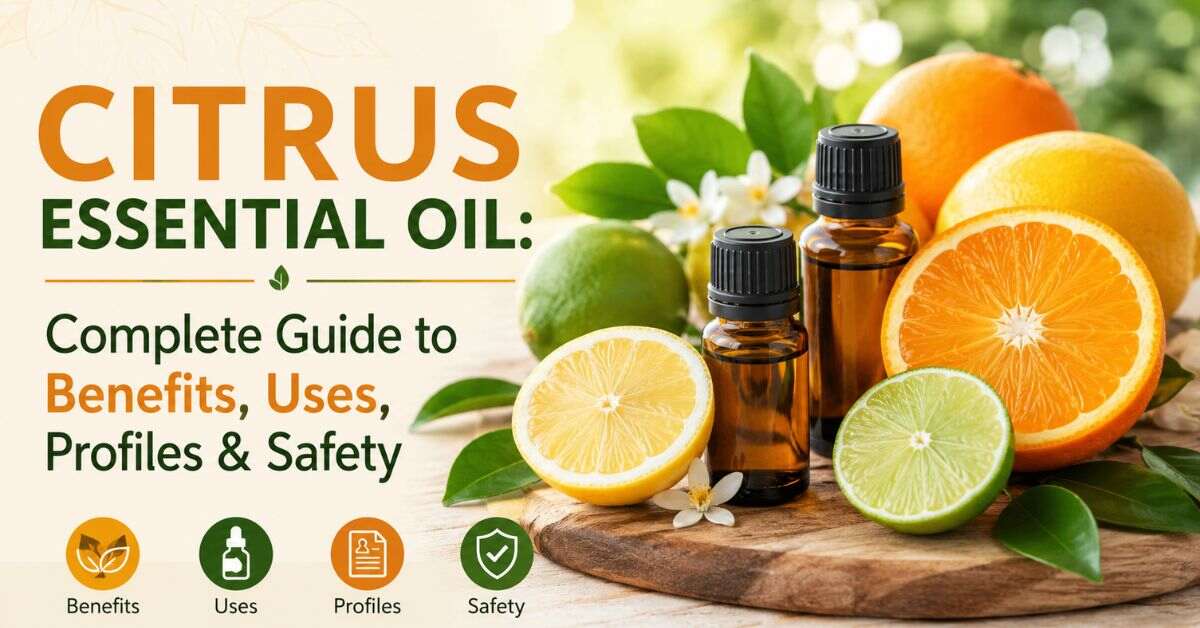
Imagine twisting a fresh, ripe orange peel and feeling that instant burst of crisp, invigorating zesty aroma filling the room. That immediate surge of brightness isn’t just a pleasant smell it is the raw, potent power of citrus essential oil at work. Extracted directly from the rind of sun-ripened citrus fruits, these concentrated botanical extracts serve as natural powerhouses for holistic wellness, non-toxic home care, and advanced skincare routines.
Whether you are seeking a natural mood booster to cut through brain fog, an effective grease-cutting agent for DIY household cleaning, or science-backed botanical solutions for radiant skin, citrus essential oil delivers unmatched versatility. In this comprehensive guide, we unpack everything from botanical profiles and chemical constituents to safe application methods, helping you harness these vibrant oils with maximum confidence and authority.
What is Citrus Essential Oil? (Botanical Overview & History)
Definition and Origins of Citrus Essential Oils
Citrus essential oil refers to the highly concentrated, hydrophobic liquid extracted primarily from the pericarp (peel or rind) of plants belonging to the Rutaceae family. Unlike synthetic fragrances that merely mimic scent, genuine citrus essential oil contains complex secondary metabolites developed by plants over millions of years as defensive mechanisms against environmental stressors, microbes, and pests.
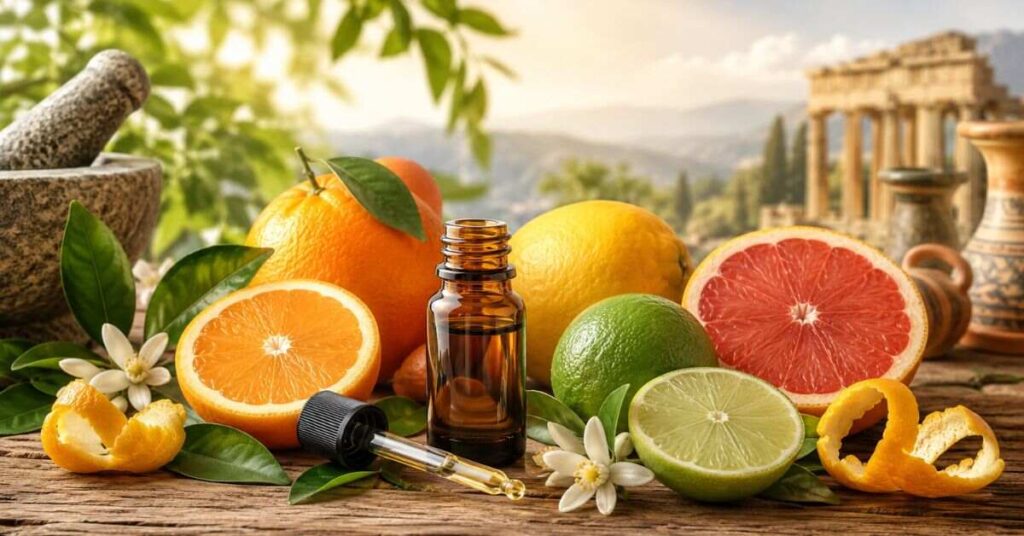
The historical roots of citrus cultivation trace back over 4,000 years to Southeast Asia, specifically the fertile valleys of Assam, northern Myanmar, and southwestern China. Ancient civilizations quickly recognized the therapeutic value of these aromatic fruits:
- Traditional Chinese Medicine (TCM): Dried citrus peels (Chen Pi) were routinely prescribed to regulate vital energy (Qi), improve digestion, and reduce respiratory phlegm.
- Ancient Mediterranean Practices: The Romans and Greeks utilized imported citrus rinds for food preservation, air purification, and herbal poultices.
- Renaissance Europe: Royalty utilized citrus extracts as prized perfumery agents and personal hygiene tonics during the rise of European apothecaries.
Today, global production centres around sunny regions like Italy, Brazil, the United States (Florida and California), and Spain, yielding premium-grade extracts celebrated worldwide. Furthermore, regional demand for pure botanicals continues to grow globally, making high-grade citrus essential oil in Pakistan an increasingly sought-after commodity for personal wellness and natural cosmetic formulations.
Cold-Pressed vs. Steam Distilled Citrus Essential Oil Extraction
The method used to extract citrus essential oil directly impacts its therapeutic value, aroma profile, and chemical integrity. The two main extraction techniques are cold-pressing and steam distillation.
| Extraction Feature | Cold-Pressed (Expression) | Steam Distilled |
| Primary Method | Mechanical pressing of fresh fruit rinds | High-pressure steam passed through plant material |
| Heat Exposure | None to minimal heat applied | High heat applied during boiling |
| Aroma Profile | Crisp, sharp, identical to fresh fruit peel | Softer, slightly cooked or herbal undertones |
| Chemical Preservation | Preserves delicate heat-sensitive terpenes | May alter or degrade heat-sensitive compounds |
| Phototoxicity Risk | Higher (retains natural furanocoumarins) | Lower (furanocoumarins typically do not distill) |
1. Cold-Pressed Extraction (Cold Expression)
This is the gold standard for most rind-derived oils such as sweet orange, lemon, and grapefruit. The fruit peels are mechanically pricked or compressed (ecuelle a piquer) to burst the microscopic oil sacs embedded in the outer rind (flavedo). The resulting liquid mixture of oil and fruit juice is then centrifuged to isolate the pure, unadulterated oil. Because no external heat is applied, cold-pressed oils retain their natural color, crisp aroma, and full spectrum of bioactive compounds.
2. Steam Distillation
While less common for peel-based oils, steam distillation is utilized for specific specialty extracts like lime or when producing non-phototoxic citrus options. Steam passes through the plant material, vaporizing the volatile aromatic compounds. The vapor travels through a cooling condenser, returning to a liquid state where the oil naturally separates from the water (hydrosol). Steam-distilled citrus oils offer a slightly altered aromatic profile but provide extended shelf stability and reduced sensitivity to sun exposure.
Primary Chemical Constituents of Citrus Essential Oil (Limonene & Terpenes)
The remarkable functional benefits of citrus essential oil stem from its distinctive biochemical architecture. Belonging primarily to the terpene family, these volatile organic compounds readily cross biological membranes and interact with human cell receptors.
Cold Expression Process and Chemical Fractionation of Citrus Peel Oils
Cold expression mechanically presses raw citrus peel to extract volatile essential oils without applying degrading heat. Furthermore, analyzing the resulting extract reveals two main chemical fractions that dictate the aroma, shelf life, and therapeutic profile of citrus botanical oils:
- Monoterpenes Fraction (90% to 95% Yield): Representing the overwhelming majority of cold-pressed citrus oil, volatile monoterpenes provide powerful antioxidant defenses and vibrant uplifting scents. Specifically, D-Limonene serves as the primary active constituent that neutralizes free radicals and supports mood elevation. Additionally, compounds like Alpha-Pinene, Beta-Pinene, and Myrcene work in synergy to enhance dermal absorption and provide mild airborne antimicrobial protection.
- Oxygenated Compounds Fraction (1% to 5% Yield): Although present in much smaller concentrations, oxygenated constituents contribute the complex notes and deep therapeutic properties of the oil. For instance, Linalyl Acetate and Linalool deliver profound nervous system calming and skin-soothing benefits. Moreover, active aldehydes like Citral (Geranial and Neral) provide strong clarifying action, while trace Coumarins and Furanocoumarins offer potent biological activity despite requiring careful topical sun exposure precautions.
Monoterpenes (85% – 95% total composition)
- D-Limonene: The dominant chemical constituent across almost all citrus species (often exceeding 90% in sweet orange oil). D-Limonene is a powerful monocyclic monoterpene celebrated for its robust antioxidant properties, solvent capabilities, and ability to support cellular health.
- Alpha-Pinene & Beta-Pinene: Contributing crisp, pine-like undertones, these compounds support clear respiratory pathways and mental alertness.
- Myrcene: A minor monoterpene that acts synergistically to enhance skin permeability and potentiate the absorption of other beneficial botanical constituents.
Oxygenated Compounds & Traces (1% – 5% total composition)
- Citral (Geranial and Neral): Highly abundant in lemon and lime oils, giving them their characteristic sharp, cleansing citrus fragrance alongside potent antimicrobial activity.
- Linalyl Acetate & Linalool: Found prominently in bergamot and neroli, providing calming, nerve-soothing, and anti-anxiety benefits.
- Furanocoumarins (e.g., Bergapten): Naturally occurring compounds that absorb ultraviolet radiation, requiring careful handling and proper dilution to avoid photosensitivity reactions.
Types of Citrus Essential Oils & Their Unique Profiles
While every citrus essential oil shares an uplifting baseline, each variety possesses a distinct botanical personality, chemical footprint, and targeted therapeutic application. Understanding these individual profiles enables you to select the precise oil for your specific skin, health, or aromatic needs.
Sweet Orange Essential Oil (Citrus sinensis)
Sweet orange essential oil is globally celebrated as the ultimate “oil of abundance and joy.” Derived from the cold-pressed peel of Citrus sinensis, its warm, sweet, and bright aroma instantly refreshes dull indoor spaces and weary minds.
- Aroma Profile: Sweet, warm, freshly peeled citrus with subtle floral undertones.
- Dominant Chemical Constituent: Up to 95% D-Limonene.
- Key Benefits & Applications: Highly effective for lifting low mood, supporting healthy digestive peristalsis when diluted and massaged onto the abdomen, and breaking down tough greasy residues on household surfaces.
In regional markets, consumer interest in natural home care has caused search volume for Orange Oil price in Pakistan to rise steadily, with users seeking pure cold-pressed grades over synthetic room sprays to ensure maximum therapeutic benefit.
Lemon Essential Oil (Citrus limon)
Sharp, clean, and unmistakably zesty, lemon essential oil stands out as a foundational pillar of natural wellness and cosmetic formulation. Its powerful purifying nature stems from a balanced synergy of monoterpenes and aldehyde constituents.
- Aroma Profile: Sharp, crisp, clean, and intense top note.
- Dominant Chemical Constituents: D-Limonene, Beta-Pinene, and Citral (Geranial & Neral).
- Key Benefits & Applications: Renowned for cognitive stimulation, mental focus, and immune system defense.
Dual Therapeutic Pathways of Lemon Essential Oil
Extracted through cold expression of fresh citrus peels, pure lemon essential oil delivers versatile benefits. It effectively supports both mental wellness and dermatological care. Consequently, understanding its two primary biological application pathways enables you to maximize its daily restorative potential.
Cognitive Enhancement and Mood Uplifting Pathways
Diffusing citrus aromatics actively stimulates olfactory pathways that govern emotional processing and mental alertness. Furthermore, breathing in volatile limonene enhances focus and sharpens concentration during demanding study or work sessions.
Additionally, inhaling these bright aromatic molecules clears mental fatigue by suppressing stress hormones. As a result, it simultaneously purifies ambient room air of lingering airborne microbes and stale odors.
Topical Skincare and Dermal Clarifying Pathways
Applying properly diluted lemon oil provides targeted support for oily and congested complexions. Moreover, its natural bio-compounds exert a potent astringent action that visibly tightens enlarged pores and refines skin texture.
In addition, rich antioxidant content actively brightens dull skin by fading surface blemishes. Meanwhile, bioactive terpenes regulate excess sebum production to maintain a balanced, matte facial finish.
Key Skin Benefits and Market Quality
When considering lemon oil benefits for skin, this extract acts as a potent natural astringent. It helps balance excess sebum production and clarifies congested pores. Therefore, it promotes a brighter, more radiant complexion over time.
However, because cold-pressed lemon oil is photosensitive, topical products containing it must be used with caution prior to sun exposure. Finally, checking the Lemon Essential oil price in Pakistan helps buyers differentiate between raw, therapeutic-grade extracts and diluted commercial fragrance oils.
Bergamot Essential Oil (Citrus bergamia)
Grown predominantly along the coastal corridor of Calabria in southern Italy, bergamot essential oil is unique among citrus botanicals. It possesses a complex, bittersweet, and slightly floral aroma famous as the signature flavor note in Earl Grey tea.
- Aroma Profile: Fresh, sweet-fruity, complex citrus with an herbaceous, floral undertone.
- Dominant Chemical Constituents: D-Limonene, Linalyl Acetate, and Linalool.
- Key Benefits & Applications: Unlike most energizing citrus oils, bergamot has remarkable nervous-system calming properties. Its unique blend of linalool and linalyl acetate helps soothe anxious thoughts, lower nervous tension, and encourage restful sleep without causing sedation.
Note: Standard bergamot oil contains high levels of bergapten (a potent furanocoumarin). For cosmetic formulations used on sun-exposed skin, always look for Bergamot FCF (Furanocoumarin-Free) oil.
Grapefruit Essential Oil (Citrus paradisi)
Extracted from the pink and white peels of Citrus paradisi, grapefruit essential oil is sharp, bittersweet, and deeply refreshing. It is widely utilized in holistic bodywork and body-contouring treatments.
- Aroma Profile: Fresh, tangy, bittersweet citrus with a light dry-down.
- Dominant Chemical Constituents: D-Limonene and Nootkatone (the key trace sesquiterpene responsible for grapefruit’s true-to-life aroma).
- Key Benefits & Applications: Grapefruit oil stimulates the lymphatic system, aiding in fluid balance and helping reduce the appearance of cellulite when integrated into body oils. Additionally, inhaling grapefruit oil can help curb emotional sugar cravings and promote an active, buoyant mindset.
Lime Essential Oil (Citrus aurantifolia)
Pungent, energetic, and intensely tart, lime essential oil provides an immediate olfactory wake-up call. It is available in two distinct extraction varieties:
[ Fresh Lime Peels ] ──┬──> (Cold Pressing) ──> Bright, Tart, Photosensitive Oil
└──> (Steam Distillation)──> Soft, Woody-Citrus, Non-Photosensitive Oil
- Aroma Profile: Tart, sharp, fresh, and intensely green.
- Dominant Chemical Constituents: D-Limonene, Beta-Pinene, Terpinolene, and Gamma-Terpinene.
- Key Benefits & Applications: Cold-pressed lime offers intense astringent benefits for oily skin profiles, while steam-distilled lime offers a softer, non-phototoxic profile ideal for leave-on cosmetic lotions and uplifting summer diffuser blends.
Blood Orange Essential Oil (Citrus sinensis)
A specialized cultivar of the sweet orange, blood orange essential oil comes from fruits featuring deep crimson flesh resulting from naturally occurring anthocyanins.
- Aroma Profile: Intense, rich, tangy-sweet citrus with distinct berry-like undertones.
- Dominant Chemical Constituents: D-Limonene, Myrcene, and Alpha-Pinene.
- Key Benefits & Applications: Beyond its captivating, gourmet scent profile, blood orange oil contains rich antioxidant activity that helps shield skin from environmental pollution while offering profound emotional comfort during times of high stress.
Mandarin & Tangerine Essential Oil (Citrus reticulata)
Delicate, sweet, and comforting, Mandarin Essential Oil (along with its closely related cousin, Tangerine) is widely recognized as the gentlest extract within the citrus family.
- Aroma Profile: Exceptionally sweet, soft, subtle citrus with honeyed undertones.
- Dominant Chemical Constituents: D-Limonene and trace N-Methylanthranilate (which imparts its distinct soothing aromatic quality).
- Key Benefits & Applications: Because of its mild botanical action, Mandarin Essential Oil is the preferred citrus choice for sensitive skin formulations, nervous stomach relief in children, and evening relaxation blends designed to calm hyperactive minds.
Specialty Citrus Essential Oils: Neroli, Petitgrain, and Yuzu
The bitter orange tree (Citrus aurantium) is a botanical marvel, yielding three distinctly different essential oils from different parts of the same plant:
| Essential Oil | Plant Source | Key Aroma Profile | Primary Therapeutic Focus |
| Neroli | Fresh Tree Blossoms | Intensely floral, exotic, honeyed | Deep trauma relief, skin elasticity, high-end perfumery |
| Petitgrain | Leaves and Green Twigs | Woody, herbaceous, green-citrus | Nervous system balance, oily skin, emotional grounding |
| Bitter Orange | Fruit Peel | Bittersweet, dry, tart citrus | Appetite support, mood elevation, environmental purification |
Yuzu Essential Oil (Citrus junos)
Hailing from East Asia, Yuzu essential oil is a rare, prized botanical featuring a unique fragrance that blends grapefruit, mandarin, and subtle floral notes. It is exceptional for nervous exhaustion, boosting immunity during seasonal shifts, and luxury holistic skincare.
When formulating high-end natural perfumes or grounding aromatherapy blends, pairing bright citrus top notes with rich base notes like sandalwood essential oil creates a harmonious, long-lasting scent profile that grounds the energetic volatility of citrus terpenes.
Read More: amber essential oil || what goes with thyme essential oil || spearmint essential oil || copaiba essential oil benefits
Health Benefits of Citrus Essential Oil (Science-Backed)

Beyond their refreshing fragrance, citrus essential oil varieties deliver significant, scientifically documented wellness benefits. By interacting with the human olfactory bulb, central nervous system, and dermatological barrier, these volatile organic compounds support both emotional balance and physical vitality.
Citrus Essential Oil for Mood Elevation and Stress Relief
Inhaling the crisp aroma of citrus essential oil initiates a rapid biochemical response in the brain. Olfactory nerve receptors send immediate neural signals directly to the limbic system the neurological center controlling emotions, memory, and autonomic nervous system activity.
Neurological Mechanism of Inhaled Essential Oil Vapors
Inhaling aromatic plant compounds triggers a rapid, direct biochemical cascade from the nasal passages straight into the emotional centers of the human brain. Consequently, understanding this neurological pathway clarifies how simple aromatherapy creates immediate physiological shifts in mood and stress management:
- Inhalation of Volatile Essential Oil Vapors: As you inhale active botanical compounds, microscopic volatile molecules enter the nasal cavity. Consequently, these fine airborne aromatic particles come into direct contact with specialized sensory neurons located inside the upper nasal lining.
- Activation of Olfactory Receptors: Upon contact, volatile terpenes bind directly to specialized olfactory receptors, generating instant electrical nerve impulses. Furthermore, these sensory signals bypass standard conscious logical filtering pathways in the brain to ensure rapid neural transmission.
- Direct Stimulation of the Limbic System: Electrical signals travel immediately along the olfactory nerve straight into the limbic system, which serves as the primary emotional and memory processing center of the brain. As a result, this direct neurological connection triggers instantaneous physiological responses without any lag or delay.
- Biochemical Regulation (Increased Serotonin and Lowered Cortisol): Once stimulated, the limbic system regulates key neurochemical outputs across the central nervous system. Specifically, this targeted stimulation increases serotonin production to elevate mood and restore emotional stability, while simultaneously lowering circulating cortisol levels to relieve anxiety, slow rapid heart rates, and ease physical muscle tension.
- Neurochemical Modulation: Research demonstrates that inhaling D-limonene and citral stimulates the release of serotonin and dopamine (neurotransmitters responsible for feelings of joy and motivation) while reducing circulating levels of cortisol (the primary stress hormone).
- Clinical Findings: Clinical trials in hospital and dental clinical settings show that diffusing sweet orange or bergamot essential oil significantly reduces patient state-anxiety, lowers systolic blood pressure, and promotes deep relaxation without inducing lethargy.
Skin and Hair Care Benefits of Citrus Essential Oil
When formulated correctly into topical routines, citrus oils serve as valuable botanical allies for achieving a clear, radiant skin tone and a healthy scalp environment.
Dermal Mechanisms of Topically Applied Citrus Oils
Applying properly diluted citrus essential oils directly to the skin and scalp initiates targeted biological processes across multiple cellular layers. Consequently, exploring these primary dermal pathways reveals how volatile monoterpenes restore skin clarity, promote even pigmentation, and support healthy hair growth:
- Pore Clarifying and Sebum Regulation Pathway: Bioactive citrus compounds penetrate deeply into lipid-rich epidermal channels to balance natural facial oil output. Furthermore, active constituents work effectively to unclog congested pores by dissolving trapped debris and excess sebum. As a direct result, this targeted antimicrobial action prevents acne breakouts while maintaining a smooth, refined complexion without stripping natural dermal moisture.
- Cellular Renewal and Skin Brightening Pathway: Concentrated antioxidants, particularly D-limonene, accelerate natural epidermal turnover to restore vibrant surface radiance. Additionally, these volatile molecules actively brighten dull skin by neutralizing environmental oxidative stressors that cause premature skin aging. Consequently, consistent application evens out skin complexion, helping fade dark spots, post-inflammatory hyperpigmentation, and minor surface blemishes.
- Microcirculation Enhancement and Scalp Health Pathway: Massaging diluted citrus extracts onto the scalp increases localized capillary blood flow directly around hair roots. Moreover, this heightened microcirculation stimulates hair follicles by delivering vital nutrients and oxygen straight to the dermal papilla. Consequently, regular scalp care promotes a healthy scalp environment, reducing flaky buildup, easing surface tightness, and encouraging stronger hair growth over time.
1. Targeted Skincare Advantages
The wide array of Lemon oil benefits for skin makes it a favorite among natural cosmetic formulators:
- Natural Astringent & Sebum Balance: Lemon and lime essential oils regulate overactive sebaceous glands, reducing excess facial shine and minimizing the risk of comedonal acne.
- Complexion Brightening: Rich in bioactive antioxidants, citrus essential oil neutralizes dulling surface free radicals, accelerating cellular turnover to reveal brighter, more even-toned skin.
- Skin Permeability: The high monoterpene content temporarily enhances skin permeability, enabling secondary serum nutrients to penetrate deeper into the dermis.
2. Scalp & Hair Care Application
Adding 2–3 drops of grapefruit or lemon essential oil to a clarifying shampoo helps dissolve product buildup, balance scalp pH, and stimulate microcirculation around hair follicles. This encouraging environment supports healthy, resilient hair growth.
Antimicrobial and Antioxidant Properties of Citrus Essential Oil
The broad-spectrum protective qualities of citrus essential oil make it an excellent choice for both topical defense and natural environmental sanitization.Dual Mechanisms of Bioactive Defense Pathways
Harnessing pure botanical extracts introduces potent phytochemical compounds that protect host tissues through targeted biological mechanisms. Consequently, examining these primary defensive pathways demonstrates how volatile plant constituents neutralize microbial threats while mitigating environmental cellular damage:
- Antibacterial and Antifungal Defense Pathway: Active monoterpenes and sesquiterpenes readily penetrate lipid-rich microbial structures to neutralize infectious pathogens. Furthermore, these bioactive molecules rapidly disrupt bacterial cell membranes, causing vital cellular leakage that halts bacterial replication across skin surfaces. Additionally, targeted topical application inhibits mold and fungal spore growth, creating an inhospitable environment for dermatophytes while protecting vulnerable dermal barriers against recurring infections.
- Free-Radical Scavenging and Antioxidant Pathway: Exposure to environmental pollutants and ultraviolet radiation generates unstable reactive oxygen species that accelerate cellular degradation. As a result, concentrated botanical antioxidants actively donate electrons to unstable radicals, neutralizing oxidative stress before it compromises healthy tissue structures. Consequently, this protective action prevents oxidative cellular damage, safeguarding essential collagen fibers, preserving cell membrane integrity, and maintaining long-term tissue resilience.
- Cellular Membrane Disruption: Monoterpenes break down the lipid structures of bacterial cell walls (such as Staphylococcus aureus and E. coli) and fungal pathogens (Candida albicans), causing cellular leakage and inhibiting pathogen proliferation.
- Antioxidant Protection: High levels of D-limonene act as sacrificial electron donors, neutralizing free radicals caused by environmental pollution and solar radiation before they can trigger oxidative degradation in human tissues.
Immune System and Digestive Support
1. Immunological Defense
Breathing in diffused citrus essential oil during seasonal shifts strengthens the respiratory barrier. Its volatile airborne constituents help clean room air, lowering overall pathogen density and reducing burdens on the immune system.
2. Gastrointestinal Function
Topical abdominal massage using citrus essential oil (properly diluted in a carrier oil) offers gentle digestive support:
- Stimulates natural gastric secretions and bile production.
- Reduces uncomfortable abdominal bloating and gas retention.
- Promotes smooth smooth-muscle contractions along the gastrointestinal tract.
Support for Focus, Mental Clarity, and Concentration
Mid-afternoon brain fog and cognitive fatigue can hinder overall productivity. Diffusing citrus essential oil offers a clean, non-stimulating way to boost mental sharpness.
- Alpha Wave Brain Stimulation: Quantitative EEG studies show that inhaling lemon or peppermint oil boosts beta brainwave frequency, which correlates directly with enhanced alertness, faster processing speed, and improved memory retention.
- Error Reduction in Workplaces: A well-known study in Japanese corporate offices revealed that diffusing lemon essential oil through the ventilation system reduced typist input errors by over 50%.
Recommended Citrus Essential Oil Choices for Targeted Health Benefits
Selecting the appropriate botanical extract ensures maximum therapeutic efficacy for specific physical, mental, and dermatological needs. Consequently, reviewing these targeted citrus oil selections clarifies which cold-pressed extracts best address your wellness goals:
- Stress and Anxiety Relief: Experiencing chronic mental stress or nervous tension calls for soothing botanical aromatics. Furthermore, choosing Bergamot essential oil or Mandarin essential oil provides unique linalyl acetate and limonene compounds that down-regulate sympathetic nervous system activity. As a result, diffusing these calming citrus oils rapidly lowers elevated cortisol levels, calms racing thoughts, and fosters deep emotional relaxation without inducing sluggish drowsiness.
- Skin Brightening and Acne Control: Managing persistent breakouts, clogged pores, or uneven skin tone requires clarifying topical care. Additionally, applying properly diluted Lemon essential oil or Lime essential oil delivers potent astringent and antimicrobial properties directly to congested dermal layers. Consequently, these active citrus extracts dissolve excess surface sebum, neutralize acne-causing bacteria, and accelerate cellular turnover to reveal a bright, clear complexion.
- Brain Fog and Cognitive Focus: Overcoming mental fatigue during long study sessions or demanding work hours requires immediate neurological stimulation. Moreover, inhaling volatile vapors from Lemon essential oil or Grapefruit essential oil directly stimulates the limbic system and sharpens cognitive processing. Therefore, utilizing these uplifting aromatics enhances memory retention, clears sluggish mental fog, and boosts alertness throughout the day.
- Scalp Health and Deep Detoxification: Maintaining a balanced, flake-free scalp relies on regulating natural oil production and removing product buildup around hair follicles. Consequently, incorporating Grapefruit essential oil or Sweet Orange essential oil into your hair care routine increases localized microcirculation while dissolving stubborn scalp residues. As a direct result, these detoxifying citrus extracts soothe surface itchiness, nourish hair roots, and promote a healthy scalp environment for optimal hair growth.
Local Availability & Market Dynamics
As demand for holistic personal care products expands, acquiring authentic citrus essential oil in pakistan has become significantly more accessible. Consumers can find pure 10ml bottles of cold-pressed lemon or sweet orange oils through reputable local apothecaries and botanical brands. Standard market rates generally fall between:
- Lemon Essential Oil Price in Pakistan: Rs. 480 to Rs. 970 per 10ml bottle (depending on organic certification and pure therapeutic grading).
- Orange Oil Price in Pakistan: Rs. 420 to Rs. 670 per 10ml bottle.
Practical Uses & Everyday Applications of Citrus Essential Oil
Integrating citrus essential oil into your daily living space is simple, cost-effective, and highly rewarding. From purifying indoor air to replacing synthetic household cleaners with non-toxic botanical alternatives, these versatile oils serve as everyday essentials for a clean, sustainable lifestyle.
How to Use Citrus Essential Oil in Aromatherapy & Diffusers
Aromatherapy is one of the quickest and safest methods to experience the mood-lifting and air-cleansing advantages of citrus essential oil.
Operational Setup and Formulation for Cold-Mist Ultrasonic Diffusers
Utilizing a cold-mist ultrasonic diffuser serves as one of the most efficient methods to disperse volatile botanical compounds into indoor air without applying degrading thermal heat. Consequently, understanding the precise water ratios and synergistic essential oil drops ensures optimal room coverage, safety, and therapeutic output:
- Water Reservoir Capacity and Fluid Requirements: Filling the internal basin correctly establishes the fundamental base for consistent ultrasonic mist production. Furthermore, filling the water reservoir with 100ml to 200ml of cool tap or distilled water provides the ideal volume for steady, multi-hour vapor dispersion. Additionally, using room-temperature liquid prevents thermal stress on delicate botanical terpenes while protecting the ultrasonic ceramic disc from mineral scaling over time.
- Synergistic Citrus Essential Oil Blending Ratio: Adding precise ratios of pure citrus extracts maximizes therapeutic aromatherapy benefits while preventing overwhelming scent density. Consequently, dispensing 3 to 5 drops of Lemon essential oil introduces potent airborne purifying properties and sharp cognitive focus. Moreover, adding 3 drops of Sweet Orange essential oil delivers uplifting emotional warmth, while incorporating 2 drops of Bergamot essential oil rounds out the blend with calming linalyl acetate to lower stress levels naturally.
Diffuser Guidelines
- Ultrasonic Diffusers: Fill the water tank with room-temperature water and add 5 to 8 total drops of pure essential oil per 100 ml of water. Run in 30-to-60-minute cycles to keep scent receptors fresh and prevent sensory overload.
- Passive Inhalation: Place 1 to 2 drops of sweet orange or grapefruit oil on a tissue, wool dryer ball, or clay stone diffuser placed on your work desk for a subtle, steady boost of mental clarity throughout the day.
- Steam Inhalation: Add 2 drops of lemon essential oil to a bowl of steaming water, cover your head with a towel, and inhale deeply for 3 to 5 minutes to help clear stuffy nasal passages during seasonal changes.
DIY Household Cleaning with Citrus Essential Oil
Synthetic household cleansers often rely on harsh artificial fragrances, petroleum solvents, and aggressive chemicals that can irritate the respiratory tract. Because citrus essential oil is naturally rich in D-limonene one of nature’s strongest organic grease solvents it serves as a powerful base for non-toxic DIY cleaning recipes.
Formulation and Ingredients for Non-Toxic DIY All-Purpose Cleaner
Creating an effective non-toxic cleaning spray requires combining natural acidic solvers with purified liquids and concentrated botanical antimicrobial agents. Consequently, formulating this simple DIY cleaning solution replaces harsh synthetic chemicals with powerful natural ingredients that sanitize surfaces safely:
- White Distilled Vinegar (1 Cup Base Volume): Serving as the primary natural degreaser and mineral solvent, adding 1 cup of white distilled vinegar provides acidic acetic properties that cut through tough grime. Furthermore, this natural acid effectively cuts mineral film, dissolves hard water deposits, and breaks down greasy residues across kitchen countertops and bathroom fixtures.
- Distilled Water (1 Cup Dilution Volume): Balancing the total acidity of the cleaning solution ensures safe application across non-porous household materials. Additionally, incorporating 1 cup of distilled water effectively dilutes the natural acetic acid to prevent surface etching while providing a clean, streak-free liquid carrier. Moreover, using purified distilled water prevents mineral contamination, thereby extending the overall shelf life of your homemade cleaning spray.
- Synergistic Essential Oil Blend (25 Total Drops): Enhancing the cleaning spray with concentrated plant extracts introduces potent antimicrobial defenses alongside a fresh, natural fragrance. As a result, adding 15 drops of Lemon essential oil delivers powerful limonene compounds that dissolve sticky residues and sanitize surface bacteria. Consequently, combining this with 10 drops of Sweet Orange essential oil cuts through stubborn grease, neutralizes sour vinegar odors, and leaves a bright, uplifting citrus scent throughout your home.
1. All-Purpose Surface & Countertop Spray
- Formula: Combine 1 cup of white distilled vinegar, 1 cup of distilled water, 15 drops of lemon essential oil, and 10 drops of sweet orange essential oil in a glass spray bottle.
- Application: Shake gently before spraying on kitchen countertops, stovetops, tiled surfaces, and sink basins. Wipe down with a microfiber cloth to cut through stubborn grease and leave surfaces sparkling.
2. Natural Wood Furniture Polish
- Formula: Mix ½ cup of extra virgin olive oil, ¼ cup of fresh lemon juice or white vinegar, and 10 drops of cold-pressed orange oil.
- Application: Apply sparingly with a soft cotton cloth to restore moisture, nourish natural grain, and add a brilliant shine to hardwood furniture.
Natural Insect Repellent and Air Purifying Uses
1. Chemical-Free Insect Deterrent
Ants, fruit flies, spiders, and mosquitoes dislike the pungent terpene profile of citrus fruits.
- Ant Barrier: Saturate cotton balls with 5 drops of lemon or lime essential oil and place them along baseboards, entry points, and window sills to discourage ant trails without using toxic sprays.
- Outdoor Spray: Blend 15 drops of grapefruit oil, 10 drops of peppermint oil, and 2 ounces of witch hazel in a small spray bottle for a refreshing, natural bug spray during outdoor gatherings.
2. Environmental Air Purification
Standard aerosol room sprays mask odors with synthetic chemicals, but citrus essential oil actively breaks down airborne organic odor molecules.
Recommended Formulas for Natural Household Deodorization and Cleaning
Eliminating stubborn odors and refreshing home surfaces relies on combining natural absorbent powders with concentrated citrus extracts. Consequently, reviewing these targeted DIY recipes clarifies how simple, non-toxic formulations replace harsh artificial fresheners with powerful botanical solutions:
- Refrigerator Odor Neutralizer Formula: Eliminating trapped food smells and stale air inside cold food storage requires a continuous odor-absorbing agent. Furthermore, placing 5 drops of Lemon essential oil directly onto an open baking soda box creates a dual-action freshening filter. As a result, the sodium bicarbonate continuously neutralizes airborne acidic odors, while volatile citrus limonene infuses your refrigerator with a crisp, clean scent without contaminating stored produce.
- Garbage Disposal Refresh Formula: Clearing greasy food residues and stagnant bacterial buildup from sink drain pipes calls for an abrasive, ice-chilled cleaning method. Additionally, grinding frozen vinegar cubes infused with 3 drops of Sweet Orange essential oil through the disposal blades scours away stuck-on debris. Consequently, the hard ice sharpens the spinning blades, while natural acetic acid and citrus terpenes dissolve stubborn grease, sanitize dark drain pipes, and eliminate foul odors instantly.
- Carpet and Rug Deodorizer Formula: Trapping deep-seated pet odors, moisture, and stale dust in heavy carpet fibers demands a dry, moisture-drawing treatment. Moreover, thoroughly blending 1 cup of baking soda with 15 drops of pure Citrus essential oil provides a powerful natural carpet powder. Therefore, sprinkling this mixture evenly over rugs, letting it sit for 20 minutes, and vacuuming thoroughly lifts trapped moisture, neutralizes lingering stale smells, and leaves carpeted rooms smelling freshly sanitized.
Industrial and Commercial Uses in Cosmetics & Food Manufacturing
Beyond home use, citrus essential oil plays a critical role across global industries:
Global Commercial Applications of Citrus Essential Oils
Utilizing cold-pressed citrus extracts extends far beyond personal aromatherapy. It actively drives multi-billion dollar markets across international industrial sectors. Consequently, exploring these core commercial sectors highlights how volatile monoterpenes provide high-value, sustainable solutions for modern product formulations.
Cosmetic Industry Innovations
Formulating premium beauty products relies heavily on the bioactive properties of cold-pressed citrus resins. Furthermore, integrating citrus extracts into high-performance brightening serums delivers concentrated antioxidants that inhibit melanin synthesis. As a result, it helps even skin tone and reduces hyperpigmentation.
Additionally, the unique olfactory depth of citrus terpene fractions forms vibrant top notes in luxury natural perfumery. Therefore, it effectively replaces synthetic chemical fragrances with clean, plant-based aromatic profiles.
Food and Beverage Industry Formulations
Expanding global consumer demand for clean-label ingredients has positioned citrus terpenes as indispensable natural additives. For this reason, commercial manufacturers utilize cold-pressed oils as premium natural flavorings to enhance taste profiles in sparkling waters, juices, and teas.
Moreover, these versatile extracts provide authentic zesty notes in commercial confectionery and soft drinks. Consequently, they ensure shelf-stable, natural taste experiences without synthetic chemical flavor enhancers.
Eco-Friendly Industrial Solvents and Cleaners
Substituting hazardous petrochemicals with bio-based alternatives has driven rapid growth in industrial citrus solvent applications. Specifically, concentrated D-limonene acts as the primary active agent in powerful biodegradable degreasers. It safely dissolves heavy industrial greases, oils, and automotive residues.
Additionally, these natural solvents serve as high-strength industrial adhesive removers. Thus, they effectively strip tough manufacturing glues and tar coatings without releasing toxic volatile organic compounds.
Primary Sector Overview
- Fragrance & Cosmetics: Serves as a prized top-note building block in luxury perfumery, skin-clarifying face washes, body scrubs, and organic bath soaps.
- Food & Beverage Industry: Features GRAS-certified citrus oils to flavor sparkling waters, hard candies, baked goods, jellies, and marinades globally.
- Industrial Eco-Solvents: Extracted D-limonene acts as a safe, biodegradable alternative to toxic chlorinated solvents for industrial degreasing, printing ink cleanup, and non-toxic adhesive removal.
Integrating Sustainable Solutions
By integrating these functional, non-toxic uses into your routine, you can replace synthetic home products with natural, sustainable solutions. Ultimately, these botanical alternatives support your family’s daily health and overall wellness.
How to Blend Citrus Essential Oil
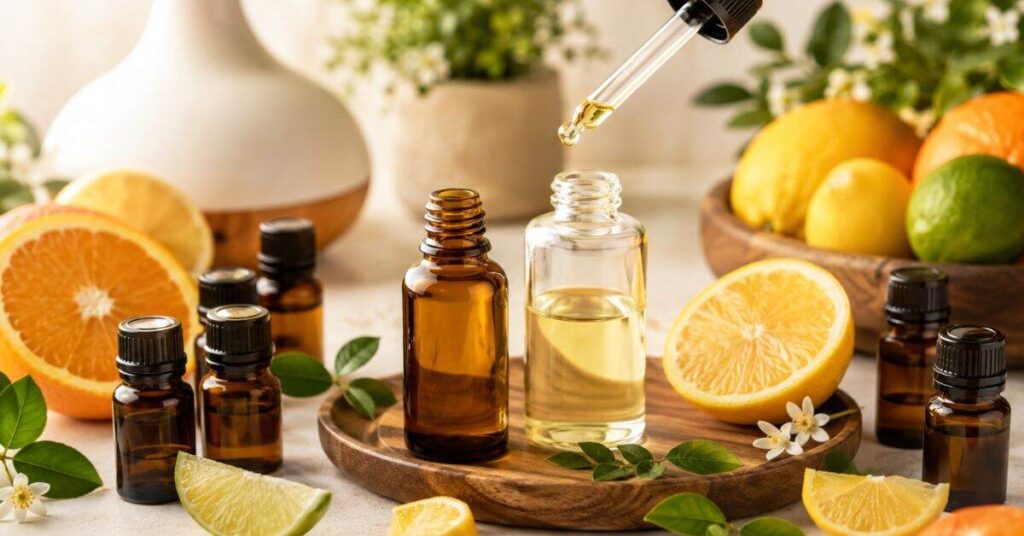
Blending citrus essential oil is both an art and a science. Because citrus oils consist primarily of light, highly volatile monoterpenes, they function as top notes in perfumery and aromatherapy delivering an immediate, vibrant burst of fragrance that evaporates within 1 to 2 hours.
To create well-rounded, long-lasting aromatic blends and safe topical formulations, you must pair fast-evaporating citrus top notes with stabilizing middle and base notes alongside proper carrier oil dilution.
Best Carrier Oils to Mix with Citrus Essential Oil
Pure essential oils are highly concentrated botanical extracts that should never be applied directly to the skin without proper dilution. Carrier oils vegetable-derived oils cold-pressed from fatty seeds, nuts, or kernels—dilute volatile essential oils effectively. Consequently, they prevent rapid evaporation and safely transport bioactive compounds into the epidermal layer.
Ideal Botanical Carrier Oils for Diluting Essential Oils
Diluting concentrated essential oils into rich botanical plant oils is essential for preventing skin sensitization and maximizing dermal absorption. Therefore, selecting the appropriate carrier base allows you to tailor your skincare or body massage formulations to specific skin types and therapeutic goals.
Jojoba Oil (Sebum Balancing Base)
Mimicking the natural wax esters of human skin, cold-pressed jojoba oil serves as an exceptionally versatile liquid wax carrier for facial application. Furthermore, its lightweight lipid structure naturally balances sebum production, making it an ideal choice for oily, acne-prone, and combination skin types.
As a direct result, utilizing jojoba oil ensures essential oil molecules penetrate deeply into pores. It works efficiently without clogging hair follicles or leaving a heavy, greasy surface residue.
Rosehip Seed Oil (Cellular Repair Base)
Packed with vital bio-nutrients, unrefined rosehip seed oil acts as an intensive restorative carrier for maturing, dry, or damaged skin. Additionally, this nutrient-dense botanical oil is exceptionally rich in Vitamin A (trans-retinoic acid) and essential fatty acids, which accelerate skin cell turnover.
Consequently, incorporating rosehip seed oil provides deep skin repair over time. It actively helps fade stubborn acne scars, smooth fine lines, and restore natural skin elasticity.
Sweet Almond Oil (Deep Nourishment Base)
Offering rich lubricity and slow dermal absorption, cold-pressed sweet almond oil provides a comforting base for broad topical treatments. Moreover, this classic lipid carrier is extraordinarily high in Vitamin E (alpha-tocopherol), which strengthens the moisture barrier and shields skin against oxidative stress.
Therefore, its smooth glide and deeply emollient texture make it perfect for body massage. It excels at soothing dry patches and relieving muscle tension across larger skin areas.
Botanical Carrier Oil Comparison
| Carrier Oil | Texture / Absorption Rate | Best Skin Type Application | Key Synergistic Advantage |
| Jojoba Oil | Lightweight, rapid absorption | Oily, combination, and acne-prone skin | Structurally mimics human sebum; extends citrus shelf-life |
| Rosehip Seed Oil | Medium-light, fast absorption | Mature, hyperpigmented, or dull skin | Amplifies the brightening action of Lemon Essential Oil |
| Sweet Almond Oil | Medium weight, slow absorption | Dry, sensitive, or irritated body skin | Provides a smooth glide for body massage and deep tissue work |
| Fractionated Coconut Oil (FCO) | Ultra-lightweight, non-greasy | Universal use, rollerball blends | Liquid at room temperature; remains odorless and shelf-stable |
Recommended Essential Oil Dilution Guidelines
For localized topical application, maintain a standard 1% to 2% dilution ratio for safe dermal application:
- 1% Dilution (Sensitive Skin / Facial Care): 3 drops of essential oil per 1 fluid ounce (30 ml) of carrier oil.
- 2% Dilution (Daily Body Care / Massage): 6 drops of essential oil per 1 fluid ounce (30 ml) of carrier oil.
Synergistic Aromatherapy Blends (Floral, Woody & Spicy Pairings)
Because citrus notes are bright and energetic, they pair effortlessly across almost every botanical scent family. Mixing citrus with grounding woody base notes anchors the overall fragrance structure while creating a harmonious olfactory profile.
Aromatic Pairings and Synergistic Citrus Blending Matrix
Blending bright, volatile citrus essential oils with complementary botanical families creates balanced, long-lasting aromatic profiles and enhances therapeutic benefits. Consequently, exploring these three core pairing categories clarifies how to formulate harmonious, high-performance essential oil blends for perfumery, skincare, and aromatherapy:
- Floral Botanical Pairings: Harmonizing sharp, zesty citrus top notes with sweet floral heart notes produces a well-rounded, mood-elevating olfactory profile. Furthermore, combining citrus extracts with Lavender essential oil softens harsh citric brightness while enhancing nervous system relaxation. Additionally, pairing citrus with Ylang Ylang essential oil or Geranium essential oil creates a balanced, romantic blend that regulates skin sebum production, reduces daily stress, and adds luxurious depth to natural perfumery formulations.
- Woody Resin Pairings: Anchoring light, fast-evaporating citrus terpenes with heavy wooden base notes extends the overall aromatic longevity of your blends. As a result, blending bright citrus with Sandalwood essential oil adds a smooth, creamy grounding base that tempers volatile citrus sharpness. Moreover, incorporating Cedarwood essential oil or Frankincense essential oil introduces warm, balsamic undertones that deepen meditation practices, strengthen skin rejuvenation properties, and anchor top-note aromatics for hours.
- Spicy and Earthy Botanical Pairings: Infusing energetic citrus oils with rich, warming spices delivers an invigorating, warming aroma that stimulates mental energy and circulation. Specifically, pairing citrus with Cinnamon Bark essential oil or Clove Bud essential oil introduces powerful eugenol and cinnamaldehyde compounds that provide robust seasonal immune support and cozy room warming. Consequently, blending citrus with Ginger essential oil creates a dynamic, spicy-sweet combination that eases physical fatigue, aids digestion, and sharpens cognitive clarity during demanding tasks.
1. The Earthy & Grounding Pairing
Pairing bright citrus with rich sandalwood essential oil balances volatile top notes with a smooth, velvety wood base. The creamy depth of sandalwood grounds the energetic pop of lemon or orange, creating a sophisticated, soothing aroma suitable for meditation and stress relief.
2. The Restorative Floral Pairing
Combining Mandarin Essential Oil or bergamot with French lavender and geranium creates a soft, calming blend that soothes the nervous system, eases tension, and encourages restful sleep.
3. The Invigorating Spice Pairing
Blending sweet orange or blood orange with warm spice notes like ginger, cinnamon, or clove bud yields a cozy, seasonal fragrance profile that stimulates microcirculation and warms the senses during colder months.
DIY Citrus Essential Oil Recipes for Home and Body
Here are three simple, effective DIY formulations you can create at home using clean, natural ingredients:
Recipe 1: Radiant Glow Facial Serum (Night Use Only)
Formulating a night-use facial serum requires combining deeply nourishing carrier lipids with concentrated botanical extracts that accelerate skin recovery while you sleep. Consequently, adhering to this precise recipe ensures safe dilution, maximizes overnight absorption, and prevents daytime photosensitivity concerns:
- 1 oz (30 ml) Organic Jojoba Oil Base: Serving as the ideal skin-identical carrier base, using 1 oz (30 ml) organic jojoba oil provides a lightweight lipid layer that balances natural sebum production. Furthermore, its smooth texture allows active botanical compounds to penetrate deeply into dermal channels without clogging pores.
- 2 Drops Pure Lemon Essential Oil: Introducing natural skin-clarifying agents, adding 2 drops of pure lemon essential oil delivers concentrated D-limonene to brighten dull complexions. Additionally, this gentle dose dissolves surface impurities and gently evens out skin tone overnight.
- 2 Drops Frankincense Essential Oil: Enhancing skin rejuvenation, incorporating 2 drops of frankincense essential oil provides powerful antioxidant protection. Moreover, this botanical extract helps smooth fine lines, firm skin texture, and promote cellular renewal during rest.
- 1 Drop Rosehip Seed Oil Boost: Fortifying the serum with vital bio-nutrients, adding 1 drop of rosehip seed oil introduces rich essential fatty acids and natural Vitamin A. As a direct result, this restorative boost supports deep tissue repair and strengthens the natural skin moisture barrier.
- Blending and Nightly Application Directions: Preparing and applying this treatment correctly ensures maximum shelf life and safety. Consequently, blend all ingredients directly in a dark amber glass dropper bottle to shield light-sensitive compounds from degradation. Finally, apply 3 to 4 drops onto clean facial skin exclusively at night to gently clarify, brighten, and support cellular renewal overnight without risking sun sensitivity.
Recipe 2: “Sunshine in a Bottle” Focus Diffuser Blend
Formulating an invigorating aromatherapy blend requires pairing uplifting citrus top notes with energizing herbal undertones. Consequently, diffusing this precise botanical formula creates a stimulating indoor atmosphere that sharpens mental focus and clears mental fatigue:
- 3 Drops Pure Lemon Essential Oil: Introducing sharp mental clarity, adding 3 drops of pure lemon essential oil stimulates the limbic system to enhance focus and concentration. Furthermore, its volatile limonene compounds refresh surrounding air quality during long work hours.
- 2 Drops Grapefruit Essential Oil: Enhancing mood elevation, incorporating 2 drops of grapefruit essential oil delivers energetic citrus aromatics that ease subtle emotional stress. Additionally, this bright aroma balances the blend with a sweet, tangy fragrance profile.
- 2 Drops Peppermint Essential Oil: Boosting respiratory clarity and mental energy, adding 2 drops of peppermint essential oil introduces cooling menthol vapors that clear nasal passages. As a direct result, this dynamic combination restores physical vitality and combats sluggish mental fog instantly.
- Diffusion Directions: Fill your 100 ml cold-mist ultrasonic diffuser reservoir with cool distilled water. Next, add the exact drop counts listed above directly into the water basin. Finally, turn on the diffuser in your office, home study, or living space to enjoy continuous cognitive focus and ambient air purification.
Recipe 3: Non-Toxic Citrus-Eucalyptus Room Sanitizing Spray
Creating a natural, non-toxic room spray requires blending purified water, an effective botanical emulsifier, and concentrated essential oils. Consequently, preparing this simple DIY spray offers a clean, chemical-free alternative that deodorizes living spaces while purifying indoor air:
- 4 oz (120 ml) Distilled Water Carrier: Serving as the liquid base, using 4 oz (120 ml) of pure distilled water ensures a light, streak-free mist. Furthermore, using distilled liquid prevents mineral contamination and extends product shelf life.
- 1 tbsp Unscented Witch Hazel or Ethyl Alcohol: Functioning as a vital natural emulsifier, adding 1 tbsp of unscented witch hazel or ethyl alcohol allows hydrophobic essential oils to mix evenly throughout the water base. Additionally, it aids fast evaporation when misted onto fabrics.
- 15 Drops Sweet Orange Essential Oil: Providing a cheerful base note, incorporating 15 drops of sweet orange essential oil fills room environments with warm, uplifting citrus aromatics. Moreover, its active compounds help dissolve lingering household odors naturally.
- 10 Drops Eucalyptus Essential Oil: Introducing powerful air-purifying properties, adding 10 drops of eucalyptus essential oil delivers rich eucalyptol (1,8-cineole) compounds. As a result, this herbal inclusion supports healthy breathing and purifies ambient air.
- Add 5 drops of Bergapten-Free (FCF) bergamot essential oil to round out the fragrance matrix. This specialized bergamot essential oil introduces complex floral-citrus undertones. Moreover, it effectively soothes nervous tension without posing any phototoxic skin risks.
- Preparation and Usage Directions: Combine all ingredients in a 4-ounce dark glass spray bottle. Shake the bottle vigorously before each spray cycle to ensure complete emulsification, then mist generously across living rooms, bed linens, or office spaces to refresh and sanitize your surroundings.
Safety Precautions & Phototoxicity of Citrus Essential Oil
While citrus essential oil offers exceptional therapeutic and aromatic benefits, its potency requires responsible usage. Because these extracts are highly concentrated, failing to observe proper safety guidelines especially regarding sun exposure, dilution, and ingestion can result in severe skin irritation or systemic toxicity.
Understanding UV Sensitivity and Sunburn Risks (Phototoxicity)
The single most critical safety concern associated with cold-pressed citrus essential oils is phototoxicity (also known as phytophotodermatitis).
Phototoxic Mechanism of Cold-Pressed Citrus Essential Oils
Applying unrefined citrus extracts to skin exposed to solar radiation triggers a rapid chemical reaction known as phytophotodermatitis. Consequently, understanding this biological sequence clarifies how photoactive constituents react under sunlight to cause severe dermal damage:
- Topical Application of Cold-Pressed Citrus Oil: Applying unrefined, express-extracted citrus essential oils directly onto uncovered skin introduces active phytochemicals into epidermal layers. Furthermore, these raw botanical oils contain naturally occurring chemical constituents that remain lipid-soluble on the skin surface.
- Exposing treated skin to direct UV light or synthetic tanning rays triggers a strong photochemical reaction. Invisible UVA radiation penetrates the outer skin barrier quickly. Consequently, these high-energy rays excite the chemical bonds of absorbed phototoxic essential oils.
- Activation of Furanocoumarins and Bergapten Compounds: Solar radiation rapidly photo-activates chemical constituents known as furanocoumarins, particularly bergapten (5-methoxypsoralen). As a result, these excited molecules cross-link with dermal cellular DNA and structural proteins, causing severe cellular destruction across skin tissue.
- Development of Severe Phototoxic Reactions: Biochemical cell disruption triggers acute localized inflammation and tissue damage within hours of sun exposure. Specifically, this toxic reaction manifests as severe cutaneous redness, painful blistering, intense burning, and long-lasting hyperpigmentation that can stain skin tissue for months.
The Science Behind the Reaction
Cold-pressed citrus peels contain naturally occurring chemical compounds called furanocoumarins (most notably bergapten and oxypeucedanin). When applied topically, these compounds absorb ultraviolet (UVA) light radiation and bind to skin cell DNA, causing rapid cellular damage and intense localized inflammation.
Symptoms of Phototoxic Damage
A phototoxic reaction does not occur immediately; symptoms typically develop 2 to 12 hours after sun exposure and peak between 36 to 72 hours:
- Severe, localized sunburn-like redness and swelling.
- Painful skin blistering and fluid retention.
- Deep, persistent post-inflammatory hyperpigmentation (dark brown skin discoloration) that can last for months or years.
High-Risk vs. Low-Risk Citrus Oils
To prevent phototoxic injury, follow these IFRA (International Fragrance Association) safety classifications for leave-on topical formulations:
| High Phototoxicity Risk (Avoid Sun Exposure for 12–18 Hours) | Low to No Phototoxicity Risk (Sun Safe) |
| Bergamot Essential Oil (Cold-pressed) | Sweet Orange Essential Oil (Cold-pressed) |
| Lime Essential Oil (Cold-pressed) | Mandarin / Tangerine Essential Oil |
| Lemon Essential Oil (Cold-pressed) | Steam-Distilled Citrus Oils (All varieties) |
| Grapefruit Essential Oil (Cold-pressed) | Bergamot FCF (Furanocoumarin-Free) |
Apply cold-pressed phototoxic oils safely in leave-on skincare like facial serums or body oils. Avoid direct sunlight and UV tanning beds on treated skin for 12 to 18 hours post-application. Consequently, proper sun safety prevents skin photosensitivity and severe burns.
Proper Dilution Guidelines and Skin Patch Testing
To avoid contact sensitization, chemical burns, or dermal irritation, never apply undiluted citrus essential oil directly to raw skin.
Applying concentrated citrus extracts safely requires adhering to precise dilution ratios and testing protocols to prevent skin irritation or adverse reactions. Consequently, incorporating these essential safety practices ensures maximum therapeutic benefits while protecting delicate dermal layers:
- Mix potent plant extracts with a rich lipid carrier oil to lower concentration. Proper dilution prevents skin sensitization and chemical burns.
- Use a 1% dilution ratio (3 to 6 drops of essential oil per 1 ounce of carrier oil) for facial formulations. This low concentration protects delicate facial tissue while delivering active botanicals.
- For daily body applications, use a 2% dilution ratio (12 drops per ounce of carrier oil). This ratio provides an optimal balance for broader skin coverage without overwhelming the skin barrier.
- Essential 24-Hour Skin Patch Testing Procedure: Verifying dermal compatibility before full application prevents severe allergic reactions or sudden contact dermatitis. As a result, applying 1 drop of properly diluted essential oil to your inner forearm serves as a safe, localized test zone. Consequently, monitoring the test area for 24 hours for any signs of redness, itching, burning, or skin rash confirms whether your skin tolerates the botanical extract safely before applying it across larger body areas.
Step-by-Step Patch Test Protocol
- Dilute 1 drop of your target citrus essential oil into 1 teaspoon (5 ml) of jojoba or sweet almond carrier oil.
- Apply 2–3 drops of this diluted mixture to the inside of your inner forearm or inner elbow.
- Cover the area loosely with a bandage and keep it dry.
- Wait 24 hours. If you experience any redness, itching, burning, or swelling, wash the area immediately with warm soapy water and discontinue topical use.
Is Citrus Essential Oil Safe for Ingestion or Pets?
1. Internal Ingestion Warnings
Despite internet trends suggesting adding lemon or orange oil to drinking water, ingesting pure essential oils is hazardous and strongly discouraged by medical toxicologists.
- Pure essential oils do not dissolve in water. Undiluted droplets float and directly contact delicate mucosal linings. Consequently, internal ingestion can trigger chemical burns, stomach ulcers, or severe liver distress.
- GRAS (Generally Recognized As Safe) designations apply solely to micro-encapsulated food manufacturing, not raw home ingestion.
2. Veterinary & Pet Safety (Cats and Dogs)
Pets metabolize essential oils very differently than humans:
- Cats: Felines lack the key liver enzyme (glucuronosyltransferase) necessary to metabolize monoterpenes and D-limonene. Airborne diffusion or skin contact with citrus essential oil can cause acute liver failure, respiratory distress, and tremors in cats.
- Dogs: While slightly more tolerant, concentrated citrus diffusion in enclosed spaces can irritate a dog’s sensitive olfactory system. Always diffuse in well-ventilated rooms with open doors so pets can freely leave the area.
Proper Storage, Shelf Life, and Choosing Organic Citrus Essential Oil
Citrus essential oils contain high amounts of unsaturated monoterpenes. Heat, light, and oxygen exposure quickly cause essential oil oxidation. Proper handling prevents rapid chemical breakdown.Oxidized citrus oils lose their fresh scent and become powerful dermal sensitizers that trigger contact allergies.
Protecting volatile citrus extracts requires strict environmental controls. Proper storage prevents rapid essential oil oxidation and terpene degradation. Therefore, careful handling preserves therapeutic potency and chemical stability.
- Container Material Selection: Storing volatile terpenes in improper containers can lead to chemical degradation and plastic leaching. Furthermore, storing citrus extracts exclusively in dark amber or cobalt blue glass bottles shields light-sensitive compounds from damaging ultraviolet rays. Additionally, non-reactive glass prevents the oil from reacting with container walls, preserving overall oil purity.
- Storage Temperature Control: Temperature fluctuations accelerate the breakdown of volatile monoterpenes like D-limonene. Store essential oils at a consistent refrigeration temperature of 38°F–45°F (3°C–7°C). Alternatively, keep bottles in a cool, dark pantry. Proper cooling drastically slows down essential oil thermal degradation. Consequently, cold storage preserves scent profiles and prevents premature oxidation.
- Headspace Management and Air Exposure: Oxygen contact causes rapid chemical oxidation, transforming fresh terpenes into skin-sensitizing peroxides. Moreover, keeping bottle caps tightly closed and minimizing air gaps reduces overall headspace exposure. Therefore, transferring remaining oil into smaller dark glass bottles as the liquid level drops shields active molecules from ambient oxygen.
- Cold-pressed citrus oils have a shorter shelf life than steam-distilled essential oils. Their delicate chemical structure oxidizes faster over time. Proper essential oil storage helps preserve their fresh potency. Specifically, utilizing citrus oils within 12 to 18 months from their cold-pressing extraction date guarantees maximum freshness and bioactivity. Consequently, tracking expiration dates prevents the accidental application of oxidized oils that could cause skin irritation.
Why Organic Certification Matters
Manufacturers extract citrus essential oils directly from the outer rind (flavedo) through cold pressing. Unorganic, conventionally grown citrus fruits often retain fat-soluble agricultural pesticides and synthetic sprays. Consequently, these harmful chemicals become highly concentrated inside the extracted pure essential oil. Choosing USDA Organic or therapeutic-grade certified organic oils ensures your botanical extracts remain clean and free from pesticide residues.
Final Thoughts on Integrating Citrus Essential Oil Into Your Routine
Integrating citrus essential oil into your daily routine offers a clean, effective path toward non-toxic living and holistic vitality. Use cold-pressed lemon oil to sharpen work focus and mental clarity. Choose bergamot essential oil to relax and unwind after long days. Use sweet orange oil as a natural grease-cutter for DIY household cleaning. These botanical extracts deliver powerful, noticeable results for daily wellness.
To make the most of these natural extracts:
- Prioritize Quality: Select pure, cold-pressed, or certified organic citrus essential oils to avoid synthetic additives and pesticide residues.
- Follow essential oil safety rules to avoid skin irritation. Always dilute essential oils in a carrier oil before topical use. Keep pure essential oils away from pets. For phototoxic essential oils, avoid direct sun exposure for 12 to 18 hours post-application.
- Store essential oils in dark glass bottles in a cool, dark place or refrigerator. Proper storage preserves fresh bioactive compounds and extends essential oil shelf life up to 18 months.
Combine essential oil safety with practical daily application to maximize benefits. You can confidently use citrus essential oils for home wellness, stress relief, and natural aromatherapy.
FAQs
What is citrus essential oil good for?
Citrus essential oil is valued for its versatility across emotional wellness, skincare, and eco-friendly home care. Rich in D-limonene, it acts as a natural mood elevator, cognitive stimulant, and surface degreaser. When used in aromatherapy, it reduces stress and brightens dull indoor air. In skincare, proper dilutions of citrus oils help balance excess sebum, refine pores, and restore complexion radiance.
Can I apply citrus essential oil directly to my skin?
No, you should never apply pure citrus essential oil directly to your skin without dilution. Undiluted essential oils can cause severe contact dermatitis, chemical burns, or sensitization. Blend pure essential oils into a quality carrier oil—such as jojoba, rosehip, or sweet almond oil—at a 1% to 2% dilution ratio (3 to 6 drops per ounce). Always perform a 24-hour skin patch test before full topical application.
Which citrus essential oil is best for anxiety and sleep?
Most citrus oils energize, but Bergamot Essential Oil (Citrus bergamia) and Mandarin Essential Oil (Citrus reticulata) promote nighttime relaxation and anxiety relief. Bergamot contains rich levels of linalyl acetate and linalool—the calming compounds in lavender—unlike sweet orange or lemon oil.These constituents lower nervous tension and soothe racing thoughts without causing grogginess.
How do I know if my citrus essential oil is pure?
To verify the purity of your citrus essential oil, check for these quality indicators:
- Dark Amber or Cobalt Glass Packaging: Pure essential oils degrade in plastic or clear glass bottles.
- Botanical Naming: Authentic labels state both the common name and the exact Latin botanical name (e.g., Citrus limon for lemon).
- Paper Ring Test: Place one drop of oil on clean white printer paper. Pure cold-pressed citrus oil will evaporate cleanly over several hours without leaving a greasy, oily ring (though a slight natural yellow or orange pigment stain may remain).
- GC/MS Testing: Reputable botanical brands provide access to third-party Gas Chromatography-Mass Spectrometry (GC/MS) reports verifying chemical purity and proving the absence of synthetic extenders.