Introduction:
Thieves essential oil is a powerful botanical blend composed of clove bud, lemon, cinnamon bark, eucalyptus, and rosemary essential oils. Famous for its warm, rich spice-and-citrus aroma, this versatile formula plays a primary role in natural home wellness, non-toxic household cleaning, and seasonal atmosphere support. Inspired by a 15th-century European legend, modern formulations combine plant extracts valued for their naturally occurring antimicrobial, antioxidant, and aromatic properties. Today, millions rely on this aromatic mixture to freshen indoor spaces, create effective DIY surface sprays, and complement daily wellness routines.
Maximizing the practical benefits of Thieves essential oil requires a clear understanding of its chemical composition, application limits, and safety standards. Each individual botanical oil contributes distinct physical properties, making precise dilution ratios, proper application methods, and sensible usage protocols critical. Sourcing pure, unadulterated extracts ensures high aromatic quality while protecting sensitive skin from unnecessary irritation.
This comprehensive guide covers everything you need to know about Thieves essential oil, including its historic origins, active ingredients, scientific evidence, DIY formulation recipes, safe topical application, proper storage, and potential side effects. Whether you want to master everyday usage methods, formulate a custom recipe, evaluate Young Living Thieves essential oil benefits, or verify pet and child safety standards, this resource provides clear, evidence-based insights for safe home integration.
What Is Thieves Essential Oil?
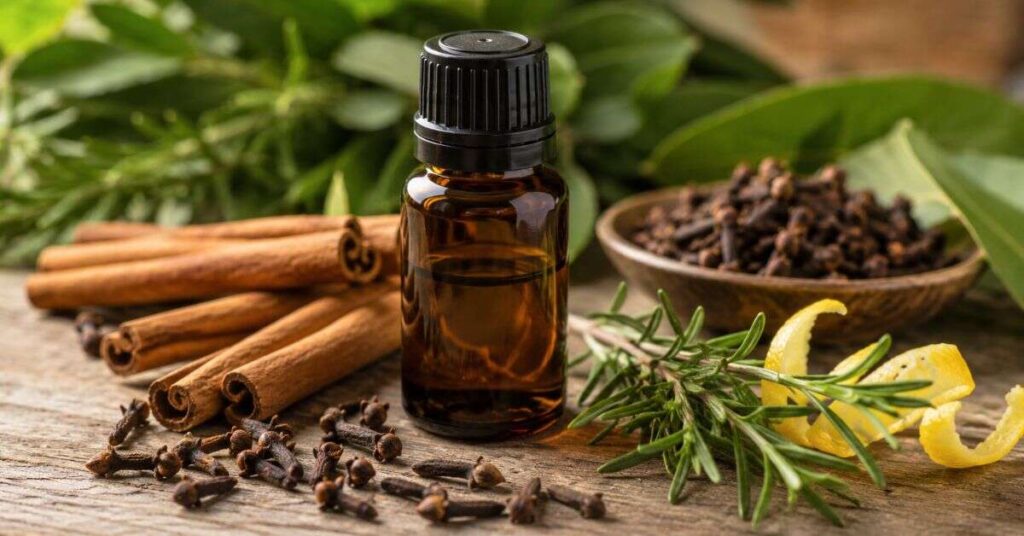
What Is Thieves Essential Oil?
Thieves essential oil is a potent, synergy-driven botanical blend formulated by combining several high-grade aromatic plant extracts. Instead of relying on a single plant source, this famous formulation leverages the complementary chemical profiles of five core botanicals: clove bud, cinnamon bark, lemon, eucalyptus, and rosemary essential oils. Together, these ingredients generate a warm, spicy, and uplifting citrus aroma that has earned a permanent place in modern aromatherapy, natural home care, and daily wellness routines.
Unlike an isolated botanical oil extracted from one plant species, combining these distinct extracts creates a multi-layered active compound profile:
- Clove Bud Oil: Delivers high concentrations of eugenol, a powerful phenolic compound valued for its deep spicy notes and antioxidant capacity.
- Cinnamon Bark Oil: Contributes cinnamaldehyde, providing a rich, comforting warmth alongside robust natural cleansing properties.
- Lemon Oil: Supplies abundant d-limonene, which adds a crisp citrus fragrance while acting as a natural deodorizer.
- Eucalyptus Oil: Contains 1,8-cineole (eucalyptol), introducing a clarifying, cooling element that aids clear breathing during diffusion.
- Rosemary Oil: Introduces α-pinene and camphor, lending an herbaceous depth that supports focus and aromatic balance.
When combined in precise proportions, a properly measured thieves blend creates a synergistic environment where the active constituents work in tandem. Modern herbalists and aromatherapy practitioners frequently utilize this specific combination to purify indoor air, support seasonal wellness, and formulate chemical-free home cleaning solutions.
Safety & Usage Note: Thieves essential oil is a concentrated botanical product rather than a medical drug. Users should always dilute it properly with a suitable carrier oil (such as jojoba, sweet almond, or fractionated coconut oil) before skin application, avoid internal ingestion without professional guidance, and perform a preliminary patch test.
The History of Thieves Essential Oil
The origin of thieves essential oil stems from one of Europe’s most intriguing centuries-old herbal legends. Narrative accounts trace the blend back to the 15th century during devastating plague outbreaks. According to popular lore, a group of spice merchants and aromatherapists used a unique mixture of aromatic herbs, clove, cinnamon, and vinegar to protect themselves while robbing victims of the epidemic. Upon their capture, the authorities allegedly offered leniency in exchange for the secret botanical formula that kept them healthy.
While modern historians note that this tale contains legendary elements, the narrative aligns closely with documented medieval medical practices. During the Middle Ages, plague doctors and herbalists frequently relied on strongly aromatic plants, botanical vinegars, and spices. Medical understanding at the time revolved around the “miasma theory” the belief that diseases spread through foul, polluted air. Fragrant botanicals were actively burned, worn in protective masks, or rubbed onto hands to mask odors and ward off atmospheric contagions.
Today’s thieves essential oil does not claim to be an exact medieval prescription. Instead, modern wellness brands draw inspiration from these historic botanical combinations, re-engineering the blend using standardized essential oils rich in clinically researched constituents like eugenol, limonene, and cineole.
Consequently, contemporary interest in this iconic formula goes far beyond old folklore. Practitioners and home users value thieves oil primarily for its verified aromatic qualities, high bio-active compound density, and exceptional versatility across diffusion, topical wellness, and eco-friendly cleaning applications.
Thieves Essential Oil Ingredients
The exceptional aromatic profile and biological versatility of thieves essential oil depend entirely on the synergy of its core botanical components. Each individual oil contributes distinct chemical constituents that enhance the overall stability, potency, and fragrance of the finished product.
| Essential Oil | Key Active Compounds | Primary Aromatic & Functional Role |
| Clove Bud (Syzygium aromaticum) | Eugenol, Eugenyl acetate | Delivers a rich spicy base, potent antioxidant activity, and strong natural cleansing properties. |
| Cinnamon Bark (Cinnamomum verum) | Cinnamaldehyde, Trans-cinnamaldehyde | Provides deep warming notes, enhances surface purification, and rounds out the spicy undertone. |
| Lemon (Citrus limon) | d-Limonene, β-Pinene | Imparts a sharp citrus freshness, acts as a natural deodorizer, and offers solvent-like cleaning benefits. |
| Eucalyptus (Eucalyptus globulus) | 1,8-Cineole (Eucalyptol) | Contributes a crisp, cooling vapor that supports respiratory clarity during aromatherapy diffusion. |
| Rosemary (Salvia rosmarinus) | α-Pinene, Camphor, 1,8-Cineole | Adds an invigorating herbal top note, supports focus, and reinforces overall chemical complexity. |
Among these five ingredients, clove bud oil typically serves as the chemical anchor due to its exceptionally high concentration of eugenol. Meanwhile, cinnamon bark oil intensifies the characteristic warmth of the blend. To prevent the spice profile from becoming overwhelming, lemon oil introduces a bright citrus balance, while eucalyptus and rosemary essential oils provide clarifying herbal elements that complete the fragrance profile.
Because formulation ratios can vary slightly across different brands, reviewing the Latin botanical names on product labels ensures you are receiving genuine, unadulterated plant extracts rather than synthetic fragrance substitutes.
How Thieves Essential Oil Is Made
Manufacturing authentic thieves essential oil requires strict botanical sourcing, specialized extraction techniques, and rigorous quality assurance protocols. Producing a stable, therapeutic-grade product involves a multi-step manufacturing sequence:
- Botanical Extraction Methods: Producers obtain individual oils using two primary extraction methods. Steam Distillation is used for clove bud, cinnamon bark, eucalyptus, and rosemary, where pressurized steam releases volatile aromatic compounds without burning the plant material. Conversely, Cold Pressing (Expression) is reserved for lemon oil, mechanically pressing the outer citrus peel to preserve heat-sensitive compounds like d-limonene.
- Analytical Quality Testing: Before blending, individual oil batches undergo strict laboratory testing. Premium producers utilize Gas Chromatography-Mass Spectrometry (GC-MS) to analyze the precise percentage of volatile constituents. This analytical step verifies purity and detects potential synthetic additives or contaminants.
- Precision Blending & Maturation: Once certified pure, technicians combine the individual oils according to a strict master ratio. The combined mixture enters a short maturation phase in stainless steel containers, allowing constituents like eugenol, cinnamaldehyde, and cineole to integrate into a cohesive fragrance.
- Protective Packaging: Finally, the finished thieves blend is dispensed into dark amber or cobalt blue glass bottles. Dark glass blocks ultraviolet light and slows oxidation, preserving the blend’s potency, aroma, and shelf life.
Thieves Essential Oil Benefits
Thieves Essential Oil for Antimicrobial Protection
One of the primary reasons thieves essential oil remains popular in natural home care is its recognized antimicrobial profile. The formula combines botanical extracts rich in phytochemicals that inhibit certain bacterial, fungal, and viral strains under controlled laboratory settings. Because these plant extracts work together, the mixture offers a broader spectrum of activity than a single isolated oil.
- Clove Bud Oil: Rich in eugenol, a phenolic compound that disrupts bacterial cell membranes and reduces oxidative stress.
- Cinnamon Bark Oil: High in cinnamaldehyde, an organic compound studied for its ability to neutralize surface microbes and fungal spores.
- Lemon Oil: Contains d-limonene, which provides solvent-like surface cleansing while cutting through grease and organic buildup.
- Eucalyptus & Rosemary Oils: Supply 1,8-cineole (eucalyptol) and α-pinene, which bolster environmental purification when diffused.
For daily home applications, diffusing thieves essential oil helps eliminate airborne odors and creates a cleaner-smelling living space. Additionally, mixing a few drops into water and white vinegar produces an effective, chemical-free all-purpose surface spray.
Safety & Medical Clarity: Laboratory antibacterial properties do not equate to internal medical protection. Thieves essential oil should never replace proper hand hygiene, routine cleaning protocols, or hospital-grade disinfectants when managing infectious disease risks.
Thieves Essential Oil for Wound Care and Skin Health
Many wellness enthusiasts utilize diluted thieves essential oil in skin-care applications due to its cleansing and antioxidant characteristics. The constituents present in clove, rosemary, and lemon oils help neutralize free radicals caused by environmental pollution and UV exposure.
When addressing minor skin discomforts or superficial abrasions, properly diluted essential oil blends can support localized skin cleanliness once the area has been washed with soap and water. However, strict safety rules apply:
- Never Apply to Open Wounds: concentrated plant extracts must never be applied directly to open cuts, deep punctures, severe burns, or broken skin, as this can cause severe chemical irritation or delayed healing.
- Proper Carrier Dilution: Because cinnamon bark and clove bud are strong “hot oils,” they require heavy dilution in a neutral carrier oil (such as jojoba, fractionated coconut, or sweet almond oil).
- Patch Test Protocol: Always perform a patch test on a small area of healthy forearm skin before broader application. Discontinue use immediately if redness, burning, or itching occurs, and cleanse the area with a vegetable or carrier oil—not water alone, which can spread the oil.
Thieves Essential Oil for Pain Relief and Muscle Comfort
Applying thieves essential oil topically produces a distinct thermal sensation that offers temporary relief for tired muscles and stiff joints. Following physical exertion or exercise, massaging a diluted mixture onto the neck, shoulders, back, or feet helps soothe physical tension.
The sensory benefit comes from two opposing thermal mechanisms:
- Warming Compounds: Eugenol (clove) and cinnamaldehyde (cinnamon) stimulate localized blood flow near the skin surface, creating a gentle warming effect that relaxes tight muscle fibers.
- Cooling Compounds: 1,8-cineole (eucalyptus) and camphor (rosemary) trigger cooling sensory receptors, providing a refreshing, invigorating counter-sensation.
For safe topical application on adults, maintain a 1% to 2% dilution ratio (approximately 3 to 6 drops of thieves oil per 1 tablespoon of carrier oil). Avoid sensitive areas, including the face, inner ears, mucous membranes, and near the eyes.
Thieves Essential Oil for Respiratory Support
Aromatherapy enthusiasts frequently turn to thieves essential oil during seasonal changes when environmental irritants and stuffiness make breathing feel restrictive. Diffusing the spicy, herbal fragrance creates an invigorating atmosphere that promotes a sensation of open airways.
The aromatic synergy of eucalyptus and rosemary essential oils provides high levels of 1,8-cineole (eucalyptol), a constituent widely known for its clarifying vapor profile. Concurrently, lemon oil adds a bright citrus top note that cuts through heavy spice scents, making steam inhalation or room diffusion far more enjoyable during cold-weather months.
Respiratory Precaution: Essential oil diffusion should complement, not replace, medical treatments for respiratory conditions such as asthma, COPD, bronchitis, or severe seasonal allergies. Individuals with reactive airways should consult a healthcare provider before using steam inhalation or ambient diffusers.
Thieves Essential Oil for Mood and Stress Relief
Beyond physical applications, thieves essential oil offers noticeable psychological and emotional benefits through olfactory stimulation. Inhaling the warm, spicy, and citrusy notes activates the brain’s limbic system—the center responsible for emotion, memory, and stress regulation.
Integrating thieves oil into daily morning routines, workspace environments, or evening relaxation practices offers several mental well-being benefits:
- Enhanced Mental Clarity: The combination of rosemary and lemon stimulates focus, reducing cognitive fatigue during demanding work sessions.
- Grounding Comfort: The deep, warm undertones of clove and cinnamon foster a cozy, secure atmosphere that lowers feelings of everyday stress.
- Air Purification: Clearing lingering household odors transforms the mood of a room, promoting a fresher, more productive environment.
Benefits of Each Oil in Thieves Essential Oil Blend
To understand why this composite formula is so effective, examine how each individual botanical contributes to the overall stability and therapeutic profile of the final product:
| Essential Oil | Key Natural Compound | Primary Functional Benefit |
| Clove Bud Oil (Syzygium aromaticum) | Eugenol | Delivers potent antioxidant protection, deep warming effects, and natural surface-cleansing power. |
| Cinnamon Bark Oil (Cinnamomum verum) | Cinnamaldehyde | Offers robust antimicrobial activity, rich comforting warmth, and a long-lasting aromatic base. |
| Lemon Oil (Citrus limon) | d-Limonene | Cuts through grease, neutralizes tough household odors, and introduces an uplifting citrus top note. |
| Eucalyptus Oil (Eucalyptus globulus) | 1,8-Cineole (Eucalyptol) | Releases clarifying vapors that support comfortable breathing and refresh indoor air. |
| Rosemary Oil (Salvia rosmarinus) | α-Pinene, Camphor | Enhances mental focus, adds an invigorating herbal fragrance, and contributes antioxidant properties. |
Rather than relying on a single plant extract, the strategic combination of these five distinct oils creates a balanced, multi-purpose blend ideal for home care, diffused aromatherapy, and daily wellness rituals.
How to Use Thieves Essential Oil
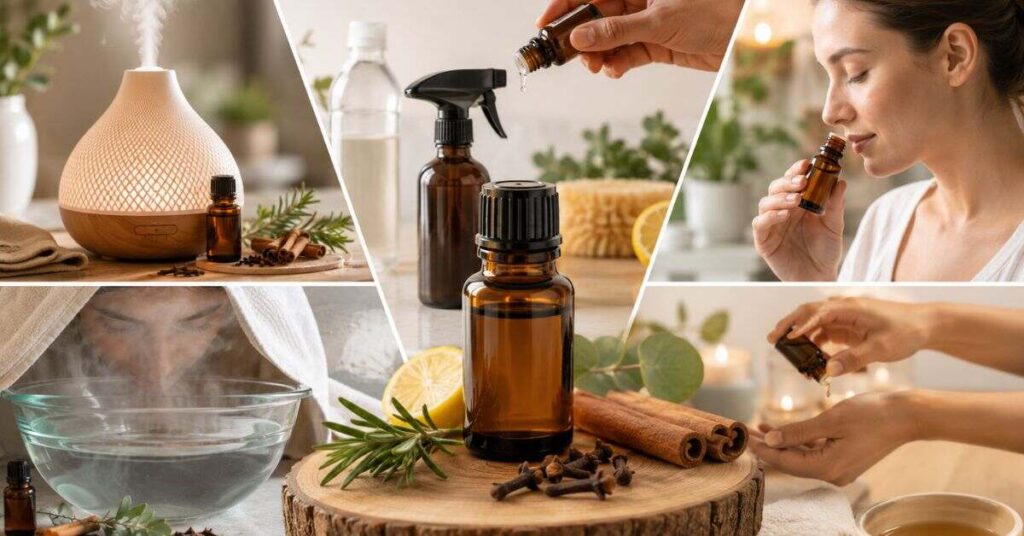
Thieves essential oil is a versatile, time-tested botanical blend composed of clove, lemon, cinnamon bark, eucalyptus, and rosemary oils. Inspired by the 15th-century legend of French merchants, this aromatic combination is renowned for its rich spice-and-citrus scent, robust household cleansing properties, and versatile daily applications.
To maximize the benefits of the blend while ensuring optimal safety, follow these expert-backed guidelines for diffusion, topical application, steam inhalation, household cleaning, and skin integration.
Aromatic Diffusion
Diffusing is one of the most effective methods to eliminate stale room odors, purify the indoor atmosphere, and create an inviting environment in your home or office. Utilizing an ultrasonic diffuser disperses microscopic oil droplets into the air, making it ideal for seasonal shifts.
- Fill the Reservoir: Fill your ultrasonic diffuser’s water tank with clean, room-temperature water according to the manufacturer’s fill line.
- Dose Correctly: Add 3 to 6 drops of the blend for a standard medium-sized room (approx. 150–300 sq. ft.).
- Intermittent Operation: Run the diffuser for 30 to 60 minutes per session rather than running it continuously. Intermittent diffusion prevents olfactory fatigue and minimizes potential respiratory sensitivity.
- Optimal Placement: Position the device on a stable, elevated surface away from direct sunlight, delicate electronics, children, and pets.
Ensure proper room ventilation so fresh air circulates naturally. Discontinue diffusion immediately if anyone experiences coughing, eye irritation, or headaches.
Topical Application & Dilution
Topical application allows the body to absorb the aromatic and physical benefits during massages or personal care routines. However, because this blend contains potent “hot” oils specifically clove and cinnamon bark it must always be diluted with a quality carrier oil prior to skin contact.
- Recommended Dilution Ratio: Mix 2 to 3 drops of essential oil with 1 teaspoon (5 mL) of a stable carrier oil such as jojoba, sweet almond, or fractionated coconut oil.
- Application Technique: Gently massage the diluted mixture into targeted areas such as the neck, shoulders, upper back, or limbs.
- Application on Feet: Applying the diluted blend to the soles of the feet is a popular evening ritual, offering a warm, grounding sensation without irritating sensitive skin.
Crucial Safety Precautions
- Always perform a 24-hour patch test on a small area of the inner forearm before full application.
- Avoid applying near the eyes, inner ears, mucous membranes, or on broken and freshly shaved skin.
- Wash your hands thoroughly with soap immediately after application to prevent accidental transfer to sensitive areas.
Steam Inhalation Method
Steam inhalation provides a direct, comforting aromatic experience during cold weather or seasonal environmental shifts. Warm water vapor carries the volatile botanical compounds directly into your immediate breathing space.
- Prepare the Water: Fill a heat-safe glass or ceramic bowl with hot (not boiling) water.
- Add the Blend: Add 1 to 2 drops of essential oil. Avoid over-dosing, as the vapor will be highly concentrated.
- Inhale Safely: Lean comfortably over the bowl at a safe distance (at least 8–10 inches away), cover your head loosely with a towel to trap the vapor, close your eyes tightly, and breathe deeply through your nose for 5 to 10 minutes.
Note: Individuals with chronic respiratory conditions, asthma, or severe fragrance sensitivities should consult a primary healthcare professional before utilizing steam inhalation.
DIY All-Purpose Cleaning Spray
A homemade cleaning spray offers a non-toxic, surface-freshening alternative for daily household maintenance, leaving behind a signature warm spice scent.
Ingredients
- 1 cup distilled water
- ½ cup white distilled vinegar
- 15 to 20 drops essential oil blend
- 1 teaspoon natural liquid castile soap (optional, acts as an emulsifier and boosts degreasing action)
Instructions
- Combine all ingredients in a 16 oz dark glass spray bottle.
- Shake thoroughly before every use, as water and essential oils naturally separate over time.
- Spray onto non-porous surfaces such as laminate countertops, stainless steel sinks, glass, and plastic door handles.
- Wipe clean with a lint-free microfiber cloth.
Surface Compatibility Note: Always perform a spot test on an inconspicuous area before applying vinegar-based sprays to natural stone (like granite or marble) or unfinished wood surfaces.
Blending into Lotions and Creams
Incorporating the oil into unscented lotions or body creams provides a controlled, highly moisturizing way to apply it topically while minimizing the risk of localized skin reactions.
- Proper Mixing Ratio: Add 2 to 4 drops of the blend into 1 tablespoon (15 mL) of your favorite fragrance-free lotion, cream, or shea butter.
- Preparation: Mix the oil thoroughly into the cream in your palm or a small mixing bowl just prior to application to ensure uniform distribution.
- Application: Smooth a thin layer over healthy skin on the body, avoiding the face and neck area where skin is significantly thinner.
Because citrus and spice components can cause mild photosensitivity or skin warmth, avoid direct UV or sunlight exposure on treated areas for at least 12 hours after application. If any redness or discomfort occurs, apply a plain carrier oil over the area to dilute the essential oil further, then wash gently with mild soap and warm water.
Read More:Myrrh Essential Oil Benefits|| Coffee Essential Oil|| Balsam Fir Essential Oil
How to Make Thieves Essential Oil
Crafting a DIY Thieves blend gives you complete control over ingredient purity while allowing subtle adjustments to match your personal olfactory preference. While commercial formulations undergo standardized laboratory testing, a carefully blended homemade version provides an identical aromatic profile for diffusion, surface cleansing, and diluted topical application.
Homemade Thieves Essential Oil Recipe
To formulate an authentic DIY Thieves essential oil recipe, combine 100% pure, therapeutic-grade botanical extracts in an amber glass bottle using precise ratios.
| Essential Oil Component | Drop Ratio | Volumetric Share | Primary Botanical Function |
| Clove Bud Oil (Syzygium aromaticum) | 40 drops | ~33% | Warmth, richness, and high eugenol content |
| Lemon Oil (Citrus limon) | 35 drops | ~29% | Bright citrus notes and natural surface degreasing |
| Cinnamon Bark Oil (Cinnamomum verum) | 20 drops | ~17% | Spicy aroma and deep aromatic grounding |
| Eucalyptus Oil (Eucalyptus radiata/globulus) | 15 drops | ~13% | Crisp, clearing herbal top note |
| Rosemary Oil (Salvia rosmarinus) | 10 drops | ~8% | Camphorous, herbal balance |
Step-by-Step Preparation Protocol
- Sanitize Equipment: Ensure your measuring tools and dark glass bottle are completely clean and free of moisture.
- Combine Oils: Drip each pure essential oil into the bottle according to the precise drop counts listed above.
- Synergize the Blend: Cap the bottle tightly and roll it gently between your palms for 60 seconds. Avoid violent shaking to minimize unnecessary air saturation.
- Cure for Optimal Harmony: Store the sealed bottle in a dark, cool space for 24 to 48 hours prior to initial use. This curing period allows the volatile aromatic compounds to integrate, creating a rounded, harmonious scent profile.
Quality Assurance Note: Source unadulterated botanical oils free of synthetic extenders or carrier oil dilutions. Label your finished blend with the exact creation date and component list.
Best Carrier Oils for Thieves Essential Oil
Selecting an ideal carrier oil is essential for safe topical application. Carrier oils dilute concentrated botanical extracts, slow down rapid evaporation, and prevent localized irritation caused by potent “hot” oils like clove and cinnamon.
| Carrier Oil | Skin Type Suitability | Absorption & Texture Profile | Key Nutritional Attribute |
| Fractionated Coconut Oil | All skin types | Ultra-lightweight, non-greasy, indefinite shelf life | High in medium-chain triglycerides |
| Jojoba Oil | Sensitive, oily, or combination | Rapidly absorbed; closely mimics human sebum | Rich in natural wax esters and vitamin E |
| Sweet Almond Oil | Normal to dry skin | Medium weight, smooth glide for massage | High in oleic acid and omega-6 fatty acids |
| Grapeseed Oil | Oily or acne-prone skin | Extremely light, matte finish | Rich in linoleic acid and polyphenols |
| Apricot Kernel Oil | Mature or sensitive skin | Gentle, nourishing, semi-absorbent | High vitamin A and fatty acid content |
| Avocado Oil | Parched or weather-chapped skin | Rich, viscous, deeply moisturizing | Packed with lecithin and essential fatty acids |
Dosing & Dilution Standards
- Standard Adult Dilution (1% to 2%): Add 6 to 12 drops of your DIY blend per 1 fl oz (30 mL) of carrier oil for general massage or body care.
- Sensitive Skin Protocol (0.5%): Add 3 drops per 1 fl oz (30 mL) of carrier oil. Always perform a 24-hour skin patch test before broad application.
Storage Indicator: Use unrefined, cold-pressed carrier oils. Discard any carrier oil showing signs of oxidation, such as a sharp, rancid odor or noticeable thickening.
How to Store Thieves Essential Oil
Proper storage preserves chemical integrity, delays volatility breakdown, and extends the active shelf life of your blend. Exposure to light, heat, atmospheric oxygen, and moisture accelerates oxidation a chemical process that weakens aroma and significantly increases the potential for skin sensitization.
- Container Selection: Always store concentrated blends in dark amber or cobalt blue glass containers. Plastic bottles can degrade over time when exposed to concentrated essential oils.
- Climate Control: Keep bottles in a cool, dark location maintained at a stable temperature (ideally between 59°F and 68°F / 15°C and 20°C). Drawers, dark cabinets, or dedicated storage boxes are ideal. Avoid windowsills, bathroom counters, and areas near kitchen appliances.
- Hermetic Sealing: Seal the cap tightly immediately after every use to reduce oxygen contact and limit the evaporation of delicate citrus compounds.
Expiration & Shelf-Life Indicators
Under optimal conditions, your homemade blend will maintain peak therapeutic and aromatic quality for 2 to 3 years. Because cold-pressed lemon essential oil oxidizes faster than spice or wood oils, monitor your blend regularly.
Signs of Degradation: Discontinue use if the liquid becomes cloudy, thickens significantly, or develops a sharp, sour, metallic smell.
Thieves Essential Oil Safety and Side Effects
Evaluating Thieves essential oil safety is critical before incorporating this potent botanical blend into your daily wellness routine. Formulated with phenol-rich extracts like clove bud and cinnamon bark, the blend requires strict safety protocols to maximize aromatherapy benefits while preventing adverse cutaneous or respiratory reactions.
Is Thieves Essential Oil Safe?
Thieves essential oil is safe for healthy adults when administered through appropriate dilution ratios, controlled diffusion cycles, and proper topical techniques. Safety outcomes depend on user sensitivity, application volume, chemical purity, and adherence to evidence-based aromatherapy guidelines.
Topical Use: Must be diluted to 1%-2% in a carrier oil
Aromatic Use: Diffuse 30-60 minutes in ventilated spaces
Internal Use: STRICTLY CONTRAINDICATED without medical oversight
Un-diluted topical exposure presents significant dermatological risks due to active constituents like eugenol and cinnamaldehyde. For safe skin application, mix 1 to 2 drops of essential oil per teaspoon (5 mL) of carrier oil (1% concentration). Always execute a 24-hour patch test on the inner forearm prior to broader application.
For aromatic administration, limit ultrasonic diffusion to 30 to 60 minute sessions in well-ventilated areas. Continuous inhalation can oversaturate indoor air with volatile organic compounds (VOCs), potentially leading to olfactory fatigue or mucosal irritation.
Safety Mandate: Thieves essential oil should never be ingested. Swallowing concentrated essential oils can cause severe gastrointestinal erosion, hepatic toxicity, and mucosal burns.
Thieves Essential Oil Side Effects
Side effects typically arise from applying undiluted oil, using excessive doses, or exposing sensitive or compromised skin to hot botanical compounds. Understanding potential adverse reactions ensures swift, effective corrective action.
Primary Clinical Manifestations
- Cutaneous Reactions: Contact dermatitis, localized erythema (redness), intense burning sensations, pruritus (itching), and acute skin irritation.
- Ocular Irritation: Severe tearing, conjunctival redness, and painful burning if hands contaminated with oil touch the eyes.
- Respiratory Sensitivity: Coughing, airway tightness, and bronchospasm in individuals with hyper-reactive airways or fragrance allergies.
- Phototoxicity: Cold-pressed lemon essential oil contains furocoumarins (such as bergapten), which can cause exaggerated sunburn or hyperpigmentation when skin treated with the oil is exposed to UV radiation within 12 hours.
| Adverse Reaction | Immediate Cause | First-Aid Protocol |
| Skin Burning / Redness | Undiluted application or high phenol concentration | Wipe area with pure carrier oil (coconut or olive) to dissolve phenols. Wash with mild soap and tepid water. Do NOT use water alone initially. |
| Accidental Eye Contact | Hand-to-eye transfer | Flush immediately with a plain lipid carrier oil or whole milk. Seek medical evaluation if pain persists. |
| Respiratory Distress | Inhalation of concentrated vapor | Immediately exit to fresh air. Discontinue diffusion. |
Who Should Avoid Thieves Essential Oil?
Certain populations require complete avoidance or strict medical supervision before using Thieves essential oil due to underlying physiological vulnerabilities or pharmacological interactions.
- Pregnant and Lactating Women: High concentrations of cinnamon bark and clove bud oils contain compounds that may affect uterine tone or cross into breast milk.
- Infants and Young Children: Developing respiratory pathways and ultra-thin stratum corneum (skin barrier) make children vulnerable to toxicity, laryngospasm, and contact burns.
- Individuals on Anticoagulants: Clove oil is exceptionally rich in eugenol, an active compound with documented antiplatelet properties. Combining topical or aromatic exposure with blood thinners (e.g., Warfarin, Aspirin) may increase bleeding risks.
- Asthma and COPD Patients: Inhaling strong botanical vapors can trigger acute bronchial hyper-reactivity and asthma attacks.
- Individuals with Compromised Skin Barriers: Conditions like eczema, psoriasis, rosacea, or open wounds increase absorption velocity and systemic sensitivity.
- Pets (Dogs and Cats): Animals possess significantly higher olfactory sensitivity and lack specific liver enzymes (e.g., glucuronosyltransferase in cats) required to metabolize phenols and terpene hydrocarbons. Never diffuse in enclosed areas where pets cannot leave, and never apply to their fur or skin without direct veterinary authorization.
Thieves Essential Oil Safety Tips
Adhering to strict safety protocols allows you to integrate Thieves essential oil into your environment while minimizing risk to your household.
- Dilute Without Exception: Never apply neat (undiluted) oil directly to human or animal skin.
- Execute Patch Tests: Wait a full 24 hours after applying a diluted test drop to verify skin tolerance.
- Protect Sensitive Mucous Membranes: Maintain a complete clearance zone around eyes, ears, nasal passages, and genital areas.
- Practice Intermittent Diffusion: Limit active diffusion cycles to 30–60 minutes in well-ventilated spaces.
- Wash Hands Thoroughly: Cleanse hands with soap immediately after handling oil bottles or preparing DIY blends.
- Store Safely: Secure bottles tightly in dark glass containers away from heat, sunlight, children, and pets.
- Discontinue Upon Discomfort: Immediately halt use at the first sign of redness, itching, headaches, or respiratory discomfort.
Scientific Research on Thieves Essential Oil
Rigorous scientific evaluation of Thieves essential oil requires examining both the complete multi-botanical formulation and its isolated constituent components. While historical folklore credits the blend with remarkable protective qualities, modern pharmacological analysis focuses on identifying active phytochemicals, evaluating biological mechanisms in laboratory models, and framing findings through evidence-based clinical standards.
Research on Thieves Essential Oil Antimicrobial Properties
Investigation into Thieves essential oil antimicrobial properties stems from the high concentration of bioactive secondary metabolites naturally synthesized by its constituent plants. Laboratory assays confirm that these volatile compounds target cellular membranes, inhibit enzyme production, and disrupt metabolic pathways in micro-organisms.
Here is the table converted into normal text:
Primary Phytochemical Constituents & Mechanisms
Biochemical Target / Action Mechanism: Synergistic membrane permeability
Clove Bud
Key Constituent: Eugenol (~70-90%)
Biochemical Target / Action Mechanism: Membrane disruption & cell lysis
Cinnamon Bark
Key Constituent: Cinnamaldehyde
Biochemical Target / Action Mechanism: Lipid bilayer permeability disruption
Lemon
Key Constituent: Limonene
Biochemical Target / Action Mechanism: Cell membrane destabilization
Eucalyptus
Key Constituent: 1,8-Cineole
Biochemical Target / Action Mechanism: Bacterial wall penetration enhancement
Rosemary
Key Constituent: α-Pinene / Camphor
Phytochemical Profiles and In Vitro Action
- Clove Bud Oil (Syzygium aromaticum): Driven primarily by high concentrations of eugenol, a phenolic compound that increases bacterial cell wall permeability, leading to intracellular constituent leakage.
- Cinnamon Bark Oil (Cinnamomum verum): Rich in cinnamaldehyde, an aromatic aldehyde shown in Petri dish cultures to inhibit glucose uptake and ATP synthesis in pathogenic microbial strains.
- Lemon Oil (Citrus limon): Supplies high levels of limonene, a monoterpene that acts synergistically to break down outer lipid membranes, making target cells more vulnerable to secondary phenols.
- Eucalyptus Oil (Eucalyptus globulus / radiata): Characterized by 1,8-cineole (eucalyptol), which facilitates deep tissue penetration and targets respiratory pathogens in controlled aerosol chambers.
- Rosemary Oil (Salvia rosmarinus): Provides α-pinene and camphor, offering broad-spectrum antioxidant and mild surface preservative properties.
Synergistic vs. Isolated Effects
A key hypothesis in essential oil pharmacology is synergy. It suggests that combining different volatile terpenes creates a stronger biological effect than using each compound alone. Moreover, in vitro studies show that blending monoterpenes with phenolic aldehydes improves antimicrobial activity. As a result, lower concentrations of each compound can produce similar growth inhibition in laboratory cultures.
Crucial In Vitro Distinctions: In vitro laboratory success does not equal internal human efficacy. Petri dish inhibition assays examine direct, unmitigated contact between isolated compounds and pathogens. They do not simulate complex human physiology, metabolic breakdown, hepatic clearance, or immune system responses. Thieves essential oil cannot be considered a medical treatment, cure, or preventive measure for systemic infectious diseases.
Scientific Evidence for Thieves Essential Oil Benefits
Scientific appraisal of broader Thieves essential oil benefits spans neuro-olfactory responses, cellular antioxidant dynamics, and surface sanitation studies.
Inhalation of Volatile Phenols: Aap hawa mein majood khushbudar chemical compounds (volatile phenols) ko saans ke zariye andar lete hain.
Olfactory Receptor Neuron Binding: Yeh compounds naak ke andar majood smell sensors (olfactory receptors) ke sath attach hote hain aur dimag ko signals bhejte hain.
Limbic System Dynamics via Amygdala: Yeh signals dimag ke us hisse tak pahunchte hain jise Limbic System aur Amygdala kaha jata hai, jo humare jazbaat (emotions) aur memories ko control karta hai.
Modulation of Mood & Autonomic Tone: Is ke natije mein aap ka mood behtar hota hai aur jism ka autonomic system (jaise heart rate, breathing, aur stress level) relax/balance ho jata hai.
Neurological and Olfactory Pathways
Inhaling diffused essential oil vapors triggers direct activation of olfactory receptor neurons. Signal transduction pathways project directly into the limbic system the brain’s emotional and memory center, including the amygdala and hippocampus.
- Autonomic Modulation: Volatile aromatic compounds such as 1,8-cineole and limonene, which are naturally present in several ingredients used in Thieves essential oil, have been investigated for their potential influence on neuro-olfactory pathways during controlled inhalation. Furthermore, these aromatic molecules interact with the olfactory system, which is closely connected to brain regions involved in emotion, memory, and stress perception. Consequently, some controlled aromatherapy studies have reported reductions in self-reported stress levels, improved feelings of psychological calmness, and enhanced perceptions of relaxation during or shortly after inhalation sessions. However, these effects can vary considerably between individuals because personal sensitivity, environmental conditions, and the specific essential oil formulation may all influence the experience.
- Moreover, inhaling the pleasant aroma of Thieves essential oil may contribute to a more relaxing atmosphere, particularly when it is incorporated into a balanced wellness routine. Additionally, a calm environment, comfortable breathing, and mindful relaxation practices may further enhance the overall aromatherapy experience. Nevertheless, current scientific evidence does not establish that Thieves essential oil directly treats anxiety disorders, depression, or other medical conditions. Therefore, aromatherapy should be viewed as a complementary wellness practice rather than a replacement for professional medical care or evidence-based mental health treatment. Ultimately, using Thieves essential oil responsibly, maintaining realistic expectations, and combining aromatherapy with healthy lifestyle habits can help create a more enjoyable and supportive relaxation experience while remaining consistent with current scientific understanding.
Cellular Antioxidant Activity
Essential oils containing high levels of eugenol and monoterpenes exhibit notable free-radical scavenging capacity in laboratory assays:
- Reactive Oxygen Species (ROS): In cell culture models, the phenolic hydroxyl groups in eugenol neutralize unstable ROS, reducing cellular oxidative stress markers.
- Lipid Peroxidation: Rosemary and cinnamon extracts demonstrate clear protective properties against lipid degradation in experimental food preservation models.
Environmental Surface Application
Studies evaluating essential oils for environmental cleaning demonstrate that formulating natural surface sprays with spice and citrus extracts reduces transient surface micro-organisms on non-porous materials. However, DIY essential oil cleaning sprays lack standardized disinfectant testing required for regulated clinical healthcare environments.
Current Research Limitations
Evaluating essential oil literature requires a clear understanding of methodological constraints, study designs, and systemic variables.
| Research Limitation | Practical Impact on Consumers | Clinical Requirement for Validation |
| Scarcity of Human Clinical Trials | In vitro data cannot predict safe human dosages or systemic disease prevention | Randomized double-blind, placebo-controlled human trials (RCTs) |
| Chemical Volatility & Varied Chemotypes | Soil, harvest season, and extraction methods alter chemical composition between brands | Standardized Gas Chromatography-Mass Spectrometry (GC-MS) profiling |
| Extrapolation from Single Oils | Studies on pure eugenol do not automatically apply to diluted multi-oil blends | Comparative trials testing complete formulations against isolated active molecules |
| Absence of Pharmacokinetic Data | Absorption rates, metabolic pathways, and clearance times in humans remain largely unmapped | Phase I/II bio-availability and toxicokinetic human trials |
While preliminary scientific literature supports the biological activity of ingredients present in Thieves essential oil, the blend serves primarily as a complementary aromatherapy tool and home-freshening agent. Adhering to safe topical dilution practices and maintained diffusion protocols ensures responsible, informed use while clinical research continues to mature.
How to Choose the Best Thieves Essential Oil
Selecting a high-quality Thieves essential oil should involve evaluating objective quality standards rather than relying solely on promotional marketing, attractive packaging, or brand popularity. Instead, focus on ingredient transparency, independent laboratory testing, manufacturer reputation, and quality assurance practices. Furthermore, reputable companies typically provide detailed information about the blend’s ingredients, sourcing, and testing procedures. Consequently, comparing products using verified quality data allows consumers to make more informed and confident purchasing decisions. Moreover, transparent brands are generally more willing to disclose the information needed to assess product authenticity.
Because Thieves essential oil is a highly concentrated blend of plant-derived phytochemical compounds, selecting an unadulterated formulation is essential for maintaining its intended aroma, consistency, and overall quality. Additionally, authentic essential oils are less likely to contain synthetic fragrance ingredients, unnecessary fillers, or undisclosed diluents that may affect performance. Therefore, choosing a properly formulated product helps provide consistent physical properties, a balanced aromatic profile, and a lower likelihood of unwanted skin irritation when the oil is appropriately diluted before topical use. Likewise, reviewing GC/MS (Gas Chromatography Mass Spectrometry) reports, batch-specific testing, and complete ingredient lists offers additional confidence in the product’s purity.
Finally, compare products based on verified testing, clear labeling, and responsible manufacturing practices instead of advertising claims alone. In addition, look for accurate botanical names, transparent sourcing information, and clearly identified blend components whenever possible. Ultimately, prioritizing quality, purity, analytical testing, and transparency is the most dependable approach when selecting Thieves essential oil for aromatherapy and everyday household use, while also supporting a safer and more reliable user experience.
What to Look for Before Buying Thieves Essential Oil
Navigating the essential oil market demands an understanding of sourcing metrics, laboratory verification, and protective packaging standards.
Label Transparency: Lists full Latin binomial names for all 5 oils
Purity Assurance: 100% pure extract; zero synthetic fragrances
Analytical Testing: Batch-specific GC-MS reports accessible
Protective Glass: Dark amber or cobalt blue glass packaging
1. Complete Botanical Transparency
A genuine Thieves essential oil blend must explicitly declare every component oil alongside its correct Latin binomial name:
- Clove Bud: Syzygium aromaticum
- Lemon: Citrus limon
- Cinnamon Bark: Cinnamomum verum (or Cinnamomum zeylanicum)
- Eucalyptus: Eucalyptus globulus or Eucalyptus radiata
- Rosemary: Salvia rosmarinus (formerly Rosmarinus officinalis)
Red Flag Warning: When purchasing Thieves essential oil, carefully examine the ingredient label before making a decision. In particular, be cautious if the product lists vague terms such as “fragrance,” “perfume oil,” or “aroma” instead of clearly identifying the individual essential oils used in the blend. Furthermore, transparent labeling is an important indicator of a manufacturer’s commitment to quality, purity, and consumer trust. Therefore, products that fail to disclose complete ingredient information deserve additional scrutiny before purchase.
Likewise, pay close attention to the botanical source of the clove ingredient. For example, a label that specifies “clove bud essential oil” provides more precise information than one that simply states “clove” or identifies “clove leaf” as a substitute. Although both are derived from the same plant, clove bud essential oil and clove leaf essential oil differ in their chemical composition, aroma, and intended formulation characteristics. Consequently, reputable manufacturers typically identify the specific plant part used rather than relying on broad or ambiguous descriptions.
2. Analytical Verification (GC-MS Testing)
Reputable manufacturers utilize Gas Chromatography-Mass Spectrometry (GC-MS) testing for every production lot. GC-MS analysis breaks down the oil into its individual molecular constituents, verifying exact percentages of active compounds like eugenol, cinnamaldehyde, limonene, and 1,8-cineole. This process ensures the blend is free from synthetic extenders, phthalates, heavy metals, or chemical solvents.
3. Light-Defending Glass Packaging
Volatile monoterpenes and aromatic aldehydes found in Thieves essential oil can gradually degrade when they are exposed to ultraviolet (UV) radiation, heat, and atmospheric oxygen for extended periods. Consequently, prolonged exposure may alter the oil’s chemical composition, reduce its aromatic quality, and accelerate oxidation. Furthermore, oxidation can affect both the fragrance and overall stability of the blend, making proper storage an important part of maintaining product quality. Therefore, minimizing exposure to damaging environmental conditions helps preserve the oil’s original characteristics for a longer time.
To reduce degradation, always store Thieves essential oil in a tightly sealed amber or cobalt blue glass bottle, as these containers help limit exposure to light. Additionally, keep the bottle in a cool, dry, and dark location, away from direct sunlight, radiators, windowsills, or other heat sources. Likewise, close the cap immediately after each use to reduce unnecessary contact with oxygen, which can gradually accelerate oxidation.
Moreover, avoid transferring the oil into clear plastic containers because some plastics may not provide adequate long-term protection for concentrated essential oils. If the oil develops a noticeably different aroma, unusual thickness, or visible changes in appearance, inspect it carefully before further use. Ultimately, following proper storage practices, limiting UV exposure, and reducing contact with air are simple yet effective ways to help maintain the purity, stability, and quality of Thieves essential oil throughout its expected shelf life. High-grade Thieves essential oil is exclusively bottled in dark amber or cobalt blue glass. Clear glass containers or plastic packaging allow light penetration, triggering rapid oxidation that turns fresh oils rancid and increases skin irritation risks.
Best Thieves Essential Oil Brands
Several established brands formulate high-purity spice-and-citrus blends equivalent to traditional formulations. Choosing between them depends on your preference for proprietary testing programs, third-party laboratory transparency, or price point.
| Brand Name | Blend Name | Quality Testing Standard | Primary Distinction |
| Young Living | Thieves® | Proprietary Seed to Seal® internal & third-party testing | The original trademarked pioneer of the commercial blend |
| Plant Therapy | Germ Fighter | Batch-specific GC-MS reports publicly available online | Exceptional transparency with certified aromatherapist support |
| Edens Garden | Fighting Five | Third-party GC-MS batch verification | Fresh rotation guarantee with sustainably harvested botanicals |
| Rocky Mountain Oils | Immune Strength | Verified GC-MS analysis for every bottle | Direct-to-consumer purity guarantees with no synthetic additives |
| Revive Essential Oils | Immunity | Independent laboratory testing & constituent validation | Highly competitive pricing with 100% pure botanical sourcing |
Although Young Living Thieves essential oil is widely recognized as one of the earliest and most well-known commercial blends inspired by the traditional Thieves oil formula, consumers should evaluate products using objective quality standards rather than relying on brand recognition alone. Today, many reputable manufacturers produce Thieves essential oil blends with comparable botanical ingredients and emphasize purity, quality control, and independent laboratory testing. Therefore, comparing products based on verified testing, ingredient transparency, and manufacturing practices provides a more reliable assessment than marketing claims by themselves. Moreover, reputable companies often disclose valuable information about sourcing, extraction methods, and quality assurance, allowing buyers to make more informed purchasing decisions.
How to Identify Pure Thieves Essential Oil
Recognizing authentic Thieves essential oil involves assessing physical characteristics, label parameters, and price metrics.
1.Check Latin Binomials on Label:
Examine the product packaging to ensure full Latin botanical names are clearly listed for all oils.
2.Verify Batch GC-MS Analysis Report:
Access and review the batch-specific Gas Chromatography-Mass Spectrometry (GC-MS) report to confirm chemical composition and purity.
3.Evaluate Viscosity & Paper Test:
Perform physical verification through texture/viscosity assessment and a paper strip evaporation test to check for synthetic residues or heavy carrier oils.
Physical & Aromatic Evaluation
- Olfactory Profile: Pure Thieves essential oil delivers a complex, layered aroma starting with bright, fresh citrus, immediately grounded by warm spice and a clean, eucalyptus-rosemary finish. An unnaturally sweet, overly sharp, or harsh alcohol note indicates synthetic fragrance oils or chemical solvents.
- The Ring Test: Place one drop of diluted blend onto clean white filter paper. Pure volatile essential oils evaporate cleanly over 24 to 48 hours without leaving a greasy, dark, or sticky residue. A permanent oily stain indicates dilution with cheap carrier oils or mineral oil fillers.
- Viscosity: Pure essential oils possess a thin, liquid consistency.If Thieves essential oil feels unusually viscous, sticky, or syrupy when gently rubbed between your fingertips, it may indicate that the product has been adulterated, improperly diluted, or significantly oxidized. However, texture alone should not be considered a definitive test of purity because natural variations can occur depending on the blend and storage conditions. Instead, evaluate the oil alongside several additional quality indicators, including its aroma, clarity, color, batch information, and supplier transparency. Furthermore, a fresh, authentic blend should generally exhibit a clean, well-balanced aroma without an excessively artificial or overpowering fragrance.
- Additionally, prolonged exposure to heat, light, and oxygen can accelerate oxidation, gradually altering both the oil’s texture and chemical composition. As a result, an oxidized essential oil may develop a heavier consistency, a dull appearance, or an aroma that differs noticeably from a fresh batch.
Price & Source Realities
Producing genuine botanical extracts requires massive volumes of raw plant material. For instance, producing high-quality Thieves essential oil requires a substantial quantity of carefully selected botanical raw materials. In many cases, thousands of pounds of citrus peels, clove buds, cinnamon bark, and other aromatic plant materials are cold-pressed or steam-distilled to produce a relatively small amount of pure essential oil. As a result, the extraction process is both resource-intensive and time-consuming, which naturally contributes to the product’s market value. Moreover, reputable manufacturers invest in quality control, purity testing, and proper storage to help preserve the oil’s chemical composition and aromatic integrity. Therefore, genuinely pure essential oils are rarely available at extremely low prices.
Consequently, bottles marketed at suspiciously low prices such as a large bottle costing only a few dollars should be approached with caution. Although a low price may appear attractive, it can indicate the presence of synthetic fragrance compounds, carrier oil dilution, or lower-grade industrial ingredients rather than a carefully produced botanical extract. Furthermore, some inexpensive products may lack independent quality testing or transparent ingredient information, making it difficult to verify their authenticity. For this reason, consumers should carefully review the ingredient list, batch information, and third-party testing whenever available. Ultimately, selecting high-quality, properly tested, and authentically sourced essential oils provides greater confidence in the product’s purity, consistency, and overall quality, while supporting a safer and more reliable aromatherapy experience.Purchase directly from certified botanical suppliers or trusted manufacturers to guarantee authentic quality.
Conclusion
Thieves essential oil remains one of the most versatile and recognizable botanical formulations in modern aromatherapy. By integrating the distinct phytochemical profiles of clove bud, cinnamon bark, lemon, eucalyptus, and rosemary essential oils, this classic blend delivers a rich, warming spice-and-citrus scent suitable for continuous household use. Whether Thieves essential oil is used for intermittent diffusion, surface deodorizing, or a properly diluted body massage, the blend offers remarkable versatility for everyday wellness and home care. Moreover, its balanced combination of aromatic plant oils makes it suitable for a wide range of non-medical applications when used responsibly.
However, every method of use should follow appropriate safety guidelines, including proper dilution, adequate ventilation, and adherence to the manufacturer’s recommendations. Additionally, responsible handling helps reduce the risk of skin irritation while allowing users to enjoy the blend’s distinctive aroma and practical household benefits. Consequently, using Thieves essential oil with informed precautions supports both safety and a more enjoyable aromatherapy experience.
Furthermore, contemporary scientific research supports several biological properties of the blend’s individual constituent oils, especially their laboratory-demonstrated antimicrobial, antioxidant, and neuro-olfactory activities under controlled experimental conditions.
Maximizing the benefits of Thieves essential oil requires sourcing pure, unadulterated formulations, respecting standard dilution ratios, utilizing protective glass storage, and recognizing key contraindications. By prioritizing botanical quality and responsible usage standards, you can confidently integrate this historic blend into your daily lifestyle.
FAQs:
Can You Apply Thieves Essential Oil Directly to the Skin?
Applying Thieves essential oil directly to the skin without dilution is strongly discouraged.The Thieves essential oil formula contains high concentrations of phenol-rich “hot” essential oils, particularly clove bud essential oil, which is naturally rich in eugenol, and cinnamon bark essential oil, which contains significant amounts of cinnamaldehyde. Because these compounds are highly bioactive, they are well known for their strong dermal activity and require careful handling. Consequently, applying the blend directly to the skin without proper dilution can increase the likelihood of acute contact dermatitis, localized burning, redness, skin irritation, and, in sensitive individuals, allergic skin sensitization. Furthermore, the risk may be greater for people with sensitive skin, a history of allergies, or an already compromised skin barrier.
Therefore, Thieves essential oil should always be diluted with a suitable carrier oil before any topical application. Additionally, performing a patch test on a small area of skin at least 24 hours before broader use is a sensible precaution to help identify potential sensitivity.
- Standard Topical Dilution: Mix 6 to 12 drops of essential oil per 1 fl oz (30 mL) of a stable carrier oil (such as jojoba, sweet almond, or fractionated coconut oil) to achieve a safe 1% to 2% concentration.
- Sensitive Skin Protocol: Individuals with reactive skin or cutaneous conditions should lower the ratio to 3 drops per ounce (0.5%) and conduct a mandatory 24-hour patch test on the inner forearm prior to broader application.
- First-Aid Corrective Action: If accidental undiluted exposure causes stinging or irritation, immediately apply a pure carrier oil or vegetable oil to the area to dissolve the lipophilic essential oil. Wash gently with mild soap and tepid water afterward. Do not flush with water alone, as water accelerates essential oil absorption into skin tissue.
Can You Diffuse Thieves Essential Oil Every Day?
Daily diffusion of Thieves essential oil is safe for most healthy adults when practiced in moderation using intermittent timing schedules. Continuous ultrasonic diffusion lasting several hours is unnecessary and frequently causes olfactory fatigue, mucosal dryness, or fragrance-induced headaches.
- Optimal Diffusion Protocol: Operate your ultrasonic diffuser for 30 to 60 minutes per session in a well-ventilated room, allowing atmospheric vapors to clear before initiating another cycle.
- Water and Dosing Standards: Add 3 to 6 drops of blend per standard medium-sized room reservoir according to device guidelines.
- Safety Cessation: Discontinue active diffusion immediately if occupants experience coughing, airway tightness, eye irritation, or dizziness. Open windows to allow fresh air circulation.
Is Thieves Essential Oil Safe for Children and Pets?
Thieves essential oil requires heightened precautions around young children and domestic animals due to significant physiological vulnerabilities.
Pediatric Safety
Infants and young children possess thinner skin layers and underdeveloped respiratory pathways. High concentrations of eugenol and cinnamaldehyde can cause rapid transdermal absorption or involuntary respiratory spasms (laryngospasm). Consult a board-certified pediatric healthcare provider before diffusing or applying spice blends near children under six years of age.
Canine and Feline Safety
Dogs and cats possess acute olfactory systems and lack critical hepatic metabolic enzymes (such as glucuronosyltransferase in cats) required to clear volatile phenols and terpenes.
- Topical Restraint: Never apply Thieves essential oil directly to a pet’s skin, fur, paws, or bedding without explicit guidance from a qualified veterinarian.
- Diffusion Safety: When diffusing essential oils in a home with pets, it is essential to prioritize their comfort and safety at all times. First, ensure that doors remain open so dogs, cats, birds, and other companion animals can freely leave the room if they become uncomfortable with the aroma. Additionally, use a diffuser in a well-ventilated area, as proper airflow helps prevent excessive accumulation of essential oil vapors. Furthermore, begin with a short diffusion session and observe your pet’s behavior before extending the duration. Likewise, avoid placing the diffuser directly beside pet beds, food bowls, litter boxes, cages, or resting areas, since prolonged exposure may increase the risk of irritation in sensitive animals.
- Meanwhile, carefully monitor your pet for any clinical signs of toxicity or discomfort during and after diffusion. For example, symptoms such as excessive salivation, lethargy, muscle tremors, respiratory distress, persistent coughing, vomiting, unsteady gait, or unusual behavioral changes may indicate that the animal is reacting poorly to airborne essential oils. If any of these warning signs develop, immediately stop the diffuser, move the pet to an area with fresh air, and remove the source of exposure. Then, contact a veterinarian without delay, especially if symptoms persist or worsen. Ultimately, using essential oils responsibly, maintaining good ventilation, and allowing pets to leave the room whenever they choose are the most effective ways to reduce unnecessary exposure while supporting a safer home environment.
Does Thieves Essential Oil Kill Germs?
In vitro laboratory research consistently demonstrates that several bioactive compounds naturally present in Thieves essential oil—including eugenol, cinnamaldehyde, limonene, and 1,8-cineole possess significant antimicrobial, antifungal, and, in some laboratory models, antibacterial activity against selected microorganism cultures under carefully controlled petri dish conditions. Furthermore, these compounds have attracted considerable scientific interest because they can interfere with microbial cell membranes, inhibit microbial growth, and reduce the survival of certain laboratory-tested organisms. Consequently, researchers continue investigating their potential applications in natural cleaning products, aromatherapy formulations, and botanical preservation systems. Moreover, these findings provide valuable insight into the biological properties of essential oil constituents and help scientists better understand their mechanisms of action under experimental conditions.
However, it is equally important to recognize the limitations of laboratory research. Although these controlled experiments produce encouraging results, they do not demonstrate that diffusing, spraying, or applying Thieves essential oil will eliminate airborne pathogens, cure viral or bacterial infections, or prevent contagious diseases in humans. Instead, laboratory findings should be viewed as preliminary scientific evidence that requires further clinical research involving human participants. Likewise, the concentration, exposure time, environmental conditions, and method of application used in laboratory testing differ substantially from real-world household or healthcare environments. Therefore, laboratory outcomes cannot be directly translated into guaranteed health benefits or infection prevention.
Can You Make Thieves Essential Oil at Home?
Crafting a homemade version of Thieves essential oil is straightforward and allows complete control over constituent oil quality and scent customization.
DIY Thieves Blend Master Recipe
Rosemary Oil (Salvia rosmarinus): 10 drops (~8%)
Clove Bud Oil (Syzygium aromaticum): 40 drops (~33%)
Lemon Oil (Citrus limon): 35 drops (~29%)
Cinnamon Bark Oil (Cinnamomum verum): 20 drops (~17%)
Eucalyptus Oil (Eucalyptus globulus): 15 drops (~13%)
Combine these 100% pure botanical extracts in a dark amber glass bottle, cap tightly, and allow the formulation to cure in a cool, dark cabinet for 24 to 48 hours. Curing allows the volatile top, middle, and base aromatic notes to synergize into a smooth, balanced final product.