Introduction
Imagine walking through a quiet evergreen forest where the air feels fresh, clean, and naturally calming. The scent of pine trees, fresh branches, and cool woodland surroundings creates a peaceful experience that many people try to bring into their homes. Balsam fir essential oil captures this same forest-inspired aroma in a concentrated botanical form.
Extracted from the needles and branches of the Abies balsamea tree, this essential oil is valued for its fresh, woody, and slightly sweet fragrance. Over time, it has become a popular choice for aromatherapy, natural home fragrance, seasonal blends, and personal wellness routines.
Unlike ordinary fragrances, balsam fir essential oil comes directly from a natural evergreen source and contains aromatic compounds that give it a distinctive character. Its refreshing scent makes it suitable for diffuser blends, relaxation practices, massage oils, and DIY aromatic products.
In this complete guide, you will discover everything about balsam fir essential oil, including its unique properties, extraction process, traditional uses, safety guidelines, blending ideas, storage tips, and important factors for choosing a high-quality product. Moreover, you will learn how this refreshing forest-inspired oil fits into aromatherapy and natural wellness routines. Whether you are new to essential oils or looking to expand your collection, this guide will provide valuable insights to help you understand why balsam fir essential oil remains a popular choice among natural fragrance enthusiasts. Additionally, you will explore practical tips and helpful information that can make your essential oil experience safer, easier, and more enjoyable.
What Is Balsam Fir Essential Oil?
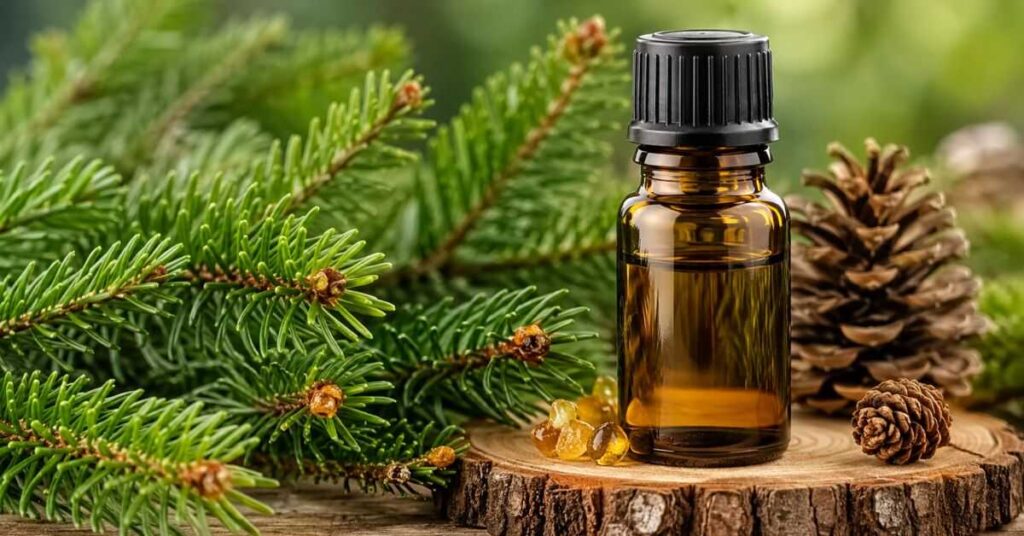
Botanical Name (Abies balsamea)
Balsam fir essential oil is a natural aromatic oil extracted from the needles, twigs, and resinous branches of the Abies balsamea tree. This beautiful evergreen conifer belongs to the fir family and is widely celebrated for its clean, invigorating forest aroma. In fact, many people associate its fresh scent with peaceful mountain walks and cozy woodland environments.
Using the exact botanical name, Abies balsamea, is extremely important when selecting essential oils. Because different fir species produce oils with varying chemical compositions, knowing the exact species ensures you receive the specific therapeutic benefits and aroma profile you expect.
Traditionally, balsam fir trees have been cherished for their festive fragrance and deep connection to winter season traditions. Today, however, this essential oil is widely utilized in modern aromatherapy, natural home scents, luxury soap making, and daily wellness routines.
Thanks to its rich composition of naturally occurring aromatic compounds, balsam fir offers an exceptional sensory experience. Ultimately, it blends crisp greenery, warm resin, and a grounding woody base into a perfectly balanced fragrance.
Plant Family
Balsam fir belongs to the Pinaceae plant family, a large group of coniferous trees that includes pine, spruce, cedar, and hemlock. Furthermore, species within this botanical family are famous for their needle-like foliage, cone production, and natural resin production.
These natural resins serve a dual purpose. On one hand, they act as a defensive barrier that protects the trees against environmental stressors, cold climates, and pests. On the other hand, they synthesize the aromatic compounds responsible for that iconic evergreen scent.
While balsam fir shares many botanical traits with its pine and spruce relatives, its aromatic signature is noticeably distinct. For instance, pine oil often presents a sharp, strong, and highly medicinal scent. In contrast, balsam fir delivers a softer, smoother, and much sweeter aroma.
Consequently, this perfectly balanced fragrance profile makes balsam fir one of the most beloved options among all conifer essential oils for home and aromatherapy applications.
Where Balsam Fir Grows
Balsam fir (Abies balsamea) is native to the cold and temperate forest regions of North America. Specifically, these majestic evergreen trees thrive extensively across central and eastern Canada, extending down into the northeastern parts of the United States. They flourish in damp soils, high-altitude mountain slopes, and regions characterized by cool summers and long, snow-filled winters.
Interestingly, the native growing environment directly impacts the quality and profile of balsam fir essential oil. For example, trees growing in rich, undisturbed forest soils with balanced rainfall tend to produce higher concentrations of natural aromatic molecules. As a result, factors like soil nutrients, regional weather patterns, tree age, and seasonal harvesting times shape the final depth and sweet resinous notes of the oil.
Beyond its importance in aromatic oil production, balsam fir plays an essential role in local woodland ecosystems. These dense forests provide critical shelter and food for songbirds, deer, moose, and small mammals. Because of this environmental value, responsible and sustainable harvesting practices are crucial. Ethical producers carefully gather plant material without damaging wild forests, thereby protecting the delicate ecosystem for future generations.
Finally, knowing the geographic origin of your essential oil offers valuable insights into its authenticity and aromatic quality. Reputable brands typically share details regarding where their balsam fir was harvested, ensuring that consumers receive a pure, high-grade botanical product.
What Makes Balsam Fir Essential Oil Unique?
While many conifer oils carry a sharp or intensely medicinal scent, balsam fir stands out because of its unusually soft and harmonious profile. Instead of overwhelming the senses, it provides a subtle combination of fresh pine needles, sweet balsamic undertones, and gentle woody notes.
One of its most impressive characteristics is its remarkable ability to evoke a deep sense of connection with nature. For instance, diffusing balsam fir inside a room can instantly transform the indoor atmosphere into a refreshing, crisp outdoor haven.
Furthermore, its unique chemical structure plays a vital role in its fragrance appeal. Key natural constituents like alpha-pinene, beta-pinene, and bornyl acetate work together to produce its signature scent. Among these, bornyl acetate gives balsam fir its characteristic pine-sweet richness that sets it apart from standard pine or cedar oils.
Additionally, balsam fir essential oil possesses exceptional versatility when it comes to aromatic blending. It blends seamlessly across various fragrance families:
- Citrus Oils: Blends with sweet orange, bergamot, or lemon for a bright, uplifting scent.
- Woody Oils: Pairs with cedarwood, frankincense, or sandalwood for grounding, rich aromas.
- Floral Oils: Combines smoothly with lavender or clary sage to soften the evergreen notes.
- Mint Oils: Mixes with peppermint or eucalyptus for an intensely refreshing respiratory blend.
Because of this adaptability, it is a favorite ingredient in diffuser recipes, natural room sprays, artisanal candles, and seasonal skincare formulations.
How Balsam Fir Essential Oil Is Extracted
The overall purity, aroma depth, and therapeutic value of balsam fir essential oil depend directly on how carefully the plant material is extracted. Unlike artificial fragrances made with synthetic chemicals, genuine essential oils must be extracted using precise botanical methods that preserve the plant’s natural living compounds.
Extraction is a critical phase in essential oil production. Factors such as harvest timing, equipment temperature, and raw material quality directly dictate whether the final product will be premium-grade or weak and flat.
Plant Parts Used
To produce high-grade balsam fir essential oil, distillers focus primarily on the fresh needles, young twigs, and soft branch tips. These specific plant parts contain tiny glandular sacs filled with volatile resinous oils.
The needles are especially precious because they hold the highest concentration of light, uplifting aromatic compounds. Meanwhile, the flexible twigs and small branches contribute deeper, woodier notes that round out the overall fragrance.
Fortunately, harvesting needles and outer twigs is a sustainable process. Rather than cutting down entire trees, responsible growers trim renewable branches, allowing the evergreen trees to continue growing healthily year after year.
Steam Distillation Process
The standard and most effective method for extracting balsam fir essential oil is steam distillation. This traditional technique relies on gentle heat and steam to isolate delicate aromatic compounds without using harsh chemical solvents.
During the distillation process:
- Freshly gathered needles and twigs are packed tightly into a stainless-steel distillation vessel.
- Pressurized steam is gently passed through the plant material, breaking open the oil glands.
- The rising steam carries the vaporized essential oil molecules into a cooling condenser coil.
- As the mixture cools, it condenses back into a liquid state containing both water and oil.
- Finally, because oil naturally floats on water, the pure essential oil is separated from the aromatic water (hydrosol).
By carefully controlling distillation temperature and pressure, producers ensure that delicate top notes are preserved without burning the oil.
Major Chemical Constituents
The distinct scent profile and versatile qualities of balsam fir essential oil are direct results of its complex chemical makeup.
| Chemical Constituent | Primary Aromatic Contribution |
| Alpha-Pinene | Delivers a crisp, fresh, and classic green forest aroma |
| Beta-Pinene | Adds earthy, spicy, and deeper resinous tree notes |
| Bornyl Acetate | Provides a rich, smooth, and noticeably sweet balsamic finish |
| Camphene | Contributes a cool, herbal, and invigorating sharp note |
| Limonene | Adds a light, bright, and subtle citrus freshness |
In particular, bornyl acetate is the defining compound that gives balsam fir its smooth, signature sweetness. Meanwhile, the high concentration of pinene isomers delivers that invigorating sensation reminiscent of taking a deep breath in a pine forest.
Complete Guide to Balsam Fir Essential Oil Properties
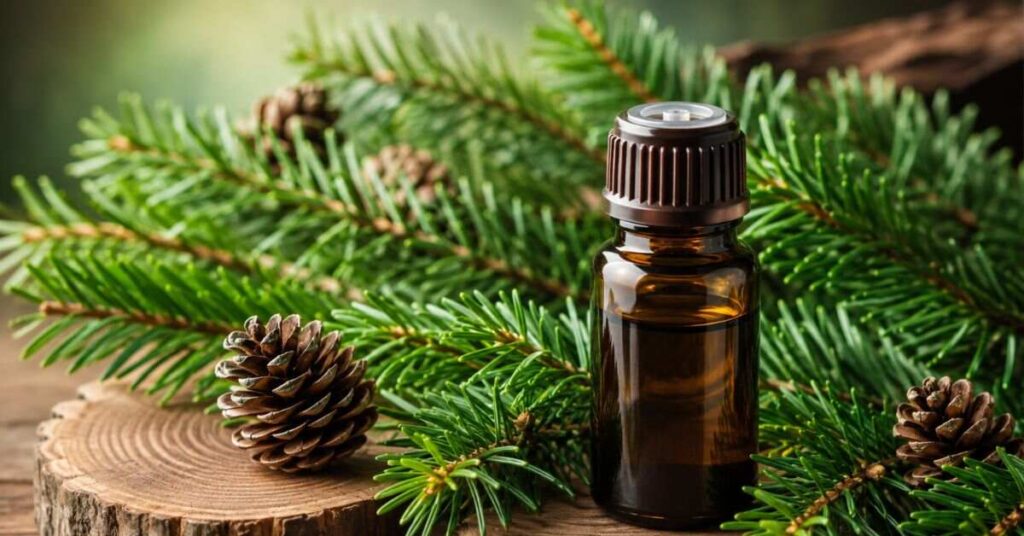
Balsam Fir Essential Oil Color, Appearance, and Visual Quality
Balsam fir essential oil typically exhibits a clear to pale yellow fluid appearance. However, slight variations in color intensity may occur depending on factors such as the seasonal timing of needle harvesting, the geographical origin of the trees, and specific steam distillation parameters. A genuine, high-quality oil should always appear luminous, transparent, and completely free from sediment, heavy cloudiness, or particulate matter.
This natural, delicate coloration is derived directly from the volatile aromatic compounds synthesized within the needles and resinous twigs of the Abies balsamea tree. Unlike heavier botanical extracts such as patchouli or vetiver, which appear dark, viscous, or amber-toned, pure balsam fir oil maintains a light visual presence that authentically reflects its fresh, evergreen nature.
While inspecting the visual clarity of an essential oil provides a useful preliminary quality indicator, appearance alone cannot guarantee purity. Consequently, consumers and practitioners should always verify quality through rigorous analytical tools, such as Gas Chromatography-Mass Spectrometry (GC-MS) reports, and confirm proper botanical nomenclature (Abies balsamea).
When stored correctly in dark amber glass bottles away from direct heat, UV light, and excess oxygen exposure, balsam fir oil retains its original color and aromatic profile for up to two years. Over time, improper air exposure can lead to oxidation, which subtle changes in oil clarity and scent profile will clearly indicate.
Viscosity, Fluidity, and Physical Consistency of Balsam Fir Oil
The natural consistency of pure balsam fir essential oil is thin, lightweight, and non-viscous. Because it is highly fluid, it flows smoothly through standard glass droppers and disperses rapidly across liquids and carrier media.
Due to its light texture, the oil integrates effortlessly into carrier oils (such as jojoba, sweet almond, or fractionated coconut oil) without leaving a greasy or tacky residue on the skin. Furthermore, this low viscosity ensures seamless diffusion when added to ultrasonic water diffusers or natural alcohol-based room sprays.
This fluid consistency also enhances its utility in custom blending. For instance, it mixes effortlessly with brighter citrus oils without weighing down top notes, while simultaneously marrying with heavier resins like frankincense or myrrh to create cohesive, layered botanical aromas.
Scent Profile and Aromatic Characteristics of Balsam Fir Essential Oil
The olfactory character of balsam fir essential oil is widely considered one of the most balanced and comforting profiles in the conifer family. It features a crisp, uplifting evergreen top scent grounded by rich, resinous, woody undertones and a delicate, balsamic sweetness.
Unlike sharper evergreen oils such as pine (Pinus sylvestris) or blue spruce (Picea mariana) which can sometimes present an intensely medicinal or pungent initial aroma, balsam fir offers a softer, smoother, and more welcoming olfactory experience. Indeed, its scent profile instantly evokes images of serene alpine forests, crisp mountain breezes, and festive winter greens.
This distinct aromatic harmony makes balsam fir extremely versatile for aromatherapy. When diffused alone, it instills a clean and peaceful ambiance. Alternatively, when paired with complementary essential oils, it expands into complex fragrance layers:
- Combined with Citrus: Adds a bright, energizing top layer (e.g., sweet orange or bergamot).
- Combined with Florals: Creates a soft, sophisticated forest-meadow accord (e.g., lavender or geranium).
- Combined with Spices: Delivers a warm, festive holiday ambiance (e.g., clove or cinnamon bark).
Fragrance Volatility and Perfumery Note Classification
In natural perfumery and fragrance design, balsam fir essential oil functions primarily as a middle to base note. This classification stems directly from its moderate volatility and lingering, resinous depth.
While volatile top notes like lemon or grapefruit evaporate quickly to provide the immediate first impression of a fragrance, balsam fir acts as a stabilizing bridge. Specifically, it grounds lighter citrus and floral notes while adding structure and warmth to deeper woody or earthy base notes.
Perfumers regularly utilize balsam fir in forest-inspired accords, unisex colognes, winter fragrances, and natural incense blends. Its unique capacity to introduce fresh pine accords alongside sweet, balsamic warmth gives perfumers exceptional creative flexibility.
Initial Aromatic Strength and Diffusion Power of Balsam Fir
The initial aromatic strength of fresh balsam fir essential oil is classified as medium to strong. Upon opening a container, the volatile pinene molecules disperse quickly, instantly scenting the immediate surrounding atmosphere.
The initial aromatic wave delivers an energetic, crisp pine needle scent. Within minutes, however, this initial sharpness settles into a smoother, warmer, and noticeably sweeter balsamic finish. This pleasant multi-layered progression explains why many aromatherapy enthusiasts prefer balsam fir over harsher tree oils.
Because its aromatic output is naturally robust, a little oil goes a long way. In standard home diffusion, for example, just 3 to 5 drops are generally sufficient to scent a medium-sized living space without overpowering the room.
Balsam Fir Essential Oil Benefits
Benefits for Respiratory Health & Air Refreshening
Balsam fir essential oil is highly regarded in seasonal wellness routines for its clean, invigorating aroma that creates a crisp, clear breathing environment. The oil naturally contains high concentrations of monoterpenes specifically alpha-pinene and beta-pinene compounds well-known for their aromatic, refreshing qualities.
When diffused into indoor air, the micro-droplets deliver a forest-fresh atmosphere that helps clear stale indoor odors and promotes the feeling of open airways. Many individuals find diffusing balsam fir especially comforting during cold winter months when indoor air becomes dry and stuffy.
Expert Safety Note: While diffusion offers a refreshing aromatic atmosphere, essential oils are complementary wellness tools and should not replace medical treatments for respiratory conditions like asthma or bronchitis. Direct steam inhalation of concentrated oils should be avoided by individuals with severe respiratory sensitivities.
Recommended Usage Practices:
- Seasonal Diffusion: Add 4 drops of balsam fir and 2 drops of eucalyptus to an ultrasonic diffuser during winter months.
- Steam Bowl (Gentle): Add 1 drop of balsam fir to a bowl of warm (not boiling) water for a gentle, forest-infused ambient steam.
Benefits for Stress Relief and Emotional Relaxation
One of the most valuable benefits of balsam fir essential oil is its ability to foster a calm, grounded mental environment. Aromatherapists frequently incorporate balsam fir into emotional grounding routines aimed at easing daily tension and mental fatigue.
From a psychological perspective, woodland and coniferous scents often trigger positive associations with nature, outdoor recreation, and peaceful landscapes. These natural sensory cues encourage deeper, more conscious breathing patterns, helping to quiet a hyperactive mind during busy workdays or before bed.
Furthermore, balsam fir blends exceptionally well with renowned stress-relieving oils to create synergistic relaxation blends:
- Grounding Night Blend: 3 drops Balsam Fir + 3 drops Lavender + 1 drop Cedarwood.
- Mindful Focus Blend: 3 drops Balsam Fir + 2 drops Frankincense + 2 drops Sweet Orange.
Benefits for Muscle and Joint Comfort (Topical Care)
In traditional bodywork and sports aromatherapy, balsam fir essential oil is valued for its soothing, comforting sensation when applied topically in massage treatments. It is a popular addition to post-workout recovery oils and targeted joint rub formulations.
When properly diluted and massaged into muscles, the combination of manual physical therapy and the warming, resinous botanical compounds helps ease localized tension and promotes a sense of physical relaxation.
Safe Dilution Guidelines for Topical Application:
To protect skin integrity and prevent sensitization, essential oils must always be diluted in a quality carrier oil before skin contact:
- Standard Body Massage (2% Dilution): Add 12 drops of balsam fir essential oil per 1 fluid ounce (30 ml) of carrier oil (e.g., jojoba or argan oil).
- Sensitive Skin / Elderly (1% Dilution): Add 6 drops of balsam fir essential oil per 1 fluid ounce (30 ml) of carrier oil.
Best Practice: Always perform a 24-hour patch test on a small area of the inner forearm before applying any new essential oil blend over larger body areas.
Benefits for Natural Air Purification
Modern indoor environments frequently suffer from trapped odors, cooking smells, and stale air. Balsam fir essential oil acts as a powerful, non-toxic alternative to synthetic commercial room sprays and chemical air fresheners.
Rather than merely masking unwanted odors with artificial scents, diffusing balsam fir releases natural botanical molecules that refresh the air and leave behind a genuine, mountain-forest scent.
DIY Natural Forest Room Spray Recipe:
- In a 4 oz (120 ml) glass spray bottle, combine 2 tablespoons (30 ml) of witch hazel or high-proof grain alcohol.
- Add 20 drops of Balsam Fir essential oil, 10 drops of Lemon essential oil, and 5 drops of Peppermint essential oil.
- Fill the remainder of the bottle with distilled water and shake well before each use.
Benefits for Overall Emotional Wellness & Mindful Living
In holistic lifestyle practices, the forest aroma of balsam fir is frequently used to encourage grounding, emotional endurance, and a renewed sense of clarity. For individuals who spend long hours indoors working on digital screens, incorporating green, botanical aromas into the daily workspace helps restore a subtle connection to the natural world.
Integrating balsam fir into daily wellness practices supports:
- Meditation & Breathwork: Creating an atmospheric anchor that aids quiet focus.
- Journaling & Creative Work: Refreshing the mental space without the overstimulation linked to heavy artificial fragrances.
- Evening Unwinding Rituals: Transitioning the mind from a chaotic workday to a restful evening home environment.
How to Use Balsam Fir Essential Oil
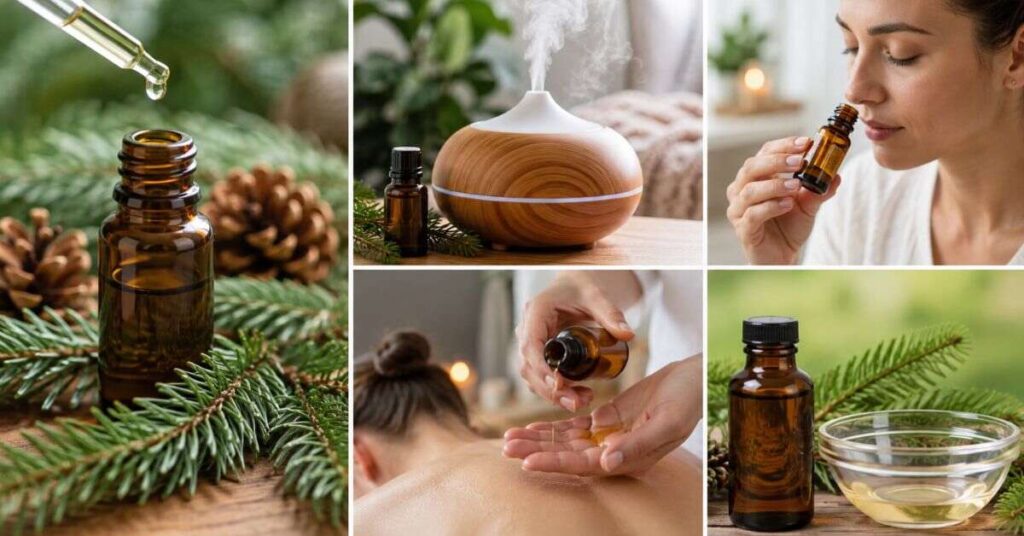
Understanding how to use balsam fir essential oil safely and effectively allows you to maximize its natural wellness and aromatherapy benefits. Because pure botanical oils are highly concentrated, applying proper dilution rates and usage techniques ensures both personal safety and an optimal scent experience.
1. Using a Diffuser
Diffusing balsam fir essential oil is one of the simplest ways to transform stale indoor air into a fresh, mountain-forest atmosphere. When micro-droplets disperse into the air, they help promote a clean, serene environment that supports stress relief and open airways.
- Standard Room Diffusion: Add 3 to 5 drops of balsam fir essential oil per 100 ml of water in your ultrasonic diffuser.
- Safety & Duration: Run your diffuser in 30- to 60-minute intervals in a well-ventilated space. Continuous, all-day diffusion is generally unnecessary and can lead to sensory fatigue.
Furthermore, if you have pets especially cats or small animals always ensure the room has open doors so they can freely leave the space if the scent becomes too strong for them.
2. Topical Application & Skin Care
When learning how to use balsam fir essential oil topically, safe dilution is mandatory. Concentrated essential oils applied directly to bare skin can cause sensitization, redness, or contact dermatitis.
To prepare a safe topical oil, always dilute balsam fir into a nourishing carrier oil such as jojoba oil, sweet almond oil, or fractionated coconut oil.
Safe Topical Dilution Guide:
- 1% Dilution (Facial / Sensitive Skin): 3 drops of essential oil per 1 fluid ounce (30 ml) of carrier oil.
- 2% Dilution (Standard Body Application): 6 drops of essential oil per 1 fluid ounce (30 ml) of carrier oil.
- 3% Dilution (Targeted Short-Term Use): 9 drops of essential oil per 1 fluid ounce (30 ml) of carrier oil.
Precautionary Step: Always perform a patch test. Apply 1 to 2 drops of your diluted mixture to your inner forearm and wait 24 hours to monitor for any adverse skin reaction before applying it over larger areas.
3. Massage Therapy
Incorporating balsam fir essential oil into massage therapy routines provides a warming, comforting sensory experience. Physical practitioners and massage enthusiasts frequently use evergreen oils to soothe tired muscles after strenuous exercise.
To formulate a customized post-workout massage blend, combine 4 drops of Balsam Fir, 2 drops of Peppermint, and 3 drops of Lavender into 1 ounce (30 ml) of jojoba or argan carrier oil. Massaging this blend into tight shoulder or neck muscles helps release physical tension while encouraging deep, calm breathing.
4. Bath Blends & Hydrotherapy
Adding essential oils directly to bathwater is a common safety mistake. Because oil and water do not mix, undiluted essential oil droplets will float on top of the water and attach directly to sensitive skin, causing intense irritation or chemical burns.
To safely enjoy a forest-inspired bath:
- Combine 5 to 8 drops of Balsam Fir essential oil with 1 tablespoon (15 ml) of a liquid carrier oil (like jojoba or liquid castile soap) or 1 cup of Unscented Epsom Salts.
- Stir the mixture thoroughly so the oil is evenly dispersed across the solubilizing medium.
- Pour the mixture into warm running bathwater just before entering the tub.
5. DIY Natural Room Sprays
A natural room spray made with balsam fir essential oil instantly eliminates household odors without releasing synthetic chemicals into your living environment.
Quick DIY Evergreen Room Spray Recipe:
- 4 oz (120 ml) Glass Spray Bottle
- 2 tablespoons (30 ml) High-proof alcohol (or witch hazel)
- 25 drops Balsam Fir essential oil
- 10 drops Sweet Orange essential oil
- Distilled water to fill the rest of the bottle
Method: Combine the essential oils with the alcohol first to solubilize the oils, then top off with distilled water. Shake vigorously before every spray.
6. Household Cleaning Formulations
Balsam fir essential oil is an exceptional ingredient for DIY household cleaning recipes due to its crisp fragrance and natural purifying properties.
To create an all-purpose counter cleaner, mix 1 cup of distilled water, 1/2 cup of white distilled vinegar, and 15 drops of Balsam Fir essential oil in a glass spray bottle. This solution cuts through grease on sealed granite, glass, and tile while leaving behind a clean, authentic forest scent.
Surface Testing: Always test home cleaning formulas on a small, hidden corner of wood or natural stone before wide application to avoid surface discoloration.
Read More:https://pureoilshub.com/essential-oil-recipes/
Best Essential Oils to Blend with Balsam Fir Essential Oil
Mastering balsam fir essential oil blends allows you to design specialized aromatic profiles tailored for focus, emotional grounding, or seasonal celebrations. Thanks to its smooth, sweet resinous notes, balsam fir serves as a versatile “aromatic bridge” that seamlessly connects sharp top notes with deep base notes.
1. Citrus Essential Oils
Citrus essential oils provide a bright, energetic contrast to the deep, grounding notes of balsam fir. These blends are ideal for morning diffusion, boosting productivity, and lifting low mood.
- Sweet Orange: Softens the evergreen notes with a festive, cheerful warmth.
- Lemon: Adds a sharp, squeaky-clean top note that enhances home freshness.
- Bergamot: Introduces a complex, sophisticated citrus-floral layer.
- Grapefruit: Offers a tart, invigorating aroma that helps reduce mental fatigue.
2. Woody & Resinous Essential Oils
Combining balsam fir with other tree and resin oils creates rich, grounding forest accords. These combinations are particularly suited for evening meditation, deep relaxation, and natural perfumery.
- Cedarwood (Atlas or Virginian): Adds a dry, balsamic warmth that deepens the forest experience.
- Frankincense (Boswellia carterii): Elevates the blend with a sacred, smooth, resinous depth.
- Sandalwood: Imparts a luxurious, creamy woodiness that grounds volatile top notes.
- Siberian Fir / Pine: Reinforces the green needle accords for an intense wilderness scent.
3. Mint Essential Oils
Mint oils introduce a cool, crisp wave that amplifies the fresh outdoor quality of balsam fir. These blends are ideal for clearing the air during seasonal changes or encouraging clear breathing.
- Peppermint: Provides an intense cooling contrast that awakens the senses.
- Spearmint: Offers a softer, sweeter mint alternative that doesn’t overpower delicate fir notes.
4. Floral Essential Oils
Floral essential oils round off any sharp needle edges, transforming a simple tree scent into a luxurious, balanced aroma suitable for body oils and home perfumery.
- Lavender: The ultimate calming partner; creates a serene “forest-meadow” ambiance.
- Geranium: Adds a sweet, green-floral note that balances woody base notes.
- Clary Sage: Enhances the herbal depth while supporting emotional balance.
Recommended Balsam Fir Essential Oil Diffuser Blends
The table below provides tested, balanced drop ratios for standard 100 ml to 200 ml ultrasonic diffusers:
| Blend Name | Essential Oil Combination | Aroma Profile & Ideal Use |
| Alpine Forest Cleanse | 4 drops Balsam Fir 2 drops Lemon 2 drops Cedarwood | Clean, Crisp & Uplifting: Excellent for daytime work spaces and clearing kitchen odors. |
| Holiday Warmth | 4 drops Balsam Fir 3 drops Sweet Orange 1 drop Cinnamon Bark | Warm, Festive & Comforting: Perfect for family gatherings, cozy evenings, and winter holiday settings. |
| Silent Mountain Retreat | 3 drops Balsam Fir 3 drops Lavender 2 drops Frankincense | Calming, Grounding & Smooth: Best for evening unwinding, meditation, or bedside diffusion before sleep. |
| Crisp Morning Breeze | 4 drops Balsam Fir 2 drops Peppermint 2 drops Eucalyptus | Refreshing & Invigorating: Great for morning routines, promoting open airways, and mental clarity. |
Balsam Fir Essential Oil Safety
Applying strict safety standards ensures that you experience the full aromatherapy benefits of balsam fir essential oil while avoiding skin irritation, sensitization, or respiratory distress. Because pure essential oils contain concentrated phytochemicals, using proper dilution protocols, conducting sensitivity tests, and following demographic-specific precautions guarantees a safe wellness routine.
Dilution Guidelines
Applying undiluted balsam fir essential oil directly to bare skin poses significant risks of acute dermal irritation, contact dermatitis, and chemical sensitization. Diluting the essential oil into a high-quality carrier oil reduces its physical concentration while ensuring an even, controlled application across your skin.
Choose a nutrient-dense, cold-pressed carrier oil to match your skin type:
- Jojoba Oil: Best for facial application and acne-prone skin due to its wax-ester structure.
- Sweet Almond Oil: Ideal for full-body massage routines targeting tired muscles.
- Fractionated Coconut Oil: Lightweight, non-greasy, and offers an exceptionally long shelf life.
- Grapeseed Oil: Absorbs rapidly into the skin without clogging pores.
Master Dilution Ratio Chart
| Target Group / Application | Dilution Rate | Drops per 1 oz (30 ml) Carrier Oil | Drops per 10 ml Roll-On |
| Sensitive Skin / Elderly | 0.5% – 1% | 3 to 6 drops | 1 to 2 drops |
| Standard Body Massage | 2% | 12 drops | 4 drops |
| Targeted Short-Term Relief | 3% | 18 drops | 6 drops |
Always remember that higher concentrations do not equal faster results. In fact, applying excessive amounts increases skin absorption risks without offering additional therapeutic advantages.
Patch Testing Protocol
Before integrating any new balsam fir essential oil blend into your daily body care routine, execute a standardized 24-hour patch test to identify potential allergic sensitivities.
How to Perform a Patch Test:
- Mix 1 drop of balsam fir essential oil with 1 teaspoon of jojoba oil (a 1% dilution rate).
- Apply 2 to 3 drops of this diluted mixture to a clean patch of skin on your inner forearm.
- Cover the area loosely with a bandage and leave it undisturbed for 24 hours.
If you experience redness, swelling, burning, intense itching, or hives at any point during or after the 24-hour window, immediately wash the area with warm water and mild soap, then discontinue topical use.
Pregnancy and Breastfeeding Precautions
Pregnant and nursing individuals must exercise heightened caution when using volatile aromatic extracts. During pregnancy, hormonal fluctuations increase dermal sensitivity, and volatile compounds can cross the placental barrier.
- First Trimester: Avoid all topical applications and intense steam inhalations of essential oils.
- Second & Third Trimesters: Use balsam fir essential oil solely via low-concentration room diffusion (1 to 2 drops in a well-ventilated space).
- Nursing Safety: Never apply diluted essential oils to the chest, breasts, or arms where a nursing infant might come into direct skin contact or ingest the oil.
Always consult a certified professional aromatherapist or qualified healthcare provider before introducing new botanical extracts into your maternal health routine.
Safe Usage Around Children and Household Pets
Children and animals possess delicate, highly sensitive olfactory and metabolic systems. Consequently, you must adapt your essential oil practices to safeguard vulnerable household members.
Precautions for Children:
- Age Limit: Avoid topical applications on infants under 2 years of age.
- Aromatherapy for Kids (Ages 2–6): Limit use to ambient diffusion in large rooms for a maximum of 15 to 20 minutes per session.
- Placement Safety: Store all essential oil bottles securely out of reach of children to prevent accidental ingestion or eye contact.
Precautions for Household Pets (Dogs & Cats):
- Avoid Enclosed Spaces: Never diffuse balsam fir essential oil in a closed room with pets present. Always leave doors open so pets can move away from strong scents.
- Feline Sensitivity: Cats lack specific liver enzymes (glucuronyl transferase) necessary to metabolize monoterpenes like pinene. Consequently, concentrated airborne vapors can induce hepatic toxicity over extended periods.
- Oral Ingestion: Never apply essential oils to a pet’s fur, paws, or skin. Grooming pets can ingest the oil, leading to drooling, lethargy, vomiting, or muscle tremors.
Potential Side Effects and Overexposure Signals
While most individuals enjoy balsam fir essential oil without issue, overexposure or improper application can trigger adverse reactions. Recognizing these early warning signs allows you to act promptly.
- Dermal Sensitization: Redness, rashes, or burning sensations caused by insufficient dilution or using oxidized oil.
- Olfactory Overload: Headaches, nausea, or dizziness resulting from diffusing high concentrations in poorly ventilated rooms.
- Respiratory Irritation: Coughing or tightness in the chest occurring in individuals with pre-existing asthma or severe allergies.
If you experience adverse symptoms, turn off your diffuser immediately, step into fresh outdoor air, and drink plenty of fresh water.
How to Store Balsam Fir Essential Oil
Proper storage habits directly dictate the freshness, safety, and aromatic integrity of your balsam fir essential oil. Because volatile coniferous monoterpenes such as alpha-pinene and limonene oxidize rapidly when exposed to air, light, and heat, maintaining pristine storage conditions prevents oil degradation and extends its shelf life.
Shelf Life and Oxidation Hazards
Under optimal storage conditions, pure balsam fir essential oil maintains a shelf life of 2 to 3 years. However, once an essential oil bottle oxidizes, its chemical composition changes permanently.
When balsam fir oil oxidizes, the fresh coniferous aroma deteriorates, fading into a dull, flat, or sour scent. More importantly, oxidized pinene compounds turn into potent skin irritants, vastly increasing your risk of allergic contact dermatitis.
Signs Your Balsam Fir Essential Oil Has Oxidized:
- The scent profile loses its crisp needle top note and smells sour, musty, or chemical-like.
- The oil changes in consistency, appearing cloudy, thick, or slightly sticky around the bottle neck.
- The oil triggers immediate itching or skin irritation during a patch test despite proper dilution.
If your oil displays any of these oxidation signs, discard it safely or repurpose it strictly for non-topical home cleaning applications.
Essential Oil Storage Best Practices
Adopting strict storage protocols protects your botanical investment and keeps your essential oil safe for topical and aromatic applications.
Optimal Storage Conditions
- Dark Amber Glass: Blocks harmful UV light damage that degrades natural chemical compounds.
- Cool Temperatures (55°F–68°F / 13°C–20°C): Prevents rapid volatilization and maintains oil stability.
- Tight-Fitting Caps: Stops air exposure, completely preventing oxidation and evaporation.
- Use Dark Amber or Cobalt Glass Containers: Store essential oils exclusively in dark glass bottles. Clear glass bottles allow ultraviolet (UV) light waves to penetrate, breaking down organic chemical compounds rapidly.
- Seal Caps Tightly: Oxygen is the primary driver of essential oil degradation. Always screw bottle caps tight immediately after dispensing drops to minimize headspace air exposure.
- Maintain Consistent, Cool Temperatures: Store your essential oil collection in a cool cabinet, drawer, or dedicated wooden storage box where temperatures remain stable between 15°C and 20°C (59°F to 68°F).
- Avoid Direct Sunlight and Heat: Never keep essential oil bottles on windowsills, near kitchen stoves, or inside vehicles where direct heat accelerates evaporation and thermal degradation.
- Refrigeration Option: For long-term preservation, you can store your balsam fir essential oil in a dedicated sealed container inside your refrigerator (around 4°C / 39°F). Allow the oil bottle to reach room temperature before opening to prevent condensation from forming inside the glass.
Sustainability of Balsam Fir Essential Oil

Choosing sustainably sourced balsam fir essential oil directly protects wild forest ecosystems, supports wildlife habitats, and guarantees long-term botanical availability. Because commercial demand for pure conifer oils continues to rise, ethical harvesting standards ensure that wild Abies balsamea populations remain thriving and resilient.
Balsam fir trees play a foundational ecological role in North American boreal forests. They stabilize damp forest soils, prevent soil erosion on mountain slopes, and provide critical winter shelter and food for songbirds, white-tailed deer, moose, and small mammals. Consequently, responsible essential oil production prioritizes forest preservation alongside oil extraction.
Furthermore, purchasing sustainably produced essential oils fosters transparency and environmental accountability across the global supply chain. Supporting ethical distillers empowers consumers to protect vulnerable woodlands while enjoying premium-grade botanical products.
Sustainable Harvesting Practices
Ethical producers harvest balsam fir plant material using methods that preserve tree health and encourage natural regeneration. Rather than felling living trees, responsible collectors trim renewable needles, twigs, and outer branches during routine forest management or timber logging operations.
Distillers utilize several key sustainable harvesting principles:
- Pruning Outer Branches: Collectors selectively trim outer boughs, leaving the central trunk intact so the tree continues its growth cycle.
- Utilizing Timber Byproducts: Sustainable distillers frequently collect fresh branches from pre-approved, legally managed timber clearing sites, converting waste biomass into valuable essential oil.
- Adhering to Forestry Regulations: Ethical harvesters follow strict regional forestry guidelines and obtain official permits before gathering wild plant material.
- Rotational Harvesting Cycles: Distillers rotate collection zones across public and private forest lands to allow harvested areas sufficient time to regenerate fully.
Transparency remains essential. Reputable brands readily share details regarding their raw material sourcing, seasonal harvesting schedules, and forest stewardship practices.
Conservation Status
Taxonomists classify Abies balsamea as a species of Least Concern on the IUCN Red List of Threatened Species due to its vast geographical distribution and natural abundance across Canada and the northeastern United States. Nevertheless, localized environmental threats require ongoing forest management.
Changing climate patterns, commercial deforestation, wildfire risks, and invasive pests such as the spruce budworm (Choristoneura fumiferana) pose real challenges to conifer forest health. Consequently, sustainable land management programs focus on active monitoring, pest control, and habitat conservation.
By purchasing 100% pure balsam fir essential oil from transparent, environmentally conscious brands, consumers support responsible forestry initiatives that protect North American woodlands for future generations.
How to Choose the Best Balsam Fir Essential Oil
Navigating the essential oil marketplace requires a discerning eye. Because synthetic fragrance oils and adulterated extracts frequently flood the market, buyers must evaluate technical quality indicators to ensure they purchase genuine, therapeutic-grade balsam fir essential oil.
Aap ke Quality Evaluation Checklist wale section ko clear, professional, aur standard text format (bullet points) mein convert kar diya hai taake website par rendering ya alignment ka koi issue na aaye:
Quality Evaluation Checklist
- Botanical Name (Abies balsamea): Confirms the true tree species and avoids purchasing incorrect conifer oils.
- 100% Pure Extract: Guarantees the product contains zero synthetic additives, fillers, or artificial fragrance compounds.
- GC/MS Analytical Reports: Verifies exact chemical purity, natural batch profile, and overall therapeutic safety.
1. Verify the Botanical Name (Abies balsamea)
Always check the product label for the full Latin botanical name: Abies balsamea.
Common terms like “Fir Needle Oil” or “Pine Oil” remain dangerously vague because manufacturers produce conifer oils from various tree species including Douglas fir (Pseudotsuga menziesii), Siberian fir (Abies sibirica), or Scotch pine (Pinus sylvestris). Each species contains a distinct chemical profile, scent nuances, and safety considerations. Confirming the precise botanical name guarantees you receive true balsam fir essential oil.
2. Demand 100% Pure Essential Oil
Insist on purchasing 100% pure, unadulterated essential oil. High-quality labels state that the bottle contains purely Abies balsamea needle oil without synthetic additives, artificial aroma chemicals, phthalates, or cheap carrier diluents.
Avoid products labeled “Fragrance Oil,” “Nature-Identical Oil,” or “Perfume Oil.” Synthetic fragrance oils attempt to mimic the scent of forest trees using petroleum-derived chemicals, offering zero therapeutic value while increasing skin sensitivity and allergen risks.
3. Inspect Third-Party Testing (GC/MS Analysis)
Reputable essential oil companies demonstrate quality by providing batch-specific Gas Chromatography-Mass Spectrometry (GC/MS) testing reports. Independent analytical laboratories conduct these tests to verify the oil’s purity and measure its volatile chemical compounds.
A standard GC/MS report for pure balsam fir essential oil should confirm dominant concentrations of key monoterpenes:
- Bornyl Acetate: 20% – 35% (provides the signature balsamic sweetness)
- Alpha-Pinene: 10% – 20% (delivers the fresh forest aroma)
- Beta-Pinene: 10% – 20% (adds woody depth)
- Limonene & Camphene: 1% – 10% (contributes bright freshness)
If a brand refuses to provide or publish batch-specific GC/MS reports, choose a more transparent manufacturer.
4. Evaluate Packaging and Labeling Transparency
Professional essential oil suppliers bottle their products in dark amber or cobalt blue glass bottles equipped with orifice reducers. Never purchase essential oils packaged in clear glass or plastic bottles, as light quickly degrades delicate monoterpenes and plastic reacts chemically with pure essential oils.
A comprehensive, transparent label should display:
- Botanical name (Abies balsamea)
- Plant part used (Needles and twigs)
- Extraction method (Steam distillation)
- Country or region of origin (e.g., Canada / USA)
- Batch number and expiration date
- Clear safety warnings and dilution instructions
Conclusion
Balsam fir essential oil (Abies balsamea) remains a standout botanical extract, cherished for its smooth, sweet coniferous aroma and remarkable aromatic versatility. By combining crisp needle top notes with warm, resinous woody undertones, this classic North American oil bridges the gap between intense medicinal tree scents and soft, uplifting natural fragrances.
Throughout this comprehensive guide, we explored the botanical origin, chemical composition, therapeutic benefits, and practical applications of balsam fir essential oil. Whether you diffuse it to clear stale indoor air, blend it with jojoba oil for a comforting muscle rub, or formulate custom room sprays, balsam fir brings the soothing ambiance of wild mountain forests directly into your living space.
Ultimately, maximizing your experience relies on practicing responsible usage habits. Diluting the oil properly in quality carrier oils, executing 24-hour patch tests, storing dark glass bottles in cool spaces, and sourcing products from transparent brands that publish GC/MS reports ensures both personal safety and exceptional aromatic performance.
(FAQs)
What Does Balsam Fir Essential Oil Smell Like?
Balsam fir essential oil features a fresh, crisp evergreen scent layered with warm, resinous, and noticeably sweet balsamic notes. Unlike sharper conifer oils such as Scotch pine or blue spruce, which can smell medicinal balsam fir presents a softer, smoother, and deeply comforting forest profile reminiscent of fresh holiday greens and mountain air.
What Essential Oils Blend Well with Balsam Fir?
Balsam fir serves as an exceptional aromatic bridge in custom fragrance blends. It pairs seamlessly with citrus oils (sweet orange, bergamot, lemon) for bright daytime diffusion; woody oils (cedarwood, frankincense, sandalwood) for grounding meditation accords; floral oils (lavender, geranium) for soft meadow aromas; and mint oils (peppermint, spearmint) for invigorating respiratory support.
Can You Apply Balsam Fir Essential Oil Directly to the Skin?
No. You should never apply pure balsam fir essential oil directly to bare skin. Concentrated essential oils cause acute skin irritation, redness, and chemical sensitization. Always dilute balsam fir into a nourishing carrier oil such as jojoba, sweet almond, or fractionated coconut oil at a 1% to 2% dilution rate (6 to 12 drops per 1 ounce of carrier oil) before topical application.
Can You Use Balsam Fir Essential Oil Every Day?
Yes, you can use balsam fir essential oil daily for home diffusion or topical skincare, provided you practice moderation. When diffusing, run your ultrasonic diffuser for 30 to 60 minutes at a time in well-ventilated rooms to prevent olfactory fatigue. For topical daily use, adhere strictly to safe dilution guidelines (1% for sensitive skin) and rotate oils periodically to avoid dermal sensitization.
Does Balsam Fir Essential Oil Expire?
Yes. Pure balsam fir essential oil has an average shelf life of 2 to 3 years when stored properly in dark glass bottles away from heat, air, and sunlight. Over time, exposure to oxygen causes volatile monoterpenes (like alpha-pinene) to oxidize. Oxidized oil loses its crisp forest fragrance, smells sour or flat, and can cause intense skin irritation if applied topically.