Introduction
Creating personalized aromas at home has become a popular way to enjoy natural fragrances, relaxation routines, and creative self-care practices. Essential oil recipes make it easy to combine different plant-based oils into unique blends for diffusers, skincare, home fragrance, cleaning, and everyday wellness routines.
From calming lavender combinations to refreshing citrus blends, homemade recipes allow you to design scents that match your mood, season, and personal preferences. Whether you want a peaceful evening atmosphere, an energizing workspace, a fresh-smelling home, or a natural-inspired beauty routine, the right blend can add a special touch to your daily life.
The beauty of making your own blends is the flexibility it provides. You can experiment with different scent families, understand how top, middle, and base notes work together, and create balanced formulas using simple ingredients. Beginners can start with easy essential oil recipes for diffuser use, while experienced users can explore advanced combinations for natural perfumes, skincare, and home care products.
However, successful blending requires more than simply mixing oils together. Understanding proper dilution, ingredient quality, storage methods, and safety guidelines helps you create better and more responsible recipes. Essential oils are highly concentrated, so careful preparation is important, especially when using blends around children, pets, or sensitive individuals.
In this complete guide, you will discover 75+ DIY essential oil recipes for relaxation, energy, focus, beauty, cleaning, seasonal moments, and home fragrance. You will also learn blending techniques, carrier oil choices, scent combinations, and safety practices to help you create customized aromas with confidence.
Whether you are starting your first blend or expanding your aromatherapy collection, these essential oil recipes will help you explore the creativity and versatility of natural scents while building a personalized approach to fragrance and self-care.
What Are Essential Oil Recipes?
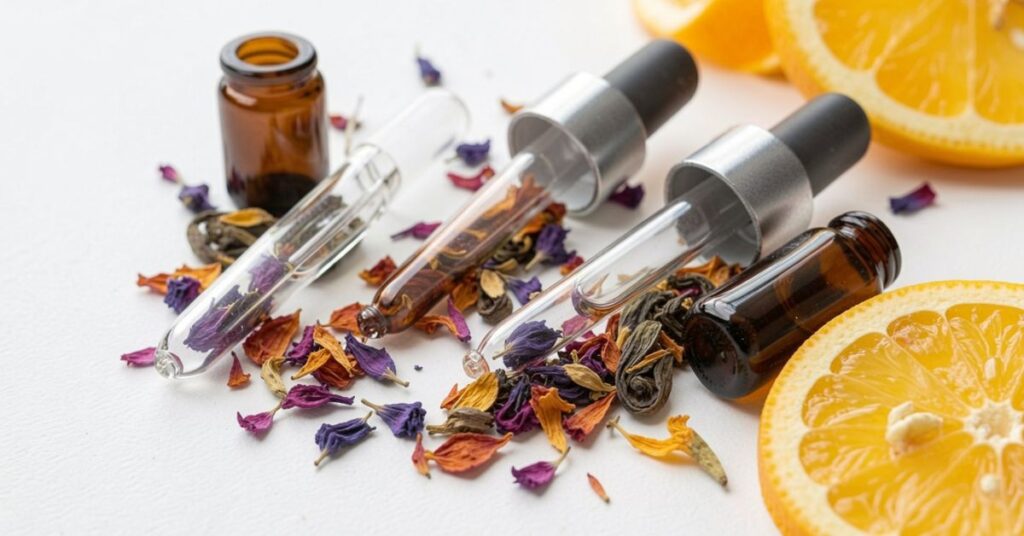
Essential oil recipes are carefully designed combinations of different essential oils that are blended together to create a specific aroma, purpose, or experience. These recipes can be used for many applications, including diffuser blends, natural home fragrances, skincare products, personal perfumes, massage oils, and homemade cleaning solutions.
Unlike using a single essential oil, a well-created blend allows multiple aromas to work together and produce a more balanced fragrance. Each essential oil has its own scent profile, intensity, and evaporation rate. Therefore, combining oils with different characteristics can create a smoother aroma, better depth, and a more enjoyable overall experience.
For instance, a calming essential oil recipe may combine lavender, cedarwood, and bergamot to create a peaceful atmosphere. Similarly, an uplifting blend may include citrus and mint oils to produce a fresh and energizing scent.
The process of creating essential oil recipes is similar to developing a natural fragrance formula. It requires careful oil selection, knowledge of scent families, proper measurements, and continuous adjustment until the final blend feels balanced.
How Essential Oil Recipes Are Created
Creating successful essential oil recipes involves more than simply mixing different oils together. Instead, it requires understanding how each ingredient interacts with other oils.
First, you need to identify the purpose of your blend. Some recipes are designed for relaxation, while others focus on freshness, concentration, skincare, or home fragrance.
Next, selecting compatible oils becomes important. Essential oils belong to different scent categories, such as citrus, floral, herbal, woody, and spicy. When these categories are combined correctly, they create a more harmonious aroma.
Additionally, proper ratios play a major role in the final result. A strong essential oil can easily overpower softer oils if used in excessive amounts. Therefore, balanced measurements help each ingredient contribute its own unique character.
Many beginners start with simple diffuser recipes because they require only a few drops of oil and minimal equipment. However, experienced users often create advanced essential oil recipes for perfumes, body oils, bath products, and customized fragrance blends.
Important Elements of High-Quality Essential Oil Recipes
A successful blend usually depends on three important factors:
Purpose of the Blend
Before creating a recipe, first decide why you want to use it. For example, you may want a blend for relaxation, energy, focus, skincare, or seasonal fragrance. Additionally, knowing your purpose helps you choose the right oils and create a more balanced blend. Moreover, a clear goal makes the recipe easier to customize according to your needs. Therefore, always consider the desired effect before mixing essential oils together. As a result, you can create a blend that matches your mood, lifestyle, and personal preferences
Scent Balance
A balanced recipe combines different aroma groups, including citrus, floral, herbal, woody, and spicy notes. As a result, the final fragrance feels smoother and more complete.
Safety and Proper Usage
Because essential oils are highly concentrated plant extracts, safe handling is essential. Proper dilution, quality ingredients, and suitable storage methods help create better results.
Today, homemade blending has become increasingly popular because it gives people more control over the ingredients they use. Instead of relying only on commercial fragrances, users can design personalized aromas that match their lifestyle and preferences.
However, natural ingredients still require responsible preparation. Therefore, understanding measurements, dilution methods, and oil properties is an important part of creating effective essential oil recipes.
Whether you want to make easy essential oil recipes for diffusers, cleaning blends, skincare products, or seasonal fragrances, learning the basics of blending is the first step toward creating successful formulas.
In simple terms, essential oil recipes combine fragrance knowledge, creativity, and basic science. They transform individual oils into unique blends that can add customized aromas to everyday routines.
What Makes Essential Oil Recipes Effective?
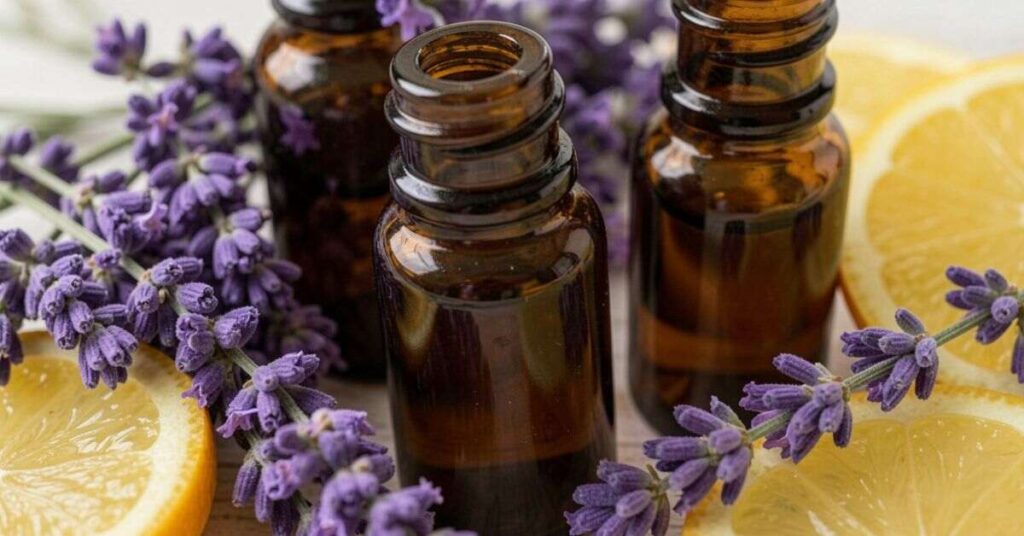
The effectiveness of essential oil recipes depends on several factors, including oil quality, blending technique, scent balance, and correct application. A successful blend is not created by randomly combining oils. Instead, it requires knowledge of how different essential oils complement each other.
Understanding Essential Oil Scent Notes
One of the most important factors in creating effective blends is understanding scent notes. Essential oils are generally divided into three categories:
Top Notes:
These are light and refreshing aromas that appear first after blending. Examples include lemon, peppermint, and grapefruit.
Middle Notes:
These oils create balance and connect the different parts of a blend. Popular examples include lavender, rosemary, and geranium.
Base Notes:
These deeper aromas provide richness and help the fragrance last longer. Examples include cedarwood, sandalwood, and frankincense.
When these three notes are combined properly, the final aroma becomes more balanced, complex, and enjoyable.
The Role of Oil Quality and Ingredients
Another important factor is the quality of essential oils used in a recipe. Pure, properly stored oils usually provide a clearer and more natural aroma compared with products that contain artificial additives.
Furthermore, the purpose of the blend affects ingredient selection. A home fragrance recipe may focus mainly on aroma, while a skincare recipe requires careful attention to dilution and skin compatibility.
Additionally, personal preference influences the final experience. Since aromas are connected with emotions and memories, the same essential oil recipe may feel different for different individuals.
An essential oil blending chart can also help beginners understand which oils combine well together. As a result, users can create more balanced combinations instead of guessing randomly.
Ultimately, effective essential oil recipes are created through quality ingredients, proper knowledge, and careful experimentation. When these elements work together, homemade blends become more enjoyable and practical.
Types of Essential Oil Recipes
There are many types of essential oil recipes available, and each category serves a different purpose. Therefore, choosing the correct recipe depends on your goal, preferred aroma, and method of use.
| Type of Recipe | Common Purpose |
|---|---|
| Diffuser Blends | Creating a pleasant atmosphere at home or work |
| Skin Care Blends | Supporting personal beauty routines with diluted oils |
| Perfume Blends | Creating customized natural-inspired fragrances |
| Massage Oils | Combining essential oils with carrier oils for body care |
| Cleaning Recipes | Adding fresh aromas to homemade cleaning products |
| Bath Blends | Creating relaxing self-care experiences |
| Room Sprays | Freshening indoor spaces naturally |
Diffuser recipes are among the most popular options because they are simple and beginner-friendly. They allow users to enjoy different aromas without applying oils directly to the skin.
Moreover, essential oil recipes for skin require additional care because essential oils must be diluted properly before topical use. Carrier oils such as jojoba oil, sweet almond oil, and fractionated coconut oil are commonly used for this purpose.
Essential oil recipes perfume blends require a stronger understanding of fragrance structure. These formulas usually combine top, middle, and base notes to create a scent that develops gradually.
Similarly, home fragrance recipes focus on improving indoor environments. They may include fresh citrus oils, calming floral scents, or warm seasonal combinations.
Understanding these categories helps users select suitable recipes based on their needs instead of creating random blends.
Benefits of Essential Oil Recipes
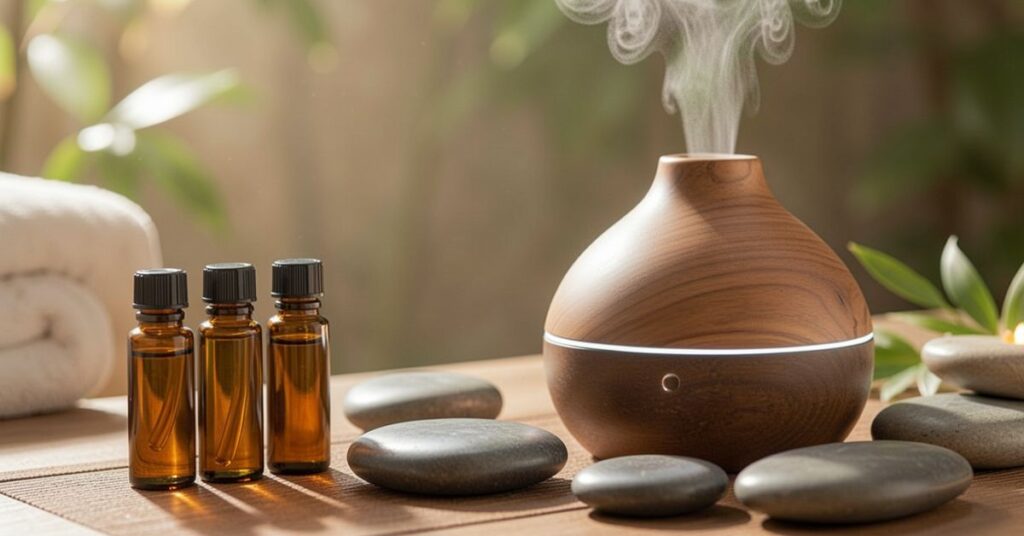
Creating your own essential oil recipes provides several benefits beyond enjoying pleasant aromas. These blends offer creativity, flexibility, and control over the ingredients used in personal routines.
Personalized Aromas
One major benefit is customization. You can adjust essential oil recipes according to your preferences, seasonal changes, or daily activities.
For example, you can create a refreshing morning blend, a calming evening aroma, or a warm holiday-inspired fragrance.
Ingredient Control
Another advantage is knowing exactly what ingredients are included. Homemade recipes allow you to avoid unnecessary additives often found in some commercial fragrance products.
Creative Learning Experience
Essential oil blending can also become an enjoyable hobby. Learning about scent combinations, testing new formulas, and recording successful recipes makes the process more rewarding.
Additional benefits include:
- Creating personalized home fragrances
- Designing unique perfume-style blends
- Supporting relaxing self-care routines
- Developing seasonal and mood-based aromas
- Exploring natural fragrance creation
However, realistic expectations are important. Essential oil recipes can support enjoyable aromatic experiences, but they should not replace professional medical advice or treatment.
When created with proper knowledge and safety practices, homemade blends can become a valuable addition to a personalized lifestyle. With the right approach, anyone can explore the creative world of essential oil blending.
How Essential Oil Recipes Work
Essential oils are highly concentrated botanical extracts harvested from roots, bark, blossoms, peels, and leaves. Each plant extract carries a unique chemical makeup that defines its volatility, scent profile, and strength.
When you combine multiple extracts, their volatile compounds interact to produce an entirely new sensory experience. A well-designed formula balances four primary factors:
- Scent Compatibility: Combining complementary fragrance families (e.g., citrus with florals, or woods with spices).
- Evaporation Rates: Balancing fast-evaporating top notes with lingering base notes.
- Aroma Intensity: Ensuring dominant oils do not overwhelm softer, subtle scents.
- Intended Application: Designing the formula specifically for ambient diffusion or topical application.
Understanding How Essential Oil Recipes Work for Daily Wellness
Aromatherapy serves as a supportive lifestyle tool that complements your daily mind-body habits. When aromatic molecules enter the nasal cavity, they stimulate olfactory receptors that send direct signals to the limbic system the region of the brain responsible for memory, mood, and emotional regulation.
Note: Essential oils are sensory tools meant to enrich your environment and support mindfulness; they are not substitutes for clinical medical treatment.
You can pair specific aromatic profiles with your daily routine to set a deliberate tone:
- Morning Energy: Bright citrus and sharp mints assist in awakening the senses during morning prep.
- Focused Work: Herbal scents like rosemary and eucalyptus support a clean, crisp atmosphere in your workspace.
- Evening Wind-Down: Deep florals and grounding woods help signal to your body that it is time to rest.
Application Methods in Essential Oil Recipes
How your body interacts with plant compounds depends largely on your chosen application method.
1. Inhalation
Diffusers, steam inhalation, and personal scent reeds disperse volatile aromatic molecules directly into the air. This method is ideal for altering the atmosphere of a room quickly and safely.
2. Topical Application
Because pure plant extracts are potent, direct skin contact requires proper dilution to prevent sensitivity. Essential oils must be dissolved in a nourishing carrier oil.
| Carrier Oil | Best Suited For | Texture / Absorption |
| Jojoba Oil | All skin types (mimics natural sebum) | Lightweight, fast-absorbing |
| Sweet Almond Oil | Dry or sensitive skin | Rich, deeply moisturizing |
| Fractionated Coconut Oil | General massage & roller bottles | Silky, non-greasy, long shelf life |
| Grapeseed Oil | Oily or acne-prone skin | Very light, satin finish |
Principles for Crafting Essential Oil Recipes That Last
Single-note scents can be lovely, but multi-layered blends offer depth, balance, and longevity. The secret to professional blending lies in understanding scent architecture:
- Top Notes (First Impression): Light, bright scents like Lemon or Bergamot that fade within 15–30 minutes.
- Heart Notes (The Body): Balanced scents like Lavender, Geranium, or Chamomile that emerge as the top notes fade.
- Base Notes (The Foundation): Deep, slow-evaporating scents like Cedarwood, Vetiver, or Frankincense that anchor the blend for hours.
To refine your custom blends, start with a small ratio (e.g., 3 drops top, 2 drops heart, 1 drop base), test the aroma on a blotter strip, and adjust your drops gradually until you achieve the perfect balance.
Essential Oil Recipes Blending Guide
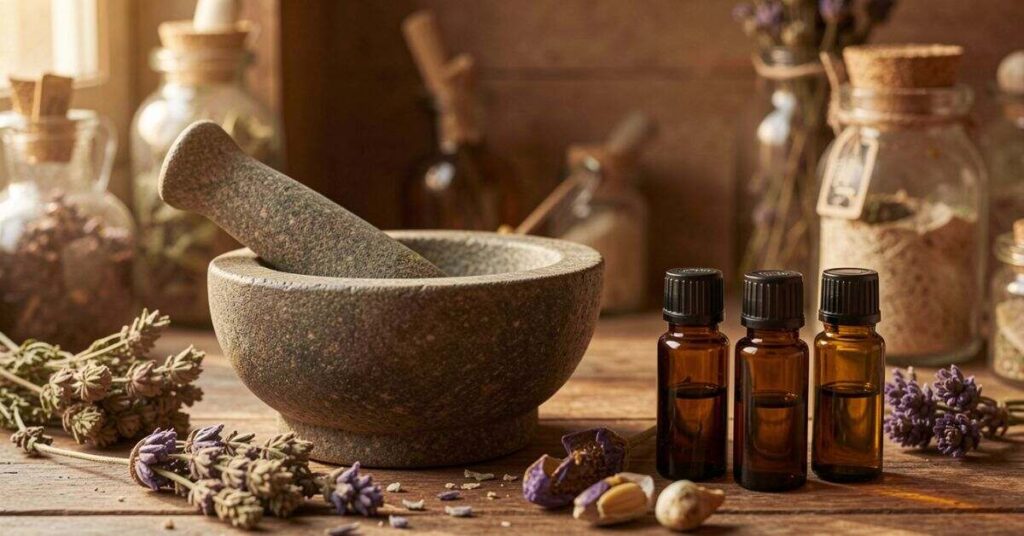
Creating successful blends requires more than selecting oils that smell good individually. A proper essential oil blending guide helps you understand how aromas interact and how to build recipes with better structure.
Every essential oil has unique characteristics, including scent intensity, evaporation speed, and aroma family. When these elements are considered together, the final blend becomes smoother and more professional.
Beginners often make the mistake of adding too many oils at once. Although using many ingredients may seem advanced, simple combinations usually create clearer and more enjoyable results.
A strong blending process starts with understanding scent notes, selecting suitable oils, choosing the correct carrier, and maintaining proper ratios.
Understanding Top, Middle, and Base Notes
Essential oils are commonly divided into three fragrance categories called top notes, middle notes, and base notes. Understanding these categories is one of the most important skills when creating balanced essential oil recipes.
Top Notes
Top notes create the first impression of a blend. They are usually light, fresh, and quick to evaporate.
Common top notes include:
- Lemon
- Orange
- Grapefruit
- Peppermint
- Bergamot
These oils add brightness and freshness to a recipe. However, because they evaporate quickly, they usually need support from middle and base notes.
Middle Notes
Middle notes create the main character of a blend. They connect the lighter top notes with deeper base notes.
Common middle notes include:
- Lavender
- Rosemary
- Geranium
- Chamomile
- Ylang Ylang
These oils provide balance and help create a smoother transition between different aromas.
Base Notes
Base notes provide depth and help the overall scent last longer. They are usually rich, warm, and slow to evaporate.
Common base notes include:
- Cedarwood
- Sandalwood
- Frankincense
- Vetiver
- Patchouli
A professional-style blend often combines all three categories to create a complete aroma experience.
How to Blend Essential Oil Recipes
Creating your own blend becomes easier when you follow a structured process.
Step 1: Choose the purpose of your blend
First, decide why you are creating the recipe. Your goal will guide your oil selection.
Examples:
- Relaxation
- Focus
- Home fragrance
- Natural perfume
- Skincare
Step 2: Select your main aroma
Choose one oil that represents the overall character of the blend.
For example:
- Lavender for calming blends
- Lemon for freshness
- Cedarwood for grounding aromas
Step 3: Add supporting oils
After choosing the main oil, add complementary oils from different scent categories.
Step 4: Adjust the balance
Smell the blend and make small adjustments. Avoid adding many drops at once because strong oils can quickly overpower softer aromas.
Keeping a blending journal is also useful. Recording successful combinations helps you recreate favorite formulas later.
Best Carrier Oils for Essential Oil Recipes
Carrier oils play an important role in topical essential oil recipes because they dilute concentrated essential oils and make them suitable for skin application.
Popular carrier oils include:
| Carrier Oil | Characteristics |
| Jojoba Oil | Lightweight and commonly used for facial blends |
| Fractionated Coconut Oil | Long-lasting and easy to apply |
| Sweet Almond Oil | Moisturizing and smooth |
| Grapeseed Oil | Lightweight texture |
| Rosehip Oil | Popular in beauty-focused blends |
The best carrier oil depends on the purpose of your recipe.
For example:
- Facial blends often use lightweight oils.
- Massage blends may use oils with a smooth texture.
- Body oils may require more moisturizing options.
Carrier oils also influence the feel of the final product, so choosing the right one improves the overall experience.
Essential Oil Blending Ratios for Beginners
Beginners should start with simple ratios instead of complicated formulas. A balanced approach allows each oil to contribute without overpowering the blend.
A common beginner method is:
30% Top Notes + 50% Middle Notes + 20% Base Notes
Example:
- 3 drops Lemon essential oil
- 5 drops Lavender essential oil
- 2 drops Cedarwood essential oil
Another simple diffuser ratio:
- 3 parts main aroma
- 2 parts supporting aroma
- 1 part accent aroma
For example:
- 3 drops Lavender
- 2 drops Sweet Orange
- 1 drop Cedarwood
The perfect ratio depends on the oils selected because some essential oils are naturally stronger than others.
A helpful essential oil blending chart can make this process easier by showing compatible oils, scent categories, and recommended combinations.
With practice, you can move beyond basic formulas and create advanced blends for perfumes, home fragrance, skincare, and personalized aromatherapy routines. Learning the fundamentals of blending gives you the confidence to create unique essential oil recipes that are balanced, safe, and enjoyable.
Essential Oil Recipes for Relaxation, Sleep, and Emotional Wellness
Many people use essential oil recipes as part of their relaxation and self-care routines because certain aromas can help create a peaceful environment. A carefully designed blend can support calming rituals, bedtime habits, meditation sessions, and moments when you need a quiet break from daily stress.
Relaxation-focused blends usually combine soft floral, woody, and fresh aromas to create a balanced atmosphere. Oils such as lavender, frankincense, cedarwood, chamomile, and bergamot are commonly selected because they provide comforting scent profiles.
However, essential oils work differently for everyone. Personal memories, scent preferences, and sensitivity levels can influence how a person responds to a specific aroma. Therefore, the best blend is one that feels pleasant and fits naturally into your lifestyle.
Using these recipes through a diffuser, personal inhaler, or properly diluted topical application can help create a consistent wellness routine. Always follow safety guidelines, especially when using essential oils around children, pets, or individuals with sensitivities.
Essential Oil Recipes for Stress Relief
Daily responsibilities, busy schedules, and constant stimulation can make it difficult to create moments of calm. Essential oil recipes for stress relief are designed to provide soothing aromas that help transform your surroundings into a more relaxing space.
Calming oils often include floral and grounding scents because they create a softer aromatic experience. Lavender, frankincense, sweet orange, and cedarwood are popular choices for peaceful blends.
Relaxing Stress Relief Diffuser Recipe
- 3 drops Lavender essential oil
- 2 drops Sweet Orange essential oil
- 1 drop Frankincense essential oil
This combination creates a gentle floral-citrus aroma with a warm finish. Lavender provides a calming scent, sweet orange adds brightness, and frankincense creates depth.
Another option is:
- 2 drops Bergamot essential oil
- 2 drops Cedarwood essential oil
- 1 drop Ylang Ylang essential oil
This blend works well during evening relaxation routines, reading sessions, or quiet personal time.
For a stronger relaxation ritual, many people pair their diffuser blend with deep breathing, stretching, or meditation. The combination of a calming environment and mindful activities can create a more enjoyable experience.
Essential Oil Recipes for Better Sleep
Creating a peaceful bedtime environment can help support healthy sleep habits. Essential oil recipes for sleep often use gentle aromas that encourage relaxation before bedtime.
Sleep-focused blends commonly include lavender, cedarwood, vetiver, chamomile, and sandalwood. These oils are valued for their warm and comforting scent profiles.
Nighttime Sleep Diffuser Recipe
- 3 drops Lavender essential oil
- 2 drops Cedarwood essential oil
- 1 drop Vetiver essential oil
Lavender provides a soft floral aroma, while cedarwood and vetiver add earthy notes that create a cozy atmosphere.
Another bedtime blend includes:
- 2 drops Roman Chamomile essential oil
- 2 drops Lavender essential oil
- 1 drop Sweet Marjoram essential oil
This recipe works well in a diffuser about 30 minutes before bedtime. It creates a relaxing environment without requiring complicated preparation.
A consistent nighttime routine can make these blends more enjoyable. Using the same calming aroma each evening may help create a familiar association with relaxation.
It is important to remember that essential oils support a relaxing environment but do not replace medical advice or treatment for sleep disorders.
Essential Oil Recipes for Anxiety and Calm
People often choose aromatic blends to create a calmer atmosphere during emotionally challenging moments. Essential oil recipes for anxiety and calm usually focus on soft, comforting scents rather than strong or stimulating aromas.
Popular calming oils include lavender, bergamot, frankincense, clary sage, and ylang ylang. These oils can be combined to create a peaceful scent experience.
Calm Mind Diffuser Recipe
- 3 drops Bergamot essential oil
- 2 drops Lavender essential oil
- 1 drop Frankincense essential oil
Bergamot adds a fresh citrus aroma, lavender provides floral softness, and frankincense creates a grounding scent.
Another calming blend:
- 2 drops Clary Sage essential oil
- 2 drops Cedarwood essential oil
- 1 drop Lavender essential oil
This recipe works well during meditation, journaling, or quiet evening activities.
Aromatherapy can be a supportive addition to relaxation practices. However, individuals experiencing ongoing anxiety should seek guidance from qualified healthcare professionals.
Essential Oil Recipes for Happiness and Mood Boosting
Bright and uplifting aromas can help create a more positive atmosphere. Essential oil recipes for mood boosting often use citrus and refreshing oils because their scents feel energetic and vibrant.
Common mood-enhancing oils include lemon, grapefruit, sweet orange, bergamot, peppermint, and rosemary.
Happy Energy Diffuser Recipe
- 3 drops Sweet Orange essential oil
- 2 drops Lemon essential oil
- 1 drop Peppermint essential oil
This blend creates a fresh, cheerful aroma that works well in the morning or during afternoon energy dips.
Another uplifting combination:
- 2 drops Grapefruit essential oil
- 2 drops Bergamot essential oil
- 1 drop Rosemary essential oil
The citrus notes provide freshness, while rosemary adds a clean herbal touch.
These blends are especially popular in workspaces, kitchens, and living areas where people want a brighter environment.
Essential Oil Recipes for Gratitude and Emotional Balance
Creating moments of gratitude can become easier when paired with a peaceful personal ritual. Essential oil recipes for emotional balance often combine grounding and comforting aromas that support reflective activities.
A balanced blend may include:
- 2 drops Frankincense essential oil
- 2 drops Lavender essential oil
- 1 drop Rose essential oil
This combination creates a soft floral aroma with a warm and peaceful character.
Another gratitude-inspired recipe:
- 2 drops Sandalwood essential oil
- 2 drops Bergamot essential oil
- 1 drop Geranium essential oil
Many people enjoy using these blends during journaling, meditation, or quiet morning routines.
The purpose of these recipes is to create a supportive environment for mindfulness. The aroma becomes part of the ritual, helping establish a peaceful moment during a busy day.
Essential Oil Recipes for Grief Support
Grief is a deeply personal experience, and everyone processes emotions differently. Some people use gentle aromas as part of comforting self-care practices during difficult periods.
Essential oil recipes for grief support usually include warm, grounding, and emotionally comforting scents. Common choices include frankincense, lavender, rose, sandalwood, and bergamot.
Comforting Heart Blend
- 2 drops Frankincense essential oil
- 2 drops Lavender essential oil
- 1 drop Rose essential oil
This blend creates a soft floral and woody aroma that many people find comforting.
Another option:
- 2 drops Sandalwood essential oil
- 2 drops Bergamot essential oil
- 1 drop Chamomile essential oil
These aromas can be used during quiet reflection, meditation, or relaxation practices.
Essential oils cannot remove grief, but a calming environment may provide a small moment of comfort and emotional support. During intense grief, professional support and connection with loved ones remain important parts of healing.
When using emotional wellness blends, the most important factor is choosing aromas that personally feel comforting and meaningful. A simple, thoughtful recipe can become a valuable part of a personal self-care routine.
Essential Oil Recipes for Energy, Focus, and Productivity
A productive day often begins with the right environment. Essential oil recipes for energy and focus are commonly used to create a fresh, motivating atmosphere during work, study, creative projects, and daily tasks.
Energizing blends usually include bright citrus oils, refreshing herbs, and stimulating aromas. Ingredients such as peppermint, lemon, rosemary, grapefruit, and eucalyptus are popular because they create clean and uplifting scent profiles.
Unlike relaxing blends that focus on soft and calming aromas, productivity blends usually aim for freshness and mental clarity. A balanced recipe can make a workspace feel more inviting while supporting a consistent routine.
Many people use these blends in a diffuser, personal inhaler, or room spray. However, essential oils should always be used correctly because stronger aromas do not always create better results. A balanced amount usually provides a more comfortable experience.
The best productivity blends match your personal preferences. Some people enjoy cool minty aromas, while others prefer bright citrus scents. Experimenting with different combinations helps you discover the formulas that work best for your environment.
Essential Oil Recipes for Morning Energy
The morning sets the tone for the rest of the day. Fresh and uplifting aromas can help create an energetic atmosphere when starting a new routine, preparing for work, or completing household tasks.
Essential oil recipes for morning energy often combine citrus and mint oils because these scents provide a clean and refreshing aroma.
Morning Fresh Start Diffuser Recipe
- 3 drops Lemon essential oil
- 2 drops Peppermint essential oil
- 1 drop Rosemary essential oil
Lemon creates a bright citrus opening, peppermint adds a cooling sensation to the aroma, and rosemary provides an herbal balance.
Another energizing blend includes:
- 2 drops Grapefruit essential oil
- 2 drops Sweet Orange essential oil
- 1 drop Eucalyptus essential oil
This combination creates a fresh environment that works well in kitchens, home offices, or morning preparation areas.
Using an energizing diffuser blend alongside healthy habits such as hydration, movement, and a structured routine can help create a more positive start to the day.
Essential Oil Recipes for Focus and Studying
Maintaining concentration during studying or detailed tasks can be challenging, especially in environments filled with distractions. Essential oil recipes for focus are designed to create a fresh and organized atmosphere.
Focus blends often include rosemary, peppermint, lemon, basil, and frankincense. These oils are commonly selected because they provide sharp, clean, and herbal aromas.
Study Focus Diffuser Recipe
- 3 drops Rosemary essential oil
- 2 drops Peppermint essential oil
- 1 drop Lemon essential oil
This blend creates a refreshing aroma that many people enjoy during reading, writing, or study sessions.
Another focus combination:
- 2 drops Frankincense essential oil
- 2 drops Lemon essential oil
- 1 drop Basil essential oil
Frankincense adds depth, lemon creates brightness, and basil contributes an herbal scent.
For the best experience, use these blends in a well-ventilated area and combine them with practical study techniques such as organized notes, regular breaks, and a comfortable workspace.
Essential Oil Recipes for Work and Productivity
A pleasant workspace can influence how comfortable and motivated you feel throughout the day. Essential oil recipes for work focus on creating an environment that feels fresh, balanced, and inviting.
Office-friendly blends usually avoid overly strong aromas because intense scents may become distracting. Light citrus, herbal, and woody combinations often work better for shared spaces.
Productivity Workspace Diffuser Recipe
- 3 drops Bergamot essential oil
- 2 drops Peppermint essential oil
- 1 drop Cedarwood essential oil
Bergamot adds a fresh citrus note, peppermint provides a crisp aroma, and cedarwood creates warmth.
Another professional workspace blend:
- 2 drops Lemon essential oil
- 2 drops Rosemary essential oil
- 1 drop Lavender essential oil
This recipe balances freshness with a gentle floral touch.
For remote workers, a dedicated workspace aroma can become part of a daily productivity ritual. Using the same scent during work hours may help create a clear separation between work time and relaxation time.
Essential Oil Recipes for Motivation
Motivation often improves when your surroundings feel positive and inspiring. Essential oil recipes for motivation usually include bright, confident, and refreshing aromas that create an uplifting atmosphere.
Common motivational oils include orange, peppermint, ginger, grapefruit, and cinnamon. These oils add warmth and energy to personal routines.
Motivation Boost Diffuser Recipe
- 3 drops Sweet Orange essential oil
- 2 drops Peppermint essential oil
- 1 drop Ginger essential oil
Sweet orange creates a cheerful aroma, peppermint adds freshness, and ginger provides a warm spicy note.
Another inspiring blend:
- 2 drops Grapefruit essential oil
- 2 drops Rosemary essential oil
- 1 drop Cinnamon essential oil
This recipe creates a lively scent that works well during goal-setting sessions, creative work, or exercise preparation.
Motivation blends are especially useful when paired with action-based habits. A refreshing aroma can support your routine, but consistent planning and effort remain the foundation of achieving personal goals.
Creating your own easy essential oil recipes for energy and productivity allows you to customize your environment according to your daily needs. With the right combinations, essential oils can become a simple tool for building enjoyable and focused routines.
Essential Oil Recipes for Physical Wellness
Many people include essential oil recipes in their daily wellness routines to create relaxing environments, support self-care habits, and enjoy the natural aromas of plants. From massage blends to refreshing diffuser combinations, essential oils can add a personalized touch to wellness practices.
However, it is important to understand that essential oils are not medical treatments and should not replace professional healthcare. Instead, they are commonly used as complementary lifestyle tools that may help create a calming atmosphere, support relaxation, and improve the overall experience of personal care routines.
The best wellness blends focus on safe preparation, suitable ingredients, and realistic expectations. Since essential oils are highly concentrated, proper dilution and responsible use are essential, especially for topical applications.
Different wellness goals require different approaches. For example, a massage blend may focus on comforting aromas, while a diffuser blend may be designed to create a peaceful environment.
By understanding individual oils, choosing appropriate combinations, and following safety guidelines, you can create personalized wellness formulas that fit naturally into your lifestyle.
Essential Oil Recipes for Immune Support
During seasonal changes, many people look for ways to create a fresh and comfortable home environment. Essential oil recipes for immune support are often used in aromatherapy routines because certain essential oils have refreshing, herbal, or cleansing aroma profiles.
Common oils used in these types of blends include:
- Eucalyptus
- Tea Tree
- Lemon
- Frankincense
- Rosemary
These oils are popular because they create bright and clean-smelling aromatic combinations.
Fresh Home Diffuser Recipe
- 3 drops Lemon essential oil
- 2 drops Eucalyptus essential oil
- 1 drop Tea Tree essential oil
This blend creates a fresh atmosphere and works well during home cleaning routines or seasonal transitions.
Another option:
Herbal Wellness Aroma Blend
- 2 drops Rosemary essential oil
- 2 drops Frankincense essential oil
- 1 drop Lemon essential oil
This combination provides a balanced herbal and citrus aroma.
Although many people enjoy these blends as part of wellness routines, essential oils should not be considered replacements for healthy habits such as proper nutrition, sleep, hygiene, and medical care when needed.
Essential Oil Recipes for Muscle Relief
Muscle discomfort can affect daily activities, especially after exercise, physical work, or long periods of sitting. Many people use aromatic massage blends as part of relaxation routines.
Essential oil recipes for muscle relief often combine warming, refreshing, and grounding aromas with carrier oils for massage application.
Commonly selected oils include:
- Peppermint
- Lavender
- Marjoram
- Eucalyptus
- Rosemary
Relaxing Massage Blend
- 2 tablespoons Fractionated coconut oil
- 2 drops Lavender essential oil
- 1 drop Peppermint essential oil
- 1 drop Rosemary essential oil
This blend creates a refreshing aromatic experience when used in a massage routine.
Another option:
After-Activity Body Blend
- 2 tablespoons Sweet almond oil
- 2 drops Eucalyptus essential oil
- 2 drops Lavender essential oil
Carrier oils help dilute essential oils and provide a smoother application.
Always avoid applying strong essential oils directly to the skin. Additionally, stop use if irritation or discomfort occurs.
Essential Oil Recipes for Headache Relief
Many people use aromatherapy as part of relaxation routines when dealing with occasional tension or stress. Certain essential oils are popular because of their fresh and cooling aroma profiles.
Common choices include:
- Peppermint
- Lavender
- Rosemary
- Eucalyptus
Refreshing Temple Aroma Blend
- 1 tablespoon Jojoba oil
- 1 drop Peppermint essential oil
- 2 drops Lavender essential oil
This diluted blend can be used as part of a relaxing self-care routine.
Another diffuser option:
- 3 drops Lavender essential oil
- 2 drops Peppermint essential oil
This creates a clean and calming atmosphere.
Because headaches can have many causes, including dehydration, stress, or underlying health conditions, persistent or severe headaches should always receive appropriate medical attention.
Essential Oil Recipes for Detox and Cleansing
The word “detox” is often used in wellness discussions, but the body already has natural systems that remove unwanted substances. Essential oils do not cleanse the body internally; however, they can be used to create fresh environments and support relaxing routines.
Essential oil recipes for cleansing are commonly used for home fragrance, cleaning products, and refreshing diffuser blends.
Popular cleansing aroma oils include:
- Lemon
- Tea Tree
- Eucalyptus
- Peppermint
- Orange
Fresh Cleaning Diffuser Recipe
- 3 drops Lemon essential oil
- 2 drops Tea Tree essential oil
- 1 drop Peppermint essential oil
This combination creates a fresh and clean aroma.
For homemade cleaning products, essential oils are often added mainly for fragrance and aromatic qualities. Always use appropriate cleaning ingredients and follow safe household practices.
Essential Oil Recipes for Lymphatic Drainage Massage
Lymphatic massage is a specialized technique that focuses on gentle movements designed by trained professionals. Some people incorporate essential oils into massage routines because pleasant aromas can improve relaxation.
Essential oil recipes for lymphatic drainage massage should focus on gentle scents and proper dilution.
Common oils used in relaxing massage blends include:
- Grapefruit
- Juniper Berry
- Lavender
- Geranium
- Cypress
Gentle Massage Oil Blend
- 2 tablespoons Jojoba oil
- 2 drops Grapefruit essential oil
- 1 drop Cypress essential oil
- 1 drop Lavender essential oil
This blend creates a fresh and balanced aroma for massage sessions.
Massage techniques should always be performed correctly. Essential oils can enhance the experience, but they do not replace professional lymphatic therapy when medically required.
Essential Oil Recipes for Hormone Balance
Hormonal health is complex and influenced by many factors, including lifestyle, nutrition, stress levels, and overall health. While essential oils cannot balance hormones medically, many people enjoy certain aromas during relaxation and self-care routines.
Commonly selected oils include:
- Clary Sage
- Lavender
- Geranium
- Ylang Ylang
- Bergamot
Relaxing Self-Care Diffuser Blend
- 3 drops Lavender essential oil
- 2 drops Bergamot essential oil
- 1 drop Clary Sage essential oil
This creates a calming floral aroma.
Another option:
Floral Wellness Blend
- 2 drops Geranium essential oil
- 2 drops Ylang Ylang essential oil
- 1 drop Lavender essential oil
These blends are often used during meditation, journaling, or quiet personal moments.
If you experience ongoing hormonal concerns, professional medical advice is the most reliable approach.
Essential Oil Recipes for Labor Massage
Massage is commonly used as part of comfort routines during pregnancy and labor preparation. However, pregnancy requires extra caution when using essential oils.
Before using any essential oil recipes during pregnancy or labor, consult a qualified healthcare professional or birth specialist.
A gentle massage blend may include:
- 2 tablespoons carrier oil
- 1 drop Lavender essential oil
- 1 drop Frankincense essential oil
This type of blend focuses on creating a calming aromatic experience.
Important safety considerations include:
- Use only pregnancy-appropriate oils.
- Avoid strong concentrations.
- Never ingest essential oils.
- Stop use if discomfort occurs.
- Follow professional guidance.
Every pregnancy is different, so personal safety should always come first.
Safety Considerations for Physical Wellness Blends
Physical wellness recipes require careful preparation because essential oils are concentrated substances.
Always remember:
- Dilute essential oils before topical application.
- Choose oils according to your personal needs.
- Perform patch testing before regular use.
- Avoid making medical claims about homemade blends.
- Store oils properly to maintain quality.
Additionally, certain individuals may need extra caution, including children, pregnant individuals, people with sensitive skin, and those with specific health concerns.
When used responsibly, essential oil recipes can become a valuable addition to relaxation, massage, and personal wellness routines. The most effective approach combines quality ingredients, safe methods, and realistic expectations to create enjoyable aromatic experiences.
Read More:https://pureoilshub.com/cypress-essential-oil/
Essential Oil Recipes for Skin, Beauty, and Self-Care
Creating personalized skincare and beauty routines has become a popular way to enjoy natural-inspired self-care. Essential oil recipes for skin combine carefully selected essential oils with suitable carrier oils to create customized blends for moisturizing routines, body care, natural fragrances, and relaxing beauty rituals.
Essential oils can add beautiful aromas and a luxurious feel to homemade skincare products. However, because essential oils are highly concentrated, they should always be diluted properly before applying them to the skin.
The quality of a skincare blend depends on several factors, including the essential oil selection, carrier oil choice, skin type, and correct preparation method. A formula created for dry skin may require different ingredients compared with a blend designed for oily or combination skin.
Moreover, skincare is personal. Everyone’s skin has different needs, sensitivities, and preferences. Therefore, it is important to introduce new blends slowly and perform a patch test before regular use.
A well-prepared beauty blend does not need dozens of ingredients. In many cases, a few carefully selected oils can create a simple and enjoyable self-care experience.
Essential Oil Recipes for Healthy Skin
Healthy-looking skin routines often focus on hydration, nourishment, and maintaining a comfortable skincare environment. Essential oil recipes for skin should always combine essential oils with carrier oils because carrier oils help dilute concentrated extracts and improve application.
Some commonly used essential oils in beauty routines include:
- Lavender essential oil for its gentle floral aroma
- Tea tree essential oil for fresh, clean-smelling blends
- Frankincense essential oil for rich, earthy fragrance profiles
- Geranium essential oil for floral skincare blends
- Rose essential oil for luxurious beauty recipes
A simple facial oil blend:
Hydrating Facial Blend
- 1 tablespoon Jojoba oil
- 1 drop Lavender essential oil
- 1 drop Frankincense essential oil
This lightweight blend creates a relaxing skincare ritual when used appropriately.
Another option:
Fresh Skin Body Oil
- 2 tablespoons Fractionated coconut oil
- 2 drops Geranium essential oil
- 1 drop Sweet Orange essential oil
This combination creates a soft and refreshing aroma for body care routines.
However, essential oils should not replace professional skincare treatments. Instead, they can be used as part of a personal routine focused on comfort and enjoyment.
Always consider your skin type before selecting ingredients. For sensitive skin, gentle formulas with lower essential oil concentrations are usually preferred.
Essential Oil Recipes for Different Skin Types
Different skin types may respond differently to oils and ingredients. Therefore, choosing the right combination can improve the overall experience of a homemade skincare routine.
| Skin Type | Commonly Used Carrier Oils | Popular Essential Oil Choices |
| Dry Skin | Jojoba oil, Sweet almond oil | Lavender, Rose, Frankincense |
| Oily Skin | Grapeseed oil, Jojoba oil | Tea Tree, Lavender, Geranium |
| Combination Skin | Jojoba oil, Fractionated coconut oil | Lavender, Bergamot, Frankincense |
| Sensitive Skin | Jojoba oil, Calendula oil | Chamomile, Lavender |
For dry skin routines, richer carrier oils may provide a more nourishing feel. On the other hand, lightweight oils are often preferred for oily or combination skin.
Additionally, avoid creating overly complicated formulas when starting. A simple blend allows you to understand how your skin responds to individual ingredients.
Essential Oil Recipes for Body Oils
Body oils are one of the easiest ways to use homemade blends because they combine moisturizing carrier oils with pleasant aromatic notes.
A good body oil recipe should focus on texture, absorption, and scent balance.
Relaxing Body Oil Recipe
- 2 tablespoons Sweet almond oil
- 2 drops Lavender essential oil
- 1 drop Cedarwood essential oil
This blend creates a warm and calming aroma suitable for evening self-care routines.
Refreshing Body Oil Recipe
- 2 tablespoons Fractionated coconut oil
- 2 drops Lemon essential oil
- 1 drop Peppermint essential oil
This formula provides a fresh aromatic experience.
When preparing body oils:
- Use clean bottles.
- Measure ingredients carefully.
- Store blends away from direct sunlight.
- Label each bottle with the ingredients and date.
Furthermore, applying body oils after bathing can help create a relaxing self-care habit.
Essential Oil Recipes for Natural Perfume
Creating your own fragrance is one of the most creative uses of essential oils. Essential oil recipes perfume blends allow you to design unique scents without relying only on synthetic fragrance products.
Natural perfume creation usually follows fragrance layering principles:
- Top notes create the first impression.
- Middle notes create the heart of the perfume.
- Base notes provide depth and lasting aroma.
Common perfume ingredients include:
Top Notes
- Bergamot
- Lemon
- Sweet Orange
Middle Notes
- Lavender
- Geranium
- Ylang Ylang
Base Notes
- Cedarwood
- Sandalwood
- Frankincense
Simple Natural Perfume Recipe
- 10 ml jojoba oil
- 3 drops Bergamot essential oil
- 3 drops Lavender essential oil
- 2 drops Cedarwood essential oil
Allow the perfume to rest for a few days so the aromas can blend together.
Creating perfume blends requires patience because essential oils develop over time. A scent that seems sharp immediately after mixing may become smoother after resting.
Essential Oil Recipes for Bath Soaks
Bath blends can transform a simple bath into a relaxing self-care experience. However, essential oils should not be added directly to bathwater because they do not mix evenly with water.
Instead, essential oils should be combined with a suitable dispersing ingredient or bath base.
Relaxing Bath Blend
- 1 tablespoon carrier oil
- 2 drops Lavender essential oil
- 1 drop Frankincense essential oil
- Epsom salt as desired
This creates a comforting aromatic atmosphere.
Another option:
Refreshing Bath Recipe
- 2 drops Sweet Orange essential oil
- 1 drop Peppermint essential oil
- Proper bath base or carrier ingredient
Always avoid using essential oils near sensitive areas and stop use if irritation occurs.
Bath recipes should focus on creating a pleasant experience rather than using excessive amounts of essential oils.
Essential Oil Recipes for Daily Self-Care
Daily self-care does not need to be complicated. Small aromatic rituals can make ordinary moments feel more intentional and relaxing.
Simple ways to include essential oil recipes in daily routines include:
- Adding a diffuser blend during morning preparation
- Creating a calming evening aroma
- Using diluted body oils after bathing
- Making personalized natural perfumes
- Creating seasonal home fragrances
Morning Self-Care Diffuser Recipe
- 3 drops Sweet Orange essential oil
- 2 drops Lemon essential oil
- 1 drop Rosemary essential oil
This creates a bright and refreshing environment.
Evening Relaxation Blend
- 3 drops Lavender essential oil
- 2 drops Cedarwood essential oil
- 1 drop Frankincense essential oil
This creates a warm and peaceful atmosphere.
Consistency is often more valuable than complexity. A simple routine that you enjoy is more likely to become a lasting habit.
Safety Tips for Beauty and Skin Blends
Although essential oils can add value to beauty routines, safe preparation is always necessary.
Important safety practices include:
- Always dilute essential oils before skin application.
- Perform a patch test before trying new blends.
- Avoid applying essential oils near eyes.
- Store homemade products properly.
- Use fresh ingredients and clean containers.
Some essential oils may increase sun sensitivity, especially certain citrus oils. Therefore, extra care should be taken when using these oils before sun exposure.
Additionally, everyone’s skin reacts differently. A recipe that works well for one person may not suit another person’s skin type.
By focusing on quality ingredients, proper dilution, and careful selection, essential oil recipes for skin can become a valuable part of a personalized beauty and self-care routine. These blends offer a creative way to enjoy natural aromas while maintaining a thoughtful and responsible approach to skincare.
Essential Oil Recipes for Cleaning and Freshening Your Home
Creating a fresh and pleasant home environment does not always require heavily scented commercial products. Essential oil recipes for home fragrance and cleaning provide a natural-inspired way to add refreshing aromas while supporting everyday household routines.
Many essential oils contain naturally strong aromas that work well in homemade cleaning blends. Citrus oils such as lemon and orange create bright scents, while oils like tea tree and eucalyptus provide fresh herbal notes.
When making cleaning recipes, it is important to understand that essential oils are not replacements for proven disinfectants in situations that require medical-grade sanitation. Instead, they can be used to enhance regular cleaning routines and improve the overall scent of your home.
A successful household blend should consider both effectiveness and safety. Essential oils should be properly diluted, stored correctly, and tested on small surfaces before widespread use.
Using essential oil recipes for home fragrance also allows you to customize your environment. You can create seasonal scents, relaxing room sprays, fresh laundry aromas, and simple cleaning solutions based on your personal preferences.
Essential Oil Recipes for All-Purpose Cleaner
An all-purpose cleaner is one of the most popular homemade uses for essential oils. These blends are commonly used for refreshing surfaces such as countertops, tables, and general household areas.
Essential oil recipes for all-purpose cleaner often include lemon, tea tree, eucalyptus, and lavender because these oils provide clean and refreshing aromas.
Natural Fresh Surface Cleaner Recipe
- 1 cup distilled water
- ½ cup white vinegar
- 15 drops Lemon essential oil
- 10 drops Tea Tree essential oil
Combine the ingredients in a spray bottle and shake gently before use.
Lemon adds a bright citrus scent, while tea tree provides a fresh herbal aroma. This recipe works well for many household surfaces, but always test a small hidden area first because vinegar may not be suitable for every material.
Another option:
- 1 cup distilled water
- 10 drops Eucalyptus essential oil
- 10 drops Lavender essential oil
This blend creates a clean and calming scent for everyday home maintenance.
Avoid using essential oil cleaners on surfaces where food preparation requires specific sanitation standards unless the cleaning method meets appropriate safety guidelines.
Essential Oil Recipes for Fresh Laundry
Fresh-smelling laundry is one of the easiest ways to enjoy aromatherapy throughout your home. Essential oil recipes for fresh laundry can add a natural aroma to washing routines.
Popular laundry oils include lavender, lemon, eucalyptus, tea tree, and sweet orange because they provide fresh and clean scent profiles.
Fresh Laundry Scent Blend
- 5 drops Lavender essential oil
- 5 drops Lemon essential oil
- 3 drops Sweet Orange essential oil
This combination creates a soft citrus-floral aroma.
For a cleaner scent:
- 5 drops Eucalyptus essential oil
- 5 drops Tea Tree essential oil
- 3 drops Lemon essential oil
Essential oils should be used carefully around fabrics because some oils may stain certain materials. Always test first and avoid adding large amounts directly onto clothing.
Another popular method is adding a few drops to wool dryer balls instead of applying oils directly to fabrics.
Essential Oil Recipes for Mold Removal
Mold requires proper moisture control and cleaning methods. Essential oils may support a fresh-smelling environment, but they should not be considered a complete solution for serious mold problems.
Essential oil recipes for mold removal often use oils with strong herbal aromas such as tea tree, eucalyptus, and lemon.
Fresh Area Spray Recipe
- 1 cup distilled water
- 10 drops Tea Tree essential oil
- 10 drops Lemon essential oil
- 5 drops Eucalyptus essential oil
This spray can be used as part of regular cleaning routines in suitable areas.
The most important step in managing mold is reducing moisture, improving ventilation, and removing affected materials when necessary.
Avoid using homemade sprays as a substitute for professional mold treatment when large areas are affected.
Essential Oil Recipes for Natural Weed Killer
Many gardeners explore natural approaches for outdoor care. Essential oil recipes for natural weed control are sometimes used alongside gardening practices to maintain outdoor spaces.
Some homemade weed solutions focus on ingredients such as vinegar and essential oils with strong aromas.
Simple Garden Fresh Spray
- 1 gallon white vinegar
- 1 tablespoon dish soap
- 10 drops Clove essential oil
Apply carefully to unwanted plants while avoiding desirable flowers, vegetables, and grass.
It is important to remember that natural weed solutions may affect any plant they contact. Always use caution and consider the environment before applying homemade garden formulas.
Essential oils should also be used responsibly around pets, children, and beneficial insects.
Essential Oil Recipes for Air Freshener Spray
Commercial air fresheners often contain strong synthetic fragrances. Homemade sprays allow you to create customized aromas using your favorite essential oils.
Essential oil recipes for air freshener spray are among the easiest blends for beginners because they require only a few ingredients.
Fresh Citrus Room Spray
- 1 cup distilled water
- 2 tablespoons witch hazel
- 10 drops Lemon essential oil
- 10 drops Sweet Orange essential oil
Shake before each use and spray lightly into the air.
Another calming room spray:
- 1 cup distilled water
- 2 tablespoons alcohol or witch hazel
- 10 drops Lavender essential oil
- 5 drops Cedarwood essential oil
This creates a warm and relaxing home atmosphere.
For seasonal freshness:
- 8 drops Peppermint essential oil
- 5 drops Eucalyptus essential oil
- 5 drops Rosemary essential oil
These blends work well in living rooms, bedrooms, and entryways.
When creating homemade air fresheners, avoid spraying directly onto furniture, pets, or delicate fabrics unless you know the ingredients are suitable.
A well-designed essential oil recipe for your home can make everyday spaces feel more inviting. By choosing compatible oils, following safe dilution practices, and understanding the purpose of each ingredient, you can create practical blends for cleaning, freshness, and a more personalized living environment.
Essential Oil Recipes for Every Mood
Aroma has a powerful connection with emotions, memories, and personal experiences. Essential oil recipes for every mood allow you to customize your environment based on how you want to feel throughout the day.
Different scent families create different aromatic experiences. Fresh citrus oils often create a bright atmosphere, floral oils provide softness, and woody oils add warmth and grounding. By combining these categories, you can create personalized blends for relaxation, energy, focus, creativity, or special occasions.
Mood-based diffuser blends are among the easiest ways to enjoy aromatherapy because they require only a few drops and simple preparation. A diffuser releases the aroma into the air, allowing the scent to spread throughout your space.
When creating diffuser blends, start with a small number of oils. Using two to four oils often creates a cleaner and more balanced aroma than adding too many ingredients together.
The best blend is always the one that matches your personal preference. Scents can affect people differently because memories, emotions, and individual sensitivity influence how aromas are experienced.
Essential Oil Diffuser Recipes for Relaxation
Relaxation blends focus on creating a peaceful and comfortable atmosphere after a busy day. These recipes usually combine floral, woody, and soft citrus aromas to create a balanced scent experience.
Peaceful Evening Diffuser Recipe
- 3 drops Lavender essential oil
- 2 drops Cedarwood essential oil
- 1 drop Bergamot essential oil
Lavender provides a gentle floral aroma, cedarwood adds warmth, and bergamot creates a fresh citrus finish.
Another calming blend:
- 2 drops Frankincense essential oil
- 2 drops Roman Chamomile essential oil
- 1 drop Sweet Orange essential oil
This combination works well during reading, meditation, stretching, or evening relaxation routines.
Using a consistent relaxation aroma can become part of a calming nighttime habit. However, essential oils should support relaxation practices and should not replace professional treatment for stress-related conditions.
Essential Oil Diffuser Recipes for Energy
Morning routines, workouts, and busy workdays often benefit from refreshing aromas. Essential oil recipes for energy commonly include bright citrus and minty oils that create a lively atmosphere.
Morning Energy Diffuser Recipe
- 3 drops Lemon essential oil
- 2 drops Peppermint essential oil
- 1 drop Grapefruit essential oil
This blend creates a crisp and refreshing scent.
Another energizing recipe:
- 2 drops Sweet Orange essential oil
- 2 drops Rosemary essential oil
- 1 drop Eucalyptus essential oil
Sweet orange adds brightness, rosemary contributes an herbal note, and eucalyptus provides freshness.
These blends work well in home offices, kitchens, and workout spaces where a clean and motivating aroma is preferred.
Essential Oil Diffuser Recipes for Focus
Maintaining attention during studying, writing, or creative work can be easier when your environment feels organized and comfortable. Essential oil diffuser recipes for focus often use herbal and refreshing aromas.
Popular focus oils include rosemary, peppermint, lemon, basil, and frankincense.
Clear Mind Diffuser Recipe
- 3 drops Rosemary essential oil
- 2 drops Lemon essential oil
- 1 drop Peppermint essential oil
This combination creates a fresh herbal-citrus aroma.
Another focus blend:
- 2 drops Frankincense essential oil
- 2 drops Peppermint essential oil
- 1 drop Cedarwood essential oil
The woody aroma of cedarwood adds balance to the sharper notes of peppermint.
For best results, pair aromatic routines with practical focus habits such as removing distractions, organizing tasks, and taking regular breaks.
Essential Oil Diffuser Recipes for Meditation
Meditation spaces often benefit from grounding and peaceful aromas. Essential oil recipes for meditation usually include deeper scents that create a quiet and centered atmosphere.
Common meditation oils include frankincense, sandalwood, lavender, patchouli, and cedarwood.
Meditation Grounding Blend
- 3 drops Frankincense essential oil
- 2 drops Sandalwood essential oil
- 1 drop Lavender essential oil
Frankincense creates a resinous aroma, sandalwood adds warmth, and lavender softens the blend.
Another mindful blend:
- 2 drops Cedarwood essential oil
- 2 drops Bergamot essential oil
- 1 drop Vetiver essential oil
This recipe works well during breathing exercises, journaling, or quiet reflection.
Aromatherapy can enhance the atmosphere of meditation, but the benefits of meditation come from the complete practice, including mindfulness and consistent attention.
Essential Oil Diffuser Recipes for Date Night
Warm and inviting aromas can help create a cozy atmosphere for special evenings. Essential oil diffuser recipes for date night often combine floral, sweet, and woody notes.
Romantic Evening Diffuser Recipe
- 2 drops Ylang Ylang essential oil
- 2 drops Sweet Orange essential oil
- 1 drop Sandalwood essential oil
This creates a soft floral aroma with a warm finish.
Another elegant blend:
- 2 drops Rose essential oil
- 2 drops Vanilla fragrance oil made for diffusers
- 1 drop Cedarwood essential oil
A romantic atmosphere depends on many factors, including lighting, music, and personal connection. A pleasant aroma simply adds another sensory element to the experience.
Essential Oil Diffuser Recipes for Parties
A welcoming home atmosphere can make gatherings feel more enjoyable. Party blends usually focus on fresh, cheerful, and crowd-friendly aromas.
Party Fresh Diffuser Recipe
- 3 drops Sweet Orange essential oil
- 2 drops Lemon essential oil
- 1 drop Peppermint essential oil
This combination creates a bright and refreshing environment.
Another celebration blend:
- 2 drops Grapefruit essential oil
- 2 drops Bergamot essential oil
- 1 drop Rosemary essential oil
When using essential oils around guests, choose mild aromas because strong scents may bother people with sensitivities.
Proper ventilation is also important, especially in smaller rooms.
Essential Oil Diffuser Recipes for Road Trips
Travel can feel more comfortable with refreshing and familiar aromas. Essential oil recipes for road trips often focus on fresh scents that create a pleasant environment inside the vehicle.
Travel Freshness Diffuser Recipe
- 3 drops Peppermint essential oil
- 2 drops Lemon essential oil
- 1 drop Eucalyptus essential oil
This creates a clean and refreshing scent for travel spaces.
Another option:
- 2 drops Lavender essential oil
- 2 drops Sweet Orange essential oil
- 1 drop Cedarwood essential oil
This blend creates a softer travel atmosphere.
When using essential oils during driving, avoid applying oils directly to the skin before handling the vehicle, and ensure the aroma does not become distracting. A light and comfortable scent level is always the best choice.
Creating personalized easy essential oil recipes for diffuser use allows you to match your environment with your mood. Whether you need relaxation, motivation, focus, or a welcoming atmosphere, thoughtful combinations can make everyday spaces feel more enjoyable.
Seasonal Essential Oil Recipes for Every Season
Each season brings different moods, activities, and environmental changes. Seasonal essential oil recipes allow you to adjust your home atmosphere with aromas that match the feeling of spring freshness, summer brightness, autumn warmth, or winter comfort.
Seasonal blends are created by combining oils that represent the characteristics of each time of year. Fresh floral aromas often match spring, cooling citrus blends suit summer, warm spices create a cozy fall feeling, and rich woody scents work well during winter.
Using seasonal aromas can make everyday routines feel more special. A spring diffuser blend may create a refreshing morning atmosphere, while a winter recipe can make your home feel warmer and more inviting.
When creating seasonal blends, consider scent strength and personal preference. Some oils have powerful aromas, so using fewer drops can often create a more balanced experience.
Spring Essential Oil Recipes
Spring represents renewal, freshness, and new beginnings with its bright and natural energy. During this season, Spring Essential Oil Recipes often feature floral, herbal, and citrus oils that create a clean and uplifting atmosphere. Moreover, these refreshing blends can bring a pleasant seasonal touch to homes, offices, and relaxation spaces. In addition, many people use spring essential oil recipes in diffusers to enjoy fresh and cheerful aromas inspired by nature. Therefore, these combinations are a simple way to celebrate the beauty and freshness of spring.
Popular spring oils include lavender, lemon, geranium, grapefruit, peppermint, and rosemary. These oils combine well to create light and refreshing aromas.
Spring Fresh Garden Diffuser Recipe
- 3 drops Lemon essential oil
- 2 drops Lavender essential oil
- 1 drop Geranium essential oil
This blend creates a soft floral aroma with a bright citrus opening.
Another spring-inspired recipe:
- 2 drops Grapefruit essential oil
- 2 drops Rosemary essential oil
- 1 drop Peppermint essential oil
This combination provides a fresh herbal scent that works well in kitchens, offices, and living spaces.
Spring blends are also popular for homemade room sprays and natural home fragrance recipes because they create a feeling of cleanliness and freshness.
Summer Essential Oil Recipes
Summer brings refreshing, bright, and uplifting aromas that match the energy of warm outdoor days. During this season, Summer Essential Oil Recipes often include citrus, mint, and tropical-inspired oils to create fresh and cooling fragrances. Additionally, these blends can help create a lively atmosphere in homes, workspaces, and relaxation areas. As a result, many people enjoy using summer essential oil recipes in diffusers to experience cheerful and refreshing scents. Furthermore, carefully selected oils can provide a pleasant seasonal aroma that reflects the spirit of summer.
Popular summer oils include peppermint, lime, lemon, orange, eucalyptus, and lemongrass.
Summer Breeze Diffuser Recipe
- 3 drops Lime essential oil
- 2 drops Peppermint essential oil
- 1 drop Eucalyptus essential oil
This blend creates a cool and refreshing atmosphere.
Another summer recipe:
- 3 drops Sweet Orange essential oil
- 2 drops Lemongrass essential oil
- 1 drop Lavender essential oil
The citrus notes add brightness, while lavender creates balance.
Summer blends work especially well in living rooms, outdoor gathering areas, and personal spaces where you want a fresh seasonal aroma.
Always remember that some citrus essential oils can increase photosensitivity when applied to skin. Follow proper safety guidance before topical use.
Fall Essential Oil Recipes
Autumn is often associated with warmth, comfort, and cozy indoor moments. Fall essential oil recipes usually combine spicy, sweet, and woody aromas.
Common fall oils include cinnamon, clove, orange, ginger, cedarwood, cardamom, and frankincense.
Cozy Autumn Diffuser Recipe
- 3 drops Sweet Orange essential oil
- 2 drops Cinnamon essential oil
- 1 drop Cedarwood essential oil
This blend creates a warm and inviting seasonal aroma.
Another fall-inspired recipe:
- 2 drops Ginger essential oil
- 2 drops Clove essential oil
- 2 drops Orange essential oil
This combination resembles traditional autumn scents and works well during family gatherings or quiet evenings.
Spicy oils are usually strong, so beginners should start with small amounts. A single drop can significantly change the final aroma.
Fall blends are also popular for essential oil recipes for home fragrance because they create a welcoming atmosphere during cooler months.
Winter Essential Oil Recipes
Winter brings a feeling of comfort and relaxation through cozy, calming, and refreshing scents. During the colder months, Winter Essential Oil Recipes often combine evergreen, woody, minty, and warm aromas to create a peaceful seasonal atmosphere. Moreover, these blends can add a fresh touch to homes while supporting a comforting winter ambiance. In addition, many people enjoy using winter essential oil recipes in diffusers and homemade fragrance products because of their inviting scents. Therefore, these seasonal combinations are a simple way to celebrate the unique charm of winter.
Popular winter oils include pine, fir needle, cedarwood, peppermint, frankincense, and orange.
Winter Forest Diffuser Recipe
- 3 drops Fir Needle essential oil
- 2 drops Cedarwood essential oil
- 1 drop Peppermint essential oil
This blend creates a fresh forest-inspired aroma.
Another cozy winter recipe:
- 2 drops Frankincense essential oil
- 2 drops Sweet Orange essential oil
- 1 drop Cinnamon essential oil
The combination creates a warm holiday-style atmosphere.
Winter blends are often used during relaxing evenings, holiday gatherings, and indoor activities. Their deeper aromas can make spaces feel more comfortable and seasonal.
When creating seasonal essential oil recipes, the best approach is to experiment with different combinations while keeping safety in mind. A small collection of versatile oils can create many seasonal blends throughout the year, allowing you to enjoy customized aromas for every occasion.
Holiday Essential Oil Recipes
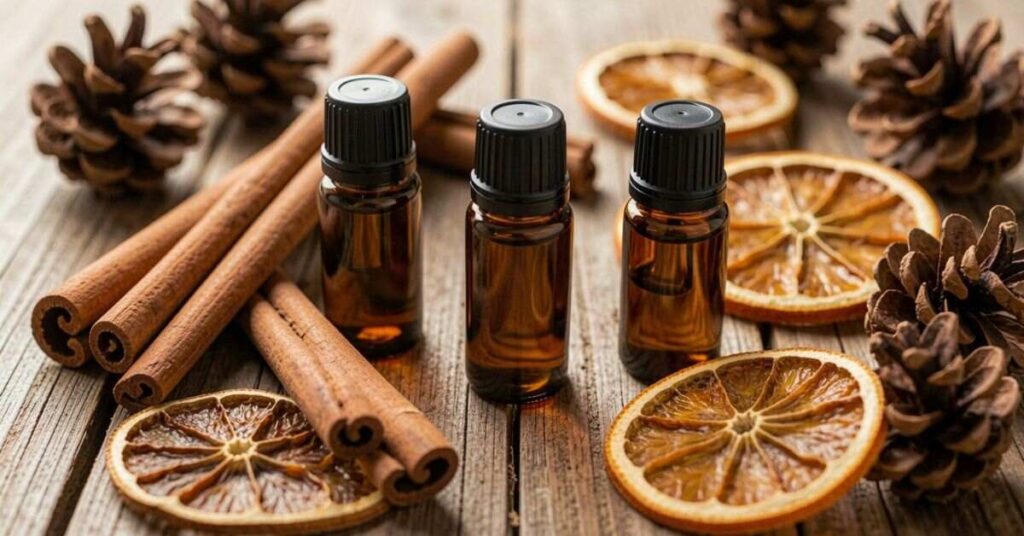
Holiday seasons often bring comforting memories, family gatherings, celebrations, and cozy home environments. During this special time of year, Holiday Essential Oil Recipes can create festive aromas by blending warm spices, fresh evergreen scents, sweet notes, and bright citrus fragrances. Additionally, these seasonal blends help bring a welcoming feeling to homes through refreshing and comforting scents. As a result, many people use holiday essential oil recipes in diffusers, candles, and homemade fragrance products to enjoy a cheerful atmosphere. Furthermore, carefully selected oils can create unique combinations that match the spirit of different holiday celebrations.
Many holiday-inspired blends use oils that remind people of traditional seasonal experiences, such as fresh Christmas trees, baked desserts, warm drinks, and winter evenings. These aromas can transform a room into a more welcoming and festive space.
Holiday diffuser blends are especially popular because they are simple to prepare and can quickly change the atmosphere of your home. A few drops of carefully selected oils can create a seasonal fragrance without relying only on synthetic air fresheners.
When creating holiday blends, balance is important. Strong oils such as cinnamon, clove, and peppermint should be used in smaller amounts because their aromas can easily overpower softer oils.
These recipes are designed for aromatherapy and fragrance purposes. Always follow proper diffuser guidelines and consider safety around children, pets, and individuals who may be sensitive to strong aromas.
Christmas Tree Essential Oil Recipe
The fresh scent of evergreen trees is one of the most recognizable holiday aromas. Christmas tree essential oil recipes usually combine pine, fir, cedarwood, and citrus oils to recreate the feeling of a winter forest.
Fresh Christmas Tree Diffuser Blend
- 3 drops Fir Needle essential oil
- 2 drops Pine essential oil
- 1 drop Cedarwood essential oil
- 1 drop Sweet Orange essential oil
Fir and pine create the classic evergreen aroma, while cedarwood adds warmth and orange provides a bright seasonal touch.
Another option:
- 3 drops Spruce essential oil
- 2 drops Frankincense essential oil
- 1 drop Lemon essential oil
This blend creates a clean forest-inspired fragrance with a fresh finish.
This recipe works well in living rooms, entryways, and gathering spaces during holiday celebrations.
Gingerbread Essential Oil Recipe
Gingerbread aromas are associated with baking, warmth, and family traditions. A gingerbread-inspired blend usually combines sweet, spicy, and comforting scents.
Gingerbread Holiday Diffuser Recipe
- 2 drops Ginger essential oil
- 2 drops Cinnamon essential oil
- 1 drop Clove essential oil
- 2 drops Sweet Orange essential oil
Ginger provides warmth, cinnamon creates a familiar bakery scent, clove adds spice, and orange balances the blend with sweetness.
Another cozy combination:
- 2 drops Cardamom essential oil
- 2 drops Vanilla fragrance oil made for diffusers
- 1 drop Ginger essential oil
This recipe creates a dessert-inspired atmosphere that works well during family gatherings or quiet winter evenings.
Because spice oils are powerful, start with fewer drops and adjust slowly.
Pumpkin Spice Essential Oil Recipe
Pumpkin spice aromas are popular during autumn and early holiday seasons. These blends usually combine warm spices with sweet citrus notes.
Pumpkin Spice Inspired Diffuser Blend
- 3 drops Sweet Orange essential oil
- 1 drop Cinnamon essential oil
- 1 drop Ginger essential oil
- 1 drop Clove essential oil
This recipe creates a warm and inviting seasonal aroma.
Another variation:
- 2 drops Cardamom essential oil
- 2 drops Orange essential oil
- 1 drop Cinnamon essential oil
The citrus notes help soften the stronger spice aromas.
Although essential oils cannot create the exact texture of pumpkin desserts, they can help build a cozy seasonal atmosphere.
Cozy Fireplace Essential Oil Recipe
A fireplace-inspired aroma focuses on warmth, comfort, and relaxation. These blends usually combine woody, smoky, and resinous scent profiles.
Cozy Fireplace Diffuser Recipe
- 3 drops Cedarwood essential oil
- 2 drops Frankincense essential oil
- 1 drop Vetiver essential oil
Cedarwood creates a warm woody foundation, frankincense adds depth, and vetiver provides an earthy finish.
Another option:
- 2 drops Sandalwood essential oil
- 2 drops Cedarwood essential oil
- 1 drop Orange essential oil
This blend creates a relaxing atmosphere for reading, resting, or enjoying winter evenings.
Woody blends are often long-lasting because many base-note oils evaporate more slowly than lighter citrus oils.
Candy Cane Essential Oil Recipe
A Candy Cane Essential Oil Recipe brings a refreshing holiday-inspired aroma with a sweet and cool fragrance. Typically, these blends are created with peppermint essential oil along with other festive notes to capture the classic candy cane scent. Moreover, candy cane aromas can help create a cozy and cheerful atmosphere during the holiday season. In addition, these essential oil recipes are often used in diffusers to fill your home with a fresh and uplifting fragrance. Therefore, a well-balanced candy cane blend can add a delightful touch to seasonal celebrations.
Peppermint Holiday Diffuser Recipe
- 3 drops Peppermint essential oil
- 2 drops Sweet Orange essential oil
- 1 drop Vanilla fragrance oil made for diffusers
Peppermint creates the classic minty aroma, while orange and vanilla add sweetness.
Another refreshing blend:
- 3 drops Spearmint essential oil
- 2 drops Peppermint essential oil
- 1 drop Lavender essential oil
This creates a softer mint aroma suitable for bedrooms and living spaces.
Mint oils are strong, so small amounts are usually enough to create a noticeable holiday scent.
Spiced Cider Essential Oil Recipe
Spiced cider aromas combine fruit, warmth, and seasonal spices. These blends are popular during gatherings because they create a welcoming environment.
Warm Spiced Cider Diffuser Recipe
- 3 drops Apple fragrance oil made for diffusers
- 2 drops Sweet Orange essential oil
- 1 drop Cinnamon essential oil
- 1 drop Clove essential oil
This combination creates a sweet and spicy seasonal aroma.
Another version:
- 3 drops Orange essential oil
- 2 drops Ginger essential oil
- 1 drop Cardamom essential oil
This blend provides a warm citrus-spice experience.
Always use fragrance oils only when they are specifically designed for diffuser use, as not every fragrance product is suitable for aromatherapy devices.
Winter Forest Essential Oil Recipe
Winter forest aromas bring together fresh evergreen scents with grounding woody notes. These blends are ideal for creating a peaceful cold-weather atmosphere.
Winter Forest Diffuser Recipe
- 3 drops Fir Needle essential oil
- 2 drops Cedarwood essential oil
- 1 drop Frankincense essential oil
This recipe creates a deep forest aroma with a warm finish.
Another winter blend:
- 2 drops Pine essential oil
- 2 drops Eucalyptus essential oil
- 1 drop Orange essential oil
The combination feels fresh, clean, and seasonal.
Holiday blends are a creative way to personalize your home environment throughout the year. By understanding how different oils interact, you can create unique essential oil recipes that capture the feeling of celebrations, traditions, and seasonal memories while keeping your aromatherapy routine simple and enjoyable.
Essential Oil Recipes by Scent Family
Creating balanced essential oil recipes becomes much easier when you understand scent families. Every essential oil has a unique aroma profile, and these profiles can be grouped into different categories based on their fragrance characteristics. Common scent families include citrus, floral, woodsy, minty, herbal, spicy, and sweet aromas.
Scent families help you understand how different oils interact with each other. Instead of randomly mixing oils, you can create blends with a clear purpose by combining aromas that naturally complement one another. For example, bright citrus oils can add freshness, while deeper woody oils can provide warmth and balance.
A well-designed blend usually contains different aromatic layers. Top notes create the first impression, middle notes add personality, and base notes provide depth and staying power. Understanding these layers allows beginners and experienced users to create more professional-smelling essential oil recipes.
Whether you are making diffuser blends, room sprays, natural perfumes, or home fragrance combinations, learning scent families gives you more confidence. It also helps prevent overpowering blends by teaching you how to balance strong and gentle aromas.
Understanding Scent Families for Better Blending
Scent families act like a guide for choosing oils that work well together. Each category has a different emotional and aromatic character, which makes it easier to design blends for different moods and spaces.
Citrus oils usually create bright and refreshing aromas. Floral oils bring softness and elegance. Woodsy oils add grounding depth, while mint and herbal oils provide a clean and fresh feeling. Spicy and sweet aromas often create warmth and comfort.
A balanced blend does not always need oils from the same family. In fact, combining different scent families often creates a more interesting fragrance. For example, adding a small amount of cedarwood to a citrus blend can create a smoother aroma, while adding lavender to mint can make the scent feel softer.
When creating your own combinations, consider the strength of each oil, the purpose of the blend, and the environment where it will be used.
Citrus Blends for Fresh and Uplifting Aromas
Citrus essential oils are loved for their bright, cheerful, and refreshing fragrance. They are commonly used in home fragrance blends because they create a clean atmosphere and add energy to a space.
Popular citrus oils include:
- Lemon
- Sweet Orange
- Grapefruit
- Bergamot
- Lime
- Mandarin
Most citrus oils are considered top notes because they create the first scent impression. However, they evaporate faster than heavier oils, so they often work best when combined with middle or base notes.
Fresh Citrus Diffuser Blend
Ingredients:
- 3 drops Lemon essential oil
- 2 drops Sweet Orange essential oil
- 1 drop Grapefruit essential oil
This blend creates a bright and refreshing aroma that works well in kitchens, offices, and morning routines.
Another balanced combination includes:
- 2 drops Bergamot essential oil
- 2 drops Lime essential oil
- 1 drop Cedarwood essential oil
The cedarwood adds depth and prevents the citrus notes from becoming too sharp.
Floral Blends for Soft and Relaxing Scents
Floral essential oils create elegant, gentle, and comforting aromas. These oils are often selected for relaxation blends, personal fragrance projects, and peaceful home environments.
Common floral oils include:
- Lavender
- Rose
- Geranium
- Ylang Ylang
- Jasmine
- Chamomile
Floral oils are usually middle notes, which means they help connect lighter top notes with deeper base notes. They can soften stronger aromas and create a smoother overall fragrance.
Gentle Floral Diffuser Blend
Ingredients:
- 3 drops Lavender essential oil
- 2 drops Geranium essential oil
- 1 drop Ylang Ylang essential oil
This combination creates a soft floral atmosphere suitable for bedrooms and relaxation areas.
Another option includes:
- 2 drops Rose essential oil
- 2 drops Lavender essential oil
- 1 drop Frankincense essential oil
Frankincense adds a warm, deeper layer that balances the delicate floral notes.
Woodsy Blends for Warm and Grounding Aromas
Woodsy essential oils provide earthy, natural, and comforting fragrances. These oils are commonly used as base notes because their aromas tend to last longer and support lighter oils.
Popular woodsy oils include:
- Cedarwood
- Sandalwood
- Pine
- Fir Needle
- Cypress
- Vetiver
Woodsy aromas are especially popular for cozy home environments, meditation spaces, and evening diffuser routines.
Forest-Inspired Diffuser Blend
Ingredients:
- 3 drops Cedarwood essential oil
- 2 drops Fir Needle essential oil
- 1 drop Frankincense essential oil
This blend creates a natural forest-like fragrance with warm and grounding notes.
Another combination includes:
- 2 drops Sandalwood essential oil
- 2 drops Cedarwood essential oil
- 1 drop Bergamot essential oil
The bergamot adds brightness while maintaining the deep character of the woody oils.
Minty Blends for Fresh Energy
Mint essential oils are known for their crisp, cooling, and refreshing aromas. They are often used in blends created for workspaces, study areas, and fresh home environments.
Popular mint oils include:
- Peppermint
- Spearmint
- Wintergreen
- Cornmint
Because mint oils have strong aromas, they should usually be used in smaller amounts. A little can add freshness without overpowering the entire blend.
Refreshing Mint Diffuser Blend
Ingredients:
- 3 drops Peppermint essential oil
- 2 drops Lemon essential oil
- 1 drop Rosemary essential oil
This blend creates a clean and stimulating aroma.
Another balanced option includes:
- 2 drops Spearmint essential oil
- 2 drops Eucalyptus essential oil
- 1 drop Lavender essential oil
Lavender helps soften the sharper mint notes.
Herbal Blends for Clean Natural Scents
Herbal essential oils provide green, fresh, and natural aromas. They are often used in cleaning blends, outdoor-inspired fragrances, and fresh diffuser combinations.
Common herbal oils include:
- Rosemary
- Basil
- Thyme
- Sage
- Marjoram
Herbal aromas often pair well with citrus and floral oils because they create a balanced fragrance without feeling too heavy.
Herbal Focus Blend
Ingredients:
- 3 drops Rosemary essential oil
- 2 drops Basil essential oil
- 1 drop Lemon essential oil
This combination creates a fresh herbal-citrus aroma.
Another blend includes:
- 2 drops Sage essential oil
- 2 drops Lavender essential oil
- 1 drop Rosemary essential oil
When using stronger herbal oils, proper dilution is important for topical applications.
Spicy Blends for Cozy Seasonal Aromas
Spicy essential oils add warmth, richness, and character to fragrance combinations. They are especially popular during autumn and winter because they create a comfortable seasonal atmosphere.
Popular spicy oils include:
- Cinnamon
- Clove
- Ginger
- Cardamom
- Black Pepper
These oils are powerful, so beginners should start with small amounts and adjust gradually.
Warm Spice Diffuser Blend
Ingredients:
- 3 drops Sweet Orange essential oil
- 1 drop Cinnamon essential oil
- 1 drop Ginger essential oil
This blend creates a warm and inviting aroma.
Another option includes:
- 2 drops Cardamom essential oil
- 2 drops Clove essential oil
- 2 drops Orange essential oil
Sweet Blends for Comforting Fragrances
Sweet scent profiles create welcoming, soft, and pleasant aromas. These blends often combine fruity, floral, and warm notes to create a cozy fragrance experience.
Popular sweet aromas include:
- Sweet Orange
- Rose
- Ylang Ylang
- Benzoin
- Vanilla fragrance oils designed for diffuser use
Sweet Comfort Diffuser Blend
Ingredients:
- 3 drops Sweet Orange essential oil
- 2 drops Ylang Ylang essential oil
- 1 drop Vanilla fragrance oil made for diffuser use
This creates a smooth and comforting aroma for living spaces.
Another option includes:
- 2 drops Rose essential oil
- 2 drops Bergamot essential oil
- 1 drop Sandalwood essential oil
How to Create Your Own Balanced Blends
Creating successful essential oil recipes becomes easier when you understand balance, aroma strength, and scent combinations. Start with a simple formula by choosing one top note, one middle note, and one base note.
For example:
- Top note: Lemon or Bergamot
- Middle note: Lavender or Geranium
- Base note: Cedarwood or Sandalwood
Always begin with small amounts and adjust slowly. Strong oils can easily dominate a blend, so careful measurement helps create a smoother fragrance.
By understanding scent families, you can design personalized blends for different moods, seasons, and spaces. This knowledge transforms essential oil blending from simple mixing into a creative and enjoyable process.
Essential Oil Recipes for Chakra Balancing
Chakra balancing is a spiritual wellness practice that focuses on creating harmony between different energy centers of the body. Many people include essential oil recipes in meditation, yoga, mindfulness routines, and relaxation practices because certain aromas can help create a focused and peaceful environment.
Each chakra is traditionally associated with specific qualities, emotions, colors, and symbolic meanings. Essential oils are often selected based on their scent characteristics and personal associations with these energy centers.
When creating chakra-inspired blends, the goal is not to treat health conditions but to support personal reflection, relaxation, and mindful practices. Aromatherapy can become a meaningful addition to meditation sessions when used safely and intentionally.
A balanced chakra blend usually combines grounding, floral, citrus, and woody aromas depending on the desired atmosphere. Many practitioners prefer diffuser blends because they create a gentle aromatic environment without direct skin application.
The best chakra recipes are personal. A scent that feels calming and supportive for one person may feel different for another, so choosing aromas that you personally enjoy is an important part of the experience.
Root Chakra Essential Oil Recipes
The root chakra is traditionally connected with grounding, stability, security, and a sense of connection with the physical world. Essential oil recipes for this chakra often include deep, earthy aromas that create a comforting atmosphere.
Common oils associated with grounding blends include:
- Cedarwood
- Patchouli
- Vetiver
- Frankincense
- Sandalwood
Root Chakra Grounding Diffuser Recipe
- 3 drops Cedarwood essential oil
- 2 drops Frankincense essential oil
- 1 drop Vetiver essential oil
This blend creates a warm, earthy aroma that works well during meditation or quiet reflection.
Another grounding recipe:
- 2 drops Patchouli essential oil
- 2 drops Sandalwood essential oil
- 1 drop Orange essential oil
The citrus note adds brightness while maintaining a grounded scent profile.
Root chakra blends are often used during mindfulness exercises, yoga sessions, or moments when someone wants a calm and centered environment.
Sacral Chakra Essential Oil Recipes
The sacral chakra is traditionally associated with creativity, emotions, pleasure, and personal expression. Aromas used for this chakra often include sweet, floral, and uplifting notes.
Popular oils include:
- Sweet Orange
- Ylang Ylang
- Jasmine
- Neroli
- Sandalwood
Creative Flow Diffuser Recipe
- 3 drops Sweet Orange essential oil
- 2 drops Ylang Ylang essential oil
- 1 drop Sandalwood essential oil
This combination creates a warm and cheerful aroma.
Another option:
- 2 drops Bergamot essential oil
- 2 drops Jasmine essential oil
- 1 drop Cedarwood essential oil
This blend provides a balanced floral and woody fragrance.
Sacral chakra blends are often used during creative activities such as writing, painting, journaling, or artistic projects.
Solar Plexus Essential Oil Recipes
The solar plexus chakra is traditionally linked with confidence, motivation, and personal strength. Essential oil recipes for this chakra often feature bright citrus and warming aromas.
Common oils include:
- Lemon
- Ginger
- Grapefruit
- Rosemary
- Bergamot
Confidence Boost Diffuser Recipe
- 3 drops Lemon essential oil
- 2 drops Grapefruit essential oil
- 1 drop Ginger essential oil
This blend creates a fresh and energetic aroma.
Another recipe:
- 2 drops Rosemary essential oil
- 2 drops Bergamot essential oil
- 1 drop Sweet Orange essential oil
The combination creates a bright and motivating environment.
These blends can be used during morning routines, goal-setting activities, or personal development practices.
Heart Chakra Essential Oil Recipes
The heart chakra is traditionally associated with love, compassion, emotional connection, and kindness. Essential oil recipes for this chakra often use soft floral and gentle citrus aromas.
Popular oils include:
- Rose
- Lavender
- Geranium
- Bergamot
- Melissa
Heart Harmony Diffuser Recipe
- 2 drops Rose essential oil
- 2 drops Lavender essential oil
- 1 drop Bergamot essential oil
This creates a soft and comforting floral aroma.
Another blend:
- 2 drops Geranium essential oil
- 2 drops Sweet Orange essential oil
- 1 drop Frankincense essential oil
Heart-focused blends are often used during gratitude practices, meditation, and emotional reflection.
Throat Chakra Essential Oil Recipes
The throat chakra is traditionally connected with communication, honesty, and self-expression. Aromas chosen for this chakra often include fresh herbal and clean scents.
Common oils include:
- Peppermint
- Eucalyptus
- Lavender
- Frankincense
- Rosemary
Clear Communication Diffuser Recipe
- 3 drops Peppermint essential oil
- 2 drops Lavender essential oil
- 1 drop Frankincense essential oil
This blend creates a fresh yet balanced aroma.
Another option:
- 2 drops Eucalyptus essential oil
- 2 drops Rosemary essential oil
- 1 drop Lemon essential oil
These aromas are often enjoyed during meditation, speaking practice, or journaling.
Third Eye Essential Oil Recipes
The third eye chakra is traditionally associated with intuition, awareness, and inner reflection. Essential oil recipes for this chakra often include calming and deeply aromatic oils.
Common choices include:
- Frankincense
- Lavender
- Sandalwood
- Clary Sage
- Vetiver
Inner Awareness Diffuser Recipe
- 3 drops Frankincense essential oil
- 2 drops Lavender essential oil
- 1 drop Sandalwood essential oil
This creates a peaceful and grounding aroma.
Another blend:
- 2 drops Clary Sage essential oil
- 2 drops Cedarwood essential oil
- 1 drop Bergamot essential oil
Generally, these blends are commonly used during meditation, breathing exercises, and quiet reflection. Moreover, calming essential oil recipes can help create a peaceful atmosphere when included as part of a relaxing routine. Additionally, many people choose these aromatic blends to support a more mindful and comfortable environment.
Furthermore, using gentle scents during personal relaxation practices can make the overall experience feel more enjoyable. In addition, carefully selected essential oils can complement moments of rest, focus, and self-care. Therefore, these blends are often considered a helpful addition to relaxation routines when they are used appropriately. As a result, essential oil recipes can become a simple way to enhance peaceful moments and create a soothing daily environment.
Crown Chakra Essential Oil Recipes
The crown chakra is traditionally associated with spiritual awareness, mindfulness, and a sense of connection. Essential oil recipes for this chakra often include light, calming, and resinous aromas.
Popular oils include:
- Frankincense
- Myrrh
- Lavender
- Lotus-inspired fragrances
- Sandalwood
Crown Chakra Meditation Blend
- 3 drops Frankincense essential oil
- 2 drops Lavender essential oil
- 1 drop Myrrh essential oil
This combination creates a peaceful aromatic environment.
Another option:
- 2 drops Sandalwood essential oil
- 2 drops Bergamot essential oil
- 1 drop Cedarwood essential oil
These blends can support meditation spaces and mindful relaxation routines.
Chakra-inspired essential oil recipes are a creative way to combine aromatherapy with personal wellness practices. Whether used during meditation, yoga, journaling, or quiet reflection, these blends can help create a meaningful atmosphere while encouraging mindfulness and relaxation. Always use essential oils responsibly and follow proper safety guidelines.
Essential Oil Recipes for Kids and Families
Creating a comfortable and welcoming environment for the whole family requires extra attention to safety, especially when children are involved. Essential oil recipes for kids and families should always focus on gentle aromas, proper dilution, and age-appropriate use.
Children are more sensitive to strong scents because their bodies are still developing. Therefore, essential oil blends designed for families should use fewer drops and avoid oils that may not be suitable for younger children.
Family-friendly aromatherapy can be used in simple ways, such as creating a pleasant home atmosphere with a diffuser, making a calming bedtime routine, or adding fresh aromas to shared living spaces.
The quality of essential oils also matters. Choose pure oils from trusted sources and avoid products containing unnecessary additives or synthetic ingredients.
Parents and caregivers should remember that essential oils are concentrated plant extracts, not everyday fragrances. Safe usage requires careful measurement, proper ventilation, and awareness of individual sensitivities.
Before using any essential oil around children, consider age, health conditions, allergies, and professional safety recommendations.
Kid-Friendly Essential Oil Recipes
Kid-friendly essential oil recipes focus on mild, comforting aromas that create a pleasant environment without overwhelming young senses. Gentle floral, citrus, and soft woody scents are often preferred for family spaces.
Popular child-friendly aromatic choices may include properly used lavender, sweet orange, and certain gentle essential oils. However, age guidelines and safety recommendations should always be followed.
Gentle Family Diffuser Recipe
- 2 drops Lavender essential oil
- 1 drop Sweet Orange essential oil
This simple blend creates a soft floral-citrus aroma suitable for a calm home environment.
Another mild option:
- 2 drops Cedarwood essential oil
- 1 drop Lavender essential oil
This combination creates a warm and comforting scent.
For younger children, fewer drops are usually better. A lighter aroma is often more enjoyable than a strong fragrance.
Always avoid applying essential oils directly to children’s skin unless they have been properly diluted according to age-appropriate safety guidelines. Keep essential oils away from eyes, mouth, and sensitive areas.
Family-Friendly Essential Oil Recipes
A family home often includes different preferences and sensitivities. Family-friendly essential oil recipes should create balanced aromas that adults and children can enjoy together.
Fresh, simple blends usually work best in shared spaces such as living rooms, kitchens, and play areas.
Fresh Family Home Diffuser Blend
- 2 drops Lemon essential oil
- 1 drop Lavender essential oil
- 1 drop Sweet Orange essential oil
This recipe creates a bright and welcoming atmosphere.
Another everyday family blend:
- 2 drops Cedarwood essential oil
- 1 drop Orange essential oil
- 1 drop Frankincense essential oil
This combination provides a warm and balanced aroma.
Family blends can become part of daily routines, such as morning preparation, cleaning time, reading sessions, or evening relaxation.
When multiple people share a space, always choose lighter aromas and provide good airflow. Some individuals may be sensitive to certain scents, even when the oils are natural.
Essential Oil Safety for Children
Safety is the most important part of using essential oils around children. Because essential oils are highly concentrated, even a small amount can create a strong aromatic experience.
Important safety practices include:
- Always dilute essential oils before topical use.
- Use fewer drops when diffusing around children.
- Keep essential oils stored safely away from children.
- Avoid allowing children to handle essential oil bottles.
- Stop use if irritation or discomfort occurs.
- Use proper ventilation when diffusing.
Some essential oils require extra caution around young children.Generally, strong oils such as peppermint, eucalyptus, cinnamon, clove, and wintergreen may not be suitable for certain ages. Moreover, these oils often require extra care because individual sensitivity levels can vary. Additionally, understanding the strength and characteristics of each oil can help you create more appropriate essential oil recipes. Furthermore, selecting gentler options when needed can support a more comfortable aromatic experience.
In addition, pregnant individuals, babies, and children with specific health concerns should receive professional guidance before using essential oils. Therefore, seeking expert advice can help ensure more informed and careful decisions. Moreover, responsible use involves considering personal needs, age, and overall circumstances before applying any blend.
As a result, a responsible approach focuses on gentle use rather than strong fragrances. Additionally, balanced preparation and careful selection allow you to enjoy essential oil recipes in a more thoughtful and suitable way.A few carefully selected drops can create a pleasant family atmosphere without overwhelming sensitive individuals.
Creating easy essential oil recipes for families is about balance, safety, and comfort. By choosing mild aromas, using proper amounts, and understanding essential oil precautions, families can enjoy the benefits of a more personalized and inviting home environment.
How to Use Essential Oil Recipes Safely
Using essential oil recipes safely is one of the most important parts of creating a positive and enjoyable aromatherapy experience. Essential oils are powerful plant extracts that contain highly concentrated aromatic compounds. Therefore, they should always be used with proper knowledge, accurate measurements, and responsible preparation.
Many people enjoy essential oils for diffusers, skincare, massage, home fragrance, and personal routines. However, safe use requires understanding the correct application method because a recipe designed for a diffuser is not the same as a blend created for topical use.
A safe approach begins with choosing high-quality oils, following proper dilution guidelines, storing blends correctly, and considering individual needs. Moreover, factors such as age, skin sensitivity, pregnancy, and pets should always be taken into account before using any homemade blend.
The goal of responsible blending is not to use the strongest concentration possible. Instead, the focus should be on creating balanced formulas that provide a pleasant aromatic experience while reducing unnecessary risks.
Whether you are creating easy essential oil recipes, perfume blends, skincare formulas, or household solutions, safety should remain the foundation of every recipe.
Dilution Guidelines for Essential Oil Recipes
Dilution is the process of mixing essential oils with a carrier oil or another suitable base before applying them to the skin. Since essential oils are extremely concentrated, proper dilution helps create a more comfortable and controlled experience.
Applying undiluted essential oils directly to the skin may cause irritation or sensitivity for some individuals. Therefore, beginners should always start with lower concentrations and increase only when appropriate.
Common dilution levels include:
| Dilution Percentage | Approximate Amount | Common Purpose |
| 1% Dilution | 1 drop essential oil per teaspoon carrier oil | Sensitive skin and gentle applications |
| 2% Dilution | 2 drops essential oil per teaspoon carrier oil | General adult skincare blends |
| 3% Dilution | 3 drops essential oil per teaspoon carrier oil | Short-term targeted applications |
Generally, the correct dilution depends on several factors, including the person using the blend, the application area, and the type of essential oil. Moreover, understanding these factors helps you create essential oil recipes that are more suitable for different purposes. Additionally, proper dilution plays an important role in making blends more comfortable and practical for regular use. Furthermore, considering individual needs allows you to adjust recipes more carefully and effectively.
For example, facial products usually require a gentler dilution compared with body massage oils. In addition, sensitive areas often need extra attention when preparing essential oil blends.
Common carrier oils used for dilution include:
- Jojoba oil
- Fractionated coconut oil
- Sweet almond oil
- Grapeseed oil
- Avocado oil
When creating essential oil recipes for skin, selecting the right carrier oil and maintaining proper dilution are essential steps for a safer skincare routine.
Patch Testing Before Use
Patch testing is a simple but valuable safety practice before applying a new essential oil blend to larger areas of skin. It allows you to check how your skin responds to a specific combination.
Even natural ingredients can cause sensitivity because every person’s skin reacts differently. Therefore, testing a small area first is a responsible step.
A basic patch test method includes:
- Prepare the blend using the recommended dilution.
- Apply a small amount to a limited skin area.
- Wait and observe the area for any unusual reaction.
- Avoid using the product if discomfort appears.
Possible signs of sensitivity may include:
- Redness
- Burning sensation
- Itching
- Swelling
- Skin discomfort
Additionally, patch testing is especially useful when trying new oils, homemade beauty products, or stronger aromatic blends. Moreover, this simple step can help you understand how your skin responds before applying a new essential oil recipe more widely. Furthermore, testing a small area first allows you to make more informed choices and improve your overall safety routine. In addition, careful observation can help you notice any possible sensitivity or discomfort early.
Therefore, keeping notes about your reactions can help you identify which ingredients work best for your personal needs. Additionally, recording your experiences makes it easier to create customized blends in the future. As a result, a consistent testing and tracking approach can help you develop more suitable and enjoyable essential oil recipes while following responsible practices.
Safe Diffuser Practices
Diffusers are one of the most popular ways to enjoy essential oil recipes because they allow aromatic molecules to spread throughout a room. However, correct diffuser use is important for creating a comfortable environment.
A common mistake is assuming that adding more drops creates better results. In reality, a very strong aroma may become overwhelming and uncomfortable.
Follow these diffuser safety practices:
- Use the recommended amount of water and oil for your diffuser model.
- Start with fewer drops and increase gradually if needed.
- Avoid running the diffuser continuously for extended periods.
- Keep fresh airflow in the room.
- Clean the diffuser regularly.
- Stop use if anyone experiences discomfort.
Room size also affects the amount of essential oil required. A small bedroom may need fewer drops compared with a large living area.
Additionally, households with children, pets, elderly individuals, or people who are sensitive to strong scents should always use extra caution when introducing essential oil aromas. Moreover, considering the needs of everyone in the home helps create a more comfortable and suitable environment. Furthermore, selecting mild aromas and using proper amounts can make essential oil recipes more enjoyable for daily routines. In addition, careful usage allows different household members to experience pleasant fragrances without overwhelming the space.
Therefore, using easy essential oil recipes for diffuser routines works best when the aroma remains gentle, balanced, and comfortable. Additionally, starting with fewer drops and adjusting gradually can help you find the right scent strength. As a result, thoughtful blending and responsible use can create a relaxing atmosphere while keeping the needs of everyone in the household in mind.
Pregnancy Safety Tips
During pregnancy, many people become more careful about the products used in their daily routines. Moreover, because essential oils are highly concentrated, extra attention and proper knowledge are recommended during this important time. Additionally, understanding safe practices can help you make more informed decisions about using essential oil recipes. Furthermore, every pregnancy is different, so individual needs and circumstances should always be considered carefully.
Before using essential oil blends during pregnancy, it is important to consult a qualified healthcare professional. In addition, seeking professional guidance can be especially helpful if you have specific health concerns or questions. Therefore, taking a cautious approach allows you to explore essential oils more responsibly. As a result, proper awareness and expert advice can help support safer choices when considering essential oil blends during pregnancy.
Important safety considerations include:
- Use essential oils only when appropriate.
- Avoid internal use of essential oils.
- Choose gentle amounts rather than strong concentrations.
- Avoid experimenting with unfamiliar oils.
- Stop using any blend that causes discomfort.
Pregnancy can change how someone responds to smells. An aroma that was previously enjoyable may suddenly feel too strong or unpleasant.
Therefore, personal comfort should always guide usage. A mild diffuser blend may be preferred over strong topical applications.
Responsible use allows individuals to make informed decisions while maintaining a safer wellness routine.
Pet Safety Tips
Pets can respond differently to essential oils because their bodies process aromatic compounds differently from humans. Therefore, pet safety should always be considered when using essential oil recipes at home.
Dogs, cats, and other animals may be sensitive to certain essential oils, especially when they are exposed to strong concentrations or direct application.
Important pet safety practices include:
- Keep essential oils stored away from animals.
- Never apply essential oils directly to pets unless advised by a qualified professional.
- Provide proper ventilation when diffusing.
- Observe pets for unusual behavior around strong aromas.
- Avoid leaving open bottles within reach.
Some essential oils that require extra caution around pets include:
- Tea tree
- Cinnamon
- Clove
- Wintergreen
- Strong mint oils
- Certain citrus oils
Generally, because animals vary in size, species, and sensitivity, it is always better to research individual safety needs before introducing new aromas into a pet-friendly home. Moreover, understanding these differences can help you make more responsible choices when using essential oil recipes around pets.
Additionally, each animal may respond differently to certain scents, so careful consideration is important. Furthermore, learning about pet-specific safety guidelines allows you to create a more comfortable environment for your animals. In addition, taking time to evaluate each aroma before use can help reduce potential risks. Therefore, proper research and cautious use are essential when adding essential oils to a home with pets. As a result, informed decisions can support a safer and more enjoyable space for both people and animals.
General Safety Mistakes to Avoid
Many essential oil problems happen because of simple mistakes. Understanding common errors helps you create better and safer blends.
Avoid these practices:
- Using essential oils without understanding dilution.
- Applying concentrated oils directly to sensitive areas.
- Ignoring storage instructions.
- Assuming every natural oil is safe for everyone.
- Using expired or poorly stored blends.
- Making medical claims about homemade recipes.
Furthermore, always label homemade blends with the ingredients and preparation date. This habit improves organization and helps you track which formulas work best.
Safe blending is about knowledge, balance, and responsibility. Generally, when you understand proper dilution, application methods, and safety considerations, your essential oil recipes become more enjoyable and suitable for everyday use. Moreover, learning these important practices helps you create blends that are more balanced, practical, and easier to use. Additionally, proper knowledge allows you to choose suitable methods for different types of essential oil recipes.
Furthermore, by following these guidelines, you can explore diffuser blends, skincare formulas, home fragrances, and personal creations with greater confidence. In addition, taking a careful and informed approach helps you use essential oils more responsibly in your daily routine. Therefore, understanding safety and preparation techniques is an important part of creating successful blends. As a result, you can enjoy the benefits of essential oil recipes while maintaining a thoughtful and well-planned aromatherapy experience.
How to Store Essential Oil Recipes
Proper storage plays an important role in maintaining the quality, aroma, and usefulness of essential oil recipes. Essential oils are sensitive to environmental factors such as light, heat, air exposure, and moisture. Poor storage can gradually affect their scent and overall quality.
Whether you create diffuser blends, skincare mixtures, massage oils, or homemade fragrances, storing them correctly helps protect the natural aromatic compounds inside the oils.
Many homemade blends contain multiple ingredients, which means they may have different storage needs depending on the carrier oils and additional components used. A well-prepared recipe should always include proper labeling with the blend name, ingredients, date created, and intended use.
Additionally, good storage habits also make it easier to manage your essential oil collection. Moreover, instead of forgetting when a blend was created, clear labels allow you to track each recipe and use it within the recommended timeframe. Furthermore, proper labeling helps you organize different blends more efficiently and prevents confusion during regular use.
In addition, the right storage method can extend the usable life of your oils and blends while keeping their aromas more consistent. Therefore, following simple storage practices can help maintain the quality of your essential oil recipes for a longer period. For example, choosing suitable containers and avoiding heat exposure can make a significant difference in preserving freshness. Additionally, protecting blends from direct sunlight and moisture can further support better storage results. As a result, these small but effective steps can help you enjoy your essential oil recipes with improved aroma, quality, and reliability.
Best Bottles for Essential Oil Recipes
The type of bottle used for storage can affect how well your essential oil recipes maintain their quality. Dark glass containers are usually preferred because they help protect oils from damaging light exposure.
The most commonly recommended storage bottles include:
| Bottle Type | Benefits |
| Amber Glass Bottles | Protect oils from light and help maintain quality |
| Cobalt Blue Glass Bottles | Provide protection from sunlight exposure |
| Roller Bottles | Convenient for diluted skincare and perfume blends |
| Glass Spray Bottles | Useful for room sprays and home fragrance recipes |
Generally, glass is preferred over plastic because some concentrated essential oils may interact with certain plastic materials over time. Moreover, choosing the right storage container can help maintain the quality and freshness of your essential oil recipes. Additionally, glass containers are often a better option because they can protect blends from unwanted reactions and contamination.
Furthermore, for diffuser blends, small glass bottles with tight lids work well because they help reduce air exposure between uses. In addition, proper sealing can help preserve the aroma and effectiveness of the oils for a longer period. Similarly, for skincare blends, roller bottles provide an easy application method when the recipe is properly diluted. Therefore, selecting suitable containers based on the type of blend can improve storage, safety, and overall usability. As a result, the right storage choices help keep essential oil recipes fresh and ready for regular use.
Always choose containers with secure caps. A loose lid allows oxygen to enter, which may gradually affect the aroma and quality of the blend.
Labeling is another important step. A useful label should include:
- Blend name
- Essential oils used
- Carrier oil (if included)
- Date prepared
- Recommended use
This simple habit helps you organize your collection and recreate your favorite formulas easily.
Shelf Life of Essential Oil Recipes
Generally, the shelf life of essential oil recipes depends on the ingredients used, storage conditions, and whether the blend contains carrier oils or other natural ingredients. Moreover, understanding these factors can help you maintain the quality and freshness of your homemade blends for a longer time.
Additionally, pure essential oils usually last longer than homemade blends that contain extra ingredients. Furthermore, essential oils stored properly in dark glass bottles can maintain their aroma and properties more effectively. However, once essential oils are mixed with carrier oils, the overall shelf life may become shorter because carrier oils can oxidize over time. In addition, proper storage practices, such as keeping blends away from heat, light, and moisture, can help extend their usability. Therefore, paying attention to ingredients and storage methods is important for keeping essential oil recipes fresh and effective. As a result, well-maintained blends can provide a better aromatherapy experience for a longer period.
Typical storage expectations:
| Blend Type | Approximate Shelf Life |
| Pure Essential Oils | Often several years when stored properly |
| Diffuser Blends | Usually longer-lasting when kept sealed |
| Carrier Oil Blends | Often several months to around one year depending on ingredients |
| Water-Based Sprays | Shorter shelf life and may require proper preservation |
Signs that a blend may no longer be at its best include:
- Changed smell
- Unusual texture
- Cloudiness
- Rancid or unpleasant odor
Freshness depends greatly on storage conditions. A properly stored blend in a cool, dark place usually lasts longer than one kept near heat or direct sunlight.
Creating smaller batches is often a smart approach, especially for recipes you are testing for the first time. This reduces waste and allows you to enjoy fresher blends.
Storage Tips for Essential Oil Recipes
Following simple storage practices can help protect your homemade blends and keep them ready for future use.
Important storage tips include:
- Store essential oils in a cool, dark location.
- Keep bottles away from direct sunlight.
- Avoid storing oils near heat sources such as stoves or windows.
- Close bottle caps tightly after every use.
- Keep water-based recipes separate from oil-based blends.
- Use clean, dry containers when creating new blends.
Temperature changes can affect essential oils, so stable storage conditions are better than areas with frequent heat fluctuations.
A dedicated storage box, cabinet, or drawer can help organize your collection. Keeping oils upright also reduces the chance of leaks and protects bottle labels.
For homemade recipes, always record the creation date. This is especially useful for essential oil recipes PDF collections, personal blend journals, or recipe libraries where you keep track of successful combinations.
Avoid mixing large quantities unless you already know the recipe works well. Smaller batches allow you to adjust aromas, improve formulas, and maintain better freshness.
Proper storage is a simple but essential part of aromatherapy. When you protect your ingredients from light, heat, and air exposure, your essential oil recipes remain more enjoyable, organized, and reliable for longer periods.
Best Essential Oils for Essential Oil Recipes
Choosing the right oils is the foundation of creating successful essential oil recipes. The quality, aroma profile, and characteristics of each essential oil influence the final result of a blend.
A well-designed recipe does not require dozens of oils. A small collection of versatile, high-quality essential oils can create many different combinations for diffusers, skincare, home fragrance, and personal wellness routines.
Beginners often benefit from selecting oils from different scent families. For example, keeping one citrus oil, one floral oil, one woody oil, and one refreshing oil allows you to create a wide range of blends.
Popular essential oils for blending include lavender, lemon, peppermint, tea tree, eucalyptus, frankincense, cedarwood, rosemary, sweet orange, and bergamot. These oils are commonly used because they combine well with many other aromas.
When selecting oils, always focus on quality rather than quantity. Moreover, choosing high-quality essential oils can help you create better and more balanced essential oil recipes. Additionally, a smaller collection of pure oils from reliable sources is often more valuable than a large collection of low-quality products. Furthermore, investing in trusted oils allows you to enjoy better aromas and more consistent results.
In addition, carefully selected oils can make blending easier and more enjoyable over time. Therefore, it is important to research the source, quality, and purity of each oil before adding it to your collection. As a result, a simple collection of premium essential oils can provide more benefits than a large selection of poor-quality options. Ultimately, smart oil selection helps you create safer, more effective, and more enjoyable essential oil recipes.
Understanding each oil’s aroma, scent note, and traditional use helps you create more balanced and personalized blends.
How to Choose High-Quality Essential Oils
The quality of ingredients directly affects the aroma and performance of your essential oil recipes. Not all essential oils available in the market have the same purity, production standards, or ingredient quality.
When choosing essential oils, consider the following factors:
Check the Botanical Name
A high-quality essential oil label should include the plant’s botanical name. Different plants may have similar common names, but their chemical compositions can vary.
For example:
- Lavender: Lavandula angustifolia
- Peppermint: Mentha × piperita
- Tea Tree: Melaleuca alternifolia
The botanical name helps identify exactly which plant species was used.
Look for Extraction Information
The extraction method can influence the quality of an essential oil. Common extraction methods include:
- Steam distillation
- Cold pressing
- Solvent extraction for certain delicate plants
A trustworthy product usually provides information about the extraction process.
Avoid Unclear Ingredient Lists
Pure essential oils should clearly state the essential oil name and ingredients. Be cautious with products labeled only as “fragrance oil” or those that do not provide transparency about their contents.
Consider Testing and Quality Standards
Reputable companies may provide information about purity testing, sourcing, and quality control. Additionally, third-party testing can provide extra confidence when selecting essential oils. Moreover, this type of testing helps verify the quality, purity, and overall reliability of the oils you choose. Furthermore, checking for proper testing information allows you to make more informed decisions before purchasing products. In addition, reliable testing results can help you understand the ingredients and characteristics of each oil more clearly. Therefore, choosing oils from trusted sources and reviewing available testing details can support a better essential oil experience. As a result, you can create your essential oil recipes with greater confidence and peace of mind.
High-quality ingredients create better-smelling blends and make your homemade recipes more consistent.
Best Essential Oils for Beginners
Beginners do not need a large collection to create effective blends. A few versatile oils can be combined in many ways to create easy essential oil recipes for different purposes.
Here are some beginner-friendly essential oils:
| Essential Oil | Aroma Profile | Common Uses in Blending |
| Lavender | Floral and calming | Relaxation, sleep, skincare blends |
| Lemon | Fresh and citrusy | Cleaning, energy, uplifting blends |
| Peppermint | Cool and refreshing | Focus, freshness, diffuser recipes |
| Sweet Orange | Sweet citrus | Mood blends and home fragrance |
| Tea Tree | Herbal and clean | Cleaning and fresh environment blends |
| Cedarwood | Warm and woody | Grounding and relaxation recipes |
| Frankincense | Resinous and deep | Meditation and balanced blends |
| Rosemary | Herbal and fresh | Focus and energizing blends |
A beginner collection with lavender, lemon, peppermint, sweet orange, and cedarwood can already create many useful combinations.
For example:
Simple Beginner Diffuser Blend
- 3 drops Lavender essential oil
- 2 drops Sweet Orange essential oil
- 1 drop Cedarwood essential oil
This creates a balanced aroma using only three beginner-friendly oils.
As you gain experience, you can gradually expand your essential oil collection with specialty oils such as rose, sandalwood, jasmine, neroli, or vetiver. Moreover, adding these unique oils can help you create more advanced and personalized essential oil recipes. Additionally, specialty oils often provide deeper aroma profiles and allow you to explore more creative blending options. Furthermore, building your collection slowly helps you understand the characteristics and uses of different essential oils.
In addition, experimenting with new oils can improve your blending skills and increase your confidence over time. Therefore, expanding your selection step by step is a practical way to develop a wider range of beautiful and balanced essential oil blends. As a result, you can create more diverse fragrances that suit your personal preferences and aromatic goals.
What to Avoid When Buying Essential Oils
Choosing the wrong products can affect the quality of your essential oil recipes. Many beginners focus only on price, but extremely cheap oils may not provide the same quality or aroma as properly produced essential oils.
Avoid products that:
- Do not list the botanical name
- Do not identify the plant part used
- Use unclear terms like “perfume oil” when you need essential oil
- Contain unnecessary additives
- Make unrealistic health claims
- Provide no information about sourcing or testing
Be careful with marketing claims. Essential oils are often promoted with exaggerated promises, but responsible brands provide realistic information about their uses and limitations.
Avoid assuming that stronger fragrance means better quality. A very intense smell may indicate added fragrance ingredients rather than pure essential oil.
Another important factor is proper storage before purchase. Oils exposed to excessive heat or poor packaging may lose quality over time.
When building your collection, choose oils based on your intended purpose. For example:
- For essential oil recipes for skin, choose gentle and skin-friendly oils.
- For diffuser blends, focus on oils with pleasant aroma combinations.
- For essential oil recipes perfume, select oils with complementary scent notes.
- For home fragrance, choose fresh and long-lasting aromatic profiles.
Investing in quality ingredients creates a stronger foundation for your blending journey. With reliable essential oils, proper knowledge, and safe preparation, you can create unique recipes that are enjoyable, practical, and personalized for your lifestyle.
Conclusion
Creating your own essential oil recipes is a simple and creative way to personalize your aromatherapy, beauty, wellness, and home care routines. From calming diffuser blends and relaxing bedtime aromas to natural perfumes, skincare mixtures, and refreshing home fragrances, the right combination of oils can help you create an environment that matches your personal needs and preferences.
The key to successful blending is understanding how different essential oils work together. By learning about scent families, top, middle, and base notes, proper dilution, and safe usage methods, you can create balanced blends that smell beautiful and feel enjoyable.
A thoughtful approach is always better than using too many oils or complicated formulas. Start with high-quality essential oils, experiment with simple combinations, and keep track of your favorite blends. Over time, you can build your own collection of easy essential oil recipes for different moods, seasons, and daily routines.
Safety should always remain a priority. Proper dilution, careful storage, patch testing, and awareness of family and pet safety help ensure a better aromatherapy experience.First of all, essential oils can support relaxation and personal care; however, they should always be used responsibly as part of a balanced lifestyle. Moreover, understanding proper usage methods helps you enjoy essential oil recipes in a safer and more effective way. Additionally, following recommended guidelines allows you to explore different aromatic benefits with greater confidence.
Furthermore, whether you are a beginner or an experienced enthusiast, exploring essential oil recipes can help you discover creative ways to enjoy plant-based aromas.
FAQs:
What are the best essential oil recipes for beginners?
The best beginner recipes are simple blends that use a few versatile oils with compatible aromas. Starting with fewer ingredients makes it easier to understand how each oil affects the final scent.
Some beginner-friendly combinations include:
Relaxing Diffuser Recipe
- 3 drops Lavender essential oil
- 2 drops Sweet Orange essential oil
- 1 drop Cedarwood essential oil
Fresh Energy Blend
- 3 drops Lemon essential oil
- 2 drops Peppermint essential oil
- 1 drop Rosemary essential oil
Clean Home Aroma
- 3 drops Lemon essential oil
- 2 drops Tea Tree essential oil
- 1 drop Eucalyptus essential oil
For beginners, starting with a small collection of multipurpose oils can make essential oil blending much easier. Moreover, keeping a few versatile oils allows you to create a variety of simple and effective recipes without buying too many products. Additionally, popular choices such as lavender, lemon, peppermint, sweet orange, and cedarwood can be used in many different blends. Furthermore, these essential oils work well for diffuser recipes, home fragrances, and other aromatic applications.
In addition, having these basic oils available helps you experiment with different scent combinations more confidently. Therefore, building a small but useful essential oil collection is a practical approach for anyone who wants to explore homemade essential oil recipes. As a result, beginners can gradually learn blending techniques while creating enjoyable and balanced aromas.
The best approach is to experiment slowly, record your combinations, and adjust based on your personal scent preferences. A simple blend can often create a more balanced aroma than a recipe containing too many oils.
Can you mix different essential oils together?
Yes, different essential oils can be mixed together to create customized blends. In fact, combining oils is the foundation of creating personalized essential oil recipes.
However, successful blending requires a clear understanding of how different aromas interact with each other. Moreover, learning the characteristics of each oil helps you create more balanced and appealing essential oil recipes. Additionally, oils from the same scent family often combine naturally and create a smoother fragrance experience. Furthermore, these combinations can make it easier to develop simple and enjoyable blends.
In contrast, contrasting scent families can create more complex and unique fragrances when they are used carefully. Therefore, understanding aroma relationships is an important step for creating successful essential oil blends. In addition, experimenting with different combinations allows you to discover new fragrance profiles. As a result, proper blending knowledge helps you create essential oil recipes that feel balanced, pleasant, and well-designed.
Examples of compatible combinations include:
- Lavender + Cedarwood for a calming aroma
- Lemon + Peppermint for a fresh blend
- Orange + Cinnamon for a warm seasonal scent
- Frankincense + Sandalwood for a grounding aroma
When mixing oils, start with small amounts. Some oils have very strong aromas, so one extra drop can significantly change the entire blend.
Using an essential oil blending chart can help beginners understand which oils commonly work well together.
Generally, a good blend focuses on balance rather than the number of ingredients. Moreover, using fewer oils can often create a more harmonious and enjoyable aroma when each ingredient is selected carefully. Additionally, two or three carefully chosen oils can work together beautifully when they are combined correctly.
How many drops should you use in essential oil recipes?
The number of drops depends on how you plan to use the blend. Diffuser recipes, skincare blends, massage oils, and perfumes all require different amounts.
For a standard home diffuser, many beginners start with:
- 3 to 8 total drops per diffuser session
For topical applications, essential oils should usually be diluted with a carrier oil before use.
Factors that influence the amount include:
- Room size
- Diffuser type
- Essential oil strength
- Personal sensitivity
- Purpose of the blend
Using more drops does not always create a better experience.Generally, strong aromas may become unpleasant or overwhelming; therefore, it is important to create a balanced scent that feels comfortable and enjoyable. Additionally, lighter blends often provide a softer experience and may feel more relaxing for longer periods. Furthermore, when creating easy essential oil recipes for diffuser use, you should begin with fewer drops and adjust the amount slowly.
Moreover, adding oils gradually allows you to understand how different aromas work together. In addition, this method helps you avoid creating a blend that feels too strong or overpowering. As a result, you can develop a more pleasant diffuser aroma that matches your personal preference. Therefore, always test your essential oil recipes carefully and increase the scent strength step by step until you find the ideal balance.
How long do homemade essential oil recipes last?
Generally, the shelf life of homemade blends depends on the ingredients, storage method, and whether the recipe contains carrier oils or water. Moreover, understanding these factors helps you maintain the quality and effectiveness of your essential oil recipes for a longer period.
Additionally, diffuser blends made only with essential oils usually last longer when they are stored properly in dark glass bottles. Furthermore, keeping these blends away from heat, sunlight, and moisture can help protect their aroma and freshness. However, blends containing carrier oils may have a shorter shelf life because natural oils can oxidize over time. Therefore, it is important to check the condition, smell, and appearance of your homemade blends before each use. In addition, proper storage practices can help extend the life of your essential oil recipes and keep them safe for regular use.
General storage expectations:
- Essential oil-only blends: Often last for several years when stored correctly
- Carrier oil blends: Usually last several months to around one year depending on ingredients
- Water-based sprays: Often have a shorter lifespan and require careful preparation
To extend the life of your blends:
- Store them in dark glass containers
- Keep them away from heat and sunlight
- Close lids tightly after use
- Label bottles with preparation dates
Changes in smell, texture, or appearance may indicate that a blend is no longer fresh.
Creating smaller batches is often the best option because it allows you to enjoy fresher aromas and make adjustments more easily.
Which carrier oils are best for essential oil recipes?
Carrier oils are important for topical essential oil recipes because they dilute concentrated essential oils and help create a safer application.
Some popular carrier oils include:
| Carrier Oil | Best Use |
| Jojoba Oil | Facial blends and lightweight skincare |
| Fractionated Coconut Oil | Massage and everyday body oils |
| Sweet Almond Oil | Moisturizing body blends |
| Grapeseed Oil | Lightweight skincare applications |
| Rosehip Oil | Beauty-focused blends |
Jojoba oil is popular because it feels lightweight and works well for many skin types.
Fractionated coconut oil is another common choice because it remains liquid and has a neutral texture.
The best carrier oil depends on your goal. For example:
- Use jojoba oil for facial blends.
- Use fractionated coconut oil for massage recipes.
- Use sweet almond oil for moisturizing body oils.
- Use rosehip oil for beauty-focused routines.
Always consider personal skin sensitivity and perform a patch test before using a new blend.
Learning how carrier oils work helps you create safer and more effective homemade recipes.
Creating and using essential oil recipes becomes much easier when you understand the basics of blending, safety, storage, and ingredient selection. Moreover, with the right knowledge, you can create personalized diffuser blends, skincare formulas, home fragrances, and wellness routines that perfectly match your lifestyle. Additionally, learning proper blending methods helps you choose suitable oils and combine aromas more effectively. Furthermore, following responsible aromatherapy practices allows you to enjoy essential oil recipes safely and confidently. In addition, proper storage techniques help maintain the quality and freshness of your essential oils for a longer time. Therefore, understanding these important basics is the first step toward creating balanced and effective essential oil recipes for different needs.