Introduction:
For generations, natural oils have been an important part of traditional hair care routines. Among these oils, mustard oil for hair has gained attention because of its nourishing properties, rich texture, and traditional use in many cultures. It is commonly used to improve scalp health, reduce dryness, strengthen hair strands, and maintain a healthy-looking appearance.
Many people search for mustard oil for hair growth because they want a natural solution for weak, dry, or damaged hair. Although mustard oil cannot guarantee instant hair growth, its nutrients and moisturizing properties may help create a healthier environment for the scalp when used correctly.
Moreover, mustard oil for hair contains essential fatty acids, vitamin E, antioxidants, and plant-based compounds that can support overall hair care. Therefore, it can be a useful addition to a balanced routine when combined with proper nutrition, gentle hair practices, and consistent care.
However, using any oil incorrectly can lead to problems. For this reason, understanding the correct application method, possible benefits, and side effects of mustard oil on hair is important before adding it to your routine.
In this complete guide, you will learn everything about mustard oil for hair, including its benefits, how to use mustard oil for hair growth, safety tips, DIY hair masks, comparisons with other popular oils, and expert-backed recommendations.
What Is Mustard Oil for Hair?
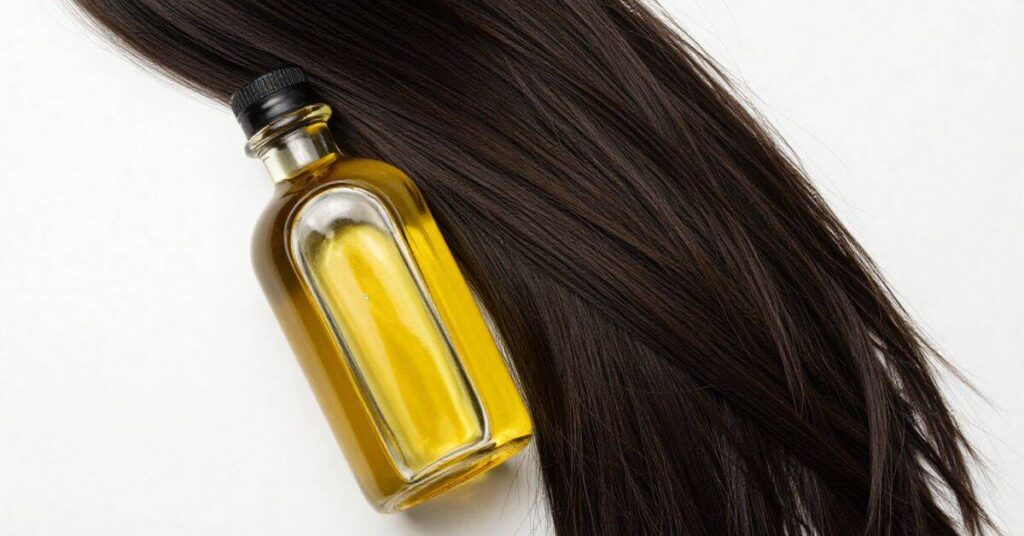
Mustard oil for hair is a natural oil extracted from seeds through pressing or processing methods. It has been used for centuries in traditional beauty and wellness routines because of its rich composition and warming properties.
Unlike lightweight oils, mustard oil has a thicker texture and contains a combination of fatty acids, including omega-3 and omega-6 fatty acids, which help support moisture retention. Additionally, it contains vitamin E and antioxidants that may help protect hair from environmental stress.
When applied to the scalp and hair properly, They may help improve softness, reduce dryness, and support a healthier scalp condition. However, results can vary depending on hair type, lifestyle, genetics, and overall hair care habits.
Many people prefer mustard oil because it is affordable, easily available, and traditionally trusted. In Pakistan and other South Asian countries, it remains a popular choice for scalp massage and hair treatments.
What Makes Mustard Oil Different from Other Hair Oils?
One major difference between and other hair oils is its unique combination of nutrients and natural compounds. While oils like coconut oil focus more on deep conditioning, mustard oil provides a warming sensation that many people associate with improved scalp stimulation.
Furthermore, mustard oil for they has a stronger aroma and thicker consistency compared with lighter oils such as argan or jojoba oil. Because of this, some users prefer mixing it with other oils to create a balanced hair treatment.
Here are some factors that make mustard oil different:
| Feature | Mustard Oil | Other Hair Oils |
| Texture | Thick and rich | Can range from lightweight to heavy |
| Main Benefit | Moisture support and scalp nourishment | Depends on oil type |
| Nutrients | Fatty acids, vitamin E, antioxidants | Different nutrient profiles |
| Traditional Use | Scalp massage and hair conditioning | Varies by culture and purpose |
Additionally, mustard oil for is often selected by people who experience dryness because it can help coat the hair strands and reduce moisture loss.
Nutrients Found in Mustard Oil That Support Healthy Hair
The effectiveness of they hair comes from its natural nutritional profile. It contains several components that can support healthier-looking hair when used as part of a proper routine.
Important nutrients include:
- Vitamin E: Helps protect hair from oxidative stress and supports scalp nourishment.
- Essential fatty acids: Help maintain moisture and improve hair softness.
- Antioxidants: Support protection against environmental damage.
- Plant-based compounds: May contribute to scalp comfort and overall hair condition.
Moreover, these nutrients can help improve the appearance of dry and rough hair. However, they do not replace medical treatments for serious hair loss conditions.
For people searching for mustard oil for hair fall, it is important to understand that reducing breakage and improving scalp care are different from treating medical causes of hair loss.
Is Mustard Oil Safe for Every Hair Type?
Generally, mustard oil for they can be suitable for many hair types, but it may not work equally well for everyone. Hair texture, scalp sensitivity, and personal preferences play an important role.
For example:
- Dry hair: May benefit from its moisturizing properties.
- Thick hair: Often handles heavier oils better.
- Curly hair: May use it for added moisture and softness.
- Oily scalp: May need smaller amounts because heavy oils can feel greasy.
However, people with sensitive skin should be careful because mustard oil can feel strong on some scalps. Therefore, performing a patch test before applying for hair is always a smart step.
In addition, choosing high-quality oil and avoiding excessive use can help reduce unwanted reactions. The goal is not to apply more oil but to use the right amount consistently.
Top Benefits of Mustard Oil for Hair
Natural oils have been used in care routines for centuries, and mustard oil for hair remains one of the most popular traditional choices. Its rich blend of fatty acids, antioxidants, and vitamin E makes it a useful option for people who want to improve scalp moisture, hair softness, and overall hair appearance.
However, it is important to understand that mustard oil for hair is not a magical treatment that can instantly transform hair overnight. Instead, when used correctly and consistently, it may support healthier hair by improving scalp condition, reducing dryness, and protecting hair strands from damage.
Below are the most important benefits of using as part of a regular hair care routine.
Supports Healthy Hair Growth Naturally
One of the main reasons people search for mustard oil for hair growth is its traditional reputation for supporting longer and healthier hair. Mustard oil contains essential fatty acids and nutrients that help nourish the scalp and maintain a healthy environment for hair.
Furthermore, regular scalp massage with for hair may improve relaxation and support better circulation around the scalp area. A healthy scalp provides the foundation for stronger-looking hair.
Although mustard oil does not directly create new hair follicles or guarantee faster growth, it can help reduce dryness and breakage. As a result, hair may appear fuller and healthier because fewer strands are damaged.
For better results, many people combine mustard oil with:
- A balanced diet rich in protein and vitamins
- Gentle hair care practices
- Proper scalp hygiene
- Regular trimming to manage split ends
Therefore, mustard oil for hair growth works best as a supportive part of an overall hair care routine rather than a standalone solution.
Improves Blood Circulation in the Scalp
A healthy scalp requires proper blood flow to deliver oxygen and nutrients to hair follicles. One reason people enjoy using mustard oil for is because its warming sensation during massage can make the scalp feel stimulated and refreshed.
Moreover, gentle scalp massage with they can help relax the scalp muscles and improve the overall hair care experience. The massage process itself may encourage better circulation, which supports scalp wellness.
To massage correctly:
- Warm a small amount of mustard oil slightly.
- Apply it evenly to the scalp using fingertips.
- Massage gently in circular motions.
- Leave it for a suitable amount of time before washing.
Additionally, avoiding aggressive rubbing is important because excessive friction can irritate the scalp and cause unnecessary hair stress.
Deeply Moisturizes Dry Hair and Scalp
Dryness is one of the most common reasons people experience rough, dull, and difficult-to-manage hair. Because for hair contains natural fatty acids, it can help cover the surface and reduce moisture loss.
Furthermore, applying mustard oil before shampooing can provide extra conditioning support. It may help make hair feel softer, smoother, and easier to manage.
People with dry hair often use oils for hair because it provides:
- Improved hair softness
- Better moisture retention
- Reduced rough texture
- A smoother appearance
However, using too much oil can make hair feel heavy and difficult to wash. Therefore, applying a moderate amount is usually more beneficial than applying excessive oil.
Strengthens Hair and Helps Reduce Breakage
Hair breakage often occurs because of dryness, heat styling, harsh products, or lack of proper moisture. Mustard oil for hair may help improve the appearance of weak by providing conditioning and nourishment.
The fatty acids present in can help coat the hair strands, making them feel stronger and more flexible. As a result, hair may become less prone to everyday damage caused by brushing and styling.
Additionally, regular oiling routines may help improve hair manageability. When hair becomes easier to comb and style, there may be less mechanical stress on the strands.
For stronger-looking hair, combine mustard oil use with:
- Gentle shampooing
- Limited heat exposure
- Regular conditioning
- Proper hydration
Helps Control Hair Fall
Many people use mustard oil for hair fall because they believe it helps maintain stronger and healthier strands. In many cases, hair fall can be related to dryness, scalp problems, breakage, or poor hair care habits.
By improving moisture levels and supporting scalp care, There for hair may help reduce they breakage. This can make hair appear healthier and may reduce the amount of hair lost during daily brushing.
However, it is important to remember that excessive hair shedding can have many causes, including genetics, stress, hormonal changes, and nutritional issues. Therefore, mustard oil should be considered a supportive hair care option rather than a guaranteed treatment.
Fights Dandruff and Scalp Infections
A dry and unhealthy scalp can contribute to flakes, discomfort, and irritation. Because for hair has moisturizing and antioxidant properties, it may help support a cleaner and more balanced scalp.
Additionally, its natural compounds may provide a soothing effect when the scalp feels dry. Some people use mustard oil as part of their routine to maintain scalp comfort.
However, dandruff can have different causes, and severe scalp conditions may require specialized care. Using too much oil on an already oily scalp may sometimes make scalp problems worse.
For better scalp care:
- Keep the scalp clean
- Avoid excessive oil buildup
- Wash properly after oil treatments
- Choose products suitable for your scalp type
Reduces Scalp Inflammation and Itching
A dry scalp can often feel uncomfortable and itchy. Mustard oil for they may help by providing moisture and creating a protective layer over dry areas.
Moreover, the vitamin E and antioxidant content in mustard oil can support overall scalp health. When the scalp feels more balanced, hair care routines may become more comfortable.
However, people with sensitive skin should use caution because mustard oil has a strong nature and may not suit every scalp. A patch test is recommended before applying it fully.
Adds Shine and Softness to Hair
One of the noticeable benefits of mustard oil for is the improved shine and smoothness it can provide. When hair lacks moisture, it often looks dull and feels rough.
By helping maintain moisture on the hair surface, How can make strands appear healthier and more polished. This is why many people include it in their weekly hair care routine.
Furthermore, combining mustard oil with ingredients like aloe vera, yogurt, or other natural conditioners can create a more nourishing hair treatment.
For best results:
- Use a small amount
- Apply evenly from scalp to ends
- Avoid overusing heavy oils
- Wash thoroughly after treatment
Key Takeaway
Overall, mustard oil for can be a valuable addition to a healthy hair routine because it supports moisture, softness, scalp comfort, and hair strength. While it cannot guarantee instant hair growth, consistent and proper use may help improve the overall condition and appearance of hair.
Does Mustard Oil for Hair Growth Really Work?
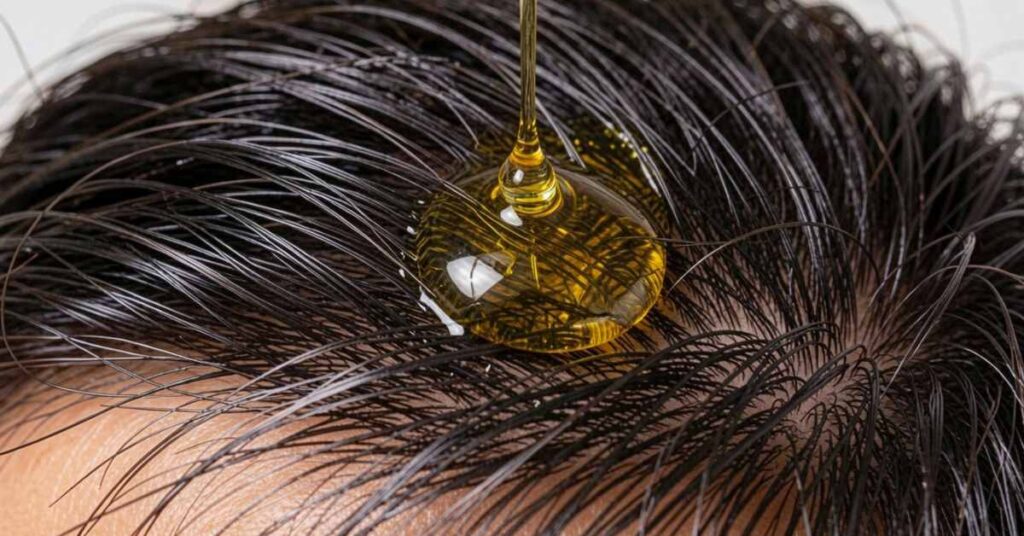
The popularity of mustard oil for hair growth has increased because many people believe it can make they grow faster, thicker, and stronger. For generations, They has been used in traditional hair care routines to nourish the scalp, improve hair texture, and reduce dryness.
However, the real question is whether they can directly increase hair growth or whether its benefits come from improving overall hair health. The answer is more balanced than many online claims suggest.
Mustard oil for hair may support a healthy scalp environment by providing moisture, antioxidants, and essential fatty acids. A healthier scalp can help maintain stronger hair strands and reduce problems like dryness and breakage. Nevertheless, hair growth depends on many factors, including genetics, hormones, nutrition, lifestyle, and overall health.
Therefore, mustard oil can be considered a supportive natural care ingredient, but it should not be viewed as a guaranteed hair growth treatment.
What Scientific Research Says
Scientific studies on mustard oil for hair growth specifically are limited. Unlike ingredients such as minoxidil, which has been widely researched for certain types of they loss, mustard oil does not currently have strong clinical evidence proving that it directly stimulates new hair growth.
However, research on the components found in mustard oil provides some useful insights.
Mustard oil contains:
- Essential fatty acids: These help maintain moisture and support the hair barrier.
- Vitamin E: This antioxidant may help protect cells from oxidative stress.
- Plant compounds: These may contribute to scalp comfort and overall skin health.
Furthermore, scalp massage with oil may improve the overall hair care experience. Gentle massage can help distribute oil evenly and encourage relaxation, while also helping remove dryness caused by a lack of moisture.
Although mustard oil for may improve the condition of existing hair, it does not change genetic factors that control hair growth patterns. For this reason, people experiencing significant hair thinning or sudden hair loss should consider professional advice instead of relying only on natural oils.
How Mustard Oil May Support Hair Health
| Hair Concern | How Mustard Oil May Help |
| Dry scalp | Provides moisture and reduces dryness |
| Rough hair texture | Helps improve softness |
| Hair breakage | Supports conditioning and flexibility |
| Dull-looking hair | Adds a smoother appearance |
| Scalp discomfort | May provide a soothing effect |
Moreover, using mustard oil for they growth with healthy habits can provide better results. A balanced diet, proper hydration, gentle washing, and avoiding excessive heat styling all contribute to healthier-looking hair.
Myths vs Facts About Mustard Oil for Hair Growth
Because mustard oil has been used traditionally for a long time, many claims about it have spread online. Some statements are based on personal experiences, while others are exaggerated.
Understanding the difference between myths and facts helps you use mustard oil for hair realistically.
| Myth | Fact |
| Mustard oil instantly grows new hair | There is no strong evidence that it creates instant hair growth |
| More oil means faster results | Excess oil can make hair greasy and difficult to clean |
| Mustard oil can cure every type of hair loss | Hair loss can have many causes that require different solutions |
| Leaving oil overnight always gives better results | Longer application does not always mean better benefits |
| Mustard oil works the same for everyone | Results depend on hair type and scalp condition |
Additionally, many users discuss mustard oil for Reddit experiences and personal results. These discussions can provide useful real-world opinions, but personal stories are not the same as scientific proof.
Some people notice softer hair, reduced dryness, and improved manageability after using they regularly. On the other hand, some people may experience irritation or find that the oil feels too heavy for their scalp.
Can Mustard Oil Actually Increase Hair Growth Speed?
Many people search for how to use for hair growth because they want faster results. While oil can support scalp care, the speed of hair growth is mainly controlled by internal factors.
Hair growth depends on:
- Genetics
- Hormonal balance
- Nutrition
- Age
- Stress levels
- Overall health
However, maintaining a healthy scalp can help existing hair stay stronger. When hair is less dry and less prone to breakage, it may appear longer and fuller over time.
For this reason, mustard oil for growth should be seen as a maintenance and nourishment option rather than a quick-fix solution.
Expert Tips for Better Results
If you choose to include mustard oil for in your routine, following proper usage methods can improve your experience.
Keep these tips in mind:
- Always start with a small amount.
- Massage gently instead of rubbing aggressively.
- Wash the oil properly after treatment.
- Avoid applying it on irritated or damaged skin.
- Use it consistently instead of applying excessive amounts.
Furthermore, combining with other supportive ingredients may help create a more balanced hair treatment. For example, aloe vera can provide hydration, while yogurt can offer conditioning benefits.
Final Verdict: Is Mustard Oil Good for Hair Growth?
Mustard oil for hair growth can be beneficial as part of a complete care routine because it helps nourish the scalp, improve moisture levels, and support healthier-looking hair. However, it does not have enough scientific evidence to prove that it directly increases the rate of hair growth.
The best approach is to use correctly, maintain realistic expectations, and focus on overall hair health. When used wisely, it can be a simple and affordable addition to your regular grooming routine.
How to Use Mustard Oil for Hair the Right Way
Using mustard oil for hair correctly is just as important as choosing a good-quality oil. While mustard oil contains nourishing compounds that may support scalp health and improvesoftness, applying it incorrectly can make hair feel heavy, greasy, or uncomfortable.
The best results usually come from using the right amount, following a suitable method, and considering your hair type. Furthermore, combining mustard oil with a consistent hair care routine can help maintain healthier-looking hair over time.
Many people search for how to use mustard oil for they because they want to know the correct application process. Whether you prefer a traditional scalp massage, a pre-shampoo treatment, or an overnight application, the key is moderation and consistency.
Traditional Scalp Massage Method
The traditional scalp massage method is one of the most common ways to use for hair. This technique focuses on nourishing the scalp while providing a relaxing massage experience.
A gentle massage helps spread the oil evenly and allows it to cover the scalp properly. Moreover, the process can help loosen dryness and make the scalp feel more comfortable.
Steps to Apply Mustard Oil Through Scalp Massage:
- Take a small amount of mustard oil in a clean bowl.
- Warm the oil slightly to make application easier.
- Divide your hair into sections.
- Apply the oil directly to the scalp using fingertips.
- Massage gently in circular motions for a few minutes.
- Spread the remaining oil toward the hair lengths.
- Leave it for a suitable time before washing.
Additionally, avoid using your nails during massage because aggressive scratching may irritate the scalp.
A gentle approach is always better when using mustard oil for hair because the goal is to nourish the scalp, not create friction.
Pre-Shampoo Oil Treatment
A pre-shampoo treatment is another effective way to include mustard oil for hair in your routine. This method allows the oil to condition the hair before shampooing.
Many people prefer this method because it prevents the heavy feeling that can happen when oil remains on the hair for a long time.
How to Use Mustard Oil Before Shampoo:
- Apply a moderate amount of oil to your scalp and hair.
- Leave it for around 30 minutes to a few hours.
- Wash your hair with a gentle shampoo.
- Follow with a suitable conditioner if needed.
Furthermore, this method works well for people who want moisture benefits without leaving oil on their scalp overnight.
For dry and rough hair, mustard oil for hair as a pre-shampoo treatment may help improve softness and manageability.
Overnight Mustard Oil Treatment
Some people prefer leaving mustard oil for hair overnight because they believe longer contact time provides deeper nourishment. Although overnight oiling is a popular traditional practice, it is not necessary for everyone.
For some hair types, overnight application may feel beneficial. However, others may experience heaviness, scalp discomfort, or difficulty removing the oil.
If You Want to Try Overnight Oiling:
Follow these steps:
- Apply a small amount of mustard oil before bedtime.
- Cover your pillow with a clean towel if needed.
- Wash your hair thoroughly the next morning.
- Avoid repeating the process too frequently.
Moreover, people with oily scalps or sensitive skin should be more cautious with overnight treatments.
The effectiveness of mustard oil for hair does not depend only on leaving it longer. Proper application and consistency are usually more important.
How Much Mustard Oil Should You Apply?
One common mistake people make is assuming that applying more oil will provide better results. However, excessive use of mustard oil for hair can make hair greasy and difficult to wash.
The ideal amount depends on your hair length, thickness, and scalp condition.
| Hair Type | Suggested Amount |
| Short hair | 1–2 teaspoons |
| Medium-length hair | 1–2 tablespoons |
| Long or thick hair | 2–3 tablespoons |
These amounts are general guidelines, and you can adjust them according to your needs.
Furthermore, the purpose is to lightly coat the scalp and hair, not completely soak it in oil. Using a moderate amount allows easier washing and prevents unnecessary buildup.
How Often Should You Use Mustard Oil?
The ideal frequency of using mustard oil for hair depends on your hair type and personal routine. Using it too often may create buildup, while using it occasionally may not provide noticeable conditioning benefits.
For most people:
- Dry hair: Once or twice weekly may be suitable.
- Normal hair: Once weekly can be enough.
- Oily scalp: Less frequent use may work better.
Additionally, pay attention to how your scalp reacts. If your hair feels heavy, itchy, or uncomfortable, reduce the frequency.
People interested in how to use mustard oil for hair growth should focus on regular but balanced use rather than daily application.
Extra Tips for Better Mustard Oil Results
To get the most from mustard oil for hair, follow these simple recommendations:
Choose High-Quality Oil
Quality matters because pure mustard oil usually provides a better experience compared with low-quality products containing unnecessary additives.
Avoid Applying Too Much Heat
Very hot oil may irritate the scalp. Slightly warming the oil is enough for easier application.
Wash Properly
Leaving excess oil after washing can make hair appear greasy. Use enough shampoo to remove buildup without over-cleansing.
Combine With a Healthy Hair Routine
Oil works best when combined with:
- Proper nutrition
- Gentle brushing
- Regular conditioning
- Reduced heat damage
Best Method Based on Hair Goals
| Goal | Recommended Method |
| Dry hair | Pre-shampoo treatment |
| Scalp massage | Traditional massage method |
| Hair softness | Weekly oil treatment |
| Managing rough texture | Oil + conditioning routine |
Final Thoughts on Using Mustard Oil Correctly
Learning how to use mustard oil for hair properly can make a significant difference in your experience. The right amount, correct timing, and suitable method help you enjoy its moisturizing and conditioning benefits without unnecessary problems.
Whether you choose scalp massage, pre-shampoo treatment, or occasional overnight use, remember that consistency matters more than excessive application. When used responsibly, mustard oil for hair can become a valuable part of a simple and natural hair care routine.
Read More:https://pureoilshub.com/how-long-should-i-leave-oil-in-my-hair/
Best DIY Mustard Oil Hair Masks

Combining mustard oil for hair with other natural ingredients can create nourishing hair treatments that target different hair concerns. While mustard oil alone can help improve moisture and softness, mixing it with ingredients like aloe vera, yogurt, lemon juice, and banana may provide additional conditioning benefits.
DIY hair masks are popular because they are simple, affordable, and easy to prepare at home. However, natural ingredients do not work the same way for everyone. Therefore, always consider your hair type and perform a small patch test before applying any new mixture.
Moreover, these hair masks should be used as supportive treatments rather than replacements for professional care when dealing with serious scalp or hair problems.
Mustard Oil and Aloe Vera Hair Mask
Aloe vera is well known for its soothing and hydrating properties. When combined with mustard oil for hair, it creates a balanced mask that may help provide moisture while reducing the heavy feeling that some people experience with oil-based treatments.
This combination can be especially useful for people who have dry hair, rough texture, or a scalp that feels uncomfortable due to dryness.
Benefits of Mustard Oil and Aloe Vera Mask:
- Helps improve scalp moisture
- Supports softer-looking hair
- May reduce dryness
- Provides a refreshing feel to the scalp
- Helps improve hair manageability
How to Make the Mask:
Ingredients:
- 2 tablespoons mustard oil
- 2 tablespoons fresh aloe vera gel
Method:
- Mix mustard oil and aloe vera gel in a clean bowl.
- Apply the mixture evenly to the scalp and hair.
- Massage gently for a few minutes.
- Leave it for 30–60 minutes.
- Wash thoroughly with a mild shampoo.
Furthermore, aloe vera can help balance the richness of mustard oil for hair, making this combination suitable for people who prefer a lighter-feeling hair treatment.
Mustard Oil and Yogurt Hair Mask
Yogurt is commonly used in traditional hair care because it contains proteins and moisturizing components. When blended with mustard oil for hair, yogurt can create a conditioning mask that may help improve softness and hair texture.
This mask is often preferred by people dealing with dry, dull, or difficult-to-manage hair.
Benefits of Mustard Oil and Yogurt Mask:
- Helps condition dry hair
- Improves smoothness
- Adds moisture to rough strands
- Supports healthier-looking hair texture
- Makes hair easier to manage
How to Prepare:
Ingredients:
- 2 tablespoons mustard oil
- 3 tablespoons plain yogurt
Method:
- Combine yogurt and mustard oil until the mixture becomes smooth.
- Apply it from the scalp to the hair ends.
- Leave the mask for around 30 minutes.
- Rinse with water and wash with shampoo.
Additionally, yogurt can help make mustard oil for hair feel less heavy, especially for people who find pure oil too rich.
Mustard Oil and Lemon Juice Hair Mask
Lemon juice is often included in homemade hair treatments because of its refreshing properties. When used with mustard oil for hair, it may help people who want a cleaner-feeling scalp.
However, lemon juice is acidic and may not suit sensitive scalps. Therefore, it should always be used carefully and in moderation.
Benefits of Mustard Oil and Lemon Juice Mask:
- Helps refresh the scalp
- May support scalp cleanliness
- Adds a fresh feeling after washing
- Helps balance oily-feeling hair
How to Make It:
Ingredients:
- 2 tablespoons mustard oil
- 1 teaspoon lemon juice
Method:
- Mix both ingredients properly.
- Apply mainly to the scalp area.
- Leave it for 15–30 minutes.
- Wash thoroughly.
Avoid leaving lemon-based mixtures on the scalp for extended periods because some people may experience irritation.
For individuals searching for mustard oil for hair fall, this mask may support better scalp care, but it should not be considered a direct treatment for all causes of hair loss.
Mustard Oil and Banana Hair Mask
Banana is a popular ingredient in homemade hair masks because it contains natural conditioning properties. Combined with mustard oil for hair, banana can create a rich treatment that helps improve softness and manageability.
This mask is especially useful for people who want to improve the feel of dry and rough hair.
Benefits of Mustard Oil and Banana Mask:
- Helps soften hair strands
- Improves hair texture
- Provides conditioning support
- Helps reduce the appearance of dryness
- Makes hair feel smoother
How to Prepare:
Ingredients:
- 1 ripe banana
- 2 tablespoons mustard oil
Method:
- Mash the banana until it becomes smooth.
- Add mustard oil and mix well.
- Apply the mask evenly to the hair.
- Leave it for 30–45 minutes.
- Wash carefully to remove all residue.
Furthermore, using a smooth banana paste is important because small pieces may become difficult to remove from the hair.
How Often Should You Use DIY Mustard Oil Hair Masks?
The frequency of using mustard oil for hair masks depends on your hair condition and routine.
General guidelines:
| Hair Type | Recommended Frequency |
| Dry hair | Once weekly |
| Normal hair | Every 1–2 weeks |
| Oily scalp | Less frequently |
| Sensitive scalp | After patch testing |
Additionally, using too many different masks at the same time may make it difficult to understand what works best for your hair.
Tips Before Applying DIY Hair Masks
To make your mustard oil for hair treatments more effective, keep these points in mind:
- Always use clean ingredients.
- Apply mixtures evenly.
- Do not use excessive oil.
- Wash masks properly after treatment.
- Stop use if irritation occurs.
- Choose ingredients according to your scalp needs.
Moreover, consistency is more important than applying complicated treatments frequently. A simple routine used regularly often provides better results than constantly changing products.
Final Thoughts on DIY Mustard Oil Hair Masks
DIY masks with mustard oil for hair can be an enjoyable way to add moisture and nourishment to your hair care routine. Ingredients like aloe vera, yogurt, lemon juice, and banana can complement mustard oil and create customized treatments for different hair needs.
However, results depend on your individual hair type and overall care habits. Using these masks correctly, along with proper cleansing and maintenance, can help your hair look healthier, softer, and more manageable.
Side Effects of Mustard Oil for Hair
Although mustard oil for hair is widely used in traditional hair care routines, it may not be suitable for everyone. Like any natural ingredient, mustard oil can provide benefits when used correctly, but improper use or applying it on unsuitable hair and scalp types may lead to unwanted reactions.
Many people focus only on the benefits of mustard oil for hair, but understanding possible drawbacks is equally important. Using too much oil, leaving it on for excessive periods, or applying it to sensitive skin may cause discomfort.
Therefore, before making mustard oil a regular part of your hair care routine, it is important to understand the possible side effects of mustard oil on hair and how to avoid them.
Who Should Avoid Mustard Oil?
While many people can use mustard oil for hair without problems, some individuals should be more cautious. Hair and scalp conditions vary from person to person, so an ingredient that works well for one person may not work the same way for another.
People who may need to avoid or limit mustard oil include:
People With Sensitive Scalp
Mustard oil has a strong natural composition and can feel intense on sensitive skin. Some people may experience discomfort, redness, or irritation after application.
Therefore, individuals with easily irritated scalps should start with a small amount and observe how their skin reacts.
People With Existing Scalp Problems
If you have an active scalp condition, severe irritation, or damaged skin, applying mustard oil for hair may not always be the best choice.
In such situations, it is better to focus on gentle hair care products and seek professional guidance if symptoms continue.
People With Very Oily Scalp
Because mustard oil has a rich texture, it may feel too heavy for naturally oily scalps. Excess oil can make hair appear greasy and may require more frequent washing.
For oily hair types, using smaller amounts and applying oil less frequently may be more suitable.
Perform a Patch Test Before Use
A patch test is one of the easiest ways to check whether mustard oil for hair is suitable for your skin. Even natural oils can cause reactions in some individuals.
How to Perform a Patch Test:
- Apply a small amount of mustard oil to a small area of skin.
- Wait and observe how your skin responds.
- If there is no discomfort, you can consider using it on your scalp.
Furthermore, a patch test is especially important if you are trying mustard oil for the first time or combining it with other ingredients.
Many people search for how to use mustard oil for hair growth, but safe usage should always come before trying to achieve results.
Possible Skin and Scalp Reactions
Although uncommon, some people may experience reactions after applying mustard oil for hair. These reactions can happen because of individual sensitivity, excessive application, or leaving the oil on for too long.
Possible reactions may include:
- Scalp discomfort
- Redness
- Dry feeling
- Itching
- Burning sensation
- Increased greasiness
If you notice discomfort after using mustard oil, it is better to stop using it and allow your scalp to recover.
Additionally, avoid applying mustard oil to areas with cuts, irritation, or damaged skin because it may increase discomfort.
Can Mustard Oil Clog Scalp Pores?
A common concern about mustard oil for hair is whether it can clog scalp pores. The answer depends on several factors, including the amount used, scalp type, and how well the oil is removed after application.
Mustard oil is a heavier oil compared with lightweight options like argan oil. Therefore, applying excessive amounts may leave buildup on some scalps.
To reduce the chance of buildup:
- Use a moderate amount of oil.
- Avoid applying oil every day.
- Wash your hair properly after treatment.
- Choose a frequency suitable for your scalp type.
Furthermore, people with oily scalps may prefer shorter oil treatments instead of leaving mustard oil for hair overnight.
How to Reduce the Risk of Side Effects
Using mustard oil correctly can help create a more comfortable experience. Follow these simple practices:
Use High-Quality Oil
Low-quality products may contain unnecessary additives. Choosing a reliable product can improve your overall experience.
Avoid Overapplication
More oil does not mean better results. A small amount is often enough to provide conditioning benefits.
Do Not Ignore Scalp Signals
If your scalp feels uncomfortable after using mustard oil for hair, reduce usage or discontinue it.
Maintain Proper Hair Hygiene
Leaving oil buildup without proper cleansing may make hair feel heavy and uncomfortable.
Understanding Side Effects vs Normal Experience
Some people feel a warming sensation after applying mustard oil. This does not always mean there is a problem. However, strong discomfort, irritation, or persistent itching should not be ignored.
The goal of using mustard oil for hair is to support healthy-looking hair, not create scalp stress.
Therefore, always listen to your scalp and adjust your routine accordingly.
Final Thoughts on Mustard Oil Safety
Mustard oil for hair can be a useful natural oil for many people, but it should be used thoughtfully. Understanding your scalp type, applying the right amount, and performing a patch test can help reduce possible problems.
While many users enjoy the moisturizing and conditioning effects of mustard oil, individual results can vary. A balanced approach is the best way to include it in a healthy hair care routine.
Common Mistakes to Avoid When Using Mustard Oil for Hair

Using mustard oil for hair can be beneficial when applied correctly, but many people make simple mistakes that reduce its effectiveness or create unnecessary hair and scalp problems. Natural oils work best when they are used in balance, according to your hair type and scalp condition.
Many users believe that applying more oil or keeping it on for longer will automatically provide better results. However, proper technique, consistency, and suitable application methods are much more important.
Whether you are using mustard oil for hair growth, dryness, or general hair nourishment, avoiding common mistakes can help you get better results while reducing the chance of irritation.
Applying Too Much Oil
One of the most common mistakes people make with mustard oil for hair is applying an excessive amount. Many people assume that soaking the hair in oil will provide extra nourishment, but too much oil can create several issues.
When excessive oil is applied:
- Hair may become heavy and greasy.
- Shampooing may become more difficult.
- Product buildup may occur.
- The scalp may feel uncomfortable.
Furthermore, applying large amounts of mustard oil does not mean that the hair absorbs more nutrients. Hair care is about using the right quantity, not the maximum quantity.
Better Approach:
Use enough mustard oil for hair to lightly cover your scalp and strands. The exact amount depends on hair length and thickness, but a moderate application is usually sufficient.
For example:
- Short hair may need only a small amount.
- Medium hair may require a little more.
- Thick or long hair may need additional oil, but avoid soaking the hair completely.
A balanced approach helps maintain softness without creating unnecessary buildup.
Leaving It on for Too Long
Another common mistake is assuming that leaving mustard oil for hair for an extremely long time will automatically improve results.
Although some people prefer overnight oiling, longer application does not always provide additional benefits. In some cases, leaving oil for too long may make the scalp feel heavy or uncomfortable.
Possible issues from excessive oil exposure include:
- Difficulty washing the oil completely
- Increased greasiness
- Scalp discomfort
- Unpleasant buildup
Moreover, different hair types respond differently. Some people may enjoy longer treatments, while others may prefer shorter pre-shampoo applications.
Recommended Approach:
Instead of focusing only on time, focus on consistency.
A practical routine can include:
- Applying mustard oil before shampooing.
- Leaving it for a suitable period.
- Washing thoroughly afterward.
This method allows you to enjoy the benefits of mustard oil for hair without overusing it.
Using It on an Irritated Scalp
Applying mustard oil for hair to an already irritated scalp is another mistake that should be avoided.
If your scalp is experiencing discomfort, sensitivity, or visible irritation, adding a strong oil may sometimes make the situation worse.
Before applying mustard oil, consider your scalp condition:
Avoid using mustard oil when:
- The scalp feels unusually sensitive.
- There is ongoing irritation.
- The skin feels damaged.
- You notice discomfort after previous use.
Additionally, if your scalp reacts negatively after applying mustard oil, it is better to stop using it rather than continuing in the hope that the reaction will disappear.
Healthy scalp care should always come before trying to improve hair appearance.
Skipping a Patch Test
Many people immediately apply mustard oil for hair all over their scalp without testing it first. This can be a mistake, especially for individuals with sensitive skin.
A patch test helps you understand whether your skin tolerates the oil before regular use.
Simple Patch Test Steps:
- Apply a small amount of mustard oil to a small skin area.
- Wait and monitor your skin’s response.
- If there is no discomfort, consider using it as part of your routine.
Furthermore, patch testing becomes even more important when mixing mustard oil with other ingredients like lemon juice, essential oils, or herbal products.
Using Poor Quality Mustard Oil
The quality of the oil can affect your overall experience. Using low-quality products may not provide the same benefits as choosing a properly processed oil.
When selecting mustard oil for hair, consider:
- Checking the ingredient list.
- Choosing products without unnecessary additives.
- Selecting oil from a trusted source.
- Storing it properly after opening.
A good-quality oil can make your hair care routine more comfortable and effective.
Applying Mustard Oil Without Considering Hair Type
Another mistake is assuming that mustard oil for hair works exactly the same for everyone.
Hair type and scalp condition play a major role in how your hair responds.
| Hair Type | Common Recommendation |
| Dry hair | May benefit from occasional oil treatments |
| Normal hair | Moderate use is usually enough |
| Oily scalp | Use smaller amounts and avoid frequent application |
| Sensitive scalp | Perform a patch test first |
Understanding your own hair needs allows you to create a better routine.
Washing Hair Incorrectly After Oil Application
After applying mustard oil for hair, proper washing is important. Some people either use too much shampoo or fail to remove enough oil.
Better Washing Method:
- Use a gentle shampoo.
- Massage the scalp carefully.
- Rinse thoroughly.
- Avoid harsh scrubbing.
Additionally, using conditioner after shampooing can help maintain softness, especially if your hair feels dry after washing.
Mustard Oil vs Coconut Oil vs Castor Oil for Hair
Choosing the right hair oil can be difficult because mustard oil, coconut oil, and castor oil are all popular natural options. Each oil has different properties, textures, and benefits that make it suitable for different hair needs.
Some people prefer mustard oil for hair because of its traditional scalp massage benefits and rich nutrients. Others choose coconut oil because of its conditioning properties, while castor oil is popular for its thick texture and deep moisture support.
However, no single oil is perfect for everyone. The best choice depends on your hair type, scalp condition, and personal hair care goals. Understanding the differences between these oils can help you select the right option for your routine.
Complete Comparison Table: Mustard Oil vs Coconut Oil vs Castor Oil
| Feature | Mustard Oil | Coconut Oil | Castor Oil |
|---|---|---|---|
| Texture | Medium to thick | Medium | Very thick and sticky |
| Main Benefit | Scalp nourishment and moisture support | Hair conditioning and protection | Deep moisture and coating effect |
| Best For | Dry scalp and traditional oil treatments | Dry and damaged-looking hair | Very dry hair needing extra moisture |
| Absorption | Moderate | Good penetration into hair shaft | Slow absorption |
| Feel on Hair | Rich and warming | Smooth and conditioning | Heavy and dense |
| Common Use | Scalp massage and oil treatments | Pre-shampoo treatments | Mixing with lighter oils |
Benefits of Mustard Oil, Coconut Oil, and Castor Oil for Hair
Each hair oil provides different benefits based on its natural properties. Choosing the right oil depends on what your hair needs most.
Mustard Oil for Hair: Benefits and Uses
Mustard oil for hair is traditionally used for scalp massage and hair nourishment. It contains fatty acids, vitamin E, and antioxidants that may help support a healthy scalp environment.
Regular use of mustard oil may help improve hair softness, reduce dryness, and make the scalp feel nourished. Its rich texture makes it a popular choice for traditional hair oil treatments.
Mustard oil can also help create a protective layer around hair strands, which may reduce moisture loss and improve the overall feel of dry hair.
Coconut Oil for Hair: Benefits and Uses
Coconut oil is one of the most widely used hair oils because it can penetrate the hair shaft. It may help reduce protein loss and support stronger-looking hair strands.
It is commonly used to improve hair softness, reduce dryness, and protect hair from damage caused by environmental factors.
Coconut oil is also easier to apply compared with heavier oils, making it a suitable option for regular hair care routines.
Castor Oil for Hair: Benefits and Uses
Castor oil is known for its thick consistency and moisturizing properties. It creates a protective coating around hair strands, which may help improve the appearance of dry and rough hair.
Because castor oil is very thick, many people mix it with lighter oils like coconut oil for easier application and better texture.
Which Oil Is Best for Hair Growth?
Many people search for mustard oil for hair growth because they want natural ways to support healthier-looking hair. However, no hair oil can guarantee faster hair growth.
Hair growth depends on several factors, including genetics, hormones, nutrition, lifestyle, and overall health.
Different oils may support hair care in different ways by improving moisture, reducing dryness, and maintaining better scalp comfort.
Does Mustard Oil Help Hair Growth?
Mustard oil for hair may help support a healthy scalp environment because it contains nutrients that can nourish the scalp. Regular scalp massage with mustard oil may improve comfort and help reduce dryness.
However, mustard oil should be considered a supportive hair care product rather than a guaranteed hair growth solution.
How Coconut Oil Supports Hair Health
Coconut oil helps maintain hair condition by reducing protein loss from hair strands. This may help improve hair strength and reduce the appearance of dryness.
It is especially useful for people who want smoother, softer, and healthier-looking hair.
Can Castor Oil Improve Hair Growth?
Castor oil is traditionally associated with hair growth, but strong scientific evidence proving that castor oil directly increases hair growth is limited.
Its main benefit is providing moisture and creating a protective layer that helps improve the feel and appearance of dry hair.
Which Oil Is Better for Dry Hair?
Dry hair usually needs moisture, protection, and better manageability. Mustard oil, coconut oil, and castor oil can all support hair care, but each one works differently based on its properties and texture.
Mustard Oil for Dry Hair
When used on dry hair, mustard oil can help improve the appearance of rough strands by creating a protective layer that reduces moisture loss.
It may make hair feel softer and smoother when used properly. It is a good option for people who enjoy rich oil treatments and scalp massage.
Coconut Oil for Dry Hair
Coconut oil is often preferred for dry hair because it provides conditioning support and can penetrate the hair structure.
It may help improve softness and reduce the rough texture caused by dryness.
Castor Oil for Dry Hair
Castor oil is useful for people who need intense moisture because of its thick consistency.
However, it can feel heavy on hair, so many people prefer mixing it with lighter oils for easier application.
Best Choice for Dry Hair
Coconut oil is a good option for softness and conditioning. Mustard oil is suitable for rich nourishment and traditional scalp care, while castor oil works well for heavy moisture support.
Which Oil Helps Reduce Hair Fall?
Many people search for mustard oil for hair fall because they want natural solutions for hair shedding. However, hair fall can happen due to many reasons, including stress, genetics, nutrition problems, and scalp conditions.
Oils may help reduce hair breakage and improve hair condition, but they cannot fix every cause of hair loss.
How Mustard Oil Helps Reduce Hair Breakage
Mustard oil for hair fall may help reduce breakage by improving moisture balance and making hair strands feel softer.
Healthier-feeling hair may be less likely to break during brushing and styling.
How Coconut Oil Protects Hair Strands
Coconut oil may protect hair strands by reducing protein loss. This can help maintain stronger-looking and smoother hair.
How Castor Oil Supports Moisture Balance
Castor oil creates a thick coating around hair strands. This may help improve the appearance of dry and weak-looking hair.
Best Oil for Reducing Breakage
Mustard oil can support scalp nourishment, coconut oil can help protect hair strands, and castor oil can provide heavier moisture support.
Mustard Oil vs Coconut Oil: Which One Should You Choose?
The comparison between mustard oil for hair vs coconut oil is common because both oils offer different benefits.
Mustard oil is a good choice for people who prefer traditional scalp massage, rich nourishment, and a thicker oil experience.
Coconut oil is better suited for people who want lightweight conditioning, improved softness, and easier regular use.
Mustard Oil vs Castor Oil: Which One Is Better?
Although mustard oil and castor oil are both rich oils, their textures and uses are different.
When applied to the scalp, mustard oil spreads more easily and feels lighter during massage. In comparison, castor oil has a much thicker texture and is often blended with other oils for easier application.
Can You Mix Mustard Oil, Coconut Oil, and Castor Oil?
Yes, many people combine these oils to create a balanced hair treatment. Mixing oils can provide nourishment, moisture, and a smoother application experience.
A simple mixture may include mustard oil, coconut oil, and a small amount of castor oil.
However, heavy oil mixtures may not feel comfortable for every scalp type, so choose a combination that suits your hair needs.
How to Choose the Best Hair Oil for Your Hair Type
The right hair oil depends on your specific hair goals.
Mustard oil for hair is a good choice if you prefer traditional scalp nourishment and rich oil treatments.
Coconut oil works well when you want better conditioning, improved softness, and protection against dryness.
For extra moisture and a heavier protective layer, castor oil can be a suitable option for your hair care routine.
Always consider your scalp type, hair texture, and personal comfort before adding any oil to your routine.
Final Verdict: Best Oil Between Mustard Oil, Coconut Oil, and Castor Oil
There is no single winner between mustard oil, coconut oil, and castor oil. Each oil has unique benefits and works differently.
Mustard oil for hair is a good choice for traditional scalp care and nourishment. Coconut oil is excellent for conditioning and improving softness, while castor oil is useful for people who need deeper moisture support.
The best hair oil is the one that matches your hair needs and fits comfortably into your regular hair care routine.
Alternatives to Mustard Oil for Hair
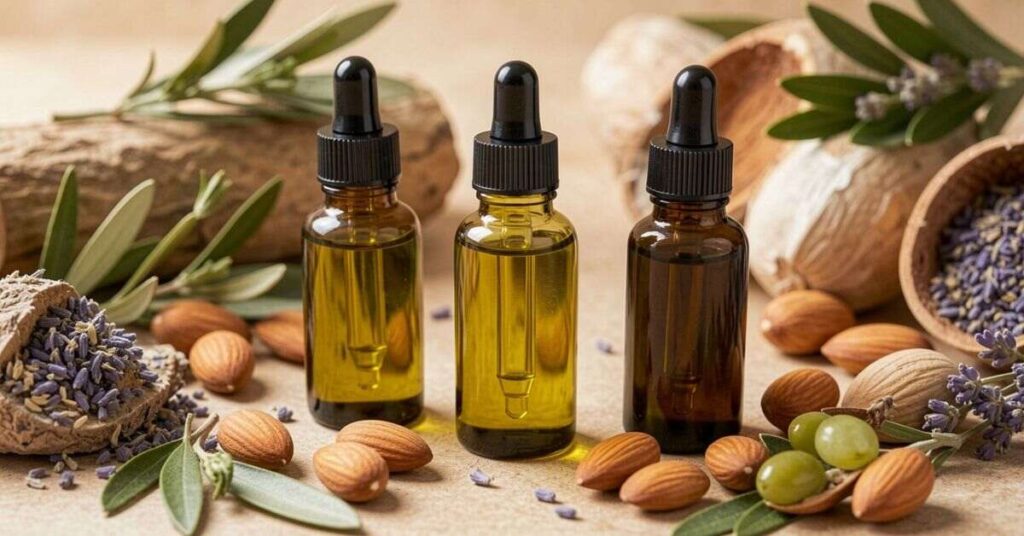
Although mustard oil for hair is a popular choice for natural hair care, it is not the only oil that can support healthier-looking hair. Different oils contain different nutrients, textures, and properties, which means some alternatives may work better depending on your hair type and specific needs.
For example, some people prefer lighter oils that absorb quickly, while others choose thicker oils for deeper moisture. Therefore, understanding different options can help you build a hair care routine that suits your scalp and hair texture.
Before replacing mustard oil for hair with another oil, remember that results vary from person to person. Factors like hair condition, scalp type, lifestyle, and consistency play an important role in achieving noticeable improvements.
Below are some popular alternatives to consider.
Coconut Oil
Coconut oil is one of the most widely used natural oils for hair care. Like mustard oil for hair, it has been used traditionally for generations because of its conditioning properties and ability to improve hair softness.
Coconut oil contains fatty acids, especially lauric acid, which can help reduce moisture loss and support healthier-looking hair strands.
Benefits of Coconut Oil for Hair:
- Helps improve hair softness
- Supports moisture retention
- Reduces the feeling of dryness
- Helps protect hair from environmental stress
- Makes hair easier to manage
Furthermore, coconut oil is often preferred by people who want a smoother and lighter-feeling alternative to heavier oils.
Best For:
- Dry hair
- Rough hair texture
- Hair needing extra conditioning
However, some people may find coconut oil too heavy, especially if they have fine hair or an oily scalp.
Coconut Oil vs Mustard Oil for Hair
While mustard oil for hair is often chosen for scalp massage and rich nourishment, coconut oil is commonly preferred for conditioning and improving hair texture.
Both oils can be useful, but the better choice depends on your personal hair needs.
Castor Oil
Castor oil is another popular alternative to mustard oil for hair. It has a thick consistency and is known for its rich moisturizing feel.
Many people use castor oil because it creates a protective layer around hair strands, which may help reduce the appearance of dryness.
Benefits of Castor Oil for Hair:
- Provides deep moisture
- Helps improve hair smoothness
- Supports healthier-looking hair texture
- Reduces the appearance of dryness
- Helps condition thick and coarse hair
However, castor oil is much thicker than for hair, so many people mix it with lighter oils for easier application.
Best For:
- Very dry hair
- Thick hair types
- People who prefer rich oil treatments
Because of its heavy texture, applying too much castor oil may make washing more difficult.
Argan Oil
Argan oil is known as a lightweight and luxurious hair oil. Unlike heavier oils, it absorbs quickly and does not usually leave a greasy feeling when used correctly.
While mustard oil for hair provides rich nourishment, argan oil focuses more on improving shine, smoothness, and manageability.
Benefits of Argan Oil:
- Adds natural-looking shine
- Helps smooth frizz
- Improves hair softness
- Supports a polished appearance
- Works well as a finishing oil
Moreover, argan oil contains vitamin E and fatty acids that help condition hair strands.
Best For:
- Frizzy hair
- Dry ends
- People who prefer lightweight products
Argan oil is especially useful for people who dislike the heavier feeling of traditional oils.
Rosemary Oil
Rosemary oil has become increasingly popular in modern hair care routines. Many people use it because of its traditional association with scalp care.
However, rosemary oil is an essential oil and should not usually be applied directly in large amounts. It is commonly diluted with a carrier oil before use.
Benefits of Rosemary Oil:
- Supports scalp care
- Provides a refreshing feeling
- Can be included in scalp massage routines
- Adds a pleasant herbal aroma
When comparing rosemary oil with mustard oil for hair, both are used differently. Mustard oil is a carrier oil commonly used for nourishment, while rosemary oil is usually added in small amounts as a concentrated ingredient.
Best For:
- Scalp-focused routines
- People who prefer herbal hair care
- Those looking for a refreshing oil blend
Comparison Table: Alternatives to Mustard Oil for Hair
| Oil | Main Benefit | Best Suitable For | Texture |
| Coconut Oil | Conditioning and moisture support | Dry and rough hair | Medium |
| Castor Oil | Deep moisture and coating | Very dry hair | Very thick |
| Argan Oil | Shine and smoothness | Frizzy or dull hair | Lightweight |
| Rosemary Oil | Scalp-focused care | Diluted scalp treatments | Lightweight when mixed |
How to Choose the Right Alternative?
Choosing an alternative to mustard oil for hair depends on your main hair goal.
For Dry Hair:
Consider:
- Coconut oil
- Castor oil
- Mustard oil
These oils provide richer moisture and conditioning support.
For Frizzy Hair:
Consider:
- Argan oil
- Coconut oil
These options can help improve smoothness and manageability.
For Scalp Care:
Consider:
- Mustard oil
- Diluted rosemary oil
These options are commonly used in scalp massage routines.
Can You Combine Mustard Oil With Other Hair Oils?
Yes, many people combine mustard oil for hair with other oils to create a customized blend. Mixing oils allows you to balance texture, absorption, and nourishment.
Popular combinations include:
Mustard Oil + Coconut Oil
This combination provides rich nourishment with improved softness.
Mustard Oil + Castor Oil
This creates a heavier moisture-focused blend.
Mustard Oil + Rosemary Oil
This can create a scalp-focused oil treatment when rosemary oil is properly diluted.
However, avoid adding too many ingredients at once. A simple combination makes it easier to understand what works best for your hair.
Final Thoughts on Mustard Oil Alternatives
While mustard oil for hair remains a valuable traditional option, alternatives like coconut oil, castor oil, argan oil, and rosemary oil offer different benefits.
The best oil depends on your hair type, scalp condition, and personal preference. Some people may prefer the rich nourishment of mustard oil, while others may benefit more from lighter or more conditioning alternatives.
A successful hair care routine is not about choosing the most popular oil. Instead, it is about finding a product that fits your hair needs and using it consistently.
Final Thoughts on Using Mustard Oil for Hair
Throughout history, natural oils have played an important role in traditional hair care routines, and mustard oil for hair continues to be a popular choice because of its nourishing properties, affordability, and versatility. From scalp massages to DIY hair masks, many people include mustard oil in their routines to improve moisture, softness, and overall hair appearance.
The biggest advantage of mustard oil for hair is that it provides a simple and natural way to support healthier-looking hair. Its fatty acids, vitamin E, and antioxidant properties may help improve scalp comfort, reduce dryness, and make hair feel smoother when used correctly.
However, it is important to maintain realistic expectations. While many people search for mustard oil for hair growth, mustard oil is not a guaranteed solution for faster hair growth or every type of hair problem. Hair growth depends on several factors, including genetics, nutrition, lifestyle, and overall health.
Instead, mustard oil works best as a supportive part of a complete hair care routine.
Why Consider Mustard Oil for Hair?
There are several reasons why people continue using mustard oil for hair as part of their grooming habits:
- It helps provide moisture to dry hair.
- It supports a healthy scalp environment.
- It can improve the appearance of dull and rough hair.
- It may reduce dryness-related hair breakage.
- It is affordable and easily available.
Furthermore, mustard oil can be customized according to different hair needs. For example, it can be combined with ingredients like aloe vera, yogurt, or other oils to create personalized hair treatments.
Use Mustard Oil the Right Way for Better Results
The effectiveness of mustard oil for hair depends greatly on how you use it. Applying too much oil, leaving it on excessively, or ignoring scalp sensitivity may reduce the benefits.
For a better experience:
- Use a moderate amount.
- Apply it according to your hair type.
- Perform a patch test before regular use.
- Wash it properly after treatment.
- Maintain consistency instead of overusing it.
Additionally, remember that healthy hair requires more than just oiling. A balanced diet, gentle hair handling, proper washing, and protection from damage all contribute to better hair condition.
Who Can Benefit Most From Mustard Oil?
Mustard oil for hair may be especially useful for people who want:
- Extra moisture for dry hair
- A traditional scalp massage routine
- Better hair softness and manageability
- A simple natural oil treatment
However, people with sensitive scalps, irritation, or specific scalp concerns should use caution and choose products that suit their individual needs.
Mustard Oil vs Other Hair Oils: Making the Right Choice
When comparing mustard oil for hair vs coconut oil, both have unique benefits. Coconut oil is often preferred for conditioning and improving hair texture, while mustard oil is commonly chosen for rich nourishment and scalp massage.
Similarly, castor oil, argan oil, and rosemary oil all provide different benefits. The best choice depends on your hair goals, scalp condition, and personal preference.
There is no universal “best” hair oil because every person’s hair responds differently.
FAQs:
Can I Apply Mustard Oil to My Hair Every Day?
Applying mustard oil for hair every day is generally not necessary for most people. While mustard oil can provide moisture and nourishment, daily application may create buildup, especially for people with oily scalps or fine hair.
Instead, many people prefer using mustard oil once or twice a week as part of their hair care routine.
The ideal frequency depends on:
- Your scalp type
- Hair texture
- Hair dryness level
- How your hair responds to oil treatments
For example, people with very dry hair may prefer more frequent oiling, while people with oily scalps may need less.
Additionally, using the right amount is more important than applying oil every day. A moderate and consistent routine usually works better than excessive use.
Can I Leave Mustard Oil Overnight?
Yes, some people leave mustard oil for hair overnight as part of a traditional oiling routine. However, overnight application is not required for everyone.
Leaving oil overnight may feel beneficial for some people because it allows longer conditioning time. However, others may find that it makes their hair feel heavy or difficult to wash.
If you choose overnight application:
- Use a small amount of oil.
- Avoid applying excessive layers.
- Wash your hair properly the next day.
- Stop if your scalp feels uncomfortable.
Furthermore, people with sensitive or oily scalps may prefer shorter treatments, such as applying mustard oil before shampooing and washing it after a few hours.
Does Mustard Oil Reduce Hair Fall?
Many people search for mustard oil for hair fall because they want a natural way to support stronger hair. Mustard oil may help reduce hair breakage by improving moisture and softness, which can make hair strands less fragile.
However, it is important to understand that hair fall can happen for many reasons, including:
- Genetics
- Stress
- Nutrition issues
- Hormonal changes
- Scalp conditions
Therefore, mustard oil for hair may support general hair care, but it cannot treat every cause of hair loss.
When used correctly, mustard oil may help:
- Improve hair conditioning
- Reduce dryness-related breakage
- Support scalp comfort
- Make hair feel stronger
For ongoing or significant hair loss, identifying the underlying cause is important.
Does Mustard Oil Help Hair Grow Faster?
Many people look for mustard oil for hair growth because they want faster and thicker hair growth. However, mustard oil does not have strong scientific evidence proving that it directly speeds up hair growth.
That said, mustard oil for hair may support conditions that are important for healthier-looking hair.
It may help by:
- Providing scalp moisture
- Reducing dryness
- Improving hair softness
- Supporting overall scalp care
Healthy hair growth depends on many internal and external factors, including genetics, diet, sleep, stress levels, and general health.
Therefore, mustard oil should be viewed as a supportive hair care ingredient rather than a guaranteed growth solution.
Is Mustard Oil Good for Curly Hair?
Yes, mustard oil for hair can be suitable for curly hair when used correctly. Curly hair often needs extra moisture because natural oils from the scalp may not spread easily along curly strands.
Because mustard oil has a rich texture, it may help curly hair feel softer and more conditioned.
Potential benefits for curly hair include:
- Improved moisture retention
- Reduced dryness
- Softer hair texture
- Better manageability
However, curly hair types vary widely. Some curls may respond well to heavier oils, while others may feel weighed down.
For curly hair, it is better to:
- Use a small amount first.
- Apply mainly to dry areas and ends.
- Avoid excessive oil buildup.
Does Mustard Oil Darken Hair Naturally?
There is no strong scientific evidence that mustard oil for hair can permanently change hair color or naturally darken hair.
However, some people may notice that their hair appears darker, shinier, or healthier after using mustard oil. This effect usually happens because improved moisture and smoothness can make hair reflect more light.
Healthy-looking hair often appears:
- Shinier
- Smoother
- More vibrant
Additionally, the appearance of hair can change depending on lighting, hydration, and overall hair condition.
Therefore, mustard oil may improve the appearance of hair but should not be considered a natural hair dye or permanent color-changing solution.
Is Mustard Oil Good for Hair in Pakistan?
Many people search for mustard oil for hair price in Pakistan because mustard oil is widely available and commonly used in traditional routines.
In Pakistan, mustard oil is popular because it is:
- Easily available
- Affordable compared with some premium hair oils
- Traditionally trusted
- Suitable for various home treatments
The price can vary depending on:
- Brand
- Quality
- Packaging size
- Processing method
Choosing a good-quality mustard oil is more important than selecting the cheapest option.
What Do People Say About Mustard Oil for Hair Reddit Discussions?
Online communities such as mustard oil for hair Reddit discussions often include personal experiences from different users.
Some people report benefits such as:
- Softer hair
- Reduced dryness
- Better scalp comfort
However, online experiences are personal and may not apply to everyone. Hair type, lifestyle, and individual sensitivity can create different results.
Therefore, Reddit discussions can provide ideas, but they should not replace reliable hair care information.