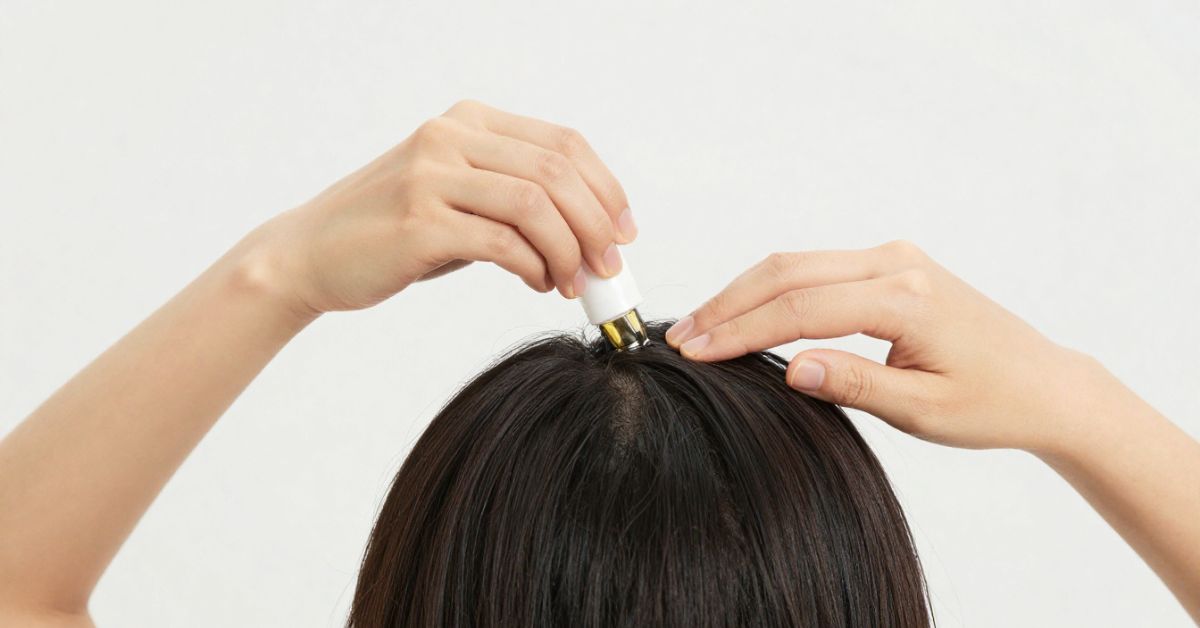
Introduction:
Hair oiling can do a lot for your routine, but only when you do it at the right frequency. Too much oil can leave your scalp heavy and greasy. Too little oil may not give your hair the moisture and protection it needs. That is why the answer to how often should you oil your hair depends on your hair type, scalp condition, climate, and the oils you use.
A good oiling routine should support your hair, not overwhelm it. Some people need oil once a week. Others do better with two or three light oiling sessions. The goal is simple: keep the scalp balanced, reduce dryness, and help your hair look and feel healthier over time.
How Often Should You Oil Your Hair Based on Your Hair Type

The best oiling schedule changes from one hair type to another. A routine that works for dry hair may feel too heavy for oily hair. A routine that helps curly hair may not suit fine hair. So the smartest approach is to match your oiling frequency to what your hair actually needs.
Here is a simple guide:
| Hair Type | Suggested Oiling Frequency | Main Goal |
| Dry or damaged hair | 2–3 times a week | Add moisture and reduce roughness |
| Normal hair | 1–2 times a week | Maintain balance and shine |
| Oily hair | 1 time a week or less | Avoid buildup while supporting scalp health |
| Fine or thin hair | 1 time a week | Prevent heaviness and flatness |
| Curly or textured hair | 2–3 times a week | Lock in moisture and improve softness |
How often should you oil dry or damaged hair
Dry or damaged hair usually needs more care because it loses moisture faster. Heat styling, coloring, harsh weather, and frequent washing can all make hair feel rough and weak. In this case, oiling two to three times a week often works well.
Use a light to medium amount and focus on the mid-lengths and ends if your strands feel brittle. You can also massage a small amount into the scalp if it feels dry or tight. For damaged hair, consistency matters more than using a lot of oil at once.
How often should you oil normal hair
Normal hair usually does best with one to two oiling sessions per week. This keeps the scalp comfortable and gives the hair enough nourishment without making it greasy. If your hair already feels soft, bouncy, and balanced, you do not need to oil it too often.
A simple weekly routine can help maintain shine, reduce tangling, and keep the hair easier to manage. For normal hair, less often can still be enough, as long as your routine stays regular.
How often should you oil oily hair
Oily hair needs a lighter approach. If you oil too often, the scalp can feel heavy and the hair may lose volume quickly. In most cases, once a week is enough, and some people may even need less.
Focus on a small amount and avoid overloading the roots. If your scalp already produces a lot of natural oil, your routine should support cleanliness and balance, not add more buildup. For oily hair, the key is to keep the oiling light and strategic.
How often should you oil fine or thin hair
Fine or thin hair can get weighed down very easily. Even a small amount of oil can make it look flat if you use too much or apply it too often. That is why one light oiling session a week is usually a good starting point.
Apply only a small amount and keep it focused on the scalp and the weakest areas of the hair. A gentle routine can help protect the strands without making them limp. Fine hair often looks better with less oil, not more.
How often should you oil curly or textured hair
Curly and textured hair usually needs more moisture because its shape makes it harder for natural scalp oils to travel down the strands. That is why many people with curls or coils do well with two to three oiling sessions a week.
This does not always mean a full heavy oiling each time. You can keep one session deeper and make the others lighter. Curly hair often responds well to regular oiling because it helps reduce dryness, improve softness, and support definition.
I’ve written the opening section with the first heading set and SEO-safe keyword use. Send the next section heading block, and I’ll continue in the same style.
Why Knowing How Often Should You Oil Your Hair Matters
Knowing how often should you oil your hair is just as important as choosing the right oil. Many people think hair oiling works only because of the product itself, but the real results often come from timing and consistency. When you oil at the right frequency, your hair gets enough nourishment without feeling weighed down.
A balanced routine helps your scalp stay comfortable, your strands stay softer, and your hair look healthier over time. It also helps you avoid common problems like buildup, greasiness, and flat roots. In other words, the right frequency can make the difference between hair oiling that truly helps and hair oiling that creates new problems.
What happens when you oil too often
Oiling too often can create buildup on the scalp and hair. When too much oil stays on the scalp for long periods, dirt and product residue can stick more easily. This may leave your hair feeling greasy, heavy, and harder to wash.
For some people, over-oiling can also make the scalp feel uncomfortable. It can reduce volume, make styling harder, and even cause the hair to look limp. If you already have an oily scalp, too much oil can make the problem worse instead of better. The goal is not to cover the hair constantly with oil. The goal is to support hair health in a controlled way.
What happens when you do not oil enough
Not oiling enough can leave the hair dry, rough, and more prone to breakage. Hair that lacks moisture often feels frizzy and harder to manage. The scalp may also feel tight or flaky, especially in dry weather or after frequent washing.
When you skip oiling for too long, you may notice more tangles, dullness, and split ends. This does not mean every hair type needs heavy oiling. It simply means the hair may need a little more support than it is getting. A routine that is too infrequent can leave your hair without the protection it needs.
The real benefits of a balanced oiling routine
A balanced oiling routine gives your hair steady support without overload. It can help improve softness, make detangling easier, and reduce the rough look that dryness often creates. It may also help protect the hair from everyday stress like brushing, heat styling, and weather changes.
When you oil at the right frequency, your scalp and strands usually respond better. Your hair may feel smoother, look shinier, and stay easier to style. A smart oiling schedule also helps you understand what your hair actually needs instead of guessing. That is why learning how often should you oil your hair is such an important part of building a healthy routine.
What Affects How Often Should You Oil Your Hair

There is no single answer to how often should you oil your hair because hair needs change from person to person. Two people can use the same oil and get completely different results simply because their scalp, texture, climate, or routine is different.
Instead of following a fixed rule, build your oiling schedule around the factors that actually influence your hair. Once you understand these factors, it becomes easier to avoid over-oiling and create a routine that delivers better long-term results.
Hair type and texture
Hair type is one of the biggest factors that changes oiling frequency. Thick, coarse, curly, or textured hair usually needs more moisture because natural scalp oils do not travel easily through the strands. Straight and fine hair often spreads natural oils faster and may require less oiling.
Hair texture also changes how oil behaves. Lightweight oil can disappear quickly in thick hair but feel heavy on fine hair. That is why frequency should follow your hair’s natural behavior instead of trends.
Here is a quick reference:
| Hair Texture | Typical Oiling Need |
| Straight and fine | Lower frequency |
| Wavy | Moderate frequency |
| Curly | Moderate to higher frequency |
| Coily or textured | Higher moisture support |
If you have been asking how often should you oil your hair in a week, your texture gives one of the strongest clues.
Scalp condition and oil production
Your scalp controls more than most people realize. A scalp that produces a lot of natural oil usually needs fewer oiling sessions. A dry scalp may benefit from more regular oiling.
Pay attention to signs instead of assumptions.
Signs your scalp may need less oil:
- Hair becomes greasy quickly
- Roots feel heavy after one day
- Volume disappears fast
Signs your scalp may need more support:
- Tight or dry feeling
- Visible flakes from dryness
- Hair feels rough near the roots
People experiencing concerns similar to how often should I oil my hair for hair loss often focus only on frequency. In reality, scalp comfort and overall routine matter more than simply adding extra oil.
Climate and seasonal changes
Weather changes can completely change how your hair responds to oil.
During colder months, dry air may make hair lose moisture faster. In warmer or humid weather, the scalp often produces more natural oil. That means your routine should not stay identical all year.
A simple adjustment can help:
| Season | Suggested Adjustment |
| Winter | Increase light oiling if hair feels dry |
| Summer | Reduce heavy oil application |
| Humid weather | Use lighter oils |
| Dry climate | Focus more on moisture retention |
Small seasonal changes often create more noticeable results than changing products.
Washing routine and styling habits
Your wash schedule affects how often oiling makes sense.
If you wash your hair several times per week, oiling may help maintain softness. If you wash less frequently, heavy oiling can create buildup faster. Heat styling, straightening, blow drying, and frequent brushing may also increase moisture loss.
Ask yourself:
- How often do you shampoo?
- Do you use heat tools regularly?
- Does your hair feel dry after washing?
The answers help determine your ideal schedule.
People who style frequently often benefit more from lighter and consistent oiling rather than occasional heavy treatments.
Choosing the right hair oil
Frequency alone does not create results. The type of oil matters too.
Some oils absorb quickly and feel light. Others stay on the hair longer and create a richer coating. Using the wrong oil often makes people think they are oiling too much or too little.
General guideline:
| Hair Need | Better Oil Type |
| Dry and rough hair | Richer oils |
| Oily scalp | Lightweight oils |
| Fine hair | Fast-absorbing oils |
| Curly or textured hair | Nourishing oils |
If you wonder how often should you oil your hair with rosemary or other specialty oils, remember that concentration and formulation matter as much as timing.
Choosing an oil that matches your hair makes frequency easier to manage and results easier to maintain.
How Often Should You Oil Your Hair for Maximum Results
If your goal is healthier, smoother, and stronger hair, frequency matters more than most people expect. Using the right oil at the wrong schedule can limit results. At the same time, using a simple routine consistently often works better than occasional heavy oiling.
The ideal answer to how often should you oil your hair depends on keeping moisture balanced without creating buildup. Your routine should feel easy to maintain and flexible enough to change with your hair’s needs.
The schedules below give a practical starting point. You can adjust them based on how your scalp and hair respond over time.
Weekly oiling schedule for dry hair
Dry hair usually benefits from more frequent oiling because it loses moisture faster. Heat styling, coloring, and harsh weather can make dryness more noticeable.
A practical routine is two to three oiling sessions per week.
Example schedule:
| Day | Routine |
| Monday | Light scalp and hair oiling |
| Thursday | Medium oil treatment |
| Weekend | Optional moisture boost |
Apply enough oil to lightly coat the hair instead of soaking it. Leave it on for a short treatment period and wash if needed.
People searching how many times should I oil my hair in a week for hair growth often assume more oil means faster results. In reality, steady care usually works better than frequent heavy application.
Weekly oiling schedule for normal hair
Normal hair responds well to a balanced routine. The goal is maintenance rather than correction.
A good starting schedule is one to two times per week.
Example:
| Day | Routine |
| Wednesday | Light oil massage |
| Sunday | Nourishing hair treatment |
This schedule helps maintain softness and shine while reducing the chance of buildup.
If your hair already feels smooth and manageable, avoid increasing frequency without a clear reason.
Weekly oiling schedule for oily hair
Oily hair needs a controlled approach. Adding too much oil can make the scalp feel overloaded and reduce freshness.
Most people with oily hair do well with one light oiling session every 7–10 days.
Suggested routine:
| Week | Routine |
| Start of week | Light scalp oiling |
| Rest of week | Focus on regular cleansing |
Use a small amount and avoid coating the roots heavily.
If you are wondering how often should I oil my hair for growth and have an oily scalp, increasing oil frequency is usually not the answer. A cleaner, balanced routine often supports better overall hair condition.
Adjusting frequency during weather changes
Your oiling routine should not stay exactly the same all year.
Hair reacts differently to temperature, humidity, and seasonal dryness. Small adjustments can improve results without changing your entire routine.
Try these seasonal changes:
| Condition | Adjustment |
| Cold and dry weather | Increase oiling slightly |
| Hot weather | Reduce heavy applications |
| Humid season | Choose lighter oils |
| Windy or dry conditions | Add extra moisture support |
Check your hair every few weeks instead of following strict rules.
Signs to increase oiling:
- Hair feels rough
- Ends become dry
- More frizz than usual
Signs to reduce oiling:
- Roots become greasy quickly
- Hair feels heavy
- Styling becomes difficult
The best results usually come from consistency, observation, and small adjustments instead of following one fixed routine forever.
Read More:https://pureoilshub.com/how-to-use-hair-oil/
How to Apply Hair Oil Correctly for Better Results
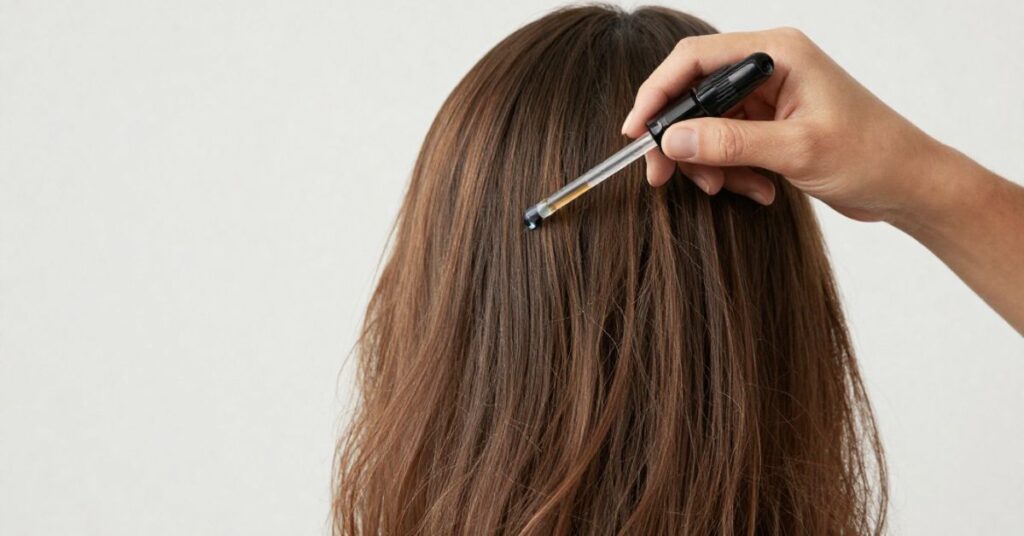
Knowing how often should you oil your hair is important, but the way you apply oil can change the final results just as much. Even high-quality oil may not perform well if you use too much, apply it incorrectly, or leave it on for too long.
Good oiling should make the hair feel nourished and manageable, not greasy or heavy. The goal is to create light, even coverage that supports both the scalp and the hair lengths.
How much oil should you use
One of the most common mistakes is assuming more oil means more benefits. In reality, using excess oil often creates buildup and makes washing harder.
Use enough oil to lightly coat the scalp and hair.
A simple guideline:
| Hair Length | Suggested Amount |
| Short hair | A few drops to 1 teaspoon |
| Medium hair | 1–2 teaspoons |
| Long hair | 2–3 teaspoons |
| Thick or textured hair | Adjust slightly as needed |
Your hair should feel conditioned, not soaked.
You may also reduce the amount if:
- Your scalp becomes oily quickly
- Your hair feels flat after washing
- Product buildup appears often
The correct amount becomes easier to judge after a few sessions.
Step-by-step scalp oiling method
Applying oil correctly helps distribute moisture more evenly and prevents overloading one area.
Follow this simple method:
Step 1: Start with dry or slightly damp hair
Hair should not be dripping wet. Slight dryness helps control application.
Step 2: Divide hair into sections
Create manageable sections so the oil spreads evenly.
Step 3: Apply oil gradually
Place a small amount onto fingertips instead of pouring directly onto the scalp.
Step 4: Massage gently
Use light circular motions for one to three minutes. Avoid aggressive rubbing.
Step 5: Spread remaining oil through lengths
Move extra oil toward the middle and ends if they feel dry.
Step 6: Leave it and continue your routine
Allow time for the oil to settle before washing or styling.
A gentle approach often works better than long or intense massage sessions.
How long should you leave oil in your hair
Leaving oil in too long does not automatically increase benefits. In many cases, moderate timing gives cleaner and more comfortable results.
Use this as a practical guide:
| Goal | Recommended Time |
| Quick nourishment | 30–60 minutes |
| Regular oil treatment | 1–3 hours |
| Deep conditioning | Overnight occasionally |
| Lightweight styling support | Small amount without washing |
If your scalp gets oily easily, shorter treatment times may feel better.
You may want to wash earlier if:
- Hair feels heavy
- Scalp becomes uncomfortable
- Oil starts attracting dust or buildup
The best approach is to let your hair respond naturally rather than keeping oil on for long periods every time.
Applying oil correctly allows your routine to work more effectively and makes it easier to maintain healthy-looking hair over time.
Best Time to Oil Your Hair for Better Absorption
Many people focus only on the product and forget about timing. In reality, when you apply oil can influence how your hair feels afterward. The right timing helps improve distribution, reduces heaviness, and makes your routine easier to maintain.
If you have ever wondered how often should you oil your hair, timing should become part of that decision. Oiling before washing, overnight, or before styling can all create different results depending on your goal.
The best time is not the same for everyone. It depends on whether you want nourishment, softness, protection, or easier styling.
Before shampooing
Pre-shampoo oiling is one of the easiest ways to add moisture without leaving the hair greasy for long periods.
This method works well because the oil has time to lightly coat the hair before cleansing. Many people prefer this approach because it feels simple and easy to fit into a weekly routine.
How to do it:
- Apply a light to moderate amount to scalp and lengths
- Leave it for 30 minutes to a few hours
- Wash normally afterward
This timing may help if your hair:
- Feels dry after washing
- Looks dull quickly
- Gets tangled easily
Pre-wash oiling also works well for people who do not enjoy keeping oil in their hair overnight.
Overnight oiling
Overnight oiling gives the hair more time to absorb and soften, but it does not always mean better results.
This method can work well for:
- Very dry hair
- Curly or textured hair
- Hair that feels rough after styling
To keep overnight oiling comfortable:
- Use a smaller amount than usual
- Avoid soaking the roots
- Protect bedding if needed
- Wash if hair feels too coated the next morning
You do not need overnight oiling every week. Once in a while can be enough for many routines.
If your scalp becomes oily quickly, shorter oil treatments may work better.
Before styling your hair
A small amount of oil before styling can help improve smoothness and reduce the dry appearance that styling sometimes creates.
This method is different from treatment oiling.
Use only a very light amount:
- Apply mainly to mid-lengths and ends
- Avoid heavy root application
- Keep the finish soft instead of greasy
Pre-styling oil may help:
- Control frizz
- Add shine
- Make hair feel smoother
- Improve appearance after blow drying
For fine or oily hair, use extra caution because too much oil can reduce volume.
The best timing depends on your routine and your hair goals. Some people get excellent results from pre-shampoo oiling, while others prefer occasional overnight treatments or light styling support.
Which Hair Oils Work Best for Different Hair Needs
Choosing the right oil is just as important as deciding how often should you oil your hair. Different oils behave differently on the scalp and hair strands. Some oils penetrate deeply, while others sit lightly on the surface. This directly affects how your hair responds and how often you should apply them.
The right oil should match your hair type, scalp condition, and styling routine. When you choose wisely, you often need less product and get better results.
Coconut oil
Coconut oil is one of the most commonly used hair oils because it penetrates the hair shaft deeply. It works well for reducing protein loss and improving softness.
It is best for:
- Dry hair
- Damaged or chemically treated hair
- Thick or coarse textures
Benefits include:
- Deep moisture support
- Reduced breakage
- Improved shine
However, coconut oil can feel heavy on fine or oily hair, so it should be used in small amounts or less frequently.
Argan oil
Argan oil is lightweight and absorbs quickly, making it ideal for people who want shine without heaviness. It is often called a “finishing oil” because it works well for styling and smoothing.
It is best for:
- Frizzy hair
- Fine or medium hair
- Heat-styled hair
Benefits include:
- Smooth finish
- Frizz control
- Lightweight hydration
If you are adjusting how often should you oil your hair with rosemary or blends, argan oil often works well as a daily or alternate-day lightweight option.
Almond oil
Almond oil is rich in vitamins and has a medium texture, making it suitable for balanced nourishment. It is neither too heavy nor too light, which makes it flexible for most hair types.
It is best for:
- Normal hair
- Slightly dry hair
- Scalp nourishment routines
Benefits include:
- Improved softness
- Reduced dryness
- Gentle scalp care
Almond oil works well when used 1–2 times per week in most routines.
Sesame oil
Sesame oil is thicker and more warming in nature. It is often used in traditional hair care routines for deep nourishment and scalp massage.
It is best for:
- Very dry scalp
- Thick or coarse hair
- Cold or dry climates
Benefits include:
- Deep conditioning
- Scalp nourishment
- Strength support
Because it is heavier, it should be used less frequently, especially for oily hair types.
Lightweight vs heavy oils
Not all oils behave the same way on hair. Understanding the difference helps you avoid over-oiling and improves your routine.
| Type of Oil | Feel | Best For |
| Lightweight oils | Fast absorbing, non-greasy | Fine, oily hair |
| Medium oils | Balanced hydration | Normal hair |
| Heavy oils | Rich and deep conditioning | Dry, thick hair |
If you are unsure how often should you oil your hair in a week, choosing the right oil type often naturally guides your frequency. Lightweight oils allow more flexibility, while heavy oils require more spacing between applications.
A smart routine always matches oil type with hair need instead of using one oil for every situation.
Signs You Need to Change How Often You Oil Your Hair
Even if you follow a routine, your hair does not always respond the same way. Weather, stress, diet, and styling habits can all change how your scalp behaves. That is why the question how often should you oil your hair is not a fixed rule—it is something you adjust over time.
Your hair always gives signals when the frequency is not right. You just need to notice them early and adjust your routine before problems get worse.
Signs of over-oiling
Over-oiling happens when your scalp gets more oil than it can comfortably handle. This can lead to buildup and make your hair feel heavy or unclean even after washing.
Common signs include:
- Hair feels greasy soon after washing
- Roots look flat and lifeless
- Scalp feels sticky or heavy
- Dust and dirt stick easily to hair
- Hair becomes harder to style
If you notice these signs, reduce how often you oil your hair or lower the amount you use. Sometimes switching to a lighter oil can also fix the issue without stopping oiling completely.
Over-oiling is especially common when people assume more oil leads to faster growth. In reality, balance matters more than quantity.
Signs your hair needs more oil
On the other hand, under-oiling can leave your hair dry, rough, and difficult to manage. This usually happens in dry climates, during winter, or with heat-styled hair.
Watch for these signs:
- Hair feels rough or brittle
- Ends look dry or split
- Increased frizz and tangling
- Scalp feels tight or itchy
- Hair lacks shine and softness
If you experience these issues, increase oiling frequency slightly or switch to a more nourishing oil. This is especially important if you are asking how often should I oil my hair for hair loss, since weak or dry strands often need better moisture support.
How to know your routine is working
A good oiling routine should make your hair feel better over time, not worse. You do not need perfect results immediately, but you should notice gradual improvement.
Signs your routine is balanced:
- Hair feels softer after washing
- Less breakage during brushing
- Scalp feels comfortable, not oily or dry
- Hair holds style more easily
- Natural shine improves
If your routine is working, you will not feel the need to constantly adjust it. Stability is a strong sign that your frequency is correct.
The key is to observe your hair instead of following a rigid schedule. Once you understand your hair’s response, deciding how often should you oil your hair in a week becomes much easier and more natural.
Common Hair Oiling Mistakes That Reduce Results

Even when people know how often should you oil your hair, they still struggle with results because of simple application mistakes. These mistakes do not always seem serious, but they can reduce the effectiveness of your entire routine.
If your hair is not improving despite regular oiling, the issue is often not frequency—it is technique, timing, or product choice.
Applying too much oil
One of the most common mistakes is using excessive oil. Many people believe more oil means better nourishment, but the scalp can only absorb a limited amount.
Too much oil can:
- Block pores on the scalp
- Create heavy buildup
- Make hair look greasy even after washing
- Reduce volume and bounce
A small, controlled amount works better than soaking the hair. Your goal should be coverage, not saturation.
Firstly, if you are adjusting how many times should I oil my hair in a week for hair growth, you need to remember that quantity matters just as much as frequency. In other words, the amount of oil you use can directly influence how effective the treatment becomes.
Moreover, using too little oil may not provide enough nourishment, while using too much can make the scalp feel heavy and clogged. Therefore, balancing both factors is essential for healthy hair growth. In addition, a well-measured routine ensures that your scalp absorbs nutrients properly without unnecessary buildup.
Using the wrong oil
Not every oil suits every hair type. Using a heavy oil on fine hair or a very light oil on extremely dry hair can limit results.
Examples of mismatch:
- Heavy oils on oily scalp → buildup and greasiness
- Light oils on very dry hair → weak hydration
- Wrong blends → inconsistent results
Choosing the correct oil for your texture improves absorption and reduces the need for frequent application. This also helps answer how often should you oil your hair 4c or textured hair, since thicker hair often responds better to richer oils.
Leaving oil too long
Leaving oil on for too long does not automatically improve benefits. In some cases, it can attract dirt, clog pores, and make washing harder.
Problems caused by leaving oil too long:
- Scalp discomfort
- Dust accumulation
- Greasy buildup
- Hard-to-wash residue
For most hair types, a few hours is enough. Overnight oiling can work occasionally, but it should not be a daily habit unless your hair is extremely dry.
Ignoring scalp health
Healthy hair starts with a healthy scalp. Many people focus only on hair strands and ignore the scalp completely.
If your scalp is not healthy:
- Hair growth slows down
- Oil absorption becomes uneven
- Dandruff or irritation may increase
A good routine should include gentle scalp massage and proper cleansing after oiling. Firstly, this is especially important when people ask how often should you oil your hair if you have dandruff, because scalp condition strongly affects frequency more than anything else. In fact, dandruff changes how the scalp reacts to oil, so it must be considered carefully.
Moreover, when dandruff is present, the oiling schedule often needs to be adjusted to avoid worsening buildup or irritation. Therefore, understanding your scalp condition becomes the key factor in building a safe and effective routine. In addition, this approach helps you maintain balance while still supporting scalp health.
A balanced routine always treats the scalp and hair together, not separately.
Avoiding these mistakes can significantly improve your results even without changing your oil or frequency. Sometimes small corrections make the biggest difference.
Create the Perfect Hair Oiling Routine That Works for You
Building the right routine is the real answer to how often should you oil your hair. Firstly, there is no universal schedule that works for everyone, because every hair type has different needs. However, there is a smart system that helps you design your own routine in a more effective way.
In addition, when your routine matches your hair type, lifestyle, and scalp needs, the results become more consistent and long-lasting. Therefore, by making small adjustments based on personal factors, you can achieve healthier hair over time. Moreover, this approach reduces guesswork and makes your oiling routine much more reliable.
The goal is not to copy someone else’s routine. The goal is to create a routine your hair can respond to without stress, buildup, or dryness.
Build a simple weekly schedule
A strong routine always starts with simplicity. If your schedule is too complicated, you are less likely to maintain it.
Start with a basic structure:
- Dry hair → 2 oiling days per week
- Normal hair → 1–2 oiling days per week
- Oily hair → 1 light oiling per week
- Curly or textured hair → 2–3 oiling days per week
Keep the timing consistent, but allow flexibility based on how your hair feels each week.
Firstly, a simple weekly rhythm often works better than random oiling sessions because it creates consistency in your hair care routine. In addition, this steady approach allows your scalp and hair to adjust and respond more effectively over time.
Moreover, this method also helps when you are trying to understand how often should you oil your hair in a week for long-term balance. As a result, you can avoid both over-oiling and under-oiling, which often disrupt hair health. Therefore, sticking to a regular schedule leads to more stable and predictable improvements in softness, strength, and shine.
Adjust based on seasons
Your hair does not behave the same in every season, so your routine should not stay fixed.
Season-based adjustments:
- Winter → Increase moisture support slightly
- Summer → Reduce heavy oiling to avoid buildup
- Humid weather → Use lighter oils and smaller amounts
- Dry windy seasons → Add more protection for ends
These small adjustments prevent dryness in harsh weather and prevent greasiness in humid conditions. Instead of changing everything, just fine-tune your frequency.
Maintain long-term consistency
Consistency is more important than intensity. Many people oil heavily for a short time and then stop, which prevents real improvement.
A stable routine should:
- Stay consistent for at least 4–6 weeks
- Use the same oil pattern before making changes
- Focus on results, not speed
- Avoid frequent switching of oils and methods
If you are wondering how often should I oil my hair for growth, the truth is that growth improves more from consistency than from increasing oil frequency.
Over time, your hair adapts to the routine. You will notice:
- Less dryness
- Better manageability
- Reduced breakage
- More natural shine
A perfect routine is not the most complicated one, it is the one you can follow without stress and adjust only when your hair clearly needs it.
Conclusion: How Often Should You Oil Your Hair for Healthy Hair
The real answer to how often should you oil your hair is not one fixed number. It is a flexible routine based on your hair type, scalp condition, lifestyle, and environment. When you understand these factors, you stop guessing and start building a system that actually supports healthy hair.
Firstly, dry and damaged hair often needs more frequent oiling, as it requires extra nourishment and repair. On the other hand, oily or fine hair benefits from a lighter approach because excess oil can weigh it down and make it look greasy.
Meanwhile, curly and textured hair usually performs best with consistent moisture support, since it naturally loses hydration faster than straight hair. In contrast, normal hair stays balanced with one to two weekly oiling sessions, which helps maintain its natural shine and health.
Therefore, by adjusting your routine according to your hair type, you achieve better results and avoid over- or under-oiling.The goal is always the same: nourish the hair without overloading the scalp.
Consistency matters more than intensity, and therefore a simple routine followed regularly gives better results than heavy oiling done randomly. In addition, when you adjust your oiling schedule based on seasons, scalp condition, and product type, your hair responds with noticeably better softness, shine, and strength over time.
FAQs:
Can I oil my hair every day
Daily oiling is not necessary for most people. In fact, it can easily lead to buildup, greasy roots, and clogged scalp pores.
You can oil your hair every day only if:
- You use a very small amount
- You apply it mainly to the ends
- Your hair is extremely dry or damaged
For most hair types, 2–3 times a week or even once a week works better than daily oiling. The key is balance, not constant application.
Should I oil my hair before or after washing
Oiling before washing works best for most people. It helps soften the hair, reduce dryness, and protect strands during shampooing.
Before washing:
- Works as a treatment
- Easier to rinse out
- Prevents dryness after shampoo
After washing:
- Should be very light
- Works more for styling and shine
- Not suitable for heavy application
If you are unsure how often should you oil your hair in a week, pre-wash oiling is usually the safest and most effective method.
Can weather affect oiling frequency
Yes, weather plays a major role in how your hair responds to oil.
- Cold weather → Hair becomes dry, may need more oiling
- Hot weather → Scalp produces more oil, reduce frequency
- Humid weather → Use lighter oils and less quantity
- Dry wind → Ends need extra protection
Your routine should always adjust slightly with seasonal changes for best results.
How often should I oil hair ends
Hair ends are the driest part of your hair because natural scalp oils rarely reach them.
You can oil your ends:
- 2–3 times per week for dry hair
- 1–2 times per week for normal hair
- Lightly after washing for styling control
Focus on small amounts. Over-oiling the ends can make them look stringy instead of healthy.
Does age affect oiling frequency
Yes, age can influence hair texture, scalp oil production, and dryness levels.
As you age:
- Hair may become drier
- Scalp oil production may reduce
- Hair may need slightly more nourishment
Younger individuals often have oilier scalps and, as a result, they usually need less frequent oiling. However, older hair may benefit from more consistent moisture support, especially when dryness or thinning becomes more noticeable.
Therefore, in all cases, the right answer to how often should you oil your hair depends more on hair condition than age alone. In other words, scalp type, texture, and overall hair health matter far more than age itself.