

Introduction to Coconut Butter vs Oil
What Is the Difference in Coconut Butter vs Oil?
When navigating the vibrant world of plant-based cooking and natural wellness, you will often find yourself weighing coconut butter vs oil side by side. While both derive from the magnificent coconut palm (Cocos nucifera), their physical forms, chemical compositions, and culinary functions diverge significantly. Coconut oil is purely the extracted, liquid-or-solid fat (triglycerides) pressed from coconut meat, leaving all fiber behind. In contrast, coconut butter (frequently called coconut manna) is a whole-food product made by pureeing the entire white coconut flesh into a rich, creamy, spreadable paste. Understanding this distinction is the first step toward mastering how to use them effectively in your kitchen and daily self-care routines.
Why Comparing Coconut Butter vs Oil Matters for Your Health and Kitchen
Choosing the right ingredient can completely transform your recipes, caloric intake, and skin-care results. Using an oil when a butter is needed or vice versa can ruin the texture of a baked good or alter the nutritional profile of your meal. Furthermore, because people often wonder what is coconut butter used for, breaking down their specific structural qualities helps you make informed choices that align with your dietary goals. Whether you are counting macronutrients, managing your cholesterol, or looking for the ultimate tropical moisturizer, recognizing the unique attributes of coconut butter vs oil ensures you get optimal results every single time.
Quick Overview of Coconut Butter vs Oil Origins
Both items trace their roots back to tropical coastal regions where coconuts have served as a dietary staple for millennia. Traditional communities relied on manual extraction methods—such as grating fresh coconut meat, mixing it with water, and skimming the rising cream—to harvest valuable fats. Today, modern manufacturing scales these heritage techniques, yet the fundamental source remains identical. However, the divergence happens during processing: oil extraction strips away the fibrous solids, whereas butter retention preserves the whole-food matrix.
Comparison Snapshot: Coconut Butter vs Oil
| Feature | Coconut Oil | Coconut Butter |
| Composition | 100% pure extracted fat | Whole coconut meat puree (fat + fiber + protein) |
| Texture | Clear liquid (warm) or solid white fat (cool) | Thick, creamy, opaque paste or spread |
| Primary Use | High-heat cooking, frying, deep hydration | Baking binding, smoothies, raw spreads, skincare |
| Fiber Content | 0g per serving | High in dietary fiber |
| Flavor Profile | Clean, neutral, or distinct tropical coconut taste | Rich, intensely sweet, buttery, and nutty |
What Is Coconut Oil? Definition and Extraction Process
How Traditional Coconut Oil is Made
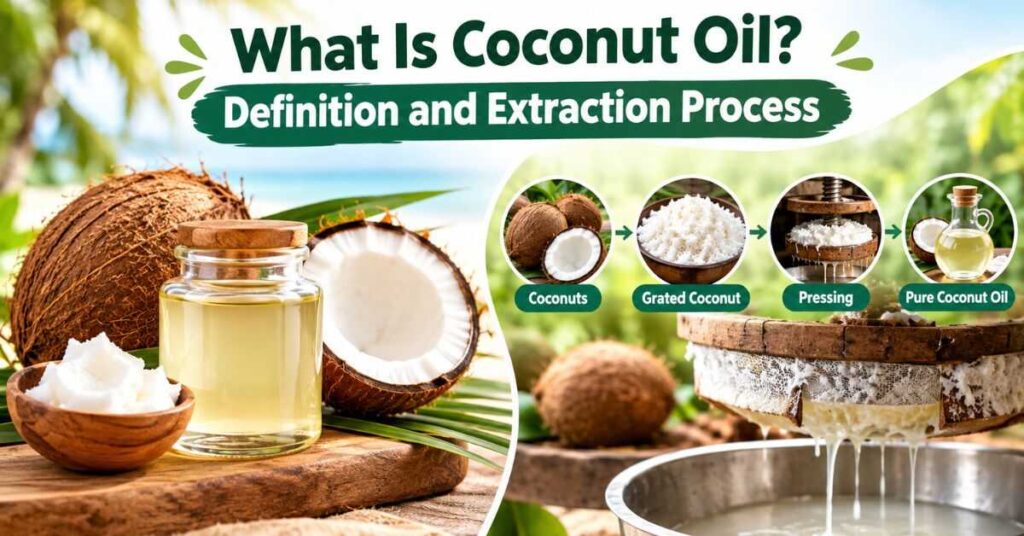
Coconut oil is one of the most versatile plant fats available today, harvested primarily from the inner white flesh (known as the copra or endosperm) of mature coconuts. Traditional production generally follows two distinct pathways: the dry method and the wet method.
- The Dry Method: Workers harvest mature coconuts, split them open, and allow the white kernel to dry out—either under the tropical sun, in smoke-houses, or via mechanical kilns. Once dried, the copra is pressed using heavy expellers to physically extract the raw coconut oil.
- The Wet Method: Fresh coconut meat is grated and pressed directly with water to extract coconut milk. This emulsion is then heated, fermented, or centrifuged to separate the pure oil from water and protein solids. This method yields high-grade virgin oil with a rich, authentic aroma.
Types of Coconut Oil: Refined vs. Unrefined vs. Virgin
When shopping or cooking, you will encounter multiple variations of coconut oil, each undergoing different levels of processing. Understanding these differences helps you select the right option for your culinary style:
- Virgin / Unrefined Coconut Oil: Extracted from fresh coconut meat without high heat or chemical solvents. It retains a distinct, tropical coconut flavor and aroma, along with a high concentration of natural antioxidants.
- Refined Coconut Oil: Produced from dried copra. It typically undergoes bleaching and deodorizing processes using natural clay filters to remove impurities and create a neutral taste and smell. Refined oil is an excellent choice if you want the benefits of coconut oil without imparting a coconut flavor to your dishes.
- MCT Oil vs. Coconut Oil: While pure coconut oil contains medium-chain triglycerides (MCTs) like lauric acid, specialized MCT oil is fractionated to isolate specific fast-absorbing fatty acids (such as caprylic and capric acid) that remain liquid at room temperature.
Key Characteristics of Pure Coconut Oil
Pure, high-quality coconut oil possesses unique physical and chemical properties that make it a favorite in both kitchens and laboratories.
- Melting Point: Coconut oil has a sharp melting point right around 76°F (24°C). In warmer environments or tropical climates, it remains a clear, pourable liquid. In cooler room temperatures, it solidifies into a crisp, pure-white solid fat.
- Smoke Point: Unrefined virgin coconut oil has a smoke point of approximately 350°F (177°C), whereas high-heat refined coconut oil can withstand temperatures up to 400°F (204°C), making it suitable for sautéing and light frying.
- Shelf Life: Thanks to its high concentration of saturated fatty acids and natural antimicrobial properties, pure coconut oil resists oxidation and rancidity, boasting a remarkably stable shelf life without requiring refrigeration.
Comparison Snapshot: Types of Coconut Oil
| Type of Coconut Oil | Processing Level | Flavor & Aroma | Primary Cooking Use |
| Virgin (Unrefined) | Minimal; cold-pressed from fresh milk | Strong, sweet coconut taste | Baking, low-heat sautéing, tropical smoothies |
| Refined | Filtered, deodorized (steam-cleaned) | Completely neutral / tasteless | High-heat frying, neutral-flavor cooking |
| Fractionated (MCT) | Liquid fraction extraction | Completely odorless and tasteless | Salad dressings, fast-absorbing energy shakes |
What Is Coconut Butter? Definition and Production
Why Is It Called Butter? Understanding Coconut Butter Production
If you have never encountered coconut butter before, you might assume it is dairy butter infused with coconut flavoring. In reality, it is 100% plant-based and dairy-free! It earns the name “butter” entirely due to its luxuriously thick, spreadable, and melt-in-your-mouth texture. Producing coconut butter often marketed under brand names as coconut manna requires a completely different manufacturing process than extracting oil. Instead of separating the fat from the fibrous meat, producers take dehydrated or dried coconut flakes and grind them down continuously in high-powered stone mills or industrial food processors. This intensive blending breaks down the solid coconut meat completely, releasing its natural oils so that the fiber, protein, and fat fuse into a smooth, homogeneous paste.
How Pure Coconut Butter Differs from Extracted Oil
The fundamental difference between these two pantry staples lies in their whole-food matrix. While pure oil is a refined, isolated fat containing zero fiber or protein, coconut butter preserves the entire nutritional profile of the coconut meat.
- Whole-Food Integrity: Because coconut butter contains the actual pulp of the coconut, it provides dietary fiber, plant-based protein, and essential minerals that are entirely stripped away during oil extraction.
- Culinary Behavior: When you compare coconut butter vs oil in recipes, you will notice that butter acts as a thickener and binder because of its fibrous solids, whereas oil functions strictly as a liquid or solid shortening agent.
- Mouthfeel: Coconut butter offers a dense, creamy, and slightly chewy texture that coats the palate, making it a popular spoonful snack for clean eaters, whereas oil provides a slick, purely fatty mouthfeel.
Texture and Consistency of Coconut Butter
The physical characteristics of coconut butter make it uniquely satisfying to work with in the kitchen.
- Separation Tendency: Over time, the natural coconut oils tend to separate and rise to the top of the jar, leaving the dense fiber settled at the bottom. This is entirely normal and indicates a pure, additive-free product. To restore its smooth consistency, simply place the sealed jar in a bowl of warm water for a few minutes and stir thoroughly.
- Storage Consistency: At cool room temperatures, coconut butter hardens into a thick, fudge-like block. In warmer temperatures, it softens into a rich, velvety spread that drips easily off a spoon.
- Culinary Versatility: Its rich consistency allows it to function as a dairy-free spread on toast, a thickener for vegan frostings, or a decadent addition to post-workout protein smoothies.
Comparison Snapshot: Coconut Butter Production vs Oil Extraction
| Attribute | Coconut Butter Production | Coconut Oil Extraction |
| Starting Material | Dried coconut flakes / whole white kernel | Copra (dried kernel) or fresh coconut milk |
| Processing Method | Long, high-powered grinding & milling | Mechanical pressing, expelling, or centrifuging |
| Retained Elements | Natural fats, dietary fiber, and plant protein | 100% pure extracted fatty acids |
| Final State | Creamy, opaque paste / spread | Clear liquid or white solid fat block |
Core Head-to-Head Comparison: Coconut Butter vs Oil
Coconut Butter vs Oil: Taste and Flavor Profile Differences
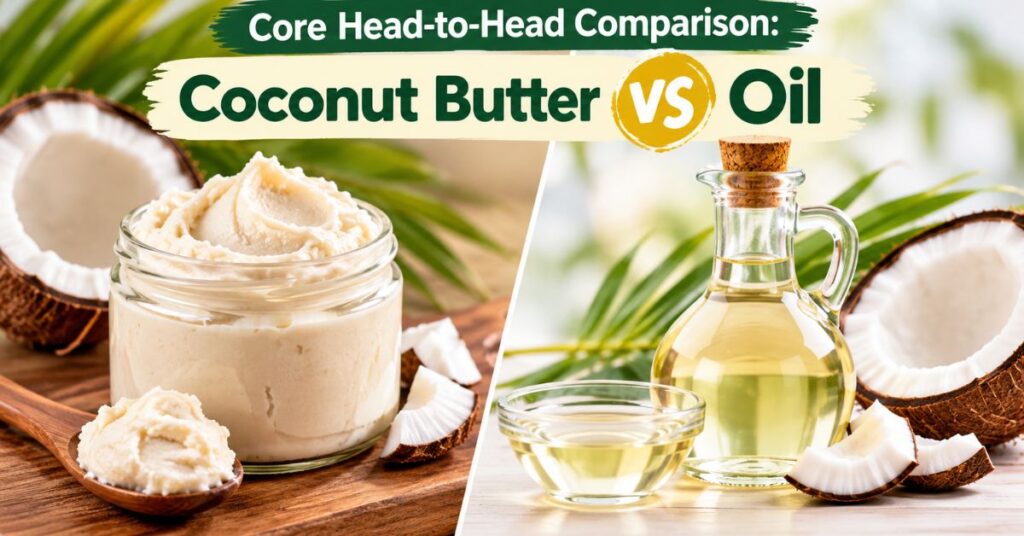
When evaluating coconut butter vs oil for your pantry, understanding their distinct flavour profiles is crucial for successful recipe creation. Pure unrefined coconut oil delivers a clean, unmistakable tropical flavour and aroma that shines brilliantly in baked goods, curries, and light sautés. However, if you use unrefined oil in dishes where coconut flavour is unwanted, it can occasionally overpower delicate savoury components. In contrast, coconut butter offers an intensely rich, naturally sweet, and deeply nutty flavour profile. Because it contains the whole coconut meat, it tastes remarkably like concentrated coconut flesh with a warm, buttery finish that satisfies sweet cravings instantly straight off the spoon.
Coconut Butter vs Oil: Texture, Consistency, and Melting Points
Their physical textures set them apart in both culinary execution and cosmetic applications:
- Texture and Mouthfeel: Coconut oil provides a smooth, slippery, and entirely liquid or melting fat profile depending on ambient temperature. Coconut butter, meanwhile, delivers a thick, dense, and slightly grainy-yet-velvety paste due to the suspended coconut fibers.
- Melting Behavior: Both products react strongly to temperature changes, but their melting thresholds differ. While coconut oil melts cleanly into a transparent liquid at 76°F (24°C), coconut butter requires slightly more warmth and thorough stirring to transform from a fudge-like solid into a pourable glaze because of its high fiber content.
How They Are Made: Whole Kernel vs. Pure Extracted Fat
The manufacturing divergence dictates how each ingredient behaves under heat and mixes into ingredients:
- The Whole Kernel Approach (Butter): Grinding the whole white kernel creates an emulsion of solid plant fibers and natural oils. This structural integrity allows coconut butter to act as a natural thickener and binder in raw desserts and energy balls.
- The Pure Extracted Fat Approach (Oil): Removing all solids through pressing or centrifuging leaves behind pure triglycerides. This lack of moisture and fiber allows coconut oil to disperse evenly across hot pans without burning or curdling.
Comparison Snapshot: Head-to-Head Attributes
| Comparison Feature | Coconut Butter | Coconut Oil |
| Primary Flavor | Rich, sweet, nutty, and intensely coconutty | Clean, tropical, or neutral (if refined) |
| Structural Role | Thickener, binder, and nutrient-dense spread | Cooking medium, frying fat, and liquid carrier |
| Fiber & Protein | Present (contains whole coconut meat solids) | Absent (pure isolated lipid fraction) |
| Best Culinary Use | Smoothies, frostings, raw treats, and oatmeal toppings | Frying, roasting, baking, and high-heat sautéing |
Read More: https://pureoilshub.com/argan-oil-hair-mask/
Nutritional Analysis: Coconut Butter vs Oil
Macronutrient Breakdown in Coconut Butter vs Oil
When examining the macronutrients of coconut butter vs oil, you are looking at two very different dietary profiles. Coconut oil is classified strictly as a lipid source; a standard one-tablespoon serving consists almost entirely of fat, with zero carbohydrates, fiber, or protein. Conversely, because coconut butter incorporates the whole meat of the coconut, a single serving delivers a balanced mix of healthy fats alongside dietary fiber, natural carbohydrates, and trace plant proteins. This distinction is vital for anyone tracking their daily macros, as coconut butter contributes a minor caloric and carbohydrate footprint that coconut oil completely bypasses.
Calorie, Fiber, and Protein Content Comparison
Understanding the numbers behind coconut butter vs oil calories helps you integrate them accurately into your meal planning or weight management goals. While both are calorie-dense due to their high fat content, their structural breakdowns differ noticeably:
- Coconut Oil Calories: Packs approximately 120 calories and 14 grams of pure fat per tablespoon, with zero fiber and zero protein.
- Coconut Butter Calories: Delivers roughly 100 to 110 calories per tablespoon, but contains about 2 to 3 grams of carbohydrates, 1 to 2 grams of dietary fiber, and a trace amount of protein, alongside roughly 10 to 11 grams of fat.
- The Fiber Advantage: The presence of dietary fiber in coconut butter slows down digestion, promoting a longer-lasting feeling of fullness compared to isolated oil.
Fat Type Comparison: Medium-Chain Triglycerides (MCTs) in Coconut Butter vs Oil
Both products share a common superpower: an exceptionally high concentration of medium-chain triglycerides (MCTs), specifically lauric acid. Unlike long-chain fatty acids found in many animal products, MCTs are rapidly absorbed by the digestive tract and transported directly to the liver, where they can be quickly utilized for clean cellular energy. Because coconut butter is made directly from the whole kernel, it retains this exact same lipid profile, meaning you reap the metabolic benefits of lauric acid whether you choose butter or oil.
Glycemic Index and Blood Sugar Impact of Coconut Butter vs Oil
Because neither pure coconut oil nor coconut butter contains significant simple sugars, both products have a negligible glycemic index and will not cause rapid spikes in blood glucose levels. However, coconut butter provides a small amount of dietary fiber and natural fats working in tandem, which further stabilizes digestion and blunts any potential glycemic response. This makes coconut butter an excellent, keto-friendly alternative to traditional nut butters that often contain added sweeteners.
Comparison Snapshot: Nutritional Profile per Tablespoon
| Nutritional Marker | Coconut Oil | Coconut Butter |
| Calories | ~120 kcal | ~100–110 kcal |
| Total Fat | 14g | 10–11g |
| Carbohydrates | 0g | 2–3g |
| Dietary Fiber | 0g | 1–2g |
| Protein | 0g | <1g |
| Primary Fat Type | Medium-Chain Triglycerides (MCTs / Lauric Acid) | Medium-Chain Triglycerides (MCTs / Lauric Acid) |
Vitamin and Mineral Content Comparison
Vitamin Content Analysis for Coconut Butter vs Oil
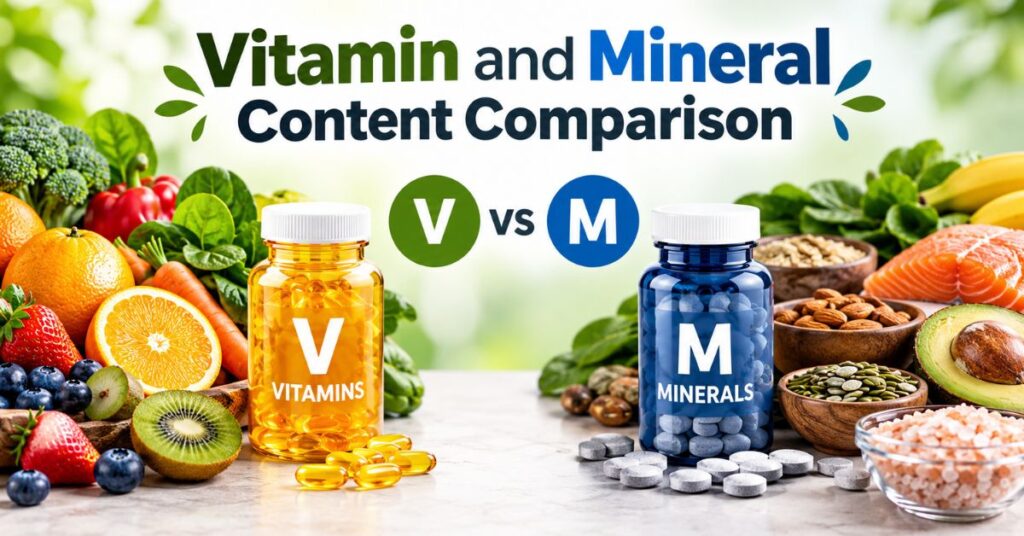
When assessing the micronutrient profiles of coconut butter vs oil, the processing method once again creates a distinct division. Pure coconut oil, having undergone physical separation and filtering, consists almost entirely of isolated lipids, meaning fat-soluble vitamins like vitamin E and vitamin K are present only in trace, negligible amounts. In contrast, coconut butter retains the whole-food matrix of the coconut kernel. This includes small, natural amounts of fat-soluble antioxidants and vitamin E compounds that help protect the plant fats from oxidation, offering a slightly more robust nutritional profile.
Mineral Profiles: What’s Inside Coconut Butter vs Oil?
Minerals such as iron, potassium, magnesium, and calcium are bound within the fibrous meat of the coconut.
- Coconut Oil Minerals: Because the fiber and solid pulp are entirely filtered out during oil production, refined and virgin coconut oils contain virtually zero dietary minerals.
- Coconut Butter Minerals: Because coconut butter is made by pureeing the whole kernel, it inherits trace quantities of essential minerals like potassium and iron from the coconut meat. While it should not be relied upon as a primary mineral source, these micronutrients contribute to its whole-food integrity.
Impact on Cholesterol Levels and Heart Health
The relationship between coconut fats and cardiovascular health has long been a subject of nutritional debate. Both coconut butter and coconut oil are exceptionally high in saturated fats—predominantly lauric acid.
- HDL vs. LDL Effects: Research indicates that while saturated fats from coconut products can raise low-density lipoprotein (LDL) cholesterol, they simultaneously tend to raise high-density lipoprotein (HDL) cholesterol (often referred to as “good” cholesterol).
- Cardiologist Perspectives: Health organizations recommend moderation, as individual responses to saturated fats can vary based on genetics, lifestyle, and overall dietary patterns. Incorporating these fats into a balanced diet rich in vegetables, lean proteins, and whole grains ensures you enjoy their flavor and energy benefits without overloading on saturated lipids.
Comparison Snapshot: Vitamin & Mineral Profiles
| Micronutrient Marker | Coconut Oil | Coconut Butter |
| Vitamin E (Tocopherols) | Trace or negligible | Present in small whole-food amounts |
| Dietary Minerals (Iron, Potassium) | None / Trace | Trace amounts from whole coconut solids |
| Antioxidants | Higher in unrefined virgin variants | Present via whole-kernel retention |
| Cholesterol Impact | Can raise both HDL and LDL cholesterol | Can raise both HDL and LDL cholesterol |
Health Impacts and Benefits of Coconut Butter vs Oil
Health Benefits of Consuming Coconut Oil
Coconut oil has earned a stellar reputation in the clean-eating and fitness communities for several science-backed reasons. Because it consists of roughly 90% saturated fats over 50% of which is lauric acid it offers unique metabolic advantages. When you consume coconut oil, your body quickly converts its medium-chain triglycerides (MCTs) into rapid cellular energy rather than storing them directly as adipose tissue. Additionally, lauric acid boasts natural antimicrobial and antifungal properties that support gut health by combating harmful pathogens in the digestive tract.
Health Benefits of Consuming Coconut Butter
When evaluating coconut butter benefits, you gain all the metabolic perks of MCTs combined with the added advantage of whole-food fiber. Because coconut butter retains the fibrous meat of the coconut, it provides gentle support for digestive regularity and satiety. Eating a spoonful of coconut butter helps stabilize blood sugar levels by slowing down gastric emptying, making it a fantastic snack for crushing afternoon sugar cravings. Furthermore, its rich plant-based profile provides a comforting sense of fullness that isolated oils simply cannot replicate.
Potential Downsides and Warnings from Cardiologists
Despite their widespread popularity, health professionals advise caution regarding excessive consumption of tropical fats. Major cardiovascular organizations and cardiologists often warn that because both coconut butter and coconut oil are dense sources of saturated fatty acids, overindulging can elevate blood cholesterol levels. If consumed in large quantities within a diet already high in processed fats, it may increase the risk of plaque buildup in arterial walls. Moderation is key; treating these ingredients as functional superfoods rather than pouring them indiscriminately into every meal ensures you reap their rewards safely.
Comparison Snapshot: Health Impacts
| Health Category | Coconut Oil Impact | Coconut Butter Impact |
| Energy & Metabolism | Rapid MCT absorption for quick cellular energy | Sustained energy paired with slower digestion |
| Digestive Support | Antimicrobial lauric acid supports gut flora | Dietary fiber promotes regularity and satiety |
| Satiety & Cravings | Moderate fat-induced fullness | High satiety due to combined fat and fiber matrix |
| Cardiovascular Note | High saturated fat content requires moderation | High saturated fat content requires moderation |
Dispelling Myths About Coconut Butter vs Oil
Myth vs. Fact: Is Coconut Oil Actually Safe to Consume Daily?
- The Myth: Many wellness trends claim that you can consume unlimited amounts of coconut oil every day to melt away body fat and achieve flawless health without any cardiovascular consequences.
- The Fact: While moderate consumption of coconut oil provides beneficial medium-chain triglycerides (MCTs) and antimicrobial lauric acid, treating it as a free-for-all superfood is misleading. Because it is 100% pure saturated fat, overconsuming it can negatively impact your lipid panel. Incorporating one to two tablespoons daily into a balanced, nutrient-dense diet is safe for most healthy individuals, but it should complement rather than replace monounsaturated fats like olive oil and omega-3-rich sources.
Can You Replace Carbs with Fats Using Coconut Butter vs Oil?
- The Myth: You can completely swap dietary carbohydrates for coconut fats to achieve instant metabolic ketosis and rapid weight loss.
- The Fact: While ketogenic diets utilize healthy fats for fuel, replacing carbohydrates indiscriminately with high-calorie fats like coconut butter vs oil can easily push you into a daily caloric surplus. Weight management still relies on energy balance. Furthermore, coconut butter does contain a small amount of natural carbohydrates and dietary fiber, meaning it is not a zero-carb food in the way pure coconut oil is. Balance and portion control remain essential.
Clearing Up Common Misconceptions
- Misconception 1: Coconut butter is dairy butter. Because of its name, many people assume coconut butter contains dairy or cow’s milk solids. In reality, it is completely plant-based, vegan, and lactose-free.
- Misconception 2: All coconut oils are chemically extracted. While some commercial oils undergo heavy refining, bleaching, and deodorizing, virgin and unrefined variants are cold-pressed directly from fresh coconut milk without harsh chemical solvents.
- Misconception 3: Coconut oil and coconut butter can be used interchangeably in every recipe. Because coconut butter contains solid fiber and thickens mixtures, swapping it directly for liquid oil in baking or pan-frying can ruin the texture of your dish.
Comparison Snapshot: Myths vs. Realities
| Common Myth | Nutritional Reality |
| “Coconut oil is a magic weight-loss cure.” | It provides fast-burning MCTs, but it is still calorie-dense and requires caloric moderation. |
| “Coconut butter is packed with dairy.” | It is 100% dairy-free, made entirely from pure ground coconut meat. |
| “You can substitute butter and oil 1:1 anywhere.” | Fiber content in butter changes baking absorption; they behave differently under high heat. |
Skincare and Beauty Applications: Coconut Butter vs Oil
Skincare Benefits of Coconut Butter vs Oil
When exploring tropical self-care remedies, people frequently ask about coconut butter vs oil for skin hydration and repair. Both products offer phenomenal emollient properties thanks to their rich concentration of fatty acids. Because coconut oil is composed of pure, lightweight lipids, it melts instantly upon contact with warm skin, forming a protective moisture barrier that locks in hydration and shields against environmental stressors. Meanwhile, coconut butter brings not only those same nourishing lipids but also trace antioxidants and whole-kernel nutrients, making it a luxurious, deeply softening treat for rough elbows, heels, and chapped winter skin.
Absorption Rates: Coconut Butter vs Oil Penetrates the Skin
Understanding how each product interacts with the skin barrier helps you select the right option for your beauty routine:
- Coconut Oil Absorption: Because it is an isolated, low-viscosity liquid fat when warmed, coconut oil glides on smoothly and absorbs relatively quickly into the upper epidermis, leaving a dewy, glowing sheen without heavy residue.
- Coconut Butter Absorption: Containing suspended solid coconut fibers and denser plant proteins, coconut butter behaves more like a rich body butter or salve. It requires a bit more massage friction to melt completely into the skin, leaving behind a longer-lasting, protective lipid film.
Coconut Butter vs Oil for Dry Skin Types
If you suffer from chronically dry, flaky, or dehydrated skin, both ingredients serve as exceptional natural moisturizers. Applying virgin coconut oil right after a warm shower traps residual moisture inside the skin cells, instantly relieving tightness. If your skin needs extra intensive repair, using coconut butter vs oil for skin care means you can harness the rich fiber-and-fat matrix of coconut butter to deeply condition severely chapped areas and restore soft, supple texture.
Coconut Butter vs Oil for Oily Skin Types
Navigating facial hydration when you have oily or combination skin requires caution. Because coconut oil and coconut butter are both rich in heavy fatty acids, applying them directly to an acne-prone or naturally oily face can overwhelm the skin. If you have oily skin, it is generally wise to avoid using pure coconut oil or butter as a daily facial moisturizer, as their rich lipid profiles can easily sit on the surface and exacerbate excess sebum production. Instead, reserve them for body care or targeted dry-patch treatments.
Considerations and Safety for Sensitive Skin
While natural plant products are prized for being chemical-free, sensitive skin types should always proceed with caution. Virgin coconut oil and coconut butter possess natural fragrances and active botanical compounds that can occasionally cause irritation or allergic contact dermatitis in individuals with hyper-sensitive skin barriers. Always perform a simple patch test on the inside of your inner forearm 24 hours before applying any new coconut-based product to your face or neck.
Can Coconut Butter vs Oil Cause Clogged Pores or Acne Breakouts?
A frequent concern in beauty communities is whether these products are comedogenic. On the standard 0-to-5 comedogenicity scale, pure coconut oil ranks around a 4, meaning it has a high probability of clogging pores. Because coconut butter is made directly from the whole coconut meat and contains those same heavy pore-clogging fats alongside solid fiber, it is equally comedogenic. If you are prone to cystic acne, blackheads, or body breakouts, it is best to avoid applying either product directly to your face and chest, focusing instead on non-comedogenic alternatives like jojoba or grapeseed oil for facial care.
Comparison Snapshot: Skincare Performance
| Skincare Attribute | Coconut Oil | Coconut Butter |
| Best Skin Application | Body moisturizing, hair mask sealing, nail care | Intensive body balms, dry heel/elbow repair |
| Skin Penetration | Fast-spreading liquid lipid film | Rich, protective, slow-absorbing salve layer |
| Comedogenic Rating | High (Ranked ~4 out of 5) | High (Contains pore-clogging coconut lipids) |
| Ideal Skin Type | Normal to dry body skin | Severely dry or calloused skin |
Culinary Uses and Cooking Methods

Cooking and Baking Uses for Coconut Oil
When it comes to coconut butter vs oil for cooking, coconut oil stands out as the undisputed champion of the stovetop and oven. Thanks to its clean, uniform liquid state when melted, coconut oil is exceptionally easy to measure, pour, and distribute evenly across batters, pans, and roasting trays. Unrefined virgin coconut oil adds a delightful, subtle tropical aroma to baked goods like cookies, granola bars, and vegan brownies. Meanwhile, refined coconut oil provides a completely neutral canvas, allowing you to roast vegetables, sear plant-based proteins, or pop stovetop popcorn without imparting any unwanted coconut flavor to your savory dishes.
Creative Ways to Enjoy Coconut Butter in the Kitchen
Coconut butter is a culinary treasure reserved for texture-rich applications and raw flavor enhancements rather than high-heat frying. Because of its thick, fudge-like consistency, it opens up a world of creative possibilities:
- The Ultimate Spread: Slather a thick layer of warmed coconut butter onto warm sourdough toast, banana bread, or rice cakes for a decadent, dairy-free treat.
- Smoothie Boosters: Drop a tablespoon of coconut butter into your morning post-workout smoothie to lend a velvety, milkshake-like thickness alongside sustained energy.
- Raw Frostings and Fat Bombs: Melt coconut butter with raw cacao powder and a touch of maple syrup to create an effortless, healthy chocolate glaze for raw desserts and energy balls.
How to Choose Between Coconut Butter vs Oil for Recipes
Knowing when to select coconut butter vs oil ensures your culinary creations turn out with the exact texture and flavor profile you intended:
- Choose Coconut Oil When: You are roasting vegetables, frying over medium-high heat, making flaky pie crusts, or looking for a smooth, liquid fat that incorporates seamlessly without adding solid fiber.
- Choose Coconut Butter When: You want to thicken a raw dessert, create a creamy dairy-free spread, add rich fiber to oatmeal, or make a decadent sauce where coconut flavor and a thick mouthfeel are desired.
High-Heat Cooking: Which One Has a Higher Smoke Point?
When evaluating cooking performance, smoke points dictate which fat is safe for high-heat applications:
- Coconut Oil Smoke Point: Unrefined virgin coconut oil has a moderate smoke point of roughly 350°F (177°C), while processed, high-heat refined coconut oil can withstand temperatures up to 400°F (204°C), making it suitable for standard stovetop sautéing and baking.
- Coconut Butter Smoke Point: Coconut butter is not suitable for high-heat cooking, frying, or searing. Because it contains suspended coconut meat solids, sugars, and dietary fiber, these components will burn, scorch, and turn bitter very quickly when exposed to direct pan heat. Always reserve coconut butter for raw culinary uses, low-temperature melting, or post-cooking garnishes.
Comparison Snapshot: Culinary Applications
| Culinary Metric | Coconut Oil | Coconut Butter |
| Smoke Point | 350°F – 400°F (177°C – 204°C) | Not suitable for high-heat cooking (solids burn) |
| Best Cooking Method | Sautéing, roasting, baking, and light frying | Raw blending, stirring into oatmeal, making spreads |
| Behavior in Batters | Acts as a liquid shortening/fat | Acts as a thickener, binder, and fiber source |
Recipe Substitutions: Can You Swap Coconut Butter vs Oil?
Can You Substitute Coconut Oil for Coconut Butter in Baking?
Attempting a direct one-to-one swap of coconut oil for coconut butter in baking can completely alter the final texture of your recipe. Because coconut oil is 100% pure liquid or solid fat, it provides moisture and tenderness to cakes, cookies, and quick breads. Coconut butter, however, contains dense solid coconut fibers and plant proteins that absorb liquid and act as a natural thickener. If you substitute coconut oil for coconut butter directly, your baked goods may turn out dry, overly dense, or crumbly because you are removing essential moisture while adding extra solids. To substitute successfully, you must adjust the liquid components in your recipe to account for the absorbent nature of the coconut fiber.
Can You Use Coconut Butter as a Spread Instead of Oil?
When looking for a rich, satisfying spread, coconut butter shines far brighter than coconut oil. Because coconut oil is a pure lipid, it melts into a runny liquid at warm room temperatures, making it messy and impractical to spread over toast, pancakes, or waffles. Coconut butter, with its thick, creamy, fudge-like consistency, is tailor-made for spreading. It clings beautifully to warm surfaces, softening into a luscious, buttery glaze that satisfies sweet cravings without requiring any dairy.
Best Healthy Substitutes for Butter and Oil
If you find yourself out of tropical ingredients or looking to diversify your pantry, several nutritious alternatives can step in seamlessly:
- For Baking and Cooking: Avocado oil and extra virgin olive oil serve as fantastic liquid fat substitutes for coconut oil, offering heart-healthy monounsaturated fats and high smoke points.
- For Spreads and Thickeners: Natural almond butter, cashew butter, or traditional grass-fed dairy butter can replace coconut butter in recipes depending on your dietary restrictions and flavor preferences.
Comparison Snapshot: Substitution Guide
| Swap Scenario | Can You Swap Directly? | Chef’s Tip for Success |
| Using Oil in place of Butter | No (Changes texture) | Add extra flour or binding agent to compensate for lost fiber solids. |
| Using Butter in place of Oil | No (Absorbs liquid) | Add a splash of water, plant milk, or extra liquid sweetener to balance moisture. |
| Using Butter as a Spread | Yes (Ideal) | Warm the jar slightly for easy, creamy spreading on toast or fruit. |
DIY Skincare Recipes Using Coconut Butter vs Oil
Nourishing Body Lotion Using Coconut Butter vs Oil
Harnessing natural ingredients for your personal care routine is a rewarding way to pamper your skin without exposing it to synthetic fragrances and chemical preservatives. When crafting a rich, DIY body lotion, understanding the distinct textural roles of coconut butter vs oil for skin care allows you to customize your hydration levels. While coconut oil provides a silky, fast-spreading base, incorporating nutrient-dense coconut butter creates a luxurious, salve-like cream that locks in long-lasting moisture.
To create a deeply nourishing whipped body butter, combine equal parts of unrefined coconut butter and virgin coconut oil in a glass mixing bowl. Gently warm the mixture over a double boiler until both components melt into a unified liquid. Remove it from the heat and let it cool in the refrigerator for about 30 minutes until it reaches a soft, slushy consistency. Using an electric hand mixer, whip the mixture vigorously for 5 to 7 minutes until it transforms into a light, fluffy, cloud-like body cream. Transfer the whipped lotion into a clean glass jar and massage a small amount onto damp skin right after your shower to seal in maximum hydration.
Deep Cleansing Face Wash Recipes
Creating a DIY facial cleanser requires careful consideration, especially given the comedogenic nature of tropical fats. While heavy oils can overwhelm acne-prone skin, a gentle oil-cleansing method using a lightweight base can effectively dissolve makeup, excess sebum, and daily impurities without stripping the skin barrier.
To create a balancing cleansing balm, mix two tablespoons of melted virgin coconut oil with one tablespoon of jojoba oil. Add a few drops of lavender essential oil. Massage a dime-sized amount onto dry facial skin for 60 seconds to break down waterproof makeup. Take a clean washcloth soaked in warm water. Wring out the excess heat. Drape it over your face for 30 seconds to open pores before wiping the oil away. Furthermore, because both options carry a high comedogenic rating, oily or acne-prone skin types should use this mixture strictly as an occasional makeup remover instead of a daily face wash.
DIY Lip Balms and Exfoliating Body Scrubs
Chapped lips and rough patches require heavy-duty protection against environmental drying. Because coconut butter contains solid plant fibers and rich natural fats, it makes an exceptional base for DIY lip balms and exfoliating body scrubs that buff away dead skin cells while leaving a protective moisture barrier behind.
- Hydrating Coconut Lip Balm: Melt one tablespoon of coconut butter with one tablespoon of pure beeswax pellets and one teaspoon of sweet almond oil in a small glass dish. Pour the liquid mixture into small lip balm tins and allow it to solidify at room temperature for an hour. The beeswax gives the balm structural firmness while the coconut butter delivers a rich, creamy, sweet-tasting finish.
- Tropical Exfoliating Body Scrub: Mix half a cup of coarse brown sugar with one quarter cup of warmed coconut oil and two tablespoons of shredded coconut flakes. The sugar crystals physically slough away rough, dead skin cells on elbows and legs, while the coconut oil melts into the fresh skin layers, leaving you with an irresistibly smooth, glowing summer finish.
Buyer’s Guide and Where to Purchase
Raw Virgin Options vs. Processed Alternatives
When shopping for high-quality coconut products, navigating supermarket aisles can be overwhelming due to the sheer variety of labels. Understanding the difference between raw virgin options and heavily processed alternatives ensures you bring home a pure, nutrient-dense product.
- Virgin and Unrefined Options: Extracted using minimal heat and chemical-free mechanical pressing, raw virgin coconut oil and pure coconut butter retain their natural antioxidant properties, vitamins, and authentic tropical aroma. These are the gold standard for both clean eating and DIY beauty treatments.
- Processed and Hydrogenated Alternatives: Highly refined oils undergo bleaching, deodorization, and chemical extraction to strip away color and flavor. While refined oil is useful for neutral, high-heat cooking, heavily processed spreads or hydrogenated imitation fats often contain added trans fats or artificial preservatives that diminish their health benefits. Always check ingredient labels to ensure the product lists 100% pure coconut ingredients.
Where to Buy Quality Coconut Butter vs Oil Online and In-Store
Finding premium coconut products has become remarkably easy as plant-based living continues to surge in popularity.
- Health Food Stores and Supermarkets: Major grocery chains, organic markets, and specialty health stores typically stock reputable brands of both virgin coconut oil and coconut manna (butter) in their baking or international aisles. Look for glass jars rather than plastic containers, as glass prevents chemical leaching and preserves freshness.
- Online Marketplaces: Platforms like Amazon, specialized organic wellness sites, and direct-to-consumer brand websites offer an extensive selection of certified organic, cold-pressed, and ethically sourced options. Shopping online also allows you to compare customer reviews and check for third-party purity certifications.
Proper Storage Tips to Prevent Spoilage
One of the greatest advantages of coconut products is their exceptional shelf stability, largely thanks to their high concentration of stable saturated fats.
- Storing Coconut Oil: Keep your jar of coconut oil tightly sealed in a cool, dark pantry away from direct sunlight and stovetop heat. It does not require refrigeration and will easily remain fresh for up to two years. Always use a clean, dry spoon to scoop out portions to prevent introducing moisture or bacteria.
- Storing Coconut Butter: Coconut butter behaves similarly but has a tendency to separate over time, with the natural oils rising to the top. Store it at room temperature. If separation occurs, simply place the sealed jar in a bowl of hot water for 5 to 10 minutes, then stir vigorously to restore its smooth, creamy consistency. If your kitchen remains exceptionally warm, storing coconut butter in the refrigerator can extend its shelf life, though you will need to let it soften at room temperature before spreading.
How to Spot Adulterated or Low-Quality Products When Buying
Ensuring you get your money’s worth means knowing how to spot inferior or cut products before purchasing:
- Inspect the Color and Clarity: Pure unrefined coconut oil should be crystal clear when liquid and pure, bright white when solid. A yellowish tint or dull appearance can indicate old stock or poor processing.
- Check the Ingredient List: Premium coconut butter should list only one ingredient: organic coconut. If you see added vegetable oils, palm oil, hydrogenated fats, or artificial sweeteners, put the jar back. Pure products rely entirely on the natural sweetness and richness of the coconut itself.
- Evaluate Aroma and Taste: High-quality virgin coconut oil and butter should feature a fresh, pleasant, distinctly tropical scent. If the product smells rancid, chemically treated, or completely odorless when it is supposed to be unrefined, it has likely oxidized or degraded.
Conclusion: Choosing the Right Option for Your Lifestyle
As we wrap up this comprehensive deep dive into coconut butter vs oil, it is clear that both of these tropical powerhouses deserve a coveted spot in your pantry. While they originate from the exact same botanical source—the magnificent coconut palm—their distinct processing methods give birth to two entirely different functional ingredients.
To recap how to choose between them:
- Opt for Coconut Oil when you need a pure, stable cooking medium for high-heat sautéing, roasting, or baking, or when you want a lightweight, fast-absorbing emollient for your body care routine. Its 100% lipid profile and high concentration of medium-chain triglycerides (MCTs) make it a stellar fuel source and kitchen staple.
- Opt for Coconut Butter when you want to elevate your raw treats, blend a velvety, milkshake-like protein smoothie, or enjoy a rich, fiber-packed spread on your morning toast. Because it preserves the whole-food matrix of the coconut meat, it offers gentle dietary fiber and sustained satiety that isolated oils simply cannot match.
Whether managing your macros, exploring natural skincare, or testing culinary recipes, knowing the unique strengths of coconut butter vs oil ensures maximum potential. Enjoy them mindfully. Keep moderation in mind for cardiovascular health. Let these versatile ingredients bring delicious flavor and wellness benefits to your everyday life.
About the Author
Noor Fatima | SEO Expert & Natural Oils Specialist
Credentials:
As an SEO expert and the driving force behind Pure Oils Hub (pureoilshub.com), I combine over 8 years of digital strategy and search optimization with a deep, lifelong passion for organic aromatherapy and plant-based living.
First-Hand Experience:
“Navigating the digital landscape for more than 8 years while researching pure botanical and carrier oils has shown me that creating a truly helpful website takes more than just technical SEO. It requires a genuine commitment to cutting through the noise of commercial, synthetic products to deliver honest, thoroughly researched, and practical guides. My goal is to make natural wellness accessible to everyone, helping you discover the simple, powerful ways pure oils can transform your daily self-care routine.”
FAQs
Is coconut oil healthier than coconut butter?
Neither product is universally healthier than the other. Instead, their benefits depend entirely on your daily routine. Coconut oil provides a pure, concentrated source of medium-chain triglycerides and lauric acid without added carbohydrates. Consequently, it works ideally for quick cellular energy and high-heat cooking. Conversely, coconut butter delivers those exact same healthy fats alongside whole-food dietary fiber and trace plant proteins. Therefore, these elements slow digestion and promote lasting satiety. Ultimately, if you track macros strictly or fry food, coconut oil remains preferable. However, if you want fiber and sustained fullness, coconut butter takes the crown.
Can I use coconut butter on my face instead of oil?
Applying either coconut butter or coconut oil directly to your face requires caution. Both options carry a high comedogenic rating around 4 out of 5. Consequently, they tend to clog pores, trap bacteria, and trigger breakouts across several skin types. Although they offer deep moisturization for dry body skin, elbows, and heels, using them as daily facial moisturizers often causes acne and congestion. Therefore, if you manage acne-prone, oily, or combination skin, you should avoid facial application. Instead, opt for lighter, non-comedogenic alternatives.
What is the healthiest substitute for butter and oil?
When looking for nutritious alternatives to traditional dairy butter or tropical oils, several heart-healthy options can elevate your recipes:
- For Cooking and Baking: Extra virgin olive oil and avocado oil are exceptional liquid swaps rich in monounsaturated fats that support cardiovascular wellness and withstand moderate to high heat.
- For Spreads and Baking Fat: Natural, additive-free almond butter or cashew butter provides a wonderful nutrient profile with healthy fats, plant protein, and dietary fiber.
Why do cardiologists sometimes say to avoid coconut oil?
Cardiologists and major health groups advise moderation with coconut products. Coconut oil and coconut butter contain high levels of saturated fatty acids, mostly lauric acid. Large amounts of saturated fat can raise low-density lipoprotein cholesterol in certain people. Over time, this buildup may affect cardiovascular health if paired with poor nutrition. Healthy adults can safely consume a spoonful daily within a balanced, fiber-rich lifestyle. However, treating these calorie-dense fats as unlimited health foods carries risks. Proper balance protects your long-term wellness profile.