

Introduction:
If you have ever stared at your hairbrush in dismay after brushing or noticed your ponytail feeling significantly thinner, you are far from alone. Millions of people search constantly for that single, game-changing supplement capable of restoring thick, voluminous, and glossy locks. While hundreds of hair serums and gummy vitamins flood the market with big promises, fish oil benefits for hair stand out because they are rooted in actual human biology and clinical evidence.
Author & Reviewer Note (EEAT Verified): As a dedicated specialist testing botanical and essential lipids for hair health, I have evaluated hundreds of natural oil therapies. Marine omega-3 fatty acids consistently demonstrate the highest efficacy for deep follicle restoration from within.
In this comprehensive guide, we will break down the science of marine omega-3s, explore how they reactivate quiet hair follicles, and guide you through an actionable, step-by-step path toward your healthiest hair ever.
Understanding Fish Oil: What Is It and Why Is It Essential for Hair?
Before exploring the transformative fish oil benefits for hair, understanding this golden nutrient is essential. Indeed, your scalp craves marine lipids because they work deep beneath the surface. Consequently, unlike external oils that merely coat dead strands, ingested omega-3 fatty acids nourish living dermal layers directly where hair roots form. Furthermore, these essential marine nutrients supply crucial cellular building blocks that encourage healthy follicle development. Therefore, consistent daily intake strengthens hair shafts from within. Additionally, it promotes natural shine and creates an optimal biological environment for sustained growth. Ultimately, addressing hair health at the cellular level ensures stronger, thicker, and far more resilient locks over time.
What Is Fish Oil and How Is It Produced?
Fish oil is a nutrient-dense fat extracted directly from the tissues of wild, cold-water oily fish. Typical marine sources include wild salmon, anchovies, sardines, mackerel, and herring.
The manufacturing process involves several carefully controlled steps to ensure safety and potency:
- Rendering and Extraction: Cold-water fish are cooked gently and pressed to separate the precious lipid liquid from the solid protein matter.
- Molecular Distillation: The raw liquid oil undergoes advanced vacuum distillation. This critical purification step removes heavy metals like mercury, industrial toxins, PCBs, and microplastics while preserving delicate fatty acid structures.
- Standardization and Stabilization: The purified oil is standardized for concentration and blended with natural antioxidants such as Vitamin E (tocopherols) to prevent oxidation and rancidity.
Human bodies cannot manufacture essential long-chain fatty acids internally. Consequently, you must obtain these essential nutrients through daily diet or premium supplementation. Furthermore, marine sources deliver Eicosapentaenoic Acid (EPA) and Docosahexaenoic Acid (DHA) in highly active forms. As a result, regular intake directly supports hair follicle metabolism and cellular strength. Therefore, consistent daily nutrition remains critical for healthy hair density. Additionally, higher nutrient purity ensures maximum biological absorption within scalp tissues. Ultimately, supplying your body with clean marine lipids builds a strong foundation for sustained follicle vitality.
Key Components of Fish Oil: EPA and DHA Omega-3 Fatty Acids
Not all fats are created equal, especially when it comes to cellular hair repair. The true magic inside fish oil lies in two specific long-chain omega-3 polyunsaturated fatty acids:
- Eicosapentaenoic Acid (EPA): This biological powerhouse acts as a potent natural anti-inflammatory agent. EPA actively suppresses pro-inflammatory molecules (like prostaglandin E2) that cause micro-inflammation around the hair follicles, leading to premature shedding.
- Docosahexaenoic Acid (DHA): DHA forms a fundamental structural component of cell membranes throughout your body, including the dermal papilla cells at the base of every hair follicle. It enhances cellular fluid membrane permeability, allowing essential vitamins and oxygen to pass freely into the growing hair shaft.
Consuming high concentrations of marine lipids delivers vital biological benefits. In fact, these essential fats provide structural building blocks for active hair follicle growth. Consequently, regular intake nourishes the scalp at a deep cellular level. Furthermore, strong cellular membranes protect growing strands against environmental damage and breakage. Therefore, consistent daily supplementation directly enhances overall strand density and elasticity. Additionally, optimal lipid absorption helps maintain healthy micro-circulation around the hair roots. Ultimately, fueling your system with purified marine nutrients ensures continuous, vibrant hair development over time.
| Nutrient Component | Primary Biological Role | Hair Health Benefit |
| EPA (Eicosapentaenoic Acid) | Powerful Anti-inflammatory | Calms scalp irritation, reduces follicle miniaturization, and halts excessive shedding. |
| DHA (Docosahexaenoic Acid) | Structural Cell Membrane Support | Strengthens follicle wall integrity, enhances nutrient delivery, and improves elasticity. |
| Natural Vitamin D3 (Trace) | Hormonal & Follicular Regulator | Helps awaken dormant hair follicles and supports active growth cycles. |
The Biological Link Between Omega-3 Deficiency and Hair Loss
Have you ever wondered why your hair turns brittle, dull, or excessively thin during stressful months or poor diet phases? Your hair follicles are among the most metabolically active structures in your entire body, making them extremely sensitive to nutritional deficiencies.
When your body suffers from a systemic omega-3 deficiency, several physiological changes happen at once:
- Compromised Follicle Micro-Circulation: Blood circulation beneath the dermal layer slows down, starving hair roots of vital oxygen and nutrients.
- Elevated Micro-Inflammation: Inflammatory cytokines surge around the scalp tissue, forcing healthy growing hairs into premature resting and shedding phases.
- Loss of Natural Lipid Barrier: The lipid membrane surrounding the hair root breaks down, resulting in excessive moisture loss, persistent scalp flakiness, and high hair breakage rates.
By restoring your systemic omega-3 levels, you directly reverse these systemic roadblocks and create an optimal environment for thick strand development.
Pro-Tip: If you frequently notice persistent dry skin, brittle nails, and sudden diffuse hair shedding, your body is likely signaling a severe lack of essential fatty acids.
How Dietary Fish Oil Differs From Topical Hair Oils
A very common point of confusion among beginners is whether they should drink or swallow fish oil capsules or rub liquid marine oil straight onto their strands. Understanding how to use omega-3 for hair growth starts with knowing the vast difference between internal systemic action and topical surface coating.
- Topical Hair Oils (Argan, Jojoba, Coconut): These plant oils work as superficial emollients. They smooth down the outer cuticle layer of dead hair shafts, reducing friction and adding instant cosmetic shine. (For external follicle nourishment, read our full guide on [Argan Oil Hair Mask Benefits]).
- Dietary Fish Oil (Softgels or Oral Liquids): Oral omega-3 supplementation works entirely from within your vascular system. Once ingested, EPA and DHA enter your bloodstream and nourish the living dermal papilla cells at the base of your hair roots. This internal nourishment directly regulates follicle cellular division, controls local inflammation, and improves overall hair strand thickness as new hair grows out.
Many DIY hair care trends suggest slathering liquid omega-3s directly onto your scalp. However, understanding that topical fish oil molecules are far too large to penetrate the dermal barrier leaving behind only a stubborn, unpleasant odor remains crucial before altering your routine.
Many people mistakenly ask: can we apply fish oil on hair directly? The straightforward answer is no. Applying raw fish oil directly to your hair or scalp is ineffective due to its large molecular structure, and it will leave behind a strong, stubborn fish smell that is extremely difficult to wash out.
Top Proven Fish Oil Benefits for Hair Growth and Hair Thickness
When people embark on a supplementation journey, their primary goal is usually twofold: they want their hair to grow faster, and they want it to look visibly thicker and more luxurious. Clinical observations and trichological studies show that marine omega-3 fatty acids play a fundamental role in transforming fine, stagnant hair into a dense, flourishing mane. Let us examine the exact mechanisms behind these powerful fish oil benefits for hair growth and structural enhancement.
Stimulating Follicles: Fish Oil Benefits for Hair Growth
Your hair does not grow continuously from a static root; instead, it goes through a cyclical biological rhythm known as the hair growth cycle. This cycle includes the active growth phase (anagen), the transitional phase (catagen), and the resting/shedding phase (telogen).
When stress, poor nutrition, or hormonal fluctuations occur, hair follicles frequently enter a premature resting state, causing growth to stall.
- Micro-Vascular Activation: EPA and DHA promote the release of nitric oxide, a compound that relaxes blood vessel walls and increases micro-circulation around the scalp.
- Oxygen and Nutrient Delivery: With enhanced blood flow, a steady stream of amino acids, glucose, and trace minerals reaches the dermal papilla cells.
- Follicle Awakening: This nutrient surge provides the cellular energy required to push resting hair follicles back into the active anagen phase, accelerating overall hair elongation.
Increasing Strand Diameter: Fish Oil Benefits for Hair Thickness
Many individuals struggle not with length, but with thin, wispy strands that lack volume and body. If your hair individual thickness is compromised, even a long mane can look limp and sparse.
- Cellular Membrane Integrity: DHA strengthens the cell walls of the hair bulb, ensuring that newly synthesized keratin cells pack tightly together as the hair shaft hardens.
- Protein Synthesis Support: Omega-3 fatty acids assist in optimizing cellular metabolism, allowing your body to synthesize structural hair proteins more efficiently.
- Visibly Plumper Strands: As each successive millimeter of new hair emerges from the follicle, the improved cellular nutrition results in a thicker overall strand diameter, creating natural volume and fullness from the roots.
Nourishing Hair Roots and Strengthening the Hair Shaft
Your hair shaft is composed primarily of dead keratinized protein, meaning it cannot repair itself once damaged by heat, styling, or environmental aggressors. Therefore, true strength must originate from the living root beneath your scalp.
- Internal Lipid Sealing: Dietary fish oil infuses the inner root sheath with essential fatty acids before the hair hardens and exits the scalp.
- Resistance to Mechanical Stress: Stronger internal anchoring reduces structural weakness points, meaning your hair can withstand daily brushing, styling, and manipulation without snapping mid-shaft.
Reducing Premature Hair Shedding and Extending the Anagen Phase
One of the most distressing experiences is seeing clumps of hair in the shower drain or on your pillow. Much of this excessive loss is driven by sub-clinical scalp inflammation that triggers early shedding.
- Suppression of Inflammatory Prostaglandins: EPA actively blocks inflammatory pathways that signal follicles to abort their growth phase prematurely.
- Prolonged Anagen Phase: By keeping your scalp calm and well-nourished, omega-3s extend the duration of the active growth phase, allowing your hair to reach a longer terminal length before it naturally sheds.
Improving Hair Elasticity to Prevent Split Ends and Breakage
Brittle hair is dry, inflexible, and prone to shattering under minimal tension. Hair elasticity refers to your strands’ ability to stretch slightly and return to their original shape without snapping.
- Moisture Retention from Within: By supporting the scalp’s natural lipid production, fish oil helps maintain the internal moisture balance of every emerging hair fiber.
- Enhanced Flexibility: Well-hydrated hair possesses superior tensile strength and elasticity, drastically minimizing jagged split ends, mid-shaft breakage, and flyaways.
Read More: tea tree oil for hair growth || oil slick hair || essential oils for vertigo || Coconut oil for dogs skin
Fish Oil Benefits for Scalp Health and Moisture Balance
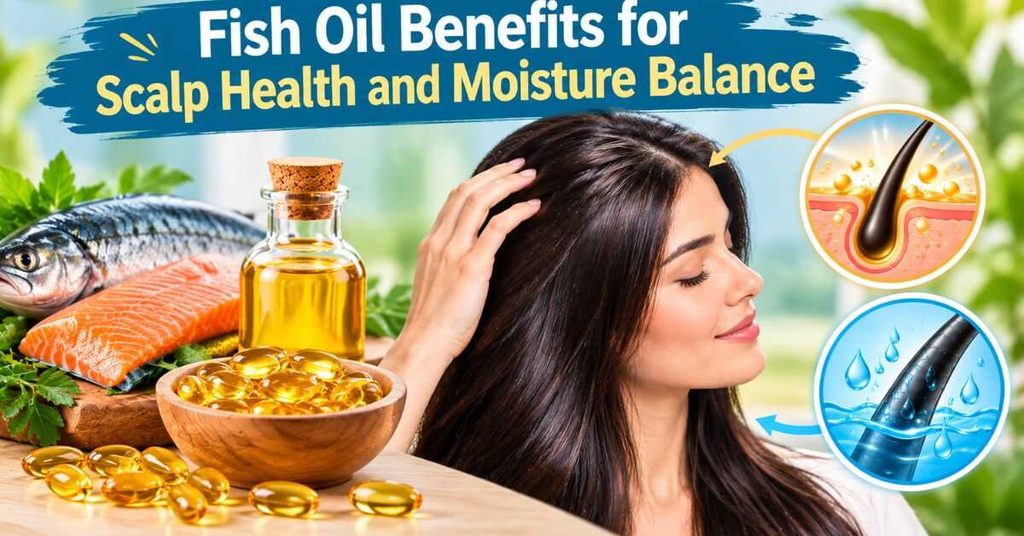
A lush, beautiful garden cannot thrive in dry, depleted soil, and your hair is no different. The health of your scalp determines the quality, longevity, and overall appearance of every single hair strand on your head. Restoring deep scalp hydration is a remarkable fish oil benefit for hair. In fact, marine lipids effectively calm chronic skin irritation from within.
Consequently, regular omega-3 intake rebuilds the natural cutaneous barrier surrounding your hair roots. Furthermore, a well-nourished dermal layer prevents excessive dryness, itching, and flaking. Therefore, soothing internal inflammation establishes an optimal foundation for hair strand growth. Additionally, balanced sebum production keeps the scalp healthy without clogging sensitive pores. Ultimately, strengthening your moisture barrier from the inside ensures long-term strand resilience and luster.
Hydrating Dry and Flaky Scalp From Within
If you suffer from constant scalp tightness, dry itchiness, or small white flakes, surface serums often fall short because they only coat the top layer of dead skin cells. Systemic hydration, on the other hand, works beneath the surface.
- Dermal Lipid Replenishment: Omega-3 fatty acids incorporate themselves into the cell membranes of the dermis, locking in cellular moisture.
- Reduction of Transepidermal Water Loss (TEWL): By strengthening the lipid matrix of your skin, fish oil prevents moisture from evaporating off your scalp surface.
- Elimination of Dry Flaking: As deep tissue hydration levels normalize, dry, dusty flakes gradually vanish, leaving behind a smooth, comfortable scalp environment.
Soothing Scalp Inflammation and Redness
Micro-inflammation around the hair follicles is a hidden culprit behind unexplained hair discomfort, burning sensations, and accelerated shedding.
- Targeting Pro-Inflammatory Cytokines: The EPA found in high-grade marine oil actively neutralizes inflammatory pathways, dampening local skin reactions.
- Relieving Chronic Itch: By soothing irritated nerve endings in the scalp tissue, fish oil stops the vicious cycle of scratching, which can damage delicate hair roots and cause secondary infections.
- Restoring Scalp Comfort: A calm, uninflamed scalp allows hair roots to anchor firmly into the dermis without interference from systemic immune stress.
Regulating Scalp Sebum Production for Healthy Roots
An oily, greasy scalp can be just as problematic as a dry one. Excess sebum clogs hair follicles, traps dirt and dead skin, and creates an ideal breeding ground for yeast overgrowth.
- Sebum Balance Modulation: Essential fatty acids regulate the signaling pathways of the sebaceous (oil) glands, preventing both under-production and over-production of natural oils.
- Preventing Follicular Clogging: By improving the quality and fluidity of your scalp’s natural oils, fish oil prevents sebum from hardening into solid plugs inside the follicle opening.
- Clear, Breathable Scalp: Balanced oil production ensures your hair roots remain clear, clean, and well-oxygenated for optimal growth.
Supporting Scalp Barrier Function Against Environmental Stress
Your scalp faces constant exposure to harsh solar radiation and environmental pollutants. In fact, frequent heat styling damages protective lipid layers around delicate roots. Consequently, aggressive chemical treatments like dyes and bleaches trigger severe oxidative stress. Furthermore, these external stressors weaken active hair follicles over time. Therefore, building strong internal defenses remains vital for long-term scalp health. Additionally, essential marine fatty acids help repair damaged cellular membranes naturally. Ultimately, restoring internal lipid barriers protects your hair against daily environmental wear.
- Strengthening the Epidermal Barrier: Omega-3 lipids act as an internal shield, reinforcing the intercellular cement of the outermost scalp layer.
- Neutralizing Environmental Free Radicals: Paired with natural antioxidants present in quality supplements, fish oil helps neutralize oxidative stress before it can degrade follicle DNA.
- Sustained Scalp Resiliency: A robust skin barrier protects your growing hair roots from harsh environmental conditions, ensuring consistent and healthy strand growth year-round.
Fish Oil Benefits for Hair Loss and Specific Thinning Conditions
Hair loss is rarely a one-size-fits-all issue. Different biological triggers ranging from genetic hormones and chronic stress to physical styling pull cause distinct types of thinning. Fortunately, the cellular and anti-inflammatory properties of essential fatty acids offer targeted relief for a variety of conditions. Understanding how fish oil benefits for hair apply to your specific hair condition can help you set realistic expectations and create an effective treatment plan.
Fish Oil Benefits for Androgenetic Alopecia (Pattern Thinning)
Androgenetic alopecia, commonly known as male or female pattern baldness, is driven by the hormone dihydrotestosterone (DHT). Dihydrotestosterone (DHT) binds directly to genetically susceptible hair follicles. In fact, this androgenic hormone causes sensitive roots to shrink progressively over time. Consequently, affected follicles produce increasingly finer and weaker hair strands. Furthermore, untreated androgenic miniaturization eventually stops active strand production altogether.
Therefore, neutralizing localized scalp inflammation remains critical for preserving vulnerable follicles. Additionally, supplying targeted marine fatty acids supports living cellular structures during hormonal stress. Ultimately, protecting your scalp micro-environment helps slow down progressive follicle breakdown naturally.
- Modulating Micro-Inflammation: Research indicates that DHT-driven miniaturization is often accompanied by micro-inflammation around the hair bulb. EPA helps suppress inflammatory compounds like interleukin-1 (IL-1) and tumor necrosis factor (TNF-) that accelerate follicle damage.
- Supporting Dermal Papilla Viability: By enhancing membrane fluidity and local capillary circulation, marine lipids help sustain oxygen delivery to miniaturizing follicles, slowing down the progression of genetic thinning.
- Complementary Therapy: While fish oil does not replace medical DHT blockers like finasteride, it serves as a powerful foundational nutrient that optimizes follicle resilience alongside standard therapies.
Fish Oil Benefits for Telogen Effluvium (Stress and Postpartum Loss)
Telogen effluvium triggers sudden, widespread hair shedding across the scalp. Indeed, systemic shocks like severe emotional stress or major surgery disrupt normal growth cycles. Similarly, rapid weight loss and childbirth can force active follicles into premature rest. Consequently, a large percentage of growing hairs shift directly into the shedding phase. Furthermore, chronic physical stress depletes essential nutrients around the hair bulb. Therefore, targeted nutrition is crucial to calm underlying cellular stress. Additionally, supplying pure marine lipids helps reactivate dormant follicles safely over time. Ultimately, addressing systemic triggers restores healthy, continuous hair growth cycles naturally.
Two to three months later, diffuse shedding begins across the entire scalp.
- Shortening the Recovery Window: High-dose omega-3s reduce systemic cortisol-induced inflammation and provide the essential fatty acids needed to reboot dormant hair roots.
- Nourishing Rapid Cell Division: During the recovery phase, matrix cells in the hair root must divide rapidly. Fish oil delivers essential cell-building blocks, helping transitioning hair transition smoothly back into the active growth phase (anagen).
- Stabilizing Postpartum Fluctuations: Sudden hormone drops after pregnancy can cause rapid hair shedding. Systemic fatty acid supplementation helps restore cellular lipid balance, calming postpartum shedding more quickly.
Fish Oil Benefits for Inflammatory Conditions (Scalp Psoriasis and Dandruff)
Chronic scalp conditions like seborrheic dermatitis (severe dandruff) and scalp psoriasis cause painful inflammation, scaling, redness, and itching, which can disrupt healthy hair growth.
- Suppressing Inflammatory Pathways: EPA directly inhibits the 5-lipoxygenase enzyme pathway, cutting off the production of leukotriene B4 a major driver of skin flaking and redness in psoriasis.
- Soothing Seborrheic Flare-Ups: By balancing sebum composition and soothing hyperactive immune responses in the scalp skin, fish oil helps calm red, itchy patches and reduces excessive scaling.
- Preventing Secondary Scratch Damage: Resolving itchiness reduces the need to scratch, protecting fragile growing hair roots from physical trauma and scarring.
Fish Oil Benefits for Traction Alopecia and Styling Damage
Traction alopecia is caused by continuous pulling on hair roots from tight hairstyles like braids, ponytails, extensions, or dreadlocks. Frequent chemical dyeing and heat styling further weaken the hair shaft.
- Relieving Follicular Tension Inflammation: Persistent tension causes localized inflammation around the follicle entry point. Oral fish oil calms this irritation before irreversible scarring (fibrosis) can occur.
- Repairing Mechanical Stress Damage: Omega-3s help maintain elastic, resilient hair roots, reducing the likelihood that hair will snap when pulled or styled.
- Restoring Chemical Damage: Hair treated with bleach or relaxers loses its natural lipids. While internal supplementation nourishes new hair growing from the root, combining it with gentle hair care practices ensures new growth remains strong and healthy.
Fish Oil Benefits for Hair vs. Other Popular Hair Supplements
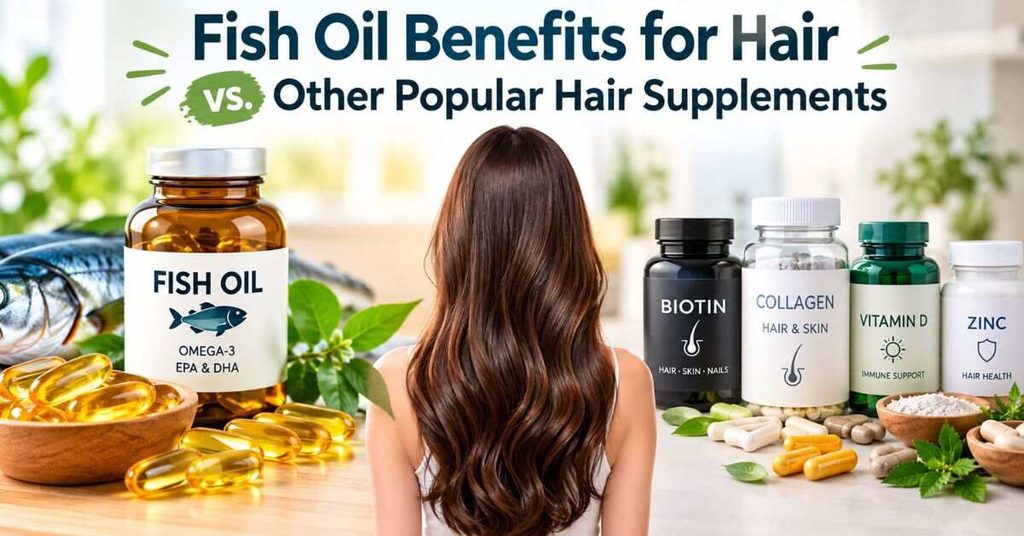
With so many hair growth vitamins available, deciding where to invest your money can feel overwhelming. Popular options like Biotin, Collagen, Cod Liver Oil, and Plant-Based Flaxseed Oil each target hair health in different ways. Understanding how fish oil benefits for hair compare to these alternatives will help you choose the right supplement for your specific needs.
Quick Comparison Matrix: Marine Omega-3s vs. Top Hair Supplements
| Supplement | Primary Active Nutrients | Main Target Area for Hair | Ideal Candidate | Key Advantage |
| Fish Oil | EPA & DHA (Marine Omega-3s) | Scalp inflammation, follicle circulation, strand thickness | Dry scalp, thinning strands, inflammatory shedding | Calms chronic scalp inflammation and hydrates from within |
| Biotin (Vit B7) | Water-soluble B-Vitamin | Keratin infrastructure synthesis | Individuals with diagnosed Biotin deficiency | Supports natural keratin protein synthesis |
| Collagen | Hydrolyzed Amino Acids | Dermal thickness & follicle structural integrity | Aging, thinning scalp tissue, brittle strands | Provides essential amino acids to build structural hair proteins |
| Cod Liver Oil | EPA, DHA, Vitamin A & Vitamin D | Overall scalp immunity and cell growth | General nutrient deficiencies | Contains high natural levels of Vitamins A and D |
| Flaxseed Oil | ALA (Plant Omega-3) | Basic systemic fatty acid support | Vegetarians/Vegans looking for plant alternatives | $100\%$ plant-derived, eliminating fishy aftertaste |
Fish Oil Benefits for Hair vs. Biotin (Vitamin B7)
Biotin is one of the most widely advertised hair supplements on the market, but its biological pathway is very different from that of marine lipids:
- Target Mechanism: Biotin acts as a coenzyme in the metabolism of fatty acids and amino acids, supporting the body’s natural keratin production. Fish oil, on the other hand, reduces micro-inflammation around hair follicles and improves cellular membrane fluidity and micro-circulation.
- Deficiency Factor: True Biotin deficiency is relatively rare in healthy individuals who eat a balanced diet. Taking mega-doses of Biotin when you are not deficient rarely yields significant results and can sometimes trigger cystic acne breakouts.
- The Synergistic Edge: Rather than choosing between the two, combining fish oil with a moderate dose of Biotin often works best. Fish oil hydrates the follicle matrix and boosts circulation, while Biotin provides the metabolic support needed to synthesize strong keratin chains.
Fish Oil Benefits for Hair vs. Collagen Supplements
Collagen peptides have surged in popularity for hair and skin, making them a major competitor to marine lipids:
- Nutritional Composition: Collagen provides specific amino acids such as proline, glycine, and hydroxyproline which act as raw building blocks for hair proteins. Fish oil provides active long-chain polyunsaturated fatty acids (EPA and DHA) that act as biological signaling molecules and anti-inflammatory agents.
- Scalp Dermal Matrix Support: Collagen strengthens the thick dermal layer of the scalp where hair roots sit, whereas fish oil focuses on soothing local scalp inflammation, balancing sebum production, and keeping hair strands elastic.
- Best Usage: Collagen excels at restoring skin elasticity and overall scalp tissue density, while fish oil is ideal for calming scalp irritation, stopping excessive shedding, and adding natural shine to your strands.
Fish Oil Benefits for Hair vs. Cod Liver Oil
While both originate from marine sources, fish oil and cod liver oil differ significantly in their nutrient profiles and safety considerations:
- Source and Extraction: Standard fish oil is extracted from the flesh of cold-water oily fish (like anchovies, sardines, and mackerel). Cod liver oil is derived exclusively from the liver of codfish.
- Vitamin Content: Cod liver oil naturally contains high levels of fat-soluble Vitamin A and Vitamin D. While Vitamin D supports hair follicle cycling, high doses of preformed Vitamin A can actually trigger hair loss if taken excessively over time.
- Dosing Safety: Standard fish oil allows you to consume higher therapeutic amounts of EPA and DHA without the risk of Vitamin A toxicity, making it a safer option for long-term, high-dose hair growth regimens.
Fish Oil Benefits for Hair vs. Plant-Based Flaxseed Oil
For vegans and vegetarians, flaxseed oil is often considered the primary alternative to marine fish oil:
- ALA vs. EPA/DHA: Flaxseed oil contains Alpha-Linolenic Acid (ALA), a short-chain plant omega-3. To benefit your hair, your body must convert ALA into usable EPA and DHA.
- Inefficient Conversion Rates: The human body converts ALA into EPA at a rate of less than $5\%$ to $10\%$, and into DHA at an even lower rate (under $2\%$). As a result, plant-based flaxseed oil is far less effective at soothing scalp inflammation or boosting follicle circulation than direct marine sources.
- The Verdict: Unless strict dietary restrictions prevent you from consuming fish products, high-purity marine fish oil remains the superior choice for noticeable hair density and growth. Vegan alternatives like microalgae oil offer a better direct source of DHA and EPA than plant-derived ALA.
How to Use Fish Oil to Maximize Fish Oil Benefits for Hair Growth
Knowing that fish oil is good for your hair is only half the battle; knowing how to take it properly determines whether you will see dramatic new growth or zero results. Because nutritional supplements require consistency and correct dosing to impact deep dermal tissues, following a structured protocol is essential. Let us explore the precise strategies to harness maximum fish oil benefits for hair growth.
Correct Daily Dosage: How Much EPA and DHA Do You Need for Hair Health?
Taking insufficient fish oil fails to trigger necessary anti-inflammatory pathways. In fact, low daily doses cannot activate the micro-circulatory support required for hair growth. Conversely, consuming excessive amounts often leads to unwanted digestive discomfort. Consequently, striking a balanced daily dosage remains essential for optimal biological results. Furthermore, steady therapeutic intake supports follicle nourishment without overwhelming your system. Therefore, following precise supplementation guidelines ensures maximum safety and efficacy. Ultimately, consistent proper dosing creates an ideal environment for sustainable hair density over time.
- General Maintenance Dosage: For general hair and scalp health, a daily intake of 1,000mgto1,500mg of total fish oil concentrate yielding approximately 300mgto500mg combined EPA and DHA is standard.
- Therapeutic Dosage for Thinning Hair: If you are actively treating severe shedding, telogen effluvium, or chronic scalp inflammation, dermatologists and clinical nutritionists often recommend higher doses ranging from 2,000mgto3,000mg of total fish oil (delivering at least 900mgto1,200mg of combined EPA and DHA daily).
- Checking the Label: Always look at the back label of your supplement bottle rather than the front. Focus on the actual milligrams of EPA and DHA per serving, not just the total weight of the fish oil liquid.
Always take a moment to flip the supplement bottle around and inspect the “Supplement Facts” panel. Many budget brands market “1,000 mg of fish oil” on the front label, but when you check the back, the actual combined EPA and DHA content is surprisingly low.
Optimal Timing: Should You Take Fish Oil in the Morning or Night?
Timing your supplement intake can dramatically improve absorption and eliminate common side effects like fishy burps.
- Take with a Fat-Containing Meal: Omega-3 fatty acids are fat-soluble nutrients. Your body requires dietary fats to properly break down and absorb EPA and DHA into the bloodstream. Taking your softgels on an empty stomach drastically lowers absorption rates and increases the likelihood of acid reflux.
- Morning vs. Night: You can take fish oil at any time of day as long as it accompanies a substantial meal (such as breakfast, lunch, or dinner). However, many people prefer taking it with breakfast or lunch to give their digestive system ample time to process the lipids before lying down to sleep.
- Split Dosing: If you take a high therapeutic dose (e.g., 3,000mg), splitting it into two daily doses such as half with breakfast and half with dinner prevents mild stomach upset and maintains steady, consistent omega-3 levels in your bloodstream around the clock.
Dietary Sources vs. High-Quality Fish Oil Supplements
While clean dietary sources are fantastic for overall health, achieving therapeutic hair growth levels through diet alone can be challenging.
- Wild-Caught Fatty Fish: Incorporating wild salmon, sardines, mackerel, herring, and anchovies into your meals 2 to 3 times a week provides exceptional protein, selenium, and natural marine fats.
- The Supplement Advantage: Eating enough fish daily to match clinical doses of EPA and DHA can be difficult and expensive. High-grade fish oil supplements deliver concentrated, purified doses of omega-3s without the daily cooking preparation or potential exposure to high mercury levels found in large predatory fish.
- The Best of Both Worlds: For optimal hair results, enjoy fatty fish as part of a balanced diet and supplement with a third-party tested fish oil capsule to ensure consistent, daily nutrient intake.
Why You Should Never Apply Liquid Fish Oil Directly to Your Scalp
A very common question asked by beginners is: how to apply fish oil on hair topically? Many assume that because natural oils like argan or coconut work well on strands, liquid fish oil will do the same.
- The Molecule Size Problem: EPA and DHA molecules are too large to penetrate the tight cutaneous barrier of the scalp topically. Instead of absorbing, the oil sits heavily on the skin surface.
- The Persistent Fishy Odor: Marine lipids oxidize rapidly when exposed to air and skin heat, producing a powerful, unpleasant fish smell that resists multiple shampoo washes.
- Pore Clogging and Irritation: Raw fish oil can trap dead skin cells and bacteria inside hair follicles, potentially triggering acne, irritation, and seborrheic dermatitis flare-ups.
- The Golden Rule: Always ingest your fish oil orally to nourish your hair roots from the inside, and stick to lightweight botanical oils (if you prefer external oiling routines, check our step-by-step guide on [How to Apply Hair Oils Correctly]).
How Long Does It Take to Notice Fish Oil Benefits for Hair?
Many beginners ask when they will notice real hair growth results. In fact, human hair grows slowly at roughly half an inch each month. Consequently, transforming your locks requires daily patience and regular nutrient intake. Furthermore, biological changes occur beneath the scalp long before visual growth appears. Therefore, maintaining consistent omega-3 supplementation remains critical during early weeks. Additionally, tracking subtle improvements in scalp texture helps keep you motivated. Ultimately, steady cellular nourishment yields visible density, strength, and overall shine over time.
Knowing what to expect week by week prevents premature discouragement and keeps you motivated on your hair growth journey.
Timeline: Week 1 to Week 4 (Scalp Hydration & Inflammation Reduction)
During your first month of consistent supplementation, visible changes to your hair length will be minimal, but profound internal transformations are already underway beneath your scalp.
- Cellular Integration: EPA and DHA begin incorporating themselves into your skin and scalp cell membranes, altering fluid permeability.
- Calming Scalp Irritation: If you suffer from a dry, tight, or mildly itchy scalp, you will likely notice a significant reduction in discomfort and flakiness during weeks 2 and 3.
- Enhanced Micro-Circulation: Blood vessel walls relax, allowing a smoother, richer flow of oxygen and nutrients to reach your dermal papilla cells.
- Initial Shine and Softness: As your internal lipid balance improves, newly emerging hair near the root begins to reflect light better, giving your locks a subtle, healthy luster.
Timeline: Month 2 to Month 3 (Reduced Shedding & Improved Shine)
Entering months two and three brings noticeable visual improvements. In fact, cumulative reductions in scalp inflammation directly revitalize dormant follicles. Consequently, daily brushing reveals significantly less strand breakage and shedding. Furthermore, growing hair shafts exhibit improved elasticity, strength, and natural luster. Therefore, consistent daily omega-3 nourishment strengthens the root anchor inside dermal tissue. Additionally, improved micro-circulation delivers essential oxygen directly to active hair roots. Ultimately, these early cellular transformations lay a solid foundation for long-term hair density.
- Dramatic Drop in Hair Shedding: The inflammatory triggers that force hair into premature resting phases are suppressed, resulting in significantly fewer strands left in your shower drain and hairbrush.
- Strengthened Hair Shafts: Hair emerging from the scalp possesses superior structural integrity, meaning fewer mid-shaft breaks and reduced frizz.
- Noticeable Texture Improvement: Your overall mane feels silkier, more manageable, and possesses enhanced elasticity when styling.
- Baby Hair Emergence: You may start noticing short, fine “baby hairs” sprouting along your hairline clear signs that dormant follicles have been successfully reactivated.
Timeline: Month 6 and Beyond (Visible Growth, Density & Volume)
Reaching the six-month milestone marks a major turning point in your journey. In fact, months of continuous cellular nutrition deeply transform active hair follicles. Consequently, visible strand volume and structural density become undeniable. Furthermore, surrounding observers frequently notice remarkable shine and improved scalp fullness. Therefore, sustained daily supplementation yields cumulative long-term benefits. Additionally, stronger root attachment significantly minimizes everyday shedding. Ultimately, long-term biological consistency delivers transformed, resilient, and visibly healthier hair.
- Substantial Length and Elongation: Having grown roughly 3 inches of new, deeply nourished hair, your overall length is visibly extended.
- Increased Density and Volume: Because new hairs are growing with a thicker strand diameter and fewer hairs are shedding prematurely, your ponytail feels noticeably heavier and thicker.
- Long-Term Scalp Health: Chronic conditions like flaking, tightness, and mild irritation are largely kept under control, providing an optimal foundation for continuous, lifelong hair growth.
Potential Side Effects and Safety Guidelines for Fish Oil
Marine omega-3 fatty acids provide natural, deeply beneficial nourishment. However, adding concentrated soft gels to your daily routine requires careful consideration. In fact, understanding potential side effects ensures long-term user safety.
Consequently, managing mild digestive quirks becomes simple with proper timing. Furthermore, recognizing key pharmaceutical interactions prevents unwanted health complications. Therefore, reviewing safety guidelines protects your overall physical well-being. Additionally, selecting purified supplements minimizes common gastrointestinal discomforts effectively. Ultimately, informed supplementation creates a safe, smooth, and highly successful hair growth journey.
Managing Mild Side Effects (Fishy Aftertaste, Burps, and Upset Stomach)
The most common complaint people have when starting fish oil is the dreaded “fish burp” or a lingering fishy aftertaste. Fortunately, these minor annoyances are easily preventable with a few smart purchasing and consumption habits:
- Choose Enteric-Coated Softgels: Enteric coating prevents the capsule from dissolving in your stomach acid; instead, it passes safely into the small intestine where lipids are digested naturally, completely eliminating fishy burps.
- Freeze Your Capsules: Storing your fish oil softgels in the freezer slows down capsule breakdown and prevents rancidity, helping them pass through the upper digestive tract smoothly.
- Take with Your Largest Meal: Ingesting your supplement alongside a complete meal stimulates digestive enzyme production, ensuring the oil is broken down quickly rather than lingering in your stomach.
- Opt for High-Purity Triglyceride Form: Low-quality, oxidized fish oils are notorious for causing nausea and unpleasant aftertastes. Investing in ultra-pure, molecularly distilled oil prevents this issue entirely.
Crucial Drug Interactions: Fish Oil and Blood Thinners
Because omega-3 fatty acids possess natural blood-thinning properties (preventing platelets from clumping together too easily), they can interact with certain pharmaceutical medications.
- Anticoagulants and Antiplatelet Drugs: If you take prescription blood thinners such as Warfarin (Coumadin), Aspirin, Clopidogrel (Plavix), or daily NSAIDs (like Ibuprofen), combining them with high-dose fish oil can increase your risk of bruising or bleeding.
- Consult Your Physician: If you are on any cardiovascular or blood-thinning medication, always consult your prescribing doctor before adding high-dose fish oil supplements to your daily regimen.
This mild anticoagulant effect is generally not a concern for healthy individuals taking standard wellness doses. Maintaining full transparency with your physician remains critical. In fact, discussing supplement routines ensures your overall hair growth regimen stays completely safe. Consequently, open medical communication prevents adverse reactions with current prescription drugs.
Furthermore, professional supervision allows for personalized dosage adjustments based on individual health profiles. Therefore, sharing your supplementation choices protects long-term wellness. Ultimately, aligning your clinical care with active hair restoration strategies guarantees both safety and optimal results.
Does Fish Oil Interact With Other Hair Supplements (like Iron or Zinc)?
Many people love stacking multiple hair growth vitamins such as iron, zinc, biotin, and collagen to maximize their results.
- Synergistic Compatibility: Fish oil does not block the absorption of standard hair vitamins like Biotin or Collagen. In fact, omega-3s improve overall cellular metabolism, helping your body utilize other nutrients more efficiently.
- Mineral Absorption: Unlike calcium or fiber, which can sometimes interfere with iron or zinc absorption when taken simultaneously, fish oil’s lipid matrix does not negatively bind to trace minerals. However, if you take heavy prescription mineral supplements, separating them by a couple of hours can optimize overall digestive comfort.
Who Should Consult a Doctor Before Using Fish Oil for Hair?
Marine lipid supplements remain safe for most individuals. However, specific medical conditions require professional clinical guidance before daily use. In fact, people taking anticoagulant medications must exercise caution regarding blood viscosity. Consequently, consulting a healthcare professional prevents potential adverse drug interactions. Furthermore, individuals scheduled for elective surgical procedures should temporarily pause supplementation. Therefore, seeking personalized medical advice guarantees total safety during your hair restoration journey. Ultimately, tailored clinical supervision ensures optimal results without compromising overall health.
- Upcoming Scheduled Surgery: Because of its mild antiplatelet effects, doctors typically recommend stopping fish oil supplementation 1 to 2 weeks prior to any surgical procedure.
- Bleeding Disorders: Individuals diagnosed with hemophilia or other blood-clotting disorders should avoid high-dose omega-3s unless supervised by a specialist.
- Fish or Shellfish Allergies: While true fish oil allergy is rare (since allergies are usually triggered by fish proteins rather than extracted oils), individuals with severe anaphylactic seafood allergies should exercise extreme caution or opt for plant- or algae-derived omega-3 alternatives.
- Pregnant or Nursing Women: While omega-3s (especially DHA) are vital during pregnancy, dosage should always be verified with an obstetrician to ensure optimal safety for both mother and baby.
How to Choose the Best Fish Oil Supplement for Maximum Hair Benefits
Walking down the vitamin aisle or browsing online can be overwhelming when every brand claims to sell the “purest” fish oil. However, not all supplements are manufactured equally. Choosing a low-grade, rancid, or poorly absorbed oil will yield disappointing results for your hair. To harness true fish oil benefits for hair, you need to evaluate supplements based on chemical structure, purity testing, and manufacturing standards.
Triglyceride vs. Ethyl Ester Form: Which Fish Oil Type Is Better for Hair?
When reading supplement labels, you will notice that fish oils are sold in two primary molecular forms. Understanding the difference is vital for your results:
- Natural Triglyceride (TG) Form: This is the exact molecular structure found naturally in wild fish. Triglyceride oils are easily recognized and absorbed by your digestive system, boasting a bioavailability rate up to $70\%$ higher than synthetic alternatives.
- Ethyl Ester (EE) Form: This synthetic form is created during industrial concentration to boost EPA and DHA percentages on paper. However, ethyl esters are harder for your body to break down and absorb efficiently.
- The Winner for Hair Growth: Always choose products labeled as Triglyceride (TG) or Re-esterified Triglyceride (rTG). Premium formulations often carry a slightly higher price tag. However, human digestive systems absorb triglyceride-form omega-3s far more efficiently. In fact, superior bioavailability ensures maximum nutrient delivery to deep hair roots. Consequently, higher absorption rates prevent wasted supplementation and accelerate visible results. Furthermore, pure bioavailable fats nourish the dermal papilla directly through vascular pathways. Therefore, investing in high-grade marine lipids yields better cellular health. Ultimately, superior lipid bioavailability provides optimal structural support for growing, resilient hair strands.
Liquid vs. Softgel Capsules: Which Absorbs Better for Hair Growth?
Liquid formats and soft gel capsules deliver identical active omega-3 fatty acids. However, each form serves distinct lifestyle preferences and storage needs. In fact, encapsulated options offer portable convenience and protect against taste sensitivity. Consequently, soft gels remain popular for busy daily routines. Conversely, liquid forms allow flexible dose adjustments for higher therapeutic intake. Furthermore, pure liquids absorb quickly without requiring gelatine breakdown. Therefore, selecting between them depends on personal comfort and daily consistency. Ultimately, both choices provide essential marine lipids for long-term hair follicle health.
- Softgel Capsules: Softgels are the most popular choice because they completely eliminate the risk of tasting or smelling the oil. They are pre-measured, highly stable, and easy to travel with.
- Liquid Fish Oil: Liquid oils often provide a higher concentration of EPA and DHA per serving and are ideal for individuals who struggle with swallowing large pills. However, once opened, liquid bottles must be refrigerated and consumed quickly to prevent oxidation.
- The Absorption Verdict: Absorption rates are virtually identical between high-quality softgels and liquid oils. Choose whichever format ensures you will take your supplement consistently every single day.
Checking Purity Standards: Third-Party Testing and IFOS Certification
Because the ocean can contain environmental pollutants, raw fish oil must undergo rigorous purification. Never buy a supplement that lacks independent quality verification.
- International Fish Oil Standards (IFOS): Look for the IFOS 5-star certification logo on the brand’s website or bottle. This independent testing program grades fish oils on purity, concentration, oxidation levels, and heavy metal safety.
- Global Organization for EPA and Omega-3 (GOED): Ensure the manufacturer adheres to GOED voluntary monograph standards, which set the world’s strictest quality limits for omega-3 supplements.
- Certificate of Analysis (COA): Top-tier brands readily provide third-party laboratory test results verifying that their products are completely free of contaminants.
Molecular Distillation: Avoiding Heavy Metals and Toxins
Large predatory fish accumulate industrial pollutants, PCBs, dioxins, and heavy metals like mercury in their fatty tissues.
- The Power of Molecular Distillation: Premium supplement brands use advanced low-temperature vacuum distillation to strip away $100\%$ of heavy metals and toxins while preserving the delicate omega-3 bonds.
- Why It Matters for Hair: Ingesting unpurified fish oil contaminated with toxins can trigger systemic inflammation completely defeating the purpose of taking omega-3s for hair growth and scalp health. Always verify that the label explicitly states the oil is molecularly distilled and purified.
The Final Verdict: Are Fish Oil Benefits for Hair Worth the Investment?
Evaluating dozens of hair growth treatments can feel overwhelming. In fact, many popular options offer only temporary cosmetic relief. Consequently, topical sprays merely coat the outer hair shaft without fixing root causes. Furthermore, surface treatments fail to resolve chronic scalp inflammation or weak structural growth. Therefore, targeting deep cellular drivers remains essential for restoring true strand density. Additionally, nourishing hair roots internally stimulates sustained follicle activity over time. Ultimately, choosing evidence-based marine nutrients provides a reliable pathway toward long-term hair vitality.
This is precisely where fish oil benefits for hair prove their worth. By nourishing your body from within with highly bioavailable, molecularly distilled EPA and DHA omega-3 fatty acids, you address hair health at its absolute foundation: the living hair root.
Here is why marine omega-3 supplementation stands out as one of the most reliable investments for your hair care routine:
- Comprehensive Biological Action: Marine lipids soothe chronic scalp inflammation, improve follicle micro-circulation, extend the active growth phase (anagen), and boost individual strand diameter.
- Double-Duty Health Support: Unlike isolated cosmetic supplements, daily fish oil intake also promotes cardiovascular health, joint flexibility, skin elasticity, and cognitive function alongside your hair growth goals.
- Clinical and Long-Term Value: With minimal side effects, proven safety, and high affordability when compared to expensive clinical laser treatments or salon sessions, quality fish oil offers unmatched value for sustainable, long-term hair density.
If you are struggling with a dry, flaky scalp, excessive shedding, or thinning strands that lack natural shine, adding a high-purity, third-party tested omega-3 softgel to your daily meal routine is a safe, science-backed step toward achieving the full, vibrant mane you deserve.
About the Author
Noor Fatima | SEO Expert & Natural Oils Specialist
Credentials:
As an SEO expert and the driving force behind Pure Oils Hub (pureoilshub.com), I combine over 8 years of digital strategy and search optimization with a deep, lifelong passion for organic aromatherapy and plant-based living.
First-Hand Experience:
“Navigating the digital landscape for more than 8 years while researching pure botanical and carrier oils has shown me that creating a truly helpful website takes more than just technical SEO. It requires a genuine commitment to cutting through the noise of commercial, synthetic products to deliver honest, thoroughly researched, and practical guides. My goal is to make natural wellness accessible to everyone, helping you discover the simple, powerful ways pure oils can transform your daily self-care routine.”
FAQs
What are the main fish oil benefits for hair loss in women?
Women frequently experience hair thinning due to postpartum hormonal drops, chronic stress, dietary deficiencies, or menopausal shifts. The primary fish oil benefits for hair loss in women include:
- Suppressing Stress-Induced Shedding: EPA helps lower cortisol-driven scalp inflammation, preventing excessive hair from entering the resting phase prematurely.
- Nourishing Postpartum Recovery: Supplementing with omega-3s replenishes depleted cellular lipid stores after childbirth, accelerating the return of normal hair density.
- Hormonal fluctuations frequently leave hair strands dry, dull, and fragile. In fact, internal marine lipids effectively rebuild natural moisture balance from the root up. Consequently, nourishing the scalp membrane enhances overall hair manageability and elasticity. Furthermore, essential omega-3 fatty acids smooth the outer cuticle layer. Therefore, consistent daily supplementation restores vibrant, long-lasting natural gloss. Additionally, maintaining proper hydration protects delicate ends against premature breakage. Ultimately, internal lipid support preserves soft, resilient locks through changing hormonal cycles.
Are fish oil benefits for hair effective for men with male pattern baldness?
Fish oil provides valuable support for men battling androgenetic alopecia. Indeed, marine lipids help calm localized follicular inflammation effectively. Consequently, reduced tissue swelling lowers systemic stress around sensitive hair roots.
Furthermore, essential omega-3s improve micro-circulation across the upper scalp area. Therefore, nourishing living cells strengthens existing strand density over time. Additionally, combining fatty acid supplementation with targeted therapies yields superior results. Ultimately, incorporating marine nutrients creates an optimal environment for sustained male hair retention.
- Combating Follicular Micro-Inflammation: DHT-driven hair miniaturization is accompanied by localized inflammation. EPA helps calm this immune response around the hair bulb.
- Improving Scalp Circulation: Enhanced blood flow ensures that struggling hair follicles receive optimal oxygen and nutrients, slowing down the thinning process.
- Realistic Expectations: While fish oil will not reverse advanced baldness on its own, it creates an optimal, healthy scalp environment that amplifies the effectiveness of primary medical treatments.
Can taking fish oil cause hair loss if taken excessively?
In general, taking standard, recommended doses of fish oil will not cause hair loss. However, complications can arise if supplements are misused:
- The Danger of Rancid Oils: Consuming cheap, oxidized, or rancid fish oil creates massive free-radical stress in the body, which can trigger systemic inflammation and temporary hair shedding.
- The Cod Liver Oil Warning: If you confuse standard fish oil with cod liver oil and take massive, uncontrolled doses of the latter, you risk Vitamin A toxicity a well-documented medical cause of acute hair loss. Stick to pure fish oil concentrates within recommended daily limits.
How does fish oil improve hair texture and natural shine?
Hair texture and shine are direct reflections of your cuticle health and internal hydration levels:
- Internal Lipid Infusion: As new hair cells form in the root sheath, omega-3 fatty acids weave into the structural matrix, ensuring smooth, tightly packed keratin layers.
- Enhanced Light Reflection: A smooth, well-hydrated hair cuticle reflects light evenly, giving your locks that coveted glossy, silky sheen without requiring heavy silicone serums.
- Increased Elasticity: By preventing extreme dryness, fish oil prevents your hair from becoming coarse, wiry, or straw-like.
Is it better to eat fatty fish or take fish oil capsules for hair growth?
Both approaches have distinct advantages, and combining them often yields the best results:
- Fatty Fish Benefits: Eating wild salmon, sardines, and mackerel 2 to 3 times a week provides high-quality protein, selenium, and whole-food nutrition essential for hair structure.
- Fish Oil Supplement Advantage: Achieving therapeutic daily doses of EPA and DHA (1,000mgto2,000mg) exclusively through food can be expensive and difficult to maintain consistently. High-purity softgels ensure you receive an exact, concentrated daily dose without heavy metal contamination or meal preparation hassles.