


Introduction to Coconut Oil for Dogs Skin: What Every Pet Parent Should Know
Every pet parent wants to see their furry companion bounce with energy, sport a glossy coat, and live free from constant scratching. Coconut oil for dogs skin has rapidly emerged as one of the most popular natural remedies in modern pet care. As an experienced botanical wellness researcher and pet health advocate, I have seen firsthand how simple pantry staples can transform a dog’s daily comfort. When used correctly, organic oils offer a gentle, chemical-free way to soothe irritated areas and nourish the skin barrier from the outside in.
However, achieving great results requires understanding the science, safety rules, and precise application techniques. Let’s break down everything you need to know to get started safely.
What Is Organic Coconut Oil and How Is It Made?
Organic coconut oil is derived from the meat of fresh, mature coconuts harvested from certified organic palm trees. Unlike refined alternatives, true organic virgin coconut oil undergoes minimal processing. Producers typically extract the oil using two main methods:
- Cold-Pressed Method: Fresh coconut meat is mechanically pressed at low temperatures to preserve natural antioxidants, vitamins, and delicate fatty acids.
- Centrifuge Extraction: Fresh coconut milk is spun at high speeds in a centrifuge to separate the pure oil from water and protein naturally, eliminating chemical solvents entirely.
Because it bypasses high-heat bleaching and deodorizing, unrefined organic coconut oil retains its natural aroma, rich nutrient profile, and maximum therapeutic potency.
The Science Behind Medium-Chain Triglycerides (MCTs)
The true healing power of coconut oil for dogs skin lies within its unique chemical makeup. Over 60% of the fats in pure coconut oil consist of Medium-Chain Triglycerides (MCTs). Unlike long-chain fats found in many commercial pet foods, MCTs break down rapidly in the body and deliver targeted functional benefits.
The primary MCTs found in coconut oil include:
- Lauric Acid: Makes up roughly 50% of the fatty acids and converts into monolaurin in the body, known for powerful antimicrobial action.
- Caprylic Acid: Exhibits soothing properties that help balance microbial populations on the skin surface.
- Capric Acid: Works synergistically with lauric acid to support cellular repair and moisture retention.
These specific fatty acids penetrate the lipid layers of canine skin efficiently, making them exceptional for deep conditioning and barrier restoration.
Why Holistic Vets Are Turning to Plant-Based Pet Care
Traditional veterinary medicine relies heavily on pharmaceutical steroids, antihistamines, and medicated shampoos for chronic skin issues. While these treatments have their place, long-term use can sometimes strain a dog’s liver and kidneys.
Today, holistic veterinarians increasingly recommend integrating plant-based care like virgin coconut oil for dogs skin into daily wellness routines. Plant-based solutions offer a gentler, multi-functional approach. They reduce systemic toxic load, support natural healing processes, and provide safe, ongoing maintenance without harsh side effects.
The Rising Trend of Natural Remedies in Canine Wellness
Pet parents are growing more conscious of the ingredients hidden in commercial pet products, choosing to ditch artificial additives, parabens, and synthetic fragrances. Natural wellness has shifted from an alternative trend into mainstream veterinary care.
Using organic oils aligns perfectly with this proactive lifestyle shift. When pet owners learn how to use coconut oil for dogs skin properly, they gain an affordable, versatile tool that addresses dryness, shedding, and minor irritations right at home.
Coconut Oil for Dogs Skin: Top Therapeutic Benefits and Healing Powers
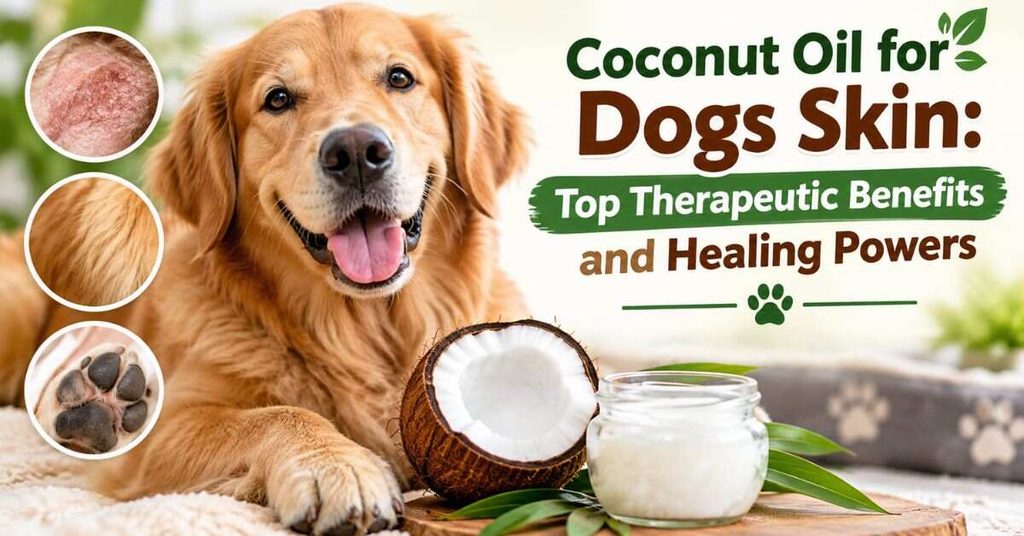
When your canine companion suffers from dry patches, flakiness, or relentless scratching, finding an effective, gentle solution becomes a top priority. Utilizing coconut oil for dogs skin provides a wonderful, natural way to address these common discomforts without subjecting your pet to harsh chemicals. As you monitor your dog’s daily comfort, you will notice that pure botanical oils work harmoniously with their natural lipid barriers to restore smooth, healthy skin.
Let us explore the specific therapeutic benefits and healing powers that make this pantry staple an essential addition to your pet care routine.
Coconut Oil for Dogs Skin Relieves Chronic Itchiness
Chronic itchiness drives dogs crazy, leading to endless scratching, raw patches, and secondary infections. Coconut oil for dogs skin itchy skin provides immediate soothing relief by cooling inflamed tissue and locking in vital moisture.
- Immediate Cooling Effect: The smooth, emollient texture calms irritated nerve endings on contact.
- Inflammation Reduction: Natural fatty acids interrupt inflammatory pathways responsible for the persistent urge to scratch.
- Scratching Cycle Interruption: By softening hardened, dry scabs, the oil reduces the tightness that triggers scratching.
Applying a thin layer directly to itchy spots helps your dog relax and gives broken skin a chance to heal naturally.
Coconut Oil for Dogs Skin Moisturizes Severely Dry Areas
Environmental factors like indoor heating, low humidity, and harsh weather can strip natural oils from your dog’s coat, causing severe flakiness. Coconut oil for dogs skin benefits include deep cellular hydration that goes far beyond surface-level commercial lotions.
| Skin Concern | Conventional Treatment | Coconut Oil Solution |
| Flaky Dandruff | Synthetic medicated shampoos that dry skin further | Deeply penetrates hair follicles to restore natural lipid balance |
| Winter Dryness | Petroleum-based ointments that trap dirt | Pure emollient barrier that breathes while locking in moisture |
| Rough Patches | Heavy chemical creams with artificial fragrances | Natural plant-based fatty acids that soften hardened skin layers |
Coconut Oil for Dogs Skin Repairs Damaged Barriers
A healthy skin barrier acts as a sturdy shield against allergens, bacteria, and moisture loss. When this barrier breaks down, dogs become vulnerable to chronic skin sensitivities. Virgin coconut oil for dogs skin supplies essential nutrients that fortify intercellular cement between skin cells.
- Lipid Replenishment: Restores depleted fatty acids lost due to aging or environmental stress.
- Cellular Regeneration: Supports rapid turnover and repair of micro-tears caused by scratching.
- Environmental Shield: Creates a lightweight, breathable matrix that keeps allergens out while sealing hydration in.
Coconut Oil for Dogs Skin Fights Bacterial Infections
Microbial imbalances frequently complicate minor canine skin irritations. Because pure coconut oil contains high concentrations of lauric acid, it exhibits potent natural antimicrobial characteristics.
- Bacterial Defense: Disrupts the lipid membranes of harmful surface bacteria common on canine skin.
- Microbial Balance: Helps maintain a healthy, stable skin microbiome without stripping beneficial flora.
- Infection Prevention: Stops minor scrapes from escalating into full-blown bacterial hotspots.
Coconut Oil for Dogs Skin Combats Yeast and Fungi
Yeast overgrowth (often caused by Malassezia) causes intense itching, a musty odor, and greasy, darkened skin folds especially in breeds like Bassets, Bulldogs, and Cocker Spaniels. Is coconut oil safe for dogs skin when dealing with yeast? Absolutely.
The caprylic and lauric acids found in pure coconut oil possess proven antifungal properties that inhibit yeast cell proliferation. Gently massaging a small amount into affected folds or paws creates an inhospitable environment for fungi, helping clear up stubborn yeasty flare-ups naturally when paired with proper veterinary guidance.
Read More: vanilla bean essential oil || coconut butter vs oil || argan oil hair mask || Coconut oil for baking
Enhancing Coat Health, Shedding Control, and Grooming
A magnificent, shiny coat is the ultimate sign of a healthy, well-cared-for dog. Beyond treating localized irritations, incorporating coconut oil for dogs skin into your regular grooming routine works wonders for overall hair texture and luster. Many pet parents struggle with dull coats, flying hairs, and stubborn pet odors that linger even after a bath.
Let’s explore how you can leverage natural botanical properties to elevate your dog’s grooming game and keep their coat looking show-ready every single day.
Promoting a Glossy, Shiny Coat Using Coconut Oil for Dogs Skin
If your dog’s fur looks dull, brittle, or lifeless, topical and dietary application can revive it from the inside out. Coconut oil for dogs skin benefits extend directly to hair shafts, coating each strand in nourishing moisture.
- Cuticle Smoothing: Fatty acids flatten the microscopic cuticles of canine hair, allowing light to reflect evenly for a brilliant shine.
- Deep Conditioning: Unlike water-based sprays that merely sit on top of the fur, MCTs penetrate deep into the hair cortex.
- Static Reduction: Eliminates frustrating static cling and flyaways during dry winter months.
Reducing Excessive Seasonal Shedding Naturally
While shedding is a normal biological process, finding fur covering every piece of furniture can be exhausting. Utilizing virgin coconut oil for dogs skin helps strengthen hair roots and nourishes hair follicles, minimizing loose, brittle hairs.
- Follicle Nourishment: Stronger roots mean hair stays anchored longer instead of snapping off prematurely.
- Undercoat Management: Regular conditioning makes removing dead undercoat fur much easier during brushing sessions.
- Skin Elasticity: Healthy, flexible skin holds hair follicles securely, curbing excessive year-round shedding.
Eliminating Canine Body Odor and Maintaining Freshness
Every dog has a distinct scent, but overpowering “doggy odor” often stems from bacterial or yeast buildup trapped in the skin and coat. Because pure coconut oil possesses natural antimicrobial properties, it helps neutralize odor-causing microorganisms rather than just masking them with heavy artificial perfumes. Rubbing a tiny amount between your palms and smoothing it over your dog’s coat keeps them smelling fresh and clean between regular bath days.
Comparing Coconut Oil with Commercial Conditioning Sprays
Many store-bought grooming sprays contain synthetic silicones, artificial fragrances, and alcohol that dry out canine skin over time. The table below highlights how pure coconut oil stacks up against commercial conditioning sprays:
| Feature | Commercial Conditioning Sprays | Pure Coconut Oil |
| Ingredient Safety | Often contains parabens, sulfates, and synthetic perfumes | 100% natural, organic, and chemical-free |
| Long-Term Effect | Coats hair with silicone buildup that requires harsh stripping | Nourishes skin cells and strengthens hair shafts naturally |
| Cost-Efficiency | Expensive per ounce for specialized formulations | Highly affordable and multi-purpose for home use |
| Risk of Toxicity | High risk if licked or absorbed through broken skin | Safe and edible when used in moderation |
Specialized Care: Paws, Noses, and Localized Hotspots
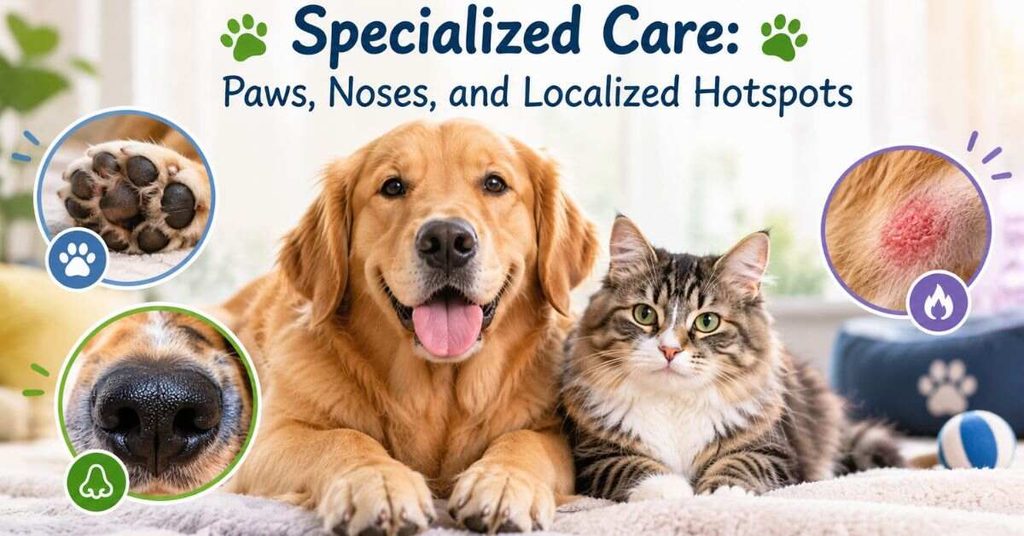
While overall coat health is important, certain areas of a dog’s body require highly targeted attention. Paws, noses, and skin folds endure constant friction, environmental exposure, and weather extremes. Utilizing coconut oil for dogs skin provides a wonderful, localized defense mechanism for these sensitive touchpoints.
Let’s look at how to manage everyday localized irritations and protect your dog’s most vulnerable extremities.
Soothing Cracked and Bleeding Paw Pads with Coconut Oil for Dogs Skin
Dogs navigate rough terrain, hot asphalt, and abrasive gravel daily. Over time, paw pads can become dry, rough, and even crack open, causing significant pain.
- Deep Hydration: Massaging virgin coconut oil for dogs skin into cracked pads softens hardened keratin layers.
- Pain Relief: The soothing emollient action eases the stinging sensation of minor splits.
- Flexible Protection: Restored moisture elasticity prevents pads from splitting further during walks.
Treating Dry, Chapped Canine Noses Safely
A dog’s nose should naturally stay moist, but wind, sun exposure, and indoor heating can lead to a dry, crusty, or chapped snout (sometimes called nasal hyperkeratosis). Because dogs frequently lick their noses, applying toxic chemical balms is out of the question. Pure organic coconut oil is completely safe if ingested, making it an ideal, non-toxic nose butter to restore smooth skin quickly.
Managing Hotspots, Scrapes, and Minor Skin Abrasions
Hotspots (acute moist dermatitis) appear suddenly, spreading rapidly as dogs chew and scratch at the irritated area. Learning how to use coconut oil for dogs skin during early hotspot formation can stop minor flare-ups in their tracks.
- Gentle Cleansing: Gently wipe the area clean before applying a thin layer of oil.
- Moisture Seal: Protects raw skin abrasions from airborne dust and debris while allowing oxygen to reach the tissue.
- Cooling Comfort: Alleviates the intense localized heat associated with inflammatory flare-ups.
Protecting Paws from Hot Pavement and Winter Salt
Extreme weather poses a severe hazard to canine paws. Summer pavements reach scorching temperatures that burn paw pads, while winter de-icing salts chemically burn and dry out sensitive skin between toes.
- Pre-Walk Barrier: Rubbing a thin layer of coconut oil for dogs skin onto paw pads before heading outside creates a protective, water-resistant shield.
- Salt Neutralization: Applying oil post-walk helps lift away lingering chemical salts and rehydrates skin stripped by ice-melt compounds.
Additional Health and Nutritional Advantages for Canines
While using coconut oil for dogs skin topically brings fast physical relief, feeding small amounts provides powerful internal benefits too. When integrated into a balanced diet, this botanical fat works from within to strengthen your pet’s body. Consequently, internal nourishment reflects directly on external coat shine and skin vitality.
Let’s examine how systemic intake improves digestion, energy levels, pest resistance, and brain function.
Supporting Healthy Digestion and Gut Microbiome Balance
Poor gut health often manifests directly as dull fur or flaky skin. Medium-chain fatty acids in coconut oil support smooth digestion by balancing gut microflora and improving overall nutrient absorption.
- Nutrient Absorption: Enhances the uptake of vital fat-soluble vitamins like A, D, E, and K.
- Microbiome Harmony: Lauric acid helps suppress harmful gut bacteria without disrupting beneficial probiotic strains.
- Gut Lining Support: Eases internal gastrointestinal inflammation, leading to firmer stools and better stool consistency.
Assisting with Weight Management and Metabolic Boosts
Many pet parents worry that adding fats will cause weight gain. However, MCTs differ significantly from the long-chain fats found in standard commercial foods.
| Lipid Type | Digestion Route | Metabolic Impact |
| Long-Chain Triglycerides (LCTs) | Slow lymphatic absorption; stored as body fat | High risk of weight gain if overfed |
| Medium-Chain Triglycerides (MCTs) | Direct liver absorption; converted to instant energy | Boosts metabolism and promotes healthy body composition |
Because MCTs go straight to the liver, they provide instant energy rather than accumulating in fat tissues.
Protecting Against Common External Pests and Parasites
External parasites like fleas, ticks, and mites irritate sensitive canine skin. Fortunately, lauric acid acts as a natural pest deterrent. Rubbing a light layer of coconut oil for dogs skin before outdoor hikes coats pests in a slippery, suffocating layer that prevents them from clinging onto hair shafts.
Slowing Cognitive Decline and Supporting Brain Health in Senior Dogs
As dogs age, their brains process glucose less efficiently, leading to cognitive dysfunction syndrome (canine dementia). MCTs break down into ketones, offering an alternative fuel source for aging brain cells.
- Mental Clarity: Helps senior dogs stay sharper, more alert, and responsive.
- Sustained Energy: Delivers steady, clean cellular energy directly to brain tissues.
- Sleep Cycle Support: Keeps elderly dogs calmer during evening hours by balancing brain metabolism.
Safety Precautions, Risks, and Veterinary Warnings

While natural remedies are generally safe, understanding potential risks ensures your dog stays healthy and happy. Pet parents often assume that because a product is natural, it carries zero side effects. However, every dog has a unique constitution, and improper usage can lead to unexpected complications.
Let’s review essential safety warnings, potential risks, and veterinary guidelines before adding coconut oil to your routine.
Is Coconut Oil for Dogs Skin Safe for All Breeds and Ages?
Generally speaking, coconut oil for dogs skin is safe for the vast majority of adult dogs and puppies when introduced gradually. However, young puppies have delicate digestive systems, and toy breeds require tiny quantities to avoid stomach upsets. Always perform a patch test on a small, hidden patch of skin before applying the oil liberally across your dog’s entire body.
Potential Digestive Side Effects and Loose Stools
If you feed your dog coconut oil alongside topical treatments, start with micro-doses. Introducing too much fat too quickly can shock the gastrointestinal tract, leading to:
- Loose Stools or Diarrhea: The most common sign that your dog received too much oil too fast.
- Mild Nausea: Temporary lack of appetite or excessive drooling.
- Greasy Flatulence: Rapid breakdown of fats that changes digestive gas output.
Understanding the Risks of Calorie Overload and Weight Gain
Coconut oil is calorie-dense, packing roughly 120 calories per tablespoon. If you feed it daily without adjusting your dog’s regular meal portions, those extra calories quickly add up. Over time, unmonitored caloric surplus leads to unwanted weight gain, placing unnecessary strain on canine joints and organs.
When Can Coconut Oil Trigger Pancreatitis in Dogs?
Pancreatitis is a severe, painful inflammation of the pancreas often triggered by sudden high-fat consumption. Is coconut oil safe for dogs skin and diet? Not for every dog.
Dogs with a history of pancreatitis, hyperlipidemia, or gastrointestinal sensitivities should avoid consuming coconut oil entirely. Always consult your veterinarian before adding fatty supplements if your dog has a medical history of pancreatic issues.
Medical Conditions and Situations Where You Must Avoid It
Certain underlying health conditions require strict dietary restrictions. You must avoid feeding coconut oil internally if your dog suffers from:
- Acute or Chronic Pancreatitis: Even moderate fat can trigger a dangerous flare-up.
- Severe Obesity: Extra calories hinder weight-loss management goals.
- Liver or Kidney Complications: Compromised organs struggle to process concentrated dietary fats efficiently.
Allergic Reactions: Can Coconut Oil Cause Skin Irritation in Sensitive Dogs?
True coconut allergies are rare, but individual sensitivities do happen. If you notice your dog scratching more intensely, developing hives, or showing redness after topical application, wash the oil off immediately with a mild hypoallergenic shampoo. Discontinue use and consult your veterinarian if hypersensitivity signs persist.
Step-by-Step Guide: How to Apply Coconut Oil for Dogs Skin
Knowing how to use coconut oil for dogs skin correctly makes all the difference between a greasy mess and a successful, healing spa session. Proper preparation and technique ensure your dog absorbs the vital nutrients without tracking oily paw prints all over your clean furniture.
Let’s walk through a foolproof, step-by-step procedure to pamper your pup safely at home.
Preparing Your Dog for Topical Treatment
Before opening the jar, take a few minutes to set up a calm environment. Preparation prevents stress and ensures your dog stays still during the application.
- Choose the Right Setting: Pick a quiet room with a non-slip surface, like a bathroom or an outdoor patio on a warm day.
- Warm the Oil: Scoop a small amount into your hands and rub your palms together until it melts into a clear, liquid state.
- Brush First: Gently brush your dog’s coat to remove loose undercoat hair, dirt, and debris so the oil reaches the skin directly.
Step-by-Step Instructions for Rubbing Oil into the Skin and Coat
Applying coconut oil requires a gentle, methodical touch to ensure even coverage without over-saturation. Follow these steps for best results:
- Part the Fur: Use your fingers to gently part your dog’s fur down to the skin level in the target area.
- Apply a Tiny Amount: Dab a fingertip into the melted oil and dot it directly onto the exposed skin patches.
- Massage Gently: Work the oil in using small, circular motions with your fingertips, stimulating blood circulation.
- Distribute Down the Shafts: Smooth any remaining oil on your hands down the length of the outer guard hairs to boost shine.
Best Tips to Stop Your Dog From Licking Coconut Oil Off Their Skin
Because coconut oil tastes delicious and smells nutty, most dogs will try to lick it off immediately. Ingestion in moderation is fine, but licking defeats the topical treatment purpose.
- Distract with a Puzzle Toy: Give your dog a frozen peanut butter-stuffed Kong or a long-lasting chew toy immediately after application.
- Use a Post-Surgical Suit or T-Shirt: Dress your dog in a lightweight baby onesie or a breathable canine recovery suit to block access to treated areas.
- Apply Right Before Mealtime: Distract them with dinner right after application so their attention stays focused on their food bowl.
How Long to Leave Coconut Oil on Your Dog’s Skin Before Washing
Wondering can I leave coconut oil on my dog overnight? Yes, you can! Because pure coconut oil is completely natural and non-toxic, leaving it on as a deep-conditioning overnight treatment is safe for most coats.
However, if you are treating specific localized hotspots or heavy flaking, let it sit for 20 to 30 minutes to penetrate deeply. Afterward, wipe away excess residue with a warm, damp microfiber cloth, or give them a gentle bath using an organic, sulfate-free pet shampoo.
Preventing Messes and Managing Excess Oil on Furniture
An oily dog sliding across leather or fabric sofas is every pet parent’s nightmare. Proper management keeps your home spotless while your dog heals:
- Use Towels: Lay old towels or designated dog blankets over their favorite resting spots and crate pads.
- Wipe Excess Residue: Always blot the coat with a dry towel 15 minutes after application to absorb unabsorbed surface oil.
- Confine Temporarily: Keep your dog in a tiled kitchen or hard-floor area for the first half-hour while the oil sets fully into the skin.
Feeding and Oral Dosage Guidelines
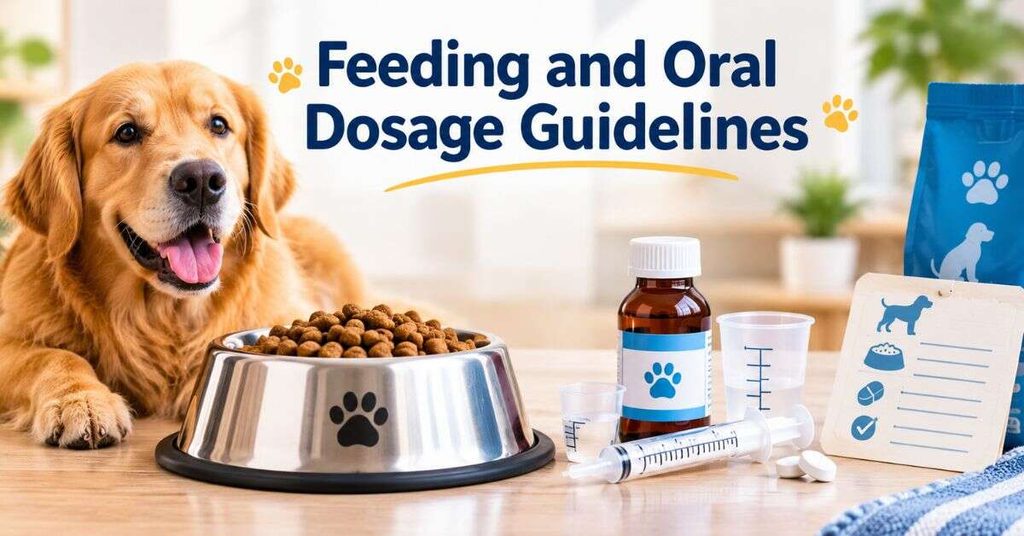
Integrating virgin coconut oil for dogs skin into your pet’s daily meals delivers fantastic internal health benefits, complementing your topical care routine. However, because dietary fats are rich in calories and impact digestion, getting the dosage right is critical.
Let’s explore how to calculate safe portions, introduce the oil smoothly into your feeding routine, and whip up tasty homemade treats.
Determining the Correct Daily Dosage Based on Your Dog’s Weight
Never guess when adding fats to your dog’s diet. Always start with conservative amounts and scale up slowly over two weeks to let their digestive system adjust.
| Dog Weight Category | Starting Daily Dose | Maintenance Daily Dose |
| Small Dogs (Under 20 lbs) | 1/4 teaspoon per day | 1/2 teaspoon per day |
| Medium Dogs (20–50 lbs) | 1 teaspoon per day | 1 to 2 teaspoons per day |
| Large Dogs (Over 50 lbs) | 1 tablespoon per day | 2 tablespoons maximum per day |
Splitting the daily allotment between morning and evening meals prevents sudden digestive overload.
How to Safely Introduce Coconut Oil into Your Dog’s Regular Diet
Transitioning your dog to a new supplement requires patience and careful observation.
- Start with Micro-Doses: Give just a pinch or a tiny fraction of a teaspoon on day one to test tolerance.
- Monitor Stool Consistency: Watch for signs of loose stool or gas over the first 48 hours before increasing the portion.
- Blend Thoroughly: Stir the oil directly into warm kibble or wet food so it coats the meal evenly rather than clumping at the bottom.
Mixing It into Homemade Dog Treats and Meals
If your dog turns their nose up at plain oil drizzled over food, baking it into healthy homemade treats offers a wonderful solution.
- DIY Coconut Pumpkin Bites: Blend organic pumpkin puree, coconut oil, oat flour, and a dash of cinnamon. Bake at 350°F (175°C) for 20 minutes for a gut-friendly, skin-nourishing snack.
- Melted Broth Cubes: Melt a tablespoon of coconut oil into warm bone broth, pour it into silicone ice cube trays, and freeze for refreshing summer treats.
Comparing Raw Oil Versus Commercial Pet Products
Walking down the pet store aisle or browsing online, you will find countless options labelled as “coconut oil for dogs skin.” With so many variations available ranging from raw jars in the grocery aisle to specialized veterinary balms, choosing the right product can feel overwhelming.
Let’s break down the differences between raw oils, specialized extracts, and commercial pet products so you can make the best choice for your furry friend.
Raw Virgin Coconut Oil vs. Refined Coconut Oil
When selecting a jar for your dog, the processing method matters tremendously.
- Virgin Coconut Oil: Extracted from fresh coconut meat without high heat or chemical solvents. It retains its natural antioxidants, light aroma, and maximum healing properties. This is the gold standard for both topical and internal use.
- Refined Coconut Oil (“RBD”): Made from dried coconut meat (copra) that undergoes bleaching, deodorization, and high-heat processing. While it has a higher smoke point for cooking, it loses most of its beneficial phytonutrients and delicate fatty acids, making it less effective for skin care.
Organic Cold-Pressed vs. Fractionated Coconut Oil: Which Is Better for Dogs?
You may also encounter fractionated coconut oil, which remains liquid at room temperature because long-chain fatty acids have been removed.
- Organic Cold-Pressed Virgin Oil: Solid at room temperature, highly nourishing, and packed with lauric acid. It is the absolute best coconut oil for dogs skin because it provides deep, solid emollient barrier protection.
- Fractionated Oil: Great as a lightweight carrier oil for aromatherapy massage, but lacks the rich concentration of lauric and caprylic acids needed for heavy-duty skin repair. Stick to cold-pressed virgin oil for therapeutic results.
Is a Coconut-Based Shampoo Better Than Raw Oil?
Many grooming brands offer coconut-infused shampoos. While these shampoos are fantastic for routine cleaning and adding a pleasant scent, they rinse down the drain too quickly to provide deep therapeutic healing.
Raw virgin coconut oil acts as a leave-in treatment, offering sustained moisture retention and antimicrobial protection that a rinse-off shampoo simply cannot match. Use coconut shampoo for bathing, and reserve raw virgin oil for targeted skin conditioning.
Choosing the Best Commercial Balms Containing Coconut Oil for Dogs Skin
If pure oil proves too messy or melts too quickly on hot days, commercial paw balms and nose butters infused with coconut oil offer a convenient alternative. Look for products that combine coconut oil with beeswax, shea butter, and vitamin E. These ingredients create a firmer, wax-like consistency that stays put on active paws without staining floors or furniture.
Conclusion: Embracing Natural Canine Wellness with Coconut Oil
Bringing our ultimate guide to a close, utilizing coconut oil for dogs skin is one of the easiest, most cost-effective, and rewarding choices you can make as a pet parent. By understanding the science behind Medium-Chain Triglycerides (MCTs), mastering proper topical application techniques, and following safe dietary dosage guidelines, you unlock a powerful, chemical-free tool for your dog’s daily care.
Whether you are soothing dry winter paws, managing seasonal shedding, or boosting your senior dog’s vitality from the inside out, pure organic coconut oil delivers incredible results. Always start slow, monitor your dog’s unique response, and consult your veterinarian for chronic conditions. With patience and consistency, you will keep your furry companion looking glossy, feeling comfortable, and wagging their tail with joy for years to come!
About the Author
Noor Fatima | SEO Expert & Natural Oils Specialist
Credentials:
As an SEO expert and the driving force behind Pure Oils Hub (pureoilshub.com), I combine over 8 years of digital strategy and search optimization with a deep, lifelong passion for organic aromatherapy and plant-based living.
First-Hand Experience:
“Navigating the digital landscape for more than 8 years while researching pure botanical and carrier oils has shown me that creating a truly helpful website takes more than just technical SEO. It requires a genuine commitment to cutting through the noise of commercial, synthetic products to deliver honest, thoroughly researched, and practical guides. My goal is to make natural wellness accessible to everyone, helping you discover the simple, powerful ways pure oils can transform your daily self-care routine.”
FAQs:
Can I apply coconut oil to my dog’s skin every single day?
Yes, for most dogs, daily application is completely safe especially when treating localized dry spots, cracked paws, or minor winter flakiness. However, if your dog has oily skin or is prone to yeast overgrowth, daily application might trap too much moisture. Monitor your dog’s skin response closely and adjust application frequency to two or three times a week if you notice any buildup.
Is it harmful if my dog licks the oil off their coat during application?
In small amounts, ingesting virgin coconut oil for dogs skin is entirely harmless and actually offers wonderful internal health benefits. The main concern with licking is simply that it removes the topical treatment before it can fully absorb. Distracting your dog with a puzzle toy or using a light recovery suit right after application easily solves this problem.
What alternative oils work best for dogs with severe skin allergies?
If your dog has a rare sensitivity to coconut products, several fantastic alternative plant oils offer soothing skin benefits:
- Omega-3 Fish Oil: Excellent for reducing systemic inflammation and supporting overall skin health from within.
- Hemp Seed Oil: Rich in essential fatty acids that soothe itchy, irritated skin without clogging pores.
- Olive Oil: Provides gentle surface moisture for mild dryness, though it lacks the antimicrobial properties of lauric acid.
How much coconut oil should I give a small puppy versus a large adult dog?
Internal dosage depends entirely on your dog’s body weight. Small puppies and toy breeds under 20 pounds should receive no more than one-quarter to one-half teaspoon daily. Large adult dogs over 50 pounds can safely consume one to two tablespoons per day, split across morning and evening meals. Always start with a tiny pinch to test digestive tolerance.
Does coconut oil stain carpets, clothes, or dog bedding?
Pure organic coconut oil is a natural lipid, meaning it can leave translucent grease spots on fabrics, carpets, or leather furniture if applied in excess. To prevent stains, always melt a tiny amount in your hands, massage it thoroughly into the skin and coat, and gently blot away any unabsorbed surface residue with a clean towel before letting your dog lounge on furniture.
How soon can I expect to see visible improvements in my dog’s skin and coat?
Every dog responds differently depending on the severity of their skin dryness. However, most pet parents notice a softer, glossier coat and a significant reduction in flakiness within 7 to 14 days of consistent topical and dietary care. For chronic conditions or deep skin barrier repair, allow up to 3 to 4 weeks for complete healing.