Introduction:
Avocado oil has become one of the most trusted natural oils for modern hair care. Rich in healthy fatty acids, vitamins, and powerful antioxidants, it helps nourish both the hair shaft and the scalp. Unlike many heavier oils that remain on the surface, avocado oil contains nutrients that can penetrate the hair cuticle more effectively, making it especially valuable for dry, damaged, and chemically treated hair.
Whether your goal is to reduce frizz, improve softness, support a healthier scalp, or strengthen weak strands, avocado oil for hair offers several practical benefits. While it is not a miracle treatment that instantly grows hair overnight, regular use can improve overall hair condition, reduce breakage, and create an environment where healthier hair can thrive.
In this complete guide, you’ll learn the science behind avocado oil, its proven and potential benefits, the best ways to use it, what current research says about avocado oil for hair growth, common mistakes to avoid, and how to choose the right product for your hair type.
What Is Avocado Oil and Why Is It Good for Hair?
Avocado oil is a nutrient-rich plant oil extracted from the flesh of ripe avocados rather than the seed. This makes it different from many other vegetable oils because the fruit itself contains a high concentration of beneficial lipids, vitamins, and antioxidants. These natural compounds help protect hair from everyday stress while improving moisture retention and softness.
One of the biggest reasons avocado oil for hair has gained popularity is its balanced composition. It contains oleic acid, linoleic acid, vitamin E, vitamin A, phytosterols, and other bioactive compounds that support healthier-looking hair. These nutrients help reduce dryness, smooth the hair cuticle, and maintain a healthier scalp barrier.
Unlike products that simply coat the surface of the hair, avocado oil has a relatively high level of monounsaturated fats. As a result, it can penetrate the outer layers of the hair more effectively than many heavier oils. Consequently, hair feels softer, smoother, and easier to manage without becoming excessively greasy.
Another advantage is its versatility. People use avocado oil as a pre-shampoo treatment, hot oil treatment, scalp massage oil, leave-in serum, and conditioning booster. Therefore, it fits easily into almost any hair care routine regardless of hair texture.
How Avocado Oil Is Made
High-quality avocado oil is produced by extracting oil from the fleshy pulp of mature avocados. Manufacturers first wash, peel, and remove the seed before crushing the fruit into a smooth paste. The oil is then separated using either mechanical pressing or centrifugation.
The best products are usually cold-pressed because they are extracted without excessive heat. This gentle process helps preserve valuable nutrients such as vitamin E, antioxidants, and essential fatty acids. As a result, cold-pressed avocado oil typically offers greater nutritional value for hair care.
Some manufacturers refine avocado oil after extraction. During refining, heat and filtration remove impurities, color, and odor. Although refined avocado oil for hair remains useful as a lightweight moisturizer, part of its naturally occurring antioxidant content may decrease during processing.
When choosing avocado oil, look for products labeled 100% pure, cold-pressed, and unrefined whenever possible. These options generally retain more of the nutrients that contribute to healthier hair.
Nutritional Composition: What Makes Avocado Oil Effective?
The effectiveness of avocado oil comes from its unique combination of nourishing compounds that work together to support healthier hair and scalp.
| Nutrient | How It Benefits Hair |
| Oleic Acid | Helps improve moisture absorption and reduces dryness. |
| Linoleic Acid | Supports the scalp’s natural protective barrier. |
| Vitamin E | Acts as an antioxidant that helps defend hair from environmental damage. |
| Vitamin A | Supports normal skin cell function on the scalp. |
| Phytosterols | Help soothe dryness while supporting scalp health. |
| Antioxidants | Reduce oxidative stress caused by pollution and UV exposure. |
| Healthy Fatty Acids | Improve softness, flexibility, and shine while reducing brittleness. |
These nutrients work together instead of acting independently. For example, fatty acids help lock moisture into the hair, while antioxidants reduce external damage that gradually weakens hair fibers. Consequently, regular use may improve the overall appearance, texture, and manageability of hair.
Although avocado oil supplies valuable nutrients, it should not replace a balanced diet. Healthy hair depends on both proper nutrition and an effective hair care routine.
Why Avocado Oil Is Different from Other Natural Hair Oils
Natural hair oils each have unique properties, but avocado oil stands out because it provides an excellent balance of penetration, moisture, and nutrition.
Many heavier oils mainly form a protective layer around the hair shaft. In contrast, avocado oil contains smaller amounts of monounsaturated fatty acids that can penetrate the cuticle more effectively. Therefore, it helps moisturize hair from within instead of only coating the surface.
Another difference is its rich vitamin profile. While many natural oils primarily deliver fatty acids, avocado oil also contains naturally occurring vitamin E, plant sterols, and antioxidant compounds that help protect hair from daily environmental stress.
Its texture also makes it highly versatile. It is rich enough to nourish thick, curly, and damaged hair while remaining lighter than some traditional oils when used in moderation. As a result, many people find it easier to distribute evenly throughout the hair.
Finally, avocado oil blends well with other ingredients. It works effectively alongside coconut oil, argan oil, jojoba oil, aloe vera, honey, and essential oils in homemade hair treatments. This flexibility allows users to customize treatments according to their specific hair concerns instead of relying on a single product.
Benefits of Avocado Oil for Hair
Healthy hair depends on a strong scalp, balanced moisture, and minimal damage. Avocado oil for hair supports all three by delivering nourishing fatty acids, antioxidants, and vitamins that improve the condition of both the scalp and hair strands. Although results vary from person to person, consistent use can make hair feel softer, stronger, and easier to manage over time.
Instead of offering a temporary cosmetic effect, avocado oil helps improve the overall health of the hair fiber. Consequently, many people notice less breakage, improved shine, and smoother hair after incorporating it into a regular hair care routine.
Deeply Moisturizes Dry Hair
Dry hair often lacks enough natural oils to stay soft and flexible. As a result, it becomes rough, dull, and more likely to break during brushing or styling. One of the biggest advantages of avocado oil for hair is its ability to replenish lost moisture without leaving heavy buildup.
Its high concentration of oleic acid and healthy fats helps the hair retain water for longer periods. Therefore, the strands stay hydrated even in dry weather or after frequent heat styling. Unlike some heavier oils that only coat the surface, avocado oil helps soften the cuticle and improve the hair’s natural texture.
People with naturally dry, curly, or chemically treated hair often benefit the most because these hair types lose moisture more quickly than healthy virgin hair.
Reduces Breakage and Split Ends
Hair becomes weak when the protective outer layer starts to wear away. Frequent coloring, heat tools, tight hairstyles, and environmental exposure gradually weaken the hair shaft. Consequently, strands become brittle and develop split ends.
Regular application of avocado oil helps improve flexibility by lubricating the hair cuticle. Flexible hair bends more easily instead of snapping under tension. As a result, daily brushing and styling cause less mechanical damage.
Although avocado oil cannot repair split ends that have already formed, it can reduce additional splitting by protecting the ends from excessive dryness. Pairing avocado oil with regular trims offers the best long-term results for healthier-looking hair.
Helps Control Frizz and Flyaways
Frizz develops when the hair cuticle lifts and allows moisture from the surrounding air to enter unevenly. This causes strands to swell, making the hair appear rough and difficult to style.
Avocado oil smooths the outer surface of the hair and helps seal the cuticle. Consequently, humidity has less impact on the hair, reducing unwanted frizz and flyaways throughout the day.
For the best results, apply only a few drops to damp hair and focus on the mid-lengths and ends. Using too much product may weigh down fine hair instead of enhancing its appearance.
Supports a Healthy Scalp Barrier
Healthy hair begins with a healthy scalp. The scalp’s protective barrier helps retain moisture while defending against irritation and environmental stress. However, harsh shampoos, excessive washing, and pollution can weaken this natural barrier over time.
Avocado oil contains beneficial fatty acids and plant compounds that help nourish the scalp and reduce dryness. Therefore, the scalp remains more comfortable and balanced, creating better conditions for healthy hair growth.
Gentle scalp massage with avocado oil may also improve the distribution of natural oils across the scalp, leaving it feeling softer and less tight after washing.
May Help Reduce Dandruff
Dandruff can develop for several reasons, including excess oil production, dry skin, irritation, or the overgrowth of naturally occurring scalp yeast. While avocado oil does not treat every cause of dandruff, it may help relieve dryness that contributes to visible flakes.
Its moisturizing properties help soften dry skin and reduce tightness after shampooing. Consequently, some people notice fewer dry flakes and less scalp discomfort with regular use.
However, persistent dandruff accompanied by redness, severe itching, or inflammation may require medicated treatment rather than natural oils alone. In such cases, consulting a healthcare professional is the best option.
Protects Hair From Daily Damage
Hair faces daily stress from sunlight, pollution, heat styling, brushing, and chemical treatments. Over time, these factors gradually weaken the hair cuticle and reduce shine.
Avocado oil contains vitamin E and other antioxidants that help protect hair against oxidative stress caused by environmental exposure. While it cannot completely prevent damage, it supports healthier-looking hair by minimizing moisture loss and improving the hair’s natural resilience.
Using avocado oil before heat styling should never replace a dedicated heat protectant. Instead, it works best as part of a complete hair care routine.
Makes Hair Softer and Easier to Detangle
Knots and tangles increase friction during brushing, which often leads to unnecessary breakage. Smooth, hydrated hair naturally tangles less because individual strands slide past one another more easily.
Avocado oil adds lightweight lubrication that improves manageability without making hair excessively greasy. As a result, combs and brushes move through the hair with less resistance, reducing pulling and breakage.
This benefit is especially noticeable for curly, coily, and long hair, where detangling often takes more time and causes additional stress on the strands.
Can Improve Overall Hair Strength
Strong hair is not simply thick hair. True strength comes from healthy, flexible strands that resist everyday wear and tear. Moisture balance plays a major role because dry hair becomes fragile much faster than properly hydrated hair.
By improving moisture retention and reducing surface damage, avocado oil for hair helps maintain stronger, healthier strands over time. Consequently, hair becomes less prone to snapping during styling, washing, or brushing.
It is important to set realistic expectations. Avocado oil strengthens existing hair by improving its condition, but it cannot permanently change your natural hair thickness or genetics. Consistent care, a balanced diet, and gentle styling habits remain essential for achieving the best long-term results.
Avocado Oil for Hair Growth: What Does Research Say?
Many people search for avocado oil for hair growth because they want a natural solution for thinning hair, weak strands, or slow-growing hair. Avocado oil has gained popularity because it contains nutrients that support healthier hair and scalp conditions. However, understanding what it can and cannot do is important before adding it to your routine.
Hair growth is a complex biological process controlled by factors such as genetics, hormones, nutrition, age, and overall health. No single oil can instantly increase hair growth or reverse every type of hair loss. However, nourishing oils like avocado oil may help improve the condition of existing hair, reduce breakage, and support a healthier scalp environment.
When hair becomes stronger and breaks less frequently, it can retain more length. This often creates the appearance of faster growth, even though the natural growth rate of follicles may remain unchanged.
Can Avocado Oil Stimulate Hair Growth?
Avocado oil may support conditions that are important for healthy hair growth, but direct evidence showing that it stimulates new hair growth is currently limited.
The oil contains several nutrients that contribute to scalp and hair health, including:
- Vitamin E, which helps protect cells from oxidative stress.
- Oleic acid, a fatty acid that supports moisture retention.
- Linoleic acid, which helps maintain the scalp’s protective barrier.
- Antioxidants, which help defend against environmental damage.
A healthy scalp provides a better foundation for normal follicle activity. When the scalp remains moisturized and balanced, hair is less likely to become weak due to excessive dryness or irritation.
Some people also massage avocado oil into their scalp. Scalp massage itself may temporarily increase blood circulation near the skin surface, which can support relaxation and scalp care. However, researchers have not confirmed that avocado oil directly activates dormant follicles or significantly increases the speed of hair growth.
The main benefit of avocado oil for hair growth is improving hair quality, which helps existing strands remain stronger for longer.
Can It Regrow Bald Patches?
Avocado oil cannot be considered a proven treatment for bald patches. Hair loss in specific areas often happens because of underlying conditions that require targeted solutions.
Common causes of bald patches include:
- Genetic hair loss
- Hormonal changes
- Alopecia areata
- Nutritional deficiencies
- Scalp infections
- Certain medical conditions
Avocado oil may improve dryness and support scalp comfort, but it cannot repair damaged follicles or replace medical treatments designed for hair loss.
If bald patches appear suddenly, continue increasing, or occur with itching and inflammation, professional evaluation is recommended. Identifying the cause early gives a better chance of finding an effective treatment.
For people dealing with normal breakage, dryness, or weak strands, avocado oil may help create healthier-looking hair by reducing damage and improving flexibility.
What Current Research Actually Shows
Scientific studies directly examining avocado oil as a hair growth treatment are limited. Most research focuses on the individual nutrients found in avocado oil rather than proving that the oil itself increases hair growth.
Research shows that healthy fats and antioxidants can play an important role in maintaining skin and hair condition. These compounds help protect cells from damage and support moisture balance, which are important factors for a healthy scalp.
Avocado oil may provide benefits such as:
- Improving hair softness
- Reducing dryness
- Supporting scalp hydration
- Minimizing friction during brushing
- Helping reduce breakage
These effects can contribute to better hair retention. Hair retention means keeping the hair you naturally grow by preventing unnecessary breakage and damage.
A person whose hair breaks less may notice longer and fuller-looking hair over time. This is different from increasing the biological speed of follicle growth.
| Claim | Scientific Understanding |
| Avocado oil improves moisture | Supported |
| Avocado oil reduces dryness | Supported |
| Avocado oil helps reduce breakage | Likely beneficial |
| Avocado oil directly increases hair growth speed | Not proven |
| Avocado oil regrows bald areas | No strong evidence |
| Avocado oil supports healthier hair appearance | Supported |
Realistic Expectations for Hair Growth
Healthy hair growth requires patience because follicles follow a natural growth cycle. Most people grow approximately 1 to 1.5 centimeters of hair per month, although individual results vary.
Using avocado oil consistently may improve the quality of your hair rather than dramatically changing its growth speed. After regular use, some people notice:
- Softer hair texture
- Less breakage
- Improved shine
- Better manageability
- Healthier-looking ends
For stronger results, combine avocado oil with other healthy hair practices:
- Eat a balanced diet rich in protein and essential nutrients.
- Avoid excessive heat styling.
- Use gentle hair products.
- Protect hair from environmental damage.
- Maintain regular scalp care.
The best way to view avocado oil for hair growth is as a supportive treatment that improves hair health and helps protect existing strands. It can become a valuable part of a consistent routine, but realistic expectations are essential for long-term success.
Who Should Use Avocado Oil for Hair?
One of the biggest advantages of avocado oil for hair is its versatility. It works well for many hair textures and concerns because it provides moisture, improves softness, and helps reduce everyday damage. However, not every hair type responds in exactly the same way. Using the right amount and application method makes a noticeable difference in the final results.
If your hair feels dry, breaks easily, becomes frizzy in humid weather, or has lost its natural shine, avocado oil can be a valuable addition to your hair care routine. At the same time, people with fine or low-porosity hair should use smaller amounts to avoid weighing the hair down.
Dry and Damaged Hair
Dry and damaged hair benefits the most from avocado oil because it often lacks moisture and flexibility. Frequent coloring, bleaching, heat styling, and chemical treatments gradually weaken the hair cuticle, leaving strands rough and brittle.
The healthy fatty acids in avocado oil help replenish lost moisture and improve elasticity. Consequently, hair becomes softer, smoother, and less likely to snap during brushing or styling.
For severely damaged hair, using avocado oil as a weekly deep-conditioning treatment can improve manageability while reducing the appearance of dryness. Although it cannot repair permanently damaged hair, it helps protect healthy sections from further wear.
Curly and Frizzy Hair
Curly hair naturally loses moisture faster than straight hair because the scalp’s natural oils have a harder time traveling down the twists and bends of each strand. As a result, curls often become dry, frizzy, and difficult to define.
Avocado oil helps smooth the hair cuticle while locking in hydration. Therefore, curls appear more defined, softer, and easier to style throughout the day.
Applying a small amount to damp hair also helps reduce flyaways without making curls stiff or crunchy. People with thick, coarse, or textured hair often notice the greatest improvement.
High-Porosity Hair
High-porosity hair absorbs moisture quickly but also loses it just as fast. This type of hair often feels dry shortly after washing and is more vulnerable to breakage.
Because avocado oil penetrates the hair shaft relatively well, it helps improve moisture retention inside the strand. Consequently, hair stays hydrated for longer and feels less rough between wash days.
High-porosity hair commonly results from chemical processing, heat damage, or repeated coloring. Adding avocado oil to a regular conditioning routine can help improve the hair’s overall appearance and reduce excessive dryness.
Low-Porosity Hair
Low-porosity hair has tightly packed cuticles that resist moisture absorption. Heavy oils may simply sit on the surface instead of penetrating the hair, leading to buildup.
Fortunately, avocado oil is lighter than many traditional oils. When used sparingly, it can provide moisture without leaving an excessively greasy finish. Applying just a few drops to slightly damp hair usually produces better results than using large amounts on dry hair.
People with low-porosity hair should avoid overapplying any oil. Instead, start with a small amount and increase only if necessary.
Color-Treated Hair
Hair coloring, bleaching, and chemical straightening gradually weaken the protective outer layer of the hair. Consequently, colored hair often becomes dry, porous, and more prone to fading.
Avocado oil helps restore softness by reducing moisture loss and smoothing the cuticle. Well-hydrated hair also reflects light more evenly, making color-treated hair appear shinier and healthier.
Although avocado oil does not prevent color fading completely, it supports healthier strands that tolerate routine washing and styling more effectively.
Sensitive or Dry Scalp
A dry or sensitive scalp often feels tight, flaky, or uncomfortable after shampooing. Environmental changes, harsh cleansers, and excessive washing can weaken the scalp’s natural protective barrier over time.
Avocado oil provides lightweight nourishment that helps improve scalp hydration without relying on harsh ingredients. As a result, many people experience less dryness and greater comfort after regular use.
Before applying avocado oil to the entire scalp, perform a small patch test on the skin. This simple step helps identify any unexpected sensitivity and reduces the risk of irritation.
Quick Guide: Which Hair Types Benefit Most?
| Hair Type | How Avocado Oil Helps |
| Dry Hair | Restores moisture and improves softness |
| Damaged Hair | Reduces breakage and improves flexibility |
| Curly Hair | Controls frizz and enhances curl definition |
| High-Porosity Hair | Helps retain moisture for longer |
| Low-Porosity Hair | Works well when used in small amounts |
| Color-Treated Hair | Improves smoothness and supports healthy-looking color |
| Sensitive Scalp | Helps relieve dryness and supports the scalp barrier |
Overall, avocado oil for hair suits most hair types when used correctly. Choosing the right application method and using an appropriate amount for your hair texture will help you achieve the best possible results while avoiding unnecessary buildup.
Read More:https://pureoilshub.com/how-to-cook-with-coconut-oil/
How to Use Avocado Oil for Hair
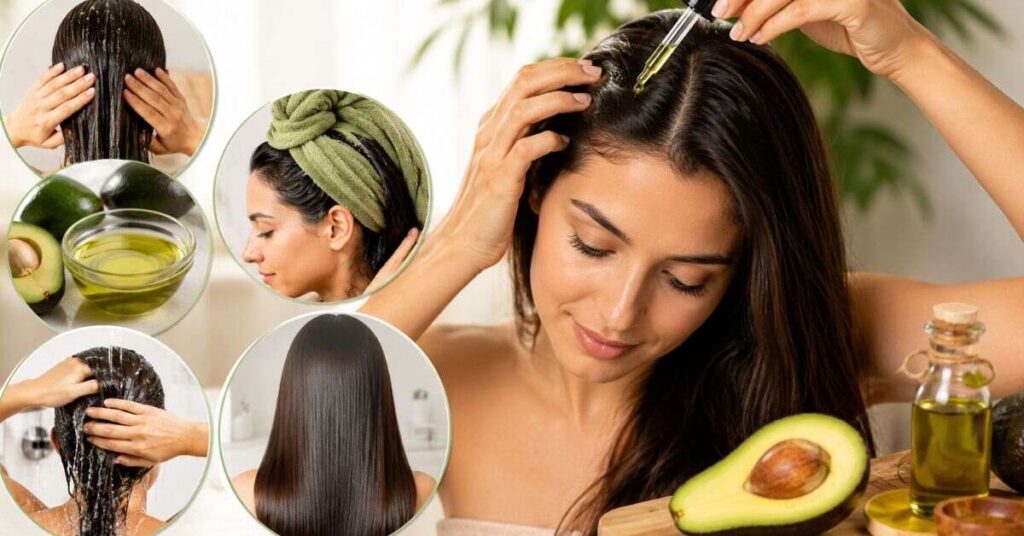
Using avocado oil for hair correctly is important because the right method helps deliver maximum moisture and nourishment without creating buildup. Different hair types need different application techniques. For example, dry and damaged hair may benefit from deep treatments, while fine hair usually needs lighter applications.
As a Pre-Shampoo Treatment
A pre-shampoo treatment helps protect hair before cleansing. Shampoo can remove natural oils, especially when used frequently. Applying avocado oil before washing creates a protective layer that reduces excessive dryness.
How to use it:
- Take 1–2 tablespoons of avocado oil depending on your hair length.
- Warm the oil slightly between your palms.
- Apply it from the middle of the hair toward the ends.
- Leave it for 30 minutes to 2 hours.
- Wash your hair with a gentle shampoo.
Best for:
- Dry hair
- Damaged strands
- Split ends
- Chemically treated hair
Tip: Avoid applying too much oil near the roots if your scalp becomes oily easily.
As a Hot Oil Treatment
A hot oil treatment allows the oil to spread more evenly through the hair. Gentle warmth helps soften the hair cuticle, making the treatment more effective.
Steps to follow:
- Place avocado oil in a heat-safe container.
- Warm it slightly using indirect heat.
- Test the temperature before applying.
- Massage the oil into your scalp and hair.
- Cover your hair with a towel or shower cap.
- Leave it for 20–45 minutes.
- Rinse thoroughly.
Benefits of hot oil treatment:
- Improves moisture retention
- Reduces rough texture
- Adds shine
- Makes hair easier to manage
Never use extremely hot oil because excessive heat can irritate the scalp.
As a Scalp Massage Oil
A healthy scalp creates the foundation for healthy hair. Using avocado oil as a scalp massage oil helps moisturize dry skin and supports a comfortable scalp environment.
Application method:
- Apply a small amount of oil to your fingertips.
- Massage your scalp gently for 5–10 minutes.
- Focus on dry areas instead of soaking the scalp.
- Leave it for 30 minutes before washing.
Possible benefits:
- Helps reduce scalp dryness
- Supports scalp moisture balance
- Improves relaxation during hair care
- Helps distribute natural oils
Although scalp massage may support circulation, avocado oil should not be considered a guaranteed treatment for hair loss.
As a Leave-In Serum
Avocado oil can work as a natural finishing serum when used in a very small amount. It helps smooth the outer layer of hair and reduces the appearance of frizz.
How to apply:
- Take 2–4 drops of avocado oil.
- Rub it between your hands.
- Apply only to the ends and mid-lengths.
- Style your hair normally.
Ideal for:
- Frizzy hair
- Dry ends
- Curly hair
- Dull-looking hair
Using too much oil as a serum may make hair appear greasy, especially if you have fine hair.
As an Overnight Hair Treatment
An overnight treatment gives the oil more time to condition dry strands. However, leaving oil overnight does not work better for everyone.
Steps:
- Apply a small amount of avocado oil to dry or damp hair.
- Cover your hair with a silk scarf or shower cap.
- Sleep with the treatment overnight.
- Wash thoroughly in the morning.
Overnight treatment may help:
- Extremely dry hair
- Thick hair textures
- Damaged ends
- Rough-feeling strands
Avoid overnight oiling if you have:
- Very oily scalp
- Frequent scalp buildup
- Sensitive skin reactions
As a Hair Conditioning Treatment
Avocado oil can improve the conditioning effect of your regular hair routine. It works especially well when combined with moisturizing ingredients.
Simple conditioning method:
- Mix a few drops of avocado oil with your conditioner.
- Apply the mixture to the lengths of your hair.
- Leave it for 5–10 minutes.
- Rinse with lukewarm water.
Results you may notice:
- Softer hair texture
- Easier detangling
- Reduced dryness
- Improved shine
Best Ways to Use Avocado Oil Based on Hair Needs
| Hair Concern | Best Application Method |
| Dry hair | Pre-shampoo treatment |
| Frizz | Leave-in serum |
| Damaged hair | Hot oil treatment |
| Dry scalp | Scalp massage |
| Rough texture | Conditioning treatment |
| Thick hair | Overnight treatment |
Using avocado oil for hair consistently and choosing the correct method for your hair type can help improve softness, manageability, and overall hair appearance without unnecessary buildup.
DIY Avocado Oil Hair Recipes
Making homemade hair treatments with avocado oil for hair allows you to combine natural ingredients that target specific hair concerns. Whether your goal is deeper hydration, reduced frizz, improved softness, or better scalp comfort, DIY recipes can be customized according to your hair type.
The advantage of homemade avocado oil treatments is that you control every ingredient. Instead of relying on products with unnecessary additives, you can create simple blends using nourishing ingredients that support healthier-looking hair. However, always perform a patch test before trying a new mixture, especially if you have a sensitive scalp.
Nourishing Hair Mask
A nourishing avocado oil hair mask works as an intensive treatment for dry, rough, and damaged hair. Hair loses moisture because of heat styling, environmental exposure, and chemical treatments, which can make strands feel weak and lifeless.
To prepare this mask, mix two tablespoons of avocado oil with one tablespoon of aloe vera gel or natural yogurt. Apply the mixture evenly from the middle of your hair toward the ends and leave it for 30–45 minutes before washing.
This treatment helps improve softness, reduces the feeling of dryness, and makes hair easier to manage. The fatty acids in avocado oil support moisture retention, while the additional ingredients provide extra conditioning benefits.
Coconut and Honey Hair Mask
The combination of avocado oil, coconut oil, and honey creates a deeply moisturizing treatment for dry and damaged hair. Each ingredient provides a different benefit that supports overall hair health.
Coconut oil helps reduce protein loss from the hair shaft, while honey works as a natural humectant that attracts moisture. When combined with avocado oil, the mixture creates a rich mask that improves smoothness and flexibility.
To make this recipe, combine one tablespoon of avocado oil, one tablespoon of coconut oil, and one tablespoon of honey. Apply it to damp hair, allow it to sit for 30 minutes, and rinse thoroughly with a mild shampoo.
This mask works especially well for thick, curly, and chemically treated hair that requires extra moisture.
Homemade Leave-In Conditioner
A homemade leave-in conditioner with avocado oil can help maintain softness between wash days. Unlike traditional rinse-out conditioners, leave-in treatments provide lightweight hydration throughout the day.
You can create a simple formula by mixing water, aloe vera gel, and a few drops of avocado oil in a spray bottle. Shake well before each use because natural oils separate from water-based ingredients.
Apply a small amount to damp hair, focusing mainly on the ends. This treatment helps reduce dryness, improve manageability, and protect hair from becoming rough between washes.
Frizz Control Serum
Frizz usually appears when the hair cuticle becomes uneven and loses moisture. A natural avocado oil serum helps smooth the outer layer of the hair and improves the appearance of dry, flyaway strands.
To make a simple serum, combine avocado oil with a lightweight oil such as jojoba oil or argan oil. Use only a few drops because concentrated oils can make hair appear greasy when overapplied.
Apply the serum after styling or whenever your hair feels dry. This method works particularly well for curly, wavy, and humidity-prone hair because it helps maintain a smoother finish.
Scalp Massage Blend
A scalp massage blend using avocado oil can support scalp hydration and create a relaxing hair care experience. A dry scalp often feels uncomfortable and may contribute to visible flaking caused by moisture imbalance.
For this blend, mix avocado oil with a small amount of another scalp-friendly oil such as jojoba oil. Massage the mixture gently into the scalp using your fingertips for several minutes.
Regular scalp massage may improve comfort and help distribute oils more evenly. However, avocado oil should not be considered a medical treatment for scalp conditions or severe hair loss.
Strengthening Hair Spray
A lightweight strengthening hair spray can help refresh hair while adding moisture without the heaviness of traditional oil treatments. This option is useful for people who prefer quick daily care.
To create this spray, combine distilled water, aloe vera juice, and a few drops of avocado oil in a spray bottle. Shake well before application and lightly mist it over the hair.
This spray can help reduce dryness, improve softness, and make hair feel smoother throughout the day. It works best when used as a supportive treatment alongside a complete hair care routine.
Detangling Spray
Tangled hair experiences more friction during brushing, which increases the risk of breakage. A homemade avocado oil detangling spray helps improve slip, allowing combs and brushes to move through the hair more easily.
Mix water, a small amount of conditioner, and a few drops of avocado oil to create a simple detangling formula. Spray it onto tangled areas and gently work through the hair from the ends upward.
This method is especially helpful for long, curly, and textured hair because these hair types often require extra moisture and careful handling.
A consistent DIY routine using avocado oil for hair can improve softness, reduce dryness, and support better hair manageability. The key is using the right ingredients, applying the correct amount, and choosing treatments that match your specific hair needs.
Common Mistakes to Avoid When Using Avocado Oil
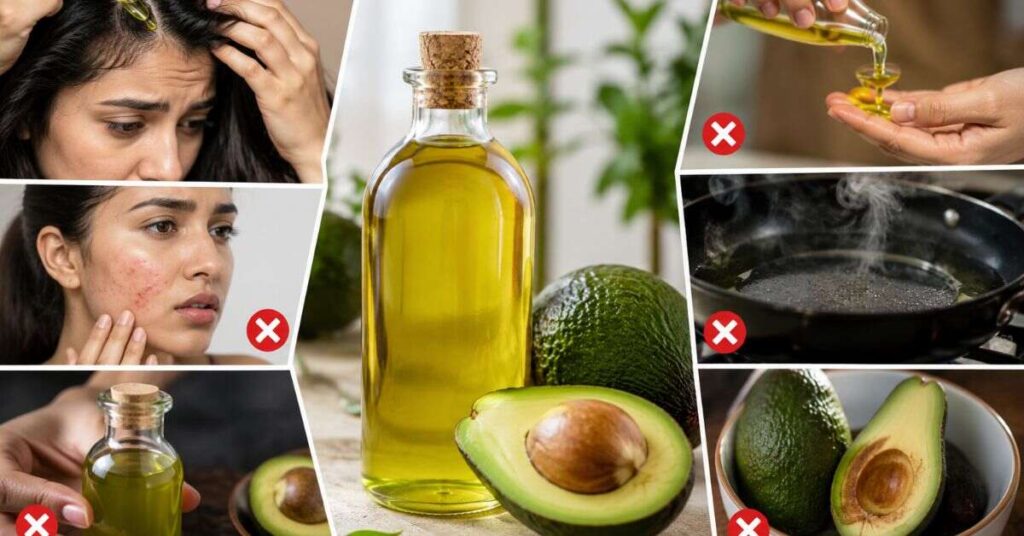
Although avocado oil for hair offers many benefits, using it incorrectly can reduce its effectiveness or create unwanted problems. Many people assume that applying more oil will produce faster results, but hair care depends on balance and consistency.
Choosing the right amount, applying it correctly, and understanding your hair type are important steps for achieving better results. Avoiding common mistakes helps you get the moisturizing and protective benefits of avocado oil without causing buildup, heaviness, or scalp discomfort.
Using Too Much Oil
One of the most common mistakes people make is applying excessive amounts of avocado oil. Since oil feels nourishing, many users believe that more product will create better results. However, too much oil can make hair look greasy, flat, and difficult to wash.
Hair can absorb only a limited amount of oil. Extra product usually remains on the surface, creating a heavy coating that attracts dust and makes the scalp feel uncomfortable.
For better results, use a small amount and increase gradually if your hair needs more moisture. Fine hair usually requires only a few drops, while thick or highly damaged hair may need a larger quantity.
Using the correct amount helps maintain softness without sacrificing volume or freshness.
Applying to Dirty Hair
Applying avocado oil to extremely dirty hair can prevent the treatment from working effectively. Product buildup, sweat, excess sebum, and environmental pollutants can create a barrier between the oil and the hair surface.
When the hair is covered with buildup, avocado oil may sit on top instead of distributing evenly through the strands. As a result, you may not experience the full moisturizing benefits.
For the best outcome, apply avocado oil to clean or lightly cleansed hair. If you use styling products frequently, washing your hair before an oil treatment helps improve absorption.
Clean hair allows the nourishing compounds in avocado oil to work more effectively.
Choosing Low-Quality Oil
The quality of avocado oil plays an important role in the results you achieve. Low-quality products may contain unnecessary additives, poor extraction methods, or reduced nutritional value.
When selecting avocado oil, look for cold-pressed, pure, and unrefined options whenever possible. These types usually maintain more naturally occurring nutrients, including antioxidants and beneficial fatty acids.
Some people also search for refined avocado oil for hair because it has a lighter texture and less noticeable scent. While refined versions can still provide moisture, they may contain fewer natural compounds due to processing.
Reading the product label carefully helps you choose an oil that matches your hair care goals.
Leaving Oil on for Too Long
Leaving avocado oil on the hair for an extended period does not always provide additional benefits. While overnight treatments work well for some people, long exposure may create problems for others.
Keeping oil on the scalp for too long can increase buildup, especially if you have naturally oily skin or wash your hair less frequently. This buildup may make hair feel heavy and difficult to cleanse.
A treatment duration of 30 minutes to a few hours is usually enough for most hair types. People with very dry or thick hair may tolerate longer treatments, but individual results can vary.
Paying attention to how your hair responds is more important than following a fixed schedule.
Expecting Instant Hair Growth
A major misconception about avocado oil for hair growth is expecting immediate results after a few applications. Hair growth is a slow biological process influenced by genetics, hormones, nutrition, and overall health.
Avocado oil can help improve hair condition by reducing dryness, supporting moisture balance, and minimizing breakage. However, it does not instantly create new hair follicles or guarantee rapid growth.
Many people notice improvements in softness, shine, and manageability before seeing changes in hair length. Consistent use over several months, combined with healthy lifestyle habits, provides more realistic results.
Understanding these expectations prevents disappointment and helps you use avocado oil as a supportive hair care ingredient rather than a quick fix.
Avoiding these common mistakes allows you to use avocado oil for hair more effectively. The best results come from choosing a quality product, applying the right amount, and creating a routine that matches your hair’s specific needs.
Avocado Oil vs Other Hair Oils
Choosing the right hair oil can be confusing because every natural oil has different properties. Some oils mainly provide surface protection, while others focus on moisture, scalp support, or reducing hair damage. Avocado oil for hair stands out because it offers a balanced combination of fatty acids, vitamins, and antioxidants that support overall hair health.
However, it is not always the perfect choice for everyone. Comparing avocado oil with other popular oils helps you understand which option works best for your specific hair type and concerns.
Avocado Oil vs Coconut Oil
Both avocado oil and coconut oil are widely used in natural hair care, but they work differently. Coconut oil is known for its ability to penetrate the hair shaft and reduce protein loss, while avocado oil focuses more on moisture, softness, and improving hair flexibility.
Coconut oil contains a high amount of lauric acid, which helps strengthen the hair structure. It is especially useful for reducing damage caused by frequent washing. However, some people find coconut oil too heavy because it can leave hair stiff or coated when overused.
On the other hand, avocado oil contains oleic acid, vitamin E, and other nutrients that help improve hydration and smoothness. It often feels more nourishing for dry, curly, and damaged hair.
| Feature | Avocado Oil | Coconut Oil |
| Main benefit | Moisture and softness | Reduces protein loss |
| Texture | Medium-light | Heavier |
| Best for | Dry, frizzy, damaged hair | Weak and brittle hair |
| Scalp use | Good for dry scalp | May feel heavy for some users |
| Risk of buildup | Lower when used correctly | Higher if overused |
For people who want softer and more manageable hair, avocado oil may be the better choice. Those looking for stronger protection against protein loss may prefer coconut oil.
Avocado Oil vs Argan Oil
Avocado oil and argan oil are both excellent choices for improving hair appearance, but they have different strengths. Argan oil is often called “liquid gold” because of its lightweight texture and high vitamin E content.
Argan oil works especially well as a finishing oil because it smooths frizz, adds shine, and creates a polished appearance without making hair feel heavy. It is a popular option for fine hair and styling purposes.
Avocado oil provides deeper nourishment because of its richer fatty acid profile. It works particularly well for thick, dry, and damaged hair that needs more intense moisture.
| Feature | Avocado Oil | Argan Oil |
| Texture | Richer | Lightweight |
| Best use | Deep conditioning | Finishing serum |
| Ideal hair type | Thick, dry, damaged hair | Fine, normal, frizzy hair |
| Main nutrients | Fatty acids and vitamins | Vitamin E and antioxidants |
If your main concern is dryness and weakness, avocado oil may provide better nourishment. If your goal is shine and smooth styling, argan oil can be a better option.
Avocado Oil vs Castor Oil
Castor oil is famous for its thick consistency and traditional use in hair care routines. Many people use it because they believe it supports hair growth, although scientific evidence for direct growth stimulation remains limited.
The biggest difference between these oils is their texture. Castor oil is extremely thick and sticky, making it difficult to spread evenly. It is often mixed with lighter oils to improve application.
Avocado oil has a smoother texture and spreads more easily through the hair. It provides hydration without the same heavy feeling, making it more comfortable for regular use.
| Feature | Avocado Oil | Castor Oil |
| Texture | Smooth and medium-weight | Very thick |
| Main purpose | Moisture and softness | Scalp conditioning |
| Application | Easy to distribute | Often mixed with other oils |
| Best for | Dry and damaged hair | Thick hair needing extra coating |
For everyday hair care, avocado oil is usually easier to use. Castor oil may suit people who prefer heavier treatments for specific areas.
Avocado Oil vs Olive Oil
Olive oil has been used for centuries as a natural moisturizer for skin and hair. Like avocado oil, it contains oleic acid, which helps improve softness and reduce dryness.
However, olive oil is generally heavier and may leave a stronger coating on fine hair. It works well for thick, coarse, and extremely dry hair but may feel greasy for people with lighter hair textures.
Avocado oil provides similar moisturizing benefits with a smoother feel. Its additional nutrients, including vitamin E and plant compounds, make it a popular choice for modern hair care routines.
| Feature | Avocado Oil | Olive Oil |
| Weight | Medium | Heavier |
| Best for | Moisture and manageability | Deep conditioning |
| Hair feel | Softer and smoother | Richer coating |
| Suitable for | Most hair types | Mainly dry and thick hair |
Overall, avocado oil for hair is a versatile option that works well for many hair concerns. Coconut oil may be better for protein protection, argan oil for lightweight shine, castor oil for thick treatments, and olive oil for intense moisture.
The best choice depends on your hair type, scalp condition, and personal goals. Many people also combine different oils to create a balanced routine that provides both nourishment and protection.
Are There Any Risks or Side Effects?

Although avocado oil for hair is considered safe for most people, it does not work perfectly for everyone. Natural ingredients can still cause reactions, especially when someone has allergies, sensitive skin, or uses excessive amounts.
Understanding possible risks helps you use avocado oil correctly and avoid unnecessary problems. Most side effects happen because of overuse, poor-quality products, or applying the oil in a way that does not match your hair or scalp type.
Possible Allergic Reactions
Some people may experience an allergic reaction to avocado oil, especially if they already have sensitivity to avocados or certain plant-based ingredients. While these reactions are uncommon, they can happen.
Possible signs of sensitivity may include:
- Itching
- Redness
- Burning sensation
- Skin irritation
- Small bumps or rash
Before applying avocado oil to your entire scalp, perform a patch test. Apply a small amount behind your ear or on your inner arm and wait for 24 hours to check for any reaction.
People with known avocado allergies should avoid using avocado-based hair products unless advised otherwise by a healthcare professional.
Can Avocado Oil Cause Hair Fall?
Many people worry that using oils can increase hair shedding. In most cases, avocado oil does not directly cause hair fall. However, incorrect use may create conditions that make hair problems more noticeable.
For example, applying too much oil can make hair heavy and require aggressive washing to remove buildup. Rough washing or excessive rubbing may lead to temporary breakage, which some people mistake for hair loss.
Another possibility is that existing shedding becomes more visible when loose hairs are released during an oil massage. This does not mean the oil caused the shedding; these hairs were usually already in the natural shedding phase.
When used properly, avocado oil may actually help reduce breakage by improving moisture and flexibility.
When to Stop Using It
You should discontinue avocado oil if you notice signs that your scalp or hair does not tolerate it well. Continuing to use a product that causes irritation can make the problem worse.
Stop using avocado oil if you experience:
- Persistent scalp itching
- Increased redness
- Burning or discomfort
- Excessive greasy buildup
- Worsening scalp irritation
- New breakouts around the hairline
If your hair becomes unusually flat, sticky, or difficult to clean after using avocado oil, reduce the amount or switch to a lighter product.
Every hair type reacts differently, so finding the right quantity and frequency is important.
When to See a Doctor
Avocado oil can support hair care, but it cannot treat medical conditions that cause hair loss or scalp problems. Professional advice is important when symptoms continue or become severe.
Consider consulting a dermatologist if you experience:
- Sudden hair loss
- Large bald patches
- Persistent dandruff with inflammation
- Scalp pain or swelling
- Severe itching
- Rapid thinning of hair
These symptoms may indicate conditions such as hormonal imbalance, autoimmune issues, fungal infections, or other underlying problems that require proper diagnosis.
Using avocado oil for hair is generally a safe practice when applied correctly. Choosing a high-quality product, performing a patch test, and avoiding excessive application can help you enjoy its moisturizing benefits while minimizing potential risks.
How to Choose the Best Avocado Oil for Hair
Choosing the right avocado oil is an important step because the quality of the product directly affects the results you receive. Not all avocado oils contain the same level of nutrients, and processing methods can change the oil’s texture, purity, and effectiveness.
A high-quality product provides beneficial fatty acids, antioxidants, and vitamins that support healthier-looking hair. On the other hand, low-quality oils may contain unnecessary additives or may not provide the same nourishing properties.
When selecting avocado oil for hair, focus on extraction method, ingredients, packaging, and storage conditions. These factors help you choose an oil that matches your hair needs.
Cold-Pressed vs Refined Avocado Oil
The main difference between cold-pressed and refined avocado oil comes from the way manufacturers process the oil.
Cold-pressed avocado oil is extracted using mechanical methods without excessive heat. This process helps preserve naturally occurring nutrients, including antioxidants, vitamins, and beneficial fatty acids.
Cold-pressed oil is usually a preferred choice for hair treatments because it maintains more of the compounds that support moisture and scalp health.
Refined avocado oil for hair goes through additional processing to remove impurities, color, and natural odor. This process creates a lighter oil with a longer shelf life, but some naturally occurring nutrients may decrease during refinement.
Both options can moisturize hair, but they serve slightly different purposes.
| Type | Characteristics | Best For |
| Cold-Pressed Avocado Oil | Rich in natural nutrients, minimally processed | Deep conditioning and damaged hair |
| Refined Avocado Oil | Lighter texture, neutral smell, processed | Fine hair and people who prefer lighter oils |
For maximum nourishment, many hair care enthusiasts prefer cold-pressed varieties. However, refined avocado oil can still be useful when you need a lightweight option.
What to Look for Before Buying
A good avocado oil product should have clear labeling and simple ingredients. Before purchasing, check the bottle carefully to avoid low-quality options.
Important things to look for include:
- 100% pure avocado oil without unnecessary fillers
- Cold-pressed extraction for better nutrient preservation
- Unrefined label if you want a more natural product
- No artificial fragrances or additives
- Dark-colored packaging to protect the oil from light exposure
The ingredient list should ideally contain only one ingredient: avocado oil. Products with many added chemicals may not provide the same benefits.
You can also check customer reviews and product reputation, especially when buying online. Many people searching for avocado oil for hair in Pakistan should pay attention to authenticity because some products may be mixed with cheaper oils.
How to Store Avocado Oil Properly
Proper storage helps maintain the quality and effectiveness of avocado oil. Even a high-quality product can lose its freshness if exposed to heat, air, or direct sunlight for long periods.
Follow these storage tips:
- Keep the bottle in a cool and dry place
- Avoid placing it near direct sunlight
- Close the lid tightly after every use
- Do not store it near heat sources
- Use clean hands or tools when applying it
A dark glass bottle is often better because it protects the oil from light exposure. If stored correctly, avocado oil can maintain its quality for an extended period.
Changes in smell, color, or texture may indicate that the oil has started to degrade. Using fresh oil provides better results and reduces the chance of scalp irritation.
Organic vs Non-Organic
The choice between organic and non-organic avocado oil depends on your personal preferences and priorities.
Organic avocado oil comes from avocados grown without synthetic pesticides and certain chemical farming methods. Many people choose organic products because they prefer a more natural approach to personal care.
Non-organic avocado oil can still be effective for hair care if it is properly extracted and produced by a trustworthy manufacturer. The extraction method and purity often matter more than the organic label alone.
When choosing between the two, consider:
- Product quality
- Extraction method
- Ingredient transparency
- Your budget
- Personal preference
A high-quality non-organic cold-pressed oil may provide better hair benefits than a poorly processed organic product.
Overall, selecting the right avocado oil for hair requires attention to quality, processing, and storage. A pure, well-preserved oil allows you to maximize its moisturizing and protective benefits while creating a safer and more effective hair care routine.
Final Verdict: Is Avocado Oil Worth Using for Hair?
Avocado oil for hair is a valuable natural ingredient that can improve the overall look and feel of your hair when used correctly. Its rich combination of healthy fatty acids, vitamin E, antioxidants, and moisturizing compounds makes it especially beneficial for dry, damaged, frizzy, and chemically treated hair.
While avocado oil can support healthier hair by reducing dryness, improving softness, minimizing breakage, and maintaining scalp moisture, it should not be considered a guaranteed solution for rapid hair growth or baldness. Current research does not prove that avocado oil can regrow lost hair, but it can create better conditions for maintaining strong and healthy strands.
The biggest advantage of avocado oil is its versatility. You can use it as a pre-shampoo treatment, scalp massage oil, deep conditioning mask, leave-in serum, or part of a DIY hair recipe. Choosing the right method according to your hair type helps you achieve better results without unnecessary buildup.
For the best experience, always choose high-quality avocado oil, preferably cold-pressed and pure. Use a moderate amount, stay consistent, and combine it with healthy hair habits such as gentle washing, proper nutrition, and protection from excessive heat.
Overall, avocado oil for hair is worth trying if your goal is softer, smoother, and more manageable hair. It works best as a supportive hair care treatment rather than a miracle cure, but with regular use, it can become a beneficial addition to a balanced hair routine.
FAQs:
Is avocado oil good for hair growth?
Avocado oil for hair growth may support healthier hair conditions, but it does not directly guarantee faster growth or create new hair follicles. The nutrients in avocado oil, including vitamin E, fatty acids, and antioxidants, help improve moisture balance and reduce breakage.
When hair becomes stronger and breaks less often, it can retain more length over time. This may make hair appear thicker and healthier. However, factors such as genetics, hormones, nutrition, and overall health have a much greater impact on actual hair growth.
For people experiencing normal dryness or breakage, regular avocado oil use can be a helpful addition to a complete hair care routine.
Can avocado oil regrow bald patches?
No strong scientific evidence proves that avocado oil can regrow bald patches. Hair loss can happen because of different causes, including genetics, hormonal changes, medical conditions, or nutrient deficiencies.
Avocado oil may improve scalp moisture and support healthier existing hair, but it cannot reactivate permanently inactive follicles. If bald patches appear suddenly or continue expanding, it is better to consult a dermatologist for proper evaluation.
Using avocado oil can support hair quality, but it should not replace medical treatments designed for specific hair loss conditions.
Is avocado oil good for low-porosity hair?
Yes, avocado oil for hair can work for low-porosity hair when used correctly. Low-porosity hair has tightly packed cuticles, which makes it harder for moisture to enter the strand.
Because avocado oil has a smoother texture compared with heavier oils, it may provide hydration without creating excessive buildup. However, using too much can still make low-porosity hair feel greasy or weighed down.
Applying a small amount to damp hair often works better because moisture helps distribute the oil more evenly.
Can avocado oil help dandruff?
Avocado oil may help with dryness-related dandruff by improving scalp moisture and reducing flaky skin caused by dehydration. Its fatty acids support the scalp barrier, which helps maintain a healthier scalp environment.
However, dandruff can also result from fungal activity, excessive oil production, or skin conditions. In these cases, avocado oil alone may not solve the problem.
If dandruff continues with severe itching, redness, or irritation, professional treatment may be necessary.
Can I leave avocado oil in my hair overnight?
Yes, some people can leave avocado oil overnight, especially those with thick, dry, or highly damaged hair. Longer contact time allows the oil to condition the hair more deeply.
However, overnight oiling is not suitable for everyone. People with oily scalps, sensitive skin, or frequent buildup may experience heaviness or discomfort.
If you try an overnight treatment, use a small amount and wash your hair thoroughly the next morning to remove excess oil.
How often should I use avocado oil?
The ideal frequency depends on your hair type and condition.
Dry or damaged hair may benefit from using avocado oil once or twice weekly, while fine or oily hair may only need occasional application.
A general guideline is:
- Dry hair: 1–2 times per week
- Normal hair: Once weekly or as needed
- Oily hair: Every few weeks or occasional use
Using too frequently can create buildup, so observe how your hair responds and adjust accordingly.
Is avocado oil safe for colored hair?
Yes, avocado oil is generally safe for colored hair. Coloring treatments can remove moisture from the hair, leaving strands dry and fragile.
The moisturizing properties of avocado oil help improve softness and reduce rough texture. It can make colored hair feel healthier by supporting moisture retention.
Although it helps maintain hair condition, it does not completely prevent color fading. Gentle shampoos and proper color-care products are still important.
Can avocado oil cause hair loss?
Avocado oil does not normally cause hair loss. In fact, it may reduce breakage by improving hair flexibility and preventing excessive dryness.
Some people may notice more loose hairs after an oil massage, but this is often normal shedding rather than oil-related hair loss. These hairs were usually already in the natural shedding phase.
If you experience sudden or excessive hair loss after using any product, stop using it and evaluate possible causes.
Can avocado oil replace conditioner?
Avocado oil can improve conditioning, but it should not completely replace a traditional conditioner for everyone.
Conditioners contain ingredients specifically designed to smooth the hair surface, reduce friction, and improve manageability after washing. Avocado oil mainly provides moisture and nourishment.
For very dry or damaged hair, combining conditioner with avocado oil may provide better results than using either one alone.
Should I apply avocado oil to wet or dry hair?
Both methods can work, but the better option depends on your goal.
Applying avocado oil to damp hair is often preferred because slightly wet strands allow the oil to spread more easily and help lock in moisture.
Dry hair application works well as a finishing treatment to reduce frizz and improve shine. However, only a few drops are usually needed to avoid a greasy appearance.
For most people, applying a small amount of avocado oil for hair on clean, slightly damp hair provides the best balance of hydration and softness.