Introduction:
Many pet owners enjoy using essential oils to create a relaxing home, freshen indoor air, or support personal wellness. However, essential oils and dogs require special attention because a product that feels harmless to humans can pose serious health risks to pets. Dogs process plant compounds differently, and even pleasant aromas may become overwhelming or toxic depending on the oil, the amount used, and the method of exposure.
Understanding how essential oils and dogs interact is the first step toward making safe decisions. Some oils may be used cautiously under proper conditions, while others should never be used around dogs because they can affect the nervous system, liver, lungs, or skin. Whether you are considering diffusing essential oils around dogs, using a pet-safe room spray, or simply wondering which oils belong in your home, knowing the facts can help you protect your pet without relying on myths or misleading advice.
This guide explores why dogs react differently to essential oils, explains which oils you can diffuse more safely around them, identifies oils you should avoid, and shares practical safety tips that veterinary professionals recommend.
By the end, you will understand how to enjoy aromatherapy responsibly while keeping your dog healthy, comfortable, and safe.
What You Should Know About Essential Oils and Dogs
Essential oils are highly concentrated plant extracts that contain natural aromatic compounds. While these compounds may provide benefits for people, dogs have unique biological and behavioral characteristics that make their response very different. Several factors determine whether an essential oil is safe for your dog. These factors include the type of oil, its concentration, the length of exposure, your dog’s age, breed, and overall health, as well as whether your dog inhales the oil, swallows it, or absorbs it through the skin.
Because many online articles provide conflicting information, pet owners often assume that if an oil is natural, it must also be harmless. In reality, “natural” does not automatically mean safe. Some of the most toxic substances found in nature come from plants, and essential oils contain these compounds in a much more concentrated form than the original plant material.
Instead of focusing only on whether an oil is “good” or “bad,” it is more helpful to understand how dogs process these substances. Once you know why their bodies react differently, choosing safer products becomes much easier.
Why dogs react differently to essential oils
Dogs metabolize chemicals differently from humans because their liver enzymes work in a different way. Certain compounds commonly found in essential oils take longer for a dog’s body to break down and eliminate. As these substances accumulate, they may irritate tissues or place extra stress on important organs such as the liver and nervous system.
Another major difference is the way dogs encounter essential oils. A person may intentionally apply diluted oil to a small area of skin, but a dog can inhale airborne droplets, absorb oil through its paw pads, and later ingest it while grooming. This means that even indirect exposure can result in multiple routes of absorption, increasing the overall amount entering the body.
Individual sensitivity also varies widely. A healthy adult dog may tolerate brief exposure to a lightly diffused pet-safe oil, whereas a puppy, senior dog, pregnant dog, or pet with liver disease or respiratory problems may react much more strongly. Breed size also matters because smaller dogs receive a relatively larger dose compared to their body weight.
For these reasons, veterinarians recommend evaluating each situation carefully rather than assuming that every dog will respond the same way. Responsible use always begins with understanding your dog’s individual needs instead of following generalized advice.
How a dog’s sense of smell affects essential oil exposure
A dog’s nose is one of the most advanced sensory organs in the animal kingdom. Depending on the breed, dogs possess up to 300 million scent receptors, compared with approximately six million in humans. This remarkable ability allows them to detect incredibly faint odors, but it also makes them far more sensitive to concentrated fragrances.
When diffusing essential oils around dogs, an aroma that seems light and pleasant to people may become overpowering for a pet. Continuous exposure can cause discomfort, even when experts consider the essential oil relatively low risk.
Some dogs respond by leaving the room, rubbing their face, sneezing, pacing, or showing subtle signs of stress before more noticeable symptoms develop.
Unlike humans, dogs cannot choose to reduce their exposure when they live in a closed environment filled with scented products. Poor ventilation, prolonged diffusion, and multiple fragrance sources can create an atmosphere that overwhelms their sensitive respiratory system. Allowing your dog to leave the area freely and ensuring fresh airflow significantly reduces unnecessary exposure.
This heightened sense of smell also explains why many veterinary experts recommend using the lowest effective concentration whenever essential oils safe to diffuse around dogs are considered. The goal should never be to fill the entire home with fragrance. Instead, prioritize your dog’s comfort by limiting exposure, monitoring behavior, and discontinuing use immediately if any signs of irritation or distress appear.
Are Essential Oils and Dogs a Safe Combination?
The answer is it depends. There is no universal rule that classifies all essential oils as either safe or dangerous for every dog. The outcome depends on the type of essential oil, its concentration, the method of exposure, the length of contact, and your dog’s individual health. While pet owners can use some essential oils cautiously in specific situations, other oils contain compounds that can poison dogs even in small amounts.
Many pet owners search for essential oils safe to diffuse around dogs because they want to enjoy aromatherapy without putting their pets at risk. However, safety is never determined by marketing labels such as “natural,” “organic,” or “therapeutic grade.” Even high-quality essential oils can become harmful if they are used incorrectly, diffused for long periods, or applied directly to a dog’s skin.
The safest approach is to think of essential oils as products that require the same level of care as household cleaners or medications. They should always be introduced gradually, used sparingly, and stored where curious pets cannot reach them. Most importantly, every dog reacts differently, so careful observation is essential whenever a new product is introduced into the home.
When essential oils can be safe
In some situations, essential oils and dogs can coexist safely when proper precautions are followed. Veterinary professionals generally agree that safety improves when the oil has a well-established safety profile, is heavily diluted, and is used in a well-ventilated space where the dog can leave whenever it chooses. Short diffusion sessions are generally safer than running a diffuser continuously throughout the day.
A responsible owner should also consider the dog’s overall health before using any aromatic product. Healthy adult dogs typically tolerate limited exposure better than puppies, senior dogs, or pets with breathing disorders. Dogs recovering from illness, taking medications, or suffering from liver disease may have a reduced ability to process certain plant compounds, making extra caution necessary.
Another important factor is product quality. Pure essential oils without synthetic fragrances, artificial solvents, or unknown additives provide more predictable ingredient profiles. Although quality does not guarantee safety, it reduces the risk of exposing your dog to unnecessary chemicals that may increase irritation or toxicity.
Even when using pet safe essential oils for diffuser, continuous monitoring remains essential. If your dog begins sneezing, coughing, drooling, rubbing its face, avoiding the room, or acting unusually quiet or restless, discontinue use immediately and allow fresh air into the area. Early recognition of discomfort can prevent minor irritation from becoming a more serious problem.
When essential oils should be avoided
Certain situations make essential oils an unnecessary risk. Puppies have developing organs that are less efficient at processing concentrated plant compounds, while senior dogs often have age-related changes that reduce their ability to eliminate toxins. Likewise, dogs with asthma, chronic respiratory disease, epilepsy, liver disease, or weakened immune systems should not be exposed to essential oils without veterinary guidance.
Direct application is another practice that should generally be avoided. A dog’s skin is more sensitive than human skin, and many essential oils can cause redness, irritation, or chemical burns if applied without proper dilution. Even diluted oils may become dangerous because dogs instinctively lick their fur, increasing the chance of swallowing substances that were never intended for ingestion.
Essential oils should also be avoided in confined spaces where ventilation is poor. Running a diffuser in a small room with closed windows limits your dog’s ability to escape the fragrance. Prolonged exposure increases the amount of airborne oil particles your pet breathes, which may irritate the nose, throat, and lungs over time.
Finally, never rely on social media trends or homemade remedies as proof of safety. Advice that works for one dog may be completely inappropriate for another. Instead of experimenting with unfamiliar oils, focus on evidence-based recommendations and consult your veterinarian whenever you are uncertain. Taking a cautious approach is always better than exposing your dog to avoidable health risks.
Safe Essential Oils and Dogs: Which Oils Can Be Used?
When people ask about essential oils and dogs, they often expect a simple list of safe and unsafe products. In reality, no essential oil is completely risk-free.
If you plan on diffusing essential oils around dogs, choose one oil at a time instead of blending several fragrances together. Keep the room well ventilated, allow your dog to leave whenever it wants, and watch closely for any changes in breathing, behavior, or comfort. Every dog responds differently, so a cautious approach is always the safest one.
Lavender oil
Many pet owners and veterinarians discuss lavender essential oil because of its gentle floral aroma and its potential calming properties.
Some veterinary behavior specialists believe that brief exposure to properly diluted lavender may help create a more relaxing environment during stressful situations such as thunderstorms, fireworks, or travel. While research is still limited, many owners report that their dogs appear calmer when lavender is used responsibly.
Even so, lavender should never be viewed as a cure for anxiety. If a dog experiences severe fear, panic, or destructive behavior, professional veterinary advice is far more important than relying on aromatherapy alone. Essential oils may support a calm environment, but they cannot treat the underlying medical or behavioral cause.
When using lavender in a diffuser, start with the lowest possible amount and diffuse for only a short period. If your dog leaves the room, sneezes, pants excessively, or shows signs of discomfort, stop using the diffuser immediately and provide fresh air.
Frankincense oil
Frankincense essential oil has gained popularity because of its earthy scent and its traditional use in wellness practices. Among the oils sometimes considered for homes with dogs, frankincense is generally regarded as one of the milder options when exposure is indirect and carefully controlled.
Although some online sources claim that frankincense offers numerous health benefits for dogs, strong scientific evidence remains limited. It should never be promoted as a treatment for infections, cancer, arthritis, or chronic diseases without veterinary supervision. Responsible use means appreciating its pleasant aroma while avoiding unrealistic expectations.
If you choose to diffuse frankincense, keep sessions brief and ensure that your dog has unrestricted access to another room. Fresh airflow significantly reduces prolonged exposure and helps maintain a comfortable environment.
Chamomile oil
Chamomile essential oil is valued for its naturally soothing fragrance and is sometimes included in products designed to create a peaceful indoor atmosphere. Because of its relatively gentle chemical profile, chamomile may be a better option than many stronger essential oils when used with appropriate precautions.
Some pet owners prefer chamomile during situations that temporarily increase stress, such as introducing a new family member or adjusting to a different home. However, behavioral problems often have complex causes, including medical conditions or inadequate training. Aromatherapy alone should never replace proper behavioral management.
As with every essential oil, discontinue use immediately if your dog develops coughing, watery eyes, excessive drooling, restlessness, or any other unusual reaction.
Cedarwood oil
Cedarwood essential oil has a warm, woody aroma that many people enjoy in natural home fragrance products. Some experts consider certain cedarwood varieties gentler than many strongly scented oils, which makes them a possible option for cautious diffusion around healthy adult dogs.
However, pet owners should never rely on cedarwood essential oil instead of veterinarian-approved flea or tick prevention. Current scientific research does not support claims that essential oils alone can reliably prevent parasite infestations, so proven veterinary treatments remain the safest and most effective choice.Proven veterinary products remain the safest and most effective option for parasite control.
If cedarwood is diffused, use a high-quality ultrasonic diffuser for a limited time rather than running it continuously. Continuous exposure increases the likelihood of irritation, particularly in dogs with sensitive respiratory systems.
Why high-quality essential oils matter
The quality of an essential oil plays an important role in overall safety. Low-cost products may contain synthetic fragrances, chemical solvents, fillers, or undisclosed ingredients that increase the risk of irritation. Choosing a reputable manufacturer helps reduce uncertainty about what your dog is actually being exposed to.
Look for products that provide clear botanical names, ingredient transparency, and independent quality testing. Avoid oils with vague labels such as “fragrance oil” or products that fail to disclose their full composition. While high-quality oils are not automatically safe, they provide greater consistency and allow owners to make more informed decisions.
Finally, remember that quality does not eliminate risk.Even the purest essential oil can harm your dog if you use too much, skip proper dilution, or apply it around a dog with high sensitivity.
Safe use depends on combining a quality product with responsible handling, proper ventilation, careful observation, and guidance from your veterinarian whenever uncertainty exists.
Dangerous Essential Oils and Dogs: Oils to Avoid
Not all plant-based oils are suitable for pets. In fact, several popular essential oils contain natural compounds that can irritate a dog’s skin, respiratory system, liver, or central nervous system. The risk increases when oils are swallowed, applied directly to the skin, or diffused in enclosed spaces for long periods. Even a few drops may cause poisoning in sensitive dogs.
If you are wondering what essential oils are bad for dogs, the safest approach is to avoid oils with a well-documented history of toxicity. While the severity of exposure varies from one dog to another, preventing contact is always easier than treating poisoning. The following oils deserve particular attention because they are among the most frequently involved in pet toxicity cases.
Tea tree oil
Tea tree oil (Melaleuca oil) is one of the most dangerous essential oils for dogs. It contains concentrated terpenes that can quickly become toxic when absorbed through the skin or swallowed during grooming. Even products marketed as “natural” may contain enough tea tree oil to cause serious health problems if used incorrectly.
Dogs exposed to tea tree oil may develop excessive drooling, muscle weakness, vomiting, poor coordination, tremors, or unusual tiredness. Higher doses can lead to seizures, difficulty walking, or even coma. Because toxicity can worsen over several hours, contact your veterinarian immediately if you suspect essential oil exposure.
Although diluted tea tree products are sometimes promoted online for skin care, they should never be used on dogs without direct veterinary guidance. The potential risks far outweigh any unproven benefits.
Peppermint oil
Many people ask, Is peppermint essential oil safe for dogs? In most situations, the answer is no. Peppermint oil contains a high concentration of menthol, which can irritate a dog’s nose, eyes, lungs, and digestive system. Its strong aroma may also overwhelm a dog’s highly sensitive sense of smell.
Brief exposure to a small amount of diluted peppermint vapor may not affect every healthy adult dog. However, prolonged diffusion or direct application significantly increases the risk of coughing, breathing discomfort, drooling, vomiting, or behavioral changes. Puppies and dogs with respiratory disease are particularly vulnerable.
Because safer alternatives exist, pet owners should avoid using peppermint oil routinely around dogs.
Eucalyptus oil
Eucalyptus oil contains compounds such as eucalyptol, which may be harmful when inhaled in concentrated amounts or accidentally ingested. While humans often use eucalyptus to create a refreshing atmosphere, dogs process these compounds differently and may experience irritation much sooner.
Exposure can result in coughing, excessive salivation, vomiting, weakness, or difficulty breathing. Dogs that remain in rooms with continuous eucalyptus diffusion may also show signs of discomfort by repeatedly leaving the area or avoiding the scent altogether.
For households with pets, it is generally safer to choose fragrance-free alternatives rather than relying on eucalyptus products.
Cinnamon oil
Cinnamon essential oil is highly concentrated and can irritate delicate tissues almost immediately after contact. Whether inhaled, swallowed, or applied to the skin, it may cause inflammation of the mouth, digestive tract, or respiratory passages.
In addition to irritation, cinnamon oil may contribute to digestive upset, including vomiting and diarrhea. Because its warm scent often masks its potency, some owners underestimate its strength. However, concentrated cinnamon oil should never be used around dogs without professional advice.
Clove oil
Clove oil contains eugenol, a natural compound that may damage the liver when absorbed in significant amounts. Dogs exposed to clove oil may initially show mild digestive symptoms, but more serious cases can progress to weakness, tremors, or liver injury.
The risk increases even further when pet owners combine clove oil with other essential oils because the mixture raises the total amount of active compounds that can enter a dog’s body. For this reason, dog owners should avoid homemade essential oil blends that contain clove oil.
Wintergreen oil
Wintergreen essential oil is considered one of the most hazardous oils for pets because it contains methyl salicylate, a compound closely related to aspirin. Even a small quantity may expose a dog to a surprisingly high dose, making accidental poisoning a genuine emergency.
Signs of wintergreen toxicity may include vomiting, stomach pain, rapid breathing, weakness, tremors, or collapse. Because the oil is extremely concentrated, immediate veterinary care is essential whenever exposure is suspected.
Citrus oils
Many citrus oils, including orange, lemon, lime, grapefruit, and bergamot, contain compounds such as limonene and linalool that can be irritating to dogs. Although these oils are popular in cleaning products and air fresheners, they are not automatically safe simply because they smell pleasant.
Pet owners frequently ask, Is orange essential oil safe for dogs? While tiny amounts of diluted fragrance in well-ventilated environments may not affect every dog, concentrated orange essential oil can irritate the skin and digestive system and may cause drooling, vomiting, depression, or loss of coordination if ingested. Direct application should always be avoided.
When using household products with citrus scents, always read ingredient labels carefully and keep concentrated oils out of your dog’s reach.
Tea Tree Oil: Australian vs. New Zealand varieties
Some online discussions suggest that Australian and New Zealand tea tree oils differ significantly in terms of pet safety. Although their chemical composition may vary slightly because of growing conditions and plant varieties, this difference does not make either version safe for dogs.
Both types contain naturally occurring terpenes capable of causing toxicity when exposure is excessive. Veterinary toxicologists do not recommend choosing one variety over the other based on country of origin. Instead, the safest decision is to avoid using tea tree oil around dogs altogether unless your veterinarian specifically recommends a regulated veterinary product containing carefully controlled concentrations.
The origin of an essential oil should never be confused with its safety profile. Responsible pet care depends on understanding the ingredients, recognizing potential risks, and preventing unnecessary exposure before problems occur.
Read More:https://pureoilshub.com/spearmint-oil-for-facial-hair/
Essential Oils and Dogs: Signs of Toxicity
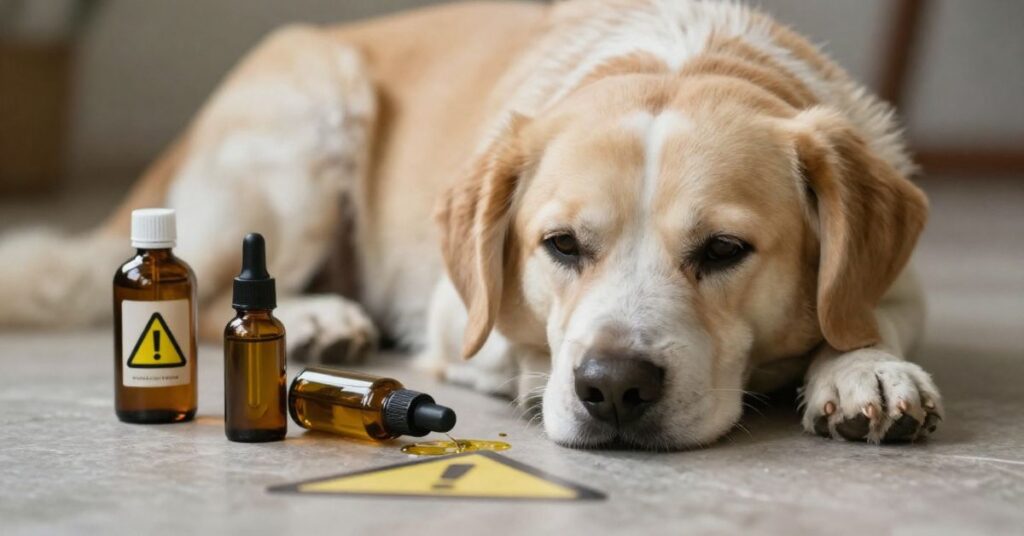
Recognizing the early warning signs of essential oil poisoning can make a significant difference in your dog’s recovery. Some reactions appear within minutes, while others develop gradually over several hours as the body absorbs and processes toxic compounds. The severity depends on several factors, including the type of oil, the amount of exposure, your dog’s size, age, and overall health.
Dogs may be exposed in three main ways: inhalation, skin contact, and ingestion. Inhalation often causes irritation of the nose and lungs, while skin exposure may lead to redness or chemical burns. Ingestion is usually the most serious because concentrated oils enter the digestive system and bloodstream, increasing the risk of damage to vital organs.
Because many symptoms resemble other illnesses, it is important not to ignore sudden behavioral or physical changes after exposure to essential oils. Even if the signs appear mild at first, they can worsen without prompt treatment.
Mild symptoms
Early symptoms are often subtle and may be mistaken for temporary discomfort. A dog that suddenly becomes uncomfortable around a diffuser or scented product may be reacting to the fragrance before more serious problems develop.
Common mild signs of essential oil exposure include:
- Excessive drooling
- Sneezing or coughing
- Watery or irritated eyes
- Nose licking or repeated face rubbing
- Vomiting or mild diarrhea
- Loss of appetite
- Restlessness or unusual hiding behavior
- Temporary lethargy
- Skin redness or itching after direct contact
Some dogs simply walk away from the scented area or refuse to stay in the room. Although this behavior may seem insignificant, it often indicates that the smell is overwhelming their highly sensitive sense of smell. Removing the source immediately can sometimes prevent symptoms from progressing.
Severe symptoms
A large amount of exposure or contact with highly toxic oils can quickly affect the nervous system, liver, lungs, or heart. These reactions require immediate veterinary attention because they may become life-threatening without treatment.
Severe symptoms include:
- Muscle tremors
- Seizures
- Difficulty walking or loss of coordination
- Extreme weakness
- Collapse
- Labored or rapid breathing
- Persistent vomiting
- Low body temperature
- Unresponsiveness
- Coma
Certain essential oils, including tea tree, wintergreen, and clove oil, are more likely to produce serious neurological signs because of their concentrated natural chemicals. Puppies, elderly dogs, and pets with existing medical conditions often deteriorate more quickly than healthy adults.
Never assume that symptoms will resolve on their own. Waiting for improvement can delay treatment and increase the risk of complications.
When to seek emergency veterinary care
Any dog that has swallowed an essential oil, developed neurological symptoms, or is struggling to breathe should receive emergency veterinary care immediately. Do not wait to see whether the condition improves, as some toxins continue damaging the body long after the initial exposure.
Seek urgent veterinary help if your dog:
- Ingested any amount of concentrated essential oil
- Has seizures or muscle tremors
- Shows difficulty breathing
- Cannot stand or walk normally
- Becomes unconscious or difficult to wake
- Vomits repeatedly
- Develops severe weakness or collapse
If possible, take the essential oil bottle or product label with you to the veterinary clinic. The ingredient list, concentration, and botanical name can help the veterinarian identify the toxic compounds and choose the most appropriate treatment.
Avoid attempting home remedies such as inducing vomiting, giving milk, or administering activated charcoal unless your veterinarian specifically instructs you to do so. Some oils can cause additional injury if they are vomited back through the esophagus, and incorrect first aid may worsen your dog’s condition.
The best outcome usually comes from early recognition, rapid veterinary assessment, and immediate supportive care. Acting quickly gives your veterinarian the greatest opportunity to prevent complications and support a full recovery.
What to Do If Your Dog Is Exposed to Essential Oils
Even with careful precautions, accidental exposure can happen. A diffuser may spill, a bottle may leak, or a curious dog may lick an essential oil from the floor. The first few minutes are often the most important because quick, calm action can reduce further exposure and help your veterinarian provide the right treatment.
Avoid guessing whether the oil is safe or waiting for symptoms to appear. Some toxic compounds act slowly, while others begin affecting the nervous system or digestive tract almost immediately. Instead of trying home remedies, focus on limiting additional exposure and seeking professional advice as soon as possible.
Remove the source immediately
The first priority is to stop further exposure. If an essential oil diffuser is running, turn it off immediately and move your dog to an area with fresh air. Open windows and doors to improve ventilation, especially if the room contains a strong aroma.
If oil has spilled onto your dog’s fur or paws, prevent your dog from licking the affected area. Wear disposable gloves if available and gently wash the contaminated fur with lukewarm water and a mild dish soap designed to remove oily residue. Rinse thoroughly because any remaining oil may continue to absorb through the skin.
If bedding, blankets, collars, or toys have come into contact with essential oil, remove them until they can be cleaned. This prevents repeated exposure after the initial incident.
Contact your veterinarian
First, move your dog away from the essential oil source and contact your veterinarian immediately. If your regular clinic is closed, call an emergency veterinary hospital without delay. Seek professional advice as soon as possible instead of waiting for symptoms to worsen, especially if your dog came into contact with a toxic essential oil.
When speaking with the veterinarian, provide as much information as possible, including:
- The name of the essential oil
- The brand and concentration
- The estimated amount involved
- How the exposure occurred (inhalation, skin contact, or ingestion)
- The time of exposure
- Your dog’s age, weight, and current symptoms
Accurate information allows the veterinary team to assess the level of risk more quickly and determine whether immediate treatment is necessary.
Preparing for emergency treatment
If your veterinarian recommends an emergency visit, prepare before leaving home. Bring the essential oil bottle, packaging, or product label so the veterinary team can identify the active ingredients without delay. If more than one product was involved, take every container with you.
Keep your dog as calm and comfortable as possible during transport. Excitement or excessive activity may increase breathing rate and worsen inhalation exposure in some situations. If your dog is having difficulty walking, use a blanket or pet carrier to provide safe support while moving them.
Before arriving, call the clinic if possible. This allows the veterinary staff to prepare any equipment or medications that may be needed, reducing delays once you reach the hospital.
Safe first-aid steps before the vet visit
The safest first aid focuses on preventing additional absorption rather than attempting to treat poisoning at home. Continue monitoring your dog’s breathing, alertness, and ability to stand while traveling to the veterinary clinic.
There are also several actions you should avoid because they can make the situation worse:
- Do not induce vomiting unless your veterinarian specifically instructs you to do so.
- Do not give milk, cooking oil, butter, or other home remedies.
- Do not force food or water if your dog is weak, vomiting, or having difficulty swallowing.
- Do not apply additional oils or herbal products in an attempt to neutralize the exposure.
- Do not delay treatment simply because symptoms seem mild.
Veterinarians have access to treatments such as intravenous fluids, medications to control seizures or vomiting, oxygen therapy, and supportive care that cannot be safely provided at home. Acting quickly gives your dog the best chance of a full recovery and helps prevent minor exposure from developing into a life-threatening emergency.
How to Use Essential Oils and Dogs Safely
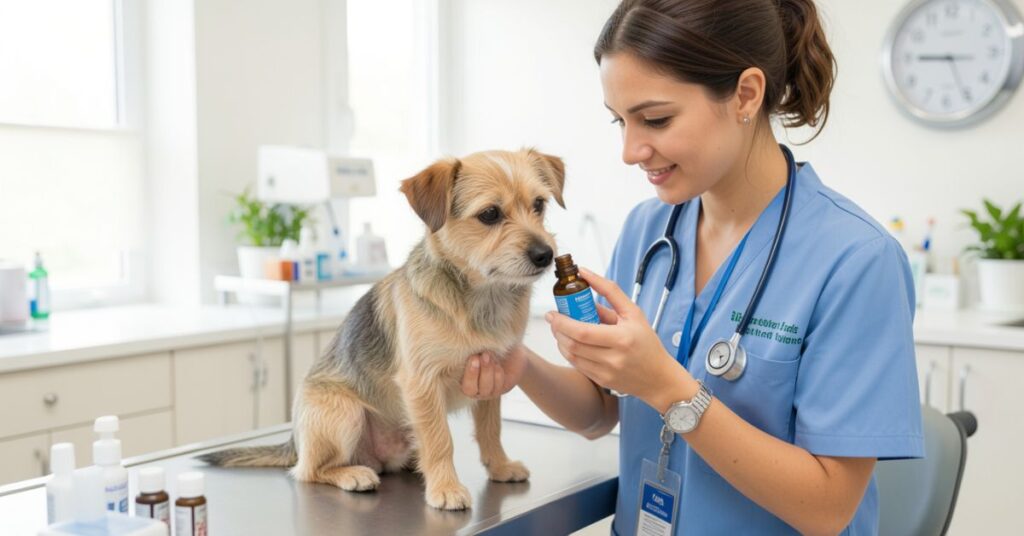
Using essential oils in a home with dogs requires more than choosing the “right” fragrance.
If you enjoy aromatherapy, your goal should be to minimize your dog’s exposure, not to surround your pet with scented products. Good ventilation, limited diffusion time, careful storage, and constant observation are far more important than relying on marketing claims such as “pet friendly” or “all natural.”
Proper dilution guidelines
Essential oils contain highly concentrated plant compounds, so even a single drop delivers a powerful dose of active ingredients. For that reason, using more oil does not make it safer or more effective when dogs are involved.
If your veterinarian recommends an essential oil for a specific purpose, follow their dilution instructions carefully before using it. Proper dilution helps reduce unnecessary risks and supports safer use around dogs. Never guess the correct ratio or copy dilution recipes intended for humans, as canine skin absorbs substances differently.
When diffusing oils, use only the smallest amount needed to create a light aroma. A faint scent is sufficient because a dog’s sense of smell is dramatically more sensitive than our own. Reducing the concentration lowers the likelihood of respiratory irritation and makes it easier to monitor your dog’s reaction.
Safe diffuser practices
Many pet owners ask whether diffusing essential oils around dogs is safe. The answer depends largely on how the diffuser is used. Running a diffuser all day in a closed room creates continuous exposure, which is far more likely to cause discomfort than occasional, well-controlled use.
Follow these safety practices whenever using a diffuser:
- Diffuse for short periods rather than continuously.
- Keep doors open so your dog can leave the room.
- Ensure good ventilation with fresh airflow.
- Use only one essential oil at a time.
- Stop immediately if your dog shows signs of discomfort.
These simple habits help reduce unnecessary exposure while allowing your dog to control its own environment.
Never apply undiluted oils directly
Applying undiluted essential oils directly to a dog’s skin is one of the most common mistakes pet owners make. Concentrated oils can irritate the skin, damage the natural protective barrier, and increase the risk of absorption into the bloodstream.
Dogs also groom themselves by licking their fur. Even if an oil does not immediately irritate the skin, it may later be swallowed during grooming, creating an entirely different health risk.
Unless a licensed veterinarian specifically recommends a regulated veterinary product, avoid direct application altogether. This precaution is especially important for puppies, senior dogs, and pets with sensitive skin.
Safe storage around pets
Safe storage is just as important as safe use. Curious dogs may chew bottles, knock over diffusers, or investigate unfamiliar scents left within reach. A single spill can expose your pet through skin contact, inhalation, and accidental ingestion at the same time.
Store essential oils:
- Inside locked cabinets
- On high shelves inaccessible to pets
- In tightly sealed original bottles
- Away from food and water bowls
- Far from areas where dogs sleep or play
Cleaning spills immediately also prevents oil from remaining on floors where it can stick to paws or fur.
Room sprays and scented products
Essential oils are not the only source of exposure. Air fresheners, scented candles, cleaning products, reed diffusers, linen sprays, and fragrance mists may also contain concentrated plant oils.
Before purchasing household products, read the ingredient label carefully. Terms such as natural fragrance, botanical extract, or essential oil blend may indicate the presence of ingredients that could affect sensitive dogs.
Whenever possible, choose fragrance-free alternatives or products specifically designed for homes with pets. Reducing the overall number of scented products in your home lowers your dog’s cumulative exposure throughout the day.
Breed, size, and age considerations
Not every dog responds to essential oils in the same way. Small breeds generally receive a higher effective dose relative to their body weight than larger dogs exposed to the same amount of fragrance. This makes careful use even more important in toy and miniature breeds.
Puppies have developing organs and immature metabolic systems, making them more vulnerable to concentrated plant compounds. Likewise, senior dogs often have reduced liver or kidney function, which may slow the body’s ability to eliminate potentially harmful substances.
Dogs with asthma, chronic bronchitis, allergies, epilepsy, or liver disease deserve additional caution because even mild exposure may aggravate existing health conditions.
Rather than following a one-size-fits-all approach, consider your dog’s age, breed, body size, medical history, and individual sensitivity before introducing any essential oil into your home. A personalized approach, combined with guidance from your veterinarian, provides the highest level of safety while reducing unnecessary risks associated with essential oils and dogs.
Benefits and Limitations of Essential Oils and Dogs
Understanding both the potential benefits and the limitations allows pet owners to make informed decisions without expecting unrealistic results.
When discussing essential oils and dogs, it is important to separate possible supportive effects from proven medical treatments. Essential oils should never replace veterinary care, prescription medications, or behavior modification plans. Instead, they may play a small complementary role in certain situations when used carefully and under professional guidance.
Potential calming effects
One of the most commonly discussed benefits of certain essential oils is their ability to promote a calmer environment. Mild aromas such as lavender or Roman chamomile may help reduce environmental stress for some dogs when diffused correctly in a well-ventilated room. This effect is thought to result from the way scent influences the nervous system, although individual responses vary considerably.
Some owners notice that their dogs appear more relaxed during temporary stressors such as thunderstorms, fireworks, travel, or unfamiliar visitors. However, calming effects are usually subtle rather than dramatic. Essential oils are unlikely to eliminate severe anxiety, separation distress, or phobias without additional behavioral support.
Creating a peaceful environment involves more than fragrance alone. A quiet room, familiar bedding, predictable routines, and positive reinforcement often have a greater impact on reducing stress than aromatherapy by itself.
Current research and evidence
Scientific research on essential oils and dogs is still developing. While laboratory studies have identified the chemical properties of many plant compounds, there are relatively few large-scale clinical trials evaluating their long-term safety and effectiveness in companion animals.
Most available studies focus on short-term behavioral observations rather than treating specific diseases. Some research suggests that carefully controlled exposure to certain scents may influence relaxation in dogs, but the evidence is not strong enough to recommend essential oils as a primary therapy for medical or behavioral conditions.
In addition, research findings cannot always be applied to every dog. Factors such as breed, age, health status, dosage, exposure time, and oil quality all influence outcomes. Because of these variables, veterinary recommendations continue to emphasize caution and individualized decision-making rather than broad claims of effectiveness.
As more high-quality research becomes available, our understanding of safe practices may improve. Until then, pet owners should rely on evidence-based guidance instead of marketing promises or anecdotal success stories.
Understanding the limitations
Perhaps the most important thing to remember is that essential oils have clear limitations. They are not antibiotics, pain medications, parasite treatments, or cures for chronic diseases. Using them in place of appropriate veterinary care may delay diagnosis and allow serious health conditions to worsen.
Essential oils also cannot eliminate the underlying causes of behavioral problems. For example, a dog experiencing separation anxiety, chronic pain, or cognitive decline requires a comprehensive treatment plan that addresses the root cause rather than simply masking symptoms with fragrance.
Another limitation involves predictability. Two dogs exposed to the same oil under identical conditions may respond very differently. One may show no reaction, while another develops respiratory irritation or digestive upset. This individual variability makes careful monitoring essential whenever a new product is introduced.
Ultimately, the greatest value of essential oils lies in supporting a comfortable home environment, not replacing professional medical care. By maintaining realistic expectations and prioritizing your dog’s health above convenience or trends, you can make safer choices and avoid unnecessary risks associated with essential oils and dogs.
Alternatives to Essential Oils for Dogs

If you are hesitant about using essential oils and dogs together, there are several safer ways to support your dog’s emotional well-being and overall comfort. Many of these alternatives are backed by stronger scientific evidence and do not expose your pet to concentrated plant compounds. Choosing an option that matches your dog’s needs is often more effective than relying on aromatherapy alone.
Whether your goal is to reduce stress, improve behavior, or create a calmer home, a combination of environmental management, positive training, and veterinary guidance usually produces the most consistent results. These approaches address the root cause of the problem rather than simply masking it.
Pet-safe calming products
Several companies formulate dog-specific products and perform safety testing before releasing them to the market. Unlike many essential oil blends made for people, manufacturers develop these products with canine physiology in mind, making them a much safer choice for dogs when owners use them as directed.
Common veterinarian-recommended calming products include:
- Pheromone diffusers that mimic naturally calming canine pheromones.
- Calming chews containing ingredients such as L-theanine, alpha-casozepine, or other veterinary-approved supplements.
- Anxiety wraps or calming vests that provide gentle, consistent pressure to help some dogs feel more secure.
- Prescription medications, when recommended by a veterinarian for severe anxiety or behavioral disorders.
These products should always be used according to the manufacturer’s directions or your veterinarian’s advice. Choosing treatments developed specifically for dogs reduces unnecessary exposure to ingredients intended for human use.
Behavioral enrichment
Many stress-related behaviors improve when a dog’s physical and mental needs are consistently met. Dogs thrive on routine, interaction, and opportunities to use their natural instincts. Enrichment activities help reduce boredom, build confidence, and provide healthy outlets for excess energy.
Effective enrichment strategies include:
- Daily exercise suited to your dog’s age and breed.
- Puzzle feeders that encourage problem-solving during mealtime.
- Interactive toys that stimulate curiosity and independent play.
- Short positive training sessions using reward-based methods.
- Scent games that allow dogs to engage their remarkable sense of smell in a safe and enjoyable way.
- Predictable daily routines that reduce uncertainty and anxiety.
Behavioral enrichment often produces long-lasting improvements because it focuses on your dog’s emotional and mental well-being instead of depending on temporary environmental changes.
Veterinary-approved alternatives
If your dog experiences persistent anxiety, chronic itching, pain, or other medical concerns, the safest solution is to work with your veterinarian. A professional evaluation can identify underlying health problems that may be contributing to your dog’s behavior or discomfort.
Depending on the diagnosis, your veterinarian may recommend:
- Behavior modification plans tailored to your dog’s specific triggers.
- Prescription medications for anxiety, allergies, or pain management.
- Referral to a veterinary behaviorist for complex behavioral cases.
- Physical rehabilitation or therapeutic exercise for dogs recovering from injury.
- Nutritional adjustments to support overall health and wellness.
These evidence-based treatments target the underlying condition instead of simply masking the symptoms. They deliver measurable results that veterinarians can monitor, evaluate, and adjust over time to improve your dog’s health.
While essential oils and dogs continue to be a popular topic, many pet owners find that veterinary-approved alternatives offer greater peace of mind. Combining professional care with enrichment, training, and products specifically developed for dogs creates a safer, more reliable approach to supporting your pet’s health and happiness.
Common Mistakes to Avoid When Using Essential Oils and Dogs
Many accidents involving essential oils and dogs happen because of simple misunderstandings rather than intentional misuse. Advice shared on social media, personal blogs, or online forums often lacks scientific support and may encourage unsafe practices. Avoiding a few common mistakes can greatly reduce the risk of accidental exposure and help create a safer home for your pet.
Responsible use begins with understanding that every dog is different. A product that causes no visible reaction in one dog may trigger serious symptoms in another. Instead of following trends, base your decisions on veterinary guidance, careful observation, and evidence-based information.
Assuming natural means safe
One of the biggest misconceptions is that natural products are automatically harmless. Essential oils come from plants, but they are also highly concentrated chemical extracts. During the distillation process, thousands of plant compounds become concentrated into a small bottle, making the final product far more potent than the original leaves, flowers, or bark.
Many naturally occurring substances are toxic to dogs despite their plant origin. Chocolate, grapes, onions, garlic, and certain mushrooms are all natural, yet they can cause serious illness in pets.
Always evaluate an essential oil based on its known safety profile, not its marketing claims or natural origin.
Ignoring your dog’s behavior
Dogs often show subtle signs of discomfort before more serious symptoms develop. Paying close attention to these early signals can help prevent prolonged exposure and reduce the likelihood of poisoning.
Behavioral changes that should never be ignored include:
- Leaving the room when a diffuser is running
- Frequent sneezing or coughing
- Repeated nose or face rubbing
- Excessive drooling
- Restlessness or pacing
- Unusual hiding
- Loss of interest in food or play
These behaviors may indicate that your dog finds the scent overwhelming or irritating. Rather than assuming your pet will adjust over time, stop using the product and allow fresh air into the room. Respecting your dog’s response is one of the simplest ways to improve safety.
Mixing multiple essential oils
Blending several oils together may seem like a good way to create a pleasant fragrance, but it also increases the complexity of exposure. Each essential oil contains dozens of naturally occurring compounds, and combining multiple oils raises the total number of chemicals your dog must process.
Mixed blends also make it difficult to identify the source of a reaction. If your dog develops symptoms after exposure, determining which oil caused the problem becomes much more challenging.
For this reason, avoid homemade blends when dogs are present.
Using human aromatherapy advice for pets
Many aromatherapy recommendations are written specifically for healthy adults and should not be applied directly to animals. Dogs differ from humans in their metabolism, body size, grooming habits, and remarkable sense of smell. A dilution ratio or diffusion schedule that feels mild to a person may be excessive for a pet.
Human wellness guides also rarely consider risks such as accidental ingestion during grooming or the increased sensitivity of puppies, senior dogs, and animals with chronic health conditions.
Whenever you research essential oils and dogs, choose information from veterinary sources, animal poison experts, or qualified veterinary behavior professionals instead of relying solely on influencer content or general aromatherapy websites. Making decisions based on pet-specific guidance is one of the most effective ways to reduce unnecessary risks and protect your dog’s long-term health.
Final Thoughts
Using essential oils and dogs together requires knowledge, caution, and realistic expectations. While a few essential oils may be appropriate for limited use under the right conditions, many others can pose serious health risks through inhalation, skin contact, or ingestion. The safest approach is to prioritize your dog’s well-being over convenience or fragrance.
When in doubt, choose products developed specifically for pets, keep your home well ventilated, avoid applying essential oils directly to your dog, and watch your dog’s behavior whenever you introduce a new scent.
By understanding both the potential benefits and the limitations of essential oils, you can create a comfortable home environment while protecting your dog’s health for years to come.
FAQs
Are essential oil diffusers safe for dogs?
Essential oil diffusers can be safe only under specific conditions, but they are never completely risk-free. The type of essential oil, the amount used, the size of the room, ventilation, and your dog’s overall health all influence the level of safety. If you choose to use a diffuser, select essential oils safe to diffuse around dogs, run it for a short period, and always leave the door open so your dog can move to another room if the scent becomes uncomfortable.
Continuous diffusion should be avoided because prolonged exposure increases the amount of airborne oil particles your dog inhales. Puppies, senior dogs, and pets with respiratory or liver disease are generally more sensitive and may require a fragrance-free environment instead.
Can I apply essential oils directly to my dog?
If your veterinarian recommends a product containing essential oils, use only the exact formulation and instructions provided. Never substitute human aromatherapy products for veterinary-approved treatments.
Which essential oils are most toxic to dogs?
These include:
- Tea tree oil
- Peppermint oil
- Wintergreen oil
- Eucalyptus oil
- Clove oil
- Cinnamon oil
- Pine oil
- Birch oil
- Many concentrated citrus oils
These oils may affect the nervous system, liver, digestive tract, or respiratory system, especially when swallowed or applied directly to the skin. Keeping these products securely stored is one of the simplest ways to prevent accidental poisoning.
Can I blend two dog-safe essential oils?
Even if experts consider two essential oils lower risk individually, avoid blending them unless your veterinarian specifically recommends doing so.
Combining oils increases the overall concentration of aromatic compounds and makes it more difficult to predict how your dog will respond.
Using a single carefully selected oil, when appropriate, allows you to monitor your dog’s reaction more accurately. If any signs of irritation appear, discontinue use immediately and provide fresh air.
Do puppies react differently to essential oils?
Yes. Puppies are usually more sensitive than healthy adult dogs because their organs and metabolic systems are still developing. Their smaller body size also means that even limited exposure may represent a relatively higher dose.
For these reasons, many veterinarians recommend avoiding essential oils around young puppies whenever possible. If aromatherapy products are present in the home, they should be kept well away from areas where puppies sleep, eat, or play.
Can essential oils help eliminate dog odor?
Essential oils may temporarily mask unpleasant smells, but they do not remove the underlying cause of dog odor. Persistent odors often result from skin infections, dental disease, ear infections, allergies, or poor grooming habits.
Instead of covering the smell with fragrances, identify the source of the odor through proper hygiene and veterinary evaluation if needed. Using pet-safe shampoos, maintaining regular grooming, washing bedding, and treating medical conditions provide a much more effective long-term solution.
How Can You Store Essential Oils Safely in Homes With Dogs?
Store essential oils in their original tightly sealed bottles inside a locked cabinet or on a high shelf where your dog cannot reach them. Keep diffusers, room sprays, and scented products away from food bowls, water dishes, pet beds, and play areas.
If a bottle leaks or breaks, clean the spill immediately and prevent your dog from walking through the affected area. Proper storage greatly reduces the chance of accidental skin contact or ingestion.
Should I consult my veterinarian before using essential oils?
Yes. Consulting your veterinarian is the safest way to determine whether an essential oil is appropriate for your dog’s age, medical history, and individual health needs. This is especially important if your dog has allergies, asthma, liver disease, epilepsy, or any chronic medical condition.
Your veterinarian can also recommend evidence-based alternatives when essential oils are not the best choice. Seeking professional guidance helps you avoid unnecessary risks while making informed decisions about essential oils and dogs.