Introduction:
Acne is one of the most common skin concerns worldwide, affecting teenagers and adults alike. While prescription medications and over-the-counter treatments remain popular, many people also search for natural remedies that promise healthier skin with fewer chemicals. One option that continues to attract attention is coconut oil for acne. Supporters believe it can moisturize the skin, calm redness, reduce bacteria, and even improve the appearance of acne scars. However, others argue that it may clog pores and trigger more breakouts, especially in people with oily or acne-prone skin.
The truth is more complex than simply calling coconut oil “good” or “bad” for acne. Coconut oil contains beneficial fatty acids, antioxidants, and anti-inflammatory compounds that may support skin healing under certain conditions. At the same time, it also has a high comedogenic rating, meaning it has the potential to block pores in some skin types. Because of this, the way you use coconut oil and your individual skin type can significantly affect the results you experience.
This guide explores both the benefits and the limitations of using coconut oil for acne. Instead of relying on myths or social media trends, you’ll learn what current research suggests, who may benefit from coconut oil, who should avoid it, and how to use coconut oil for acne safely if you decide to include it in your skincare routine.
What Is Coconut Oil for Acne?
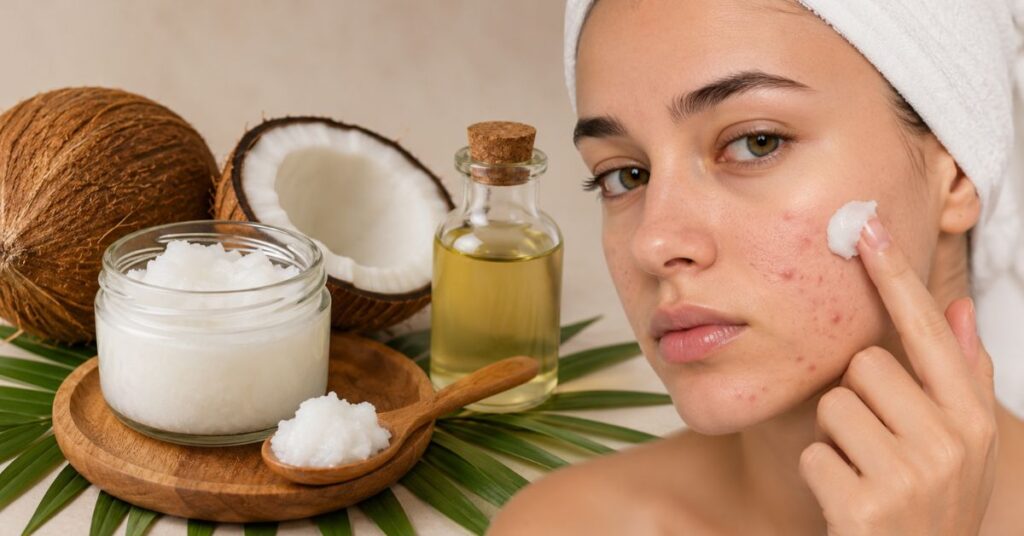
Coconut oil for acne refers to using pure coconut oil as part of a skincare routine to manage acne symptoms or support the healing process after breakouts. Most people apply it directly to the skin, although some also consume coconut oil in the hope of improving skin health from within. Its popularity comes from the fact that coconut oil contains naturally occurring fatty acids, particularly lauric acid, along with vitamin E, polyphenols, and antioxidants that may help maintain healthy skin.
Unlike medicated acne treatments that specifically target clogged pores or excess oil production, coconut oil works differently. It primarily acts as an emollient, meaning it helps soften the skin and reduce moisture loss. Because a damaged skin barrier often becomes dry, irritated, and inflamed, some people find that coconut oil provides temporary comfort during the healing process.
However, coconut oil is not a universal acne treatment. Dermatologists generally recommend considering your skin type before using it because the same oil that benefits dry skin may worsen breakouts on oily or acne-prone skin. Therefore, understanding how coconut oil interacts with your skin is just as important as understanding its potential benefits.
Why People Use Coconut Oil for Acne
The widespread popularity of coconut oil in acne-focused skincare routines stems from its unique combination of accessibility, traditional usage, and specific biochemical properties. Unlike complex, multi-ingredient cosmetic formulas, raw virgin coconut oil represents a minimalist approach to barrier support that appeals to clean-beauty consumers.
The primary drivers behind its adoption in acne care include:
- The Appeal of Lauric Acid: Coconut oil serves as nature’s richest source of lauric acid, a medium-chain fatty acid renowned in laboratory settings for its high antimicrobial potency. In vitro studies confirm that lauric acid can destabilize the cell membranes of Cutibacterium acnes, generating significant interest among those seeking natural alternatives to topical antibiotics.
- Mitigating Side Effects of Active Treatments: First-line dermatological treatments such as topical retinoids, benzoyl peroxide, and salicylic acid are notoriously drying. They frequently induce localized flaking, pruritus (itching), and acute epidermal tightness. Users often pivot to coconut oil as an intense emollient to trap hydration, soothe dry patches, and restore structural flexibility to the stratum corneum.
- Anecdotal Backing on Digital Forums: Digital communities significantly fuel the trend. A cursory search for coconut oil for acne on platforms like Reddit uncovers thousands of polarizing user testimonials. While a subset of users with severely dry or compromised barriers report calmer skin, others describe dramatic increases in comedone formation, demonstrating that real-world performance relies heavily on individual skin biology rather than viral consensus.
What Causes Acne in the First Place?
To evaluate whether a heavy lipid like coconut oil aligns with your skincare goals, it is essential to analyze the primary biological pathways responsible for acne vulgaris. Acne does not occur in isolation on the skin surface; rather, it originates deep within the pilosebaceous unit (the pore channel housing the hair follicle and oil gland).
The development of an acne lesion follows a strict, interconnected pathophysiological sequence outlined below:
| Pathophysiological Phase | Biological Mechanism | Role of Heavy Lipids (Like Coconut Oil) |
| Sebum Hypersecretion | Hormonal fluctuations (androgens) stimulate sebaceous glands to overproduce oily sebum. | Adds external heavy fats to an already overwhelmed lipid environment. |
| Follicular Hyperkeratinization | Dead skin cells fail to shed correctly, sticking together to construct a structural blockage (micro-comedone). | Acts as a dense adhesive, binding dead keratinocytes together inside the pore. |
| Bacterial Proliferation | Cutibacterium acnes multiplies rapidly inside the anaerobic, blocked follicle. | Seals the pore opening, trapping the bacteria in its ideal oxygen-free habitat. |
| Inflammatory Cascade | The immune system detects bacterial overgrowth, releasing chemical cytokines that cause redness, swelling, and pus. | Can exacerbate surface inflammation if the heavy oil induces further follicular tension. |
Because acne develops through these distinct cellular phases, a single emollient cannot act as an all-in-one cure. While someone with a dry skin profile might safely utilize coconut oil to soothe surface cracking, someone dealing with active micro-comedones or overactive sebum production will likely experience accelerated pore congestion.
Does Coconut Oil for Acne Actually Work?
The effectiveness of coconut oil for acne depends on what you’re trying to treat. If your goal is to reduce dryness, support a damaged skin barrier, or soothe irritated skin after acne treatments, coconut oil may offer some benefits. However, if you’re hoping it will completely clear active acne, current scientific evidence does not support that conclusion.
Coconut oil contains several naturally occurring compounds that researchers have studied for their effects on skin health. The most notable is lauric acid, a medium-chain fatty acid known for its antibacterial properties. Coconut oil also contains capric acid, caprylic acid, vitamin E, and antioxidant polyphenols that may help protect the skin from environmental damage and reduce inflammation.
Even so, acne is a complex skin condition influenced by hormones, excess sebum production, clogged pores, bacteria, genetics, and inflammation. Because multiple factors contribute to breakouts, relying on coconut oil alone is unlikely to provide consistent or long-term acne control.
Instead, think of coconut oil as a supportive skincare ingredient rather than a replacement for evidence-based acne treatments. Used correctly and on the right skin type, it may complement an existing skincare routine. Used incorrectly, especially on oily or acne-prone skin, it can sometimes make breakouts worse.
Antibacterial Properties of Coconut Oil for Acne
One of the most heavily cited arguments for utilizing coconut oil for acne is its native antimicrobial potential. Raw virgin coconut oil contains a massive concentration of lauric acid, accounting for approximately 49% of its total fatty acid profile. In isolated in-vitro laboratory studies, lauric acid exhibits profound bactericidal activity against Cutibacterium acnes (formerly Propionibacterium acnes)—the anaerobic bacterium responsible for triggering inflammatory acne lesions.
Mechanistically, free lauric acid works by disrupting the lipid membrane of the bacterial cell, effectively neutralising it. However, a major scientific gap exists between petri-dish laboratory findings and application on human facial skin:
- The Triglyceride Bound Barrier: In raw coconut oil, lauric acid is chemically bound within triglycerides. To unlock its antibacterial properties, the skin’s native lipolytic enzymes must break down these triglycerides into free fatty acids. Human skin often lacks the optimal enzyme concentration required to complete this conversion effectively on the surface.
- The Follicular Real Estate: In a laboratory, purified lauric acid is applied directly to isolated bacteria. On a living human face, C. acnes lives deep inside the oxygen-depleted follicular infundibulum (pore channel). Because coconut oil is highly viscous, it creates a surface plug over the pore opening rather than delivering active, broken-down lauric acid deep inside the follicle.
Consequently, relying on coconut oil as a functional topical antibiotic can often backfire. For a patient with hyper-seborrheic (oily) skin, the occlusive nature of the heavy oil seals the follicle, creating the exact anaerobic, low-oxygen environment where C. acnes thrives—rendering any structural antibacterial benefits completely obsolete.
Anti-Inflammatory Benefits of Coconut Oil for Acne
Inflammation is responsible for many of the symptoms people associate with acne, including redness, swelling, tenderness, and painful pimples. Reducing inflammation often helps the skin appear calmer while supporting the natural healing process.
Coconut oil contains several compounds that may help reduce inflammatory responses in the skin. These include medium-chain fatty acids, antioxidants, and plant-based polyphenols that help protect skin cells from oxidative stress. When the skin barrier becomes damaged, these compounds may support recovery by reducing moisture loss and improving overall skin comfort.
For example, someone using benzoyl peroxide or topical retinoids may develop flaking, tightness, and irritation. Applying a thin layer of virgin coconut oil after the skin has adjusted—or on areas that are especially dry—may help restore softness and reduce discomfort.
However, reducing inflammation does not automatically eliminate acne. A pimple can become less red while the clogged pore underneath remains blocked. Therefore, coconut oil should not be viewed as an anti-acne medication but rather as a product that may help soothe certain symptoms.
People with inflammatory acne should also remember that calming redness is different from preventing future breakouts. Long-term acne management usually requires controlling excess oil production, keeping pores clear, and maintaining a healthy skin barrier.
Can Coconut Oil Help Heal Acne Marks and Scars?
When evaluating coconut oil for acne scars, it is clinically vital to distinguish between post-inflammatory hyperpigmentation (PIH/PIE) and true, structural acne scarring. These two skin conditions develop through completely different cellular mechanisms and demand entirely different therapeutic responses.
| Skin Blemish Category | Biological Characteristics | Coconut Oil Compatibility |
| Post-Inflammatory Hyperpigmentation (PIH/PIE) | Flat brown, red, or purple melanin deposits left on the surface after a pimple heals. | Supportive. Keeps the healing epidermis elastic, preventing secondary flaking. |
| True Atrophic/Hypertrophic Scars | Structural indentations (icepick, boxcar, rolling scars) caused by deep dermal collagen destruction. | Completely Ineffective. Cannot rebuild missing dermal structural matrix or alter deep tissue damage. |
The Reality of Overnight Scar Application
A common trend involves applying coconut oil for acne scars overnight with the expectation of rapid skin brightening. While leaving a micro-layer of unrefined coconut oil on purely dry skin can optimize baseline moisture levels and temporarily soften rough texture by morning, it holds zero biological efficacy for fading melanin or repairing dermal pits.
Coconut oil lacks tyrosinase inhibitors—the chemical compounds required to halt excess melanin production and actively fade dark spots (unlike established actives such as Azelaic Acid, Vitamin C, Alpha Arbutin, or Retinoids).
Ultimately, coconut oil should only be viewed as a baseline epidermal sealant to support natural cellular recovery in non-comedogenic, dry skin types. If you are dealing with genuine structural scarring or persistent hyperpigmentation that lingers for months, bypassing heavy botanical fats in favor of clinically validated therapies like microneedling, chemical peeling, or professional laser resurfacing is necessary to achieve structural skin clearance.
Benefits of Coconut Oil for Acne
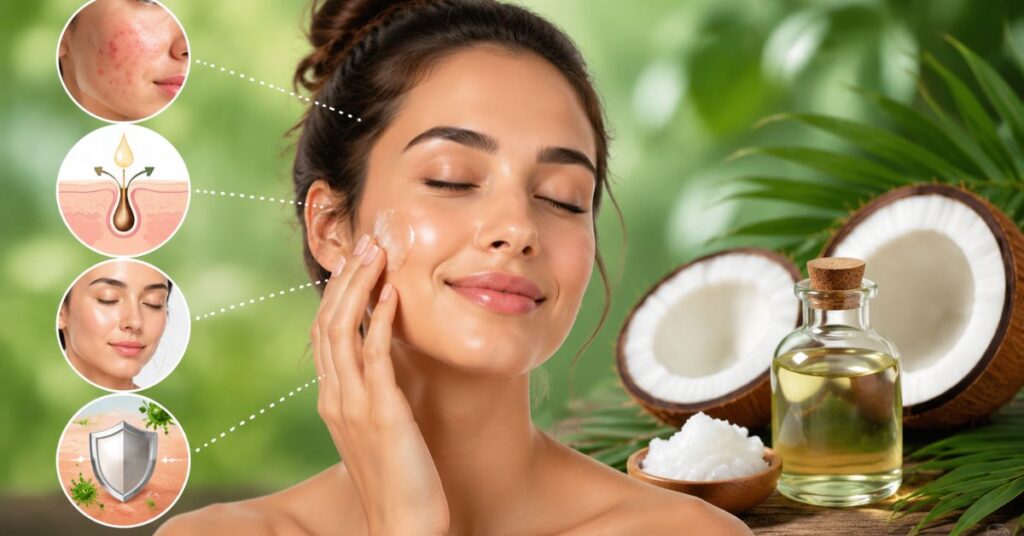
Although coconut oil for acne is not a cure for breakouts, it can provide meaningful benefits for certain skin types. Its greatest strength lies in supporting overall skin health rather than directly eliminating pimples. When the skin barrier becomes dry, irritated, or damaged, coconut oil may help restore comfort and improve hydration.
That said, these benefits are most noticeable in people with dry or combination skin. Individuals with oily or severely acne-prone skin should use it cautiously because the same properties that lock in moisture can also trap excess oil inside the pores.
Let’s look at the main benefits in detail.
Supports the Skin Barrier
Your skin barrier is the outermost protective layer of your skin. It keeps moisture inside while blocking bacteria, allergens, pollutants, and other environmental irritants from entering. When this barrier becomes damaged, the skin often feels dry, tight, flaky, or sensitive. It may also become more vulnerable to irritation from acne treatments.
One reason many people try coconut oil for acne is because it acts as an effective occlusive moisturizer. Instead of adding water to the skin, it creates a protective layer that slows moisture loss. This gives the skin more time to repair itself naturally.
Virgin coconut oil also contains fatty acids that resemble some of the lipids naturally found in healthy skin. These fatty acids help reinforce the skin’s protective barrier, making it more resilient over time.
For example, someone using retinoids or benzoyl peroxide may notice peeling around the nose, chin, or cheeks. Applying a very small amount of virgin coconut oil to those dry areas can reduce discomfort and improve skin softness without interfering with the skin’s natural healing process.
A healthy skin barrier also plays an indirect role in acne management. When the skin remains hydrated and balanced, it is less likely to become irritated by daily skincare products, making it easier to maintain a consistent routine.
The Occlusive Mechanism of Coconut Oil
One of the premier advantages of unrefined coconut oil is its exceptional efficiency as an occlusive agent. Unlike water-soluble humectants (like hyaluronic acid or glycerin) that draw moisture out of the atmosphere into the epidermis, coconut oil functions by constructing a hydrophobic lipid seal over the stratum corneum. This physical barrier severely restricts Transepidermal Water Loss (TEWL), ensuring that existing cellular hydration remains sealed within the skin matrix.
Countering Acne Treatment Xerosis
This moisture-locking ability makes coconut oil highly appealing to individuals experiencing severe xerosis (extreme dryness) induced by aggressive acne treatments. First-line acne interventions like Benzoyl Peroxide, Adapalene, and Salicylic Acid drastically deplete the skin’s surface lipids to alter sebum behavior. While effective against acne, this process often leaves the skin barrier stripped, causing tight, rough, and hyper-irritable skin texture.
Applying a microscopic layer of coconut oil over compromised zones dynamically supplements the skin’s lipid layer. However, because it is purely an occlusive fat, it must be used strategically based on your skin’s unique moisture demands:
Comparing Topical Lipid Strategies
| Topical Lipid Strategy | Mechanical Action on Skin | Ideal Acne-Routine Candidate |
| Pure Occlusion (Coconut Oil) | Synthesizes an intense, waterproof seal to halt deep water evaporation completely. | Strictly restricted to severely dry or sheet-peeling skin types undergoing retinoid adaptation. |
| Humectant Hydration (Hyaluronic Acid) | Attracts and binds ambient water molecules to plump the epidermal layers without oil. | Highly recommended for oily and acne-prone complexions requiring weightless hydration. |
| Physiological Repair (Ceramide Cream) | Integrates directly into the cell matrix to structurally mend broken skin barrier gaps. | Globally compatible; perfect for combination skin profiles experiencing localized acne inflammation. |
Strategic Application and Risks
Using a pea-sized amount directly on localized, flaking spots can restore elastic flexibility to dry patches, preventing the skin from cracking. Yet, if this dense seal is applied over highly seborrheic (oily) regions, it will immediately backfire by trapping stagnant lipids, transforming a protective routine into a source of severe pore blockages.
May Reduce Skin Irritation
Inflamed skin often becomes red, sensitive, and uncomfortable. Acne itself causes inflammation, but many acne treatments can also weaken the skin barrier during the first few weeks of use. As a result, people commonly experience burning, peeling, tightness, and increased sensitivity.
Virgin coconut oil contains antioxidant compounds and medium-chain fatty acids that may help soothe irritated skin. While it cannot stop acne from forming, it may reduce the discomfort associated with dryness and inflammation.
For example, after washing your face with a medicated cleanser, your skin may feel tight and rough. Applying a thin layer of virgin coconut oil to dry areas may improve flexibility and reduce the feeling of irritation. This can make it easier to continue using proven acne treatments consistently.
Some people also use coconut oil for pimples overnight because they wake up with softer, less irritated skin. While overnight use may temporarily improve hydration, it should only be considered if your skin tolerates coconut oil well. Applying a thick layer to oily or congested skin can increase the likelihood of clogged pores instead of reducing inflammation.
Another overlooked benefit is that hydrated skin is less likely to crack or become excessively dry. Small cracks in the skin barrier can allow irritants to penetrate more easily, prolonging redness and discomfort. By supporting barrier function, coconut oil may contribute to a healthier environment for skin recovery.
Overall, the benefits of coconut oil for acne are best viewed as supportive rather than curative. It can strengthen the skin barrier, reduce moisture loss, and calm irritation, particularly for people with dry or compromised skin. However, these advantages should always be balanced against its pore-clogging potential, which is why the next section explores the possible risks of using coconut oil for acne in greater detail.
Risks of Using Coconut Oil for Acne
Like any skincare ingredient, coconut oil for acne has both advantages and drawbacks. While some people experience softer, calmer skin after using it, others notice an increase in clogged pores and new breakouts. This difference is not a coincidence. It happens because every skin type reacts differently to oils.
One of the biggest misconceptions is that natural ingredients are automatically safe for everyone. In reality, whether an ingredient comes from a plant or a laboratory, its effect depends on your skin type, the amount you use, and how often you apply it.
Coconut oil is considered highly moisturizing, but it is also one of the more comedogenic oils, meaning it has a greater tendency to block pores than many other facial oils. Therefore, understanding the possible risks before adding it to your skincare routine can help you avoid unnecessary breakouts.
Can Coconut Oil Clog Pores?
The primary dermatological concern regarding topical coconut oil is its documented capacity to induce comedogenesis. Coconut oil carries a comedogenic rating of 4 out of 5, classifying it as highly occlusive. Due to its high concentration of large-chain fatty acids, it forms a physical lipid film over the stratum corneum rather than seamlessly sinking into the deeper layers of the skin.
When this heavy barrier covers the skin surface, it physically seals the follicular ostium (pore opening). This artificial seal traps naturally shedding dead skin cells (keratinocytes) and sebum inside the pore walls. Deprived of oxygen, this trapped mixture creates an anaerobic environment the precise habitat where Cutibacterium acnes (the bacteria responsible for inflammatory acne) thrives and rapidly multiplies.
However, the speed and severity of pore congestion vary based on several critical bio-dynamic variables:
| Pathophysiological Factor | Biological Mechanism of Risk | Practical Risk Mitigation |
| Native Skin Phenotype | Oily and hyper-seborrheic skin types already produce excess low-linoleic sebum, magnifying the plugging effect. | Avoid completely if you have oily skin; restrict use strictly to purely dry skin types. |
| Layer Density (Thickness) | Macroscopic layers build a thick, unyielding occlusive blanket that halts natural cellular desquamation. | Apply only a microscopic, pea-sized drop rubbed thoroughly between palms first. |
| Application Frequency | Chronically layering heavy lipids daily causes cumulative sebum retention within follicular channels. | Limit use to 2–3 times a week as a targeted treatment rather than a daily moisturizer. |
| Pre-existing Lesions | Complexions with active open or closed comedones are highly susceptible to immediate bacterial infection under oils. | Never apply coconut oil over areas currently experiencing active breakouts or micro-comedones. |
Can Coconut Oil Cause More Breakouts?
A common question people ask is, “Does coconut oil cause pimples on face?” The answer is it can but not for everyone.
Coconut oil does not directly create acne. Instead, it may contribute to breakouts in people whose pores clog easily. If excess sebum, bacteria, and dead skin cells are already present, adding a heavy oil can make congestion worse.
People with acne-prone skin often produce more sebum than necessary. Because coconut oil forms a protective layer over the skin, it can trap this excess oil beneath the surface. As a result, existing clogged pores may become inflamed, leading to additional pimples.
Signs that coconut oil may not be working for your skin include:
- New whiteheads appearing within one to two weeks.
- Small bumps developing in areas where you applied the oil.
- Increased oiliness throughout the day.
- More blackheads than usual.
- Painful inflamed pimples that continue to increase.
If you notice these changes after introducing coconut oil, stop using it for several weeks and observe whether your skin improves. Introducing one skincare product at a time also makes it much easier to identify what is causing the reaction.
It is also worth remembering that some online success stories do not apply to everyone. Searching coconut oil for acne Reddit reveals thousands of experiences, but they often contradict one another. Some users report dramatic improvements, while others describe severe breakouts. These personal experiences can provide ideas, but they should never replace evidence-based skincare advice.
Allergic ReHere is the revised text with high-quality, targeted subheadings added to break up the dense sections and improve readability while maintaining the professional depth of the content.
Allergic Reactions and Skin Sensitivity: The Crucial Distinction
While coconut oil is a natural botanical, it is not completely hypoallergenic. Raw plant materials contain distinct lipid-binding proteins and fatty acid chains that can trigger localized contact dermatitis or immune reactivity in sensitive individuals.
A frequent point of confusion among skincare consumers is distinguishing between a normal skin “purge” and a genuine product breakout or allergic reaction. When people notice an influx of bumps after using coconut oil, they often mistakenly assume their skin is clearing out deep toxins. To ensure you are not damaging your skin barrier, it is vital to understand the fundamental scientific differences between the two responses.
The Science of Skin Purging vs. Coconut Oil Reactions
True skin purging only occurs when an active ingredient accelerates the skin’s cellular turnover rate (such as Retinoids, Salicylic Acid, Glycolic Acid, or Vitamin C). These ingredients force pre-existing micro-comedones to the surface faster. Coconut oil contains absolutely no active exfoliating agents. Therefore, it cannot biologically cause your skin to purge.
Any new bumps, pustules, or textured rashes that emerge after introducing coconut oil are purely the result of follicular occlusion (clogged pores) or direct contact sensitivity.
Identifying Warning Signs of Barrier Distress
If your immune system or skin barrier is reacting poorly to coconut oil, you will typically observe clear warning signs:
- An immediate or delayed burning, stinging, or warm sensation upon application.
- Diffuse patches of erythema (redness) that spread outside the initial application zone.
- Persistent localized itching or the sudden appearance of tiny, uniform, itchy red bumps (suggestive of cosmetic folliculitis rather than standard acne).
- An absolute stagnation or worsening of skin texture that does not resolve after several days.
To prevent widespread barrier distress, a 48-hour localized patch test behind the mastoid bone (ear) or on the inner volar forearm remains an essential diagnostic step before applying a heavy botanical fat to your face.
Read More:https://pureoilshub.com/essential-oils-for-constipation/
Who Should Avoid Coconut Oil for Acne?
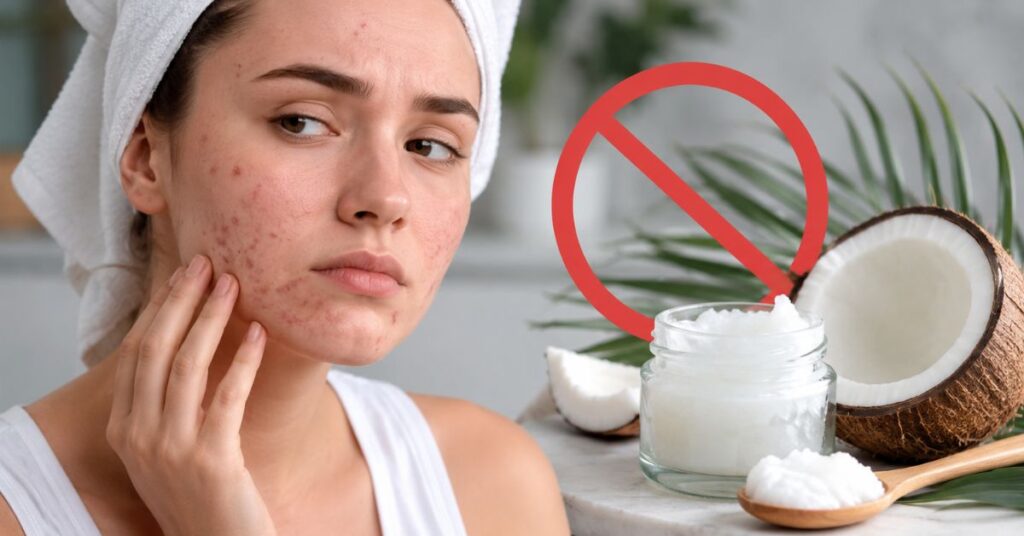
Not everyone will benefit from using coconut oil for acne. Although it is a natural moisturizer with antibacterial and anti-inflammatory properties, its thick texture and high comedogenic rating make it unsuitable for many people. If your skin already produces excess oil or your pores clog easily, coconut oil may create more problems than it solves.
Understanding your skin type is one of the most important steps before adding any new skincare ingredient. The same product that helps repair a dry, damaged skin barrier may trigger breakouts in someone with oily or acne-prone skin. Therefore, it is essential to evaluate how your skin behaves throughout the day rather than following general skincare trends.
The following groups should be especially cautious when considering coconut oil.
Coconut Oil for Acne on Oily Skin
Individuals with naturally oily skin types are the absolute least suitable candidates for topical coconut oil. Oily skin is biochemically characterized by overactive sebaceous glands that produce an excess of sebum. When this surplus oil mixes with shedding dead skin cells (keratinocytes) inside the follicular infundibulum, it forms a dense plug, leading directly to acne lesions.
Because coconut oil acts as a heavy, occlusive emollient, it creates a physical seal on the epidermis. Instead of safely moisturizing, it traps the trapped sebum, cellular debris, and ambient sweat beneath the skin surface, rapidly accelerating the formation of open and closed comedones (blackheads and whiteheads).
If your complexion displays the following clinical signs, adding coconut oil to your routine will likely compromise your skin clarity:
| Clinical Indicator | Pathophysiological Reality | Impact of Adding Coconut Oil |
| Rapid Sebum Rebound | Face exhibits a greasy or shiny appearance within 2–3 hours post-cleansing. | Exacerbates the existing oil slick, leading to a highly reflective, heavy skin feel. |
| Diminished Cosmetics Longevity | Foundations, concealers, and sunscreens slip, crease, or break down quickly. | Dissolves makeup structural bonds even faster due to the heavy lipid layer. |
| Visible Macro-Pores | Dilated pore pathways, heavily concentrated on the nose, medial cheeks, and forehead. | Physically pools inside the enlarged follicular walls, creating deep congestion. |
| Chronic Micro-Comedones | Consistent presence of textured, flesh-colored bumps across the T-zone. | Oxidizes trapped debris, turning micro-comedones into inflamed, active pustules. |
Coconut Oil for Acne on Acne-Prone Skin
Having acne-prone skin does not always mean your skin is oily, but it does mean your pores clog more easily than average. Even small changes in your skincare routine can influence whether new blemishes develop.
This is why many dermatologists recommend avoiding heavy oils if you frequently experience:
- Persistent whiteheads.
- Recurring blackheads.
- Painful inflammatory pimples.
- Hormonal acne flare-ups.
- Cystic acne.
People often ask whether coconut oil for acne prone skin is a good idea because they have read positive reviews online. While some individuals report smoother skin, research and clinical experience suggest that coconut oil is generally not the first recommendation for acne-prone complexions.
Consider this example:
A person begins using coconut oil every night after seeing social media videos praising its natural benefits. During the first few days, their skin feels softer because the oil reduces moisture loss. However, after two weeks, small whiteheads begin appearing across the forehead and chin. In this situation, the moisturizing effect is outweighed by the oil’s tendency to clog pores.
This does not necessarily mean coconut oil is harmful. Rather, it means the individual’s skin type is incompatible with the product.
If your goal is to reduce active acne, ingredients such as salicylic acid, adapalene, azelaic acid, or niacinamide generally have stronger scientific support than coconut oil.
Coconut Oil for Sensitive or Rosacea-Prone Skin
Sensitive and rosacea-prone skin profiles require meticulous, minimalist ingredient selection due to a hyper-reactive immune response and an inherently fragile epidermal barrier. Rosacea, in particular, is a chronic inflammatory vascular condition characterized by persistent facial erythema (redness), telangiectasia (visible blood vessels), and superficial papulopustules that mimic standard acne.
While virgin coconut oil possesses native antioxidant polyphenols, its dense, occlusive nature poses a significant risk to reactive skin. Heavy oils trap metabolic heat within the skin layers. For a rosacea patient, this artificial insulation impairs the skin’s thermal regulation, triggering severe vascular flushing, throbbing, and heightened capillary inflammation.
Furthermore, introducing a highly complex botanical lipid makes it exceptionally difficult to isolate allergens. If your skin is highly sensitive, look out for immediate and delayed adverse reactions:
- An acute burning or stinging sensation upon immediate application
- Persistent, warm-to-the-touch facial redness (flushing)
- Perioral itching or the sudden onset of contact dermatitis
- The development of tiny, sterile inflammatory bumps that do not mirror typical acne cycles
For these hyper-reactive skin types, a 48-hour patch test behind the ear or on the inner forearm is mandatory but still insufficient to guarantee facial compatibility. Given the high probability of thermal trapping and barrier irritation, individuals managing rosacea or severe sensitivity should completely bypass heavy plant oils in favor of fragrance-free, clinically verified non-comedogenic fluids like pure squalane or barrier-identical ceramide lotions.
Who Can Benefit from Coconut Oil for Acne?
Although coconut oil for acne is not suitable for everyone, some people can benefit from using it correctly. Its moisturizing and skin-protective properties make it more appropriate for individuals whose skin lacks moisture rather than those who struggle with excessive oil production.
The key is understanding the difference between dry skin and dehydrated skin. Dry skin naturally produces less oil, while dehydrated skin lacks water. Coconut oil mainly helps by preventing moisture loss, so it works best when the skin barrier needs extra protection.
If your skin feels tight after cleansing, flakes easily, or becomes irritated after using acne treatments, coconut oil may provide supportive care. However, it should still be used in moderation and introduced gradually to observe how your skin responds.
Below are the skin types that are most likely to benefit.
Dry Skin
People with dry skin are generally the best candidates for coconut oil for acne because their skin produces less natural oil. Instead of making the face greasy, a small amount of coconut oil can help restore softness and reduce roughness.
Dry skin often develops tiny cracks in its protective barrier. These cracks allow moisture to escape more quickly and make the skin more vulnerable to irritation from environmental pollutants, cold weather, and acne medications.
Virgin coconut oil creates a protective layer over the skin that helps reduce water loss while improving flexibility. As the skin becomes better hydrated, it often feels smoother and more comfortable.
For example, someone using a prescription retinoid may experience peeling around the mouth and cheeks during the first few weeks of treatment. Applying a very thin layer of virgin coconut oil to these dry areas after the medication has fully absorbed may help reduce flaking without causing significant discomfort.
People with dry skin may also notice that hydrated skin recovers more comfortably after acne heals. While coconut oil for acne scars cannot erase scars, keeping the skin moisturized may improve its overall appearance during the healing process.
Even with dry skin, moderation remains important. Applying excessive amounts of coconut oil does not increase its benefits and may still clog pores in some individuals.
Combination Skin: The Targeted Application Approach
Combination skin features an uneven distribution of sebaceous glands typically presenting an oily T-zone (forehead, nose, and chin) alongside normal or dry cheeks. Because these distinct facial zones require completely different lipid profiles, applying a heavy oil uniformly across the face is a recipe for severe pore congestion.
If you have combination skin and wish to use coconut oil, you must abandon the “all-over” moisturizing method and adopt a strict, localized application strategy.
| Facial Zone | Oil Application Blueprint | Comedogenic Risk Level |
| Oily T-Zone | Strictly Avoid. This area already overproduces natural sebum; adding heavy lipids will trigger closed comedones. | Critical Risk |
| Outer Cheeks & Jawline | Apply a microscopic drop only if experiencing extreme, visible flaking or winter windburn. | Moderate Risk |
| Perioral Area (Around Mouth) | Safe for targeted micro-application to treat localized peeling caused by prescription retinoids. | Low-to-Medium Risk |
| Active Inflammatory Breakouts | Do Not Apply. Never coat active papules or pustules with an occlusive barrier, as it traps cellular debris. | High Risk |
For instance, if your skin flakes around the jawline during winter while your forehead remains shiny, you can pat a singular drop of virgin coconut oil exclusively onto the dry patches. However, if you notice tiny flesh-colored bumps (whiteheads) emerging on the margins where the oil was applied, discontinue use immediately and transition to a lighter, non-comedogenic fluid like jojoba oil.
Supporting a Damaged Skin Barrier
One of the few instances where coconut oil offers genuine therapeutic value for acne patients is during periods of acute skin barrier compromise. Strong, dermatologist-prescribed acne treatments such as benzoyl peroxide, salicylic acid, topical tretinoin, and adapalene gel work by accelerating cellular turnover or drastically curbing oil production. A common side effect of this process is a compromised stratum corneum (the outermost skin layer).
A damaged skin barrier manifests through distinct, uncomfortable symptoms:
- Constant epidermal tightness immediately after cleansing
- Visible sheet-peeling or dry, sand-paper-like skin texture
- An intense stinging or burning sensation when applying basic, gentle skincare products
- Heightened erythema (redness) and structural skin sensitivity
In these specific scenarios, virgin coconut oil acts as a powerful topical occlusive. It forms a temporary synthetic seal over the micro-cracks in the skin barrier, halting Transepidermal Water Loss (TEWL) and shielding exposed nerve endings from external irritants.
The Scientific Caveat: It is crucial to note that while coconut oil provides an excellent physical shield to trap hydration, it does not structurally “repair” the barrier cellular matrix. True physiological barrier repair requires a balance of ceramides, cholesterol, and fatty acids. Think of coconut oil as a temporary protective blanket that prevents further moisture loss while your skin undergoes its natural cellular recovery cycle. Use it sparingly, only at night, and strictly over localized patches of irritation.
How to Use Coconut Oil for Acne Safely
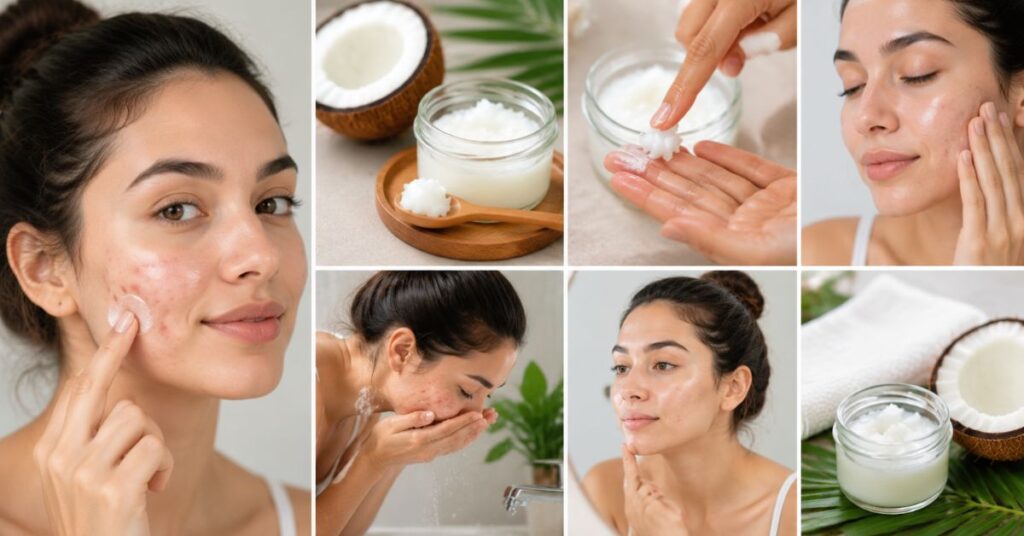
Using coconut oil for acne correctly is just as important as deciding whether it suits your skin type. Even if your skin can tolerate coconut oil, applying too much or using the wrong type may increase the risk of clogged pores and unnecessary breakouts. On the other hand, using a small amount with the right technique can help support dry or irritated skin without overwhelming your pores.
Instead of treating coconut oil as an all-over facial moisturizer, think of it as a supportive skincare ingredient. It works best when used intentionally, in moderation, and as part of a balanced skincare routine. People with dry or combination skin usually benefit the most, while those with oily or acne-prone skin should be especially cautious.
The following guidelines can help you use coconut oil more safely and effectively.
Choose Virgin Coconut Oil
Not all coconut oils are processed equally. If you intend to introduce coconut oil into your skincare routine, always opt for 100% virgin, cold-pressed, unrefined coconut oil.
Virgin coconut oil is extracted mechanically from fresh coconut meat without the use of high thermal temperatures or harsh chemical solvents. This minimal processing ensures that the oil preserves its natural concentrations of bioactive components, such as antioxidant polyphenols and beneficial medium-chain fatty acids (like lauric and caprylic acid).
Conversely, refined, bleached, and deodorized (RBD) coconut oil is processed to remove odor and impurities for high-heat cooking. This intensive refinement strips away the skin-supportive antioxidants, leaving behind a heavy fat that provides nothing but occlusive weight to your skin.
When analyzing product labels, understand what these standard manufacturing terms mean for your skin barrier:
| Label Term | Technical Meaning | Practical Skin Benefit |
| 100% Virgin | Derived exclusively from the first pressing of fresh coconut meat. | Retains maximum nutrient density and natural plant compounds. |
| Cold-Pressed | Extracted mechanically in temperature-controlled environments. | Prevents heat-induced degradation of delicate fatty acids and vitamins. |
| Unrefined | Free from chemical bleaching agents or artificial deodorizers. | Eliminates the risk of residual chemical solvents irritating the skin. |
| Fragrance-Free | Formulated without synthetic aromatic chemicals or essential oils. | Minimizes the potential for contact dermatitis or allergic skin reactions. |
Do a Patch Test First
Before applying coconut oil to your face, perform a simple patch test. This small step can help identify irritation or sensitivity before it affects a larger area of your skin.
Even though coconut oil is considered natural, every person’s skin reacts differently. Some people tolerate it well, while others develop redness, itching, or clogged pores after only a few applications.
Follow these steps:
- Wash and dry a small area behind your ear or on the inside of your forearm.
- Apply a tiny amount of virgin coconut oil.
- Leave it on for 24 to 48 hours.
- Watch for redness, itching, swelling, burning, or small bumps.
- If no reaction occurs, test a very small amount on one section of your face before applying it more broadly.
This gradual approach reduces the risk of covering your entire face with an ingredient that may not suit your skin.
If irritation develops at any stage, wash the area with a gentle cleanser and discontinue use.
How Often Should You Apply Coconut Oil?
One of the most frequent skincare mistakes is over-application. Because coconut oil is highly occlusive, regular heavy coats will inevitably trap follicular debris, regardless of how clean your skin is. Skincare efficacy depends entirely on strategic application frequencies tailored to specific skin types.
To mitigate the risk of severe pore congestion, use these dermatologically safe guidelines as your initial reference point:
- Dry Skin (Non-Acne Prone): Apply a tiny amount 2 to 3 times per week. Use it strictly as a targeted night treatment over your regular moisturizer to seal in hydration during dry seasons.
- Combination Skin: Limit application to localized dry patches (such as the outer cheeks or jawline) only when visible flaking occurs. Avoid the oily T-zone entirely.
- Oily and Acne-Prone Skin: Not Recommended. Given coconut oil’s high comedogenic rating of 4 out of 5, regular or even sporadic application on oil-abundant skin types is highly likely to trigger severe cosmetic breakouts and retention keratosis.
When introducing coconut oil, start with a microscopic, thin layer rather than coating your entire face. Monitor your pores closely for 10 to 14 days. If you notice an influx of new whiteheads, closed comedones, or inflamed pustules, discontinue use immediately and pivot to lighter, non-comedogenic lipids like squalane.
Can You Leave Coconut Oil on Overnight?
Many people wonder whether using coconut oil for pimples overnight is an effective treatment. The answer depends largely on your skin type and specific dermatological needs.
Leaving coconut oil on overnight allows it to reduce trans-epidermal moisture loss for several hours, which may benefit people with very dry or compromised skin barriers. However, prolonged contact also increases the time the lipid layer remains on the surface of the skin, which significantly raises the risk of pore congestion in people with oily, combination, or acne-prone skin.
Best Practices for Overnight Application
If you decide to try overnight application, follow these best practices to mitigate the risk of breakouts:
- Prep the Skin: Wash your face with a gentle, non-stripping cleanser.
- Dry Completely: Pat your skin completely dry before application.
- Use Moderation: Apply only a pea-sized amount of high-quality virgin coconut oil.
- Targeted Placement: Focus on dry, flaky areas rather than active acne lesions.
- Avoid Heavy Layering: Do not layer thick amounts over other occlusive or heavy skincare products.
- Morning Cleanse: Cleanse your face thoroughly the following morning to remove residual surface oils.
For example, someone experiencing localized dryness from retinoid therapy may safely apply a very small amount to flaky areas around the mouth before bedtime. In contrast, someone with active inflammatory acne across the forehead and cheeks should generally avoid leaving coconut oil on overnight because it may contribute to follicular occlusion.
Managing Expectations for Acne Scars and Long-Term Use
If your goal is utilizing coconut oil for acne scars overnight, keep your expectations realistic. Overnight application may improve skin hydration and temporarily soften rough texture, but it will not remove structural acne scars or dramatically fade post-inflammatory hyperpigmentation within a few days. Visible improvement in post-acne marks typically requires a targeted routine featuring active ingredients, daily sun protection, and patience.
Ultimately, the safest way to use coconut oil for acne-prone skin types is to introduce it gradually, choose a high-quality virgin product, patch test before use, and apply only a thin layer where your skin genuinely needs extra moisture. Paying attention to how your skin responds dynamically is far more important than following viral skincare trends. By using coconut oil thoughtfully, you can enjoy its moisturizing benefits while reducing the chances of unwanted breakouts.
Can Eating Coconut Oil Help Acne?
Some people believe that applying coconut oil to the skin is only part of the solution and that consuming it may improve acne from the inside out. This idea has gained popularity through wellness blogs and social media, where coconut oil is often promoted as a superfood for healthier skin.
However, the relationship between diet and acne is much more complicated than adding a single food to your meals. Acne develops because of multiple factors, including hormones, genetics, excess sebum production, inflammation, and clogged pores. While nutrition can influence skin health, there is currently no strong evidence showing that eating coconut oil alone can prevent or cure acne.
Instead of viewing coconut oil as an internal acne treatment, it is more accurate to consider it one small part of an overall healthy lifestyle that includes a balanced diet, proper skincare, quality sleep, and stress management.
What Research Says About Coconut Oil and Inflammation
One reason people explore coconut oil as a dietary supplement is its content of medium-chain triglycerides (MCTs), particularly lauric acid. Researchers have studied these fatty acids for their potential antimicrobial and anti-inflammatory effects.
Laboratory and animal studies suggest that some compounds in coconut oil may help reduce inflammatory responses under specific conditions. Coconut oil also contains antioxidants that help protect cells from oxidative stress, which plays a role in many chronic health conditions.
Although these findings are encouraging, the evidence becomes much less convincing when it comes to acne. Human clinical studies have not demonstrated that eating coconut oil consistently reduces acne severity or prevents future breakouts.
Several reasons explain this difference:
| Research Finding | What It Means for Acne |
| Coconut oil contains anti-inflammatory fatty acids. | May support general health but does not directly treat acne. |
| Contains antioxidant compounds. | Helps protect cells from oxidative stress but has limited evidence for acne improvement. |
| Laboratory studies show antimicrobial activity. | Results from laboratory settings do not always reflect what happens inside the human body. |
| Limited human studies on acne. | No strong clinical evidence proves that eating coconut oil clears acne. |
Inflammation certainly contributes to acne, but reducing inflammation alone does not address clogged pores, hormonal changes, or excess oil production. Effective acne management usually requires a broader approach.
For example, someone with hormonal acne caused by fluctuating androgen levels is unlikely to see significant improvement simply by adding coconut oil to their breakfast. Likewise, someone whose acne results primarily from clogged pores will still need a skincare routine that keeps those pores clear.
Therefore, while coconut oil may be part of a nutritious diet, it should not be viewed as a scientifically proven dietary treatment for acne.
Is Eating Coconut Oil Better Than Applying It?
When determining whether to ingest or topically apply coconut oil for acne, it is essential to understand that the human body processes the two methods completely differently. Topical application targets the skin surface directly, whereas ingestion subjects the oil to systemic digestion.
- Topical Application: When applied directly, coconut oil acts as an occlusive emollient. It seals in moisture, repairs a damaged skin barrier, and mitigates the flakiness caused by drying acne treatments. However, because of its large molecular structure, it remains on the surface and carries a high comedogenic risk of physically blocking pores.
- Dietary Consumption: When consumed, coconut oil is broken down by digestive enzymes into fatty acids and glycerol, which are absorbed by the liver and utilized as systemic energy. It does not selectively target the facial sebaceous glands or acne lesions. Therefore, consuming it does not deliver localized antimicrobial benefits to active breakouts.
| Feature | Topical Application | Dietary Consumption |
| Primary Mechanism | Forms an external, moisture-locking barrier. | Metabolized systemically as a dietary fat source. |
| Acne Benefit | Relieves surface dryness from acne medications. | No clinical evidence of reducing acne lesions. |
| Pore Congestion Risk | High; frequently clogs acne-prone pores. | None; does not sit on the outer skin layer. |
| Systemic Health Impact | Minimal; localized entirely to the skin surface. | High; impacts lipid profiles and daily caloric intake. |
The Dietary Health Caveat
From a nutritional standpoint, swapping topical application for dietary consumption introduces distinct health considerations. Coconut oil is exceptionally high in saturated fat (roughly 80% to 90%). Leading health organizations, including the American Heart Association (AHA), warn that excessive consumption of saturated fats can elevate LDL (bad) cholesterol levels, potentially increasing cardiovascular risks.
Using coconut oil as an occasional cooking fat within a balanced diet is perfectly fine, but consuming large spoonfuls of it as an internal acne supplement is neither effective for the skin nor ideal for systemic cardiovascular health. For clearer skin, evidence-based dietary shifts such as reducing high-glycemic foods and dairy, which have verified links to sebum production remain far more dependable strategies.
Best Alternatives to Coconut Oil for Acne
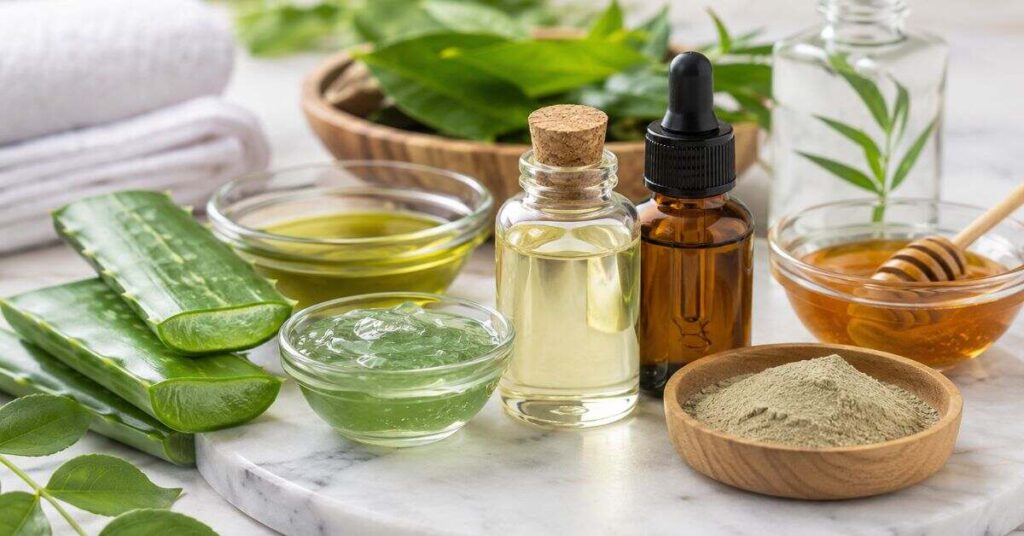
If coconut oil for acne does not work well for your skin, don’t worry. Several other skincare ingredients can provide hydration without carrying the same high risk of clogging pores. In fact, many dermatologists recommend lighter, non-comedogenic alternatives because they moisturize the skin while remaining suitable for oily and acne-prone complexions.
The ideal moisturizer should support your skin barrier without trapping excess sebum inside your pores. Fortunately, modern skincare offers several options that achieve this balance.
Below are some of the best alternatives to coconut oil for acne-prone skin.
Jojoba Oil: The Sebum Mimicking Hydrator
The Sebum Mimicking Hydrator Jojoba oil (technically a liquid wax ester rather than a true oil) is widely considered one of the top natural alternatives for acne-prone skin. Its chemical structure closely mirrors human sebum, which allows it to trick the skin into believing it has produced enough oil. Unlike coconut oil, which forms a thick, occlusive film on the surface, jojoba oil penetrates deeply, absorbs rapidly, and leaves no greasy residue.
Rich in vitamin E, eicosenoic acid, and natural antioxidants, jojoba oil reinforces the moisture barrier while actively soothing skin irritation.
Jojoba oil is an excellent fit for your routine if you:
- Manage Oily or Combination Skin: It provides essential hydration without adding heavy, foreign lipids to an already oily complexion.
- Suffer from Chronic Clogged Pores: Its lightweight molecular weight prevents it from pooling inside follicular walls.
- Are Recovering from Harsh Acne Topicals: It mitigates the intense peeling and dryness triggered by active ingredients like Adapalene, Retinol, or Benzoyl Peroxide without triggering a secondary breakout cycle.
Squalane Oil: The Ultimate Lightweight Lipid
Squalane has rapidly evolved into a holy-grail moisturizer recommended by dermatologists for acne-prone individuals. To understand its value, it is essential to distinguish between squalene and squalane. Squalene is a natural component of human sebum, but it is highly unstable and oxidizes easily on the skin a process that directly contributes to pore blockage and acne formation. Squalane, however, is the hydrogenated, shelf-stable version that delivers all the moisturizing perks without the risk of oxidation.
When evaluated against coconut oil, squalane consistently outperforms it in safety and texture for acne-prone skin types:
| Feature | Coconut Oil | Squalane Oil |
| Molecular Texture | Heavy, dense, and occlusive | Ultra-lightweight, fluid, and silky |
| Comedogenic Risk | High (Rating of 4 out of 5) | Extremely Low (Rating of 0-1) |
| Oxidation Stability | Stable, but heavy on pores | Exceptionally stable; does not clog pores |
| Skin Type Synergy | Primarily restricted to very dry skin | Universally compatible, including oily/sensitive |
| Absorption Rate | Slow; leaves a reflective surface layer | Instantaneous; integrates seamlessly into the skin barrier |
Furthermore, squalane acts as an exceptional companion layer for active dermatological treatments. It layers perfectly over Niacinamide, Salicylic Acid, or prescription Retinoids, alleviating dryness without inducing a heavy feel or reducing the efficacy of your active treatments.
Non-Comedogenic Moisturizers
For many people with acne, the safest option is not another facial oil but a well-formulated non-comedogenic moisturizer.
The term non-comedogenic means the product is designed to minimize the likelihood of clogging pores. While no moisturizer can guarantee that every individual will avoid breakouts, these formulations are generally much better suited to acne-prone skin than heavier oils.
A quality non-comedogenic moisturizer often contains ingredients such as:
| Ingredient | Benefit for Acne-Prone Skin |
| Hyaluronic acid | Attracts water to hydrate the skin without adding oil. |
| Ceramides | Help repair and strengthen the skin barrier. |
| Glycerin | Maintains skin hydration by drawing moisture into the skin. |
| Niacinamide | Supports the skin barrier while helping reduce redness and excess oil. |
| Panthenol (Vitamin B5) | Soothes irritation and supports skin recovery. |
These moisturizers provide hydration without creating the heavy occlusive layer associated with coconut oil. They are particularly useful for people who use acne treatments like benzoyl peroxide, adapalene, tretinoin, or salicylic acid, all of which can cause dryness and irritation.
For example, imagine someone with oily skin who stops using moisturizer because they fear making acne worse. Their skin becomes dehydrated, leading to increased irritation and discomfort. Switching to a lightweight, non-comedogenic moisturizer containing ceramides and hyaluronic acid can restore hydration while keeping the pores clearer than a heavier oil would.
Common Myths About Coconut Oil for Acne
The popularity of coconut oil for acne has led to countless skincare tips on blogs, social media, and online forums. While some advice is based on personal experience, much of it lacks scientific support. As a result, many people develop unrealistic expectations about what coconut oil can and cannot do.
The truth is that coconut oil has both strengths and limitations. It can support the skin barrier and improve hydration for some people, but it is not a miracle treatment that works for every skin type. Understanding the facts behind the most common myths can help you make informed skincare decisions and avoid practices that may worsen your acne.
Myth: Coconut Oil Cures Every Type of Acne
One of the biggest misconceptions circulating online is that coconut oil works as a universal remedy for all breakouts. In reality, acne is a complex skin condition with various forms including blackheads, whiteheads, papules, pustules, nodules, cystic acne, and hormonal acne. Because each type has different underlying triggers, no single ingredient can successfully treat them all.
The effectiveness of coconut oil depends entirely on your specific skin concerns and type:
- Dry, Irritated Skin: If your skin barrier is compromised or flaky due to harsh acne medications (like benzoyl peroxide or retinoids), the intense moisturizing properties of coconut oil can help lock in hydration and soothe irritation.
- Oily and Acne-Prone Skin: If your skin naturally produces excess sebum, adding a heavy oil like coconut oil can lead to trapped debris and an increase in surface breakouts.
- Hormonal or Cystic Acne: These types form deep beneath the skin’s surface and are driven by internal hormonal fluctuations rather than surface dryness. Topical coconut oil cannot address the root cause of these deep-seated cysts.
While laboratory studies frequently highlight that lauric acid (a major component of coconut oil) possesses strong antibacterial and antimicrobial properties against acne-causing bacteria, these findings don’t completely translate to real-world application. Raw coconut oil contains other fatty acids that can counteract these benefits on human skin. Instead of viewing it as a standalone cure, it is best utilized as a supportive, barrier-repairing ingredient for specific skin types.
Myth: Natural Oils Never Clog Pores
Many people assume that if an ingredient is natural, it must also be safe for acne-prone skin. Unfortunately, this is not true.
Natural ingredients vary widely in their chemical composition. Some plant oils are lightweight and absorb quickly, while others are thicker and more likely to remain on the skin’s surface.
Coconut oil belongs to the second category.
Although it comes from a natural source, coconut oil has a relatively high comedogenic rating. This means it has a greater tendency to clog pores than many other facial oils.
The table below highlights the difference:
| Statement | Reality |
| All natural oils are safe for acne. | False. Some natural oils clog pores more easily than others. |
| Coconut oil is natural. | True, but natural does not automatically mean non-comedogenic. |
| Skin type determines how an oil performs. | True. The same oil can produce different results for different people. |
| Patch testing is unnecessary for natural products. | False. Every new skincare product should be tested before regular use. |
For instance, jojoba oil and squalane oil are generally considered better options for many people with acne because they are lighter and less likely to block pores.
This is why choosing skincare products based on your skin type is much more reliable than choosing them simply because they are natural.
Myth: More Coconut Oil Gives Better Results
When a skincare ingredient is highly praised, it is tempting to believe that using more of it or applying it more frequently will accelerate the healing process. However, skincare relies on balance, and overloading your skin with heavy oils often leads to adverse effects.
Slathering on a thick layer of coconut oil does not boost its antibacterial efficiency or make pimples disappear faster. Instead, an excessive amount creates an occlusive barrier that traps sweat, dead skin cells, and natural sebum against your pores, creating the perfect environment for new breakouts to form.
To understand how application methods change your results, compare these two approaches:
- The Overuse Routine (High Risk): Applying a generous, thick layer of coconut oil over the entire face every night. Over time, this heavy buildup suffocates acne-prone areas, leading to a noticeable increase in whiteheads and a greasy complexion.
- The Targeted Routine (Low Risk): Using a tiny, pea-sized amount only on localized dry or flaky patches two to three times a week. This method delivers targeted hydration exactly where it is needed without congesting the rest of the face.
It is also vital to recognize that using coconut oil for pimples overnight will not yield immediate results. Acne develops over a cycle of weeks, and true skin healing requires consistency and patience rather than heavy, overnight applications.
Myth vs. Fact at a Glance
| Myth | Fact |
| Coconut oil cures every type of acne. | It may support some skin types but is not a universal acne treatment. |
| Natural oils never clog pores. | Some natural oils, including coconut oil, can clog pores in certain individuals. |
| Applying more coconut oil works faster. | Excessive use may increase the risk of breakouts rather than improve them. |
| Everyone gets the same results. | Skin type, routine, and existing acne determine the outcome. |
Ultimately, separating myths from facts is essential when deciding whether coconut oil for acne belongs in your skincare routine. Rather than relying on viral trends or anecdotal success stories, focus on your skin type, monitor how your skin responds, and choose products supported by both scientific evidence and your personal experience. A thoughtful, individualized approach will always produce better long-term results than following one-size-fits-all skincare advice.
Final Verdict: The Clinical Consensus on Coconut Oil for Acne
Topical coconut oil for acne should be evaluated neither as a universal miracle cure nor as an absolute dermatological hazard. Its ultimate therapeutic value or comedogenic risk is determined entirely by your native skin phenotype, your baseline sebum production levels, and your application methodology.
Biochemically, unrefined virgin coconut oil delivers undeniable epidermal perks: it is rich in antimicrobial lauric acid, protective antioxidant polyphenols, and skin-softening emollient fats. These structural components make it a highly effective choice for individuals managing purely dry skin profiles, localized winter flaking, or acute barrier damage induced by aggressive retinoid or benzoyl peroxide treatments.
Comedogenic Risks and Non-Comedogenic Alternatives
However, from an acne-clearance perspective, its high comedogenic rating of 4 out of 5 remains a major clinical bottleneck. For anyone navigating hyper-seborrheic (oily) skin or chronic micro-comedones, the heavy occlusive layer will inevitably trap stagnant lipids and dead keratinocytes, triggering a severe breakout cycle.
In these scenarios, transitioning to ultra-lightweight, non-comedogenic alternatives like pure squalane or sebum-mimicking jojoba oil is the far safer therapeutic choice.
Evidence-Based Protocol for Safe Application
If you choose to integrate coconut oil into your skincare routine, strictly adhere to this evidence-based execution protocol to minimize risks:
- Source Purely Unrefined Lipids: Utilize exclusively 100% virgin, cold-pressed, unrefined coconut oil to guarantee maximum antioxidant retention while eliminating residual chemical bleaching solvents.
- Execute a Strict 48-Hour Patch Test: Apply a singular drop behind the mastoid bone (ear) or along the lower jawline for two consecutive nights to rule out localized contact dermatitis or severe follicular reactivity before full-facial use.
- Emulsify a Micro-Dose: Never apply the oil directly from the jar to your face. Rub a tiny, pea-sized drop thoroughly between your palms to melt and thin out the lipid structure, pressing it gently onto the skin rather than massaging it heavily.
- Practice Targeted Zoning: Restrict application exclusively to non-congested, highly irritated, or peeling zones. Keep the heavy oil entirely away from your oily T-zone and any active inflammatory papules or pustules.
- Enforce an Immediate Discontinuation Threshold: Monitor your skin texture closely for 10 to 14 days. If you observe the sudden emergence of new whiteheads, surface bumps, or localized itching, cease application immediately and switch to a water-based ceramide fluid.
Ultimately, long-term acne resolution requires a multi-faceted strategy that targets excess sebum, follicular hyperkeratinization, and deep-seated inflammation simultaneously. While coconut oil can serve as an excellent supportive epidermal sealant to manage surface dryness, it should never replace clinically validated acne treatments or professional guidance from a qualified dermatologist.
FAQs:
Is Coconut Oil Good for Acne?
The efficacy of coconut oil for acne is highly conditional and depends entirely on your specific skin phenotype and the type of acne lesions you are targeting. It is not a primary or standalone acne treatment because it cannot clear blocked pores, downregulate sebum production, or correct hormonal imbalances.
However, it can serve as a beneficial supportive emollient for individuals with naturally dry skin, localized winter flaking, or an epidermal barrier compromised by aggressive, drying acne therapies like topical retinoids or benzoyl peroxide. Conversely, if you have naturally oily or acne-prone skin, applying coconut oil is highly likely to worsen breakouts due to its heavy lipid profile.
Is Coconut Oil Comedogenic?
Yes, unrefined coconut oil is highly comedogenic, holding a rating of 4 out of 5 on the standard comedogenic scale. This metric means it features a dense, heavy molecular structure that creates a strict occlusive film over the stratum corneum rather than absorbing effortlessly into the skin.
Whether this comedogenic nature triggers an immediate breakout cycle depends on the following physiological variables:
- Baseline Sebum Levels: Oily skin types already suffer from thick sebum, making them highly susceptible to instant blockages beneath an occlusive oil layer.
- Structural Viscosity: Heavy applications form an unyielding surface plug that traps dead keratinocytes inside the follicle channel.
- Application Frequency: Daily usage leads to cumulative lipid retention, transforming minor micro-comedones into active inflammatory pustules.
Can Coconut Oil Remove Acne Scars?
No, topical coconut oil cannot repair true structural acne scars, such as icepick, boxcar, or rolling scars. These indentations are caused by permanent collagen destruction deep within the dermal matrix, a layer that surface botanical fats cannot structurally reach or rebuild. Structural scarring requires professional clinical therapies like microneedling, fractional lasers, or subcision to stimulate deep collagen synthesis.
If you are dealing with Post-Inflammatory Hyperpigmentation (PIH) or Erythema (PIE) the flat dark or red marks left behind after a blemish heals coconut oil can support the skin’s natural recovery environment by keeping the area flexible and hydrated. However, it completely lacks tyrosinase inhibitors or brightening actives (like Vitamin C or Azelaic Acid) required to actively fade melanin or speed up the disappearance of discoloration.
Can Coconut Oil Remove Makeup?
Yes, coconut oil is a powerful lipophilic agent capable of breaking down stubborn, long-wear foundation, heavy sunscreens, and waterproof eye makeup. Because oil attracts oil, it seamlessly dissolves surface cosmetics. This makes it a popular choice for the initial breakdown step in a evening skincare routine.
However, acne-prone individuals must approach this with extreme caution. Raw coconut oil lacks self-emulsifying surfactants. Unlike formulated commercial cleansing oils, it cannot mix with water to rinse away cleanly. If you choose to use it to remove makeup, you must adhere to a strict double-cleansing blueprint:
- Massage a minimal amount onto dry skin to fully liquefy the surface makeup.
- Use a soft, damp microfiber cloth to completely wipe away the dissolved residue.
- Immediately follow up with a high-quality, water-soluble gentle foaming cleanser to thoroughly wash away the residual, heavy oil film left on your skin. Skipping this second step will leave an occlusive lipid layer that blocks your pores overnight.
Is Coconut Oil Better Than Jojoba Oil for Acne?
For the vast majority of individuals managing active acne breakouts, jojoba oil is fundamentally the superior choice. While both botanical lipids provide great moisture-locking abilities, their biological impact on your pores is completely different.
| Comparative Skincare Metric | Unrefined Coconut Oil | Pure Jojoba Oil |
| Biochemical Classification | Heavy Triglyceride Vegetable Fat | Liquid Wax Ester |
| Human Sebum Mimicry | Low; structurally foreign to skin lipids | High; chemically mirrors native human sebum |
| Comedogenic Scaling | High Risk (Rated 4/5) | Exceptionally Low (Rated 0–1/5) |
| Follicular Penetration | Sits on top, creating a dense occlusive seal | Absorbs quickly, helping to soften hardened plugs |
| Oily Skin Safety Profile | Highly discouraged; accelerates congestion | Safe; helps regulate overactive sebum production |
If your skin is structurally dry and entirely free of comedones, coconut oil can serve as a deeply hydrating treatment. But if your skin goals include regulating excess oil, clearing active blemishes, and avoiding pore congestion, switching to lightweight jojoba oil or pure squalane is the much safer dermatological decision.