Introduction:
Unwanted body hair is a common concern, and many people are searching for gentle alternatives to traditional hair removal methods. While shaving, waxing, and laser treatments remain popular, natural oils have gained attention as part of long-term skincare routines. Among them, cypress oil for hair removal has become a topic of growing interest because of its traditional use and its potential role in supporting smoother-looking skin after hair removal.
Unlike harsh chemical products, cypress essential oil is valued for its plant-based properties and skin-friendly nature. Some users believe that regular application after waxing or epilating may help slow the appearance of new hair growth over time. However, the available scientific evidence is still limited, so it is important to understand what this oil can and cannot do before adding it to your routine.
In this guide, you’ll discover how cypress oil for hair removal works, what current research suggests, how to use it safely, its possible benefits for the skin, and how it compares with other hair removal methods. You’ll also learn practical application tips, important safety precautions, and realistic expectations to help you make an informed decision.
What Is Cypress Oil for Hair Removal?
Cypress oil for hair removal refers to using essential oil as part of a skincare routine after people remove hair through methods such as waxing, threading, epilating, or sugaring. Rather than removing hair instantly, people commonly apply the oil to support healthy skin and potentially help slow down hair regrowth.
Interest in natural hair care and botanical skincare has increased significantly over the past few years. Consequently, many people are looking for plant-based options that fit into a holistic beauty routine. Although cypress oil has long been used in aromatherapy and traditional wellness practices, its role in reducing hair regrowth is still being researched.
What Is Cypress Essential Oil?
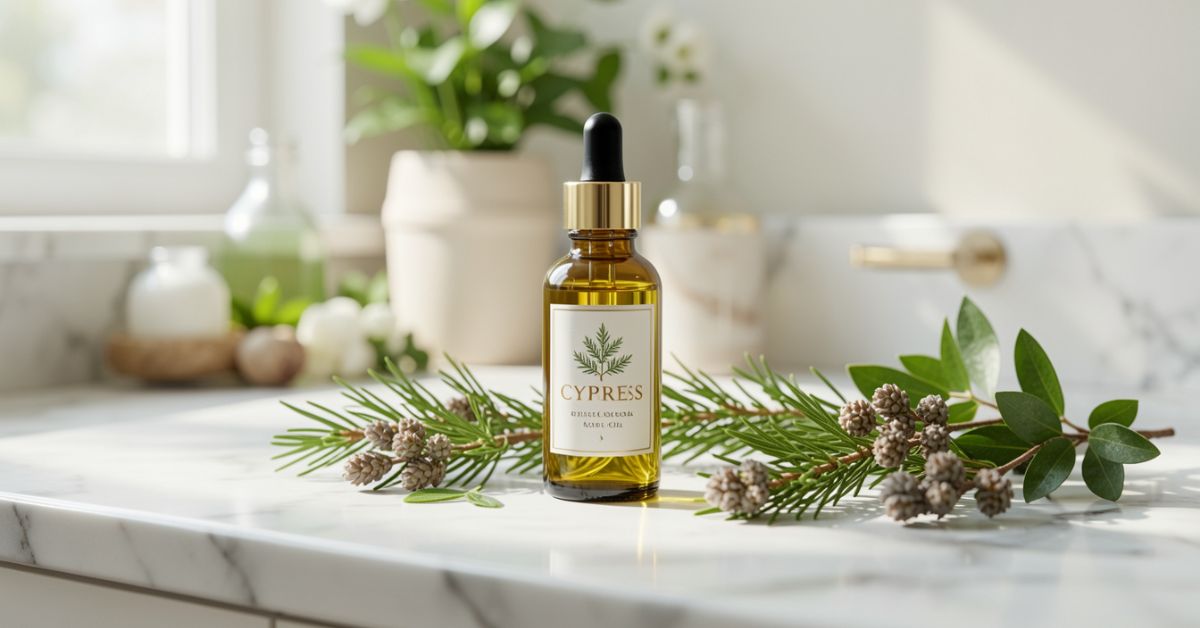
Cypress essential oil comes from the needles, leaves, and young twigs of the Mediterranean cypress tree (Cupressus sempervirens). Manufacturers use steam distillation to extract the oil and preserve its naturally occurring aromatic compounds.
Traditionally, people have used cypress essential oil in aromatherapy, massage therapy, and skincare products because of its fresh, woody fragrance and skin-conditioning properties. Cosmetic brands often include this oil in massage oils, facial blends, body oils, and products that support healthy-looking skin.
Today, many people also explore especially as part of a post-waxing skincare routine. Although these uses are widely discussed online, they should be viewed as complementary skincare practices rather than proven hair removal treatments.
Why Is Cypress Oil Used for Hair Removal?
The popularity of cypress oil for comes from the belief that consistent use after hair removal may help support slower-looking hair regrowth while keeping the skin soft and comfortable.
People choose cypress oil for several reasons:
- It is a plant-derived alternative to many synthetic skincare products.
- It may help soothe skin after waxing or epilating.
- Its lightweight texture absorbs easily without leaving heavy residue.
- It blends well with nourishing carrier oils.
- It can become part of a simple long-term skincare routine.
It is worth noting that much of the interest surrounding cypress oil for hair removal reviews comes from personal experiences rather than large clinical studies. Therefore, results can vary from one individual to another depending on skin type, hair growth patterns, genetics, and consistency of use.
Key Compounds Found in Cypress Oil
Cypress essential oil contains a variety of naturally occurring plant compounds that contribute to its distinctive aroma and skincare properties.
| Compound | Potential Role in Skincare |
| Alpha-Pinene | Known for its antioxidant activity and refreshing scent. |
| Delta-3-Carene | May help support healthy-looking skin and moisture balance. |
| Limonene | Commonly found in citrus and conifer oils; contributes to the oil’s fresh fragrance. |
| Cedrol | Adds a woody aroma and is widely used in cosmetic formulations. |
| Terpenes | A group of natural plant compounds that contribute to the oil’s overall characteristics. |
While these compounds make cypress oil valuable in cosmetic and aromatherapy products, researchers have not confirmed that they permanently reduce hair growth. Instead, they are primarily recognized for supporting skin health and improving the overall skincare experience after hair removal.
Quick Takeaway:
Cypress oil for hair removal works best as a supportive skincare ingredient rather than a standalone hair removal solution. It may help maintain smoother-looking skin when people use it consistently after methods such as waxing or epilating. However, current scientific evidence does not show that cypress oil can permanently stop hair growth.
Does Cypress Oil for Hair Removal Really Work?
One of the most common questions people ask is whether cypress oil for hair removal actually works or if it is simply another natural beauty trend. The answer is more nuanced than a simple yes or no.
Currently, there is no strong clinical evidence proving that cypress essential oil can permanently remove unwanted hair. However, many people include it in their post-hair removal routine because they believe it helps keep skin smooth and may support slower-looking hair regrowth over time. While individual experiences differ, consistent use combined with proper hair removal methods may improve the overall appearance and feel of the skin.
It is also important to separate cypress essential oil from Cyperus rotundus oil. These are different botanical oils, and some online articles mistakenly use the names interchangeably. In fact, much of the available research on reduced hair growth focuses on Cyperus rotundus oil, not cypress essential oil from Cupressus sempervirens.
Therefore, if you’re researching cypress oil for hair removal, understanding this distinction can help you make better-informed decisions.
How Cypress Oil May Help Reduce Hair Growth
Although cypress essential oil is not considered a hair removal treatment, it may support your skincare routine after waxing, epilating, or sugaring.
Here’s how cypress oil for hair removal may be beneficial:
- Helps moisturize skin after hair removal.
- Supports a smoother skin appearance.
- May reduce the feeling of dryness after waxing.
- Helps calm the skin when diluted properly.
- Encourages a consistent post-hair removal skincare routine.
Some users believe that applying diluted cypress oil after hair removal may contribute to slower-looking regrowth. However, this observation is largely anecdotal and has not been confirmed by high-quality human studies.
As a result, it is best to think of cypress oil uses for hair removal as part of skin maintenance rather than a method that directly destroys hair follicles.
Expert Tip: Healthy, moisturized skin often feels smoother after waxing or shaving. Even if hair growth is unchanged, proper skincare can make the treated area appear softer and healthier.
What Scientific Research Says
When looking for a Cypress oil for hair removal study, you will quickly notice that scientific evidence remains limited. However, current research does not provide strong proof about its direct effects on hair removal. Therefore, experts generally view cypress oil as a supportive skincare ingredient rather than a proven hair reduction treatment. Additionally, more research is needed to understand its potential benefits. As a result, users should maintain realistic expectations while including cypress oil in their skincare routine.
To date, researchers have not established strong clinical proof that cypress essential oil permanently reduces hair growth. Most of the available information comes from traditional practices, cosmetic use, and user experiences rather than large human clinical trials.
Interestingly, researchers have studied Cyperus rotundus oil more extensively.
Several studies suggest that Cyperus rotundus oil may help reduce the appearance of hair regrowth when used consistently after hair removal. Scientists believe certain naturally occurring plant compounds may influence the hair growth cycle, although more high-quality research is still needed.
This distinction is important because many online sources confuse the two oils.
| Oil | Scientific Evidence for Hair Reduction |
| Cypress Essential Oil (Cupressus sempervirens) | Limited evidence specifically related to hair reduction. |
| Cyperus rotundus Oil | Some research suggests it may help reduce hair regrowth after repeated use, but further studies are needed. |
If you’re searching Does Cyperus rotundus oil work for hair removal, current evidence is more encouraging than it is for cypress essential oil. Even so, researchers continue to investigate its long-term effectiveness and safety.
Can Cypress Oil Permanently Remove Hair?
The simple answer is no.
Based on current scientific knowledge, cypress oil for hair removal cannot permanently eliminate unwanted hair.
Permanent hair reduction generally requires treatments that directly damage the hair follicle, such as:
- Laser hair removal
- Electrolysis
- Certain medical procedures performed by professionals
Cypress essential oil does not work in the same way. Instead, it is primarily used as a skincare product that may help improve skin comfort after hair removal.
If your goal is completely permanent hair removal, cypress oil should not replace clinically proven treatments.
However, if you prefer natural skincare and want to maintain healthy-looking skin after waxing or shaving, it can still be a useful addition to your routine.
Cypress Oil vs. Laser Hair Removal
Many people compare cypress oil for hair removal with laser treatments, but the two methods serve very different purposes.
| Feature | Cypress Oil | Laser Hair Removal |
| Removes existing hair | No | Yes |
| May support slower-looking regrowth | Possibly with consistent use | Yes |
| Permanent hair reduction | No | Often provides long-term reduction |
| Requires professional treatment | No | Yes |
| Can be used at home | Yes | Limited (home laser devices vary) |
| Cost | Low | Higher |
| Skin care benefits | Yes | Limited |
| Recovery time | Minimal | May require temporary aftercare |
Laser hair removal targets pigment inside the hair follicle using concentrated light energy. This process can significantly reduce hair growth after several treatment sessions.
In contrast, people mainly value cypress oil for hair removal because it supports healthy skin after hair removal rather than removing hair itself. The oil offers an affordable option, allows easy at-home application, and fits well into a daily skincare routine. However, users should not expect it to deliver results similar to professional laser treatments.
Key Takeaways
- Cypress oil for hair removal is not a scientifically proven method for permanently removing unwanted hair.
- Current research supporting cypress essential oil for hair reduction is limited.
- Some studies have explored Cyperus rotundus oil, which is different from cypress essential oil and has shown more promising but still preliminary results.
- Consistent use after waxing or epilating may help keep the skin soft and smooth.
- Those seeking permanent hair reduction should consider clinically established treatments such as laser hair removal or electrolysis.
Benefits of Using Cypress Oil for Hair Removal

Although cypress oil for hair removal is not a replacement for waxing, shaving, or laser treatments, it can offer several skincare benefits when used consistently after hair removal. Many people add it to their routine because it helps nourish the skin, supports a healthy skin barrier, and may improve the overall post-hair removal experience.
Unlike many chemical-based products, cypress essential oil is often appreciated for its lightweight texture and natural botanical compounds. When diluted correctly with a carrier oil, it can become an easy addition to your self-care routine.
Let’s explore the most notable benefits.
May Help Slow Hair Regrowth
One of the biggest reasons people search for cypress oil for hair removal is the belief that it may help slow the appearance of new hair growth. While current scientific evidence does not confirm this effect for cypress essential oil, many users report that regular application after waxing or epilating helps maintain smoother-looking skin between hair removal sessions.
The key is consistency. Instead of expecting overnight results, apply the diluted oil regularly after removing hair and follow a proper skincare routine. Individual results will vary based on factors such as genetics, hormones, hair thickness, and the method of hair removal used.
Although Cypress oil for hair removal reviews often describe positive experiences, personal testimonials should not be considered the same as clinical proof. Therefore, it’s best to keep realistic expectations while enjoying the skincare benefits the oil may provide.
Potential advantages include:
- May help skin feel smoother after hair removal.
- Supports a consistent post-waxing routine.
- Helps maintain soft, hydrated skin.
- May reduce the appearance of roughness caused by frequent shaving.
Quick Tip: Pair cypress oil for hair removal with waxing or sugaring rather than shaving if your goal is to support longer-lasting smoothness, since these methods remove hair from the root.
Supports Smooth-Looking Skin
Hair removal can temporarily leave the skin feeling dry, tight, or rough. Fortunately, cypress essential oil may help restore comfort when properly diluted and applied after hair removal.
Its lightweight consistency allows it to absorb quickly into the skin without leaving a greasy residue. As a result, many people notice that their skin feels softer and appears more refreshed after regular use.
Some users also find that cypress oil for hair removal complements their moisturizing routine by helping maintain a healthy-looking skin surface.
Benefits for skin appearance may include:
- Improved skin softness.
- A smoother-looking texture.
- Reduced feeling of dryness after waxing.
- Better moisture retention when combined with a nourishing carrier oil.
While the oil does not remove hair on its own, healthier skin often enhances the overall results of any hair removal method.
Natural Alternative to Chemical Hair Removal Products
Many conventional hair removal creams contain chemicals that can irritate sensitive skin. Because of this, some people prefer botanical skincare products that are gentler when used correctly.
Although cypress oil for hair removal does not dissolve or remove hair like depilatory creams, it can serve as a natural aftercare option. Instead of relying solely on synthetic ingredients, you can combine cypress essential oil with nourishing carrier oils such as:
- Sweet almond oil
- Jojoba oil
- Coconut oil
- Grapeseed oil
- Fractionated coconut oil
These combinations help keep the skin moisturized while supporting recovery after waxing, threading, or epilating.
However, essential oils are highly concentrated. Always dilute cypress essential oil before applying it to your skin to minimize the risk of irritation.
Easy to Include in Your Skincare Routine
One of the greatest advantages of cypress oil for hair removal is how simple it is to use. It does not require expensive equipment, salon appointments, or lengthy treatments.
You can easily incorporate it into your weekly skincare routine by applying a diluted blend after hair removal. With regular use, it becomes a quick step that takes only a few minutes.
A simple routine may look like this:
| Step | What to Do |
| 1 | Remove unwanted hair using your preferred method. |
| 2 | Gently cleanse the treated area. |
| 3 | Dry the skin with a clean towel. |
| 4 | Apply diluted cypress oil for hair removal using gentle circular motions. |
| 5 | Allow the oil to absorb naturally without rinsing. |
| 6 | Repeat consistently after each hair removal session. |
Following this routine may help keep your skin hydrated, comfortable, and smooth while making cypress oil for hair removal a practical part of your long-term self-care habits.
Key Takeaways
- Cypress oil for hair removal is valued more for its skincare benefits than for proven hair removal effects.
- Regular use after waxing or epilating may help maintain smoother-looking skin.
- It works best as part of a consistent post-hair removal routine rather than as a standalone treatment.
- Proper dilution with a carrier oil improves safety and comfort.
- Although Cypress oil for hair removal reviews often highlight positive experiences, current scientific evidence does not confirm permanent hair reduction.
Additional Skin and Hair Benefits of Cypress Oil
Beyond its growing popularity in post-hair removal routines, many people value cypress oil for hair removal because it also offers broader skincare and haircare benefits. For generations, people have used cypress essential oil in traditional wellness practices for its refreshing aroma and skin-conditioning properties.
While research on some of these benefits is still developing, many people include it in their daily routine to support healthy-looking skin and a balanced scalp.
When diluted correctly with a carrier oil, cypress essential oil can complement your overall self-care regimen. As a result, it is often found in facial oils, massage blends, scalp treatments, and body care products.
Let’s look at some of its additional benefits.
Helps Balance Oily Skin
Excess oil can make the skin appear shiny and may contribute to clogged pores. Many skincare enthusiasts use cypress essential oil because it has mild astringent properties that may help the skin feel fresher throughout the day.
Although it does not change your skin type, it may help support a more balanced complexion when used as part of a consistent skincare routine.
Potential benefits include:
- Helps reduce the appearance of excess oil.
- Leaves the skin feeling refreshed.
- Supports a cleaner-looking complexion.
- Complements lightweight moisturizers and facial oils.
For best results, always dilute cypress essential oil before applying it to the skin.
Expert Note: If you have acne-prone or highly sensitive skin, consult a dermatologist before introducing any new essential oil into your skincare routine.
May Soothe Dry or Irritated Skin
Hair removal methods such as waxing, threading, and shaving can sometimes leave the skin feeling dry or temporarily irritated. Fortunately, diluted cypress essential oil may help improve skin comfort when used after these treatments.
When mixed with nourishing carrier oils like jojoba, sweet almond, or grapeseed oil, it creates a moisturizing blend that helps support the skin’s natural barrier.
People often use cypress oil for hair removal after waxing because it may:
- Help reduce the feeling of tightness.
- Support soft, comfortable skin.
- Improve moisture retention.
- Leave the treated area feeling smoother.
However, if you notice redness, burning, or irritation after application, discontinue use and seek advice from a healthcare professional if symptoms persist.
Supports Healthy Scalp Circulation
Although this guide focuses on cypress oil for hair removal, the oil is also commonly used in scalp care.
Massage is known to increase blood flow to the scalp, and adding diluted cypress essential oil to a scalp massage can create a relaxing self-care experience. While the massage itself promotes circulation, there is no conclusive evidence that cypress oil alone improves blood flow or stimulates hair growth.
Many people enjoy using it because it:
- Refreshes the scalp.
- Creates a soothing massage experience.
- Blends well with carrier oils.
- Adds a clean, woody aroma to haircare routines.
A weekly scalp massage with diluted cypress oil may help keep the scalp feeling comfortable and refreshed.
Helps Reduce Dandruff and Scalp Dryness
A dry scalp can lead to flaking, itchiness, and discomfort. While cypress essential oil is not a medical treatment for dandruff, some people use it as part of their moisturizing scalp routine.
When combined with hydrating carrier oils, it may help:
- Improve scalp comfort.
- Reduce the feeling of dryness.
- Support a healthier scalp environment.
- Leave hair feeling softer after washing.
If dandruff is severe or persistent, consult a dermatologist, as an underlying skin condition may require specialized treatment.
Nourishes Hair and Scalp Naturally
Many haircare brands frequently add cypress essential oil to hair oils, conditioners, and scalp treatments because the oil pairs well with other nourishing botanical ingredients.
Although it does not directly increase hair growth, it can help create a healthy environment for regular haircare by supporting hydration and scalp comfort.
Some popular carrier oils to combine with cypress essential oil include:
| Carrier Oil | Why It Works Well |
| Jojoba Oil | Lightweight and similar to the skin’s natural oils. |
| Sweet Almond Oil | Rich in vitamin E and helps soften hair and skin. |
| Grapeseed Oil | Fast-absorbing and suitable for oily skin types. |
| Coconut Oil | Deeply moisturizing and widely used in haircare. |
| Argan Oil | Helps improve softness and shine. |
These combinations are often used for:
- Weekly scalp massages.
- Hair conditioning treatments.
- Post-wash hair nourishment.
- Moisturizing dry scalp areas.
- Supporting overall hair softness and manageability.
Although these benefits extend beyond cypress oil for hair removal, they demonstrate why this essential oil remains a versatile ingredient in natural beauty routines.
Quick Summary
Here is a quick overview of the additional skincare and haircare benefits of cypress essential oil:
| Benefit | What It May Help With |
| Balancing oily skin | Supports a fresher-looking complexion. |
| Soothing dry skin | Helps maintain skin comfort after hair removal. |
| Scalp care | Complements relaxing scalp massage routines. |
| Dry scalp support | May improve hydration when combined with carrier oils. |
| Hair nourishment | Helps maintain soft, healthy-looking hair. |
Key Takeaways
- Cypress oil for hair removal offers additional skincare benefits beyond post-hair removal care.
- It may help maintain hydrated, smoother-looking skin when diluted and used correctly.
- Cypress essential oil is also widely used in scalp and haircare routines because of its refreshing and conditioning properties.
- While traditional use supports many of these applications, more scientific research is needed to confirm specific therapeutic effects.
- Consistent use, proper dilution, and realistic expectations are essential for safe and effective results.
Read More:https://pureoilshub.com/neem-oil-for-hair/
Is Cypress Oil for Hair Removal Safe?
Most healthy adults can use cypress oil for hair removal safely when they properly dilute it with a carrier oil and follow recommended application guidelines. However, like all essential oils, cypress essential oil contains highly concentrated compounds.
Applying it incorrectly may increase the risk of skin irritation or allergic reactions.
Before adding cypress oil for hair removal to your skincare routine, it is important to understand the possible risks, know who should avoid using it, and follow a few simple safety precautions. Taking these steps can help you enjoy its potential skincare benefits while minimizing unwanted side effects.
Possible Side Effects
Although many people tolerate diluted cypress essential oil well, some individuals may experience skin sensitivity. The likelihood of irritation often depends on factors such as skin type, oil concentration, and the way users dilute the oil before application.
Possible side effects may include:
- Mild redness
- Itching
- Skin irritation
- Burning or stinging sensation
- Dryness in sensitive areas
- Allergic skin reactions
These effects are generally uncommon when cypress oil for hair removal is diluted properly. However, if you experience discomfort after application, wash the area with a gentle cleanser and discontinue use.
Important: Essential oils should never be applied to broken, sunburned, or infected skin.
When to Seek Medical Advice
Stop using the oil and contact a healthcare professional if you notice:
- Severe swelling
- Persistent rash
- Blistering
- Difficulty breathing (rare allergic reaction)
- Intense burning that does not improve
Although serious reactions are uncommon, prompt medical attention is important if they occur.
Who Should Avoid Using Cypress Oil?
While cypress oil for hair removal may be suitable for many people, it is not appropriate for everyone.
You should avoid or consult a healthcare professional before using cypress essential oil if you:
- Have a known allergy to essential oils.
- Have extremely sensitive or damaged skin.
- Have eczema, psoriasis, or other chronic skin conditions unless advised by your dermatologist.
- Are recovering from recent skin treatments such as chemical peels or laser resurfacing.
- Are pregnant or breastfeeding unless your healthcare provider recommends its use.
- Are treating a medical skin condition with prescription medications.
Children should only use essential oils under professional guidance.
If you have any concerns about how your skin may react, it is always safer to consult a qualified healthcare provider before using cypress oil for hair removal.
Why a Patch Test Is Important
A patch test is one of the simplest and most effective ways to reduce the risk of irritation before using any essential oil.
Even if you’ve used other essential oils before, your skin can react differently to cypress essential oil. Therefore, testing first is always recommended.
How to Perform a Patch Test
Follow these simple steps:
- Mix 1–2 drops of cypress essential oil with 1 teaspoon (5 mL) of a carrier oil.
- Apply a small amount to the inside of your forearm.
- Leave the area undisturbed for 24 hours.
- Watch for signs of redness, itching, swelling, or irritation.
- If no reaction occurs, you can generally proceed with normal use.
Skipping this step may increase the chance of an unexpected skin reaction, especially if you have sensitive skin.
Quick Tip: Always perform a patch test when trying a new essential oil or changing to a different brand.
Safety Tips for First-Time Users
If you’re using cypress oil for hair removal for the first time, following a few best practices can make your experience safer and more comfortable.
Best Safety Practices
Always dilute cypress essential oil with a carrier oil.
Never apply undiluted essential oil directly to large areas of skin.
Avoid contact with the eyes, mouth, and other sensitive areas.
Wash your hands after applying the oil.
Store the bottle in a cool, dry place away from direct sunlight.
Keep essential oils out of reach of children and pets.
Use clean hands or a sterile dropper during application to avoid contamination.
Stop using the product if irritation develops.
Recommended Dilution Guide
| Skin Type | Suggested Dilution |
| Sensitive skin | 1% dilution (about 1 drop per teaspoon of carrier oil) |
| Normal skin | 2% dilution (about 2 drops per teaspoon of carrier oil) |
| Small body areas | Follow manufacturer instructions and avoid stronger mixtures unless advised by a professional |
Using more essential oil does not necessarily improve results. In fact, excessive concentrations can increase the likelihood of irritation without providing additional benefits.
Safety Checklist Before Every Application
Before applying cypress oil for hair removal, ask yourself these questions:
| Checklist | Yes/No |
| Is the oil diluted with a carrier oil? | ✅ |
| Did I complete a patch test? | ✅ |
| Is my skin free from cuts or irritation? | ✅ |
| Am I avoiding my eyes and mucous membranes? | ✅ |
| Am I following the recommended amount? | ✅ |
If you can answer “Yes” to each question, you’re following good safety practices.
Key Takeaways
- Cypress oil for hair removal is generally considered safe when diluted and used correctly.
- A carrier oil should always be used to reduce the risk of irritation.
- Performing a patch test before full application is strongly recommended.
- Individuals with allergies, sensitive skin, or certain skin conditions should consult a healthcare professional before use.
- Proper storage, careful application, and realistic expectations help make cypress essential oil a safe addition to a post-hair removal skincare routine.
How to Use Cypress Oil for Hair Removal
Knowing how to use cypress oil for hair removal correctly is just as important as choosing a high-quality essential oil. Since cypress essential oil is highly concentrated, it should always be diluted before applying it to the skin. When used properly, it can become a soothing addition to your post-hair removal routine.
Although cypress oil for hair removal is not designed to remove hair by itself, many people apply it after waxing, sugaring, or epilating to help maintain soft, healthy-looking skin. Consistency, proper dilution, and realistic expectations are the keys to getting the best possible results.
Dilute Cypress Oil with a Carrier Oil
Essential oils should never be applied directly to the skin because they may cause irritation or sensitivity. Before using cypress oil for hair removal, mix it with a suitable carrier oil.
Some of the best carrier oils include:
- Jojoba oil
- Sweet almond oil
- Grapeseed oil
- Coconut oil (fractionated)
- Argan oil
Recommended Dilution Ratio
| Carrier Oil | Cypress Essential Oil |
| 1 teaspoon (5 mL) | 1–2 drops |
| 1 tablespoon (15 mL) | 3–6 drops |
| 30 mL (1 oz) | 12–18 drops |
For beginners or those with sensitive skin, start with the lower dilution ratio and increase only if your skin tolerates it well.
Pro Tip: A lighter dilution is often enough for skincare benefits. Using more essential oil does not necessarily improve results.
Apply After Waxing or Hair Removal
The best time to use cypress oil for hair removal is immediately after removing hair from the root. This is because the skin is clean, and the hair follicles are temporarily open.
Suitable hair removal methods include:
- Waxing
- Sugaring
- Epilating
- Threading
After completing your preferred hair removal method:
- Wash the treated area with lukewarm water.
- Gently pat the skin dry using a clean towel.
- Apply a small amount of diluted cypress oil.
- Massage gently until the oil is absorbed.
Avoid applying the oil to skin that is bleeding, severely irritated, or sunburned.
Massage the Oil into the Skin
A gentle massage helps spread the oil evenly and enhances your post-hair removal skincare routine. While massage itself does not remove hair, it can improve product distribution and leave the skin feeling relaxed.
To massage the oil:
- Use clean fingertips.
- Apply gentle circular motions.
- Massage for 1–2 minutes.
- Do not scrub or press too firmly.
- Allow the oil to absorb naturally.
This simple step also helps moisturize the treated area, leaving the skin feeling soft and comfortable.
How Often Should You Apply Cypress Oil?
Consistency is important when using cypress oil for hair removal. Since the oil works as part of a skincare routine rather than an instant hair removal treatment, regular application is recommended.
A general guideline is:
| Time | Application |
| Immediately after waxing or epilating | Apply once |
| For the next 5–7 days | Apply once or twice daily if your skin tolerates it |
| After each future hair removal session | Repeat the routine |
Keep in mind that there is no clinically established schedule proving that more frequent application leads to slower hair growth. Instead, regular use mainly supports healthy, hydrated skin.
If irritation develops, reduce the frequency or stop using the oil until your skin recovers.
Tips for Better Results
If you want to get the most from cypress oil for hair removal, focus on good skincare habits rather than expecting immediate changes in hair growth.
Best Practices
- Always dilute the essential oil before use.
- Perform a patch test before the first application.
- Apply after waxing or epilating instead of before.
- Keep the treated skin moisturized.
- Avoid harsh exfoliation for the first 24 hours after hair removal.
- Wear loose clothing if the treated area is sensitive.
- Store the oil in a cool, dark place to preserve its quality.
- Be patient and consistent with your routine.
Common Mistakes to Avoid
Applying undiluted essential oil directly to the skin.
Using the oil on broken or irritated skin.
Expecting permanent hair removal from essential oil alone.
Applying excessive amounts in hopes of faster results.
Skipping the patch test.
Step-by-Step Routine
Here’s a simple routine you can follow after each hair removal session:
| Step | What to Do |
| Step 1 | Remove unwanted hair by waxing, sugaring, or epilating. |
| Step 2 | Cleanse the skin with lukewarm water. |
| Step 3 | Pat the area dry with a soft towel. |
| Step 4 | Apply diluted cypress oil for hair removal. |
| Step 5 | Massage gently for 1–2 minutes. |
| Step 6 | Let the oil absorb completely. |
| Step 7 | Repeat daily for several days after hair removal if your skin remains comfortable. |
Quick Summary
If you’re wondering how to use cypress oil for hair removal, remember these essential points:
- Dilute the oil with a carrier oil before every application.
- Apply it after waxing, sugaring, threading, or epilating not as a standalone hair removal treatment.
- Massage gently into clean, dry skin.
- Use it consistently as part of your post-hair removal skincare routine.
- Follow safety precautions, including patch testing and avoiding damaged skin.
Key Takeaways
- Cypress oil for hair removal works best as a post-hair removal skincare product rather than a hair-removal method.
- Proper dilution and regular use are essential for safety and comfort.
- Applying the oil after waxing or epilating may help maintain soft, healthy-looking skin.
- Consistency, realistic expectations, and good skincare practices are more important than using large amounts of essential oil.
- Following the correct routine helps maximize the potential skincare benefits while minimizing the risk of irritation.
Best Ways to Use Cypress Oil in Your Routine
Adding cypress oil for hair removal to your skincare routine doesn’t have to be complicated. In fact, a simple and consistent approach often works best. Rather than relying on the oil alone, think of it as a supportive ingredient that complements your preferred hair removal method while helping maintain soft, healthy-looking skin.
Whether you enjoy making DIY skincare blends or prefer mixing essential oils with ready-made moisturizers, there are several practical ways to incorporate cypress oil into your routine.
Mix with Carrier Oils
The safest and most effective way to use cypress oil for hair removal is by combining it with a carrier oil. Carrier oils dilute the concentrated essential oil, making it gentler on the skin while also providing additional moisturizing benefits.
Some excellent carrier oils include:
| Carrier Oil | Benefits for Skin |
| Jojoba Oil | Lightweight, absorbs quickly, and closely resembles the skin’s natural oils. |
| Sweet Almond Oil | Rich in vitamin E and helps soften the skin. |
| Grapeseed Oil | Non-greasy and suitable for oily or combination skin. |
| Fractionated Coconut Oil | Smooth texture and long shelf life. |
| Argan Oil | Helps nourish and hydrate dry skin. |
Simple DIY Blend
You can prepare a small batch at home:
- 2 tablespoons (30 mL) carrier oil
- 6–8 drops cypress essential oil
Mix the ingredients in a clean glass bottle and shake gently before each use.
Storage Tip: Keep the blend in a dark glass bottle and store it in a cool, dry place away from direct sunlight to help preserve its quality.
Add to DIY Skincare Blends
If you enjoy creating natural skincare products, cypress oil for hair removal can be included in simple DIY body care recipes. However, remember that essential oils should remain only a small part of the overall formula.
DIY After-Wax Body Oil
Ingredients
- 2 tablespoons jojoba oil
- 1 tablespoon sweet almond oil
- 6 drops cypress essential oil
- 2 drops vitamin E oil (optional)
Directions
- Combine all ingredients in a clean bottle.
- Shake well before each use.
- Apply a small amount after waxing or sugaring.
- Massage gently until absorbed.
This blend helps moisturize the skin while adding the refreshing aroma of cypress essential oil.
Note: Homemade skincare products should be prepared with clean utensils and stored properly. If the blend changes color, smell, or texture, discard it and prepare a fresh batch.
Use After Waxing
One of the most popular cypress oil uses for hair removal is applying it after waxing. Waxing removes hair from the root, making it an ideal time to focus on soothing and moisturizing the skin.
A simple post-wax routine looks like this:
- Remove hair using your preferred waxing method.
- Clean the area with lukewarm water.
- Gently dry the skin with a soft towel.
- Apply diluted cypress oil for hair removal.
- Massage lightly for one to two minutes.
- Allow the oil to absorb completely.
For the first 24 hours after waxing, it is also a good idea to:
- Avoid hot showers.
- Skip heavy exercise if the skin feels sensitive.
- Wear loose-fitting clothing.
- Protect exposed skin from excessive sun exposure.
These steps help support a comfortable recovery after hair removal.
Can You Add Cypress Oil to Body Lotion?
Yes. Many people mix a small amount of diluted cypress essential oil into an unscented body lotion to simplify their skincare routine.
Adding the oil to lotion allows you to moisturize the skin while enjoying the botanical fragrance of cypress.
How to Do It Safely
Instead of adding essential oil directly to the entire lotion bottle, mix only the amount you plan to use immediately.
For example:
- Place one teaspoon of fragrance-free lotion in your palm.
- Add one drop of diluted cypress essential oil blend.
- Mix gently with your fingertip.
- Apply to the desired area.
This approach helps maintain the quality of your lotion and gives you better control over the concentration.
Avoid scented lotions that already contain multiple essential oils, as combining too many fragrant ingredients may increase the risk of skin irritation.
Sample Weekly Routine
Consistency matters more than frequent application. Here’s an example of how you can include cypress oil for hair removal in your weekly skincare schedule.
| Day | Routine |
| Hair Removal Day | Wax or epilate, then apply diluted cypress oil. |
| Day 2 | Reapply after showering if the skin feels comfortable. |
| Day 3 | Continue moisturizing with your cypress oil blend. |
| Day 4 | Take a break if your skin feels fully hydrated. |
| Day 5 | Reapply if needed. |
| Day 6 | Continue your regular skincare routine. |
| Day 7 | Prepare for your next maintenance session if required. |
Remember that this is only an example. Adjust the routine according to your skin type and how your skin responds.
Best Practices
To get the most out of cypress oil for hair removal, keep these recommendations in mind:
Always dilute essential oil before applying it.
Use clean hands or a clean applicator.
Moisturize consistently after hair removal.
Perform a patch test before first use.
Store oils properly to maintain freshness.
Buy products from reputable brands that provide ingredient transparency and quality testing.
Key Takeaways
- Cypress oil for hair removal is easy to incorporate into a regular skincare routine.
- Mixing it with carrier oils is the safest and most common method of application.
- DIY body oil blends can provide additional hydration after waxing or epilating.
- Adding a small amount to fragrance-free body lotion is another convenient option.
- Consistency, proper dilution, and good skincare habits are more important than applying large amounts of essential oil.
How Long Does Cypress Oil for Hair Removal Take to Show Results?
One of the most common questions people ask about cypress oil for hair removal is how quickly it starts working. The answer depends on several factors, including your skin type, hair growth cycle, application routine, and the hair removal method you use.
Unlike shaving, waxing, or depilatory creams, cypress oil for hair removal does not remove hair instantly. Instead, many people use cypress essential oil as a supportive skincare ingredient after hair removal. Therefore, any noticeable changes usually appear gradually rather than overnight.
Natural oils often require patience and consistent use. While some users may notice softer and more hydrated skin after a few applications, current scientific evidence does not confirm that cypress oil can permanently prevent hair growth.
For the best experience, use cypress oil for hair removal as part of a regular skincare routine and maintain realistic expectations.
Cypress Oil for Hair Removal Results Timeline: What to Expect
Every person’s skin and hair growth cycle works differently. As a result, the effects of cypress oil for hair removal may vary from one person to another.
Week 1: Early Cypress Oil for Hair Removal Skin Benefits
During the first week, many users may notice that their skin feels smoother, softer, and more moisturized after applying diluted cypress oil.
At this stage, the main benefit comes from improved skin care rather than changes in hair growth. Healthy-looking skin may create the appearance of smoother results after hair removal.
Weeks 2–4: Cypress Oil for Hair Removal Routine Changes
With consistent use, some people report that their skin stays comfortable and smoother for longer after waxing or epilating.
However, individual results can vary. Factors such as genetics, hair thickness, and skincare habits influence how each person responds to cypress oil for hair removal.
After 1–3 Months: Long-Term Cypress Oil Hair Removal Results
After several months of regular use, some users believe their hair feels different or returns more slowly. However, scientific research does not currently confirm consistent hair reduction from cypress essential oil alone.
Therefore, people should view cypress oil for hair removal as a supportive skincare product rather than a permanent hair removal solution.
Factors That Affect Cypress Oil for Hair Removal Results
Several factors influence how your skin responds to cypress oil for hair removal. Some factors relate to your skincare routine, while others depend on your natural biology.
Hair Removal Methods and Cypress Oil for Hair Removal Effectiveness
The hair removal method can affect how people use cypress oil after treatment. Methods that remove hair from the root, such as waxing, sugaring, and epilating, often leave a longer period before regrowth.
| Hair Removal Method | How Cypress Oil May Support Skin |
|---|---|
| Waxing | Helps support post-waxing skin comfort |
| Sugaring | May help maintain smoother-looking skin |
| Epilating | Can be added to a moisturizing routine |
| Threading | May support gentle aftercare |
| Shaving | Mainly supports skin hydration |
Consistency of Cypress Oil for Hair Removal Application
Using cypress oil for hair removal once or twice may not provide noticeable skincare benefits. A consistent routine over several weeks gives your skin more time to respond.
Regular application, proper dilution, and healthy skincare habits can help you get the most from the product.
Hair Growth Cycle and Cypress Oil Hair Removal Results
Hair grows through different stages, and each hair follicle follows its own cycle. Because of these differences, two people using the same product may experience different outcomes.
Factors that affect hair growth include:
- Genetics
- Age
- Hormonal changes
- Overall health
- Medications
These factors determine how quickly hair grows and how noticeable changes may appear.
Skin Type and Cypress Oil for Hair Removal Benefits
Skin type can influence how quickly someone notices moisturizing benefits from cypress oil for hair removal.
People with dry skin may notice improved softness and hydration more quickly. However, skin type does not determine whether cypress oil can permanently reduce hair growth.
Choosing Quality Cypress Essential Oil for Hair Removal
Product quality plays an important role when selecting cypress essential oil for hair removal.
Choose products that include:
- 100% pure cypress essential oil
- Clear ingredient information
- Proper storage packaging
- No unnecessary fillers or artificial fragrances
High-quality products help support a safer and more effective skincare experience.
Common Cypress Oil for Hair Removal Mistakes to Avoid
Using cypress oil for hair removal incorrectly may reduce its benefits and increase the chance of skin irritation.
Applying Undiluted Cypress Essential Oil for Hair Removal
Cypress essential oil contains highly concentrated compounds. Always mix it with a suitable carrier oil before applying it to the skin.
Dilution helps reduce the chance of irritation and makes the oil more suitable for skincare use.
Expecting Instant Hair Removal from Cypress Oil
Many people misunderstand the purpose of cypress oil for hair removal. The oil does not remove existing hair like shaving, waxing, or depilatory products.
Instead, it supports skin care after hair removal methods.
Using Cypress Oil for Hair Removal Inconsistently
Occasional use may limit the skincare benefits of cypress oil. Following a regular routine helps maintain healthier-looking skin.
Skipping a Patch Test Before Cypress Oil Application
Always perform a patch test before using cypress oil on larger skin areas. This step helps identify possible sensitivity or irritation.
Poor Post-Hair Removal Care with Cypress Oil
After waxing or epilating, avoid harsh skincare practices that may irritate the skin.
Helpful aftercare tips include:
- Keep the skin moisturized
- Avoid excessive sun exposure
- Avoid harsh exfoliation immediately after treatment
- Wear comfortable clothing
Cypress Oil for Hair Removal Reviews and User Experiences
Many online cypress oil for hair removal reviews mention softer skin, improved hydration, and better comfort after waxing or epilating.
Some users also report that hair appears to return more slowly with regular use. However, personal reviews do not replace scientific research.
Individual experiences depend on factors such as:
- Skin type
- Hair thickness
- Genetics
- Application habits
- Hair removal technique
Realistic Expectations from Cypress Oil Hair Removal Reviews
Reviews can provide useful information about personal experiences. However, users should understand that results may differ from person to person.
Scientific evidence currently supports the skincare benefits of cypress oil more strongly than claims about permanent hair reduction.
Tips to Improve Cypress Oil for Hair Removal Results
To support your skincare routine with cypress oil for hair removal, follow these simple tips:
- Apply diluted oil after waxing, sugaring, or epilating.
- Use a suitable carrier oil for safe application.
- Follow a consistent skincare routine.
- Store the oil away from heat and sunlight.
- Choose a trusted essential oil brand.
Key Takeaways About Cypress Oil for Hair Removal
Cypress oil for hair removal does not provide instant or permanent hair removal. Instead, it works as a supportive skincare ingredient that may help maintain smoother-looking skin.
Most users notice improvements in skin softness and hydration before noticing any possible changes related to hair appearance.
Consistency, skin type, genetics, and hair removal methods all influence individual results. For the best experience, use high-quality cypress oil correctly and maintain realistic expectations.
Cypress Oil for Hair Removal vs. Other Hair Removal Methods
Choosing the right hair removal method depends on your goals, budget, pain tolerance, and skin type. While cypress oil for hair removal is becoming more popular as a natural skincare option, it works very differently from methods such as laser hair removal, waxing, shaving, or depilatory creams.
Rather than removing unwanted hair directly, cypress oil for hair removal is primarily used after hair removal to help moisturize the skin and support a smooth-looking appearance. Therefore, it should be viewed as a complementary skincare product rather than a replacement for traditional hair removal techniques.
The comparison below highlights the strengths and limitations of each option.
Cypress Oil vs. Laser Hair Removal
Laser hair removal is one of the most effective professional treatments for long-term hair reduction. It uses concentrated light energy to damage hair follicles, reducing future hair growth after multiple sessions.
In contrast, cypress oil for hair removal does not target or destroy hair follicles. Instead, it is commonly applied after waxing or other hair removal methods to nourish the skin.
| Feature | Cypress Oil | Laser Hair Removal |
| Removes existing hair | No | Yes |
| Long-term hair reduction | Not proven | Yes (multiple sessions required) |
| Permanent hair removal | No | Not guaranteed, but provides long-term reduction |
| Home use | Yes | Home devices available, but professional treatments are more effective |
| Cost | Low | High |
| Skin hydration | Yes | No |
| Downtime | Minimal | Mild redness may occur after treatment |
Which One Is Better?
- Choose laser hair removal if your primary goal is long-term reduction in hair growth.
- Choose cypress oil for hair removal if you want a natural product to support skin hydration and comfort after hair removal.
For many people, these approaches can even complement each other. For example, someone undergoing laser sessions may use a dermatologist-approved moisturizer between treatments (always follow your provider’s aftercare instructions before applying any essential oils).
Cypress Oil vs. Waxing
Waxing removes hair from the root, leaving the skin smooth for several weeks. Since the hair follicle remains intact, new hair eventually grows back.
Many people apply cypress oil for hair removal after waxing because freshly waxed skin often benefits from additional hydration.
| Feature | Cypress Oil | Waxing |
| Removes hair instantly | No | Yes |
| Removes hair from the root | No | Yes |
| Can soothe skin after hair removal | Yes (when diluted) | No |
| Duration of smooth skin | Depends on hair removal method | Usually 3–6 weeks |
| Can be done at home | Yes | Yes |
Best Combination
Using cypress oil for hair removal after waxing may help keep the skin moisturized and comfortable while supporting your overall skincare routine.
Cypress Oil vs. Shaving
Shaving is one of the quickest and most convenient methods of removing unwanted hair. However, because it cuts hair at the skin’s surface rather than removing it from the root, regrowth is often noticeable within a few days.
Although cypress oil for hair removal does not prevent this regrowth, it can help reduce post-shave dryness by moisturizing the skin.
| Feature | Cypress Oil | Shaving |
| Removes hair | No | Yes |
| Fast results | No | Yes |
| Risk of razor burn | No | Possible |
| Supports skin hydration | Yes | No |
| Requires frequent maintenance | Used as skincare | Yes |
If you shave regularly, applying diluted cypress oil after shaving may leave the skin feeling softer and more comfortable.
Cypress Oil vs. Hair Removal Creams
Hair removal creams (depilatory creams) dissolve hair at the skin’s surface using chemical ingredients. They provide quick results, but some people experience irritation or sensitivity.
Unlike depilatory creams, cypress oil for hair removal does not dissolve or remove hair. Instead, it is often chosen by people looking for a more natural skincare option after hair removal.
| Feature | Cypress Oil | Hair Removal Cream |
| Removes hair immediately | No | Yes |
| Chemical-based | No | Yes |
| Moisturizes skin | Yes | Depends on the formula |
| Risk of chemical irritation | Low when diluted properly | May be higher for sensitive skin |
| Requires patch testing | Yes | Yes |
Which Option Should You Choose?
If you need immediate hair removal, depilatory creams are faster.
If your priority is post-hair removal skincare, cypress oil for hair removal can be a useful addition to your routine.
Overall Comparison Table
| Method | Removes Hair | Long-Lasting Results | Supports Skin | Cost | Best For |
| Cypress Oil | No | Not proven | Excellent | Low | Skin hydration and aftercare |
| Laser Hair Removal | Yes | Yes | Limited | High | Long-term hair reduction |
| Waxing | Yes | Moderate | Limited | Moderate | Weeks of smooth skin |
| Shaving | Yes | No | Limited | Low | Quick hair removal |
| Hair Removal Cream | Yes | No | Moderate | Low–Moderate | Fast, painless hair removal |
Which Method Is Right for You?
The best option depends on your personal goals.
Choose cypress oil for hair removal if you:
- Prefer plant-based skincare products.
- Want to moisturize your skin after waxing or shaving.
- Enjoy a simple at-home skincare routine.
- Are looking for a complementary product rather than a replacement for hair removal.
Consider professional treatments if you:
- Want significant long-term hair reduction.
- Are comfortable with higher costs.
- Prefer clinically established procedures.
- Have discussed the options with a qualified professional.
There is no one-size-fits-all solution. Many people combine different methods to create a routine that fits their skin type, budget, and lifestyle.
Key Takeaways
- Cypress oil for hair removal is a supportive skincare product, not a direct hair removal method.
- Laser hair removal remains the most effective option for long-term hair reduction.
- Waxing and shaving remove existing hair, while cypress oil helps care for the skin afterward.
- Hair removal creams provide quick results but may not be suitable for everyone, especially those with sensitive skin.
- Choosing the right method depends on your expectations, skin sensitivity, and long-term goals.
Who Should Use Cypress Oil for Hair Removal?
Cypress oil for hair removal is best suited for people who want to include a natural, plant-based product in their post-hair removal skincare routine. While it is not a substitute for shaving, waxing, laser hair removal, or electrolysis, it may help keep the skin feeling soft, hydrated, and comfortable after unwanted hair has been removed.
Since every person’s skin and hair growth pattern is different, individual experiences will vary. Therefore, understanding who can safely use cypress oil and where it should or should not be applied is an important part of building an effective skincare routine.
Is It Suitable for All Skin Types?
In general, cypress oil for hair removal can be used by people with most skin types when it is properly diluted with a carrier oil. However, some skin types require additional care.
| Skin Type | Can You Use Cypress Oil? | Recommendation |
| Normal Skin | Yes | Dilute before use and perform a patch test. |
| Dry Skin | Yes | Mix with moisturizing carrier oils such as jojoba or sweet almond oil. |
| Oily Skin | Yes | Use lightweight carrier oils like grapeseed or jojoba oil. |
| Combination Skin | Yes | Apply only to the treated areas as needed. |
| Sensitive Skin | ⚠️ With caution | Use a lower dilution and complete a patch test first. |
If you have eczema, psoriasis, rosacea, or another chronic skin condition, consult a dermatologist before using essential oils on affected areas.
Expert Tip: Even if you have used essential oils before, always perform a patch test when trying a new product or brand.
Can It Be Used on the Face?
Many people wonder whether cypress oil for hair removal can help reduce facial hair. While it may be used on certain facial areas only after proper dilution, facial skin is thinner and generally more sensitive than skin on the rest of the body.
If you choose to use it on the face:
- Dilute the essential oil carefully.
- Apply only a very small amount.
- Avoid the eyes, eyelids, lips, nostrils, and inside the ears.
- Do not apply to irritated, broken, or inflamed skin.
- Stop using the product if irritation develops.
It is important to understand that cypress oil for hair removal has not been proven to reduce facial hair permanently. If you are looking for long-term facial hair reduction, consult a qualified dermatologist or licensed laser specialist to discuss evidence-based options.
Can Men Use Cypress Oil for Hair Removal?
Absolutely. Cypress oil for hair removal is not designed specifically for women or men. Anyone who wants to care for their skin after hair removal can include it in their routine.
Many men use it after removing hair from areas such as:
- Chest
- Back
- Shoulders
- Neck
- Arms
- Legs
It may also be applied after beard line cleanup or neck shaving, provided it is properly diluted and the skin is not irritated.
Since men often have coarser and thicker body hair, they should not expect the oil to replace traditional hair removal methods. Instead, it works best as a supportive skincare product that helps keep the skin moisturized after grooming.
Areas Where Cypress Oil Should Not Be Applied
Although cypress oil for hair removal is generally safe when diluted, some parts of the body are more sensitive and should be avoided.
Do not apply cypress essential oil to:
- Eyes or eyelids
- Inside the nose
- Inside the mouth
- Mucous membranes
- Open cuts or wounds
- Active skin infections
- Severely sunburned skin
- Recently peeled or medically treated skin unless advised by a healthcare professional
If the oil accidentally comes into contact with your eyes, rinse with plenty of clean water and seek medical advice if irritation persists.
Who May Benefit Most?
The following people may find cypress oil for hair removal a useful addition to their skincare routine:
Individuals who wax, sugar, or epilate regularly.
People looking for a natural post-hair removal moisturizer.
Those who prefer botanical skincare products.
Individuals with dry skin who want extra hydration after hair removal.
Anyone interested in building a consistent self-care routine.
Who Should Be More Careful?
You should speak with a healthcare professional before using cypress oil for hair removal if you:
- Have a history of allergic reactions to essential oils.
- Have chronic skin conditions.
- Are pregnant or breastfeeding.
- Are using prescription topical medications.
- Have recently undergone cosmetic skin treatments.
A healthcare professional can help determine whether cypress essential oil is appropriate for your individual situation.
Quick Checklist Before You Use It
Before applying cypress oil for hair removal, make sure you can answer “Yes” to these questions:
| Question | Yes |
| Have I diluted the essential oil with a carrier oil? | ✅ |
| Did I complete a patch test? | ✅ |
| Is the skin clean and dry? | ✅ |
| Is the area free from cuts or irritation? | ✅ |
| Am I avoiding sensitive areas such as the eyes and lips? | ✅ |
Following this checklist can help reduce the risk of irritation and improve your overall experience.
Key Takeaways
- Cypress oil for hair removal can be used by most adults when properly diluted and applied to healthy skin.
- It is suitable for many skin types, but sensitive skin requires extra caution and patch testing.
- Men and women can both include it in their post-hair removal skincare routine.
- The oil should never be applied to the eyes, mucous membranes, open wounds, or irritated skin.
- If you have a medical skin condition or concerns about essential oils, seek advice from a qualified healthcare professional before use.
Final Thoughts on Using Cypress Oil for Hair Removal
Cypress oil for hair removal has become increasingly popular among people who prefer natural skincare solutions. Although it is not a replacement for waxing, shaving, or laser treatments, it can be a valuable addition to your post-hair removal routine when used correctly.
Throughout this guide, we’ve explored what cypress essential oil is, how it is commonly used, what scientific research currently suggests, and the safest ways to apply it. While some users report positive experiences, current research does not confirm that cypress essential oil permanently reduces or stops hair growth. Therefore, it is important to approach the product with realistic expectations.
If your goal is healthier-looking skin after hair removal, cypress oil for hair removal may help by:
- Supporting skin hydration.
- Keeping the skin feeling soft and smooth.
- Complementing your regular waxing or shaving routine.
- Providing a simple, plant-based addition to your skincare regimen.
For the best experience, always:
- Dilute the essential oil with a carrier oil.
- Perform a patch test before first use.
- Apply only to healthy, unbroken skin.
- Purchase high-quality products from trusted brands.
- Use the oil consistently while understanding that results vary from person to person.
Ultimately, cypress oil for hair removal is best viewed as a supportive skincare ingredient rather than a standalone hair removal solution. By combining it with safe hair removal practices and a consistent skincare routine, you can help maintain comfortable, hydrated, and healthy-looking skin over time.
Final Tip: If your primary goal is permanent hair reduction, speak with a qualified dermatologist or licensed practitioner about evidence-based treatments such as laser hair removal or electrolysis. If your goal is healthier skin after hair removal, cypress oil for hair removal can be a gentle and practical addition to your self-care routine when used safely and responsibly.
FAQs:
Can Cypress Oil permanently remove hair?
No. Based on the current scientific evidence, cypress oil for hair removal cannot permanently remove unwanted hair. It is mainly used as part of a post-hair removal skincare routine to help keep the skin soft and hydrated. If you’re looking for permanent hair reduction, treatments such as laser hair removal or electrolysis have stronger clinical evidence.
How often should I use Cypress Oil for hair removal?
For best results, apply cypress oil for hair removal after waxing, sugaring, or epilating. Many people continue using the diluted oil once or twice daily for several days after hair removal, provided their skin tolerates it well. Consistency is more important than frequent application.
Is Cypress Oil safe for sensitive skin?
It can be, but extra care is needed. Therefore, always dilute cypress essential oil with a carrier oil before use. Additionally, perform a patch test first to check how your skin reacts. If redness, itching, or irritation develops, stop using the product immediately. Moreover, if these symptoms continue, consult a healthcare professional for proper guidance. As a result, following these safety steps can help reduce the risk of unwanted skin reactions.
Can I apply Cypress Oil directly to my skin?
No. Cypress oil for hair removal should never be applied directly to the skin without dilution. Because essential oils are highly concentrated, they should always be used carefully. Therefore, they should be mixed with a suitable carrier oil such as jojoba, sweet almond, or grapeseed oil before application. Additionally, this dilution process helps reduce the risk of irritation. Moreover, using a proper carrier oil allows the essential oil to spread more evenly on the skin. As a result, the overall application becomes safer and more comfortable.
Does Cypress Oil work after shaving?
Yes, it can be used after shaving as part of your skincare routine. Although it does not prevent hair from growing back, cypress oil for hair removal may still provide skin benefits. Therefore, when properly diluted, it may help moisturize the skin and reduce the feeling of dryness after shaving. Additionally, it can support a smoother skin-care routine by keeping the skin feeling refreshed. Moreover, using it correctly may help improve comfort after hair removal. As a result, cypress oil can be considered a supportive option for post-shaving skin care rather than a permanent hair removal solution.
Can I use Cypress Oil after waxing?
Yes. Applying diluted cypress oil for hair removal after waxing is one of its most common uses. It may help keep the skin hydrated and comfortable following hair removal. However, wait until the skin is clean and ensure there are no cuts or severe irritation before applying it.
When will I start seeing results?
Most people notice softer and more moisturized skin within the first few uses. However, any perceived changes in hair regrowth are likely to vary from person to person and are not supported by strong clinical evidence. Using cypress oil for hair removal consistently as part of a long-term skincare routine may provide the best overall experience.
Can Cypress Oil reduce facial hair?
There is no reliable scientific evidence showing that cypress oil for hair removal can reduce facial hair permanently. If you choose to use it on the face, always dilute it properly, avoid the eyes and lips, and perform a patch test first. Those seeking long-term facial hair reduction should consult a dermatologist about clinically proven options.