Introduction:
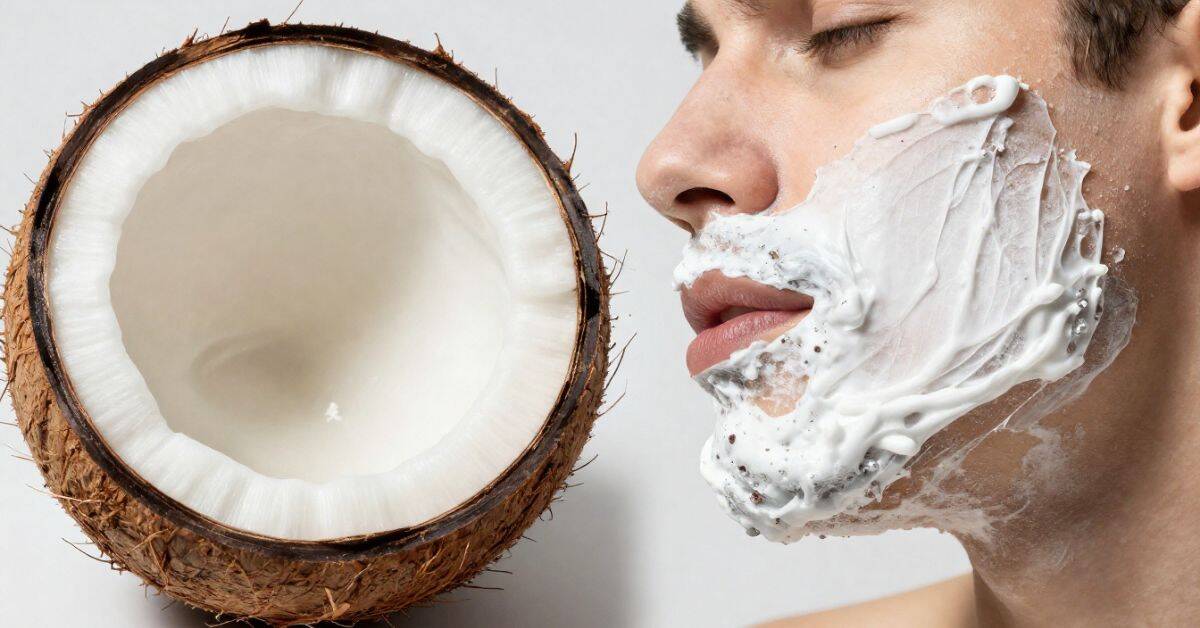
Shaving with coconut oil has become a popular grooming method for people who want a smoother shave without the heavy feel of many commercial products. It offers a simple, natural, and nourishing option that can help the razor move more easily across the skin. For many users, shaving with coconut oil feels more comfortable, especially when the skin becomes dry, tight, or irritated after regular shaving creams.
This method is not just about trends. It is about comfort, control, and a cleaner shaving experience. Many people are now choosing shaving with coconut oil because it can feel gentler on the skin and may help reduce the friction that often causes razor drag. That is one of the biggest reasons this approach keeps getting attention in modern grooming routines.
At the same time, coconut oil works differently from foamy shaving gels and thick creams. It creates a slippery surface, helps soften the hair, and gives you a clear view of the area you are shaving. That makes it useful for people who want more precision and less mess. Still, like any shaving method, it works best when you understand how to use it correctly.
Why Shaving With Coconut Oil Is Becoming a Popular Choice
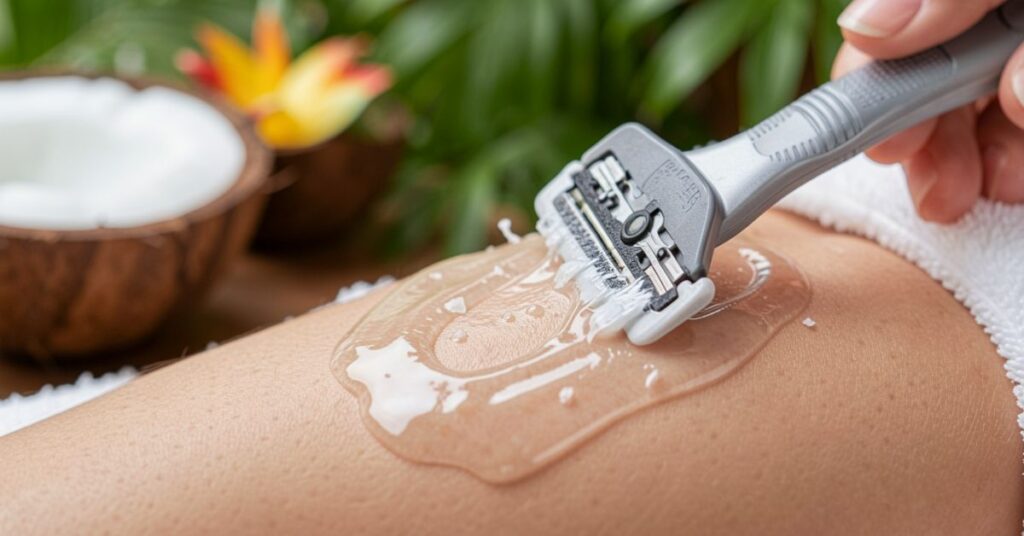
Shaving with coconut oil is growing in popularity because it fits a more natural and skin-conscious grooming style. People are becoming more aware of what they put on their skin, and many want products with fewer ingredients and a lighter feel. Coconut oil matches that need well. It is widely available, easy to use, and simple to add to a daily routine.
Another reason people are turning to shaving with coconut oil is comfort. Traditional shaving products can sometimes contain strong fragrances, foaming agents, or added chemicals that may not suit every skin type. Coconut oil offers a different experience. It feels smooth, spreads easily, and can make shaving feel less harsh. For those who shave often, this can make a noticeable difference in how the skin feels afterward.
It also appeals to people who want a multi-use product. Coconut oil is not only used for shaving. Many people already keep it in their home for hair care, skin care, and basic moisturizing. That makes it a practical option for a simple grooming routine. When one product can do more than one job, it often becomes a favorite.
How shaving with coconut oil helps create a smoother shave
Shaving with coconut oil may help the razor glide more smoothly because it forms a slippery layer over the skin. This can reduce the pulling sensation that often happens when the blade meets dry or rough skin. A smoother glide often means a more comfortable shave and less friction during each stroke.
Coconut oil can also help soften the surface of the skin and the hair before shaving. When hair feels softer, the razor may cut it more cleanly. That can make the whole process feel easier and may reduce the roughness that some people notice with standard shaving methods. The result is often a more polished finish with less effort.
Why people switch from traditional shaving creams
Many people switch from traditional shaving creams because they want a simpler, more natural option. Some shaving creams feel too heavy, while others leave behind residue that can clog pores or feel sticky on the skin. Coconut oil offers a lighter alternative that many users find more pleasant.
Another common reason is skin sensitivity. Some people react to fragrance, alcohol, or chemical additives in commercial shaving products. Coconut oil may feel more reassuring because it contains a single, familiar ingredient. While it is not perfect for everyone, it often appeals to people who want to reduce the number of products they use on their skin.
What makes coconut oil different from other shaving options
What sets coconut oil apart is its texture and versatility. It is rich enough to provide slip, but it also absorbs differently from many synthetic shaving products. That means it can leave skin feeling soft instead of coated. For some users, this creates a more natural post-shave feel.
It also gives you more control during shaving because it does not foam up like traditional creams. That clear application lets you see exactly where the razor is going, which can be especially useful when shaving detailed areas. In short, shaving with coconut oil offers a mix of comfort, simplicity, and skin care that many people find hard to ignore.
Top Benefits of Shaving With Coconut Oil for Skin and Comfort
Shaving with coconut oil offers several practical benefits for people who want a gentler and more comfortable grooming routine. One of the main reasons it stands out is its ability to reduce the dry, stripped feeling that some people get after shaving. Instead of leaving the skin tight and irritated, coconut oil can help the skin feel smoother and more cared for. That makes it appealing for daily shavers and for anyone with skin that reacts easily.
Another major benefit is the way it supports razor glide. When the blade moves more easily, the shave often feels less rough and more controlled. Less friction can also mean less tugging, which is one reason many people prefer this method over thicker or more drying shaving products. It creates a simpler shaving experience that feels clean and natural at the same time.
Shaving with coconut oil may also leave the skin feeling softer after the shave. This can make a difference for people who like that fresh, moisturized finish without adding too many extra products afterward. Because coconut oil has a naturally rich texture, it often gives the skin a more nourished feel right away. That soft finish is one of the reasons this method continues to grow in popularity.
For people with sensitive skin, coconut oil can seem like a useful option because it avoids some of the harsh qualities found in many commercial shaving creams. Fragrance-heavy formulas, alcohol-based products, and foamy additives can sometimes make skin feel uncomfortable. Coconut oil offers a simpler alternative that may feel kinder during and after shaving. It is not a guaranteed solution for every skin type, but for many users, it feels like a more skin-friendly choice.
How shaving with coconut oil may reduce dryness
Dryness is one of the most common problems people notice after shaving. The razor can remove not just hair, but also some of the natural surface oils that help the skin stay comfortable. Coconut oil may help by adding back a layer of moisture during the shave. This can make the skin feel less stripped and more balanced.
When the skin stays better lubricated, the after-shave feeling often improves too. Instead of a tight or itchy sensation, many users notice a softer and calmer result. That is especially helpful for people who shave often or have naturally dry skin. A small change in shaving product can sometimes make a big difference in overall comfort.
How coconut oil improves razor glide
Razor glide matters because it affects how smooth and controlled the shave feels. If the blade drags, the skin can become irritated more quickly. Coconut oil helps create a slick surface that lets the razor move more easily. This can make each stroke feel more even and less harsh.
Better glide can also improve confidence during shaving. When the razor feels smoother, it becomes easier to follow the natural shape of the face or body. That can help reduce uneven strokes and support a cleaner finish. Many people like this because it makes the shave feel more refined and less rushed.
Why it may leave skin feeling softer after shaving
Coconut oil is widely known for its rich, moisturizing texture. After shaving, that texture can leave the skin feeling softer than it might with a drying foam or gel. This softer finish often matters to people who want their skin to feel smooth immediately after grooming.
The soft feeling may also reduce the urge to apply multiple products afterward. For many users, a simple rinse and light post-shave care is enough. That makes the routine feel efficient while still delivering a pleasant result. It is one of the strongest reasons shaving with coconut oil has become a favorite natural option.
Can shaving with coconut oil support sensitive skin needs
Sensitive skin usually needs three things: less friction, fewer harsh ingredients, and more comfort during shaving. Coconut oil can help with the first two in many cases. It gives the blade a smoother path and avoids the heavy chemical feel that some commercial products create. That makes it attractive for people whose skin often gets red or irritated.
Still, sensitive skin can react differently from person to person. Some users love coconut oil, while others find that their skin does better with another product. That is why patch testing and careful use matter. Even so, for many people, shaving with coconut oil feels like a calmer and more skin-aware choice than traditional shaving formulas.
How to Do Shaving With Coconut Oil the Right Way

Shaving with coconut oil works best when you use it with the right technique. Even though coconut oil is simple to apply, the way you prepare your skin, spread the oil, and move the razor can change the final result a lot. A careful routine helps reduce friction, improve comfort, and give you a cleaner shave with less irritation.
The goal is not just to shave fast. The goal is to shave in a way that protects your skin while still giving you smooth results. That is why preparation matters just as much as the shaving itself. A few smart steps before and after shaving can make coconut oil perform much better.
Here is a simple table that shows the full process in a clear way:
| Step | What to Do | Why It Matters |
| Prepare your skin | Clean and soften the skin before shaving | Helps remove dirt and opens the way for a smoother shave |
| Apply coconut oil | Use a thin, even layer on the shaving area | Creates slip and reduces razor drag |
| Shave carefully | Use light pressure and short strokes | Lowers the chance of cuts and irritation |
| Rinse and finish | Wash off excess oil and moisturize if needed | Keeps the skin fresh, soft, and comfortable |
Prepare your skin before shaving
The first step in shaving with coconut oil is preparing the skin properly. Clean skin works better because it removes sweat, oil buildup, and surface dirt that can interfere with the razor. Warm water is especially useful because it helps soften the hair and makes the shave feel easier.
If possible, shave after a warm shower or after applying a warm towel for a few minutes. This small step can make a big difference. Softer hair is easier for the razor to cut, and well-prepared skin usually feels less irritated during the shave.
Apply coconut oil correctly for shaving
Coconut oil should be applied in a thin, even layer. You do not need a heavy amount for it to work. A little can go a long way because the oil spreads well over the skin. Too much oil can make the razor feel slippery in a messy way, while too little may not give enough glide.
Rub the oil between your hands first so it softens, then apply it directly to the shaving area. Make sure the skin is lightly coated but not overly greasy. This helps the razor move smoothly while still letting you see what you are shaving.
Use proper shaving technique for better results
Technique matters a lot when shaving with coconut oil. Use short, gentle strokes instead of pressing the razor hard into the skin. Heavy pressure can cause irritation, especially in sensitive areas. Let the blade do the work instead of forcing it.
It also helps to shave in the direction that feels most comfortable for your skin and hair type. If your skin is very sensitive, start with the grain rather than against it. Rinse the razor often so it stays clean and keeps moving smoothly across the skin.
Finish with post-shave skin care
After shaving, rinse the skin with lukewarm water to remove extra oil and any loose hairs. Then pat the skin dry with a soft towel instead of rubbing it. This helps reduce friction right after the shave.
You may also apply a light moisturizer if your skin feels dry. Even though coconut oil can leave the skin soft, post-shave care helps lock in comfort and keeps the skin looking healthy. A simple finishing step can improve the overall result of shaving with coconut oil.
The Best Shaving With Coconut Oil Routine for Better Results
A good shaving routine makes coconut oil work much better. The product itself is simple, but the way you use it can decide whether the shave feels smooth or uncomfortable. When you follow a proper routine, the skin stays calmer, the razor glides better, and the final result looks cleaner.
This routine works best when you focus on three stages: preparation, shaving, and aftercare. Each step supports the next one, so even small improvements can make a visible difference. For that reason, many people prefer to treat shaving as a full routine instead of a quick task.
Pre-shave exfoliation tips
- Gently exfoliate the skin before shaving to remove dead skin cells.
- Use a mild scrub or a soft washcloth to keep the skin smooth.
- Avoid harsh scrubbing because it can make the skin red or irritated.
- Exfoliation helps lift trapped hairs and can support a closer shave.
- It also helps coconut oil spread more evenly over the skin.
During-shave techniques that improve comfort
- Apply coconut oil in a thin, even layer before starting.
- Use a sharp razor so the blade cuts cleanly without extra pulling.
- Shave with light pressure instead of pressing hard into the skin.
- Work in short strokes for better control and fewer mistakes.
- Rinse the razor often so it keeps gliding smoothly.
- Avoid rushing, especially around delicate or curved areas.
- Reapply a small amount of coconut oil if the skin starts to feel dry during the shave.
Post-shave moisturizing for healthy-looking skin
- Rinse the skin with lukewarm water to remove extra oil.
- Pat the skin dry gently with a soft towel.
- Avoid rubbing the skin because it may increase sensitivity.
- Apply a light moisturizer if the area feels dry after shaving.
- Choose a calming product if your skin tends to react easily.
- Let the skin rest for a few minutes before applying perfume or strong products.
- Keep the aftercare simple so the skin stays soft and balanced.
Can You Use Shaving With Coconut Oil on Every Body Area?
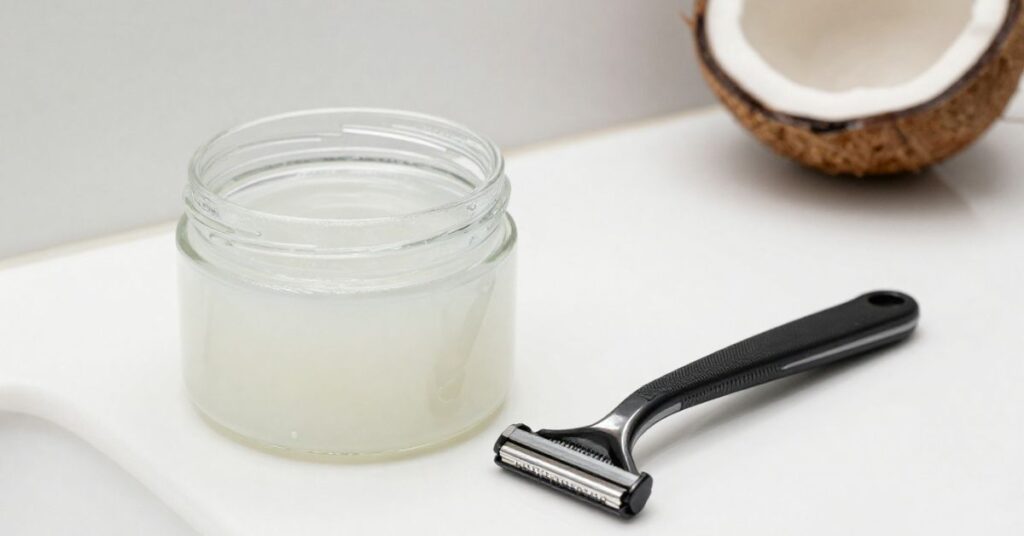
Shaving with coconut oil is flexible enough to use on different parts of the body, but each area responds differently. Hair thickness, skin sensitivity, moisture levels, and friction can all affect the experience. What works perfectly on the legs may not feel the same on the face or underarms.
One of the biggest advantages of shaving with coconut oil is that it gives a clear surface instead of creating thick foam. That can improve visibility and control. At the same time, some body areas need extra attention because they are more sensitive or more likely to become irritated.
Before using coconut oil on a new area, start with a small amount and observe how your skin reacts. The goal is comfort and smooth results rather than applying more product than needed.
Shaving legs with coconut oil
- Coconut oil works well on legs because it spreads easily across larger areas.
- It may help the razor move smoothly and reduce the dry feeling after shaving.
- Warm water before shaving can soften leg hair and improve results.
- Use long but gentle strokes instead of repeated passes.
- Rinse the blade often to avoid oil and hair buildup.
- Finish with light hydration if the skin feels tight afterward.
Leg shaving with coconut oil is often popular because the skin usually feels softer after the routine. Many people also like that the oil leaves a smooth finish without needing multiple products.
Shaving underarms with coconut oil
- Underarm skin is thinner and more sensitive than many other areas.
- Apply only a light layer of coconut oil to avoid excess buildup.
- Use slow, controlled strokes because hair grows in different directions.
- Avoid shaving immediately after heavy sweating or irritation.
- Clean the area well after shaving to prevent residue.
Underarms may need more patience than other areas. A gentle approach often creates better comfort and helps reduce post-shave discomfort.
Shaving the face with coconut oil
- Coconut oil can provide a smooth shaving surface for facial hair.
- Use a small amount to maintain visibility while shaving.
- Shave carefully around detailed areas for better control.
- Use a clean and sharp razor for the best experience.
- Rinse thoroughly after shaving to remove extra oil.
People often ask: Can I use coconut oil to shave my face woman? The answer depends on individual skin preference. Some women use coconut oil for facial shaving because they like the smoother feel and visibility, while others prefer lighter shaving products if their skin becomes congested easily.
Areas that may need extra care
- Pubic areas may require extra caution because the skin is more delicate.
- Test a small section first before full use.
- Use fresh blades to reduce unnecessary friction.
- Avoid shaving over broken, irritated, or inflamed skin.
- Stop if you notice discomfort or unusual sensitivity.
Questions such as is coconut oil good for shaving pubic area, is coconut oil good for after shaving pubic area, and how to use coconut oil to shave pubic hair are common because this area needs more care than others. A lighter application, careful shaving technique, and gentle aftercare usually work better than aggressive shaving.
Shaving with coconut oil can work across multiple body areas, but adjusting your routine based on skin needs often gives the best results.
Read More:https://pureoilshub.com/coconut-oil-for-newborn-hair/
Best Products and Cream Options for Shaving With Coconut Oil
Choosing the right product can make shaving with coconut oil feel smoother, cleaner, and more comfortable. Some people prefer pure coconut oil because it keeps the routine simple, while others like blended shaving creams that combine coconut oil with ingredients designed for extra glide and easy rinsing.
The best choice depends on your skin type, shaving frequency, and personal comfort. A lightweight option may work better for oily skin, while richer formulas can feel more comfortable for dry areas. Instead of choosing the thickest product, focus on balance, clean application, and how your skin feels after shaving.
The table below can help you compare common options before deciding.
| Product Type | Best For | Texture | Main Advantage | Things to Consider |
| Pure Coconut Oil | Simple natural routines | Rich and smooth | Excellent glide and soft finish | May feel heavy for some skin types |
| Coconut Oil Shaving Cream | Regular shaving | Creamy and balanced | Easier application and cleanup | Ingredient quality varies |
| Coconut Oil + Aloe Formula | Sensitive skin | Light and calming | More comfortable feel | Check added ingredients |
| Coconut Oil Shaving Butter | Dry skin | Thick and nourishing | Extra softness after shaving | May require thorough rinsing |
| Whipped Coconut Blend | Luxury shaving routine | Airy and smooth | Spreads easily | Can cost more |
How to choose coconut oil shaving products
When selecting a shaving product, look at more than the label. A product that works well should create enough slip for the razor while still feeling comfortable after rinsing.
Consider these points:
| What to Check | Why It Matters |
| Ingredient list | Fewer unnecessary additives may feel gentler |
| Texture | Choose light or rich depending on skin preference |
| Fragrance level | Lower fragrance may feel better for sensitive users |
| Wash-off ability | Easier cleanup creates a better routine |
| Skin finish | Avoid products that leave heavy residue |
If you are searching for the best coconut oil for shaving, start with a product that feels smooth but not excessively greasy.
Store-bought coconut oil shaving cream options
Store-bought coconut oil shaving products can save time and create a more consistent experience. These products often combine coconut oil with ingredients that improve spreadability and reduce cleanup after shaving.
Common features people usually look for include:
| Feature | Benefit |
| Lightweight consistency | Easier razor movement |
| Added hydration | Helps skin feel softer |
| Easy rinse formula | Faster cleanup |
| Smooth application | More even shaving experience |
Store-bought options can be useful for people who want convenience without making homemade blends.
Oil vs shaving cream comparison
People often compare pure coconut oil with traditional shaving creams because both create different shaving experiences.
| Comparison Point | Coconut Oil | Traditional Shaving Cream |
| Visibility while shaving | High | Lower due to foam |
| Skin feel after shaving | Softer and richer | Depends on formula |
| Cleanup | Moderate | Usually easier |
| Moisture support | Higher | Varies |
| Product simplicity | Very simple | Often multi-ingredient |
There is no universal winner. Some people enjoy the natural feel and simplicity of shaving with coconut oil, while others prefer the quick rinse and familiar texture of shaving creams. The best approach is the one that matches your skin and daily routine.
Homemade Recipes for Shaving With Coconut Oil
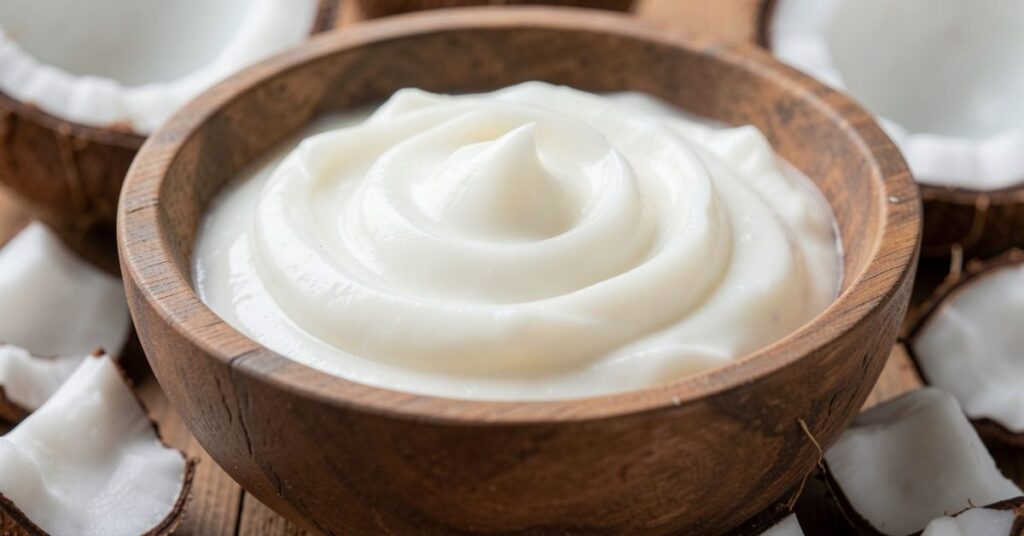
Homemade shaving products have become popular because they give more control over ingredients and texture. Instead of relying on heavily processed formulas, many people enjoy creating simple blends at home that feel smoother and more personalized. Shaving with coconut oil fits perfectly into this approach because it mixes easily with other skin-friendly ingredients.
Another reason people choose homemade shaving recipes is flexibility. You can make a lighter formula for daily shaving or create a richer blend for dry skin. The goal is not to make complicated products. The goal is to build a shaving routine that feels comfortable, easy to use, and enjoyable.
Below are simple recipes that can support a smoother shaving experience.
Easy coconut oil shaving cream recipe
This recipe works well for people who want a basic and beginner-friendly option.
Ingredients
- 4 tablespoons coconut oil
- 2 tablespoons aloe vera gel
- 1 tablespoon light carrier oil
- Optional: 2–3 drops skin-friendly fragrance oil
How to make it
- Place the coconut oil in a bowl.
- Mix until soft and smooth.
- Add aloe vera slowly while stirring.
- Blend until the texture becomes creamy.
- Store in a clean container.
How to use
- Wet the skin with warm water.
- Apply a thin layer.
- Shave with slow and gentle strokes.
- Rinse and finish with light skin care.
This recipe creates a smoother texture than using oil alone and can feel easier to spread.
Shea butter and coconut oil shaving blend
If you prefer a richer texture and more moisture, this blend creates a thicker shaving cream feel.
Ingredients
- 3 tablespoons coconut oil
- 2 tablespoons shea butter
- 1 tablespoon lightweight oil
- Optional: a few drops of mild essential fragrance
How to make it
- Melt the shea butter gently.
- Mix with coconut oil until combined.
- Let the mixture cool slightly.
- Whip until soft and fluffy.
- Transfer to a sealed container.
Why people like this blend
- Creates a richer shaving layer
- Helps improve razor movement
- Leaves skin feeling smoother afterward
- Feels more luxurious than oil alone
This option is often chosen for larger shaving areas because it spreads evenly.
Light tropical coconut shaving recipe
For people who want a lighter shaving experience, this tropical-style blend feels less heavy while keeping the smooth texture of coconut oil.
Ingredients
- 3 tablespoons coconut oil
- 2 tablespoons lightweight gel moisturizer
- 1 tablespoon aloe vera
- Optional: a few drops of natural coconut fragrance
How to make it
- Blend all ingredients until smooth.
- Keep the texture soft and airy.
- Store in a dry container.
Best way to use
- Apply a thin layer only.
- Use a clean razor.
- Rinse the blade frequently.
- Wash the skin after shaving.
Quick comparison of homemade recipes
| Recipe | Texture | Best For | Finish |
| Easy Coconut Shaving Cream | Creamy | Everyday shaving | Smooth |
| Shea Butter Blend | Rich | Dry skin | Extra soft |
| Light Tropical Blend | Lightweight | Quick routines | Fresh |
Homemade shaving with coconut oil gives you flexibility and control. Start with a small batch first, then adjust the texture until it fits your shaving routine.
Precautions and Side Effects of Shaving With Coconut Oil
Shaving with coconut oil can feel smooth and comfortable, but it is still important to use it carefully. Every skin type reacts differently, and even natural products do not work the same for everyone. A good shaving experience depends on more than the product itself. Skin condition, shaving technique, and product amount all play a role.
Many people enjoy the softer feel that coconut oil leaves behind, but using too much or applying it on skin that does not respond well may lead to discomfort. That is why understanding precautions before making it part of your routine can help you get better results.
The safest approach is to start slowly, observe how your skin responds, and adjust the routine when needed.
Who should avoid shaving with coconut oil
Not every skin type enjoys rich oil-based products. Some people may prefer lighter shaving alternatives.
Consider extra caution if:
- Your skin feels congested easily after rich products.
- You often experience blocked pores after shaving.
- You prefer fast-rinse grooming products.
- Your skin reacts strongly to oils or heavy moisturizers.
- You already have irritation, cuts, or damaged skin in the shaving area.
People with very oily skin may also prefer testing a smaller area first before applying coconut oil widely.
You may want to choose another shaving option if:
| Situation | Better Approach |
| Skin feels oily after shaving | Try lighter shaving formulas |
| Frequent irritation | Use gentle and minimal routines |
| Product buildup discomfort | Apply less product |
| Uneven shaving results | Adjust shaving technique |
Signs of irritation or sensitivity
Most shaving discomfort appears shortly after shaving or within several hours. Paying attention to small changes can help prevent bigger problems later.
Watch for these signs:
- Unusual redness that lasts longer than expected
- Burning or stinging feeling
- Persistent itchiness
- Increased skin sensitivity
- Rough or uncomfortable texture
- Excessive dryness after shaving
- Small areas of visible irritation
If you notice these effects repeatedly, stop using the routine for a period and evaluate whether the amount of oil or shaving method should change.
A simple adjustment sometimes improves comfort more than changing products completely.
How to patch test before use
Patch testing is one of the easiest ways to reduce surprises.
Follow these simple steps:
Start by thoroughly cleaning a small area of your skin to remove dirt and oil.
Apply a small amount of coconut oil gently over the cleaned area.
Allow the oil to stay on your skin for a full day without shaving.
After that, carefully observe the area for any signs of irritation or unusual reaction.
If your skin feels normal, perform a small test shave on that area.
Simple patch test guide
| Step | Action | Purpose |
| 1 | Clean skin | Remove outside factors |
| 2 | Apply small amount | Limit exposure |
| 3 | Wait | Observe skin response |
| 4 | Check comfort | Identify sensitivity |
| 5 | Begin shaving test | Confirm suitability |
Using a patch test takes little time but can help create a safer and more comfortable shaving experience.
Alternatives to Shaving With Coconut Oil for Different Skin Types

Shaving with coconut oil works well for many people, but it is not the only option available. Different skin types react differently to oils, creams, and gels. Some people prefer lighter textures, while others need extra hydration or fragrance-free formulas. That is why exploring alternatives can help you find a shaving method that feels more balanced and comfortable for your skin.
The main goal is always the same: reduce friction, protect the skin, and create a smooth shaving experience. If coconut oil feels too heavy or does not suit your skin, you can switch to other natural or commercial options without losing shaving quality.
Natural alternatives to coconut oil
Natural shaving alternatives are often chosen by people who want a gentle and simple routine without heavy chemicals or strong fragrances.
- Aloe vera gel helps create a light, cooling layer that feels soothing on the skin. It is especially useful for sensitive skin and reduces the feeling of heat after shaving.
- Olive oil provides good lubrication and a smooth glide, similar to coconut oil but with a slightly lighter texture for some users.
- Shea butter-based blends offer deep moisture and are ideal for dry skin that needs extra softness after shaving.
- Jojoba oil closely matches the skin’s natural oils, making it a good option for people who want a balanced, non-heavy feel.
These alternatives work best when used in a thin layer and combined with proper shaving technique.
Options for allergy-prone skin
If your skin reacts easily, it is important to choose shaving products that are minimal, fragrance-free, and lightweight.
- Use fragrance-free shaving gels to reduce irritation risk.
- Choose hypoallergenic shaving creams designed for sensitive skin.
- Try water-based lubricants that rinse off easily and do not leave residue.
- Avoid heavily scented oils or multi-ingredient blends that may trigger reactions.
People with allergy-prone skin should always test a small area before full use. Even natural products can sometimes cause unexpected sensitivity.
Choosing the right shaving solution
Finding the right shaving option depends on your skin type, hair thickness, and comfort level. Coconut oil may work well for some, but not for everyone. The best solution is the one that gives you a smooth shave without irritation or discomfort.
Here is a simple comparison to help guide your choice:
| Skin Type | Best Option | Why It Works |
| Dry skin | Coconut oil or shea butter blends | Extra moisture and softness |
| Oily skin | Aloe vera or light gel | Lightweight and non-greasy |
| Sensitive skin | Fragrance-free gel | Reduces irritation risk |
| Normal skin | Coconut oil or jojoba oil | Balanced performance |
Choosing the right option is about comfort, not trend. If shaving with coconut oil feels too heavy, switching to a lighter alternative can improve both the shaving experience and skin health.
Other Smart Ways to Use Coconut Oil Beyond Shaving
Coconut oil is not limited to shaving only. It is a multi-purpose natural product that fits easily into daily skincare and grooming routines. Many people keep it at home because it can replace several beauty products at once. After using it for shaving, you may also find it useful in other areas of personal care.
The main advantage of coconut oil is its simplicity. It spreads easily, feels smooth on the skin, and can be used in small amounts for different purposes. That makes it a practical choice for people who prefer minimal skincare routines.
Using coconut oil as a makeup remover
Coconut oil can work as a gentle makeup remover, especially for removing light to medium makeup.
- Apply a small amount on dry skin.
- Gently massage to break down makeup.
- Wipe with a soft cloth or cotton pad.
- Rinse with lukewarm water afterward.
It helps dissolve makeup without harsh rubbing. However, it should be used carefully around the eyes and always cleaned properly to avoid residue buildup.
Using coconut oil for hair conditioning
Coconut oil is widely used in hair care because of its moisturizing properties.
- Apply a small amount to dry or damp hair.
- Focus on the ends for better hydration.
- Leave it for a short period or overnight for deep conditioning.
- Wash it out with mild shampoo.
This method helps reduce dryness and can improve hair softness over time when used regularly but in moderation.
Using coconut oil for dry skin care
Coconut oil is also effective for general dry skin care, especially in areas like elbows, heels, and hands.
- Apply a thin layer to dry areas after bathing.
- Massage gently until absorbed.
- Use daily for better softness.
- Combine with a moisturizer if needed for extra hydration.
It helps lock in moisture and gives the skin a smoother appearance, especially in dry weather conditions.
Quick uses of coconut oil beyond shaving
- Makeup removal for light cosmetics
- Hair conditioning treatment
- Moisturizer for dry body areas
- Lip softening balm
- Cuticle care for nails
Coconut oil becomes more useful when you include it in multiple parts of your routine. This makes it a cost-effective and simple skincare option.
Is Shaving With Coconut Oil an Eco-Friendly Choice?
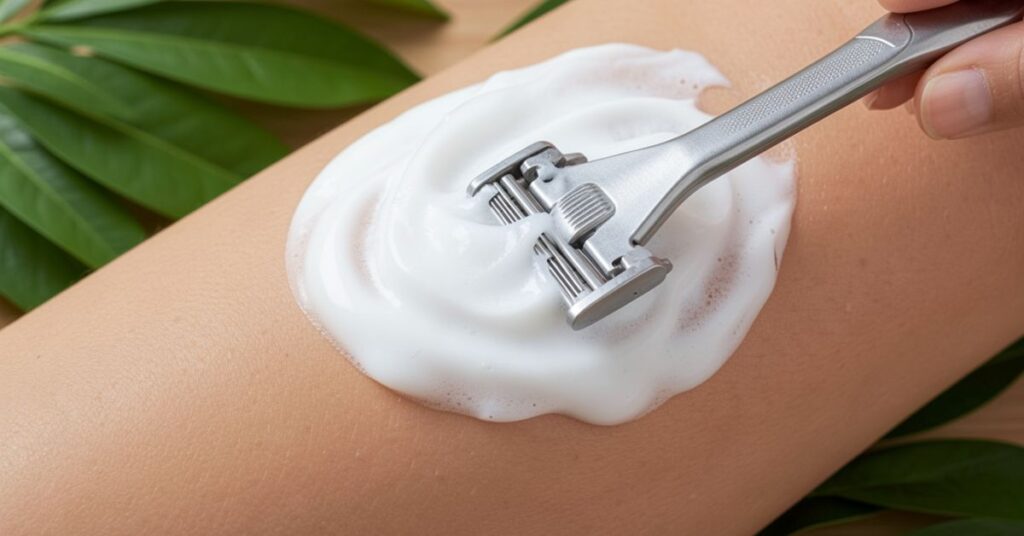
Shaving with coconut oil is often seen as a more natural and minimal approach to personal care, and that naturally raises the question of environmental impact. In many cases, it can be considered more eco-friendly than traditional shaving routines, especially when it replaces heavily packaged shaving foams, gels, and disposable plastic-heavy products.
However, eco-friendliness depends not only on the oil itself but also on how it is sourced, packaged, and used. A mindful routine can make a noticeable difference in reducing waste and simplifying grooming habits.
How coconut oil fits a simpler grooming routine
- Coconut oil can replace multiple shaving products in one step
- It reduces the need for shaving foam, pre-shave oils, and moisturizers
- It supports a minimalist skincare routine with fewer products
- It is easy to store and use without complex packaging or tools
- It can be applied in small amounts, reducing product waste
A simpler routine usually means fewer products being purchased and discarded, which naturally supports a lower environmental footprint over time.
Comparing waste between shaving products
| Shaving Option | Packaging Type | Waste Level | Environmental Impact |
| Coconut oil (jar/bottle) | Reusable glass/plastic jar | Low to moderate | Lower if reused responsibly |
| Foam shaving cans | Pressurized metal cans | High | Difficult to recycle fully |
| Disposable razors + gel | Plastic-heavy packaging | High | More frequent waste generation |
| Cartridge systems | Plastic cartridges | Moderate to high | Ongoing plastic waste |
From a waste perspective, shaving with coconut oil can reduce dependency on single-use shaving products. However, the environmental benefit increases when coconut oil is purchased in larger, responsibly packaged containers.
Tips for creating a cleaner shaving routine
- Choose coconut oil in recyclable or reusable packaging
- Avoid overusing product to reduce waste
- Pair coconut oil with a reusable razor instead of disposable ones
- Store oil properly to extend its lifespan
- Reuse small containers instead of frequently buying new ones
A clean shaving routine is not only about skin care it is also about reducing unnecessary consumption. Small changes in product choice and usage habits can make a meaningful environmental difference over time.
Final Verdict: Is Shaving With Coconut Oil Worth Trying?
Shaving with coconut oil has become a popular choice for people who want a simpler, smoother, and more natural shaving experience. It offers a different approach compared to traditional shaving creams, focusing more on skin comfort, glide, and moisture rather than foam and fragrance.
For many users, it feels like a refreshing switch because it removes unnecessary complexity from the shaving routine. At the same time, it still delivers a smooth finish when used correctly. However, like any grooming method, its effectiveness depends on your skin type, technique, and personal preference.
Main benefits to remember
- Provides a smooth razor glide with reduced friction
- May help reduce dryness and tightness after shaving
- Leaves skin feeling soft and moisturized
- Works as a multi-use natural grooming product
- Supports a simple and minimal shaving routine
- Can be used on different body areas with care
These benefits make shaving with coconut oil especially appealing for people who prefer natural skincare and want to avoid heavy, chemical-based shaving products.
Who may enjoy this shaving method most
- People with dry skin who need extra moisture
- Users looking for a natural shaving alternative
- Those who prefer simple, multi-purpose products
- Individuals who want a smoother post-shave feel
- People comfortable with oil-based skincare routines
On the other hand, those with very oily or acne-prone skin may need to test it carefully before making it a regular habit, as heavier oils may not suit everyone equally.
Key takeaways before you start
- Always apply coconut oil in a thin, controlled layer
- Use a sharp razor for the best shaving results
- Do not rush—gentle strokes work better than pressure
- Clean the skin properly after shaving to avoid buildup
- Patch test first if you have sensitive or reactive skin
Shaving with coconut oil is not just a trend it is a practical grooming option that combines simplicity with comfort. When used correctly, it can improve the shaving experience and leave the skin feeling smoother and more nourished.
FAQs :
Is shaving with coconut oil safe for daily use?
Yes, shaving with coconut oil can be safe for daily use if your skin tolerates it well. It provides a smooth surface for the razor and helps reduce dryness. However, people with oily or acne-prone skin should monitor their skin response because heavy oils may not suit everyone for frequent use.
Is coconut oil good for after shaving pubic area?
Coconut oil may help moisturize and soothe the skin after shaving the pubic area because it has a rich, nourishing texture. However, this area is very sensitive, so it is important to use a small amount and ensure the skin does not react negatively. If irritation occurs, stop use immediately.
How to use coconut oil to shave pubic hair safely?
Use a thin layer of coconut oil on clean, damp skin. Shave slowly using a sharp razor and short strokes. Avoid pressing too hard. After shaving, rinse the area with lukewarm water and gently pat dry. Always test a small area first to check skin sensitivity.
Can I use coconut oil to shave my face woman?
Yes, some women use coconut oil for facial shaving because it gives a smooth glide and clear visibility. However, facial skin can be more prone to clogged pores, so it is important to use a very light amount and cleanse the skin thoroughly afterward.
Can I use coconut oil to shave my legs?
Yes, coconut oil works well for shaving legs because it spreads easily and helps the razor glide smoothly. It can also leave the skin feeling soft and moisturized after shaving, especially when used in a thin, even layer.
What are the main shaving with coconut oil benefits?
The main benefits include smoother razor glide, reduced dryness, softer skin after shaving, and a more natural shaving routine. It is also simple to use and can replace multiple shaving products in some routines.
Is coconut oil good for shaving pubic area?
It can be used by some people, but it depends on skin sensitivity. Coconut oil provides moisture and lubrication, but the pubic area is highly sensitive, so careful application, patch testing, and hygiene are very important.
What is the best coconut oil for shaving?
The best coconut oil for shaving is usually pure, organic, and cold-pressed coconut oil. It should be free from added chemicals or strong fragrances to reduce the risk of irritation and ensure a smoother shaving experience.